Newborn room decoration comes down to four decisions that most parents make last — and should make first. I’ve seen beautiful cribs marooned in beige voids, smart storage hidden behind chaotic clutter, and pastel walls that somehow still felt anxious. The room doesn’t need to be expensive. It needs to be thought through. Start with these four layers and the rest falls into place fast.
You’ll notice the difference immediately when each zone does one job well. A wall with intention. Furniture that converts instead of crowds. A color temperature your baby can actually sleep in. Storage that makes 2 a.m. retrievals silent and stress-free. Get all four working and the room stops being a project — it becomes a place.
Quick Scan
- Wall art placement drives visual stimulation — position pieces 18–24 inches from the crib mattress level
- Convertible cribs (IKEA Sundvik, $199; DaVinci Kalani, $299) pay back within 18 months
- Pastel walls register differently under warm vs cool bulbs — always test paint with a 2700K lamp lit
- Under-crib drawers and floating shelves cut floor clutter by roughly 60% without adding square footage
- Baby girl welcome decoration benefits from a layered blush-and-ivory entry moment, not just balloons
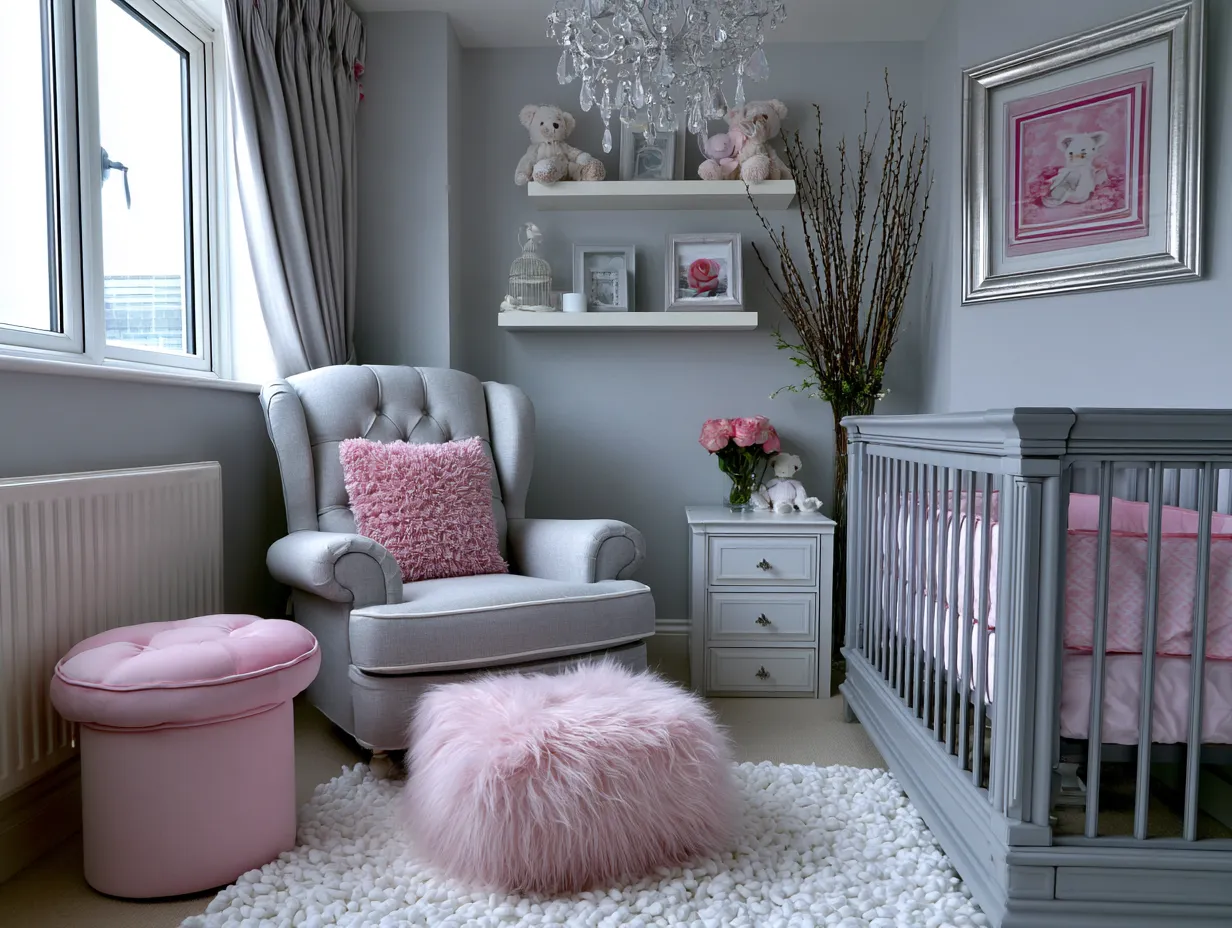
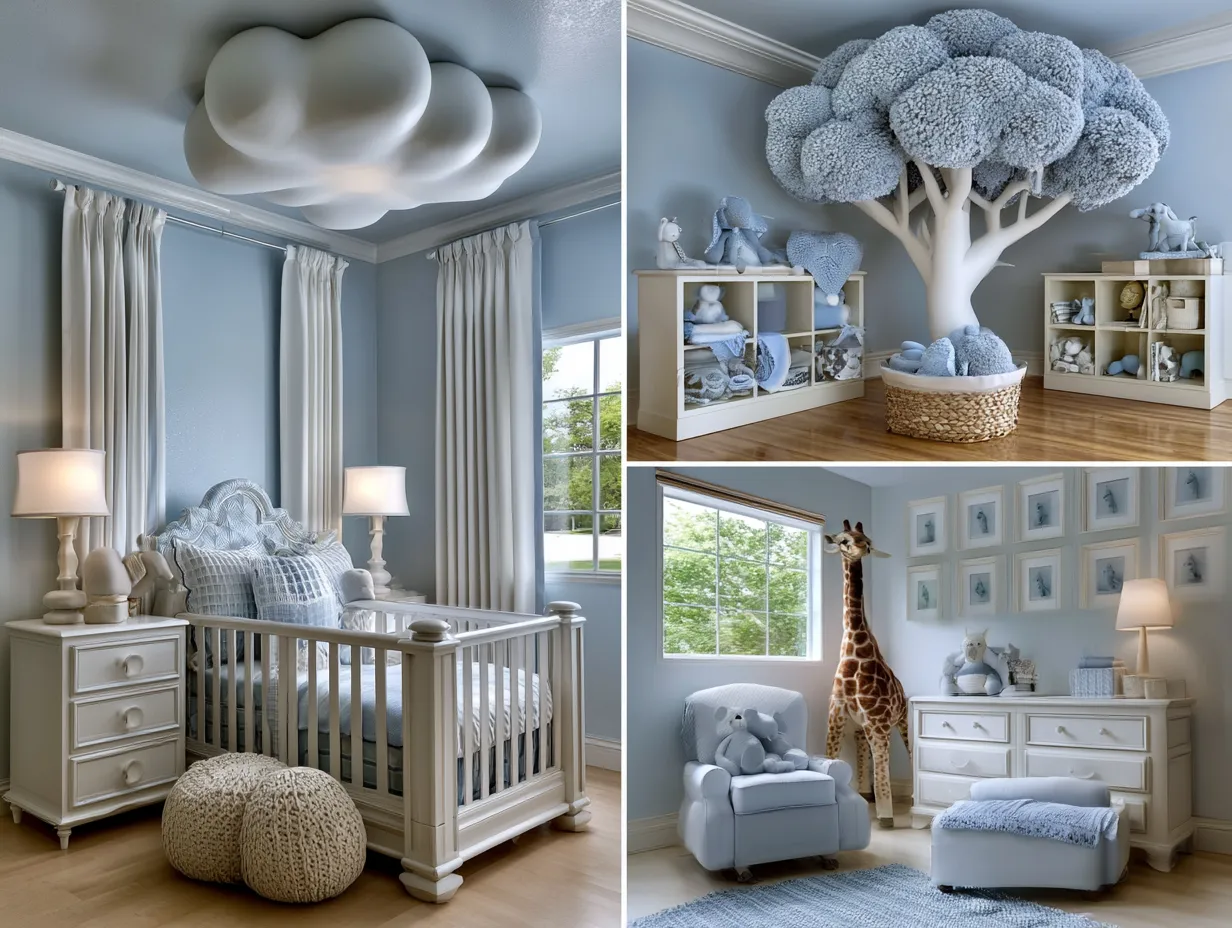
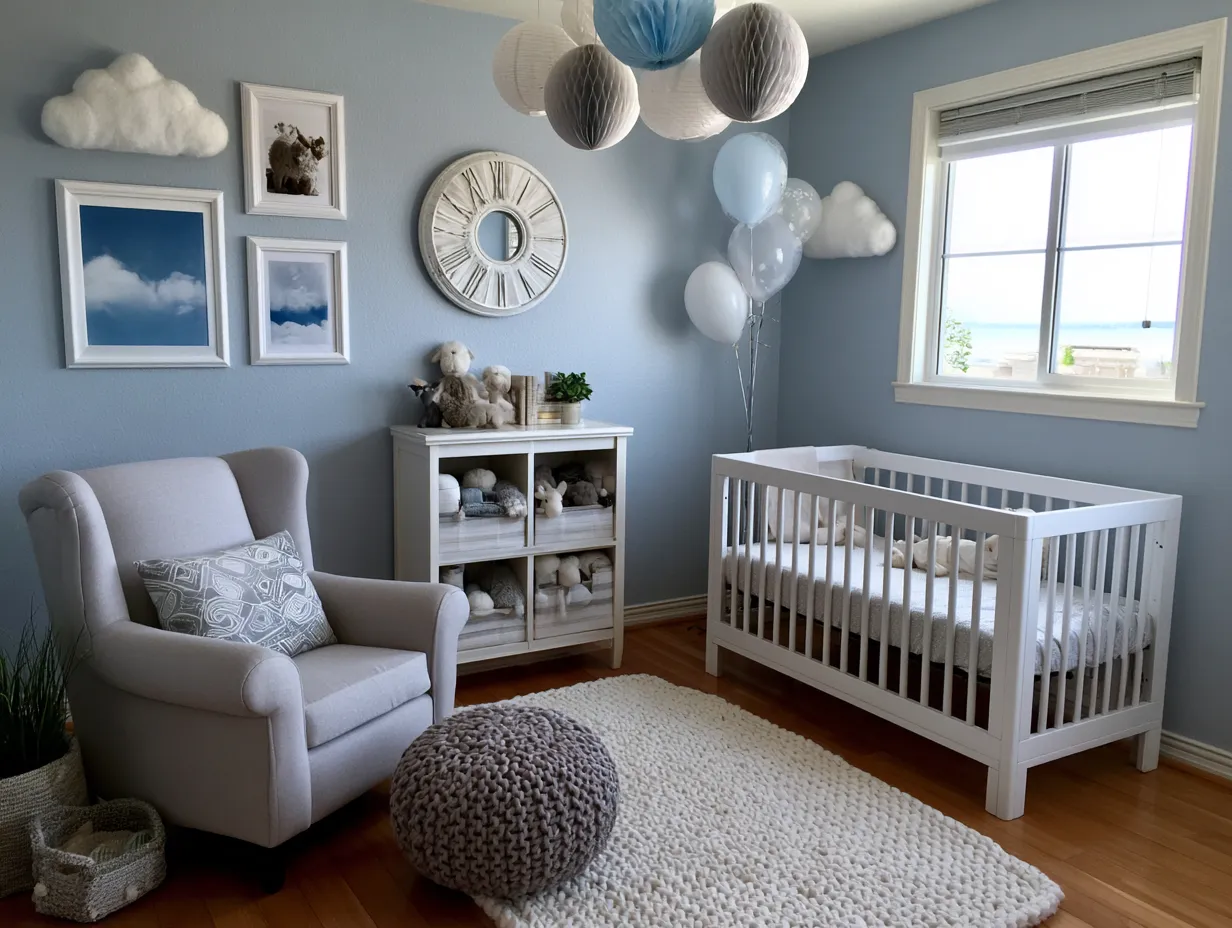
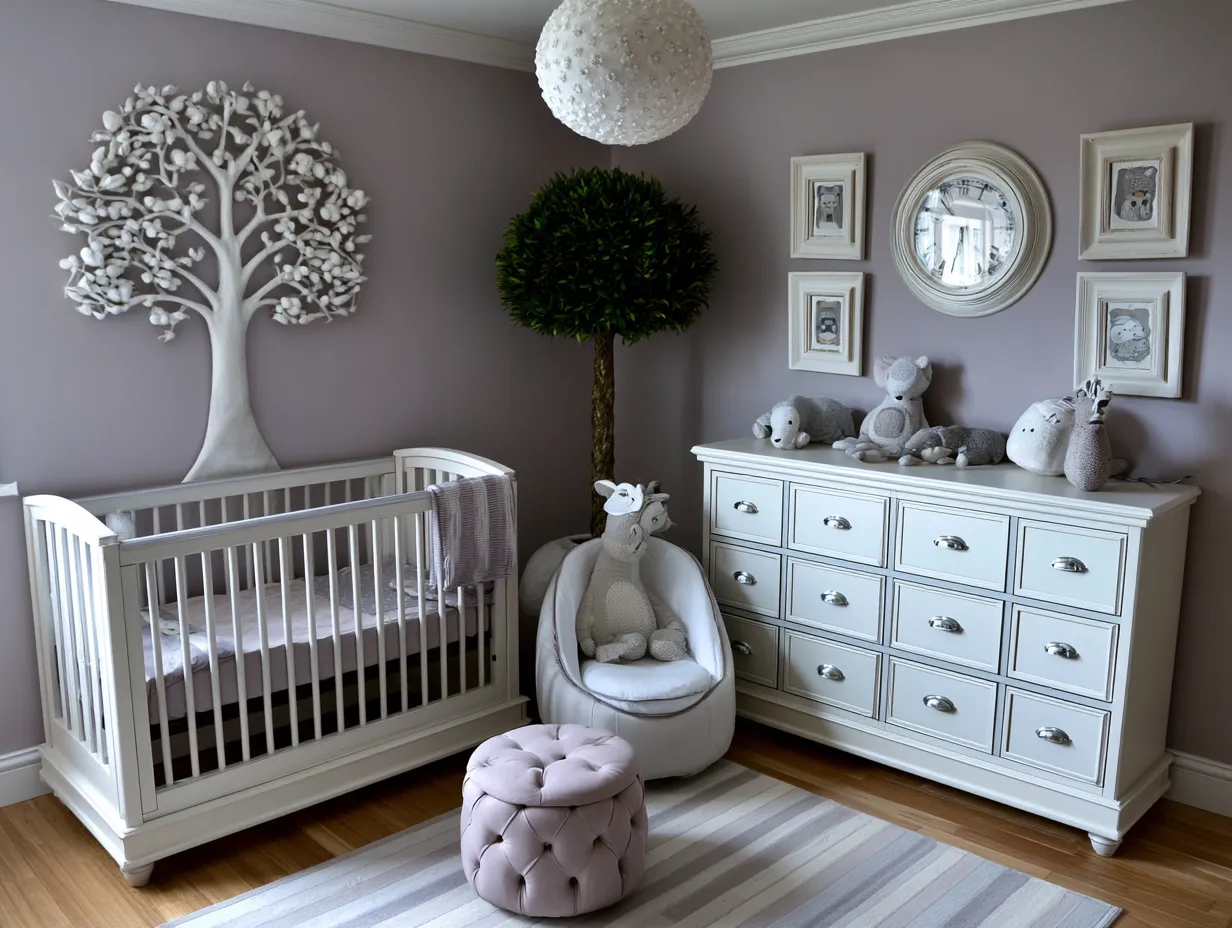
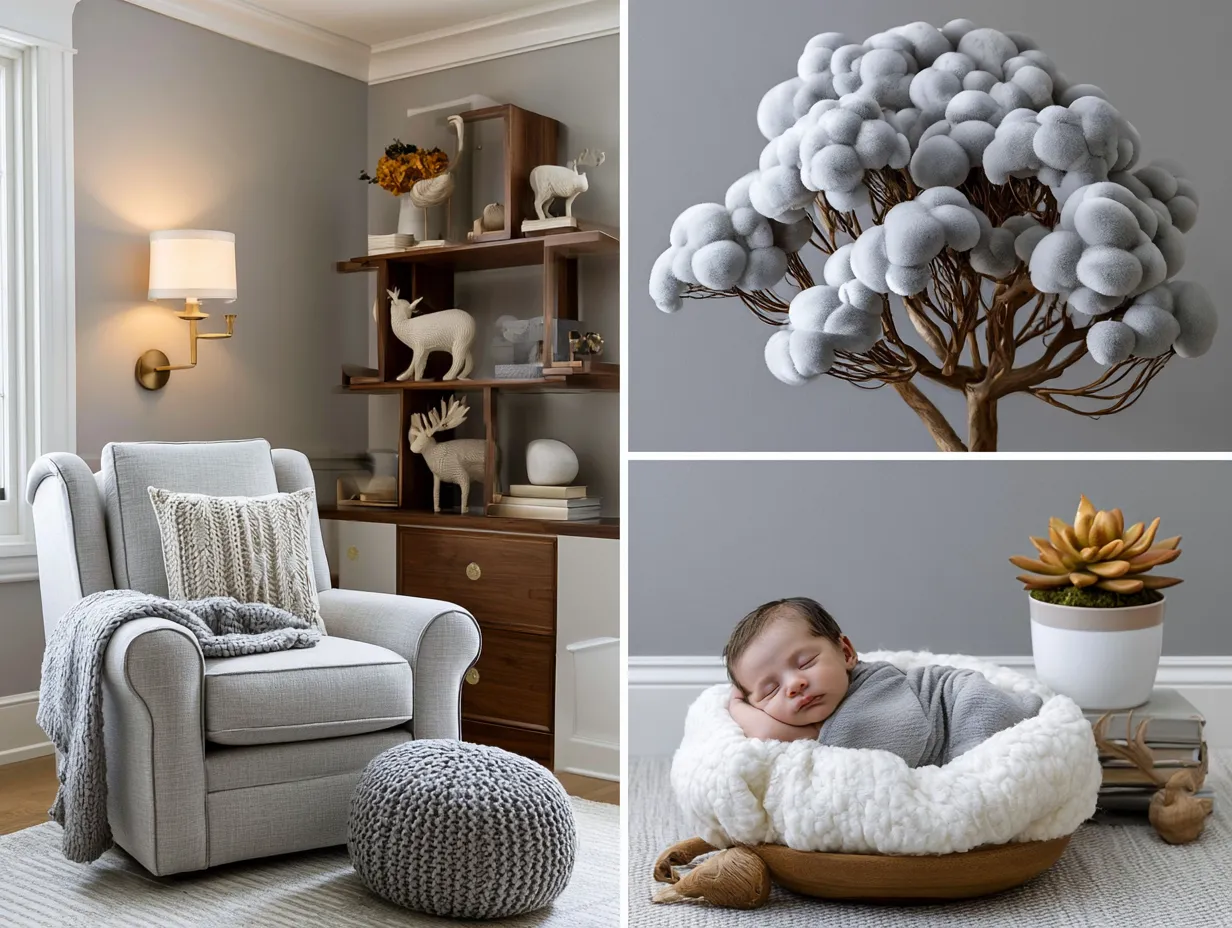
Whimsical Wall Art Placed 18 Inches from the Crib Changes Everything
Most parents hang art at adult eye level. Newborns can’t see past 12–18 inches, which means the gallery wall you spent Saturday arranging is invisible to the person it’s meant for. My go-to fix: drop one anchor piece — a moon, a forest animal, a cluster of felt stars — to crib-mattress height, within the baby’s sightline. The room feels intentional instantly, and your baby actually gets something to look at during those ceiling-staring hours.
Fairytale and celestial themes stay relevant the longest. Stars and crescent moons read as calm and gender-neutral; forest animals give the room a story without locking you into pink or blue. I stole this trick from a doula I worked with: pair one high-contrast black-and-white print near the crib with softer watercolor pieces higher on the wall. Newborns track contrast first. The softer pieces come into focus over the following months. Two levels, two developmental phases, zero redecorating.
Glow-in-the-dark decals are genuinely underrated. Meri Meri sells a constellation set for around $18 that transforms the ceiling into a soft planetarium after lights out. You’ll notice the room shifts from “day nursery” to “sleeping space” the moment those lights fade on. That transition matters more than any color on the wall.


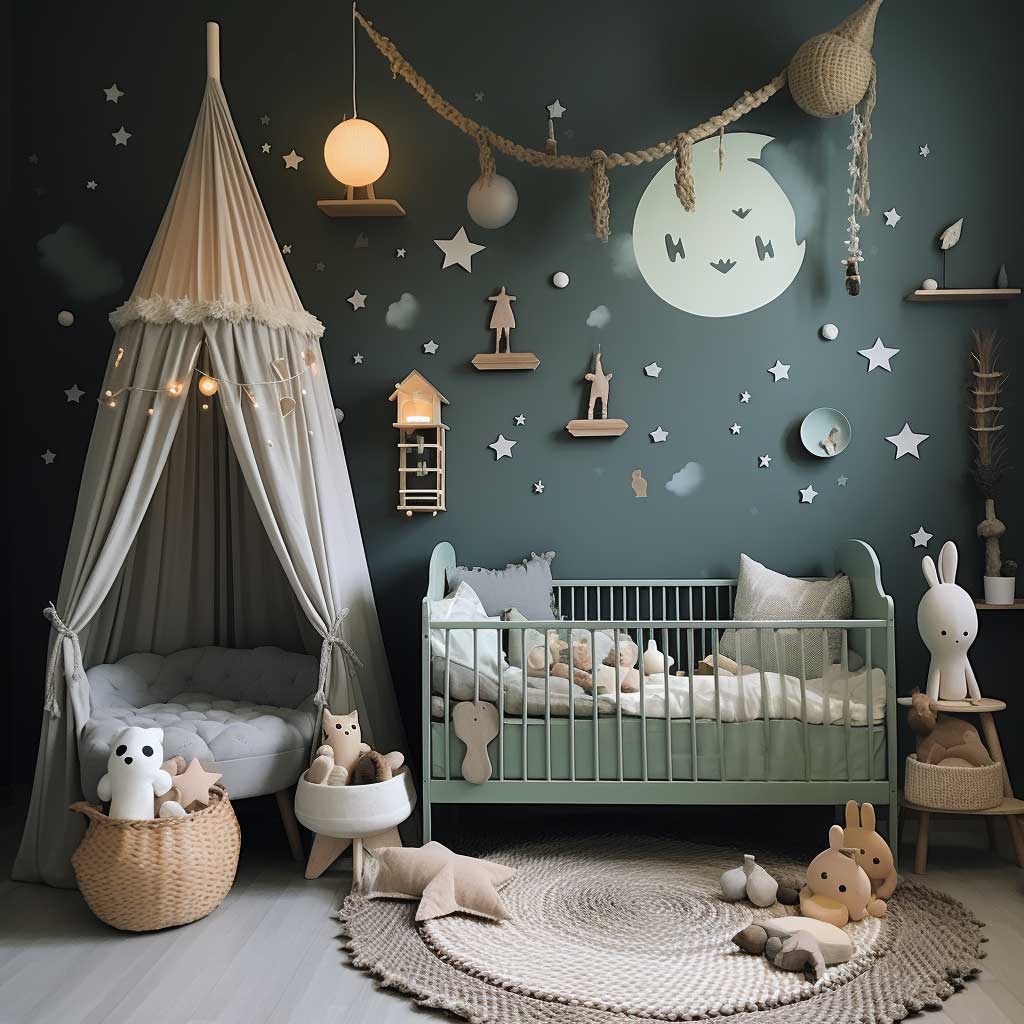
Skip oversized canvas sets that come pre-matched — they look like a hotel room, not a nursery. Three mismatched frames at slightly different heights and sizes read more like a real room someone actually lives in. Etsy sellers like ByMamaBoutique offer individual watercolor animal prints starting at $6 a piece, so you can build the grouping slowly without buying a bundle that ages in three years.
One caution: avoid busy, high-pattern wallpaper panels directly behind the crib. I tried a maximalist tropical print behind the sleeping zone in a room I consulted on and the parents reported the baby was noticeably harder to settle. Overstimulation at rest time is a real thing. Keep the crib wall quieter and let the statement happen on the wall the baby faces during wake windows.
For newborn room decoration that grows with the child, prioritize frames over adhesive canvas prints — swapping art inside a frame costs under $5 and takes four minutes. Adhesive canvas mounts leave residue and usually come down in chunks.


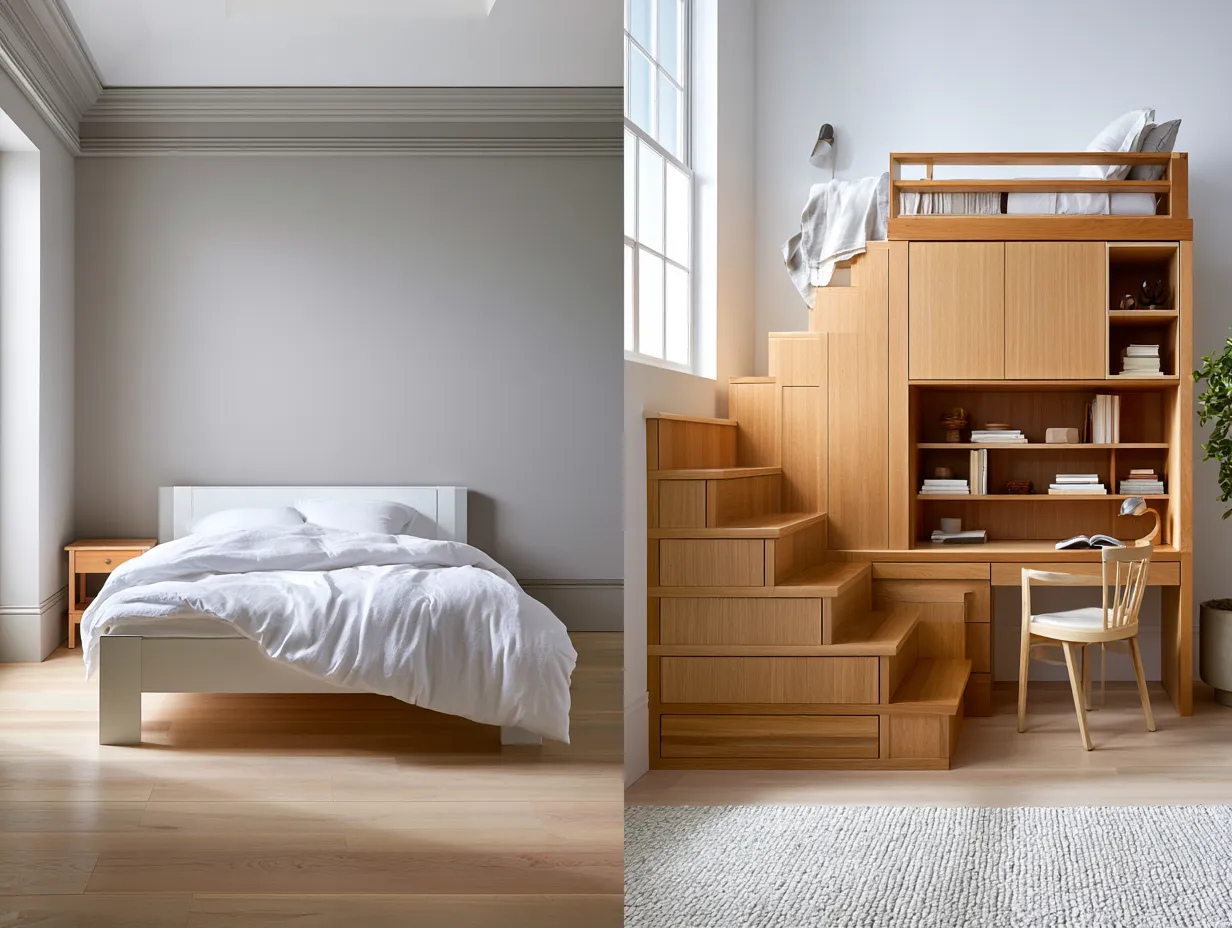
Modern Nursery Furniture Earns Its Cost by Converting, Not Just Decorating
The IKEA Sundvik crib costs $199 and converts to a toddler bed. The DaVinci Kalani 4-in-1 runs $299 and becomes a daybed, then a full-size headboard. Both beat $150 cribs that are landfill-bound at 18 months. Convertible furniture is the only modern baby room design decision I’ve never seen anyone regret. Everything else — the matching dresser set, the themed bookshelf — can wait. The crib is day-one infrastructure.


Changing tables are the most overlooked piece in the room. The Babyletto Lolly Changer Dresser ($449) starts as a changing station and ends as a 6-drawer dresser — I own two of these and still use one as an adult dresser in a guest room. Standalone changing pads on top of any standard dresser also work fine at $30–$50. What doesn’t work is a dedicated changing table with no secondary function. It’s a $200 surface you’ll stop using by month 18.
For seating, the Dutailier Ultramotion glider ($500–$700) is the one I’d point anyone toward. It reclines, rocks, and swivels. Matching ottoman sold separately for $150. Skip the upholstered rockers under $200 — the foam compresses in four months and you end up sitting on a board. That’s not an exaggeration; it’s what happened to me at 3 a.m. on week six, which is not when you want surprises.
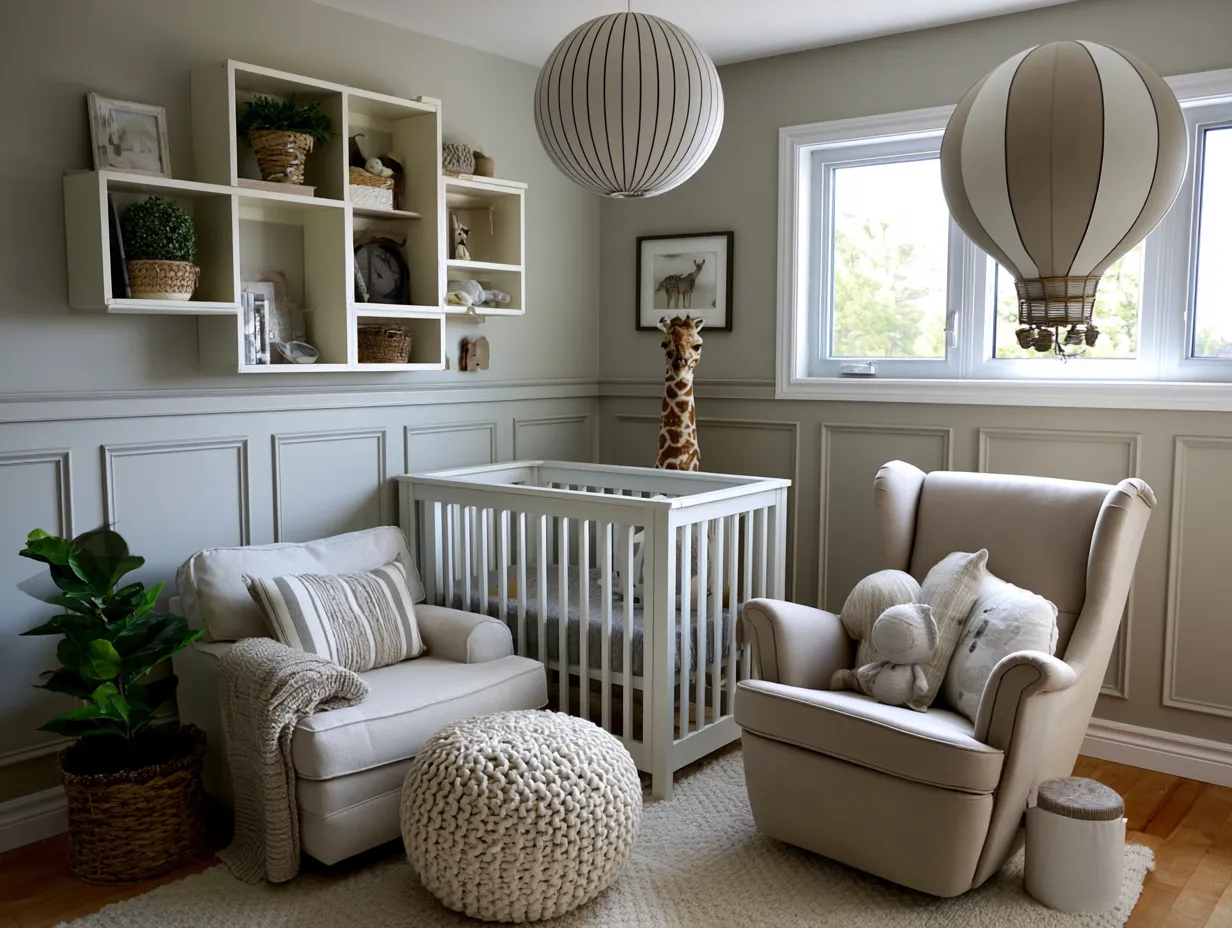
Clean lines beat matching sets every time. Mixing a white crib with a natural wood dresser reads as intentional. A matching six-piece nursery set from a big-box retailer reads as a floor display. The minimalist approach also ages better — you can change out throw pillows and wall art without replacing furniture when your toddler announces a sudden obsession with dinosaurs. Explore how gender-neutral nursery design handles this mixing principle across different styles.


Pastel Palettes Work Because of Bulb Temperature, Not Paint Chip Color
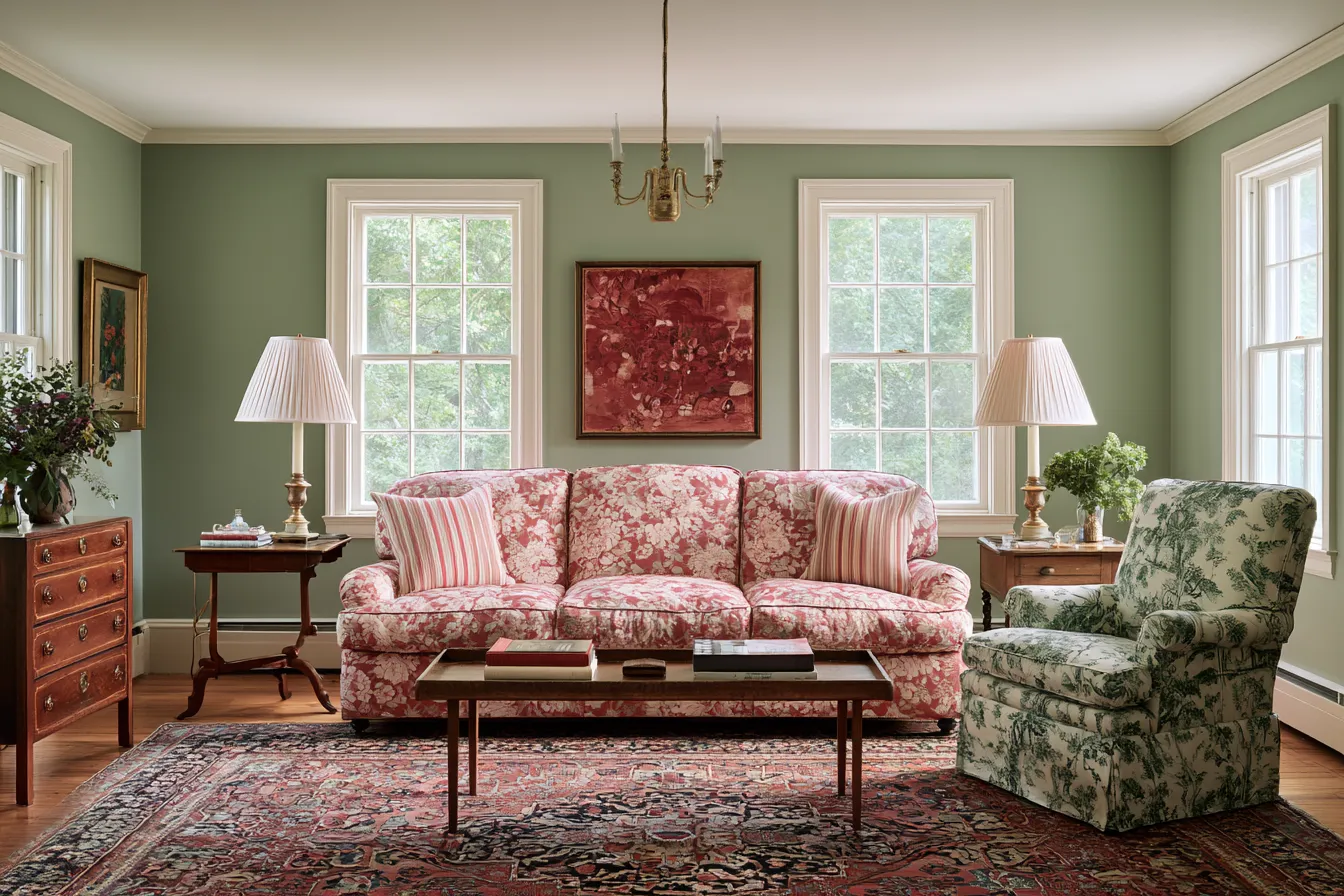
Soft pinks, sage greens, and dusty lilacs all photograph beautifully and read as calm — until you flip on the wrong lightbulb and the pale lavender becomes a queasy gray. You need to test your nursery paint under a 2700K warm white bulb before committing. That’s the temperature you’ll actually be using during night feeds and early mornings. The paint chip under fluorescent store lighting tells you almost nothing useful.


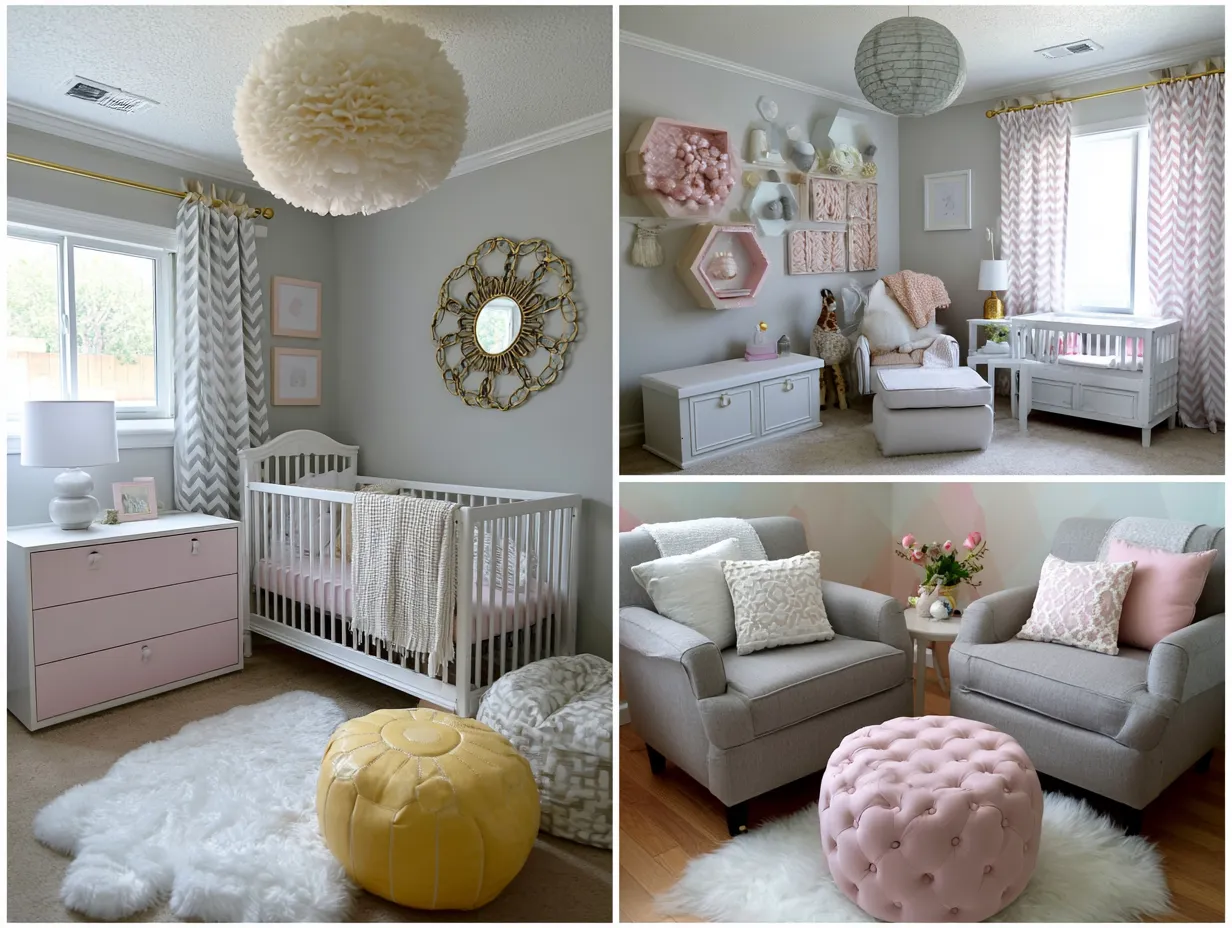
My go-to palette for a baby girl welcome decoration room: Benjamin Moore Pale Moon (OC-108) on walls, warm white trim, blush muslin curtains from H&M Home ($39 for two panels). Total paint-and-curtain spend under $120. Looks like it cost four times that in photos. The key is keeping 60% of the room in the neutral (walls and rug), 30% in the gentle hue (curtains and bedding), and 10% in a grounding accent — wood tone, matte black hardware, or a woven basket.
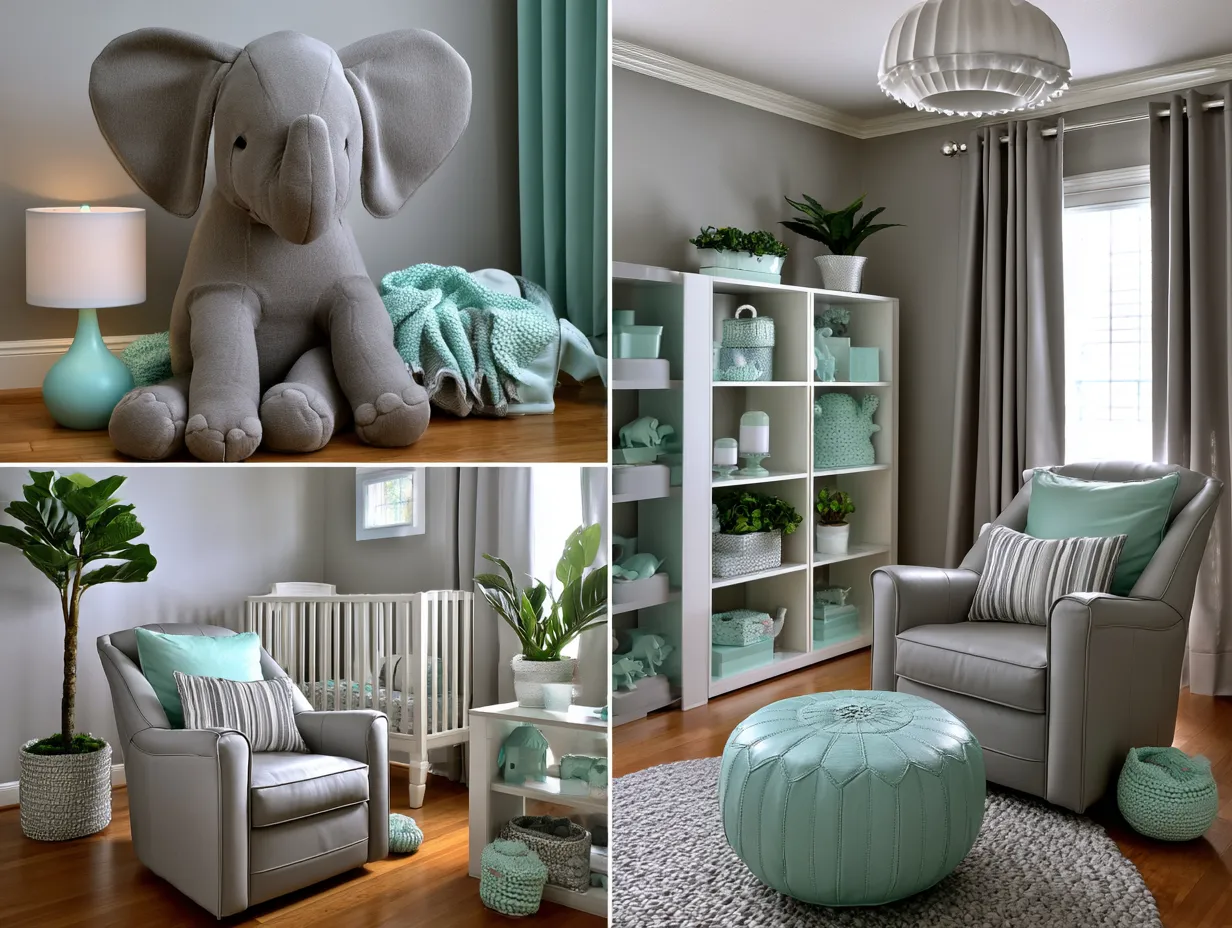
Steer away from gender-assigned pastels if you want the room to earn longevity. Full blush-pink at 100% saturation reads as a pink room, not a nursery — and you’ll repaint sooner than you think. I’ve watched parents redo nurseries at 18 months specifically because they went too pink too fast. Mint green, warm cream, and pale terracotta all photograph neutrally and age without forcing a redecoration at toddler stage.
Pastel bedding deserves a short warning: pale fabric shows every stain in the first three months. I bought oatmeal-colored fitted crib sheets from aden + anais ($28 for two) and they held up and hid spills better than the matching white set I thought would be cleaner. Boucle and waffle-weave throws in a soft sage add texture to the nursing chair without adding visual noise. That’s the move.
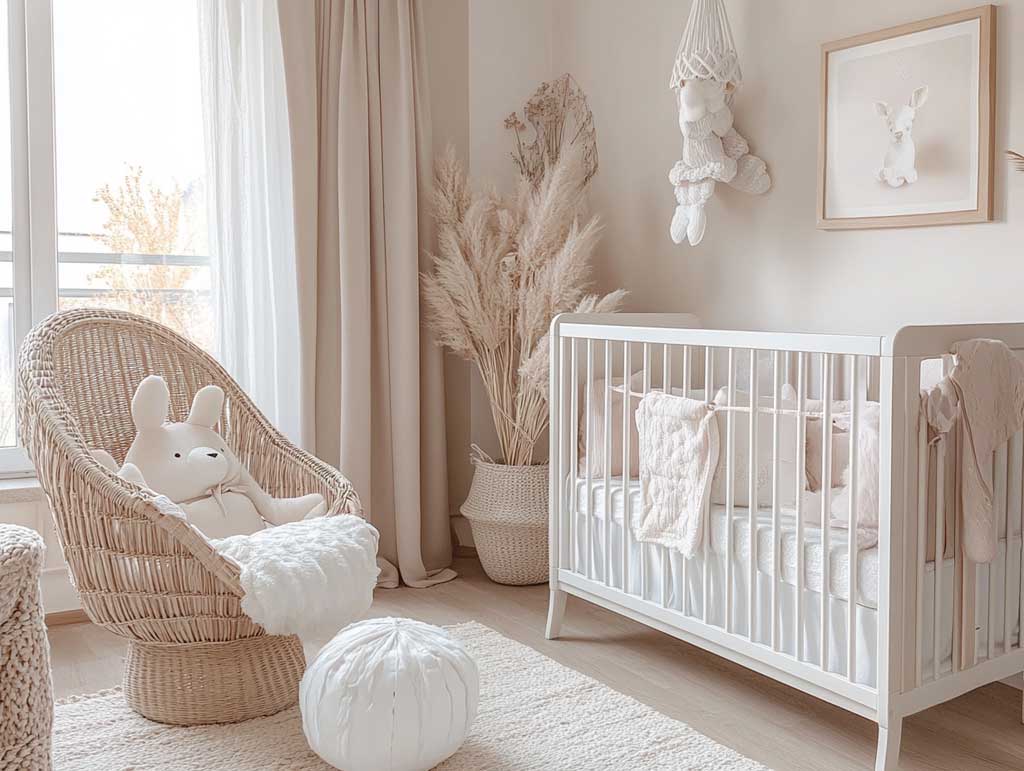


Storage Is Where Newborn Room Decoration Actually Gets Stress-Tested
Don’t Do This
Buying a matching 6-piece nursery set with a hutch, bookcase, changing table, and wardrobe all in the same finish looks polished in the showroom and suffocating in an actual 10×10 room. I’ve walked into nurseries where the furniture filled every wall and the crib was the only floor space left. Babies need floor space by month 4. Skip the hutch. Skip the wardrobe. A convertible dresser with a changing topper and two floating shelves handles 90% of the storage without eating the room.
Babies bring more stuff than physics should allow. By week two you’ll have diapers in three sizes, onesies in four sizes you can’t use yet, a pump, three types of swaddle, and an embarrassing number of pacifiers. Storage isn’t optional. The systems that work are the ones you can operate one-handed at 4 a.m. while holding a baby. That means open-top bins, labeled baskets at arm height, and no lids.


Floating shelves are the best return on a nursery budget. IKEA LACK shelves at $8 each hold books, a small speaker, a white noise machine, and three decorative accessories without touching floor space. Mount two at 48 inches and one at 60 inches for a staggered look that reads as designed rather than improvised. I’d put these in before buying any additional furniture — they change the feel of the room that much.
Under-crib storage is genuinely underused. Most cribs leave 8–10 inches of clearance. A set of flat Skubb boxes from IKEA ($13 for 6) fits under a standard crib and holds a full season of outgrown clothes without any wardrobe required. What doesn’t work: wicker baskets under the crib that are too tall to slide in and out. I’ve tried. You’ll knock them into the crib leg every single time, which wakes the baby, which is the whole problem you were trying to solve.
Wall-mounted modular units like the KALLAX insert system let you reconfigure as needs change — open cubbies for toys at 18 months, fabric drawer inserts for folded clothes now. An ottoman that opens for storage doubles as a foot rest during feeds. That second use matters more than you think at month two. See how the same storage logic applies across all ages in children’s bedroom furniture ideas beyond the nursery stage.


Nursery Storage at a Glance
| Solution | Cost | Best For | Skip If |
|---|---|---|---|
| IKEA LACK Floating Shelves | $8 each | Books, accessories, monitor | Walls are plaster over lath |
| Under-Crib Skubb Boxes | $13 for 6 | Outgrown clothes, backup diapers | Crib clearance under 7 inches |
| Convertible Dresser/Changer | $300–$450 | Daily clothes, changing station | Room under 90 sq ft |
| KALLAX Wall Unit + Inserts | $55–$120 | Toys, folded items, cubbies | You want to move it often |
| Storage Ottoman | $60–$150 | Blankets, burp cloths, small toys | Room already has seating storage |
Also Worth Reading
Create a Magical Atmosphere with Nursery Room Wall Decor — deep dive into ocean, aviation, and woodland mural themes for the baby’s first year.
Bottom Line
Four decisions. One room that actually works.
Drop the wall art to crib height. Buy a convertible crib and a dresser that doubles as a changing table. Test your paint under a warm bulb. Build storage around one-handed access, not aesthetics.
None of this requires a big budget. The IKEA versions of most pieces here land well under $500 total, and the room holds up for three years without a single forced redecoration.
Save this post before you head to the nursery aisle — the showroom versions of these decisions almost always look better than they function.