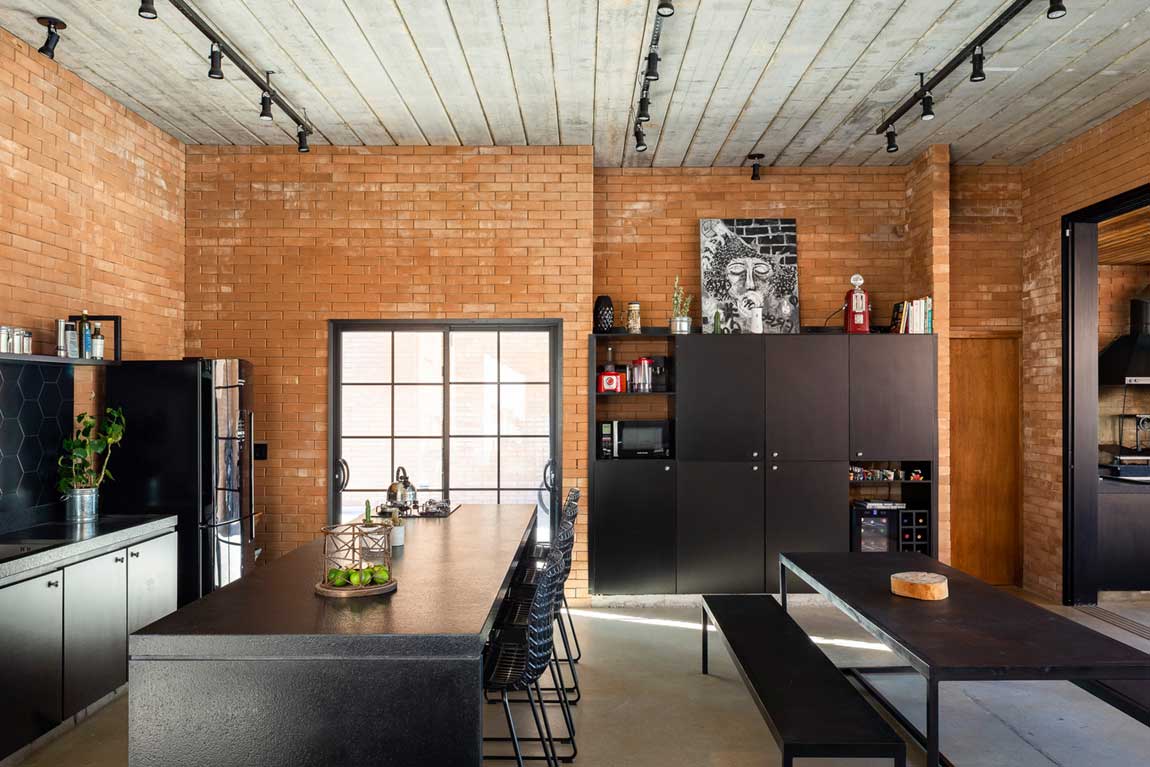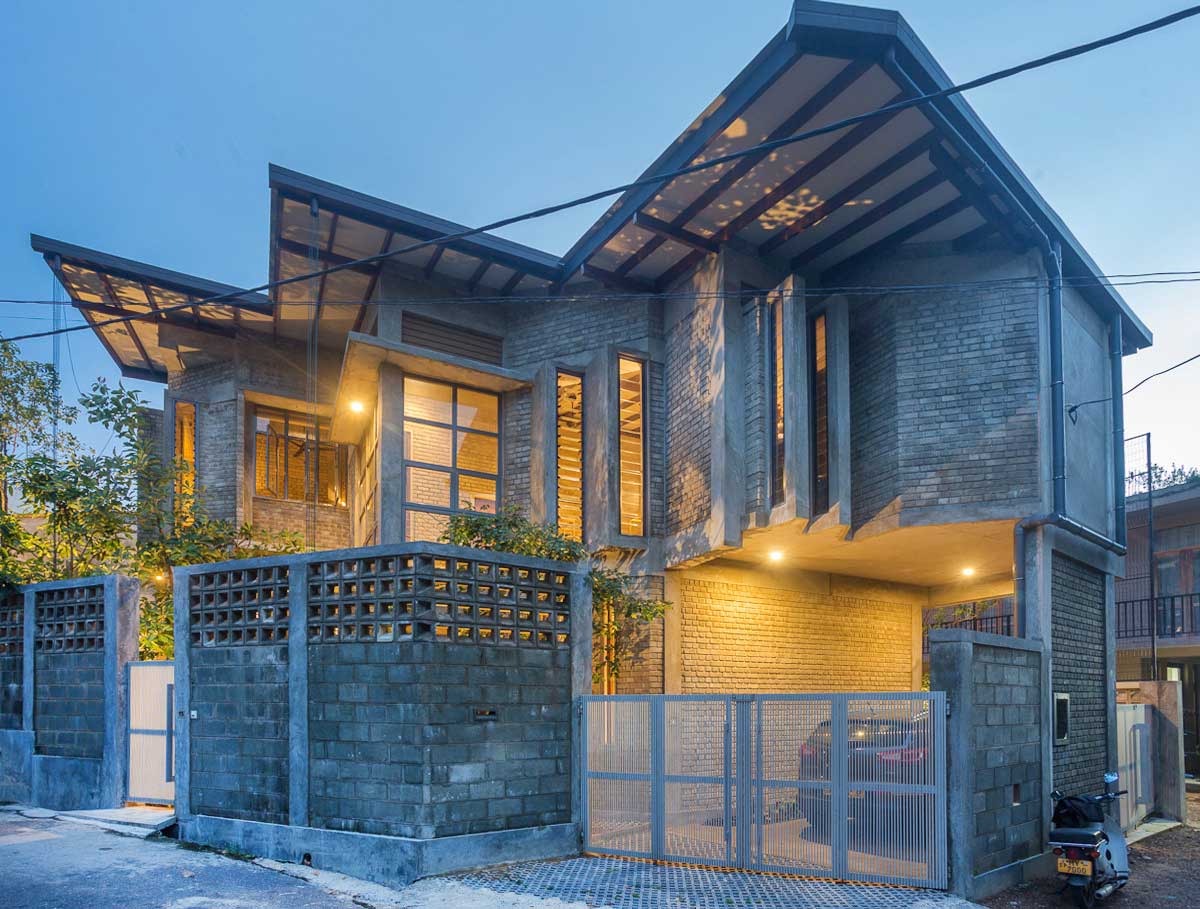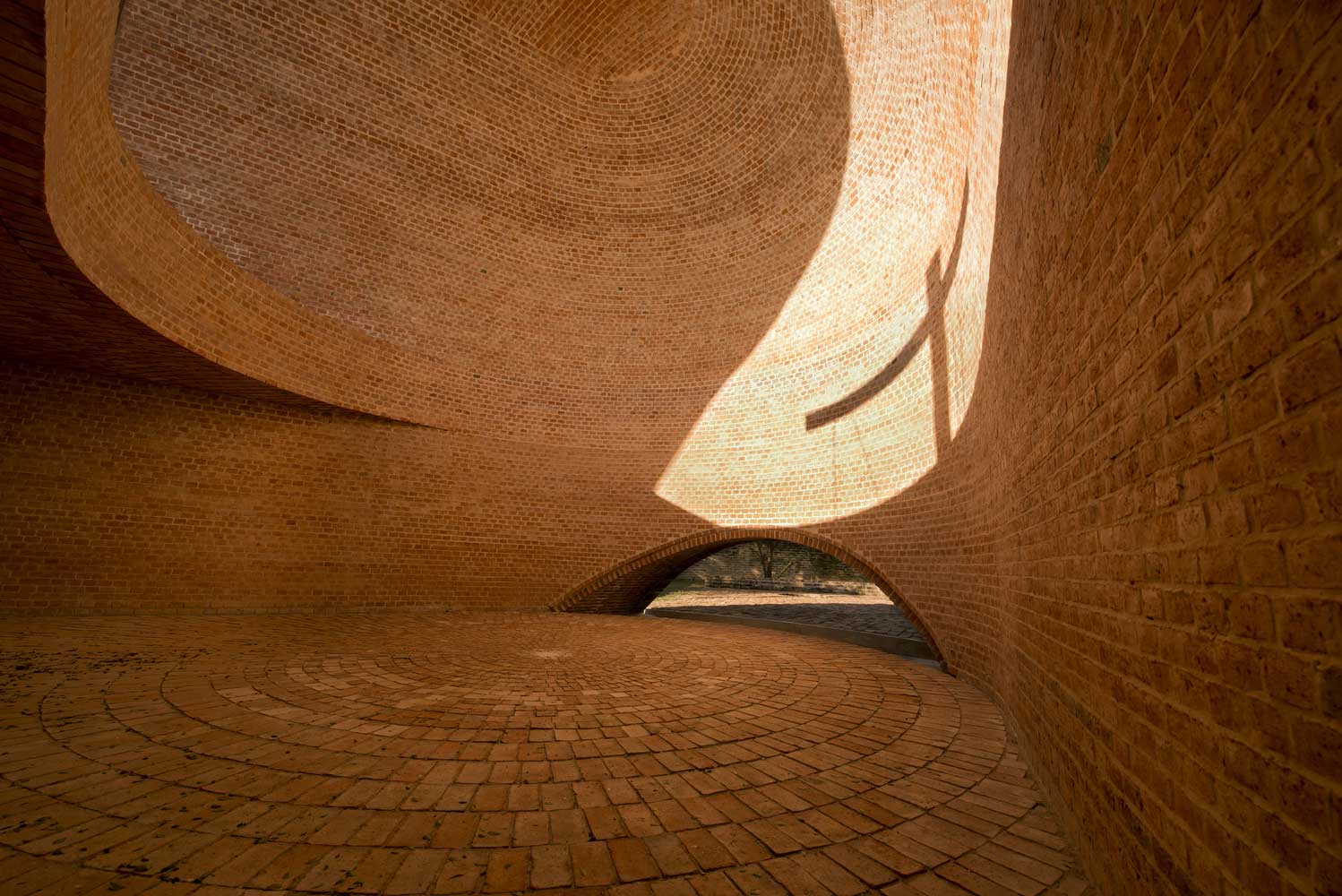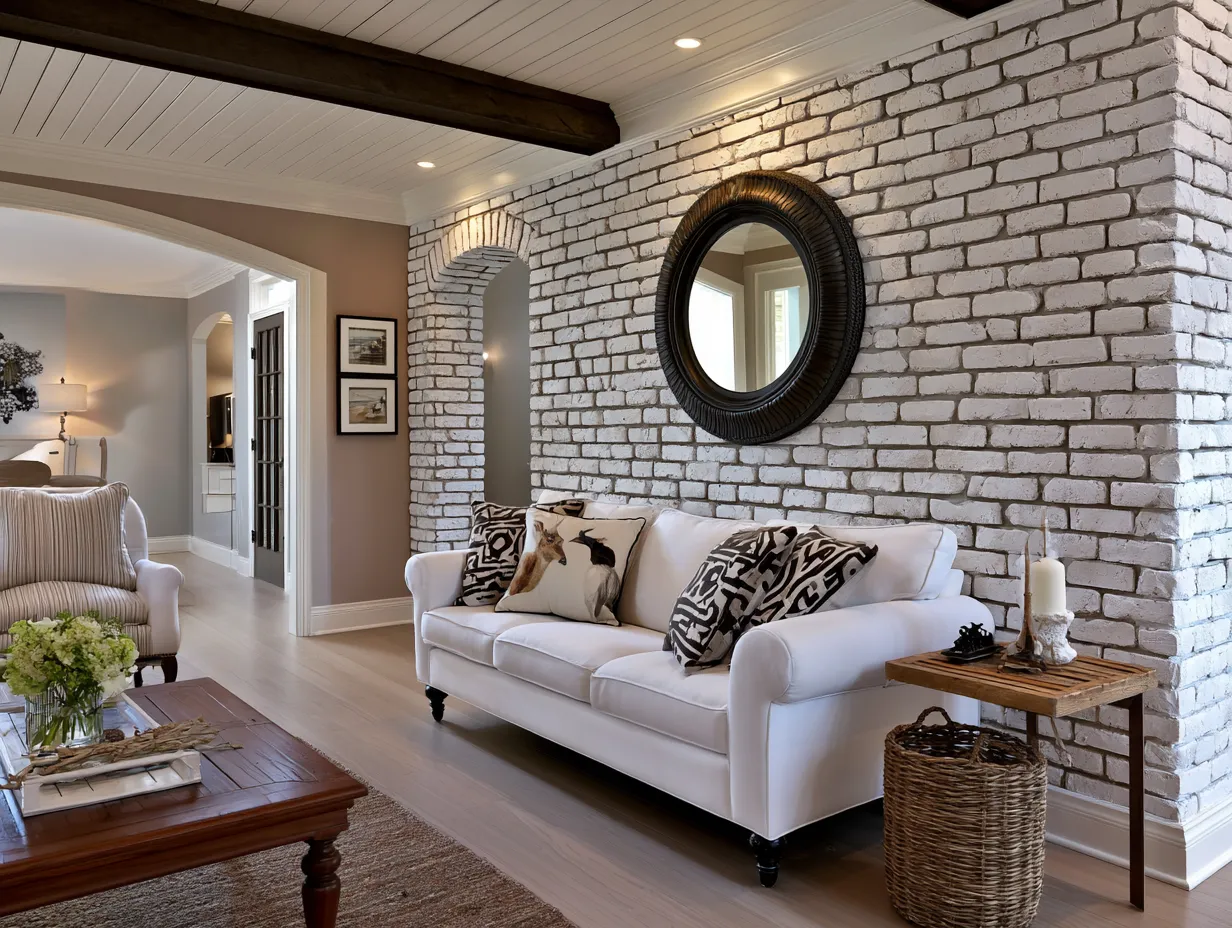
Painted brick wall interior design is one of those moves that looks expensive but costs a fraction of a full renovation — and I’ve seen it rescue rooms that felt flat, cold, and forgettable. The textured surface of brick holds color differently than drywall does: paint soaks into the pores slightly, creating a depth and warmth that smooth walls just can’t replicate. Whether you’re staring at an exposed wall in a loft or a dated fireplace surround, paint is the fastest way to transform it.
You’ll notice the difference immediately when white hits brick — the room gains three feet of visual air. But white isn’t the only option worth considering. My go-to lately has been a deep navy or charcoal on a single accent wall, especially in living rooms where there’s already natural wood and leather in the mix. The contrast feels deliberate rather than accidental.
Across three distinct spaces — a modern open-plan home, a raw loft, and a bold color-forward interior — these painted brick wall ideas prove how much range a single surface treatment can have. Read on for practical observations, color notes, and the one mistake I still see people making constantly.
- White painted brick interior opens space and works with nearly every furniture style — Benjamin Moore Chantilly Lace ($72/gallon) is the professional’s pick.
- Loft spaces benefit from deeper tones like charcoal or slate — it makes the high ceilings feel intentional, not drafty.
- Bold color (navy, cobalt, hunter green) on a painted brick accent wall works only when the rest of the room stays neutral and calm.
- Primer is non-negotiable on raw brick — skip it and you’ll need three extra coats of paint and regret it by day two.
- Interior painted brick walls need a touch-up every 4–5 years, far less maintenance than wallpaper or shiplap.
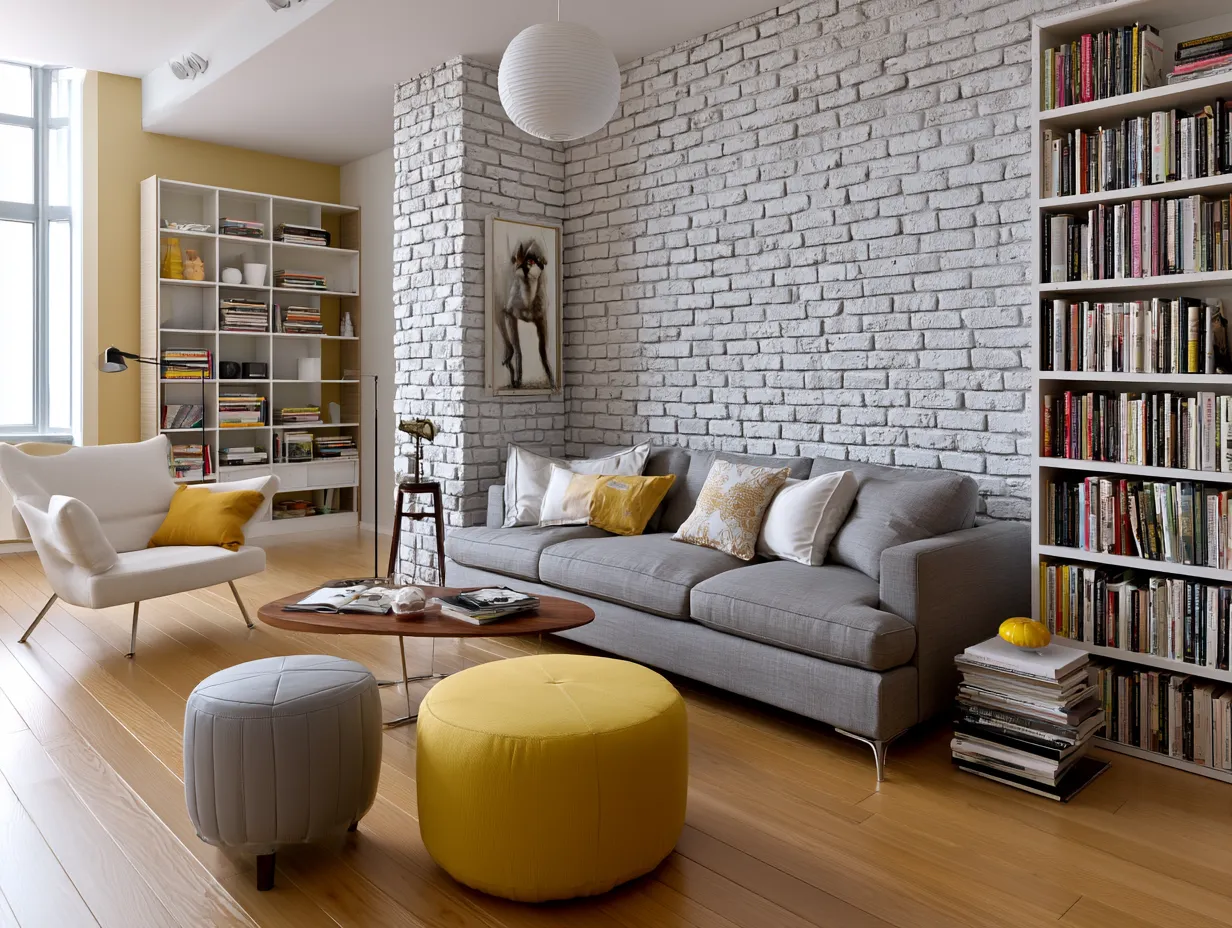
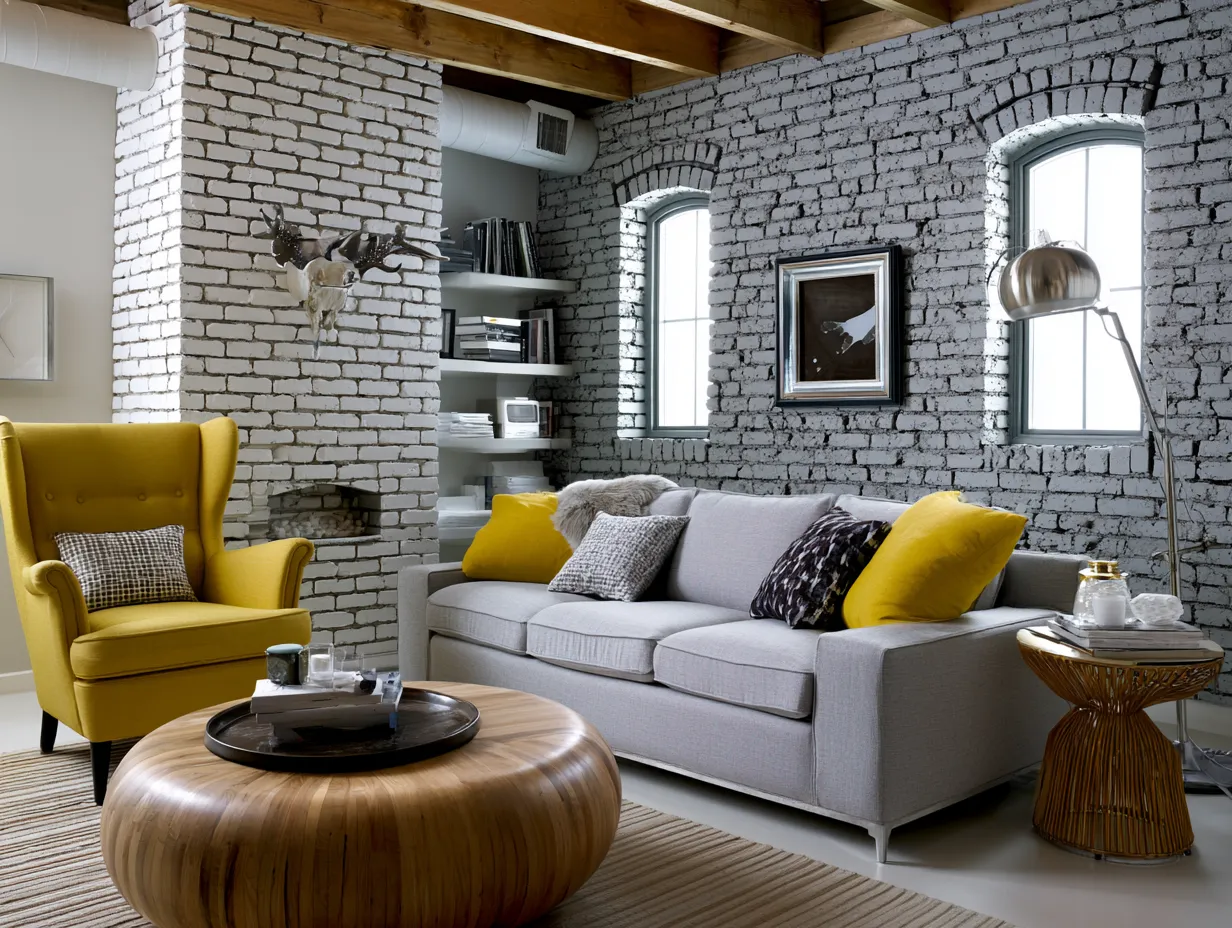
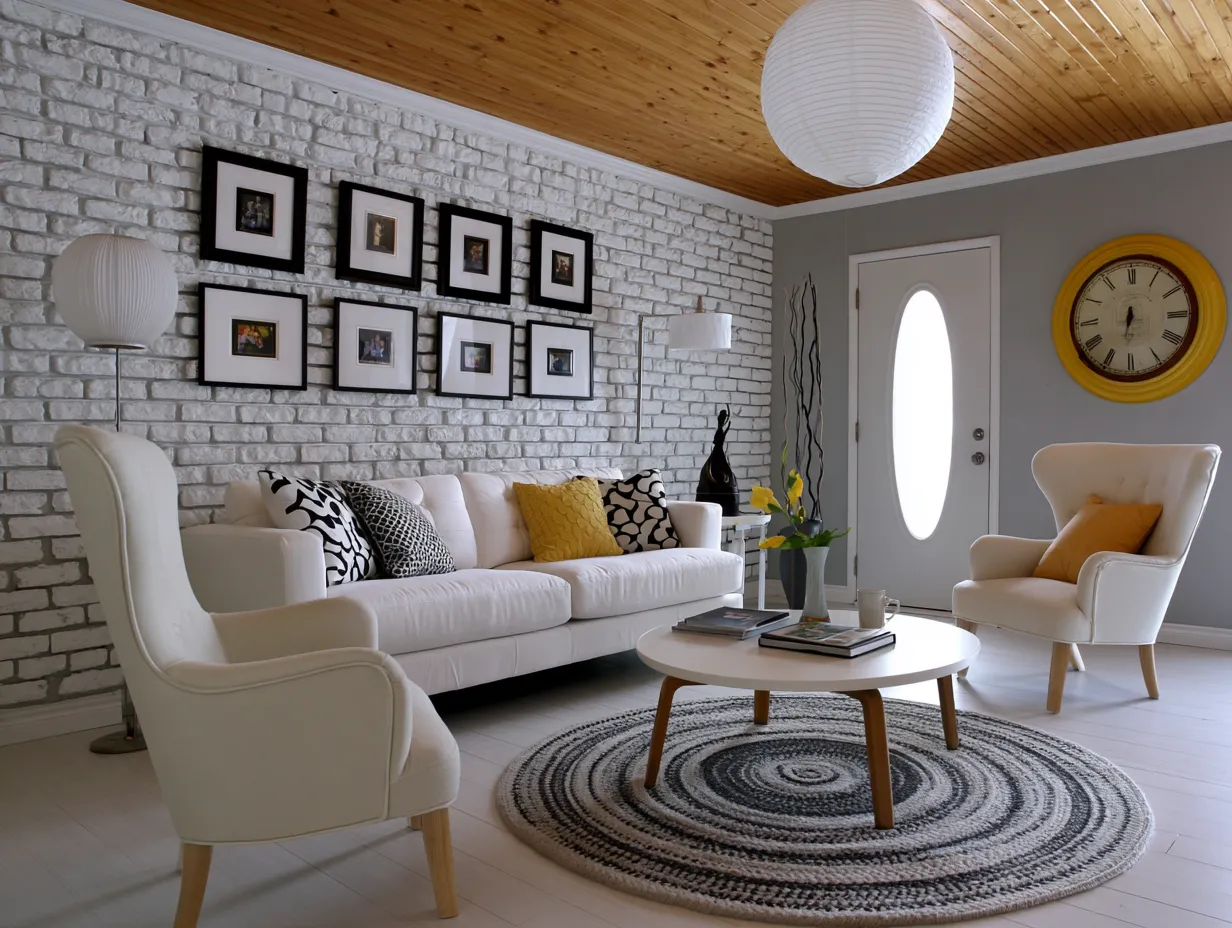
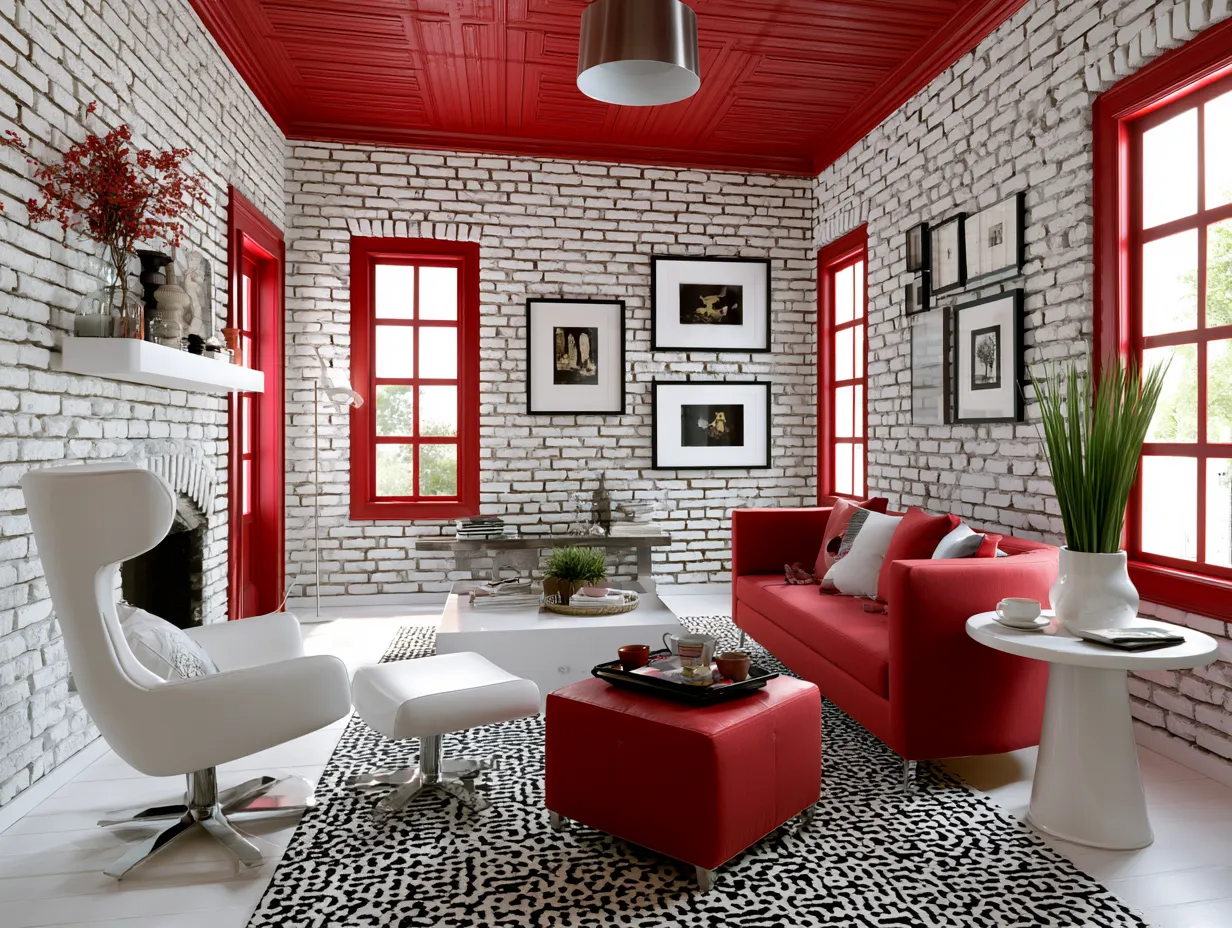
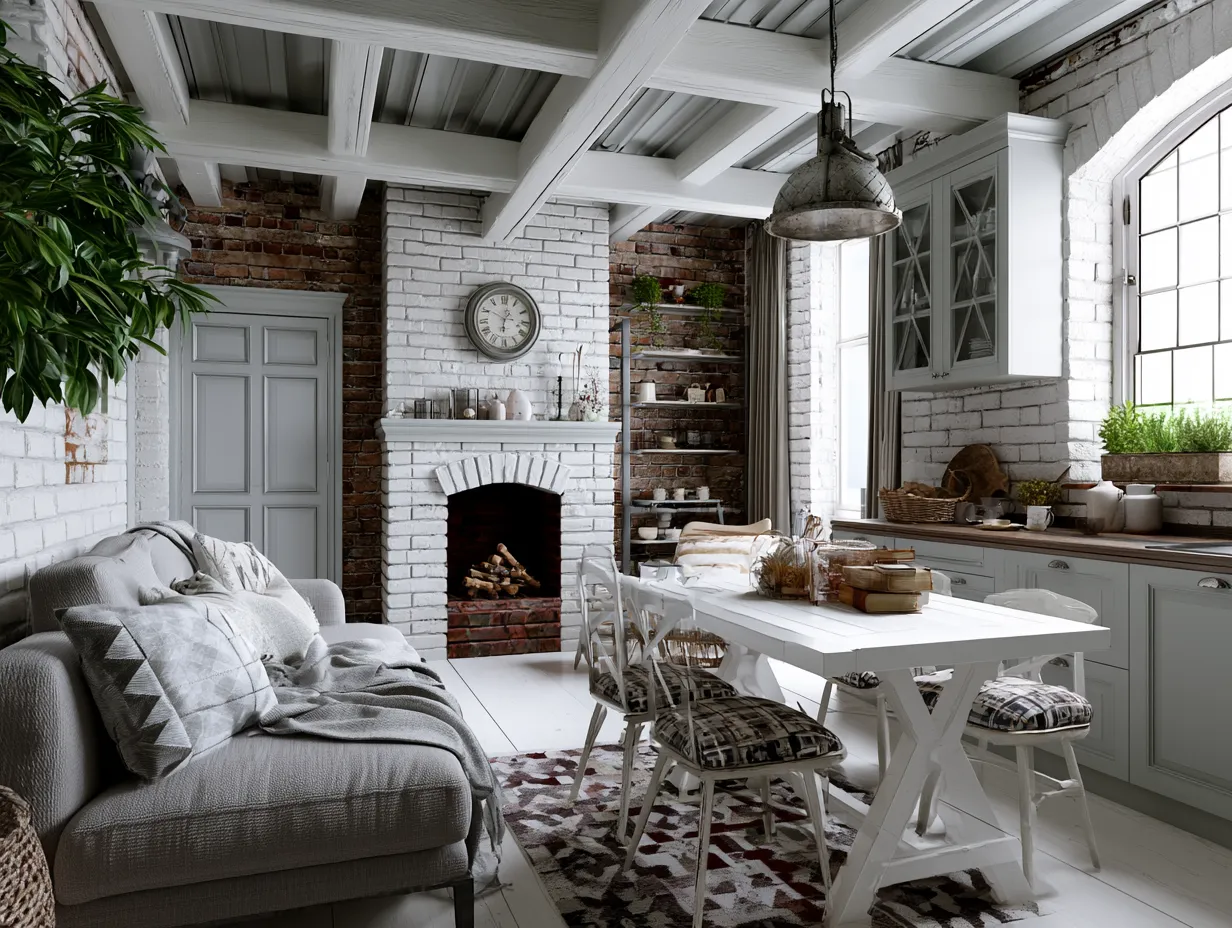
White Painted Brick Interior Wall That Earns Its Square Footage
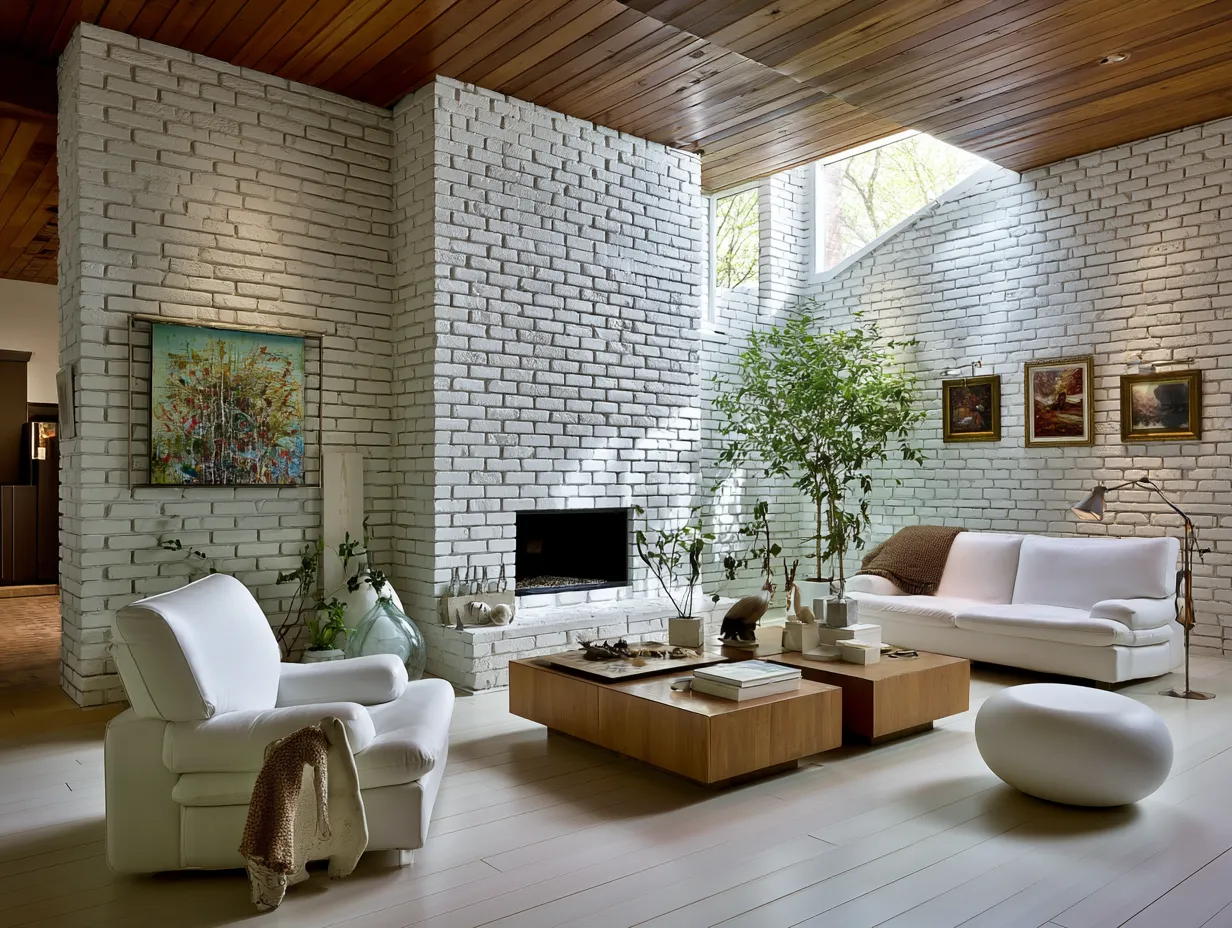
White painted brick interior walls remain the single most-requested finish I see on design boards, and once you’ve lived with one, you understand why. The white absorbs the room’s light and bounces it back softly, so what was a heavy, dark surface becomes something almost luminous. I own a home with original 1960s brick running the full length of my living room — two coats of Benjamin Moore Chantilly Lace at roughly $72 per gallon changed everything about that space. Suddenly the low ceiling felt higher. The furniture stopped competing with the architecture and started complementing it.
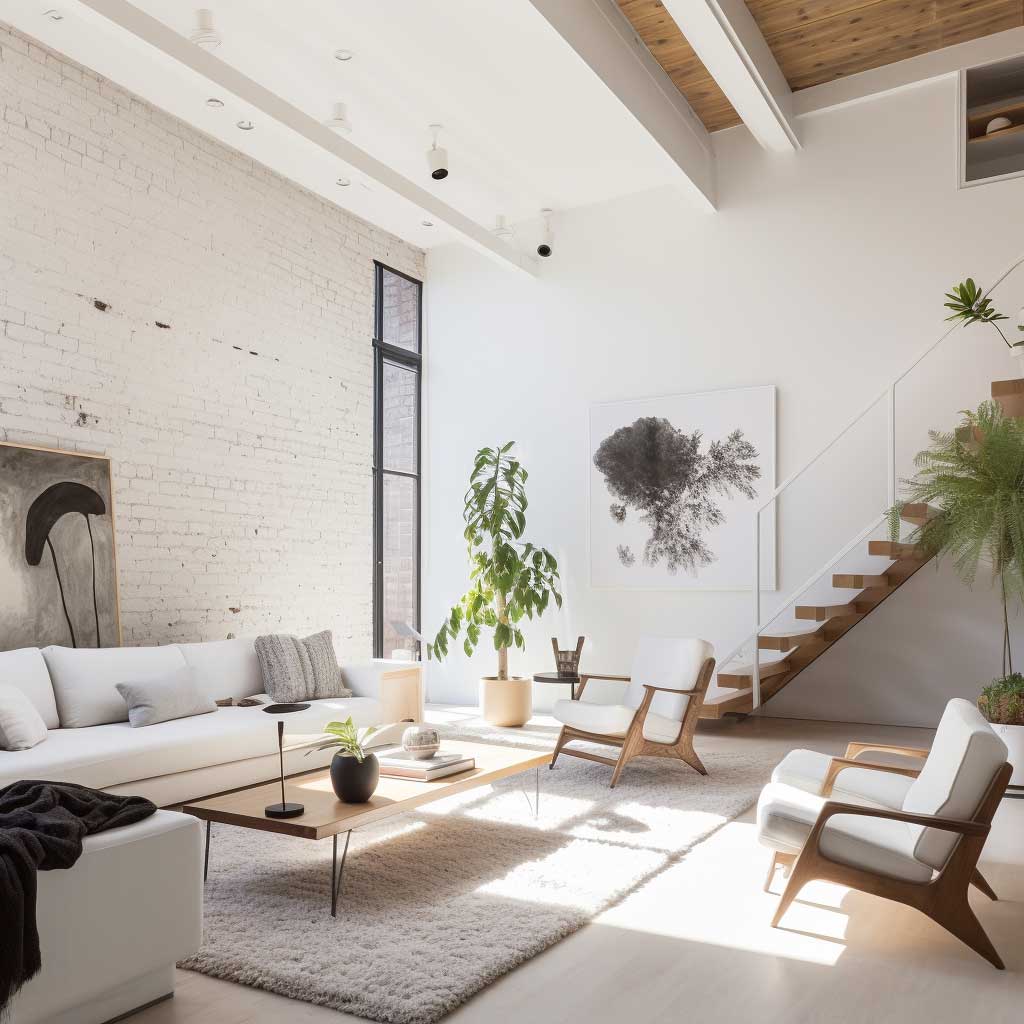
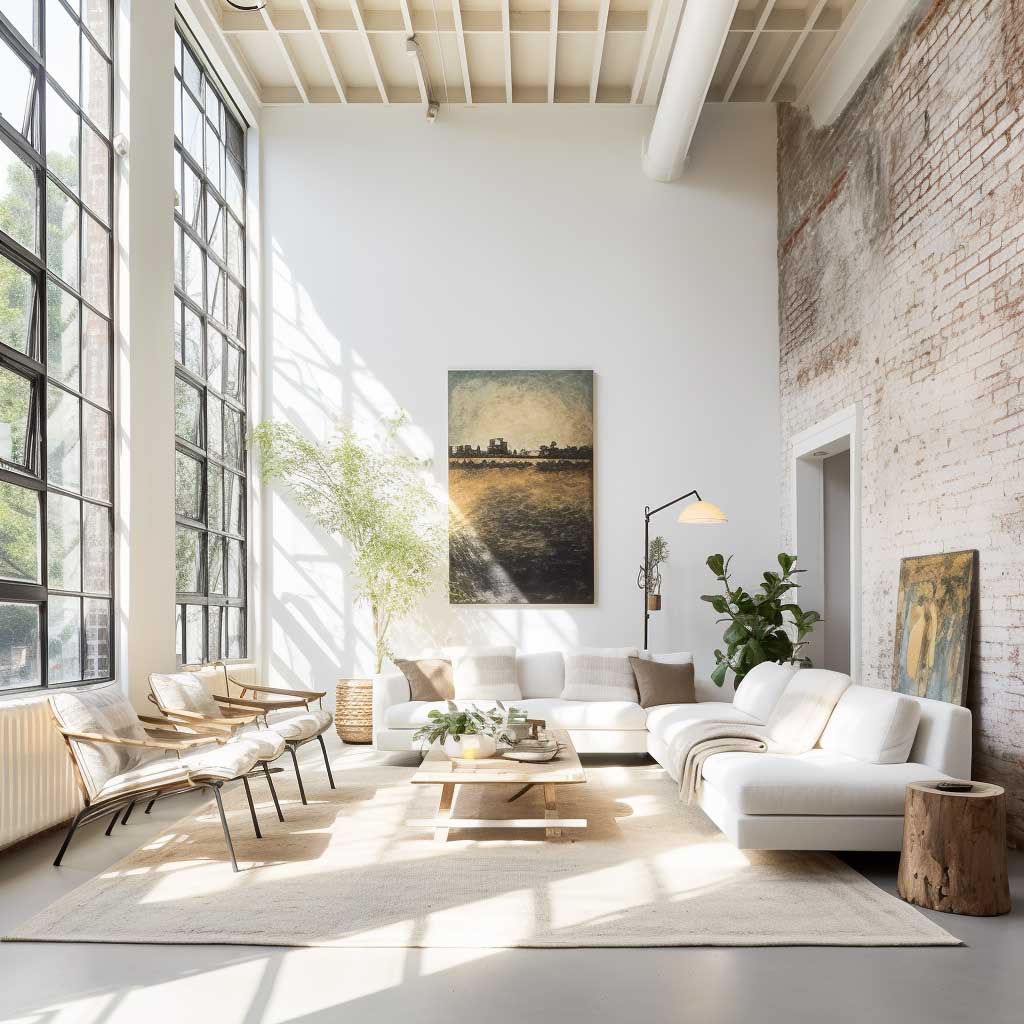
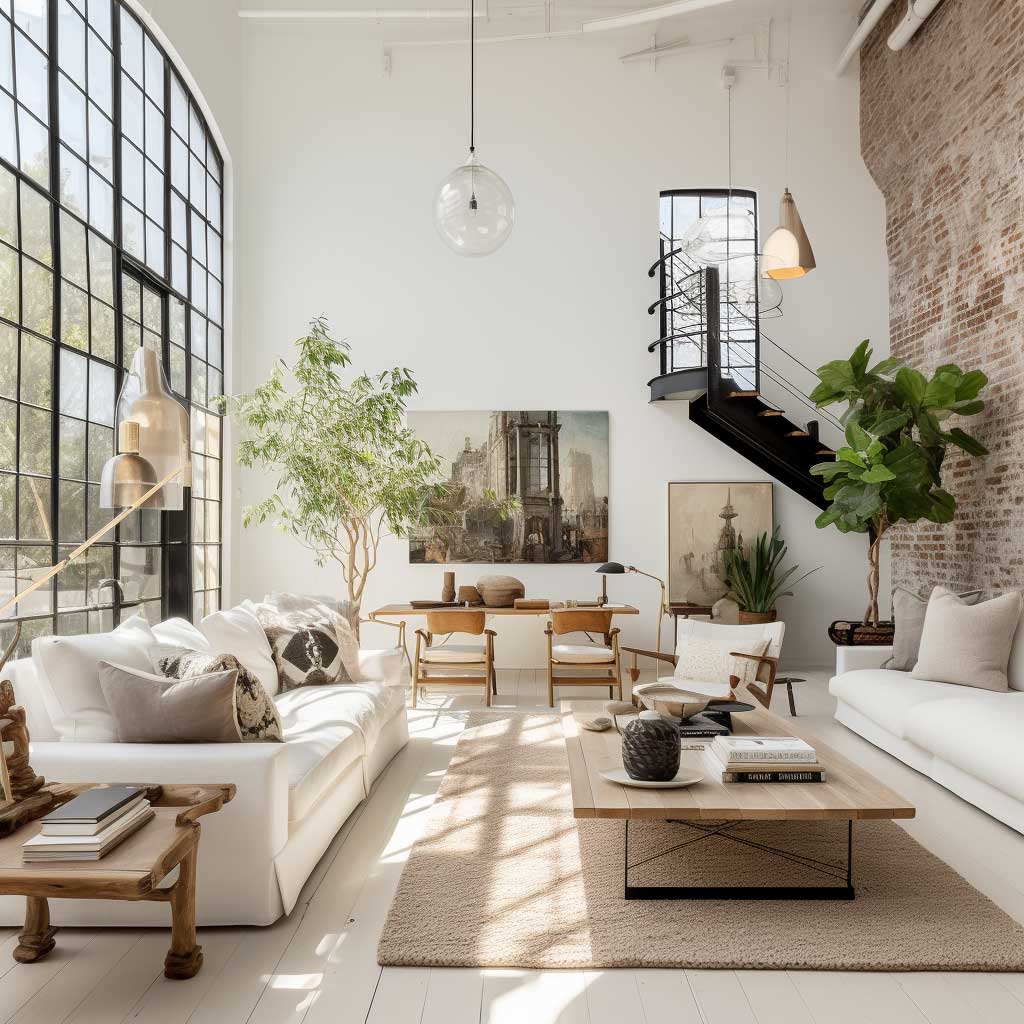

What’s the difference between whitewashing and painting? Whitewash — a 50/50 mix of latex paint and water — lets the natural color variation of the brick show through, giving a more rustic, limewashed finish. A full coat of paint hides the variation completely for a cleaner, more modern look. For a contemporary open-plan home, I’d always choose the full coat. The result is crisp without feeling cold, especially when you pair it with warm walnut floors or linen upholstery. Don’t paint brick in a flat finish — it absorbs every fingerprint. A satin or eggshell from Sherwin-Williams makes the surface wipeable and easier to maintain over years.
The one thing that surprises people: brick absorbs twice as much primer and paint as drywall. Budget $30–$40 more per room just for primer — Kilz 2 All-Purpose at around $28 per gallon is my go-to and handles the alkaline mortar without issues. Skip the primer and you’re looking at four coats of finish paint instead of two. You’ll also notice the color looks uneven and chalky where the paint sat on bare mortar versus the face of the brick. See more brick wall interior design ideas on ArtFasad to understand how white and natural brick coexist in the same floor plan.
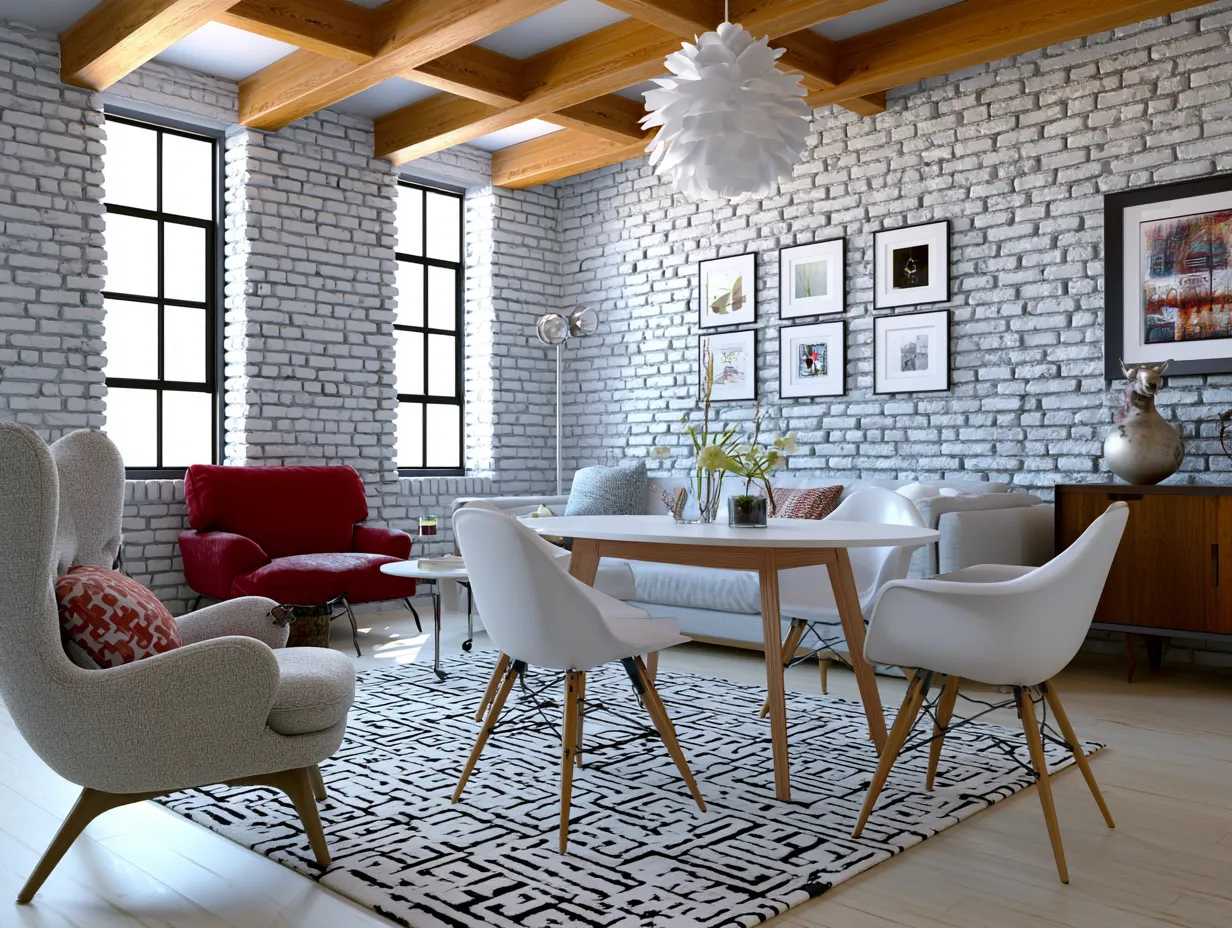
Painted Brick Wall Interior in a Loft Where Texture Does the Heavy Lifting
Interior brick painting ideas in a loft context work differently than they do in a traditional home — you’re not softening the space, you’re amplifying its rawness. The best loft treatments I’ve seen use a dark, muted tone like Farrow & Ball Railings (roughly $120 per 2.5L tin, but worth every cent) or Sherwin-Williams Iron Ore ($65/gallon) to make the exposed ductwork and steel windows feel like a deliberate palette rather than an afterthought. Think of the wall like the bass note in a song: it doesn’t need to be loud, just grounding.
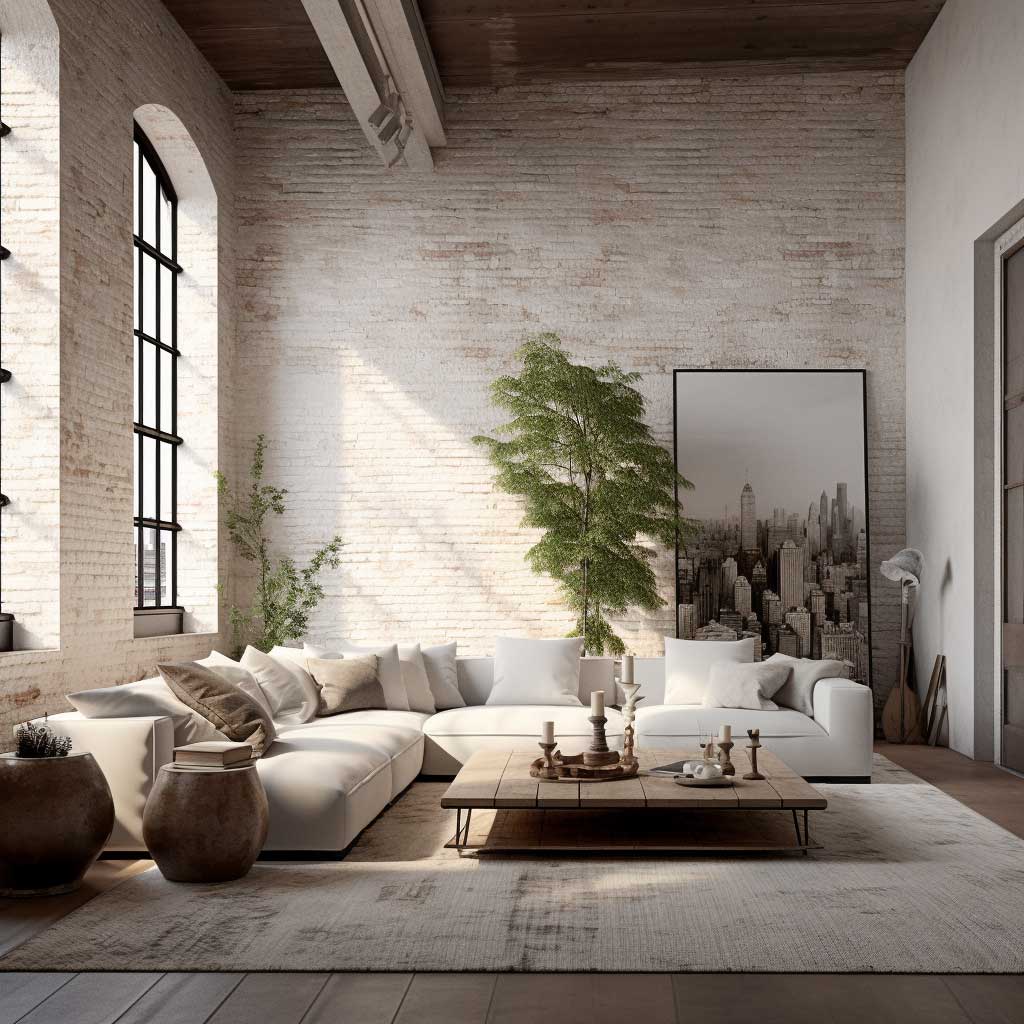
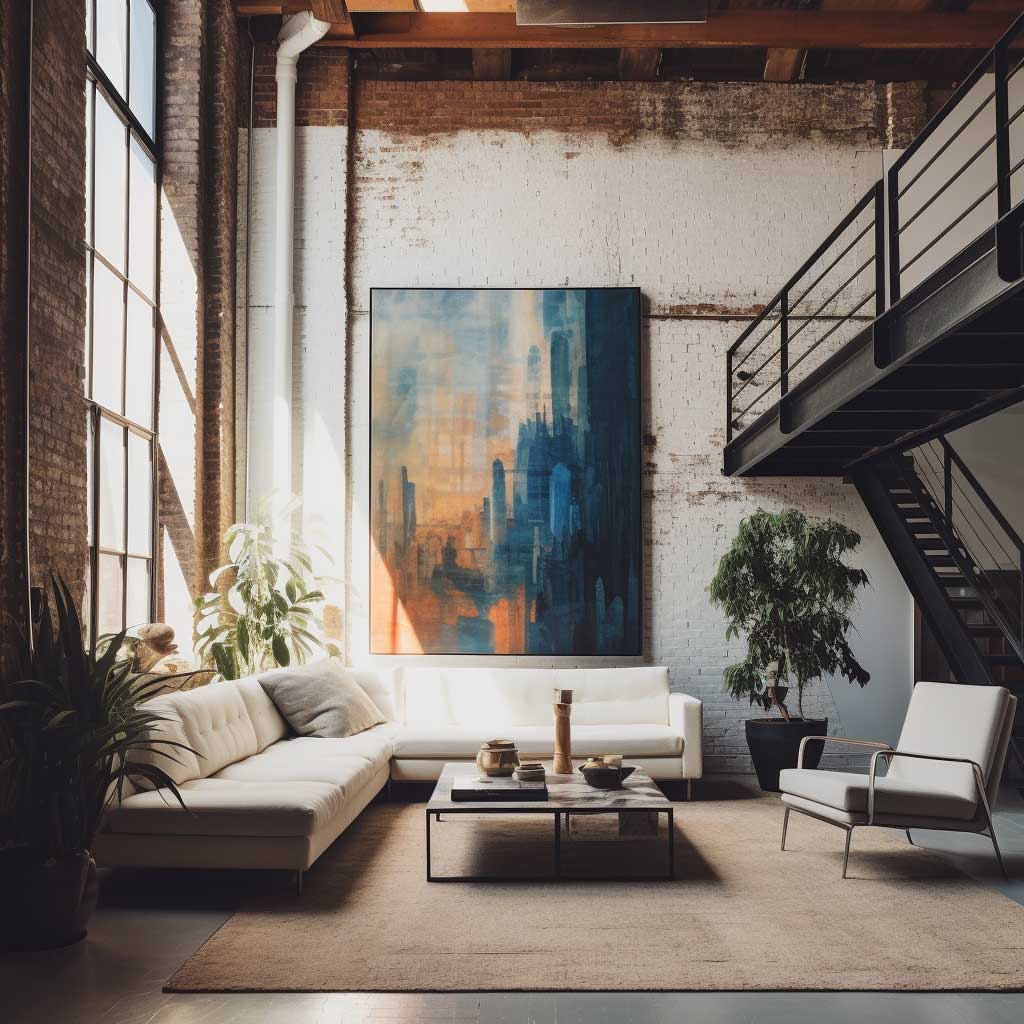
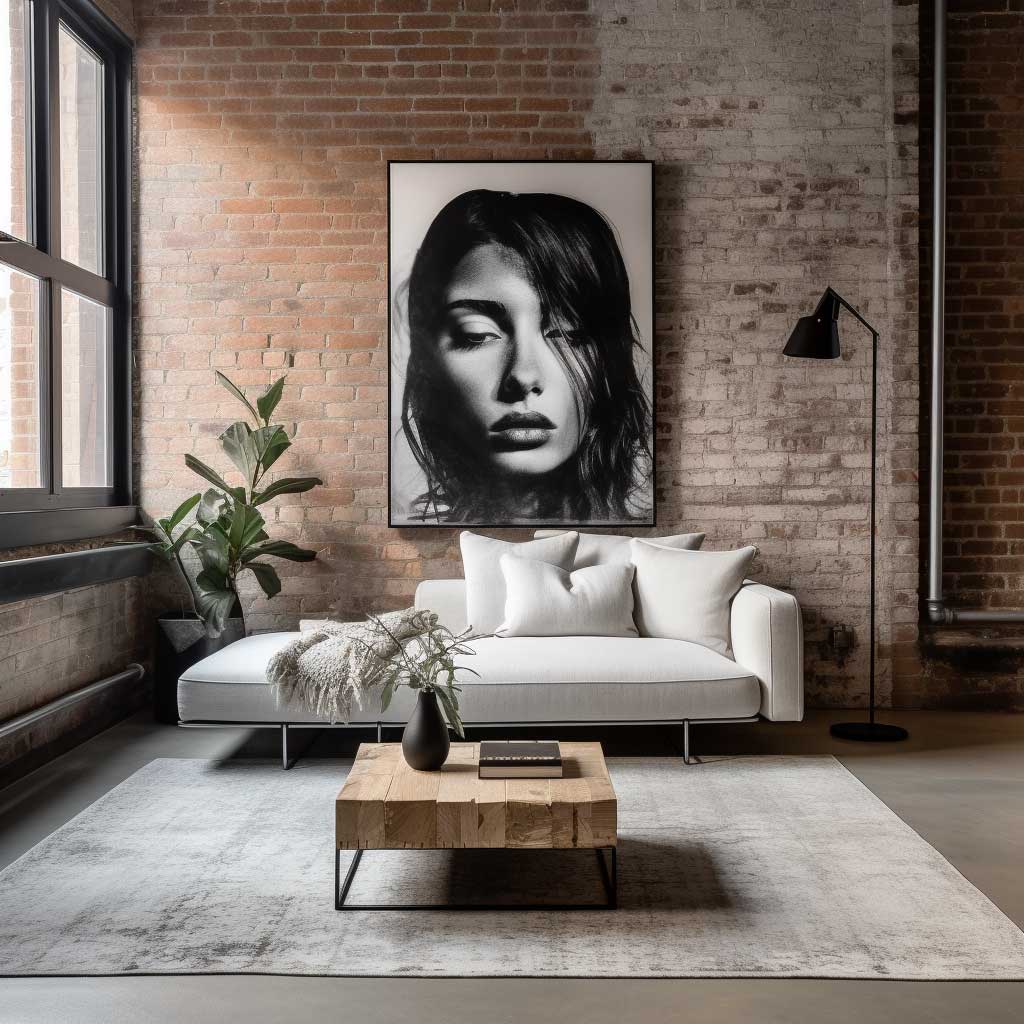
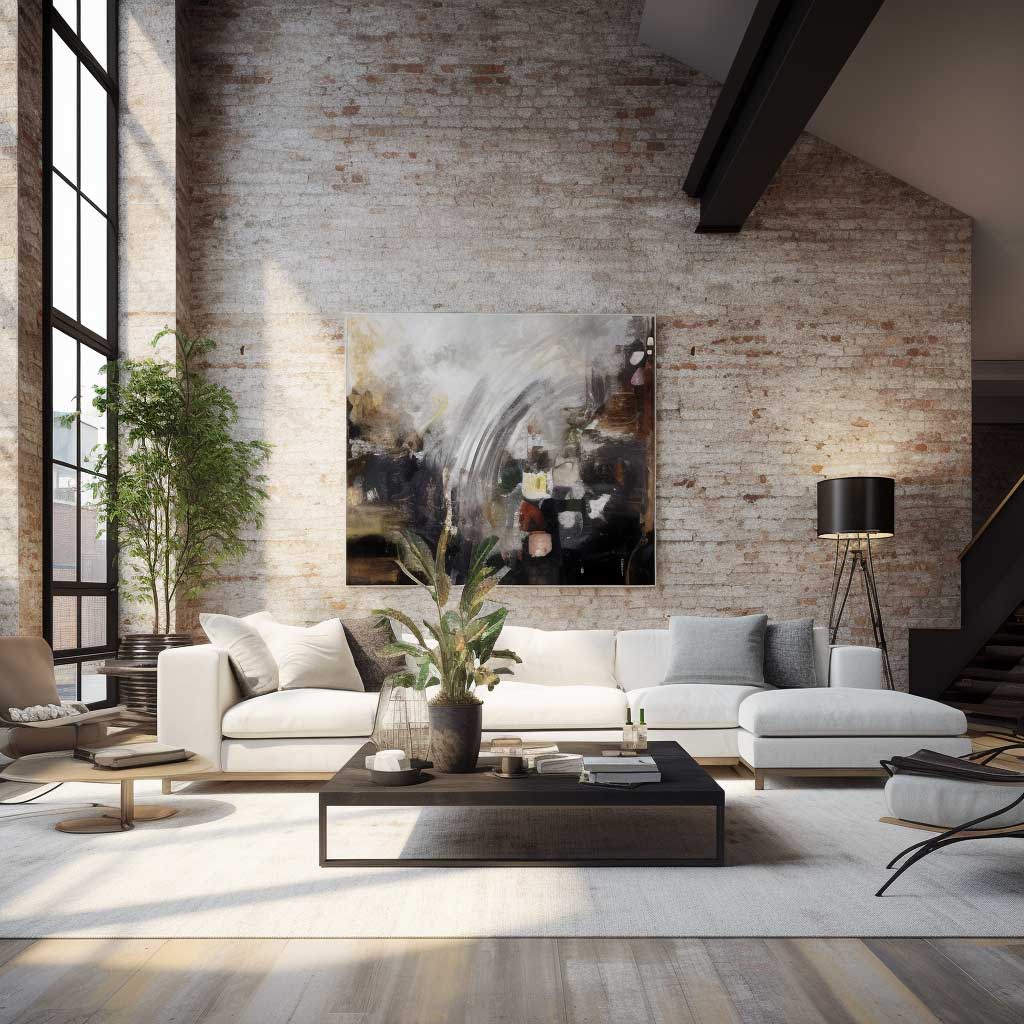
Inside brick wall ideas for lofts almost always benefit from keeping the ceiling and floors neutral. I stole this trick from a designer friend who said the painted brick wall should feel like it grew out of the floor — so she runs the same dark paint down to the baseboard with no transition. It makes the room read as intentional and architectural rather than “I just painted a wall.” You’ll notice the high ceilings recede slightly with a dark color, which is a feature in rooms that feel cavernous, not a flaw.
One anti-advice note here: I’ve seen people choose a trendy terracotta or sage on loft brick walls and deeply regret it within two years. Trendy colors on a surface you can’t easily repaint without commitment are a trap. Stick to near-neutrals — deep navy, soft charcoal, warm greige — that photograph well on every device and age gracefully. For the application itself, a thick-nap 1¼ inch roller is essential for getting paint into brick’s mortar joints, according to masonry painting specialists — a standard ½-inch roller leaves pale streaks in every grout line.
- Don’t use flat paint on interior brick. It absorbs every scuff and makes cleaning nearly impossible — satin or eggshell only.
- Don’t skip the primer on raw or unpainted brick. The alkaline content in mortar will cause paint to yellow and flake within 12–18 months without a proper primer coat first.
- Don’t paint a wall that has moisture problems. Paint traps dampness behind it, accelerating damage. Fix the source before you touch a brush.
- Don’t use a foam roller. It tears on brick’s texture and leaves uneven coverage — always use a thick-pile lambswool or woven roller sleeve.
Bold Color on a Painted Brick Accent Wall Changes Every Sightline
A painted brick accent wall in a strong color — navy, cobalt, hunter green, even dusty rose — rewrites the entire visual logic of a room. What functions as one flat expanse of color on drywall becomes something richer on brick, because the texture of each individual unit catches light differently. The surface reads as three-dimensional even when the hue is fully opaque. I’ve seen a single wall in Benjamin Moore Hale Navy ($85/gallon) turn a forgettable spare room into the most-photographed space in a home.

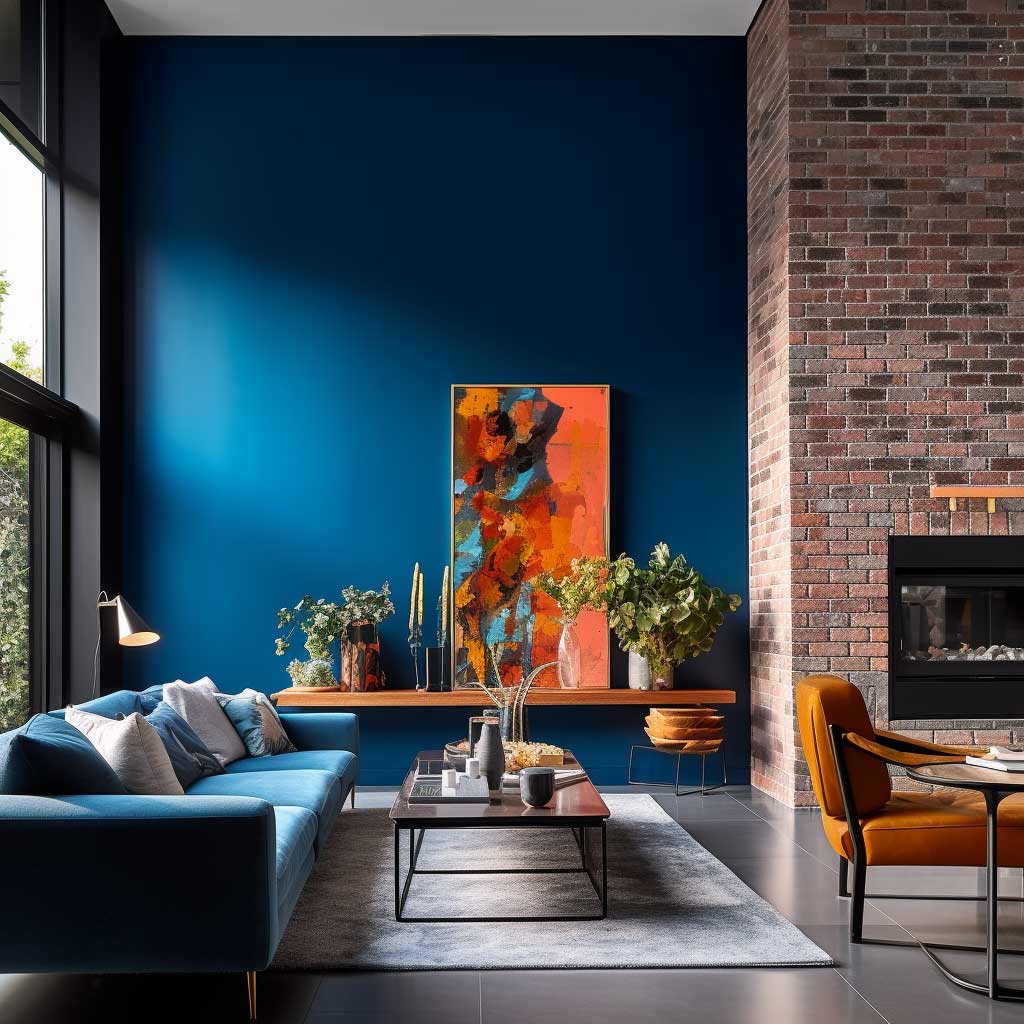
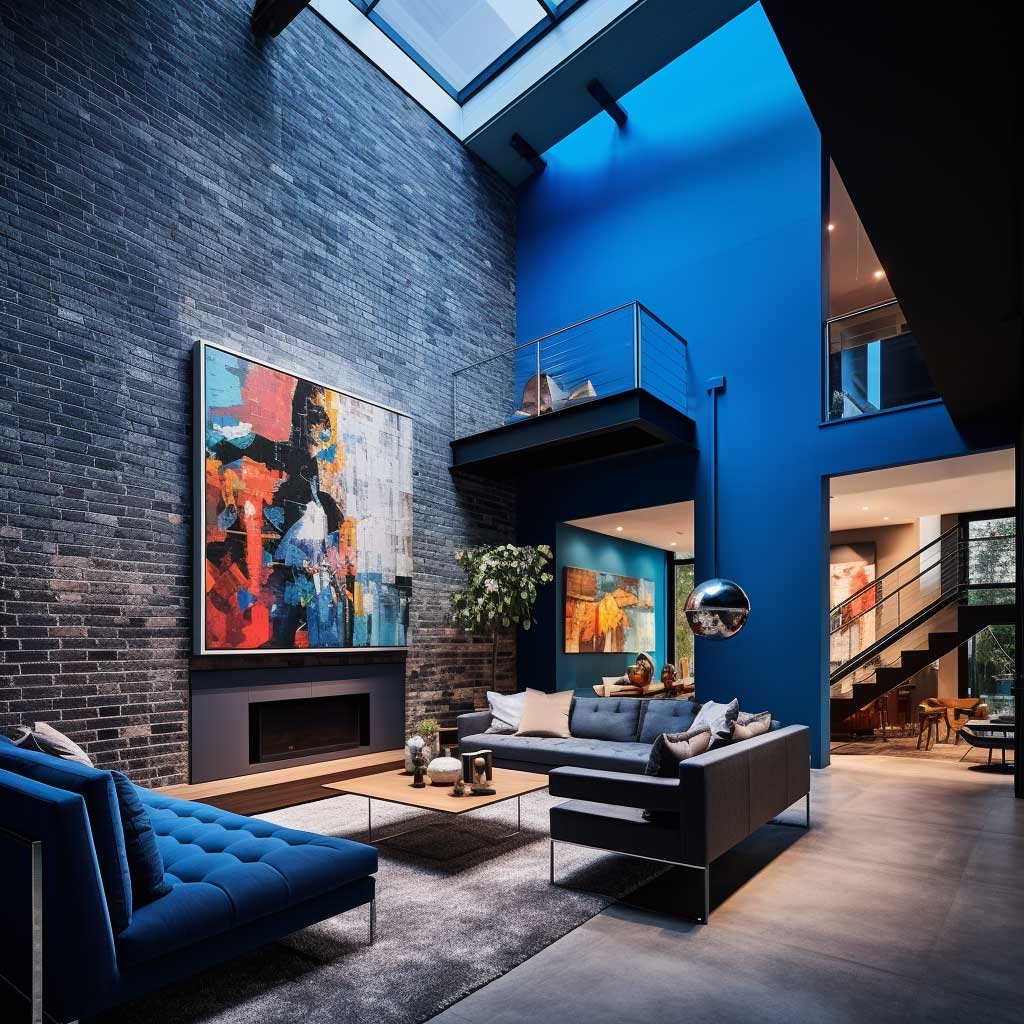
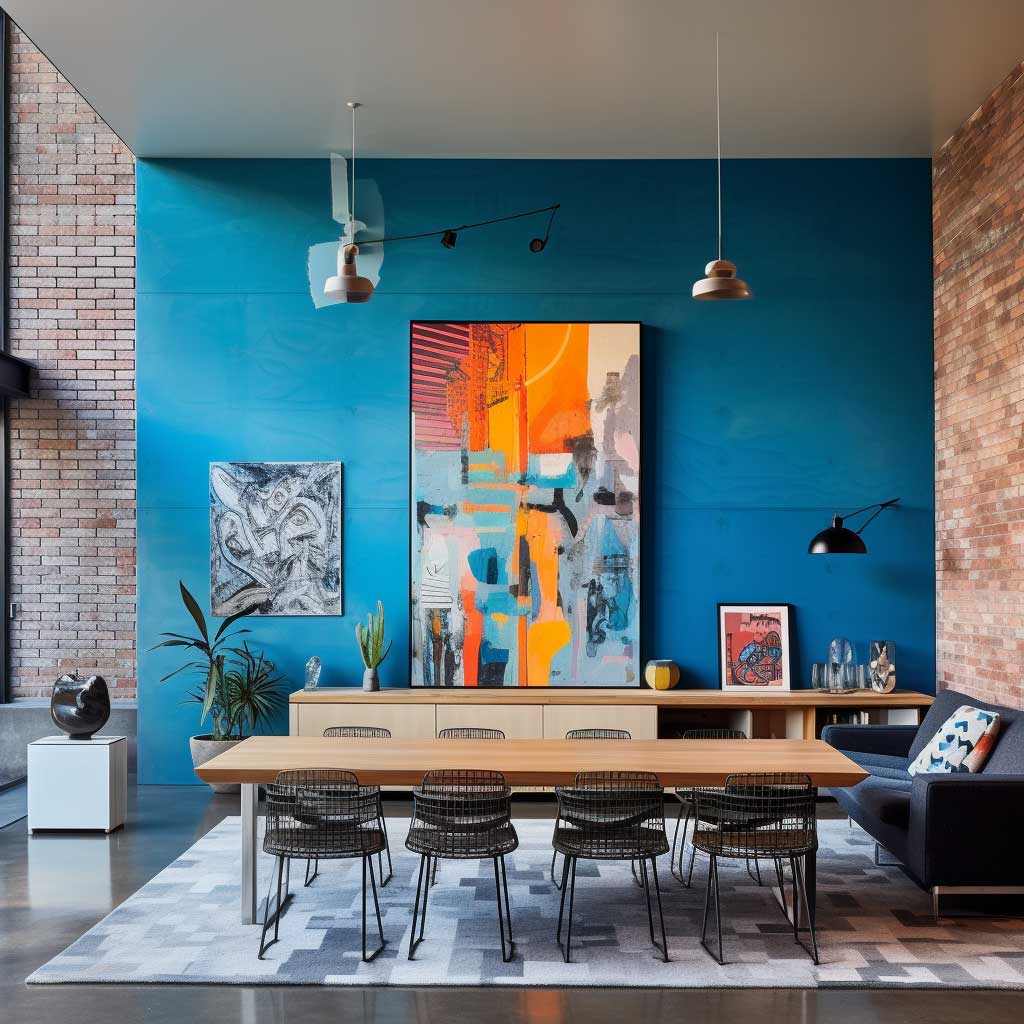
Does a bold painted brick wall interior work in a small room? Actually, yes — more reliably than most people expect. The key is keeping everything else stripped back: white ceiling, pale floor, furniture in natural linen or leather. The wall becomes the room’s anchor, and because the eye has something strong to land on, the space feels considered rather than cramped. I’ve bought a navy brick wall in an 11-by-13 bedroom and it read more like a boutique hotel room than a box.
Blue is the most searched interior brick painting ideas color online, but it’s also the one people lose confidence on fastest at the hardware store. My go-to test: get a $5 sample pot, paint a 12-by-12 inch patch directly on the primed brick, and live with it for three days before committing. Brick absorbs pigment slightly differently than the color card suggests — colors often come out 5–10% darker on brick than on the swatch. That navy might shade into near-black after two coats, which could be exactly what you want. Explore painted and unpainted brick wall living rooms on ArtFasad for before-and-after context on how dramatically color shifts a room’s personality.
Final Word
Painted Brick Interior Walls Pay Off in Every Metric That Matters
A single coat of white on raw brick costs under $200 in materials and adds more perceived value than a full room repaint — I’ve watched it happen in three separate homes I’ve styled.
Dark and bold painted brick accent walls hold up better over time than their drywall equivalents because the texture masks minor scuffs, chips, and the inevitable mark that appears behind where the sofa used to be.
Save this post before you head to the paint counter — you’ll want the brand names and roller specifications on hand when you’re standing in the aisle.
Related Topics
FAQ
What is the best paint for interior brick walls?
Do I need to prime interior brick before painting?
What color looks best on painted interior brick walls?
How do you paint brick walls inside a house step by step?
Can you paint an interior brick accent wall without damaging it?
How much does it cost to paint an interior brick wall?
Complete guide
Brick in Every Room and Facade Worth Seeing
Exteriors, interiors, patios, bathrooms, colors, patterns, materials — all in one place