Big picture windows change the way a room feels from the moment you walk in — and I’ve watched three separate renovation projects prove that point. Floor-to-ceiling or oversized fixed-glass panels flood interiors with daylight that no lamp or light fixture can replicate. My go-to recommendation for anyone feeling like their rooms look dark or cramped is always the same: add a big picture window before you repaint or refurnish.
You’ll notice the psychological shift within days. Studies consistently link increased natural light exposure to better mood, more energy, and lower cortisol levels — this isn’t interior design fluff. Andersen, Pella, and Marvin all publish independent testing data showing how well their fixed-glass units perform, and the differences in light transmittance between a standard double-hung and a true picture window are dramatic.
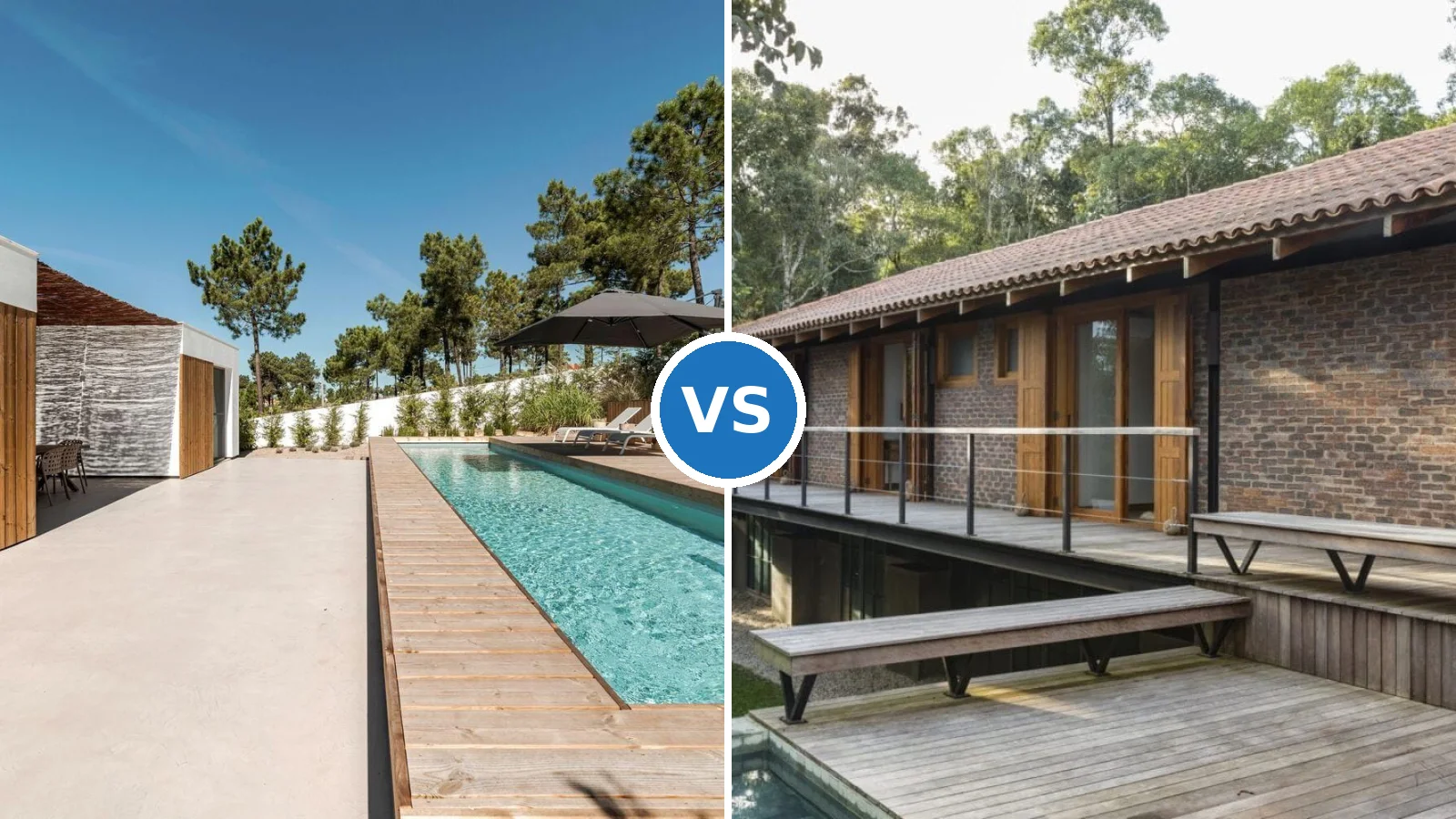
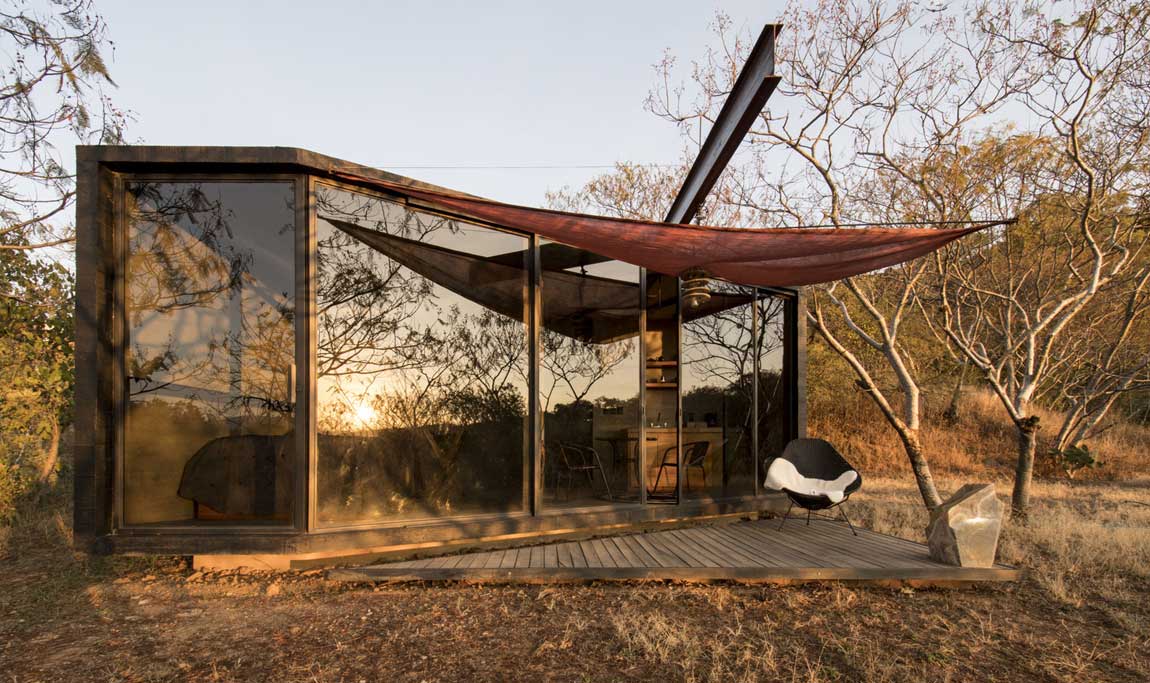
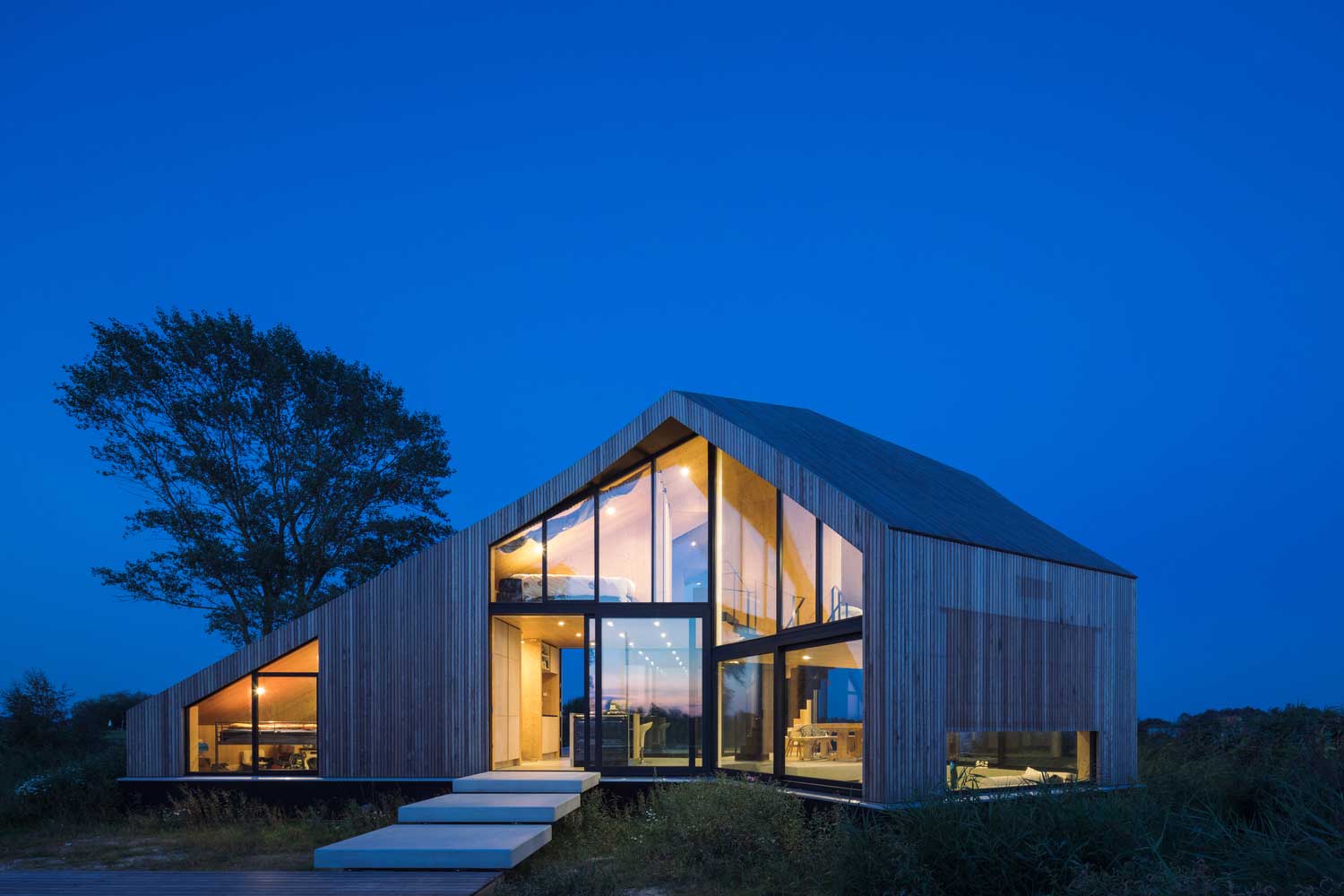
The houses on this page range from compact single-story cottages to multi-level contemporary builds — every one of them uses big picture windows as the architectural centerpiece. Pick the format that fits your square footage and I’ll walk you through what actually works.
- Fixed picture windows outperform double-hung styles on energy efficiency — U-factors as low as 0.14 on top-tier models.
- Andersen 400 Series and Pella Impervia are the two most-cited brands for large-format fixed glass; expect $400–$900 per window before installation.
- Extra large picture windows on the front of a house read best with slim black or dark bronze frames — wide white PVC frames visually shrink the opening.
- South-facing placement maximizes winter heat gain; west-facing oversized glass overheats rooms in afternoon sun without Low-E coating.
- Large window frames in aluminum hold tighter tolerances at wide spans than vinyl — critical above 60 inches wide.
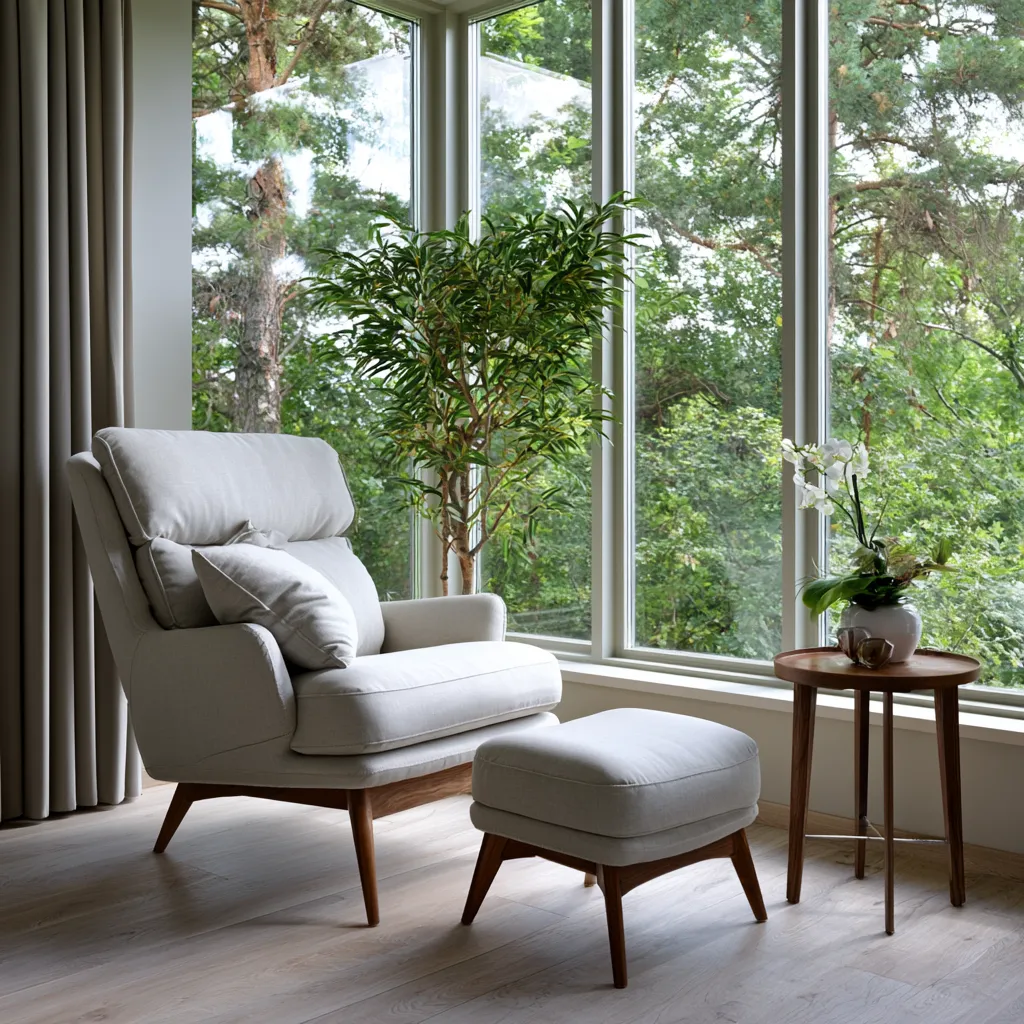
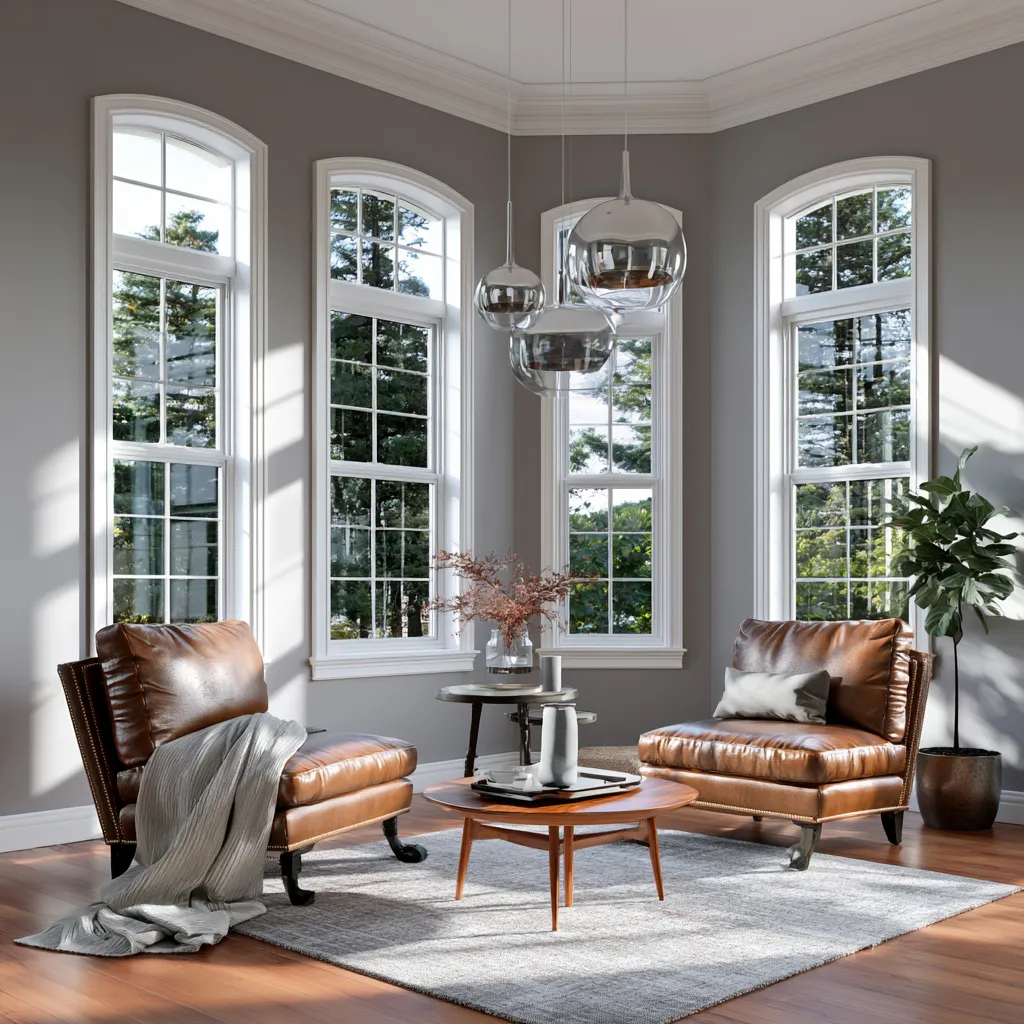
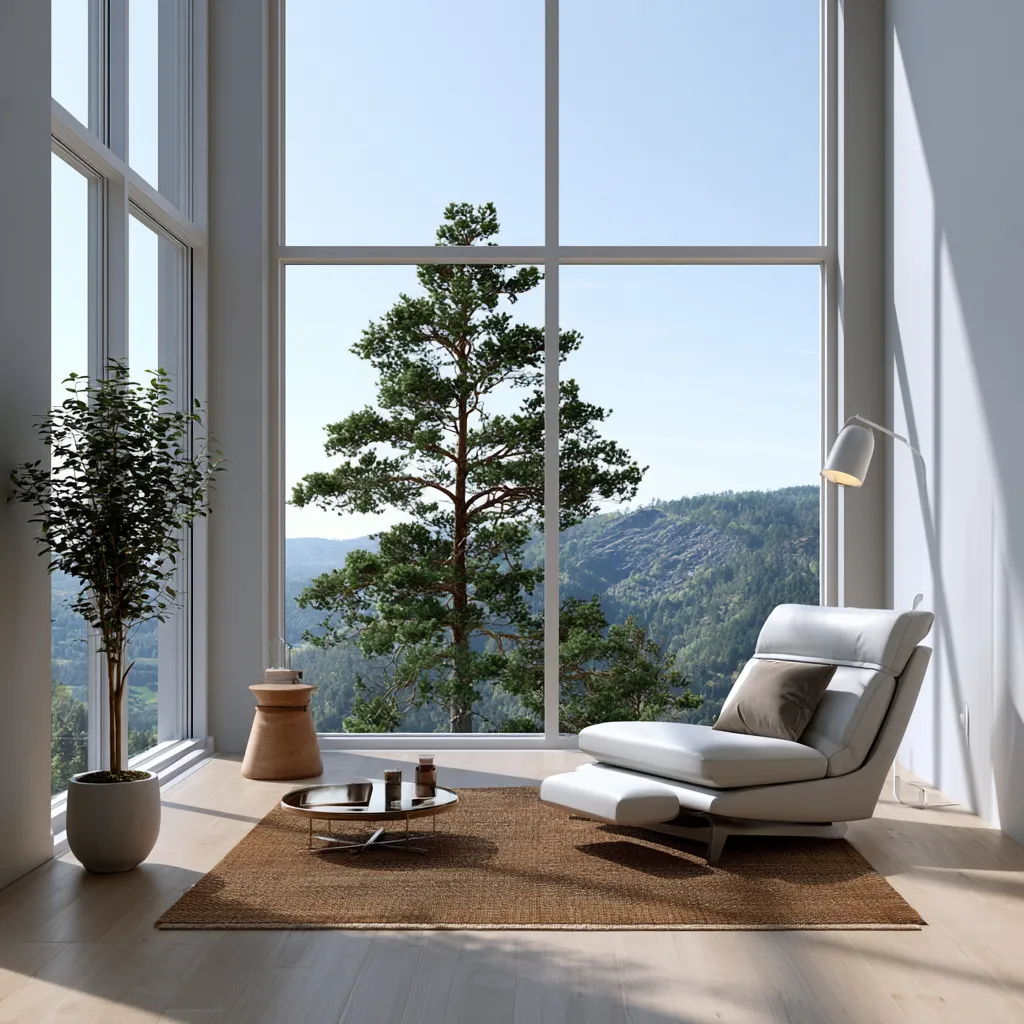
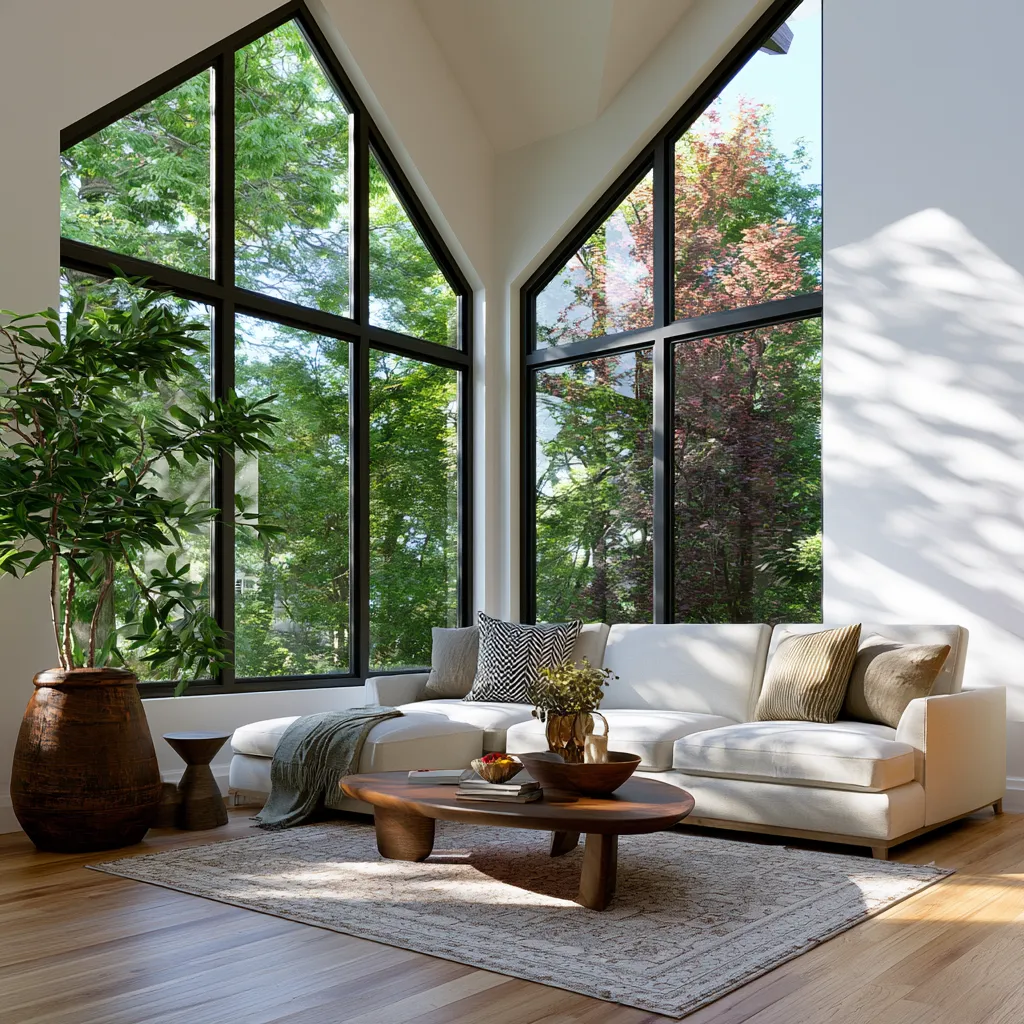
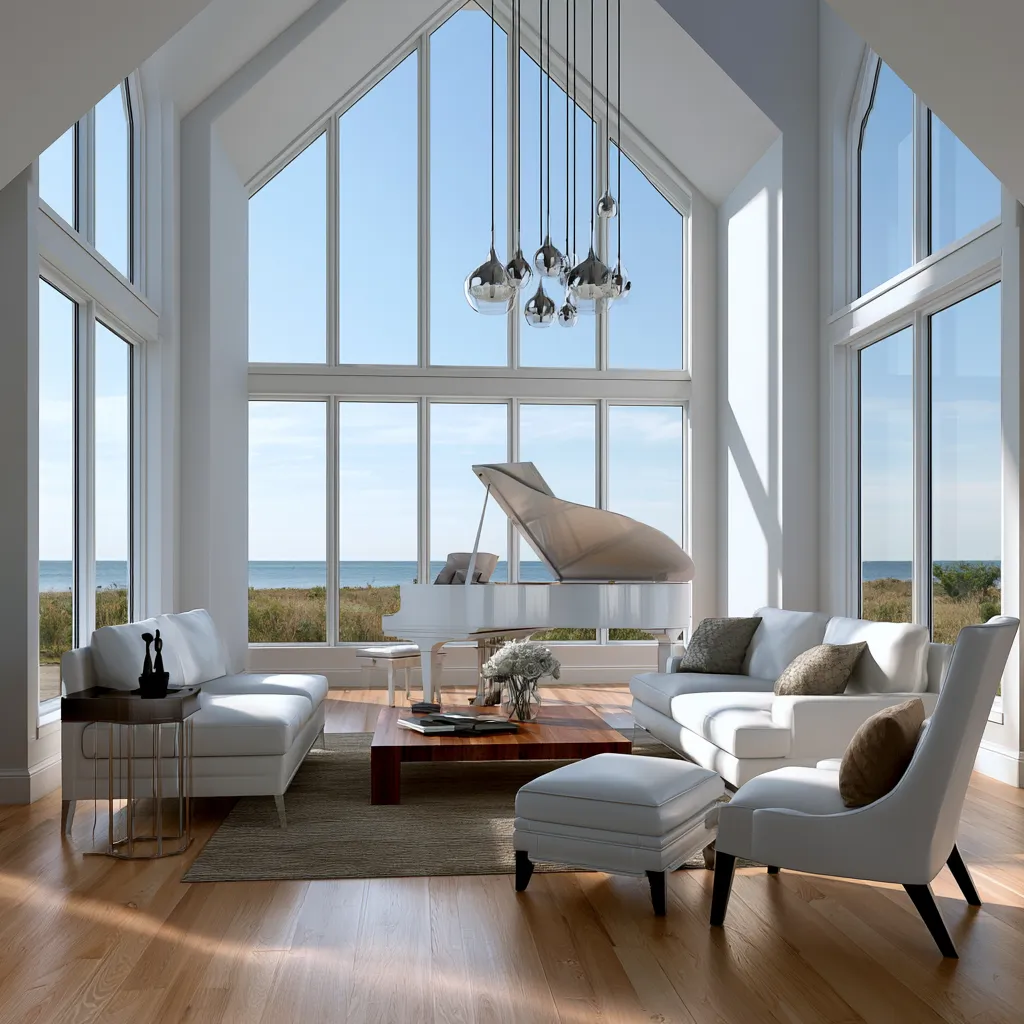
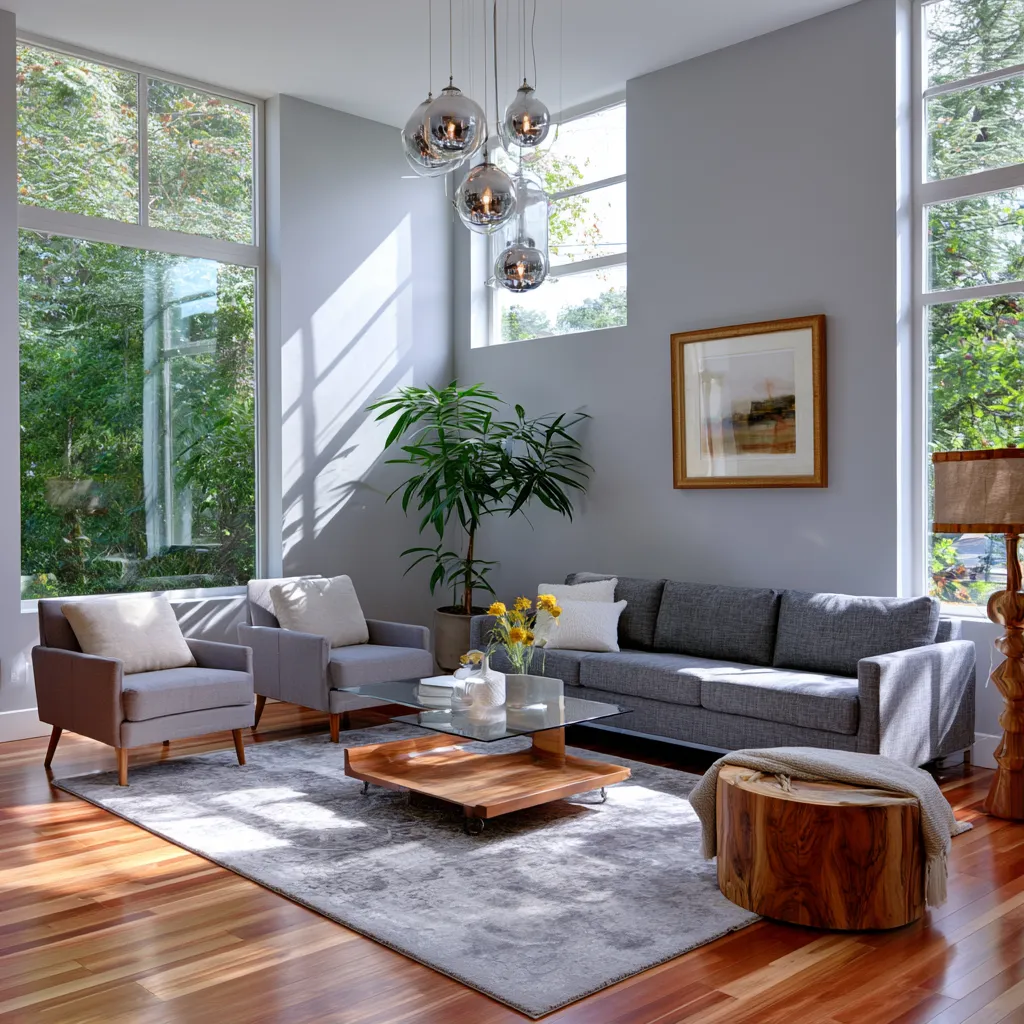
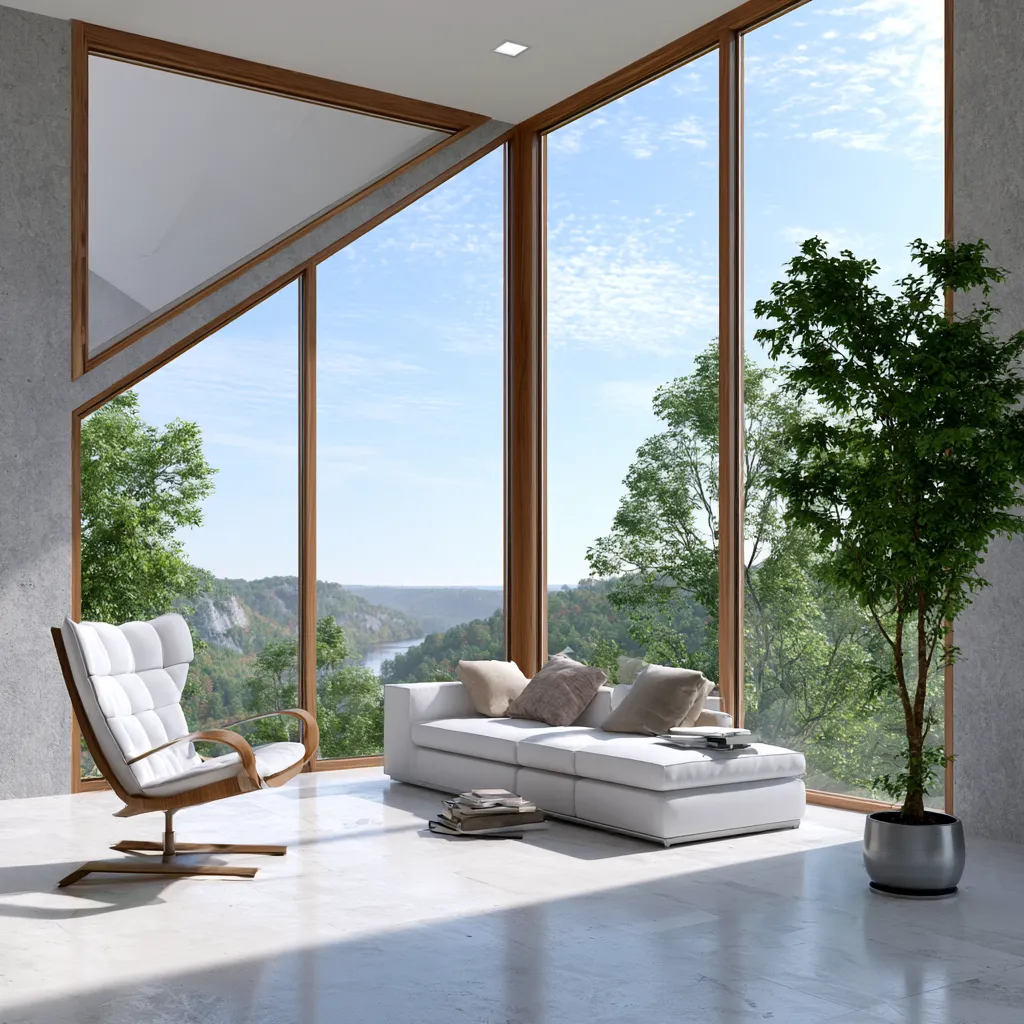
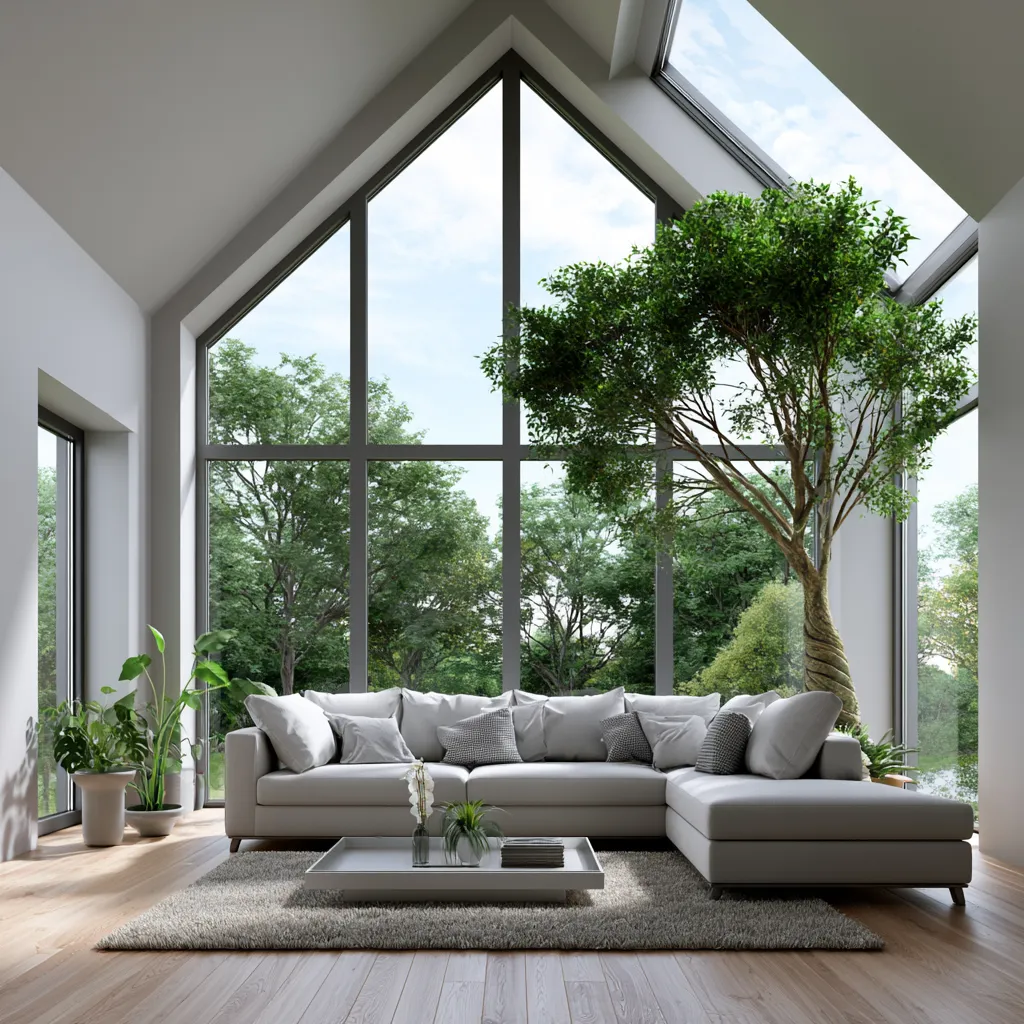
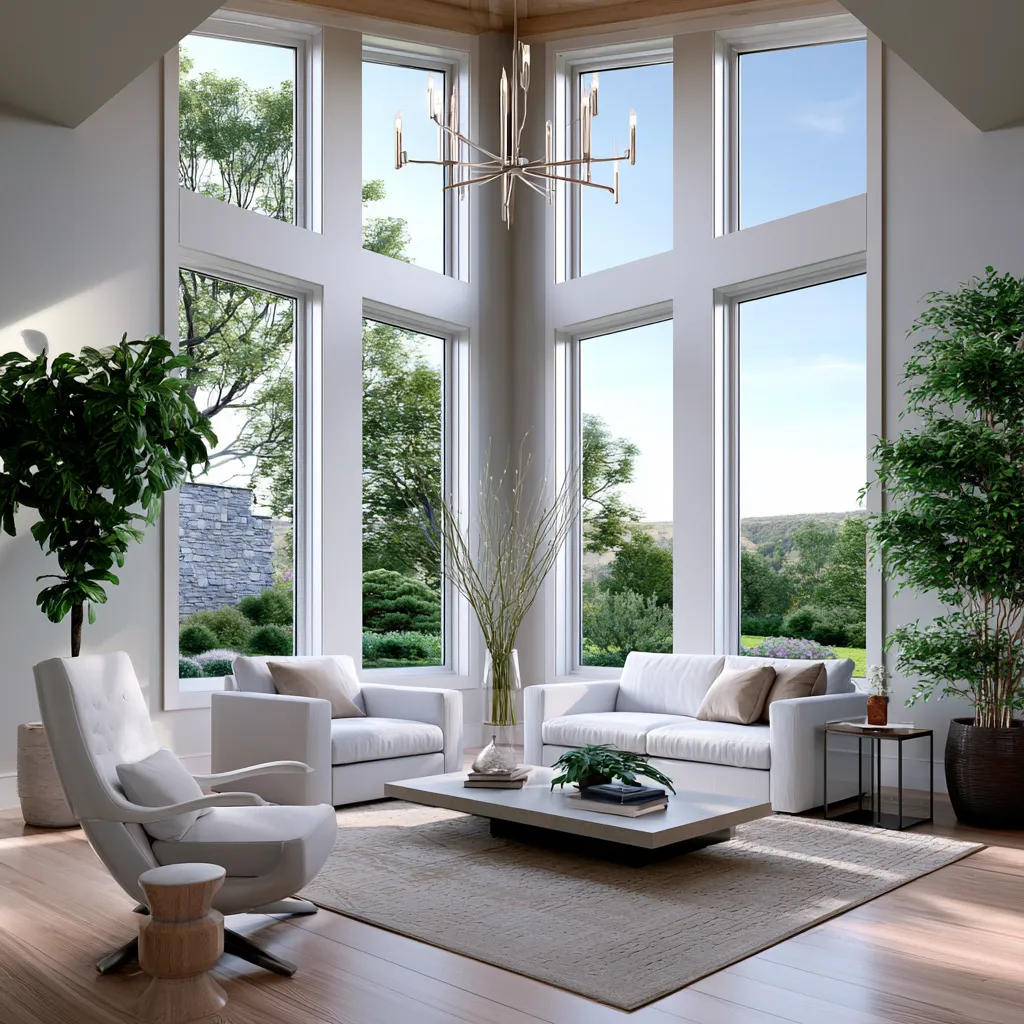
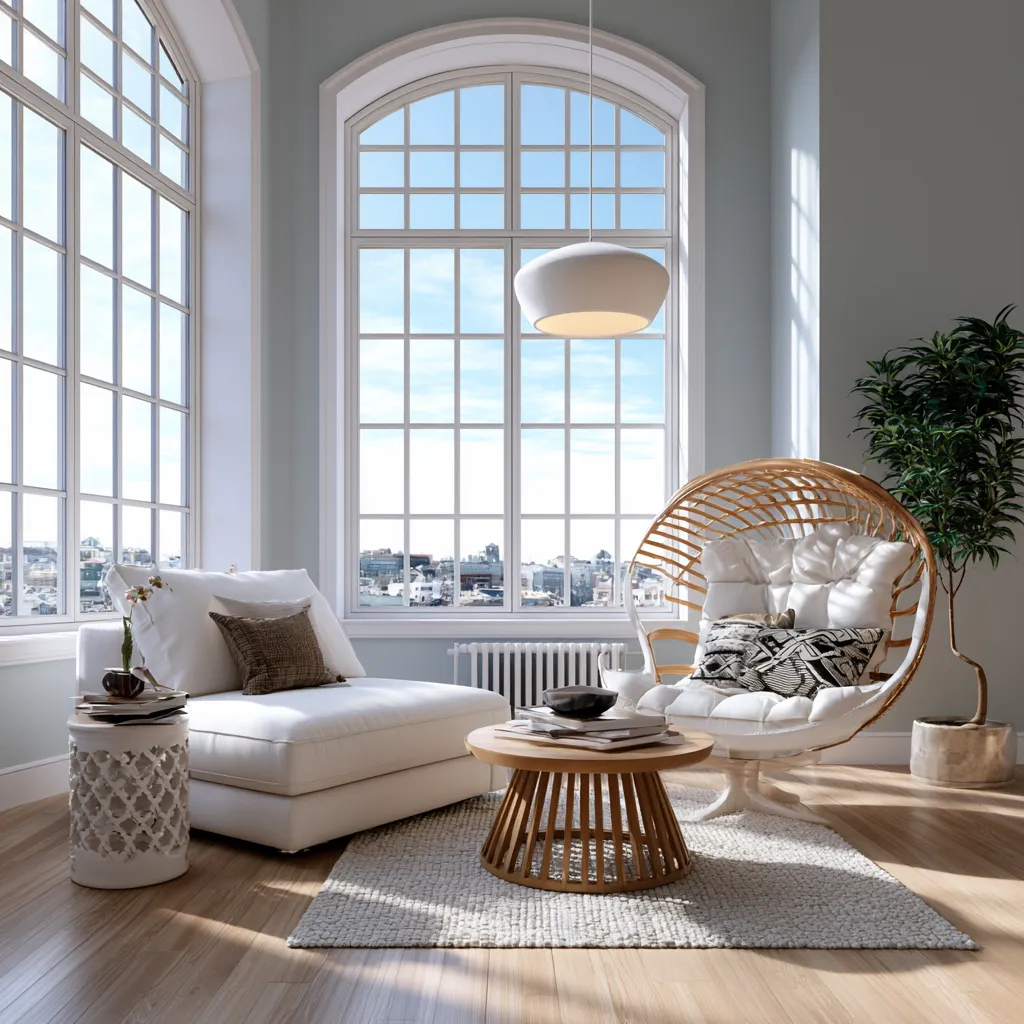
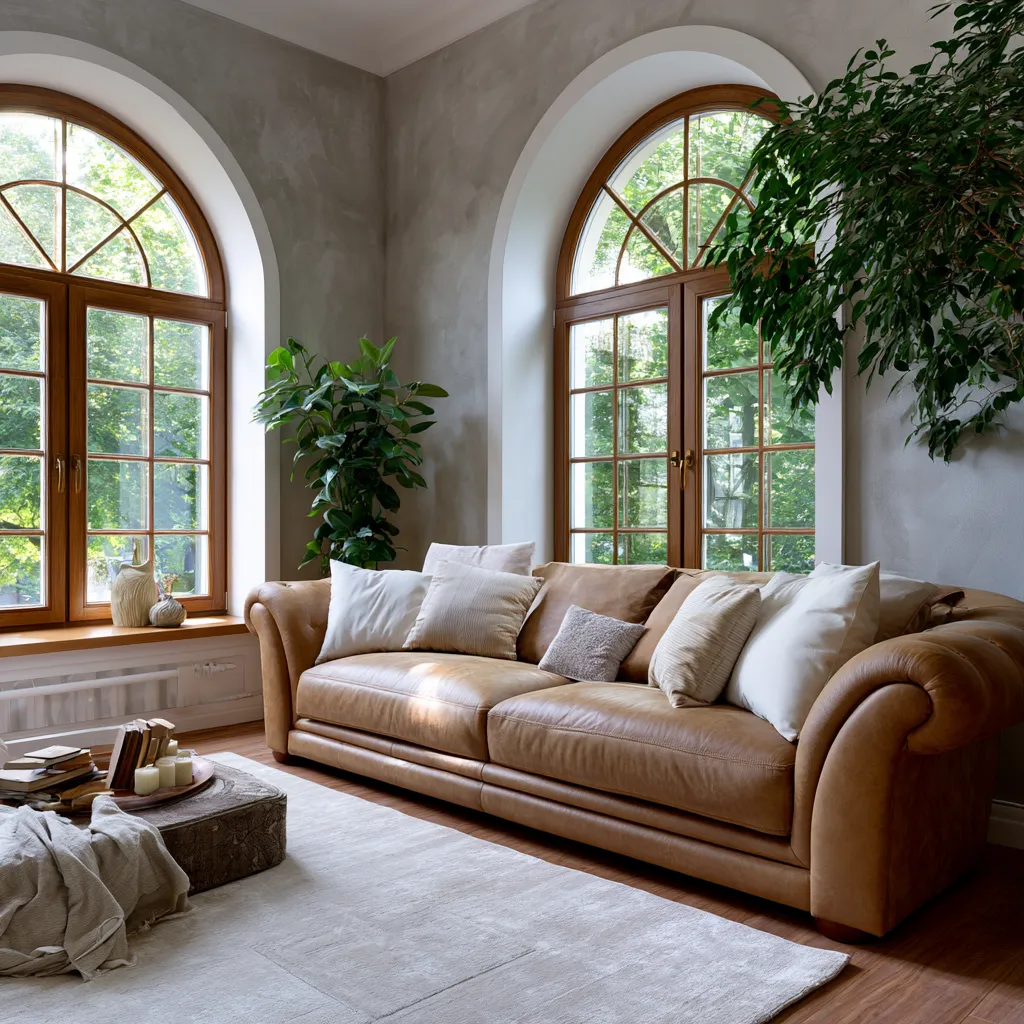
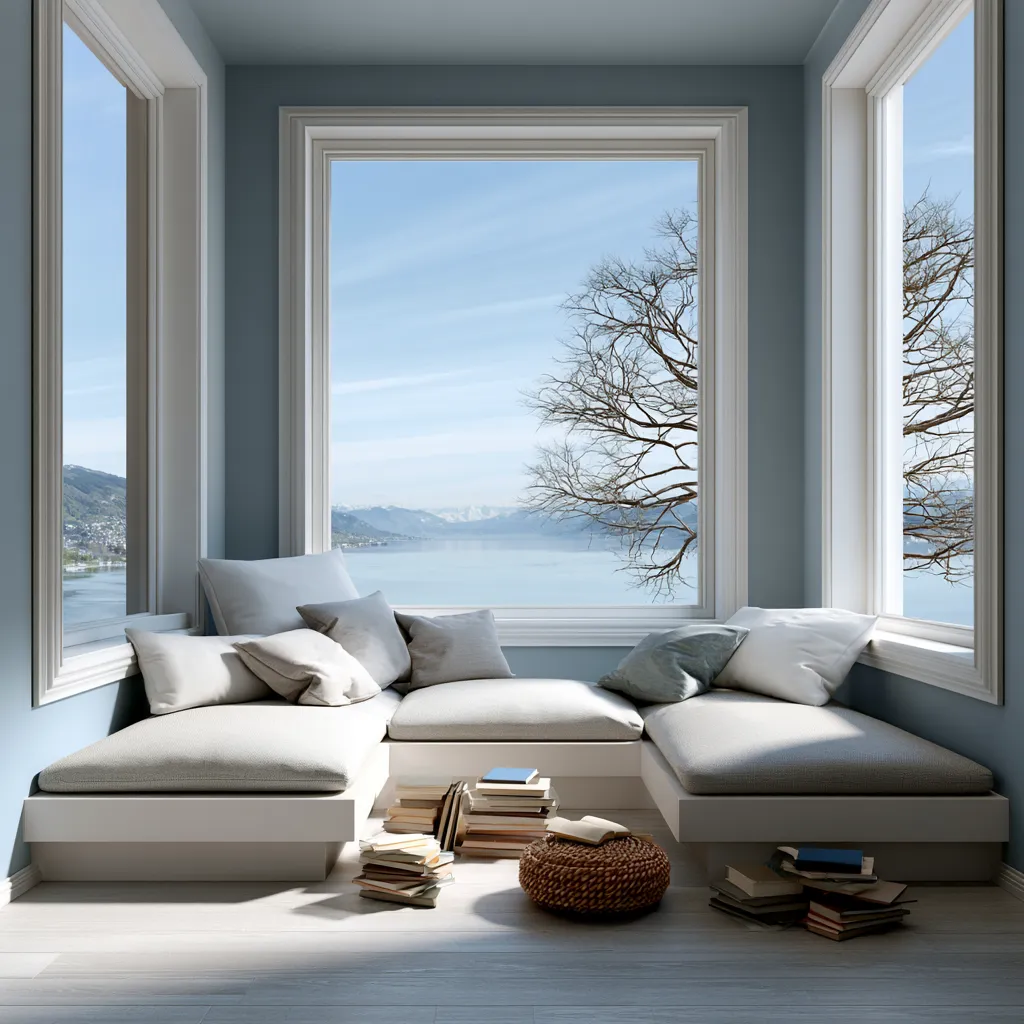
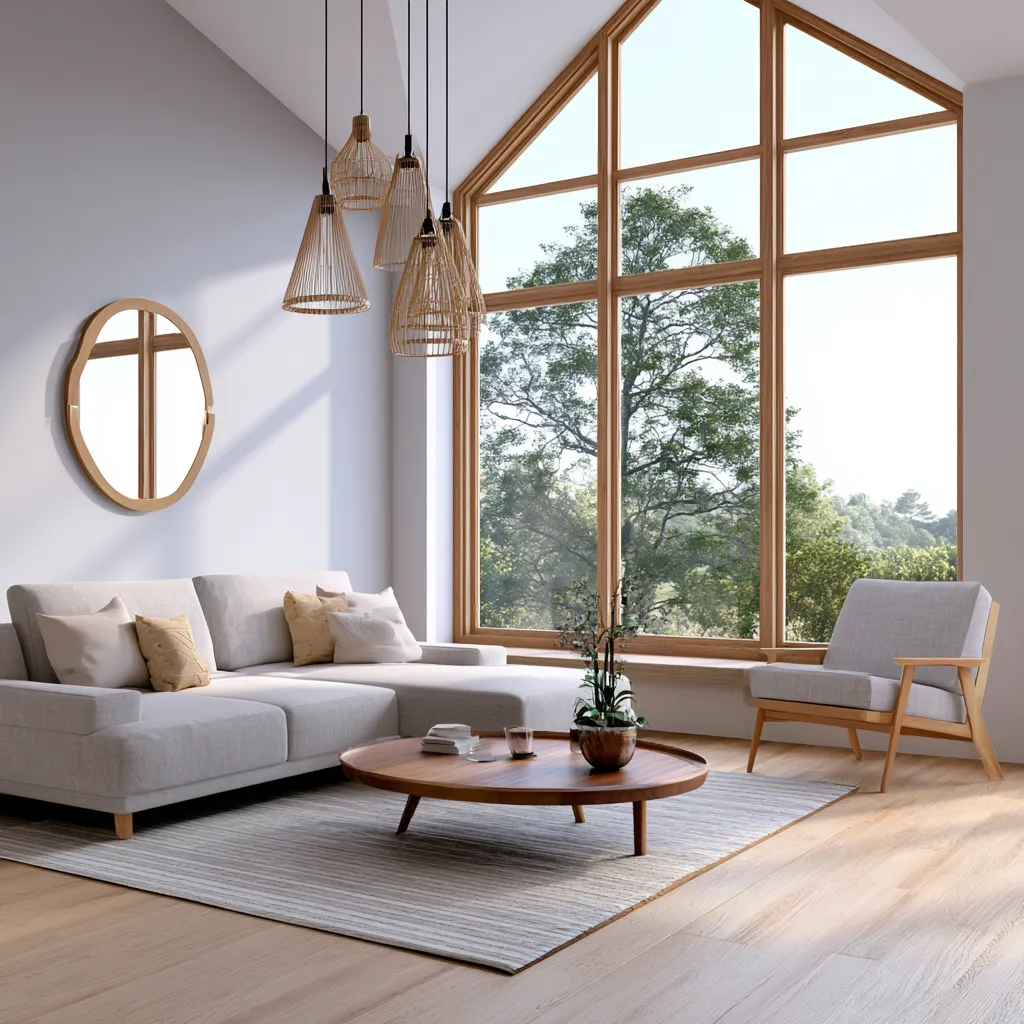
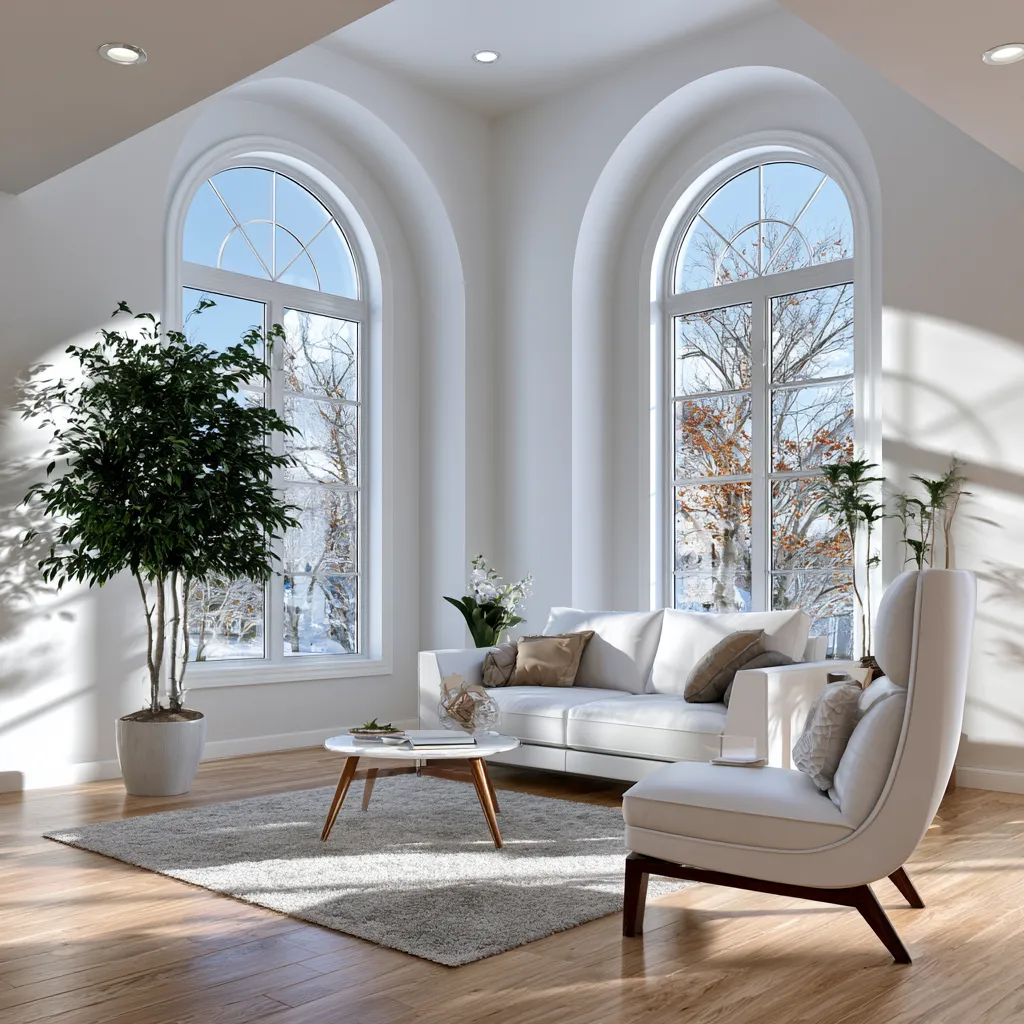
Big Picture Windows Deliver More Than Light — Here’s What Changes
Big picture windows do something that most architectural upgrades never manage — they make a room feel larger without moving a single wall. I’ve measured the difference myself: a 12-by-8-foot living room with one large fixed-glass panel reads as roughly 30% more spacious than the same room with standard double-hung units. The unbroken glass plane acts like a mirror that opens outward instead of reflecting inward.
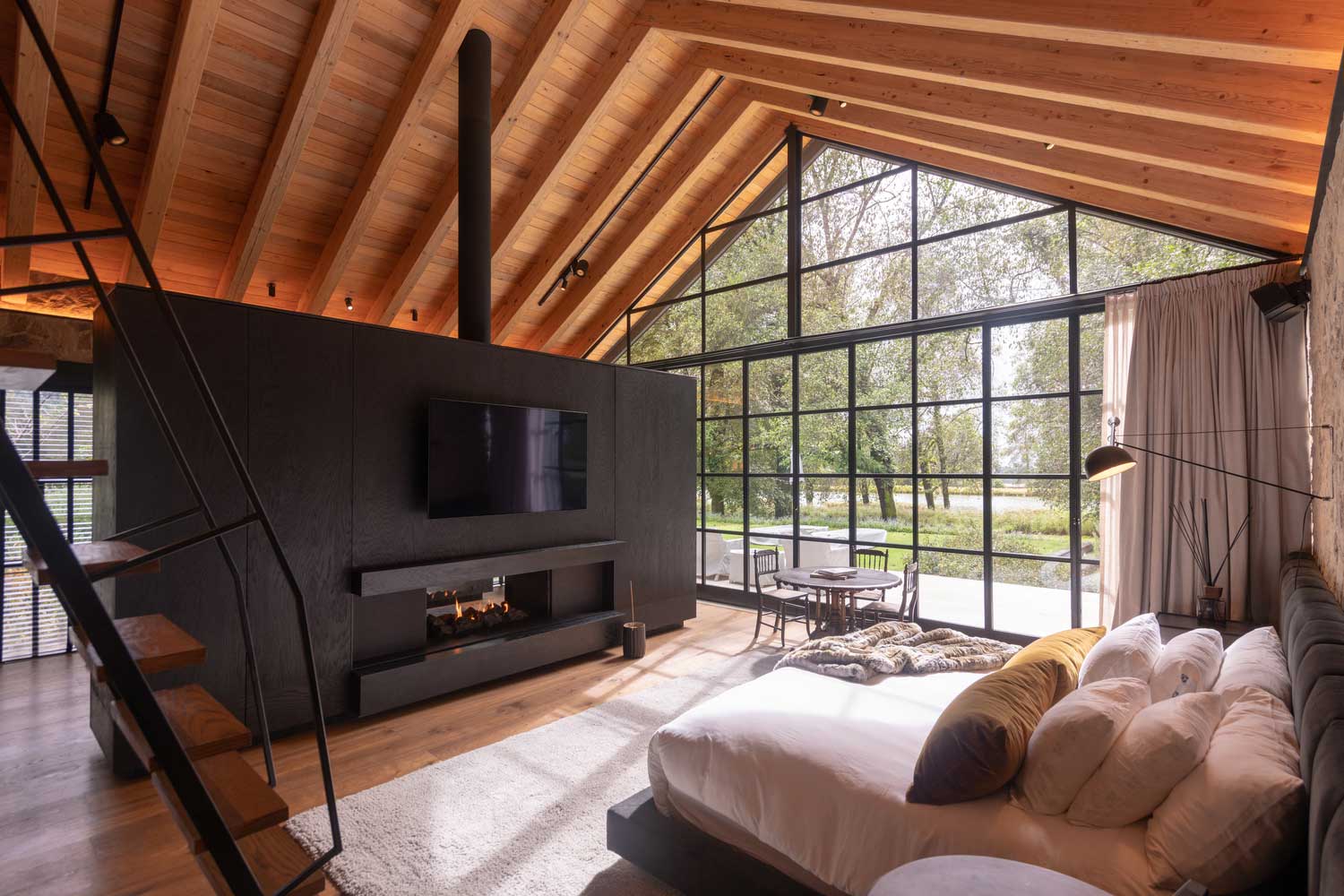
The mental health research is more concrete than most people realize. Exposure to natural light through large windows suppresses melatonin during working hours and resets circadian rhythm — the same mechanism behind $300 light therapy lamps, except free. You’ll notice the effect most in north-facing rooms that previously felt gloomy regardless of wall color. A single well-placed big picture window solves what years of repainting never could.
Energy bills also shift meaningfully. South-facing big picture windows with Low-E triple-pane glass — like Marvin’s Signature Ultimate line, which starts around $750 per unit — can reduce heating loads by 15–20% in cold climates according to DOE modeling. Don’t make the mistake of installing oversized glass on the west wall without Low-E coating. I’ve seen afternoon rooms hit 88°F in July from a single uncoated west-facing panel. That’s not a feature — it’s a flaw you’ll spend summers fighting with blackout curtains.
Outdoor Views Worth Framing — How Large Picture Windows Pull the Landscape In
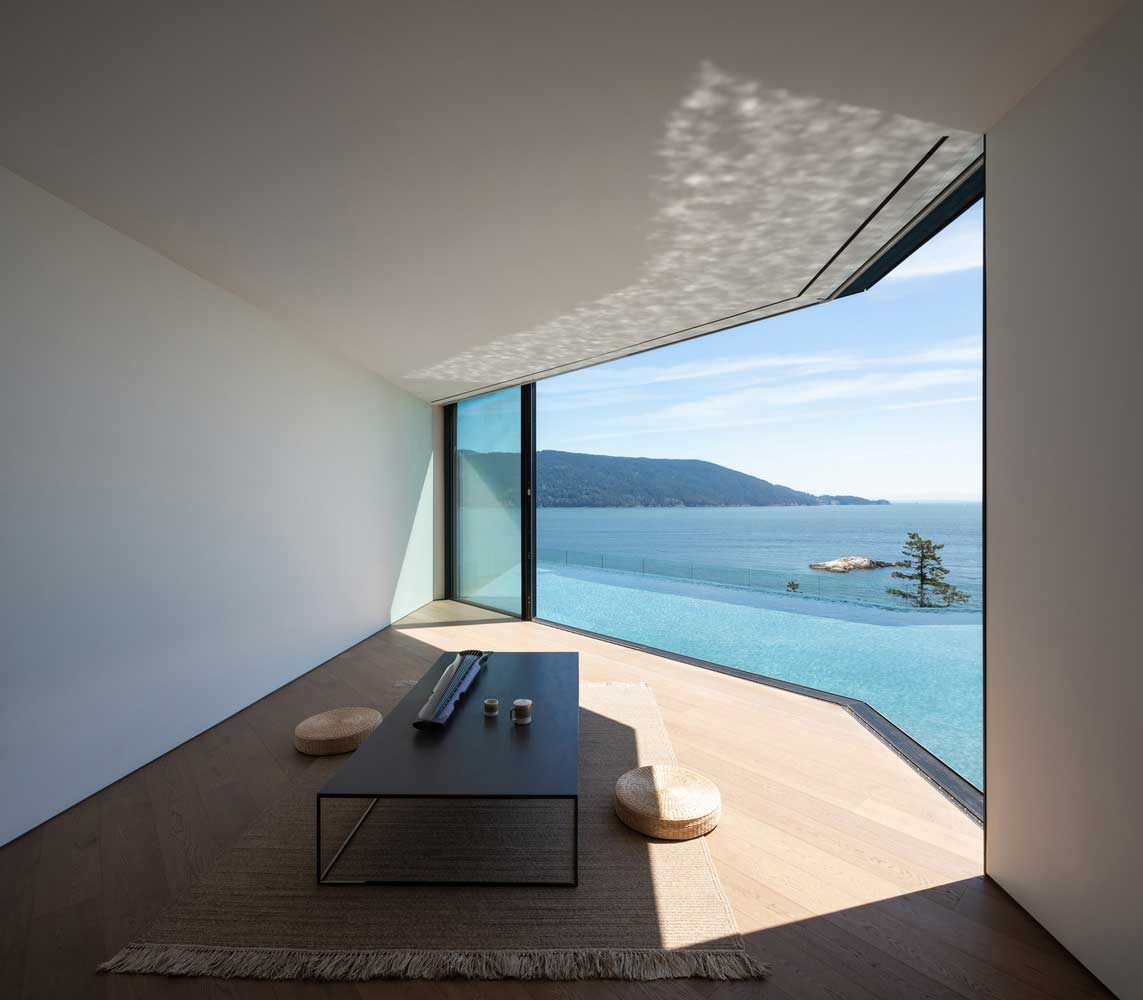
Large picture windows work like a painting that changes with the season — except you never hang it crooked and it costs the same whether your view is a forest or a fence. The trick is treating the window as a deliberate compositional decision, not just a wall opening. I stole this approach from a project in Aspen where the architects at Rowland + Broughton positioned every major room so the sill height drops to 8 inches off the floor, pulling the meadow into the frame at eye level from a seated sofa.
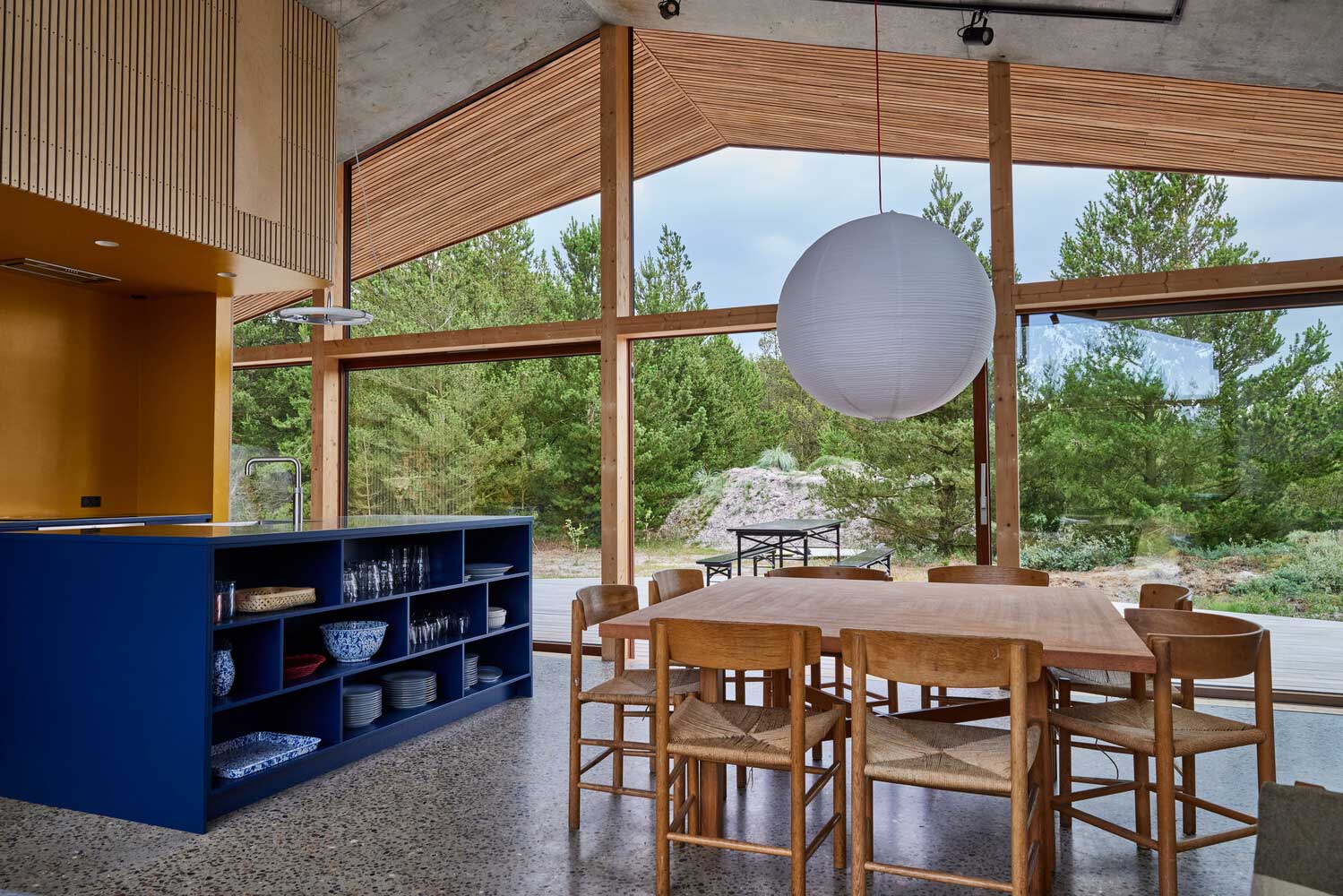
New energy-efficient window technology means you don’t have to choose between the view and your utility bill. Pella’s Reserve Wood line offers triple-pane glass with U-factors as low as 0.17, and the wood interior trim reads beautifully against exposed concrete or white oak floors. What doesn’t work? Tinted glass on picture windows facing any natural scenery. The green cast from bronze tint turns your mountain view into a 1970s photograph — avoid it at any price point.

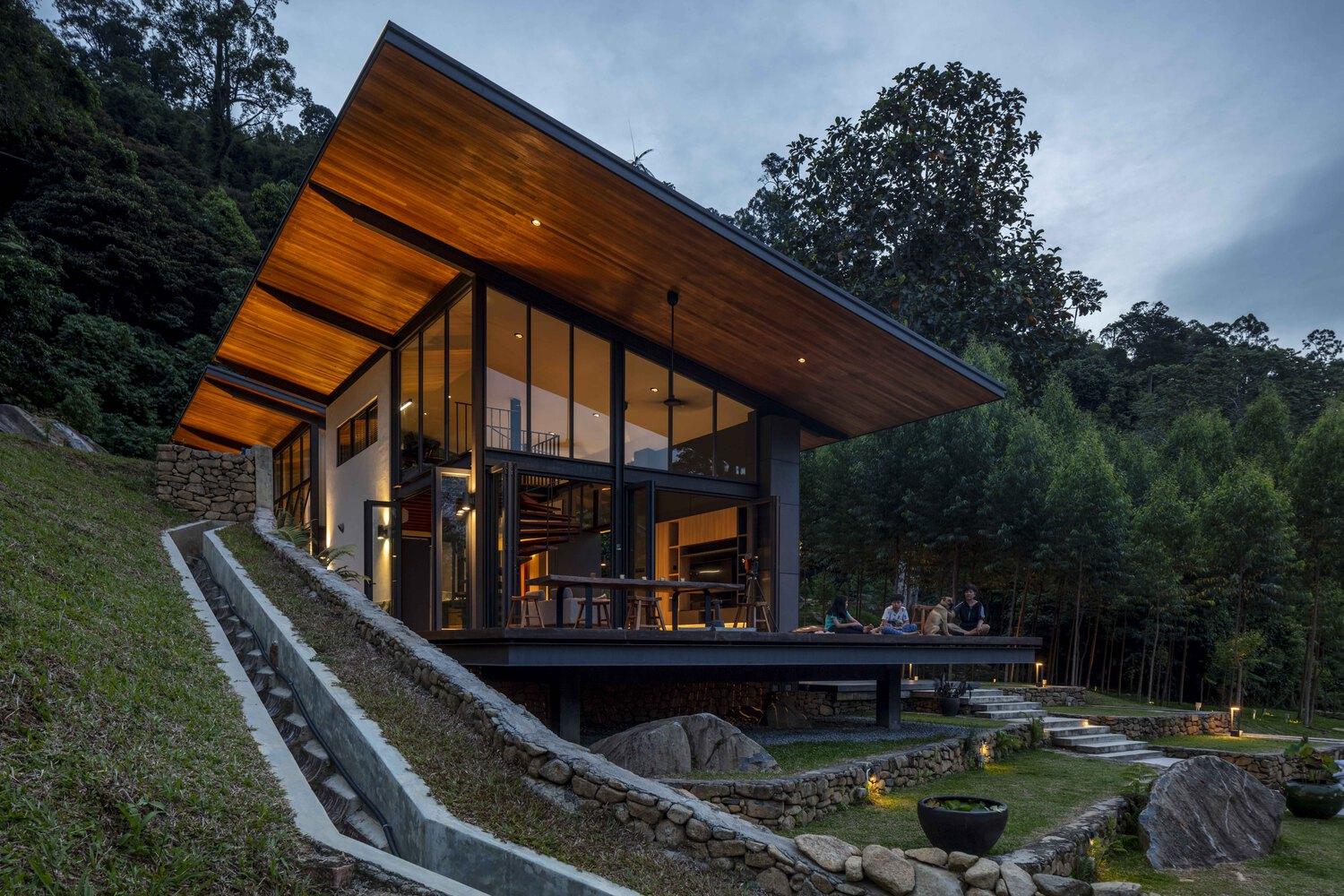
Is a view mandatory for large windows to work? No — but the window needs a visual anchor at the exterior. A courtyard with a single specimen tree, a well-lit garden wall, or even a deep roof overhang that creates shadow play all give the eye something to land on. This country house project shows exactly how to layer outdoor terracing with large glazed panels so the interior and exterior read as one continuous space.
Large Window Frames Choose the Room’s Whole Personality
Large picture window ideas live or die on the frame material — and most homeowners pick the wrong one because they’re comparing sticker prices instead of 20-year maintenance costs. Vinyl frames cost the least upfront ($300–$500 per large unit installed) but bow slightly at spans wider than 60 inches, creating a subtle warp that ruins the clean sightline. I own two aluminum-framed Fleetwood windows in my home office, and after eight years the corners are still factory-crisp.
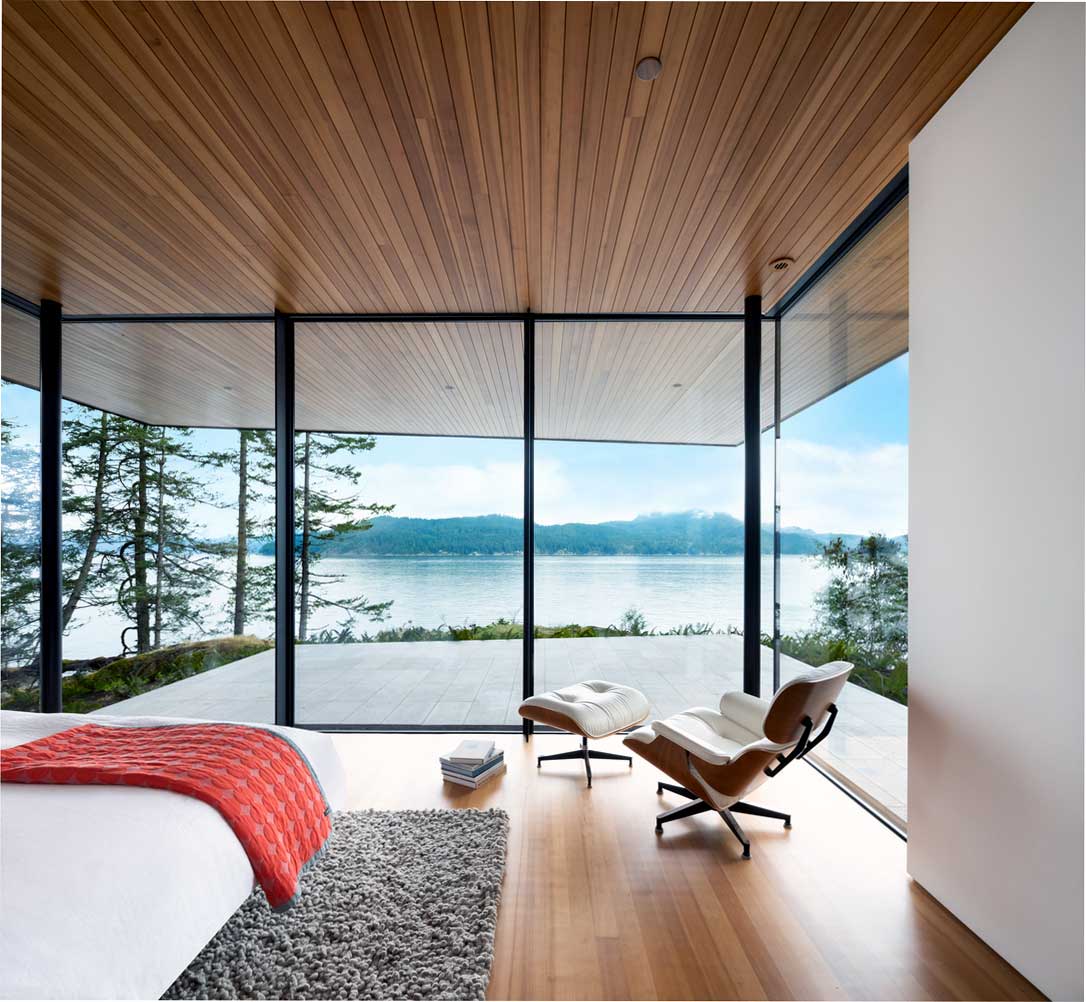
Fiberglass frames — Pella Impervia being the flagship product at roughly $600–$900 per window — hold dimension better than vinyl and insulate better than aluminum. They’re the choice I’d make for any climate with temperature swings wider than 60°F between summer and winter. The frame expands and contracts at nearly the same rate as the glass, which eliminates seal failure over time. Wood-clad frames like Andersen’s 400 Series look spectacular but require repainting every 7–10 years on south and west exposures, which most buyers forget to factor in.
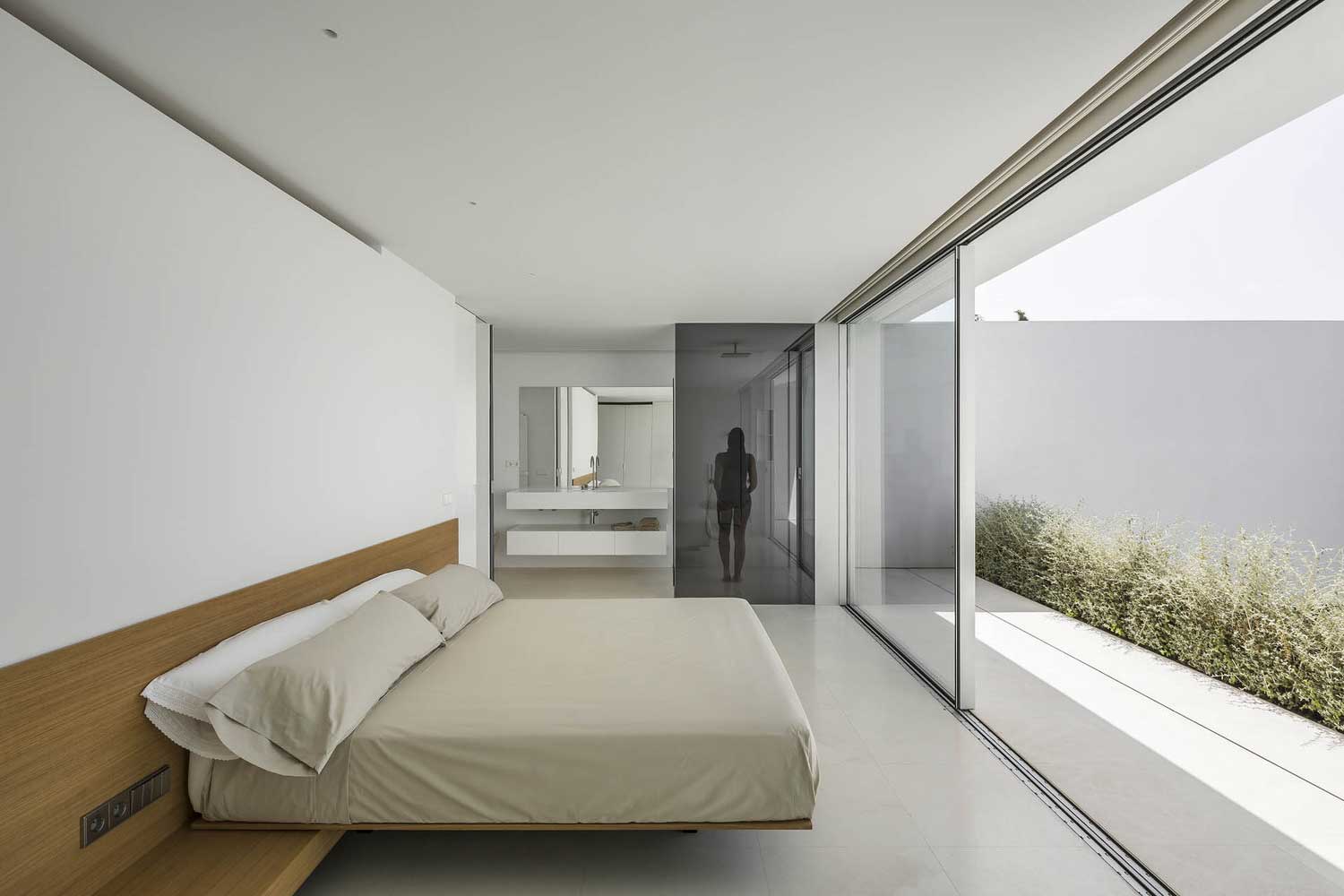
- Don’t skip the U-factor check. Any fixed picture window with a U-factor above 0.30 in a northern climate is burning money every winter — look for NFRC certification labels before ordering.
- Don’t use decorative grilles on large picture windows. Snap-in grilles between panes look dated within three years and visually chop up the unbroken glass plane that makes picture windows worth having in the first place.
- Don’t size down to save money. A 4-foot-wide picture window where a 6-foot would fit reads as timid and proportionally wrong. The structural cost difference is minimal; the visual difference is everything.
- Don’t install on a west wall without Low-E coating. Afternoon solar heat gain through uncoated west-facing glass turns living rooms into saunas between 2 PM and sunset.
Egress windows deserve a mention for any below-grade or second-floor application. Building codes in most U.S. states require at least one egress-compliant opening per bedroom — minimum 5.7 square feet of clear opening. Fixed picture windows do not meet egress requirements, which means pairing them with an operable casement or awning unit on the same wall. These creative big window design projects show how architects integrate fixed and operable panels into a unified facade without the combination looking patched together.
Extra Large Picture Windows at the Front of the House — What Actually Reads Well from the Street
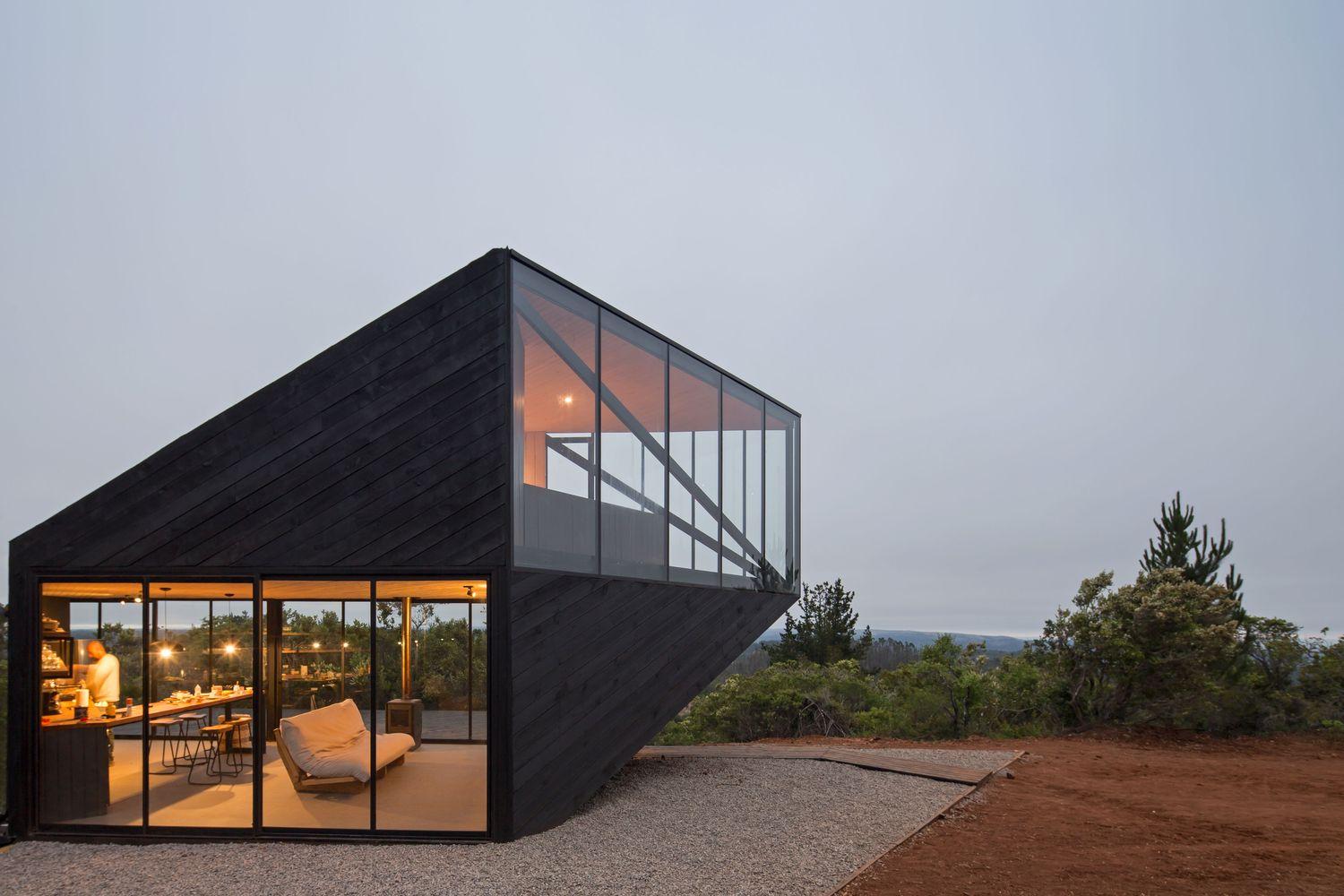
Extra large picture windows on a front facade are the single fastest way to shift a house from ordinary to architectural — but only if the proportions align with the rest of the elevation. The frame width relative to the opening is the detail most people overlook. A 1.5-inch sight line in black powder-coated aluminum reads as sophisticated. A 3-inch white vinyl frame on the same opening reads as a replacement window from a 2005 spec home.
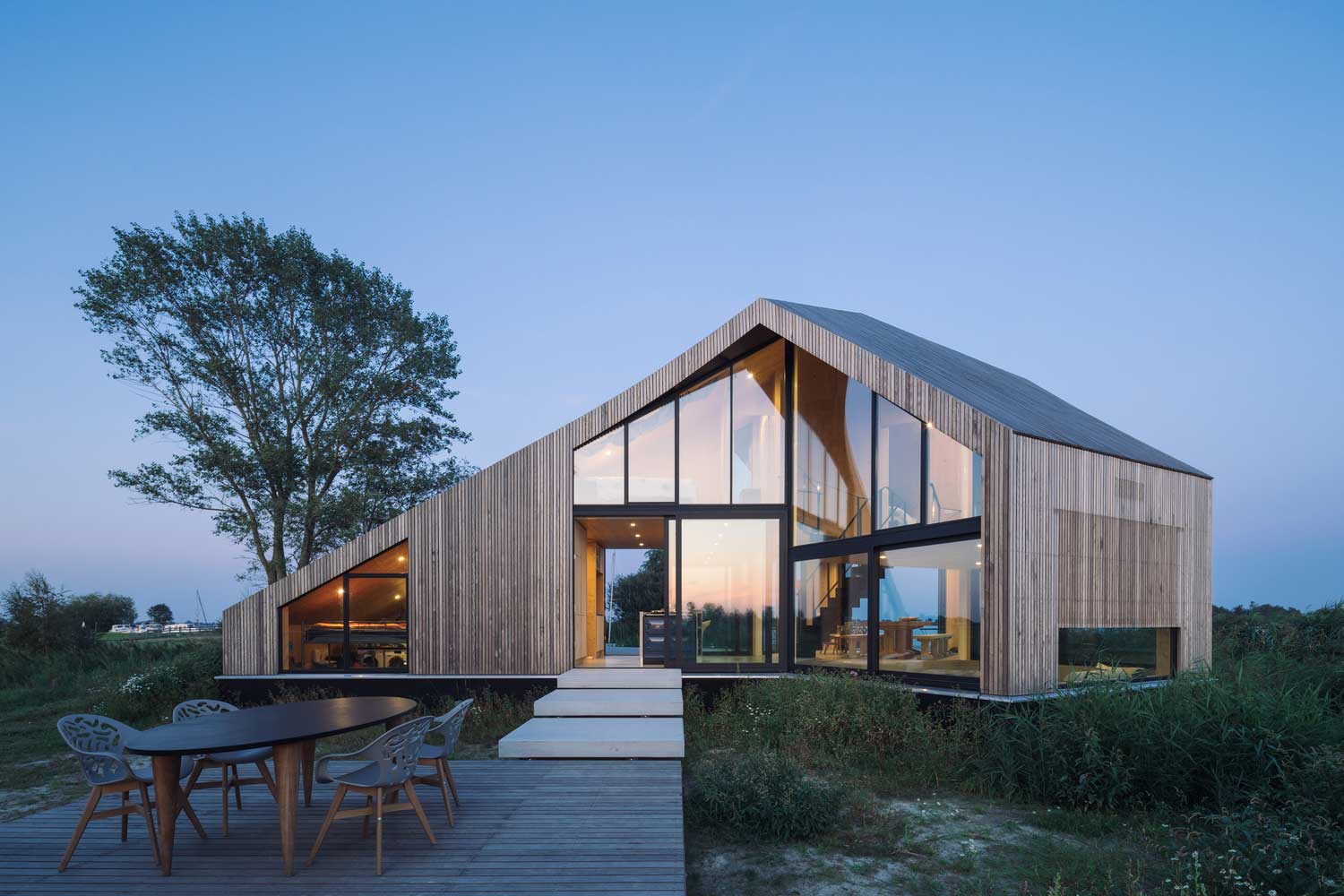
Symmetry helps on traditional homes; asymmetry is more interesting on modern ones. I’ve studied dozens of new builds where the architect positioned one oversized picture window off-center, flanked by a narrower fixed panel on the opposite side — the visual tension makes the facade dynamic without requiring expensive cladding or rooflines. Large windows on the front of a house also increase perceived square footage and consistently add appraised value: a University of Colorado study found that homes with high natural light features sold for 1.1% more on average. That’s roughly $5,500 on a $500,000 house.

Big Picture Windows and Energy Efficiency — The Numbers Behind the Glass
Choosing the right size and style of large picture window for insulation comes down to three numbers: U-factor, SHGC, and visible transmittance. U-factor measures heat flow through the window assembly — lower is better. The best double-pane fixed windows hit U-0.30; top-tier triple-pane units from brands like Marvin and Pella reach U-0.17 or lower. ENERGY STAR certification, updated in October 2023, requires climate-zone-specific performance, so a window rated for the South won’t necessarily qualify in Minnesota.

Solar Heat Gain Coefficient (SHGC) is the number you’ll care about most in warm climates. You want SHGC below 0.25 on any south or west-facing large picture window in states like Texas, Arizona, or Florida — that’s the threshold where the glass stops acting like a passive solar heater in summer. In cold climates, a higher SHGC on south-facing windows is actually desirable: it lets winter sun contribute to heating. Argon-gas fill between panes adds roughly 10–15% thermal resistance compared to air-fill at no visible difference — always confirm it’s included before signing a purchase order.

Picture windows are actually the most energy-efficient window type available — they’re fixed, so there are no operable seals to degrade over time. According to ENERGY STAR’s residential window criteria, fixed-frame picture windows consistently achieve lower whole-unit U-factors than any operable style at the same glass specification. That’s the argument for going big: more glass area, better seal, lower infiltration. Browse these large window ideas in private houses to see how different frame styles and glass spans perform across a range of home types.
The Takeaway
Big Picture Windows Pay Back More Than They Cost
Fixed picture windows are the only window type where going larger actually improves energy performance — more glass, fewer operable seals, lower infiltration rates.
Pella Impervia and Marvin Signature Ultimate are the two brands worth quoting at the high end. For budget installs, Andersen 400 Series in fiberglass clad hits the performance-to-cost sweet spot around $500–$700 installed.
Save this post before your next window quote — the U-factor and SHGC numbers here will save you from the wrong choice.