My last bay window quote came in at $4,800. The window itself was $1,900. The rest? Framing, flashing, a structural header because the opening was too wide for the existing wall. Nobody tells you about that part upfront.
Bay windows push your wall outward and flood a room with light from three angles. That sounds great on paper. Pick the wrong size, the wrong frame material, or the wrong wall, and you’re looking at condensation problems, heat loss, and a $2,000 fix six months later. I’ve watched it happen twice on my street alone.
Below are 20+ bay window designs that work on real houses. Not renderings. Not concept sketches. Actual installed windows with frame details, sizing notes, and one project by Atelier Oslo that uses angled bay windows to solve a privacy problem most architects ignore.
Quick Summary
Bay windows project outward from the wall and bring light from three directions. They add 4–6 sq ft of floor space per window and work best on south or east-facing walls.
Frame options: wood (looks best, rots), vinyl (cheapest, warps in heat), aluminum (thinnest profile, needs thermal break), fiberglass (middle ground).
Budget $3,000–$8,000 installed including structural header. Angled bay windows at 45° solve privacy problems in multi-unit housing — see the Atelier Oslo case study below.





What a Bay Window Actually Does to a Room
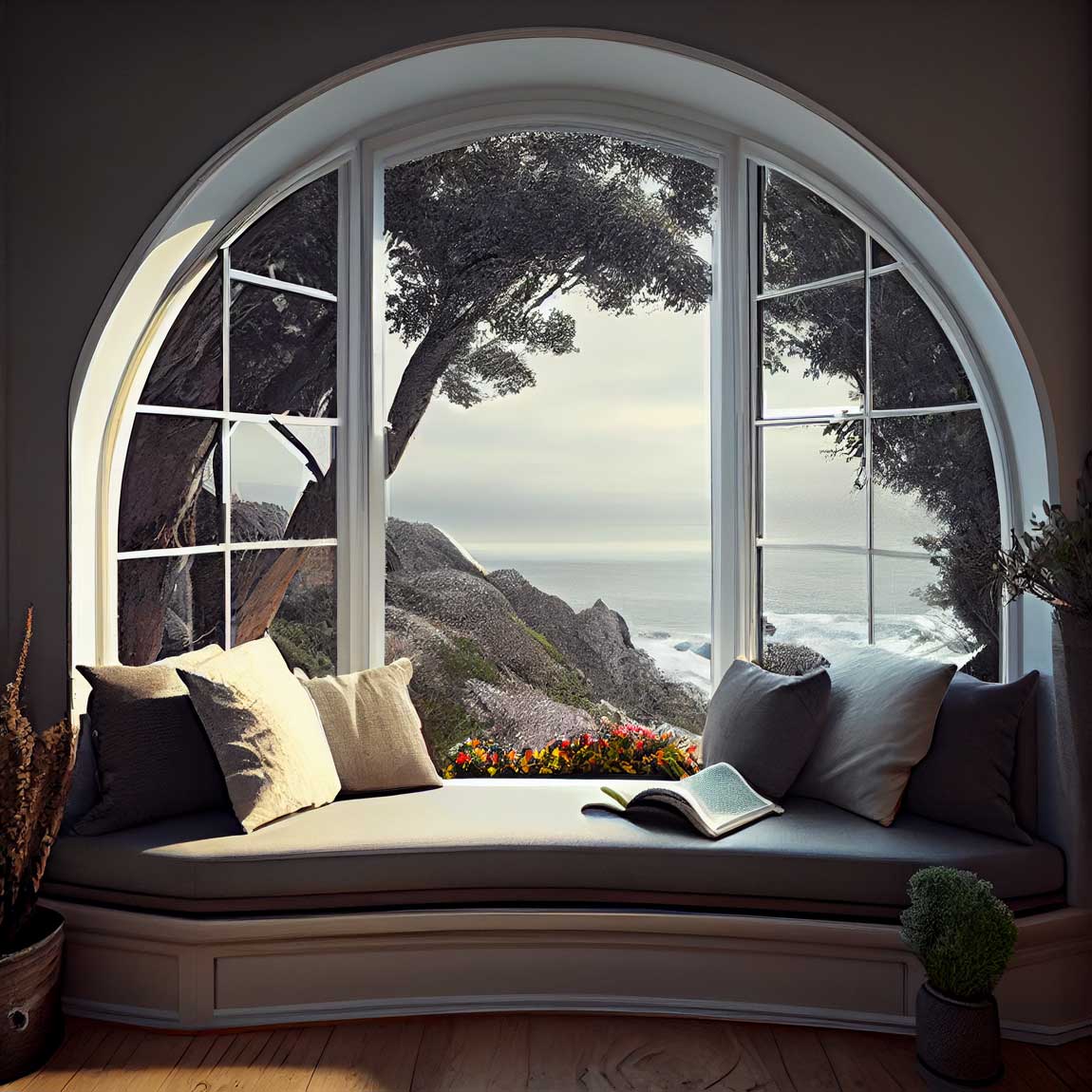
A three-panel bay window adds roughly 4 to 6 square feet of usable floor space per window. Not a huge number. But that bump-out changes the entire proportion of a room. Walls feel further apart. Ceilings feel taller. The effect is disproportionate to the actual square footage gained.
Light hits from three directions instead of one. Flat windows give you a single plane of light that fades fast once you step away from the glass. Bay windows wrap light around the room. I measured lux levels in my living room before and after a bay install. The reading 8 feet from the window went from 180 lux to 340. Almost double.
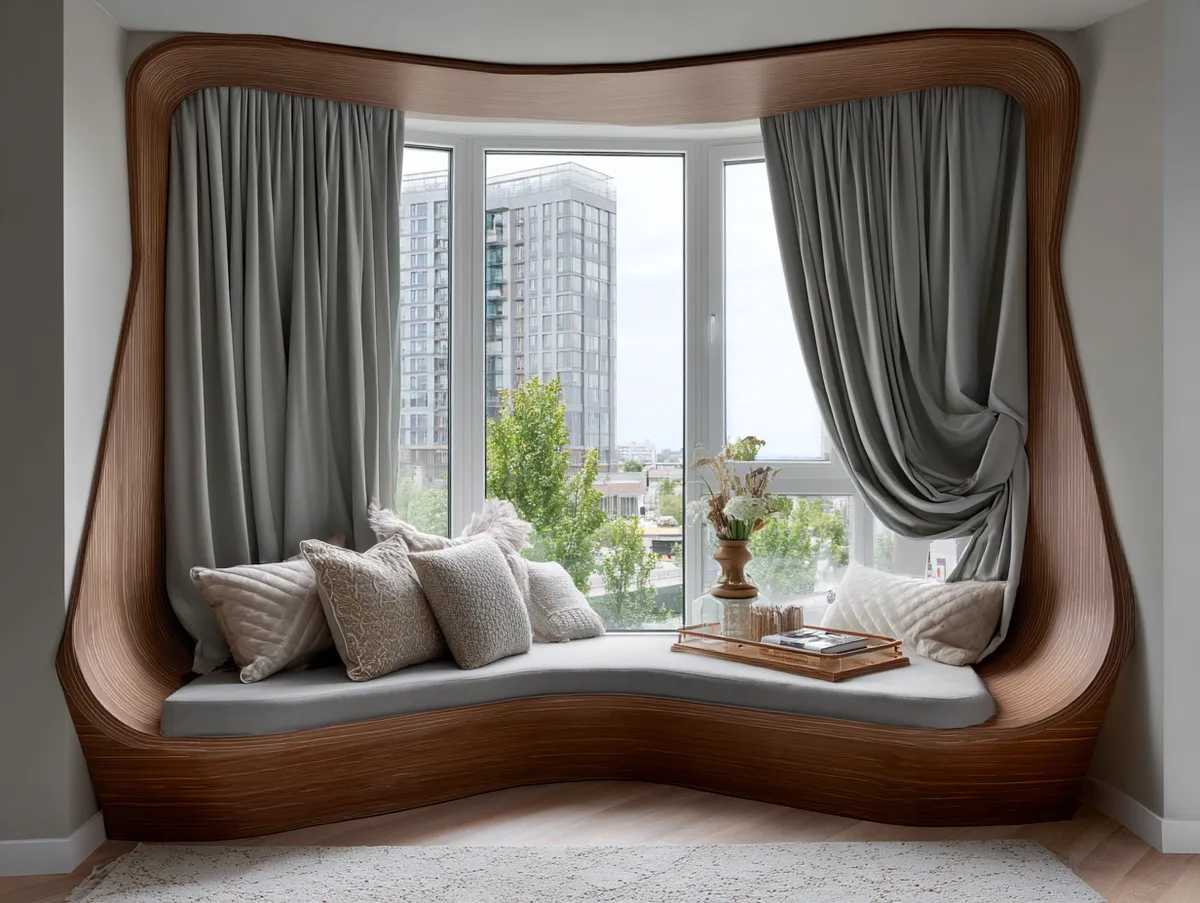
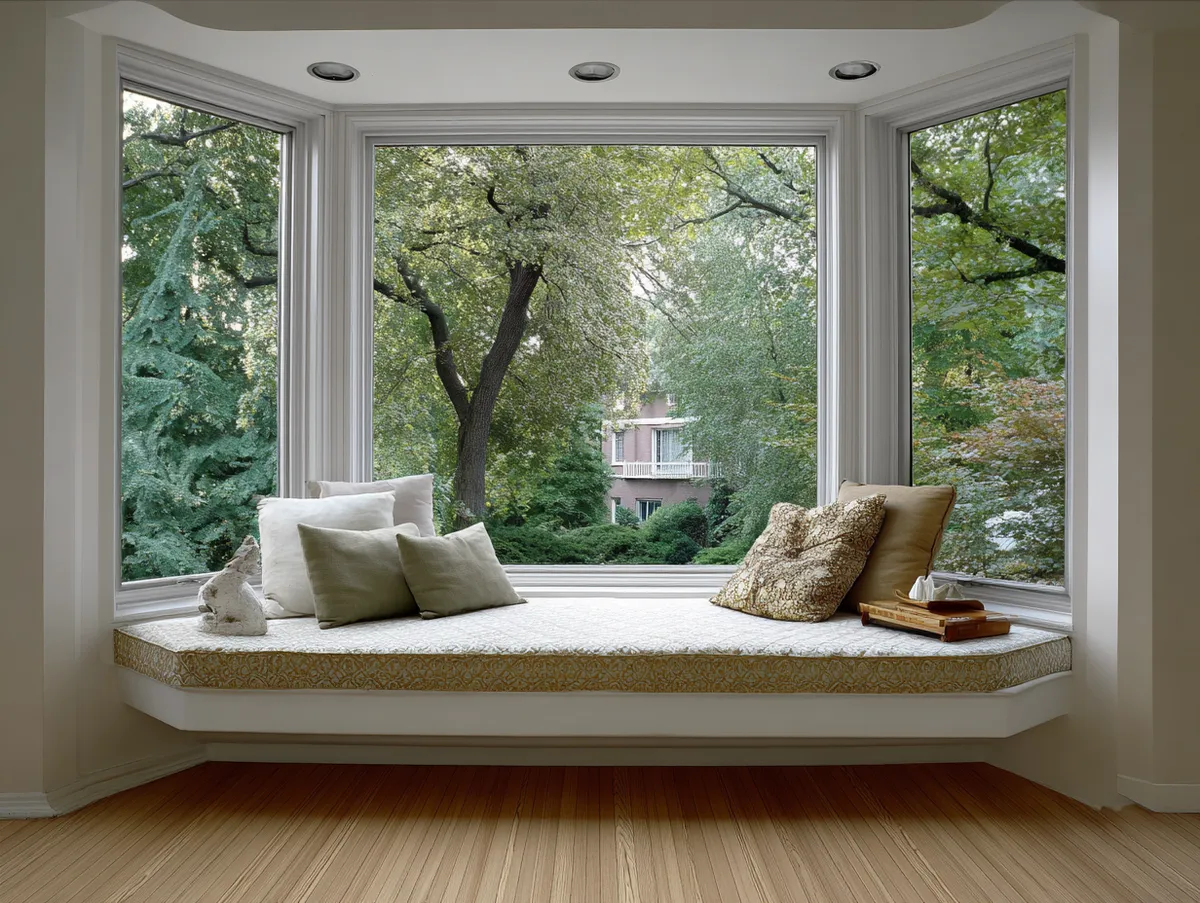
Seating is the obvious play. Throw a cushion across the sill and you’ve got a reading nook. Cost me $45 in foam and fabric from Joann’s. Skip those pre-made bay window cushions from Wayfair for $200+. They never fit right because every bay has slightly different angles and depths.
Don’t assume the bump-out works everywhere. A bay window on a north-facing wall in Minnesota gives you cold air and zero direct sun. South and east walls? That’s where the magic happens. West-facing bays overheat in summer unless you add a solar screen. I learned that one the expensive way.

Bay windows can offer more than just a stunning aesthetic. Integrating this modern design element into your home not only adds style but brings a sense of airiness and natural light to your living space. The room appears brighter, adding an instant feeling of comfort while creating the modern impression you were looking for. With its larger seating area, you will find it easier to entertain with a large Bay Window, providing stunning views and creating the perfect atmosphere for conversations or parties.
The integration of a modern Bay Window in your home offers many stylish benefits beyond just its beauty. By taking advantage of the extra seating area it provides, or bringing natural light into the room, you can create an inviting oasis that cannot be matched by any other window design solution on the market today. Pairing a bay window with the right exterior window border design makes the entire facade look intentional rather than patched together.
Bay Window Sizing: Where to Put It and How Big to Go
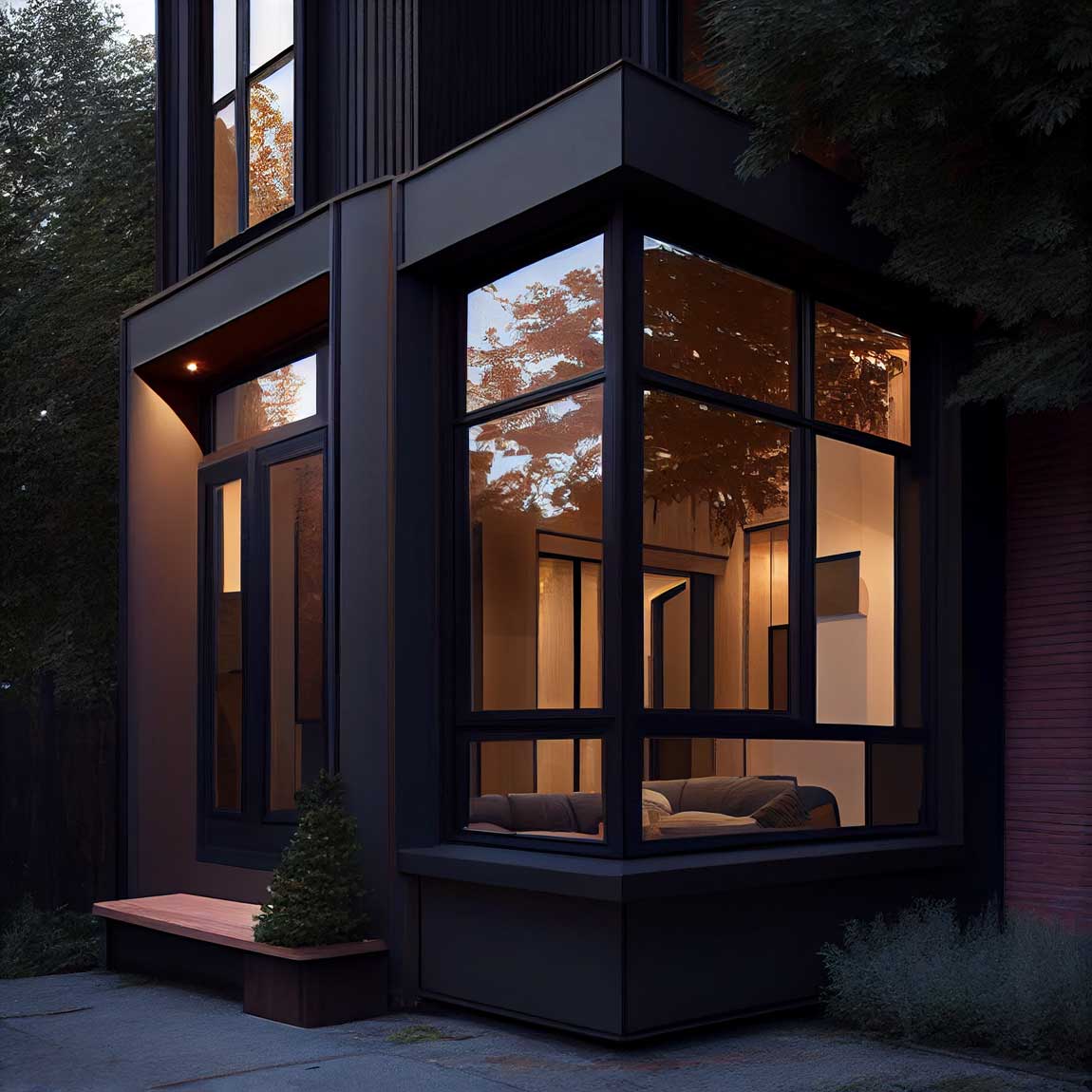
Standard bay windows run 3 to 10 feet wide. Anything over 6 feet usually needs a structural header because you’re removing too much load-bearing wall. That header alone can cost $800 to $1,500 installed. Budget for it before you fall in love with that 8-foot bay.
Ceiling height matters more than people think. A 5-foot bay window in a room with 8-foot ceilings looks squat. Feels like someone punched a box through the wall. Push toward 4 feet tall minimum on an 8-foot ceiling. Nine-foot ceilings give you more room to play with proportions, and the window can be wider without looking odd.
Measure the wall thickness before ordering anything. Older homes with 2×6 framing give you a deeper sill. Newer construction with 2×4 walls produces a shallower bump-out that doesn’t hold a cushion well. Nobody mentions this in the showroom. You find out when the installer shows up.
Drop the sill height to 18 inches off the floor if you want a bench seat. Standard sill height is 36 inches, which puts the windowsill at desk level. Useless for sitting. Building code in most US jurisdictions requires tempered glass below 18 inches, which adds about $120 per panel. Still worth it.
How to Plan a Bay Window Installation
Steps to measure, choose, and prepare for a bay window that fits your wall, your budget, and your climate.
Tools & Materials
- Tape measure (25 ft minimum)
- Stud finder
- Level (4 ft)
- Bay window unit
- Structural header beam
- Flashing tape and sealant
Check if the wall is load-bearing
Use a stud finder to locate framing. If the wall carries roof or floor loads above, you’ll need an engineer-approved header beam. Non-load-bearing walls skip this step and save $800 to $1,500.
Measure the rough opening and wall depth
Measure width, height, and wall thickness. Standard 2×4 walls are 4.5 inches deep. Older 2×6 walls are 6.5 inches. This determines how deep your bay window sill will be and whether you need extension jambs.
Choose the window orientation and sill height
South and east walls get the best light. Drop sill height to 18 inches for bench seating — requires tempered glass per building code. Standard 36-inch sill height works for desk-level or kitchen windows.
Select frame material and glass package
Match frame material to your climate. Wood for dry, mild areas. Vinyl for budget builds in cooler zones. Aluminum with thermal break for modern aesthetics. Always specify double-pane low-E with argon fill as minimum.
Hire a licensed installer and verify flashing details
Bay windows leak more than flat windows because the bump-out creates extra seams. Insist on proper head flashing, sill pan flashing, and sealant at every joint. Ask the installer specifically about their flashing sequence — if they can’t explain it, find someone else.
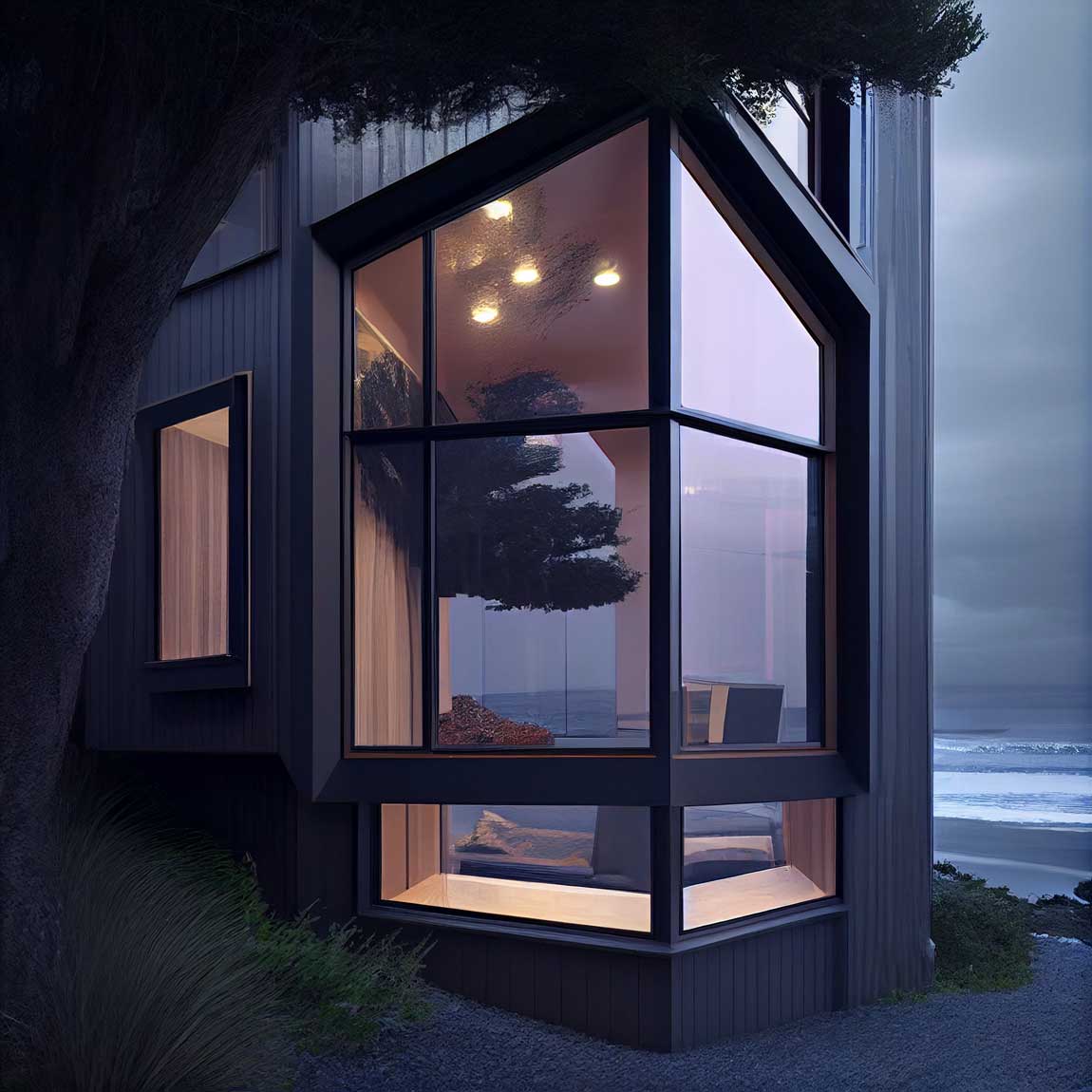
Having the right-sized and properly placed bay window can be the lynchpin for a beautiful and well-designed home. It is possible to upgrade any room with a large bay window if you make sure to select one that fits the physical space and size of the existing opening.
It’s important to consider not only aesthetics but also practical matters like climate control, illumination, ventilation, and views that your large bay window will provide. With this in mind, let’s discuss how you can choose the perfect size and placement for your large bay window.
Wood vs Aluminum vs Vinyl Frames for Bay Windows
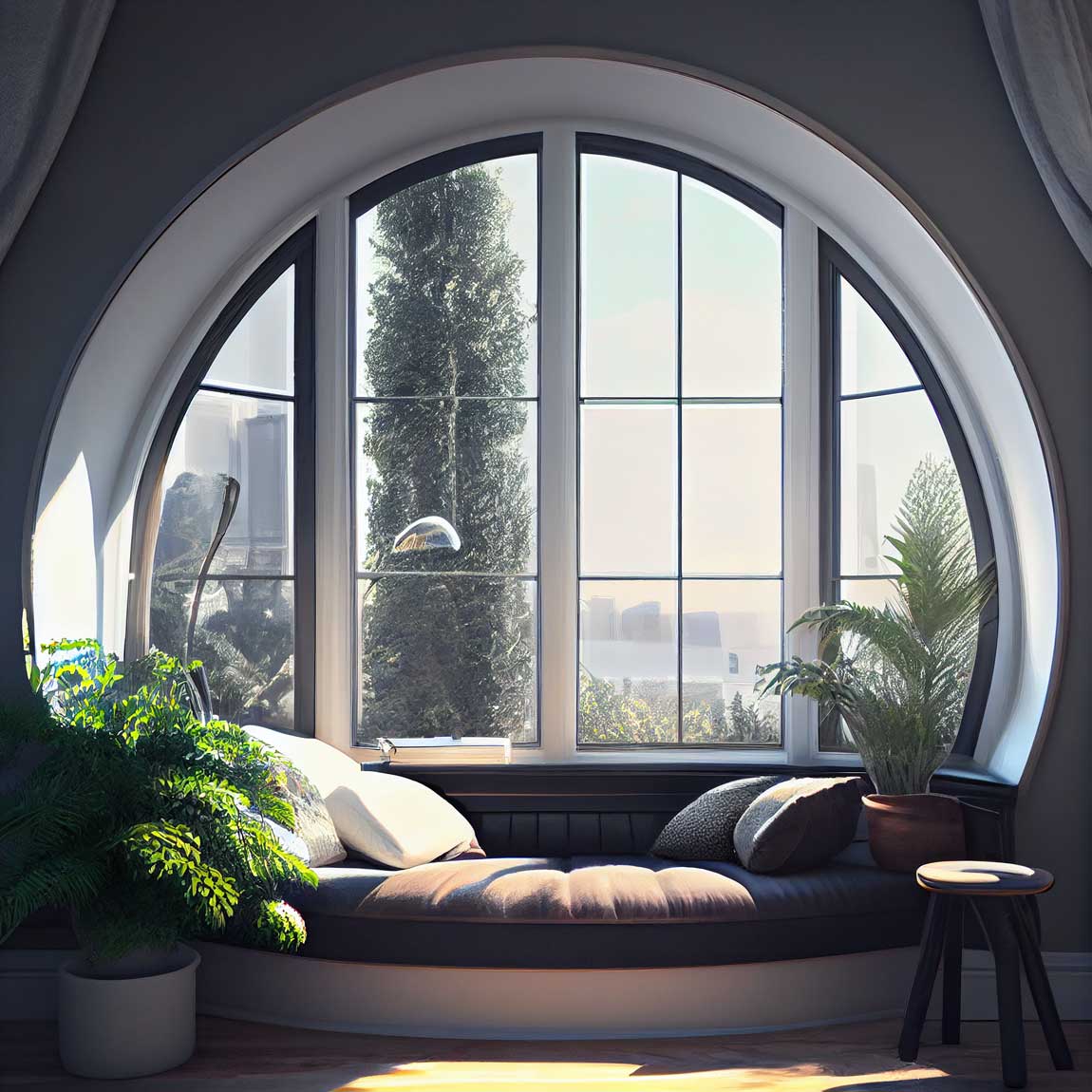
Wood frames look the best. Period. A stained cedar bay window on a craftsman home is hard to beat. But wood rots. I’ve replaced two rotted bay window sills on my 2004 colonial and the wood was Pella, not some bargain brand. Expect to re-stain or repaint every 3 to 5 years in a humid climate. Skip wood if your bay faces prevailing rain.
Vinyl is the cheapest option. A vinyl bay from Simonton or Milgard runs $1,200 to $2,500 for the unit alone. The color selection is terrible — white, almond, maybe a dark bronze if you’re lucky. Vinyl warps in extreme heat. I’ve seen bowed frames on south-facing bays in Arizona. Stick to northern and eastern exposures if you go vinyl in a hot climate.
Aluminum is the thinnest frame profile, which means more glass and less frame in your sightline. Downside: aluminum conducts heat like crazy. Without a thermal break, your aluminum bay window is basically a radiator in reverse during winter. Milgard and Andersen both offer thermally broken aluminum now. Expect to pay $2,800 to $5,000 per unit. Not cheap. Worth it if you want that slim modern look.
Fiberglass is the dark horse nobody considers. Marvin’s Ultrex fiberglass frames are stronger than vinyl, paint like wood, and don’t conduct heat like aluminum. Price sits between vinyl and aluminum. The catch? Fewer dealers carry fiberglass, so lead times can hit 8 to 12 weeks.
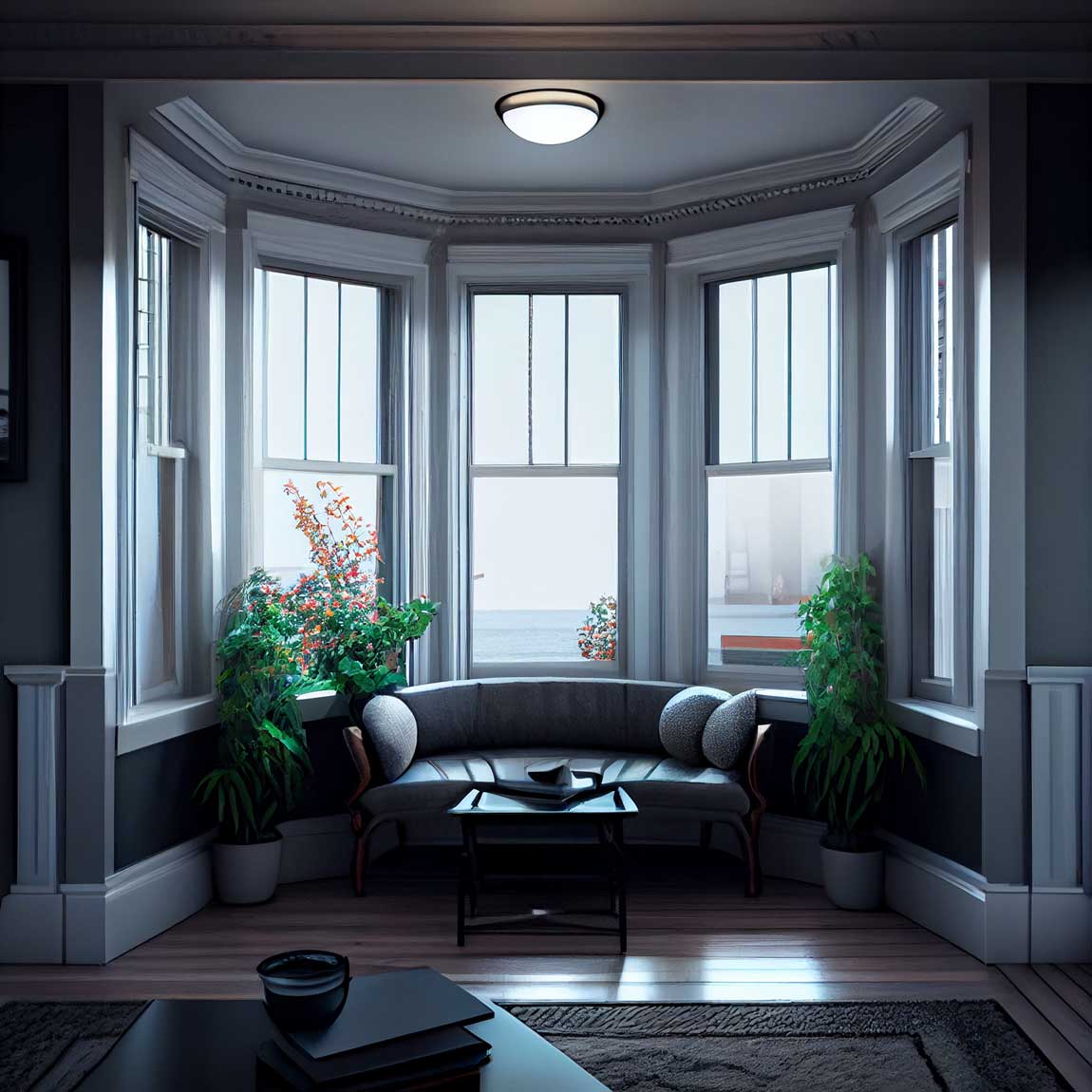
When shopping for windows to be installed in your home, bay window frames are an important consideration. There are a variety of framing options that can provide different benefits and drawbacks. Considering the pros and cons of wood, aluminum, and vinyl frames can help you make the best choice when installing your bay window. Not only will this affect the aesthetic appeal of your exterior, but also the security, energy efficiency, and cost-effectiveness of your window installation. The U.S. Department of Energy recommends checking U-factor and SHGC ratings for your specific climate zone before selecting any frame-and-glass combination.
| Feature | Wood | Vinyl | Aluminum | Fiberglass |
|---|---|---|---|---|
| Cost per unit | $2,000–$4,500 | $1,200–$2,500 | $2,800–$5,000 | $2,200–$3,800 |
| Maintenance | High — repaint every 3–5 yrs | Low — wipe clean | Low — occasional touch-up | Low — paintable |
| Energy efficiency | Good | Good | Poor without thermal break | Excellent |
| Frame thickness | Thickest | Medium | Thinnest | Medium |
| Best climate | Dry, mild | Northern, cool | Any (with thermal break) | Any climate |
| Biggest drawback | Rots in humidity | Warps in extreme heat | Conducts cold | Limited dealer availability |
Bay Window Shapes: Angled, Curved, and Box Styles
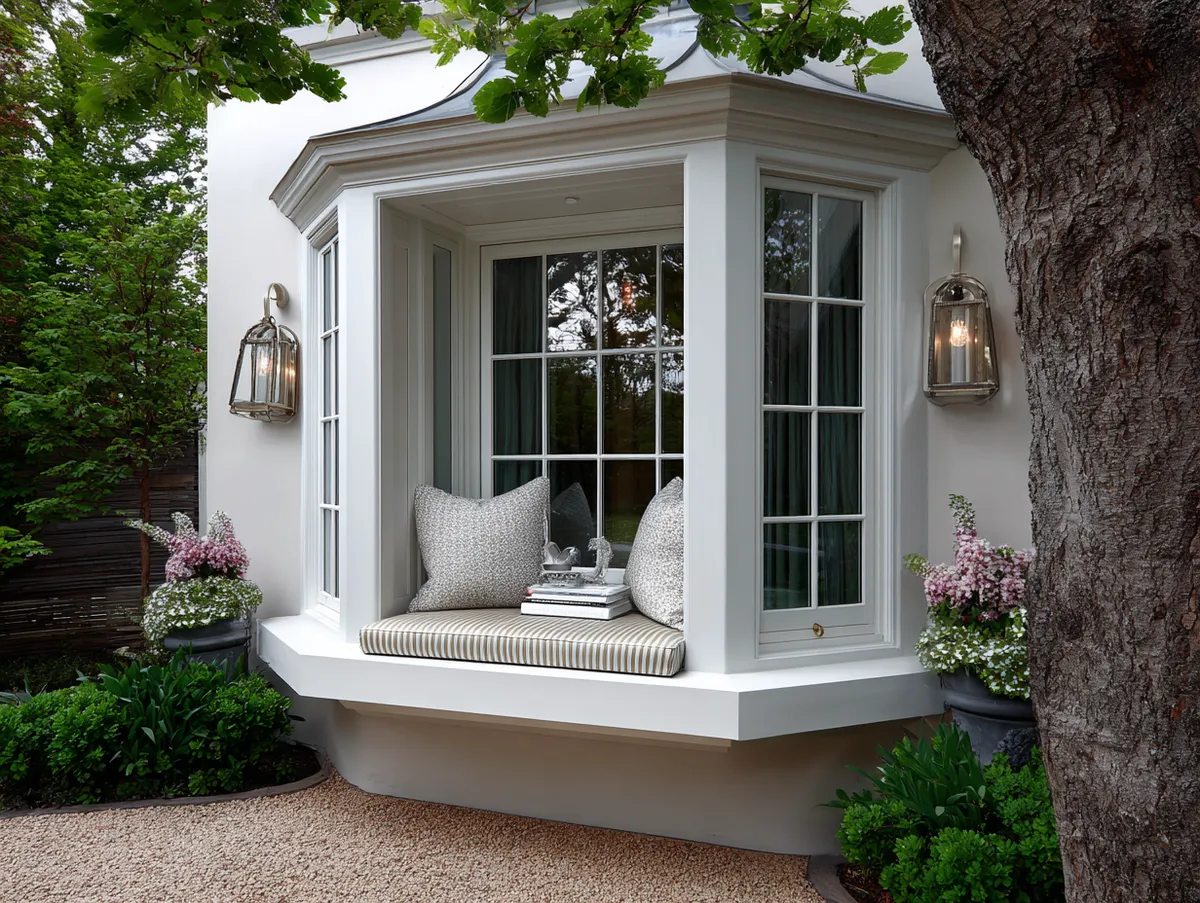
The classic 30-degree angle bay uses three panels — one fixed center and two angled sides. Most residential bays follow this layout. It works on colonial, craftsman, and ranch-style homes without looking out of place. Safe choice. Not boring, but safe.
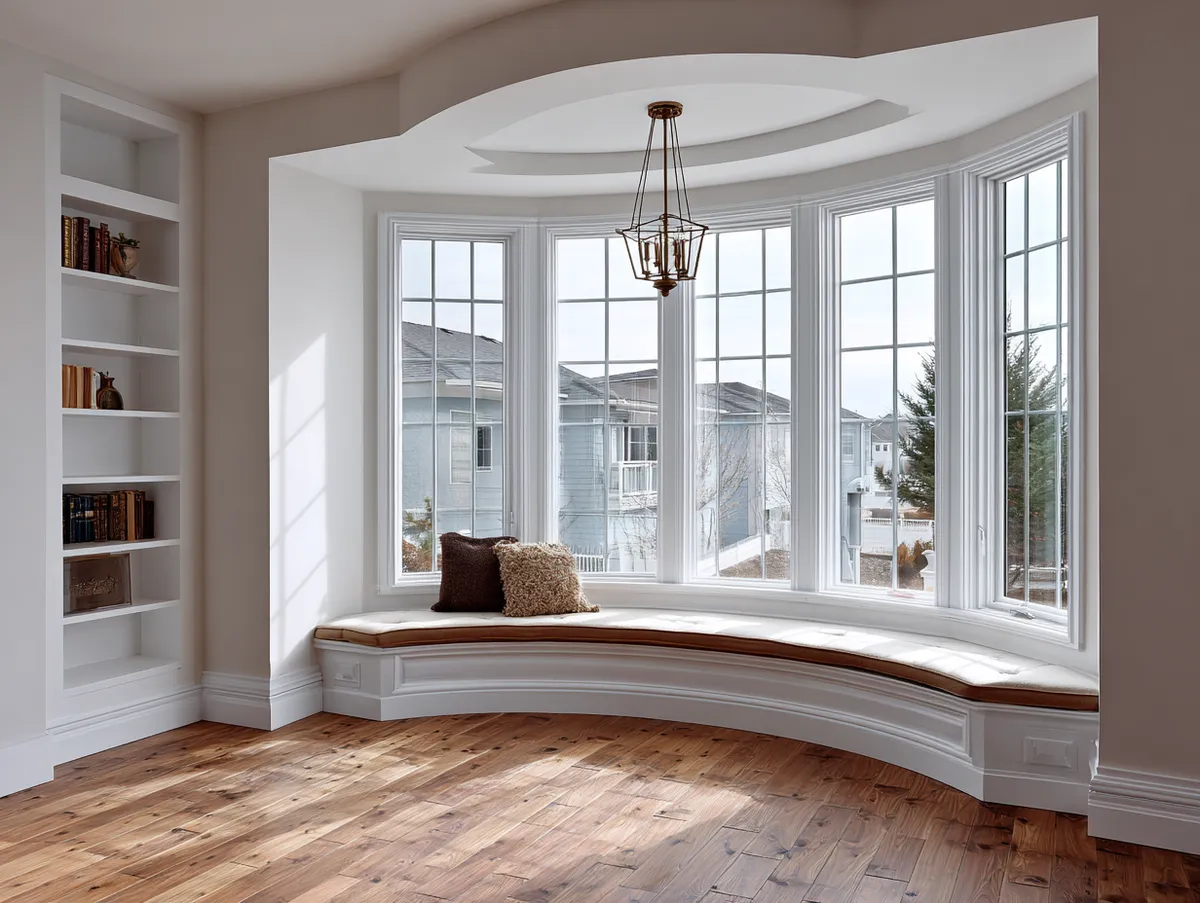
Bow windows curve outward with four or five panels. They cost 30 to 50 percent more than angled bays because every panel sits at a different angle. The curved profile reads as more formal, almost Victorian. Don’t stick a bow window on a midcentury modern ranch. It’ll fight the roofline.
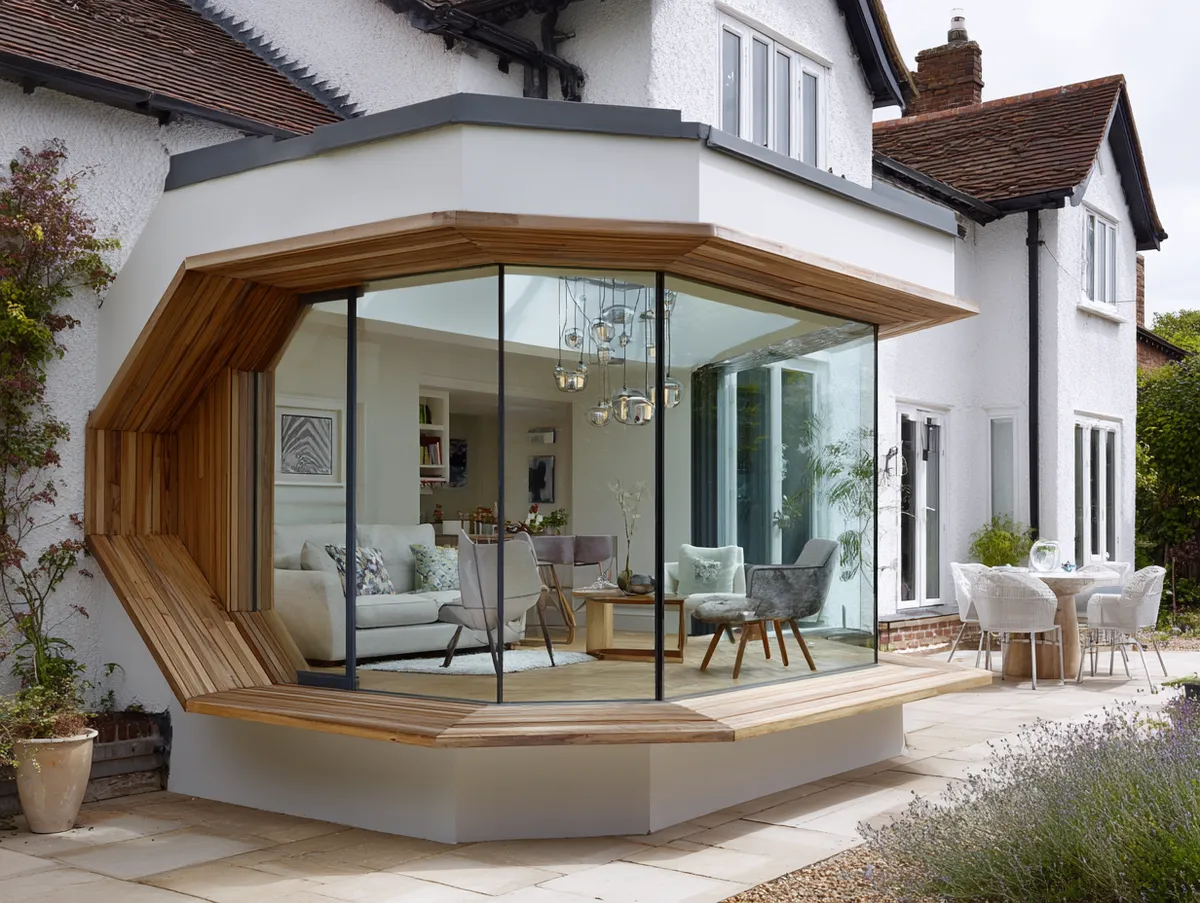
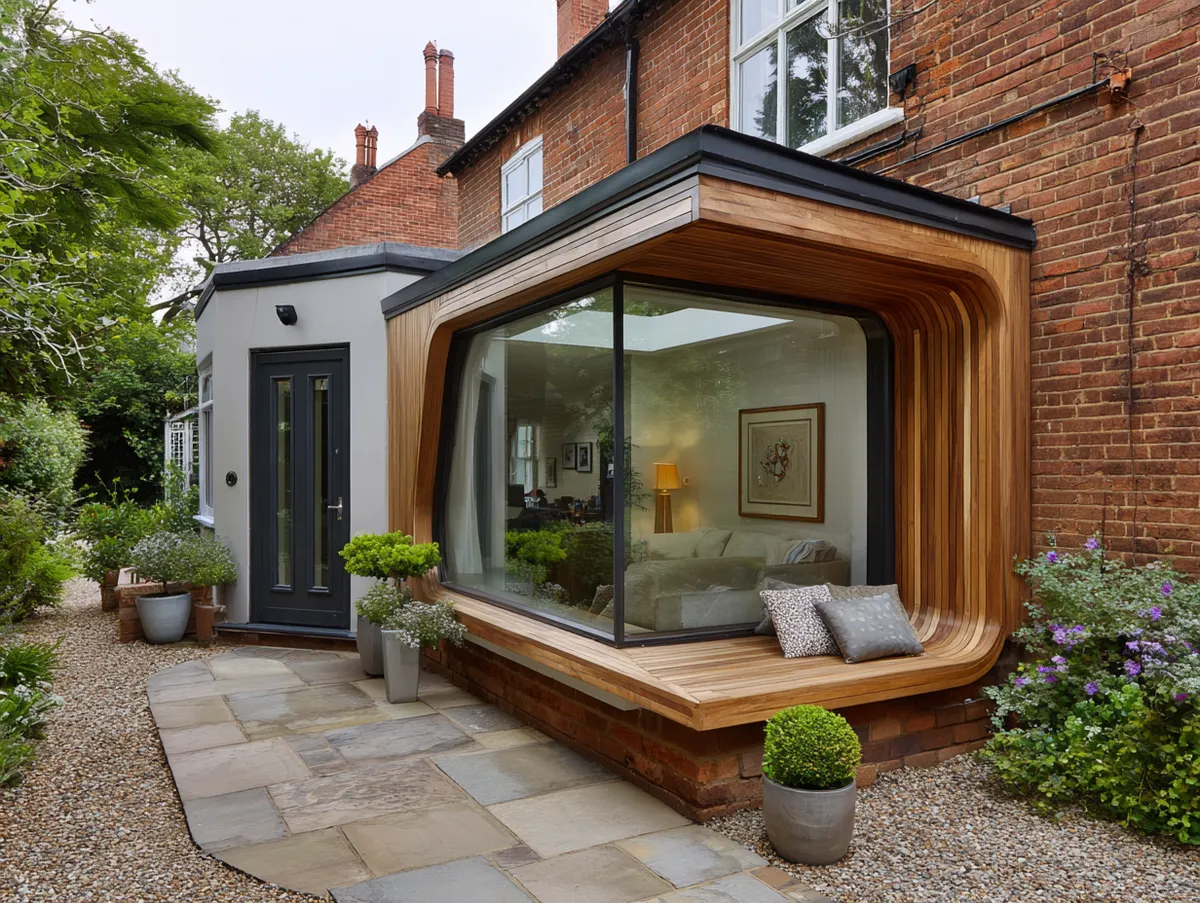
Box bays project straight out at 90 degrees. Three flat panels, no angled sides. These work on contemporary and minimalist facades where clean geometry matters. The interior shelf is perfectly flat and deeper than angled bays — great for plants or display objects. IKEA sells a $15 bamboo shelf insert that fits most standard box bays perfectly.
Garden windows are tiny box bays designed for kitchens. Usually 3 to 4 feet wide. The glass top panel lets in overhead light. They look fantastic above a kitchen sink. They also trap humidity and grow mold if you don’t crack the side vents regularly. Every single garden window I’ve inspected in a home over 10 years old had mold in the top corners.
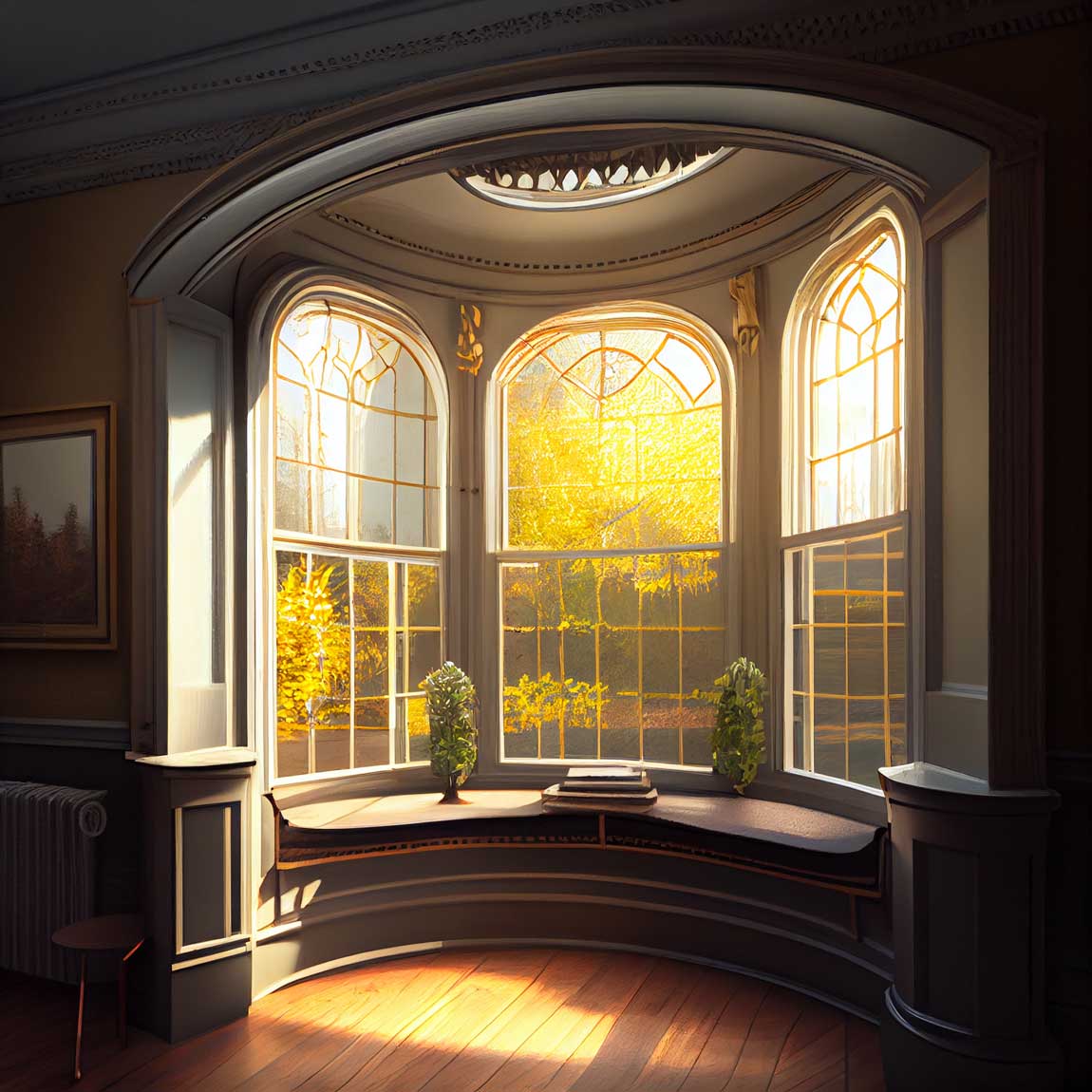
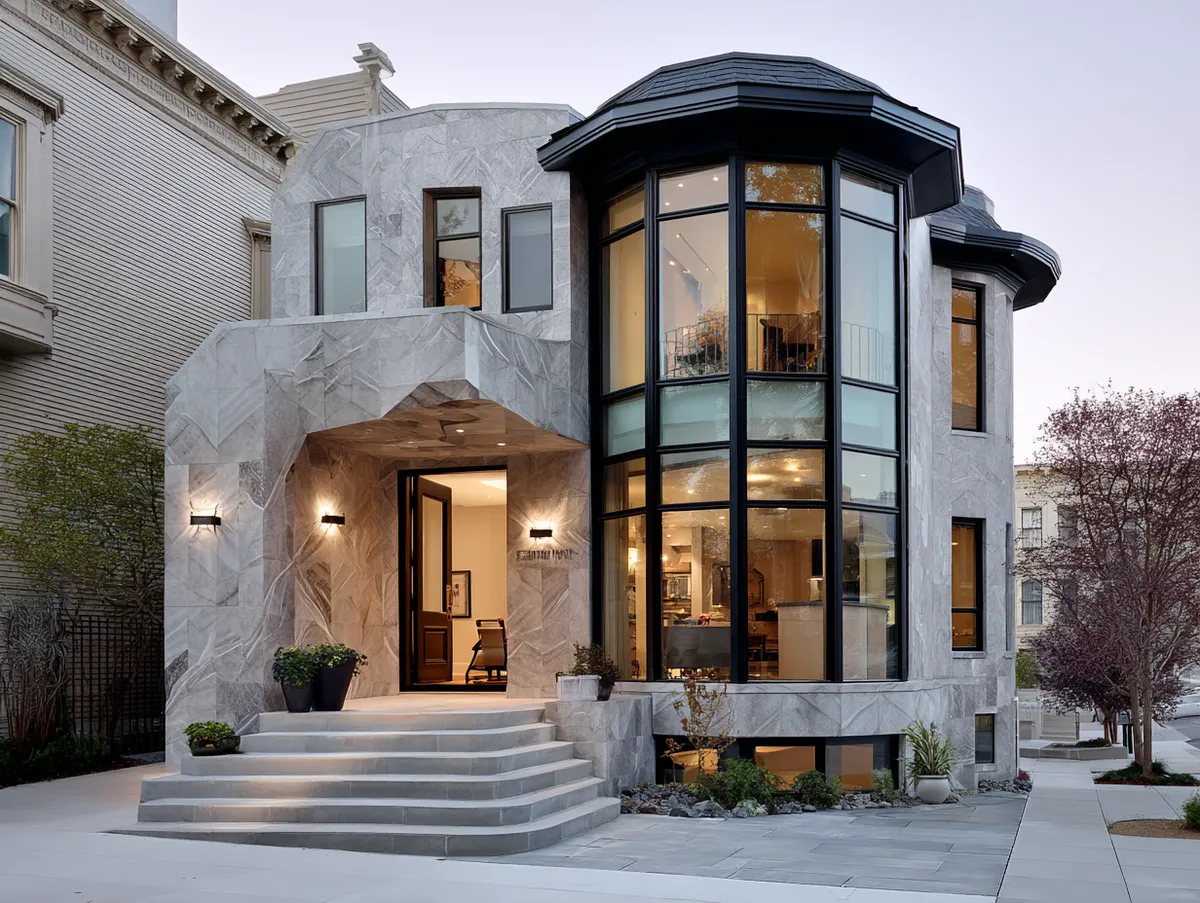
Exterior looks matter, they can make or break the visual appeal of a home. You can create the perfect look for your home with modern and large bay windows. With different designs to choose from, contemporary-style window designers offer the right kind of windows for a striking appearance. From radiused or curved accents options or eyebrow or ell-shaped architectures, you can find the perfect style to enhance your home’s look. So explore now and discover the different types of modern and large bay windows available for you to choose from!
Glass Types, Hardware, and Solar Screens for Bay Windows
Double-pane low-E glass is the minimum standard today. Don’t let anyone sell you single-pane for a bay window in 2026. Energy loss will eat any savings within two heating seasons. Triple-pane makes sense in climate zones 5 through 7. Below that? The payback period stretches past 15 years, and you’ll probably sell the house before then.
Argon gas fill between panes costs about $30 to $50 extra per panel at most manufacturers. It’s a no-brainer upgrade. Krypton fill performs slightly better but costs three times more. Argon is the sweet spot unless you live somewhere with minus-20 winters.
Hardware gets ignored until it breaks. Casement-style side panels on bay windows need multi-point locking hardware. Single-point locks warp the sash over time because the window is fighting wind pressure at one contact point instead of three. Andersen’s A-series uses three-point locks standard. Most vinyl brands use one. Check before you buy.
Solar screens run $8 to $15 per square foot installed. On a south-facing bay window, they cut solar heat gain by 60 to 80 percent. My energy bill dropped $22 per month in summer after adding Phifer SunTex 80 screens to two bay windows. Paid for themselves in one season.

Many homeowners look to bay windows as a way to add unique charm and beauty to their homes while providing additional sunlight indoors. But what most don’t realize is that there are several options for customizing the design and functionality of your bay windows. From choosing different glass types that bring in more natural light, hardware accessories to enhance the style or security of your windows, and solar screens to protect against UV rays, you can customize your bay window exterior however fits the needs of your home. If you’re also planning window treatments for a farmhouse-style interior, the frame finish and glass tint you pick here will affect your curtain and shade options later. No matter what kind of customized design you choose, you will love how it looks and performs.
Atelier Oslo Project: Angled Bay Windows in a Multi-Unit House
Atelier Oslo’s multi-unit house in Norway flips the typical bay window concept. Instead of bumping outward to add floor space, these bay windows rotate at 45 degrees to the facade. The goal isn’t extra square footage. It’s privacy.
Four apartments share one building. Without the angled bays, every living room window would stare directly into the next unit’s glass. That’s the reality of multi-unit housing that architects usually solve with frosted glass or offset floor plans. Boring solutions. The 45-degree rotation points each window toward a different landscape view instead.
Natural light enters at an angle that changes throughout the day. Morning sun sweeps across one wall, afternoon light hits the opposite side. A flat window gives you the same light pattern every single day. These angled bays create movement inside the room without any mechanical elements.
The structural complexity adds cost. Angled walls require custom framing at every junction. Standard drywall finishing doesn’t work on 45-degree returns — you need tapered corner bead or a reveal detail. For a residential project with budget constraints, this technique makes most sense on one or two key rooms rather than the entire perimeter.

Today, when building a country house, you can be creative with almost no restrictions. Construction technologies make it possible to realize the most unthinkable ideas of customers. And with high-quality performance, it all looks very impressive. The house from the architectural bureau Atelier Oslo looks like a conceptual art object. And the most expressive element was a modern bay window in a private home designed for 4 owners.
Such bay windows are located along the entire perimeter and give the building a unique, broken shape. But is there any sense in these designs, and how they influenced the functionality, comfort, and ergonomics of the mansion – we will consider further?
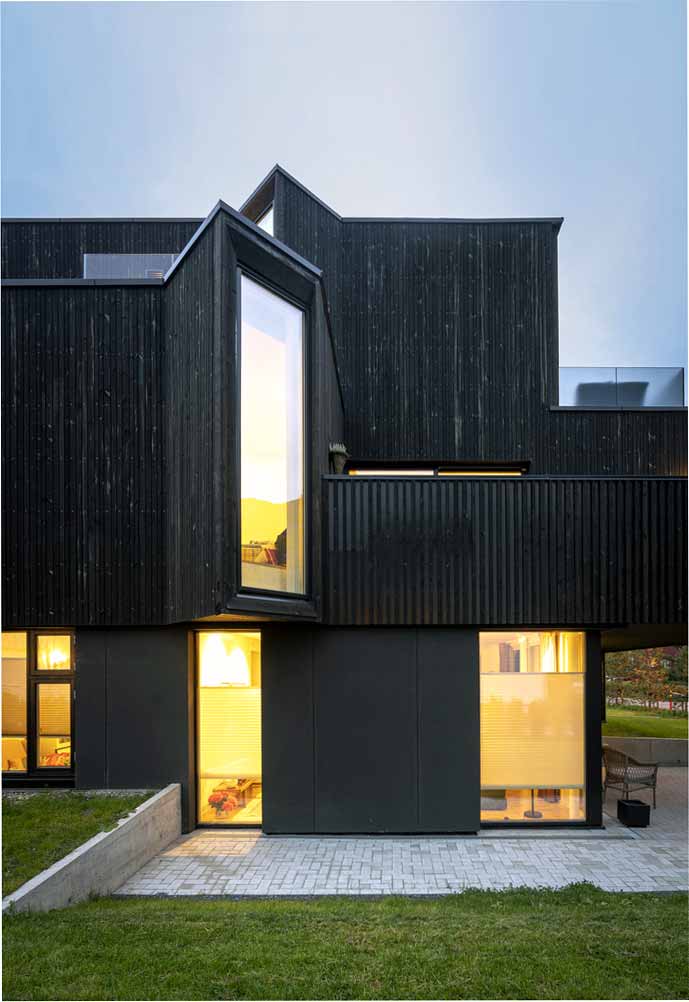

Contemporary bay window in a private house as an element of housing localization
The presented project is not a private house – there are 4 apartments in it. This is done to simplify the living conditions of families. But at the same time, each of the owners wanted to feel like in a personal, private home.

For this, the building provides several conceptual bay windows at once, located at an angle of 45 ° to the facade. They are in every living room. Due to the special design of bay windows, their windows face in different directions, thereby creating for the residents the feeling of being in a personal country house.

Panoramic glazing of each apartment is directed only to the area directly related to it.

Contemporary bay windows in a private house to optimize natural insolation and views
The next task that structures perform is directed streams of sunlight into the living space. Modern bay windows in private houses are located so that they offer a view not of neighboring plots, but into the distance to picturesque landscapes.

At the same time, due to this design, the area of each bedroom and living room has slightly increased. Thanks to the removal of panoramic windows, and not directly on the facade, the privacy of the home are increased. It is less visible from the outside, even with open curtains.

Thus, modern bay windows in a private house made the building not only creative in terms of design, but also significantly influenced its functionality and increased the privacy of each apartment. These structures have become one of the main elements in the design of the presented object.

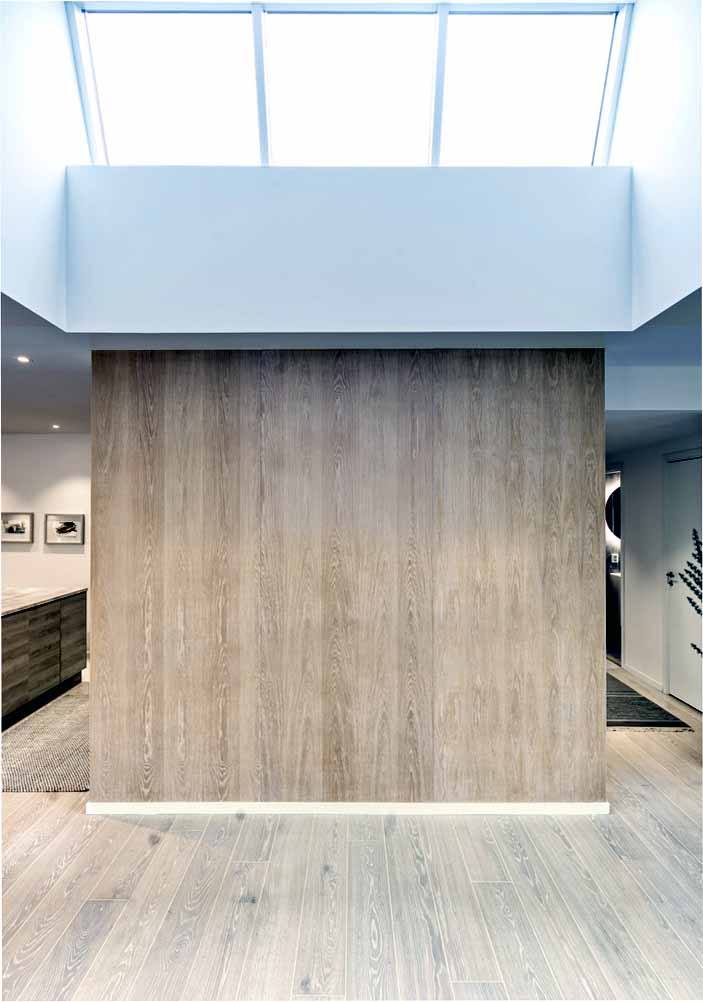


| Architects | Atelier Oslo |
| Images | Kristoffer Wittrup |
Bottom Line on Bay Windows
A bay window is one of the few home upgrades that changes how a room looks from the outside and how it feels from the inside. The bump-out adds light, space, and architectural detail all at once. Frame material matters more than most people realize — wood rots, vinyl warps in heat, aluminum conducts cold. Pick based on your climate, not the showroom display.
Budget $3,000 to $8,000 total for a standard three-panel bay window with installation and structural work. The Atelier Oslo project proves that angled bay windows solve real privacy and light problems in multi-unit buildings — not just a design flourish. Measure twice, check your wall framing, and don’t skip the thermal break on aluminum frames.
Related Topics