Drapery designs for living room spaces with an industrial edge work when heavy, textured fabric sits against brick, steel and concrete instead of disappearing into them. Do bold curtains suit a raw loft? Yes, as long as the panels are full enough, hung high and sized to the wall rather than to the glass. The two numbers that matter most are fullness of 2 to 2.5 times the rod width and a rod placed 4 to 6 inches above the window frame. Get those two right and even a mid-priced fabric looks custom.
Fabric decides almost everything else. Linen filters light and keeps an exposed-brick room airy, while velvet in the 300 GSM range and up blocks glare, absorbs echo and adds the warmth that bare metal lacks. Blackout-lined panels can stop up to 99% of daylight, which matters in lofts with wall-to-wall factory windows. Pick the fabric for how the room is used after dark, then pick the color.
The sections below cover fabric weight, curtains for industrial living room walls, hanging rules, light control, color and layering, followed by two comparison tables. Every section relies on typical retail prices and standard measurements, so a window can be planned in inches rather than adjectives. Measure your rod width before reading on, because every fullness figure depends on it.
Quick Scan
- Pleated drapes need 2–2.5× the rod width in fabric, grommet panels only 1.5–2×.
- Mount the rod 4–6 inches above the frame; on 10-foot ceilings stay within about 8 inches.
- An 84-inch panel usually falls short on an 8-foot ceiling, so 96 inches is the safer stock length.
- Velvet runs roughly $90–210 per panel vs about $55–140 for quality linen.
- Blackout lining blocks up to 99% of light, while sheers under 150 GSM barely dim it.
- Rods wider than 60 inches need a center support bracket.
- Black iron hardware reads industrial; brass reads warmer and softer.
Fabric Weight Decides How Drapery Designs for Living Room Windows Hang
Drapery designs for living room windows start with fabric weight, measured in grams per square meter (GSM). Fabrics under 150 GSM behave like sheers, the 200–250 GSM band gives opacity with a natural drape, and anything above 280 GSM belongs to blackout and thermal panels. Heavyweight velvet usually lands near 300 GSM, while premium cotton velvet can reach 630 GSM. In an industrial room heavier nearly always reads better, because thin fabric looks flimsy next to steel.
Think of weight as the difference between a T-shirt and a wool overcoat hanging on the same hook: the coat falls in straight, deep folds while the shirt crumples. Is heavy fabric hard to live with? Only on weak hardware, since a 52 x 84 inch panel at 350 GSM with a 90 GSM liner weighs about 1.24 kg, and pinch pleating raises that to roughly 2.24 kg. Check the weight rating of the rod before you commit to a fabric.


Don’t buy curtains by color swatch alone, because two panels in an identical shade can hang completely differently at 120 GSM and at 300 GSM. Linen vs velvet is the clearest example: linen keeps the room bright and casual, while velvet swallows light and turns brick walls moody after sunset. Retailers estimate that velvet insulates three to four times better than linen thanks to its dense pile. Order a fabric sample and pin it against the actual wall before buying full panels.
A curtain design for a living room with concrete floors also has to handle sound. Bare walls, high ceilings and hard floors bounce noise around like a stairwell, and full-height drapes are one of the few soft surfaces large enough to calm the echo. Two wide velvet panels do more acoustic work than a dozen scattered cushions. Treat heavy drapery as part of the room’s acoustics, not only its decor.
Curtains for Industrial Living Room Walls of Brick, Steel and Concrete
Curtains for industrial living room walls need enough body to hold their own against brick, steel beams and poured concrete. Industrial interiors are built from hard, cool materials, so drapery is often the largest soft surface in the room, sometimes covering a wall 10 or 12 feet tall. A floor-length panel in charcoal wool, rust velvet or washed oatmeal linen softens that hardness without fighting it. Choose one fabric texture that contrasts with the walls and repeat it on every window.
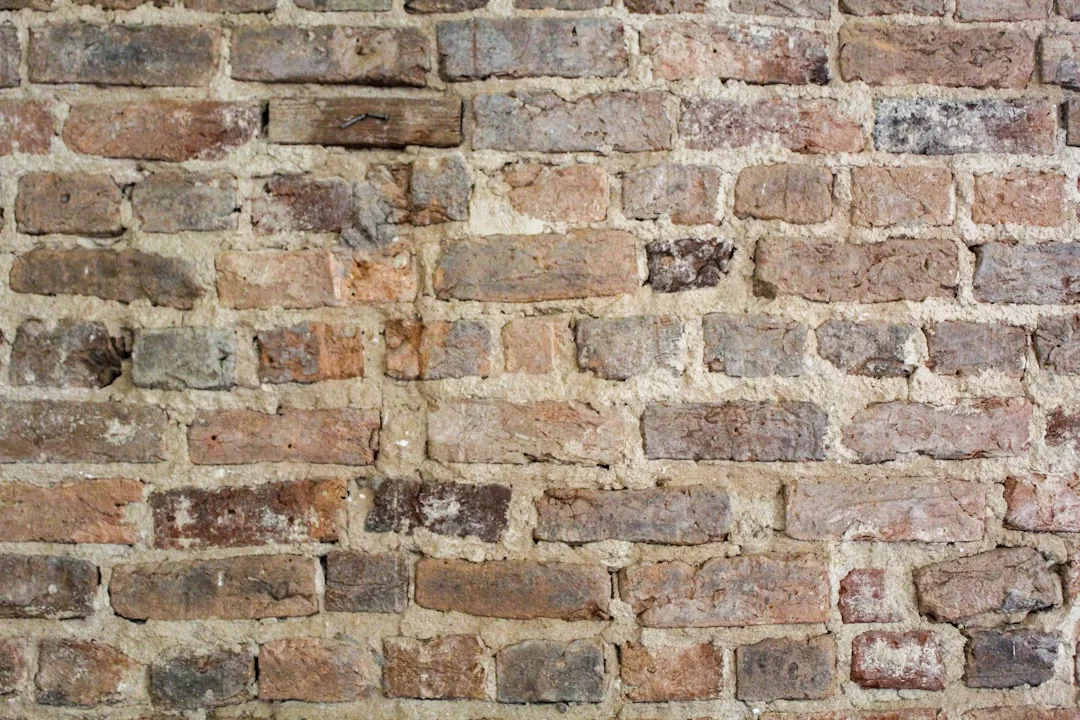
Exposed brick vs painted drywall changes the color math. Red-brown brick already brings warmth, so grey, navy or olive keeps the room from turning orange, while a white-painted loft can carry rust, ochre or cognac drapes. What about pure black curtains? They suit two or more large factory windows but can feel like a theater blackout in a small apartment. Reserve black for big glass and keep smaller rooms in mid-tones.


Hardware is where industrial living room curtains show their style. Matte black iron rods, exposed brackets and ring clips echo pipe shelving and metal window frames, while chrome pulls the look toward a modern hotel lobby. Rods longer than 60 inches need a center support bracket, and a pleated velvet panel can weigh over 2 kg, so cheap tension rods are out. Spend on the rod first and the fabric second.
Textiles do the same warming job in softer styles, and a warm Scandinavian living room built on wood, wool and candlelight shows how far fabric alone can shift the mood of pale, minimal walls. The industrial version keeps the raw shell and lets two or three textiles carry all the warmth. Drapes work like the quilted lining inside a leather jacket: tough on the outside, comfortable within. Keep the textile count at two or three so the brick stays the star.
Hanging Rules That Make a Curtain Design Look Custom
A curtain design looks expensive or cheap mostly because of where the rod sits, not what the fabric costs. Designers mount the rod 4 to 6 inches above the frame on a standard 8-foot ceiling and keep it within about 8 inches of the frame on ceilings of 10 feet or more. The rod should run 3 to 6 inches past each side of the frame, so open panels stack on the wall instead of over the glass. Mark the rod height with painter’s tape before drilling a single hole.
The width rule has a limit too, and widely used curtain rod height guidelines cap rod length at about one-third wider than the window, so a 54-inch window takes a rod of up to 72 inches. A wider rod needs more fabric, which raises the cost of every panel. Is a ceiling-mounted track worth it in a loft? On very tall factory windows yes, since it reads as an architectural line rather than an add-on. Measure both the window and the wall before buying hardware.


Fullness is the third number, and it is where budget curtains usually fail. A panel the same width as the rod hangs flat like a bedsheet pinned to a wall, while 2 to 2.5 times the rod width falls into deep, even folds. Grommet panels need less, about 1.5 to 2 times, and sheers can go up to 3 times. Run the math in this order before you order a single panel.
- Rod width: window width plus 3–6 inches on each side.
- Fabric width: rod width × 2–2.5 for pleated drapes, × 1.5–2 for grommets.
- Panel count: fabric width ÷ 52 inches (a common panel width), rounded up.
- Length: rod height to floor, minus ½ inch for a clean float.
Length is the other giveaway. Stock panels come in 84, 96 and 108 inches, and an 84-inch panel is almost always too short on an 8-foot ceiling once the rod sits at the right height. A ½-inch float suits windows opened daily, a 1–3 inch puddle suits panels that stay put, and a 6-inch pool is pure theater. Never let a living room curtain stop between sill and floor, because it reads like trousers that shrank in the wash.
Light Control Keeps Industrial Edge Interior Design Livable
Industrial edge interior design inherits huge windows from former factories and warehouses, and that glass is both the best feature and the biggest problem. Department of Energy figures put windows at roughly 25–30% of household heating and cooling energy use. Blackout-lined panels can block up to 99% of daylight, and medium-colored drapes with a white plastic backing can cut summer heat gain by up to 33%. Treat the windows that take the afternoon sun first.
Light filtering vs blackout is the core decision. Living spaces are usually lit to around 300–500 lux, and unlined linen or a sheer keeps daylight close to that comfortable range while softening glare on screens. Blackout lining suits media walls and rooms used for afternoon naps. Does a living room need blackout on every window? Rarely, so line the window behind the TV and leave the rest filtering.



Winter is the second reason to choose weight carefully. Closing well-fitted curtains at night cuts window heat loss by roughly 10–25% depending on lining and fit, and the effect is strongest when panels reach the floor and hang close to the glass. Unlined fabric, by contrast, leaks warm air like a screen door. Add a thermal liner to any velvet or linen panel that faces a cold street.
Most households never use that control: Department of Energy data show about 75% of residential window coverings stay in the same position every day. Drapes left half-open all year are decoration, not light management. Avoid stiff rods and tight grommets that make every pull a struggle, and choose ring clips or a gliding track instead. Hardware that moves in one easy pull is the only kind that gets used daily.
Color and Pattern Choices for Bold Drapery Designs for Living Room Spaces
Bold drapery designs for living room spaces with an industrial edge rely on one strong move rather than five small ones. A single saturated color, such as rust, emerald, mustard or ink blue, across two full-height panels hits harder than a busy print competing with brick texture. Solid velvet vs geometric print is the usual fork: solids read luxe and calm, prints read graphic and loud. Pick prints only when the walls are plain plaster or painted concrete.
Bulb color helps decide the shade. Warm 2700K lamps make rust and mustard glow after dark, while cooler 4000K light turns the same fabric muddy and flat. Is that worth planning for? Yes, because evening is when drapes are usually closed and fully on display. Check every fabric sample at night as well as at noon.


Pattern scale should match wall scale. A large abstract print reads clearly across a 10-foot wall, while a tiny print blurs into visual static from the sofa, like small type on a billboard. Patterned fabric also needs extra length for matching repeats across 2 or more panels. Skip small florals and ditsy prints in a loft, since they shrink against the architecture.
Upholstery can carry the same color story, and these dark green velvet sofa living room concepts show how one deep shade on the sofa can set the palette for drapes, rugs and art. Matching drapes to the sofa exactly looks like a showroom set, so go one or two shades lighter or darker instead. Green velvet against red brick is a classic pairing, much like ivy climbing an old warehouse wall. Pull one accent color from the brick itself and repeat it in the cushions.
Layering Sheers and Heavy Panels in a Loft Living Room
Layered curtains for an industrial living room solve the day-and-night problem that a single fabric can’t. A sheer under 150 GSM sits closest to the glass and filters daylight, while a panel above 280 GSM on the outer rod handles privacy, insulation and evening mood. The pairing works like a cotton shirt under a wool coat, each layer doing a different job. Install the sheer track first so the heavy layer can stack neatly over it.
Linen sheers vs polyester voile is a small but visible choice. Linen has slubs and texture that match raw wood and concrete, while voile looks smoother and more uniform, closer to an office tower than a warehouse. Sheers also need more fullness than drapes, up to 3 times the rod width, or they look skimpy in daylight. Does layering double the cost? Close to it, so put the money into the heavy outer layer and buy the sheer at a mid price.


Durability changes the long-term math. Polyester panels typically last 10–15 years, while linen lasts closer to 5–10 years and fades faster in strong sun. Heavy velvet often needs professional cleaning, whereas many lighter velvet and polyester panels wash at 30°C on a delicate cycle. Rotate panels between windows every year so sun wear spreads evenly.
Don’t Do This
- Don’t hang 84-inch panels from a correctly placed rod on an 8-foot ceiling; they stop short of the floor.
- Don’t buy panels equal to the rod width; pleated drapes need 2–2.5× for real folds.
- Don’t mount the rod directly on the frame; 4–6 inches higher makes the window look taller.
- Don’t span more than 60 inches of heavy velvet without a center bracket.
- Don’t leave sun-facing glass unlined; blackout layers block up to 99% of light that bare fabric lets through.
Drapery Fabrics and Hem Styles Side by Side
The four common drapery fabrics differ in weight, price, light control and lifespan, and the right pick depends on what each window has to do. Sheers and linen keep daylight, while blackout polyester and velvet handle glare, cold and noise. Prices below are typical retail ranges per panel, and weights follow standard GSM bands. Read across each row and match it to the window, not to the mood board.
| Fabric | Typical weight | Price per panel | Fullness needed | Light control | Lifespan and care | Best industrial pairing |
|---|---|---|---|---|---|---|
| Sheer voile or linen | Under 150 GSM | Lowest-cost layer | Up to 3× | Filters, low privacy | Gentle wash | Under heavy drapes on factory windows |
| Linen | About 200–250 GSM | About $55–140 | 2–2.5× | Filters, partial privacy | About 5–10 years | Exposed brick, raw wood |
| Polyester blackout | 280+ GSM | About $25–120 | 1.5–2× (grommet) | Blocks up to 99% | About 10–15 years | Media walls, sun-facing glass |
| Velvet | 300–630 GSM | Roughly $90–210 | 2–2.5× | Partial to high | Often professional cleaning | Concrete, steel, leather |
| Hem style | Distance to floor | Best for | Industrial effect | Upkeep |
|---|---|---|---|---|
| Float | About ½ inch above | Windows opened daily | Crisp, tailored | Low |
| Touch | 0 inches | Mostly closed panels | Clean and grounded | Low |
| Puddle | 1–3 inches extra | Panels that stay open | Relaxed, soft | Restyle after each move |
| Pool | About 6 inches extra | Purely decorative drapes | Dramatic, theatrical | Collects dust |
| Sill length | Stops at sill | Radiators, deep sills | Casual, shrinks the wall | Low |
Steel Walls Need Soft Folds
Bold drapery in an industrial living room succeeds on three measurements: a rod 4–6 inches above the frame, fabric 2–2.5 times the rod width and a hem within ½ inch of the floor. Fabric price matters far less than those numbers. A $60 linen panel hung correctly beats a $200 velvet panel hung low and flat.
Choose velvet at 300 GSM or more when warmth, echo control and evening mood matter most. Choose linen at roughly $55–140 per panel when daylight matters more than privacy. Layer both on a double rod when the room has to do both jobs.
Line the windows that take the strongest sun, since blackout layers stop up to 99% of light and reflective backings can cut summer heat gain by up to 33%. Leave the remaining windows filtering. One lined window is often enough for a media wall.
Start with 96-inch panels on an 8-foot ceiling, black iron hardware for the industrial look and a center bracket on any rod longer than 60 inches. Order samples before full panels. Measure twice, because every number above depends on rod width.