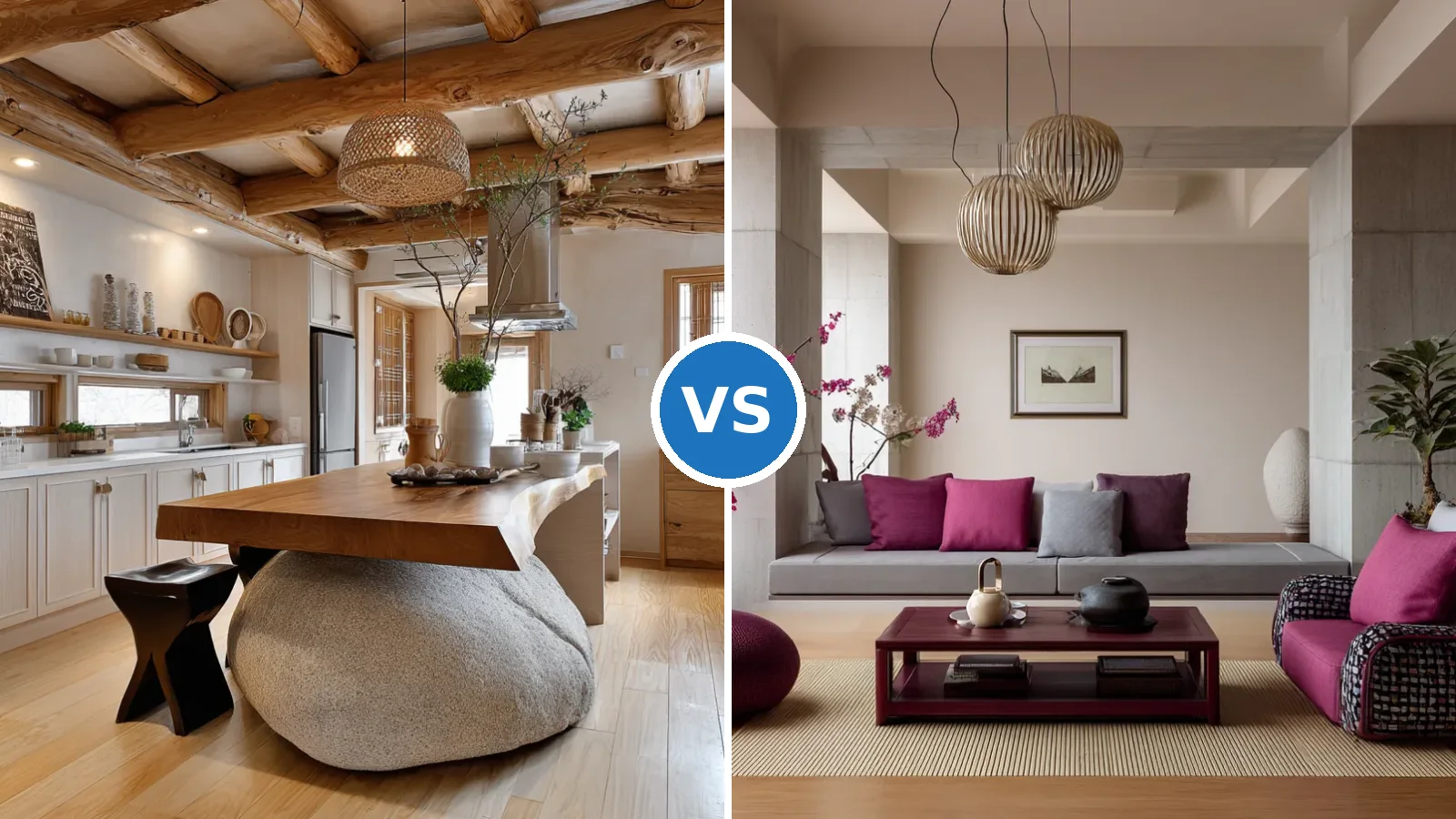
Monochromatic interior design uses varying shades, tints and tones of one color to build a cohesive room that feels larger and quieter than multi-color schemes. It works in kitchens, living rooms and bedrooms because the eye travels smoothly across surfaces instead of stopping at contrasts. When texture and light are layered correctly, the single-hue approach delivers depth without visual noise.
A well-executed monochromatic color scheme interior design removes the decision fatigue of matching multiple hues while still offering range through matte, satin and textured finishes. The result reads intentional rather than sparse, provided each surface carries a slight shift in value or material.
Start with the dominant tone on the largest surfaces, then introduce deeper and lighter versions through furniture, textiles and trim. This method supports both modern monochromatic interiors and softer classic rooms without relying on trend colors that date quickly.
- One hue family across walls, furniture and soft goods creates visual continuity
- Texture variation prevents flatness more effectively than adding a second color
- Light-reflective whites expand small kitchens; mid-tone greys anchor living rooms
- Blue monochromatic schemes support rest in bedrooms when paired with soft lighting
- Paint coverage averages 350–400 sq ft per gallon on smooth walls
- Avoid equal-value shades side by side—they read as unfinished rather than intentional
White Monochromatic Kitchens Built for Light and Clarity


White monochromatic kitchens rely on shifts in sheen and material rather than color contrast. Glossy backsplashes against matte cabinets create enough difference to keep the eye engaged while the overall field stays pure. How does this avoid feeling clinical? Introduce one warmer surface such as light oak or soft marble so the palette retains a natural temperature.
Premium interior paint for these schemes typically costs $55–$80 per gallon and covers 350–400 square feet on smooth drywall. A standard kitchen with average wall area often needs two to three gallons for full two-coat coverage. Under-cabinet lighting becomes essential because pure whites reveal every shadow; place fixtures to graze the counter rather than flood the room from above.
Do not treat every surface as identical white. That approach collapses depth and makes the space feel like a single flat plane. Instead, treat the kitchen like a stack of paper sheets—each layer slightly different in finish so the whole still reads as one calm system. For more kitchen-specific monochrome layouts, see the practical remodel examples in monochrome kitchen remodel ideas.


Grey Living Rooms That Hold Depth Without Extra Color
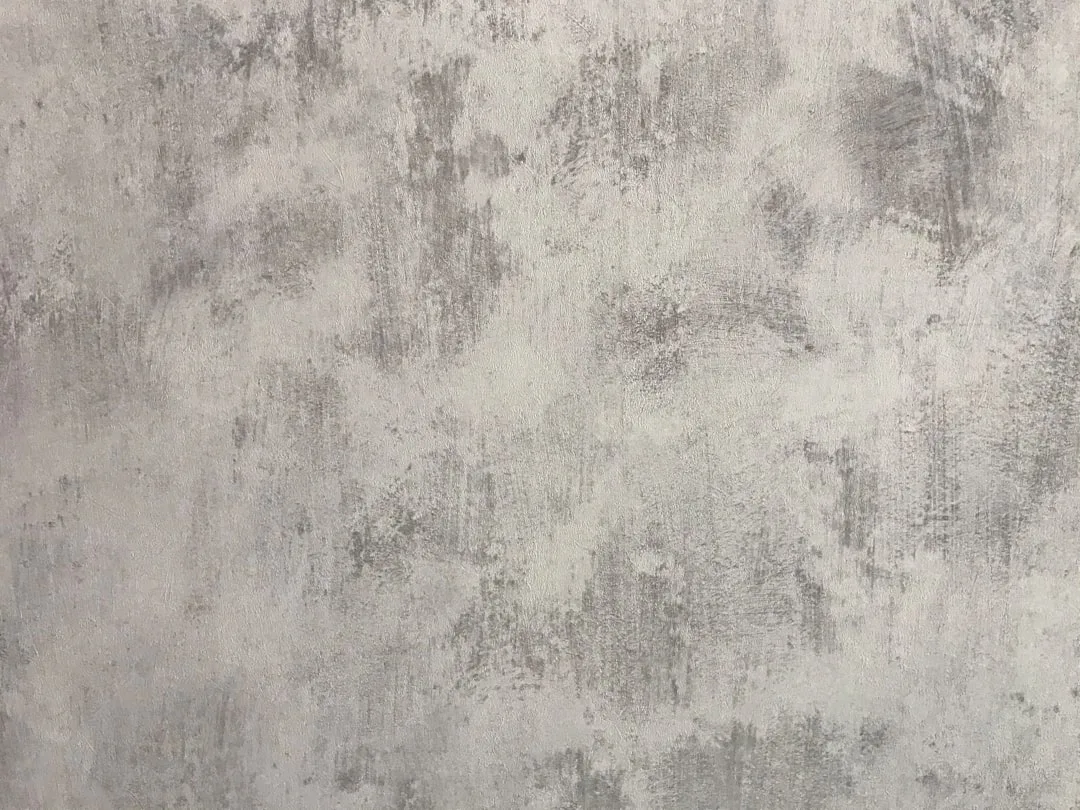
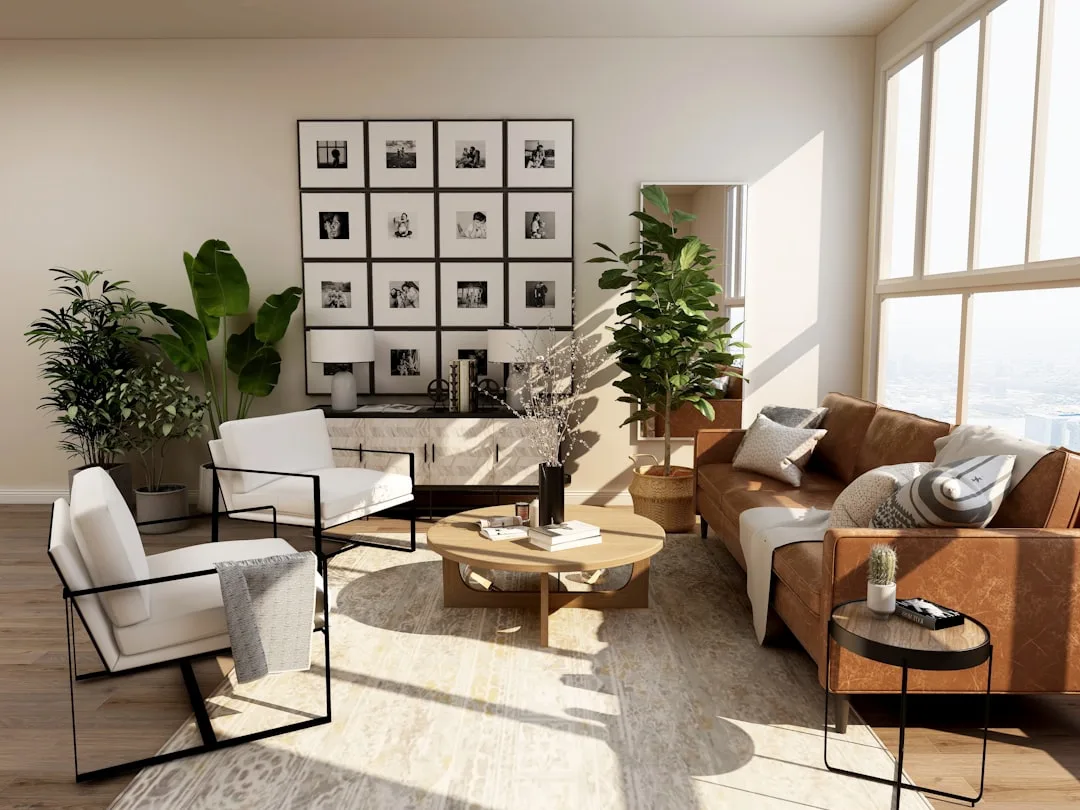
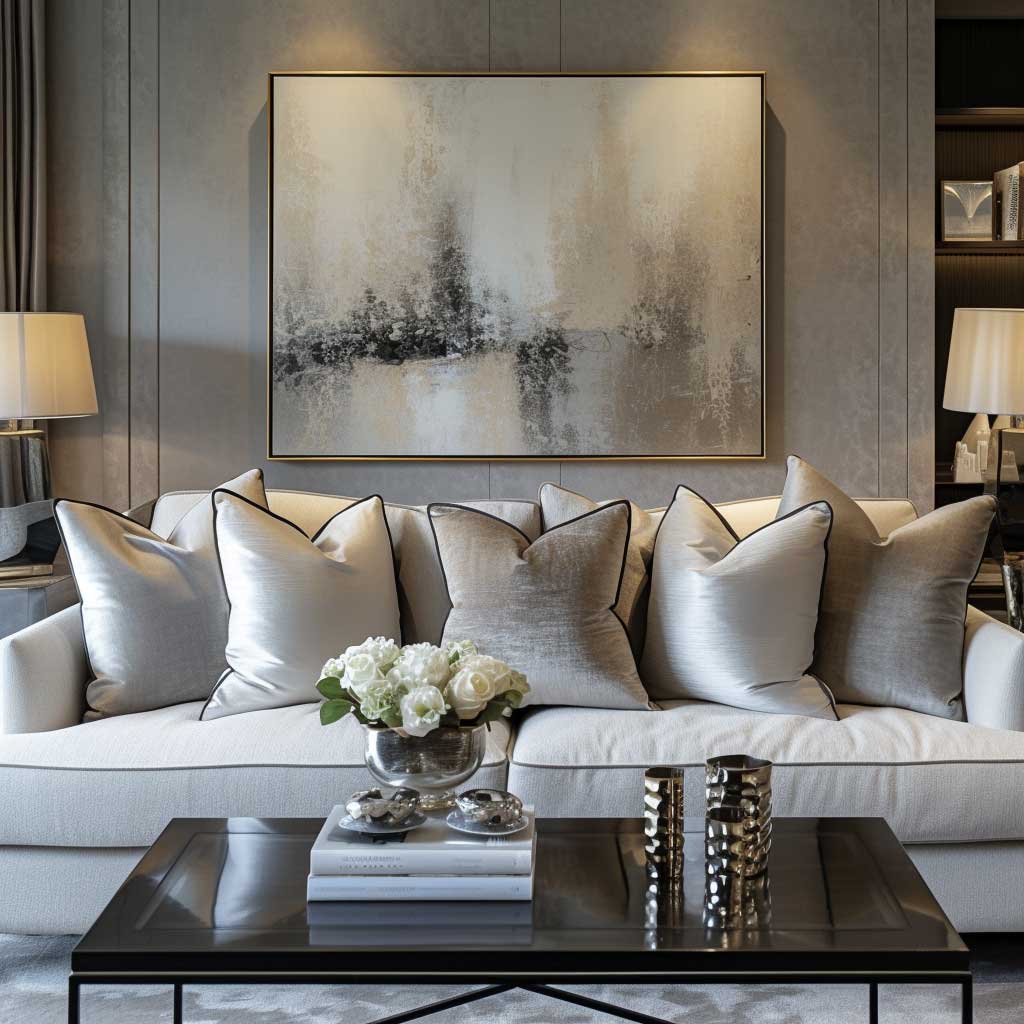
Monochromatic living rooms in grey succeed when value steps are clear: a mid-tone wall, a lighter sofa, and a deeper rug or throw. The range mimics natural light falling across stone—soft transitions rather than hard stops. What keeps the scheme from turning dull? Mix pile heights and surface finishes so the eye registers change even while the hue stays constant.


Average cost to paint a living room runs $600–$2,000 depending on size and labor rates, with paint itself often under $200 for quality gallons. Charcoal accents can influence buyer perception; studies have linked darker grey kitchens and living areas to higher offer prices in some markets. Keep the darkest grey under roughly 30 percent of visible surfaces so the room stays open rather than heavy.
Do not introduce a random accent color just because the palette feels quiet. That single addition breaks the monochromatic logic and forces every other object to compete. Instead, lean on natural materials—linen, wool, pale wood—to supply warmth. A full spectrum of grey options appears in the detailed grey home color guide for every room type.


Blue Monochromatic Bedrooms for Quiet Rest
Blue monochromatic bedrooms draw on the color’s association with calm to support sleep. Begin with a light blue wall, then deepen the scheme through navy headboards or mid-tone bedding. The progression feels like moving from open sky toward deeper water—steady and contained rather than abrupt.


A typical bedroom needs roughly two gallons of wall paint for complete coverage at 350–400 square feet per gallon. Soft, warm-toned lamps at bedside keep the blues from reading cold after dark. Plants or light wood furniture introduce a gentle temperature shift without breaking the single-hue rule.
Do not saturate every surface in the same intensity of blue. Equal-strength tones across walls, curtains and bedding flatten the room and reduce the sense of rest. Treat the palette like successive waves—each slightly different in strength so the eye finds quiet movement rather than a solid block.


Texture and Light Rules for Any Monochromatic Color Scheme
Monochromatic color scheme success depends less on the exact hue and more on how surfaces catch light. Matte walls absorb, satin reflects softly, and velvet or linen introduce tactile stops that keep the eye moving. Without these differences the room collapses into a single plane.
Professional painters often apply two coats as standard; one coat rarely delivers full hide on darker or deeper values. Coverage rates stay near 350–400 square feet per gallon on primed drywall, dropping on textured surfaces. Layer artificial light at different heights so evening hours still reveal the tonal shifts that daylight makes obvious.
Do not rely solely on paint to carry the scheme. Furniture and textiles must continue the same value range or the monochromatic intention breaks. Think of the room as a single instrument played at different volumes rather than a mix of instruments. Guidance on proportion appears in the classic 60-30-10 approach detailed by design publications such as House Beautiful’s color rule overview.
Paint Choices That Support Monochromatic Rooms
Monochromatic paint schemes gain reliability when the same base is tinted at different strengths rather than mixing unrelated colors. Mid-range options from major brands run $50–$70 per gallon and deliver consistent undertones across the value scale. Test large samples under both day and evening light before committing full walls.
What happens if undertones shift between products? The room develops unexpected purple or green casts that undermine the single-hue clarity. Stick to one manufacturer’s line for the primary surfaces and use texture rather than a second brand for variation. For broader wall-paint strategies that include monochrome approaches, review the practical notes in minimalist wall paint design for home.
Do not skip the sample stage. A chip that looks perfect in store lighting can read completely different once it covers an entire wall. Apply samples on at least two walls and observe them at different times of day before ordering the full quantity.
Comparing White, Grey and Blue Approaches
| Approach | Best Room | Key Strength | Watch Point |
|---|---|---|---|
| White monochromatic | Kitchen | Maximizes light and openness | Needs texture to avoid sterility |
| Grey monochromatic | Living room | Flexible foundation for seasonal accents | Keep darkest values under 30% |
| Blue monochromatic | Bedroom | Supports calm and rest | Warm lighting prevents cold feel |
Practical Next Steps for a Cohesive Palette
Monochromatic interior design rewards restraint. Choose one hue family, map three clear values, and let materials supply the remaining interest. The approach works across modern and quieter styles because it prioritizes continuity over novelty.
Begin with the largest surfaces, then build downward through furniture and textiles. Keep the darkest tone limited so the room retains air. Test paint under real lighting conditions and plan for two full coats to achieve even coverage.
Texture remains the most reliable safeguard against flatness. Mix matte, soft sheen and tactile fabrics within the same color range. The resulting space feels deliberate, calm and expandable without requiring additional hues.
Once the palette is set, maintain it by selecting new pieces that continue the established value steps. Small adjustments in lighting or textile weight can refresh the room seasonally while the underlying monochromatic structure stays intact.