Stylish flat roof houses work when two things are right from day one: the membrane and the drainage. A so-called flat roof is actually laid to a minimum fall of 1/4 inch per foot, roughly a 2% grade, so rain runs to drains instead of pooling. Get that slope and a quality membrane in place, and the roof can serve 25–30 years with EPDM or TPO. Skip either one, and the clean silhouette turns into a leak repair schedule.
Is the cost reasonable? Typical installed prices for single-ply membranes run about $4–$7 per square foot for EPDM and $5–$8.50 for TPO, which keeps a flat top competitive with many pitched options. The flat surface also gives you something a gable never will: a usable fifth facade for a terrace, solar array or planted roof. Treat that surface as extra square footage, not leftover space.
The sections below cover planning, materials, rooftop uses, the build itself and long-term care, with real numbers in each. Every figure is a typical range, so local quotes will shift the totals by region. Use the page as a checklist before your first meeting with an architect.
Quick Scan
- Minimum roof fall of 1/4 inch per foot (about 2%) is the line between a dry roof and ponding water.
- EPDM costs about $4–$7 per sq ft installed vs $5–$8.50 for TPO.
- EPDM and TPO last 20–30 years, while modified bitumen typically gives 15–25.
- Extensive green roofs run $10–$20 per sq ft vs $20–$40 for intensive roof gardens.
- A reflective roof can stay more than 50°F cooler than a conventional roof at 150°F.
- A 1,500 sq ft membrane roof takes roughly 2–5 days to install.
- Decide rooftop use before structural design: 25 vs 150 lb per sq ft is a different slab.


Smart Planning Behind a Modern Flat Roof House Design
A good flat house design begins with the site: sun path, prevailing wind, drainage routes and local code. Building rules matter more here than with many pitched roofs, because replacing or adding a flat roof usually triggers building regulation checks in markets such as the UK. Think of the plot as a serving tray: water has to leave it somewhere, and the roof fall, gutters and grading all decide where. Map the low points of the site before the first sketch.
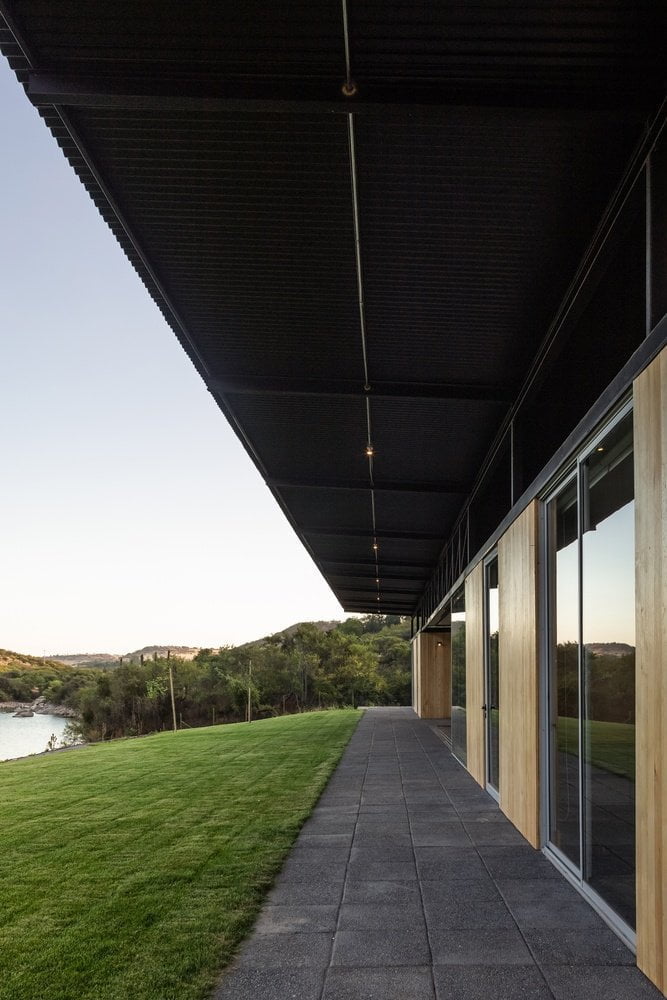
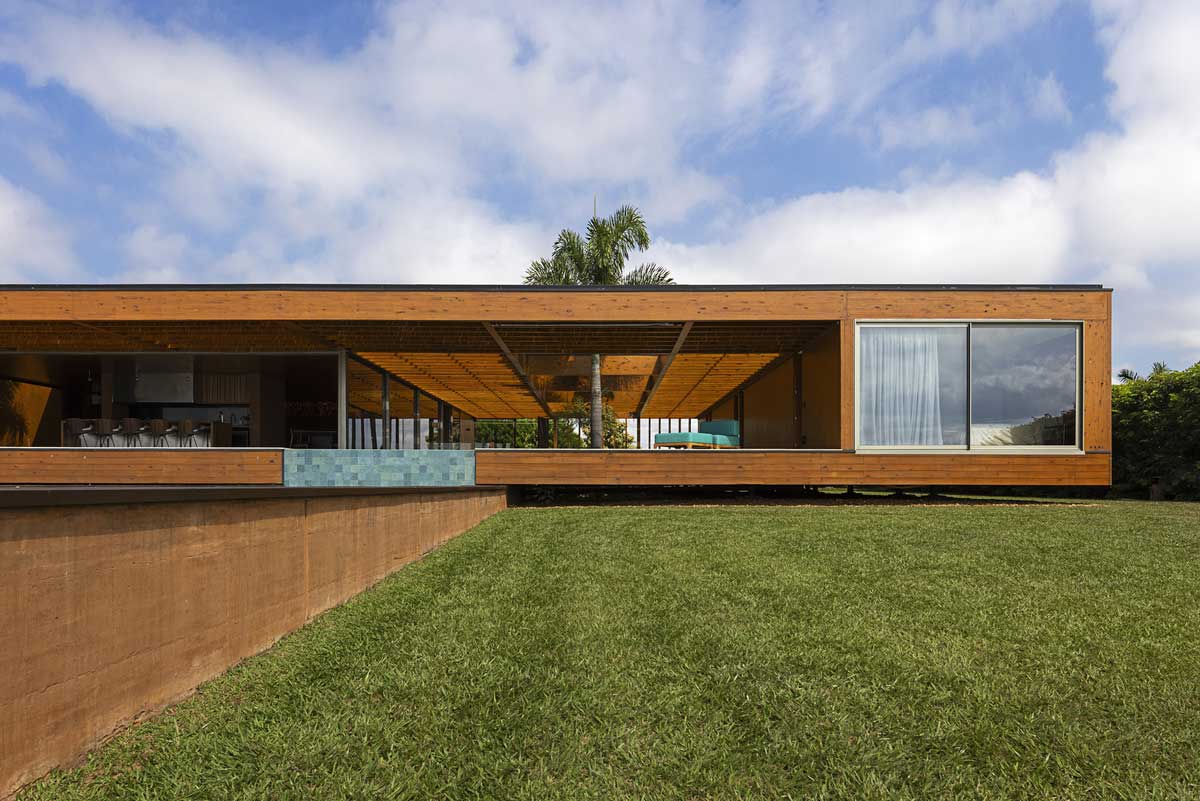
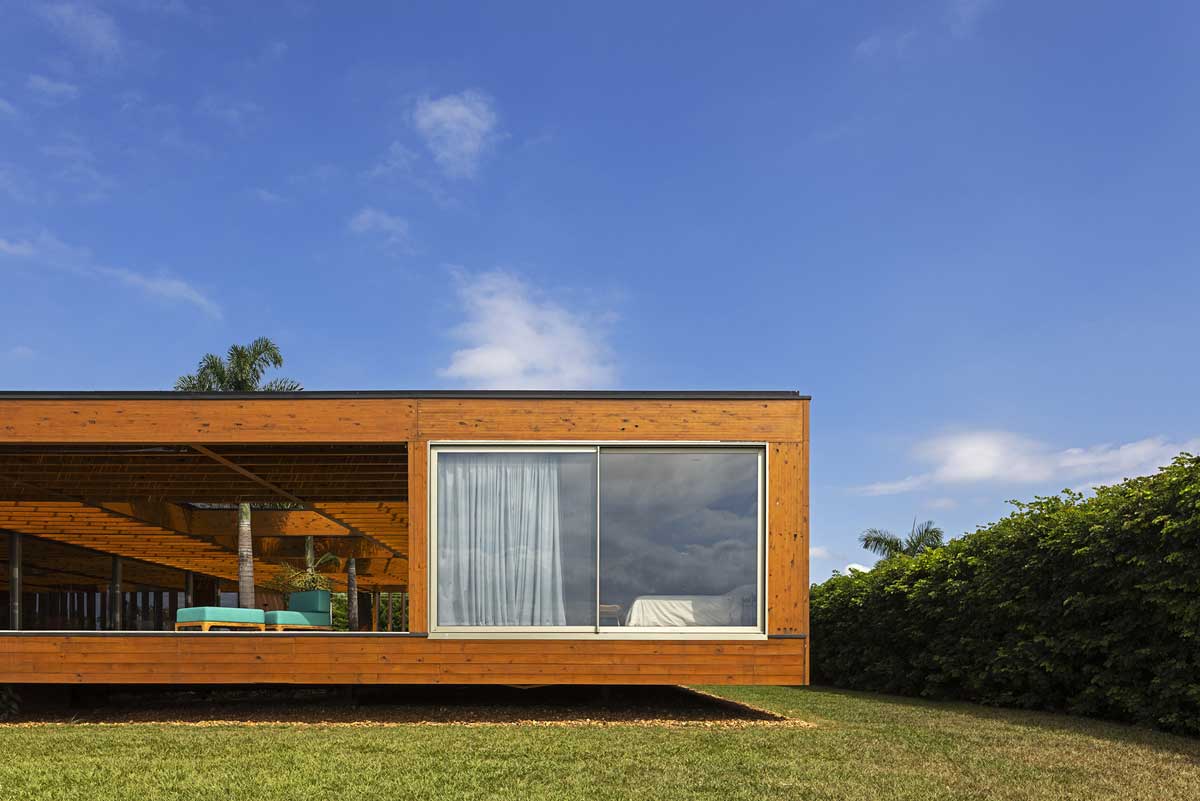
Low-slope roofs are defined as pitches of 2:12 or less, while anything steeper is treated as a steep roof with different products. That narrow band is what lets a flat top read as one crisp horizontal line, especially with deep overhangs. Strong horizontals pair naturally with cantilevered volumes and glass panes in modern homes, where the roof slab doubles as a sunshade. Fix the overhang depth early, because it shapes both shade and drainage.
How flat is flat in practice? UK installers commonly lay roofs to a fall of 1:40 to 1:80, and US practice sets the floor at 1/4 inch per foot. A dead-level slab is the most frequent planning error, so never accept drawings that show a 0% roof. Ask the designer to mark the fall direction and every outlet on the roof plan itself.
Structural load is the other early decision. An extensive green roof adds up to roughly 25 pounds per square foot, while an intensive roof garden can reach 150 pounds, six times more. Changing your mind later is like adding a second storey to a house framed for one. Settle the rooftop use before the structural calculations start, not after.



Flat Roof Design Materials Compared Side by Side
Flat roof design lives or dies on the membrane, and four systems dominate the market: TPO, EPDM, PVC and modified bitumen. TPO has become the most-installed single-ply membrane in the US, holding roughly 40% of commercial flat roofing. EPDM, the classic rubber sheet, tends to cost less upfront, while TPO reflects more sunlight. Pick by climate first and price second.
| Membrane | Installed cost per sq ft | Typical lifespan | Seams | Solar reflectivity | Best fit |
|---|---|---|---|---|---|
| TPO | $5.00–$8.50 | 20–30 years | Heat-welded | High (white) | Sunny climates, roof decks |
| EPDM | $4.00–$7.00 | 25–30 years, 30+ possible | Adhered or taped | Low (black) unless coated | Tight budgets, cold regions |
| PVC | $6.00–$10.00 | 20–30 years | Heat-welded | High (white) | Premium budgets |
| Modified bitumen | $4.50–$8.00 | 15–25 years | Multi-ply layers | Medium with reflective cap | High foot traffic areas |
Which membrane suits a house rather than a warehouse? For residential roof decks, New York contractors strongly prefer TPO for its puncture resistance, and TPO plus EPDM account for over 80% of residential flat roofs there. A black EPDM sheet absorbs heat like a parking lot in July, so in hot regions add a reflective coating or choose white. Never pick a membrane from a sample swatch alone; ask for the warranty term in writing.
Value over time beats the sticker price. A membrane that costs $2 more per square foot but lasts 10 years longer delivers the lower cost per year of service. In the UK, choosing EPDM over felt roughly doubles expected lifespan for only a few hundred pounds more on a garage-sized roof. Divide each quote by its expected lifespan before signing anything.

Where Stylish Flat Roof Houses Get Their Edge
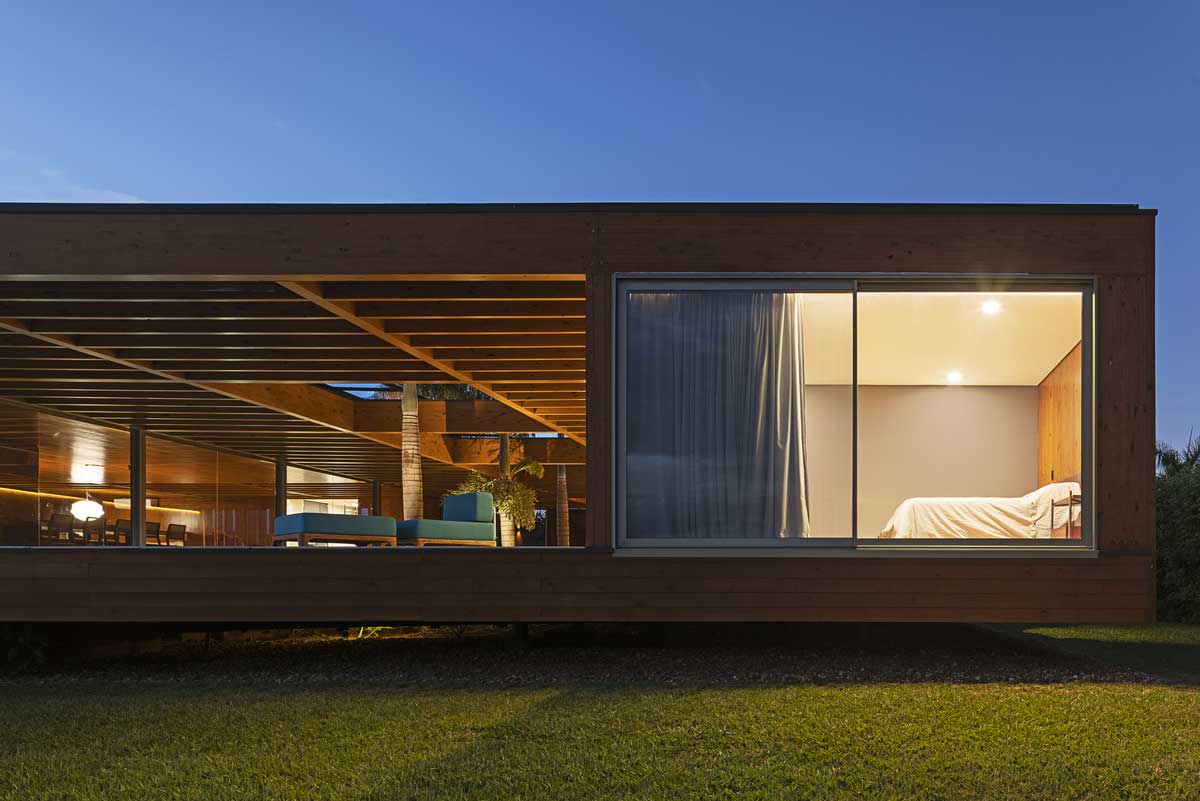
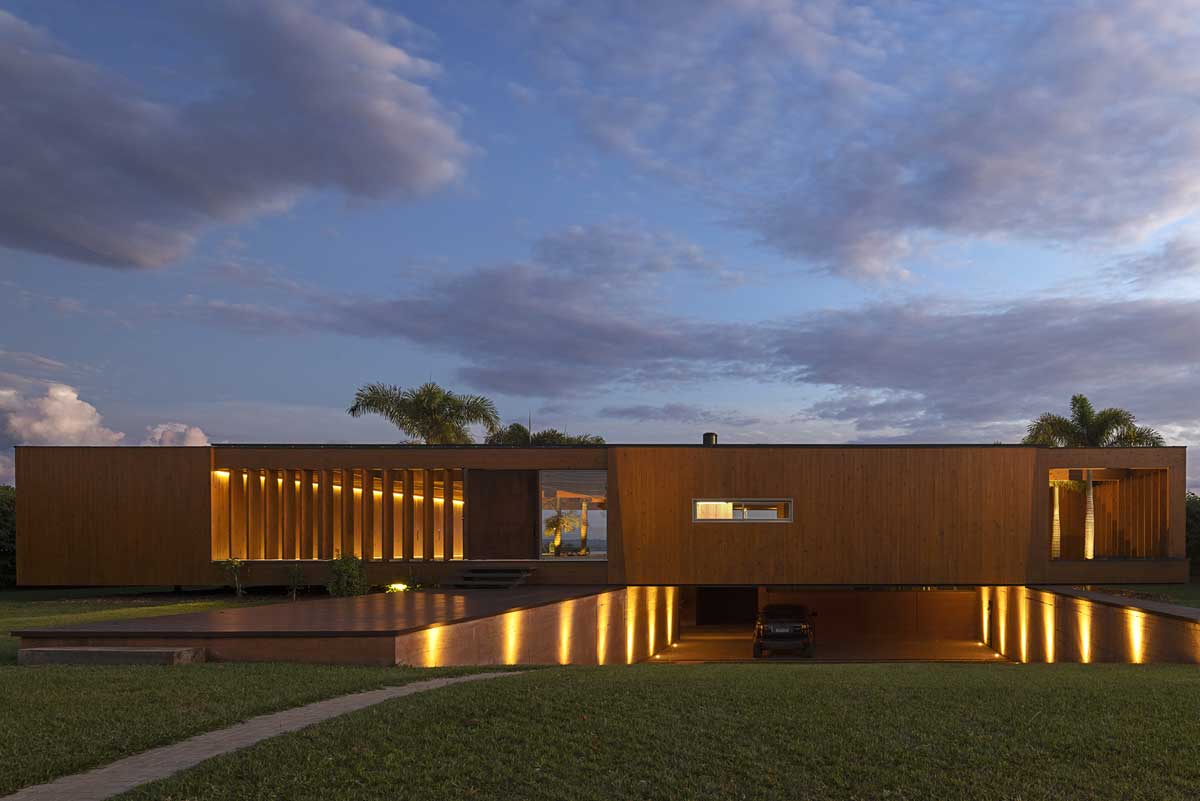
Stylish flat roof houses earn their look from proportion: one long horizontal, generous overhangs and a low profile against the landscape. A flat top lowers the visible height of the house from a distance, so the building settles into its site instead of towering over it. Compare a gable that announces itself from the street with a slab that reads like a bookshelf line. Keep parapets thin, because chunky edges kill the effect.
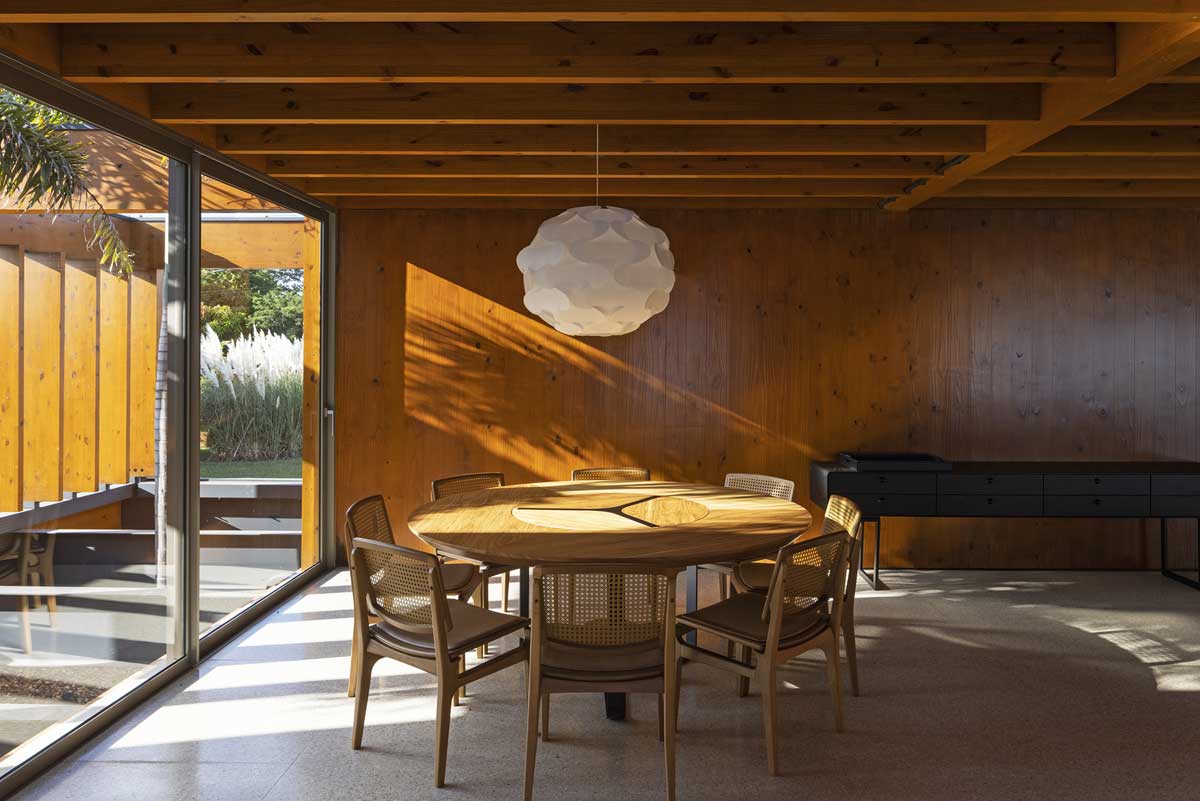
Material contrast does most of the visual work on a modern flat-roofed home. Board-formed concrete against floor-to-ceiling glazing is a proven pairing, as seen in these bold architectural forms carved in concrete and glass. Timber soffits warm a cold slab the way a wooden handle warms a steel knife. Limit the facade to two or three materials so the roofline stays the focal point.
The roof itself can become the showpiece. Extensive green roofs use a shallow 2–6 inch growing layer of sedums and grasses, while intensive versions need 8–24 inches and can host shrubs and even small trees. Typical installed costs are $10–$20 per square foot for extensive systems versus $20–$40 for intensive ones. Start extensive if the budget is tight, and reserve a reinforced deck zone for heavier planters.
| Green roof type | Substrate depth | Load per sq ft | Installed cost per sq ft | Annual upkeep per sq ft |
|---|---|---|---|---|
| Extensive | 2–6 inches | Up to 25 lb | $10–$20 | $0.75–$1.00 |
| Intensive | 8–24 inches | Up to 150 lb | $20–$40 | $1.00–$1.50 |
Should every flat roof be planted? No, because a green roof is heavier and pricier to build and maintain, and leaks hidden under soil are harder to find. A paved terrace over a TPO membrane often gives more daily use per dollar than a full meadow. Never plant a roof you cannot easily reach for inspection.

Building the House Without Budget Drift
Executing a modern flat roof house design comes down to sequencing trades and locking decisions before the roof structure goes up. Changes after that point are the expensive kind, because drainage falls, outlets and parapet heights mesh like gears in one gearbox. A 1,500 sq ft membrane roof typically takes 2–4 days for EPDM and 2–5 days for TPO, so weather windows matter. Book the roofer for a dry-season slot rather than whenever framing finishes.
- Size the structure for the chosen rooftop use: about 25 lb per sq ft for extensive planting, up to 150 lb for a roof garden.
- Set the deck or tapered insulation to at least 1/4 inch per foot toward drains or scuppers.
- Install the membrane with flashings and upstands at every penetration.
- Test for leaks before any decking, pavers or soil go on top.
- Add the terrace, planting or solar array last.
What drives the roofing line of the budget? On replacement jobs, removing old layers runs about $1–$3 per square foot, insulation upgrades add $1–$5, and the membrane itself sits around $4–$8. For a 1,500 sq ft roof, full membrane projects commonly land between $6,000 and $22,500 depending on system and region. Collect three itemised quotes so you can compare them line by line.
Rooflights and access hatches each need careful detailing and push the price up. Avoid adding a skylight late in the build just because a hallway feels dark, since every new opening is a potential leak point. Larger roofs usually cost less per square foot than small ones, which have fixed costs for access and trims. Finalise all roof openings at the drawings stage.


Living With a Flat Roof Day to Day
Living in a modern flat roof house means treating the roof like part of the garden: something you check, clear and care for. Water left ponding on EPDM for long periods shortens its service life, so outlets must stay free of leaves and silt. A blocked drain on a flat roof behaves like a plug in a bathtub. Inspect outlets every spring and autumn, and again after heavy storms.
Heat is the other factor in everyday comfort. The U.S. Department of Energy cool roof guidance notes that a conventional roof can reach 150°F or more on a summer afternoon, while a reflective one can stay over 50°F cooler. That gap means less heat pressing down into top-floor bedrooms. In cold climates, weigh the winter heating penalty before choosing a bright white finish.
Don’t Do This
- Don’t approve a dead-level roof: anything under 1/4 inch per foot invites ponding.
- Don’t drag heavy planters across bare membrane; standard 60 mil EPDM is rated for normal foot traffic, not scraping loads.
- Don’t stack intensive-style planters (up to 150 lb per sq ft) on a roof built for extensive planting (about 25 lb).
- Don’t leave leaves on outlets for a whole season; one blocked drain can flood the entire surface.
Is a coating worth it on an ageing roof? Coatings typically add $1–$3 per square foot and extend roof life noticeably, which beats a full replacement at $4–$15 per square foot. Green roofs carry their own upkeep: about $0.75–$1 per square foot a year for extensive systems versus $1–$1.50 for intensive ones. Budget roof care as a fixed annual line, the same way you budget insurance.
A flat-roofed home rewards a restrained interior too. Clean exterior lines look best when rooms follow the same discipline: fewer, larger windows aligned with the roof edge and furniture kept low. Compare a cluttered room under a glass wall with a sparse one, and the second always feels larger. Choose one statement piece per room and let daylight do the rest.


What Comes Next for Stylish Flat Roof Houses
The evolution of modern flat roof house designs points toward roofs that work harder: generating power, holding stormwater and cooling the street. Bio-solar roofs combine panels with planting, and the green component typically costs $25–$35 per square foot. Plants cool the panels while panels shade the plants, a bit like two roommates splitting rent. Plan conduit routes for solar even if the panels arrive years later.
Incentives can tilt the math in your favour. New York State offers a property tax credit of $5.23 per square foot of planted roof area, turning a green roof from pure luxury into a partial investment. Cool roofs can also qualify for utility or government rebates in some regions. Check local stormwater and energy programmes before you finalise the roof finish.
Interiors are shifting as well, toward flexible plans with sliding partitions and multi-purpose rooms. A flat slab suits this well, since wide spans without sloping ceilings leave every square foot at full height. Compare an attic room that loses headroom at the eaves with a flat-roofed upper floor where every corner is usable. Don’t wall off rooms permanently if your household is likely to change within 10 years.


Flat Wins on the Details
A flat roof outperforms its reputation when the fall is at least 1/4 inch per foot and the membrane is chosen for 25–30 years of service rather than the lowest quote. That single decision separates a roof you forget about from one you patch every winter.
Budget $4–$8.50 per square foot for a quality single-ply membrane, and add $10–$20 for an extensive green layer if you want a planted roof. Decide rooftop use before structural design, because 25 and 150 pounds per square foot lead to very different slabs.
Clear outlets twice a year and set aside $0.75–$1.50 per square foot annually if the roof is planted. In hot climates, a reflective finish that runs 50°F cooler pays back in comfort every summer.
Keep the facade to two or three materials and the roof edge thin. That restraint is what turns a box with a lid into a house people slow down to look at.