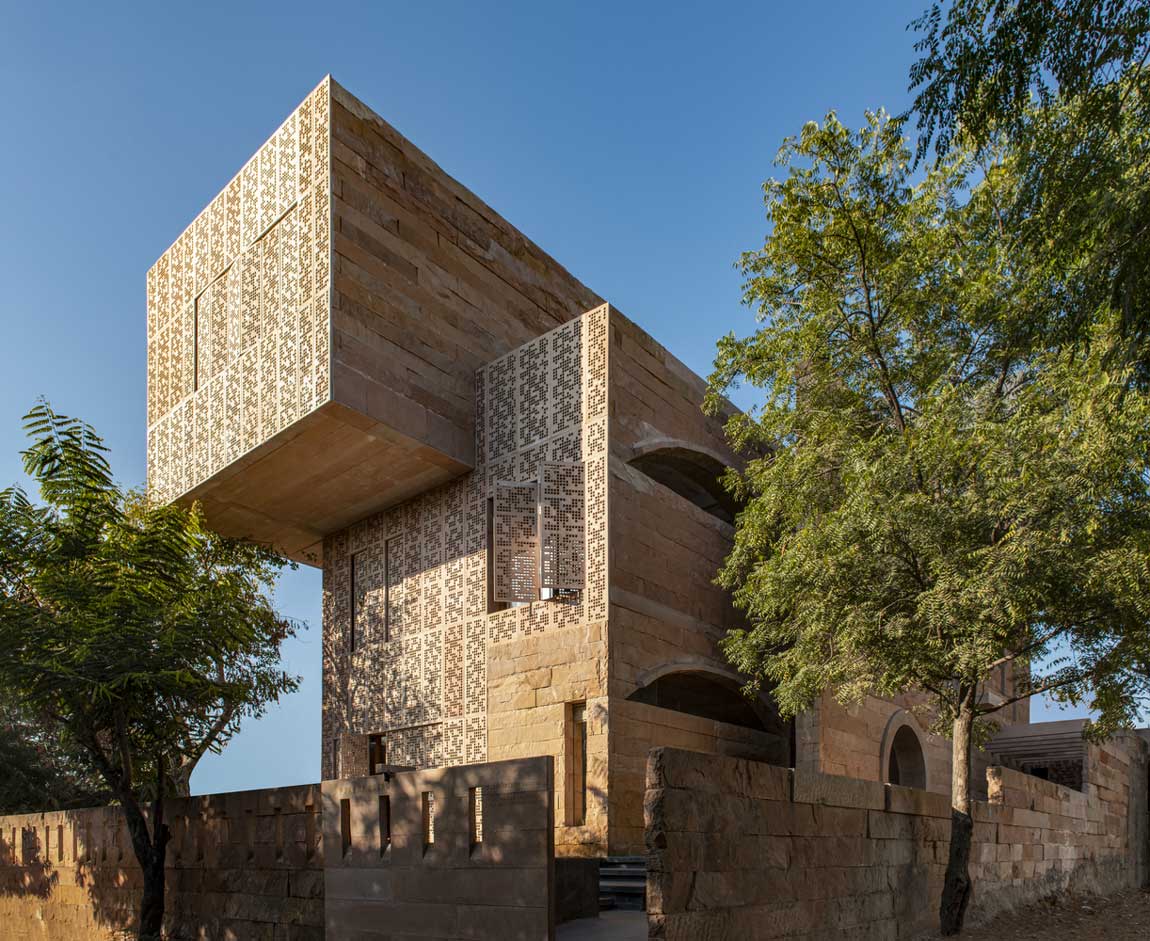
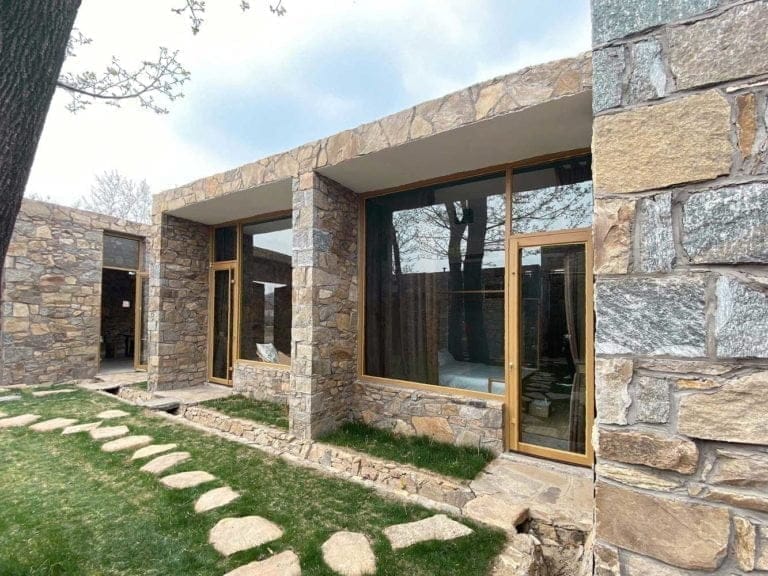
Interior stone accent walls pull off something most materials can’t — they make a finished room feel like it was always supposed to look exactly this way. I’ve spent years visiting homes where a single stone wall stopped me cold at the door, not because it was loud, but because it was undeniably right. Rough fieldstone in a living room beside raw oak beams. Polished slate behind a floating bed frame. Stacked ledger panels in a home office that cost $14 per square foot and reads like a $50,000 renovation. The texture does what paint refuses to do. It doesn’t need art on it. It’s the art.
You’ll notice the rooms that get this wrong before you can name why. Usually it’s one of three issues: the wrong stone for the room’s light, no contrast material to let the stone breathe, or a wall placed where it becomes wallpaper instead of a statement. I’ve made all three mistakes. This page is the corrected version of those rooms.
Quick Scan — What’s in This Post
- Rough stone accent walls: why uneven texture beats smooth in low-light rooms
- Sleek stone panels for modern and office spaces — what actually holds up
- Traditional stone in classic interiors — the placement mistake most people make
- Material comparison table: fieldstone vs ledger vs veneer vs cultured stone
- FAQ covering bedroom, living room, and exterior applications
Rough Stone in Low-Light Rooms Earns Its Keep Every Morning
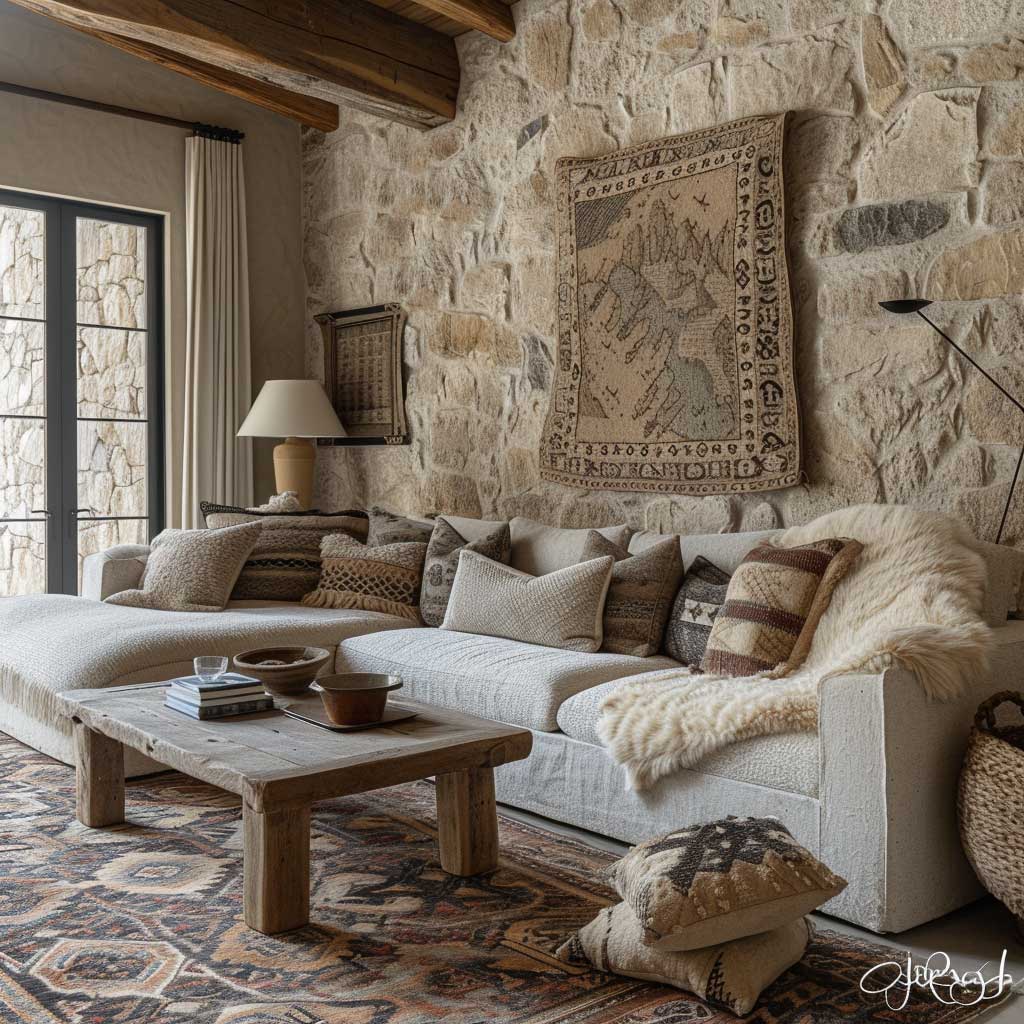


Rough stone works like a sundial. At 8am it reads brown-gray. By noon it pulls orange from the mortar. By 5pm the shadows make it look three times as deep as the actual relief. I own two lamp pairs positioned specifically to catch this shift in my own living room, and guests always ask what I “did” to the wall — nothing, that’s the point. The stone does it on its own. Smooth walls can’t replicate this because there’s nothing for light to catch.
Ledge stone runs about $8–$18 per square foot for natural fieldstone, and a mid-range installer in most U.S. markets charges $15–$30 per square foot for labor. Figure $3,000–$6,000 total for a 12-foot accent wall, materials and install. Cultured stone veneer from Boral or Eldorado drops the material cost to $6–$12 per square foot without sacrificing the visual texture. Don’t buy the cheapest polyurethane faux panels — they look right in the showroom and wrong the minute natural light hits them at a raking angle.
In a living room, anchor the stone wall opposite the primary window, not beside it. I stole this trick from a contractor friend who pointed out that stone opposite a window catches reflected light all day instead of sitting in its own shadow. Pair it with warm oak flooring and linen upholstery and the room stops reading as a “rustic theme.” It reads as a real place. Skip the barn-door hardware and the Edison bulbs unless you want a farmhouse Airbnb aesthetic rather than a home.


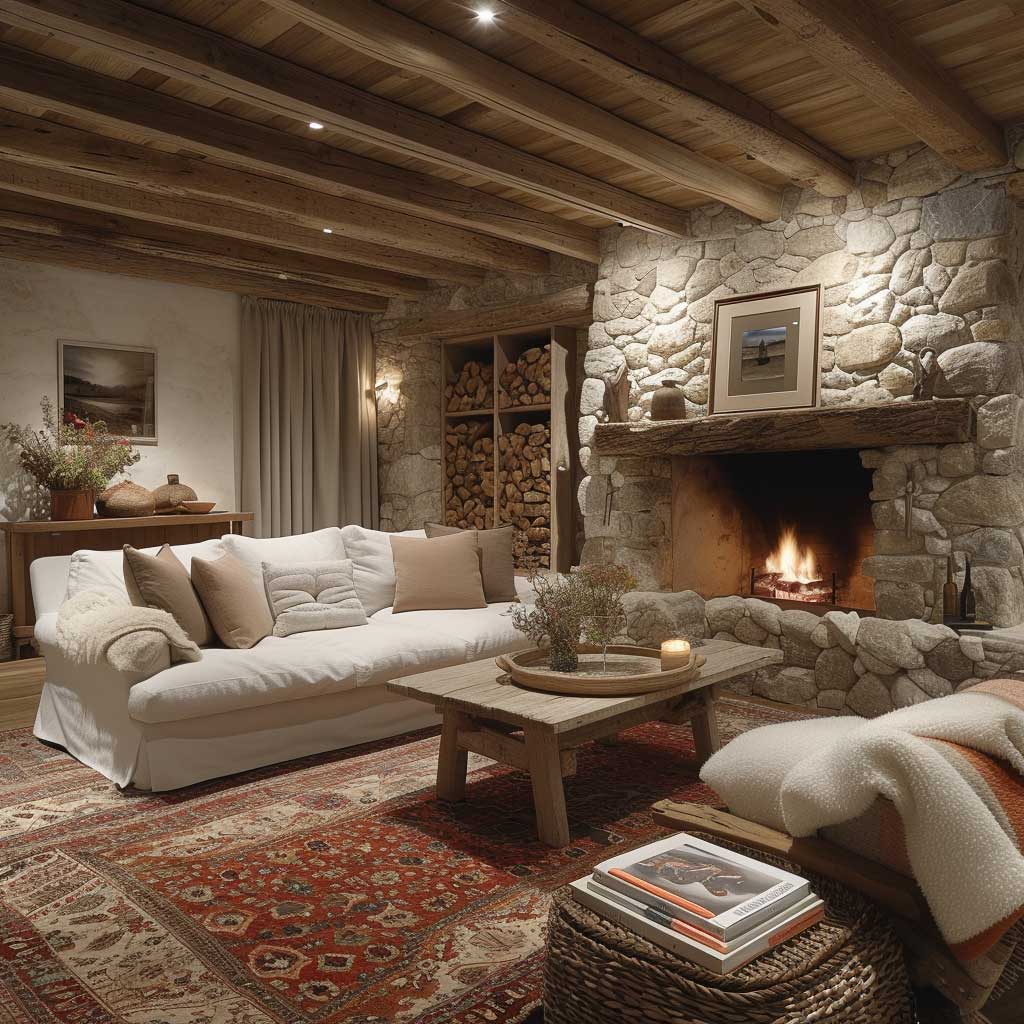

Stone is a passive insulator in a meaningful way. A 4-inch fieldstone wall adds an R-value of roughly 0.8–1.2 per inch — modest by insulation standards, but it slows thermal swing in rooms with large windows. More practically, it acts as a heat sink: absorbs warmth from afternoon sun and radiates it after dark. You’ll feel it if you press your hand against the wall two hours after sunset. It’s still warm. No drywall does that.
My go-to for a bedroom rough stone wall is the headboard wall only — never four walls. Four walls of rough fieldstone reads as a medieval dungeon unless you have 14-foot ceilings and professional lighting. One wall behind the bed, kept below the ceiling line if you can manage it, feels intentional. Stop the stone at 7 feet and let the last foot run to paint. That transition line, stone to plaster, is actually more interesting than stone to ceiling.
❌ Don’t Do This With Stone Accent Walls
- Don’t install rough stone on every wall. It becomes overwhelming — a room should have one material that leads and others that follow.
- Don’t mortar with bright white grout. It reads as artificial immediately. Gray, tan, or charcoal grout blends with the stone instead of outlining each piece like a children’s coloring book.
- Don’t use faux polyurethane panels in sunlit rooms. UV exposure bleaches the coating within 2–3 years and the panel edges warp.
- Don’t mount art directly over rough stone. The texture competes with the frame edges. Float shelving 6 inches off the surface instead, so pieces hover in front of the stone rather than fighting it.
Polished Stone Panels Change an Office Wall From Backdrop to Decision


Slate panels in a home office cost more than paint. Full stop. Honed black slate runs $20–$40 per square foot installed, and a 10×8 wall eats $3,200 at the low end. You need to decide whether you’re buying an aesthetic or a statement. I bought the statement: a single honed slate wall behind my desk now shows up in every video call I take, and clients have mentioned it unprompted in three separate discovery sessions. That wall has paid for itself in brand positioning alone. Sounds absurd. Isn’t.
What does smooth stone do that rough stone doesn’t? It reflects without glaring. Place a honed slate or polished travertine wall behind a work surface and you get diffused light return across your desk without the mirror-bounce of painted drywall. The surface texture is fine enough to scatter light, not focus it. You’ll notice less eye strain by midday if your monitor faces the stone wall. That sounds like a stretch — test it for a week and you’ll stop doubting it.
For a modern living room, Cool Gray travertine from MSI Stone ($22–$35/sq ft) or the Calacatta marble-look porcelain from Emser Tile ($9–$16/sq ft for the porcelain version) both work as sleek accent walls without the maintenance burden of genuine marble. Genuine Carrara marble etches if wine or coffee touches it — I’ve seen homeowners seal it quarterly and still lose the battle. Porcelain with a stone look gets you 95% of the visual at a fraction of the upkeep. Designers who tell you only real marble counts are decorators who don’t clean their own floors.
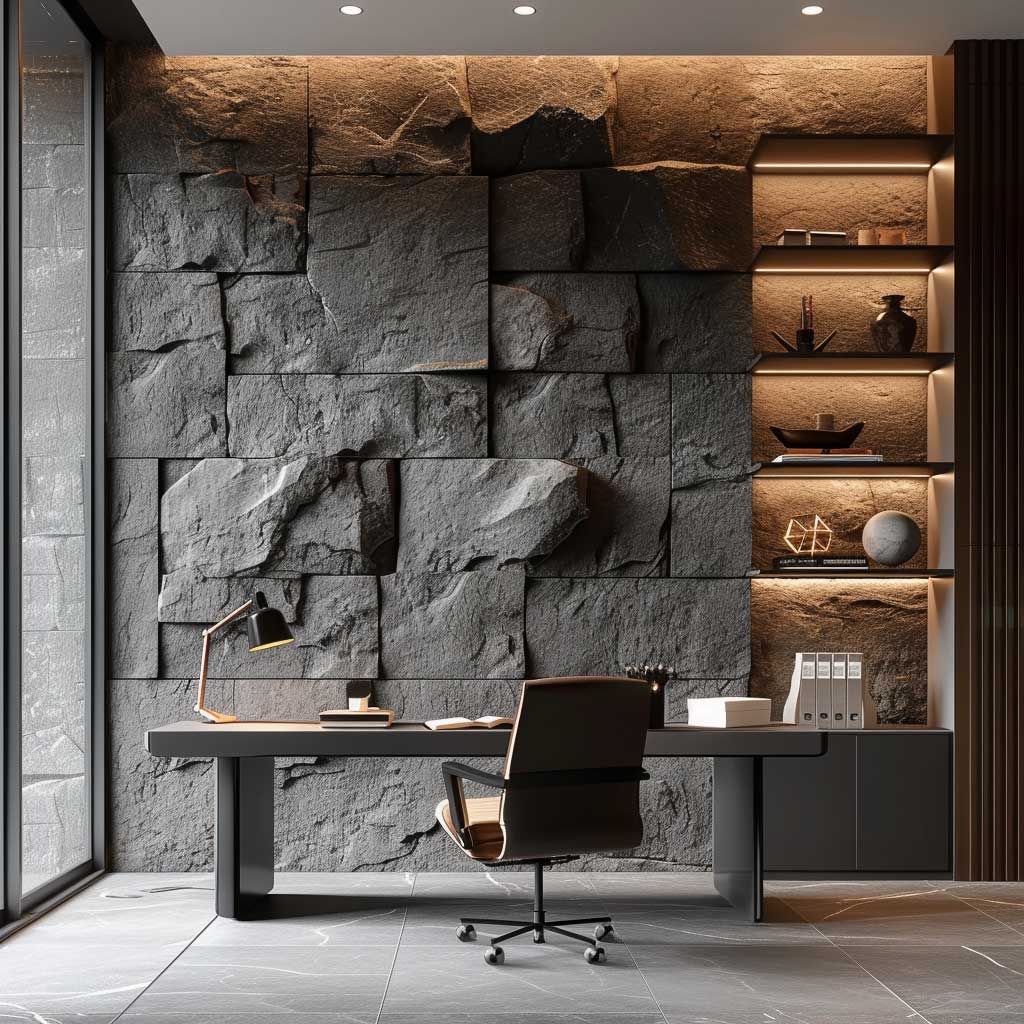
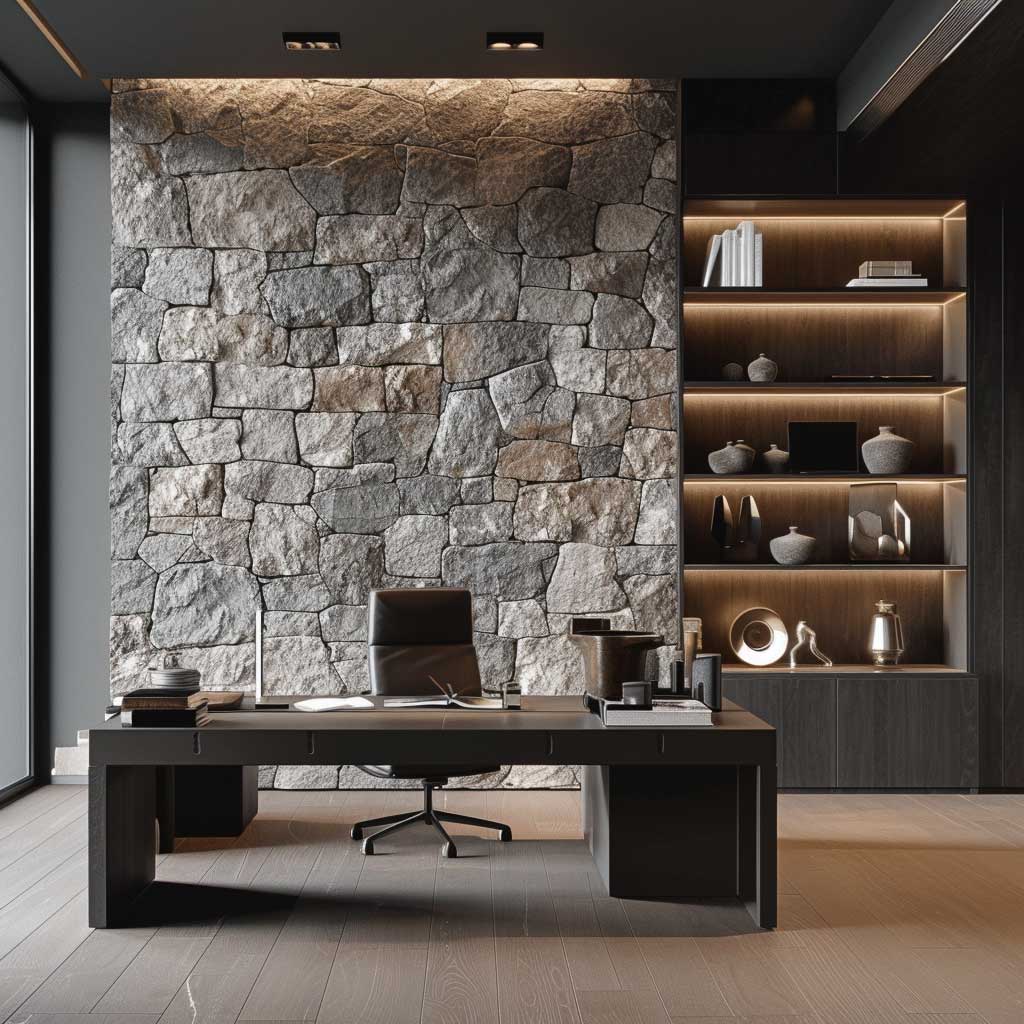


Sleek stone wall panels also work as art backdrops in a way rough stone doesn’t. A polished gray slate wall behind a single large canvas lets the painting read cleanly — the surface behind it is quiet, not competing. Rough fieldstone behind the same painting creates visual noise that fragments the composition. What’s the rule? Smooth stone behind art. Rough stone instead of art. Keep those assignments separate and neither feels wrong.
For more on how stone integrates with modern material palettes, the team at artfasad.com covered six stone accent applications in modern interiors that pair well with everything in this section — particularly the kitchen and bathroom applications that follow the same smooth-surface logic.
Traditional Stone Accent Walls Fail When They Land on the Wrong Wall


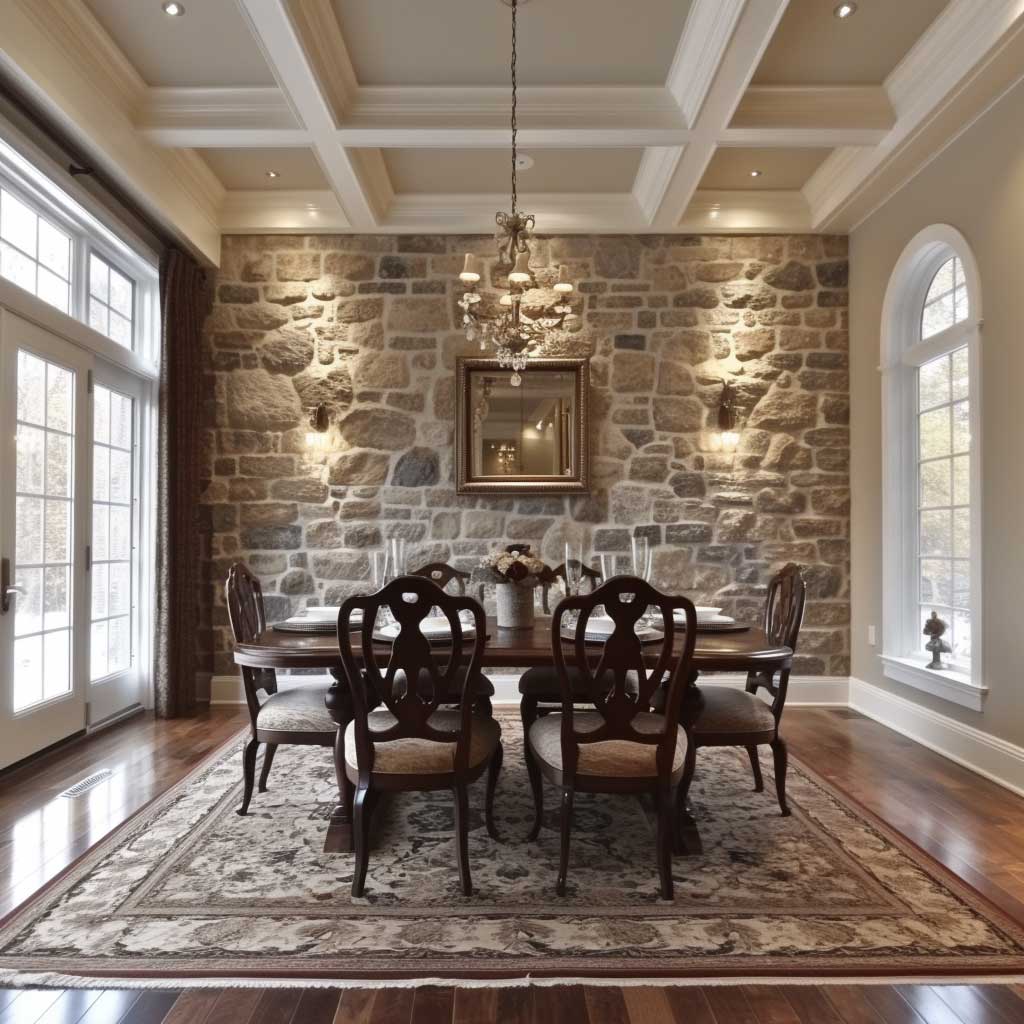
Traditional stone in a classic interior is not a background. It’s a load-bearing visual element — everything else in the room adjusts to it, not the other way around. I’ve walked through restored Victorian houses where the stone sat behind a modern sectional and a glass coffee table, and the room looked like a rental property that hadn’t decided what it was. Stone this old-world in character needs antique wood, heavy textiles, wrought iron, or aged leather to pull it forward. Give it contemporaries, not competitors.
The wall placement mistake happens constantly. Homeowners put the traditional stone on a side wall — beside a window, beside a door — and then furnish toward the opposite wall. The stone ends up at the periphery of the room’s visual gravity, which is the one position where it can’t anchor anything. My go-to rule: the stone wall must be the wall you face when you enter the room. Always. It should be the first thing you see, not a detail you discover on the left after you’ve already sat down.
Limestone block runs $15–$25 per square foot, installed, for a traditional stacked pattern. Cobblestone veneer from Coronado Stone drops the price to $9–$16 per square foot and reads more casually than formal limestone. For a genuine old-house feel, reclaimed barn stone — real pulled material from demolition sites — runs $20–$45 per square foot depending on regional availability. The price includes character you can’t fabricate. Each piece carries chisel marks, patina, and color variation that new stone, however good, simulates rather than owns.


Stone walls also change the acoustics of a room in ways that matter. Hard irregular surfaces scatter sound — reducing the flutter echo that open-plan rooms with painted walls amplify. A traditional stone wall behind a seating area acts like a diffusion panel in a recording studio, minus the foam wedges and the self-consciousness. The room gets quieter without deadening. You’ll hear the difference in how conversations feel easier at normal volume. Sound design is the invisible twin of visual design, and most renovators forget it entirely.
If you want to see how stone plays with wood-forward interiors at a larger scale, this piece on stone walls in intimate indoor settings covers the full range of natural-material pairings from living rooms through bedrooms. It answers most of the “what else goes with this” questions that come up once the wall is in. For a deeper look at community-sourced room applications, Houzz’s stone accent wall gallery contains thousands of real-project photos organized by room type and stone style.
Stone Type Changes Everything — A Comparison Worth Printing
Four stone types dominate interior accent wall projects. They’re not interchangeable — each has a different installation method, price band, weight load, and visual register. Picking the wrong one for your room is the most expensive mistake you can make in this material category because it’s not correctable without a full demo.
| Stone Type | Material Cost (per sq ft) | Install Difficulty | Best Room | Avoid If |
|---|---|---|---|---|
| Fieldstone / Ledge | $8–$18 | High — masonry skill needed | Living room, fireplace surround | Floor load is a concern (heavy) |
| Cultured / Veneer Stone | $6–$12 | Medium — DIY possible | Any room, apartment-safe | You want authentic resale value |
| Slate / Honed Panel | $20–$40 | High — precision cutting needed | Office, dining room backdrop | Rooms with high humidity |
| Reclaimed Barn Stone | $20–$45 | Very High — structural check needed | Traditional interiors, entryway | Modern or minimal rooms |
| Travertine / Limestone | $10–$30 | Medium-High | Transitional interiors, bedrooms | Acid exposure (wine, lemon) |
One thing the table can’t capture: how each of these reads under artificial light versus natural light. Fieldstone gets more dramatic under warm tungsten or Edison equivalents — the shadows deepen. Slate goes flat under warm light and wakes up under cool 4000K LEDs. Test a sample panel under your actual room lighting before ordering 200 square feet. Showrooms use flattering light on purpose.
The Takeaway
Stone Accent Walls Work Because Geometry Doesn’t Lie
Every material trend eventually reads as dated. Stone skips that cycle. It looked right in Roman atria and it looks right in a 2024 open-plan living room because it’s a material that predates aesthetics — it doesn’t belong to a decade.
Pick one wall. Pick it because it faces the door. Spend money on real stone or quality veneer and nothing on art for that wall — the texture is the composition. Get the grout color right before anything else.
Save this post before you meet with your contractor — the material comparison table alone will save you from buying the wrong type for your room.