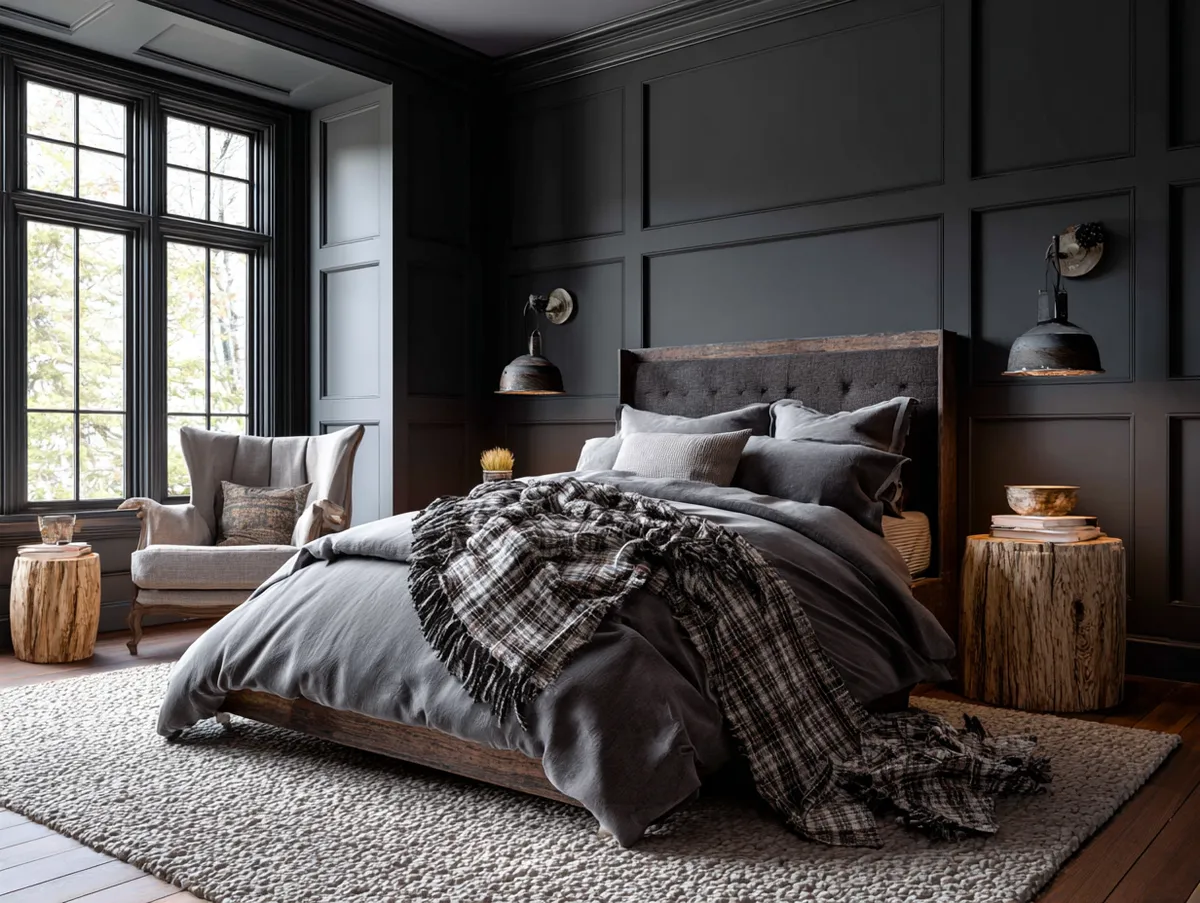
Black fireplace wall ideas work because a deep finish near LRV 3 reflects only about 3% of the light that hits it, so the flame, the opening and every metal edge jump forward. The result is a living room with one clear focal point instead of five competing ones. Does the look work in an ordinary home? Yes, as long as the black covers one wall and lighter surfaces carry the rest of the room. Start with the wall the sofa already faces.
Budget decides the material more than style does. Brick runs about $3–$10 per square foot, concrete $10–$20 and natural stone near $60–$70, while premium marble tile can reach $350. Stone veneer sits in the sensible middle at roughly $11–$18 per square foot. Price the finish first, then choose the look that fits inside that number.
Safety rules apply no matter how sleek the surface looks. Residential code keeps combustible trim at least 6 inches from the fireplace opening and limits how far it can stick out up to 12 inches. The sections below move from matte minimalism to paint, black marble, clearances and metallic trim, with a comparison table near the end. Jump straight to the table if the material is already chosen.
Quick Scan
- Deep blacks such as Tricorn Black sit near LRV 3, compared with about 6 for a charcoal like Iron Ore.
- Stone veneer costs about $11–$18 per sq ft, while dramatic marble slab material runs $60–$150.
- No combustible trim within 6 inches of the opening; from 6 to 12 inches it may project only 1/8 inch per inch.
- A 6-inch-deep wood mantel typically sits about 18 inches above the firebox.
- High-heat paint for metal surrounds is rated to about 1200°F; ordinary wall paint is not.
- Warm 2700K lighting keeps matte black rich, while cool 6000K bulbs make it look ashy.
- Repeat one metal finish three times; brass runs $400–$1,200 vs $150–$400 for chrome.
Matte Minimalism Shapes Modern Black Fireplace Wall Ideas

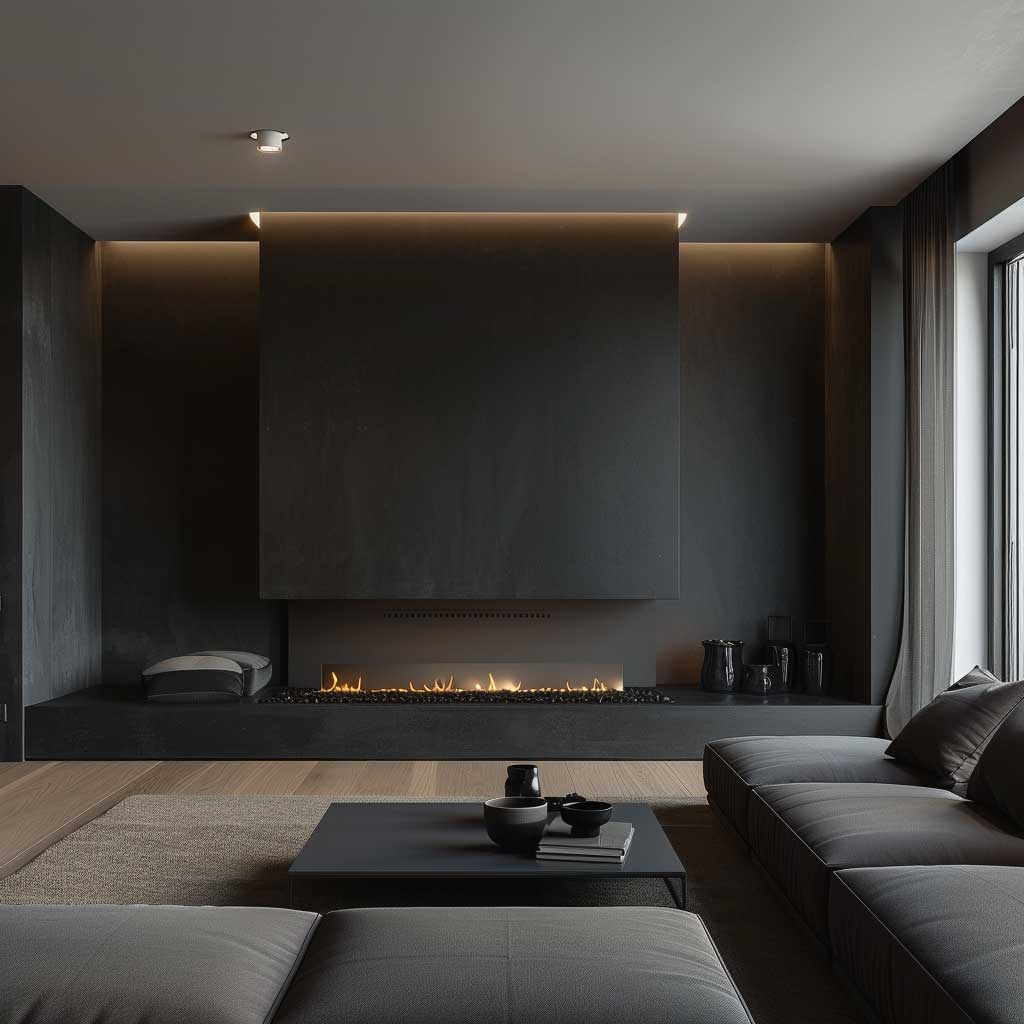
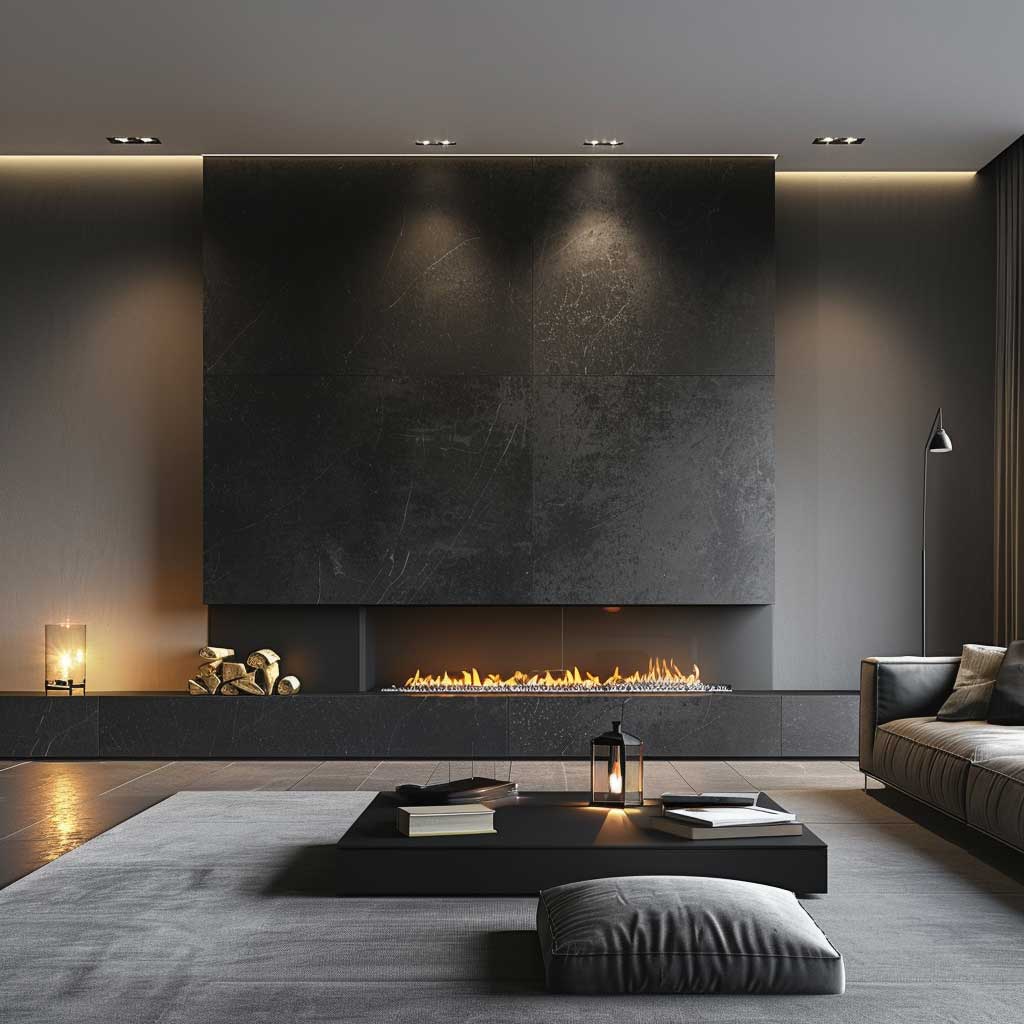

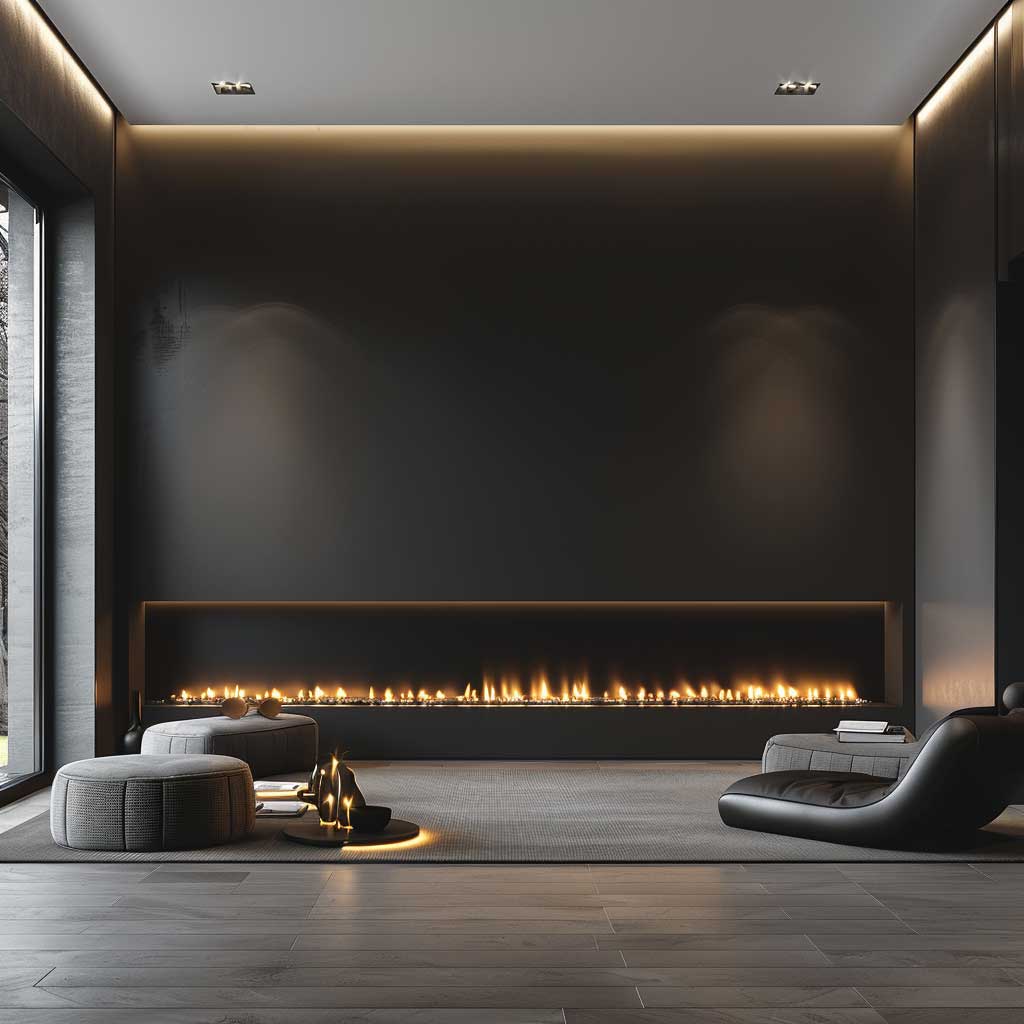
A modern black fireplace wall looks sharpest when one matte surface runs floor to ceiling and nothing on it competes with the firebox. Treat it like a gallery wall with a single exhibit, the flame. Tricorn Black sits around LRV 3 and swallows almost all incoming light, while a charcoal such as Iron Ore at LRV 6 still lets faint plaster texture show through. Choose the true black for smooth new drywall and the charcoal for older walls with patches.
How far should the dark finish spread? Typical feature-wall guidance extends the material 12–18 inches past each side of the opening, which gives the wall weight instead of a framed-picture look. Stopping the black at mantel height slices the room in half, while a full-height run makes the ceiling feel taller. Carry the color all the way up even when the opening stops at about 5 feet.
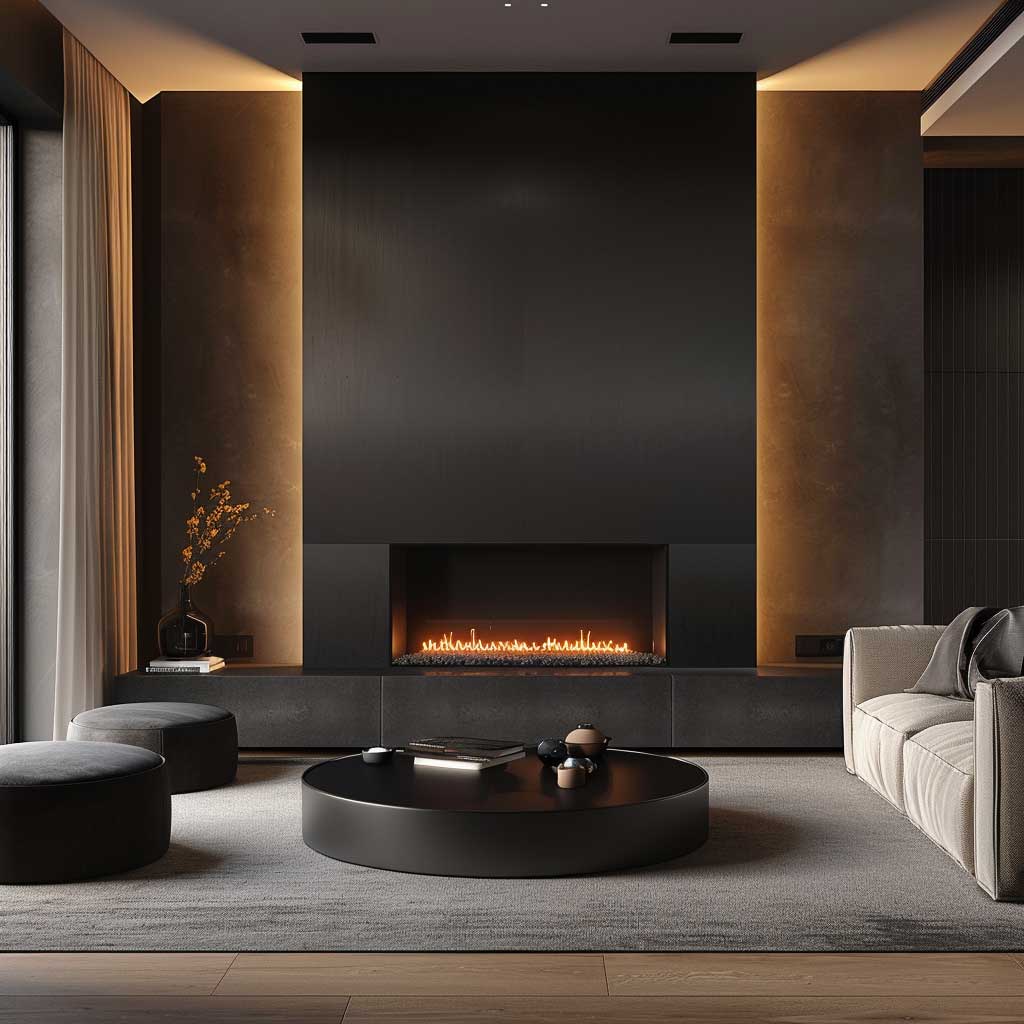
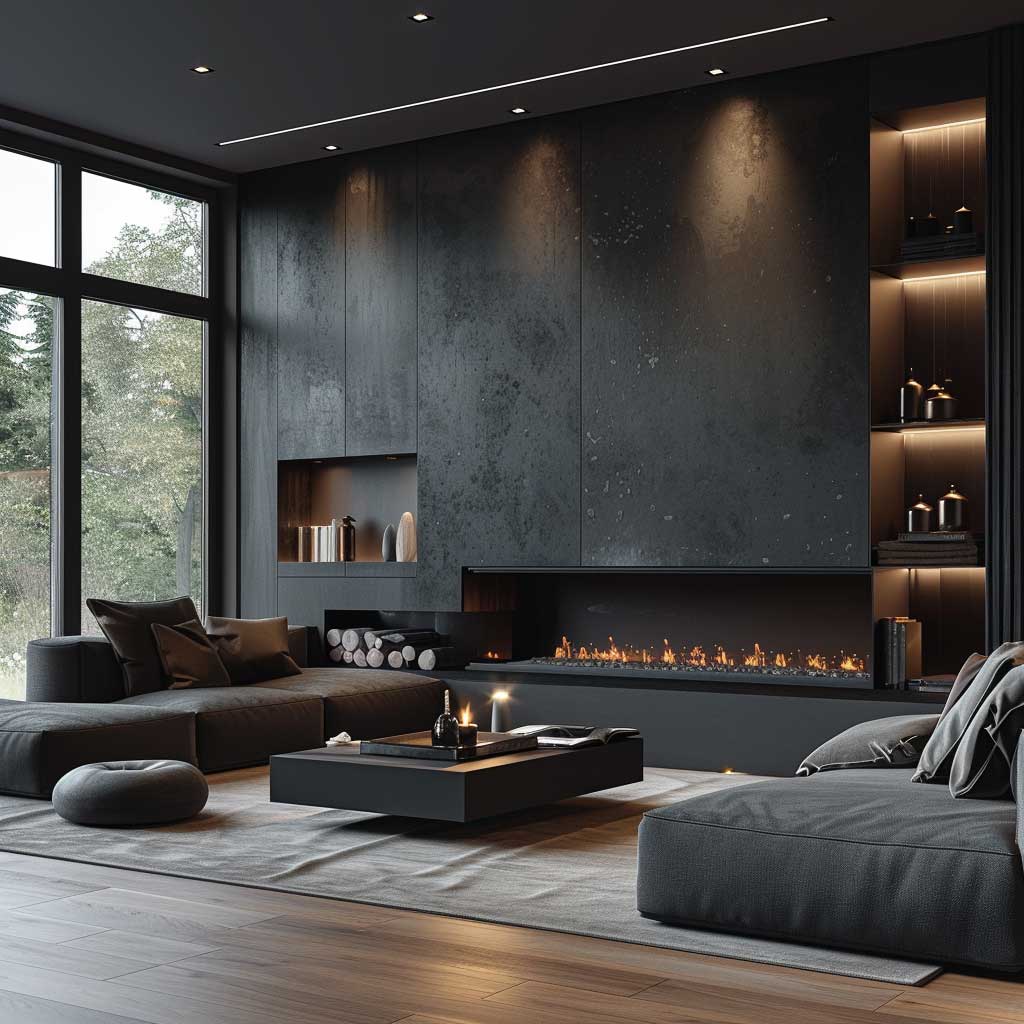
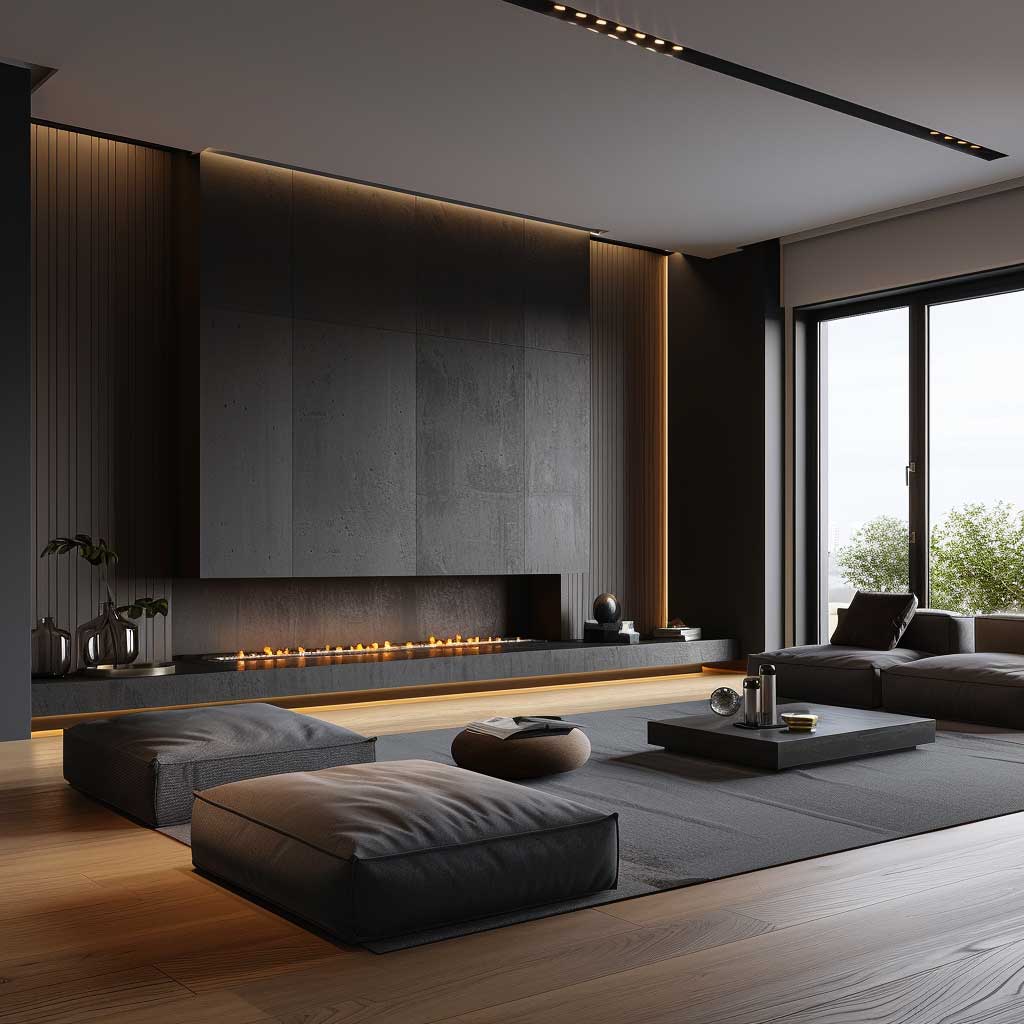
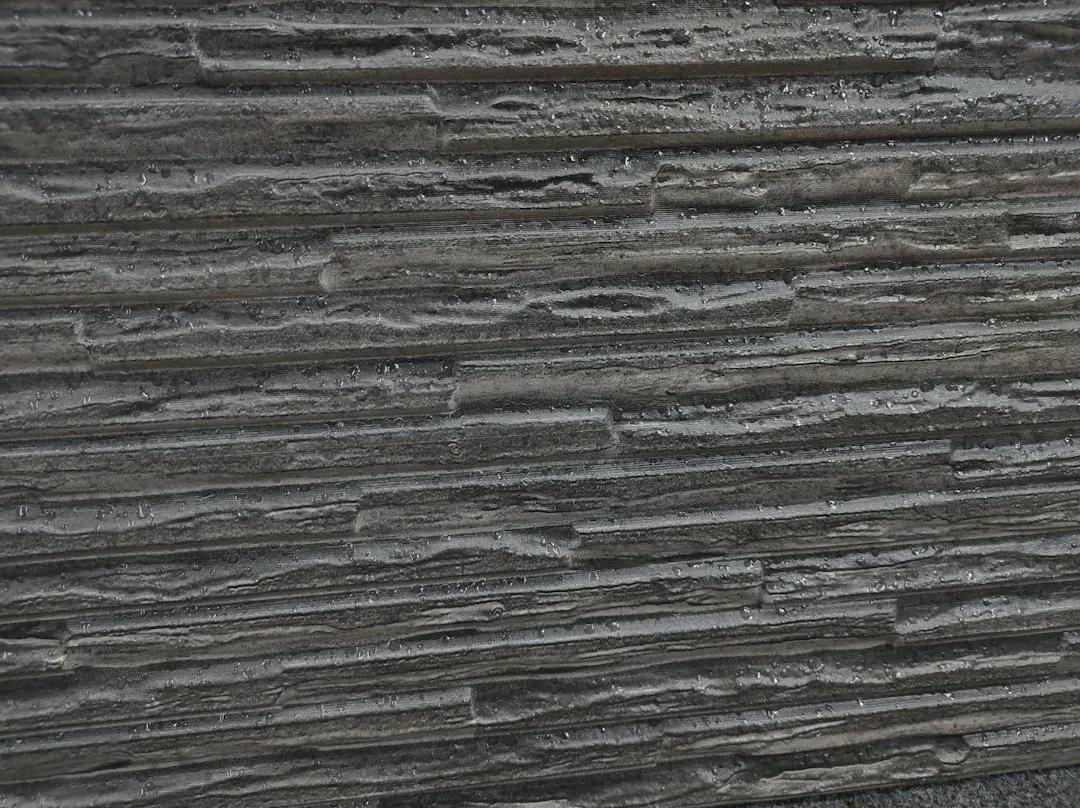
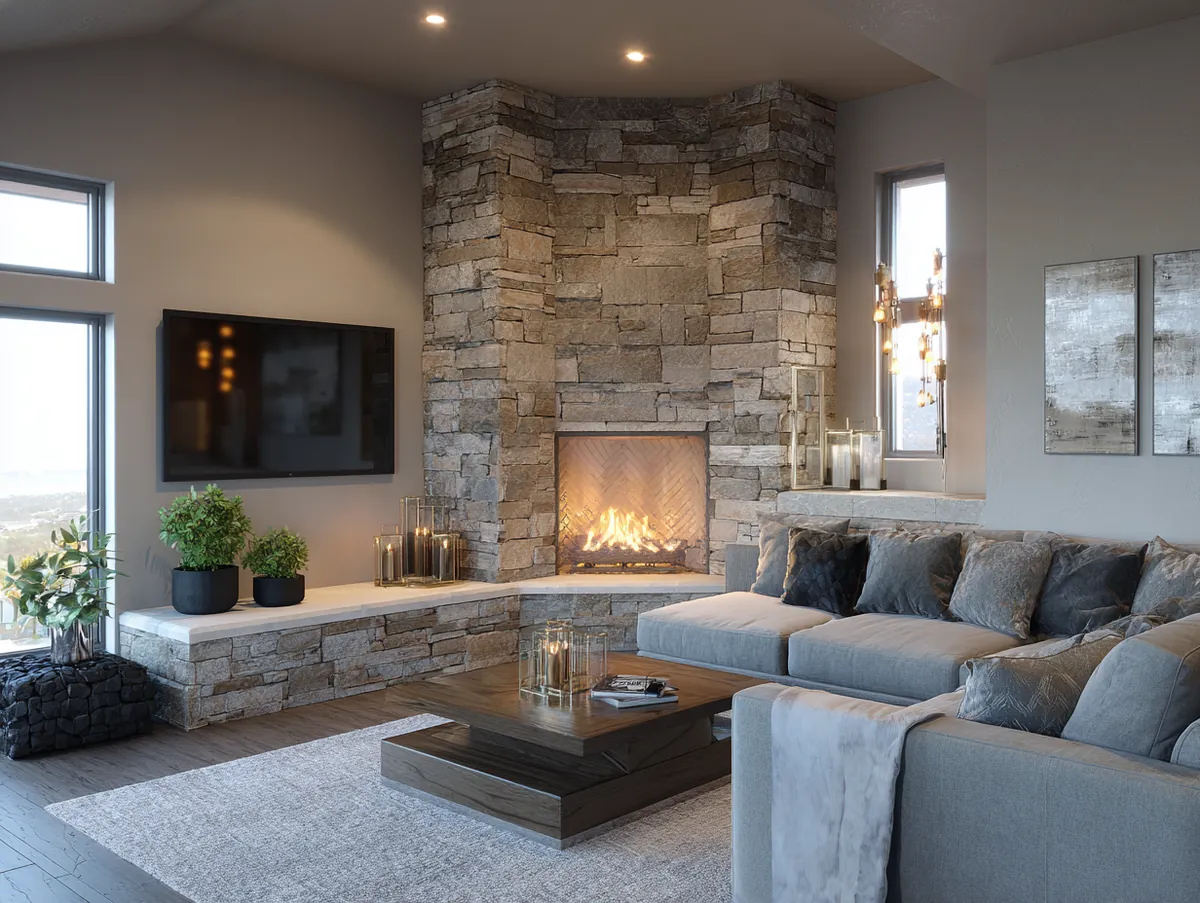
Texture is the one extra that minimalism allows, and it costs less than many owners expect. Natural stone veneer runs about $11–$18 per square foot in materials against $5–$8 for manufactured versions, a trade-off broken down in this guide to modern stone house interiors with real veneer costs. A honed slate band around the opening adds depth that paint cannot, the way a wool coat looks richer than nylon in the same shade. Keep texture to one band or one panel so the wall still reads calm.
Light finishes the minimal look or ruins it. Warm 2700K LED strips, the temperature strip makers recommend for living rooms, keep black from turning ashy after sunset, while cool 6000K bulbs drain warmth from dark surfaces. A strip rated around 372 lumens per foot hidden in a ceiling cove washes the wall without hot spots. Don’t aim a single spotlight straight at matte paint; graze it from above instead.
Paint Picks for a Dark Accent Wall Around the Firebox
A black accent wall with a fireplace is the cheapest route into the look, and the exact shade matters more than the brand. Sherwin-Williams Tricorn Black and Black Magic both sit near LRV 3, Caviar reads slightly softer at about 4, and Iron Ore or Benjamin Moore Wrought Iron land near 6. That 3-point gap sounds tiny, yet across a full wall it is the difference between ink and graphite. Paint two large swatches side by side and view them at night before buying gallons.
- Tricorn Black, LRV about 3: the inkiest neutral, best for smooth modern walls
- Black Magic, LRV about 3: near-identical depth with a slightly softer feel
- Caviar, LRV about 4: a brown-leaning black that warms oak floors
- Iron Ore, LRV 6: a charcoal that forgives patched or textured plaster
- Wrought Iron, LRV about 6: a soft black for rooms with little daylight
Is a dark fireplace wall too heavy for a small living room? Not when the trim and ceiling stay light, since a white such as Pure White at LRV 84 creates roughly an 80-point contrast that keeps every edge crisp. A black wall beside mid-gray walls looks muddy by comparison, because the two values blur together. Pair the dark wall with the brightest white the room can handle.
The firebox surround needs a different can from the wall. High-heat silicone coatings for metal fireplace parts are rated to about 1200°F, and a 12-ounce spray can covers roughly 12–15 square feet, so most surrounds need two cans. Using standard latex next to the opening is like wearing gardening gloves to pull a tray from the oven. Never brush ordinary wall paint onto metal that gets hot.
Black Marble Brings Drama Without Clutter
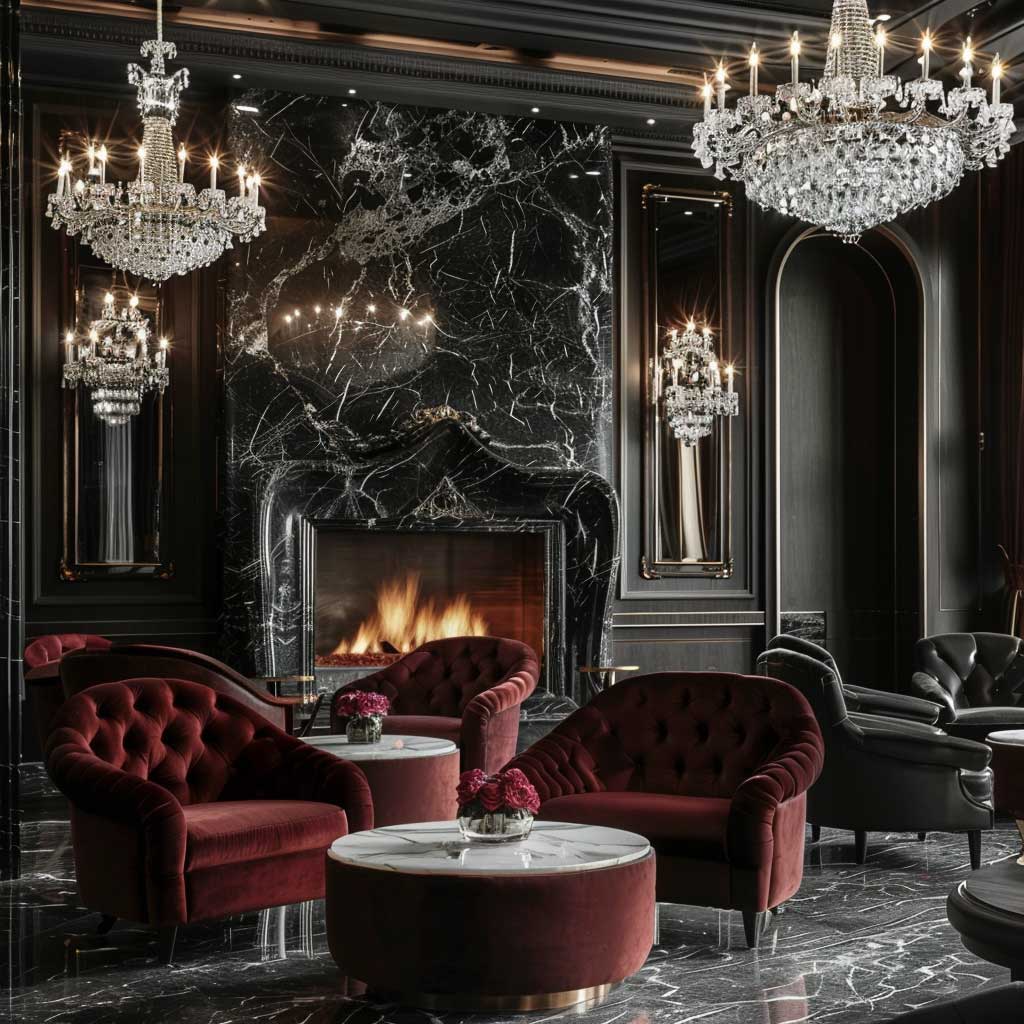
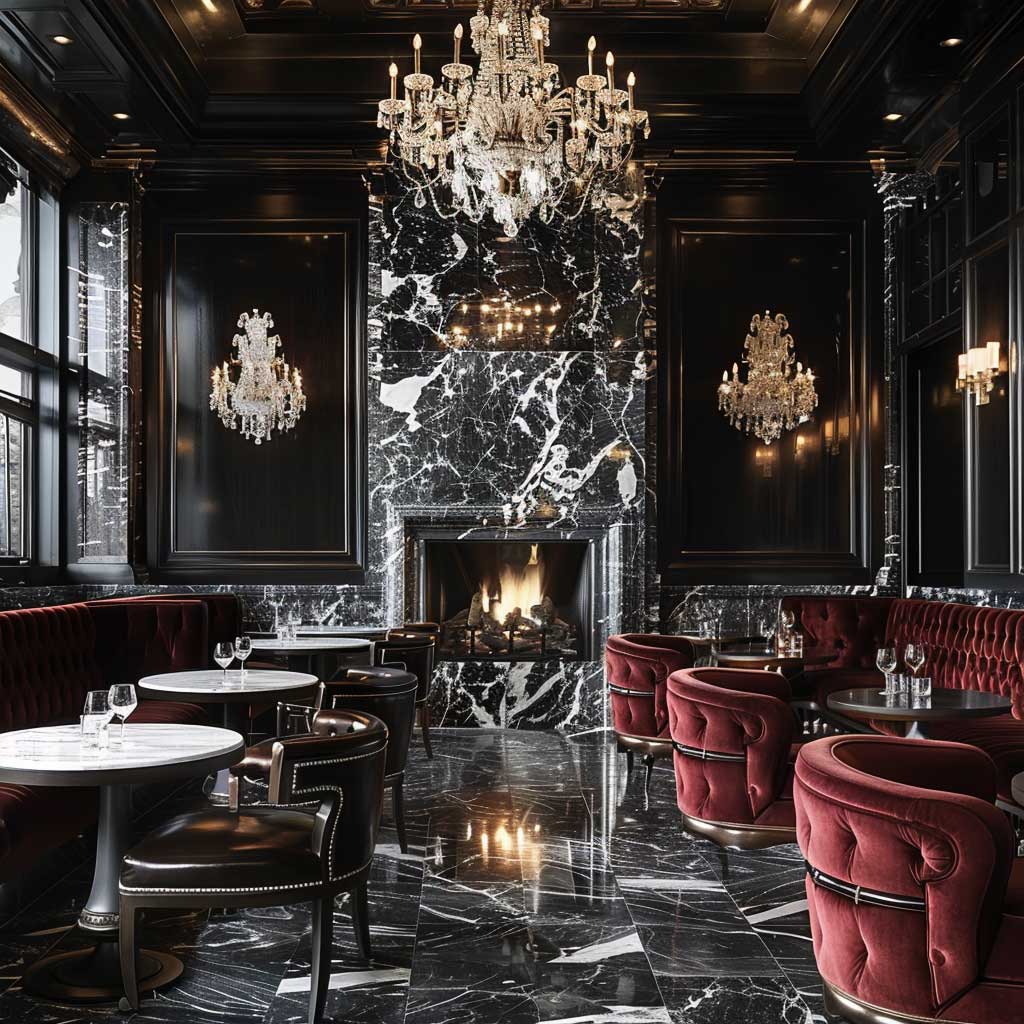
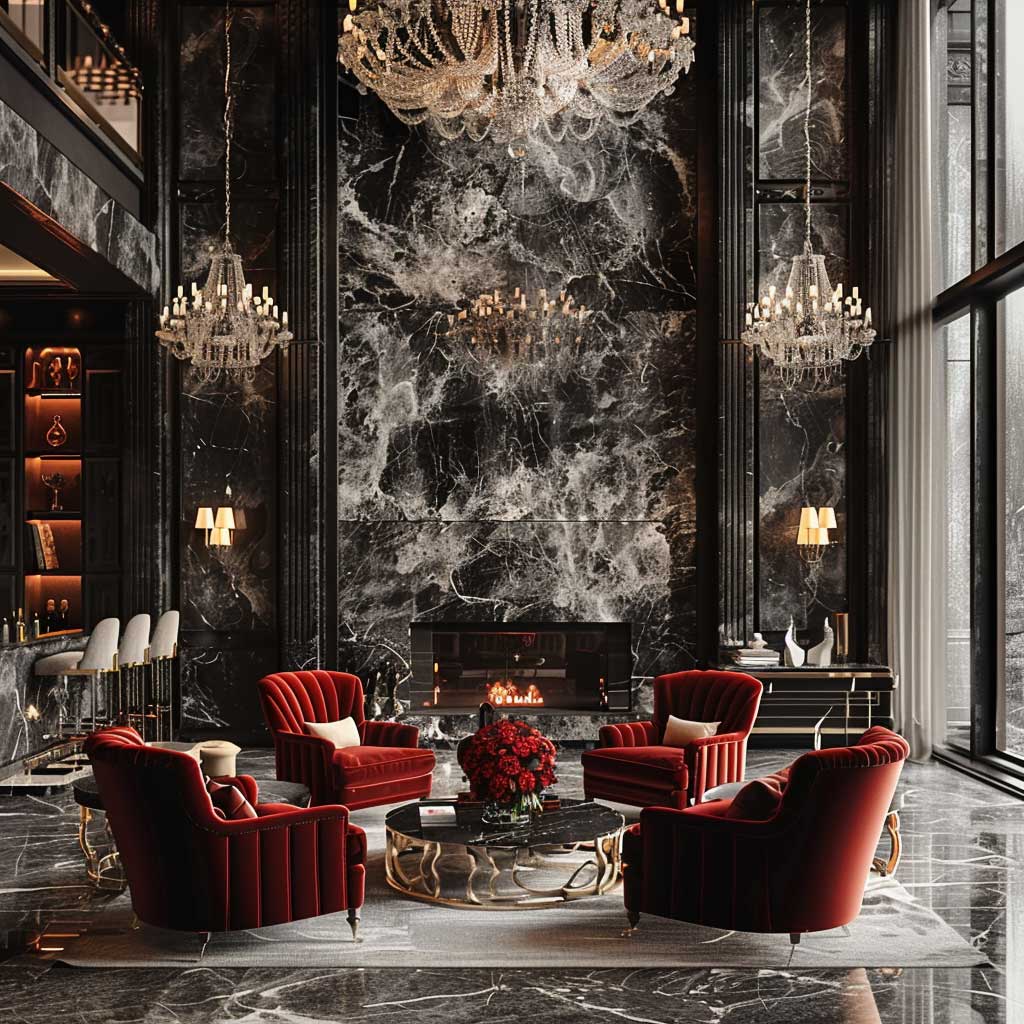
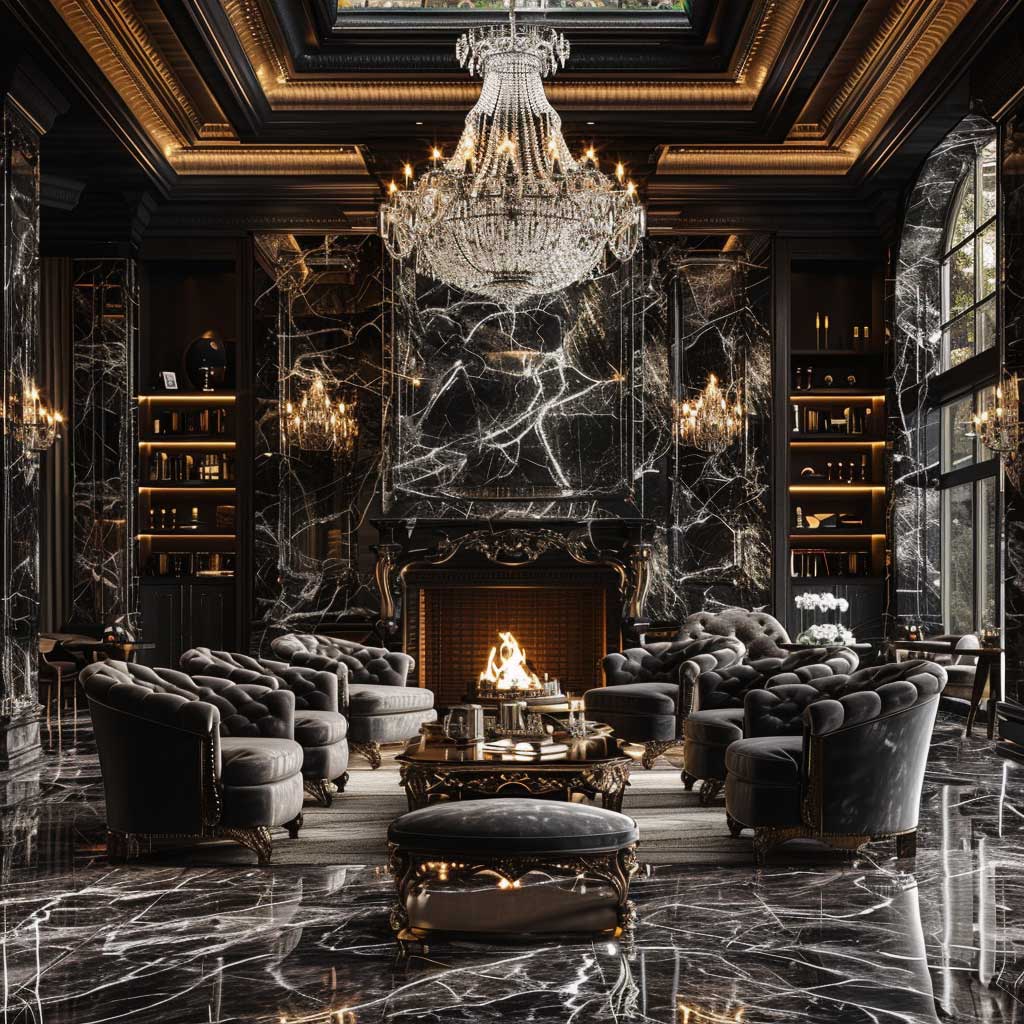
A black marble fireplace wall works like a tuxedo for the living room, formal on its own and sharper with every white vein that cuts across it. Dramatic marble slabs typically cost $60–$150 per square foot for material alone, and premium marble tile can climb to $350, compared with about $60–$70 for granite or quartz. Is a slab worth that premium over tile? On the fireplace face it usually is, because one continuous vein reads far richer than a grid of grout lines. Spend on the slab and save on the side walls.
Weight is the hidden cost of black marble. Fireplace surrounds are usually cut 3/4 inch to 2 inches thick, and a finished piece can weigh 440–680 pounds. Marble tile installed from about $17–$32 per square foot carries a similar look for a fraction of that load. Don’t order a full slab before a contractor confirms the wall and floor can carry it.
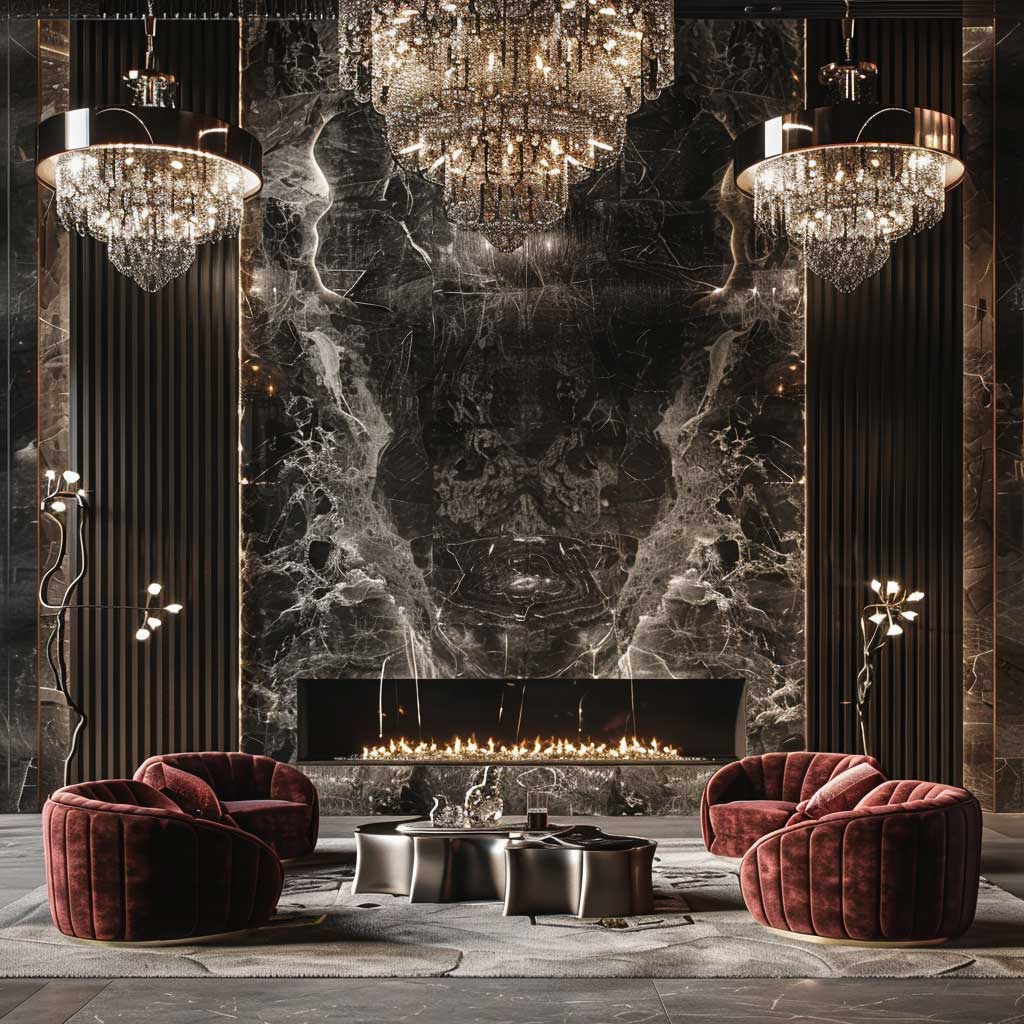
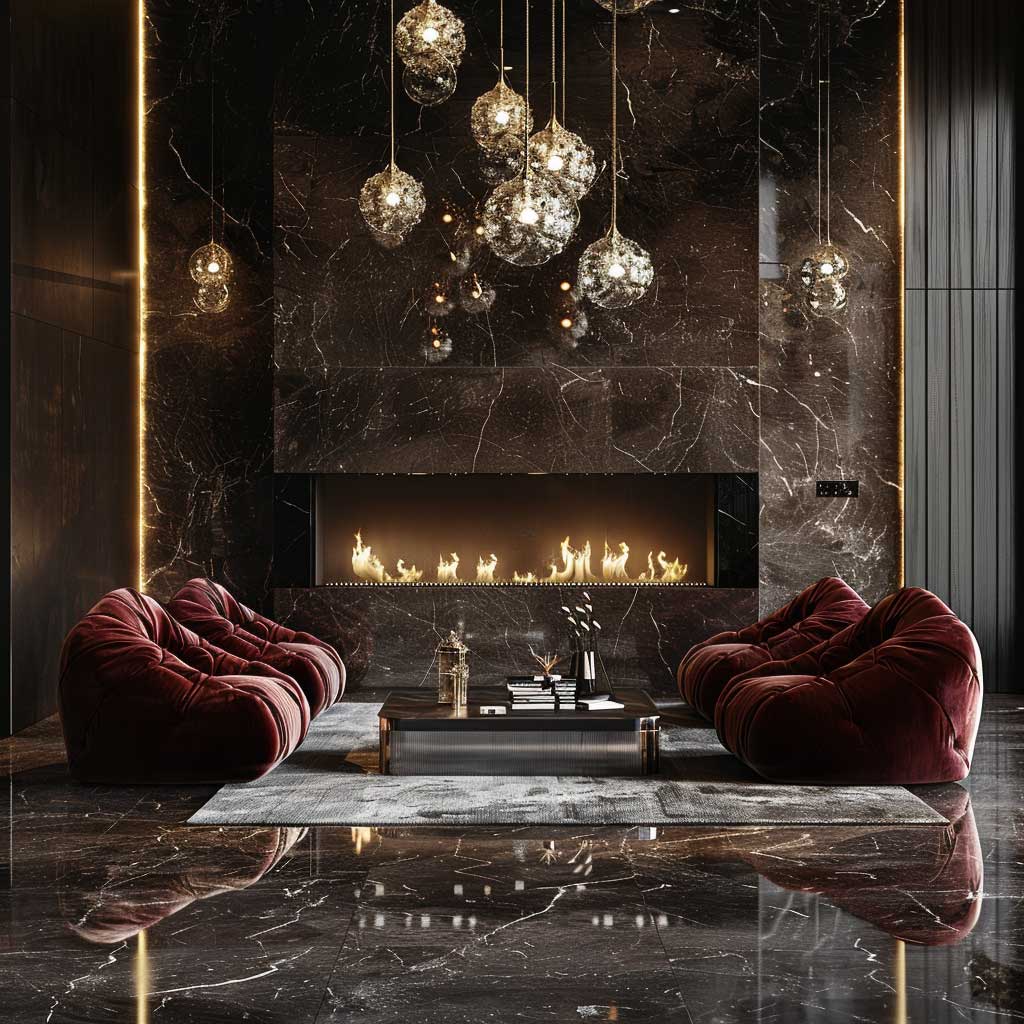
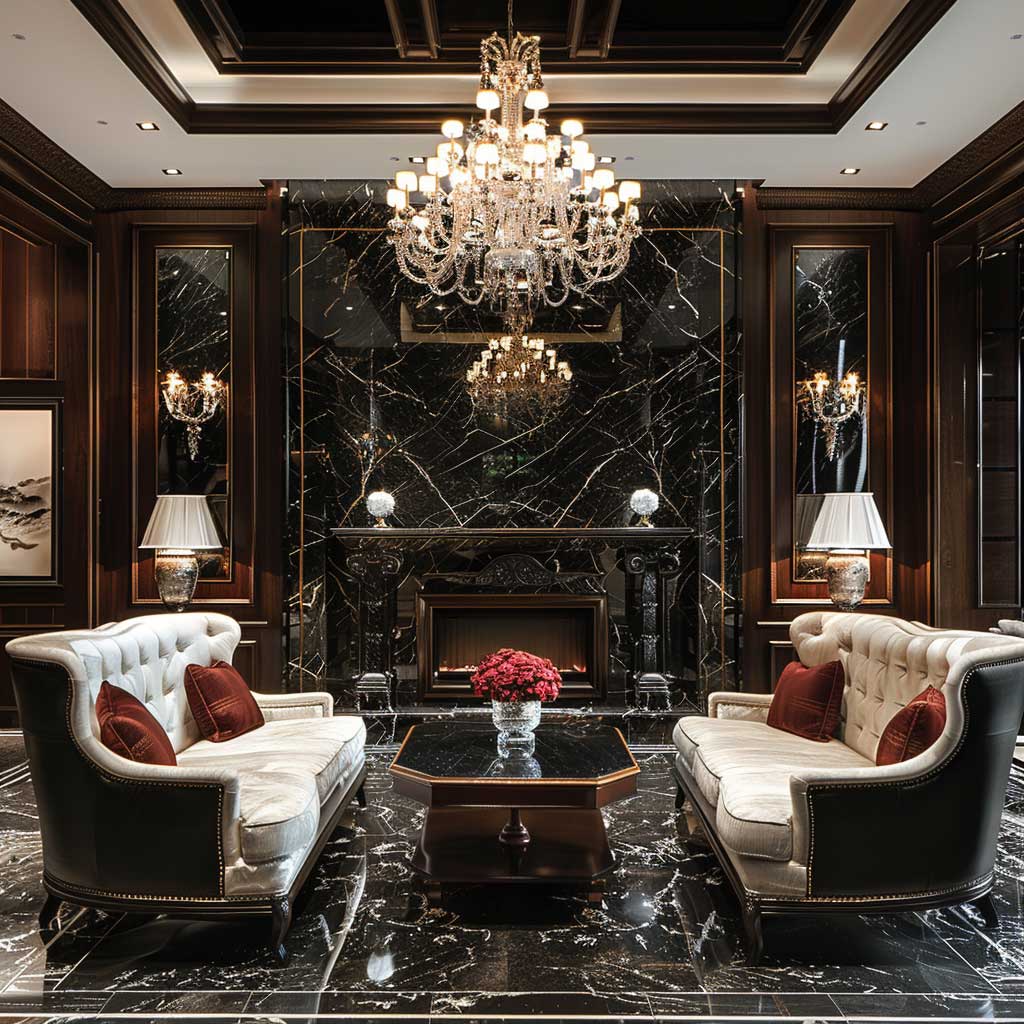
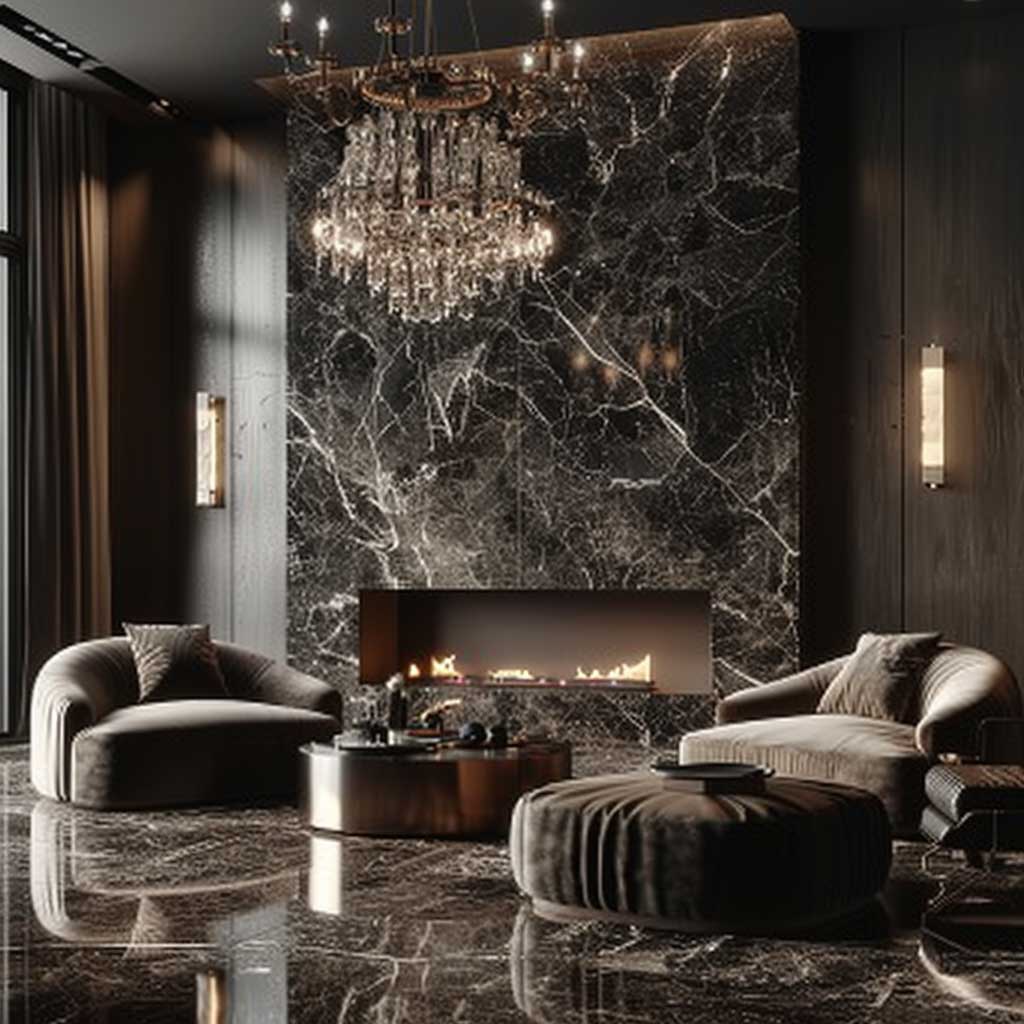
Marble is porous, which matters more beside a fire than in a bathroom. Soot and ash can leave permanent marks on unsealed stone, so plan to reseal every 6–12 months on a wood-burning unit. A honed finish hides faint etching, while a polished one mirrors chandelier light but shows every smudge. Pick honed for wood fires and polished for gas or electric inserts.
The room around the marble should whisper rather than shout. Velvet seating, dark wood and one jewel tone layer warmth onto the stone, and a marble hearth extension runs about $50–$200 per square foot depending on grade. A hearth that matches the wall reads as one sculpted block, while a contrasting slate hearth looks like a later addition. Keep the mantel ledge to three objects so the veining stays the star.
Heat and Clearance Rules Behind Every Dark Surround
Every dark fireplace wall, painted or clad, sits inside the same clearance math. Under the residential code for masonry fireplaces, no combustible trim may sit within 6 inches of the opening, and between 6 and 12 inches it may project only 1/8 inch for each inch of distance. That works out to about 3/4-inch-thick wood at 6 inches and 1 1/2 inches at 12. Measure from the edge of the opening, not from the edge of the black paint.
Mantels follow a similar rule of thumb. A common guideline places the shelf about 12 inches above the opening and adds 1 inch of height for every inch of depth, so a 6-inch-deep mantel lands at roughly 18 inches. This breakdown of IRC mantel clearances from the Journal of Light Construction shows how the zones work in practice. Treat the rule like a seatbelt that only matters on the one night something goes wrong.
Do manufactured fireplaces follow the same numbers? Not always, since metal units are installed to their listed instructions, which can be stricter or looser than the masonry code. Non-combustible finishes such as marble, slate, tile and concrete can run right up to the opening, while wood and paper-faced drywall cannot. Find the model number and read the manual before choosing any trim.
Don’t Do This
- Don’t place wood trim within 6 inches of the opening; past that, projection grows only 1/8 inch per inch.
- Don’t hang a 6-inch-deep mantel lower than about 18 inches above the firebox.
- Don’t brush standard latex onto a metal surround; use a coating rated near 1200°F.
- Don’t mount a 440–680 lb marble surround before checking the framing and floor.
- Don’t light matte black with cool 6000K bulbs; 2700K keeps the finish rich.
Metallic Accents Sharpen Living Room Black Fireplace Wall Ideas
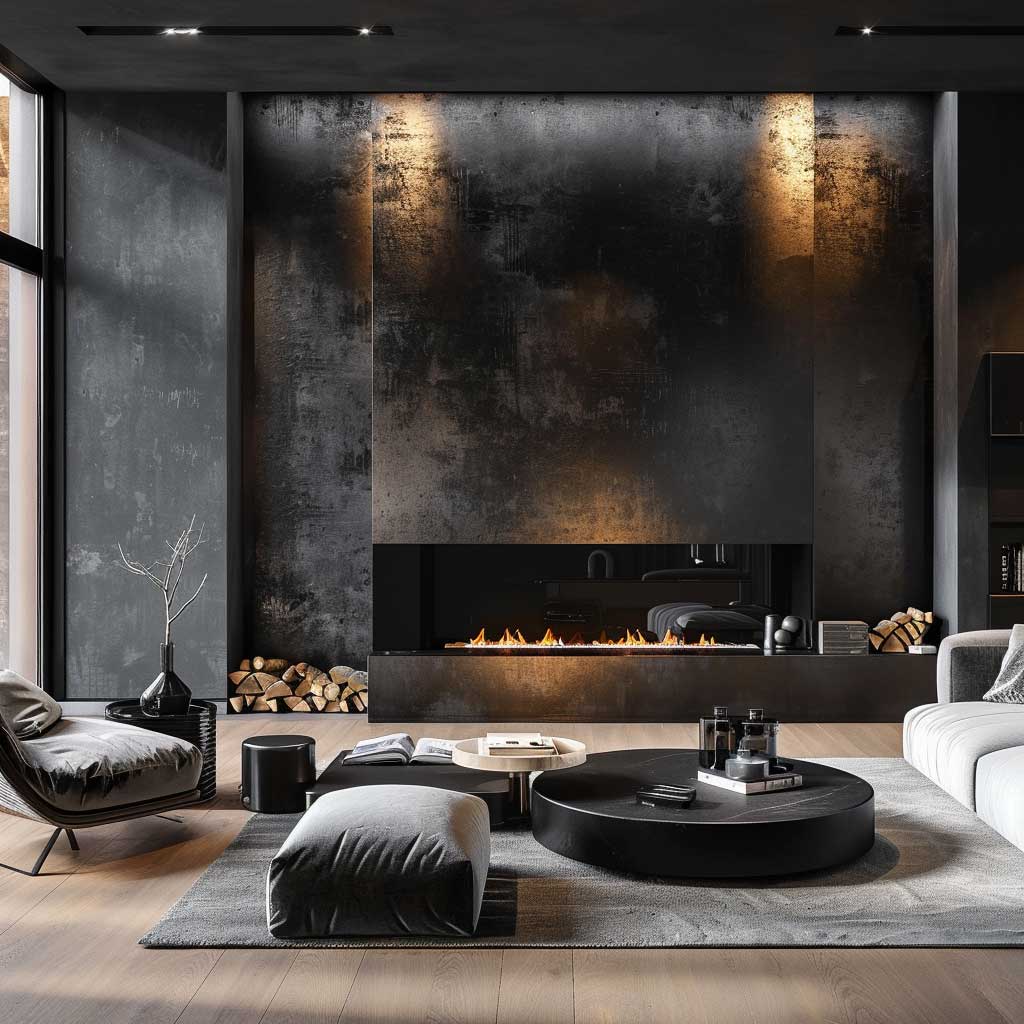
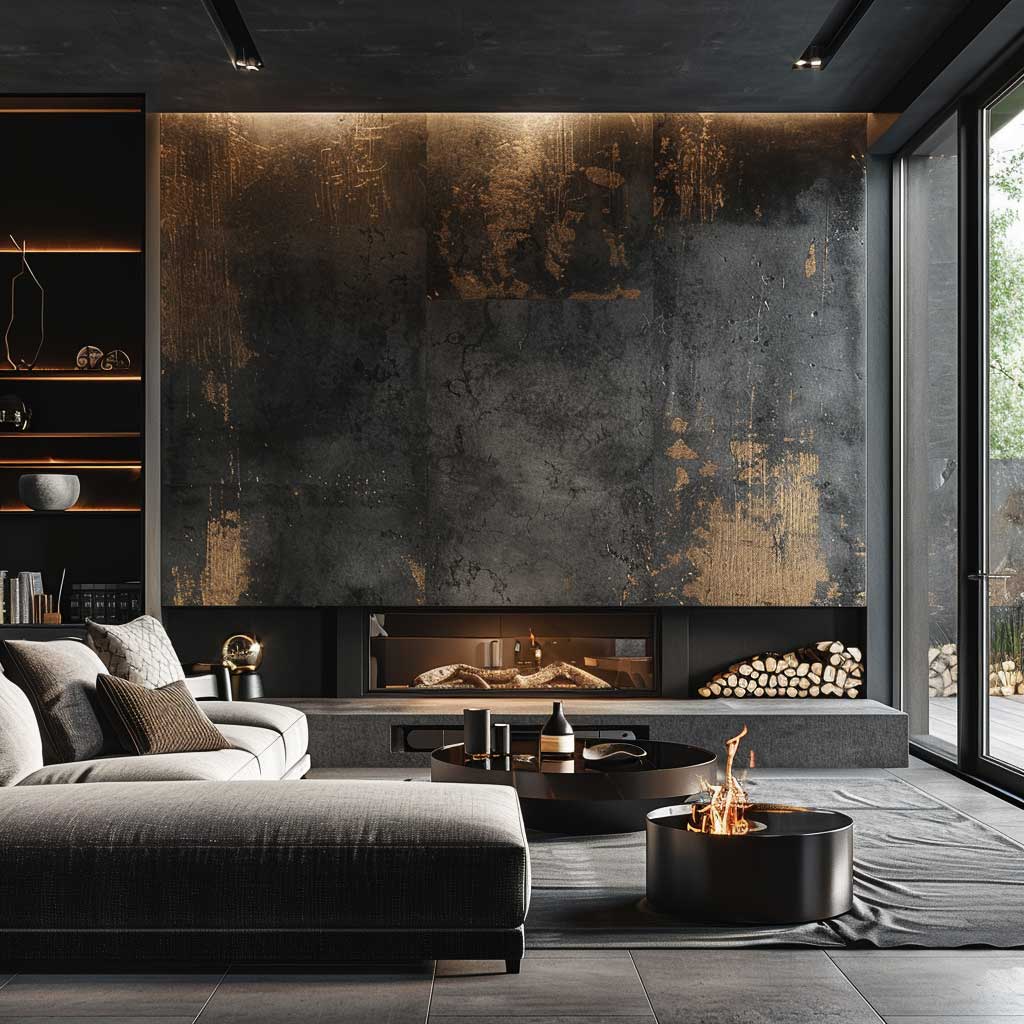

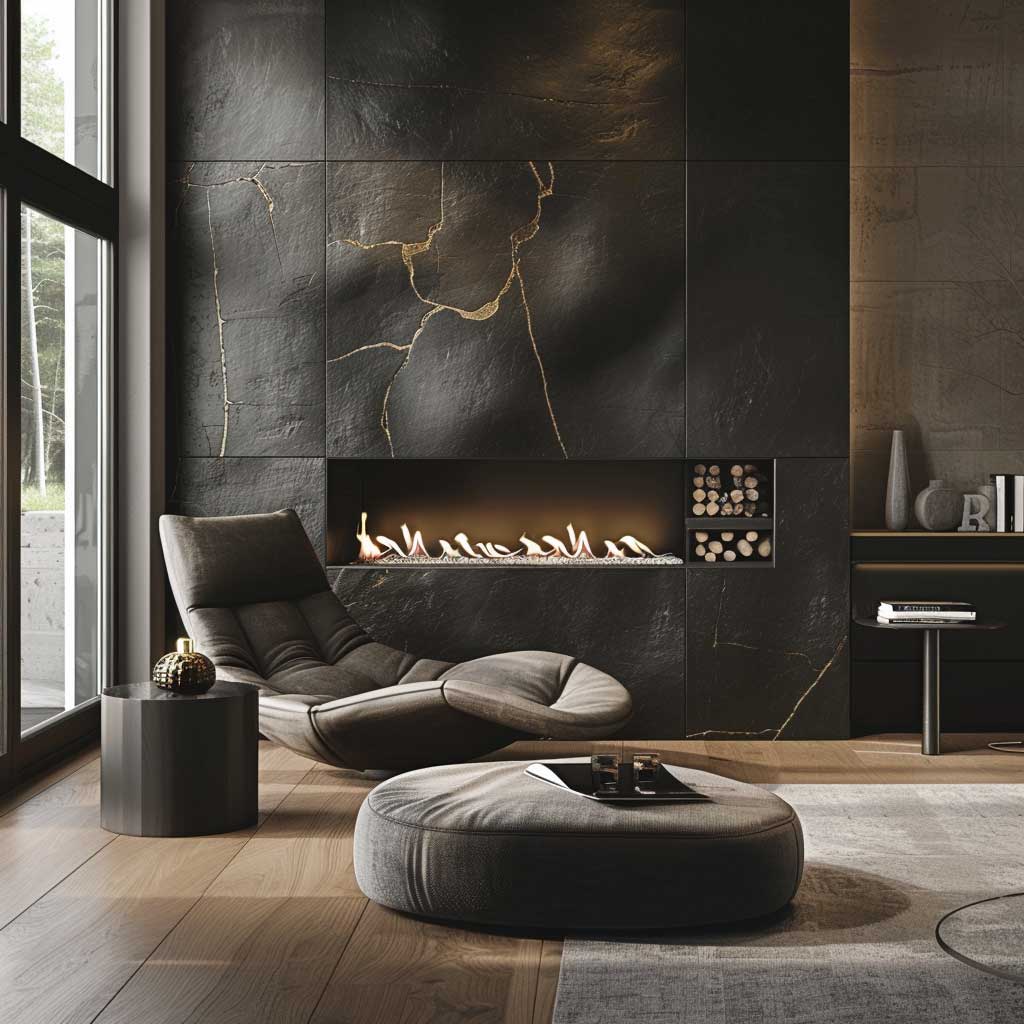
Living room black fireplace wall ideas gain the most from metal when a single finish repeats around the room like a rhyme in a song. Genuine brass fittings typically cost $400–$1,200 against $150–$400 for chrome, so many owners start with brass on the surround trim and add pricier pieces later. Brushed metal catches firelight softly, while polished metal throws sharp reflections across the black. Repeat the chosen finish at least three times, for example on trim, sconces and a frame.
Which metal suits a black wall best? Warm brass reads cozy against true black, while silver and steel feel cooler and more architectural. Matte black PVD hardware costs about 20–40% more than chrome, yet it melts into the wall instead of contrasting with it. Don’t mix brass, chrome and copper on one wall, because three metals look like a hardware aisle.
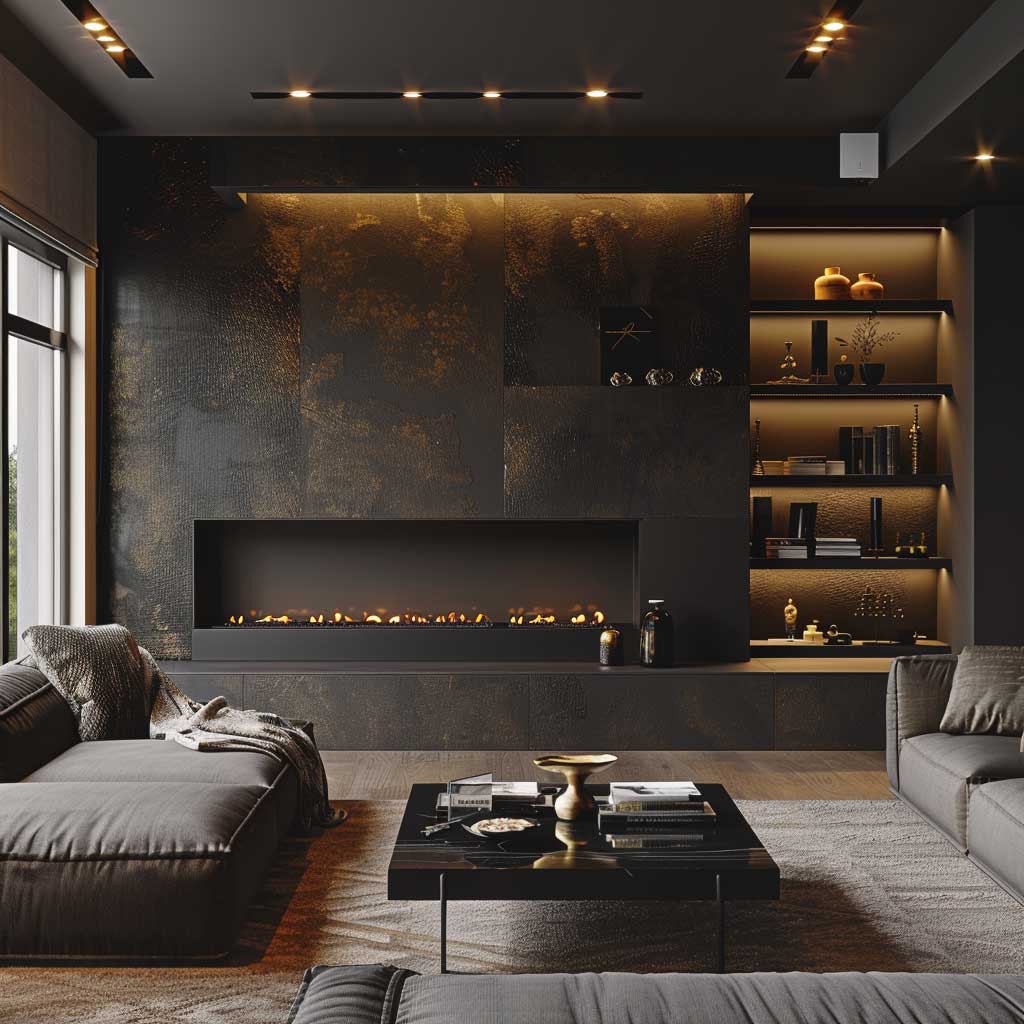
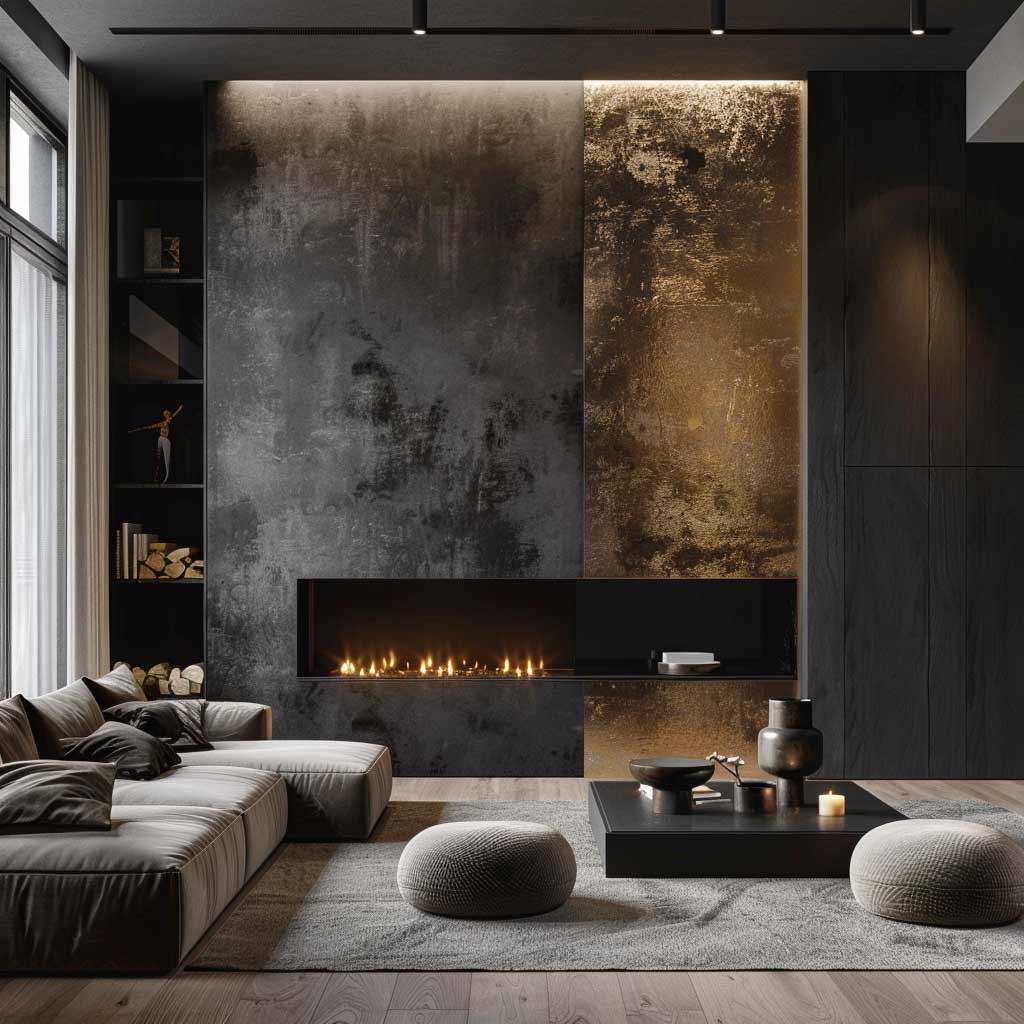
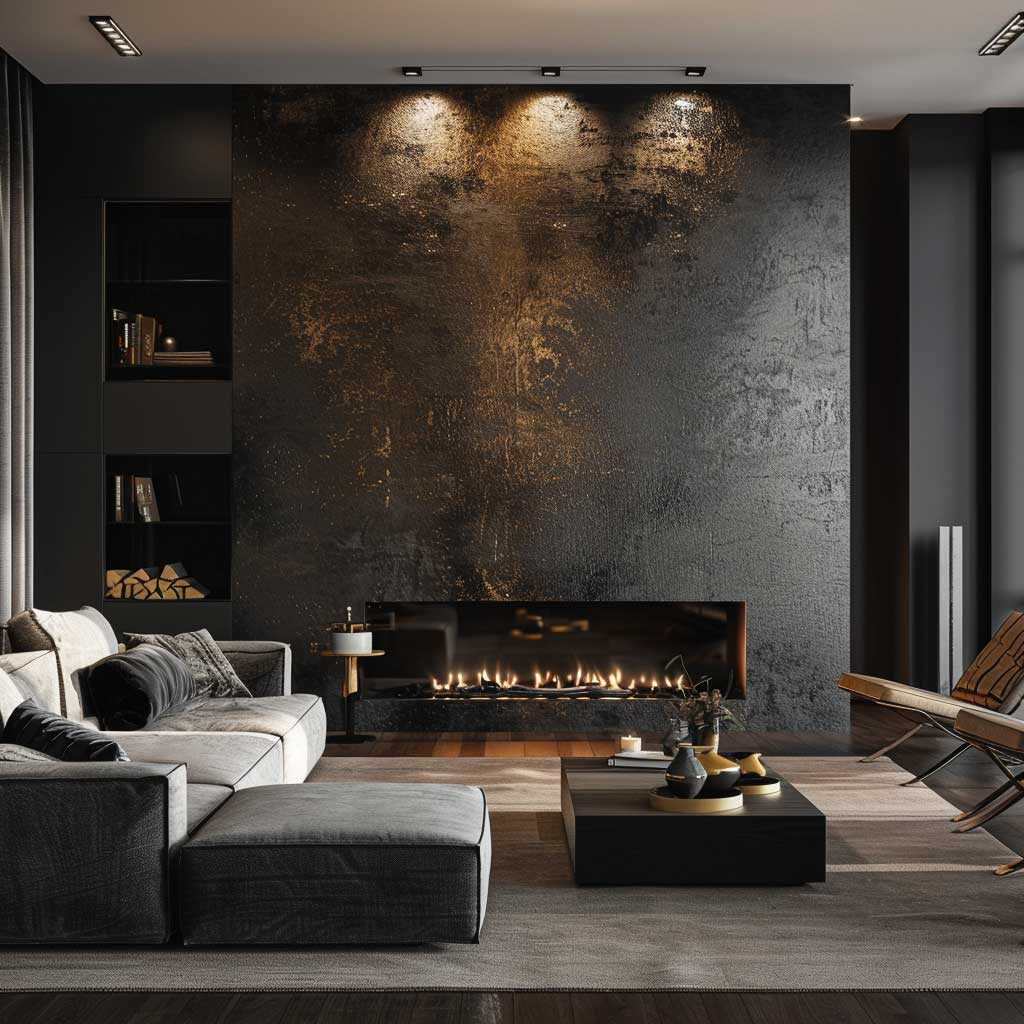

Metal edges look strongest on walls that run the full height of the room. Stacked stone typically runs $8,000–$18,000 installed on a 12-by-14-foot wall, and cultured stone cuts that by 40–50%, according to this overview of full-height living room fireplace feature walls. Brass trim pieces for a surround run about $240–$580, a small line item next to the cladding. Add the metal last, once the wall material is fixed.
Furniture and art keep the metallic look from turning cold. Geometric prints, a low curved sofa and one rug in a muted tone balance all that shine, while a room of only glass and metal feels like a hotel lobby. Installers typically bill $60–$120 per hour, so settle the art and lighting plan before they arrive. Hang art so its center sits roughly level with the sconces.
A dark fireplace wall rewards restraint. One deep surface, one honest material and one repeated metal finish will outlast any trend that asks for more, whether the budget covers a gallon of paint or a full marble slab.
Black Fireplace Wall Finishes Side by Side
Comparing black fireplace wall finishes side by side shows that format moves the price more than color does. Brick at $3–$10 per square foot sits at one end and premium marble tile at up to $350 sits at the other, a gap like choosing between a bus pass and a sports car. Which row is the best value? Usually the one with the lowest upkeep for the way the fireplace gets used. Don’t compare quotes until each covers the same square footage and tear-out, which alone adds about $500–$1,000.
| Finish | Typical cost | Weight or heat note | Upkeep | Best look |
|---|---|---|---|---|
| Matte black paint (LRV about 3) | Lowest of all options | Wall only; metal surround needs 1200°F paint | Touch-ups; matte shows scuffs | Minimal, gallery style |
| Black marble slab | $60–$150 per sq ft, material | 440–680 lb surround, 3/4–2 in thick | Reseal every 6–12 months | Luxury, bold veining |
| Marble tile | $17–$32 per sq ft installed; premium up to $350 | Lighter load, non-combustible | Sealing plus grout care | Marble look on a budget |
| Natural stone or slate | $60–$70 per sq ft | Heavy, non-combustible | Low, occasional sealing | Textured modern |
| Stone veneer | $11–$18 per sq ft, material | Thin and light, non-combustible | Low | Rustic modern |
| Concrete | $10–$20 per sq ft | Non-combustible | Seal against stains | Industrial minimal |
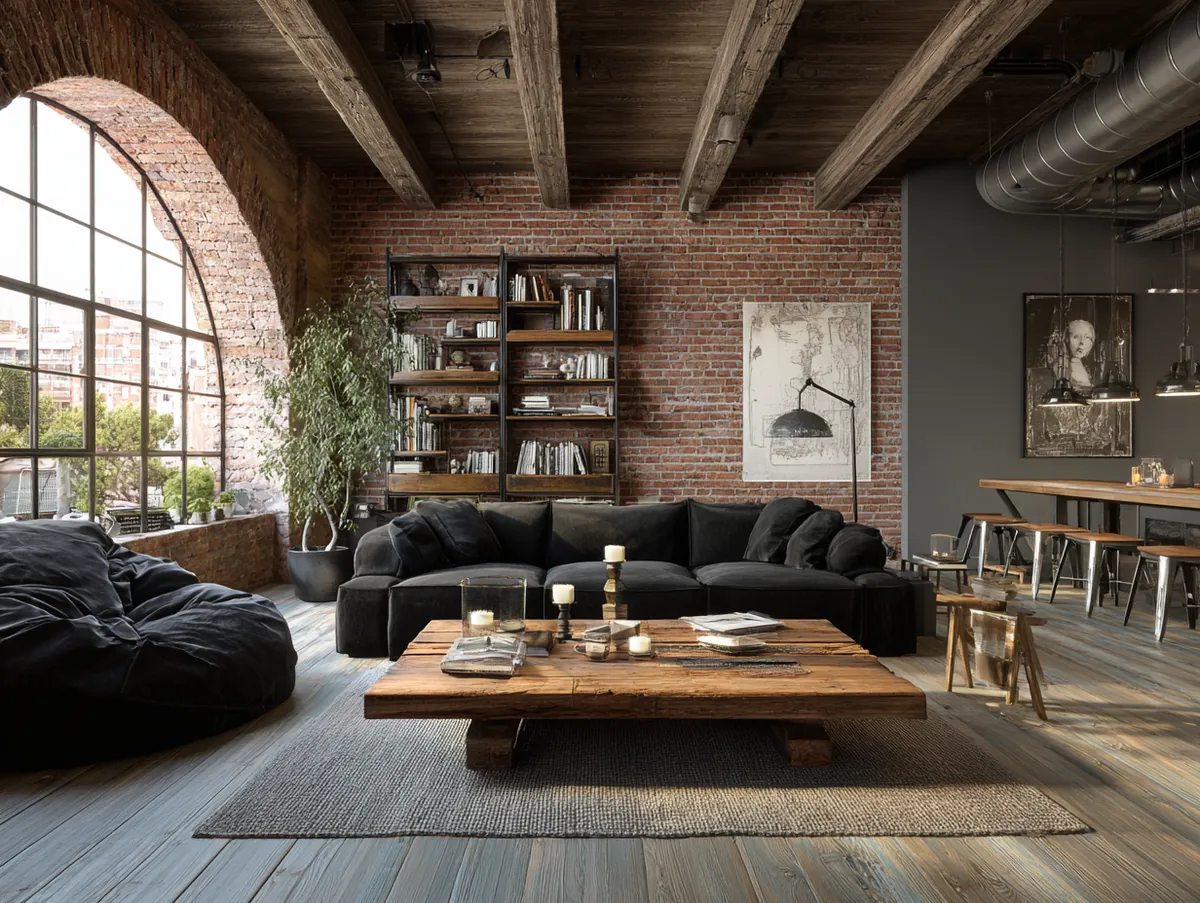
| Brick painted black | $3–$10 per sq ft | Non-combustible; heat-rated paint near the opening | Repaint as it wears | Loft, warehouse feel |
The Final Call
A black fireplace wall earns its place when one dark surface near LRV 3 meets light trim and a clear non-combustible zone of at least 6 inches. That combination costs far less as paint than as a $60–$150 marble slab, yet both read bold. Start with paint if the budget is tight.
For drama, black marble wins, but plan for a 440–680 pound surround and resealing every 6–12 months. Tile at $17–$32 per square foot installed gives the veining with a lighter load. Choose a polished slab for a gas insert and honed tile for a busy wood fire.
For a modern look, extend matte black 12–18 inches past the opening and light it with 2700K strips. Add one metal finish three times, brass at $400–$1,200 or chrome at $150–$400. Leave everything else in the room quiet.
Before any clad wall goes up, check the 1/8-inch-per-inch projection rule and the mantel height, roughly 18 inches for a 6-inch shelf. Read the insert manual if the unit is manufactured. A safe wall is the only version worth photographing.