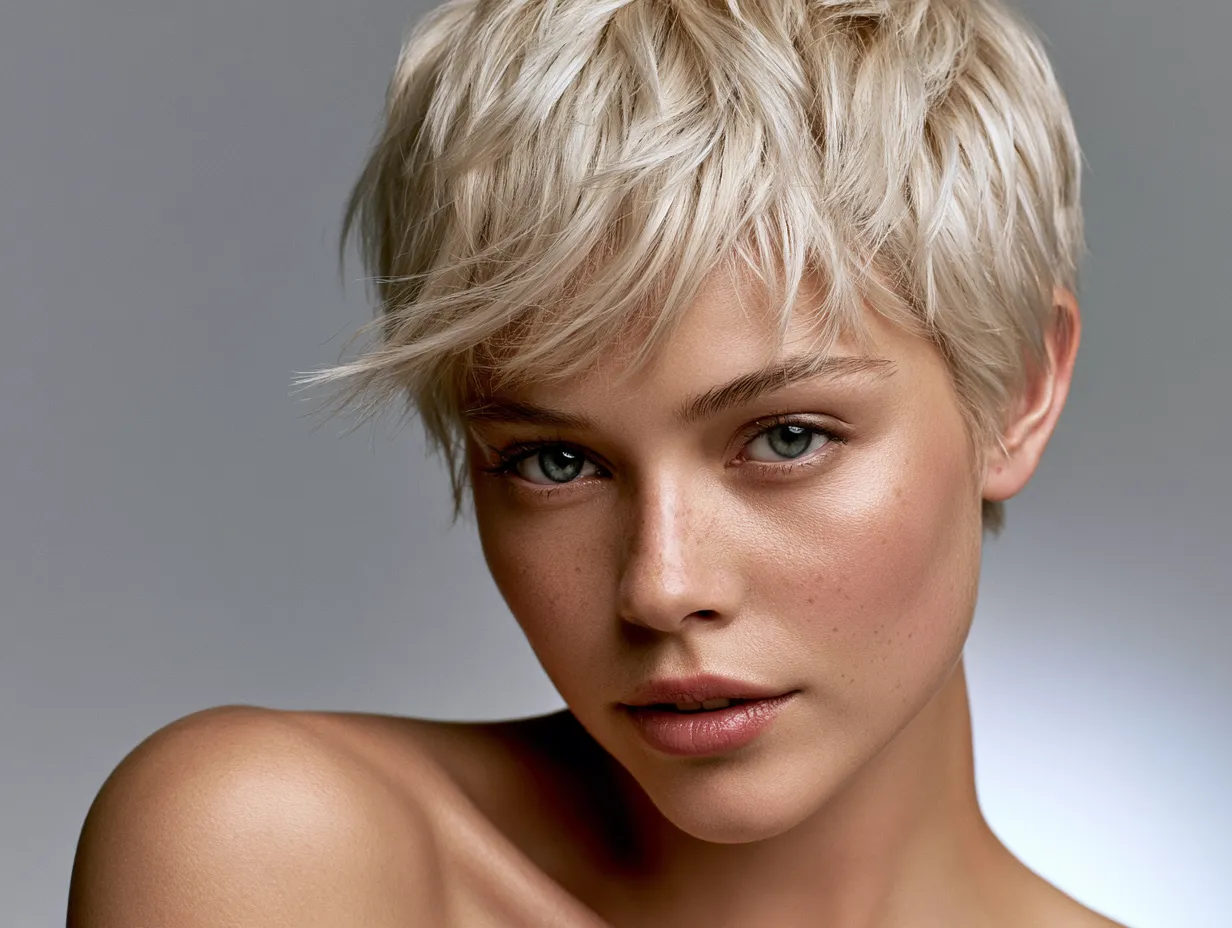
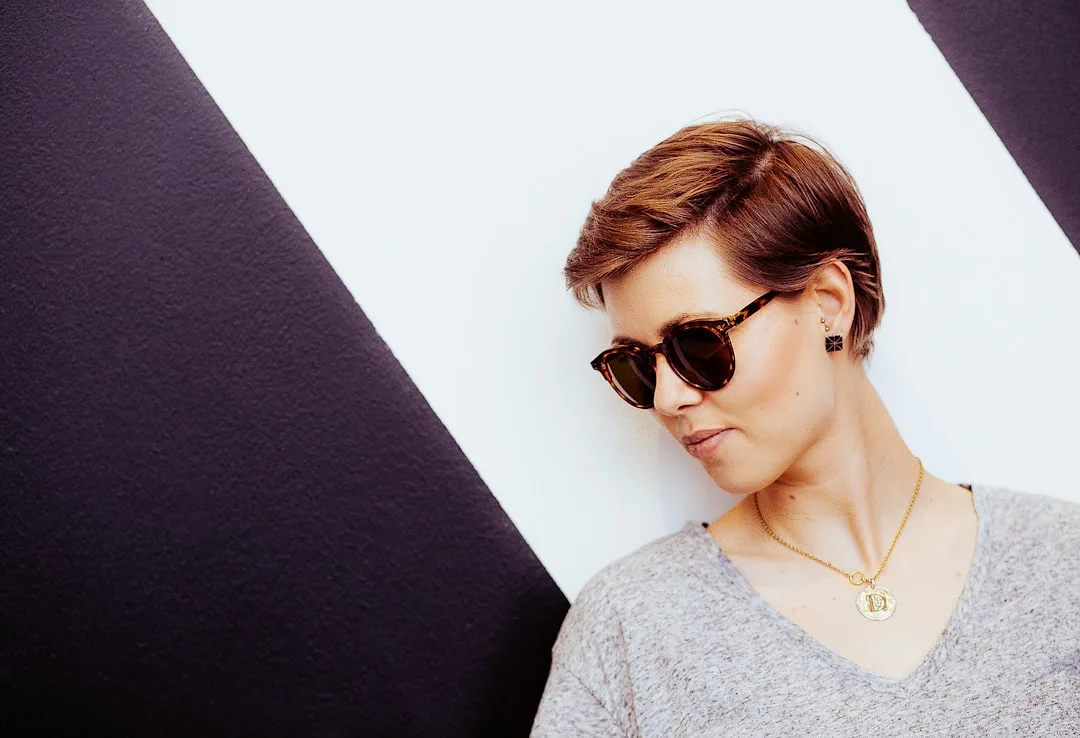
The pixie cut is one of the most expressive forms in modern hairstyling. Compact, clean, and rich in personality, it offers a unique platform for creative variation — especially when shaped through the refined techniques of Japanese hair design. A Japanese haircut for pixie hair is never just a basic crop. It’s a carefully calculated mix of layering, framing, and soft geometry that brings out the best features while staying incredibly wearable. These styles blend bold charm with natural grace, perfectly suited for girls who seek fresh looks without compromising individuality. Let’s explore three lovely examples, each distinct in tone and crafted for personality-driven appeal.
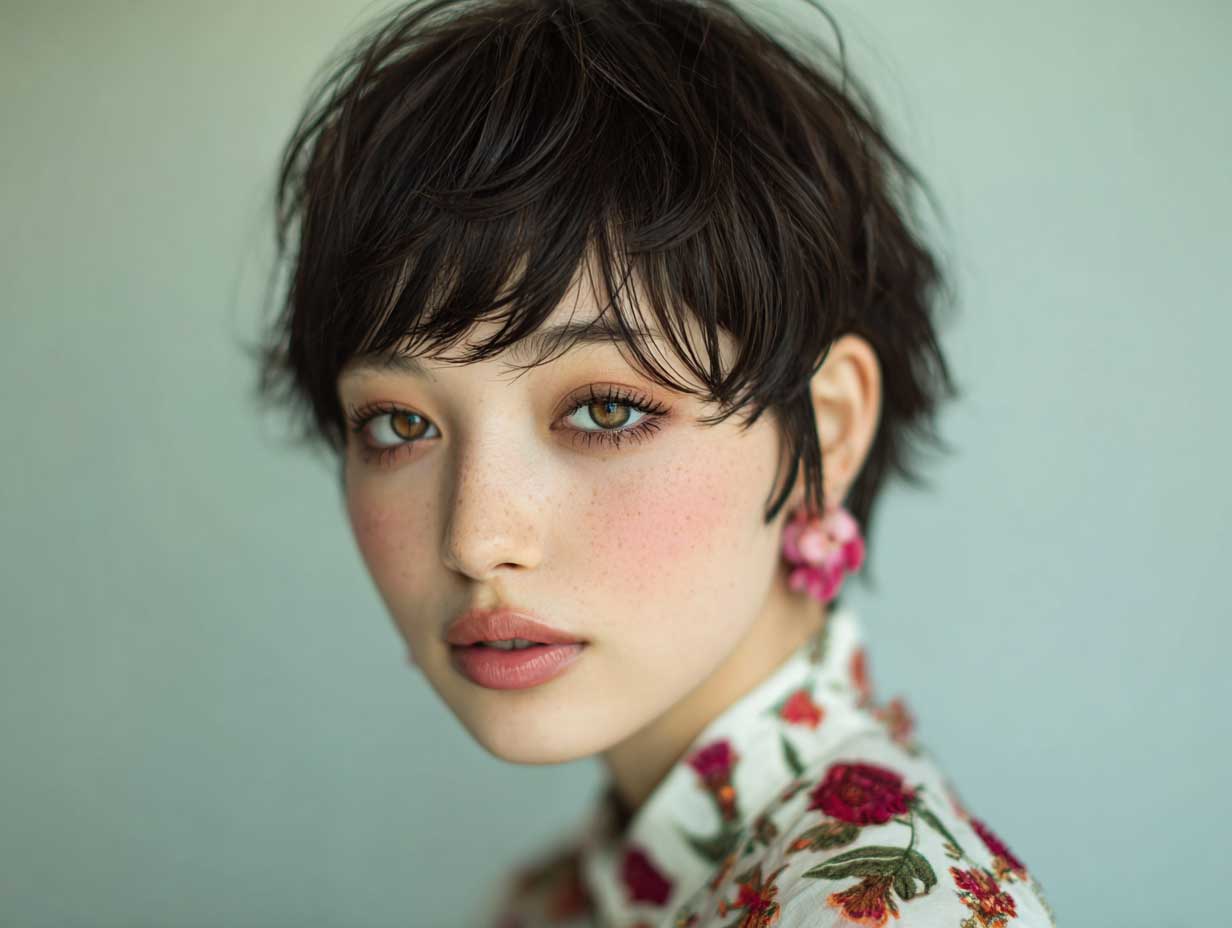
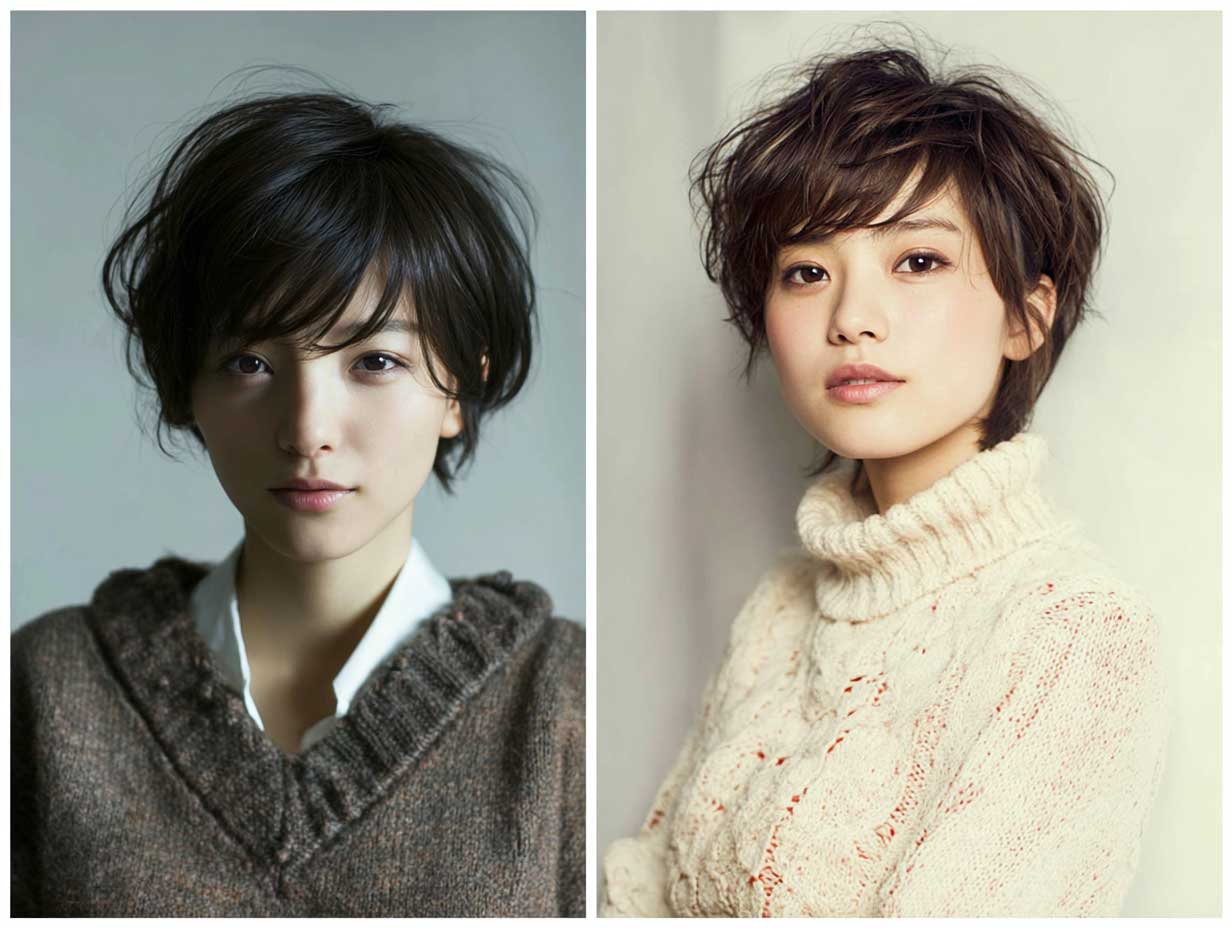
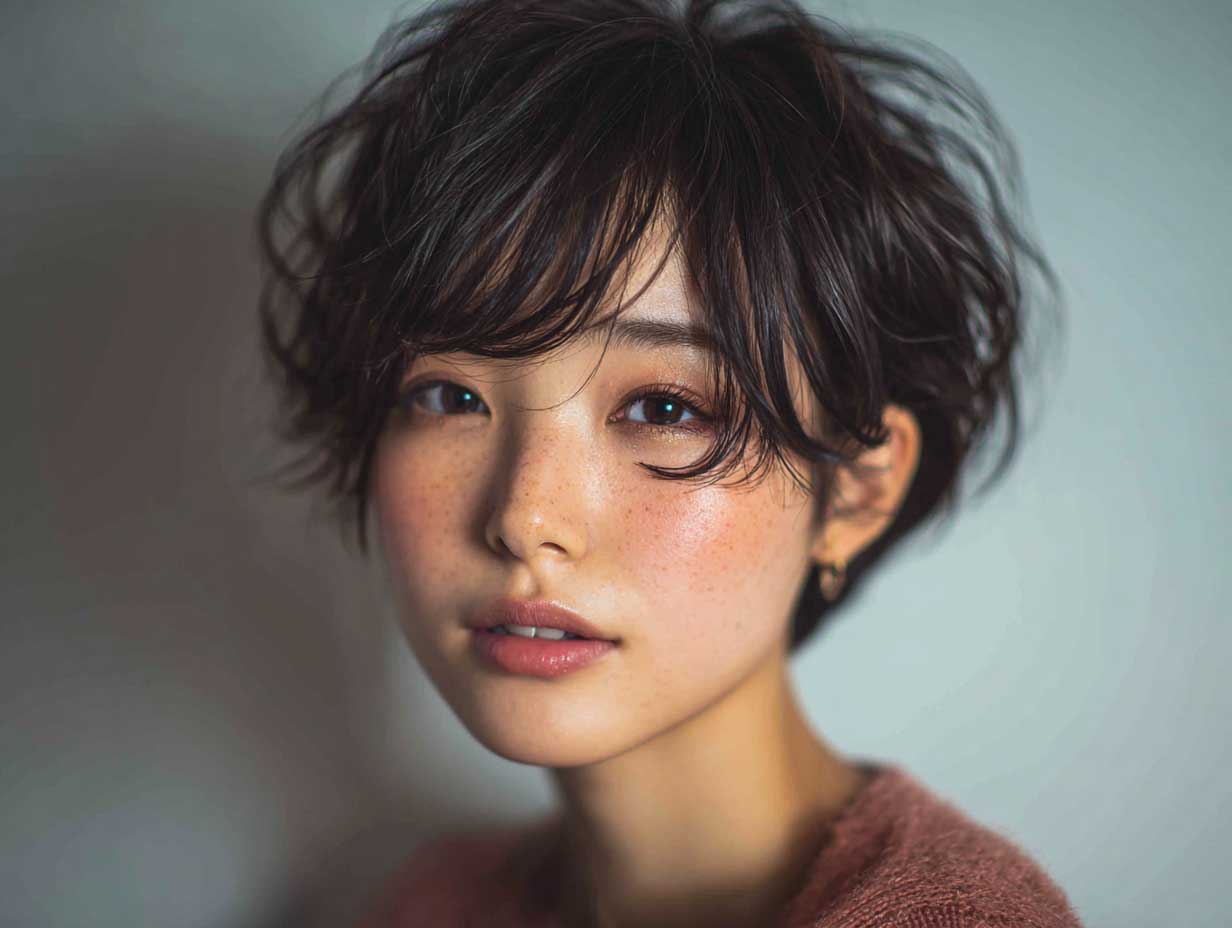
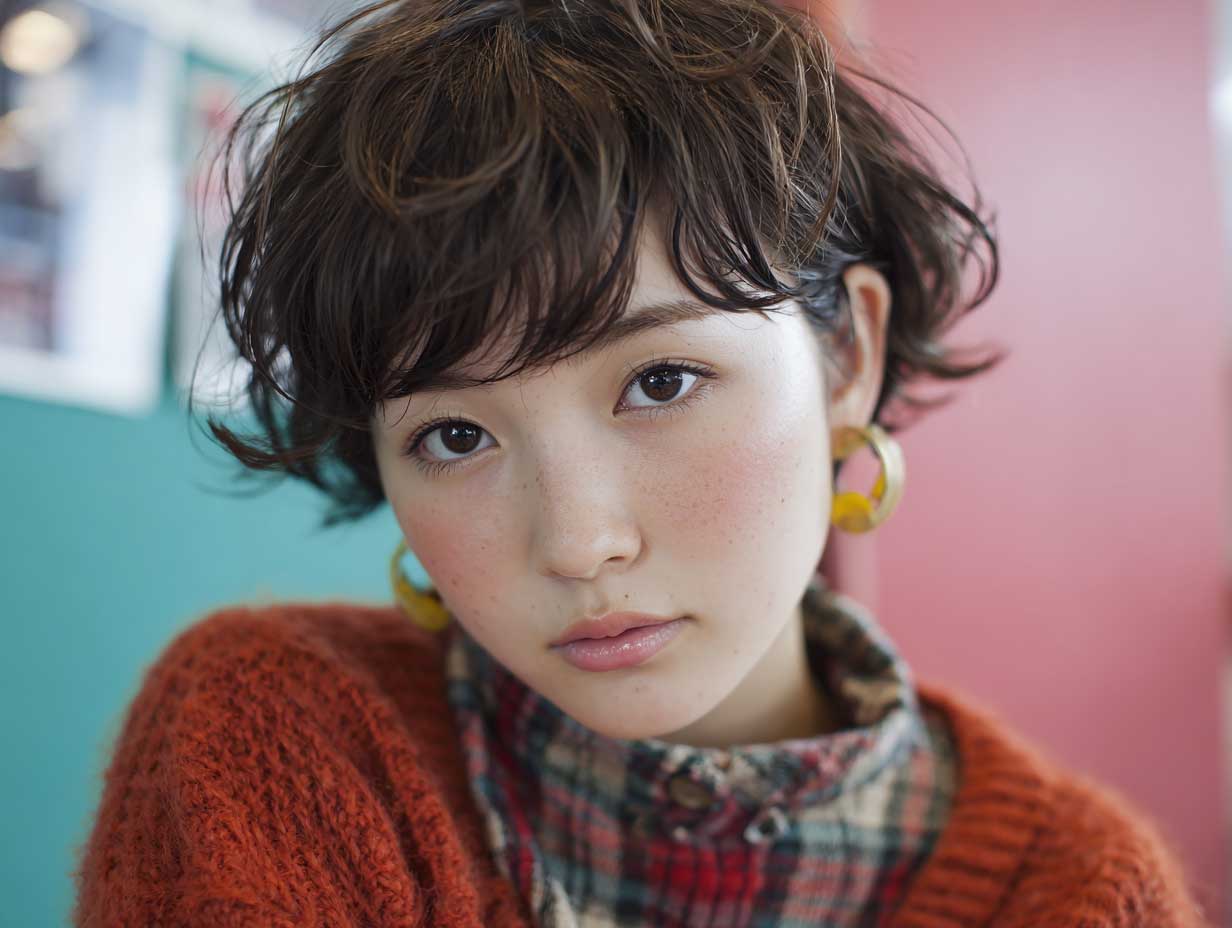
Japanese Haircut with Soft Pixie Layers in Rosewood Pink
There’s something tender and delicate about soft pixie layers, especially when they’re paired with the warm elegance of rosewood pink. This Japanese haircut focuses on creating subtle movement at the crown and temples, shaping the hair into wispy curves that feel airy yet defined. The goal here isn’t volume — it’s weightlessness. The fine layers let the pixie cut breathe, shifting slightly with every step, giving the wearer a natural sense of lightness.
Rosewood pink, a dusty rose with soft brown undertones, adds to this light and soft dynamic. Japanese color philosophy often favors subdued warmth, and this shade works perfectly with the minimal nature of the cut. The tone enhances the hair’s texture without stealing attention from the silhouette, offering a sophisticated yet approachable finish.
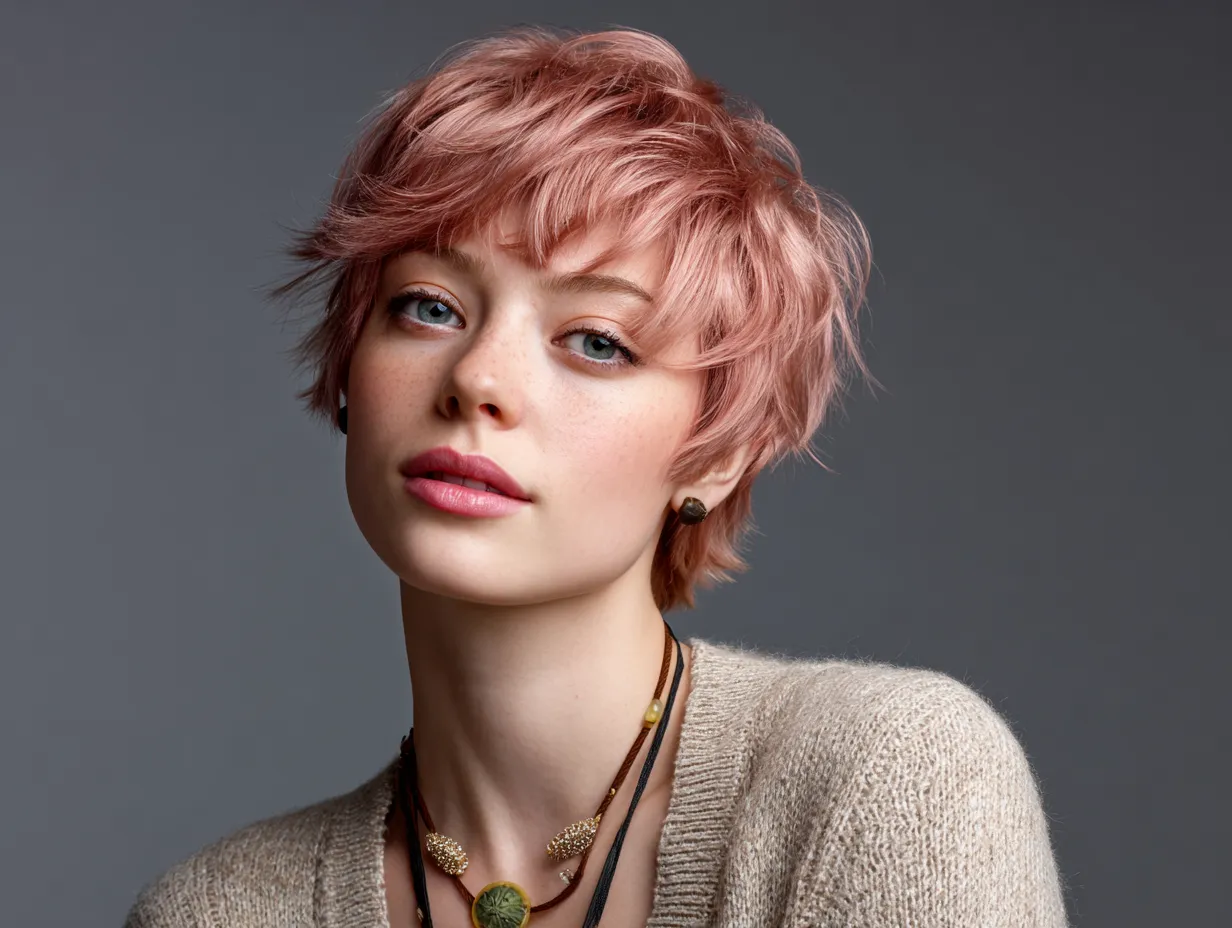
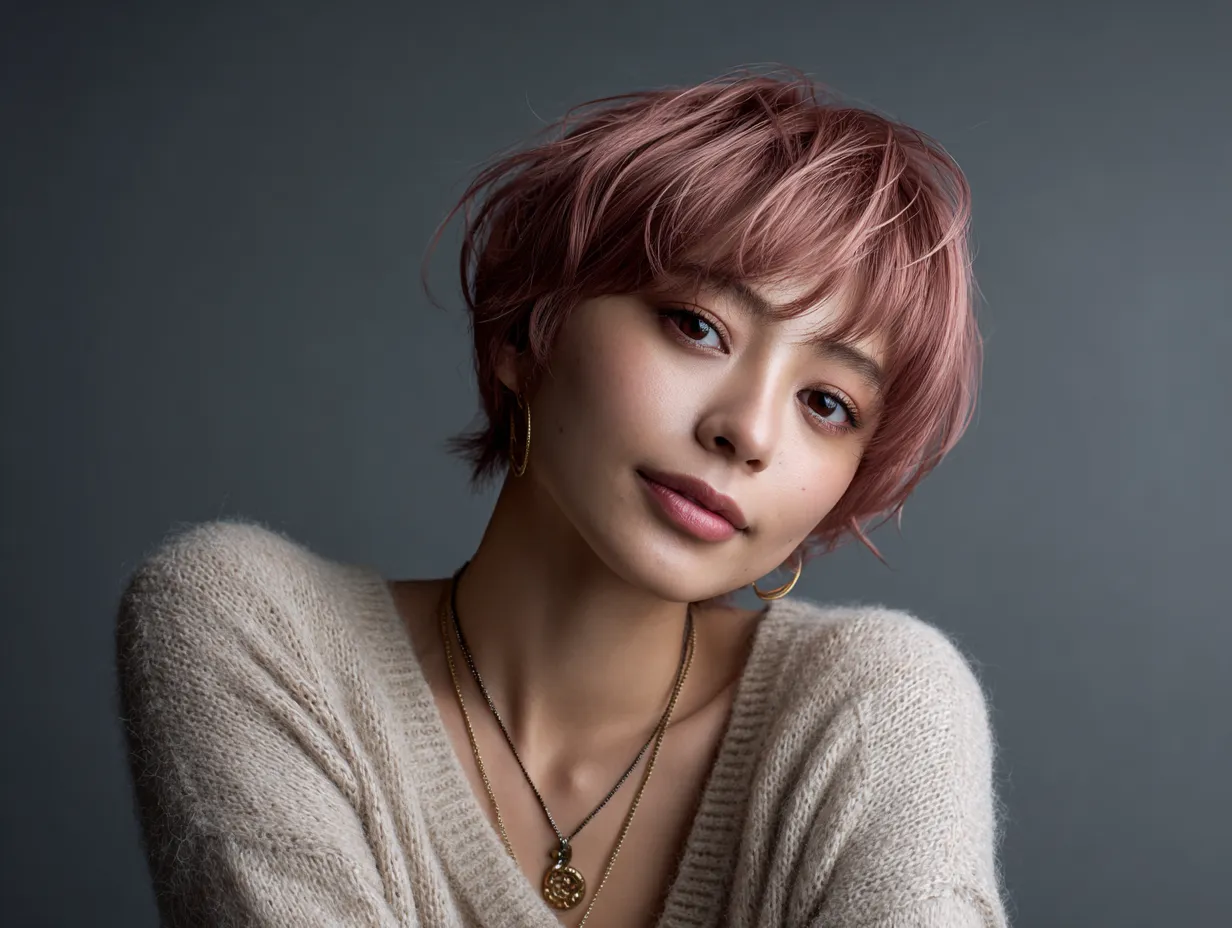
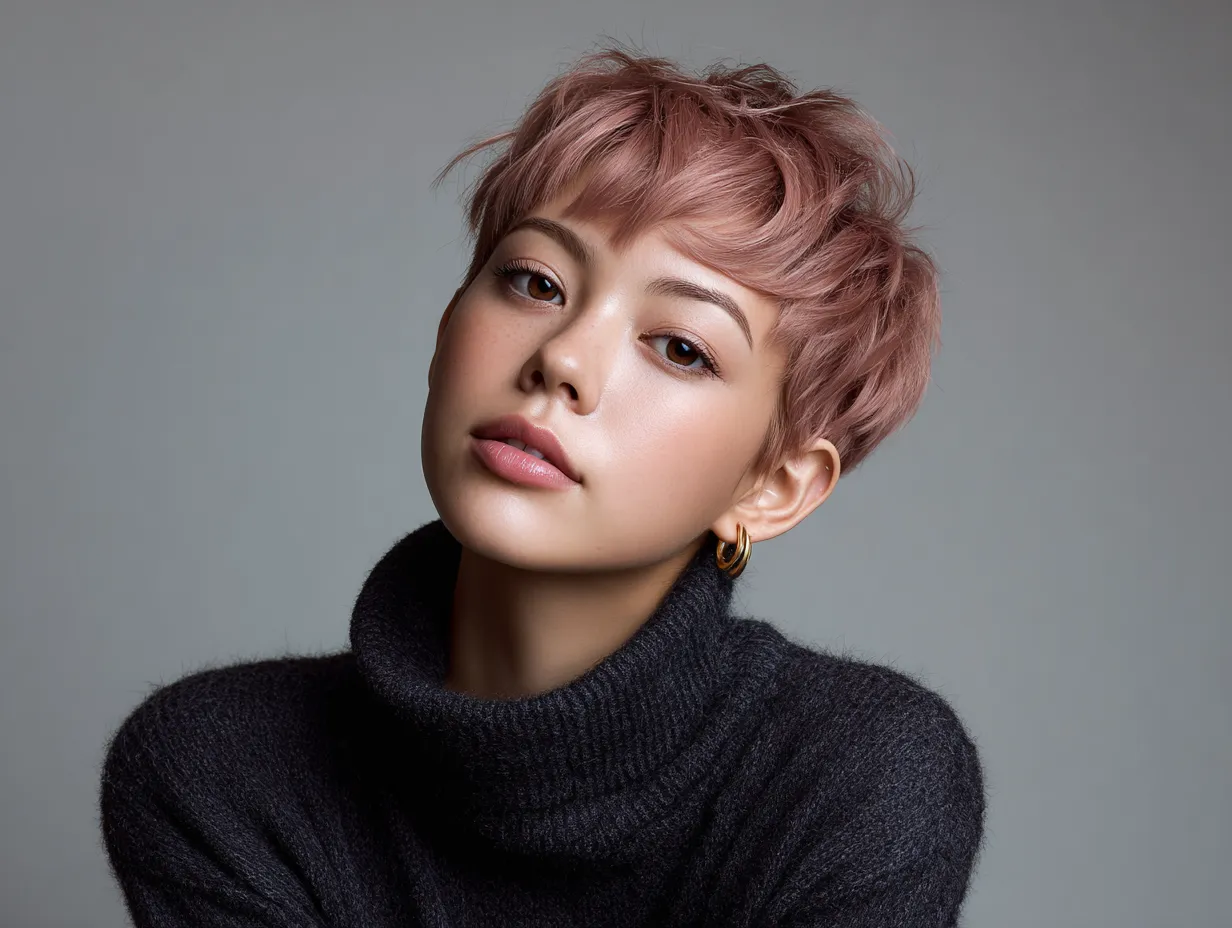
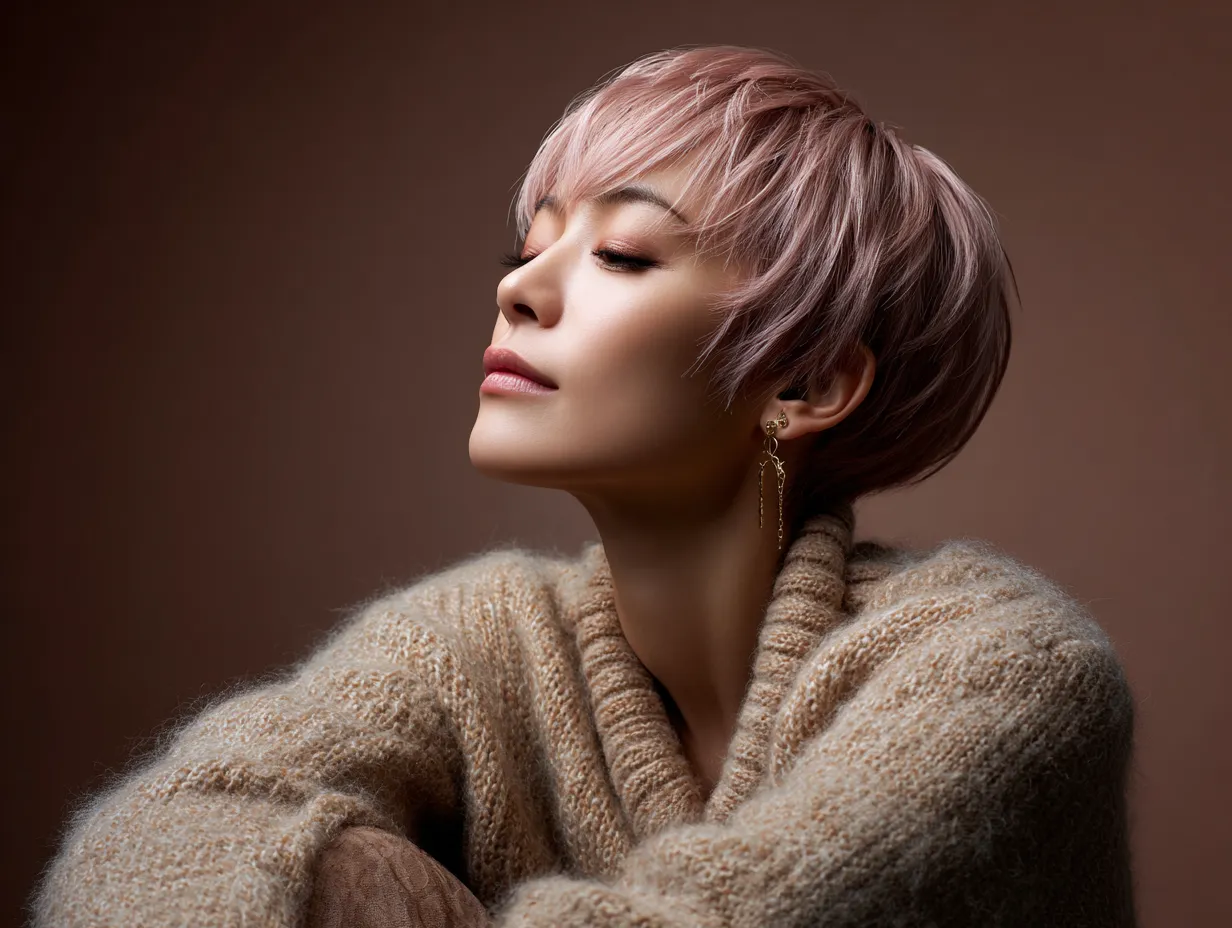
The structure of this Japanese haircut is built around facial harmony. Short tapered sides allow the cheekbones to stand out, while slightly longer strands at the top allow for styling versatility. You can sweep it forward for a vintage-inspired look or tousle it gently for something more spontaneous.
One of the key techniques used in creating this look is “point cutting,” a method that softens blunt edges while preserving definition. Japanese stylists often apply this technique to maintain shape as the cut grows out, which makes the pixie look fresh even after several weeks. Girls with fine or straight hair benefit most from this form, as the layers are placed to add natural lift without teasing or over-styling.
When paired with rosewood pink, the entire style gives off an aura of creativity and calm. It complements minimalist clothing, natural fabrics, and soft accessories. A well-executed Japanese haircut in this style doesn’t ask for attention — it earns it through graceful details. The pixie layers are not just a cut; they become a whisper of confidence and gentle flair.
Japanese Haircut Featuring a Micro Pixie in Silver Mint
Ultra-short and futuristic, the micro pixie with a silver mint finish is bold, confident, and utterly captivating. This Japanese haircut strips the style down to its essentials, revealing bone structure, personal expression, and a fearless aesthetic. The micro pixie works by tightening the sides and back while keeping the crown just long enough to hint at texture. It’s daring, yes — but in the hands of a skilled Japanese stylist, it becomes wearable and even soft in its boldness.
Silver mint is a cool, fresh hue with undertones of metallic sheen and soft green. It’s unusual without being theatrical, offering a quiet visual spark that works well with minimalist fashion and muted color palettes. In Japan, muted pastels are often associated with subtle rebellion — not loud enough to demand attention, but intriguing enough to hold it. This color choice turns the micro pixie into an artful conversation between haircut and hue.
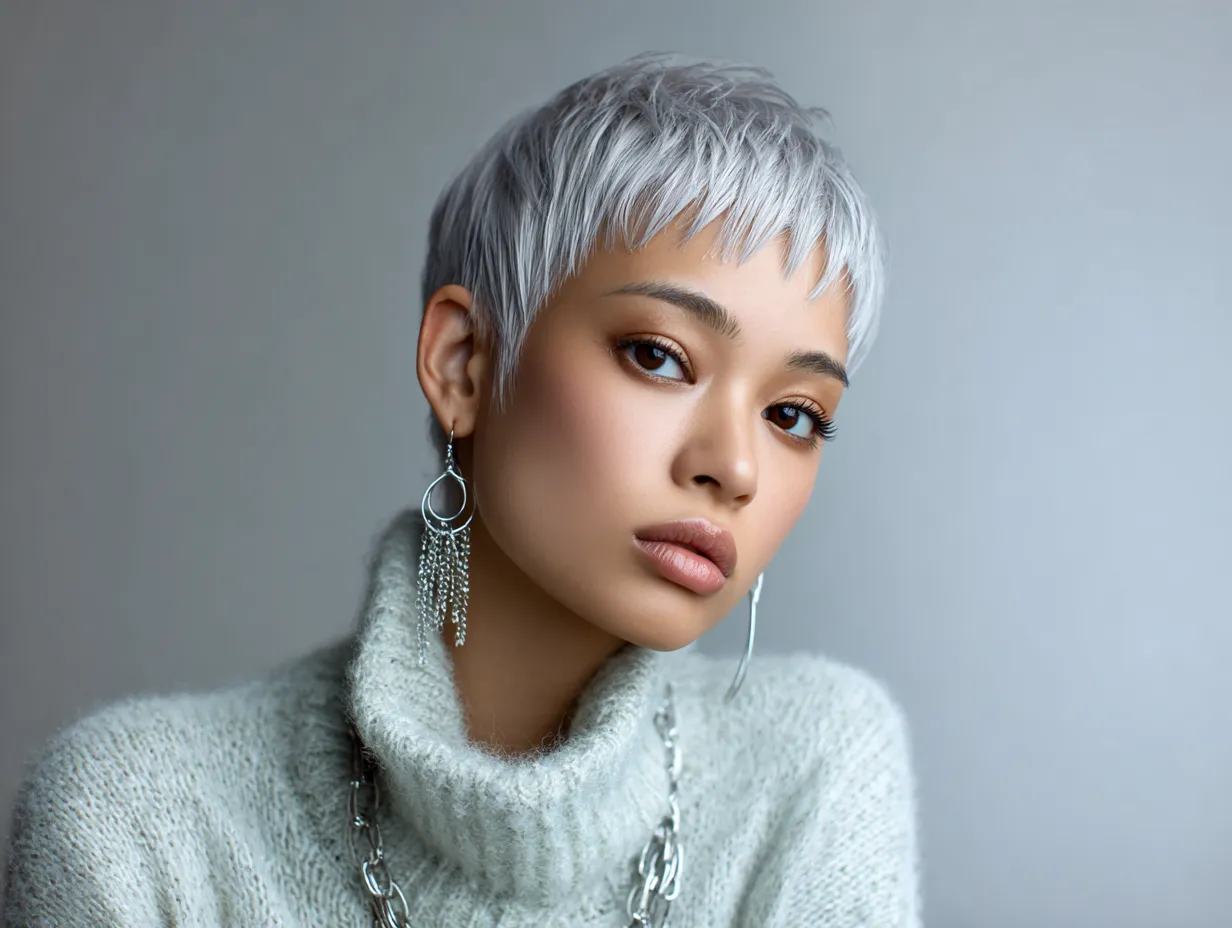
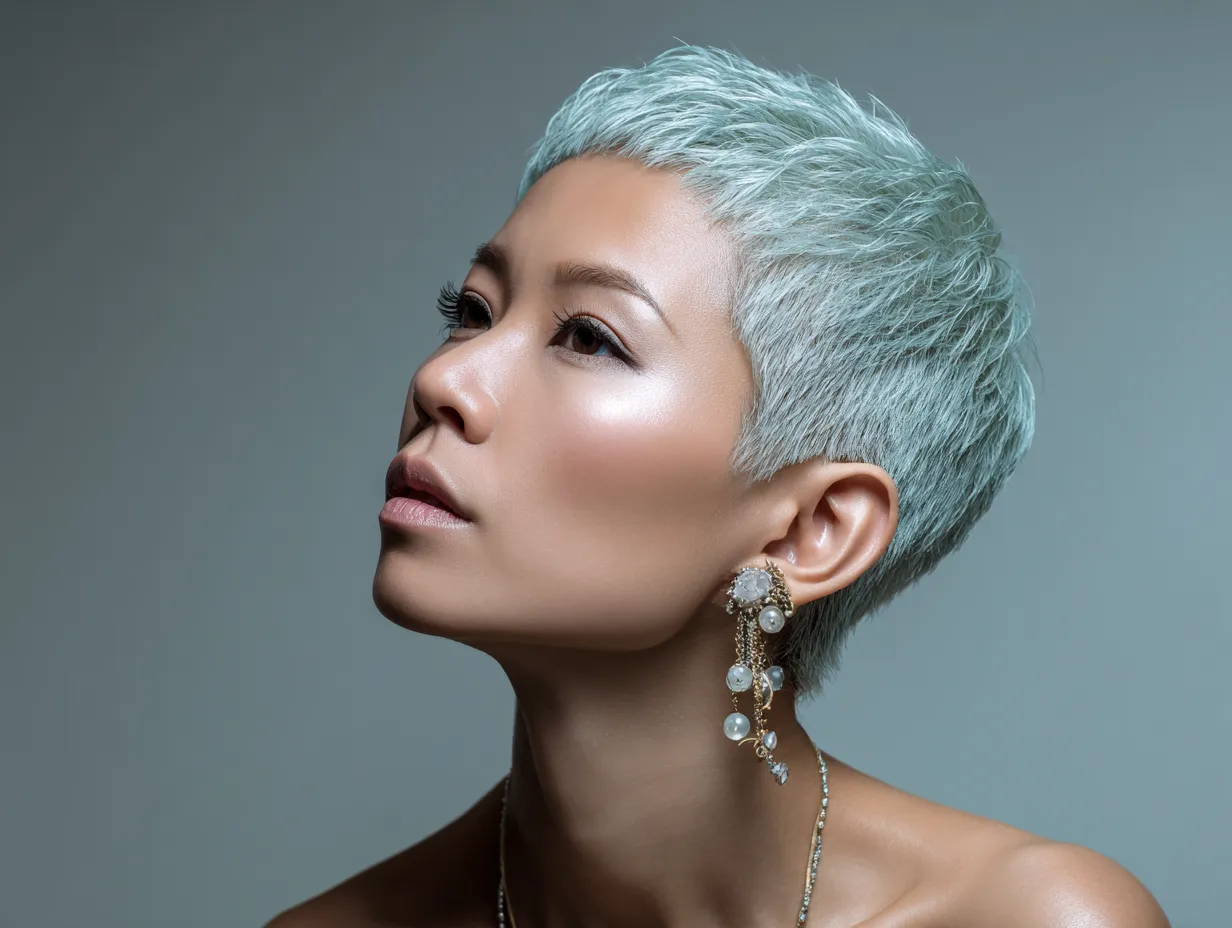
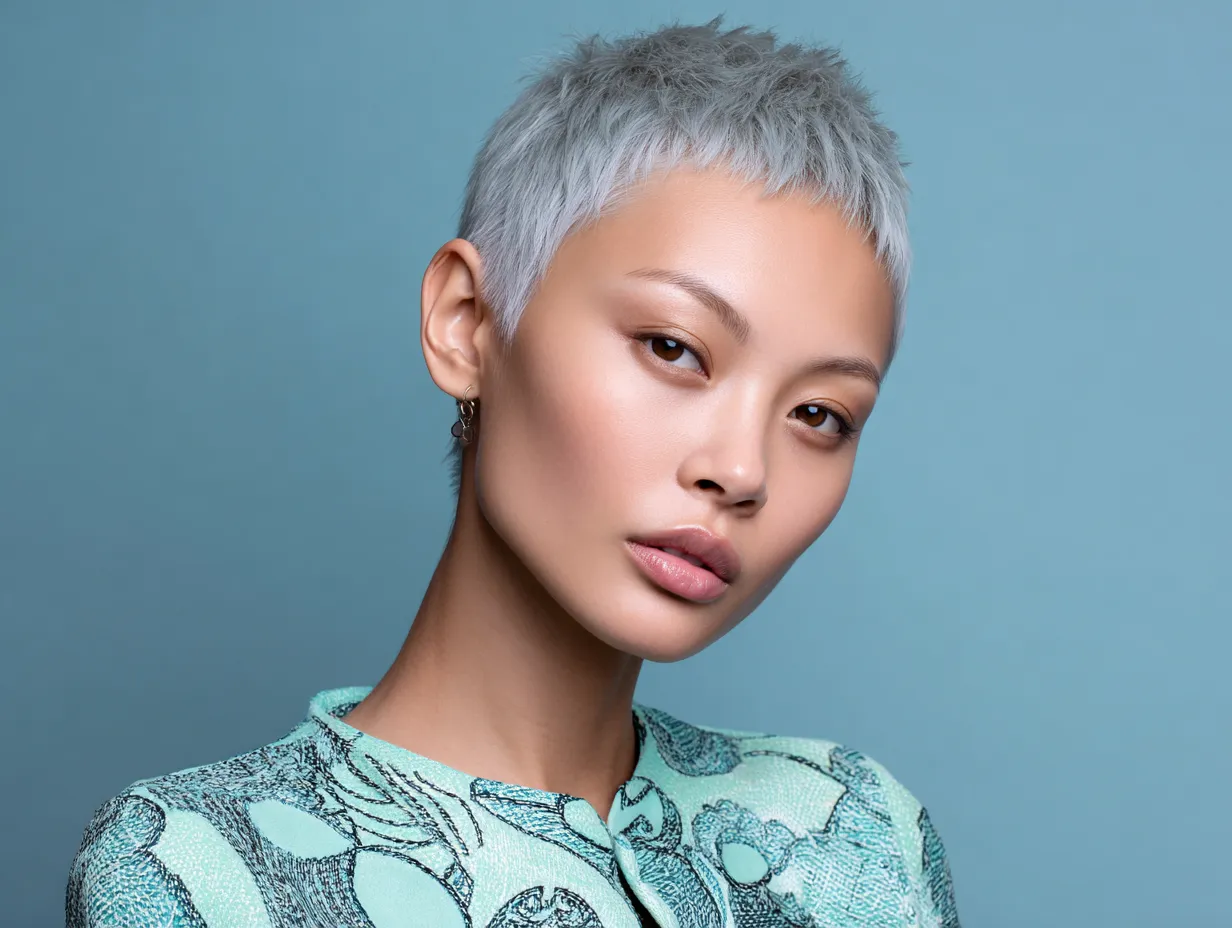
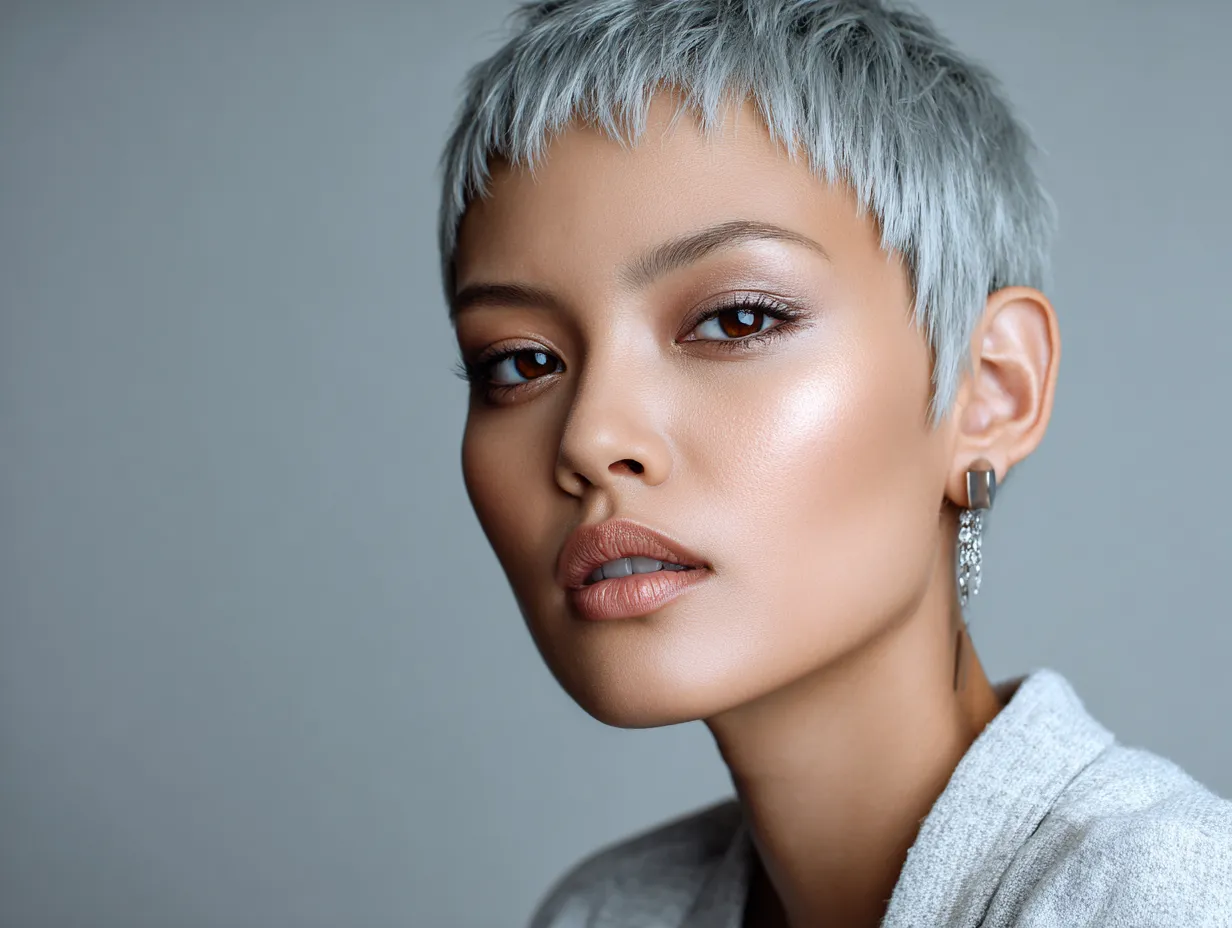
Creating this Japanese haircut requires absolute precision. Every angle must complement the wearer’s bone structure, particularly around the ears, jawline, and forehead. The tools used are often a mix of fine shears and razors, allowing for clean lines with softened edges. The final look is both bold and serene.
For girls who want their personality to shine through their hairstyle, this cut offers unmatched clarity. It works well with a bare face or minimal makeup and allows facial features to take center stage. Fashion choices often include structured silhouettes or streetwear-inspired pieces — adding complexity to an otherwise pared-down appearance.
The maintenance is surprisingly manageable. A regular trim every 4–5 weeks maintains the shape, and the silver mint shade fades gracefully due to its ash base, moving from pastel to pale silver over time. The Japanese haircut design here ensures that the growing-out phase remains clean and intentional, not awkward or uneven.
This version of the pixie isn’t just for trendsetters — it’s for those who value design, simplicity, and expressive subtlety. It’s proof that short hair, when shaped with thought and detail, becomes a form of self-expression in its purest state.
Japanese Haircut Styled as a Shaggy Pixie in Burnt Tangerine
A shaggy pixie in burnt tangerine delivers an electric jolt of energy while staying grounded in Japanese precision. This version of the pixie thrives on asymmetry and organic flow, favoring slightly longer layers around the crown and bangs while tapering the sides and back. The result is dynamic and slightly wild — but always under control.
The Japanese haircut approach used for this style involves selective texturing. Stylists avoid blanket layering; instead, they apply depth only where it enhances the shape. The shaggy pixie gains its movement from deliberate placement, not randomness. This technique allows the hair to fall naturally while still maintaining a cohesive outline.

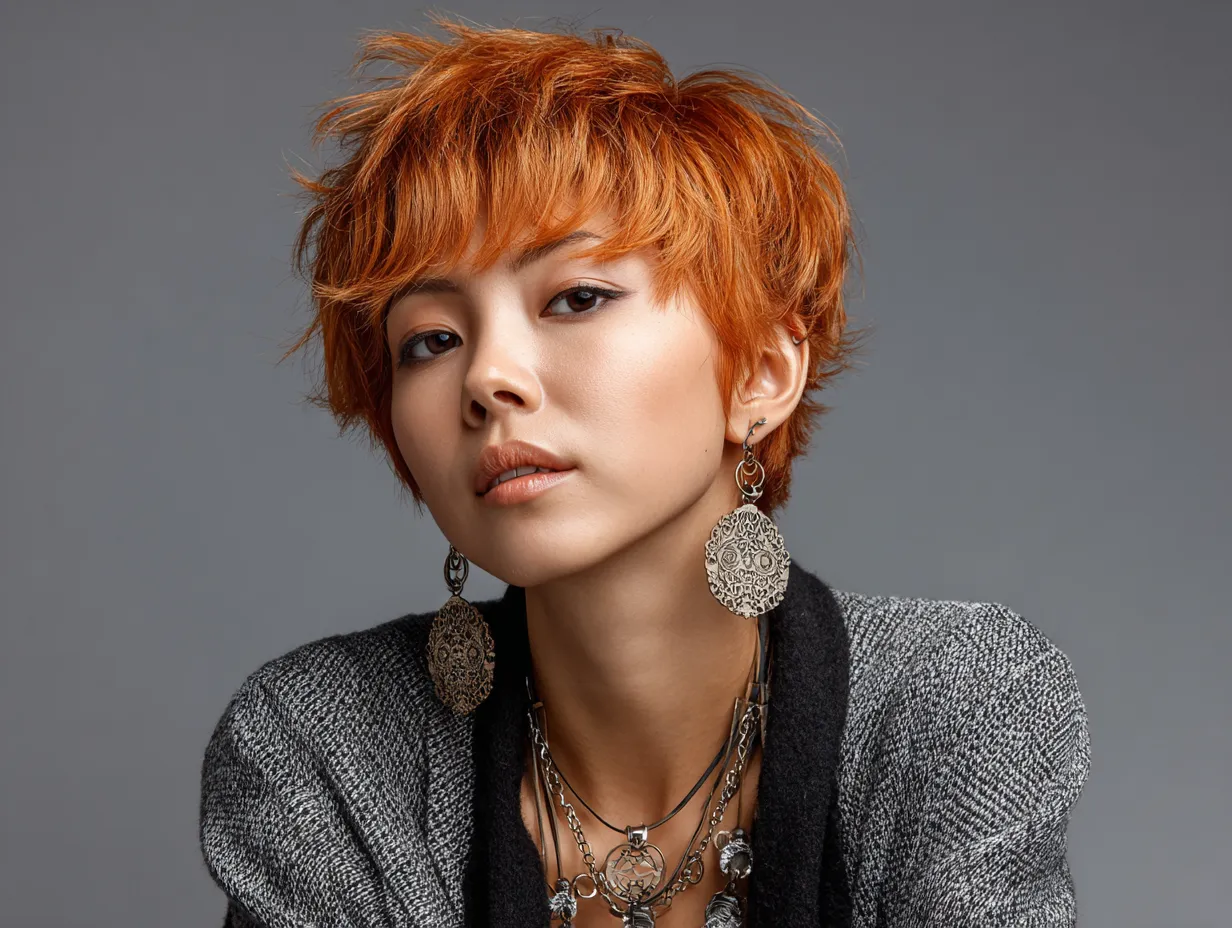
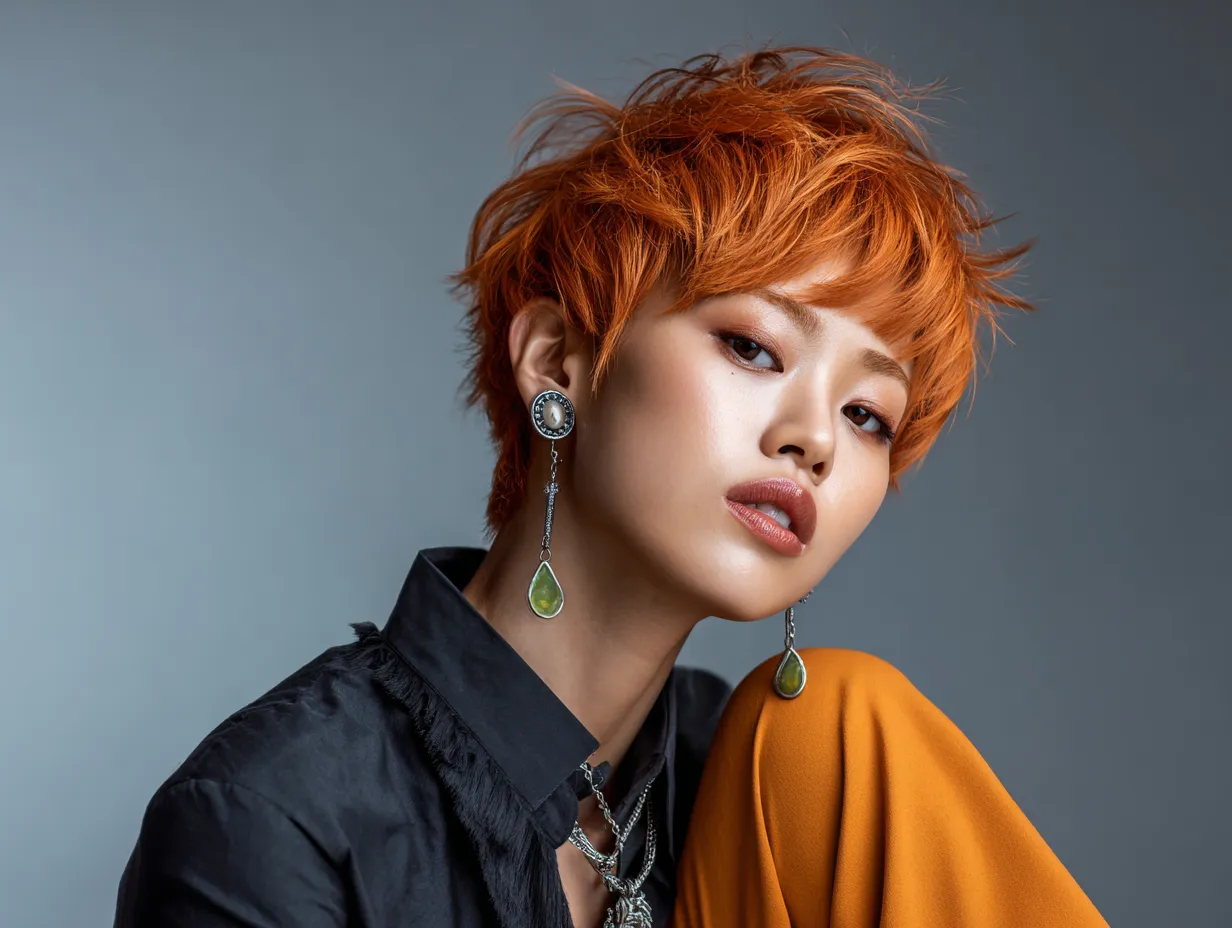
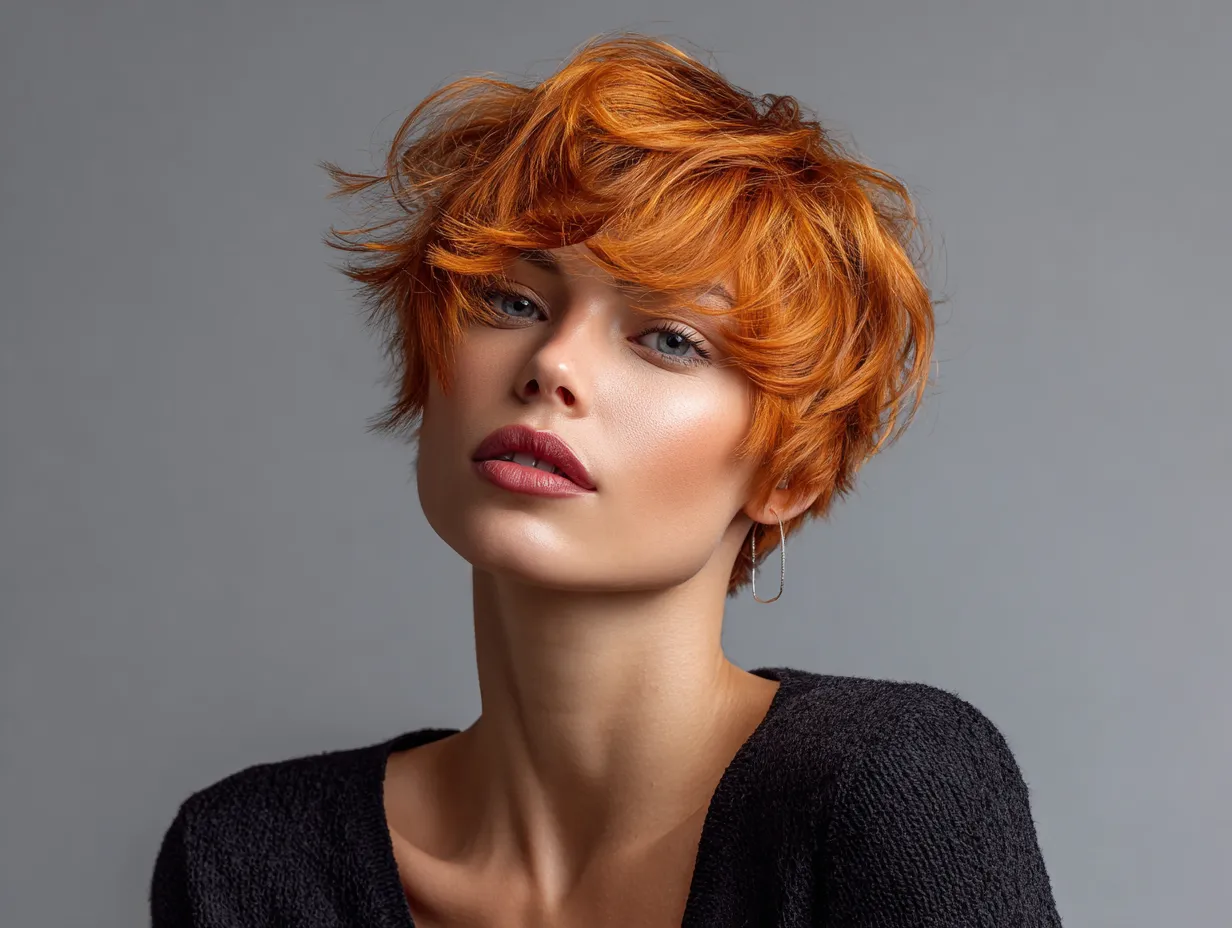
Burnt tangerine is a bold color, no doubt. A deep orange with hints of red and golden undertones, it adds heat to the look without feeling artificial. Japanese stylists often treat such tones with conditioning pigment blends that leave the hair looking soft, healthy, and vibrant. It’s a shade that works especially well in autumn light or against neutral clothing palettes like beige, olive, or charcoal.
What sets this style apart is its versatility. One day, the bangs can sweep sideways; the next, they can spike up with a tiny touch of matte wax. The layers encourage playfulness — a signature of many Japanese haircut designs. Despite its edgy appearance, it remains soft to the touch, easy to manage, and flattering to a wide range of face shapes.
The burnt tangerine color highlights each textured strand, giving the haircut dimension and richness. It reads confident but never chaotic. Many girls who choose this look pair it with oversized sweaters, artistic accessories, or layered jewelry — anything that echoes the controlled spontaneity of the hairstyle.
This Japanese haircut proves that the pixie can be wild, fun, and fashion-forward without losing structure. It honors the wearer’s individuality while maintaining that unmistakable sense of calm built into Japanese design.
Pixie hairstyles become something entirely different when reimagined through Japanese haircut artistry. With cuts designed for soft movement, structural edge, or bold texture, and paired with striking colors like rosewood pink, silver mint, and burnt tangerine, these styles reflect both technical mastery and emotional depth. Every detail — from the direction of a layer to the tone of a shade — speaks of intention. For girls who crave creativity, clarity, and charm in one, these pixie cuts offer a compact world of expression that never goes unnoticed.
Related Topics