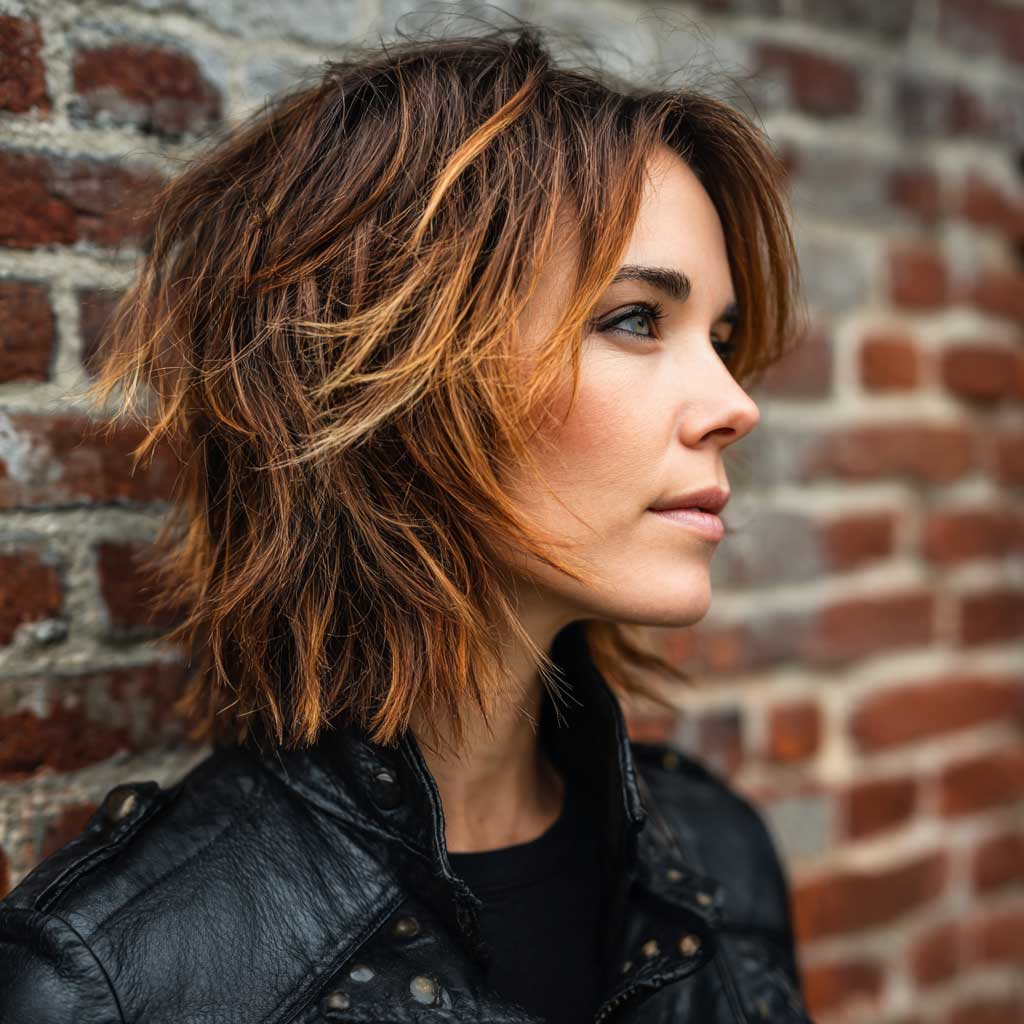
Growing out a pixie cut is often described as a test of patience, filled with awkward stages where hair seems to have a mind of its own. The seamless silhouette of a fresh crop eventually gives way to tufts that stick out, a nape that grows faster than the front, and a general lack of shape that can be frustrating. However, this journey does not have to be a series of bad hair days. By strategically utilizing texture and layers, you can turn these in-between months into a time of experimentation and style. The secret lies in embracing the imperfection. Rather than forcing the hair into a sleek shape it is not ready for, opting for textured cuts allows you to hide the varying lengths while maintaining a chic, intentional look.
Asymmetrical Choppy Bobs For Uneven Growth
The Strategic Imbalance The most common complaint during the grow-out process is that the hair at the nape of the neck grows significantly faster than the hair around the ears and forehead. This often leads to a shape that feels heavy at the back and disconnected from the front. An asymmetrical bob is a brilliant solution that leans into this discrepancy rather than fighting it. By keeping the back tight and short while allowing the front sections to lengthen at their own pace, you create a visual line that draws the eye forward. This style relies heavily on short choppy haircuts to break up the density. When the hair is all one length during a transition, it can look like a helmet. Adding chopped layers diffuses the weight, making the asymmetry look like a high-fashion choice rather than a necessity of growth.


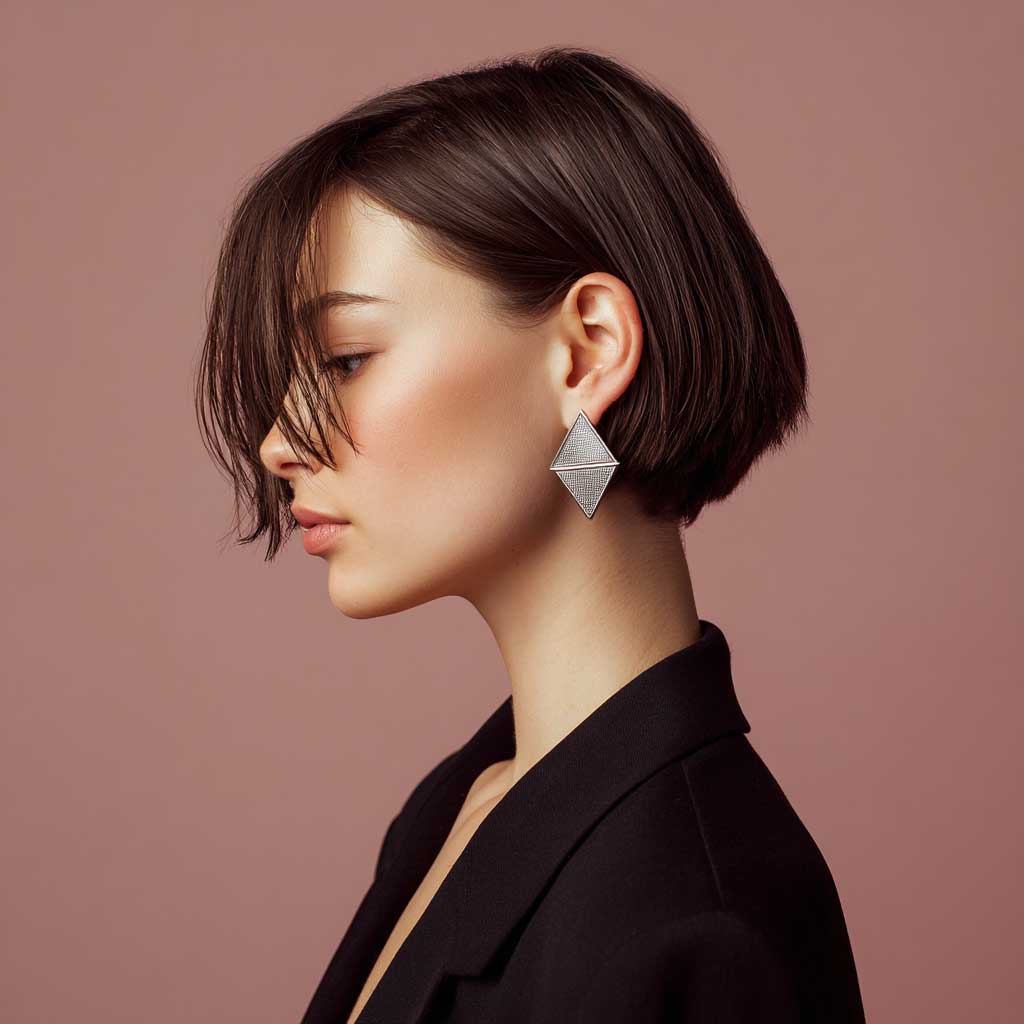

Mastering the Transition When you sit in the stylist’s chair for this cut, the goal is to blend the old with the new. The stylist will likely use point-cutting techniques to shatter the ends of the hair. This is crucial because blunt lines on short, growing-out hair can emphasize the awkward differences in length. Textured ends, on the other hand, are forgiving. They interlock with one another, creating a soft, movable shape. This approach allows you to keep the length you have painstakingly grown in the front while tidying up the back. It effectively skips the “mullet” phase by transforming the excess length at the nape into a stacked or graduated bob, while the longer side adds a dramatic flair that frames the jawline.
Styling for Disguise Styling an asymmetrical choppy bob is surprisingly versatile and plays a massive role in disguising the grow-out process. Since the cut is designed to be imperfect, you do not need to worry about every hair being in place. In fact, a bit of chaos helps. Using a flat iron to create random bends in the longer sections adds width and volume, which balances out the shorter side. Texturizing sprays are essential here. They add grit to the fine, new hairs that might be growing in, giving them the structure needed to hold the style. If you have a cowlick—common in the grow-out phase—the choppy layers allow you to simply tussle the hair in that area, making the cowlick look like an intentional volume boost rather than an annoyance.
The Psychology of the Cut There is a psychological benefit to choosing this style. Growing out a pixie can feel like a loss of identity for those who define themselves by their short hair. The asymmetrical bob bridges the gap between the edginess of a pixie and the familiarity of a bob. It retains a sense of boldness and rebellion. You are not just “letting your hair grow”; you are rocking a specific, designed look. This shift in mindset is powerful. It turns the months of waiting into a period of enjoying a cool, modern hairstyle. As the shorter side eventually catches up to the longer side, you can slowly transition into a traditional bob, but many women find they love the edgy asymmetry so much that they keep it longer than intended.
Texture as a Tool For different hair types, the asymmetrical chop offers unique advantages. For thick hair, the choppy layers remove the bulk that can make growing out hair feel hot and unmanageable. The stylist can carve out weight from the interior, allowing the hair to lie flatter against the head. For fine hair, the asymmetry creates an illusion of density. By stacking the hair on one side, it appears fuller and thicker. The visual interest created by the uneven lengths distracts from the thinness of the ends. Ultimately, short choppy haircuts like this are functional art; they serve a purpose while looking effortlessly stylish. They provide a roadmap for your hair journey, ensuring that you never have to endure a day where you feel like your hair is simply “in between” styles.
Textured Mixie Cuts With Soft Fringe
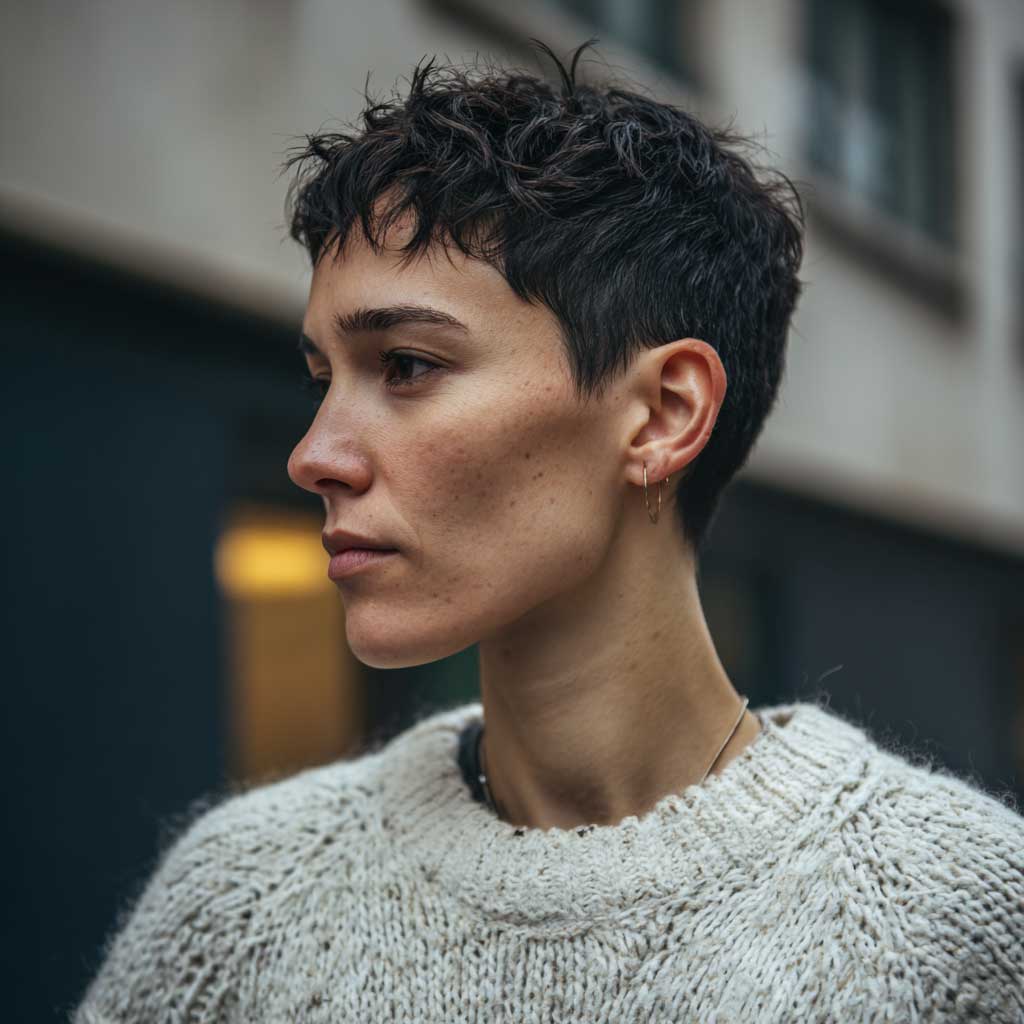
Embracing the Mullet There is a specific point in growing out a pixie where the hair hits the collar, but the ears are still exposed. For years, this was the stage women dreaded most, rushing to the salon to cut the back off. Enter the “Mixie”—a hybrid of a mullet and a pixie. This style has taken the beauty world by storm because it turns the “awkward phase” into a trendy, editorial look. The Mixie embraces the length at the nape, flicking it out rather than hiding it. It is characterized by short choppy haircuts on the crown and sides, blended into a longer, shaggier length at the back. It is the ultimate “cool girl” cut that says you know exactly what you are doing with your hair.



The Power of the Fringe The anchor of the Mixie is the fringe. When the back of your hair feels untamed, a well-cut fringe brings the focus back to your face and eyes. A soft, wispy fringe that grazes the eyebrows or cheekbones adds a deliberate structure to the look. It frames the face, making the longer pieces at the back feel cohesive rather than accidental. The fringe should be texturized, not blunt. A heavy, straight bang can look too severe against the wispy texture of the rest of the cut. By keeping the fringe light and piecey, it mirrors the short choppy haircuts layered throughout the top, creating a unified aesthetic. This front-facing detail allows you to feel “done” even if the back is doing its own wild thing.
Texture is Everything This cut does not work if the hair is too straight or flat. It relies on movement. If you have natural wave or curl, the Mixie is your best friend. It allows your natural texture to shine without being weighed down. For those with straight hair, the “choppy” aspect becomes even more critical. The stylist must use a razor or texturizing shears to create varying lengths that encourage the hair to kick out and bend. Styling becomes a fun exercise in creating volume. A dime-sized amount of molding paste or wax, warmed between the palms, can be scrunched into the ends to define the “flick.” The goal is to look windswept and effortless, channeling a 70s rock-and-roll vibe that is soft yet edgy.
Navigating the Growth Cycle The beauty of the Mixie is that it grows out remarkably well. As the top layers lengthen, they naturally start to blend with the longer back section, slowly morphing into a shag. You don’t need to rush to the salon every four weeks. In fact, this style benefits from being a little overgrown. The short choppy haircuts on top provide the volume needed to prevent the style from dragging your face down, while the length at the back offers a preview of the longer hair to come. It allows you to get used to the feeling of hair on your neck again without dealing with the heaviness of a full bob. It is a stepping stone that feels like a destination in itself.
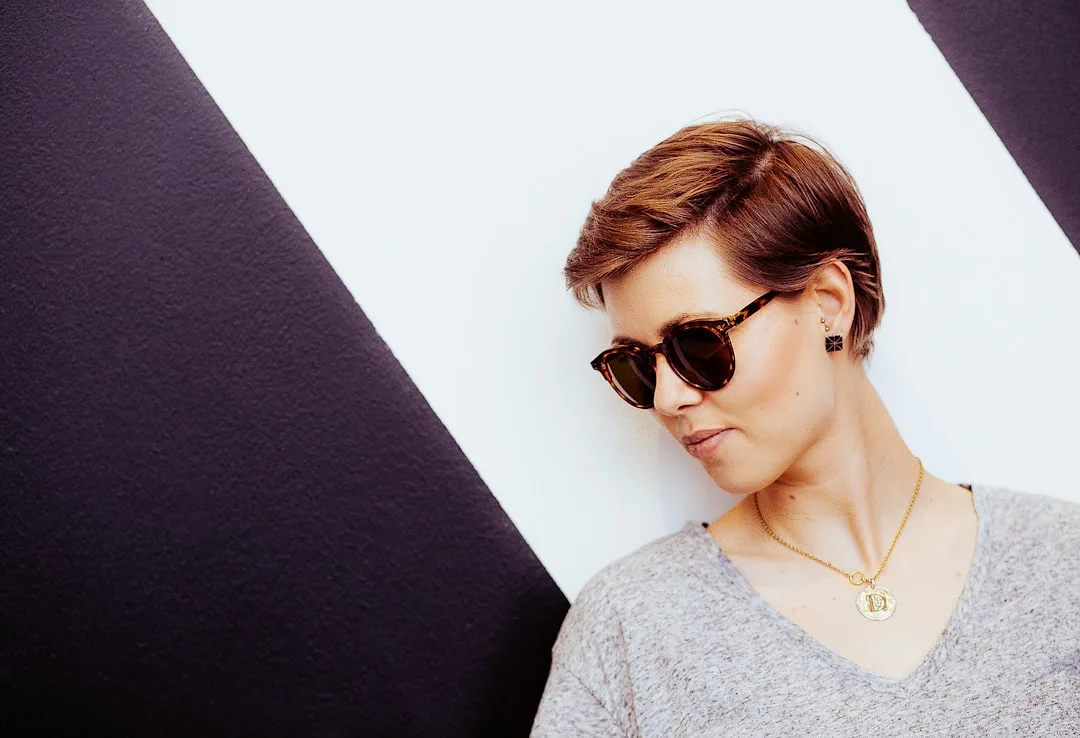
Versatility in Styling Despite its specific shape, the Mixie is surprisingly versatile. You can tuck the side pieces behind your ears for a cleaner, more pixie-like appearance, or pull the shorter layers forward for a fuller, shaggier look. It pairs beautifully with statement earrings, as the hair behind the ears creates a perfect backdrop. On lazy days, a bit of dry shampoo is all you need to revive the volume at the roots. The messy nature of the cut means that bedhead actually works in your favor. It is a low-maintenance, high-impact style that solves the structural problems of growing out a pixie by turning them into stylistic features. By choosing short choppy haircuts that mimic the Mixie shape, you turn a period of patience into a period of style.
Shaggy Layered Lobs For The Final Stretch
The Final Hurdle The transition from a long pixie or a mixie to a bob is often the final hurdle in the grow-out marathon. At this stage, the hair is touching the shoulders, but the layers from the original short cut are still present, often creating a “triangle” shape where the bottom is heavy and the top is flat. The solution is not to cut the bottom off to one length, which would set you back months of growth, but to incorporate the existing short layers into a modern shag. A shaggy layered lob (long bob) utilizes short choppy haircuts through the interior and crown to connect the short lengths to the long perimeter. This creates a cohesive look that feels intentional and full of life.


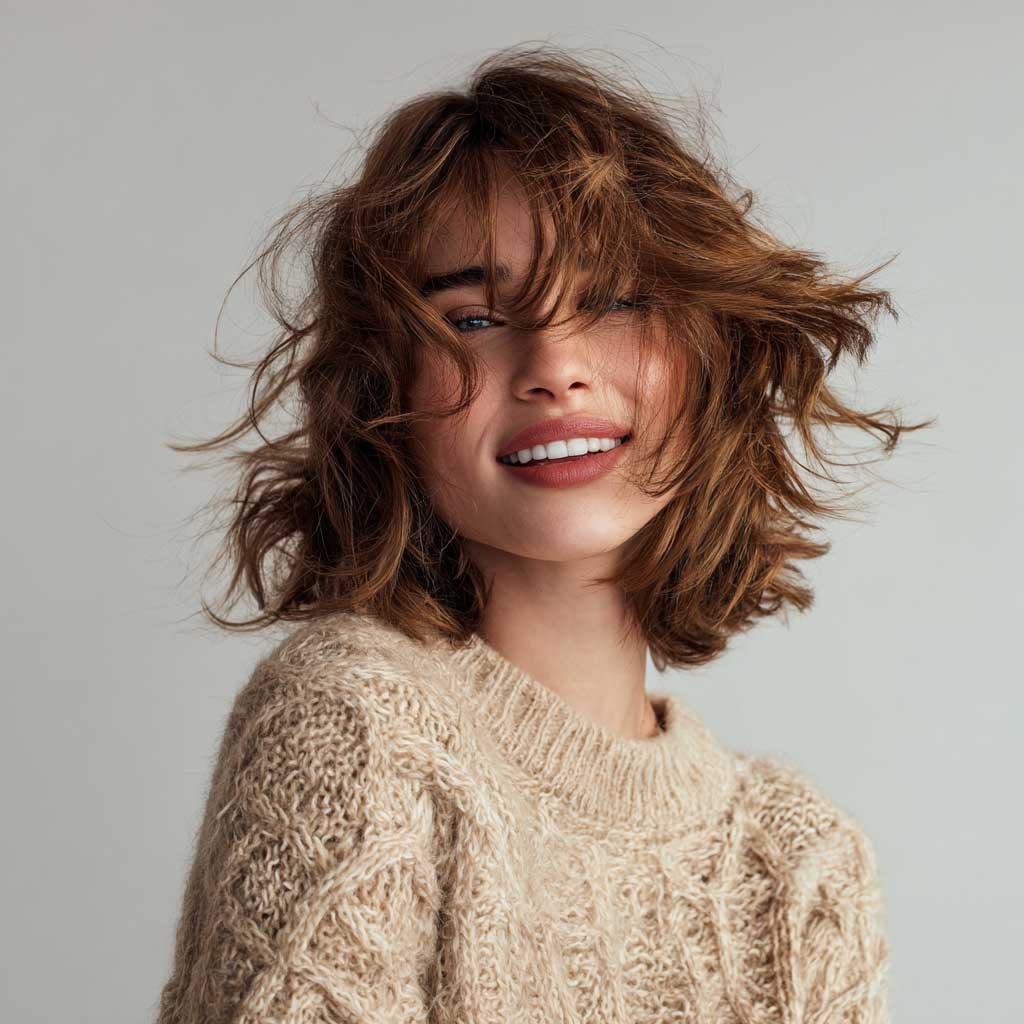
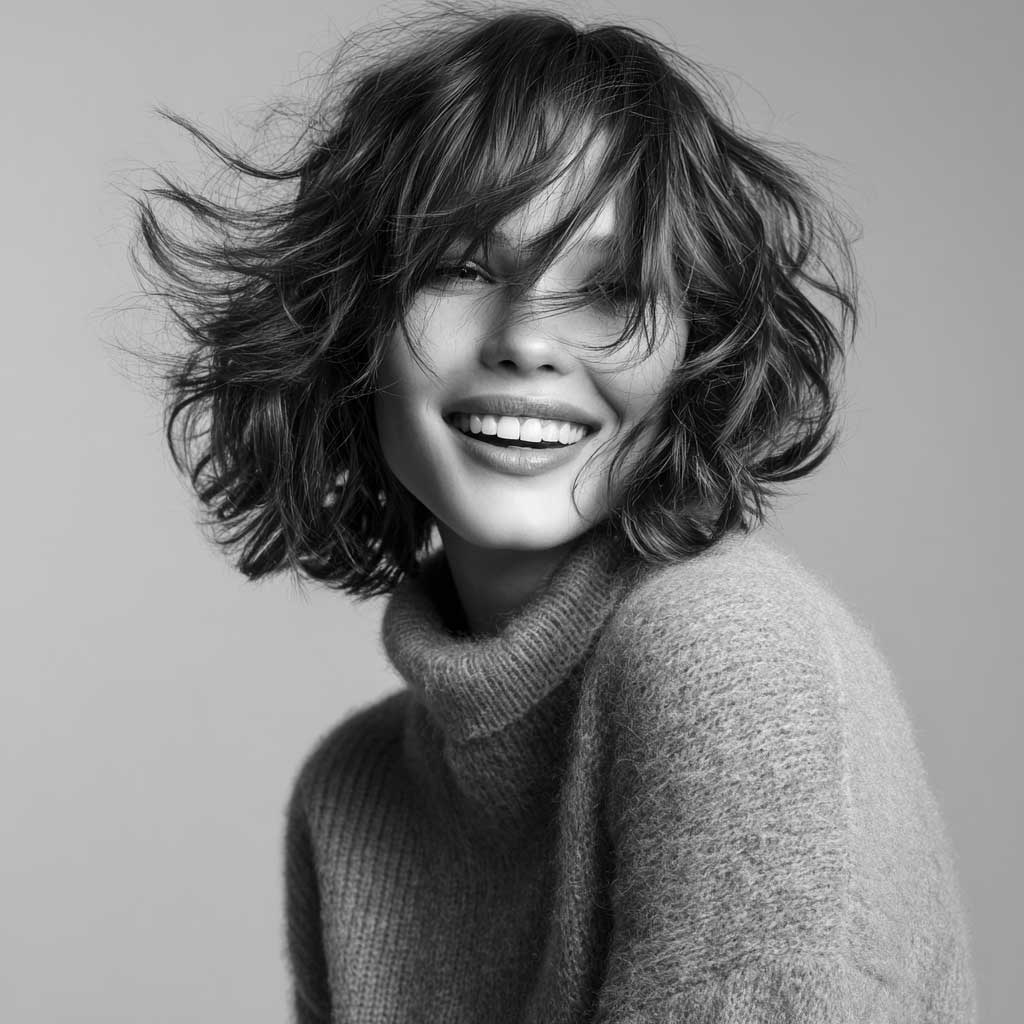
Connecting the Layers The genius of the shaggy lob lies in its ability to hide the disconnect between different sections of growth. When growing out a pixie, the hair on top of the head takes the longest to catch up to the bottom. A traditional one-length bob would require cutting the bottom significantly. A shag, however, keeps the length at the bottom while cutting more layers into the mid-lengths. This effectively blends the shorter crown pieces into the rest of the hair. The result is a cascade of texture that looks voluminous and airy. The short choppy haircuts on the surface layer provide lift and movement, preventing the style from looking dragged down or heavy, which is a common issue when fine hair reaches shoulder length.
Volume and Movement This stage of growth is often where women feel their hair looks “boring.” The novelty of the short cut is gone, but the glamour of long hair hasn’t arrived. The shag injects excitement back into the style. By removing weight from the internal sections, the hair is encouraged to wave and curl. This is particularly beneficial for those with natural texture, as the layers allow curls to spring up rather than being pulled straight by gravity. For straight hair, the choppy layers provide a scaffold for styling. You can use a curling wand to add loose waves that hold better because of the varying lengths. The shorter pieces support the longer ones, creating a lasting volume that a blunt cut simply cannot achieve.
Styling for the “Undone” Look The aesthetic of a shaggy lob is decidedly “undone.” It is not meant to be perfect or polished. This takes the pressure off daily styling. You don’t need to struggle with a round brush and blow dryer to get a smooth, sleek finish. Instead, rough drying with your hands or using a diffuser is encouraged. Sea salt sprays, mousses, and texturizing powders are the key products. They enhance the separation between the layers, making the short choppy haircuts visible and distinct. This separation is what gives the shag its signature rock-chic vibe. It’s a look that suggests you are effortlessly cool, focusing on texture and silhouette rather than precision.
A Sustainable Style Beyond its visual appeal, the shaggy lob is a sustainable choice for hair health. After months or years of short styles, you might be eager to retain as much length as possible. This cut minimizes the amount of hair that needs to be removed at the bottom, focusing the scissors on the internal layers instead. It allows you to keep the length you have earned while keeping the ends healthy. As the hair continues to grow past the shoulders, the shag naturally evolves into a long layered cut. The transition is organic. You won’t face another “awkward phase” because the layers simply get longer and softer. Adopting short choppy haircuts during this final stretch ensures that you cross the finish line to long hair with a style that is dynamic, healthy, and full of personality.
The journey from a pixie to long locks is often viewed as a necessary evil, but it doesn’t have to be. By selecting the right transitional cuts, you can turn every stage of growth into a style statement. Whether it is the intentional imbalance of an asymmetrical bob, the retro coolness of a mixie, or the effortless volume of a shaggy lob, short choppy haircuts offer the versatility and texture needed to mask uneven lengths. These styles allow you to enjoy your hair at every inch, proving that the process of growing it out can be just as rewarding as the final destination.