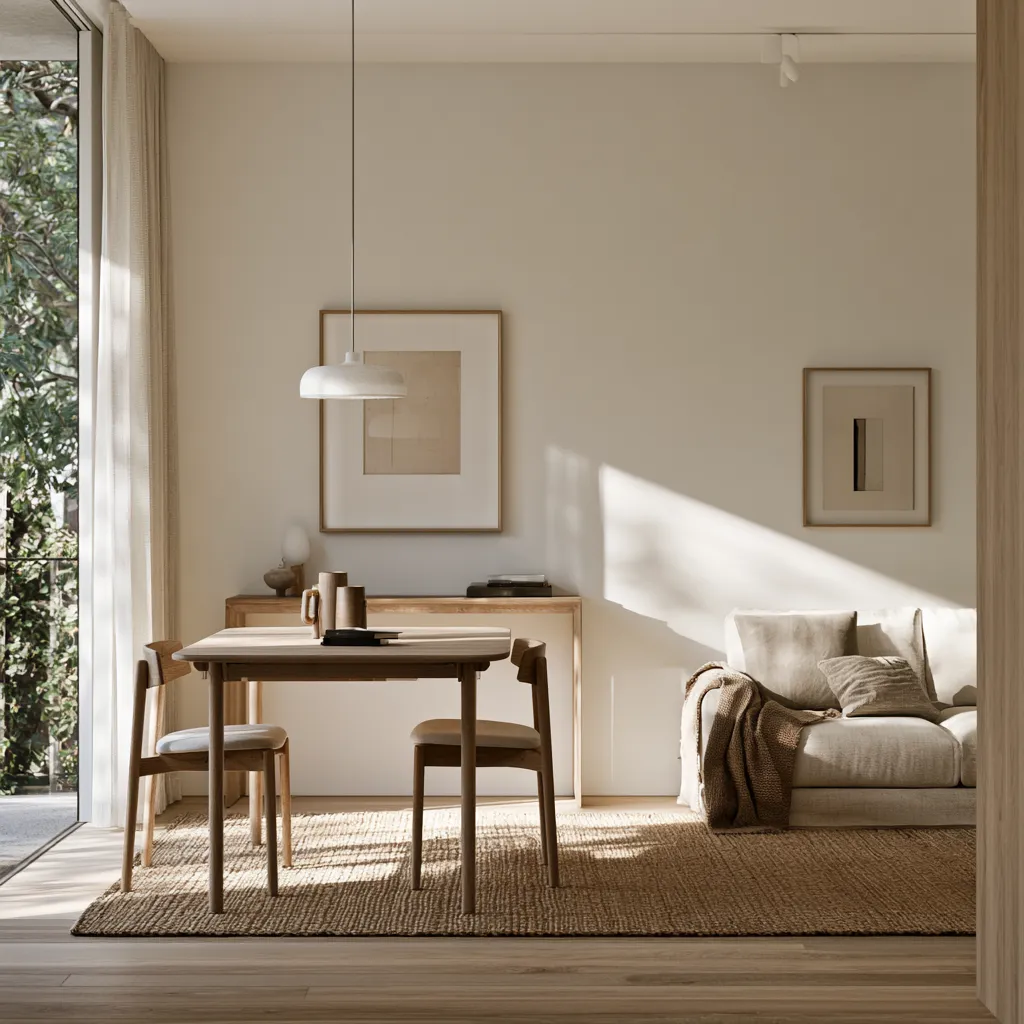
Tall wall art works on white walls because a plain backdrop lets one vertical piece carry the whole room, and the eye follows it up toward the ceiling. Does it actually make a room look taller? Yes, as long as the piece is centered about 57 inches from the floor and spans roughly two-thirds of the furniture below it. Get those two numbers right and a mirror, a print or a metal sculpture all read as deliberate choices. Measure the wall before you open a single product listing.
Scale is where most tall walls go wrong. Decor that stops at the standard 8-foot mark leaves a high-ceilinged room feeling unfinished, while a slim 65-inch floor mirror or a 59-inch metal piece fills the vertical gap at prices from about $50 to $420. Think of the wall as a shop window, where one well-placed object beats a dozen small ones. Pick one tall hero piece first and add smaller items only around it.
The sections below cover sizing rules, vertical mirrors, botanical prints and metal sculptures, then compare all of them in one table with sizes, prices and hanging weights. Each idea works on a big white wall in a living room, hallway or bedroom. Read the sizing section first, since every later choice depends on it.
Quick Scan
- Center single pieces about 57 inches from the floor, or closer to 60 inches in narrow hallways.
- Cover about 66–75% of the furniture width below the art, not the full width of the wall.
- Leave 8–10 inches between a sofa back and the bottom of the frame.
- Standard floor mirrors run about 65 × 22 inches vs 56 × 21 inches for 8-foot ceilings.
- Vertical prints in a 24 × 36 inch format read taller than square frames of the same area.
- Metal pieces range from about $50 for a 23 × 48 inch panel to $220–$420 for handcrafted sculpture.
- Heavy art goes on a French cleat rated for 50–400 pounds, never on a single nail.
Sizing Rules That Keep Tall Wall Art in Scale
Wall art for tall walls starts with two measurements, the center height and the width ratio. Galleries hang the midpoint of a piece about 57 inches above the floor, and the same rule applies to sculptures and other wall hangings. Above a sofa or bed, the bottom edge should sit 8 to 10 inches above the furniture, with the piece or group spanning about two-thirds of its width. Treat the furniture and the art like a plinth and a statue, one holding up the other. Mark the 57-inch line with painter’s tape before you drill anything.
A 96-inch sofa calls for art about 64 inches wide, while a 72-inch console needs closer to 48 inches. Going slightly larger, up to 75% of the furniture width, usually looks better than going smaller. Is a skinny vertical canvas enough on a double-height wall? Rarely, because a narrow piece looks stranded on a wide expanse no matter how tall it is. Match the shape of the art to the shape of the empty wall, not just its height.
White walls shift the math slightly because they bounce so much light. Crisp whites sit around LRV 82–94, which is why gray and white palettes chosen by light reflectance numbers keep white on the largest surfaces. Dark frames read sharper on that backdrop than on beige, and thin black edges outline a piece like ink on paper. Don’t pair a heavy black frame with a stark white mat in a room with weak daylight, since the contrast turns into a dark hole. Choose mid-tone wood or slim metal frames for dim rooms.
- Center height: about 57 inches, or around 60 inches in a narrow hall.
- Gap above furniture: 8–10 inches from the sofa or headboard top.
- Width: 66–75% of the furniture below.
- Gallery gaps: 2–3 inches between frames, kept identical.
- Shape: vertical 2:3 or 3:4 proportions for tall, narrow walls.
Vertical Mirrors That Work as Tall Wall Art
A tall vertical mirror is the fastest of all tall decor ideas for a white wall with limited daylight, because it doubles whatever light already reaches the room. Most full-length mirrors measure about 65 × 22 inches, and a framed 29 × 65 inch model typically leaves a reflective area of 24 × 60 inches. Retail prices for that size commonly land around $110–$160. Place the mirror where it reflects a window, not a blank wall.

Height decides whether a mirror reads as decor or as a dressing aid. A 56 × 21 inch mirror suits a standard 8-foot ceiling, while a 76 × 34 inch arched model starts filling a taller wall the way a doorway does. Should one mirror or a row of three go on a wide wall? A row of two or three slim mirrors spaced 2–3 inches apart reads like one tall window, while a lone narrow mirror can look like an afterthought. Group slim mirrors whenever the wall is much wider than a single frame.

Frames should stay quiet so the reflection does the work. A frame around 2¾ inches wide, common on full-length models, outlines the glass without competing with it, while a heavy gilded border pulls the eye away from the view. Thin black metal reads modern on white paint, and pale oak reads softer. Don’t lean a 65-inch mirror at a steep angle in a hallway with kids or pets, since a tip-over is a real risk. Hang it on the D-rings and hardware supplied instead.

Mirrors pair well with tall plants and slender furniture, which repeat the vertical line at a lower height. A console about two-thirds the width of the mirror group anchors the arrangement, compared with a bulky chest that visually cuts it in half. Think of the mirror as a skylight turned on its side. Keep anything in front of it low enough that the full reflection stays visible.

Hallways, bedrooms and entryways gain the most, since those spaces are walked through and often lack windows. In a narrow hall, a hung mirror centered around 60 inches works better than the 57-inch gallery height. A leaning floor mirror is quicker to install than a hung one, but a hung mirror frees the floor and looks built in. Choose hanging over leaning wherever floor space is tight.
Botanical Prints for a Big White Wall
Botanical prints are among the easiest large white wall decor ideas, because green leaves stand out on white the way pine branches stand out on snow. Standard poster frames come in 18 × 24, 24 × 36 and 27 × 40 inches, so tall prints fit off-the-shelf frames without custom framing. The 24 × 36 inch size is the classic poster format and a natural pick for a single vertical piece. Start with one 24 × 36 print before committing to a full grid.

A column of three vertical prints usually beats one wide horizontal piece on a tall wall. Three 18 × 24 frames hung with 2–3 inch gaps form a stack about 76–78 inches tall, which carries the eye well above door height. Is one giant print better? Only when it is truly oversized, because a mid-size frame on a big white wall looks like a postage stamp on an envelope. Above a sofa, set the bottom frame 8–10 inches over the backrest and let the column climb from there.
Theme matters more than plant species. Pick one palette, such as deep greens on cream backgrounds, and repeat it across every frame so the set reads as one piece. Don’t mix glossy photo prints with matte watercolor prints in the same column, since the sheen difference splits the set into separate objects. Use matching frames in one finish and one width.

Narrow insert-poster formats around 14 × 36 inches suit slim strips between windows or beside a door. Their roughly 1:2.6 ratio looks far more vertical than a standard 2:3 poster. Two of them side by side fill a slim wall without crowding it. Measure the strip first and leave a few inches of white on each side.

Real plants beside botanical art add depth, and they need steady light to stay healthy. Rooms with floor-to-ceiling glass walls that pull daylight deep inside give tall plants far more to work with, though that glazing runs about $150–$300 per square foot installed. A tall potted plant in a bright corner costs a small fraction of that and draws the eye upward in a similar way. Set the pot just beside the lowest frame so leaves and print read as one scene.

Botanical art suits living rooms, bedrooms and home offices, where calm subjects work better than loud abstracts. A 24 × 36 framed print weighs far less than metal sculpture, so two picture hooks into drywall usually hold it level. Should prints sit behind glass or acrylic in a sunny room? Acrylic is lighter and safer at height, while glass resists scratches better. Use acrylic for anything hung above head height.
Metal Sculptures and Wall Mounted Art With Depth
Metal sculpture is the boldest form of wall mounted art for a modern white wall, because raised edges throw shadows that shift through the day. Retail sizes cluster around 23 × 48 inches for budget panels and 56–59 inches wide for statement pieces. Prices run from about $50 for a simple silver panel to roughly $220–$420 for handcrafted work. Set the budget before falling for a finish.

Weight is the detail most buyers skip. A 56-inch painted steel sculpture can weigh about 19 pounds, nearly double a 48-inch metallic canvas at about 10 pounds. Is a single nail enough? No, and this step-by-step guide to hanging pictures and heavy art points to French cleats rated for 50 to 400 pounds. Locate a stud before you settle the exact position.
Finish changes the mood more than shape does. Brushed steel and polished aluminum read cool and crisp on white, while oxidized copper or bronze adds warmth like late sun on a pale facade. A gold geometric piece around 36 inches wide fits above a standard sofa without crowding nearby shelves. Pick one metal tone per wall.

Layout depends on how much wall needs covering. A vertical stack of two or three panels stresses height, while a single 59-inch horizontal piece reads wide and calm. Don’t mix three metal finishes in one arrangement, since it ends up looking like leftover hardware rather than art. Use a vertical stack on any wall that is taller than it is wide.

Lighting turns metal from flat to dynamic. A spotlight aimed at about 30 degrees to the center of the piece catches every ridge and casts a clean shadow, while straight-down light flattens the surface. Avoid hanging metal between two windows, where glare from both sides washes the shadows out. Fit one adjustable track head per sculpture.

Metal fits living rooms, foyers and home offices with modern or industrial furniture. A 23 × 48 inch panel at about $50 is a low-risk test, compared with spending $400 on a handcrafted piece before seeing how shadows fall in your room. Light changes a lot between morning and evening on metal surfaces. Check the wall at both times before buying the larger version.
Modern White Wall Decor Ideas Side by Side
Modern white wall decor ideas differ most in weight, price and how much light they need, so a side-by-side view speeds up the choice. A floor mirror at about $110–$160 and a metal piece at $50–$420 can cost the same, but the mirror adds light while metal adds shadow, like the difference between a lamp and a sculpture. Is one style always the safer bet? Botanical prints carry the least risk, because standard frames are easy to swap later. Read the hardware column before anything else.
| Style | Typical size | Retail price seen | Weight and hardware | Best room | Effect on a white wall |
|---|---|---|---|---|---|
| Vertical floor mirror | 65 × 22 in (56 × 21 in for 8-ft ceilings) | About $110–$160 | Lean, or hang on D-rings | Hallway, bedroom | Adds light, room feels larger |
| Botanical print column | 3 × 18 × 24 in, 2–3 in gaps | Fits off-the-shelf frames | Light, 2 hooks per frame | Living room, office | Soft color, calm vertical line |
| Narrow insert prints | 14 × 36 in | Standard poster format | Light, picture hooks | Between windows | Strongest vertical emphasis |
| Budget metal panel | 23 × 48 in | About $50 | Anchors or stud | Above sofa | Shine with light shadow |
| Handcrafted metal sculpture | 56–59 in wide | About $220–$420 | About 10–19 lb, studs or cleat | Foyer, living room | Statement depth and shadow |
Don’t do this
- Don’t center a single piece at 70 inches; 57–60 inches is the standard eye-level range.
- Don’t leave 12 inches or more between a sofa and the frame; 8–10 inches keeps them connected.
- Don’t buy art that covers far less than two-thirds of the furniture; aim for 66–75%.
- Don’t hang a 19-pound metal sculpture on adhesive strips; use studs, anchors or a French cleat.
- Don’t stop all decor at the 8-foot line on a double-height wall; the upper half will look empty.
Where Tall Wall Art Pays Off
Tall wall art pays off when one vertical piece is sized to the wall, centered near 57 inches and spanning about two-thirds of the furniture below. Those numbers matter more than the choice between glass, paper and metal. Set them first and every style on this page works.
Mirrors win in dim rooms and hallways. A 65 × 22 inch model at around $110–$160 adds light that prints and metal cannot match. Hang it opposite a window for the biggest gain.
Botanical prints are the lowest-risk choice, since 18 × 24 and 24 × 36 inch formats fit standard frames. A column of three with 2–3 inch gaps reaches roughly 76–78 inches. Keep one palette across every frame.
Metal suits modern rooms with good lighting, from about $50 for a 23 × 48 inch panel to roughly $420 for handcrafted work. Aim a spotlight at about 30 degrees to bring out the edges. Anchor anything near 19 pounds into studs or a cleat.