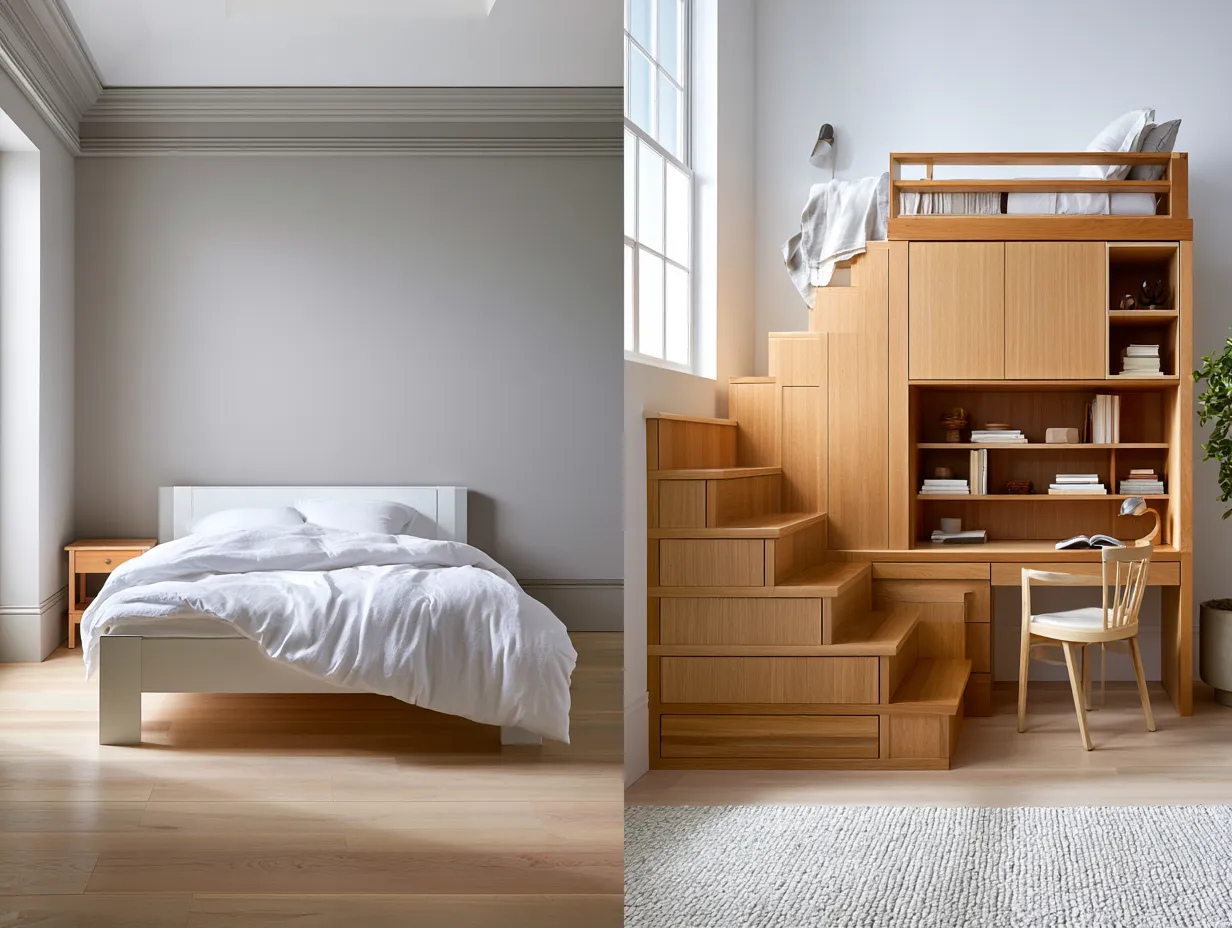
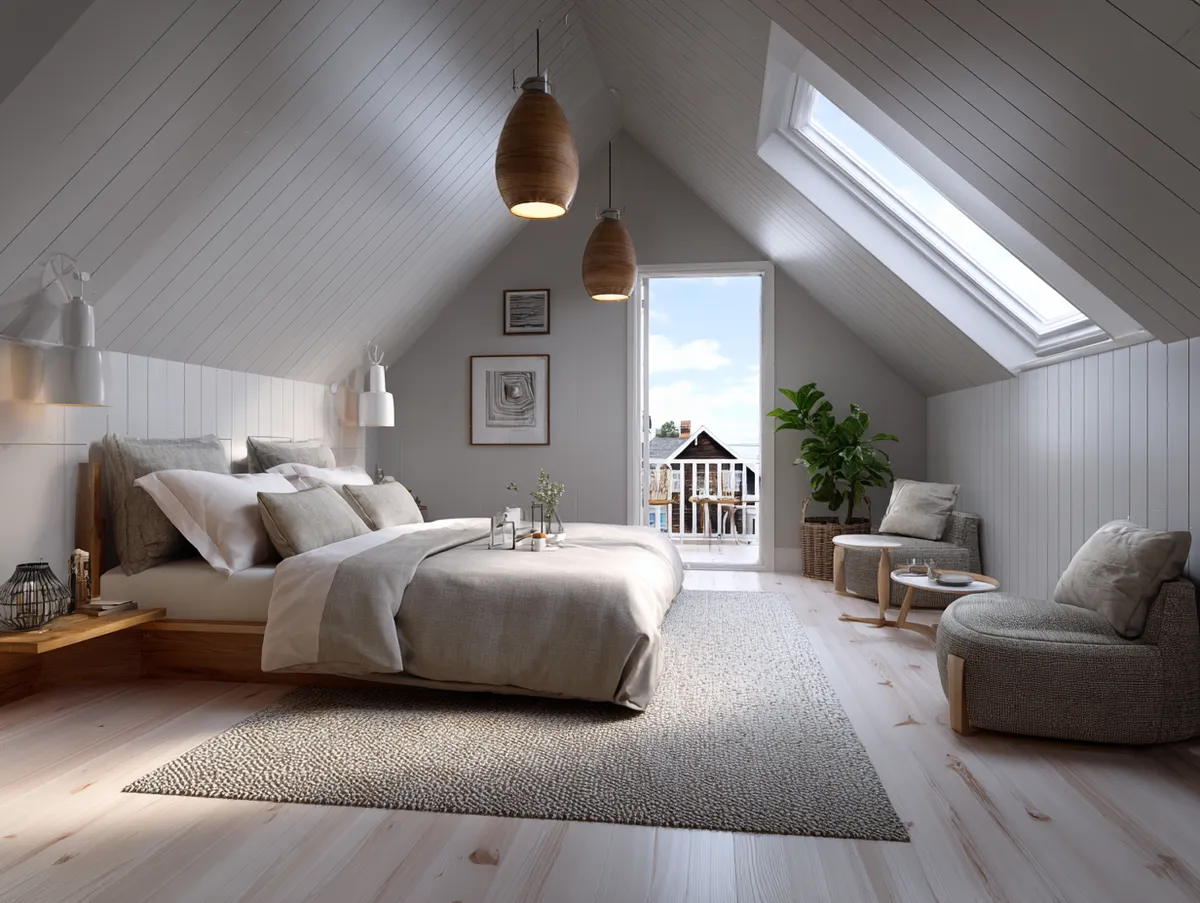
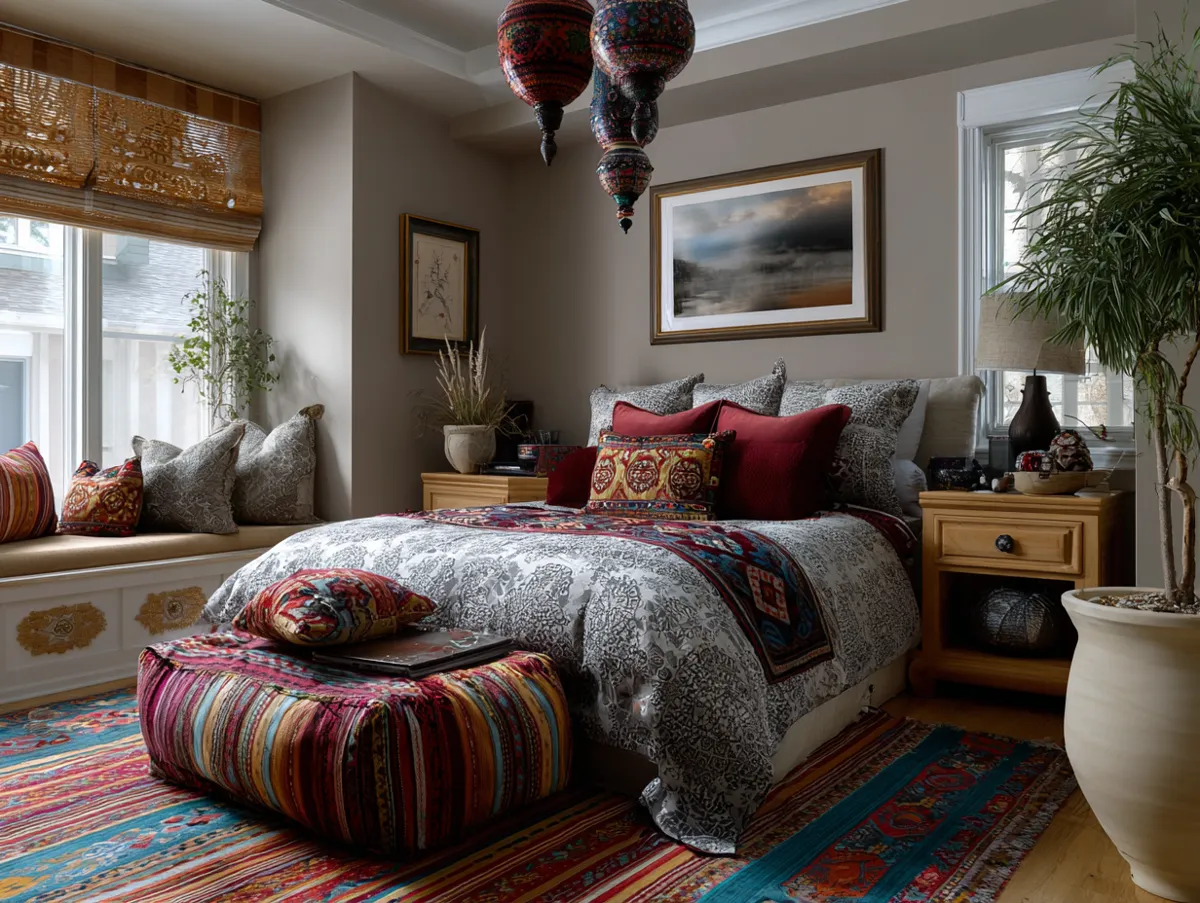
White bedroom furniture pulls off something no other palette can: it resets the entire room without repainting a single wall. The visual weight lifts, light bounces farther, and a bedroom that felt dated starts reading as intentional. Stylists consistently point to white furniture as one of the few choices that ages forward rather than backward.
The real variable is which pieces carry the room. A canopy bed operates at a different frequency than an upholstered headboard — both are white, both work, but they produce completely different atmospheres. Knowing how each piece functions keeps you from buying the wrong thing for the space you actually have.
This covers the four white bedroom furniture categories that generate the most questions: canopy beds, dressers with mirrors, minimalist nightstands, and upholstered headboards. Each section includes what to look for, what to skip, and at least one number worth knowing before you buy.
- A white canopy bed queen typically runs $155–$565 on Wayfair depending on material (metal vs. wood frame).
- A dresser-and-mirror combo in white works best when the mirror sits above, not attached — it reflects ceiling height instead of just doubling the dresser.
- Minimalist nightstands under 24″ wide prevent the “floating island” effect where the table looks undersized next to the mattress.
- Pottery Barn’s Raleigh Curved upholstered headboard starts at $199 queen — the entry point for a structured fabric look that holds shape over time.
- Mixing all four pieces from different collections reads more like a curated room than a matching set — that matters for resale and for styling photos.
A White Canopy Bed Commands the Room Without Crowding It


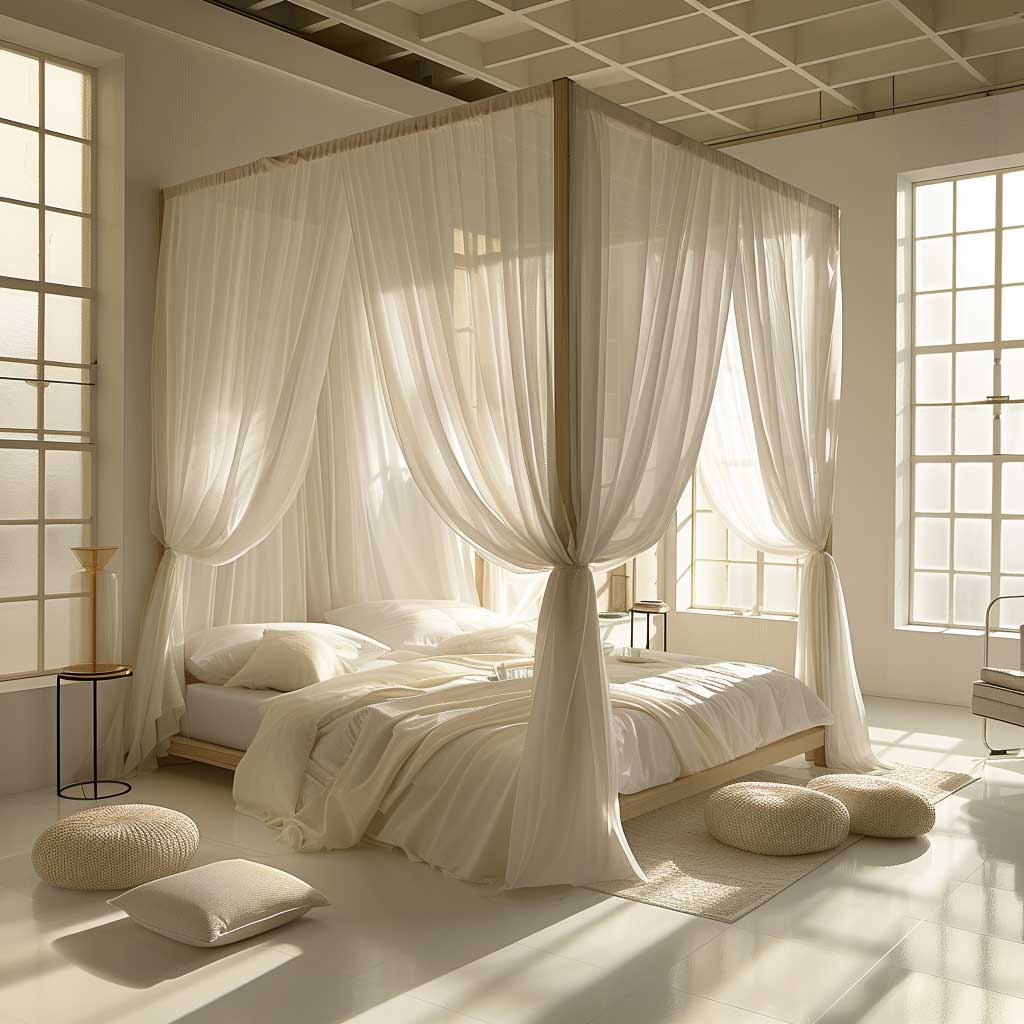

Canopy beds are the one piece of white bedroom furniture that changes a room’s architecture without touching a single structural element. The vertical posts draw the eye upward and create a visual ceiling within the room — think of it as adding a room within a room. A white metal queen canopy on Wayfair starts around $155 for an open-frame design, with wood-frame or upholstered versions running $245–$565 for queen sizes. The frame material matters more than most buyers expect: metal frames stay cooler visually and suit minimalist rooms, while wood frames add warmth and read better with layered textiles.
The trick with a canopy bed is treating the frame as a deliberate negative space, not a curtain rod. Draping heavy fabric on every rail turns the bed into a tent, not a focal point. A single linen panel on one side, or none at all, keeps the open structure working. What does a canopy bed actually do for the room? It adds visual height without adding bulk — the frame takes up floor space but none of the wall surface, so even a 12×12 bedroom can accommodate one without feeling compressed.
The detail most people miss: canopy beds need at least 8 feet of ceiling clearance, preferably 9. Below that, the frame’s top rail sits too close to the ceiling and collapses the very height advantage you bought. Measure before ordering — the return process on a queen-size bed frame is painful. For further inspiration on structuring a white bedroom around a statement bed, the master bedroom wall decor ideas in white on ArtFasad show how wall placement interacts with a tall headboard or canopy frame.
Avoid hanging any fabric lower than the top rail on a room under 9 feet — it makes the ceiling feel pressed down, not elevated. Also skip matching the canopy frame color to the wall color exactly: it visually deletes the posts, and you lose the architectural effect you paid for. If the room is under 150 sq ft, a full canopy can feel more like a prop than a piece of furniture — a simple panel bed achieves a similar visual result at a fraction of the footprint.
White Bedroom Furniture Works Hardest When the Dresser Pulls Double Duty


A white dresser with a mirror is a two-in-one investment that most rooms desperately need: storage below eye level and reflected light above it. The Wade Logan Anastasiya 6-drawer dresser on Wayfair runs around $237 — a useful benchmark for a mid-range white dresser at this size category. The real value of the mirror element isn’t vanity function; it’s the way a well-placed mirror above a dresser bounces afternoon light deeper into the room, reducing the need for overhead fixtures in smaller bedrooms.
Placement determines whether this works. A dresser shoved into a corner with a mirror angled toward a wall reflects nothing useful. Position it on the wall directly opposite the primary window and the mirror acts like a second window — a common approach in bedrooms that face north or receive limited natural light. How wide should the mirror be relative to the dresser? Stylists recommend keeping the mirror 2–6 inches narrower than the dresser surface on each side; a mirror that overhangs the dresser pulls the eye in two directions at once.
The mistake that dates this combination instantly: matching the mirror frame finish to every other hardware detail in the room. When all the metals match exactly — drawer pulls, lamp base, curtain rod — the dresser disappears into the background. A slightly contrasting frame finish (brushed brass against matte white, for example) gives the mirror enough visual separation to register as a deliberate design choice rather than a furniture set. For a broader look at how white surfaces interact with wall treatment in a bedroom, the mid-century modern white bedroom furniture roundup on ArtFasad covers how dresser proportions relate to the rest of the room.
Nightstand Scale Is the White Bedroom Furniture Decision Nobody Gets Right the First Time


Minimalist white nightstands succeed or fail entirely on proportion — and most rooms buy them too small. The standard recommendation is a nightstand surface that sits within 2–3 inches of the mattress top, which for a platform bed with a 12-inch mattress puts the ideal nightstand height around 24–26 inches. A table that sits 4+ inches below the mattress creates an awkward reach; one that sits too high reads as a side table that wandered in from the living room. Width should be at least 18 inches to hold a lamp base without the lamp hanging over the edge — the floating-island effect where everything on the surface looks precarious.
White finishes on nightstands have one specific maintenance consideration worth knowing: high-gloss lacquer shows fingerprints and scuffs faster than matte or satin finishes. In a bedroom that sees daily use, a satin or eggshell finish on the nightstand surface holds up better and photographs cleaner. What’s the functional minimum for a nightstand? One drawer (not a shelf — shelves collect dust at eye level when you’re lying down) and a surface wide enough for a lamp and one other item. Add a second drawer when the bedroom lacks a dresser.
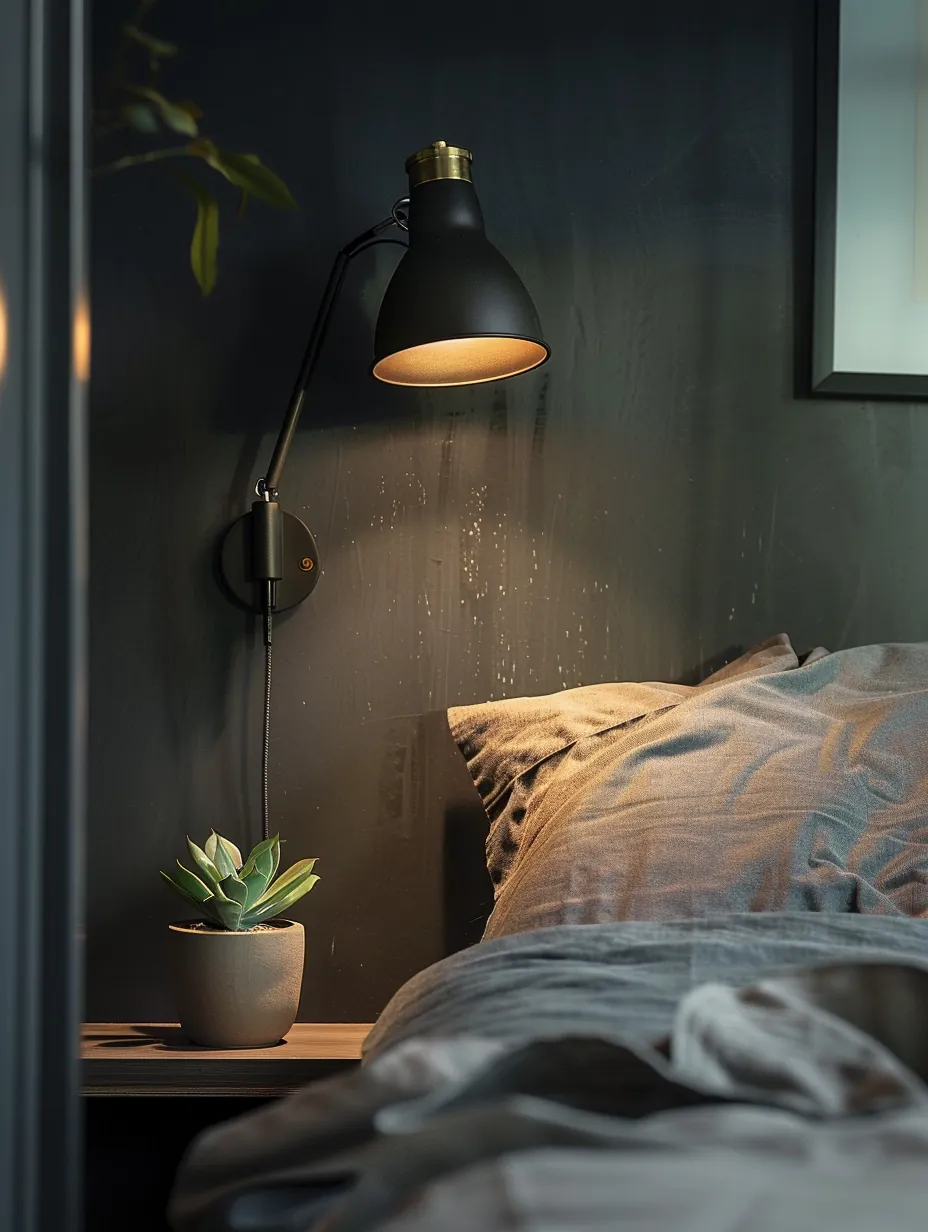
The pairing that almost always fails: tiny floating-shelf nightstands with a large upholstered headboard. The contrast in visual weight makes the bed look like it swallowed the nightstands. Stylists recommend scaling up — a nightstand with at least one substantial drawer, rather than a bracket shelf, anchors the bed rather than disappearing beside it. A wall-mounted sconce above the nightstand (instead of a table lamp) frees the entire surface and solves the lamp-overcrowding problem that plagues smaller bedside tables.
Decorating with White Bedroom Furniture Gets Easier Once the Headboard Defines the Room’s Tone
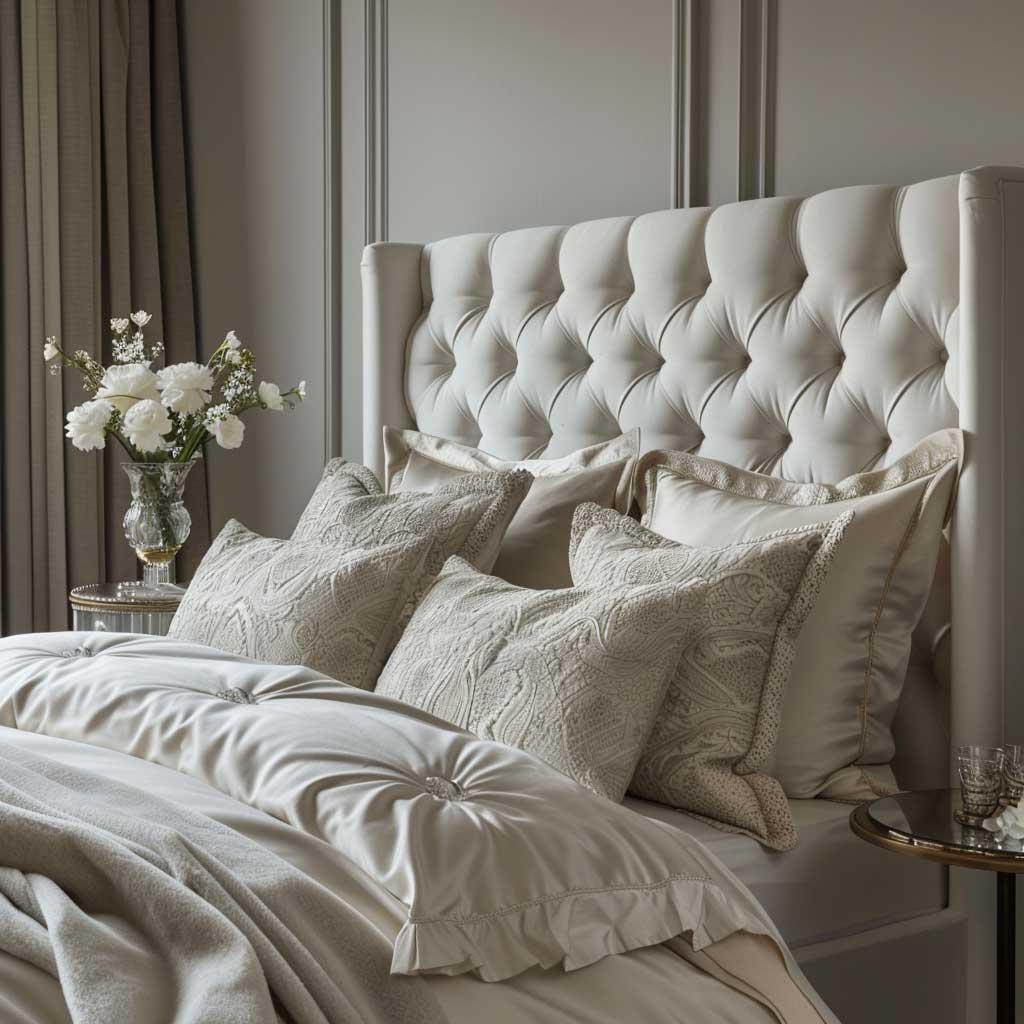


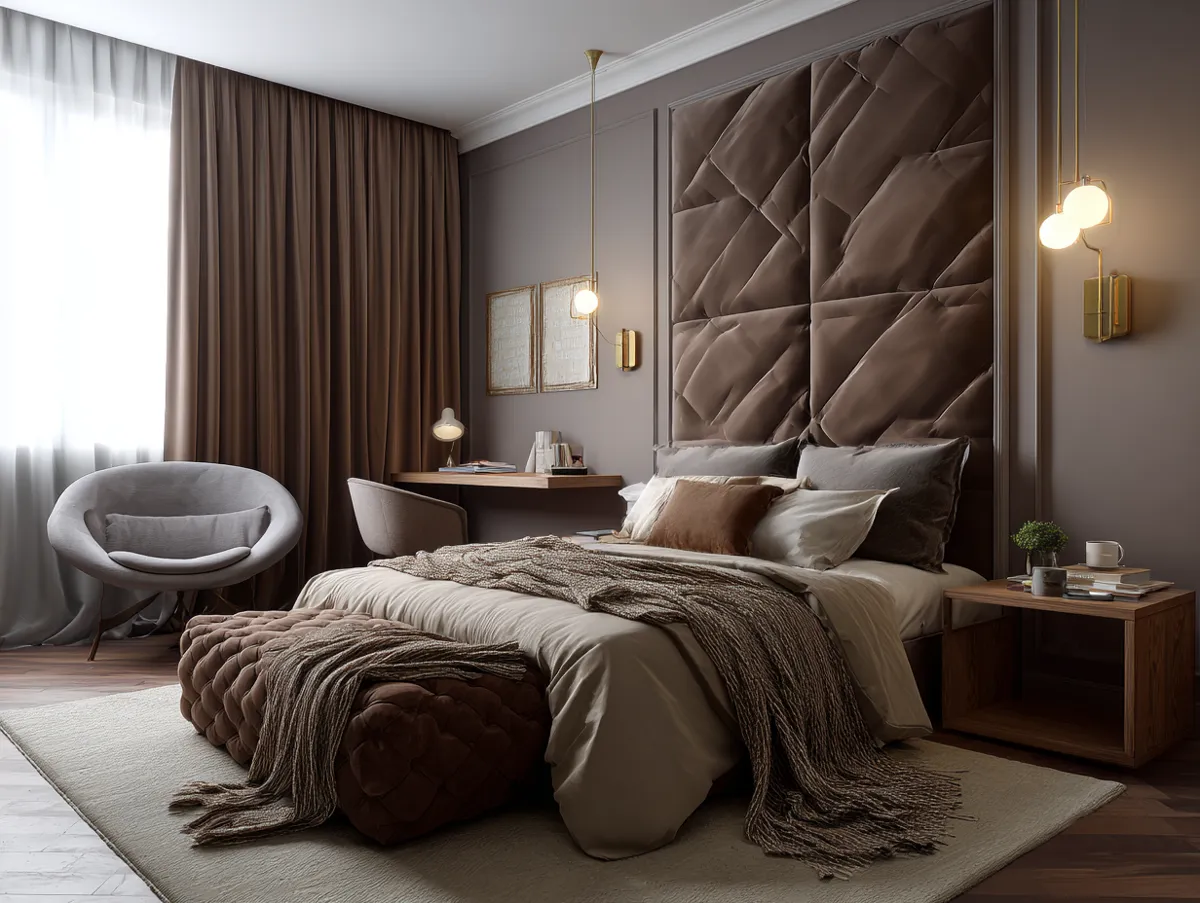
Decorating a bedroom with white furniture becomes significantly more legible once the headboard locks in the room’s register — formal, casual, or somewhere in between. A tufted white headboard in boucle or velvet signals luxury and reads formal even with minimal accessories. A flat-panel linen headboard in off-white reads effortlessly casual and hides light soil better than a bright white version. Pottery Barn’s Raleigh Curved upholstered headboard starts at $199 for queen, which sits at the lower end of structured fabric headboards that actually hold their shape after two or three years of daily use. Below that price point, the internal batting compresses and the edges soften in ways that read as “worn” rather than “relaxed.”
Height is the variable that most affects the room. A headboard under 40 inches disappears visually against most walls — it reads as a bed, not a statement. A headboard at 48–54 inches fills the wall space between the mattress and a standard 8-foot ceiling cleanly, which is why most mid-range upholstered headboards land in that range. Go above 60 inches only if the ceiling is 9 feet or higher; otherwise the headboard crowds the upper wall and makes the room feel compressed from above. What’s the most common headboard mistake in all-white bedrooms? Choosing a white headboard that matches the wall color exactly, which makes the headboard dissolve rather than anchor.
The fabric choice inside a white bedroom has more consequence than the frame shape. A performance fabric (usually polyester-blend) resists the oil transfer from hair products and skincare that stains headboards within months in real-world use. Dry-clean-only velvet in a bedroom where someone sits up to read every night is a maintenance problem that compounds quickly. A common approach: choose a headboard in performance linen or a tight boucle — both read as luxurious but tolerate spot-cleaning without distorting the weave. Shop Isaak for wooden bed frames that pair well with a separately sourced fabric headboard, which gives more flexibility over each component’s quality and price point.
| Piece | Price Range (Queen) | Best Room Size | Key Risk |
|---|---|---|---|
| White Canopy Bed | $155–$565 | 12×14 ft or larger | Ceiling under 8 ft collapses visual height |
| White Dresser + Mirror | $237–$450+ | Any size with blank wall | Mirror angled to wall reflects nothing useful |
| Minimalist Nightstand | $60–$200 per unit | Works in any room | Too small beside a tall upholstered headboard |
| Upholstered Headboard | $199–$1,099 | Any size, scale to ceiling | Budget fabric compresses within 2–3 years |
The Takeaway
White bedroom furniture ages forward — if you choose the right scale for your ceiling and floor plan.
Match nightstand height to within 2–3 inches of the mattress top, position the dresser mirror opposite the primary window, and leave at least 8 feet of clearance above any canopy frame.
An upholstered headboard in performance fabric at 48–54 inches tall is the single piece that does the most work in a white bedroom — it grounds the room without requiring anything else to change.
Choose pieces that can be mixed rather than matched — it reads more intentional and photographs cleaner on resale listings. Save this post.