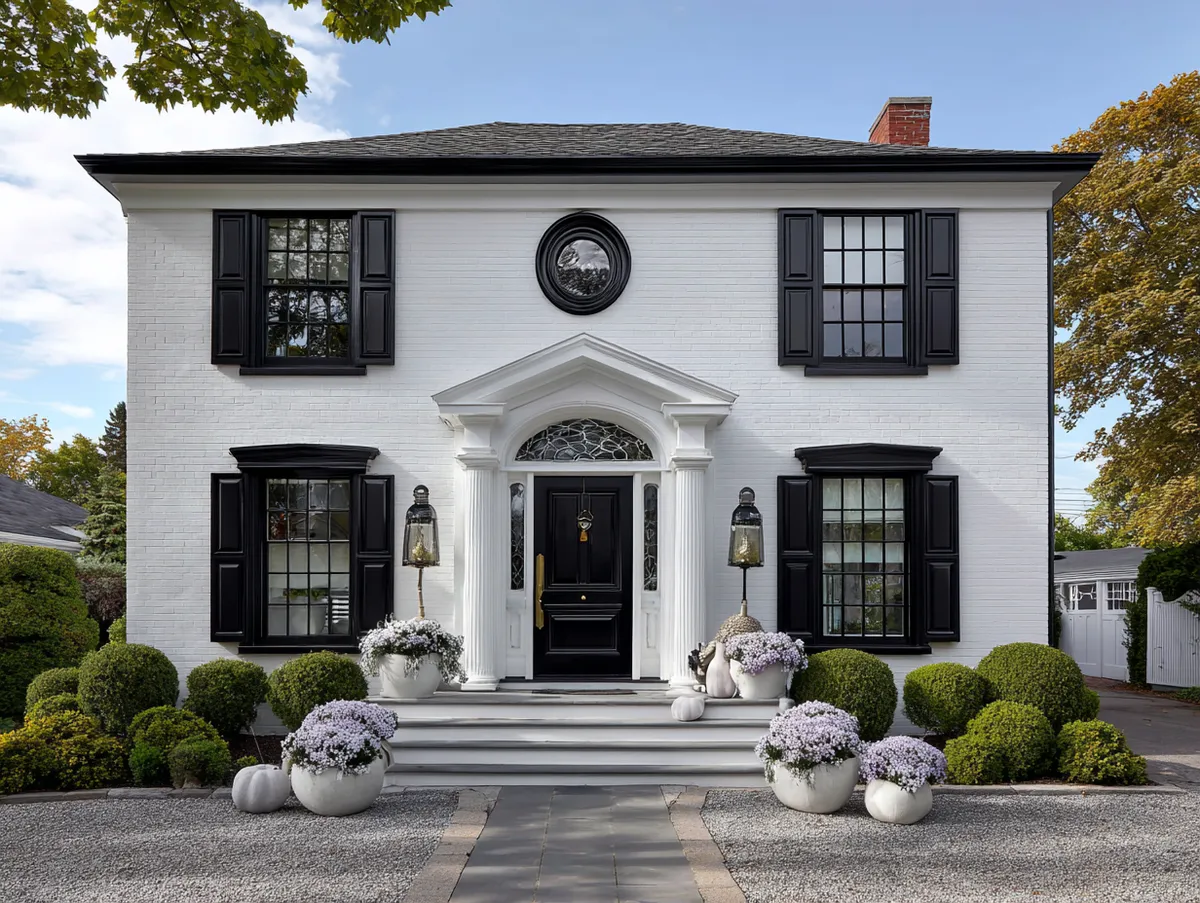
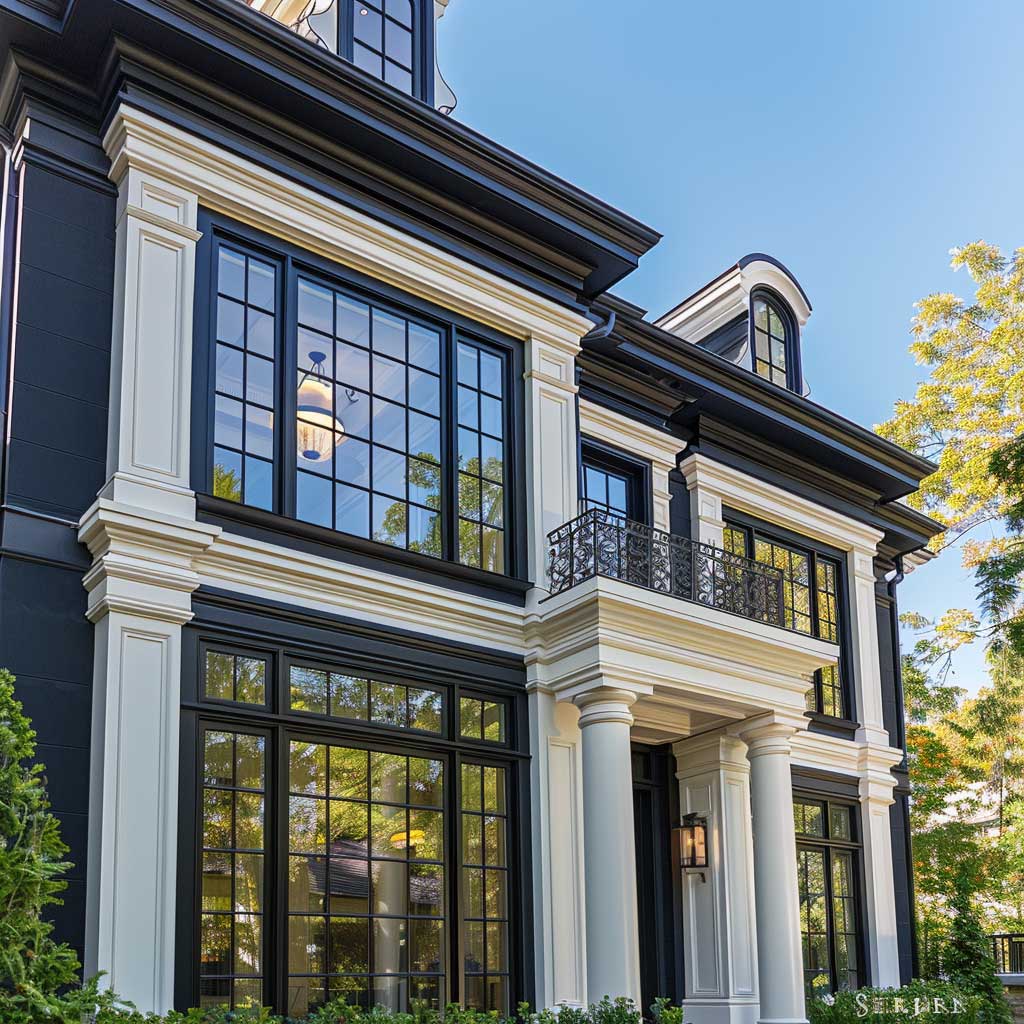
A beige house with white trim remains one of the most reliable exterior pairings for curb appeal and lasting value. The combination softens the facade, brightens architectural lines, and works equally well on modest cottages and multi-story homes.
Light walls expand visual size while crisp white framing keeps details sharp. Pair the scheme with a dark roof and selective darker accents, and the house reads finished rather than washed out. According to recent industry surveys, beige now leads renovated exteriors at 24 percent, overtaking pure white.
This approach suits both classic and modern styles. The neutral base rarely dates, and the white trim provides clean definition without competing with landscaping or neighboring homes.
- Dark roofs anchor light facades and prevent blending into the sky.
- White trim works best when it has a soft warm undertone rather than pure blue-white.
- One or two dark accents on doors, windows, or the base create needed contrast.
- Classic styles favor ornate white details; modern ones keep framing minimal.
- Average professional exterior repaint for a typical home runs $3,000–$9,500.
- Beige currently accounts for roughly one in four renovated exteriors.
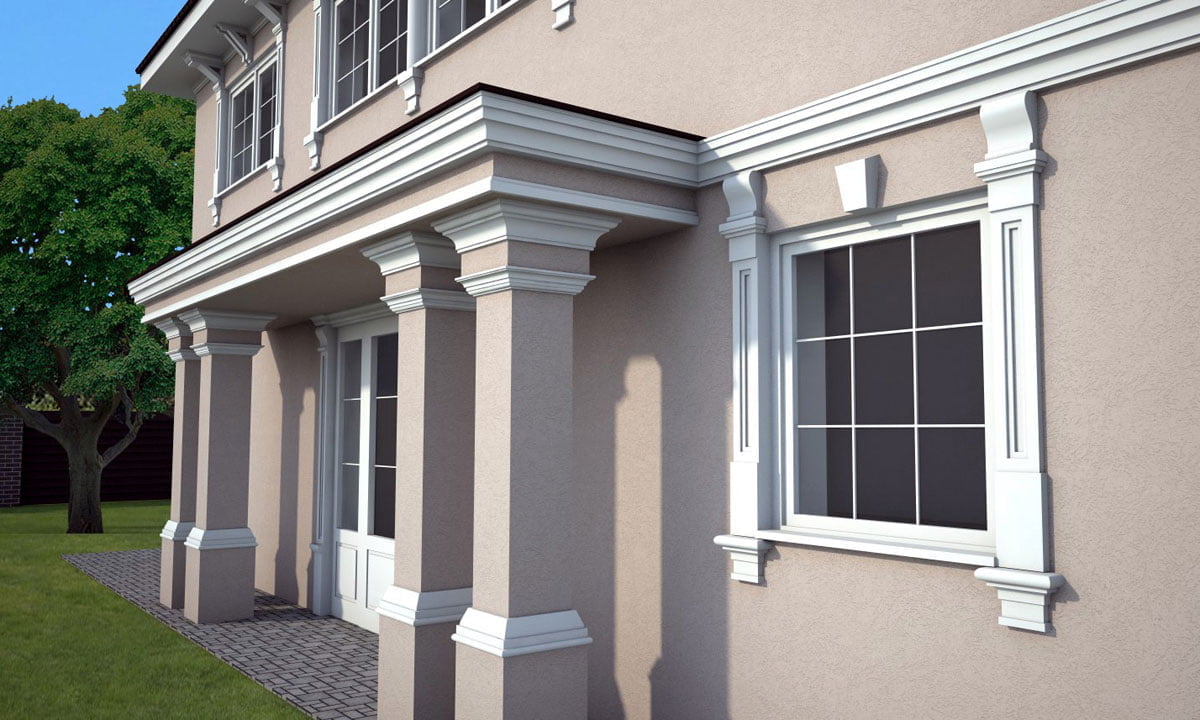
Dark Roof Anchors Every Beige House With White Trim
A beige house with white trim needs a dark roof the way a portrait needs a frame. Without that deeper plane, the light facade can dissolve into the sky or surrounding trees. Graphite, charcoal, deep brown, or burgundy shingles supply the necessary weight.
Why does this pairing succeed so consistently? The contrast lifts the architecture and makes white trim appear intentional rather than incidental. When the roof stays invisible from the street, a bold cornice in the same dark family can serve the same purpose. Avoid matching the roof too closely to the walls; the result loses depth and looks unfinished.


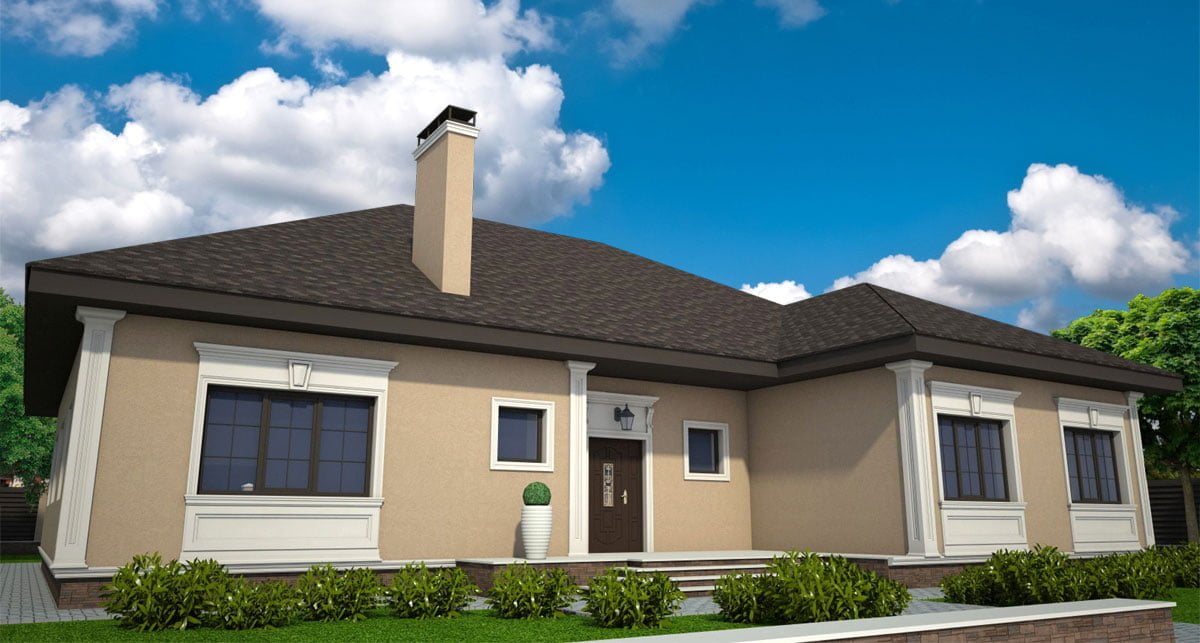
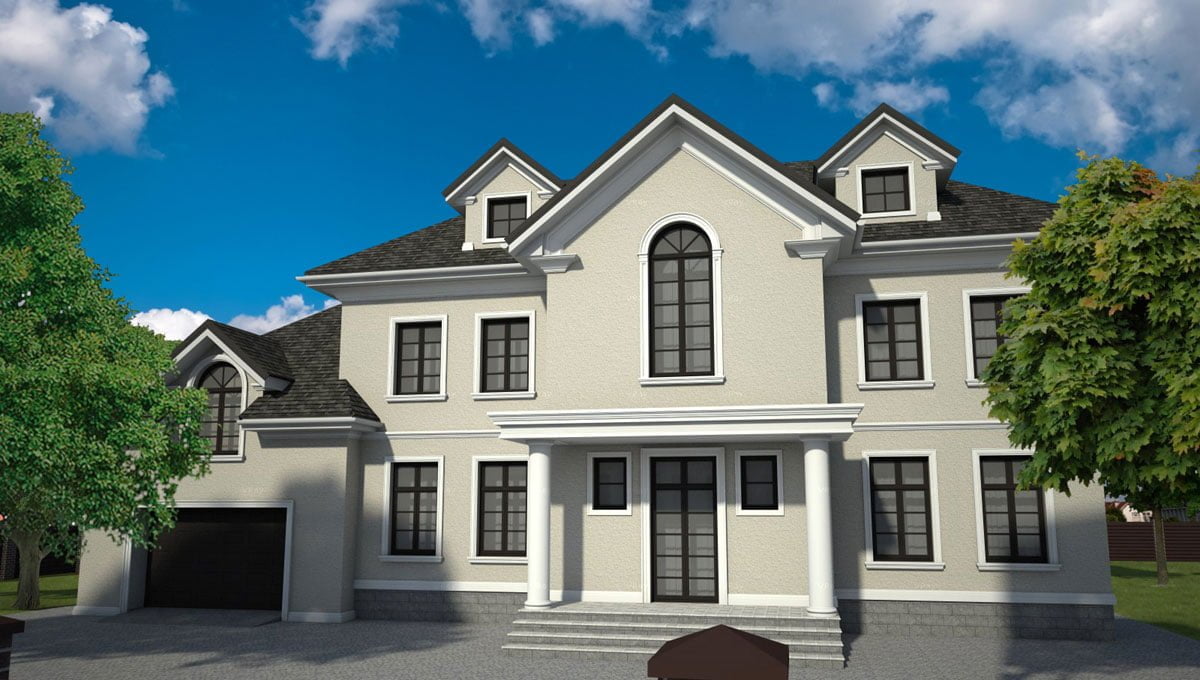
Natural brown and graphite remain the most flexible choices. They hide weather stains better than pure black and coordinate with both warm and cool beige undertones. Think of the roof as the foundation of the color story—everything else builds from that base.
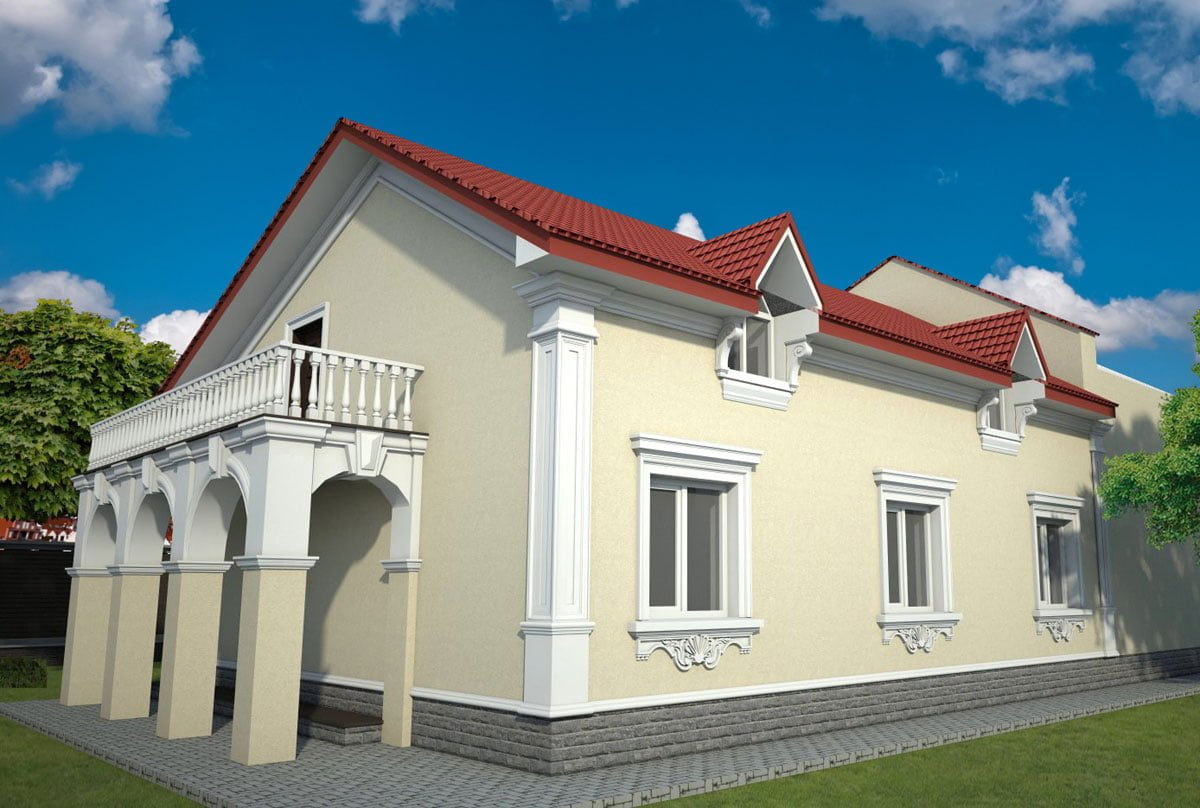
For homes where the roof line sits low or is screened by trees, focus contrast on the cornice and fascia instead. A single strong horizontal band keeps the composition grounded without forcing an unnatural color on an invisible surface.
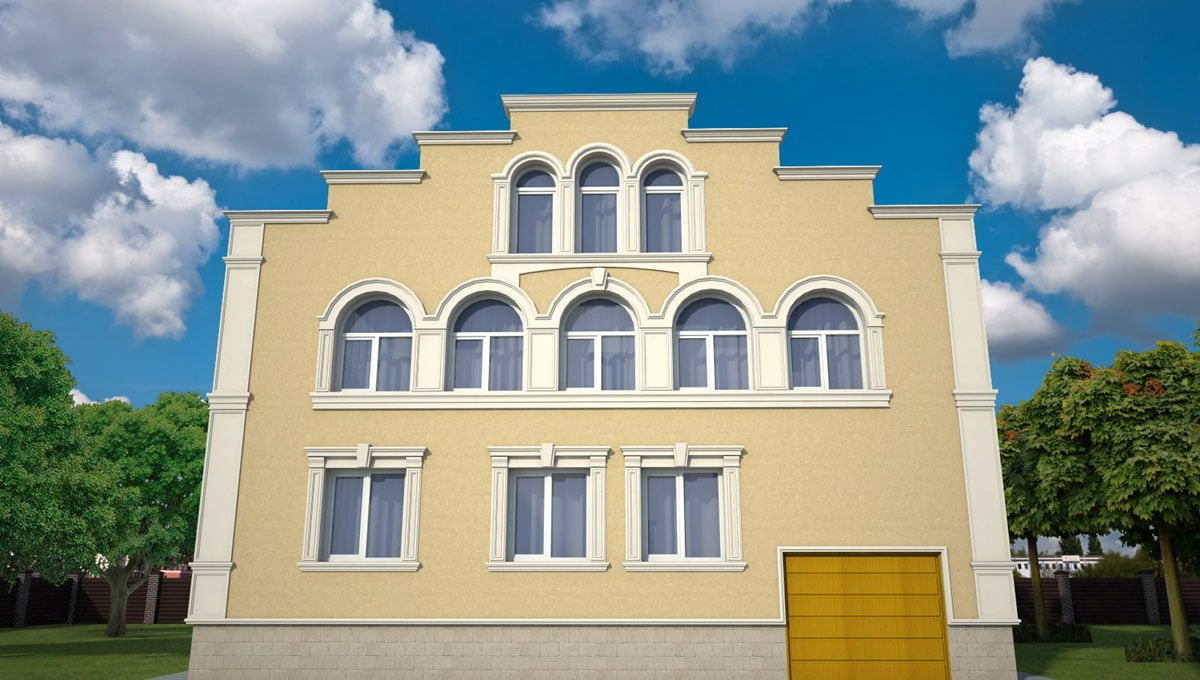
Dark Accents Bring Motion to Light Facades
Dark accents on a beige house with white trim turn a calm palette into something with rhythm. Window frames, entry doors, the plinth, or porch columns in graphite or natural wood tone create focal points that guide the eye. One or two well-placed elements usually suffice; overdoing them flattens the effect.
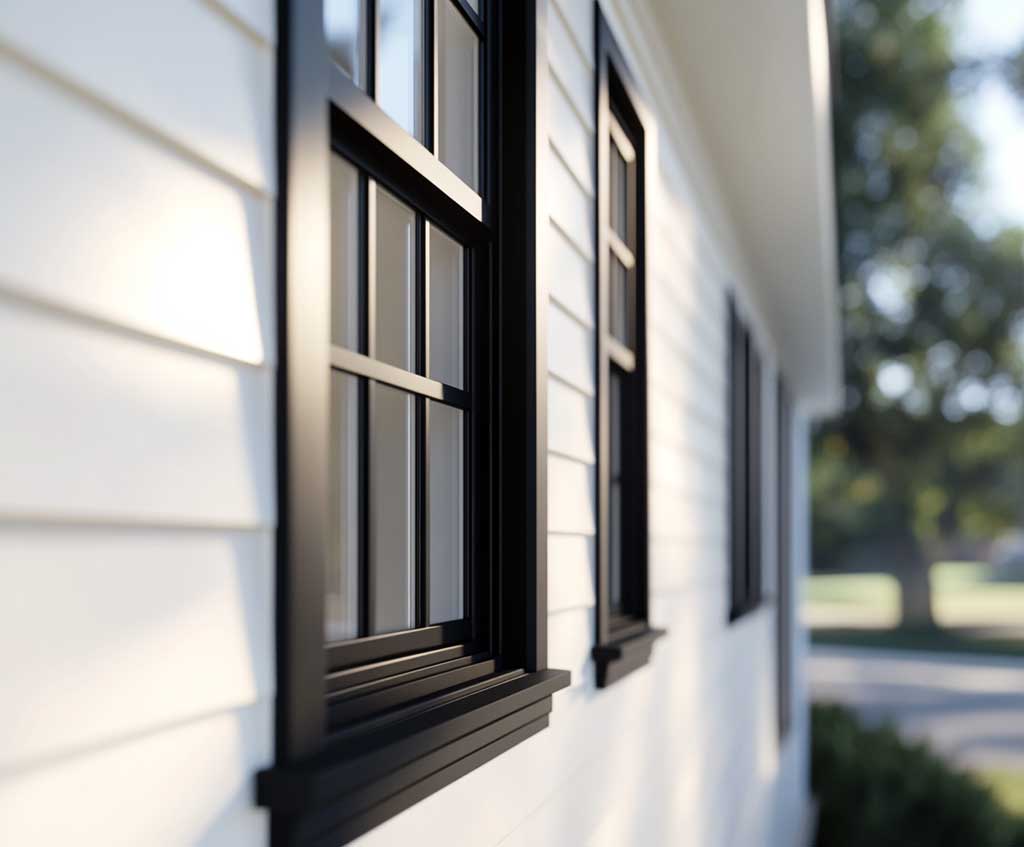
How many accents feel right? Start with the door and the lowest band of the foundation. Those two moves alone prevent the facade from reading as a single pale block. Window sashes in a matching dark tone add further definition without competing with the white trim. Avoid painting every detail dark—the white framing then loses its clarifying role.


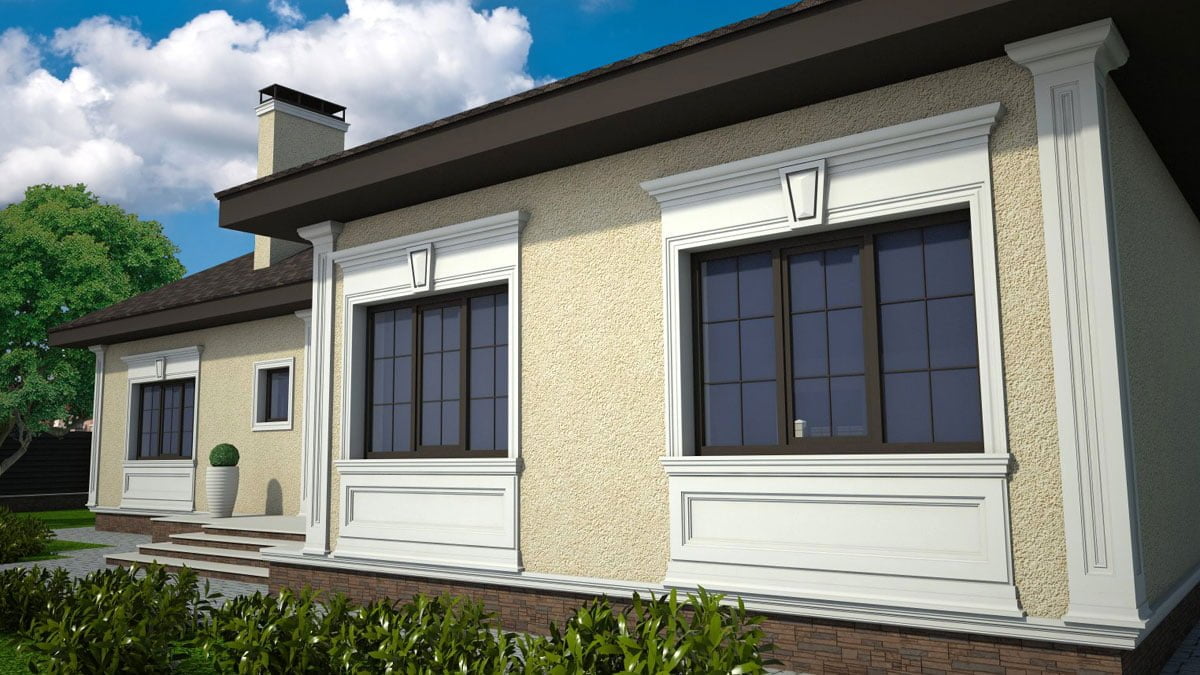
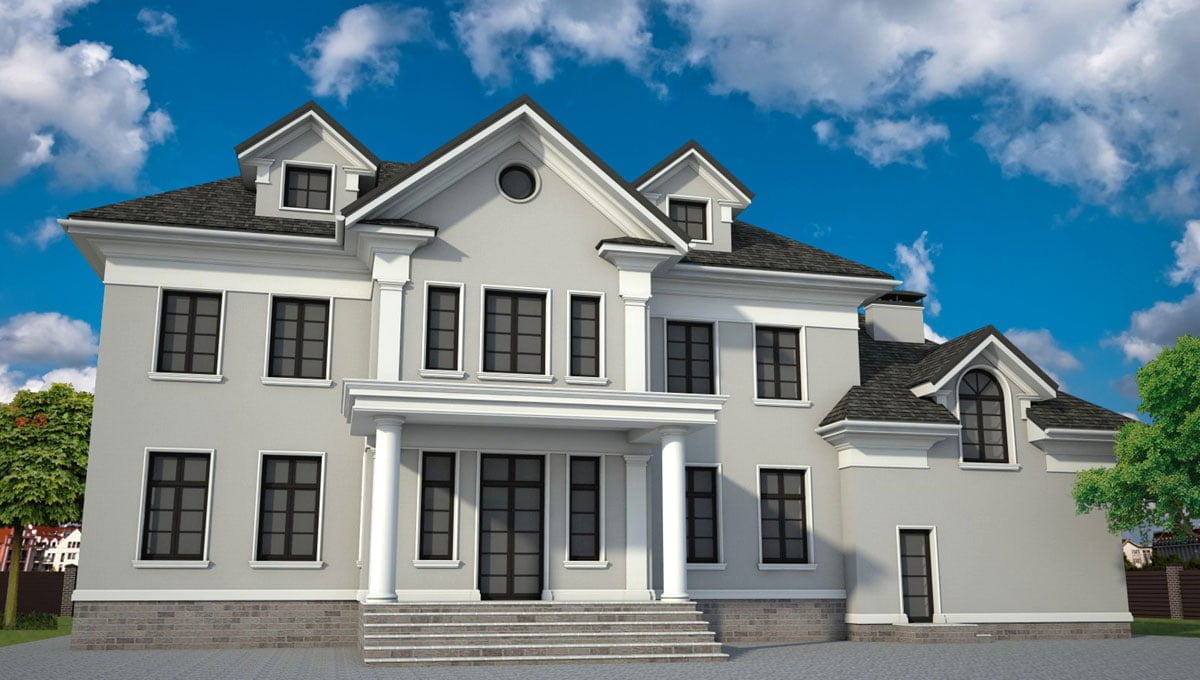
Natural wood doors or frames introduce warmth that pure graphite cannot. The combination feels like a tailored jacket with a contrasting pocket square—precise, not loud. For a deeper look at related earth-tone pairings, explore warm beige and taupe exterior combinations.
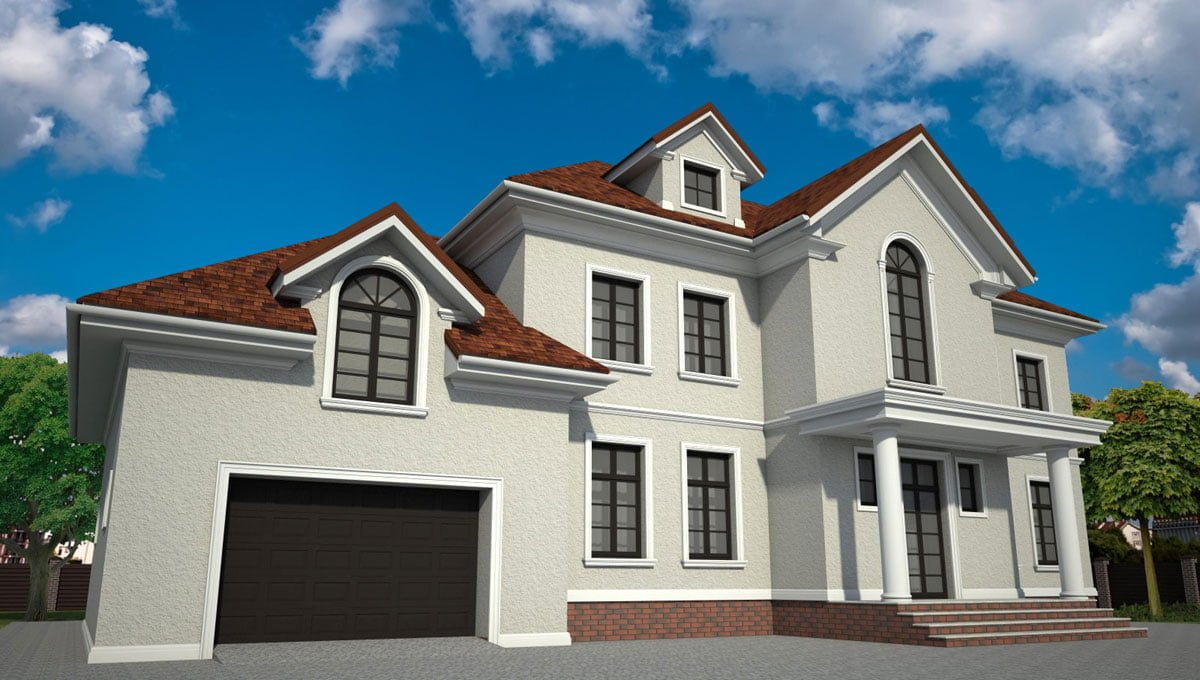
Painting only the base course dark is often enough. The lower band grounds the house the same way a wide belt anchors a light dress. Skip the temptation to darken every shutter and rail; restraint keeps the scheme elegant.

Classic Versus Modern Paths for White Trim
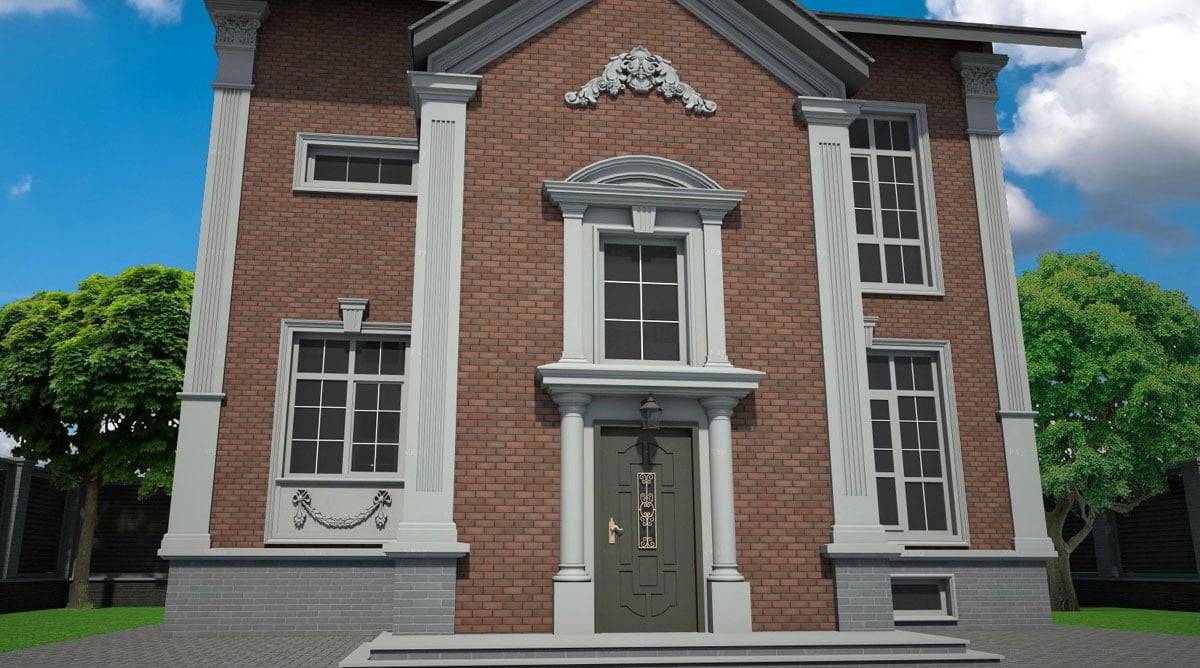
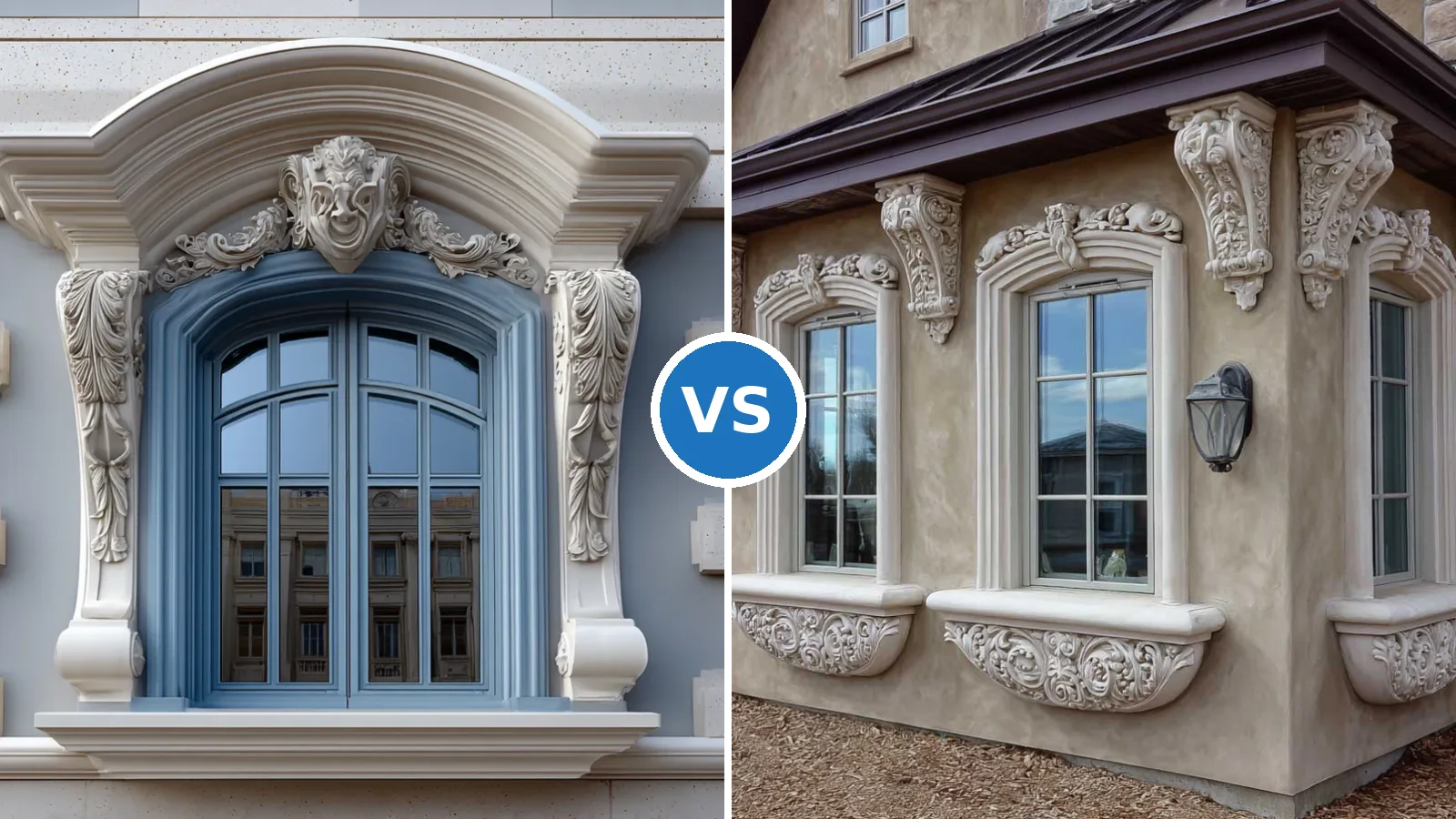
Classic and modern interpretations of a beige house with white trim diverge mainly in the amount of ornament. Traditional styles lean into white moldings, pilasters, and detailed cornices that catch light and shadow. Contemporary versions reduce the white to clean window surrounds, corner boards, and a simple fascia line.
Which route fits most homes? Classic detailing rewards architecture that already has strong proportions and historical cues. Modern restraint suits cleaner massing and larger glass areas. In both cases the beige body remains the quiet field, while white supplies the clarifying outline. Average professional exterior painting for a standard two-story home falls between $3,000 and $9,500 depending on surface area and prep needs.
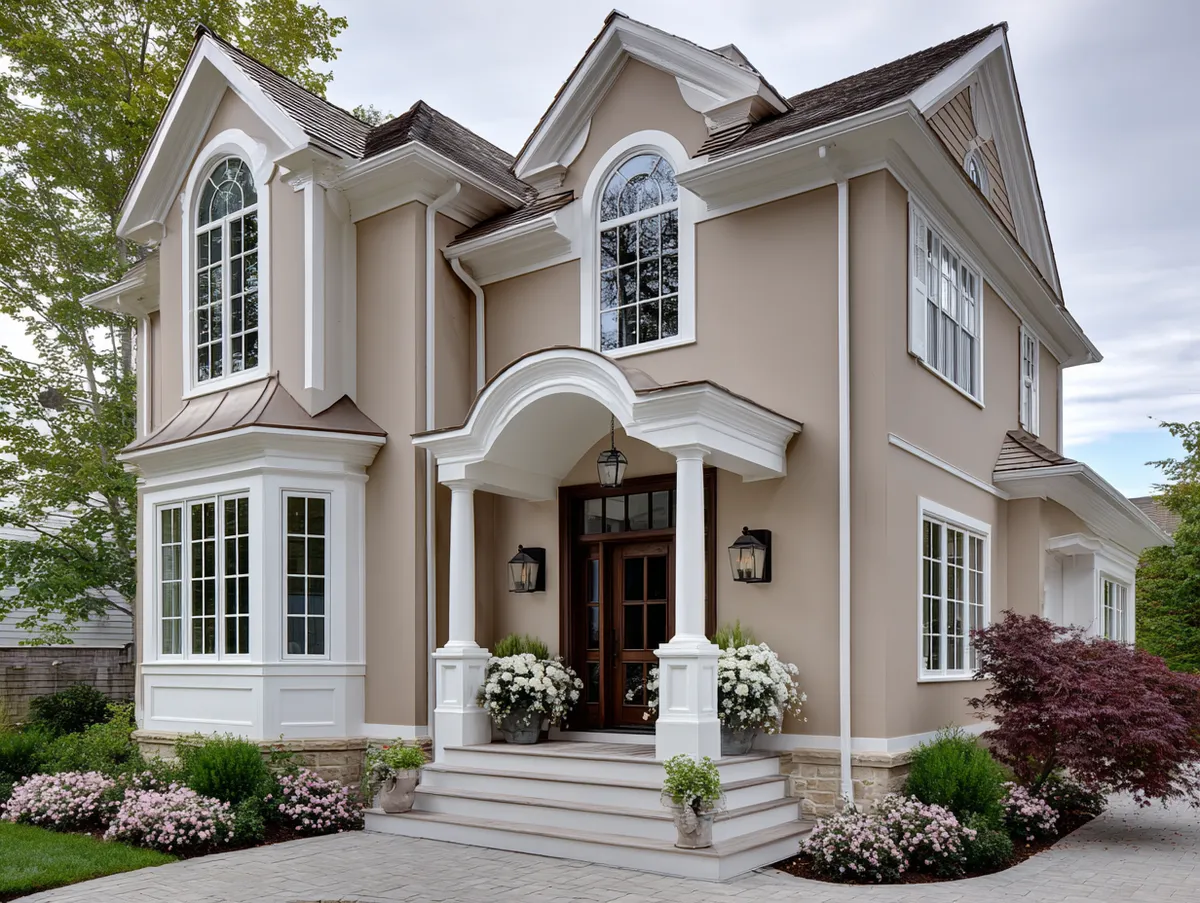


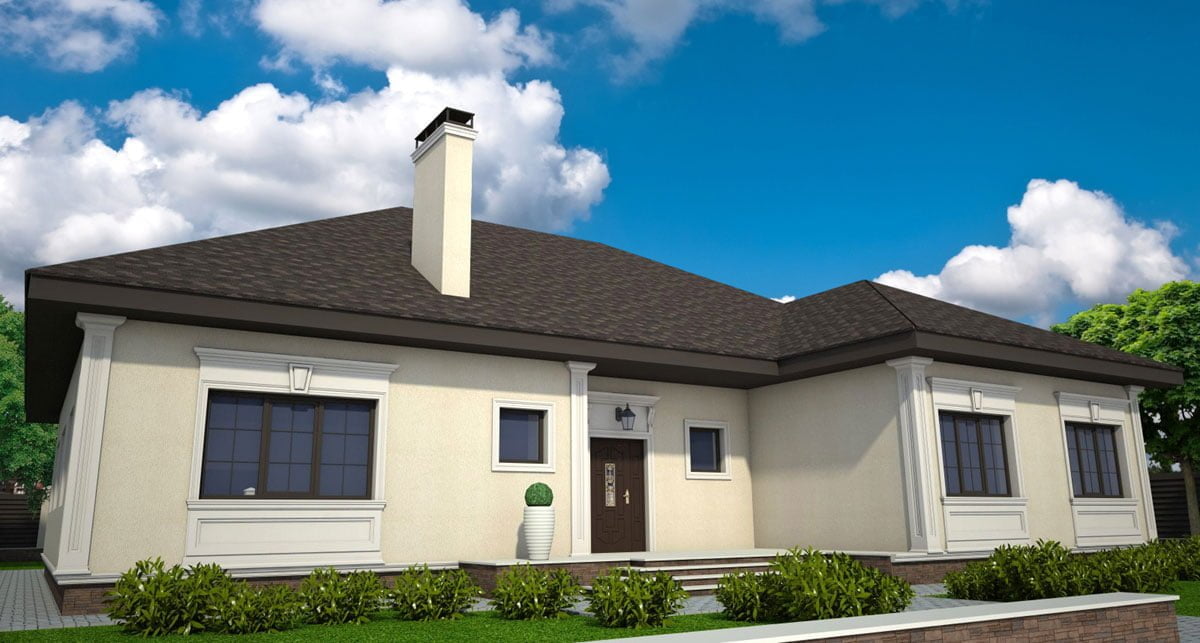
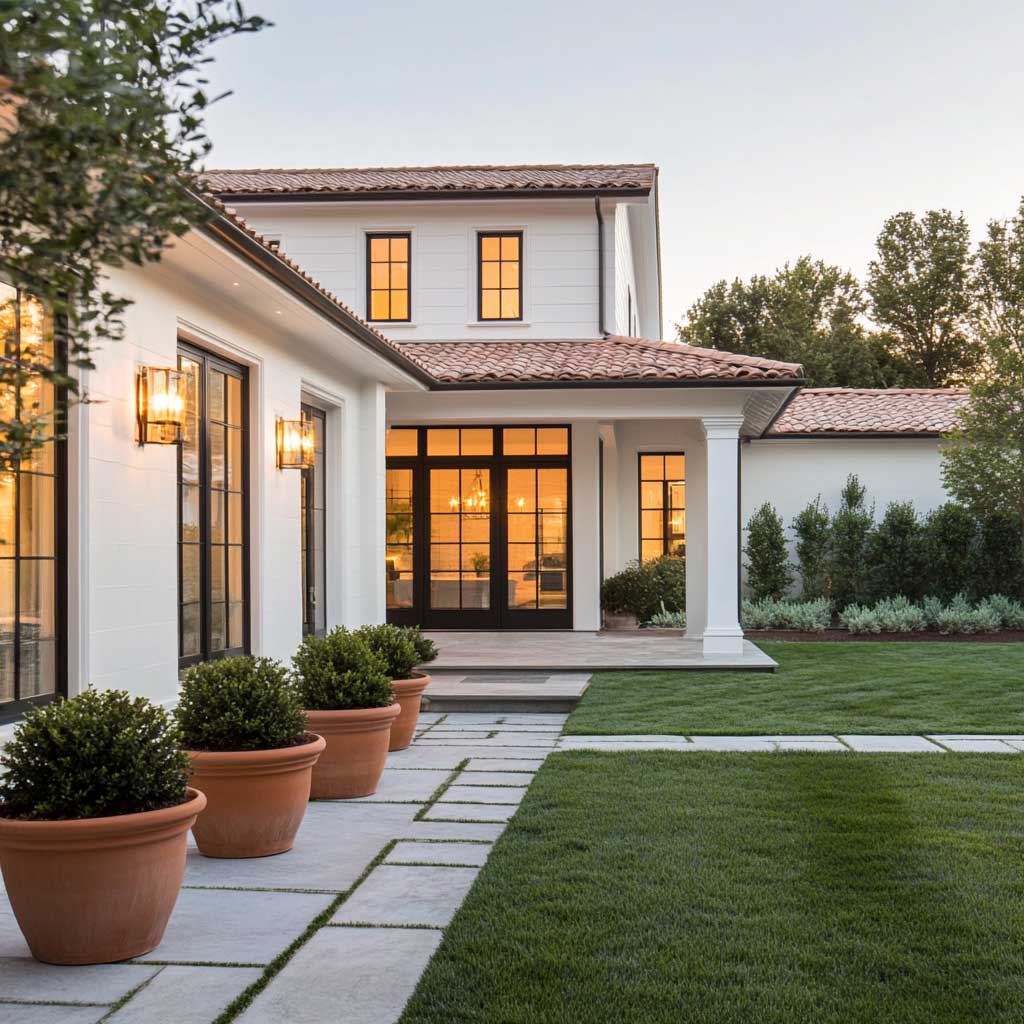
Modern schemes benefit from fewer but sharper white elements. Framing windows and the main entry is usually enough. Adding a continuous white band at the cornice still gives the facade a finished edge without clutter. For more two-tone strategies that keep traditional homes looking sharp, see two-tone exterior paint ideas for traditional homes.
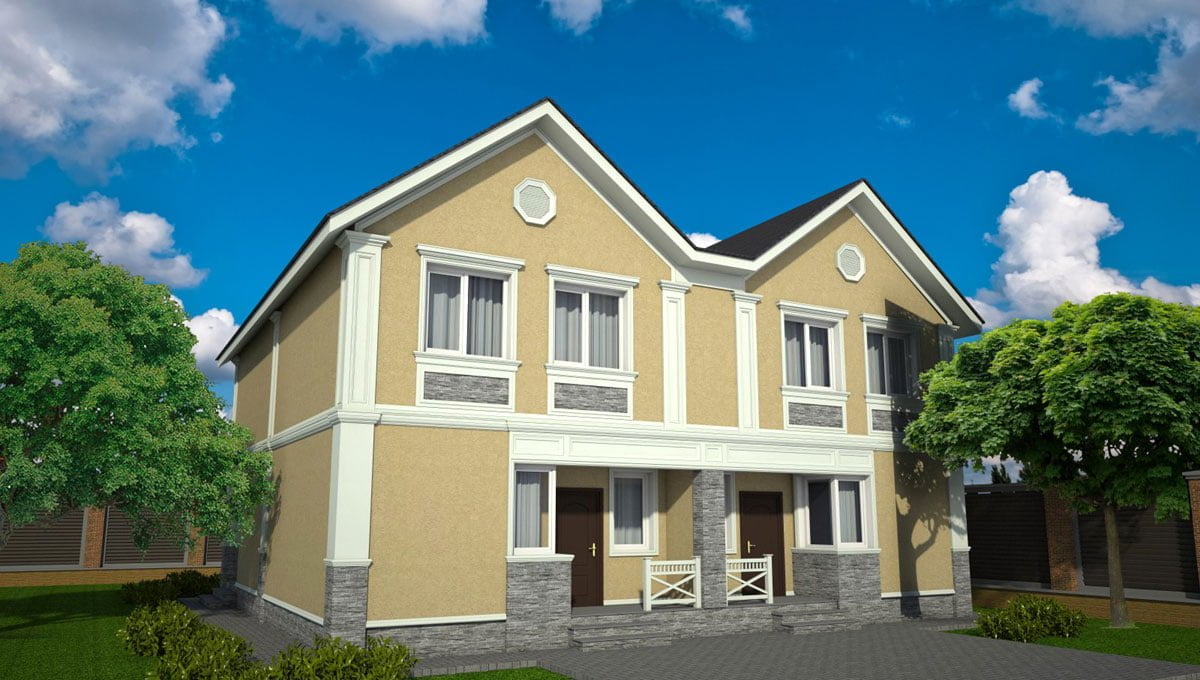
Choosing the Right White Against Beige Walls
Not every white behaves the same against beige. Cool blue-whites can make the walls look muddy; warm off-whites or soft cream whites keep the relationship harmonious. Test large samples on the actual wall under morning and afternoon light before committing.
What happens when the white is too stark? The trim starts to feel like a separate object rather than part of the architecture. A slightly creamy white with a hint of warmth usually reads as clean without the glare. Exterior-grade paints in the mid-price range typically cost $40–$70 per gallon and last seven to ten years when properly applied.
- Warm white or soft cream for most beige undertones
- Slightly cooler white only if the beige already leans gray
- Avoid pure bright white on large surfaces in strong southern sun
- Match sheen: satin or semi-gloss on trim for durability and subtle glow
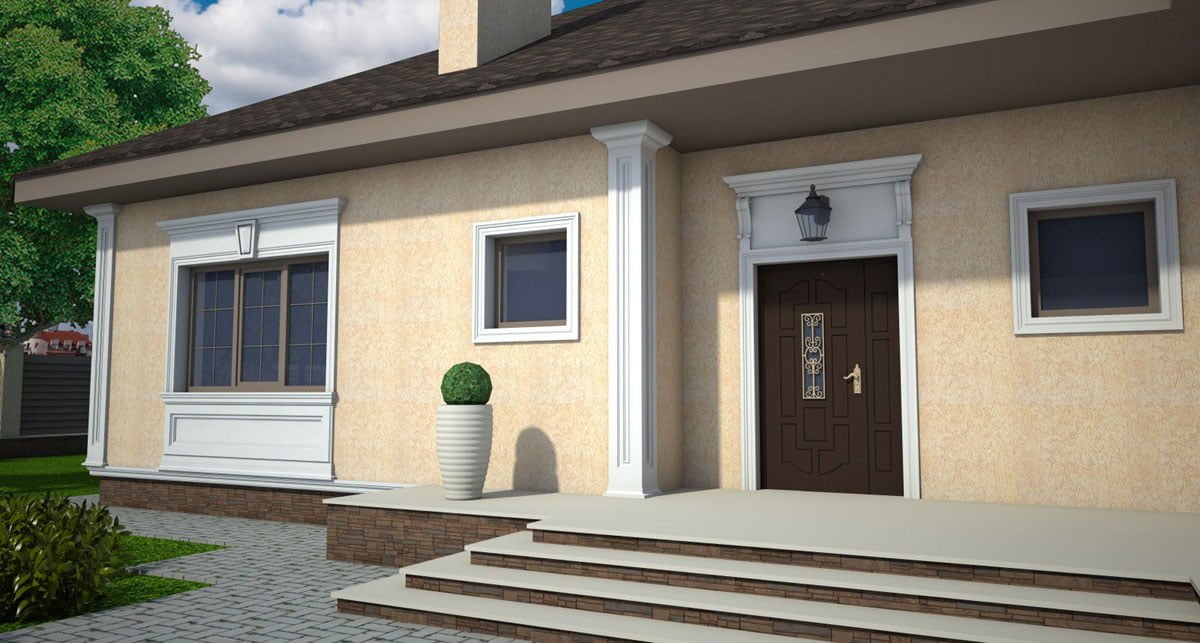
Industry data shows nearly seven in ten homeowners now choose contrasting trim rather than matching tones. The shift favors definition over monochrome quiet. A single tested white that flatters your specific beige will outperform any generic “pure white” recommendation.
Practical Order of Work for Lasting Results
Start with the roof color decision, then select the beige body, then lock in the white trim, and finally add dark accents. Reversing that order often leads to mismatched undertones and costly corrections. Surface preparation remains the largest variable in final cost and longevity.
Should you paint the trim first or the walls? Most crews complete the body first, then cut in the white trim for cleaner edges. Dark accents come last so any overspray can be corrected without damaging finished white surfaces. Expect two full coats on both body and trim for solid coverage and UV resistance.
Professional exterior painting averages $1.50–$5 per square foot of surface depending on material and access. A typical 2,000-square-foot two-story home falls in the $4,000–$7,500 range when prep is moderate. Factor in scaffolding or lifts for upper stories; those costs appear separately on most bids.
Balanced Exterior That Holds Its Appeal
A beige house with white trim succeeds when every element supports the others. Dark roof, selective dark accents, and carefully chosen white create depth without complexity. The palette stays quiet enough for long-term satisfaction yet crisp enough to photograph well and attract positive attention.
Keep the white warm enough to flatter the beige. Limit dark accents to one or two strong moves. Test colors on the actual elevation before full application. These three habits prevent the most common mistakes and keep the finished house looking intentional rather than accidental.
Recent exterior trend data confirms the staying power of this combination. Beige has risen to 24 percent of renovated facades while pure white has declined. Pairing it with white trim and contrasting darker elements meets current preferences for warmth and definition at the same time.
Choose materials and sheens that match the climate. Satin or semi-gloss on trim sheds water better than flat finishes. High-quality exterior acrylics protect both the color investment and the underlying structure for the better part of a decade.