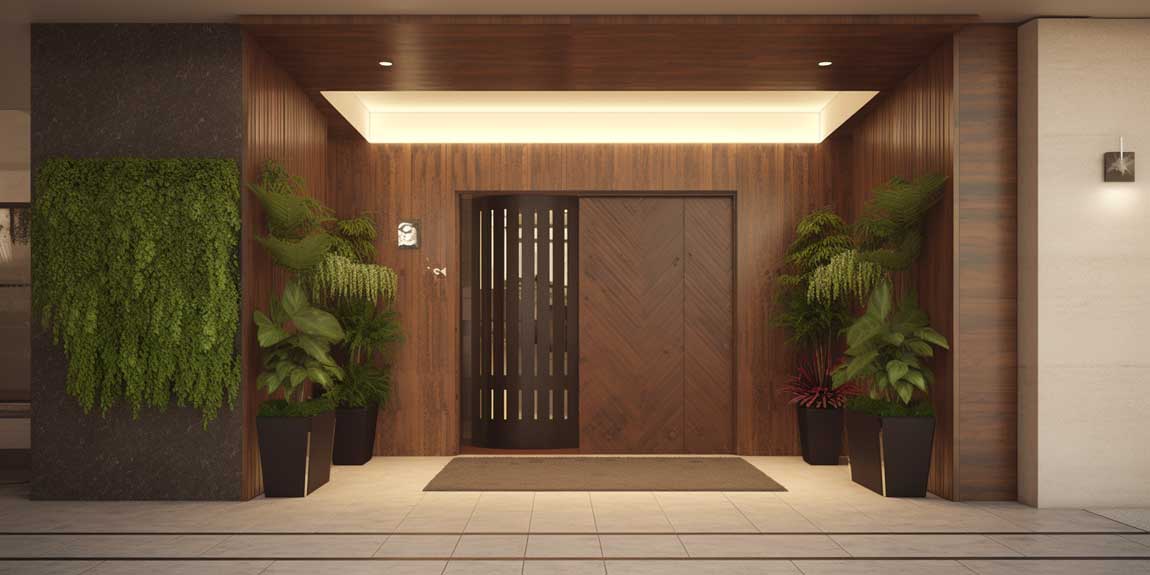
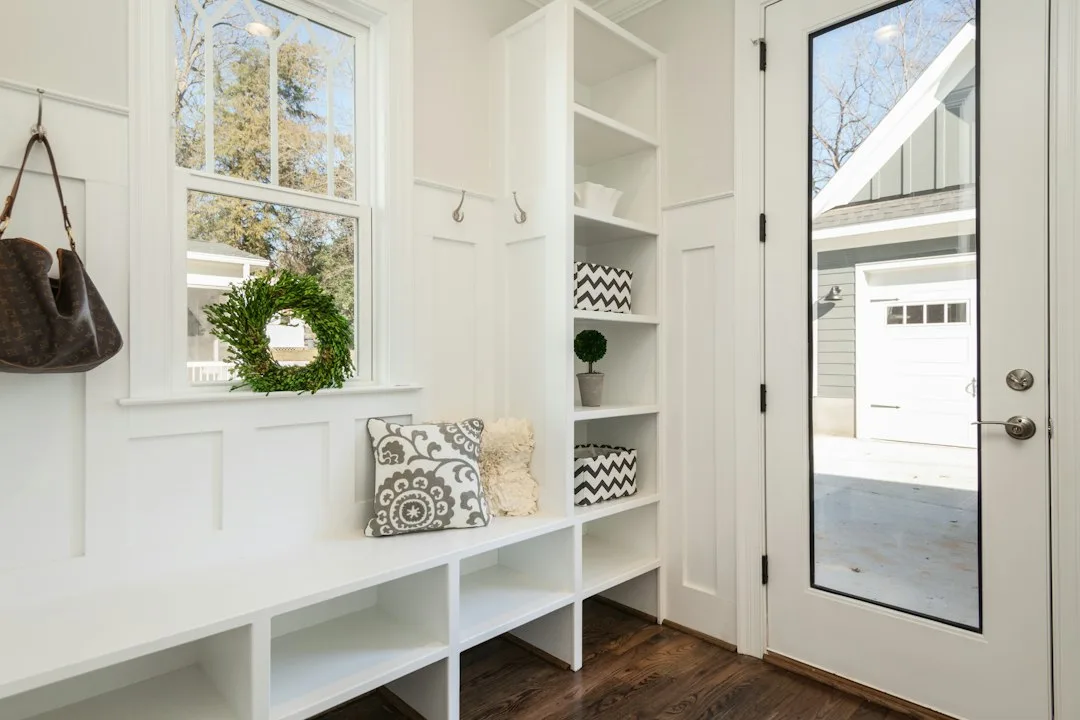
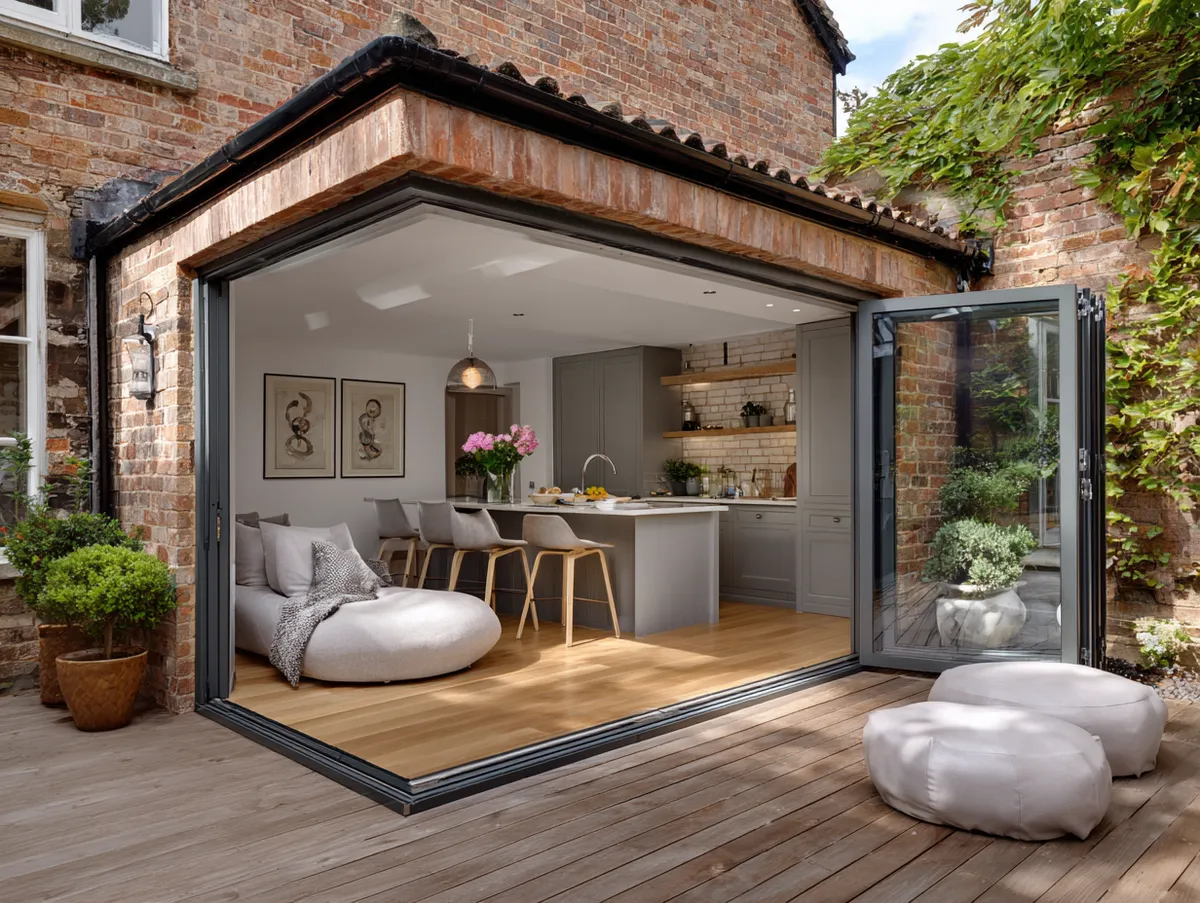
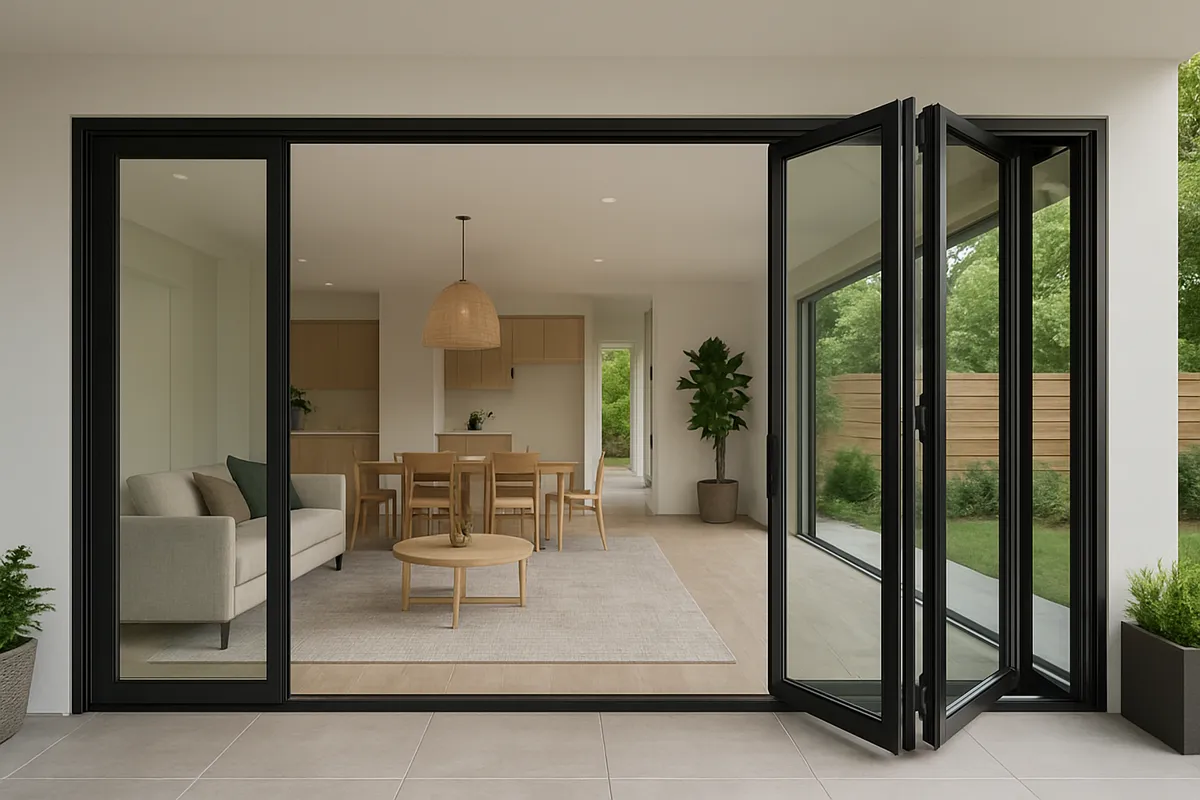
Your flat main door entrance design is the one thing every visitor judges before they’ve crossed the threshold — and most people get it wrong by spending their renovation budget on interior walls while leaving a generic slab door bolted to the facade. I’ve walked through hundreds of apartment corridors where the interior was immaculate and the entrance door looked like a fire exit. Flat entrance design isn’t decoration — it’s architecture at the scale you can actually control. You need a door that signals who lives there before anyone even knocks.
Modern flat entrance doors range from $600 composite slabs to $5,000+ pivot configurations by brands like Schüco and Oikos. The material, swing direction, hardware finish, and threshold lighting all compound. Nail four of those five and the result looks deliberate. Miss two and the entrance reads like an afterthought. This piece covers urban flat door styles, traditional wooden options, and technology-forward designs — with exact prices where I could find them and specific guidance on what to skip.
Quick Scan
- Modern flat entrance: matte steel or aluminum, monochrome palette, biometric lock, from ~$900
- Traditional wood door: oak, mahogany, or walnut slab, raised panels, antique hardware, from ~$1,385
- Tech-forward designs: smart lock + video intercom combo, LED threshold strip, composite shell
- Exterior flat entrance: weatherproofing, flush threshold, sidelight option for multi-storey buildings
- Common mistake: painting a budget door dark and calling it modern — the hardware gives it away instantly
Urban Flat Main Door Design Where Material Does the Talking

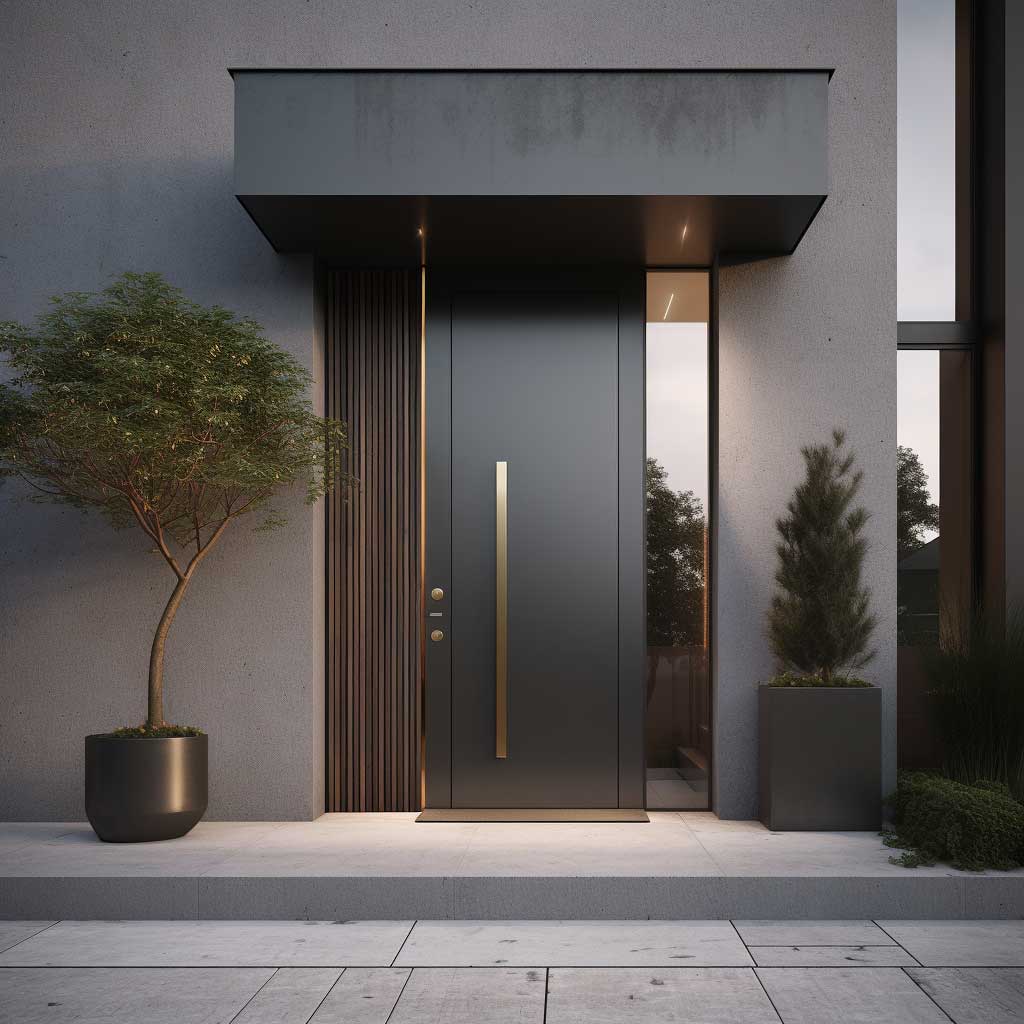
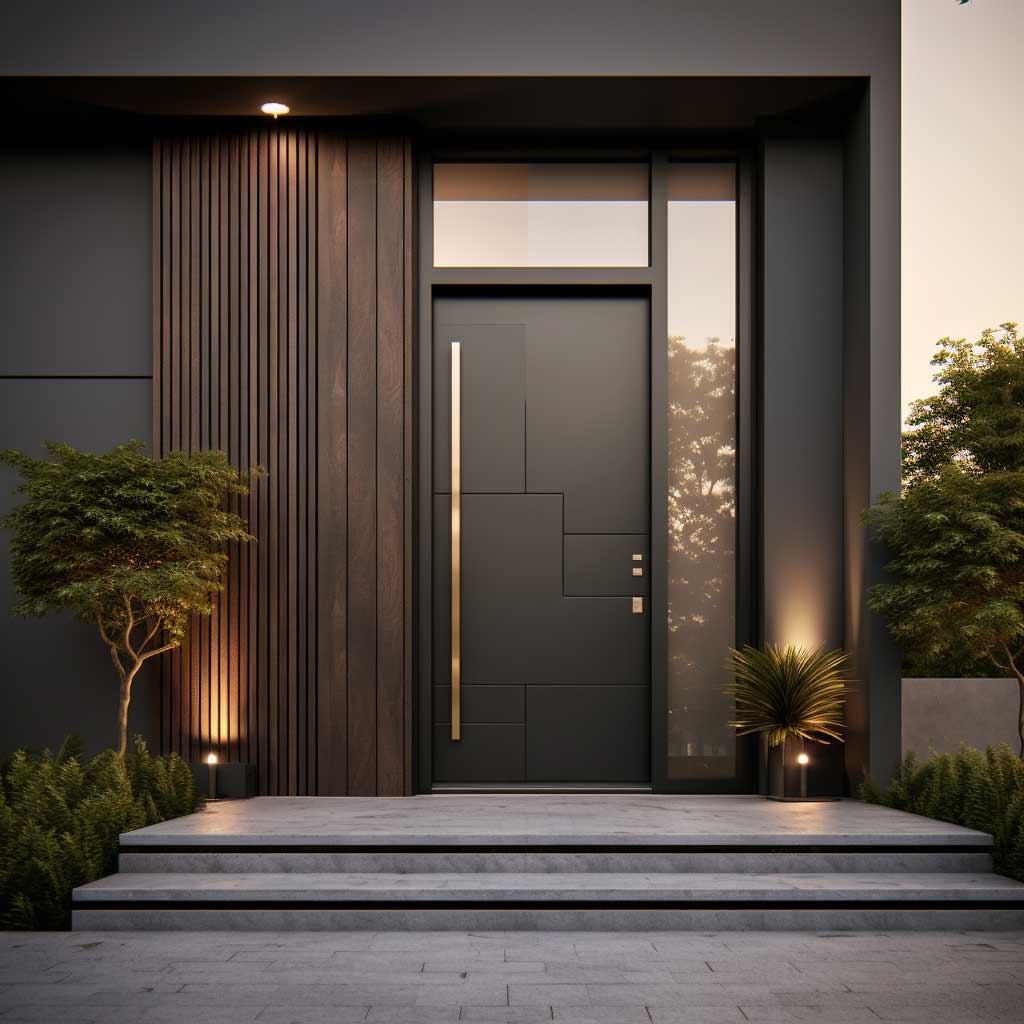
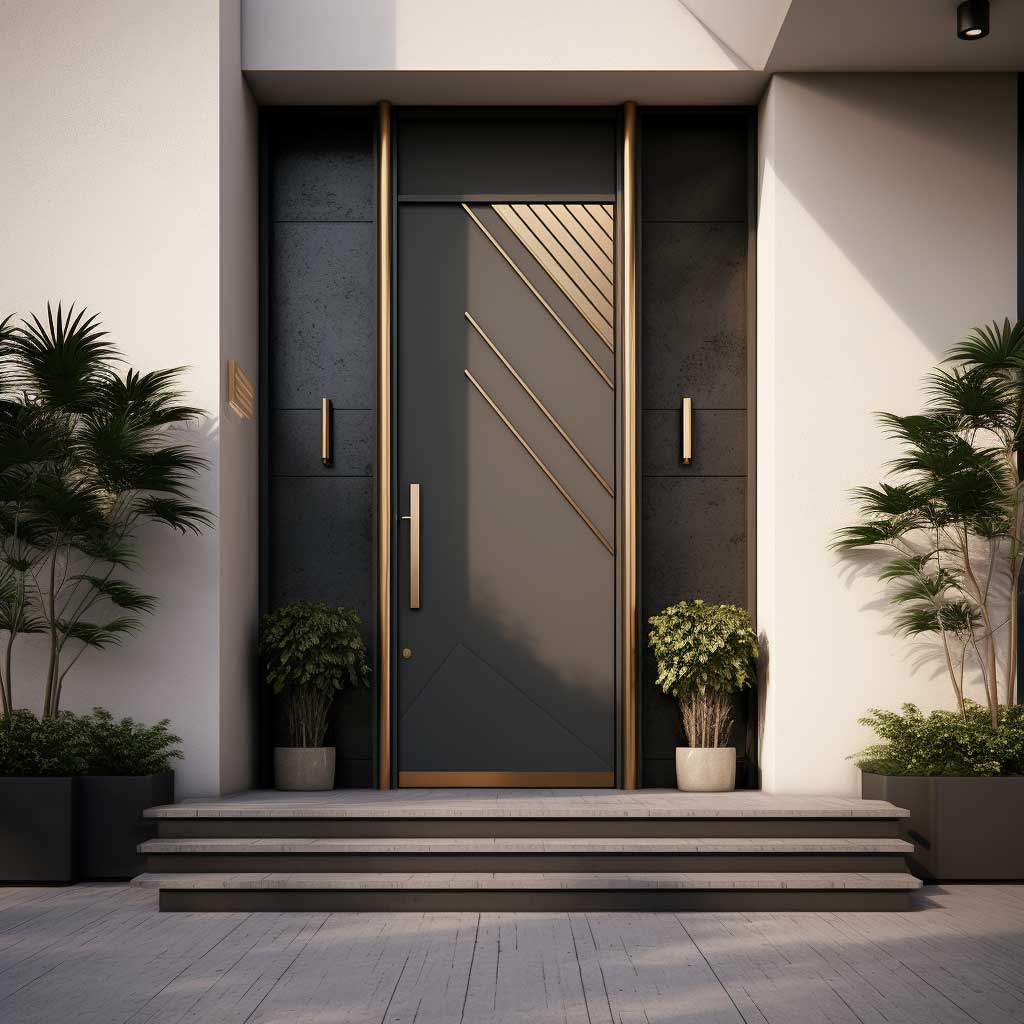
Steel, aluminum, and glass-composite panels are where urban flat main door design has moved over the last decade. The reason is simple: a flush matte steel door aged in a corridor that smells like takeout still looks intentional. The same corridor with a veneered hollow-core door looks like student housing regardless of how expensive the apartment is. Material is the foundation. Everything else is styling on top of it.
I own an apartment where the original door was a cream-painted hollow-core unit with a brass lever from 1998. Replacing it with a Belldinni composite flush panel — matte anthracite, brushed stainless bar handle — cost $1,240 installed. The corridor neighbors have complimented it twice. More practically, the insulation rating jumped from nothing measurable to a legitimate 42dB reduction. Quiet is a feature most door buyers forget to price in.
Color on urban flat doors works by contrast, not by harmony. A charcoal door on a cream corridor wall reads strong. A dark brown door on a beige wall reads muddy. My go-to rule: if you can’t name the color in under two words, it’s wrong. “Matte anthracite,” “warm white,” “signal black” — clean, specific, intentional. Avoid any shade that a paint chip label calls “clay” or “driftwood.” Those are colors that couldn’t commit.
What doesn’t work: adding a knocker to a modern flat door. A vintage brass ring on a flush steel slab is a costume, not a design decision. The hardware has to share the door’s vocabulary — brushed stainless on steel, matte black on matte surfaces. You’ll notice the mismatch in every photograph of your flat entrance you ever take. Skip the ornament, invest $80 more in a handle with a proper backplate.
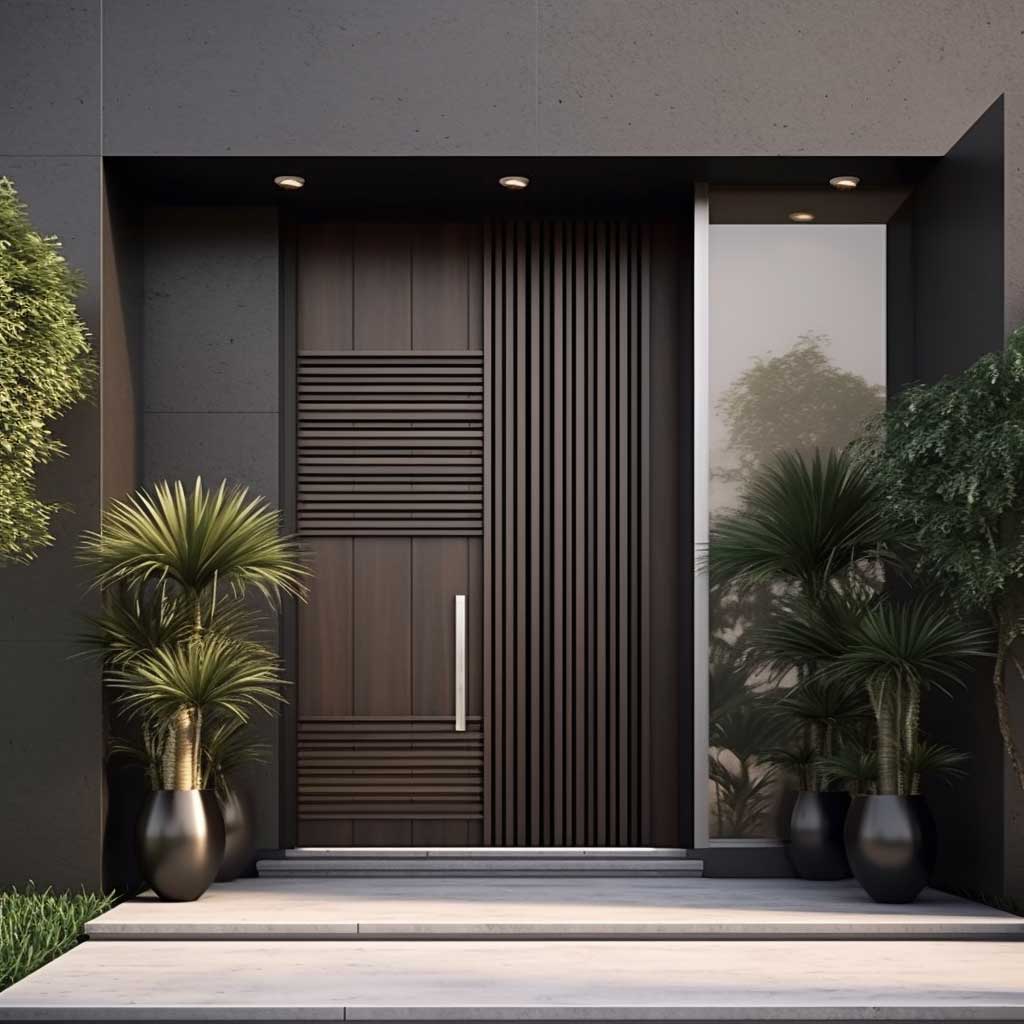
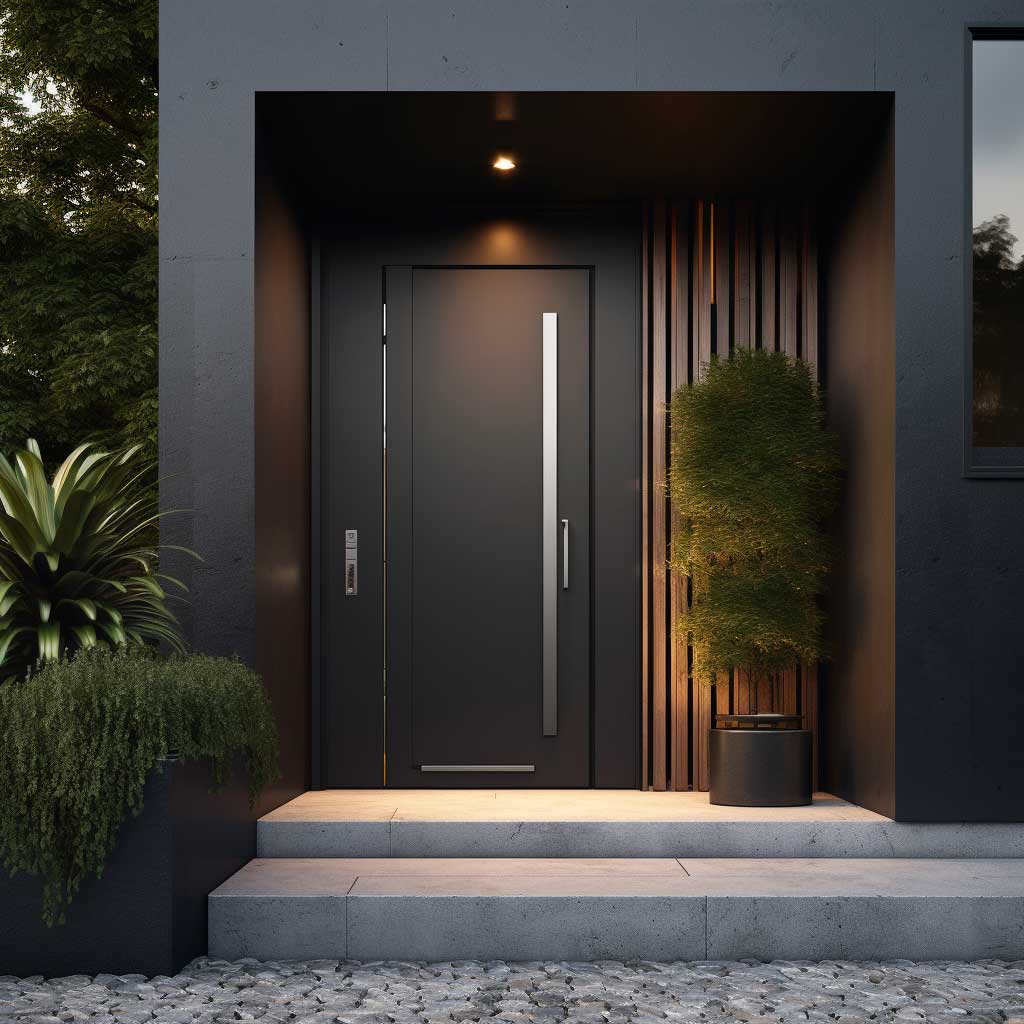
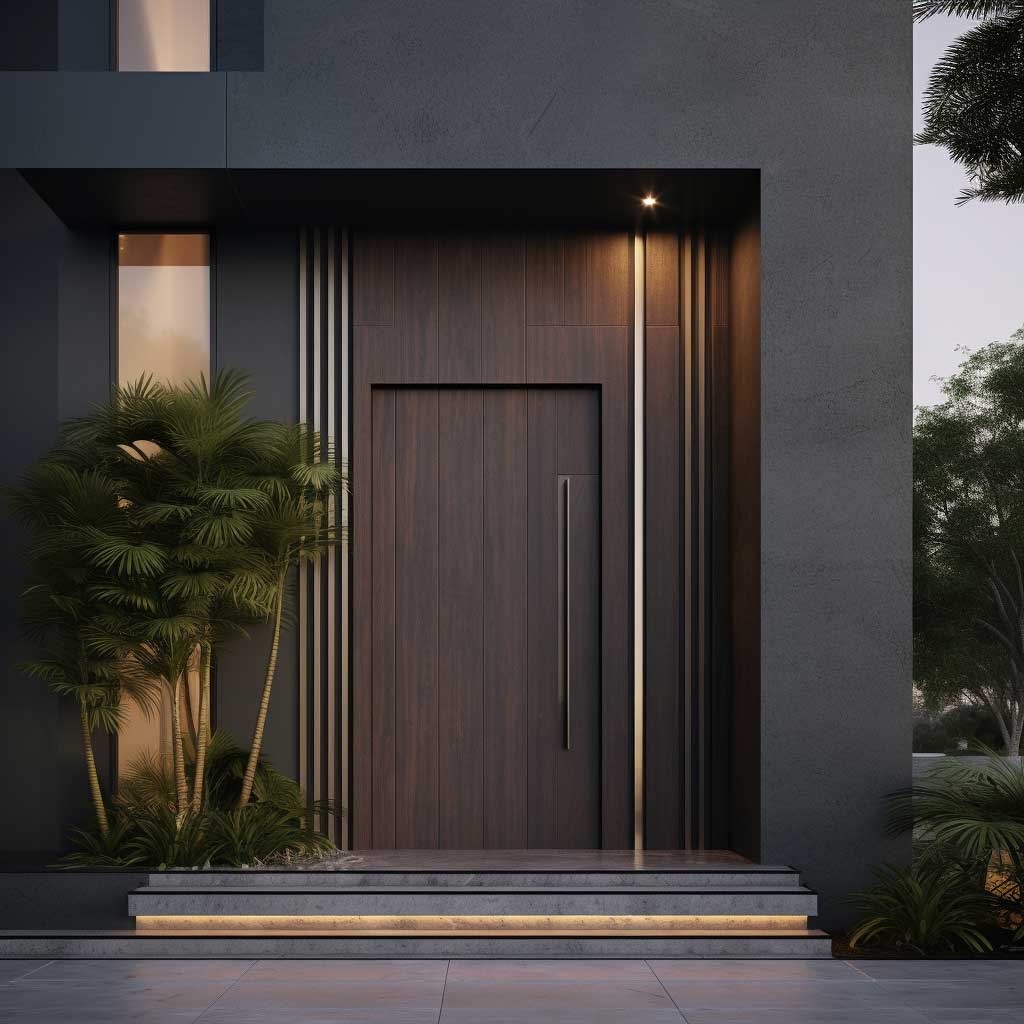

Lighting is the multiplier that most flat entrance renovations ignore until the contractor is packing up. A recessed LED strip at the threshold costs $40 and makes a $900 door look like a $2,000 door after dark. Wall-mounted sconces at eye level add shadow and dimension that overhead corridor lighting flattens completely. Think of a stage set: the lighting designer has as much authority over how something looks as the set designer does. Same principle applies here.
For multi-storey buildings, the challenge is alignment with the building’s architectural language while still asserting an individual design. A pivot door in a 1970s concrete block building reads as a mismatch. A refined flush panel with a sidelight strip reads as a considered upgrade. You’re editing the building’s existing grammar, not rewriting it from scratch. Modern main entrance door design options give you a full breakdown of how material and profile interact at different building scales.
Solid Wood in a Flat Entrance and Why Cheap Veneers Collapse the Whole Look


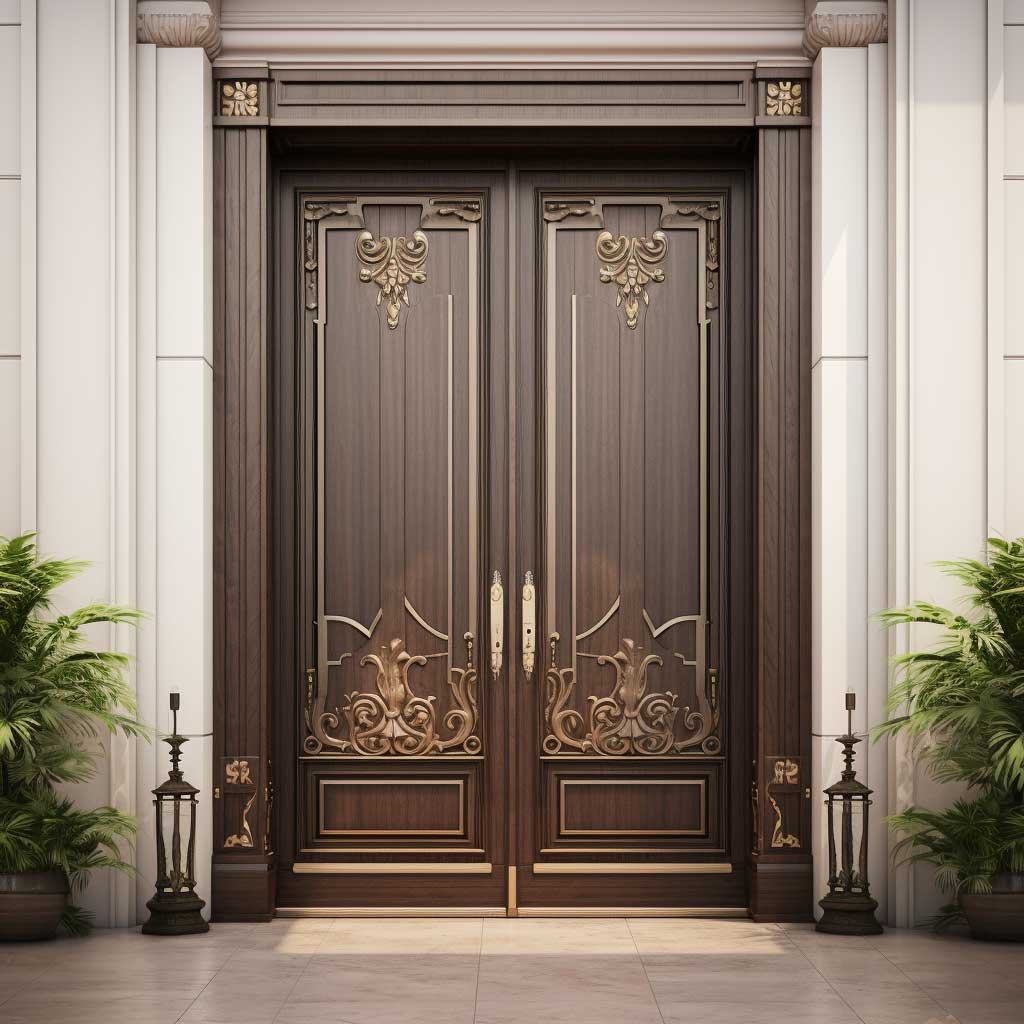
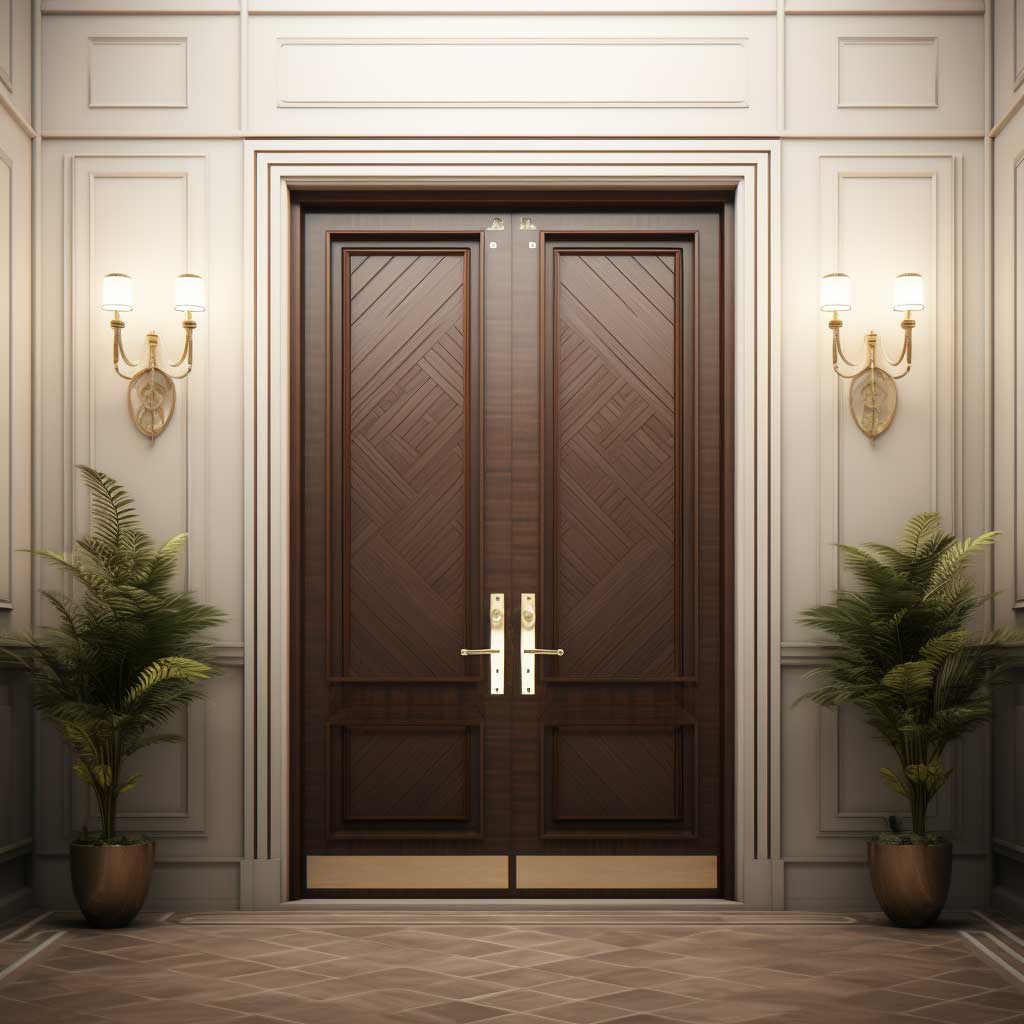
Solid hardwood entrance doors are one of the few places in residential design where spending more upfront genuinely compresses the long-term cost. A 1.75-inch solid mahogany door from US Door & More — their standard entry panel, around $1,385 — lasts decades and develops a surface patina that a $400 veneered door cannot replicate. The veneer version blisters at the corners by year four, especially in a corridor with variable humidity. Touch one corner and you know it’s hollow. Touch a solid mahogany panel and the weight tells you everything.
Oak, mahogany, and walnut are the three woods worth considering for a flat entrance. Oak is forgiving — wide grain, takes stain well, resists denting better than walnut. Mahogany is the traditional front door wood for a reason: stable, slow to expand and contract with humidity, and that characteristic reddish-brown darkens beautifully over years. Walnut is the expensive choice, around $200–$400 more than mahogany at comparable specs, and justified only if the interior palette supports the cooler chocolate tone. I’d steer away from pine for anything in a shared corridor — the softness marks too easily.
The traditional door hardware market has consolidated around a few reliable finishes. Antique brass is the obvious pick for warm woods but reads dated in a modern building lobby. Oil-rubbed bronze is my pick — it bridges old and new without committing to either era. Satin nickel works on lighter wood tones but loses the warmth that justifies choosing wood in the first place. Match the hardware finish to the corridor’s existing metalwork, not to some abstract style board.
What to skip: wrought iron knockers on apartment flat doors. The proportions are wrong — knockers are scaled for standalone houses with deep setbacks, not corridor doors at 30cm clearance from the opposite wall. They look theatrical in the wrong sense. A simple solid-cast lever handle at $120–$180 from Emtek or Baldwin reads more confident than a knocker three times the price.
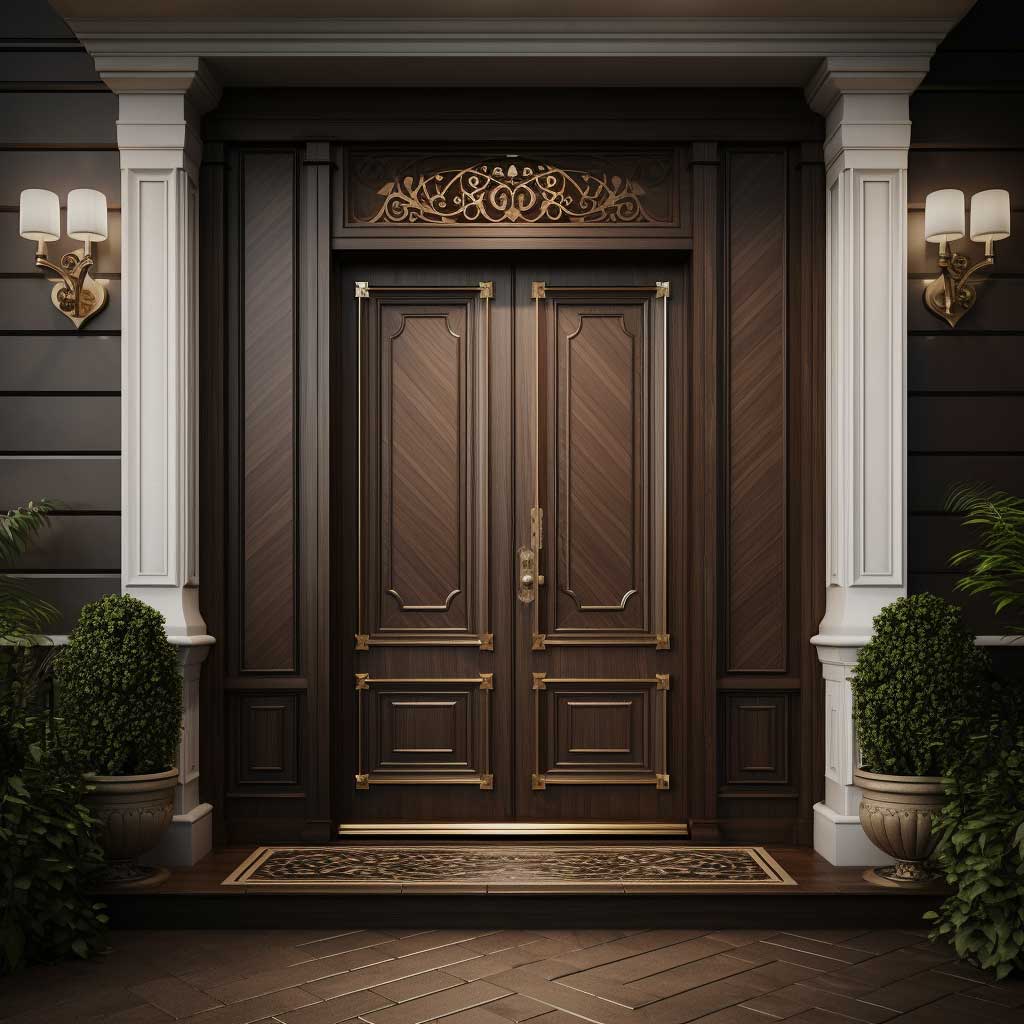
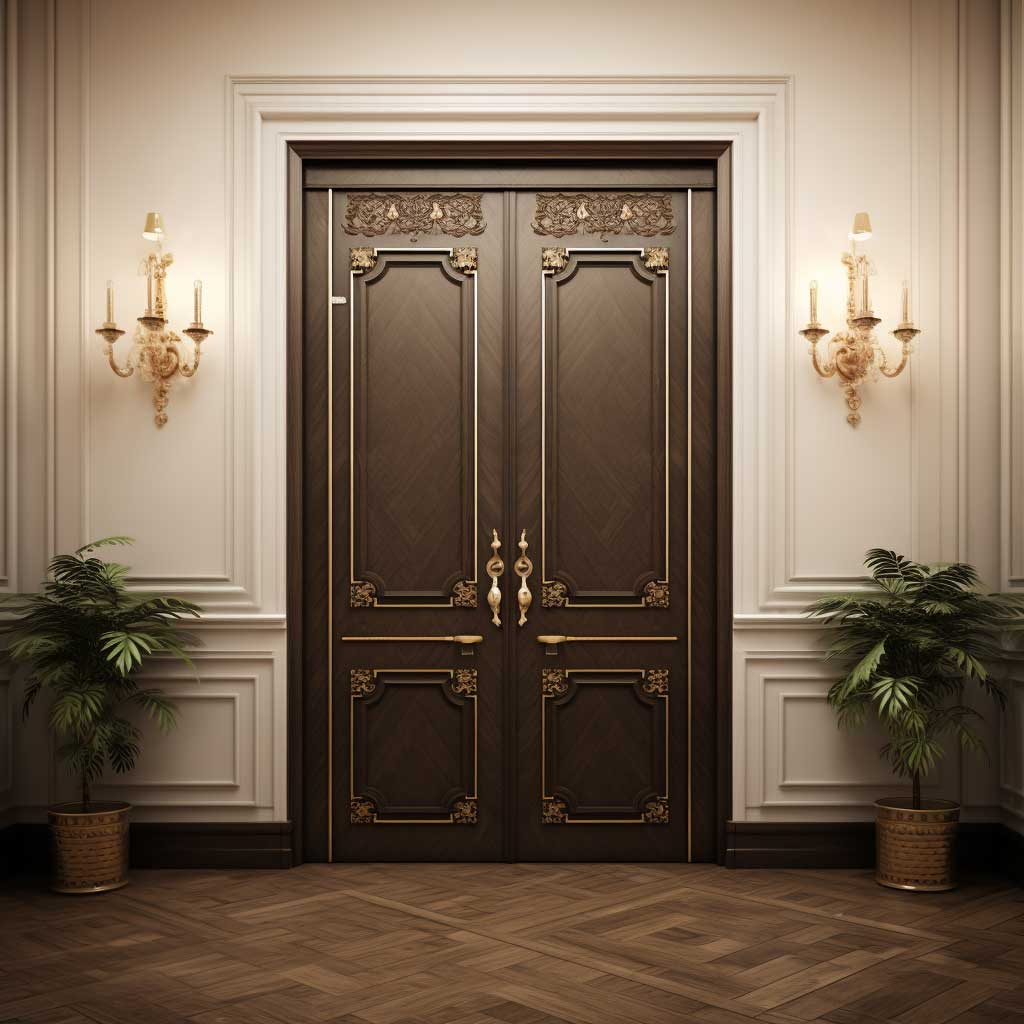
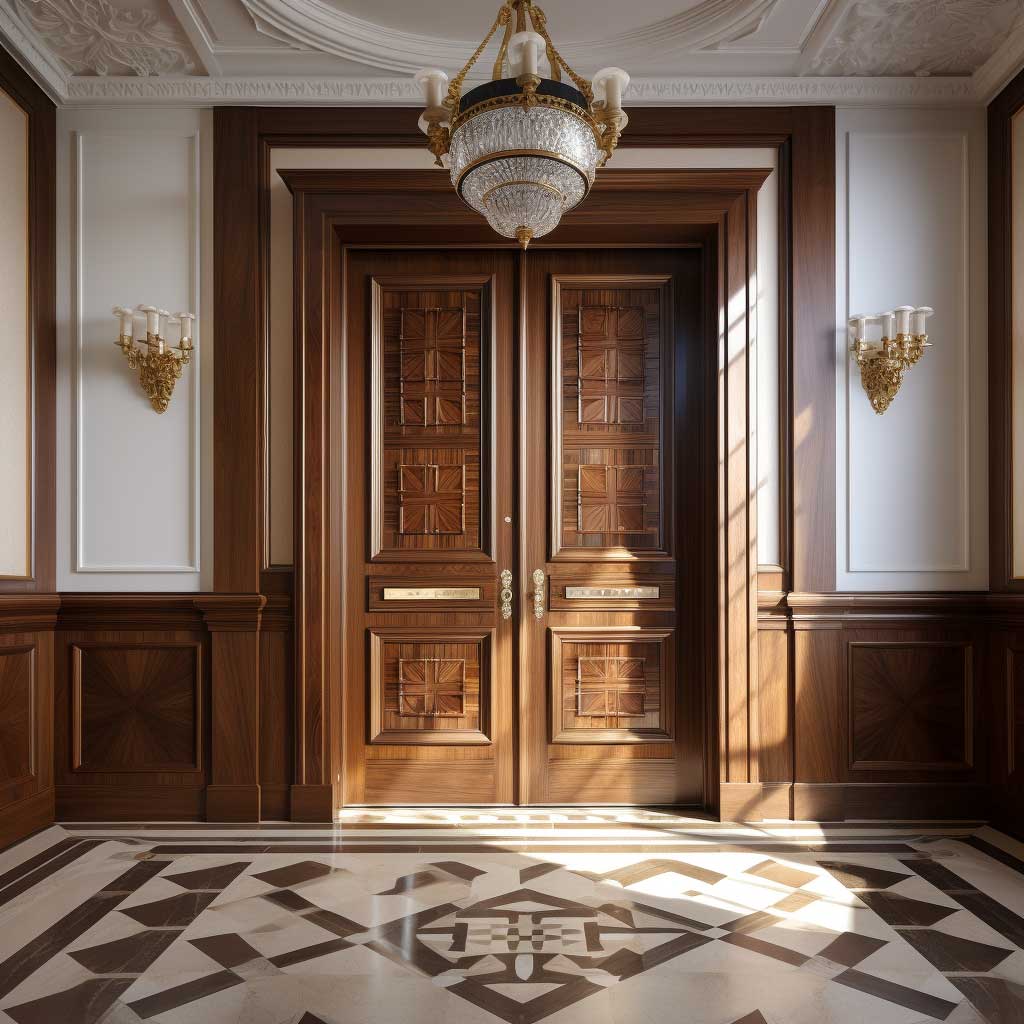

Color on wood doors follows a short rule I stole from a joinery workshop: if the color fights the grain, the color loses. Deep mahogany red, dark walnut stain, and classic black work because they respect the wood’s surface character. A painted solid mahogany door in a pastel shade is a crime against materials — you’ve paid for the grain and then hidden it under emulsion. If you want a pale door, buy a fiberglass door and let the wood breathe at its natural tone.
Fitting a traditional wood door into a modern flat requires structural honesty. The door should share proportions with the corridor’s ceiling height. A 96-inch tall door in a standard 8-foot corridor looks correct; a standard 80-inch door in the same space has a gap at the top that reads unresolved. Ask your installer about extended frame options before ordering. The flat entrance design tips roundup on ArtFasad covers proportions and framing in more detail if you’re working with non-standard dimensions.
Don’t Do This
- Don’t buy a “wood look” fiberglass door and call it wood. The texture seams are visible at arm’s length in any natural light. If you’re going traditional, pay for the solid slab.
- Don’t hang a wood door without proper threshold sealing. Corridor humidity fluctuations cause expansion and sticking within one winter. A $25 threshold seal is cheaper than a re-hang.
- Don’t mix hardware finishes. A gold hinge with a chrome lever on a walnut door is three separate decisions that never spoke to each other.
- Don’t use a hollow-core door in a shared corridor. Sound transfer through hollow-core is significant — you’ll hear everything from the corridor and vice versa.
Smart Locks, LED Frames and the Flat Entrance Door That Works While You’re Away


Smart lock integration has dropped from a $600 luxury to a $180 commodity in three years. Yale Assure Lock 2 installs on most standard flat entrance doors in under an hour, works with Apple HomeKey and Google Home, and costs $189 retail. The fingerprint version from Schlage runs $220. Neither requires a new door — they retrofit to your existing deadbolt bore. What you get is a flat entrance that lets in your cleaner, lets in your partner, and tells you on your phone when your teenager came home. That’s not a gadget. That’s property management for a single unit.
Video intercoms are the upgrade I’d prioritize before a smart lock, actually. Knowing who’s at your flat entrance before you commit to answering has real utility. Ring Video Doorbell Wired ($65) fits most flat door frames. Aiphone’s GT-1D ($280) is what I installed — it runs on a dedicated system rather than your Wi-Fi, which matters in a building with twenty units all competing for the same router. You’ll notice the lag on a Wi-Fi doorbell at peak hours; wired systems are instantaneous.
LED integration in flat entrance doors splits into two categories: ambient threshold strips and backlit panels. Threshold strips from brands like Lutron Caséta cost $45 and sit flush at the floor. They’re motion-activated, shift to warm white at night, and make arriving home feel like a hotel corridor instead of a stairwell. Backlit door panels — where the door face itself glows at the edges — are a Schüco specialty starting around $3,800 for custom fabrication. Striking on paper, maintenance-intensive in practice. The LED driver board is inside the door leaf and requires door removal to service. Unless you’re designing a showroom, go with the threshold strip.
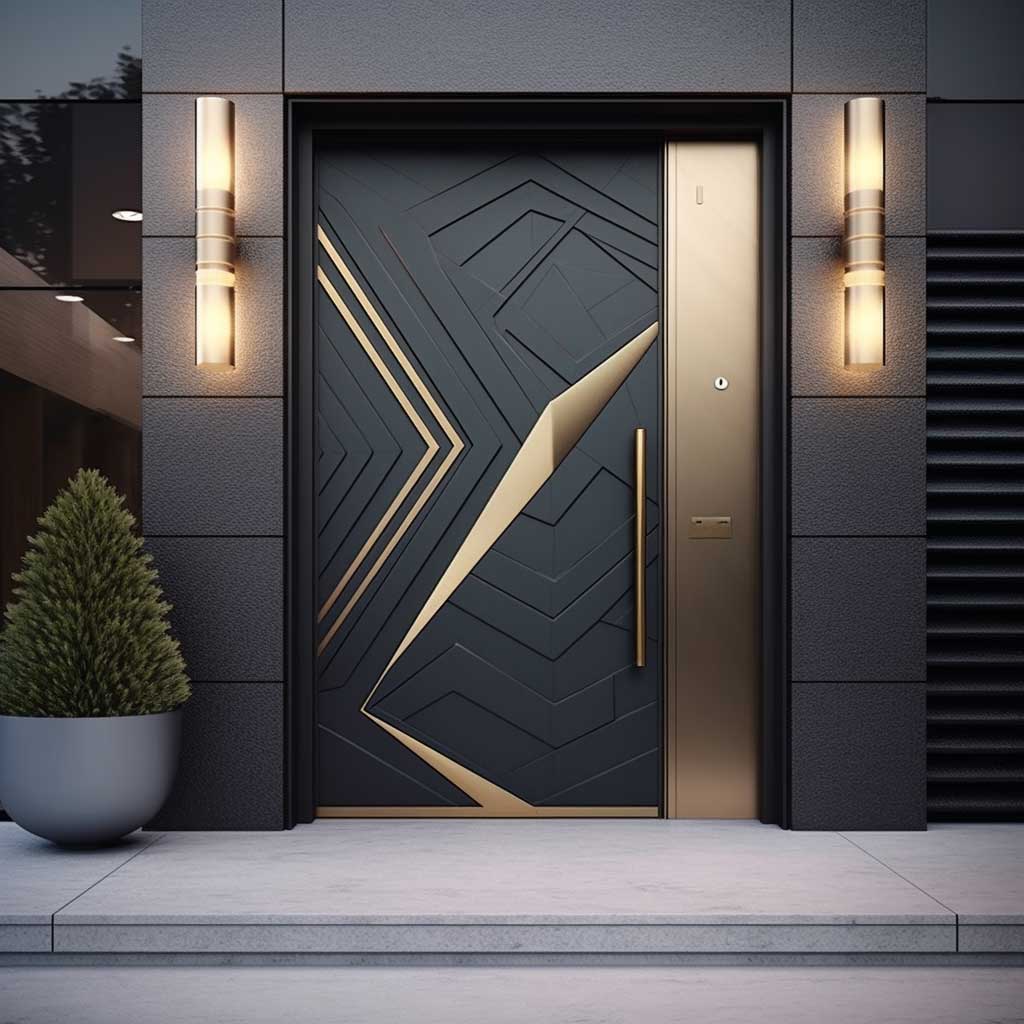
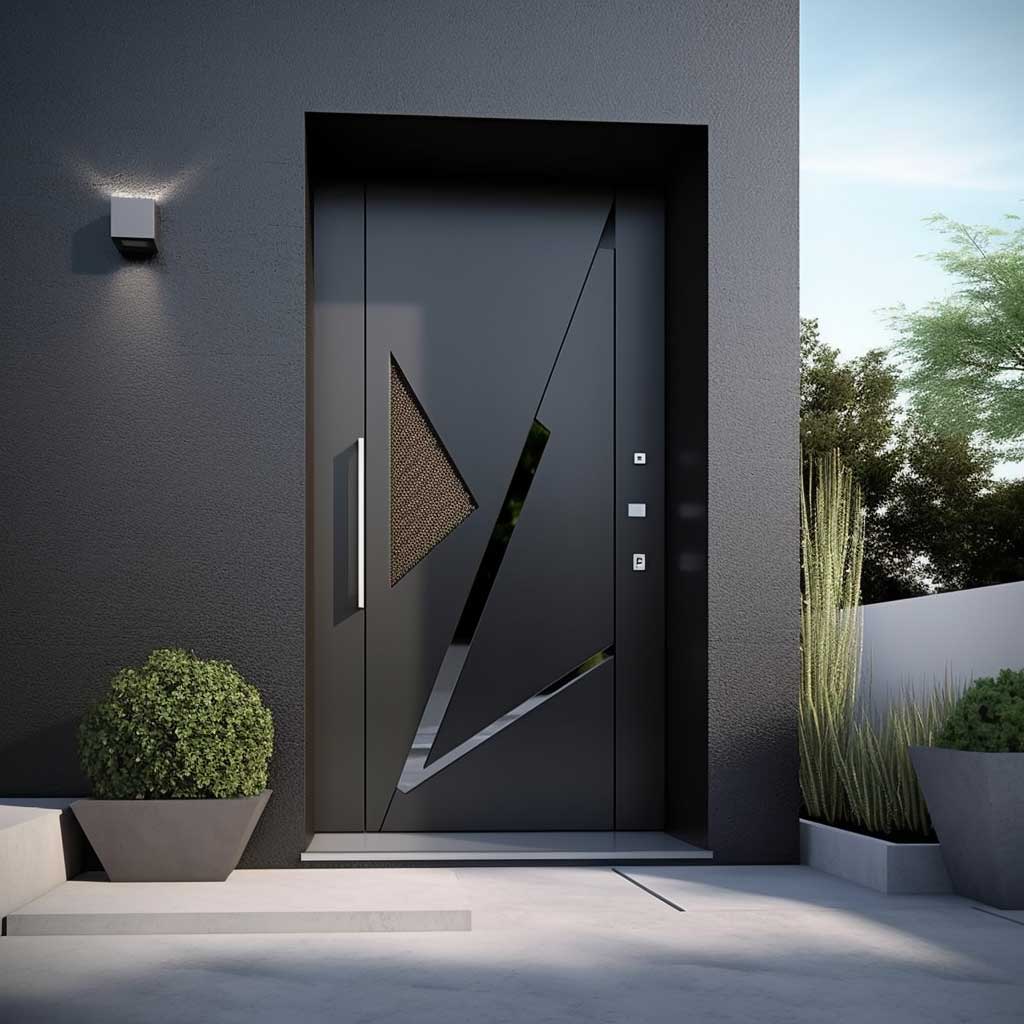
Asymmetric patterns on flat entrance doors became an Instagram fixture in 2022 and a visual cliché by 2024. Bold geometric cutouts look extraordinary in a rendered CGI image and look like a failed art project at 7am when you’re in your dressing gown. My test for any decorative door element: does it still look right when you’re not deliberately looking at it? If it requires mental permission to work, it doesn’t work. Main entrance front door ideas covers the full spectrum from showstopper to functional, with actual project photographs rather than renders.



Eco-material flat doors have moved from niche to mainstream pricing. Composite doors with recycled core fill — Endurance Doors and Solidor both make them — sit at £900–£1,400 in the UK market, roughly $1,100–$1,700 US equivalent. Their thermal performance outperforms solid wood in most independent tests, which matters in flats with external corridor exposure. The trade-off is surface texture: composite doors are better than they were but still read slightly synthetic at close range. Touch one and you know it isn’t wood. Whether that matters depends entirely on your corridor width.
Customization on tech-integrated flat doors comes down to one decision made before all others: where does the lock cylinder sit relative to the handle? Drop it too low and the ergonomics feel wrong. Centre it at standard height and you have maximum compatibility with retrofit smart lock hardware. I learned this after buying a door with a non-standard cylinder position and spending $140 on an adapter plate that could have been avoided with one specification question. Ask the supplier before ordering, not after delivery. US Door & More publishes cylinder position specs on every product page — a detail most door retailers bury in the installation PDF.
Final Word
Your flat entrance door is the one design decision the whole building sees every day.
Material honesty outperforms decorative ambition at every price point. A solid panel in the right finish with considered hardware reads more expensive than an elaborate design that contradicts itself.
Start with the door’s relationship to the corridor width and ceiling height. Everything else — color, hardware, lighting, lock technology — follows those proportions, not precedes them.
Save this post before you start speccing hardware — the material-to-finish pairing notes above have saved at least two readers I know of from expensive return deliveries.
Related Topics
FAQ
What is the most durable material for a flat main door entrance?
How much does a modern flat entrance door design cost installed?
Can I add a smart lock to my existing flat main door?
What is the best color for a flat entrance door design?
How do I make my flat entrance design look more expensive?
What flat entrance designs work best for exterior-facing apartment doors?
Complete guide
Door Design Ideas That Transform Every Entrance, Room and Style
Front doors, double doors, interior, garage, glass, wood, trim — all in one place