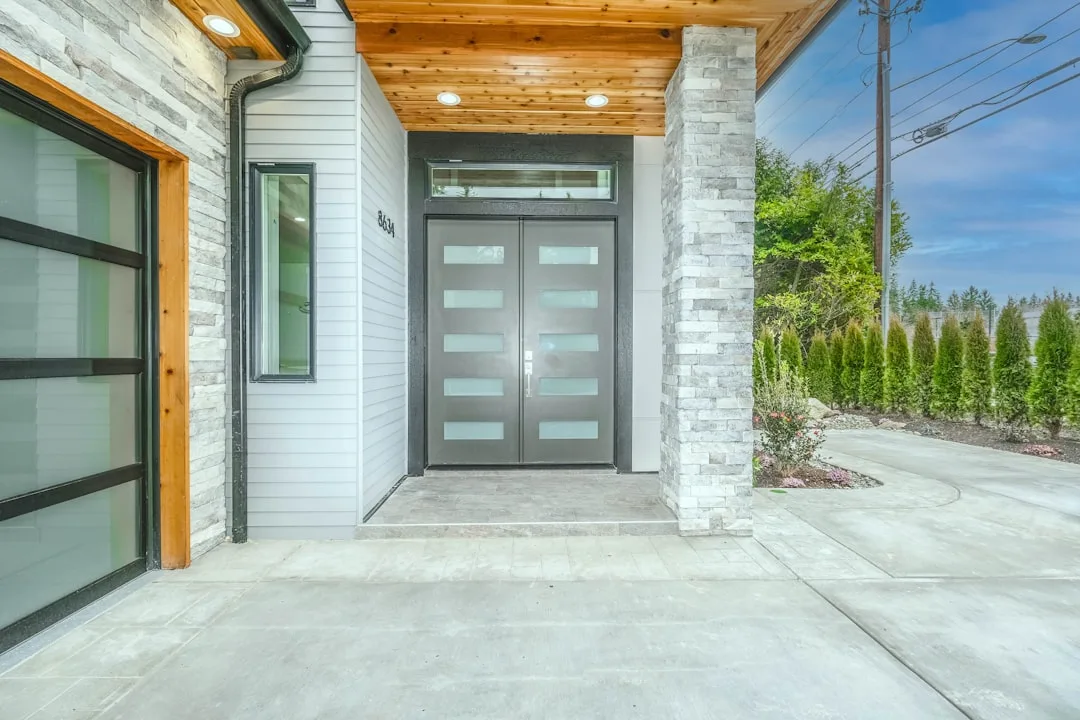
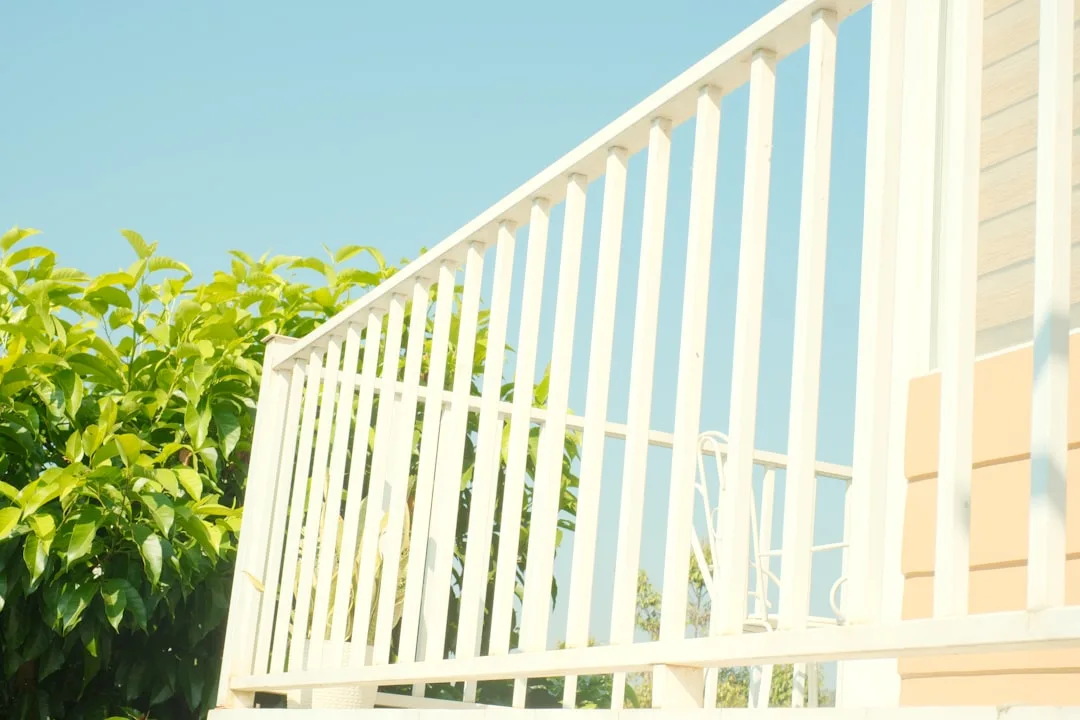
Screened porch designs look equally good in photos — the problem shows up six months after the build, when screens sag, cushions fade, and the “cozy corner” becomes a storage zone. The material choices behind each design style determine whether a screened porch actually gets used year-round or quietly becomes the most expensive piece of outdoor furniture you own.
A screened-in porch can return 75–84% of its build cost at resale, according to industry data from The Porch Company and Design Builders. That number drops sharply when the structure is under-built or when the screen material doesn’t match the climate. Fiberglass mesh costs as little as $0.20 per square foot and lasts 7–10 years; aluminum runs $0.45–$0.75 per square foot and holds its shape in wind without sagging. The design you choose should determine the screen — not the other way around.
The four screened porch design styles below cover the full range from minimal to maximalist. Each section includes what actually works in that format, what contractors consistently see go wrong, and the specific numbers you need before you talk to anyone holding a quote sheet.
– Screening an existing porch costs $2,000–$5,000 on average; new builds run $10,000–$35,000 for a 200 sq ft structure
– Fiberglass screen is cheapest ($0.20–$0.35/sq ft) but degrades faster in sun-exposed, south-facing positions
– Aluminum screen at $0.45–$0.75/sq ft resists wind sag and suits modern minimalist and contemporary designs
– Screened porches return 75–84% of build cost at resale — size matters more than finish level
– Every design style below requires a different furniture weight, flooring type, and screen tension system to stay functional past year two
Cozy Corner Screened Porch Designs That Actually Stay Cozy
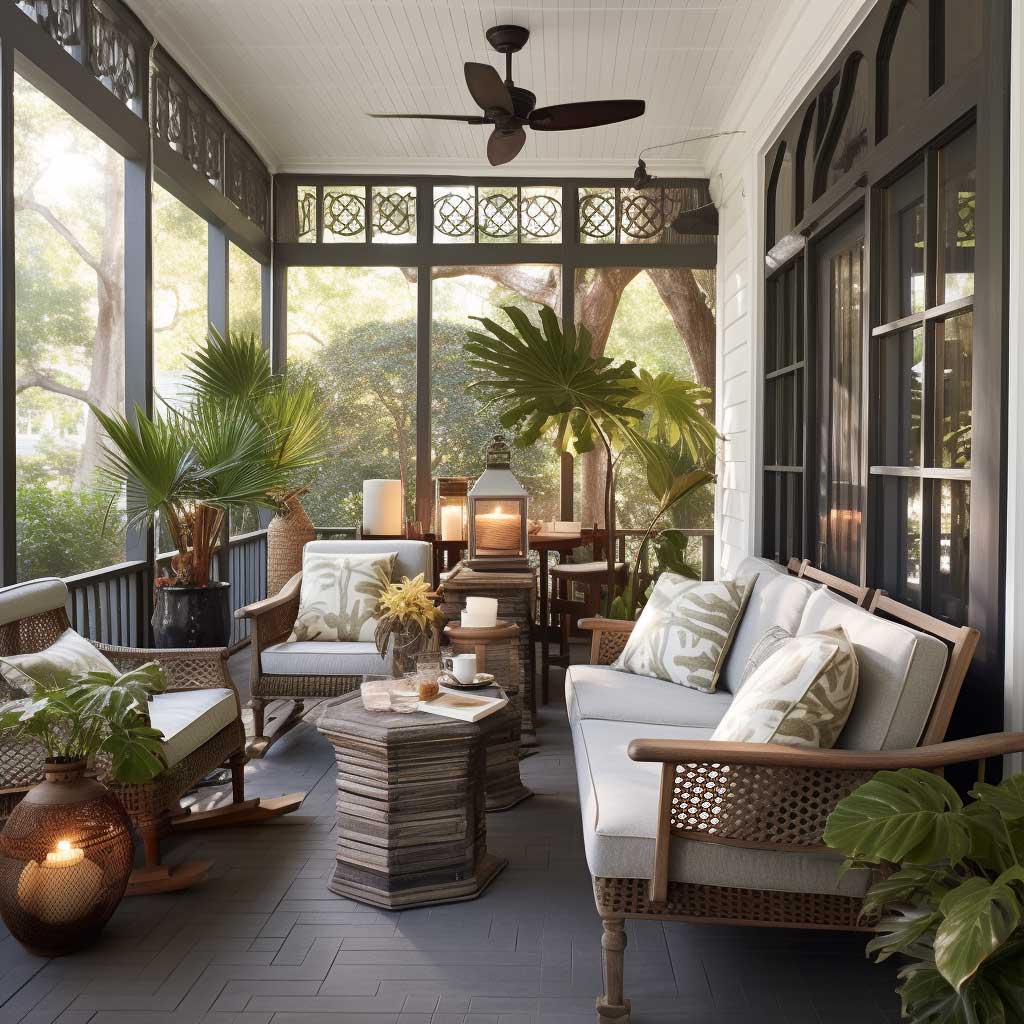
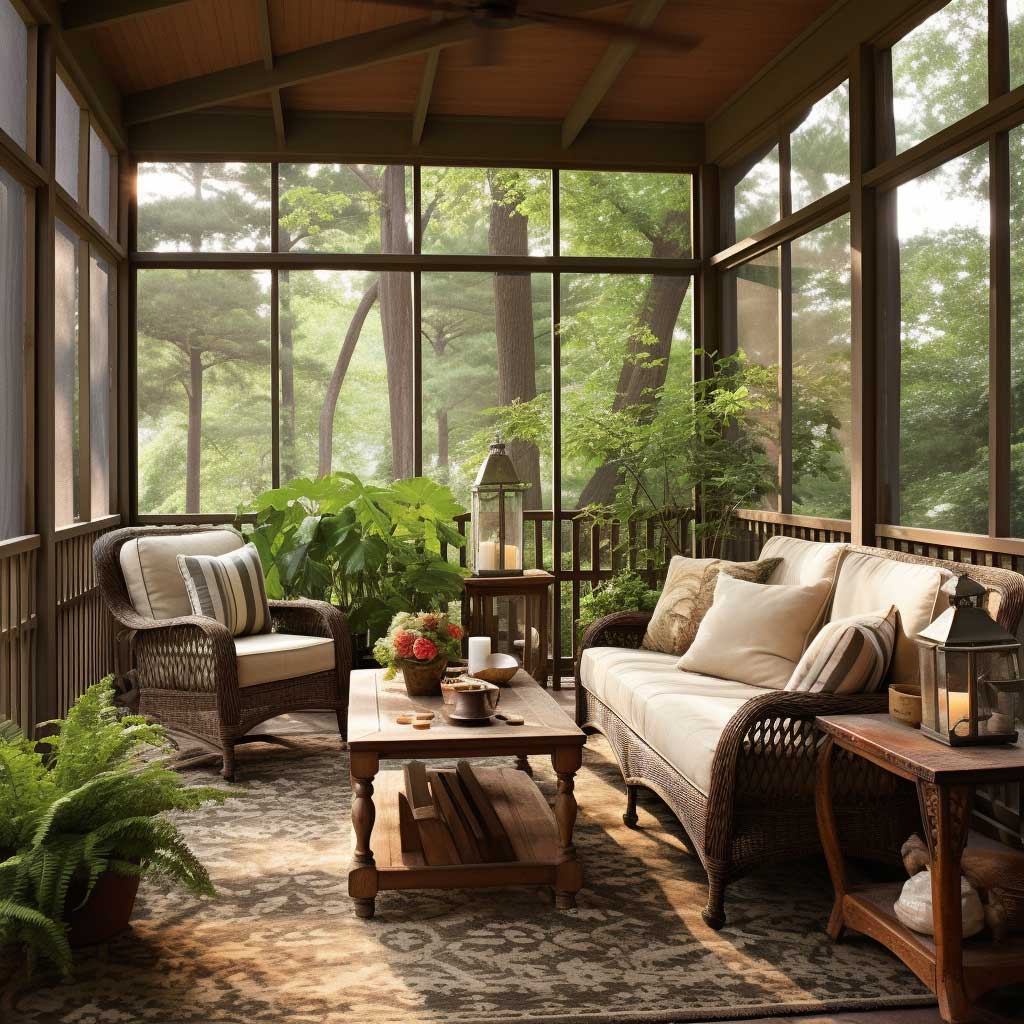


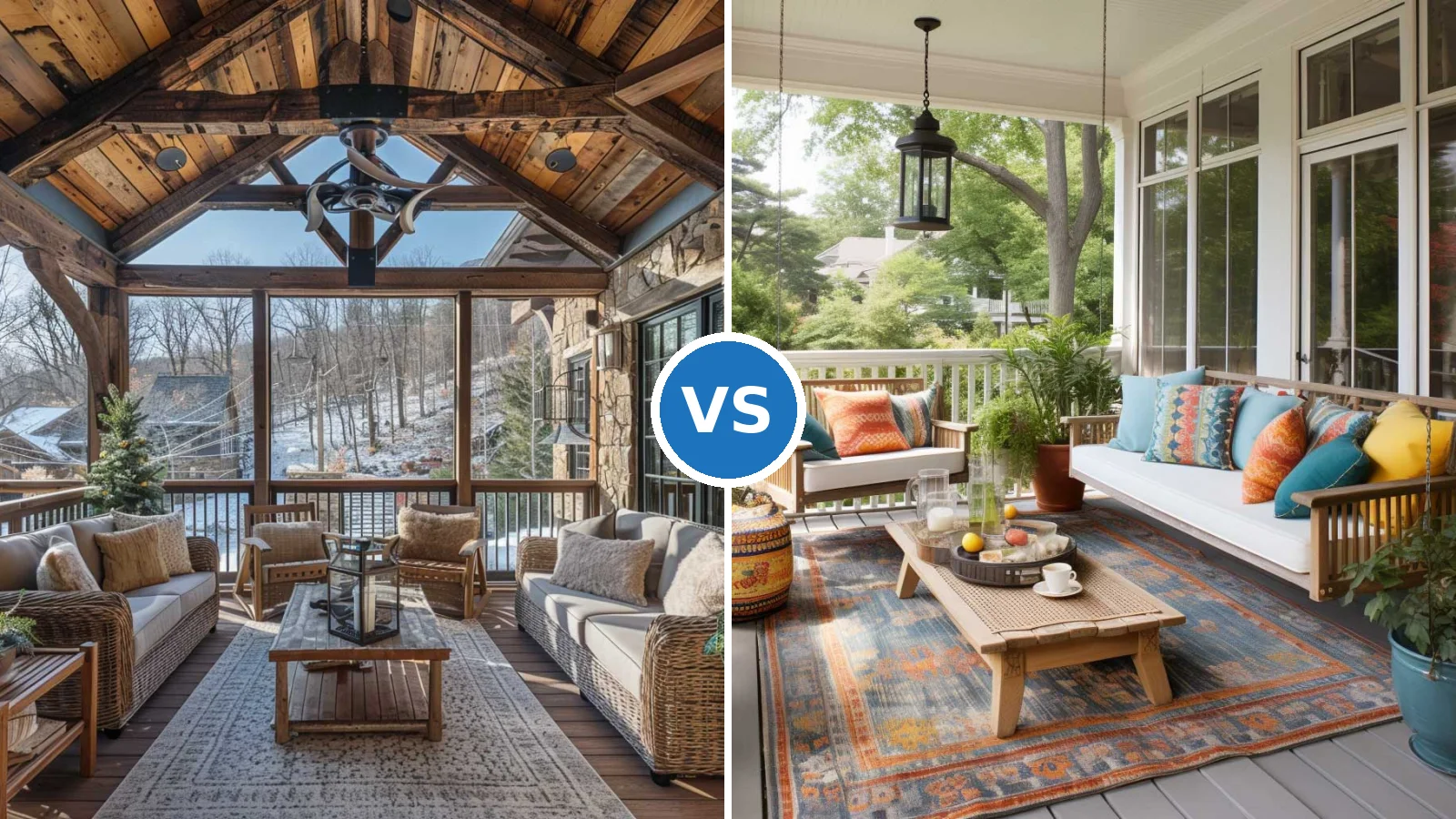
A cozy corner screened porch works because it creates the feeling of being inside a room that happens to have no walls — the tightest format produces the most intimacy. Stylists consistently recommend keeping this layout under 150 square feet; larger footprints start to feel like empty lobbies unless anchored by a daybed or sectional that fills at least 60% of the floor space. The trick here is that the enclosure does the heavy lifting: the screens frame the view, filter the light, and eliminate the need for curtains or shade sails that would otherwise clutter a small space.
Screen tension matters more in a corner format than in any other. What happens when a cozy corner porch uses standard fiberglass mesh on a south-facing exposure? The screen bows outward within two summers from UV degradation, and the gap between frame and mesh becomes a landing strip for insects — the exact problem the porch was built to solve. A PVC-coated polyester screen at $0.60–$1.00 per square foot holds its tension longer and works better on the angled frame runs that corner configurations often require. That’s an added cost of roughly $50–$100 on a 100-square-foot corner enclosure compared to basic fiberglass — negligible against the total project budget.
Furniture for a cozy porch should be heavier than it looks, because lightweight wicker migrates on sloped composite decking. A deep-seat rattan loveseat with Sunbrella-fabric cushions — Sunbrella’s 5-year warranty on color retention is verified on their website — sits without moving and resists the mildew that develops in humid climates when moisture gets trapped under thin cushions. Think of the furniture choice as the anchor for the whole room: pick the piece first, then work outward with side tables and lighting. A single overhead pendant, not recessed cans, keeps the scale human and adds warmth that track lighting can’t replicate.
Adding a bookshelf or a compact bar cart against the back wall follows the same logic as a porch privacy screen — it defines the perimeter and tells the eye where the room stops. Plants that hang rather than sit on the floor preserve walking clearance without sacrificing the garden feel: pothos and trailing philodendron do well in screened conditions where direct sun is filtered, and they require no drainage saucers on the floor.
Contemporary Screened Porch Designs Built Around What You Actually See
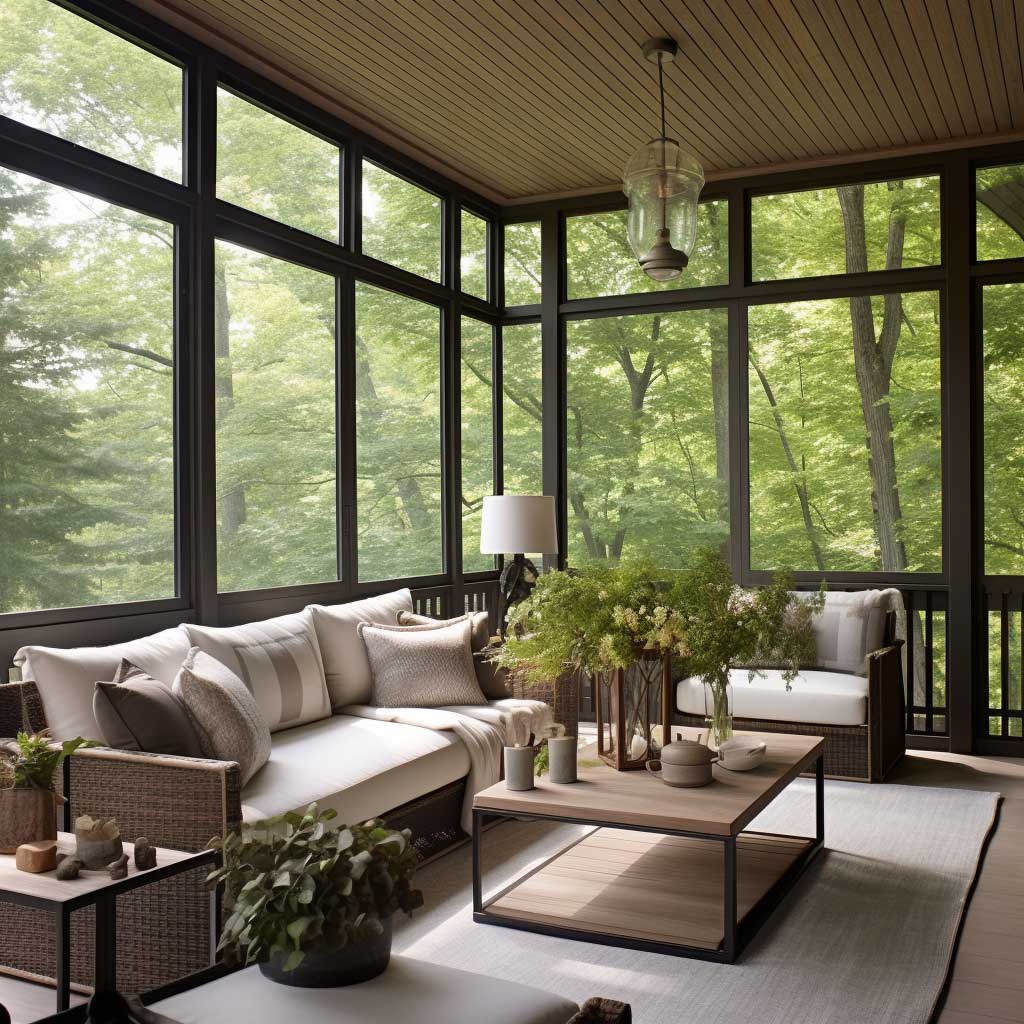
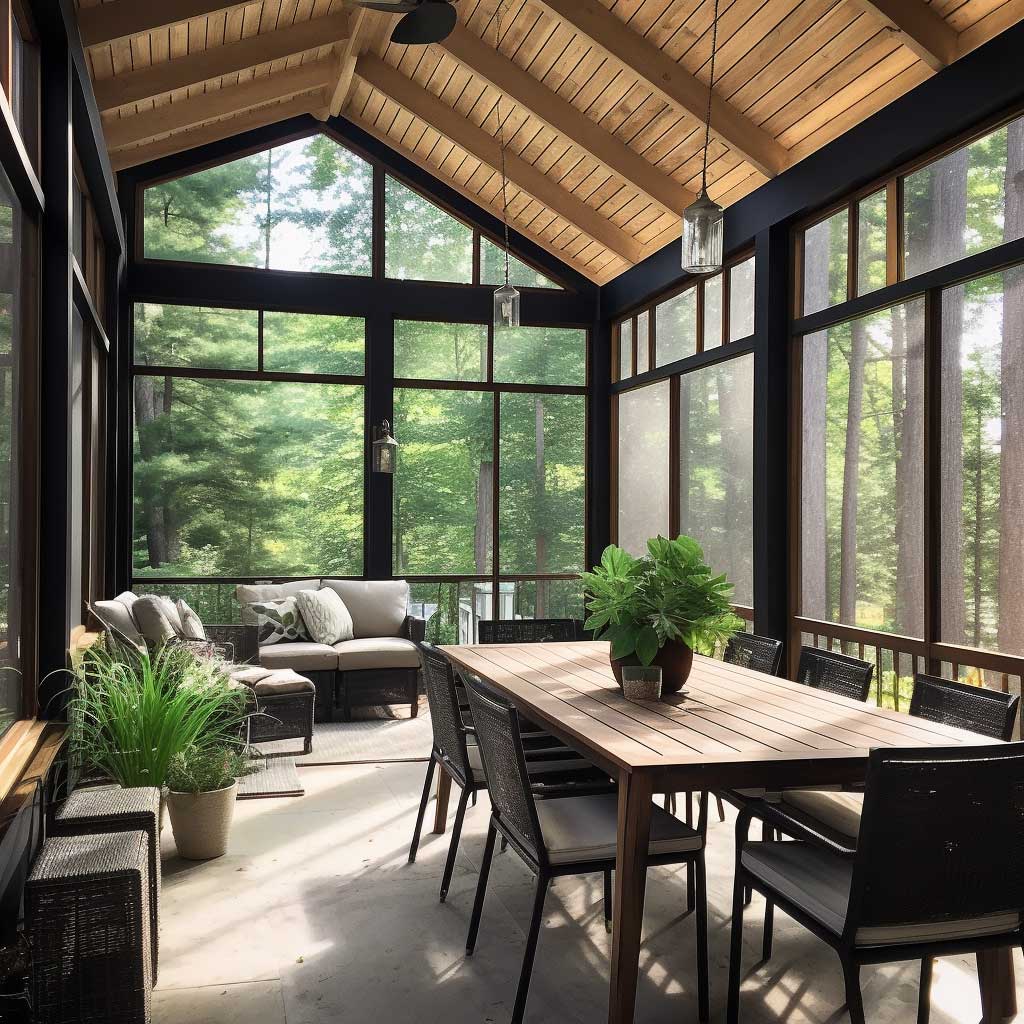
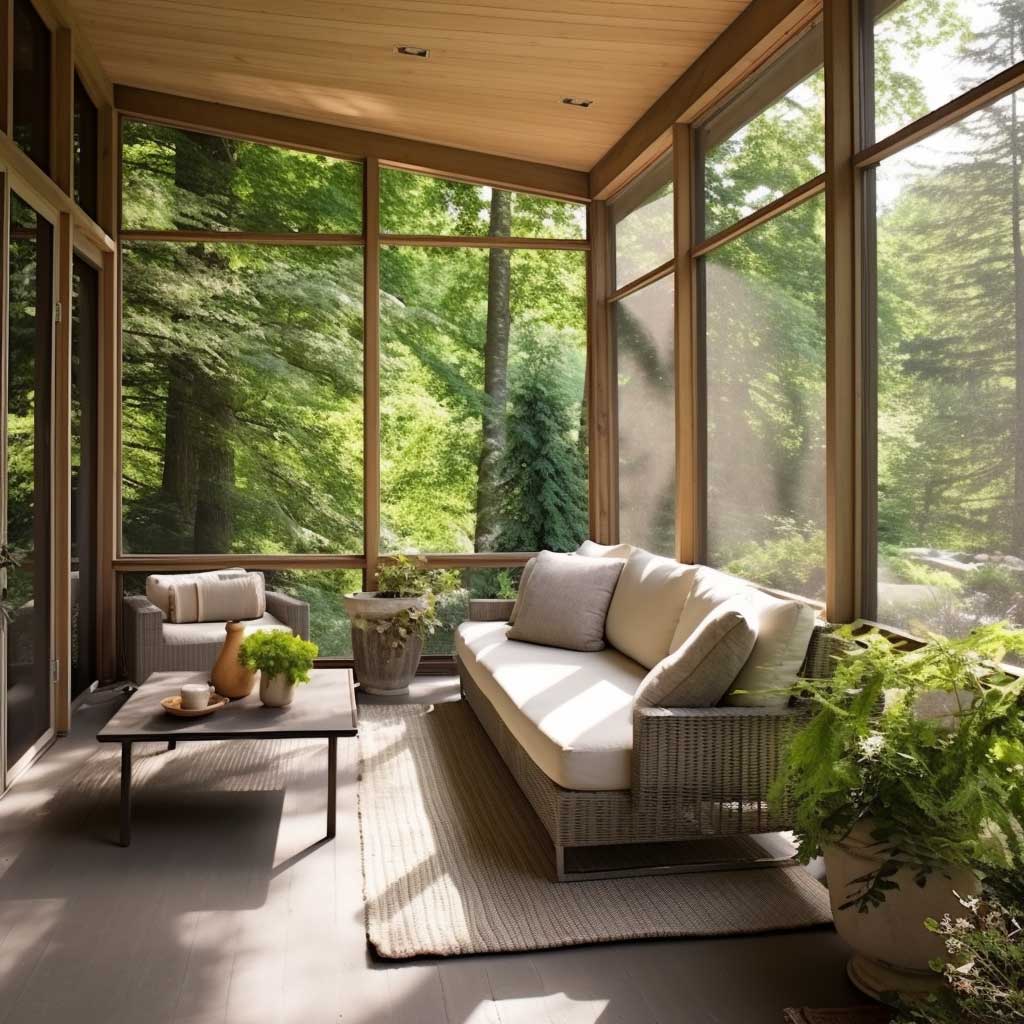
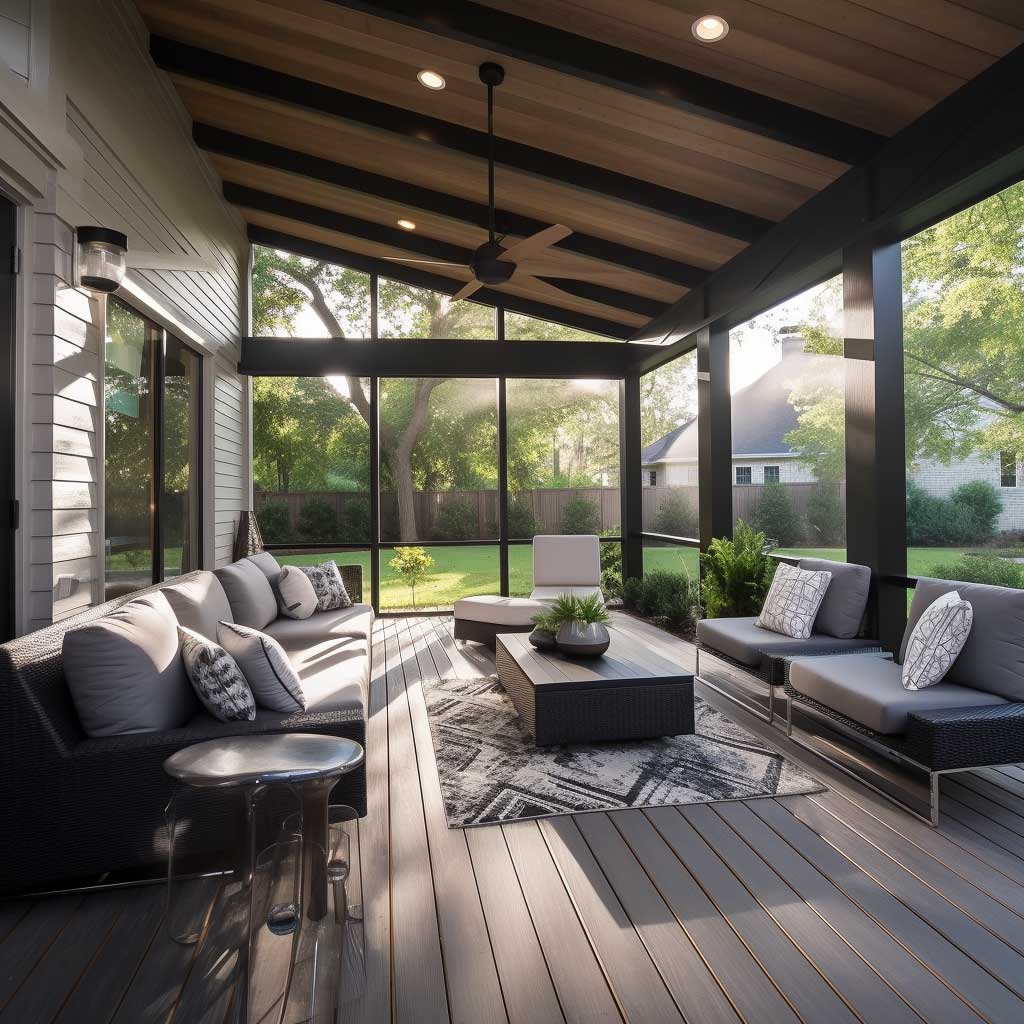
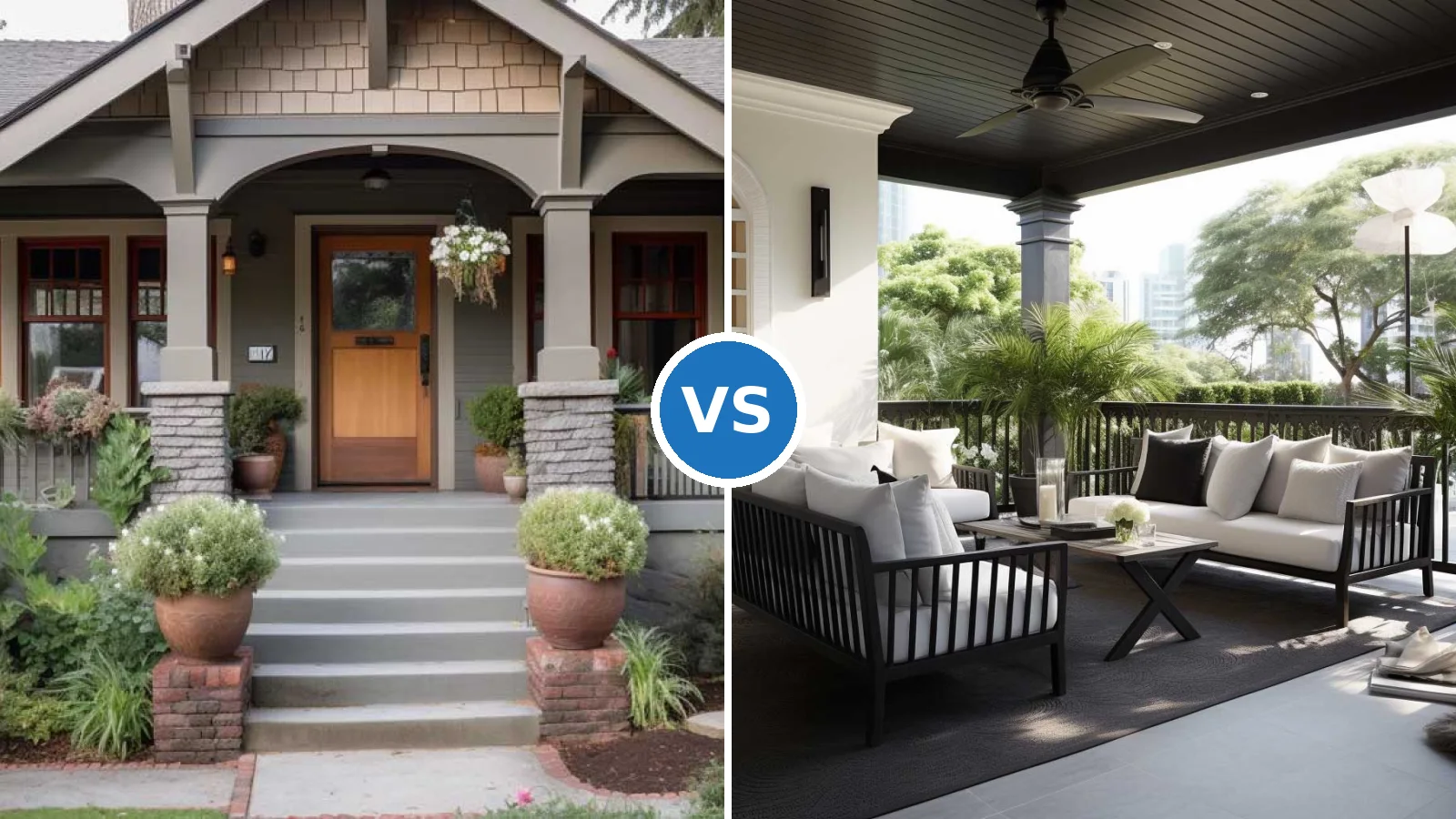
Contemporary screened porch designs prioritize the view over the room — the structure exists to frame what’s outside, and anything that competes with that view is a design error. Aluminum screen at $0.45–$0.75 per square foot is the standard for this format because its smaller strand diameter creates less visual interruption than fiberglass, and it doesn’t sag under its own weight the way fine-mesh alternatives can. A common approach is to run the aluminum screen in a single large panel rather than dividing it into smaller framed sections — each additional frame member adds a vertical or horizontal line that fragments the panorama.
The flooring question is where most modern screened porch builds get derailed. Polished concrete costs $4–$12 per square foot installed and handles the transition from interior to porch without a height change, which is important for the indoor-outdoor continuity the contemporary style depends on. Composite decking, while popular, introduces a pattern of horizontal lines that conflicts with the clean geometry of aluminum frames. Try this: stand inside the porch with the primary view in front of you and identify every line you see — any line that doesn’t contribute to the view geometry should be eliminated or moved.
What stylists recommend against in a contemporary screened porch is layering: multiple throw pillows, stacked textiles, mixed materials in the furniture. A single sculptural chaise lounge in powder-coated aluminum — Telescope Casual and Brown Jordan both make verified outdoor versions — reads better than a full seating group in this format because it preserves the feeling of open floor space that makes the porch feel larger than its square footage. Recessed LED lighting installed at $80–$300 per fixture handles the functional load after dark without any visible hardware that might interrupt the ceiling plane.
Don’t use wood frames on a contemporary screened porch unless you’re committed to annual maintenance. In humid climates, pressure-treated wood frames require staining every 1–2 years to prevent warping that pulls the screen out of tension. Aluminum framing costs more upfront — framing systems run $150–$300 extra per linear section — but eliminates that maintenance cycle entirely. A warped wood frame at year three doesn’t just look bad; it creates gaps the screen can’t bridge, and reframing mid-life costs more than the aluminum would have at the start.
Screened Porch Designs for Dining Al Fresco Without the Logistics
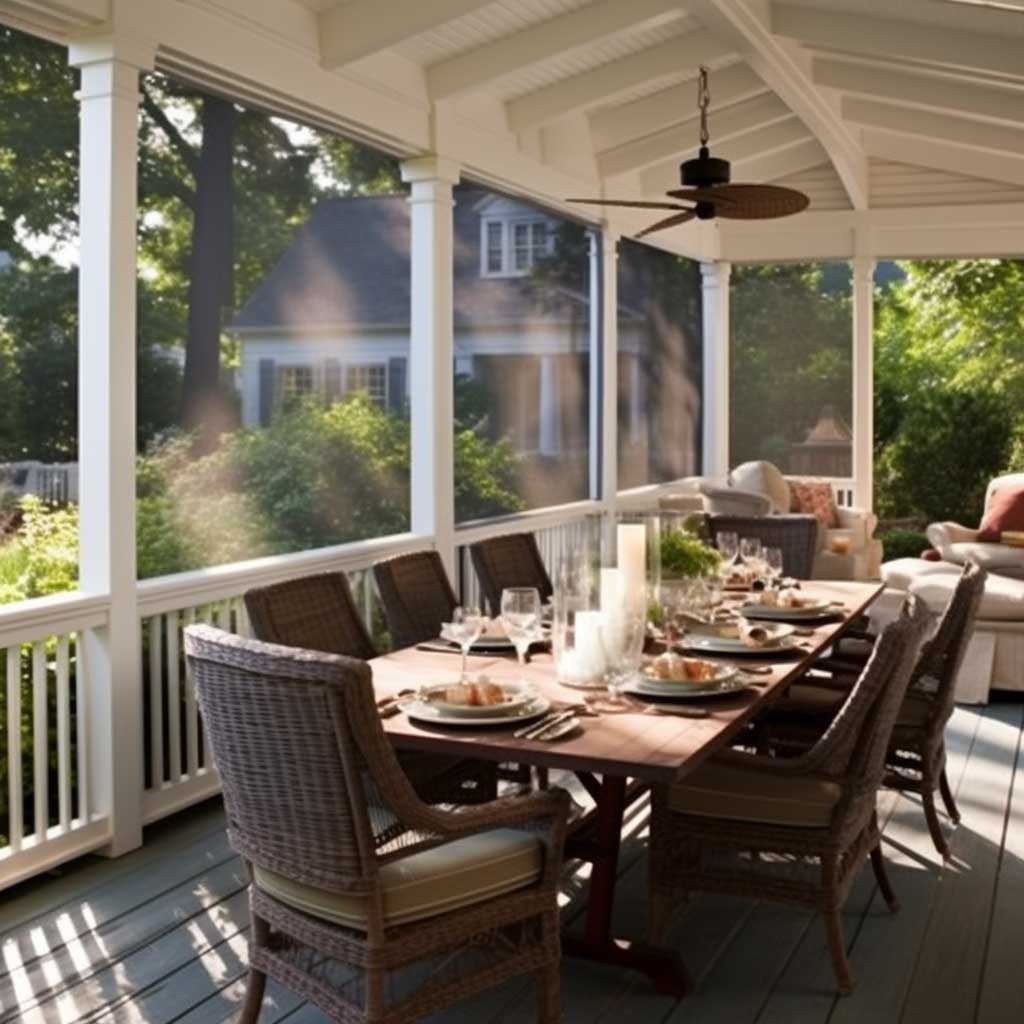
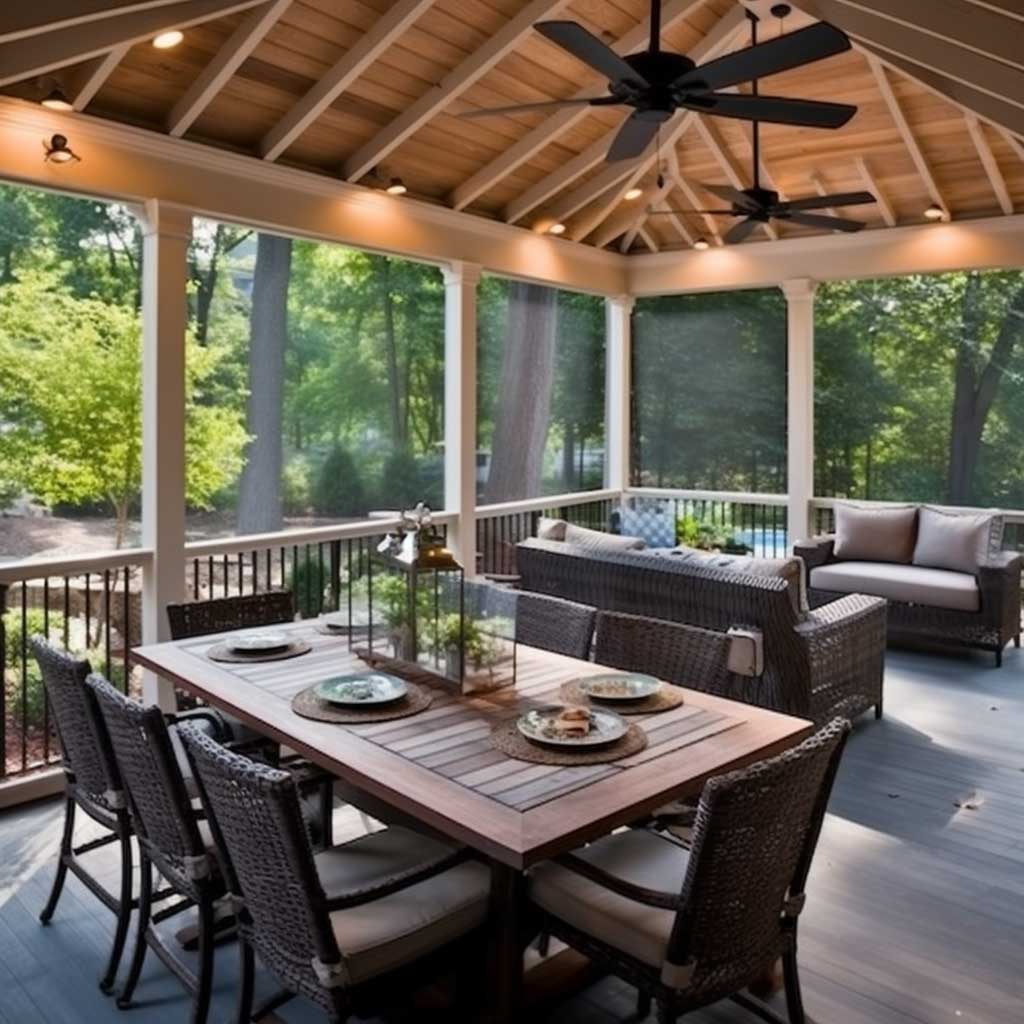

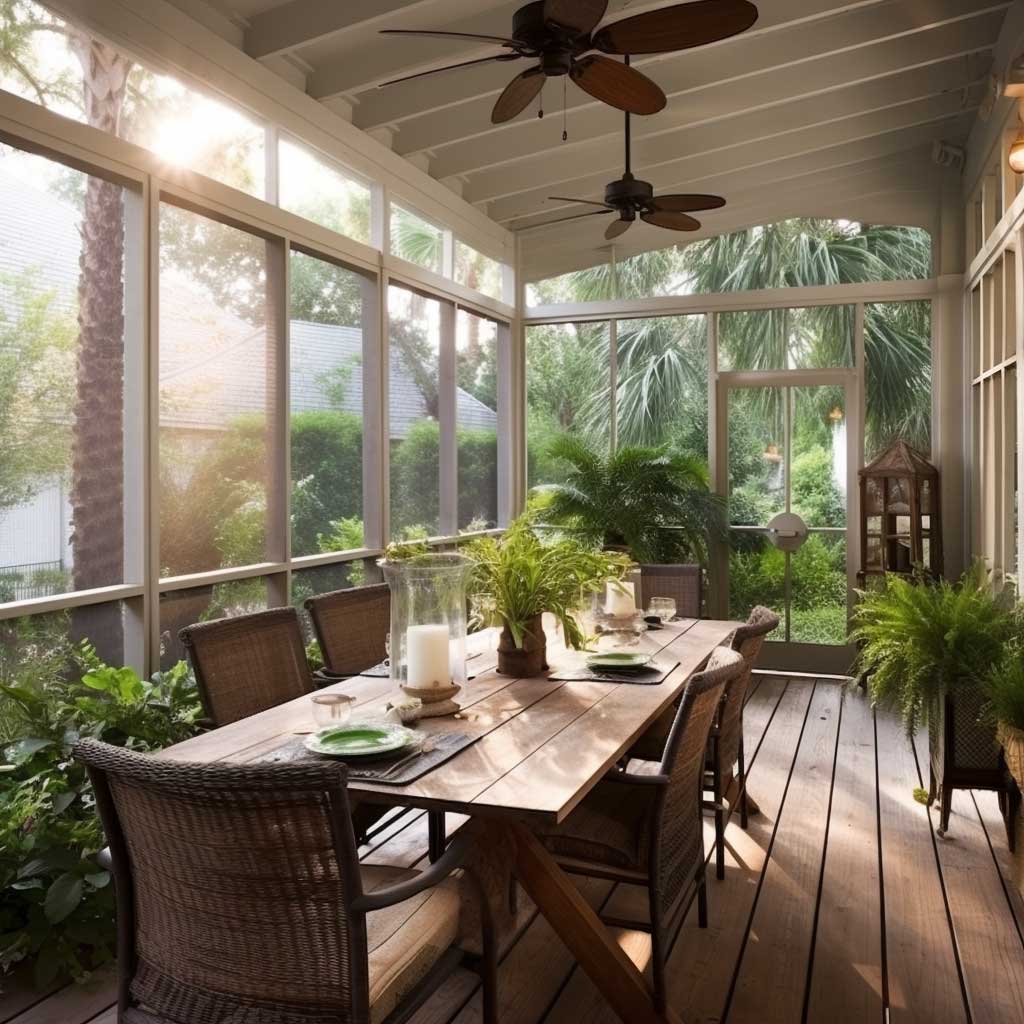
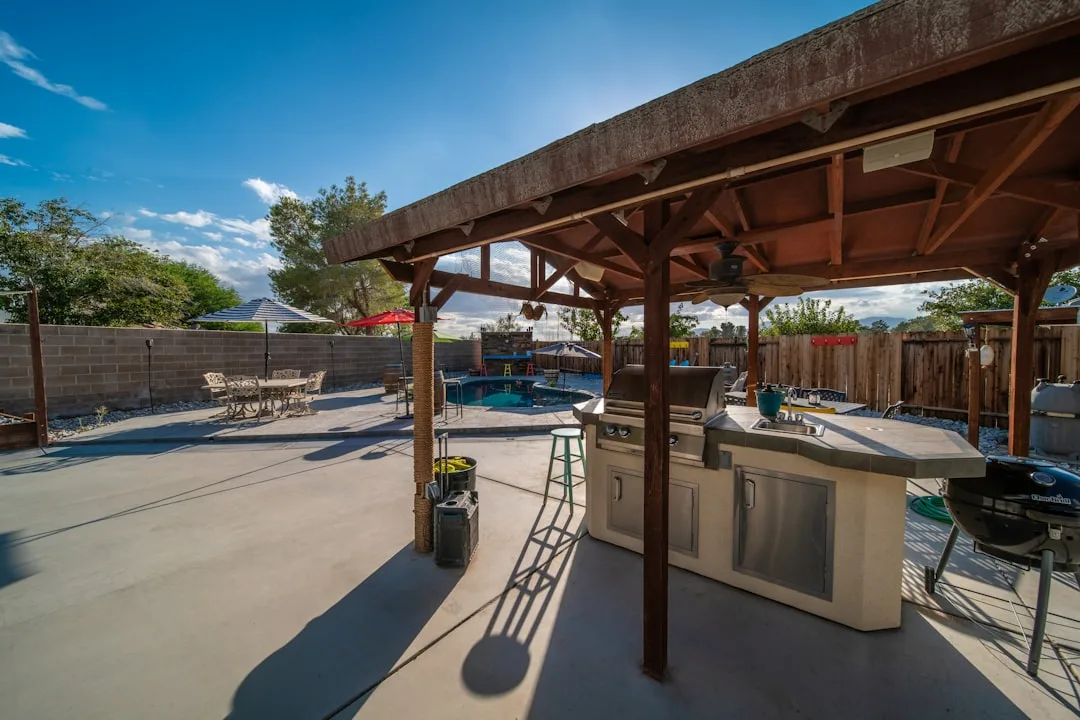
Screened porch designs built around dining solve the single biggest friction point in outdoor entertaining: weather unpredictability. The screens eliminate insects and filter light rain, turning what would otherwise be a weather-dependent event into a reliable host format. The difference between a functional al fresco dining porch and a beautiful one that nobody uses comes down to table clearance — the standard approach is 36 inches of circulation space around all four sides of the dining table, which means a 200-square-foot porch can support a table no larger than 36 by 60 inches if the chairs aren’t pushed in.
Teak is the material recommendation that shows up consistently for dining tables in screened formats, and for good reason: teak is documented to last up to 70 years under outdoor conditions, per verified information from furniture suppliers including Kathy Kuo Home. That lifespan matters in a screened porch because the table is more protected than exposed outdoor furniture but still subject to humidity cycles. Powder-coated aluminum is the alternative for contemporary builds — it won’t develop a patina, which teak’s silver-gray aging does over time without treatment. The wrong choice for this space is any table with an open grid top, because the texture traps food and complicates cleanup after evening meals.
Ceiling fans installed at $150–$500 per unit are non-negotiable in a dining-format porch in any climate that sees summer temperatures above 80°F — the fan moves air across the table, keeps insects from hovering near food-level, and makes the space feel 4–8 degrees cooler without the sound of an air conditioner. What’s the risk of skipping the fan? Guests at a screened porch dinner in July without air movement experience the porch as a greenhouse — the screens block wind that a patio would receive, and still-air humidity climbs quickly around a dinner table. A damp-rated fan rated for covered outdoor use costs $200–$350 at most home improvement retailers and handles both the comfort and the pest deterrent functions simultaneously. For the garden patio ideas that complement this dining zone, plants placed outside the screen perimeter extend the visual space without adding to the enclosed footprint.
Outdoor rugs in a dining porch do double duty: they define the dining zone visually and protect the flooring from chair legs dragging across it. A 5-by-8-foot outdoor rug runs $80–$250 depending on material — polypropylene weaves handle food spills and can be hosed off without moving the furniture. The common mistake is sizing the rug too small: if all four chair legs aren’t on the rug when chairs are pulled out to sit, the rug provides zero floor protection and reads as an afterthought rather than an anchor.
Colorful Accents Flip What Most Screen Porch Designs Get Backwards
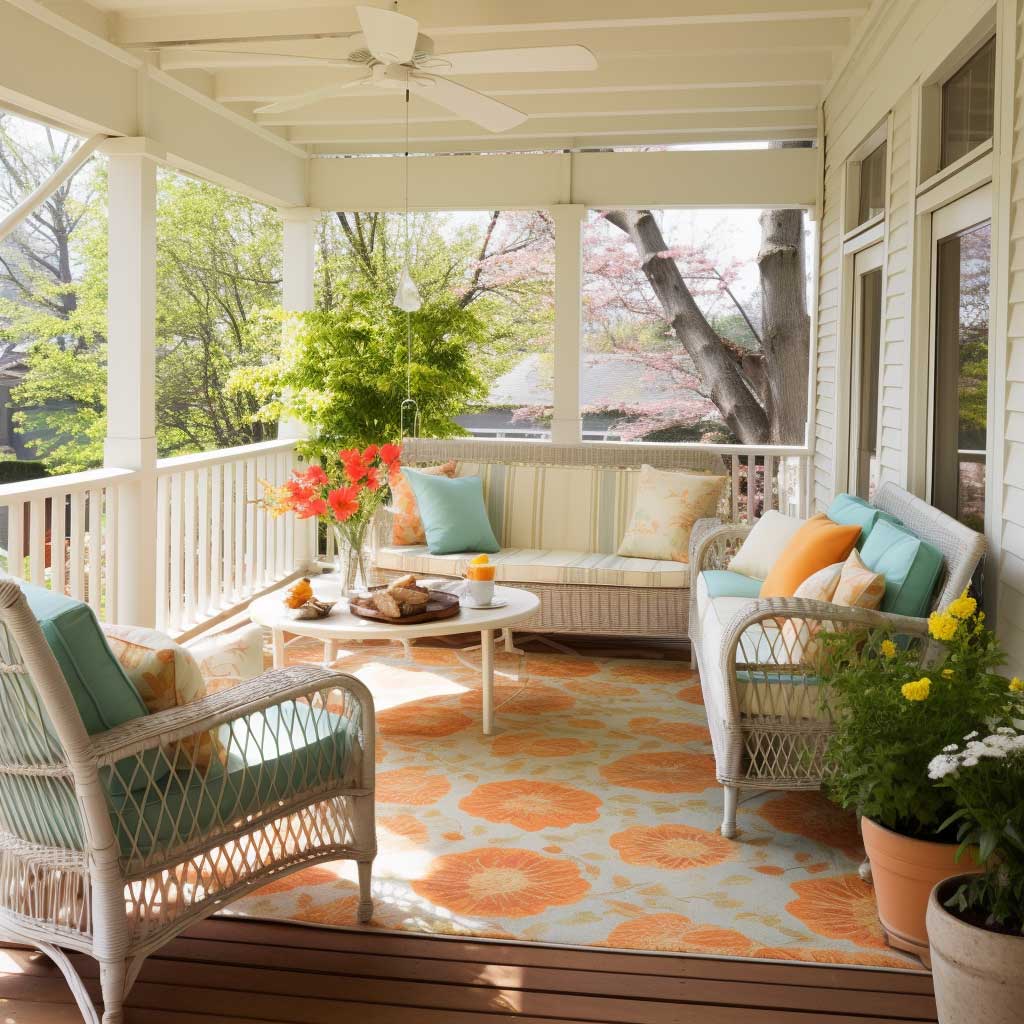
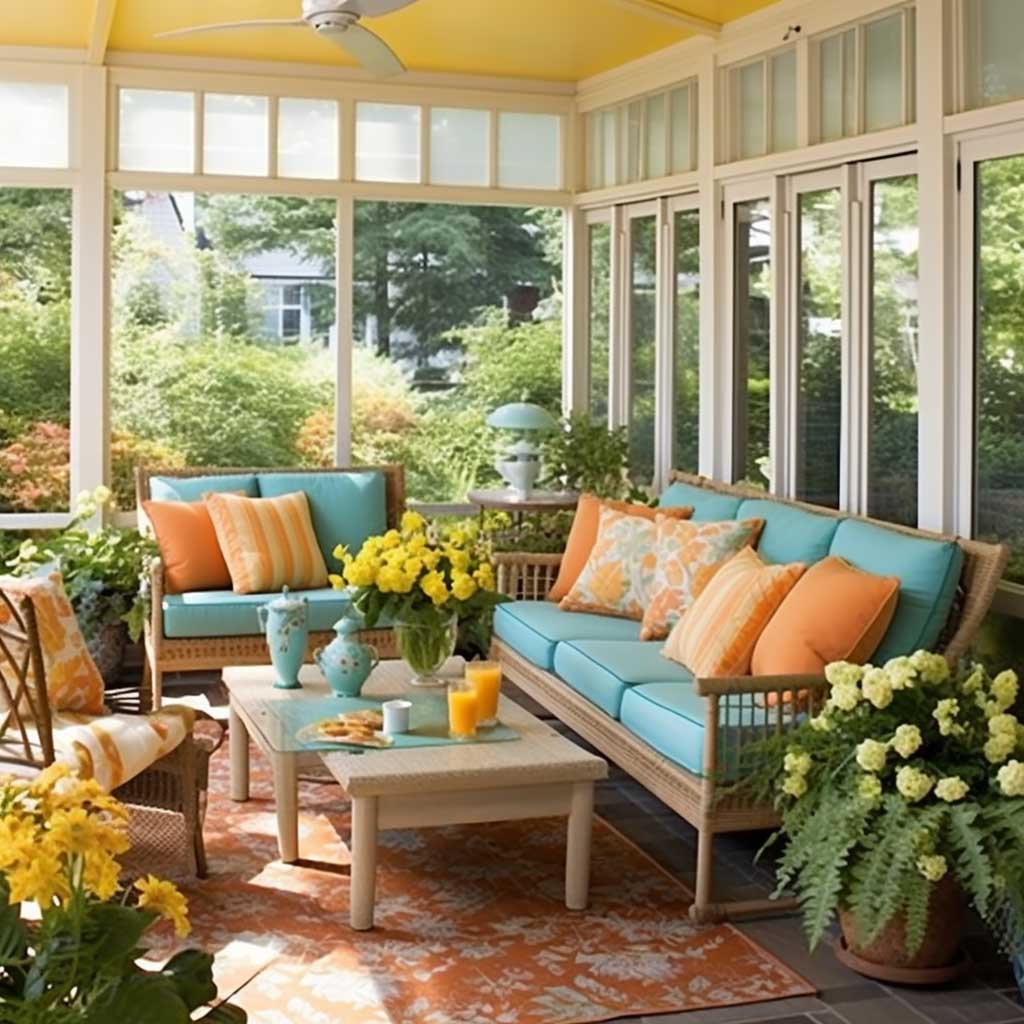
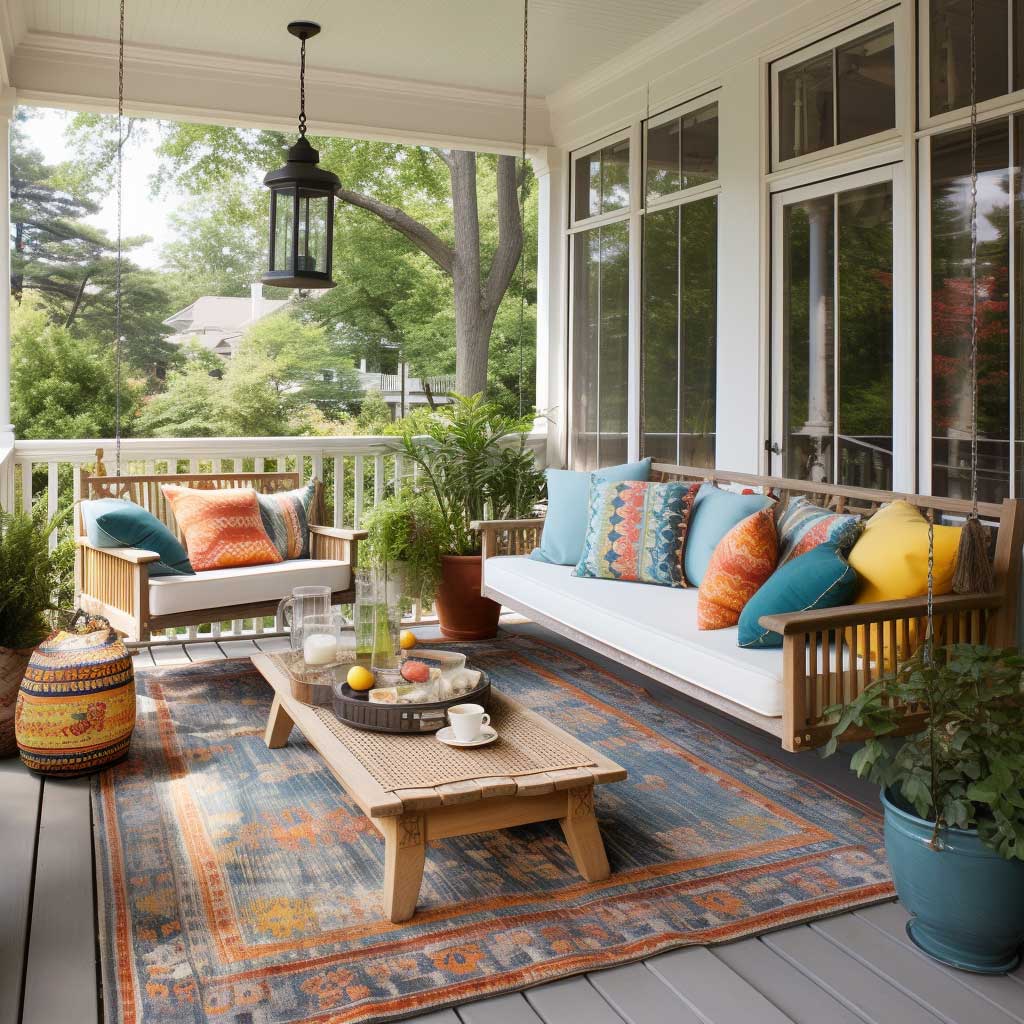

The screened porch design with colorful accents gets reversed by most people who attempt it: they buy colorful furniture and add neutral accessories, when the principle that actually works is the opposite — neutral, weather-resistant furniture frames, then color delivered entirely through textiles and plants. The furniture frame in wicker, powder-coated aluminum, or resin wicker in white or warm gray becomes the constant, and the cushions, throw pillows, and rugs become the changeable layer. This approach costs less over time because replacing a set of Sunbrella cushions runs $150–$400 depending on size, while replacing weathered colorful furniture frames runs $800–$2,000 for a complete seating group.
Sunbrella fabric — its UV-stabilized dye system is verified on the brand’s own website — is the industry standard for color retention in outdoor screened environments because the pigment runs through the fiber rather than coating the outside. Conventional dyed outdoor fabric fades noticeably after 18–24 months of sun exposure through screens; Sunbrella carries a 5-year warranty on color loss. That’s the difference between a porch that looks intentional in year three and one that looks abandoned. The specific colors that photograph best and hold their tone longest in screened conditions are saturated midtones — azure, terracotta, deep olive — rather than pastels, which wash out faster under UV exposure.
String lighting at $30–$80 per 48-foot run adds color in a way that serves two purposes at once — it provides functional illumination and creates a warmth that amplifies the saturation of the textiles around it. Hang the strings on a diagonal grid rather than in straight parallel lines; parallel lines enforce the rectangular geometry of the porch frame, while a diagonal grid makes the ceiling feel higher and more festive. Lanterns placed at floor level near the corners of the space fill the visual gap between the overhead string lighting and the furniture, completing the layered look without additional electrical work. What doesn’t work in a colorful screened porch: colored glass light fixtures at ceiling height, because the screen panels already filter light and tinted glass overhead reduces the ambient brightness until the porch reads as dim rather than warm.
Plants here are part of the color story, not an afterthought. Blooming annuals in pots — calibrachoa, begonias, or trailing lantana — cycle through colors seasonally and cost $8–$15 per plant at most garden centers. Positioning three or four pots of a single color at strategic corners creates visual anchors that echo the cushion palette without needing to match it exactly. You’ll notice that this works like a painter’s under-painting: the plant color sets the temperature of the whole composition, and the textile colors read against it rather than in isolation.
| Design Style | Best Screen Material | Key Furniture Material | Main Risk |
|---|---|---|---|
| Cozy Corner | PVC-coated polyester ($0.60–$1.00/sq ft) | Deep-seat rattan with Sunbrella cushions | Undersized furniture loses intimacy |
| Contemporary / Modern | Aluminum ($0.45–$0.75/sq ft) | Powder-coated aluminum or concrete | Wood frame warps, breaks screen tension |
| Al Fresco Dining | Fiberglass or aluminum (climate-dependent) | Teak or powder-coated aluminum table | No ceiling fan = greenhouse effect in summer |
| Colorful Accents | Any standard mesh | Neutral wicker or resin frame | Color on frames fades; Sunbrella on textiles lasts 5+ years |
Budget planning becomes much clearer when you look at real cost data. According to HomeGuide’s 2026 screened porch cost report, screening an existing porch runs $10–$25 per square foot, while new construction with a foundation and roof runs $50–$175 per square foot. That range is wide because screen material choice, frame type, and roof design each independently shift the cost — a solar-blocking screen that cuts 70% of heat and glare costs $0.85–$1.30 per square foot versus $0.20 for basic fiberglass, but on a 200-square-foot porch the difference is only $130–$220 total.
Final Take
The Screen Material Decision Comes Before the Design Decision
Screened porch designs fail at the mesh level before they fail at the furniture level. Fiberglass screens at $0.20–$0.35 per square foot are the default — and the wrong choice for south-facing, high-sun exposures and contemporary builds where screen sag destroys the clean-line aesthetic. Aluminum at $0.45–$0.75 per square foot holds tension, resists wind, and stays invisible behind whatever design you choose.
Sizing matters more than finish level for resale: industry data consistently shows that a larger, simpler screened porch returns 75–84% of build cost, while a smaller, heavily finished porch returns less because buyers price floor area, not millwork.
Match screen material to exposure, furniture weight to floor type, and textiles to a verified-fade-resistant fabric like Sunbrella. Save this post before your contractor visit — these are the questions that don’t appear on any standard quote sheet.