Mid century modern window treatments bring clean lines, organic materials and controlled light into spaces that feel both lived-in and intentional. They work because the era itself prized function first — privacy when needed, daylight when wanted — without sacrificing the graphic or natural textures that define the style.
Geometric prints, bamboo weaves and soft solid drapes remain the three most reliable routes. Each can sit comfortably beside low-profile furniture and warm wood tones. The right choice turns a plain window into a quiet design statement rather than an afterthought.
Average installed costs for most residential treatments fall between $30 and $600 per window according to current market data. That range covers everything from simple bamboo blinds to custom patterned panels, so budget rarely blocks the look.
- Geometric panels deliver the strongest visual punch and pair cleanly with tapered-leg furniture.
- Bamboo and woven wood shades last 5–10 years indoors with basic dusting and moderate humidity control.
- Soft solid or lightly textured curtains keep minimalist bedrooms calm while still filtering light.
- Expect $50–$500 per window for most curtain options and $80–$250 for quality bamboo shades.
- Mount rods or tracks higher and wider than the frame to make windows feel larger.
- Avoid heavy formal drapery with deep swags — the style thrives on simplicity.
Geometric Patterns Bring Mid Century Modern Window Treatments to Life
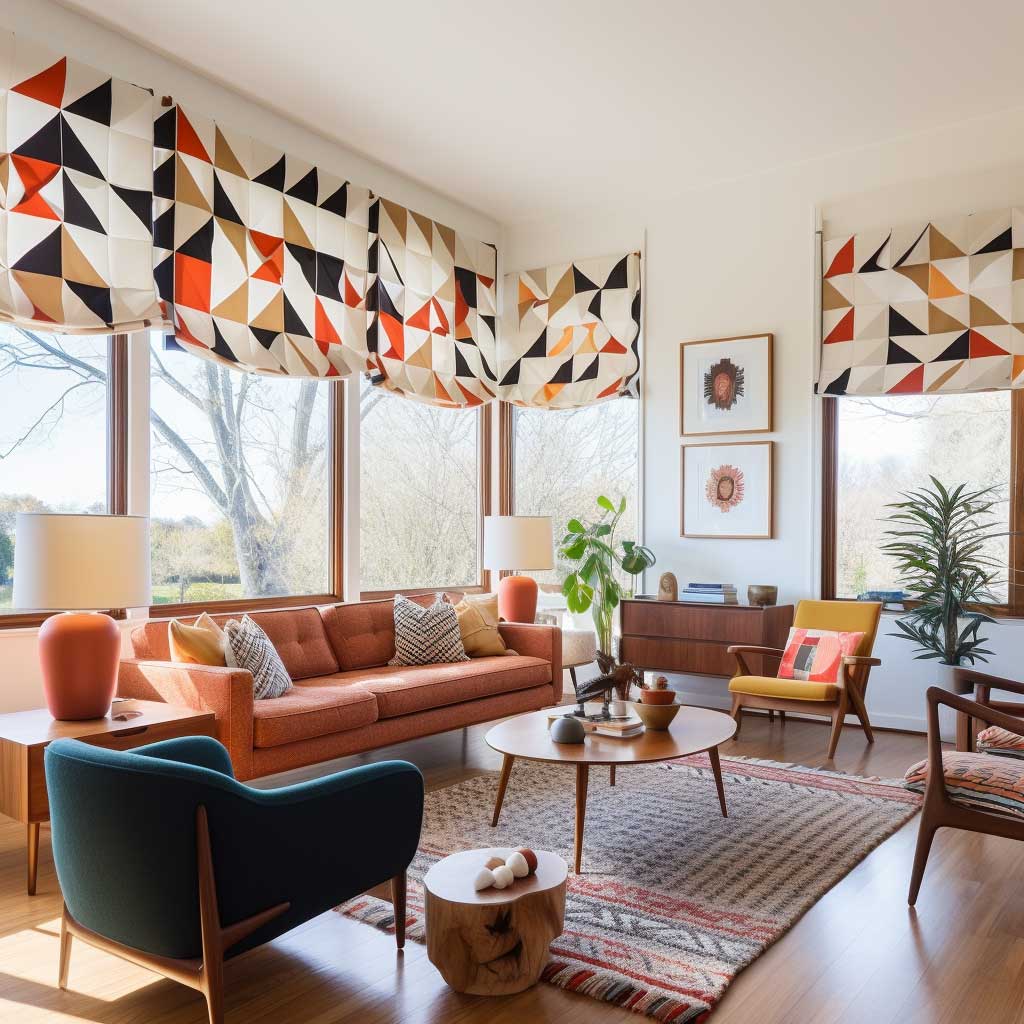
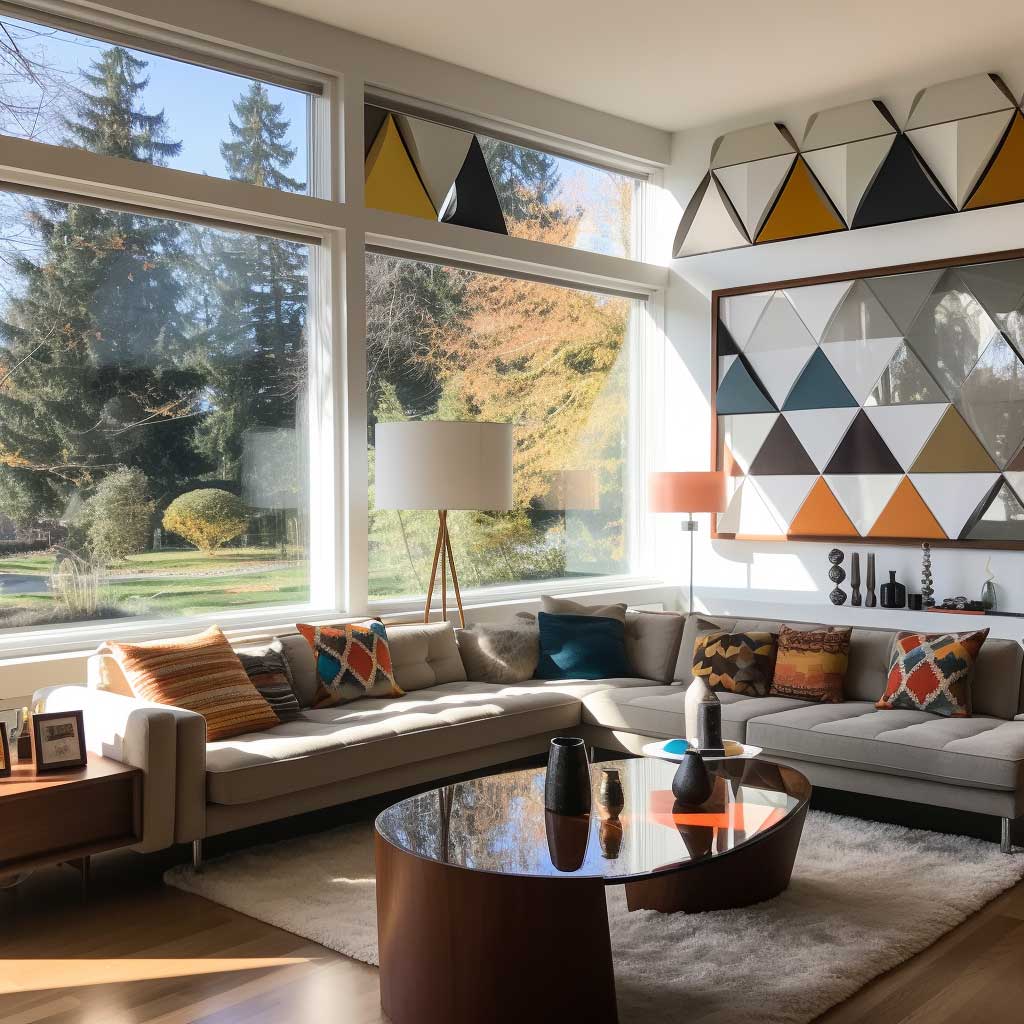


Geometric mid century modern window treatments act like the abstract art of the room. Circles, diamonds and intersecting lines pull the eye without shouting. In a sunlit living area the blues and greens of a strong print create contrast against walnut or teak furniture and keep the space from feeling flat.
Why does the pattern work so well? Because mid-century designers treated windows as part of the composition rather than holes in the wall. A well-scaled geometric panel can cost $40–$120 per panel in ready-made form and still deliver the same graphic energy once found only in custom work. The fabric itself needs enough weight to hang straight; thin polyester looks cheap within months.
Light control remains practical. Raise the panels and daylight floods in; lower them and privacy arrives without darkening the room completely. Think of the treatment as a filter rather than a wall. Avoid the common mistake of choosing a print that is too small — it reads as busy wallpaper instead of intentional design.
Pairing these panels with low sofas and open shelving keeps the conversation between furniture and window honest. For a fuller living-room context that shows how geometric treatments sit beside classic MCM pieces, see the ideas in how to create the perfect mid century modern living room.
Natural Materials Anchor Mid Century Modern Window Coverings


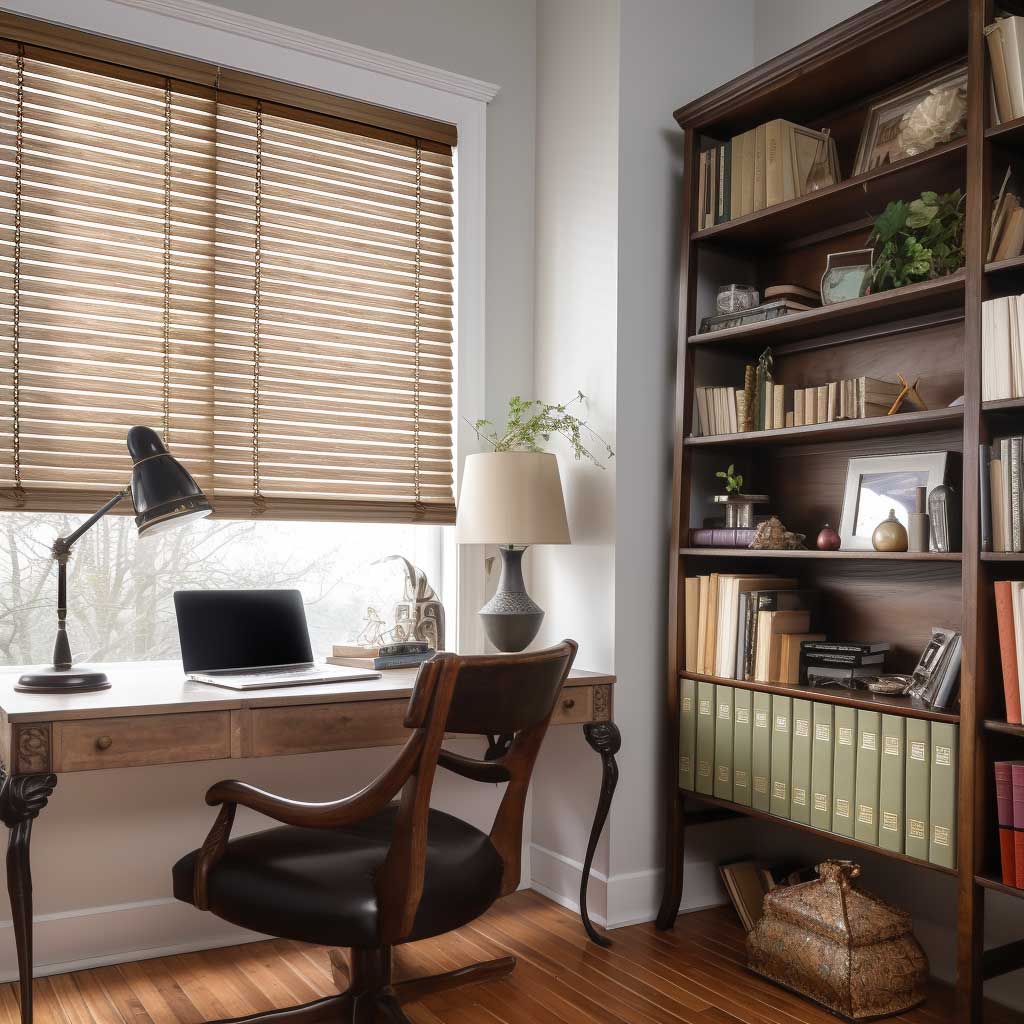
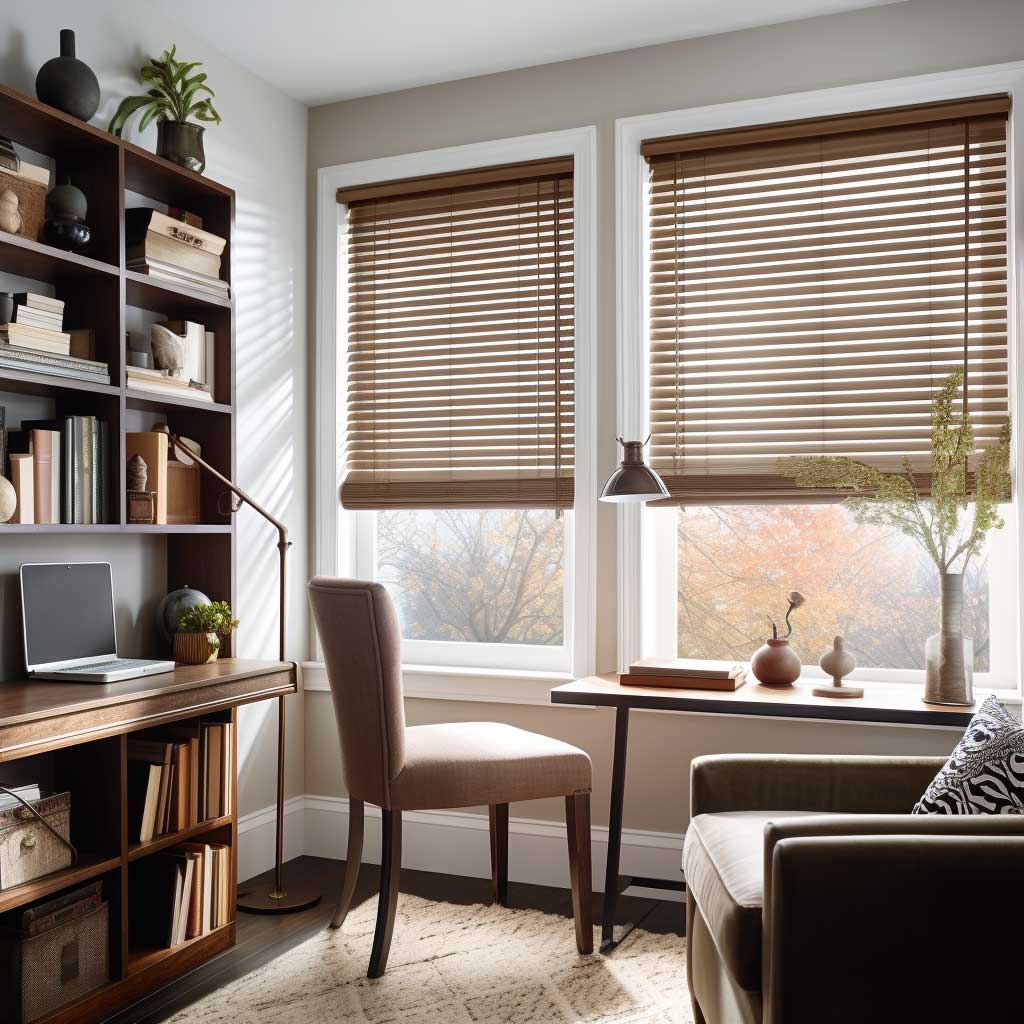
Bamboo and woven-wood mid century modern window treatments speak the same language as the era’s love of honest materials. The texture softens hard edges and echoes the grain of nearby furniture. In a study or reading corner the filtered light feels calm rather than dramatic.
Quality indoor bamboo shades typically last 5–10 years when kept free of excessive humidity and direct continuous sun. Manufacturers note that moderate climates and occasional dusting extend that range. Prices for standard sizes usually sit between $80 and $250 per window before installation. The material breathes, so rooms stay cooler in summer without the heavy feel of synthetic blackout fabric.
What happens if the weave is too open? Privacy suffers at night once interior lights go on. Adding a simple liner solves the issue without hiding the natural surface. Do not hang untreated bamboo in a steamy bathroom — the fibers swell and warp. Treat the shade as a piece of furniture that needs occasional attention rather than a set-and-forget product.
The warm tone of bamboo pairs especially well with walnut desks and low bookcases. It is the practical equivalent of bringing a small piece of outdoor landscape indoors without the maintenance of live plants.
Soft Curtains Keep Minimalist Mid Century Modern Window Treatments Quiet


Minimalist mid century modern window treatments favor soft solids or barely-there texture over busy prints. In a bedroom the goal is rest, not visual competition. A linen-blend or medium-weight cotton panel in a muted tone drapes cleanly and still allows daylight to wash the walls.
Ready-made panels in this category often run $50–$200 per pair for standard lengths. Fullness matters: aim for 1.5 to 2 times the window width so the fabric gathers rather than hangs flat. Mount the rod several inches above the frame and extend it beyond each side so the panels stack clear of the glass when open. That single detail makes the window feel taller and the room larger.
How much light should the fabric block? Light-filtering is usually enough for daytime privacy; a blackout liner can be added later if early-morning sun becomes an issue. Skip shiny synthetic satins — they fight the matte, honest surfaces that define mid-century rooms. The curtain should disappear into the architecture until you need it.
These quieter treatments leave space for a single sculptural lamp or a low platform bed to carry the design weight. The window becomes a calm background rather than another loud voice in the room.
Comparing Options for Window Treatments in Mid Century Modern Homes
| Type | Best For | Typical Cost per Window | Lifespan (Indoor) | Light Control |
|---|---|---|---|---|
| Geometric panels | Living rooms, statement walls | $40–$150 | 7–12 years | Medium to high |
| Bamboo / woven wood | Studies, kitchens, organic schemes | $80–$250 | 5–10 years | Medium (liner optional) |
| Soft solid curtains | Bedrooms, minimalist spaces | $50–$200 | 8–15 years | Adjustable with liner |
The table shows why no single solution fits every room. Geometric fabric delivers personality where conversation happens. Bamboo adds texture where natural materials already dominate. Soft curtains protect sleep and keep visual noise low. Choose according to the primary job of the room rather than forcing one look everywhere.
For larger openings such as patio doors the same principles apply, but hardware and stack space become critical. Practical approaches for those spans appear in the detailed breakdown of window treatment ideas for sliding glass doors.
Practical Rules That Keep the Look Authentic
Mount hardware high and wide. A rod placed just above the frame shortens the wall and makes the treatment look apologetic. Extend at least 8–12 inches past each side so panels clear the glass completely when open.
Match material weight to the room’s existing surfaces. Heavy velvet next to thin teak legs creates visual friction. Medium-weight linen or cotton sits more comfortably beside mid-century woods and metals. Current average installed costs for most residential window treatments remain $30–$600 per window, so quality fabric is rarely the most expensive part of the decision.
Do not treat every window identically. A geometric panel in the living room and a quiet solid in the bedroom respect the different jobs of each space. Uniformity across an entire house often reads as catalog rather than considered design.
Don’t Do This
- Don’t hang formal swag-and-tail treatments — they belong to a different era.
- Don’t choose ultra-sheer fabrics for street-facing windows if privacy matters after dark.
- Don’t install corded systems where small children or pets are present; cordless is now the safer standard.
- Don’t ignore the view from outside — a mismatched back of the fabric can spoil the façade.
Final Choices That Hold Up Over Time
Mid century modern window treatments succeed when they solve light and privacy first and look considered second. Geometric panels, bamboo weaves and soft solids each have a clear role; mixing them room by room keeps the house from feeling staged.
Budget realistically using the $30–$600 per-window range and prioritize mounting height and fabric weight over trendy prints that date quickly. A well-chosen treatment lasts a decade or more and continues to flatter the furniture around it.
Measure twice, order samples, and hang the hardware before the fabric arrives. That sequence prevents the most common installation regrets and lets the windows do the quiet work they were always meant to do.
For broader cost context across blinds, shades and curtains, current figures are summarized at HomeGuide’s window treatment cost guide.
Complete guide
Furniture Decor Ideas for Every Room in Your Home
Living room, bedroom, dining, kitchen, outdoor — all in one place
Complete guide
Window Treatments That Actually Transform a Room
Curtains, blinds, shades, valances, bay windows, doors — all in one place
Complete guide
Where Walnut Meets Wow — The Mid Century Style Handbook
Kitchens, bathrooms, living rooms, furniture, color, materials — all in one place