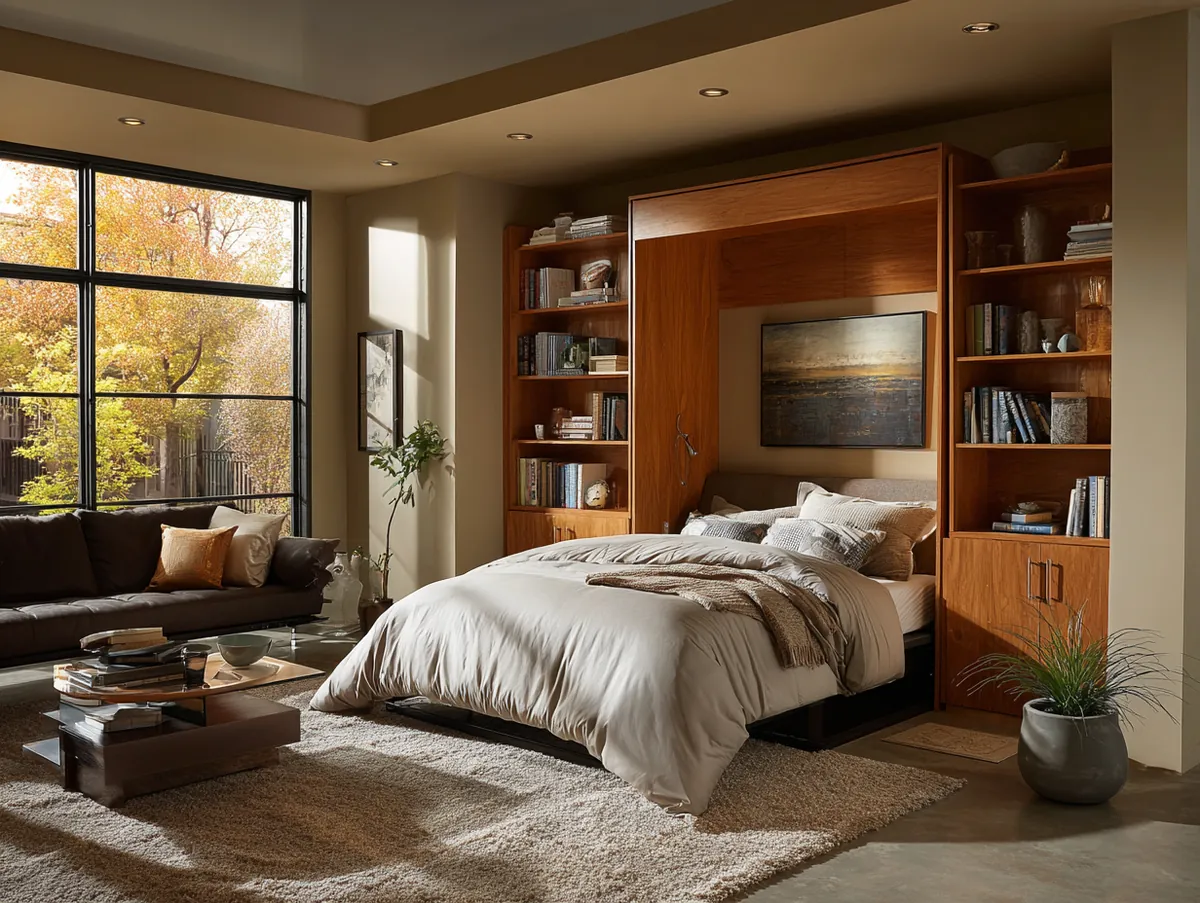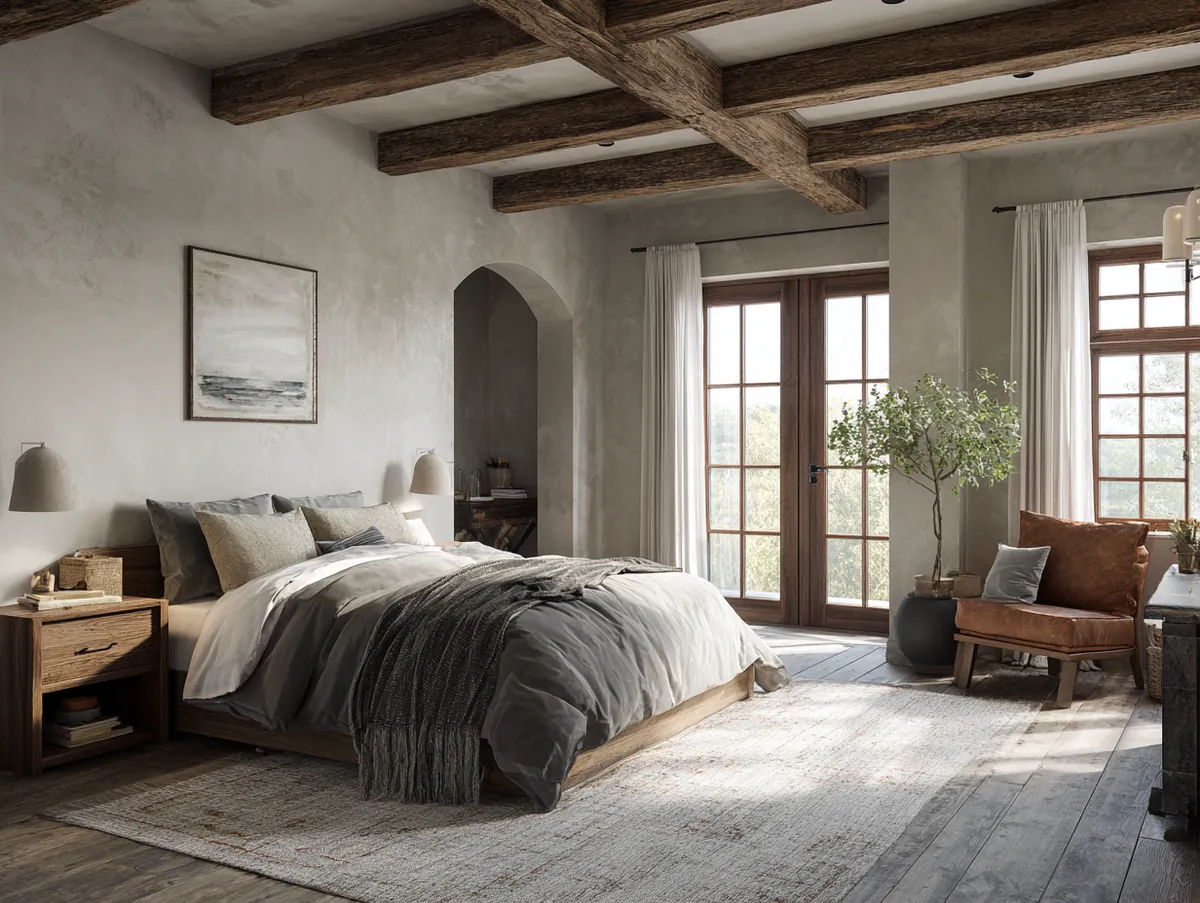
Living in a rental often feels like a compromise between your aesthetic vision and the strict terms of a lease agreement. The standard “white box” syndrome can feel impersonal and sterile, leaving many tenants wondering how to inject personality into their sleeping quarters without risking their security deposit. The challenge is even greater when space is limited, as every design choice must be both functional and visually appealing. However, restrictions often breed the best creativity. You do not need to tear down walls or drill oversized holes to create a sanctuary that feels entirely your own. With the right strategic approach, you can transform a compact rental into a stylish, cozy retreat that reflects your taste while keeping your landlord happy.
Using peel and stick wallpaper for decorating a small bedroom
When you are faced with the challenge of decorating a small bedroom, the walls are your largest canvas, yet they are often the aspect of the room that renters are most afraid to touch. The fear of repainting or the prohibition against permanent changes can leave you staring at bland, neutral paint that does nothing to inspire relaxation or joy. This is where the modern miracle of peel-and-stick wallpaper becomes a transformative tool. It is no longer the flimsy contact paper of the past; today’s removable wallpapers are thick, textured, and come in high-end designs that mimic everything from woven grasscloth to hand-painted murals.


Implementing a feature wall is one of the most effective strategies for decorating a small bedroom because it creates an immediate focal point that anchors the room. In a compact space, the eye needs a place to rest. Without a focal point, a small room can feel cluttered or chaotic. By applying a bold pattern or a deep, rich color to the wall behind your bed, you provide that necessary visual structure. The beauty of this hack lies in its impermanence. You can be as adventurous as you like—opting for moody floral prints or geometric shapes—knowing that when it is time to move, the paper strips away cleanly, leaving the original wall underneath pristine.
Choosing the right pattern is crucial when you are working with limited square footage. There is a common misconception that small spaces require small prints, but the opposite is often true. Tiny, repetitive patterns can sometimes look busy and overwhelming in a confined area. Large-scale motifs, on the other hand, can actually trick the eye into perceiving the space as larger than it is. A sweeping landscape mural or oversized botanicals can blur the boundaries of the room, adding depth and dimension where there was once only a flat, white surface. This visual trickery is a cornerstone of decorating a small bedroom effectively.
Beyond the visual impact, the application process of removable wallpaper is surprisingly manageable for a DIY novice. It requires patience and a smoothing tool, but it does not require professional installation. This autonomy allows you to customize your space on a weekend afternoon. You are not limited to just walls, either. If doing a full wall feels too daunting, consider using wallpaper to line the back of a bookshelf or to cover the front of a plain dresser. These micro-doses of pattern help tie the room together without dominating the space.
Furthermore, color psychology plays a massive role in how a small room feels. While light colors are traditionally known to make a room feel airy, dark colors can make a small bedroom feel intimate and infinite, like a jewelry box. A navy or forest green peel-and-stick paper can make the walls recede, enhancing the coziness factor. When you layer your lighting and textiles against this new backdrop, the room suddenly feels curated and intentional rather than temporary. Ultimately, this hack bridges the gap between the transience of renting and the desire for a true home. It proves that decorating a small bedroom is not about fighting the space you have, but rather dressing it in a way that celebrates its coziness while expressing your unique identity.
Lighting hacks for decorating a small bedroom with plug in sconces
Lighting is the unsung hero of interior design, capable of altering the mood and perceived size of a room with the flick of a switch. For renters, however, lighting is often a source of frustration. Most rental bedrooms come equipped with a single, harsh overhead fixture affectionately known as the “boob light,” which casts unflattering shadows and makes the room feel smaller and colder. The traditional solution is to add floor lamps or table lamps, but when you are decorating a small bedroom, floor space is a luxury you cannot afford to waste. A floor lamp takes up precious square footage, and bedside tables in tiny rooms are often too small to accommodate a bulky lamp base along with your phone, books, and water glass.
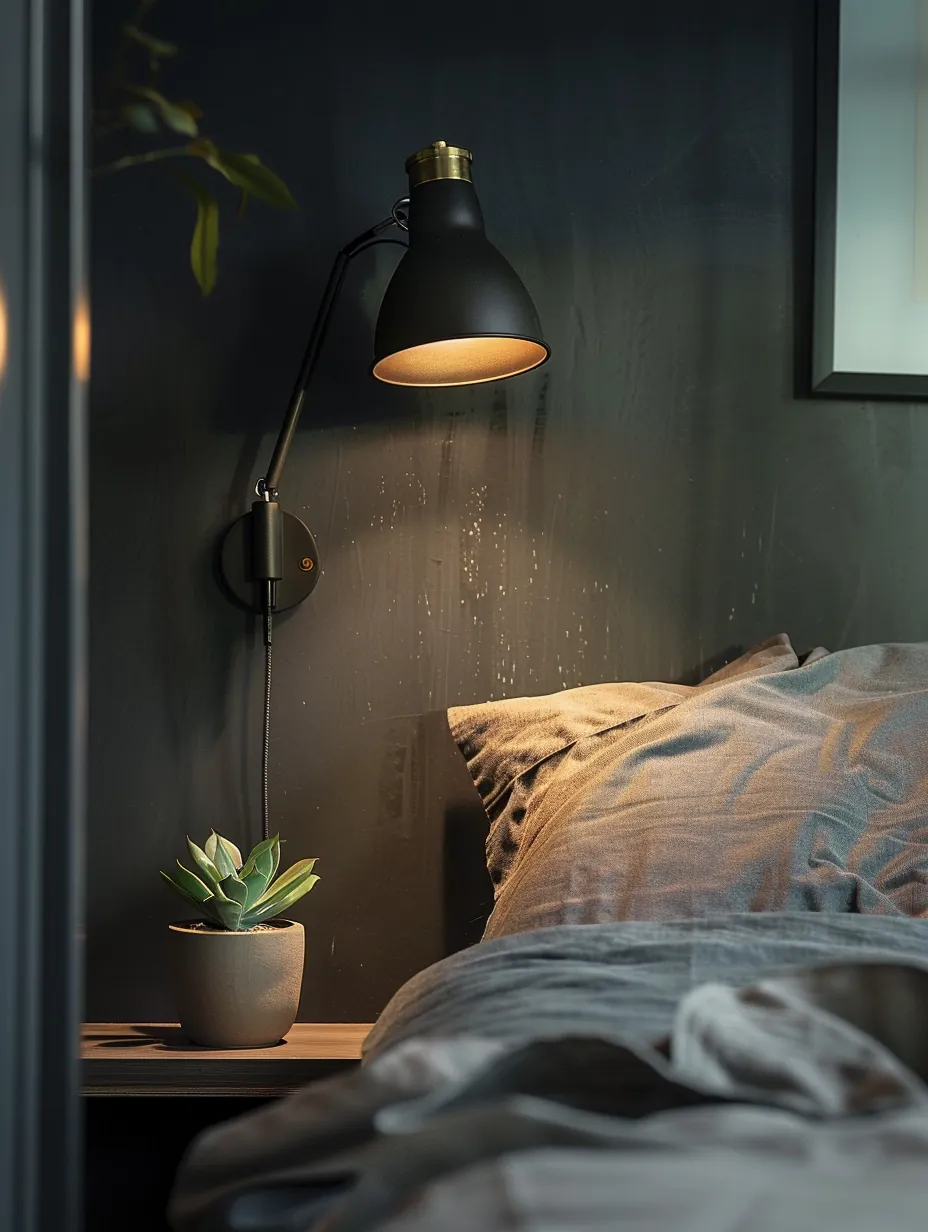

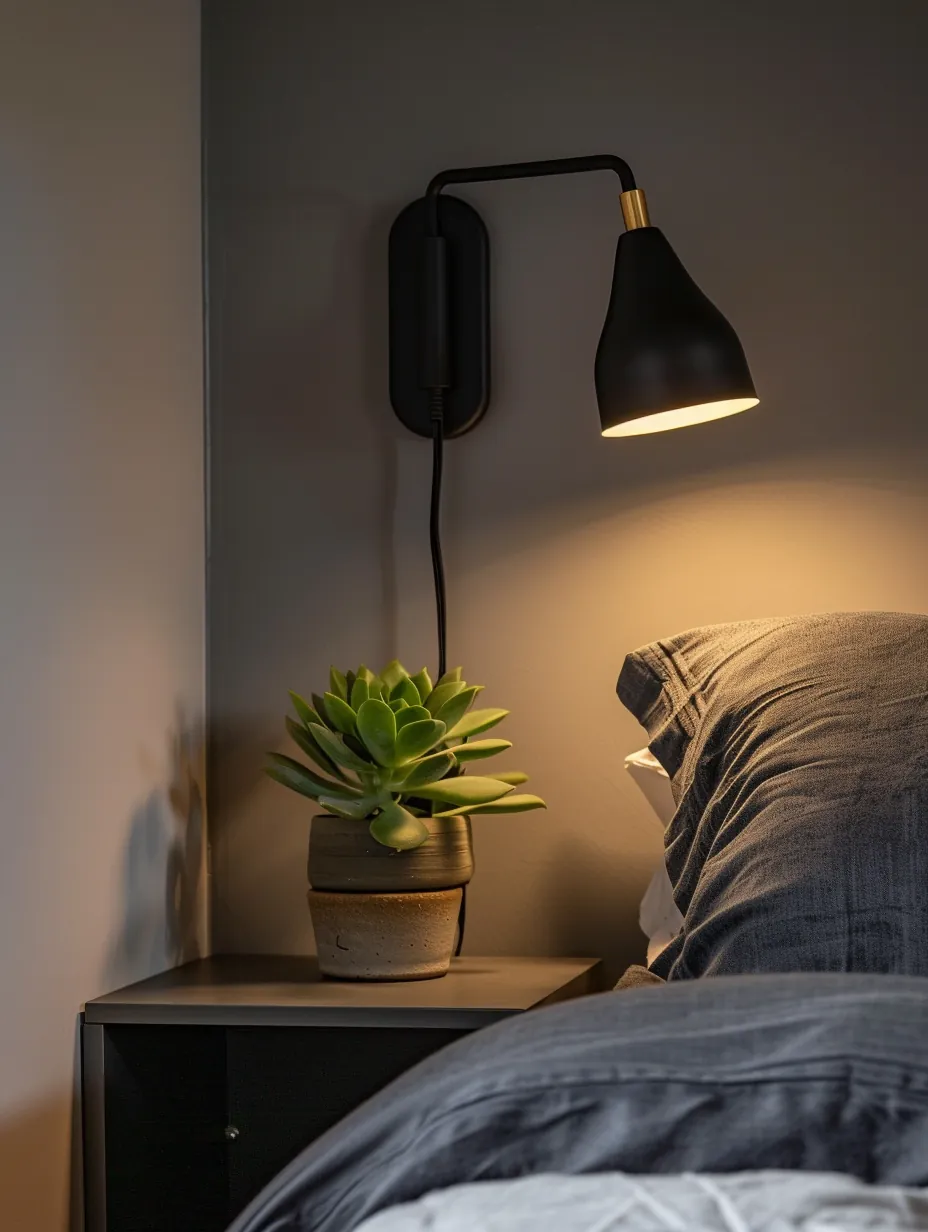

Enter the plug-in wall sconce. This fixture is a game-changer for renters because it offers the sophisticated look of hardwired architectural lighting without the need for an electrician or drywall repair. By mounting your lighting on the wall, you free up the surface area of your nightstand and keep the floor clear, maintaining an open flow of traffic. This vertical approach is essential when decorating a small bedroom, where every inch of horizontal surface area counts.
The aesthetic contribution of sconces cannot be overstated. They frame the bed, acting almost like jewelry for the room. Whether you choose a sleek mid-century modern design with a swinging arm or a vintage-inspired brass fixture, sconces add a layer of polish that suggests a custom-designed space. Many renters worry about the visible cord, but in modern design, the cord can be part of the look. You can use decorative cord covers or simply train the cord to hang straight down and secure it with stylish clips. This honesty in materials—acknowledging that the light is plugged in—fits perfectly with industrial and contemporary styles.
Functionally, plug-in sconces allow for better control of the room’s ambiance. In a small room, lighting needs to be layered. You need task lighting for reading in bed, but you also need ambient light to soften the edges of the room. Many plug-in sconces come with dimmer switches or adjustable heads, allowing you to direct light exactly where you need it. By directing light toward the walls or ceiling, you can bounce light around the room, which helps to visually expand the space. This is a critical technique in decorating a small bedroom, as dark corners can make a room feel boxy and confining.
Moreover, the versatility of placement is a significant advantage. Because you are not tethered to a ceiling junction box, you can place these lights at the exact height that works for your bed and your reading habits. If your bed frame is low, you can mount the lights lower to create a cozy, intimate vignette. If you have a loft bed or an unusual layout, you can position the light where a standard lamp could never reach.
This lighting hack also encourages a more organized visual field. Clutter is the enemy of small spaces. By removing the visual weight of lamp bases from your tables, the area around your bed looks cleaner and more streamlined. It allows for a more minimalist styling approach, where a single bud vase or a stack of two books becomes the decor, rather than being overshadowed by a lampshade. Ultimately, swapping to wall-mounted plug-in lighting is a high-impact, low-effort upgrade that solves multiple problems at once: it saves space, improves functionality, and elevates the style of the room, proving that decorating a small bedroom is about smart, vertical thinking.
Floating shelves and adhesive hooks when decorating a small bedroom
One of the most pervasive myths about renting is that you cannot hang anything heavy on the walls. This fear often leads to bare walls and cluttered floors, as tenants rely on bookcases and dressers that consume massive amounts of floor space. However, when decorating a small bedroom, floor space is your most valuable currency. The solution lies in maximizing verticality through the use of floating shelves and clever hook systems, installed using renter-friendly methods or easily patchable techniques. While heavy-duty floating shelves might require small screw holes, these are easily filled with spackling paste upon moving out—a minor task for a major gain in livability and style.


Vertical storage draws the eye upward, utilizing the full height of the room. This is a vital optical illusion when decorating a small bedroom; by emphasizing height, you distract from the limited footprint. Floating shelves offer a sleek, airy profile that bulky bookcases cannot match. A bookcase has sides and a back that block light and visual flow, whereas floating shelves allow the wall color to show through, keeping the room feeling open. You can install a shelf high above the doorway to store off-season items or line them up vertically in a narrow nook to create a library that takes up zero floor space.
For those who are strictly forbidden from making even small holes, the advancement in adhesive technology has been revolutionary. Heavy-duty adhesive hooks and strips can now hold significant weight, allowing you to create gallery walls, hang hats, or organize jewelry without a single nail. This approach to decorating a small bedroom allows for flexibility. You can rearrange your art or storage configuration as often as you like without damaging the drywall. A series of hooks near the entry of the bedroom can serve as a “floating closet” for the clothes you use most often, like robes or hoodies, keeping them off the infamous “chair” or the bed.
The styling of these vertical elements is where the design magic happens. In a small room, everything must earn its keep, so storage needs to double as decor. Open shelving forces a level of curation that is actually healthy for small-space living. You cannot hide clutter on a floating shelf. Instead, you display your favorite books, a beautiful plant that adds life and oxygen to the room, or sentimental objects that make the space feel like home. This blend of utility and aesthetics is the sweet spot for decorating a small bedroom.
Furthermore, these vertical hacks allow you to define zones within a small room. A shelf mounted at desk height can serve as a vanity or a workspace if you pull up a stool. Hooks on the side of a wardrobe can hold bags and accessories. By lifting these items off the ground, you make the room easier to clean and easier to navigate. The psychological effect of a clear floor is profound; it reduces anxiety and makes the bedroom feel like a restful retreat rather than a storage unit.
Ultimately, embracing vertical storage through shelves and hooks transforms the walls from passive barriers into active participants in your home design. It allows you to layer texture and personality into the room. Whether it is the wood grain of a shelf, the woven texture of a hanging basket, or the glossy cover of a displayed book, these elements add richness to the design. Decorating a small bedroom is not just about fitting your furniture in; it is about finding clever ways to live large in a small footprint, and utilizing your walls is the most effective strategy to achieve that balance of form and function.