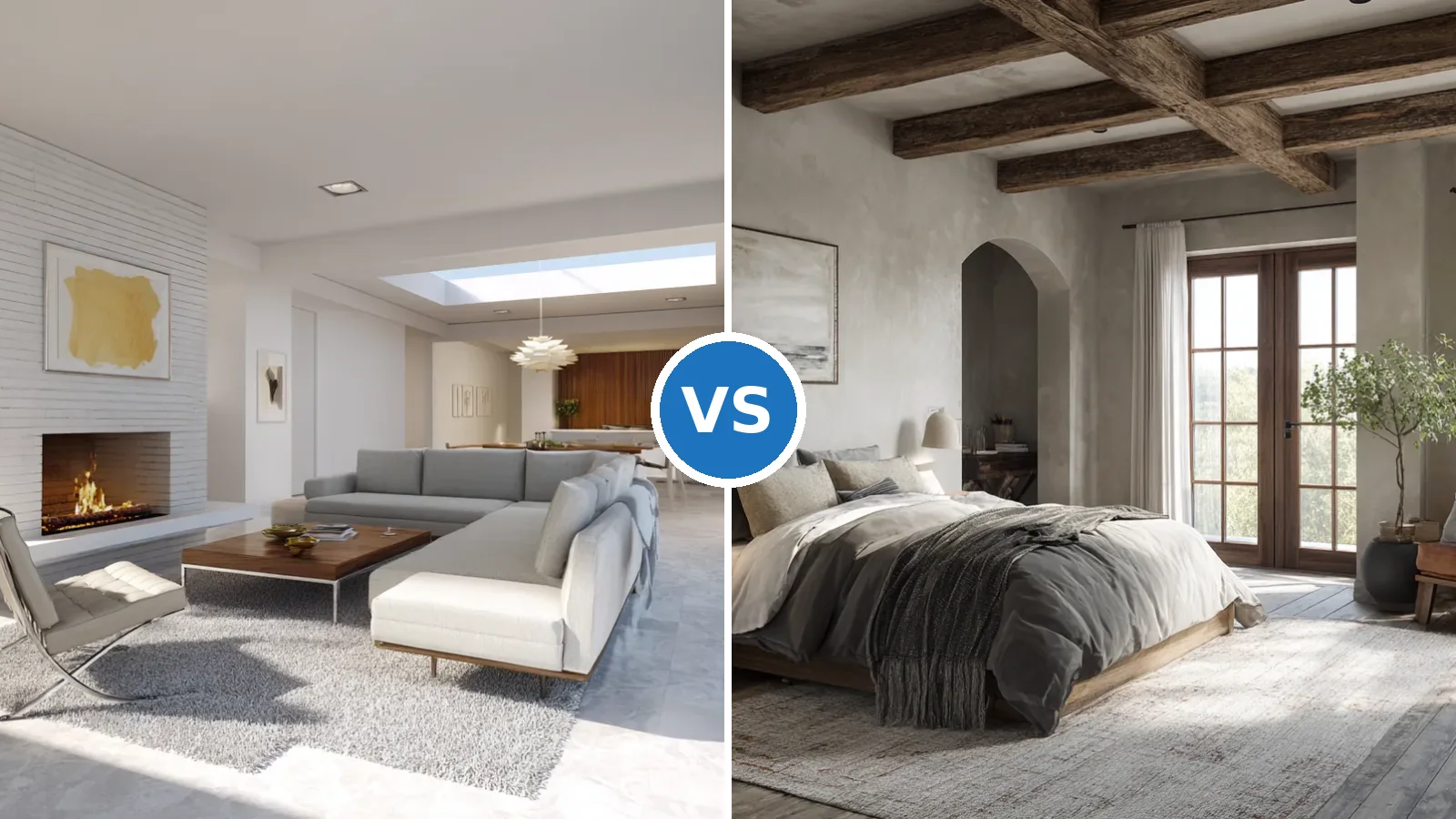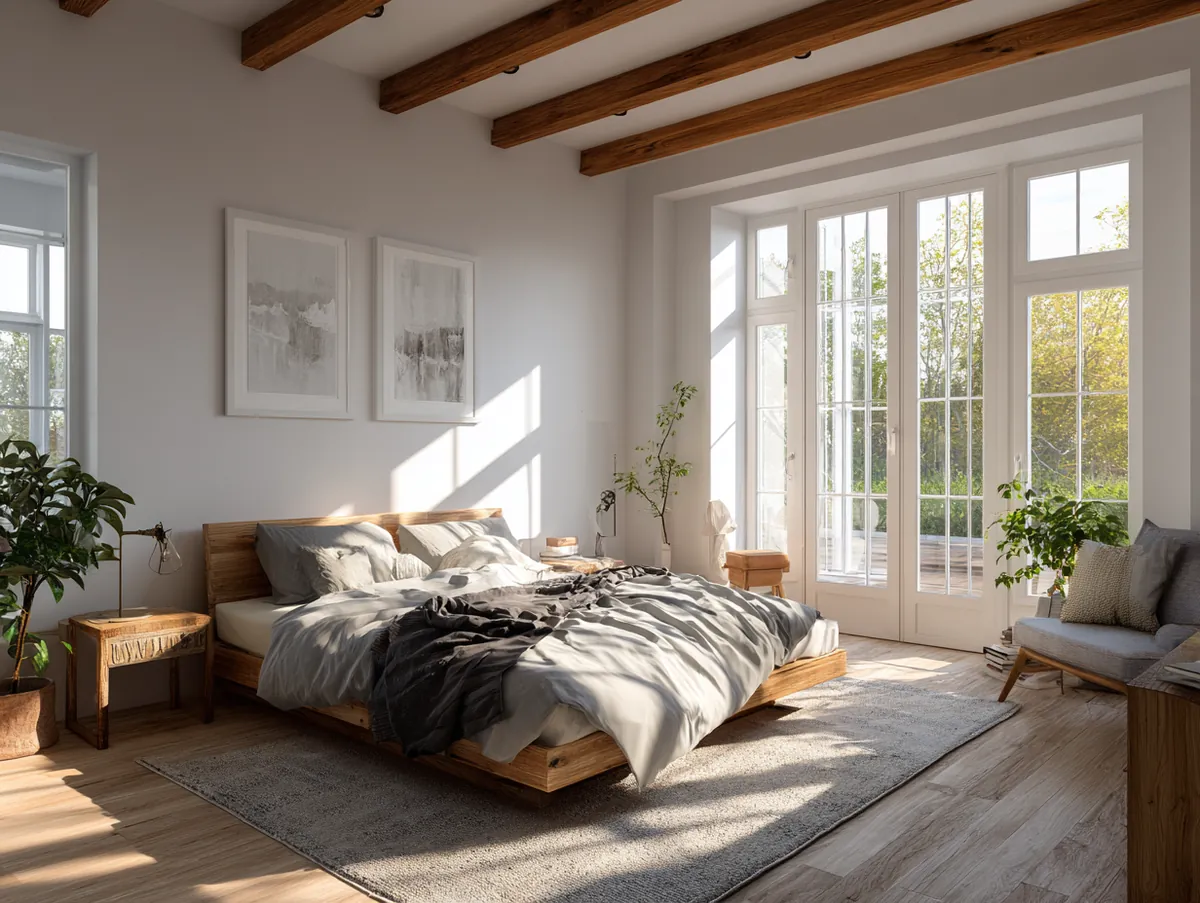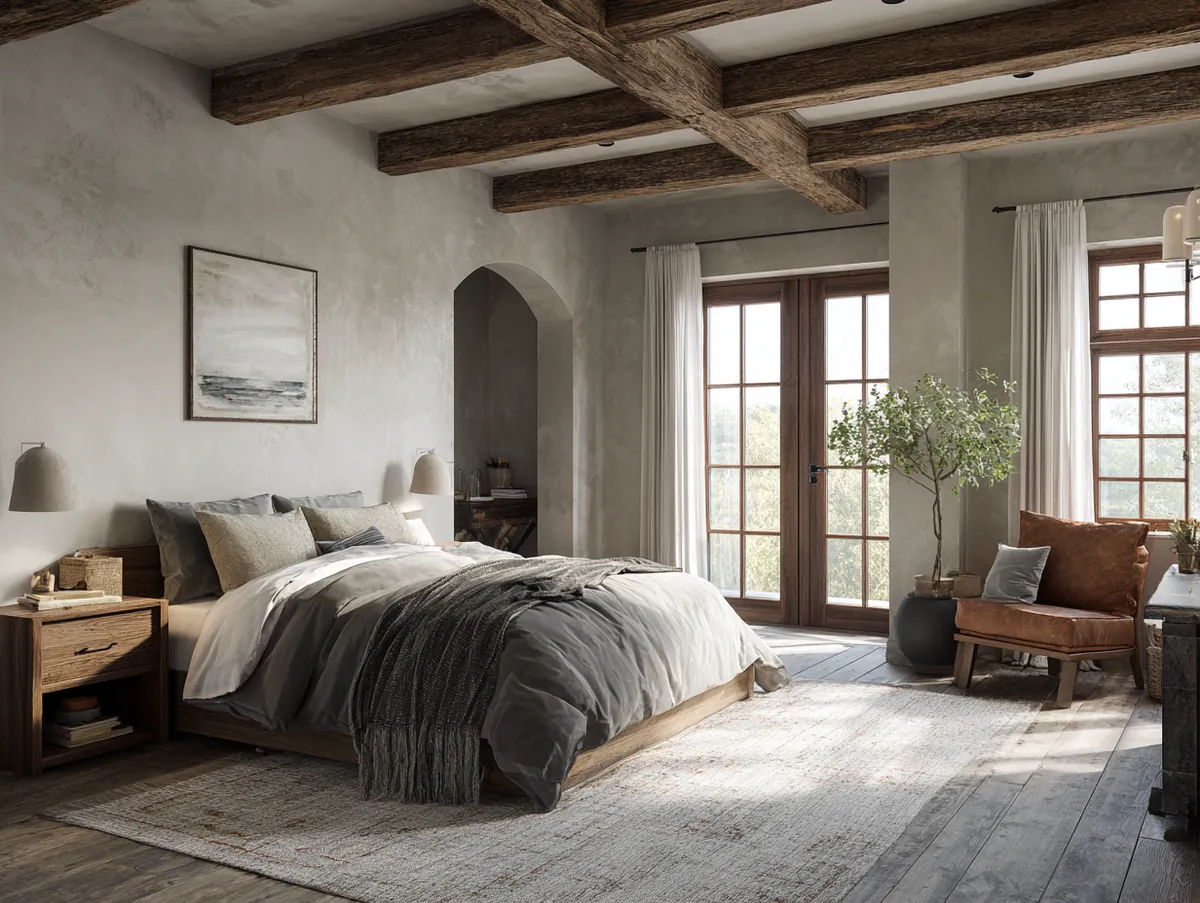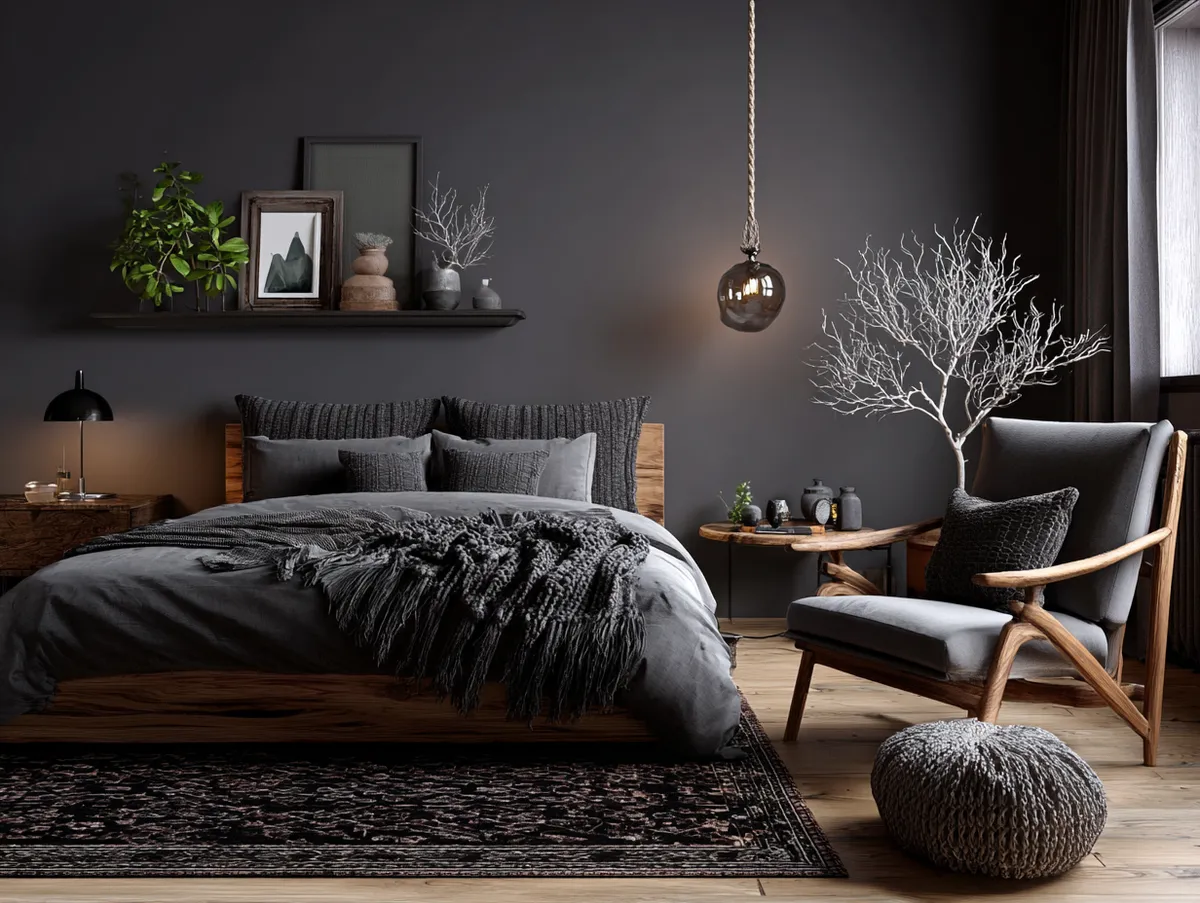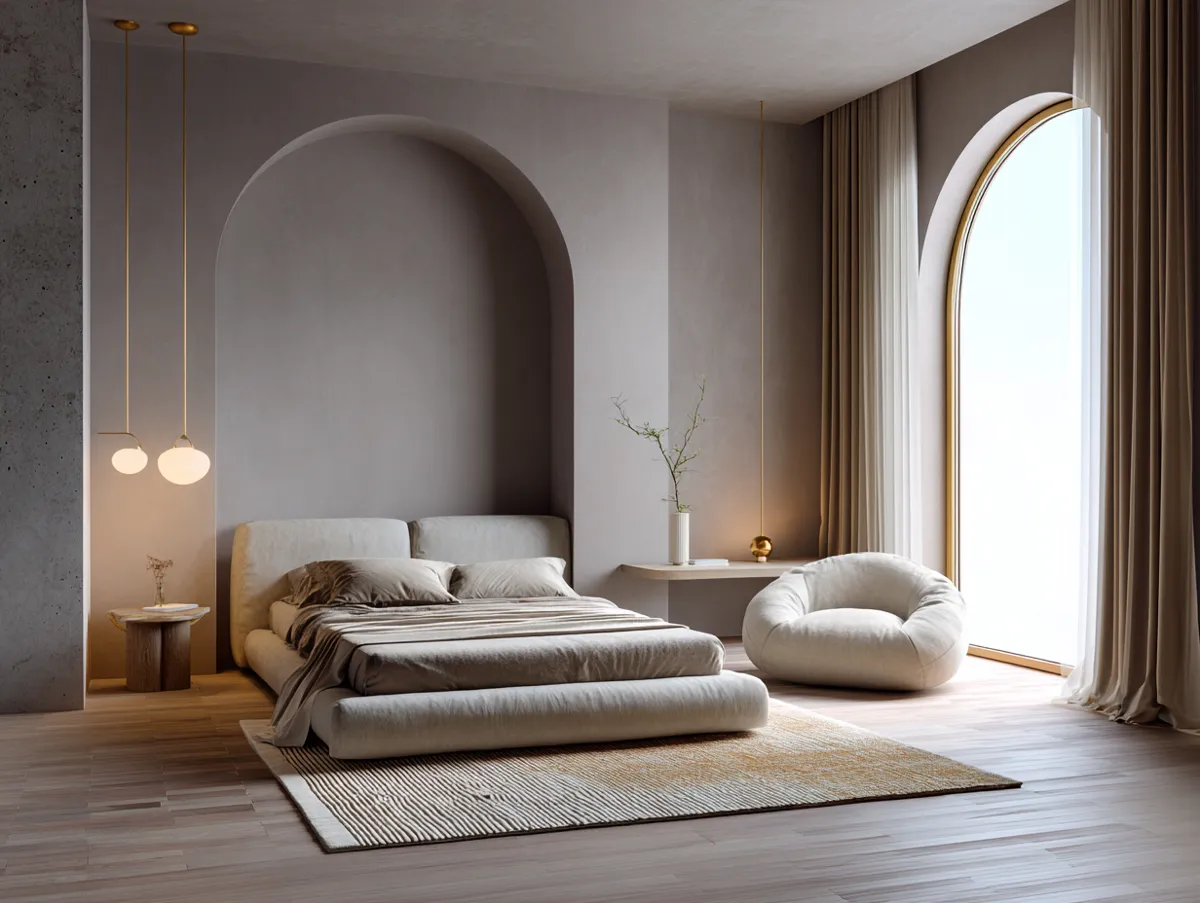
Nordic bedroom ideas have been dominating Pinterest boards for a decade, but most rooms I see get it exactly wrong. The real Scandinavian bedroom design formula isn’t about sterility — it’s about building a room that feels like the interior of a very good wool sweater. I’ve tested this in my own space, layer by layer, and the difference between a room that reads “cold and spare” versus one that reads “cozy nordic bedroom decor done right” comes down to about three decisions most people skip. You’ll notice the pattern quickly.
Scandinavian bedroom ideas span everything from strict minimalist scandinavian bedroom layouts to warmer Danish bedroom design with amber wood and chunky throws. This post covers the full range — color, furniture, textiles, light, and the nature-forward details that make nordic style bedroom interiors feel genuinely restorative rather than just photogenic.
Quick Scan — What This Page Covers
✦ Why your Scandinavian color palette feels cold (and the fix that costs nothing)
✦ The exact bed frames and wardrobes used in real Nordic interiors — with prices
✦ Textiles: which fibers work, which look cheap after one wash
✦ Nordic bedroom lighting that doesn’t require rewiring anything
✦ Natural elements — wood, plants, stone — ranked by impact per dollar
✦ The modern-traditional fusion most scandi bedroom ideas miss entirely
✦ FAQ covering rustic scandinavian bedroom, swedish bedroom nuances, and warm vs. cool palettes
Your Scandinavian Color Palette Is Probably Too Cool
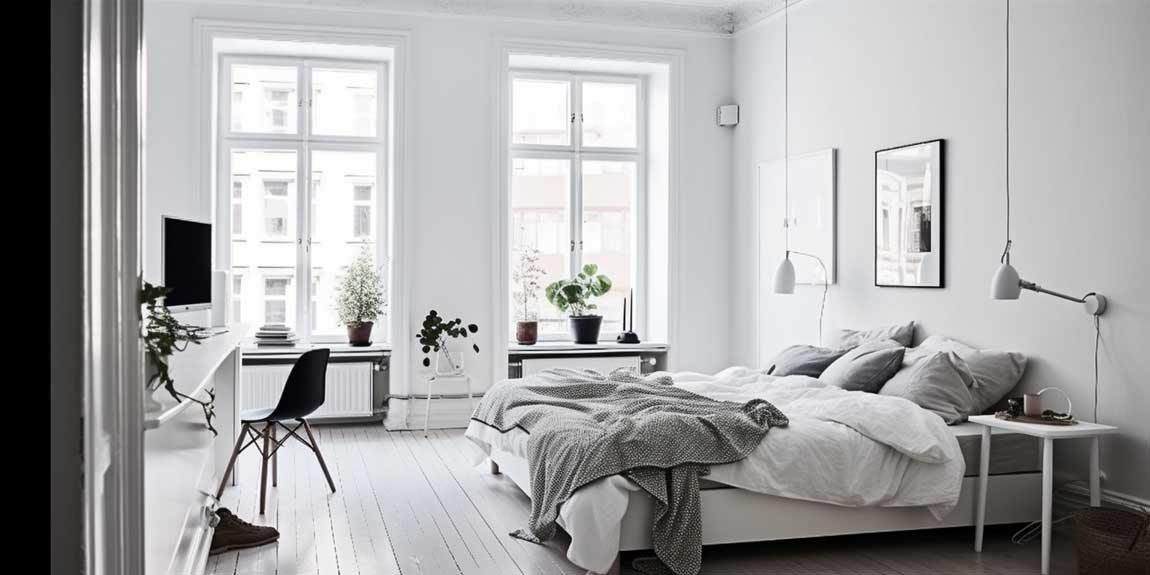
Pure white walls are the single most common mistake I see in a scandinavian bedroom design attempt. They read clean on a phone screen and look clinical in person — especially in rooms that don’t get strong natural light. The actual nordic bedroom color formula uses warm whites: Benjamin Moore OC-17 White Dove runs about $75 a gallon and sits just warm enough to stop looking institutional the moment the sun moves off the wall. Sherwin-Williams Alabaster (SW 7008) does the same job for $72. I’ve painted the same room both colors and kept Alabaster.

Beyond walls, the palette stacks in layers. Greige (gray-beige) is your secondary — it goes on bedding, curtains, and upholstered headboards. Then you bring in one accent: dusty sage, slate blue, or warm taupe. Three shades max. Any more than three and you lose the calm that makes nordic bedroom decor actually feel different from a regular room. What never works: cold grays layered with cool whites. That combination reads as “unfinished” rather than “minimalist.” I stole this trick from a Danish interior stylist — she called it the “baked bread rule.” If your room doesn’t feel warm the way baked bread smells warm, you added too much gray.
Don’t Do This in Your Scandinavian Bedroom
Matching everything to the same gray: A charcoal duvet plus gray walls plus silver curtains creates a room that feels like a parking garage. One of those elements needs to shift warm.
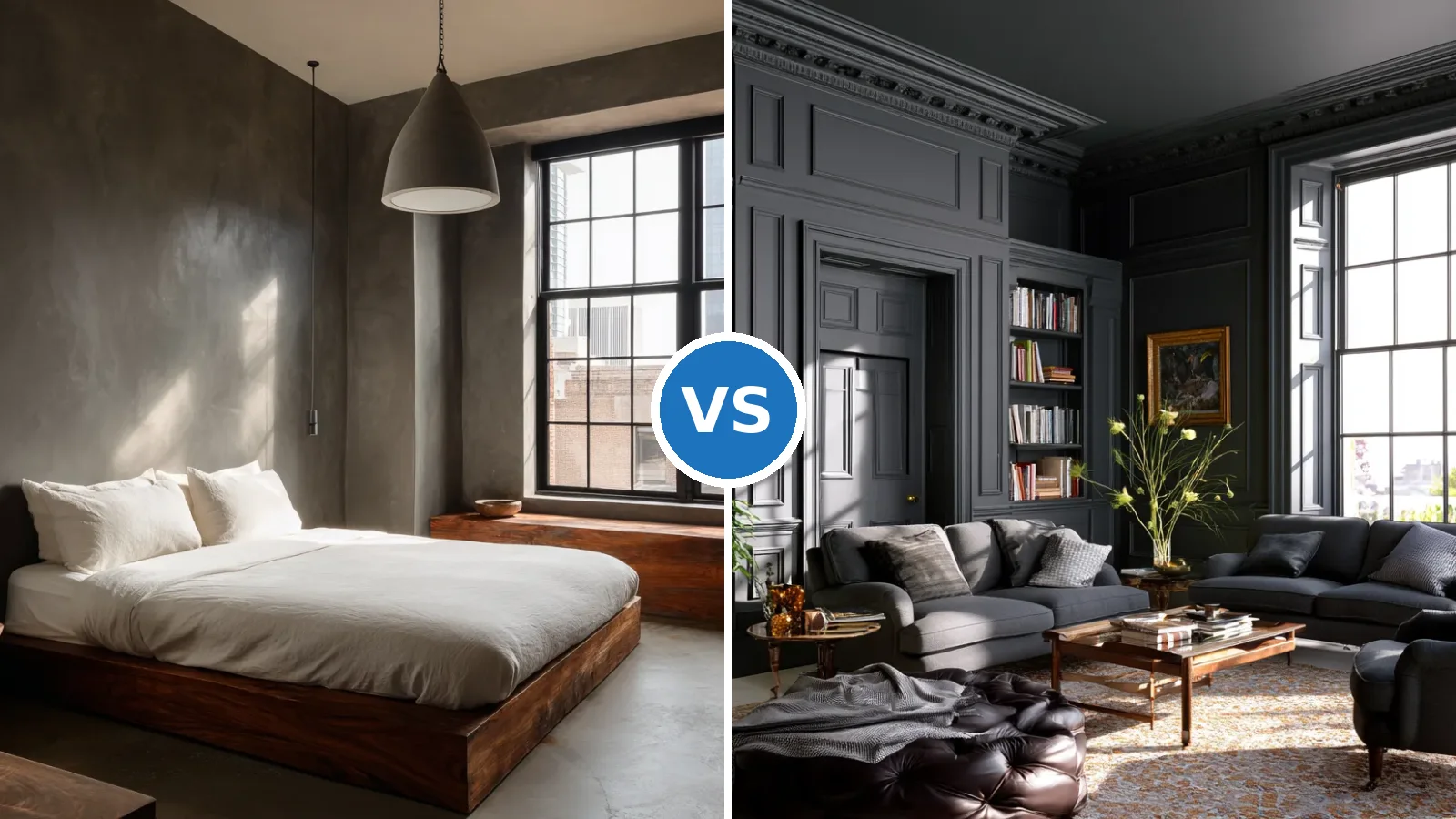
Accent walls in deep navy or forest green: The dark Scandinavian bedroom trend looks striking in styled photography with professional lighting. In a real bedroom with a single window, it makes the room feel two feet smaller.
Buying “Scandi white” paint without checking the undertone: Farrow & Ball All White (No.2005) has a slight blue undertone that fights warm wood floors. I own a quart of it. It lives in my trash.
Furniture That Earns Its Square Footage
Minimalist scandinavian bedroom furniture doesn’t mean cheap or sparse — it means every piece pulls its weight. My go-to bed frame for this aesthetic is the IKEA HAUGA in Vissle gray, around $399 for a queen. The curved headboard sits at a height that photographs well, reads properly upholstered, and doesn’t visually compete with anything else in the room. For something with better construction, the Muuto Outline Bed starts at around $1,800 and comes in seven muted colorways — the Camel leather version is genuinely beautiful but I can’t justify the price for a guest room.
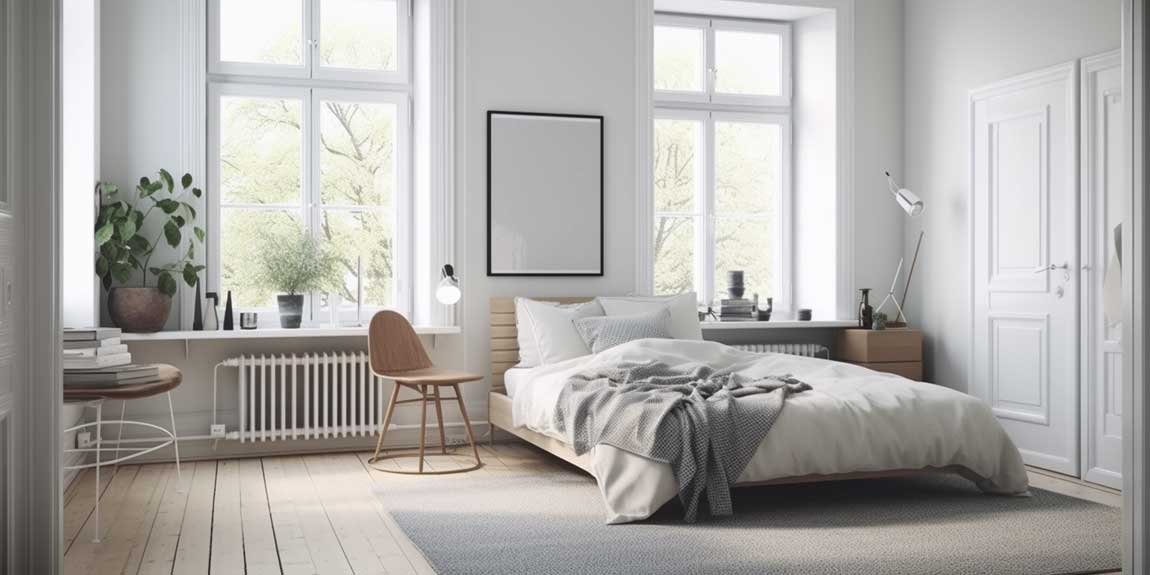
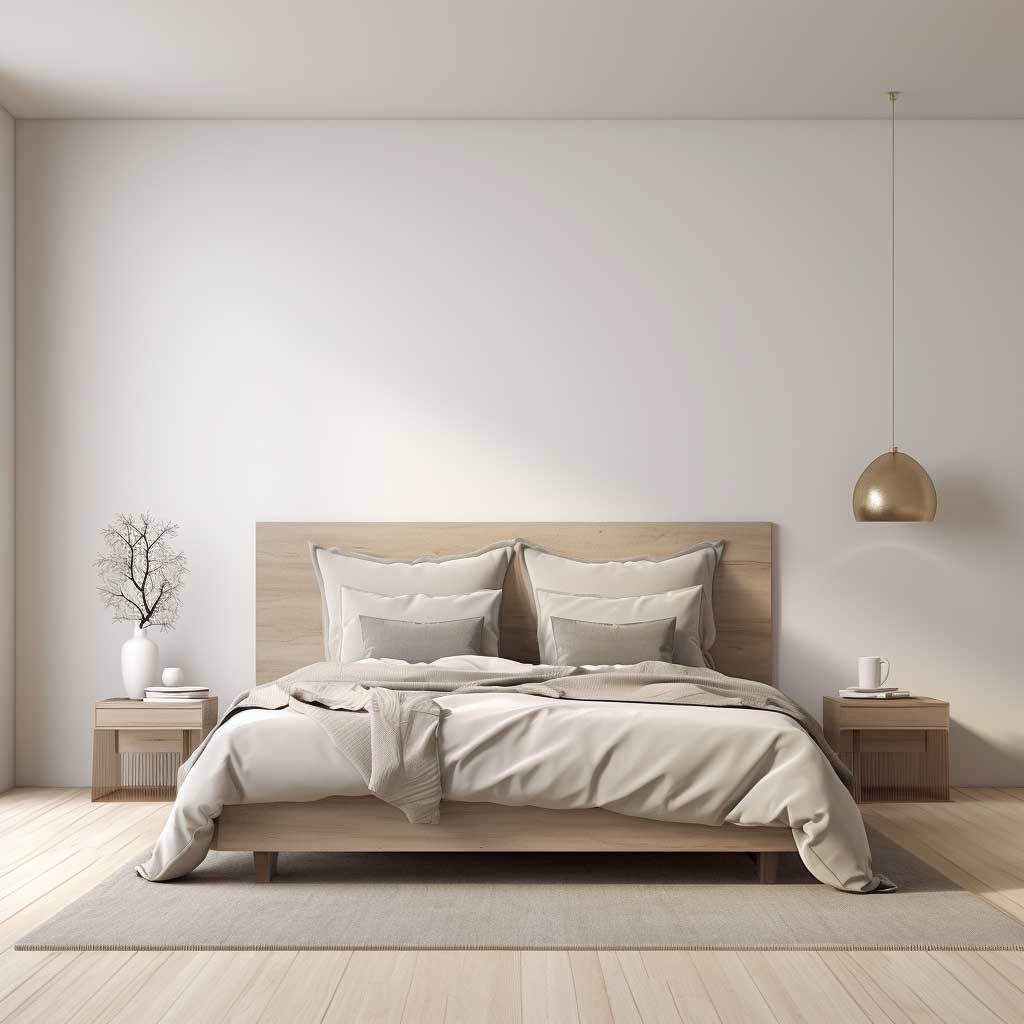
Nightstands in a scandi bedroom design context should be smaller than you think you need. I own two IKEA KNARREVIK units at $19.99 each. They’re minimal, the right height, and I don’t miss the storage I gave up. What you absolutely do not want: nightstands with ornate hardware, turned legs, or anything with a lacquer finish. Those pull the room out of Nordic territory and into something generically traditional. The seven core elements of Scandinavian bedroom design all share one principle — function first, visual weight second. Dressers follow the same rule: low-profile, light wood or matte painted, nothing above 32 inches tall or you’ll interrupt the horizontal calm that makes these rooms feel spacious.
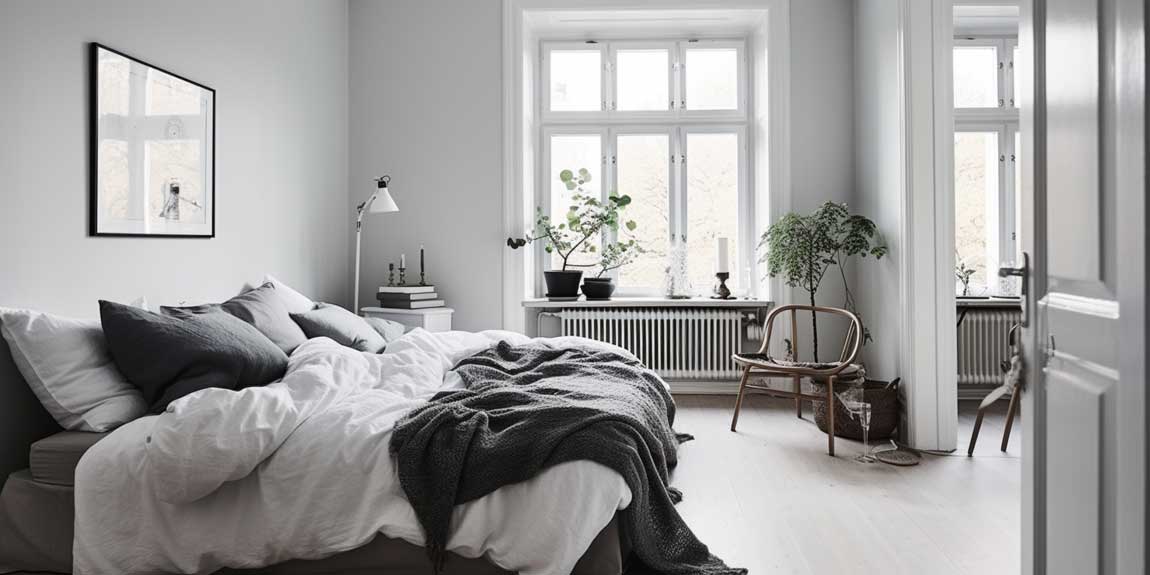
Textiles Do the Heavy Lifting in a Nordic Bedroom
Bedding is where the cozy nordic bedroom decor actually happens. You need weight and texture — not just softness. I’ve been using the Coyuchi Organic Percale set in undyed natural ($189 for queen sheets) for two years. It starts slightly stiff and breaks in beautifully. Skip the microfiber “ultra-soft” sets that feel like wearing a plastic bag — they photograph terribly and they’re the wrong signal entirely for this look. Parachute’s Linen Sheet Set in Dune ($189 queen) is another one I’d buy again; the way linen wrinkles is actually an asset here, not a flaw.
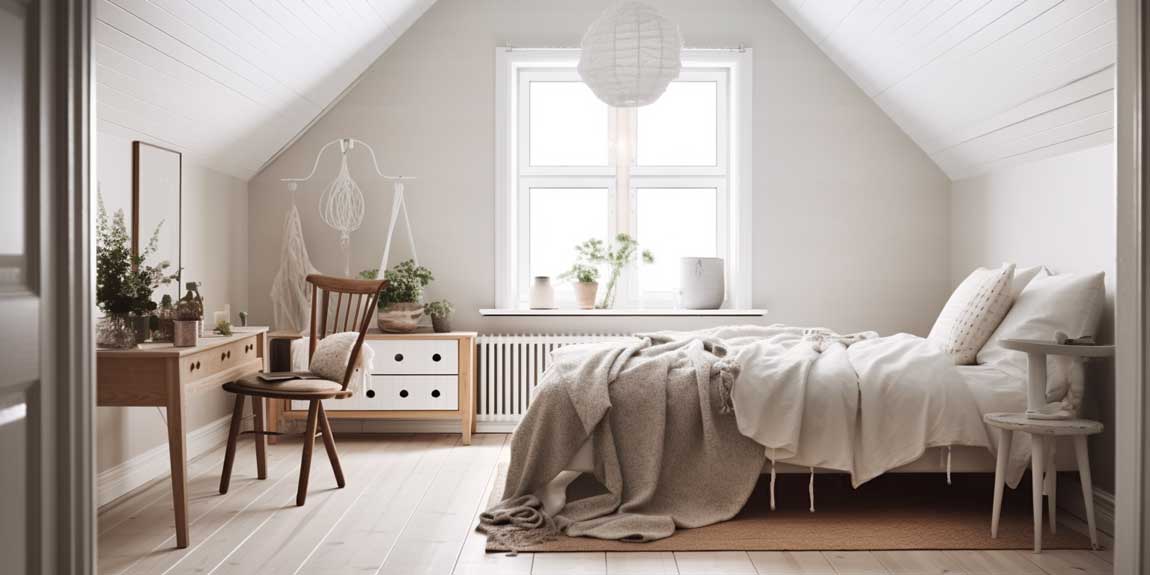
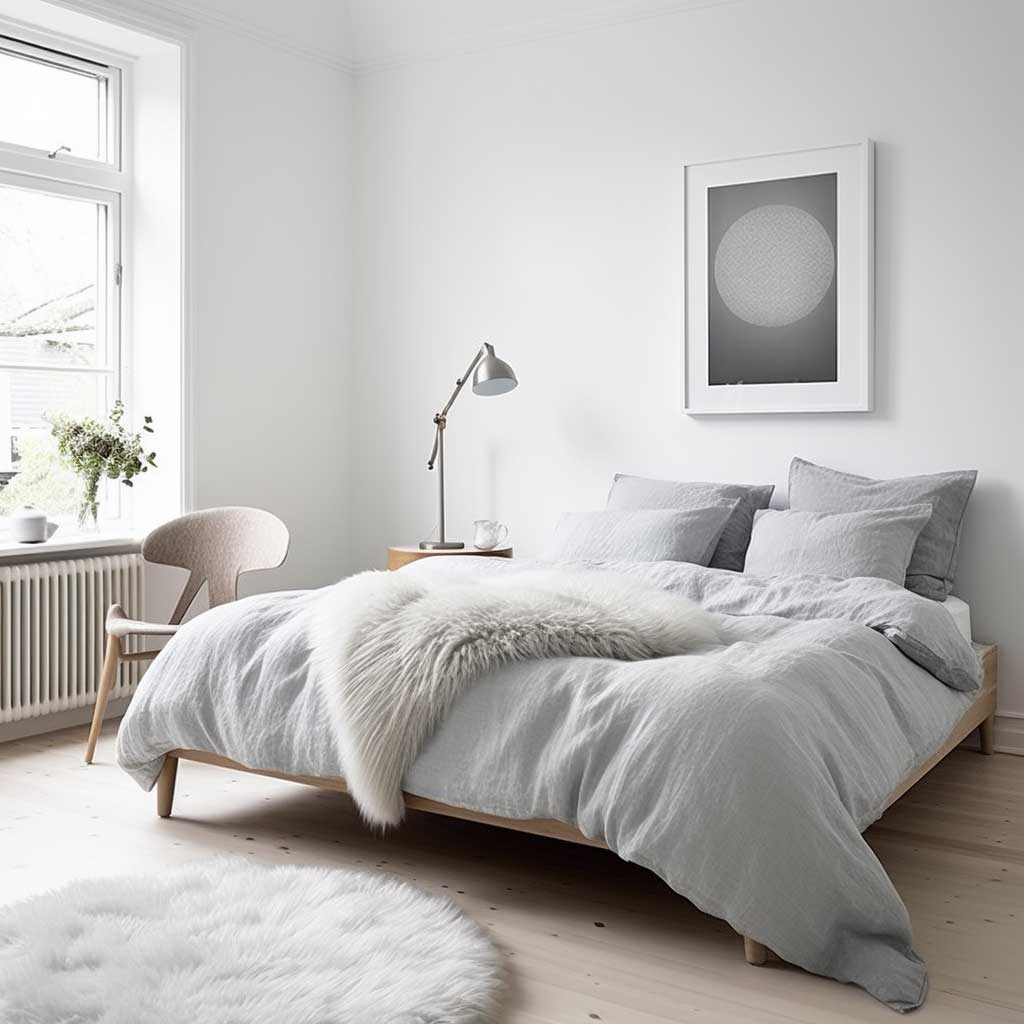
Rugs are where I’ve made the most expensive mistakes. A flat-woven cotton rug looks right in photos and feels like cardboard underfoot — avoid. You want either a genuine sheepskin (IKEA RENS, around $39, actually holds up), a wool flatweave in cream or oatmeal, or a low-pile wool rug in the 8×10 range. The rug should be large enough that your bed sits fully on it. Half the bed on, half off is the most common rug-sizing error in scandi bedroom decor photos on Pinterest. For reference: if your rug extends at least 18 inches past the sides of your bed frame, you’ve sized it right. Warm Scandinavian bedroom styling lives and dies on this one decision.
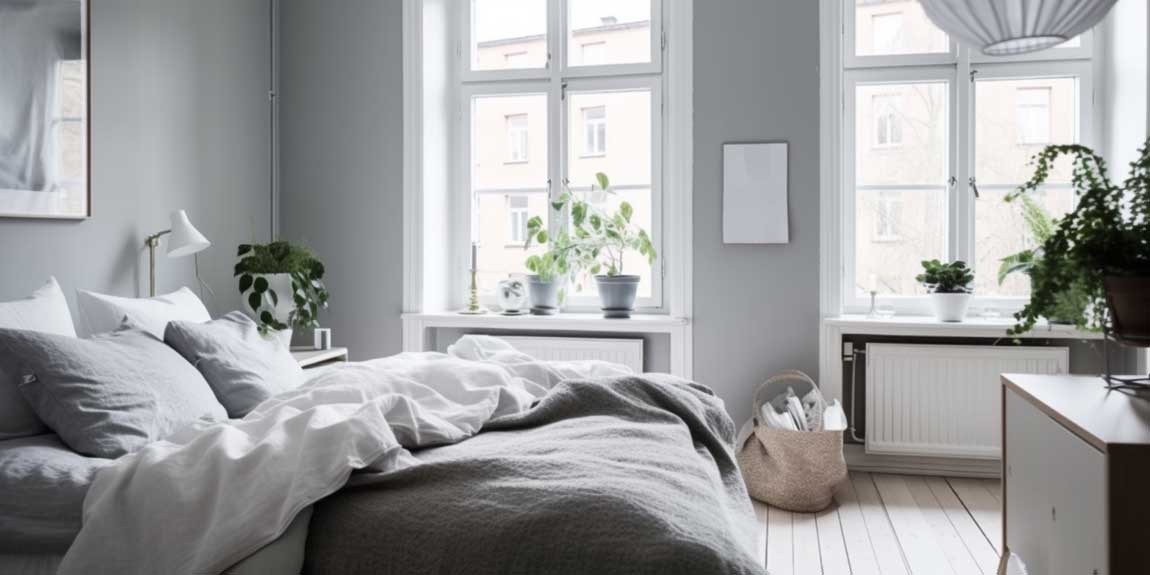
Natural Light First, Then Build the Artificial Layer Around It
Nordic countries deal with near-total darkness for months at a time, and Scandinavian interior design evolved specifically in response to that constraint. You need to maximize every lumen coming through your windows before you buy a single light fixture. Sheer linen curtains — not polyester sheers, actual linen — are the standard move. IKEA’s HANNALILL panels at $19.99 per pair do this correctly. Heavier blackout curtains layered behind them give you sleep function without sacrificing the airy daytime look.

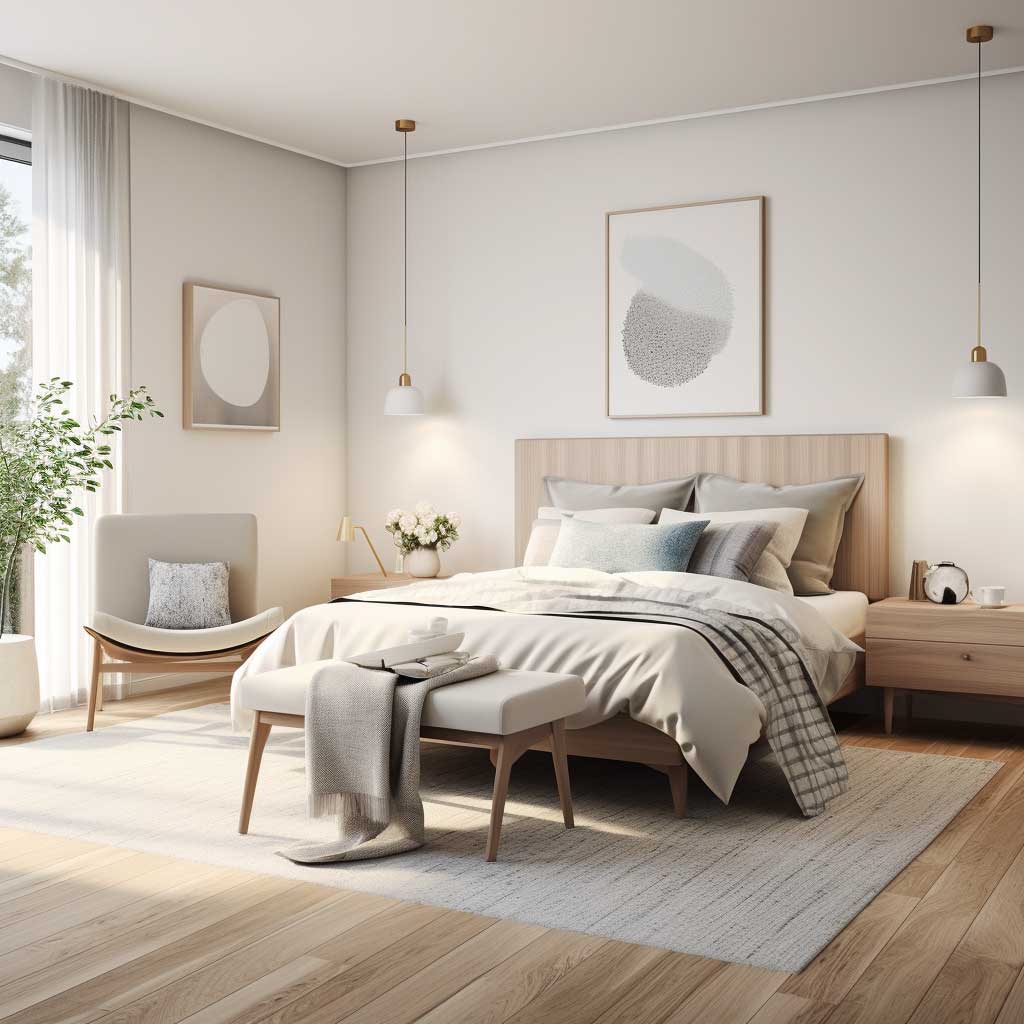
For artificial lighting, you want at least three sources at different heights. A pendant over the bed for general light — the IKEA REGNSKUR pendant at $29.99 nails the look. Bedside lamps with warm bulbs (2700K, never daylight bulbs). And a floor lamp in the corner, ideally with an arc arm that brings light down over a reading chair. What I’ve never understood: people invest in beautiful scandi bedroom furniture and then install a single overhead ceiling fixture with an LED panel. One flat light source removes all shadow and depth from a room. Shadows are what make Nordic bedroom interiors feel three-dimensional.

Wood, Plants, Stone — Ranked by Impact on a Nordic Bedroom
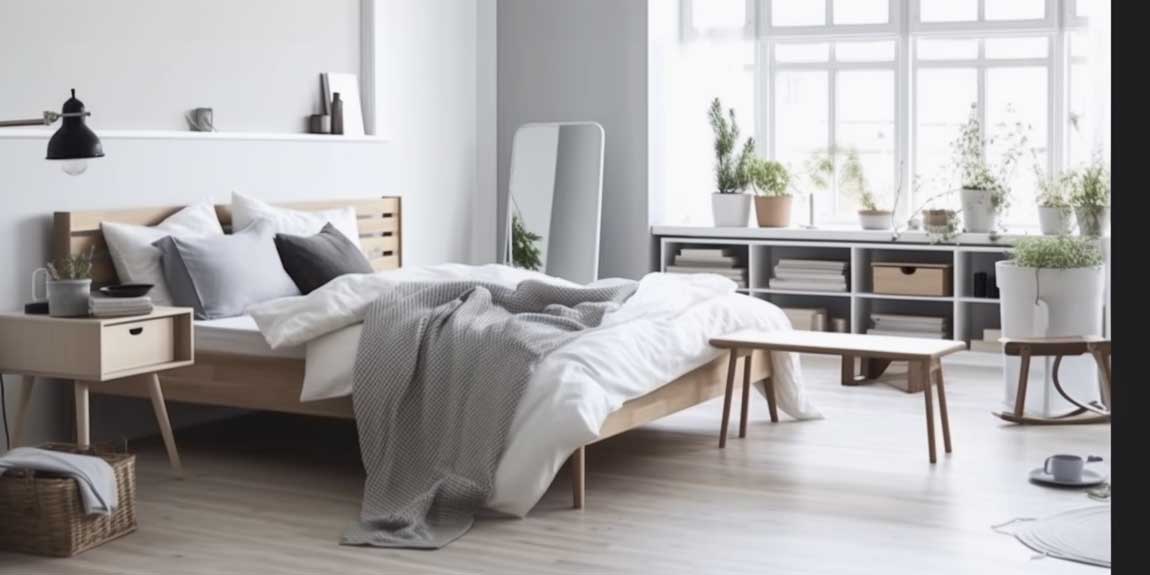
Wood wins. Every time. It’s the single fastest way to shift a cold, blank room into something that reads as genuinely Scandinavian bedroom design rather than a hotel lobby with better bedding. Light woods — birch, ash, pine — are correct for this context. I own a solid birch IKEA BJÖRKSNÄS bed ($499 queen) and the warm honey tone of that wood makes every other element in the room read warmer too. Dark walnut looks incredible in furniture photography and adds weight the room doesn’t need in real life. Skip it for this style.
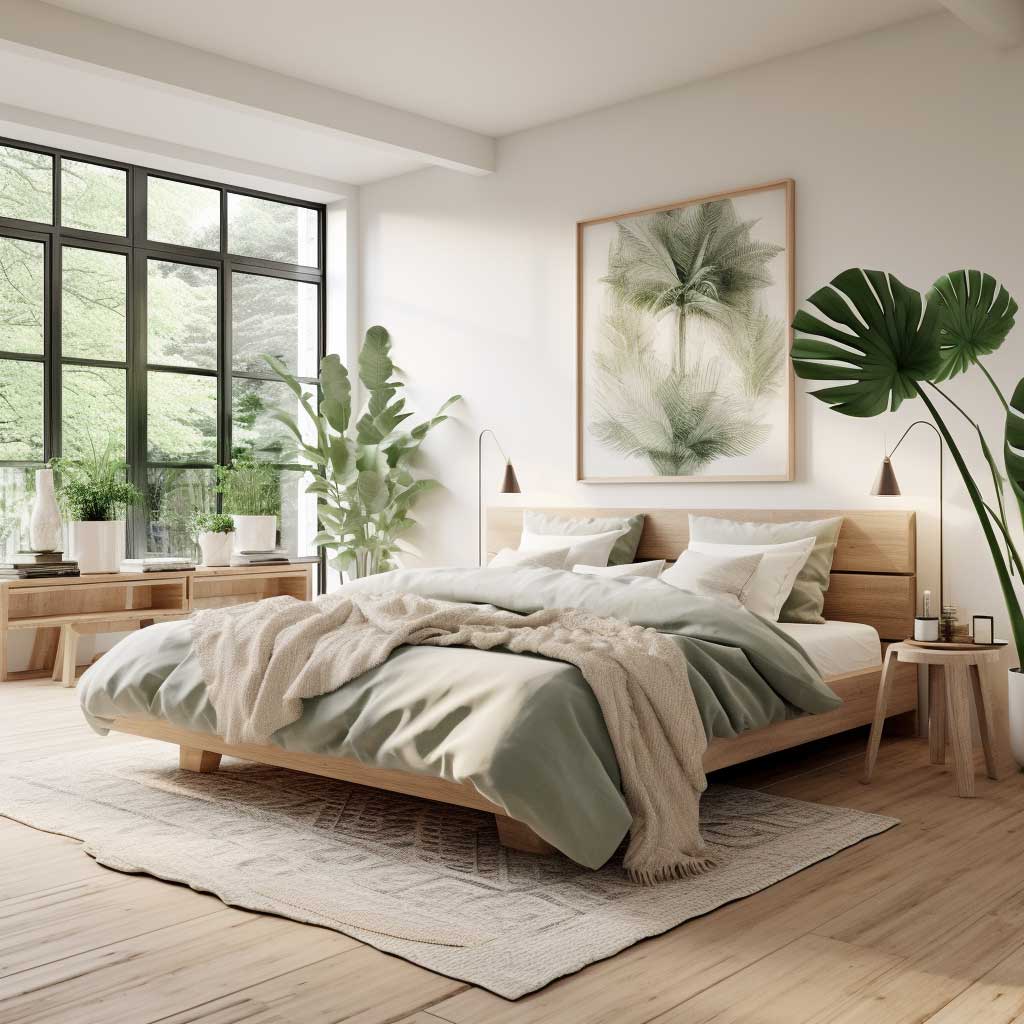
Plants are second. Not a collection — one plant, positioned well. A large fiddle leaf fig ($40–$80 at a garden center) in the corner reads as an intentional design decision. Seven small succulents on a windowsill reads as clutter. Monstera deliciosa is my personal go-to for nordic bedroom interiors because the leaf shape photographs dramatically and the plant is nearly indestructible. Stone is third — small, specific, functional. A ceramic dish on the dresser, a concrete lamp base, one rough-cut stone candle holder. Anything more and you’re building a geology exhibit. Rustic Scandinavian bedroom design leans heavier on stone and reclaimed wood, which is worth exploring if you want more texture and character than the straight minimalist route provides.


| Natural Element | Best Form for a Bedroom | Entry Price | Impact Rating |
|---|---|---|---|
| Light Wood | Bed frame, nightstand, flooring | $19 (IKEA pieces) | ★★★★★ |
| Large Plant | One corner specimen | $40–$80 | ★★★★☆ |
| Wool Textile | Throw blanket, rug | $39 (IKEA RENS) | ★★★★★ |
| Stone / Ceramic | Lamp base, tray, candle holder | $12–$35 | ★★★☆☆ |
| Linen | Curtains, bedding, pillow covers | $19.99 (IKEA panels) | ★★★★☆ |
Where Traditional Nordic Meets the Room You Actually Live In
The Scandinavian bedroom interior design images that get 50,000 saves on Pinterest are almost always frozen in time — a perfectly made bed, zero personal objects, two symmetrical plants. That’s a set, not a bedroom. The fusion of Danish bedroom design tradition with how modern people actually live is what makes a space feel warm rather than staged. Geometric textiles are one bridge: a HAY Outline throw ($89) brings contemporary Nordic graphic language in without announcing itself. A single piece of framed folk-art print — the kind that costs $12 at a thrift store — does the same work as a $400 art print, honestly.

Swedish bedroom design specifically leans toward symmetry and restraint — paired bedside lamps, matching nightstands, one artwork centered above the headboard. It’s calmer and more formal than Danish design, which allows more personality and mixing of periods. I prefer the Swedish approach in the bedroom and the Danish approach everywhere else in the house. You’ll notice the difference immediately when you look at room references side by side: Swedish bedroom ideas favor cool ash wood and white; Danish bedroom design goes warmer, with amber oak and more textile layering. Neither is wrong. Pick the one that matches how you actually want to feel when you wake up.


According to Apartment Therapy’s design editors, authentic Scandinavian bedroom decorating ideas share one quality across all national variations: every item in the room has been placed, not accumulated. That’s worth sitting with. Walk through your current bedroom and ask which objects you’d remove if a photographer was coming tomorrow. Those are the objects that don’t belong in a nordic style interior design bedroom, regardless of how nice they are individually.






The Bottom Line
A Nordic Bedroom Isn’t a Style. It’s a Feeling You Build Deliberately.
Get the warm white on the walls before you buy a single piece of furniture. Then build outward: light wood, linen bedding, layered lighting, one plant that actually gets enough sun. Resist the urge to add more.
The rooms that look most Scandinavian in person are the ones that stopped adding things two decisions earlier than feels comfortable. That restraint is the whole point.
Save this post — come back when you’re sourcing the rug or deciding between Swedish cool and Danish warm.