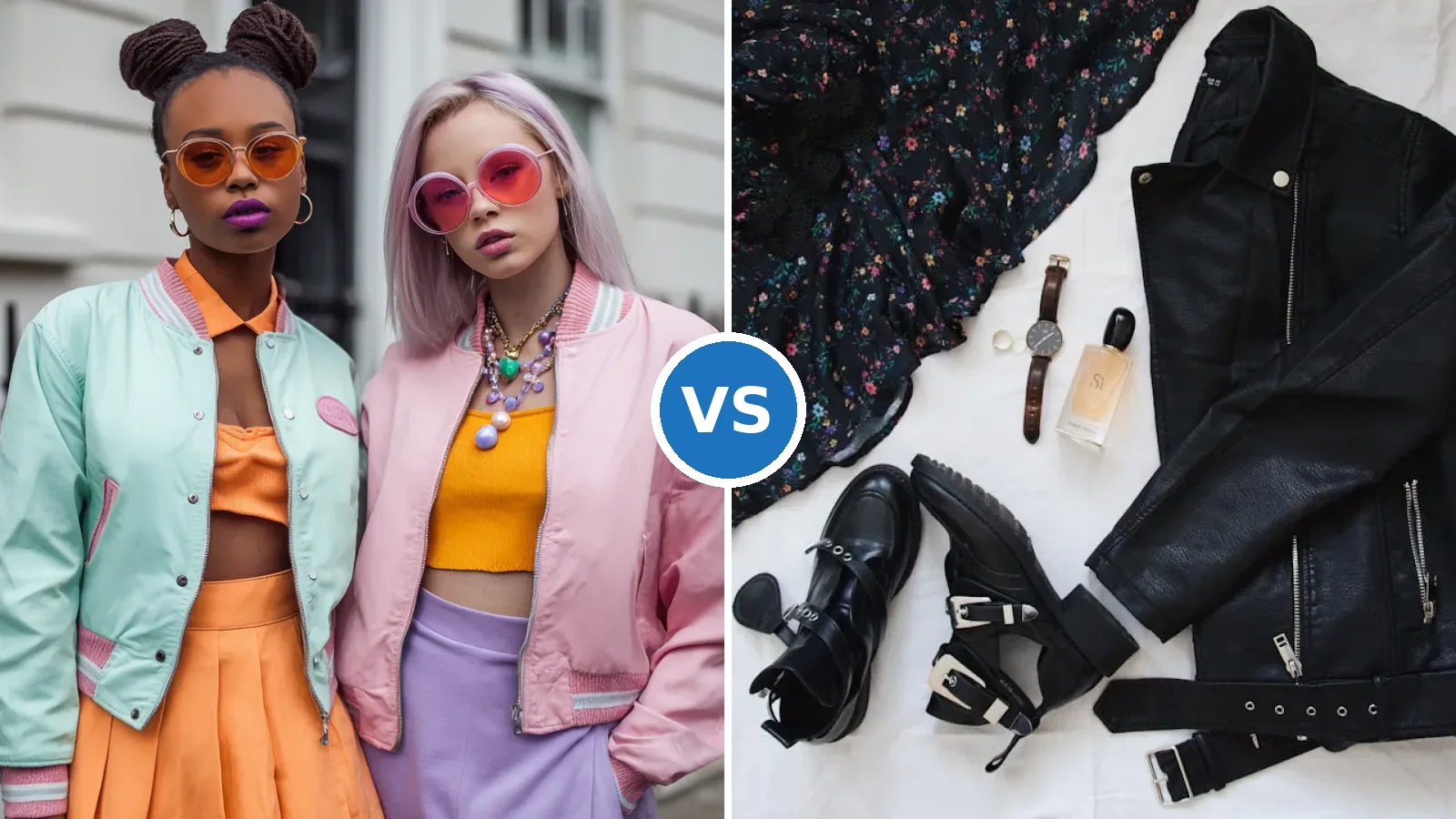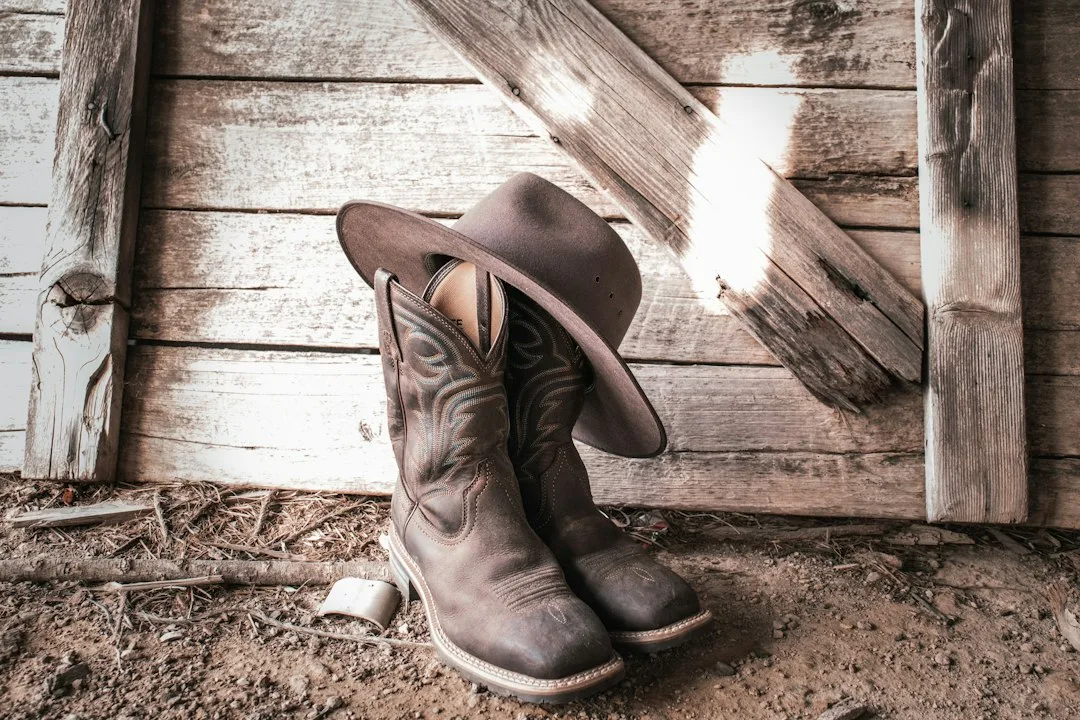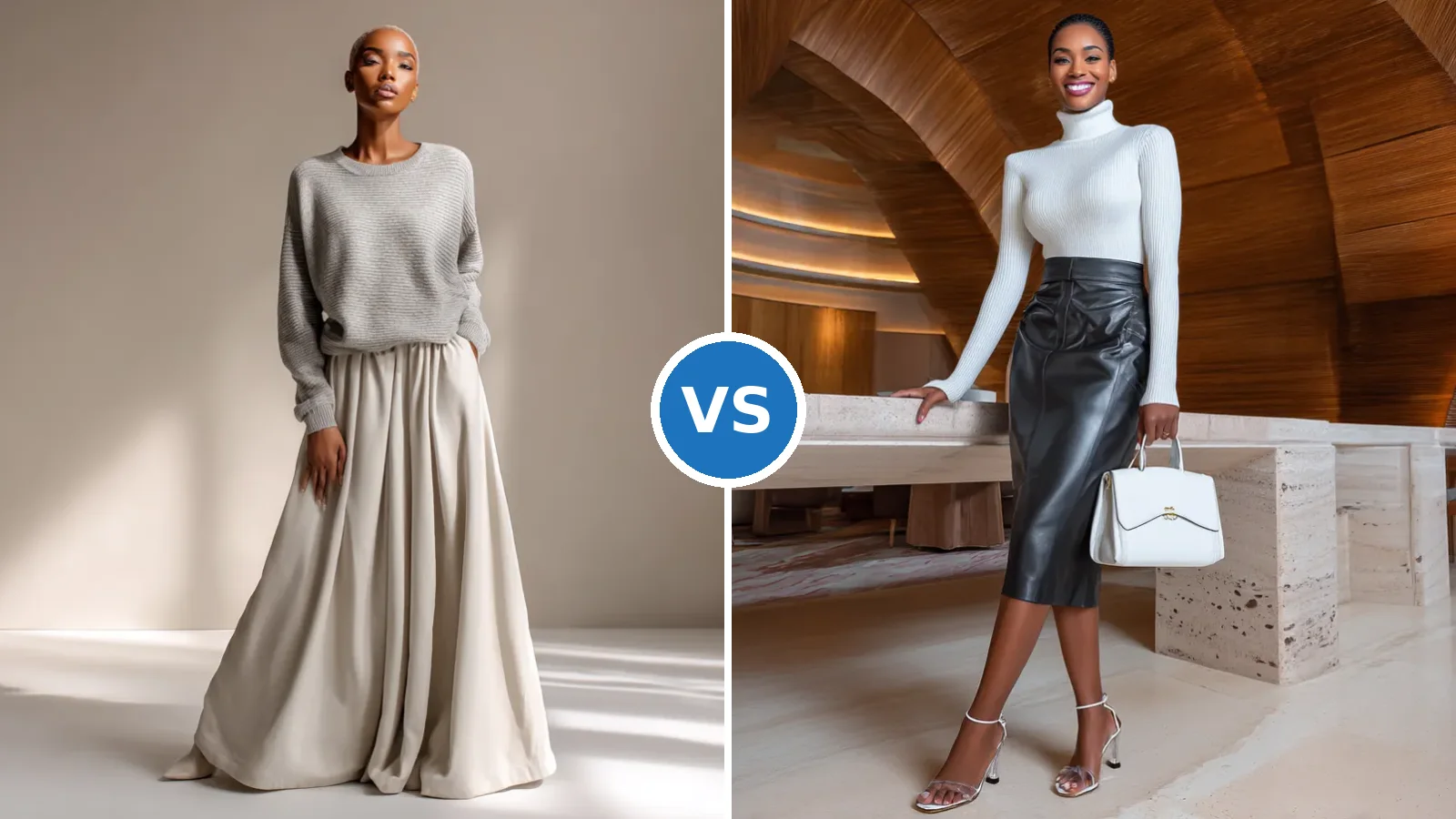
The turn of the millennium brought with it a fearless, experimental, and unapologetically loud approach to personal style that continues to resonate today. What began as a nostalgic novelty has solidified into a lasting force, shaping everything from high-end runway collections to everyday streetwear. This aesthetic, characterized by its playful rebellion against minimalism, taps into a collective desire for self-expression, and daring silhouettes. As a new generation discovers the magic of frosted makeup, low-rise denim, and bedazzled accessories, while older generations revisit their past favorites with a fresh perspective, this vibrant era proves it is much more than a fleeting moment. It is a profound cultural shift redefining modern wardrobes globally.
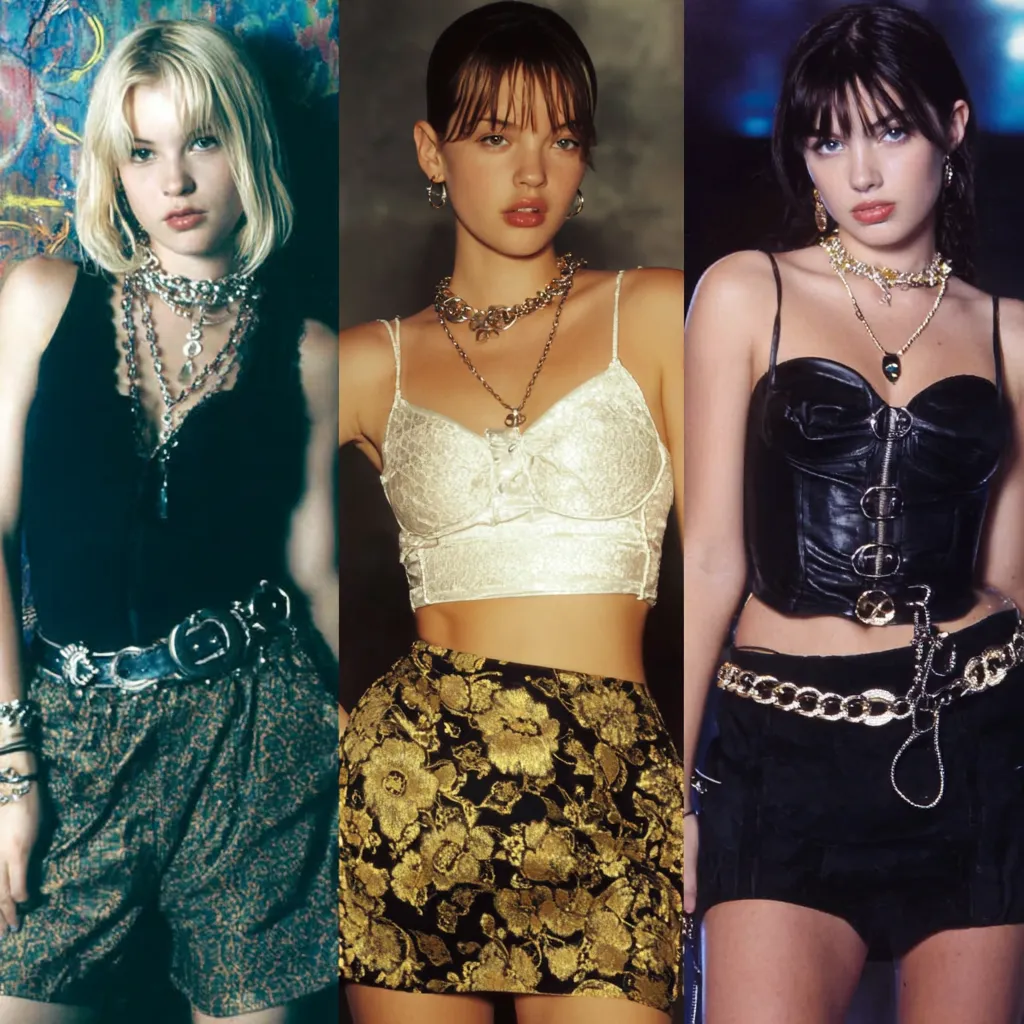
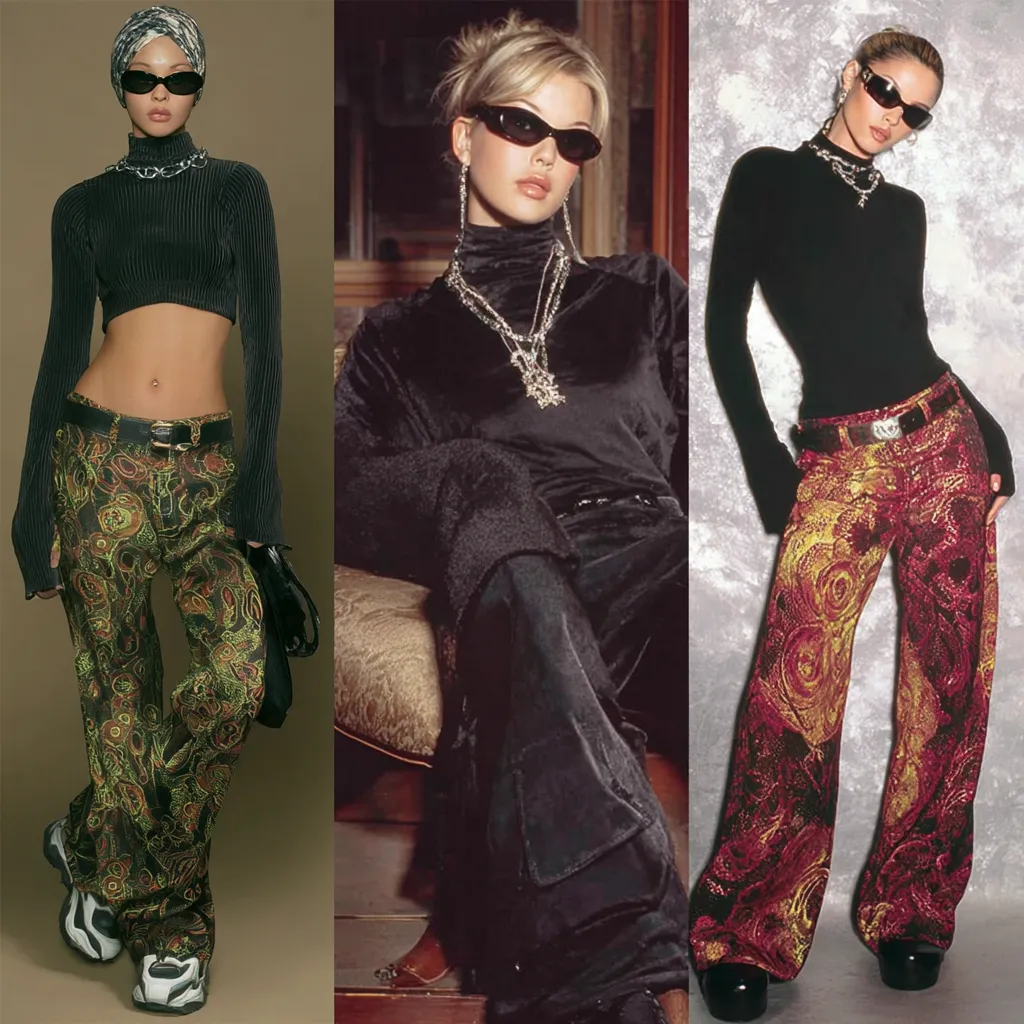
The Resurgence Of Early 2000s Style Icons
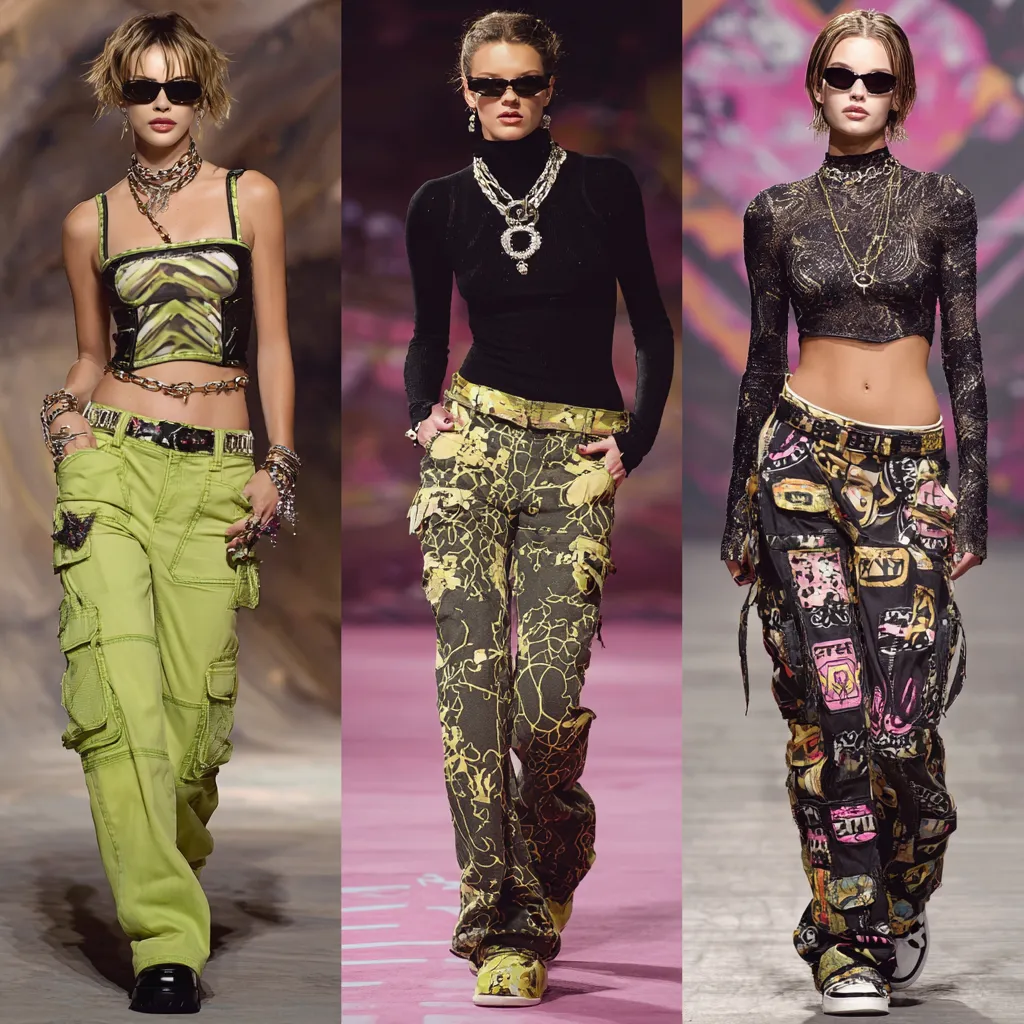
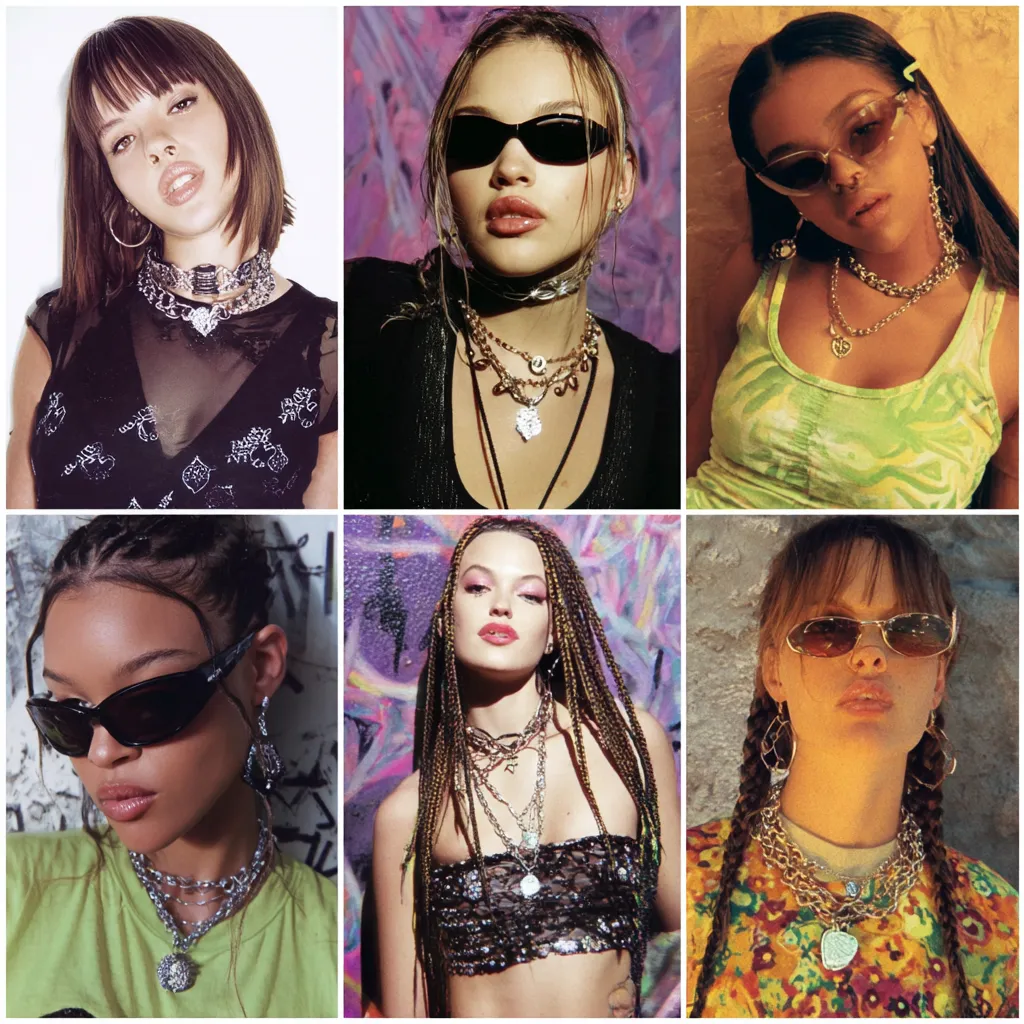
To understand why the Y2K aesthetic holds such immense power over contemporary women fashion trends, one must look at the monumental impact of the era’s original trailblazers and how their legacy is being interpreted by modern muses. The dawn of the new millennium was a time of intense celebrity worship, fueled by the explosion of paparazzi culture, reality television, and the internet. Pop stars and young actresses were the ultimate trendsetters, sporting looks that were instantly broadcast around the world. These figures did not just wear clothes; they wore attitudes. They championed a look that was heavily logo-driven, relentlessly sparkly, and undeniably bold. Today, that exact energy is being channeled by a new wave of influencers, models, and musicians who have recognized the inherent fun and rebellious spirit of early 2000s style.
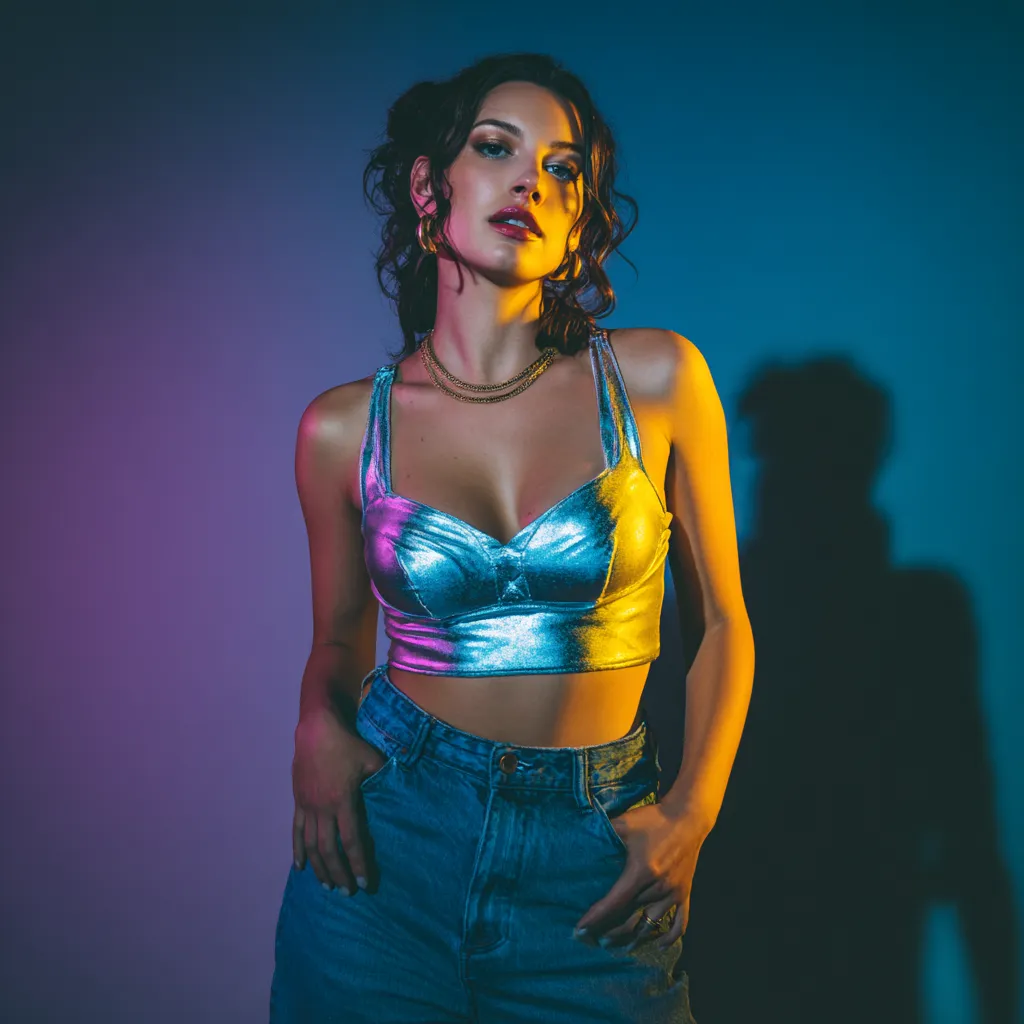
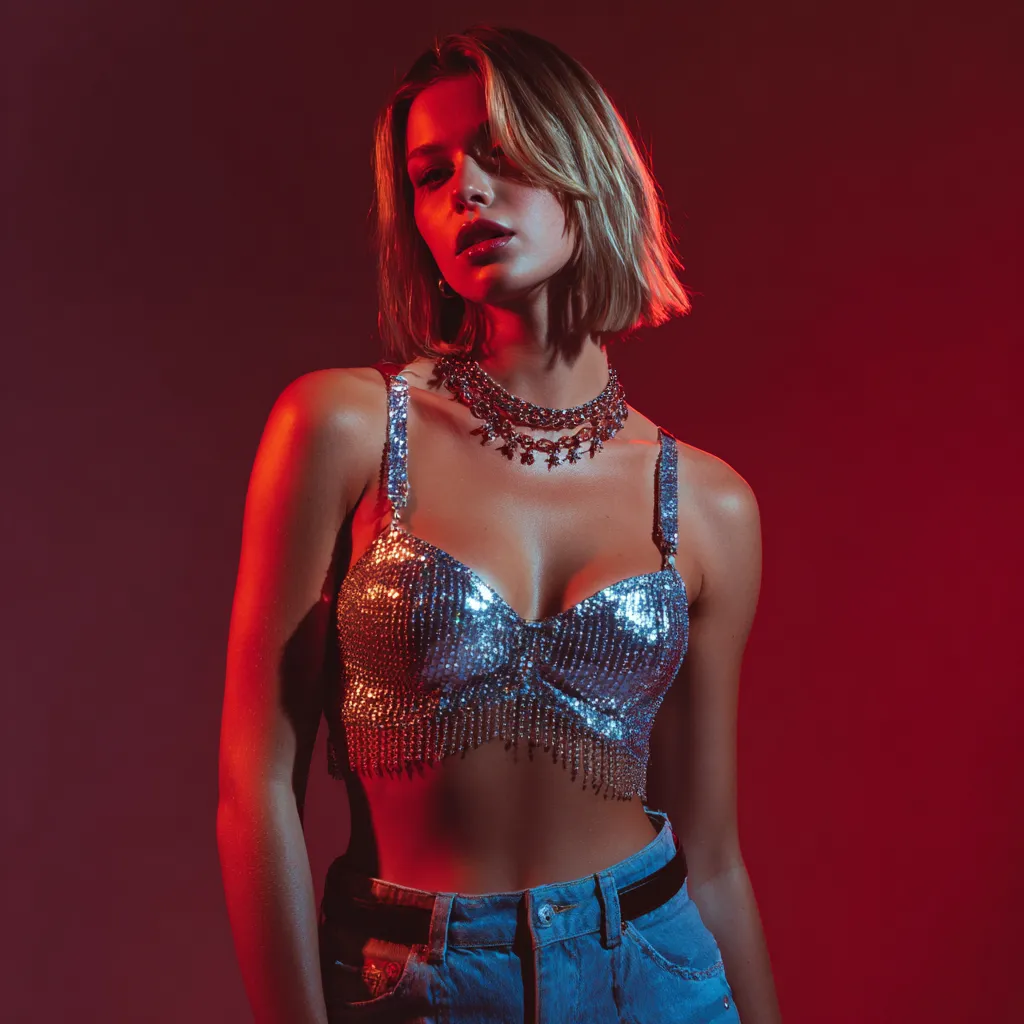
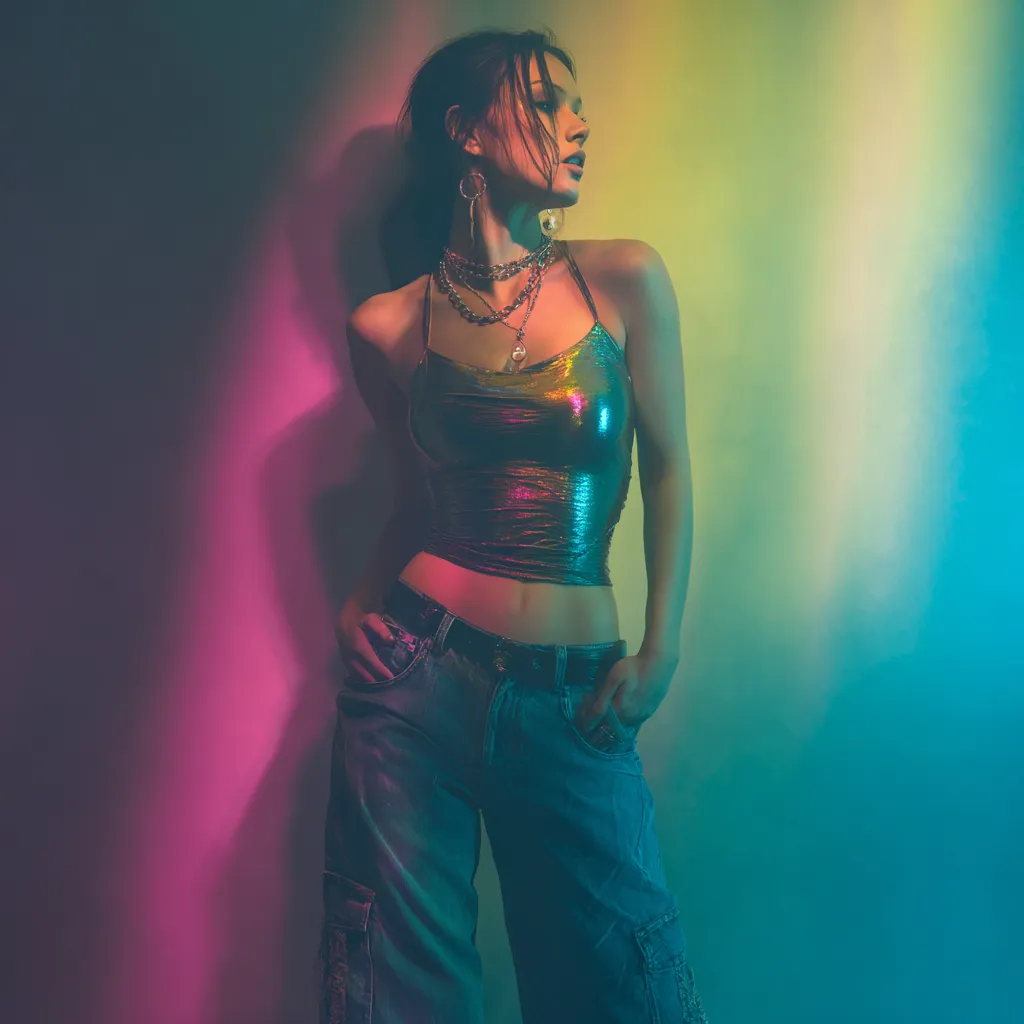
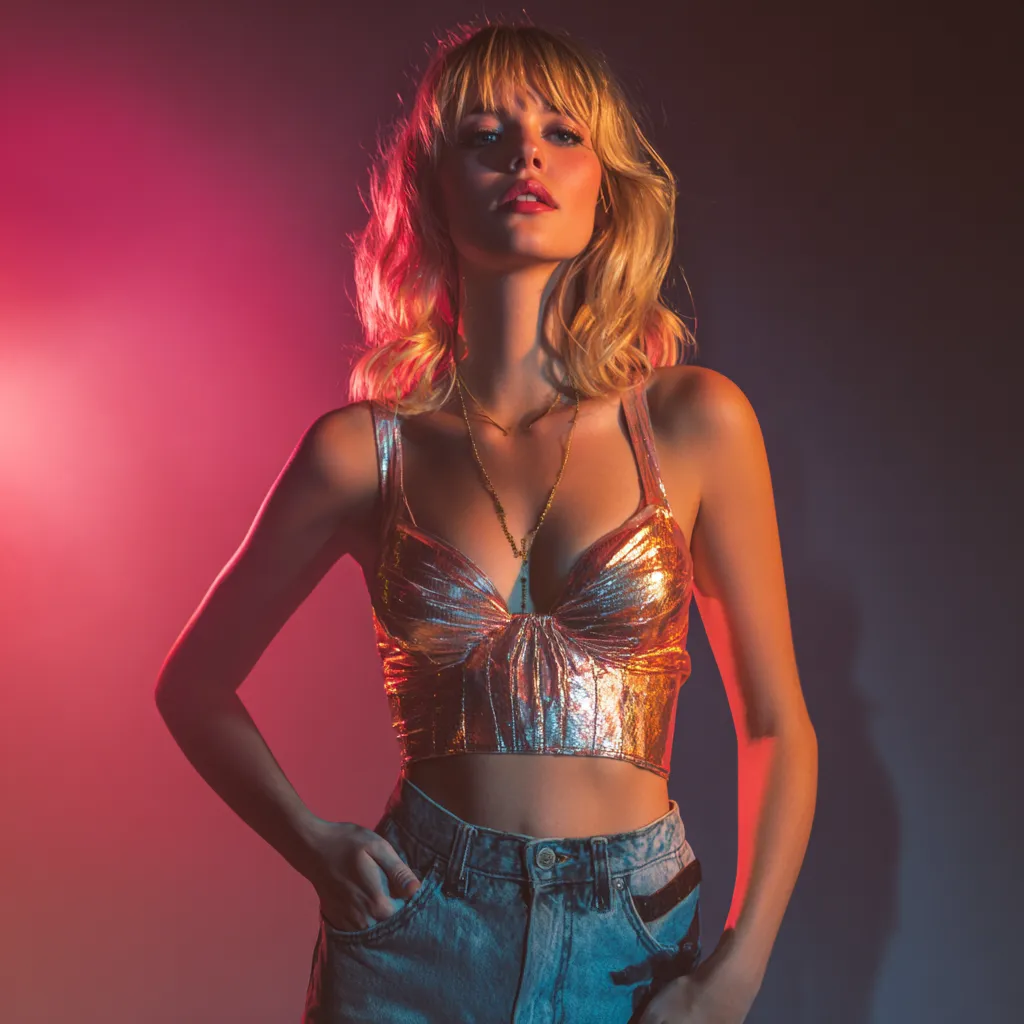
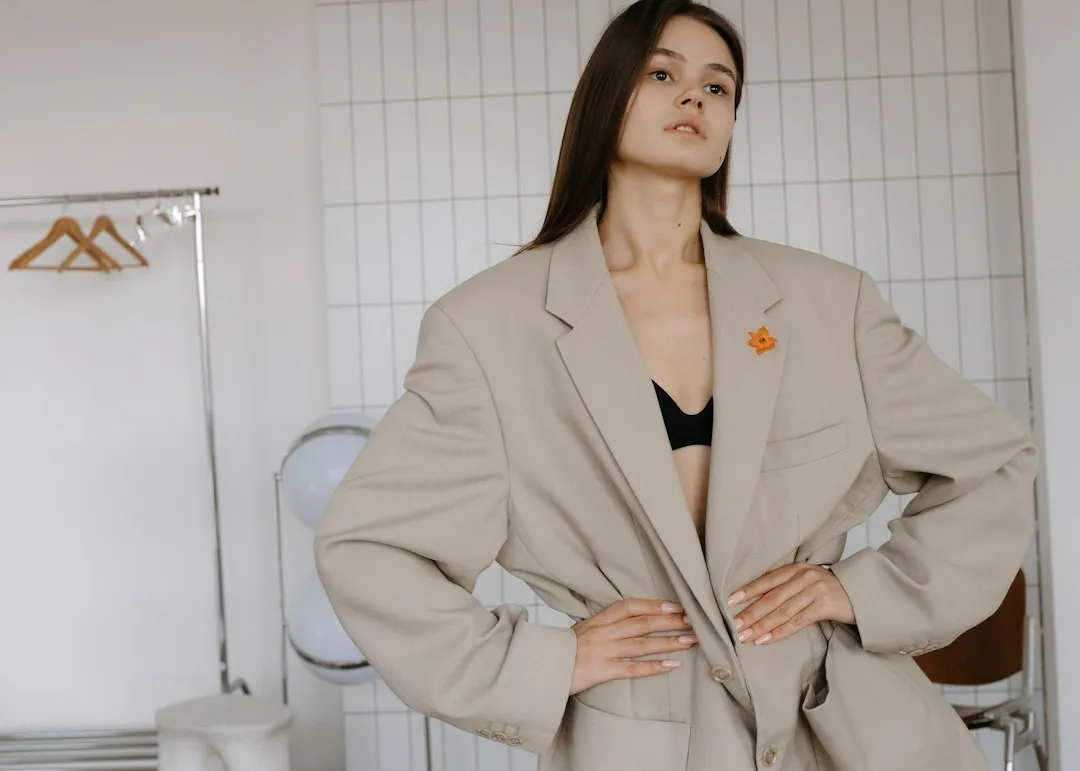
The revival of these iconic looks is not simply about copying what was done twenty years ago. It is a reimagining. When modern celebrities step out in vintage Y2K clothing, they mix historical references with contemporary sensibilities. A classic butterfly top worn by a pop princess two decades ago is now paired with structured, oversized tailoring rather than the microscopic miniskirts of the past. This evolution allows the Y2K aesthetic to remain relevant rather than looking like a costume party outfit. The democratization of style through social media platforms has accelerated this process. Young fashion enthusiasts create massive mood boards dedicated to the red carpet disasters and triumphs of the past, dissecting every detail from the placement of rhinestones to the exact shade of baby blue eyeshadow. They celebrate the campiness and the drama of millennium fashion, pushing it back into the mainstream consciousness.
Furthermore, there is a profound psychological element to this resurgence. After periods of global uncertainty and a broad cultural shift toward comfortable, muted, and minimalist clothing—often referred to as millennial grey—there was a natural pendulum swing back toward maximalism. The noughties fashion offered an immediate antidote to boredom. It is a form of dopamine dressing, where the sheer vibrancy and novelty of the garments bring joy to the wearer. Putting on a hot pink velour tracksuit or stepping into chunky platform boots requires a certain level of confidence, and it encourages the wearer to step outside their comfort zone.
This renewed interest has also forced the fashion industry to adapt. Major design houses have dug deep into their own archives to reissue iconic bags, shoes, and silhouettes that defined their collections twenty years ago. High fashion brands that once pivoted entirely to sleek, understated luxury are now heavily featuring logos, monograms, and hardware that scream early 2000s style. This top-down and bottom-up synergy ensures the longevity of the trend. When luxury designers and teenage thrift shoppers are simultaneously hunting for the exact same vintage Y2K clothing references, the cultural footprint becomes inescapable.
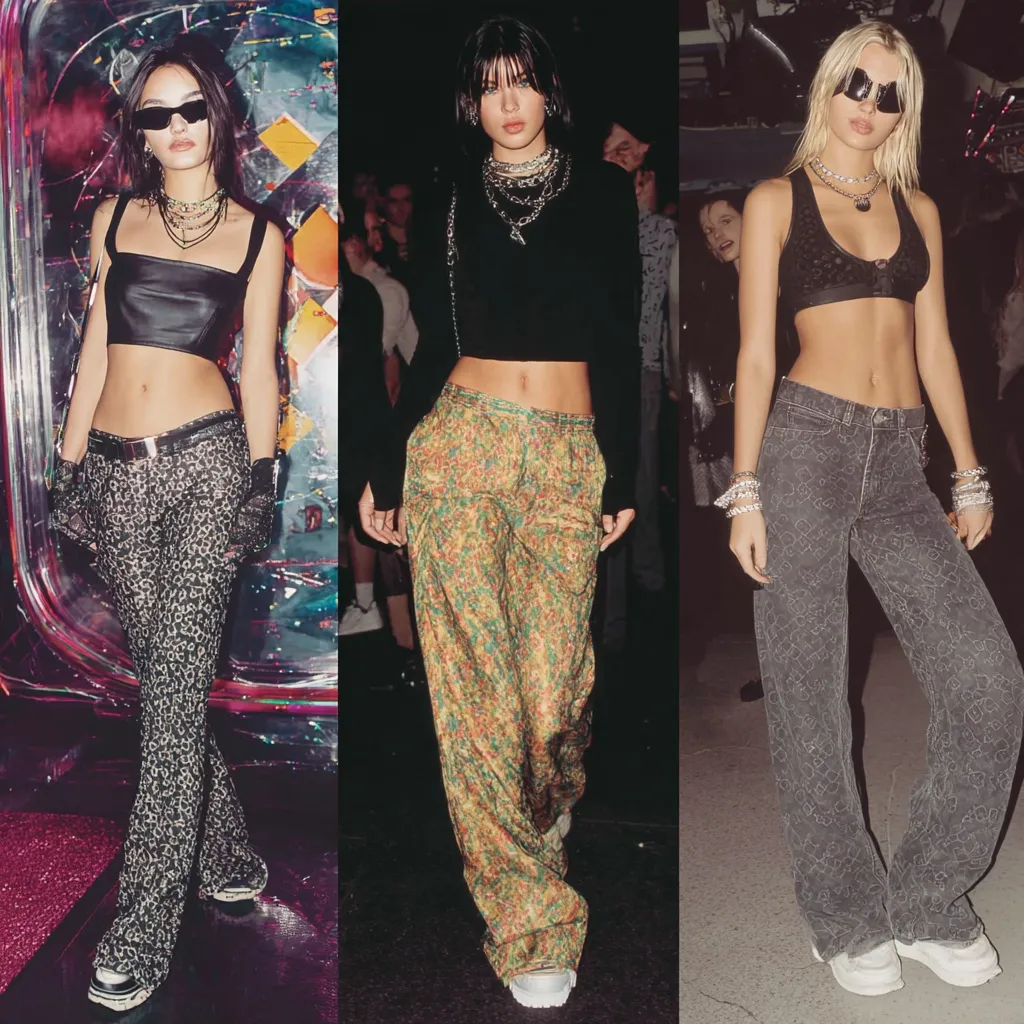
The icons of today have seamlessly integrated these millennium fashion concepts into their personal branding, proving that the fearless energy of the noughties fashion is incredibly adaptable. Whether it is a supermodel off-duty look featuring baggy cargo pants and a tight baby tee, or a pop star performing in head-to-toe metallic space-age gear, the visual language remains consistent. They are communicating a sense of playful irreverence. As long as women fashion trends continue to prioritize individual expression and a break from the mundane, the foundational elements established by the original icons of that loud, sparkly era will continue to dominate mood boards, runways, and city streets around the world.
How Millennium Fashion Fits Modern Wardrobes
Integrating the Y2K aesthetic into a modern wardrobe might seem daunting at first glance, especially given the extreme proportions and flashy materials that defined the original era. However, the current adaptation of early 2000s style is surprisingly versatile and highly focused on blending nostalgia with modern functionality. The secret to the staying power of women fashion trends inspired by this period lies in the art of the mix. Today’s stylish individuals are not wearing these pieces exactly as they did two decades ago; instead, they are selectively incorporating elements of millennium fashion to elevate and add intrigue to their everyday looks.
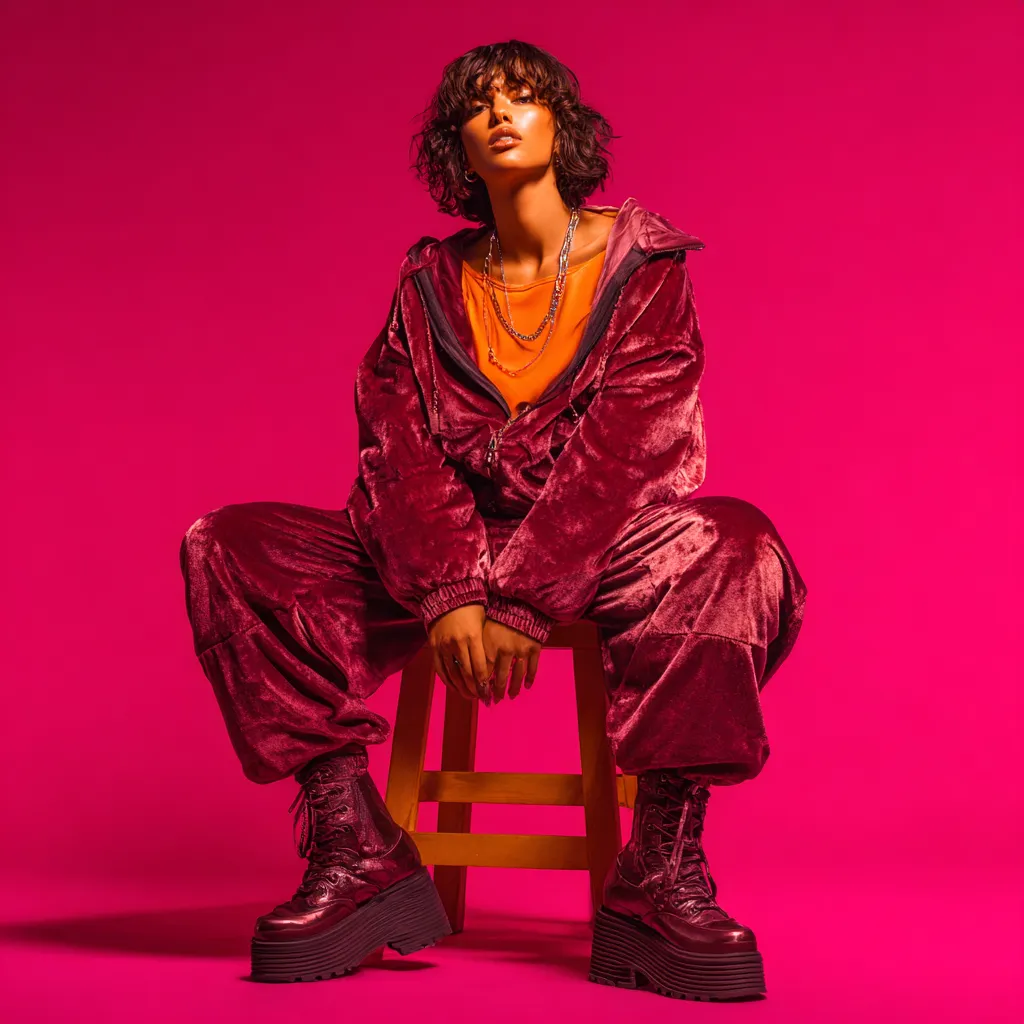
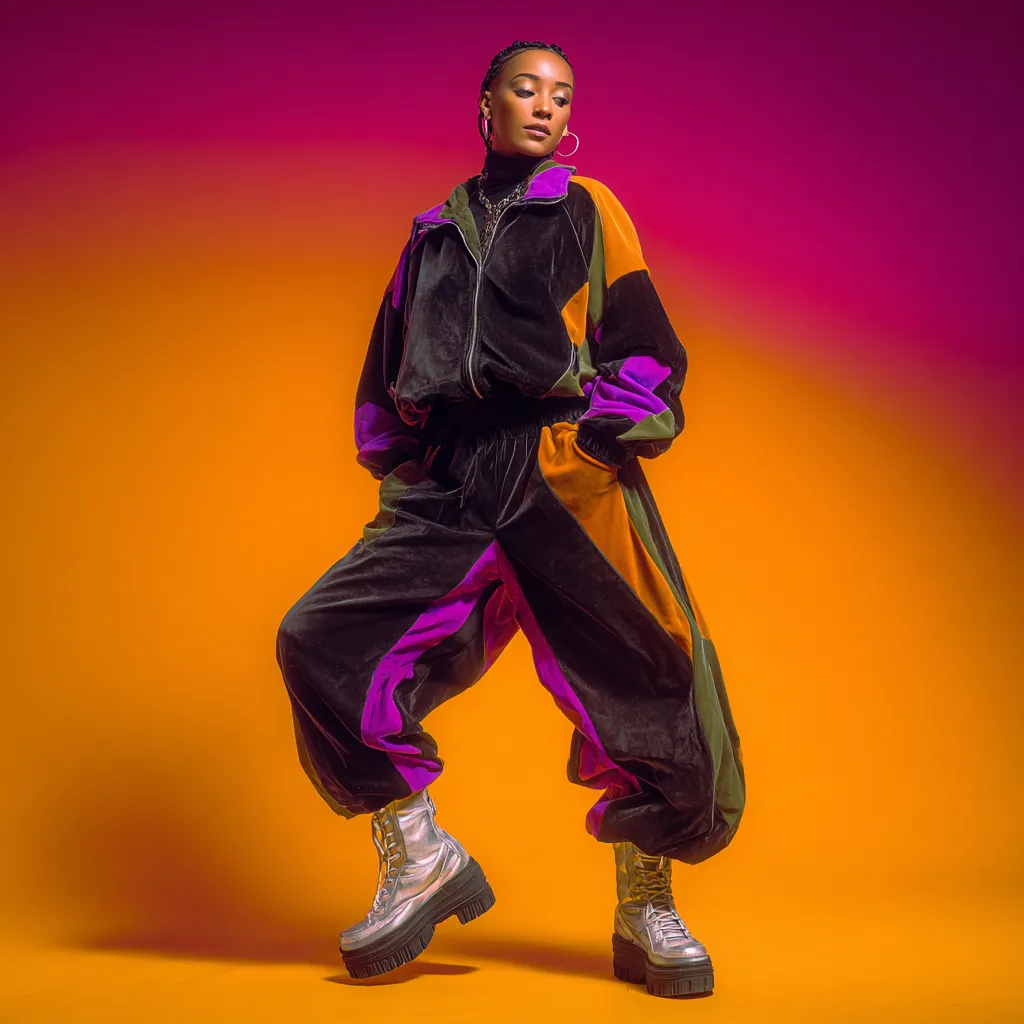
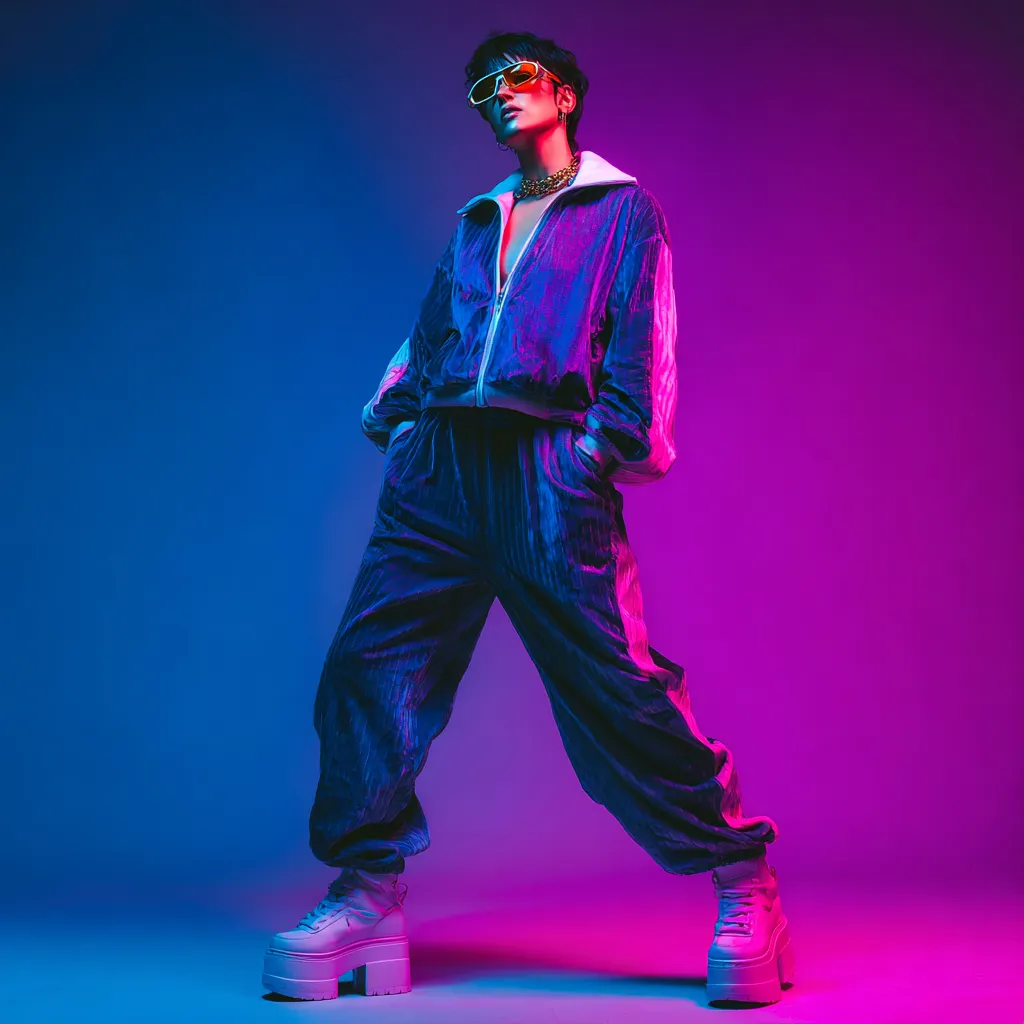
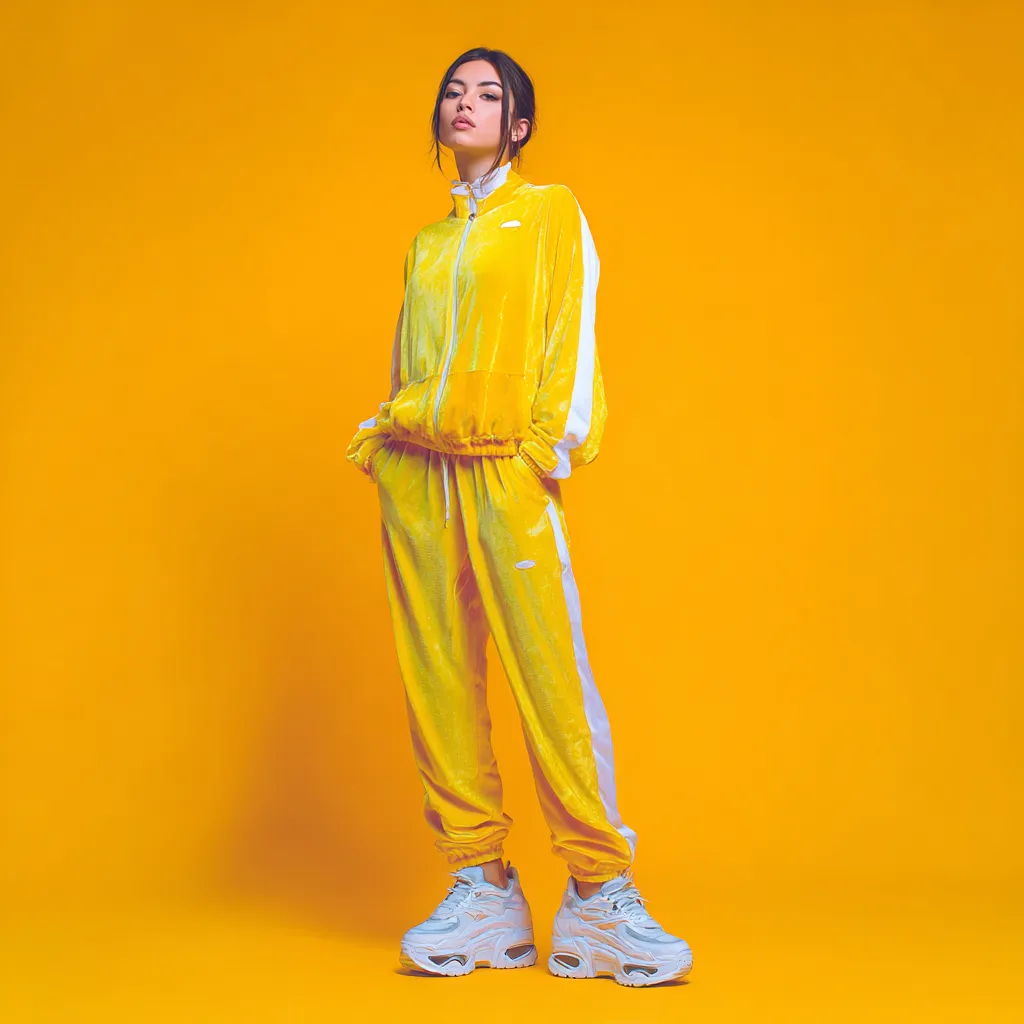
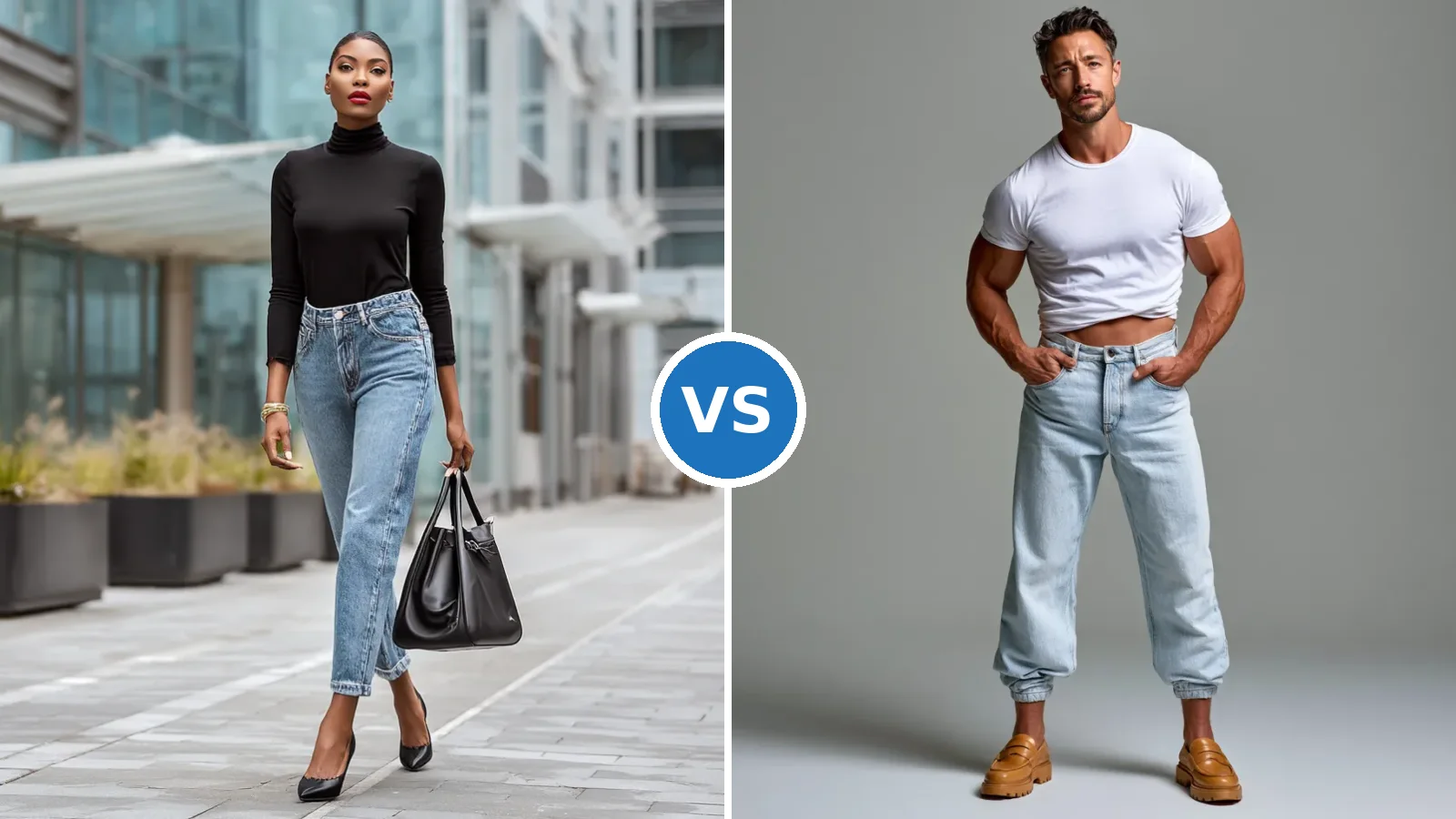
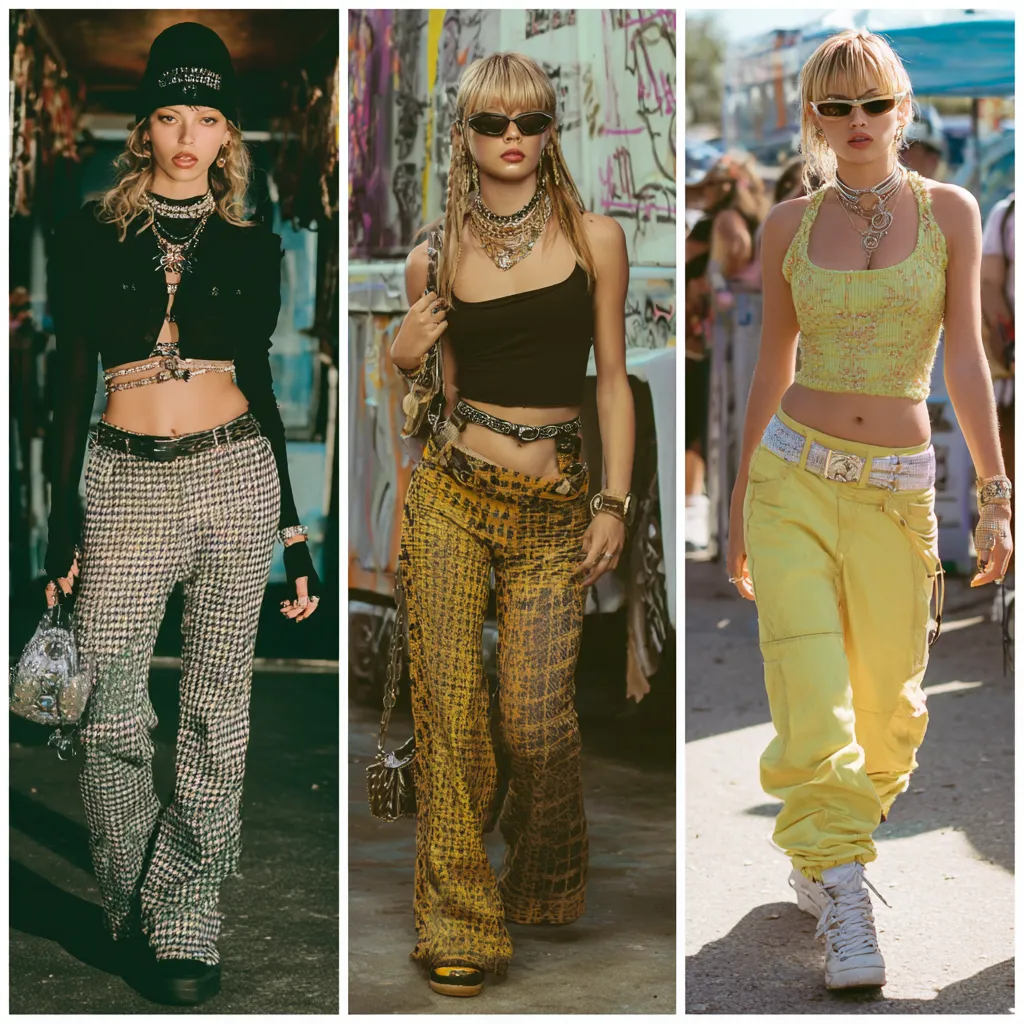
One of the most significant shifts allowing this integration is the widespread acceptance of relaxed fits. The transition away from skin-tight silhouettes has paved the way for the triumphant return of wide-leg trousers, baggy jeans, and oversized cargo pants—all staple pieces of noughties fashion. These comfortable yet structured bottoms serve as the perfect anchor for the more daring tops associated with the era. A simple, well-fitted baby tee or a cropped cardigan paired with voluminous vintage Y2K clothing creates a balanced silhouette that feels entirely appropriate for contemporary daily life. This high-low mixing, where casual streetwear elements meet tailored or glamorous pieces, defines the modern approach to the aesthetic.
The concept of sustainability has also played a massive role in cementing these styles in current wardrobes. The rise of the secondhand market and circular fashion apps has made authentic early 2000s style highly accessible. Younger generations, acutely aware of the environmental impact of fast fashion, prefer to hunt for genuine vintage Y2K clothing rather than buying newly manufactured replicas. Thrifting a genuine leather baguette bag or an original graphic tee from twenty years ago provides a sense of authenticity and individuality that cannot be bought off the rack. This scavenger hunt aspect turns the acquisition of millennium fashion into a hobby, further deepening the emotional connection to the trend.
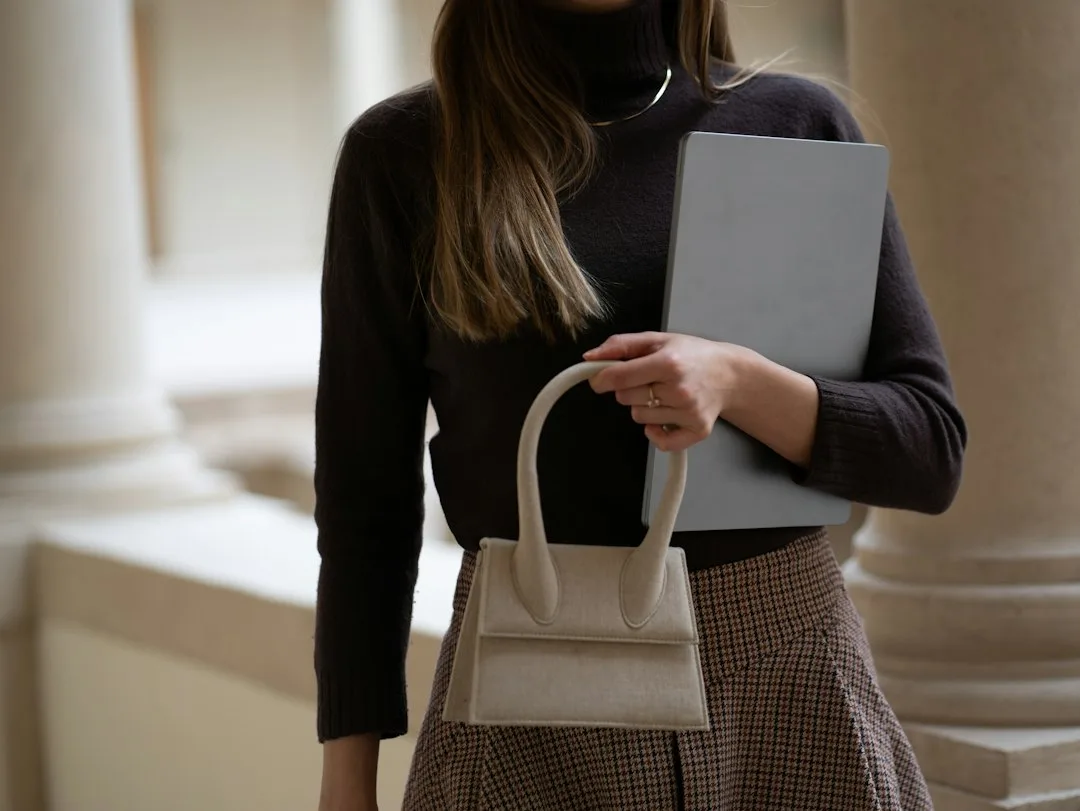
Accessories are arguably the easiest and most popular way to inject the Y2K aesthetic into a modern outfit without fully committing to the look. The baguette bag, designed to sit snugly under the arm, has completely overtaken the crossbody and the tote in casual fashion. It is practical, sits beautifully against the body, and instantly adds a touch of noughties fashion to even the most basic jeans and sweater combination. Similarly, chunky footwear, from platform sneakers to thick-soled boots, provides both comfort and a dramatic grounding effect to outfits. Small details like rimless tinted sunglasses, chunky resin rings, or playful hair accessories like claw clips offer an accessible entry point for anyone wanting to dabble in the trend.
Furthermore, the lines between loungewear, activewear, and everyday women fashion trends have blurred permanently. The iconic velour tracksuit, once considered a symbol of extravagant leisure, is now routinely broken up and worn as functional streetwear. A plush velour zip-up hoodie paired with structured denim, or the matching sweatpants worn with a tailored blazer, perfectly illustrates how millennium fashion has been recontextualized. It is no longer about head-to-toe branding; it is about taking those comfortable, tactile materials and forcing them into new, unexpected contexts. By treating vintage Y2K clothing pieces as versatile separates rather than rigid uniforms, modern fashion enthusiasts have ensured that the playful, bold spirit of the new millennium will continue to thrive in closets worldwide for years to come.
Key Elements Of Vintage Y2K Clothing Today
To truly master the Y2K aesthetic dominating current women fashion trends, one must understand the specific visual elements and micro-trends that make up the whole. The early 2000s style was not a monolith; it was a chaotic, brilliant mashup of technological optimism, pop culture excess, and a lingering rebellion against traditional norms. Today, vintage Y2K clothing is categorized into several distinct sub-genres, each bringing its own flavor to the modern fashion landscape. Recognizing these key elements allows for a more curated and intentional approach to wearing millennium fashion, transforming a basic outfit into a striking sartorial statement.
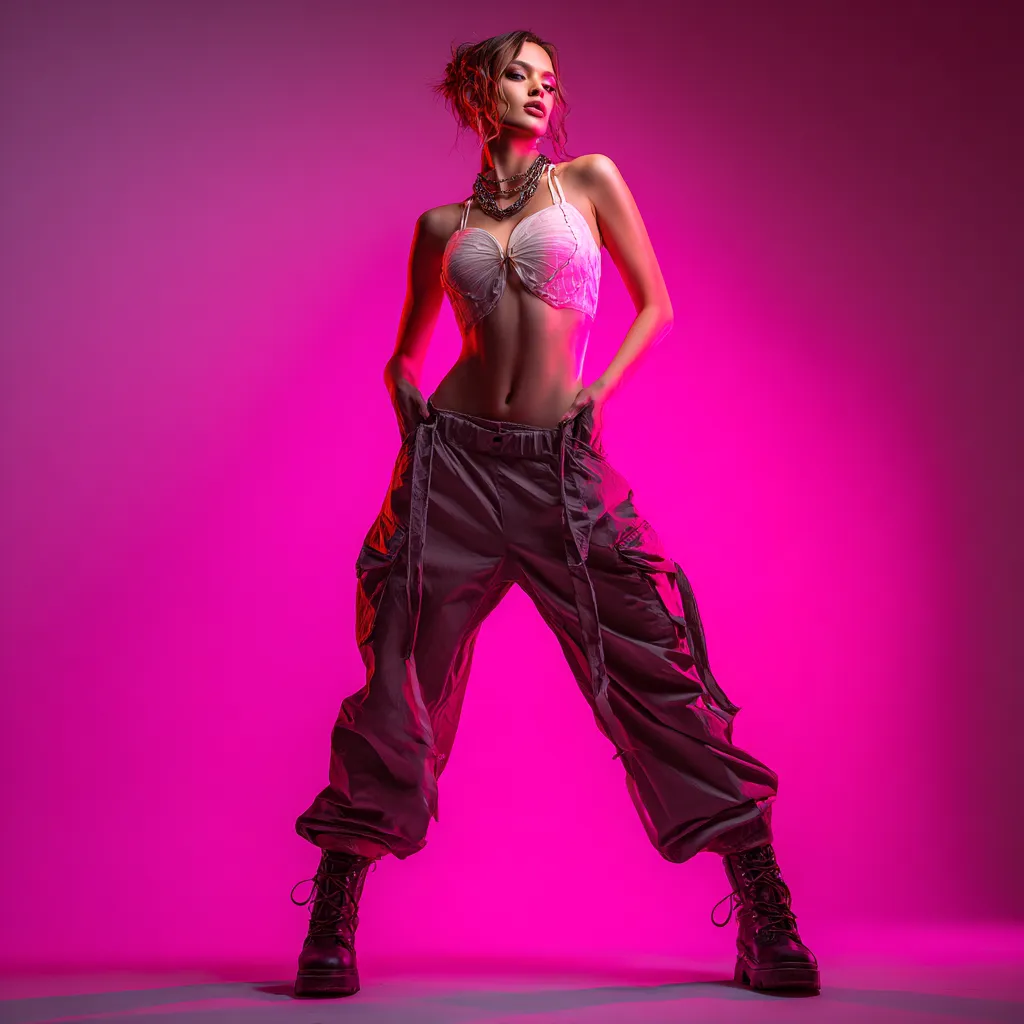
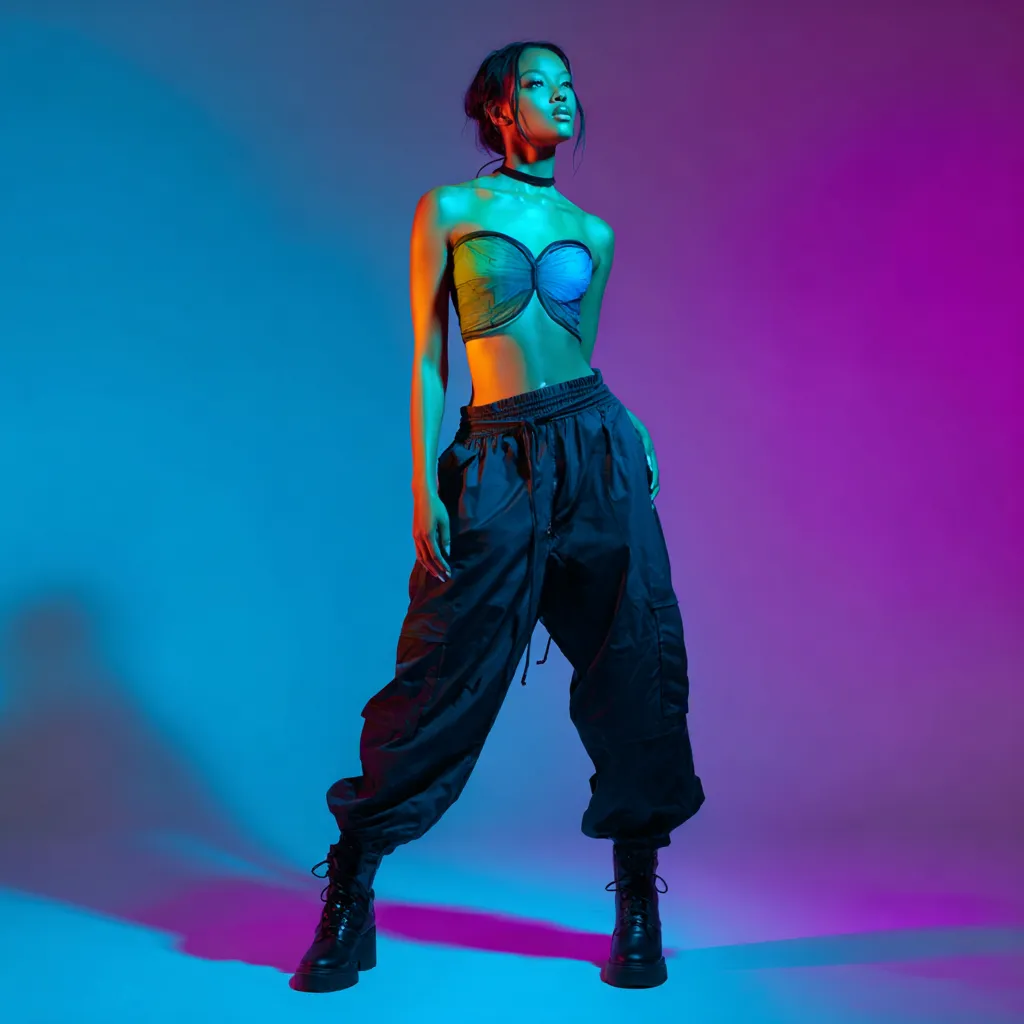
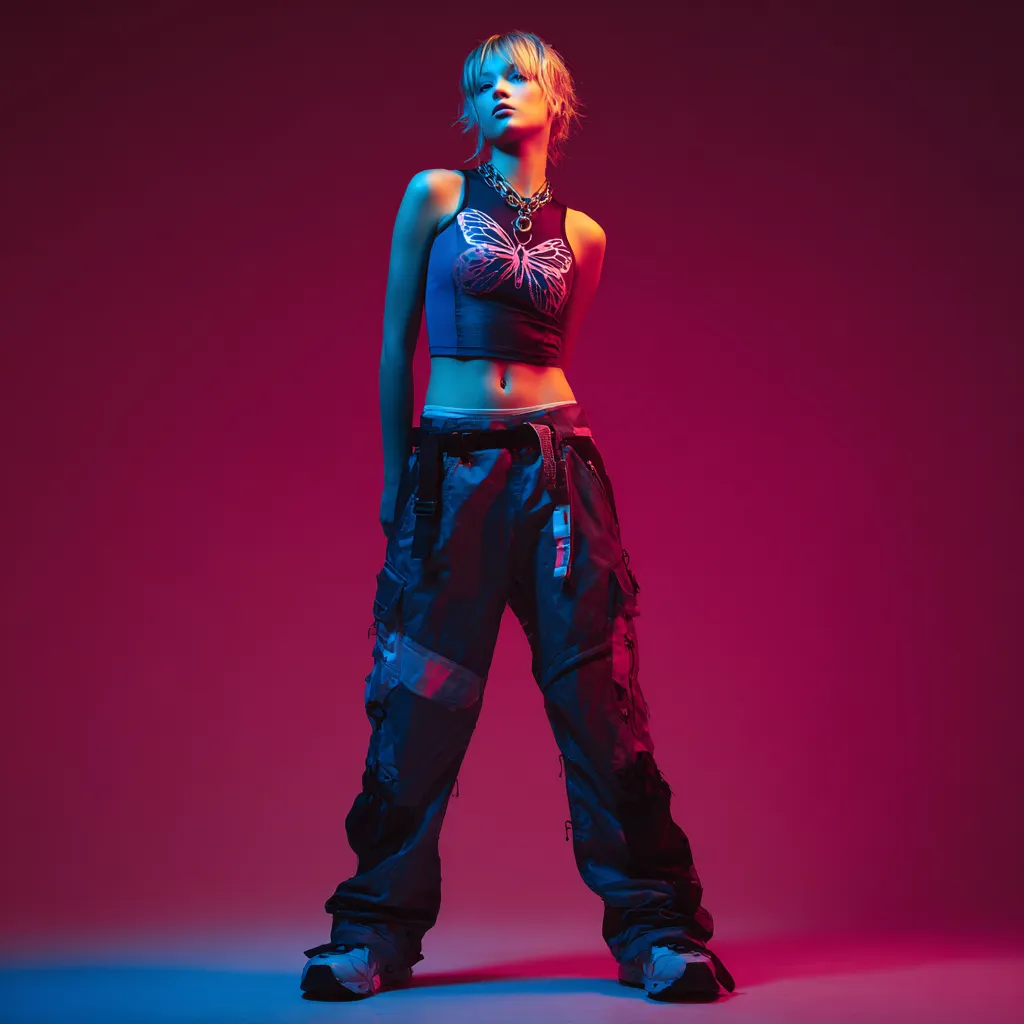
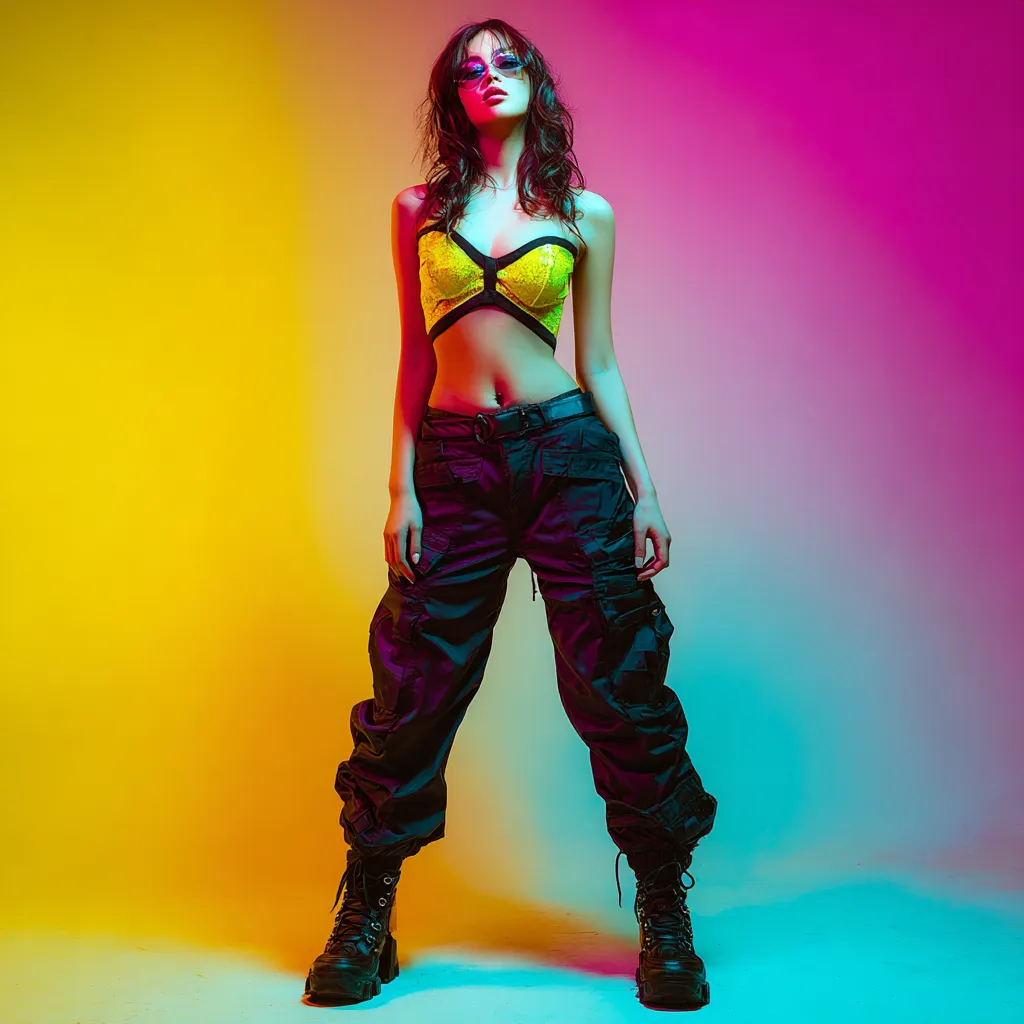
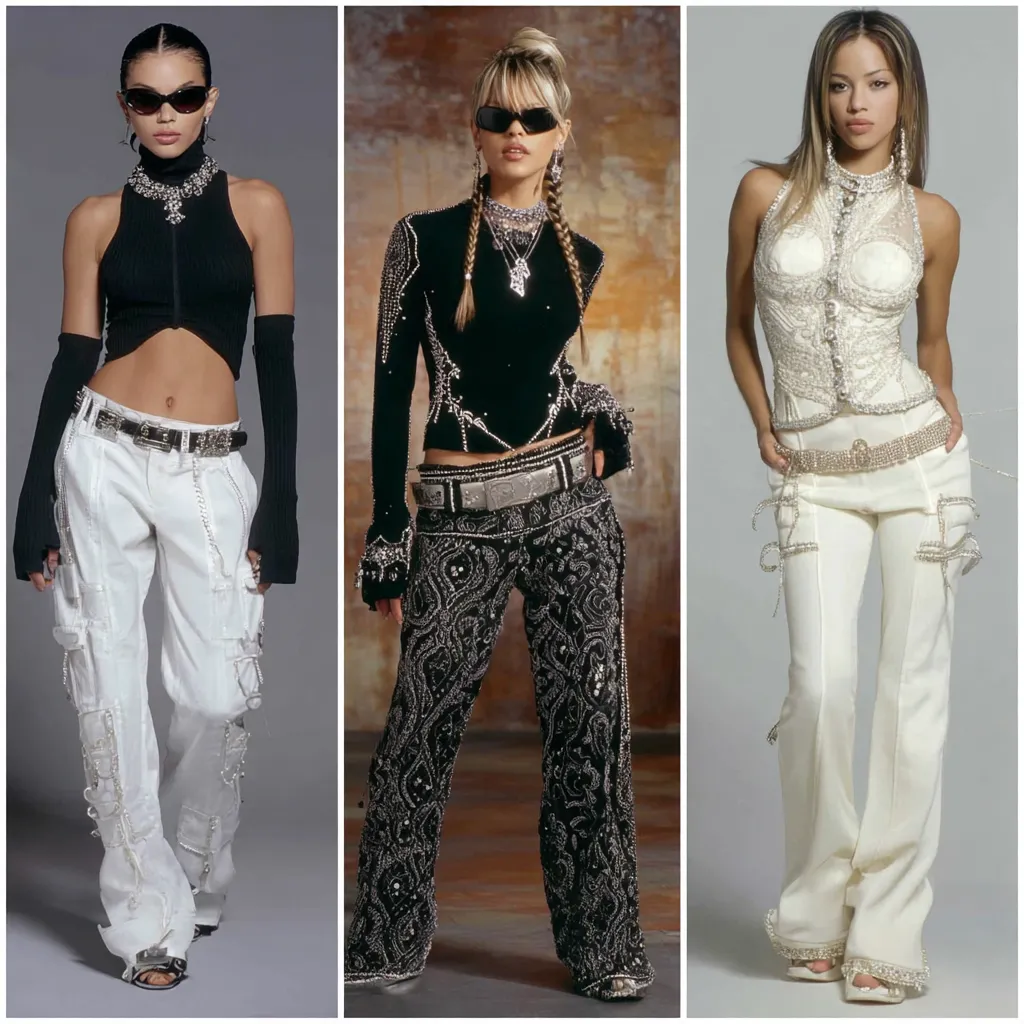
The first major element is the heavy influence of what is often called Cybercore or futuristic fashion. At the turn of the millennium, there was a widespread fascination with technology, the internet, and the future. This translated into noughties fashion through the extensive use of metallic fabrics, shiny pleather, iridescent materials, and utilitarian details. Today, we see this manifesting in silver trousers, reflective puffer jackets, and hardware-heavy accessories. Clothing featuring buckles, excessive zippers, and reflective piping taps directly into this matrix-inspired vision of the future. It provides an edgy, industrial contrast to the softer, more feminine trends of the same era, proving the incredible duality of the overarching style.
Conversely, the McBling subculture represents the hyper-feminine, luxurious, and heavily branded side of the era. This is where the true extravagance of women fashion trends from that time shines through. Key elements here include anything bedazzled, rhinestone-encrusted logos, and an abundance of hot pink. The textures are plush and inviting, relying heavily on faux fur, velvet, and the ubiquitous velour. In the modern context, this translates to graphic tees with crystal slogans, fluffy bucket hats, and the unapologetic display of designer monograms. It is a playful embrace of wealth aesthetics and unapologetic girlishness, offering a stark alternative to the understated luxury trends that dominate corporate fashion.
Another vital component of vintage Y2K clothing is the specific emphasis on asymmetrical cuts and unique fabric manipulations. The handkerchief hemline, which creates a jagged, uneven edge on skirts and dresses, adds movement and a slightly bohemian flair to the look. Halter tops, cowl necklines, and tops featuring multiple intricate cutouts challenge traditional silhouettes and draw attention to the collarbones and shoulders. The sheer and mesh fabrics often used in these designs allow for creative layering, which is a hallmark of early 2000s style. Layering a sheer long-sleeve top under a graphic baby tee or wearing a dress over jeans are layering techniques that have made a massive comeback, encouraging wearers to view their clothing as modular pieces.
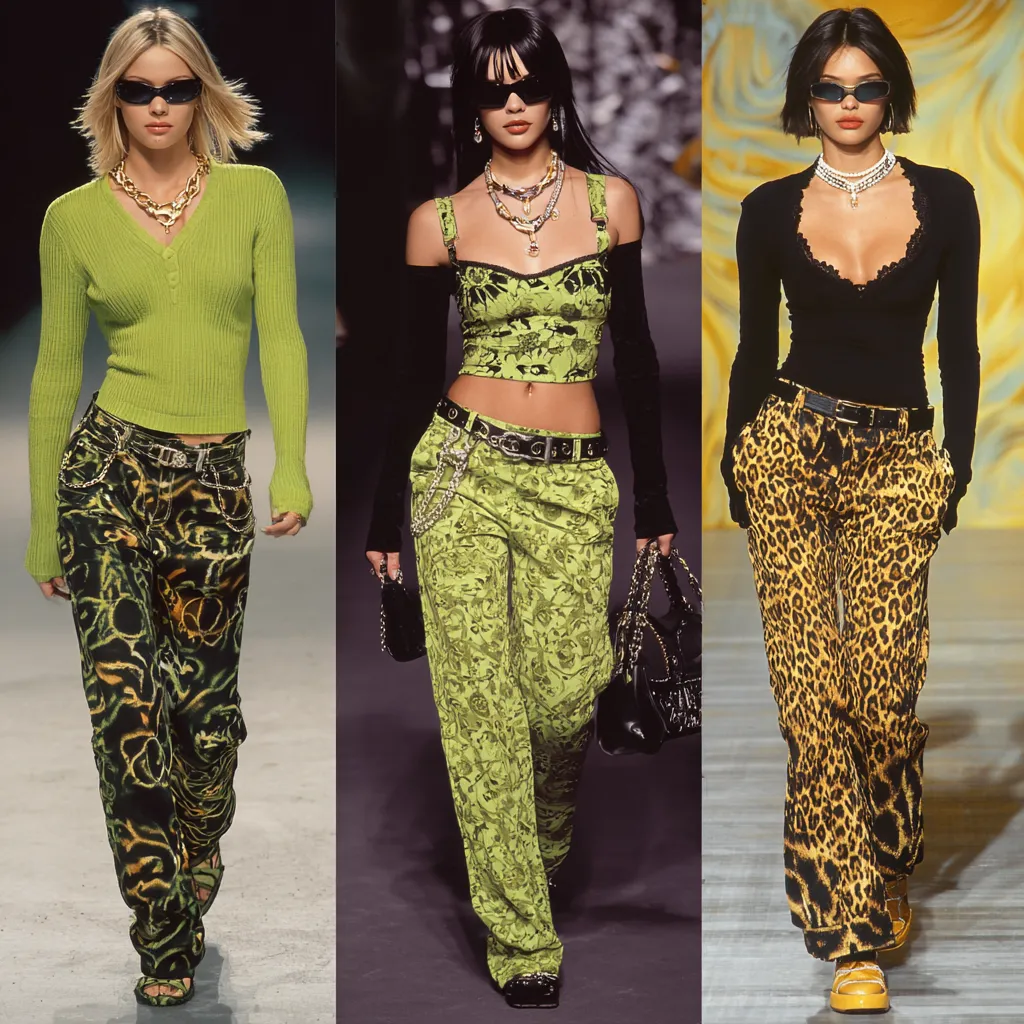
Finally, the motifs and prints of the era are distinct and instantly recognizable. The butterfly, a symbol of metamorphosis and freedom, is perhaps the most iconic image associated with millennium fashion, appearing on everything from hair clips to the cuts of the garments themselves. Other popular graphics include tribal prints, cherry motifs, and flaming hearts. Denim also underwent a massive transformation during this period, moving away from plain blue washes to feature heavy distressing, acid washes, bleaching, and patchwork designs. Denim-on-denim looks, commonly referred to as the Canadian tuxedo, remain a powerful statement when executed with the correct noughties fashion attitude. By embracing these specific cuts, textures, and motifs, fashion lovers can accurately capture the spirit of the era while pushing contemporary women fashion trends into exciting new territories.
The undeniable grip that the early 2000s style has on the current fashion landscape is a testament to the era’s unique blend of optimism, comfort, and bold self-expression. By rejecting the rigid rules of minimalism and embracing the playful chaos of vintage Y2K clothing, a new generation has found a way to make fashion genuinely fun again. As designers and consumers continue to draw inspiration from noughties fashion, we can expect this dynamic aesthetic to keep evolving, proving that the daring spirit of millennium fashion is far too vibrant to be left in the past.
FAQ
How can someone wear low rise jeans without feeling uncomfortable or exposed
What are the best places to find authentic clothing from the early two thousands
Can this bold aesthetic be worn in a professional or office environment
Related: Micro-Weddings Are Dead: The Return of the 150-Guest Celebration