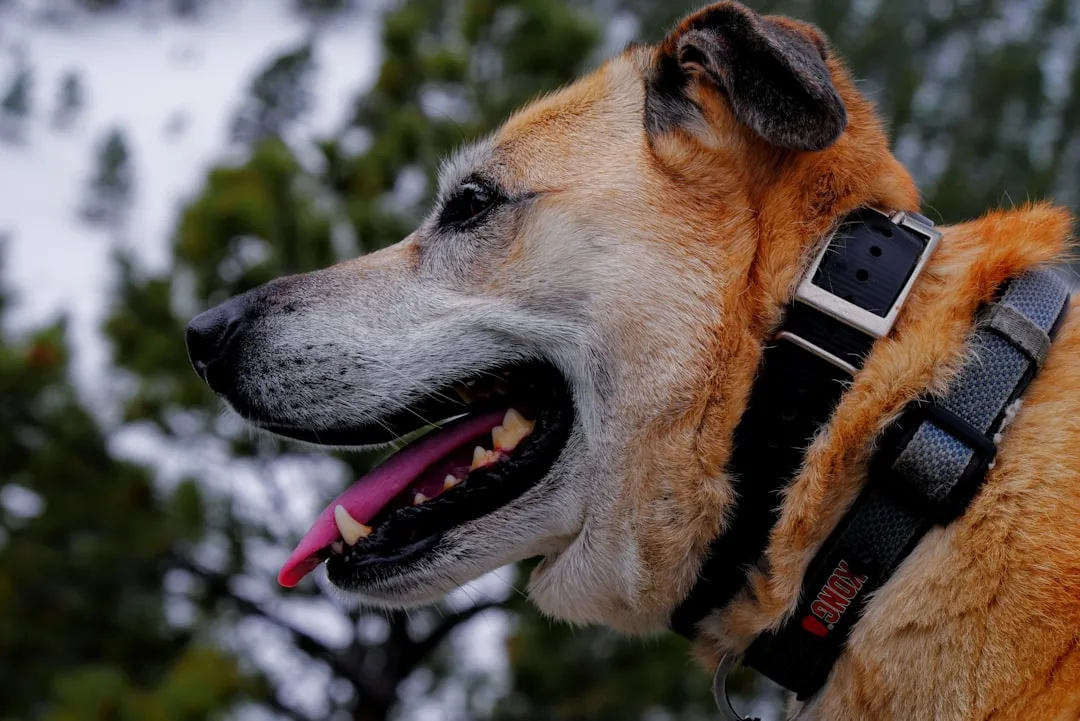
Smart Pet Feeders With AI Portion Control Transform Obesity Prevention in 2026

AI-powered smart pet feeder with automatic portion control dispenser

Pet obesity has become a crisis affecting 56% of dogs and cats in North America, making smart feeders with AI portion control the fastest-growing pet-tech category in 2026. Unlike traditional bowls or basic automatic feeders, these devices use weight sensors, machine learning, and real-time adjustments to prevent overfeeding before weight gain starts. Why Veterinarians Are … Read more
Pet GPS Tracking Collars Eliminate Lost Pet Anxiety in 2026

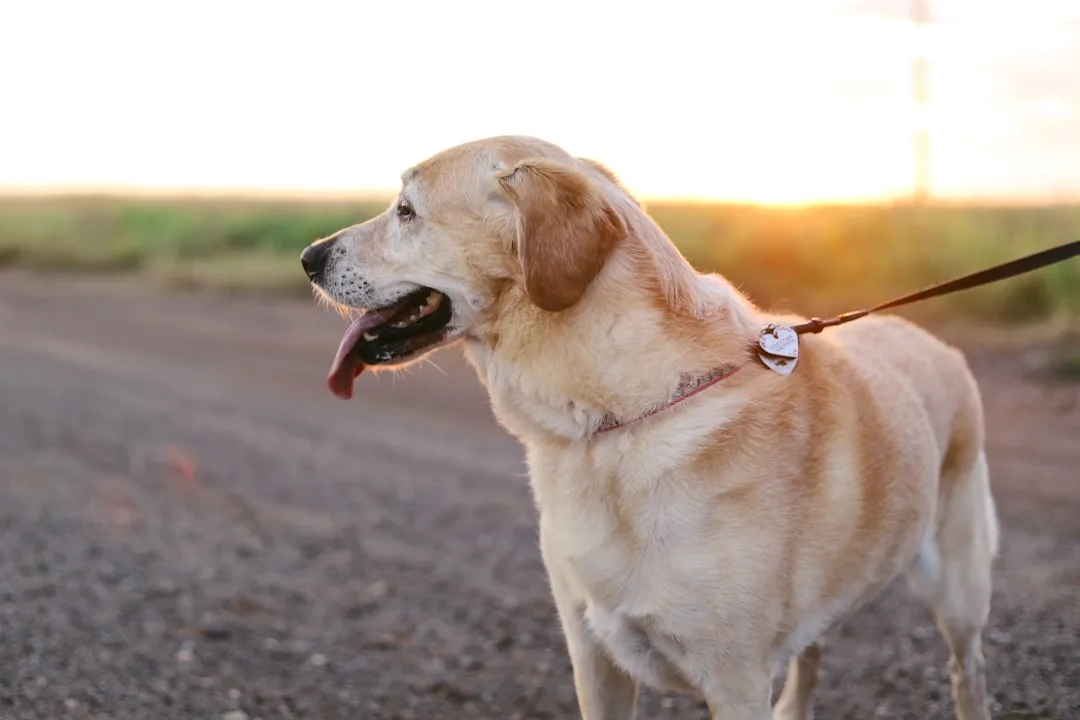
Modern pet GPS tracking collar on brown dog with real-time location display

The pet GPS tracking collar market exploded 340% in revenue since early 2025, driven by parents refusing to lose another dog to open gates or accidental escapes. Unlike the clunky trackers of 2023, today’s collars weigh under 1.2 ounces, run 14+ days on single charge, and map behavioral patterns alongside location data—transforming pet safety from … Read more

AI Pet Door Recognition Systems Replace Generic Access Control in 2026

AI-powered pet door with facial recognition identifying cat entering home

Ninety-two percent of pet owners now prioritize security over convenience when choosing entry systems for their animals, forcing manufacturers to embed biometric identification into physical door hardware rather than relying on collar-based RFID alone. AI pet door recognition has become the fastest-growing segment in pet-tech because it solves three simultaneous problems: preventing outdoor cats from … Read more

Pet health monitoring wearables transform preventative care in 2026

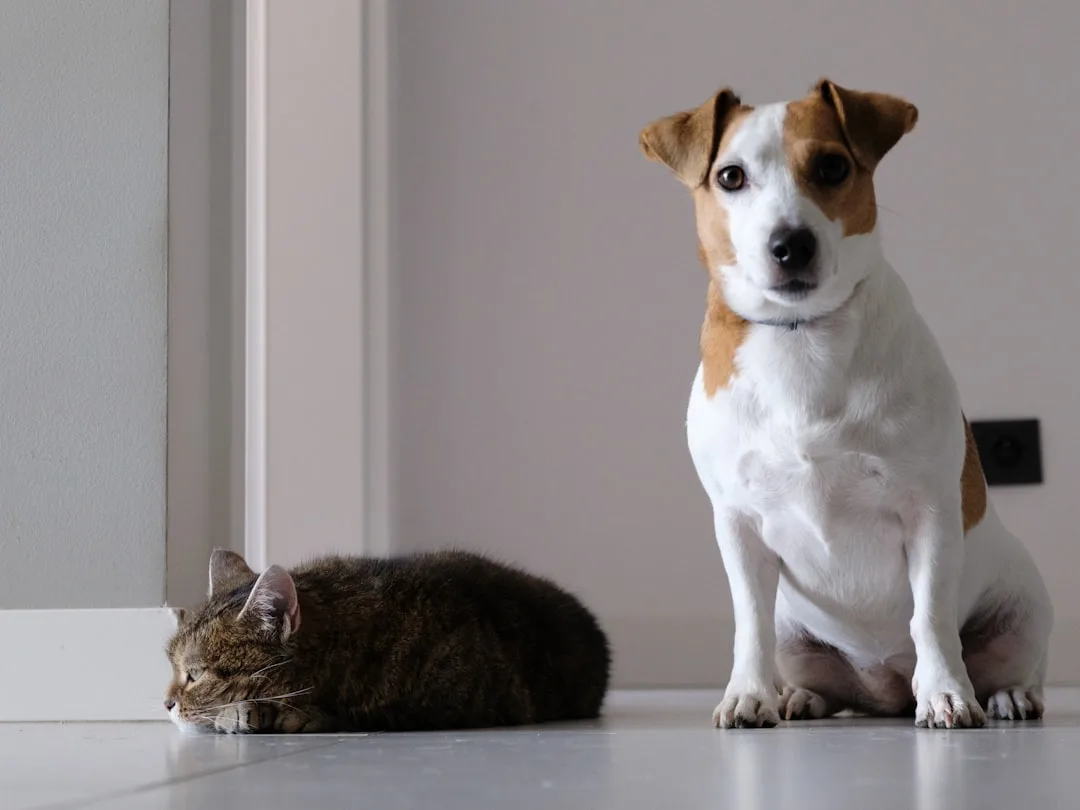
Small dog wearing advanced pet health monitoring wearable collar device

Pet health monitoring wearables have grown 340% in adoption since 2024, yet 67% of pet owners still rely on annual vet visits to catch disease. Real-time wearable technology now detects irregular heart rhythms, temperature spikes, and behavioral changes hours or days before visible symptoms emerge—shifting veterinary medicine from reactive treatment to data-driven prevention. Why pet … Read more