Brown gets dismissed. People pick greige, or go all-white, and call it “modern.” Then they sit in a room that feels like a hotel lobby and wonder why it doesn’t feel like home.
A brown living room done right hits differently. Not stuffy. Not dated. The kind of room that feels expensive without trying, warm without being heavy. I’ve seen it work in a 400-square-foot apartment and in a double-height loft — same principle, totally different execution.
The problem isn’t brown. It’s how people use it. One flat shade on everything, no contrast, no texture. Dead on arrival. Brown needs layers the way a good espresso needs crema — without it, you just have lukewarm water.
Light brown on the walls, deeper brown on the sofa, raw wood on the floor. Or flip it: dark brown lounge seating against plaster-white walls, brass hardware, a jute rug. Both work. Neither requires a designer.
What follows is what actually makes brown living room ideas land — the combinations, the mistakes to skip, and the specific details that separate a modern brown living room from a 2003 rerun.
QUICK SCAN
What Actually Makes a Brown Living Room Work
Layer 3 values of brown — light walls, mid-tone sofa, dark floor anchor
Mix 2 textures minimum — one smooth surface, one rough or nubby
Add one hard contrast — white ceiling, cream curtain, or bleached wood
Small rooms — dark sofa, light walls, mirror opposite the window
Skip — matching all tones, velvet-on-shag, flat polyester rugs
Brown Lounge Rooms That Feel Like Somewhere, Not Nowhere
A chocolate leather sofa from Article ($1,499 for the Sven) against a warm taupe wall is a combination I keep coming back to. It reads city apartment. It reads actual human lives here. Not a showroom, not a mood board — a room.
Brown lounge areas fail when everything matches too precisely. All the same depth, all the same undertone. The room flattens out. You need at least three different values of brown in any sitting area — a mid-tone sofa, something darker anchoring the floor, and a lighter warm neutral on the walls. Miss one of those, and the whole thing reads beige soup.
Urban apartments deal with limited natural light constantly. That’s where brown interior design in a living room gets tricky. Go too dark on every surface and you kill the light by 3pm. My fix: keep the walls at a light warm neutral (Benjamin Moore Pale Oak or similar), go deep on the upholstery and rugs only, and use brass or warm gold lighting to fill the gaps.
Brown living room design ideas that photograph well almost always have one hard contrast element. A cream linen curtain panel. A white plaster ceiling. A bleached oak coffee table. Something light that gives the eye a place to rest before it travels back into the depth of the brown tones.
Don’t cheap out on the rug. A brown lounge room built on a flat, low-pile polyester rug looks like a dentist’s waiting area. Wool flatweave or a hand-knotted option in camel and chocolate — even a 5×8 from Loloi around $400 — completely changes how the room registers.


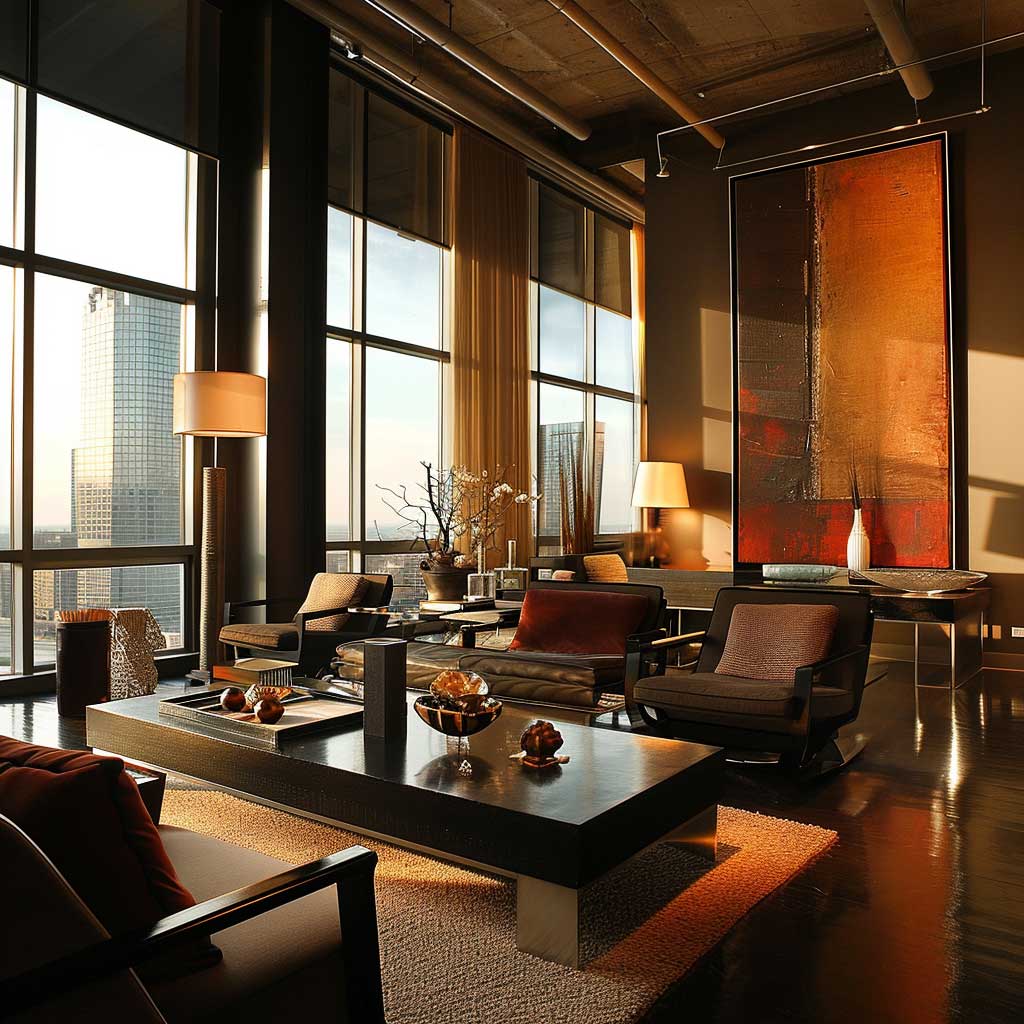

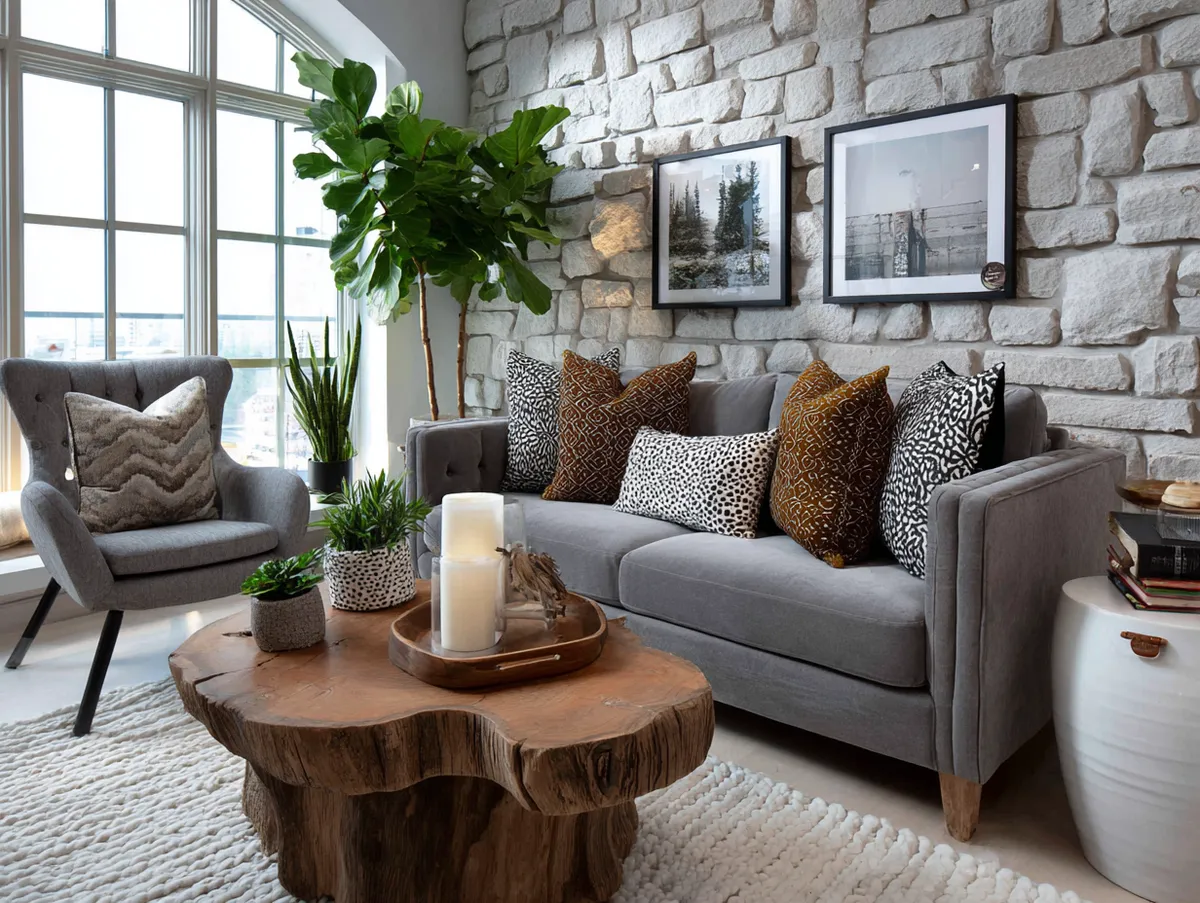
In the heart of the city, where the skyline blends with the horizon, urban homes are sanctuaries of peace and style. Brown is no outlier here — interior designers confirm that rich chocolatey browns and dark wood tones are making a strong return as the dominant palette for modern living rooms. Among these, the living room stands out as a central feature — and when adorned in shades of brown, these lounge areas gain warmth that glass and concrete can’t replicate.
The color brown, often associated with stability and comfort, brings an earthy, grounded feeling to any space. In an urban setting, where concrete and glass dominate, introducing brown tones can create a much-needed balance. Imagine soft, plush sofas in rich chocolate brown, complemented by lighter beige walls. The contrast is not just visually appealing but also psychologically soothing.
However, embracing modern brown living room ideas goes beyond merely choosing the right shades. It’s about understanding the interplay of textures and materials. A sleek leather couch in a dark brown hue can become the focal point, reflecting sophistication. Add to this a woven brown rug underfoot, and the room instantly feels more inviting.
Lighting plays a crucial role too. In a chic urban brown lounge area, ambient lighting can accentuate the depth of brown tones. Imagine soft, warm lights casting a gentle glow on wooden coffee tables and highlighting the textures of brown drapery. The result is a harmonious blend of coziness and elegance.


Artwork and decor in these brown-themed lounges speak volumes. Abstract paintings with strokes of caramel, sienna, and umber can adorn the walls, adding a touch of creativity. Decorative pieces in bronze or gold can complement the brown theme, bringing in a hint of luxury.
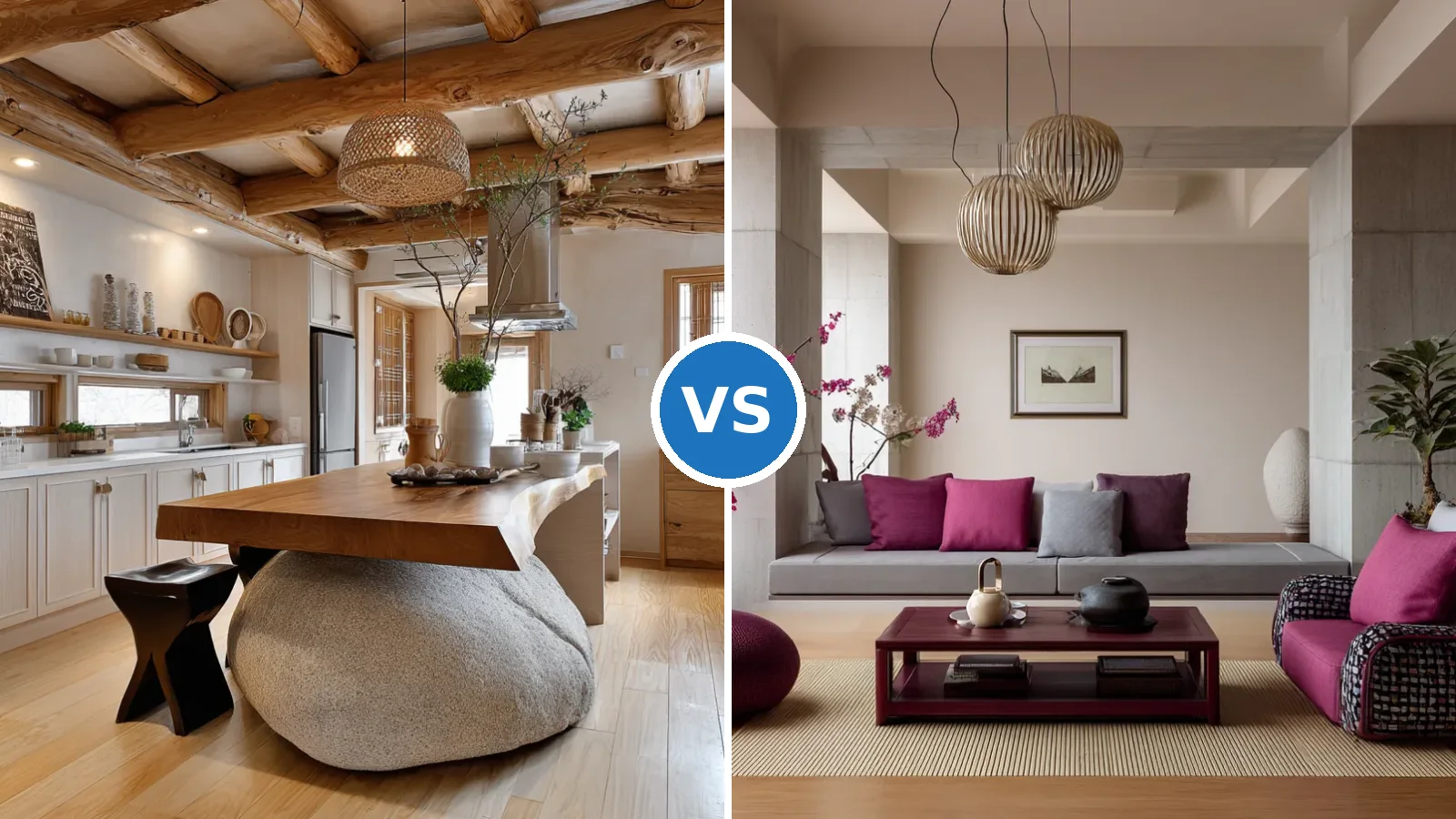
The magic of brown in urban living rooms also lies in its versatility. Whether it’s a spacious loft or a compact apartment, brown can be adapted to suit the space. In larger areas, different shades of brown can define different zones – a darker brown for the entertainment area, a lighter, softer brown for the seating.
For those living in urban apartments, these brown elegance ideas offer a practical yet stylish approach to interior design. The color’s natural warmth and adaptability make it ideal for creating a welcoming atmosphere in smaller living spaces.
The beauty of these modern brown living rooms is their ability to evolve with time. Brown is a timeless color, which means that the space can be updated with minimal changes. Swap out cushion covers, add a new rug, or change the wall art, and the room can have a whole new look.
In conclusion, chic urban brown lounge areas are more than just a trend. They are a testament to the enduring appeal of brown in interior design. These spaces are not just about aesthetics; they are about creating a haven in the midst of the urban hustle, a place where one can unwind in style and comfort. They embody the perfect blend of the modern and the timeless, making them ideal for contemporary urban living.
Small Room, Deep Brown, Zero Regrets
Compact living rooms in brown terrify people. They assume dark equals small. It’s the wrong mental model. A deep brown room with one well-placed mirror and decent overhead lighting reads as intentional and cozy, not cramped. The mistake is dark brown everywhere — walls, floor, upholstery, curtains. Pick two out of four.
Light brown living room ideas work especially well in small spaces because they borrow visual square footage from the walls. Sandy linen on a tight two-seater sofa, warm greige walls, a sisal rug. The room breathes. Add one darker anchor — a walnut media unit or a deep espresso armchair — so it doesn’t float away into beige.
For a brown front room under 200 square feet: skip the coffee table entirely. Use a leather ottoman, something that works as a footrest and a surface and moves when you need it to. West Elm’s Saddle Leather Ottoman runs around $499 and pulls double duty without eating floor space.
Brown sitting room ideas fall apart when the window treatments are an afterthought. Heavy brown velvet drapes in a small room block the one thing making it livable: daylight. Linen sheers in natural flax, floor to ceiling, keep the brown palette and let the light stay.
The single move I’ve seen save more small brown rooms than anything else: a large-format mirror on the wall opposite the main light source. Not a decorative accent mirror — a proper full-panel one. It doubles perceived depth and throws the warm brown tones back into the room from a different angle.


The modern urban environment often presents the challenge of limited space, yet this does not diminish the desire for elegant and stylish interiors. Brown, a color symbolizing stability and reliability, offers a surprising versatility in compact living room designs. It brings a sense of warmth and richness to small spaces, transforming them into cozy, inviting areas.
In compact living rooms, every element counts. The choice of a soft, mocha-colored sofa, paired with light taupe walls, can create an illusion of spaciousness while maintaining an elegant feel. Using various shades of brown, from sandy tones to deeper espresso, adds depth and dimension without overwhelming the space.
Textures play a crucial role in these brown-themed areas. A smooth, walnut coffee table can contrast beautifully with a textured chenille throw or a shaggy rug in a lighter shade of brown. These elements introduce tactile variety, making the room feel more dynamic and interesting.
Integrating multi-functional furniture is also key in compact spaces. A sleek, dark-brown ottoman, for example, can serve as both a footrest and extra seating for guests. Wall-mounted shelves in a similar brown finish can offer storage solutions while maintaining a cohesive look.


Lighting, crucial in smaller rooms, can enhance the ambiance. Strategically placed lamps can cast a warm glow, highlighting the brown hues and making the room feel cozy and inviting. The use of mirrors can also help, reflecting light and creating an illusion of a larger space.
Decorative elements should be chosen with care. In a brown-themed compact living room, less is more. A few well-selected pieces, such as a minimalist brown-framed artwork or ceramic vases in varying shades of brown, can add personality without cluttering the space.
The integration of greenery can breathe life into the room. Plants in sleek, brown pots or hanging planters can add a touch of nature, enhancing the room’s aesthetic while also purifying the air.
For those residing in urban apartments, these brown elegance ideas offer a practical yet stylish approach to interior design. The color’s natural warmth and adaptability make it ideal for creating a welcoming atmosphere in smaller living spaces.
In summary, embracing brown in compact living room designs is about balancing color, texture, and functionality. It’s about making the most of the available space without sacrificing style or comfort. With thoughtful design choices, even the smallest living rooms can be transformed into elegant, inviting spaces that reflect the sophistication of modern urban living.
DON’T DO THIS
Brown Living Room Mistakes That Are Hard to Undo
Matching every brown to the same depth. A room where sofa, walls, rug, and curtains share the same mid-tone brown reads like a sepia photograph. Flat. Lifeless. Add contrast or start over.
Going dark brown on the ceiling in a small room. It collapses the space to the point where no lighting fix can save it. Keep the ceiling white or off-white. Always.
Buying a brown sofa because it “hides stains.” You’ll pick the wrong texture for the room and regret the aesthetic in six months. Pick the right piece for the space first. Then worry about cleaning.
Using cool-toned brown (taupe that pulls grey) with warm wood floors. The undertones fight each other and the whole room looks unfinished. Commit to warm or cool — don’t mix.
The Texture Decides Whether Your Brown Room Works or Doesn’t
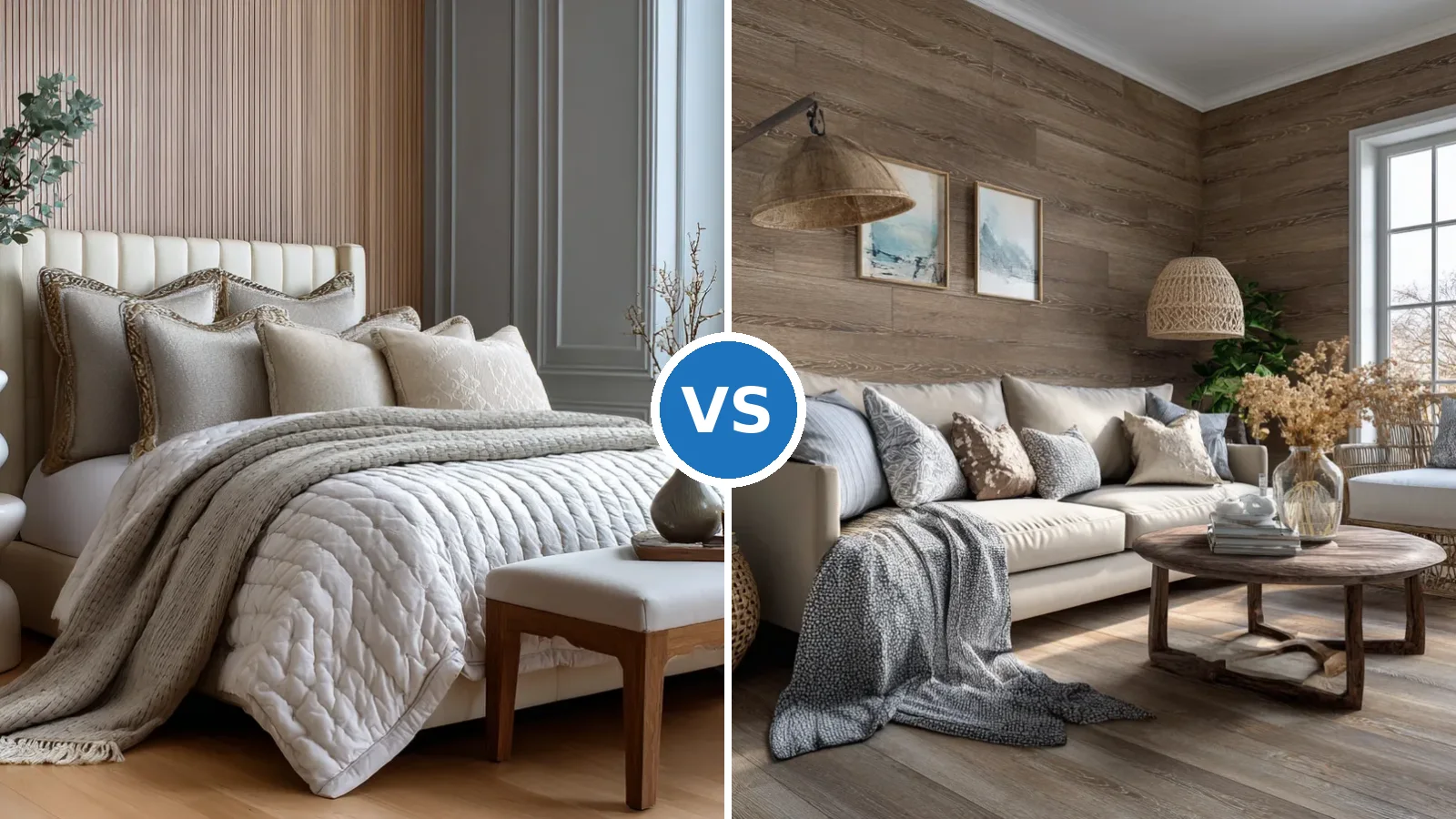
Raw linen, matte leather, rough-sawn oak, nubby wool — brown is a color that lives and dies by what it’s sitting on. A brown living room made entirely of smooth surfaces looks corporate. Same palette on textured surfaces looks like somewhere you’d actually want to spend a Sunday.
| Brown Shade | Works Best On | Pair With | Avoid |
|---|---|---|---|
| Dark Brown / Espresso | Sofa, armchair, media unit | Cream walls, brass hardware, jute rug | Dark ceilings, grey tones, heavy drapes |
| Mid Brown / Caramel | Leather sofa, wood coffee table | Off-white walls, linen curtains, plants | Cool-toned grey flooring, silver accents |
| Light Brown / Taupe | Walls, rug, upholstery in small rooms | Deep espresso accents, warm wood, gold | Cool whites, chrome fixtures, blue accents |
| Warm Beige / Sandy | Compact rooms, linen throws, cushions | Walnut furniture, terracotta pots, brass | Matching everything to same tone |
Start with the sofa. Textured brown upholstery — a slubby cotton-linen blend or a bouclé in camel — holds visual interest even in a room with minimal decor. West Elm’s Harmony Sofa in Warm Pebble Twill (around $2,200) does this well. Contrast that with a sleek walnut coffee table and you’ve already got two different material languages talking to each other.
The floor layer matters more than most people realize. A jute rug under a smooth leather sofa is a classic pairing that costs almost nothing to get right. Ruggable makes a flatweave in Natural for $189 that holds up to real use. A plush high-pile rug under a rough-textured armchair works just as well in the opposite direction. The rule isn’t which texture goes where — it’s that smooth and rough need to alternate.
What doesn’t work: a brown velvet sofa on a shag rug with knitted throw pillows. All soft, all round, all the same tactile register. The room disappears into itself. You need something hard and flat to cut through — a stone side table, a lacquered tray, a ceramic lamp base. Metal works even better. Brass and brown is not a trend, it’s a permanent pairing.
Wall texture gets ignored almost every time. A brown interior design living room with flat painted walls and no surface variation will always feel cheaper than it is. Limewash paint in a warm terracotta-adjacent brown costs roughly the same as standard eggshell but adds a depth that changes with the light throughout the day. Portola Paints’ Roman Clay runs about $85 per gallon and is worth every cent.
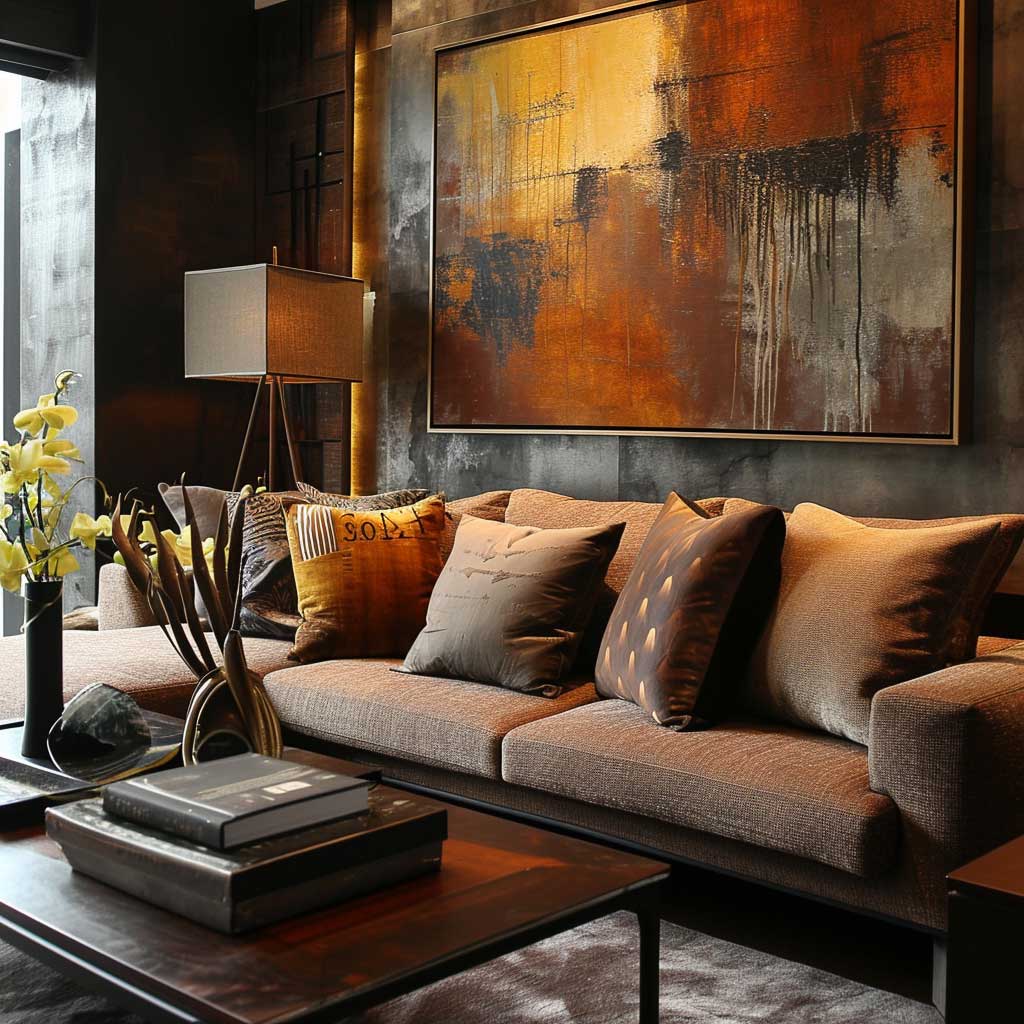


In the realm of modern interior design, the fusion of color and texture plays a pivotal role in creating spaces that are both visually appealing and emotionally resonant. Focusing on the contemporary living room, the interplay of various shades of brown with diverse textures presents a unique opportunity to craft an environment that is both innovative and comforting.
The foundation of this design approach lies in the thoughtful selection of furniture and decor that embody both modernity and warmth. A sleek, dark brown leather sofa, with its smooth texture, can serve as a central piece. It exudes luxury and sophistication, while also providing a comfortable seating option. To contrast, add a knitted throw or a velvet cushion in a lighter shade of brown, introducing tactile diversity and a sense of coziness.
Wooden elements are indispensable in this theme. A polished mahogany coffee table or a set of walnut shelves not only brings in natural textures but also adds a timeless quality to the room. These wooden pieces can be complemented with metallic accents in bronze or copper, adding a touch of contemporary elegance.
Flooring and rugs are another area where texture plays a significant role. A soft, plush rug in a subtle shade of brown can soften the overall look and feel of the room, making it more inviting. For flooring, consider options like dark wood or bamboo, which provide both durability and natural beauty.
Wall treatments can also contribute significantly to the texture mix. Consider using textured wallpaper in a light brown hue or adding a feature wall with wooden panels or stone cladding. These elements create visual interest and depth, enhancing the room’s overall aesthetic.

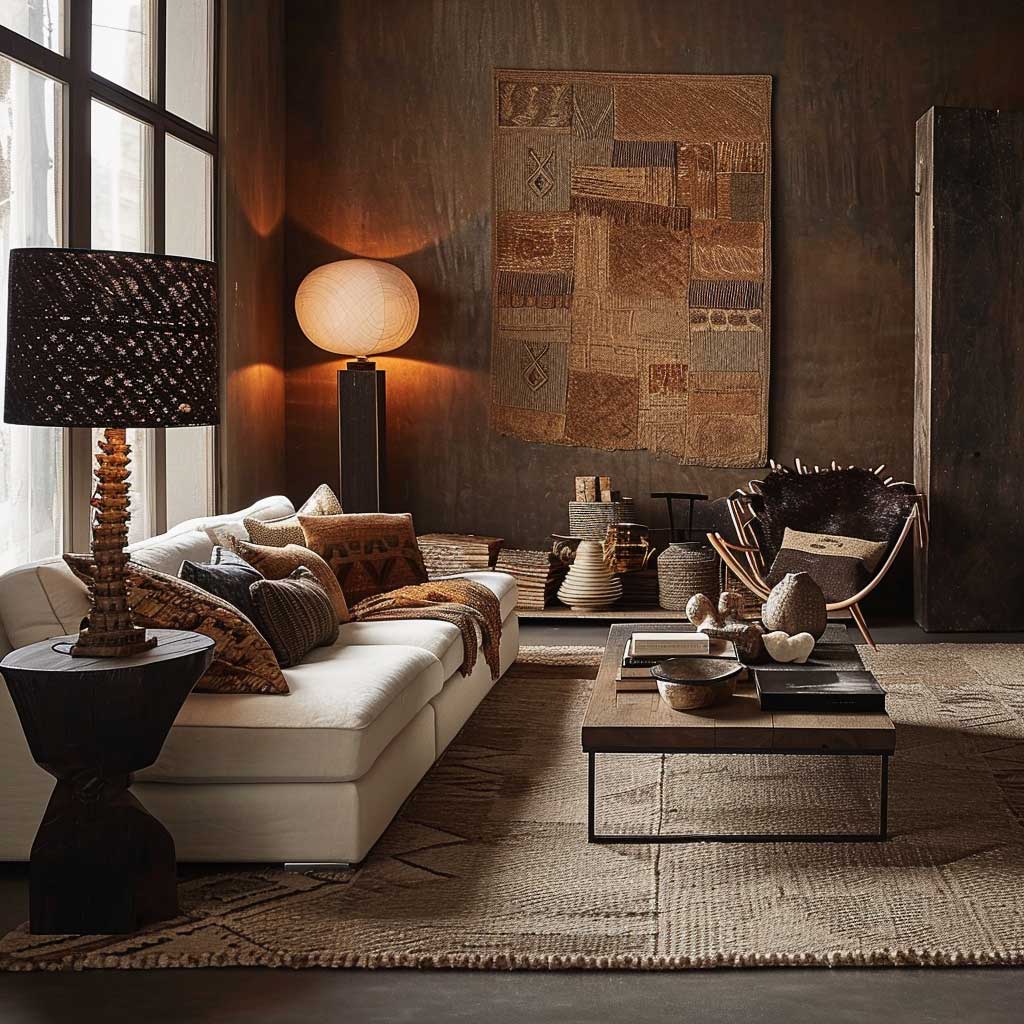


Incorporating plants is a refreshing way to add both color and texture. Greenery against the brown backdrop can bring vibrancy to the room, creating a pleasing contrast. Choose plants with different textures, such as the smooth leaves of a rubber plant or the feathery fronds of a fern, and place them in simple brown pots to maintain the color scheme.
Accessories and art should be selected to complement the theme. Modern sculptures or abstract art pieces that incorporate brown tones can be striking focal points. Similarly, decorative pillows, vases, and other small items in varying textures and shades of brown can add layers of interest to the room.
This contemporary approach to brown living room design is about more than just aesthetics; it’s about creating a space that feels balanced and harmonious. The mix of textures adds depth and interest, while the brown color palette brings warmth and sophistication. For more color direction, these living room paint colours pair well with every shade of brown covered here.
In essence, combining contemporary design elements with a variety of textures and shades of brown creates a living room that is both visually stunning and deeply comforting. It’s a testament to how thoughtful design can transform a space into a haven of style and relaxation.
FAQ
What colors go with a brown living room?
Is brown a good color for a living room?
How do I make a dark brown living room feel bigger?
What is the difference between a brown lounge room and a brown sitting room?
Can I use deep brown in a small living room?
What furniture goes in a modern brown living room?
BROWN DONE RIGHT
A Modern Brown Living Room Doesn’t Apologize for Being Brown
The rooms here work because they commit. Dark brown lounge seating with real texture. Light brown walls that hold the warmth without killing the light. A floor that anchors the whole thing in something earthy and permanent.
Brown living room ideas fail when people treat the color like a compromise. Pick it with the same intention you’d pick navy or forest green. Layer the tones. Fight the urge to match everything. Let one surface go deep.
Save this post. The right brown combination is somewhere in this page, and you’ll want to find it again when you’re standing in the paint aisle.