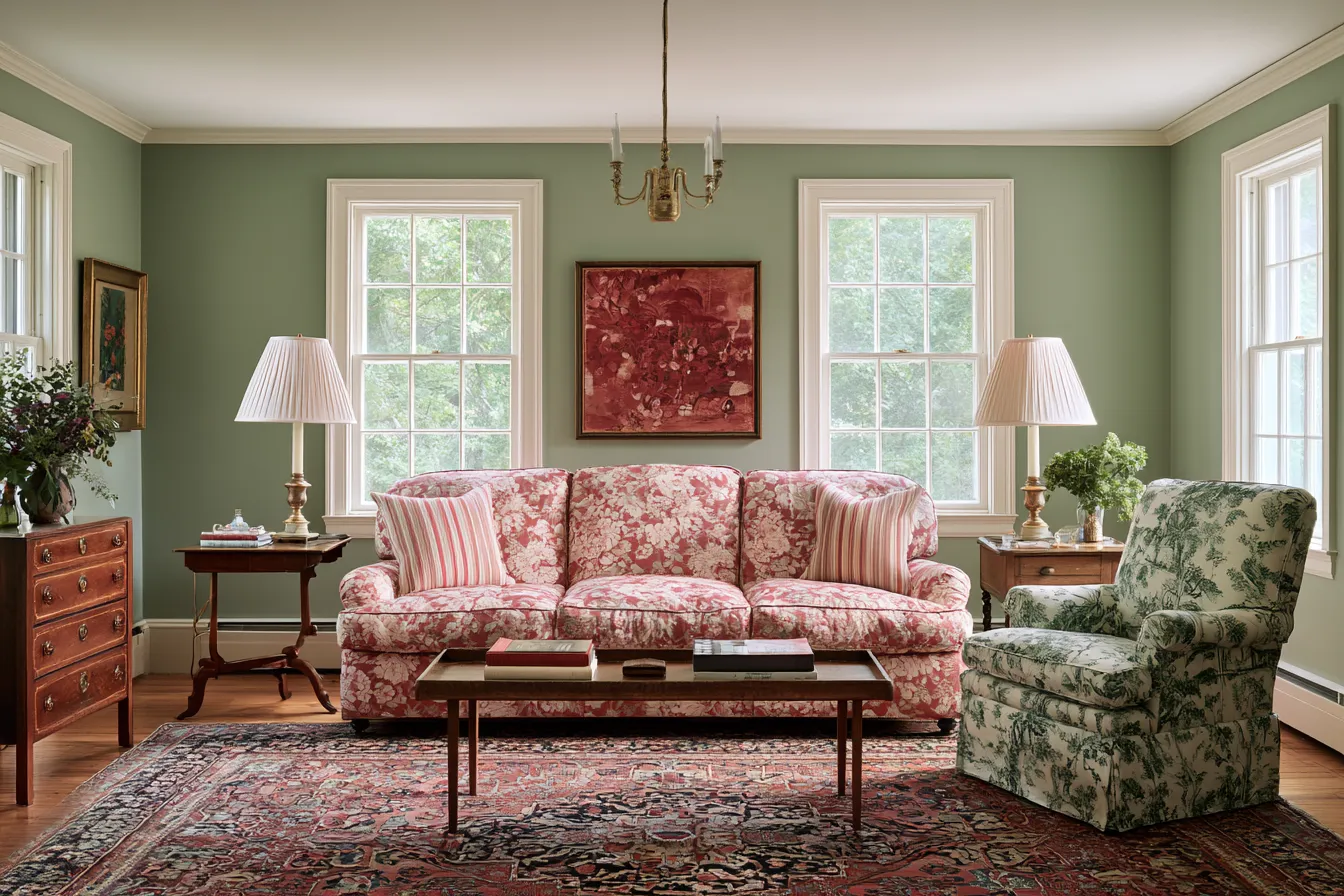
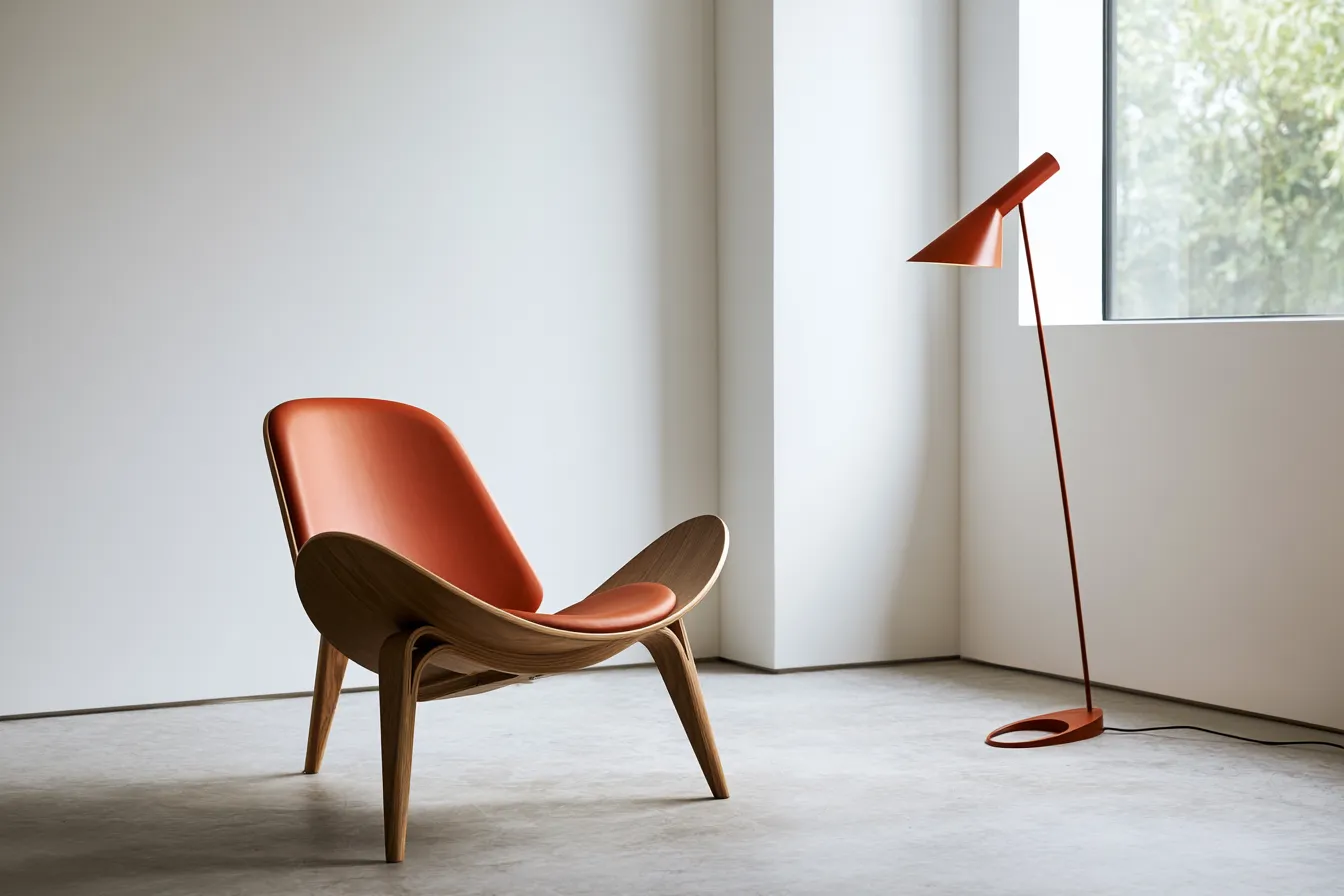
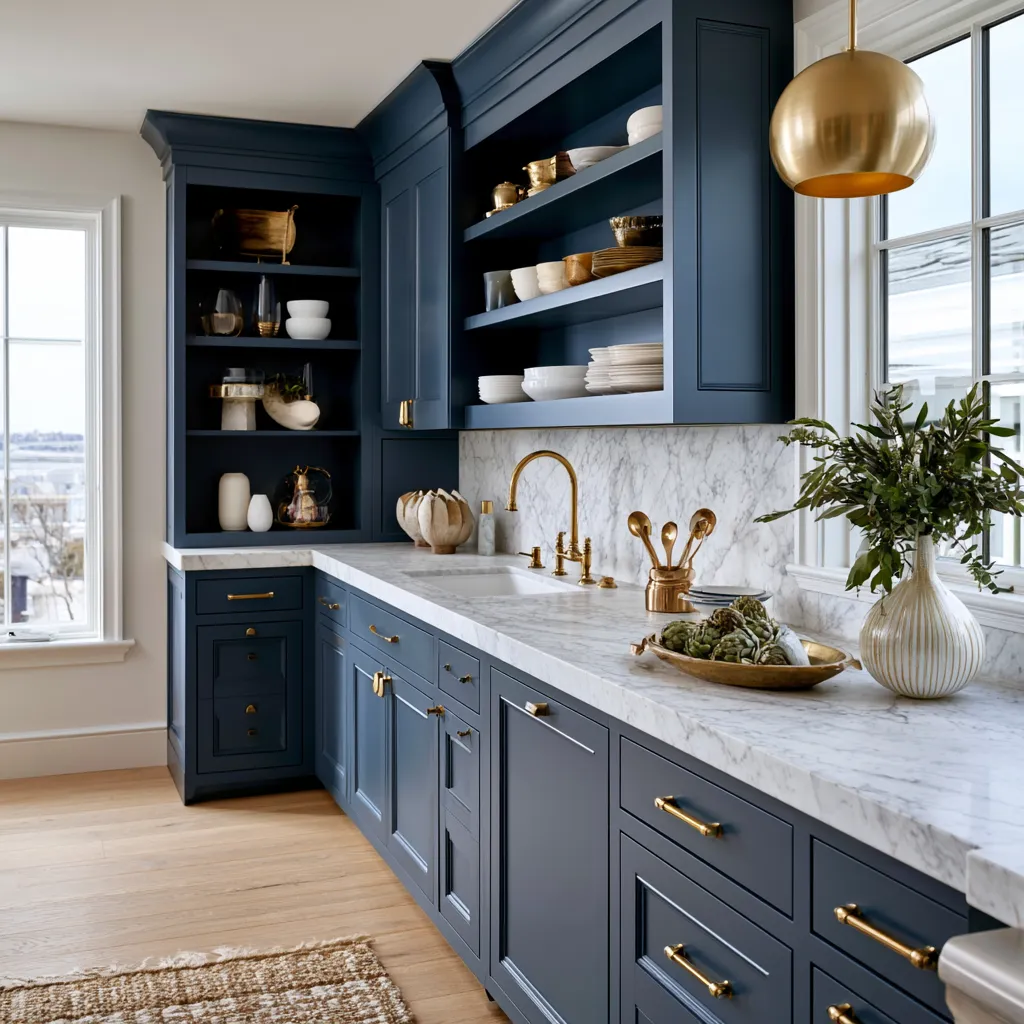
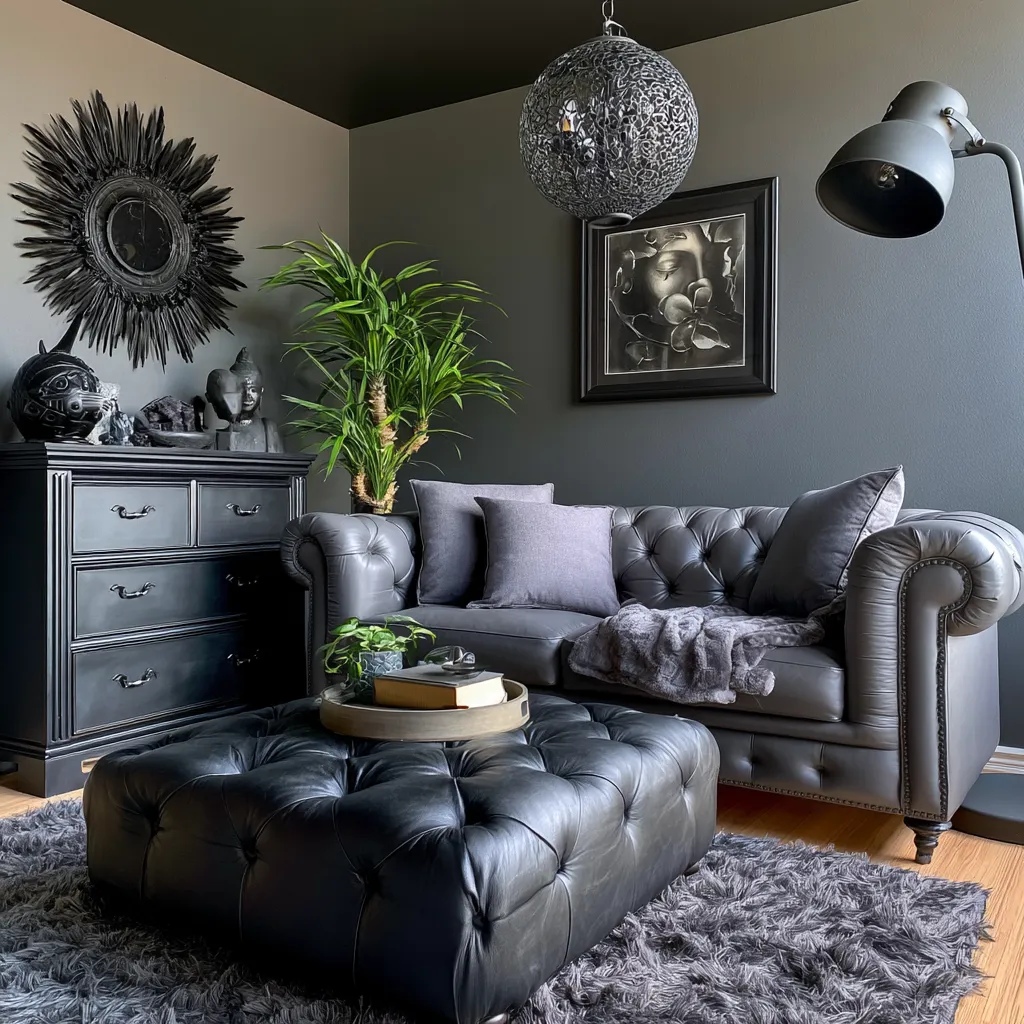
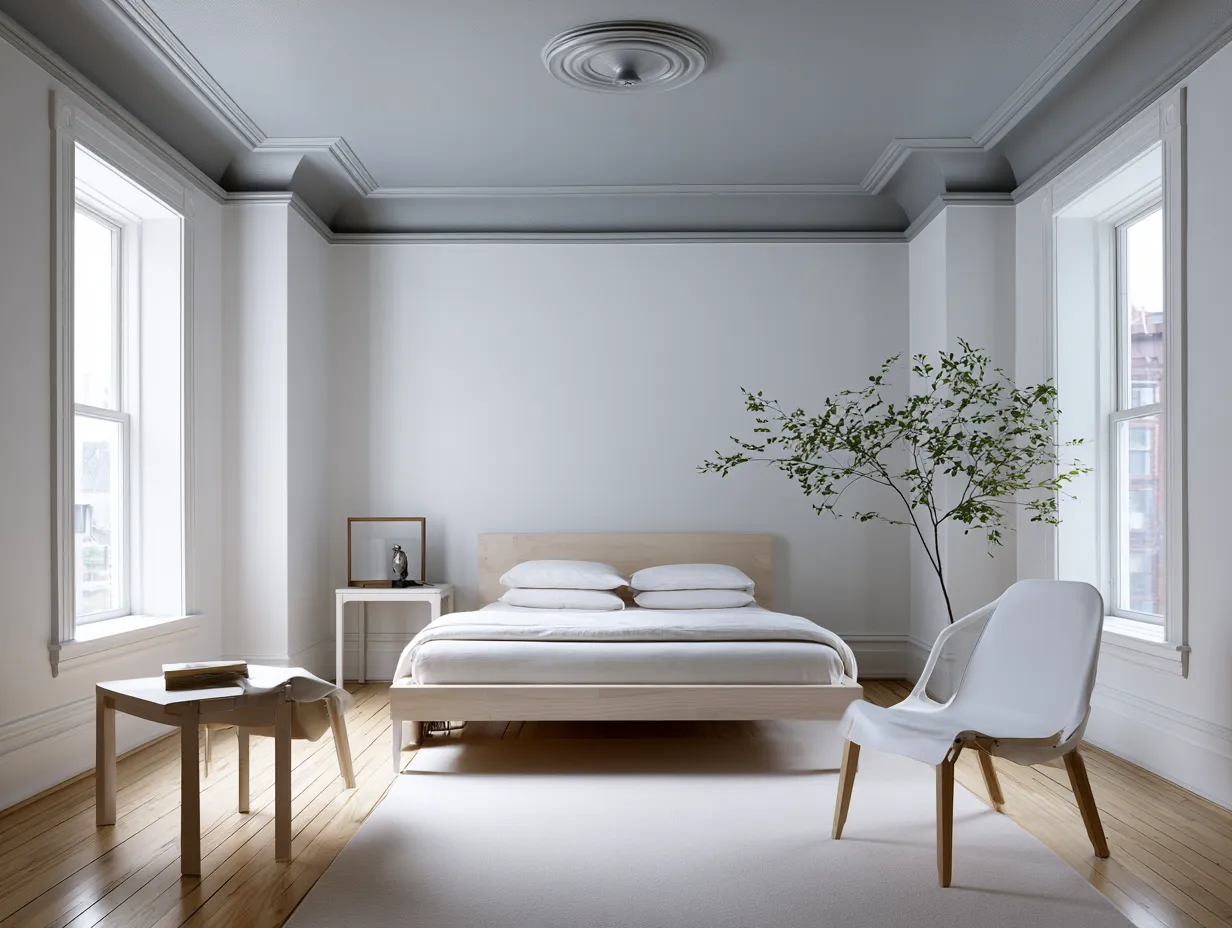
Elegant living room wall decor is the difference between a room that photographs well and one that actually feels finished when you’re standing in it. I’ve hung, rearranged, and ripped down enough wall setups to know that most people treat the walls last — and that order shows. Your sofa can cost $3,000 and the room still looks half-done if the wall behind it is bare or worse, random. The fix is not expensive. It’s intentional.
The GSC data on this page shows most search traffic comes from people looking for contemporary and modern wall decor ideas — but “modern” is not a style, it’s a filter. What you actually need is a framework: art placement logic, texture choices that age well, and a color discipline that doesn’t rely on everything matching. That’s what this covers.
Quick Scan
- Gallery walls work best anchored by one large piece — not a grid of equal-sized frames
- Monochrome wall schemes lose warmth without at least one textural element (linen, plaster, woven art)
- 3D wall panels and textured wallpaper add depth without requiring more furniture
- Contemporary living rooms need wall decor that creates a focal point, not just fills space
- Lighting positioned at 30° to the wall surface reveals texture and adds dimension for free
Gallery Walls Fail Without an Anchor Piece


I stole this trick from a gallery owner in Copenhagen: start with one piece that’s at least 24 inches wide, hang it at eye level, and build everything else around it. Most gallery walls look chaotic because people start with the small stuff and try to negotiate the large piece in later — that’s backwards. The anchor sets the visual gravity. Everything orbits it.
Frame variety matters more than frame matching. You’ll notice in rooms that look expensive that the frames aren’t identical — they’re related. Black metal, dark walnut, and brass all sit in the same visual family without being the same object. Matching frames is a shortcut that reads like a shortcut. Go varied within a narrow palette and the wall immediately looks curated rather than assembled.
Spacing is where most DIY gallery walls fall apart. Three inches between frames creates tension — the pieces feel like they’re competing. Six to eight inches reads as intentional. Anything beyond ten inches and the arrangement starts to fragment into individual objects rather than a composition. Get a tape measure out before you drill. Eyeballing it is not a strategy.


What doesn’t work: buying a pre-packaged gallery wall set from Target and hanging it exactly as shown on the box. Those layouts are designed to look good in product photography, not in your actual room where the ceiling height is different and the sofa is a different scale. I bought one of those sets in 2021. Took it down six weeks later. Buy individual pieces and compose your own arrangement — it takes longer but lasts for years.
Track lighting at 30 degrees from the wall surface changes everything. It’s the same principle museums use — the angled light catches the surface texture of canvas prints and draws shadow lines that give the composition depth. You can pick up adjustable track lighting from West Elm for around $180–$220, and it transforms a good gallery wall into a great one. Worth every dollar.
If your living room has low ceilings, hang the anchor piece higher than you think is correct — about 65 inches from floor to center rather than the standard 57. It pulls the eye upward and makes the ceiling feel taller. My go-to trick when a room feels compressed. Costs nothing. Works every time.
For more ways to fill a large living room wall with intention, these three large wall decor approaches cover oversized art, architectural film, and gallery arrangements in more detail.
Monochrome Wall Decor Looks Flat Without at Least One Texture
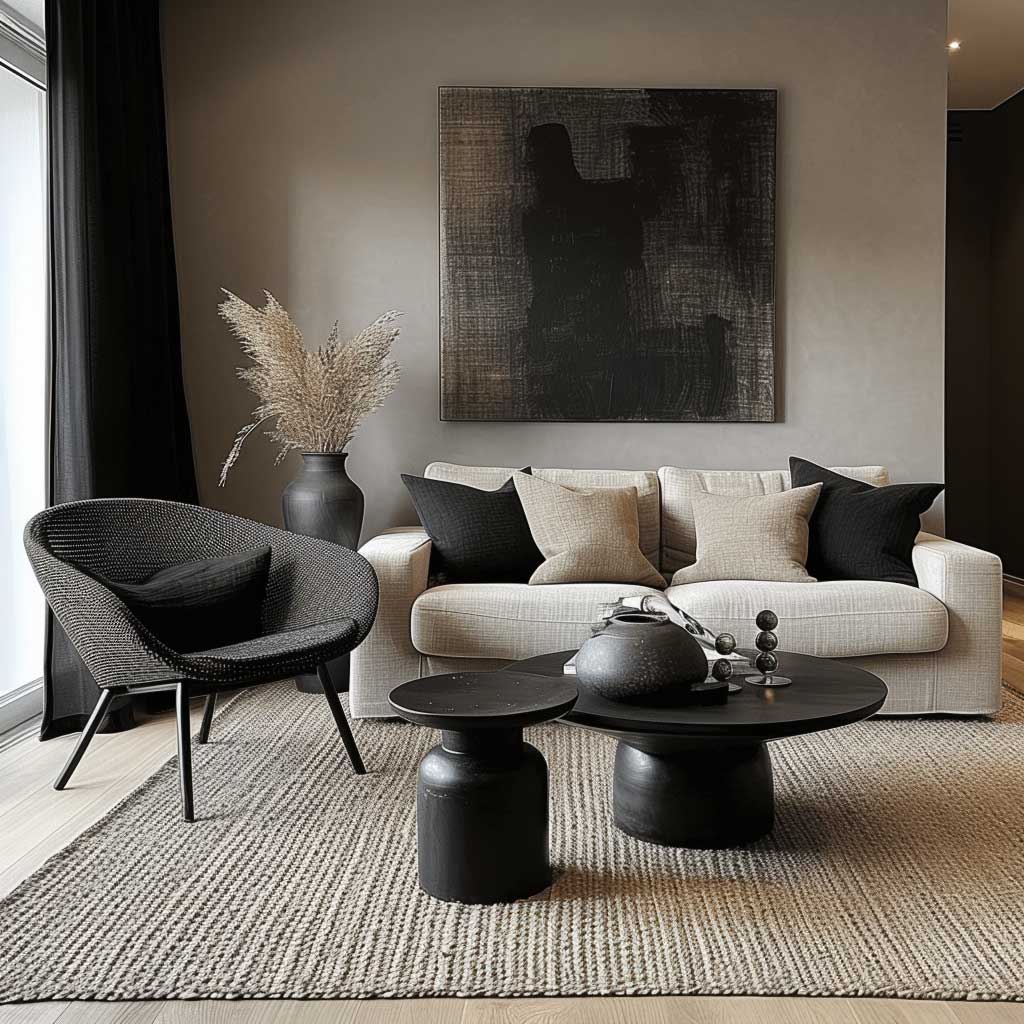


Monochrome wall decor is not a style — it’s a constraint. And constraints are only interesting when you work against them slightly. You need one element that introduces texture: a linen-wrapped canvas, a woven fiber art piece, a plaster-effect frame, something your hand would feel different touching than the flat print next to it. Without that, the whole wall reads like a design school exercise. Clean, yes. Warm, no.
Black and white photography is the obvious choice for monochrome schemes, but it’s also the laziest. Try abstract ink work instead — pieces where the marks have gestural energy rather than photographic precision. RH (Restoration Hardware) sells large-format abstract prints in charcoal and white starting around $280 that do this job well. The mark-making gives the eye something to move across rather than just recognize.
Frame selection in a monochrome scheme is where you make or break the look. Thin black metal frames are the most common choice — and if every frame is thin black metal, the wall feels like it came from a hotel corridor. My go-to now: one wide white lacquer frame for the largest piece, thin black frames for the medium pieces, and one raw wood float frame to break the pattern. Three frame types max. Four is too many.
Don’t Do This
Avoid covering an entire accent wall in matching black-framed prints of the same size. It reads as corporate. The visual repetition kills the sense of personality the room needs — and personality is the whole point of wall decor in a modern living room. Also skip the “inspirational quote” prints unless you’re decorating a home office. In a living room they feel dated by year two. A geometric abstract at the same price point ($30–$80) ages far better.
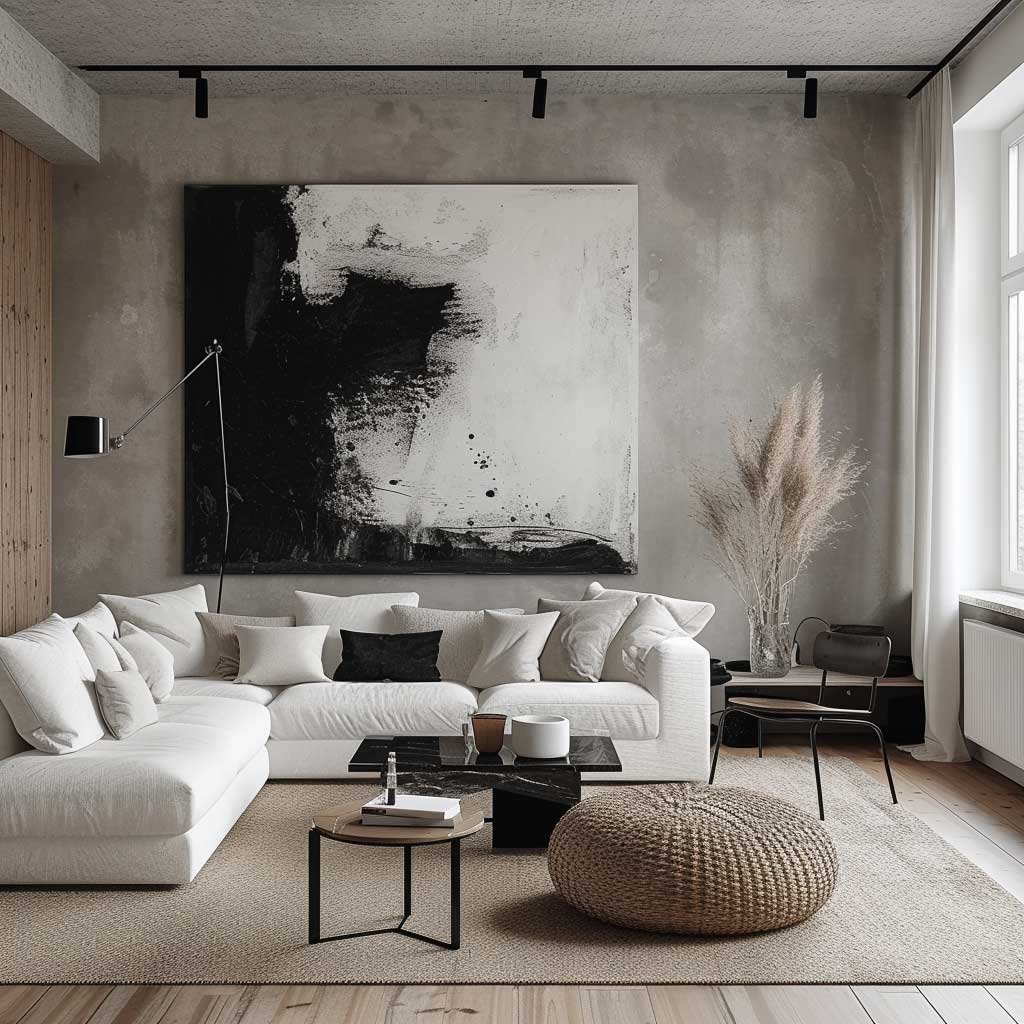

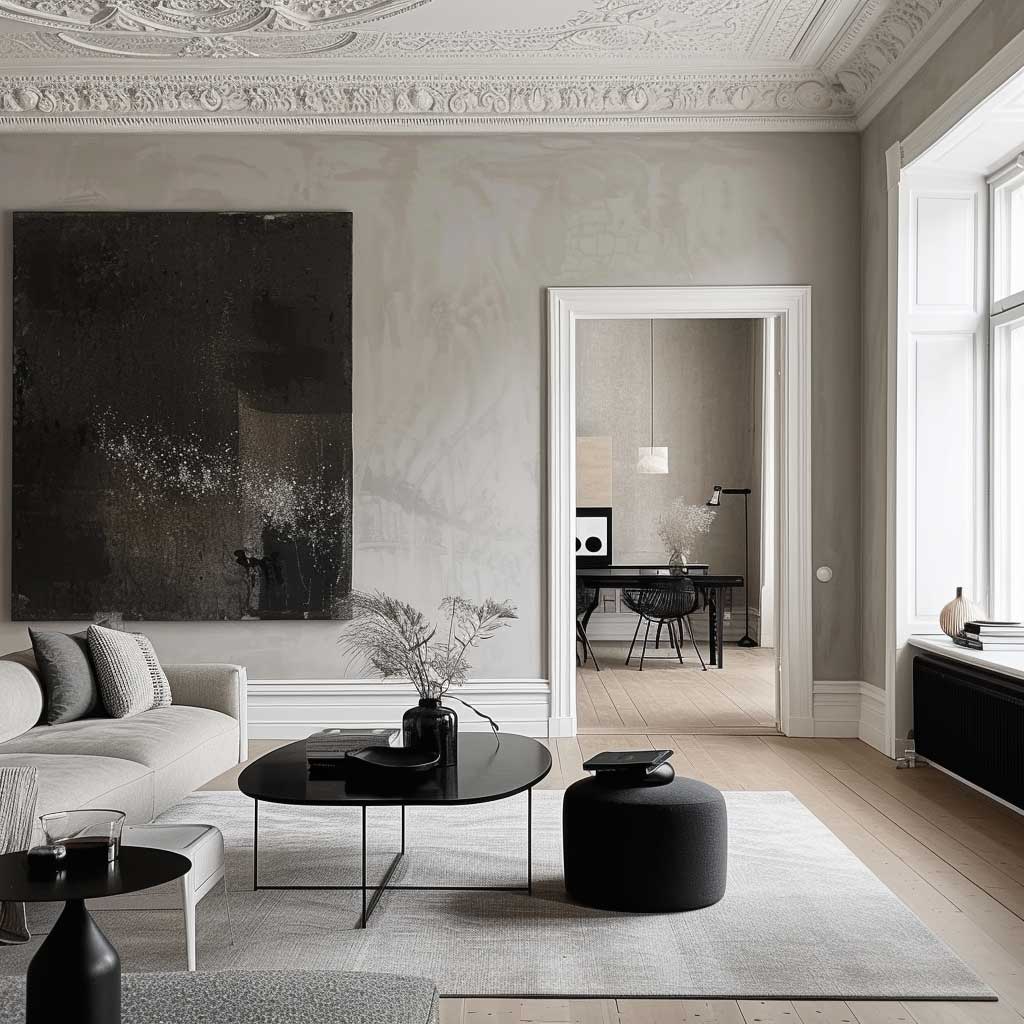
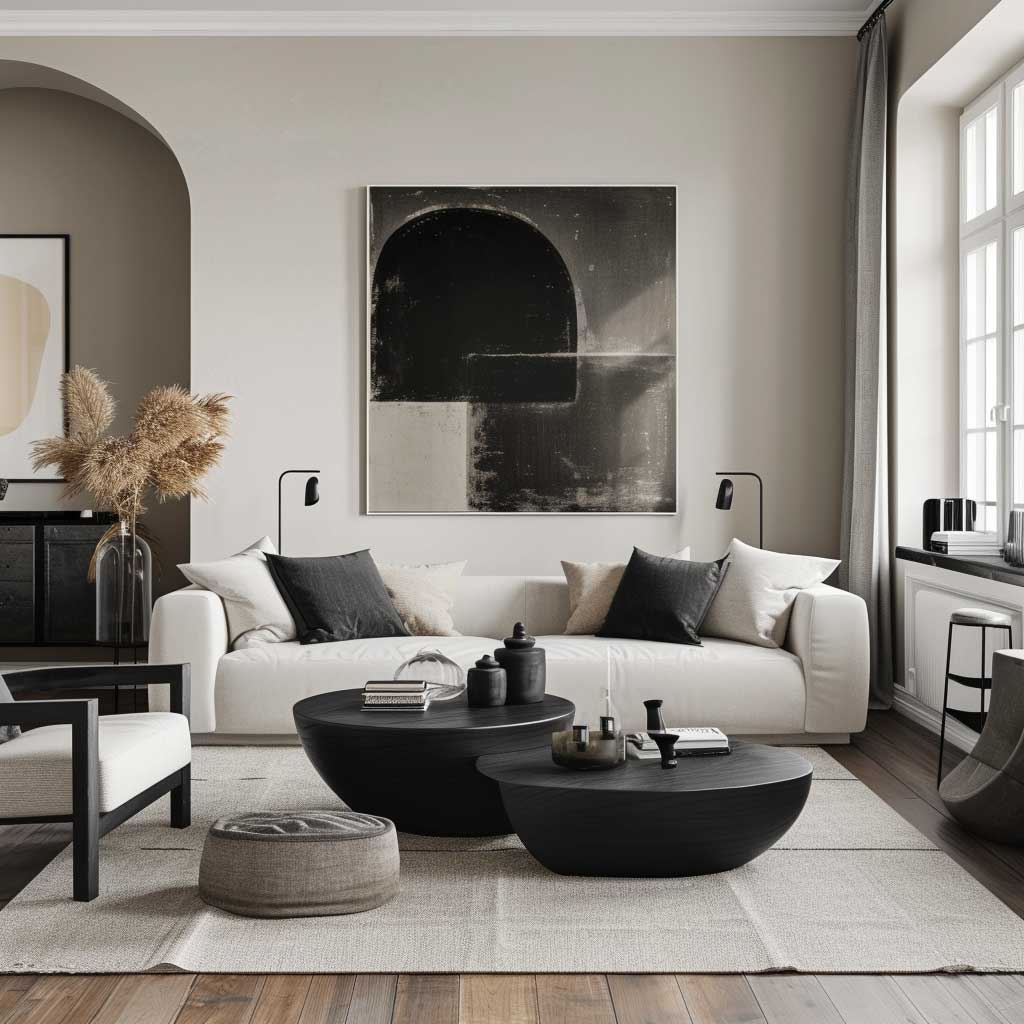
The single-large-piece approach works especially well in monochrome schemes. One canvas 40 inches wide or larger, hung over a low console or directly behind a sofa, creates a focal point without the compositional complexity of a multi-piece arrangement. You’ll notice this is the format that photographs most consistently well — there’s a reason every interior designer’s portfolio has at least three of these shots. It works because simplicity reads as confidence.
Color temperature matters even in a “colorless” scheme. Warm white walls (Farrow & Ball “Pointing” or Benjamin Moore “White Dove”) make black-and-white art feel warm and collected. Cool white walls (anything with a blue or grey undertone) push the whole scheme toward clinical. I made this mistake in my first apartment. The room felt like a dentist’s waiting room for two years before I repainted. Go warm.
Havenly’s interior designers have compiled practical advice on living room wall decor arrangements including how scale and spacing interact across different room sizes — worth reading if you’re working with an unusual wall shape or low ceiling height.
Textured Walls Make Furniture Choices Easier, Not Harder


A textured feature wall removes the pressure of choosing interesting furniture. Think of it like a strong backdrop in theatre — when the set is doing work, the actors can be quieter. Put a 3D panel wall or a Venetian plaster treatment behind your sofa, and suddenly a simple $600 couch looks intentional because the wall is carrying the visual interest. It’s the most cost-efficient design upgrade in a living room, per square foot of impact.
3D wall panels are the most accessible entry point. Brands like Walplus and Nudo Italia make PVC and MDF geometric panels starting at $40–$60 per panel, covering roughly two square feet each. Paint them the same color as the wall for a tonal effect that’s subtle in daylight and dramatic under evening lighting. I own two panels from the Walplus hexagon line — painted Benjamin Moore “Pale Oak” — and they’ve been up for three years without anyone assuming they were a DIY project.
Textured wallpaper is the alternative to 3D panels when you want coverage without relief depth. Graham & Brown’s “Boutique” range and Phillip Jeffries’ grass cloth lines (around $8–$15 per square foot) both offer textures that read as material richness at a distance. The mistake I see most often: people install textured wallpaper on all four walls. Do not. One accent wall behind the sofa or TV unit. The contrast between the textured wall and the plain walls is what gives the room its depth — cover everything and the effect flattens.
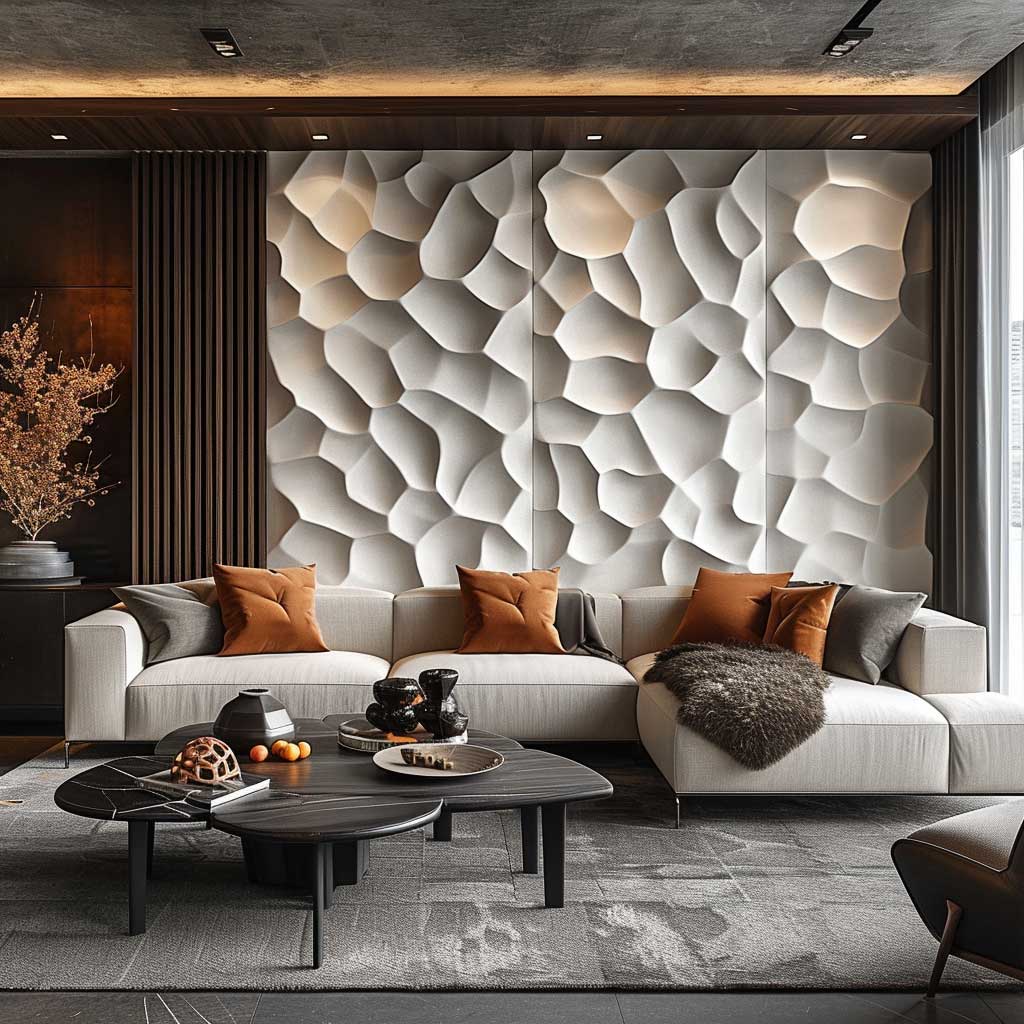
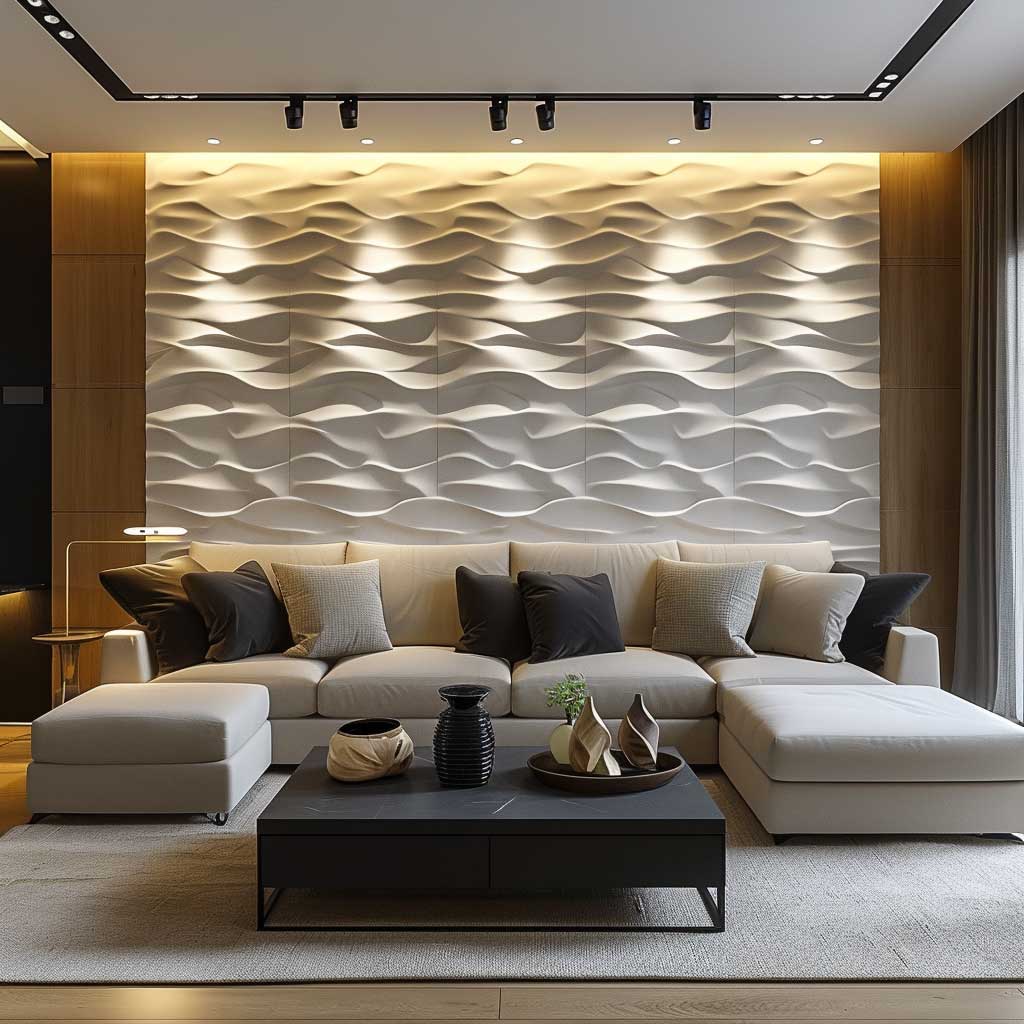


Natural material walls — stone veneer, reclaimed wood slats, limed oak panels — are the premium tier of textured wall decor and worth the investment if you’re staying in the space for more than five years. Stone veneer from Eldorado Stone runs $9–$14 per square foot installed; reclaimed wood slats through Stikwood start at $5.50 per square foot as DIY. Both read as permanent architectural features rather than decoration, which raises the perceived value of the entire room. The wood slat approach also connects the interior to the natural world in a way that aged engineered materials simply don’t replicate.
The most common texture mistake: choosing a pattern that’s too large for the room. Relief patterns work proportionally — a diamond pattern with 8-inch repeat looks correct in a room with 9-foot ceilings; in a room with 8-foot ceilings, it reads as oversized and slightly aggressive. Scale your pattern to your ceiling height, not your personal preference for how bold you want to go.
For living rooms where the walls carry decorative weight through material rather than hung art, unique wall decoration approaches including sculptural and 3D options cover additional angles worth considering.
Final Take
Elegant Living Room Walls Come From One Decision Made Firmly, Not Five Made Tentatively
Gallery wall, monochrome scheme, or textured surface — pick one direction and commit to it fully. The rooms that don’t work are the ones that tried to hedge between approaches. A gallery wall with a 3D panel behind it is two ideas competing for the same wall.
Start with the anchor decision: what is the wall’s primary job? Carry art, introduce texture, or frame a focal material. Everything else — furniture scale, lighting angle, accessory color — follows from that answer cleanly.
Save this post before you start shopping for wall decor — you’ll want to reference the spacing rules and frame combination logic when you’re actually standing in the room.