My living room had a blank wall for two years. Plain beige, nothing on it, just drywall staring back at me like a dare. I finally tried a 3D optical illusion mural from a local artist and spent $1,200. Worth every dollar. The wall went from “apartment nobody lives in” to the first thing guests photograph.
3D wall painting comes in three main flavors: optical illusions that mess with depth perception, nature murals that make a room feel twice its size, and geometric patterns that land somewhere between modern art gallery and sci-fi set. Each style has a completely different price range, skill requirement, and failure mode. Cheap optical illusions look like a Pizza Hut placemat from 1997. Bad nature murals peel within a year. And geometric patterns done without a laser level? Crooked lines everywhere.
Here’s what I’ve learned after testing all three in different rooms — costs, brands, mistakes, and the stuff nobody warns you about before you commit $500+ to a wall you can’t undo.
Quick Summary
Best for small rooms: Optical illusion 3D paintings — create depth on a flat wall for $100–$300 DIY or $1,200–$3,600 pro.
Best for calm vibes: Nature-themed 3D murals — hand-painted runs $2,000–$4,000, quality wallpaper murals start at $200.
Best for beginners: Geometric 3D patterns — tape, paint, and a laser level for under $150.
Avoid: Peel-and-stick murals under $80. Visible seams, color distortion, and bubbling within months.
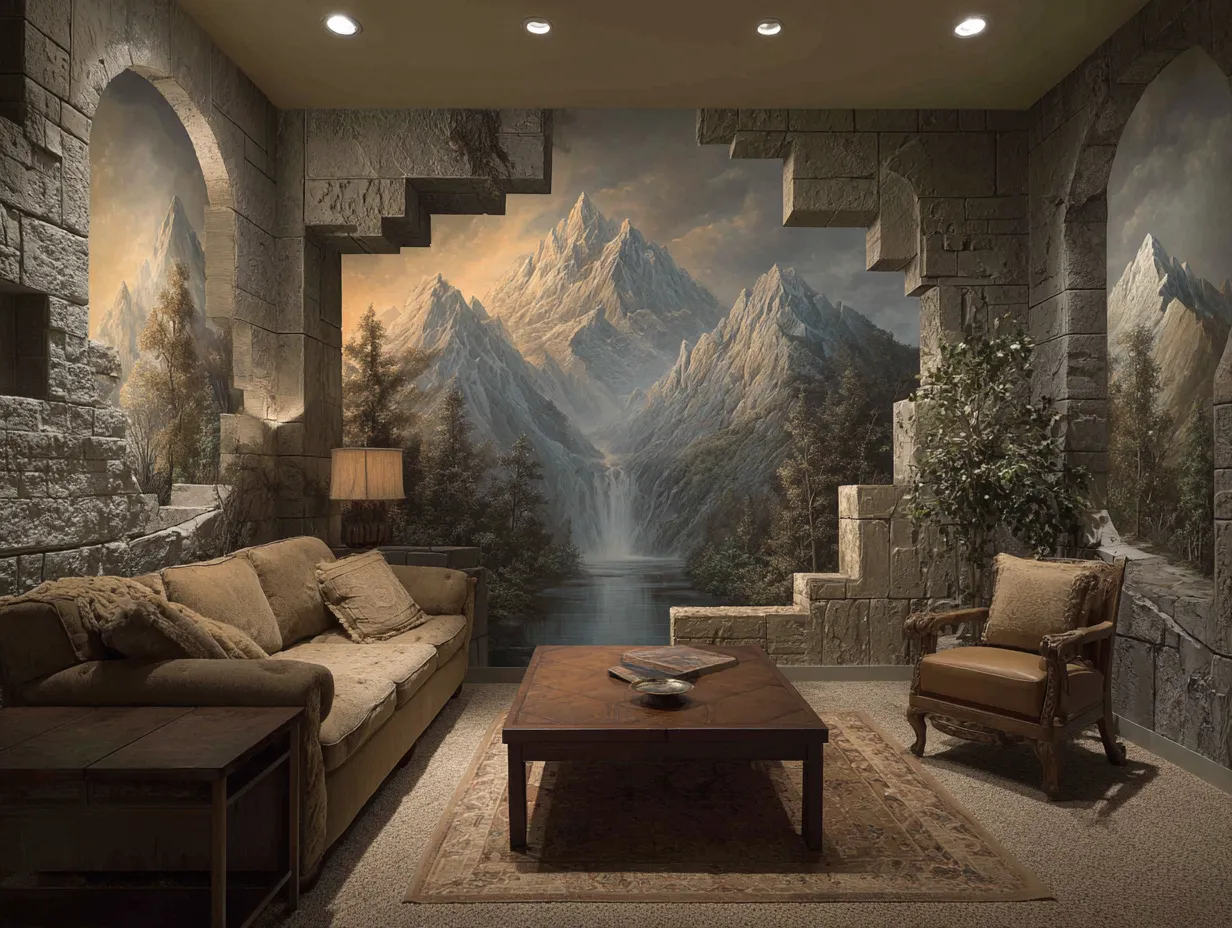
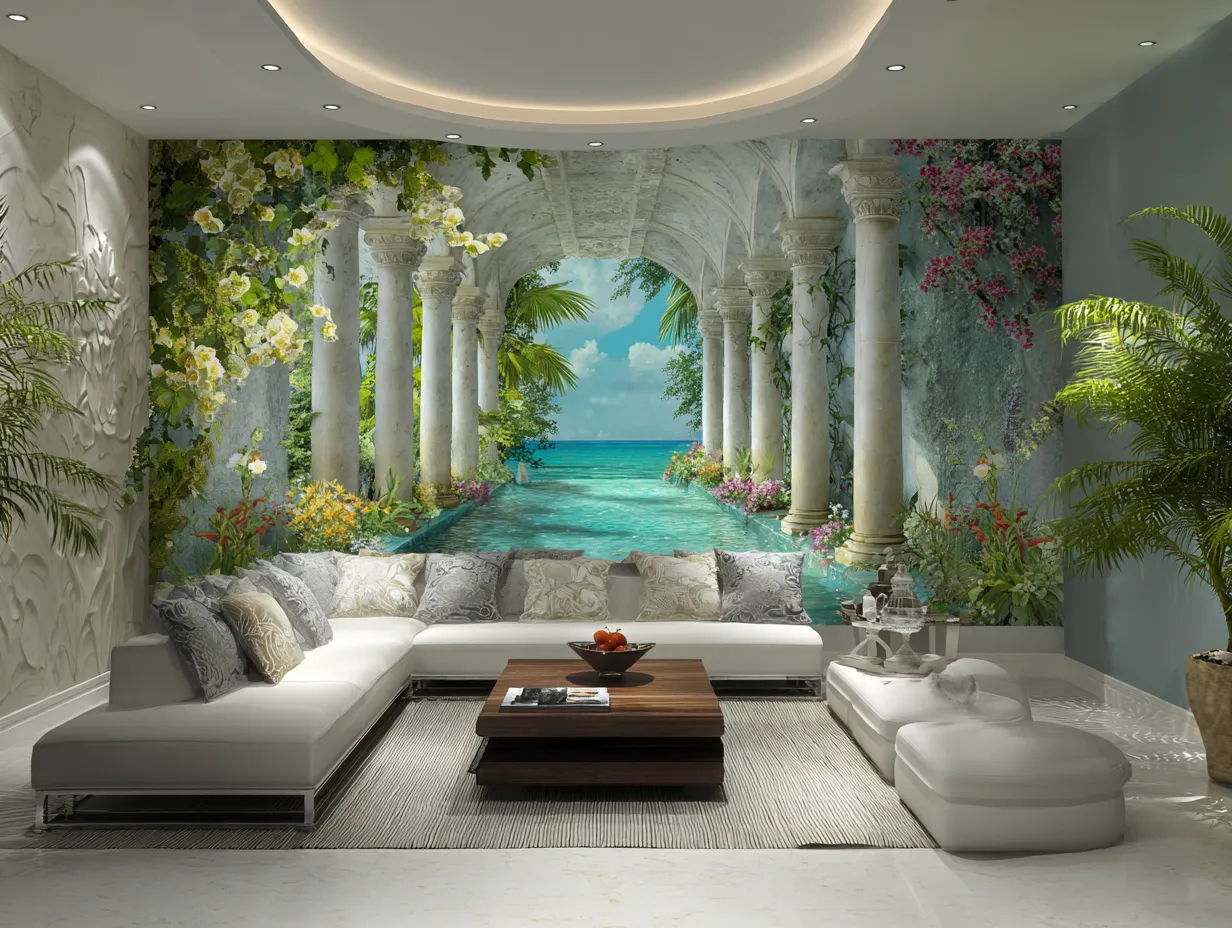
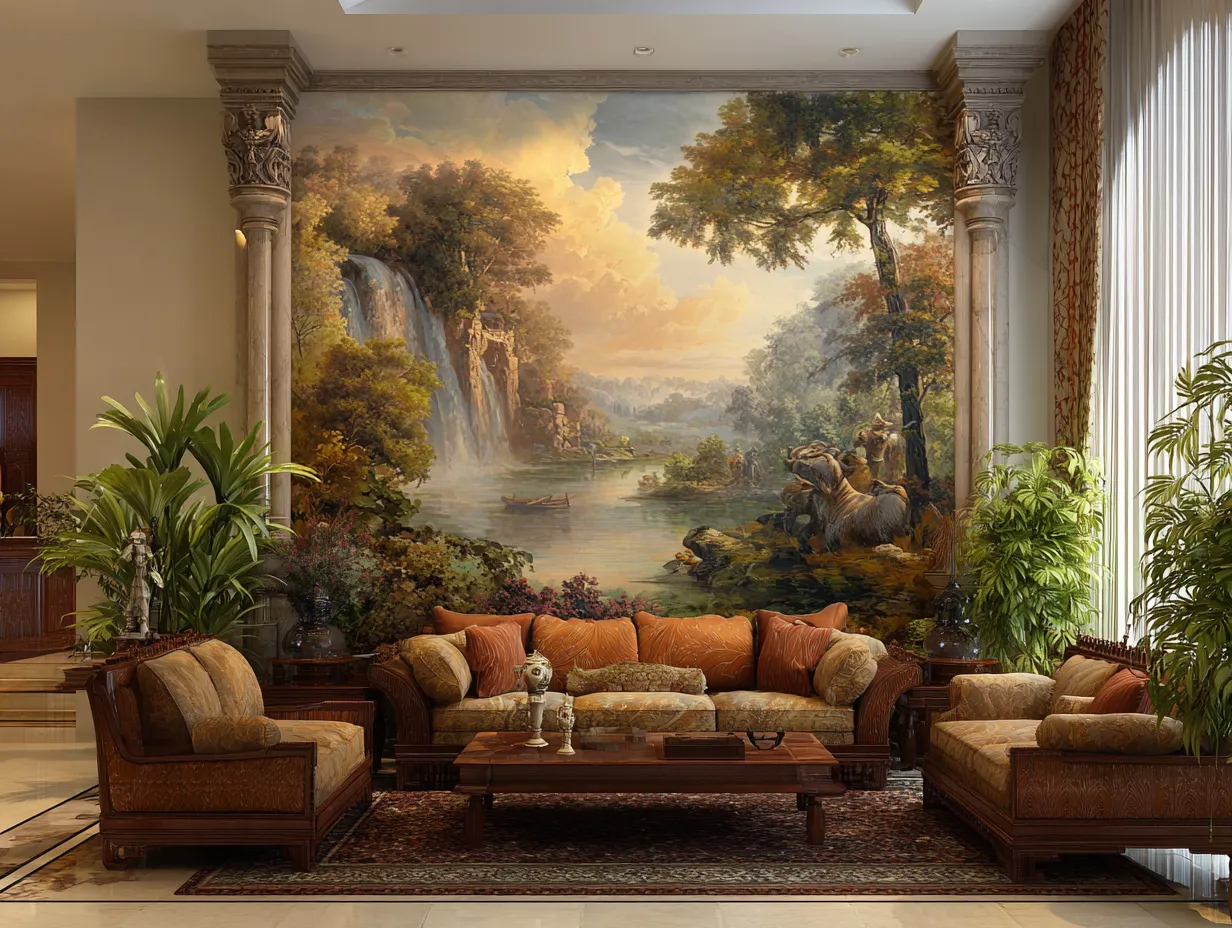
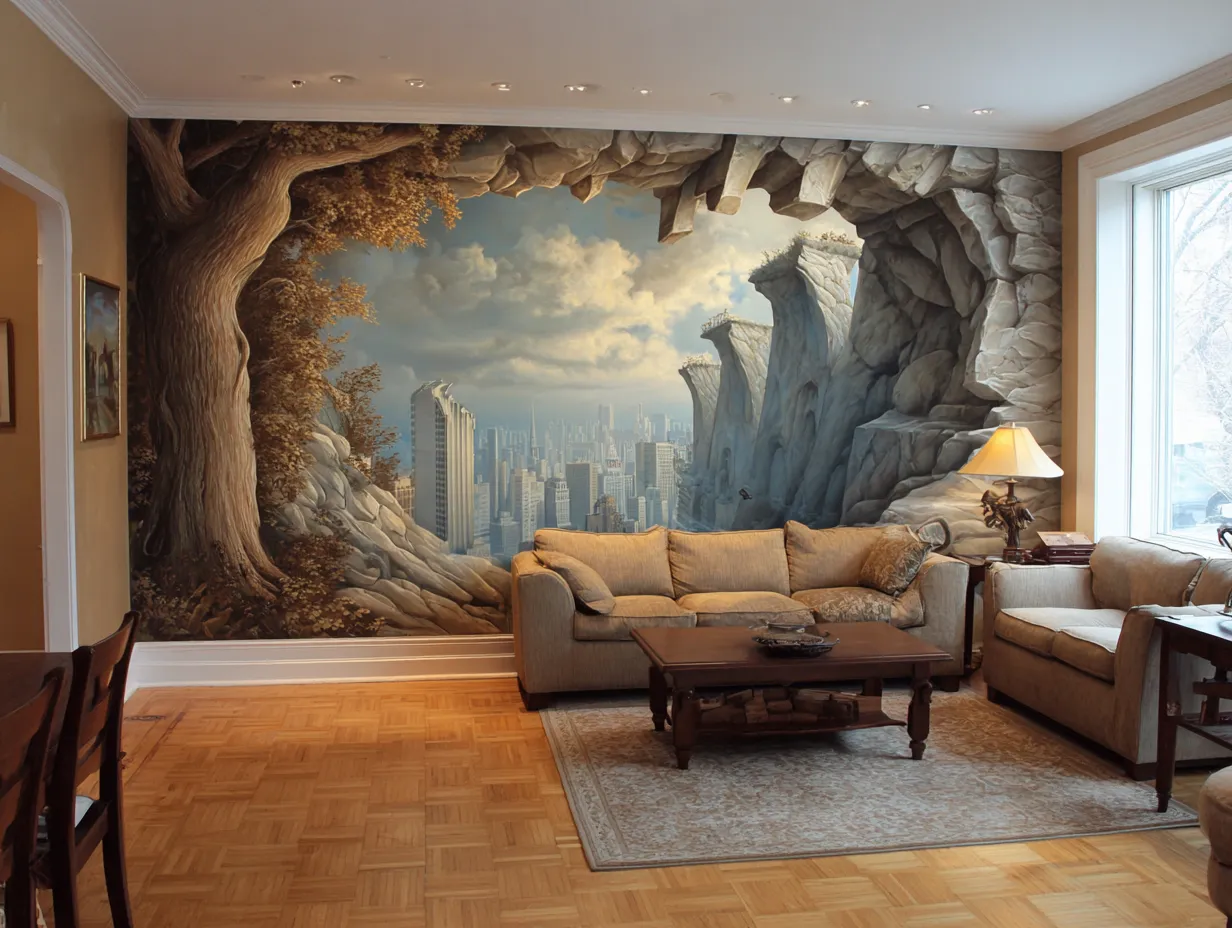
Optical Illusion 3D Wall Paintings: How They Trick the Eye
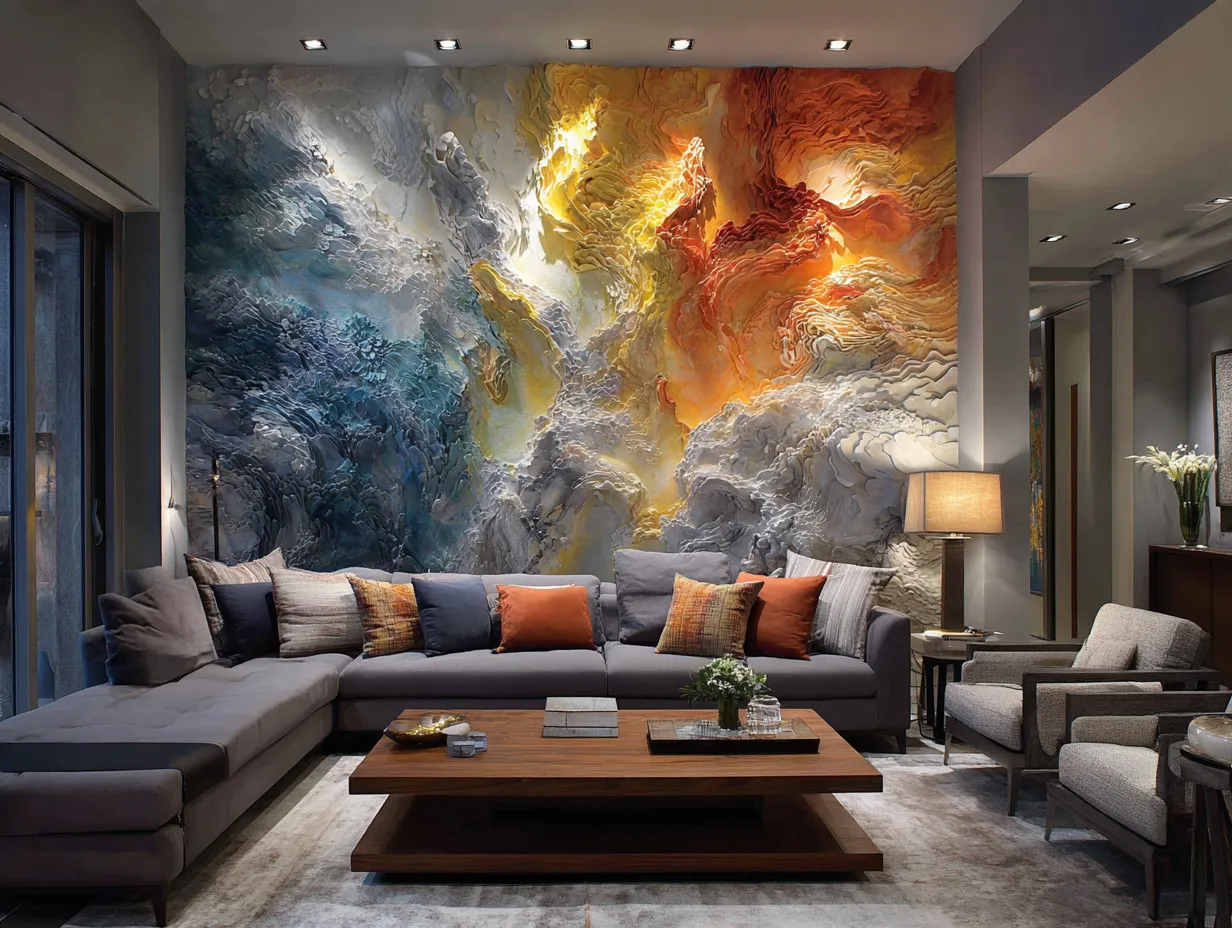
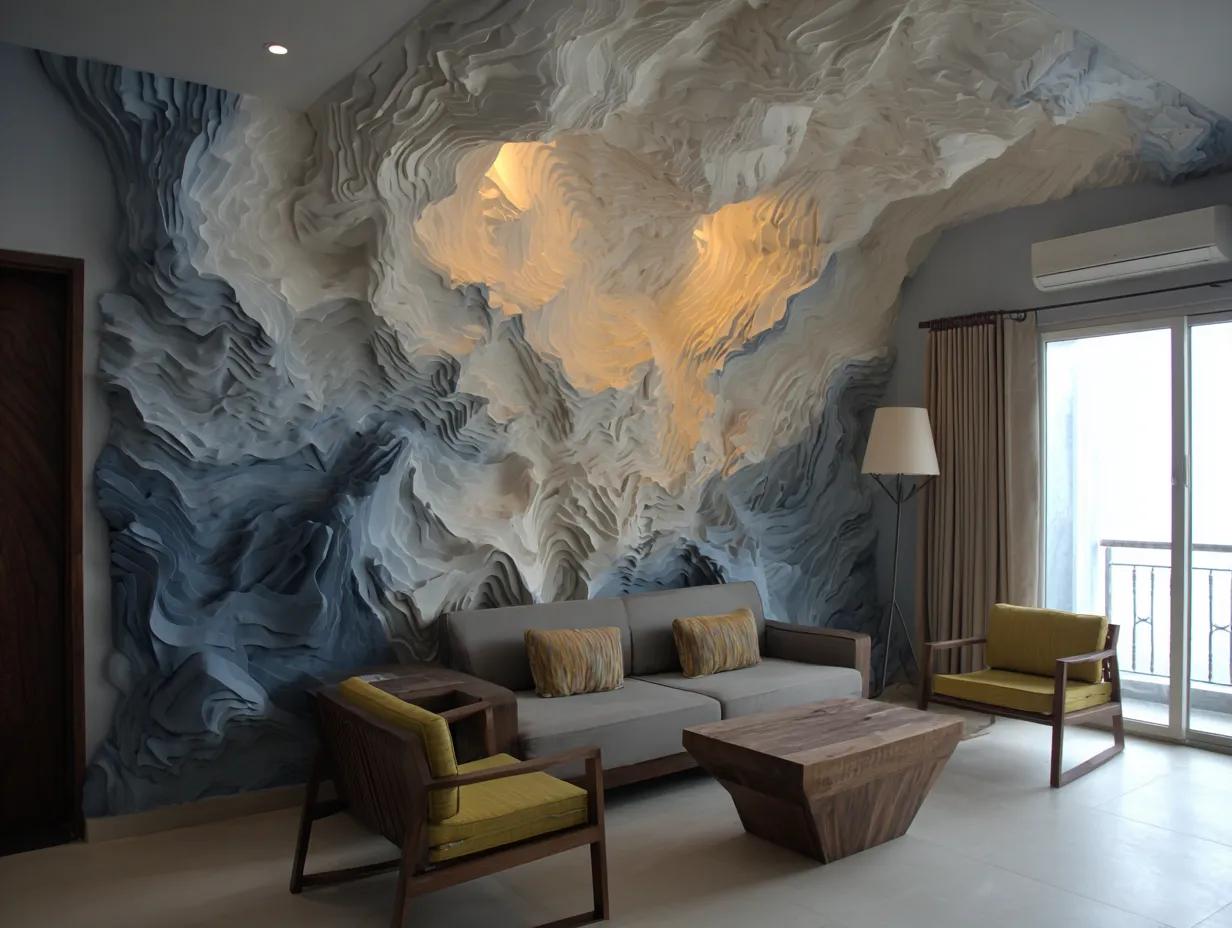
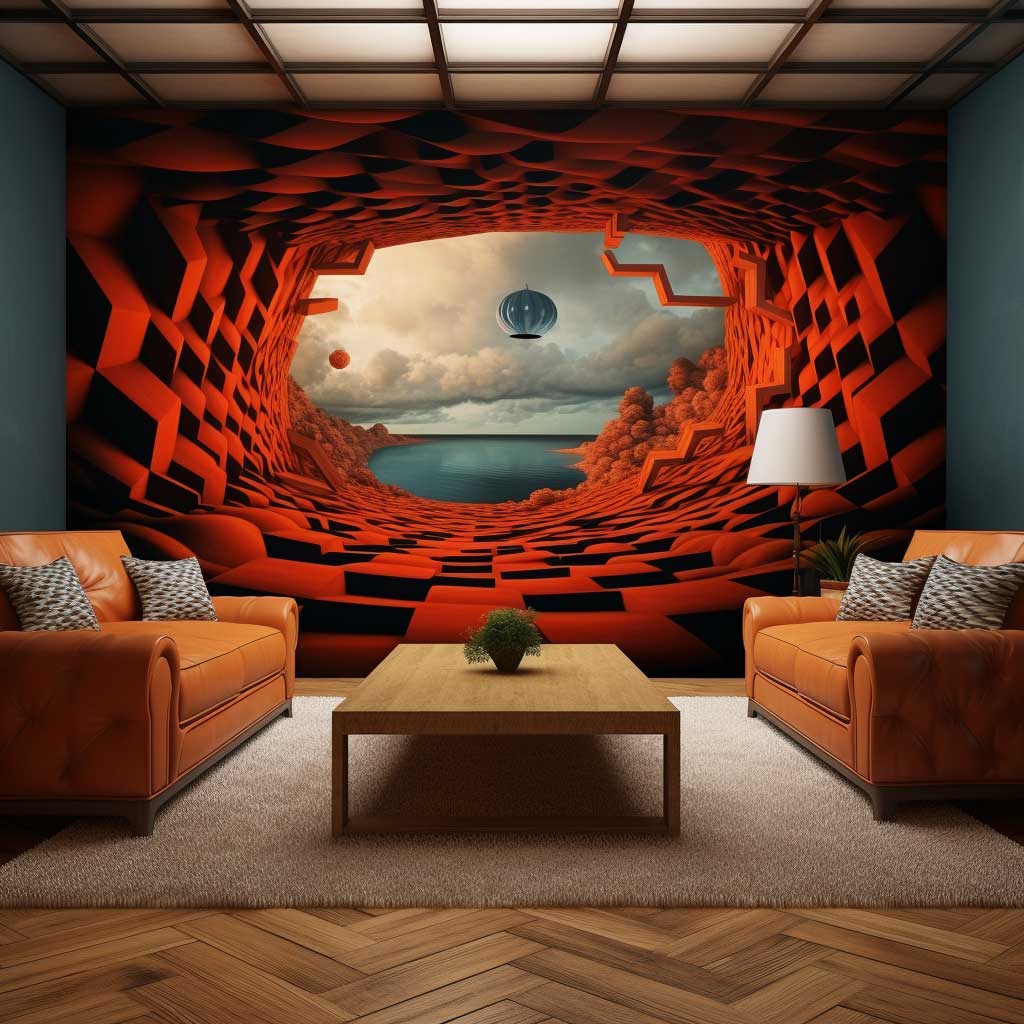
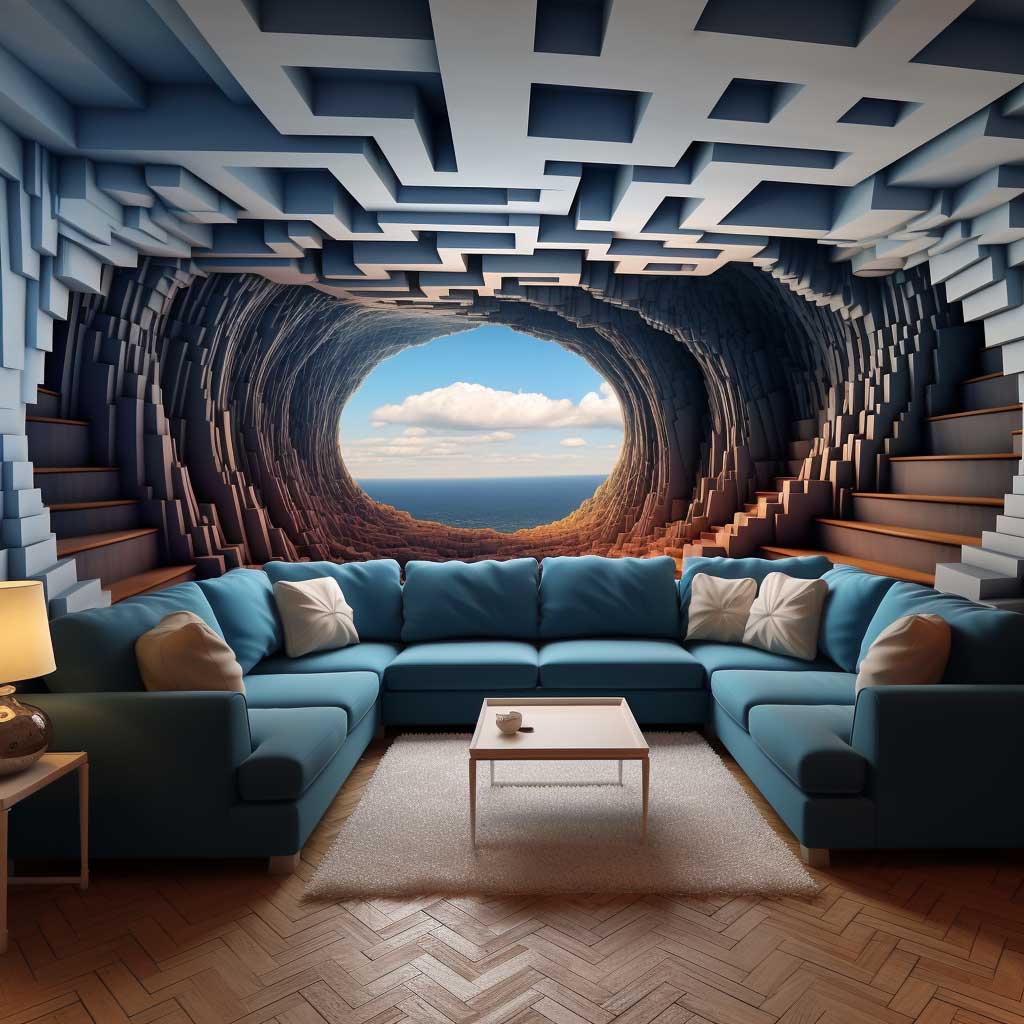
My first attempt at an optical illusion wall was a YouTube-inspired tunnel effect. Used Behr Ultra Pure White and Sherwin-Williams Tricorn Black, which ran about $55 per gallon each. The result looked incredible from one angle and like a smashed checkerboard from every other spot in the room. That’s the trap with illusion art — it’s angle-dependent. You need to stand in the exact viewing sweet spot, usually 8 to 12 feet back, or the whole thing falls apart.
Smaller rooms benefit the most. A 10×12 living room with a receding hallway illusion painted on the far wall genuinely feels like it gained 4 extra feet. I measured nothing, obviously. But the psychological trick is real. My neighbor tried a similar depth illusion in her 20×15 open-plan space and it just looked like a weird smudge from the kitchen. Scale matters more than talent here.
Don’t skip the primer. Seriously. I used Kilz 2 All-Purpose at around $22 a gallon and it made the contrast between dark and light tones way sharper. A friend skipped primer on drywall, and his black areas looked grey and patchy within three months. Flat or matte finishes hide brush strokes better for illusion work — satin reflects light and ruins the depth effect. Ask me how I know.
Hiring a professional muralist for optical illusion work runs $15 to $45 per square foot depending on complexity. A basic tunnel or staircase illusion on a 10×8 accent wall might cost $1,200 to $3,600. DIY is possible if you use a projector to trace the outline first, which drops the cost to about $100 in paint plus a $60 projector rental. But the skill ceiling is high, and most DIY illusions end up looking like a funhouse mirror gone wrong.


The world of interior design has always been about pushing boundaries, experimenting with colors, patterns, and textures to create spaces that are both functional and aesthetically pleasing. One of the most groundbreaking innovations in recent times has been the introduction of 3D wall painting designs for living room spaces. Among these, the art of creating optical illusions stands out, offering homeowners a unique way to transform their living rooms into immersive art installations.
At its core, an optical illusion challenges our perception, making us see things that aren’t there or perceive things differently than they are. When applied to a living room, these illusions can create a sense of depth, movement, or even change the perceived size of the room. But how exactly do these optical illusions fit into the broader context of 3D wall painting designs for living room spaces?
The beauty of optical illusions lies in their versatility. Depending on the desired effect, homeowners can opt for designs that create a sense of depth, making the room appear larger than it is. This is particularly beneficial for smaller living rooms, where space is at a premium. By painting a wall with a 3D design that gives the illusion of depth, the room instantly feels more spacious and open. Choosing the right paint colour for your living room is critical here — the wrong base shade kills the illusion before it starts.
On the other hand, for those looking to add a touch of whimsy and playfulness to their living rooms, optical illusions that play with perception can be a great choice. Imagine a wall that appears to be a portal to another world, or a floor that seems to drop off into a bottomless pit. These designs not only serve as conversation starters but also add a touch of magic to the space. For homeowners who prefer a physical texture over paint, panels like the Art3d 33-Pack 3D Diamond Textured Wall Panels at around $33 for 32 square feet offer an easy shortcut to dimensional walls without any freehand painting.
But beyond the visual appeal, optical illusion 3D wall painting designs for living room spaces also offer functional benefits. For instance, a wall painted with a design that gives the illusion of height can make a room with low ceilings feel taller. Similarly, a design that plays with light and shadow can create a sense of movement, adding dynamism to an otherwise static space.
In conclusion, optical illusion mastery in living spaces represents the perfect blend of art and science. It showcases the potential of 3D wall painting designs for living room spaces to transform the mundane into the magical. As homeowners become more experimental and open to pushing design boundaries, optical illusions will continue to play a pivotal role in shaping the future of interior design.
Nature-Themed 3D Murals for Living Room Walls
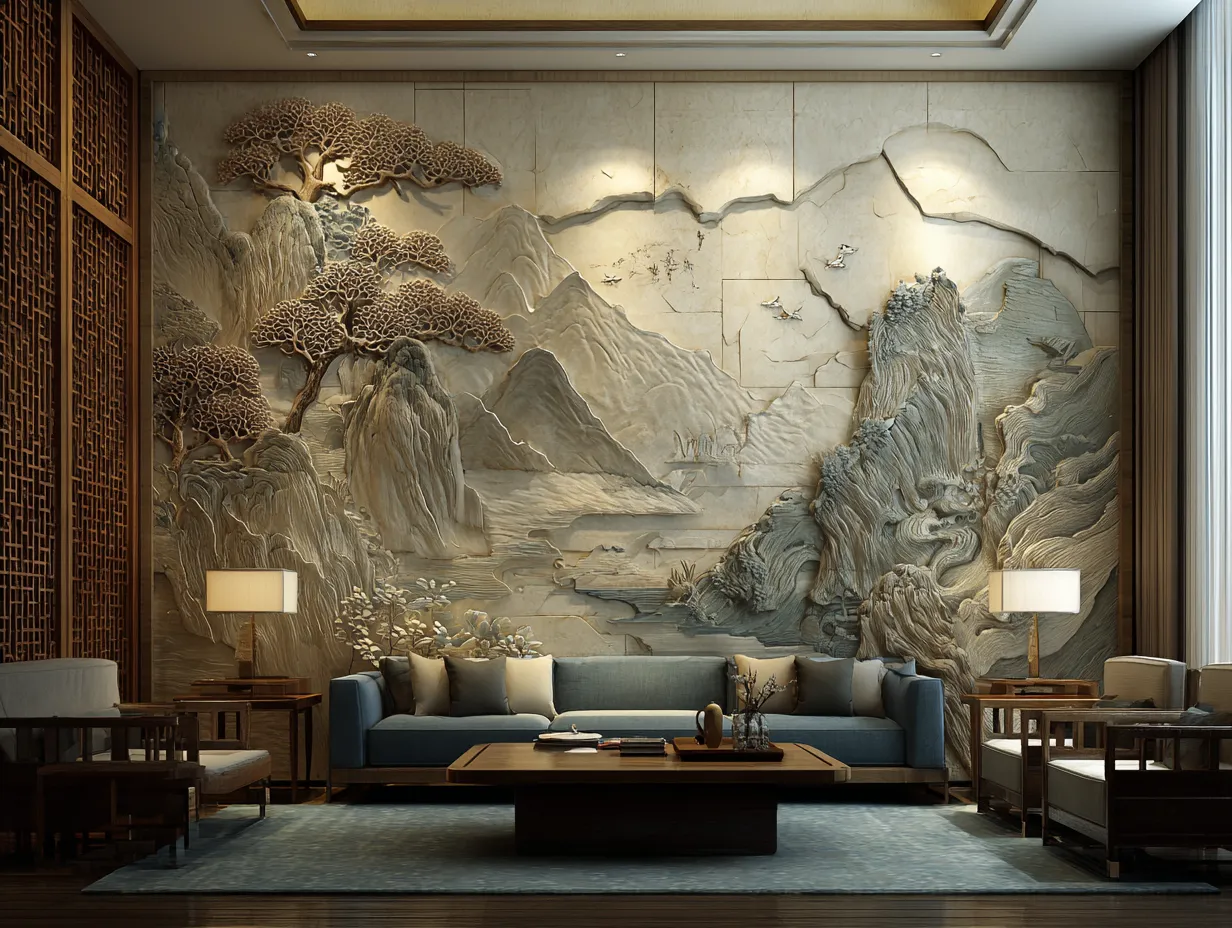
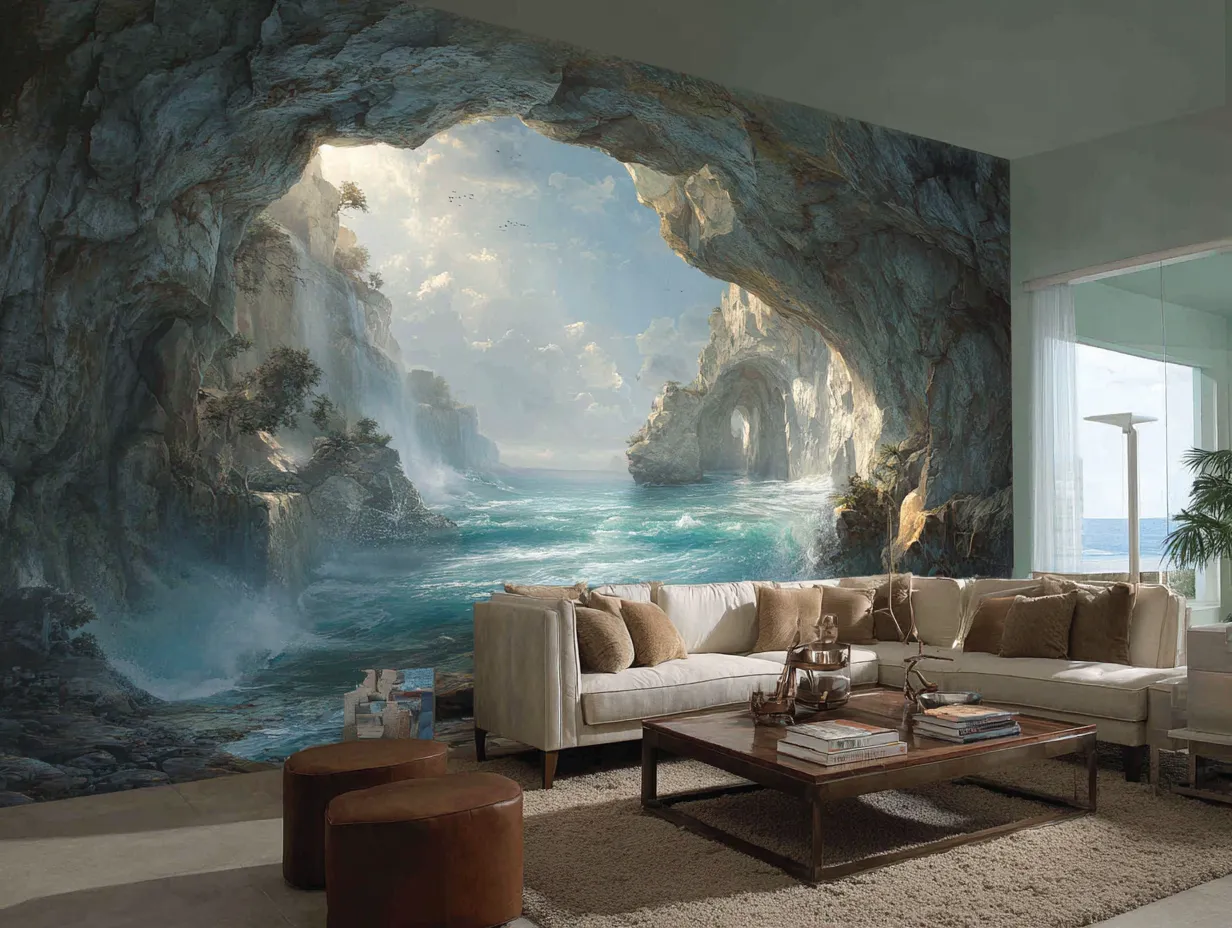
Peel-and-stick nature murals from Amazon look great in the listing photos and terrible on an actual wall. I ordered a forest waterfall mural for $89, and the seams were visible from across the room. The greens looked radioactive under warm LED lighting. Returned it within a week. If you want a nature mural that doesn’t scream “college dorm,” you’re spending $200 minimum on a custom-printed wallpaper from a company like Murals Your Way or Photowall.
Hand-painted nature murals are a different animal. A good artist will charge $25 to $50 per square foot, and a realistic forest or mountain scene on a 10×8 wall takes 3 to 5 days. The colors age better because they use the same acrylic paint as gallery pieces. I watched a muralist paint a birch tree grove in my friend’s living room — she used Golden Fluid Acrylics, roughly $8 to $12 per 4oz bottle, and the depth was unreal. Looked like you could walk into the wall.
Biggest mistake people make with nature murals: picking a scene that clashes with their furniture. Tropical palm leaves behind a mid-century modern walnut sofa looks confused. Forest scenes pair with earthy tones and natural wood. Ocean murals work with cool-toned grey and white rooms. Match the temperature of the mural to the temperature of your existing palette or the whole room fights itself.
Moisture is the silent killer. A friend installed a gorgeous mountain mural on a wall that backs up to her bathroom. Within eight months, the edges started bubbling. Any wall adjacent to plumbing needs vapor barrier paint underneath — Zinsser Gardz at about $30 a gallon — before you even think about mural application. Nobody mentions this. Everyone learns it the expensive way.


Nature has always been a source of inspiration for artists and designers. The colors, textures, and patterns found in the natural world offer a wealth of ideas that can be translated into interior design. One of the most impactful ways to bring nature into our homes is through 3D wall painting designs for living room spaces. Among these, nature-inspired murals stand out, offering homeowners a way to create a sanctuary of calm and tranquility in the heart of their homes.
3D wall painting designs for living room spaces that draw inspiration from nature are more than just aesthetic additions. They serve as a bridge, connecting the indoors with the outdoors, and creating a space that feels both expansive and intimate. Whether it’s a mural of a serene forest, a cascading waterfall, or a vast mountain range, these designs transport the viewer to another world, offering a respite from the hustle and bustle of urban life. As HomeLane’s overview of 3D wall designs explains, textured wall surfaces are being creatively integrated into modern living rooms, and nature-themed murals are among the most popular choices.
But how do these nature-inspired murals fit into the broader context of 3D wall painting designs for living room spaces? The answer lies in their ability to create a sense of depth and dimension. Unlike traditional murals, which are flat and two-dimensional, 3D designs play with perspective, light, and shadow to create an illusion of depth. This means that a wall painted with a 3D nature-inspired mural feels like a window to another world, adding a sense of expansiveness to the room.
Another significant advantage of nature-inspired 3D wall painting designs for living room spaces is their ability to evoke emotions. Nature, with its vastness and beauty, has always been a source of solace for many. By bringing nature into the living room, homeowners can create a space that feels calming, rejuvenating, and inspiring. Whether it’s the gentle rustle of leaves, the sound of flowing water, or the majesty of towering mountains, these designs tap into our primal connection with nature, offering a sensory experience that’s both immersive and therapeutic. Budget-friendly options like the SUNNTO Primeval Forest Waterfall 3D Wallpaper Mural (around $60 for a 118″ × 83″ panel) let you test the look before committing to a hand-painted mural.
In conclusion, nature’s embrace with 3D murals represents a harmonious blend of art and nature. It showcases the potential of 3D wall painting designs for living room spaces to transform the mundane into the magical. As urbanization continues to grow and our connection with nature becomes more tenuous, these designs offer a way to bridge the gap, creating living spaces that feel both modern and timeless.
Geometric 3D Wall Patterns That Actually Look Modern
Painter’s tape geometry is the easiest entry point into 3D wall design. Two rolls of FrogTape at $8 each, three paint colors, and a weekend. That’s it. My go-to combo is Benjamin Moore Hale Navy, Chantilly Lace, and a metallic gold accent from Rust-Oleum in the $12 spray can. The gold catches light and sells the 3D illusion without needing actual dimensional panels.
Where most people fail: they pick too many colors. Three is the max. Four makes it look like a preschool art project. Two creates a clean, architectural vibe that photographs well. The other mistake is uneven tape lines. Use a laser level or accept that your “geometric masterpiece” will look like it was drawn during an earthquake. I bought a $25 Bosch laser level on Amazon and it paid for itself on the first wall.
PVC 3D wall panels are the shortcut that actually works. Art3d panels run about $1 per square foot on Amazon and snap together like puzzle pieces. The diamond pattern is the most popular, and I get why — it catches shadows in a way that changes throughout the day. But cheap panels warp in humidity. My bathroom panels turned wavy within four months. Living room, bedroom, and hallway are fine. Anywhere with steam or moisture, skip PVC and go with plaster or gypsum panels instead.
The trend right now is mixing geometric 3D paint with physical panels on the same wall. Bottom half gets textured PVC panels in matte black, top half gets a painted chevron or hexagon grid in a contrasting tone. Costs about $300 to $500 for a standard accent wall. Looks like a $5,000 interior design job. The key is keeping the transition line crisp — use a chair-rail molding strip to hide the seam. Don’t just butt the two surfaces together and hope for the best.
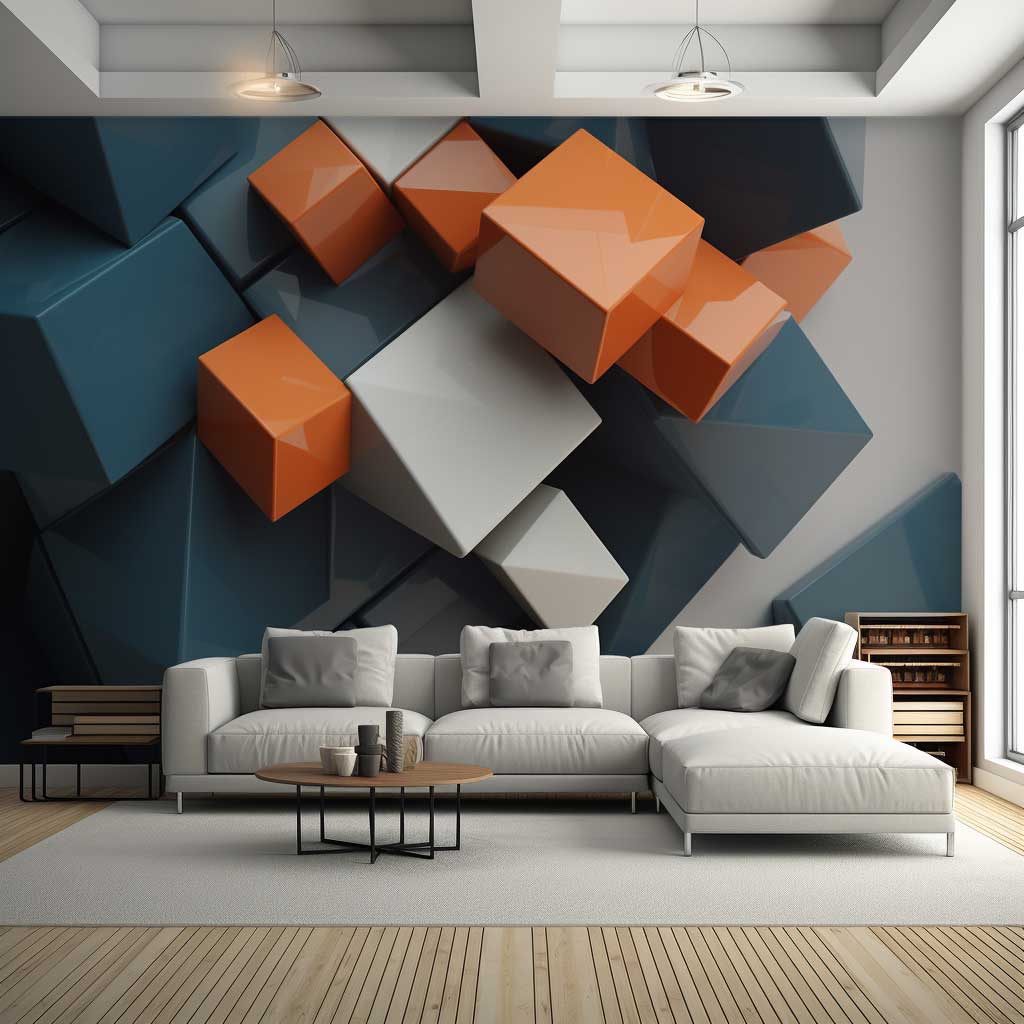


Geometry, with its precise lines, shapes, and patterns, has always been a cornerstone of design. Whether it’s architecture, fashion, or interior design, geometric patterns offer a sense of order and symmetry. Pairing geometric 3D murals with the right wall decoration approach is what separates a feature wall from a busy mess. In the realm of 3D wall painting designs for living room spaces, geometric patterns have taken on a futuristic twist, offering homeowners a way to create spaces that feel both modern and timeless.
At its core, geometry is about precision and order. It’s about creating patterns that are symmetrical, balanced, and harmonious. When applied to a living room, these patterns can create a sense of structure, making the space feel organized and well-thought-out. But how do these geometric patterns fit into the broader context of 3D wall painting designs for living room spaces?
How to Paint a Geometric 3D Accent Wall
A step-by-step guide to creating a geometric 3D wall painting in your living room using painter’s tape and three paint colors. No artistic skill required — just patience and a laser level.
Tools needed:
- Laser level
- Painter’s tape (FrogTape recommended)
- Paint roller and small angled brush
- Three paint colors (dark base, light mid, metallic accent)
- Primer (Kilz 2 or equivalent)
Clean and prime the wall
Wipe the wall down, fill any holes with spackle, and apply one coat of primer. Let it dry for 2 hours. Skipping primer is the number one reason geometric paint jobs look patchy after a month.
Paint the base color
Roll on the darkest color across the entire wall. This becomes the shadow tone in your 3D pattern. Use two thin coats and allow 4 hours drying time between coats.
Map the geometric grid with tape
Use a laser level to project straight lines. Apply painter’s tape along those lines to create your shapes — triangles, diamonds, or hexagons. Press tape edges firmly to prevent paint bleed. This step takes the longest. Don’t rush it.
Paint the light and accent colors
Fill alternating shapes with the lighter mid-tone color. Add metallic accent to a few select shapes sparingly — no more than 15 to 20 percent of the total area. The contrast between dark base and light shapes creates the 3D effect.
Peel the tape while paint is still slightly tacky
Pull tape at a 45-degree angle while the last coat is still slightly tacky — not fully dry. This gives the cleanest edges. If you wait until paint is bone dry, it chips along the tape line and you end up with jagged shapes.
The beauty of futuristic geometric 3D patterns lies in their dynamism. Unlike traditional geometric patterns, which are static and two-dimensional, 3D designs play with perspective, light, and shadow to create an illusion of depth. This means that a wall painted with a 3D geometric pattern feels alive, with shapes and lines that seem to pop out of the wall, adding a sense of movement to the space.
Another significant advantage of futuristic geometric 3D wall painting designs for living room spaces is their versatility. These patterns can be customized to fit the aesthetics of the room, whether it’s modern, traditional, or eclectic. The choice of colors, shapes, and sizes can be tailored to match the room’s decor, ensuring that the design feels cohesive and harmonious.
In conclusion, futuristic geometric 3D patterns represent the perfect blend of art and science. They showcase the potential of 3D wall painting designs for living room spaces to transform the mundane into the magical. As design trends continue to evolve and homeowners become more experimental, geometric patterns will continue to play a pivotal role in shaping the future of interior design.
| Feature | Optical Illusion | Nature Mural | Geometric Pattern |
|---|---|---|---|
| DIY Cost (accent wall) | $100 – $300 | $80 – $250 | $50 – $150 |
| Professional Cost (10×8 ft wall) | $1,200 – $3,600 | $2,000 – $4,000 | $800 – $2,500 |
| DIY Difficulty | Hard | Medium | Easy |
| Best Room Size | Small (under 150 sq ft) | Any size | Any size |
| Durability | 5–10 years (paint) | 1–3 years (wallpaper) / 10+ (paint) | 5–10 years (paint) / 3–5 (PVC panels) |
| Biggest Risk | Looks broken from wrong angle | Seam visibility, moisture damage | Crooked lines without laser level |
Bottom Line on 3D Wall Painting
Optical illusions cost the least in materials but demand the most skill. Nature murals look best when professionally painted and worst when cheap peel-and-stick. Geometric patterns are the safest DIY bet — tape, three colors, a laser level, and a free Saturday.
Budget $150 to $400 for a solid DIY accent wall in any style. Budget $1,200 to $4,000 for professional work that actually holds up. Skip anything under $80 from Amazon unless you enjoy peeling seams and radioactive greens.
The wall you look at every single day deserves more than builder-grade beige. Pick one style, test it on one wall, and commit.