Quick Summary
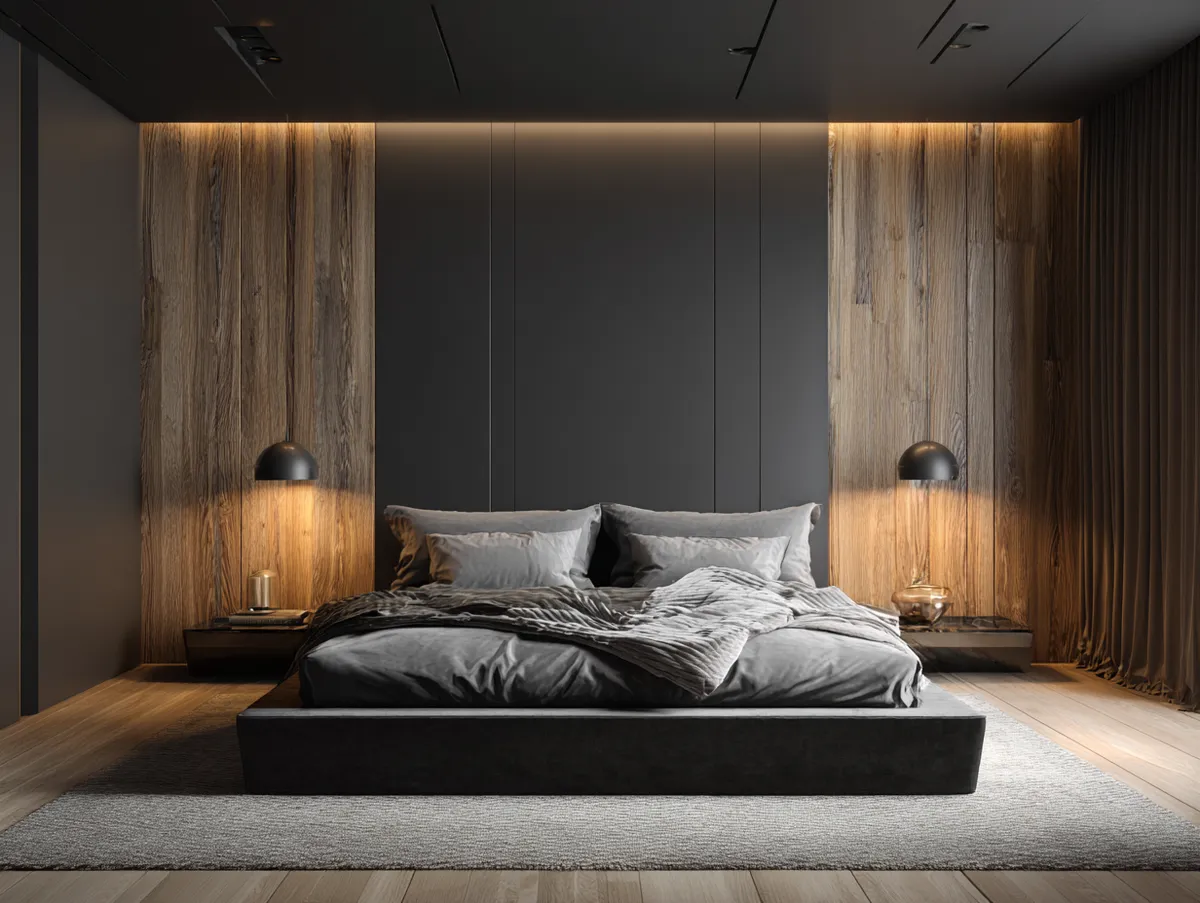
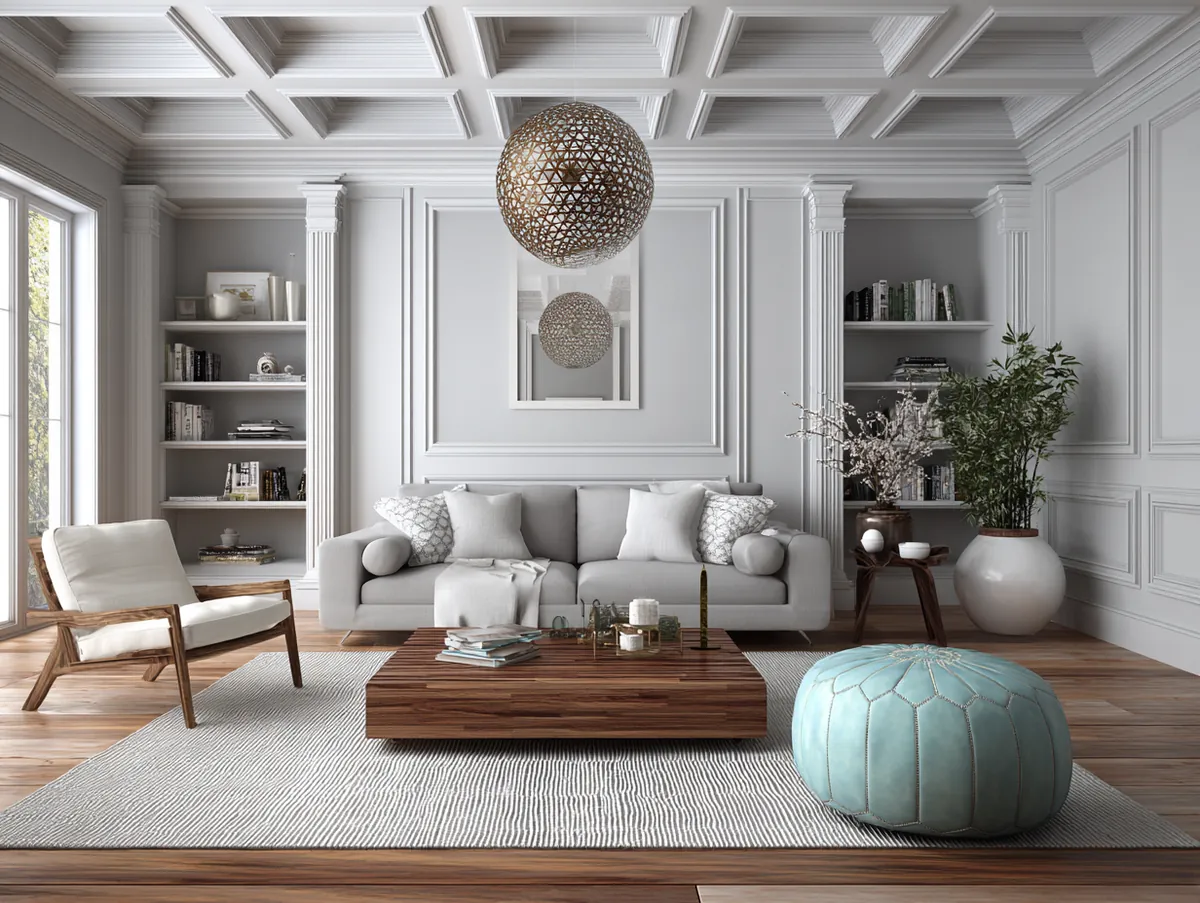
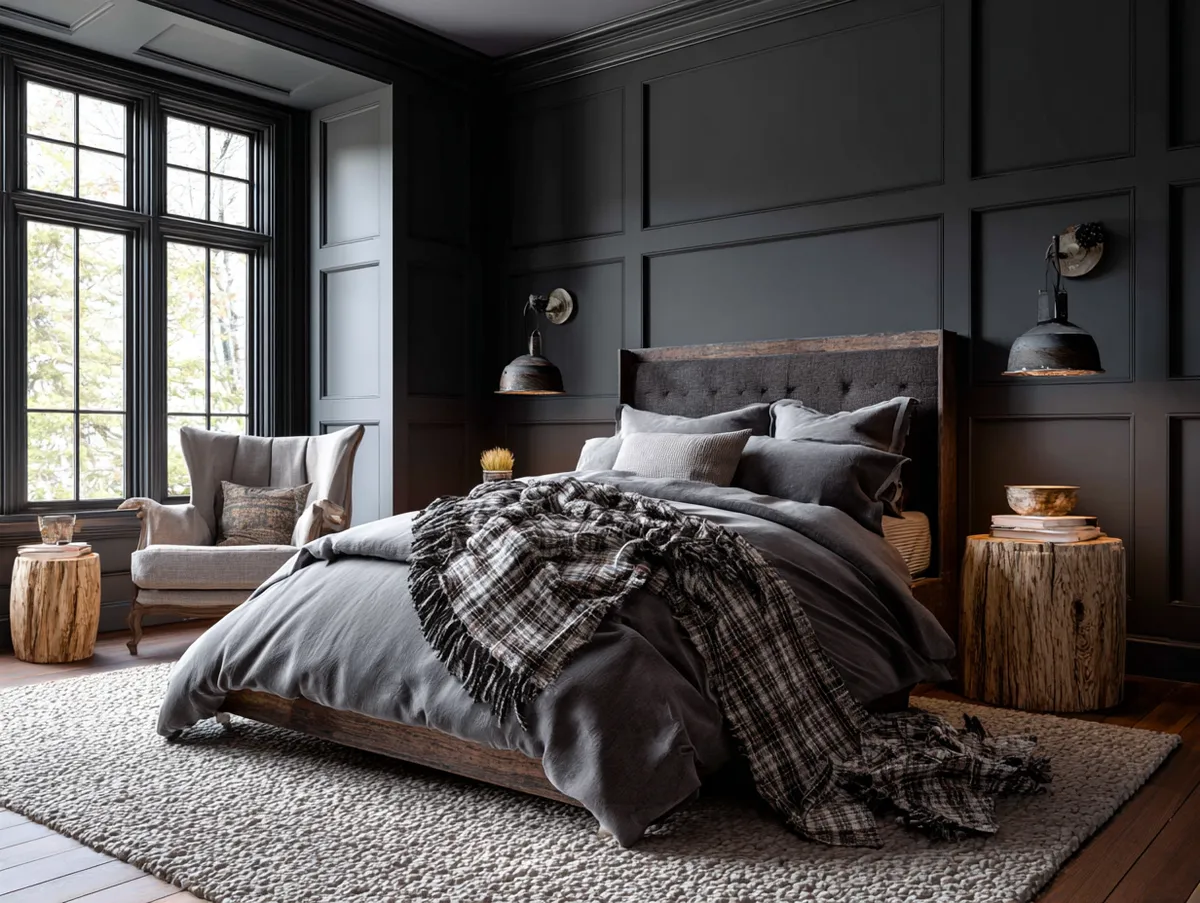
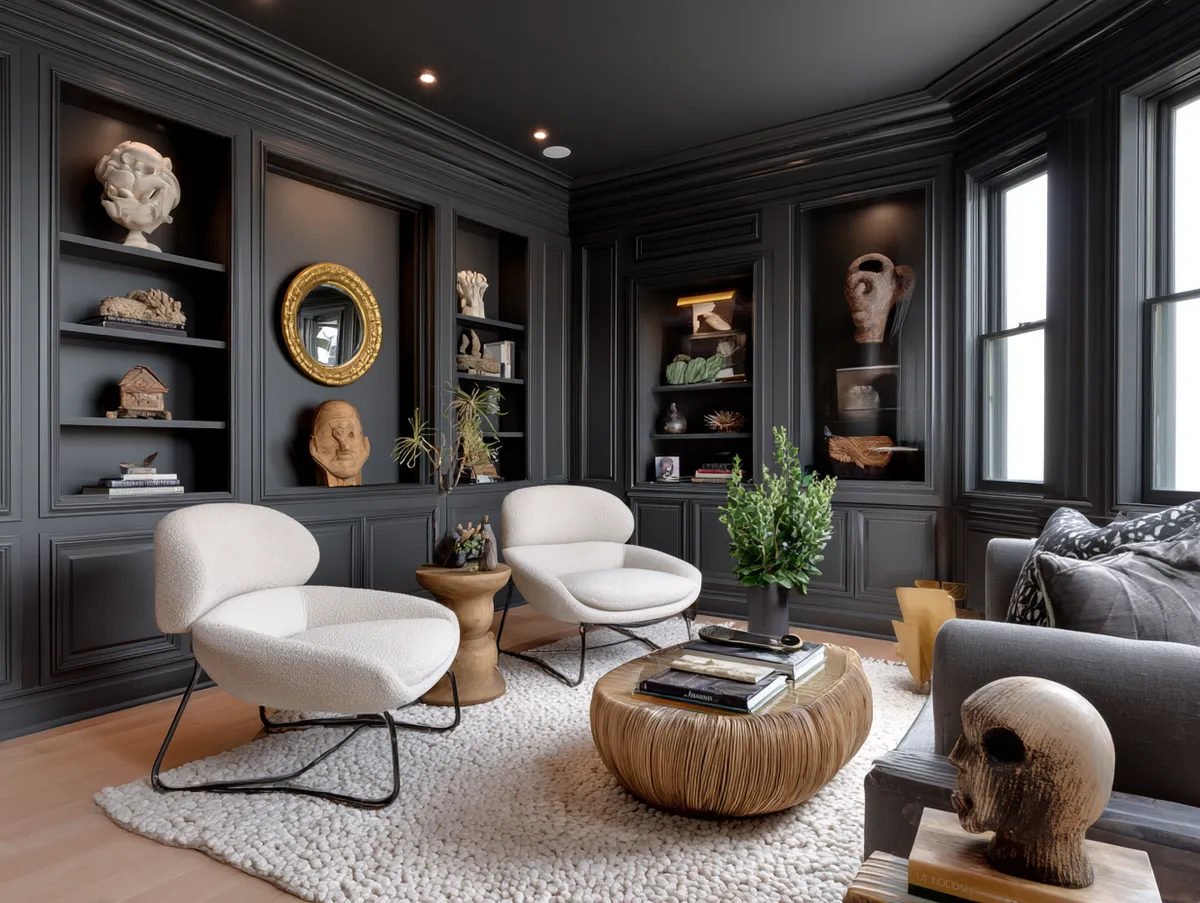
Modern tv wall panels turn a bare drywall rectangle into a design focal point — without a full renovation. Wood slat panels start at $3–$8 per sq ft; PVC and MDF options go even cheaper.
Three main categories below: minimalist flat panels, wood-and-metal fusion, and LED-integrated smart setups. Each section includes material costs, install tips, and mistakes to avoid.
Best ROI move: a matte panel with hidden cable management and $16 LED bias lighting. Looks custom. Costs under $400 total.
Modern tv wall panels changed how my living room feels. Not “a little better.” Completely different room. I spent three weekends comparing wood slat panels, MDF 3D textures, and glossy PVC options before settling on a fluted walnut setup that cost me $340 total. Worth every dollar.
Most people mount the TV on a bare wall and call it done. Bad move. The naked drywall rectangle looks cheap no matter how expensive the screen is. A $2,000 OLED on a blank wall still looks like a college dorm. A $600 TV on a properly designed wall panel setup? That looks like a boutique hotel lobby.
You’ll find 35+ tv wall panel design ideas here — minimalist flat panels, LED-backlit setups, wood-and-metal fusions, and a few future wall design concepts that feel straight out of a design magazine. I’ve broken them into three categories so you can skip to whatever matches your living room. No fluff. Just stuff that actually works and won’t cost you a second mortgage.
Quick Scan — What You’ll Learn Here
✔ Best panel materials ranked by price and durability
✔ LED backlighting setups under $20
✔ Cable-hiding tricks that don’t require cutting drywall
✔ Color and finish combos that make a cheap panel look expensive
✔ The one material mistake that ruins the whole wall
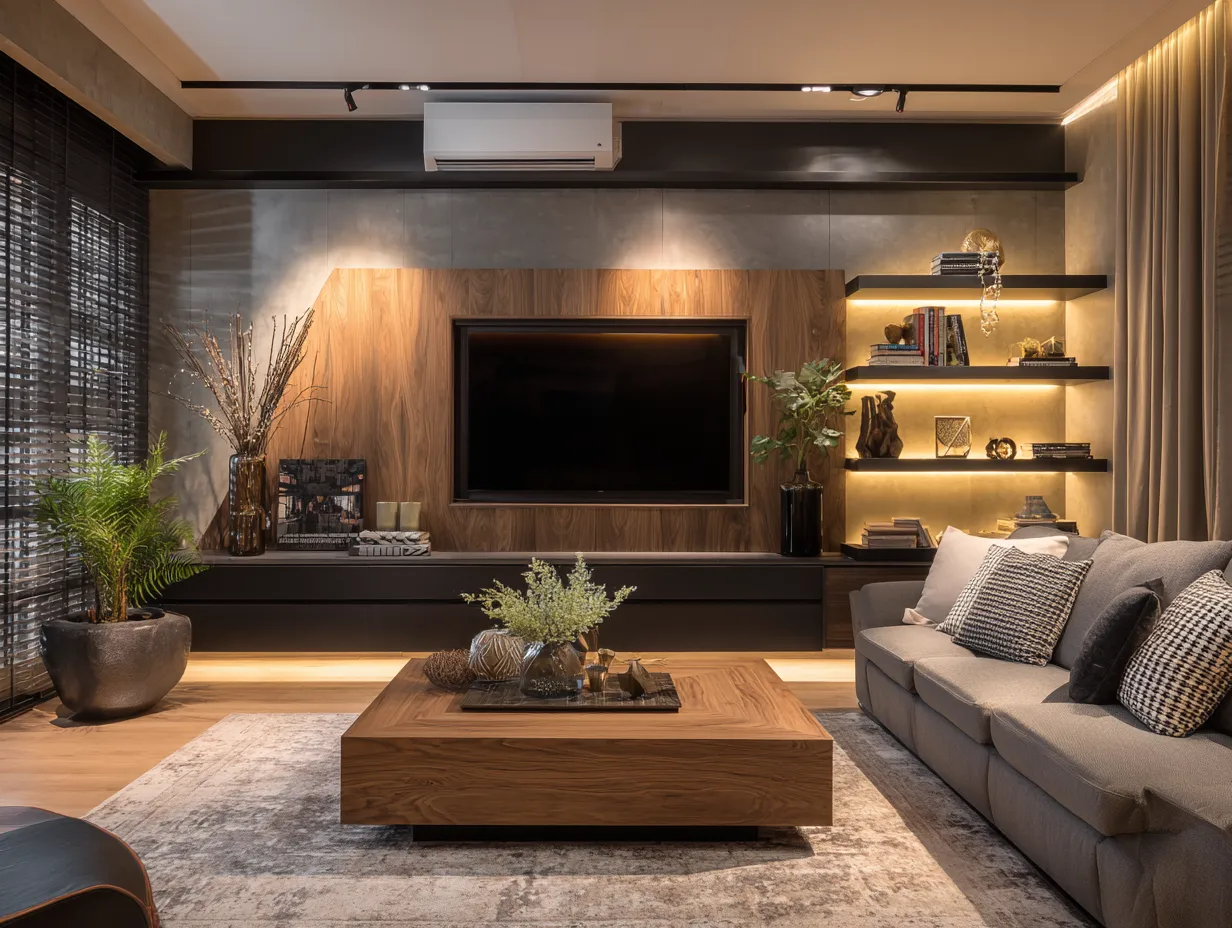
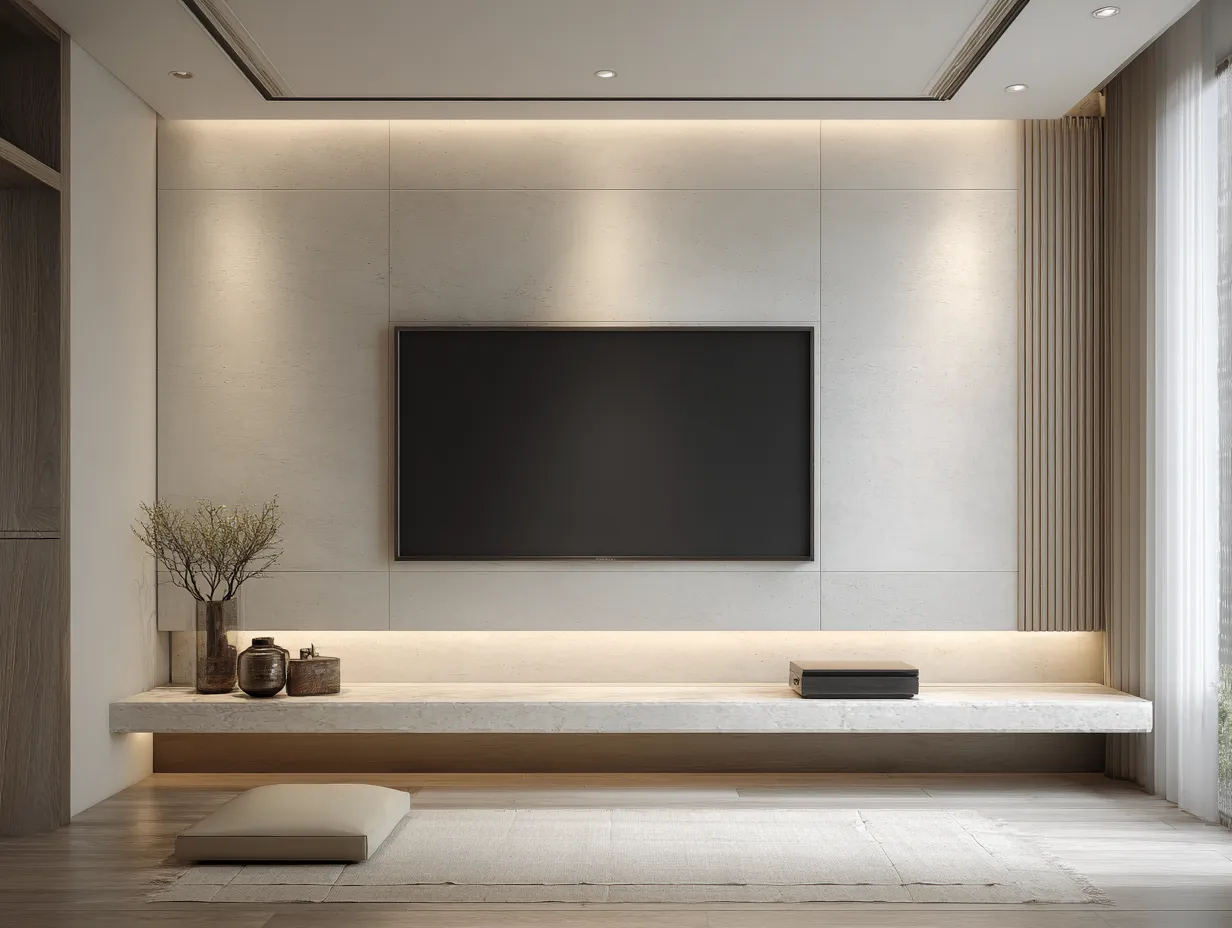
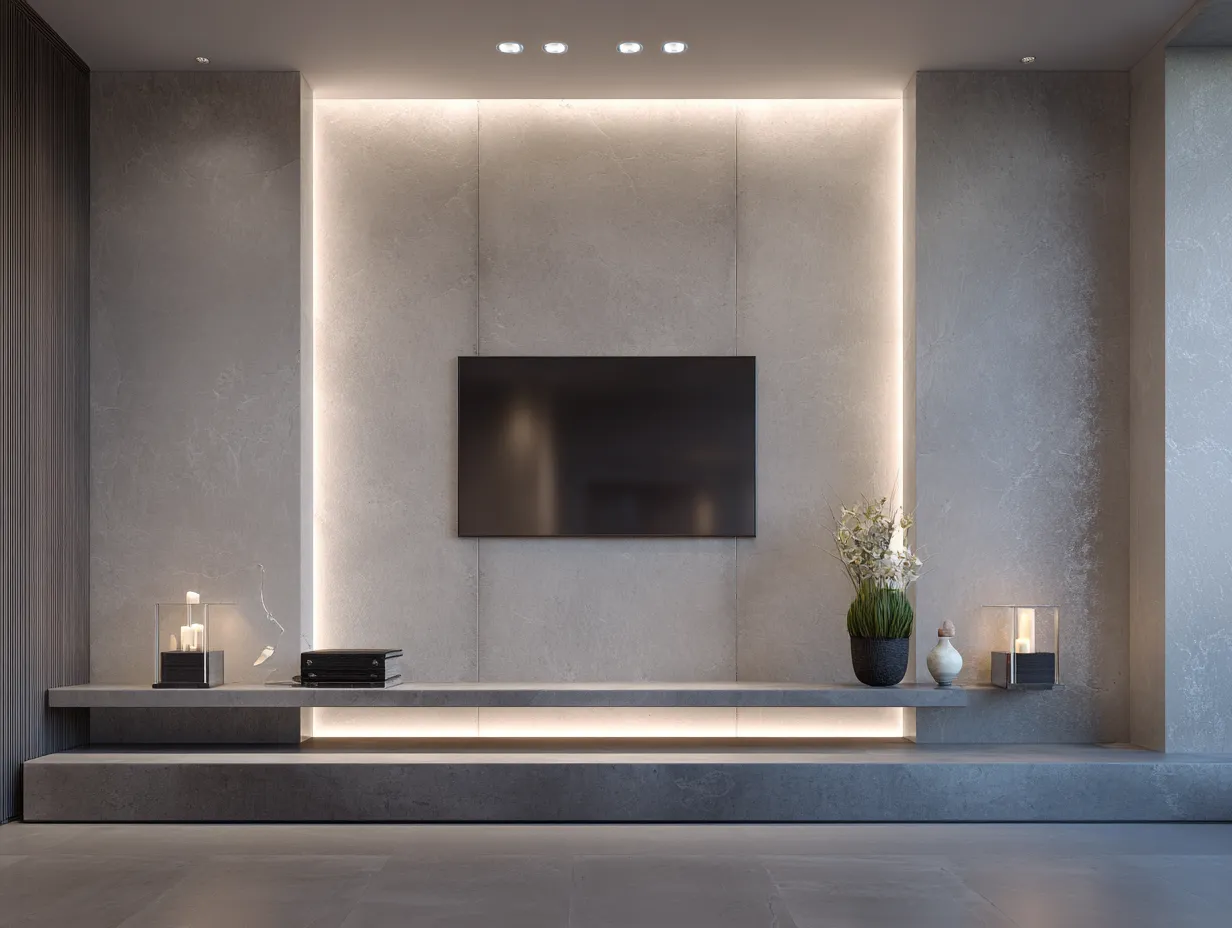
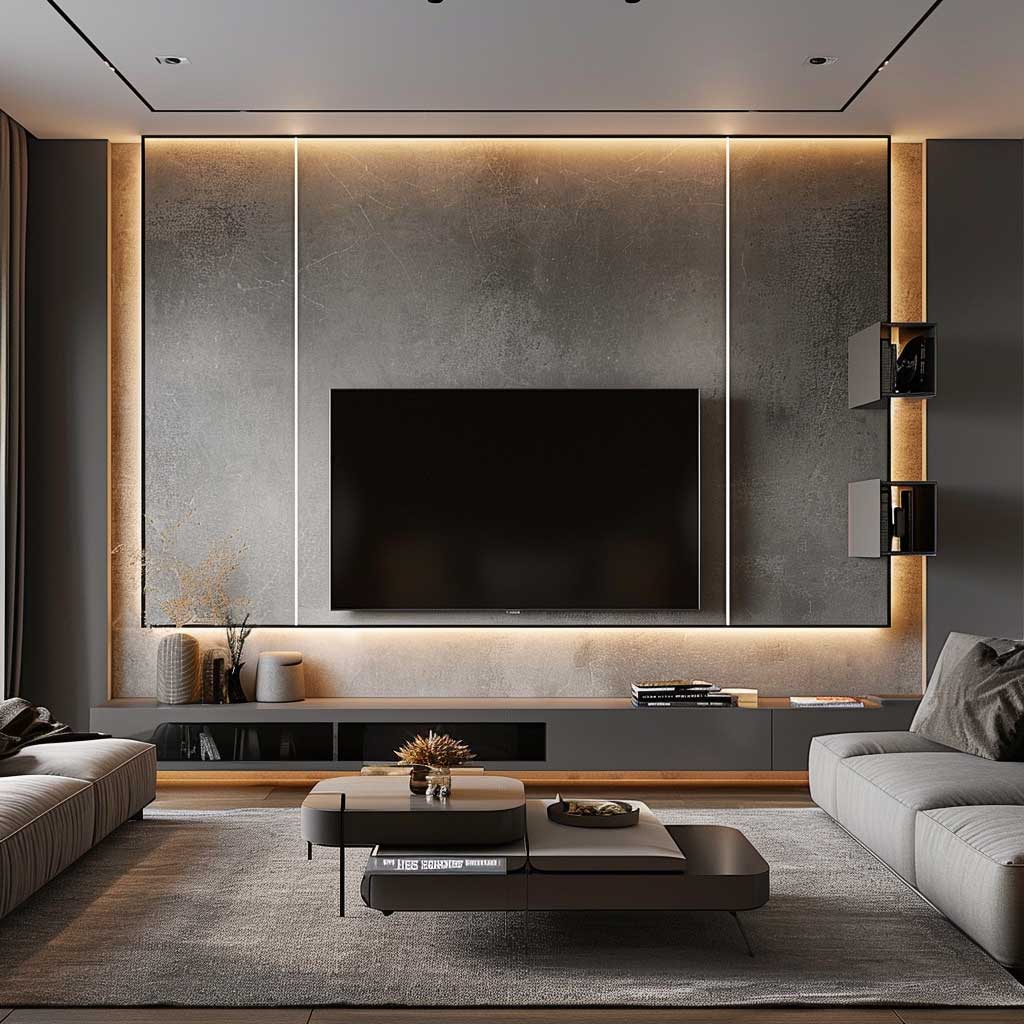
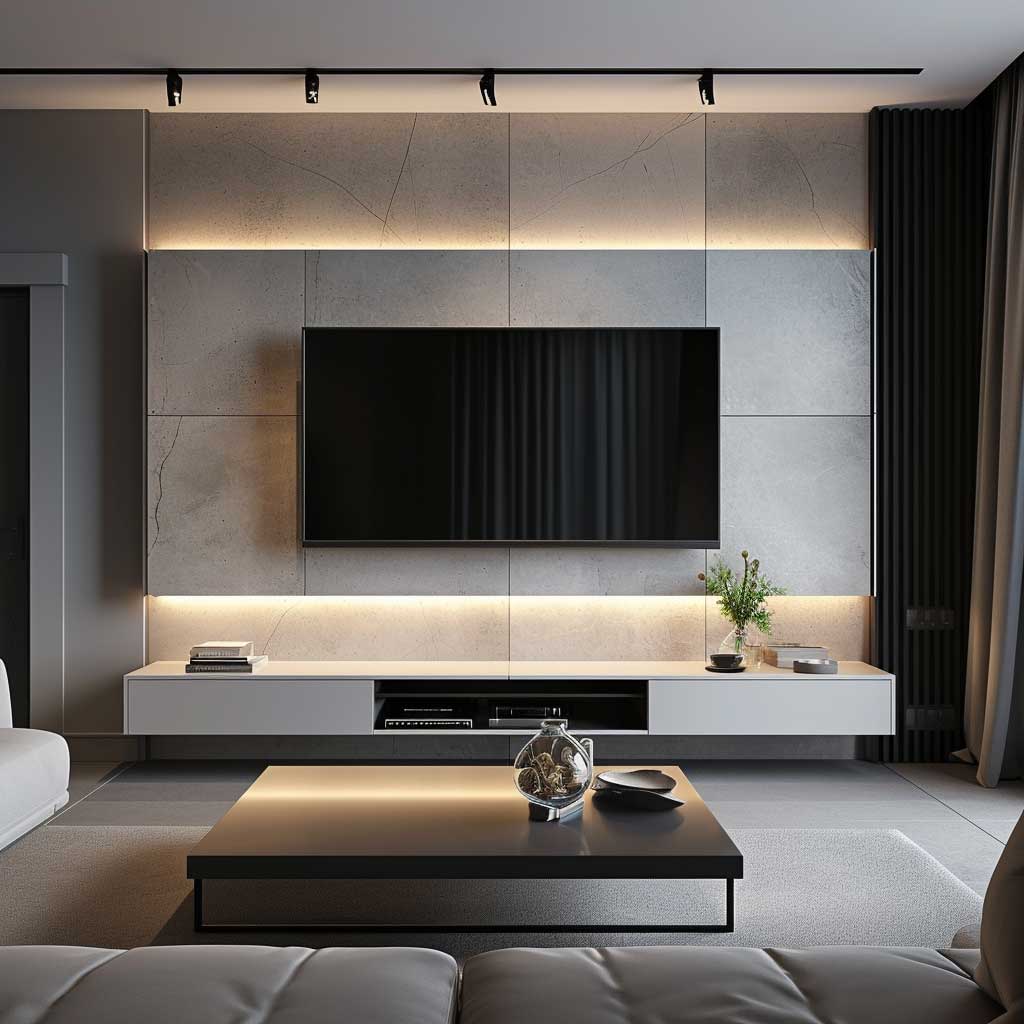
Minimalist Modern TV Wall Panels with Clean Lines and Hidden Storage
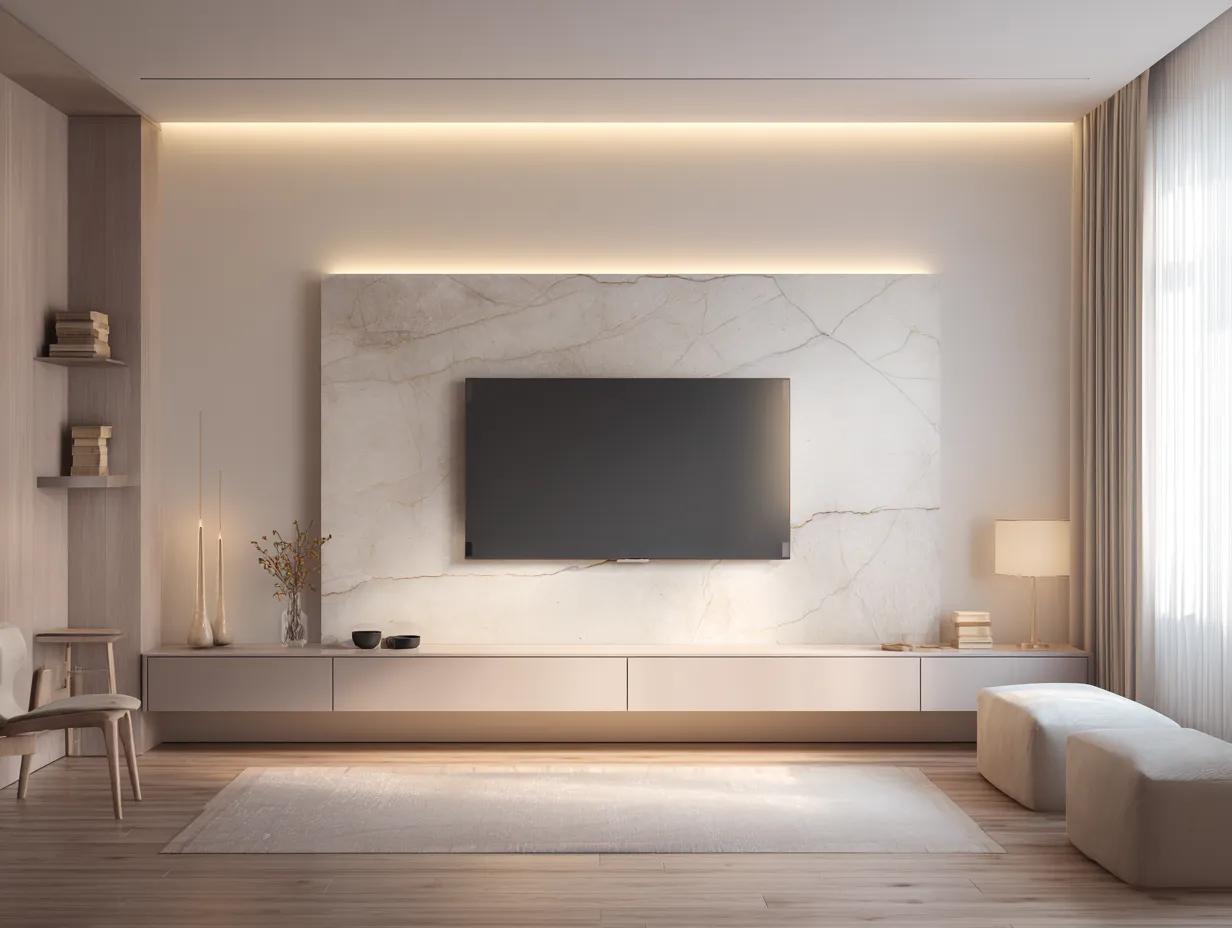
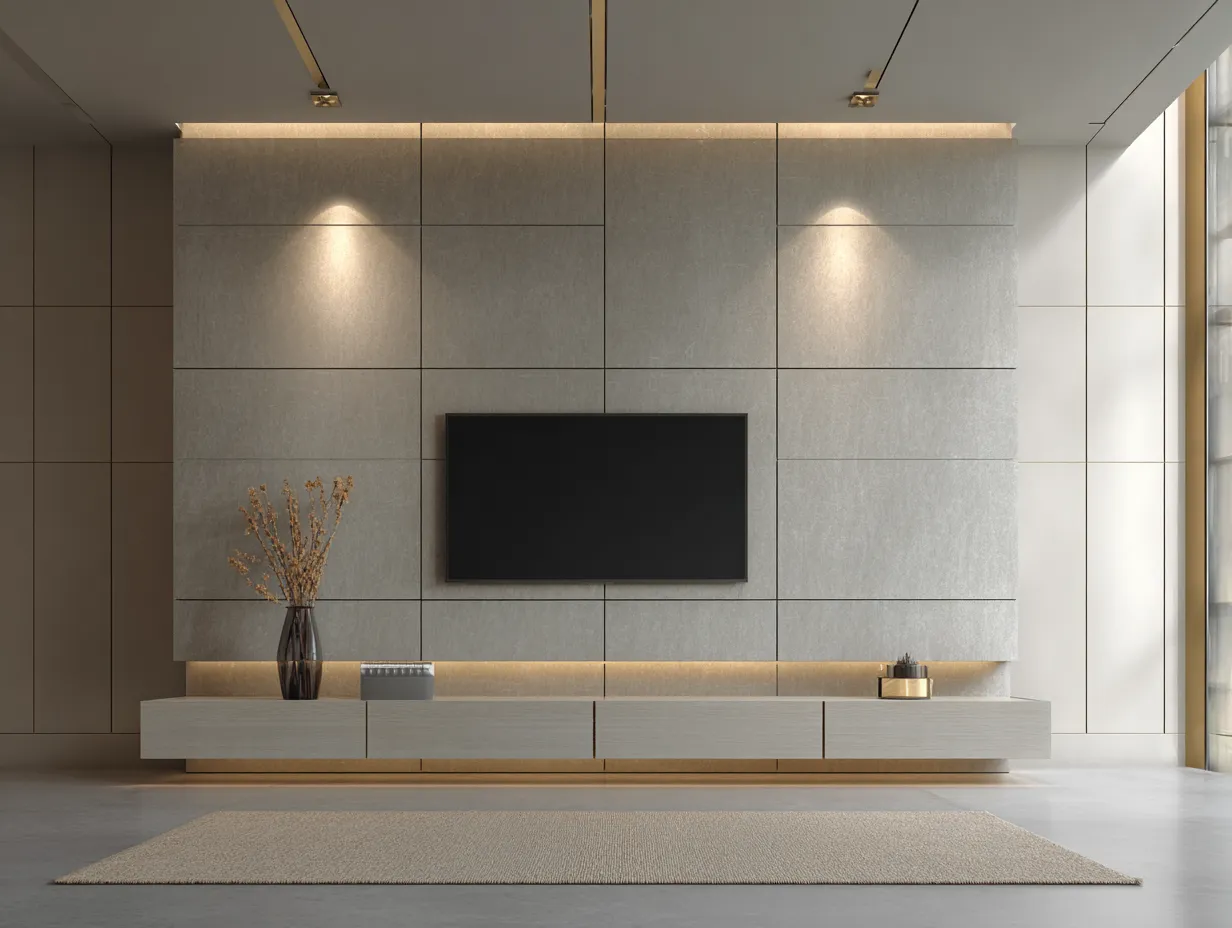
I own a white flat panel setup from Art3D that ran me $3.20 per square foot. Twelve panels covered my 10×8 wall in about ninety minutes. No contractor. The trick nobody tells you? Don’t glue them directly to drywall. Screw in a furring strip grid first, then attach panels. The air gap behind the panels hides HDMI cables and a power strip. Zero visible wires.
Skip high-gloss finishes if your living room gets afternoon sun. I learned this the hard way. My first panel set was a glossy white PVC from Amazon — $48 for a pack of twelve. Looked gorgeous for exactly one hour before the sun turned it into a mirror that blinded everyone on the couch. Matte finishes cost the same and don’t bounce light back at you.
Color matters more than material. A matte gray panel behind a black TV disappears beautifully. White panels make the screen pop like a framed piece of art. Beige panels add warmth but can look dated if you go too yellow. Stay in the cool-neutral zone — think greige, not oatmeal. My go-to palette for clients is Benjamin Moore’s “Revere Pewter” range on the walls with slightly lighter panels.
| Material | Price per sq ft | Durability | Best For | Watch Out |
|---|---|---|---|---|
| PVC Panels | $1.50–$5 | High — water/scratch resistant | Budget minimalist setups | Glossy finishes cause glare |
| MDF 3D Panels | $3–$8 | Medium — needs dry environment | Geometric and textured accent walls | Swells in humid rooms |
| Wood Slat Panels | $5–$15 | High — solid wood or veneer | Warm modern, Scandinavian looks | Cheap veneers peel at edges |
| WPC Panels | $4–$10 | Very high — waterproof | Humid climates, kitchens near TV | Limited color range |
| Natural Stone / Marble | $15–$50+ | Very high | Luxury feature walls | Heavy — needs structural support |
In the modern home, the television is often a focal point of the living area. The design of the TV wall panel has become an important aspect of interior decor, marrying functionality with style. For those who appreciate minimalist elegance, the TV wall panel can be a subtle yet striking feature that enhances the modern aesthetic of the room.
The essence of minimalist design in TV wall panels lies in its simplicity and clean lines. The goal is to create a space that feels uncluttered and serene, where the television seamlessly integrates into the overall design. This involves using sleek, flat panels that blend into the wall, often mounted against a backdrop that complements the interior palette. PVC is one of the most popular materials for this kind of setup — you can see 21+ PVC panel designs for LED TV walls that range from white minimalist to wood-effect finishes, all under $8 per square foot. The backdrop itself is usually devoid of ornate details, focusing instead on texture and tone to create depth and interest.
Color plays a crucial role in achieving this minimalist elegance. Neutral tones like whites, grays, and beiges are popular choices, as they provide a subtle canvas that doesn’t distract from the screen. These colors also help in creating a sense of space and lightness in the room. For those looking to add a touch of warmth, muted earth tones or soft pastels can be effective without compromising the minimalist ethos.
A $600 TV on a designed wall panel looks more expensive than a $2,000 TV on bare drywall. Every single time.
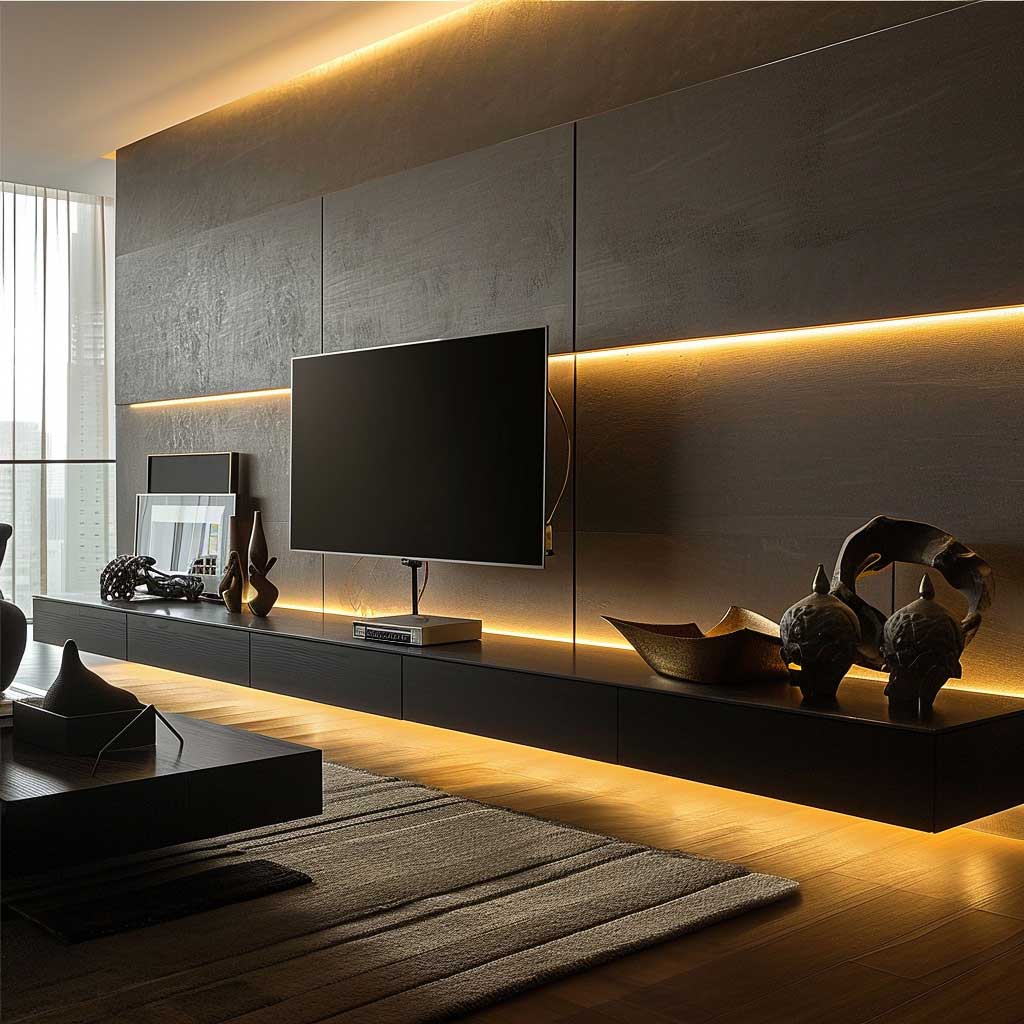
Lighting is another key element in minimalist TV wall panels. Subtle lighting can enhance the viewing experience while also adding to the ambiance of the room. This might include LED strips hidden behind the panel or small spotlights that highlight the texture of the wall. The lighting should be adjustable, allowing for different moods and settings depending on the time of day and the content being viewed.
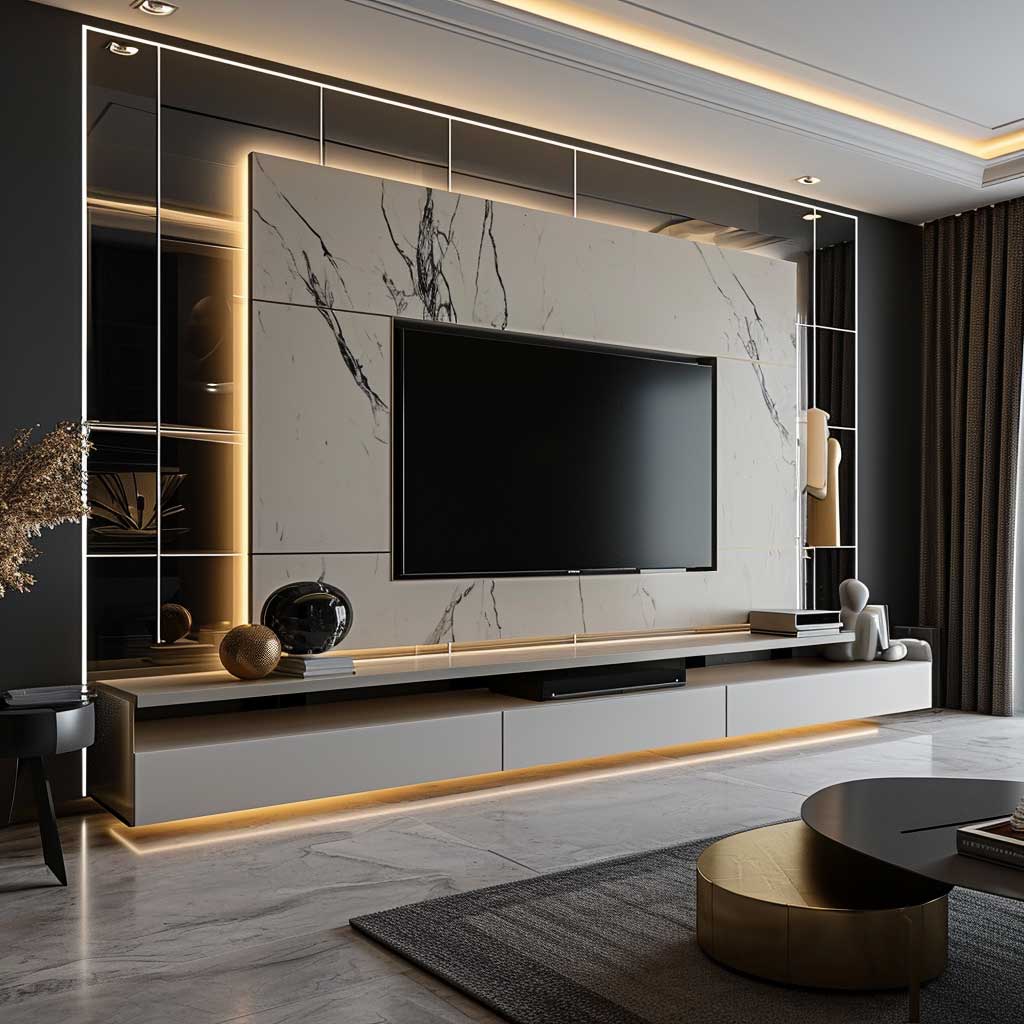
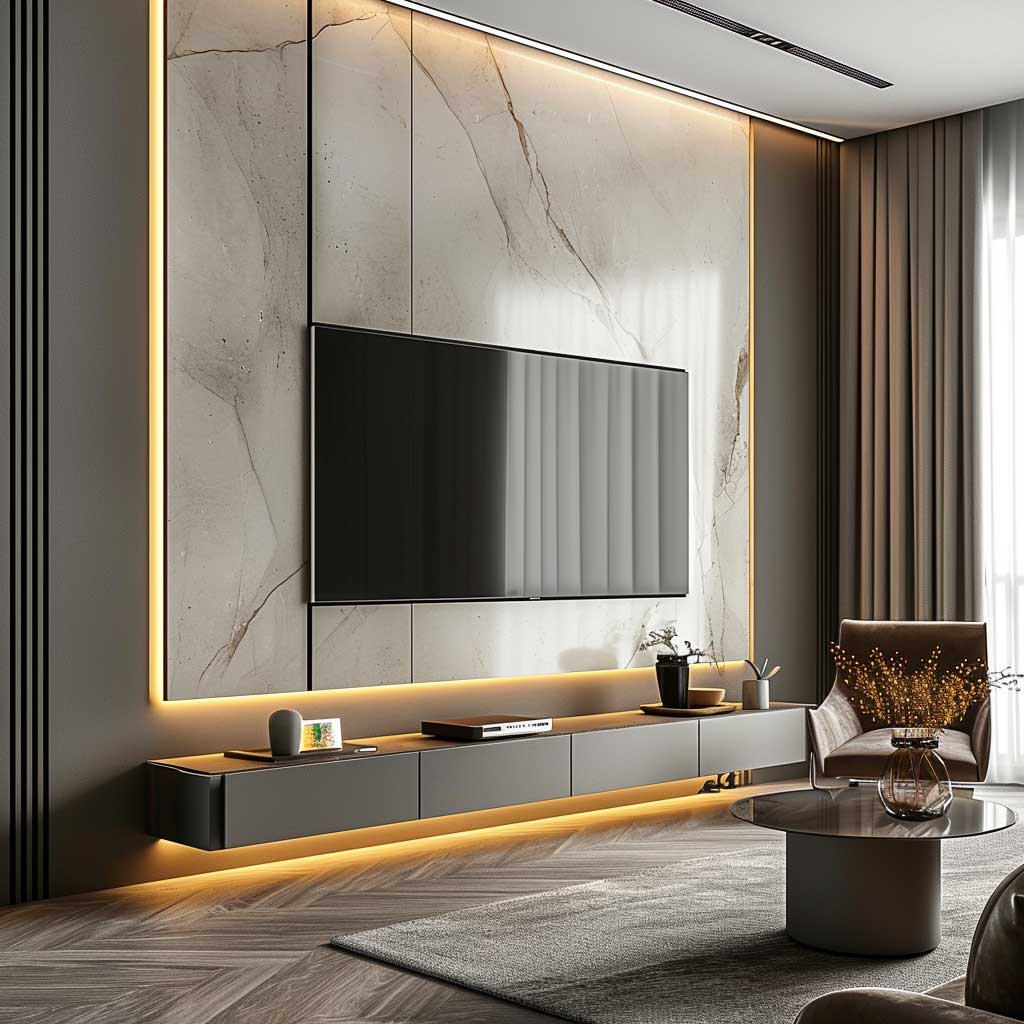
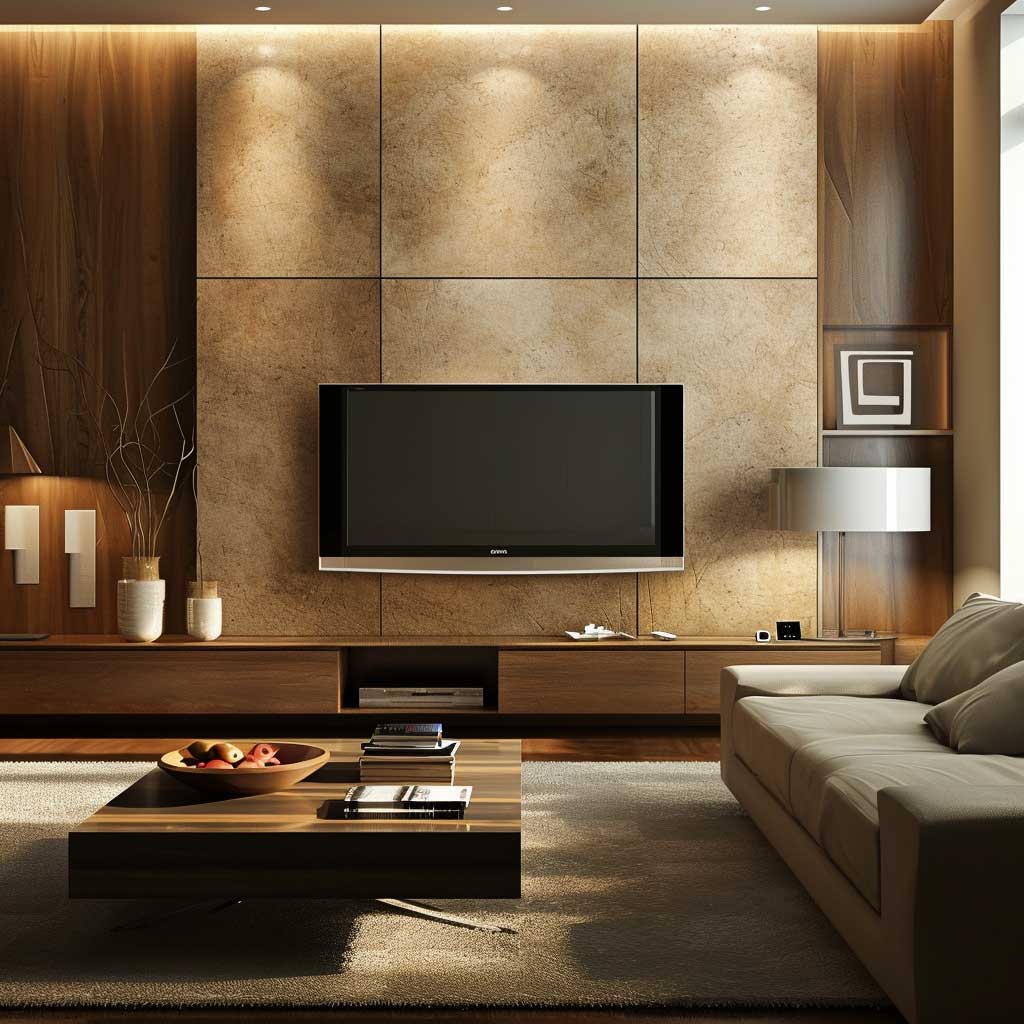
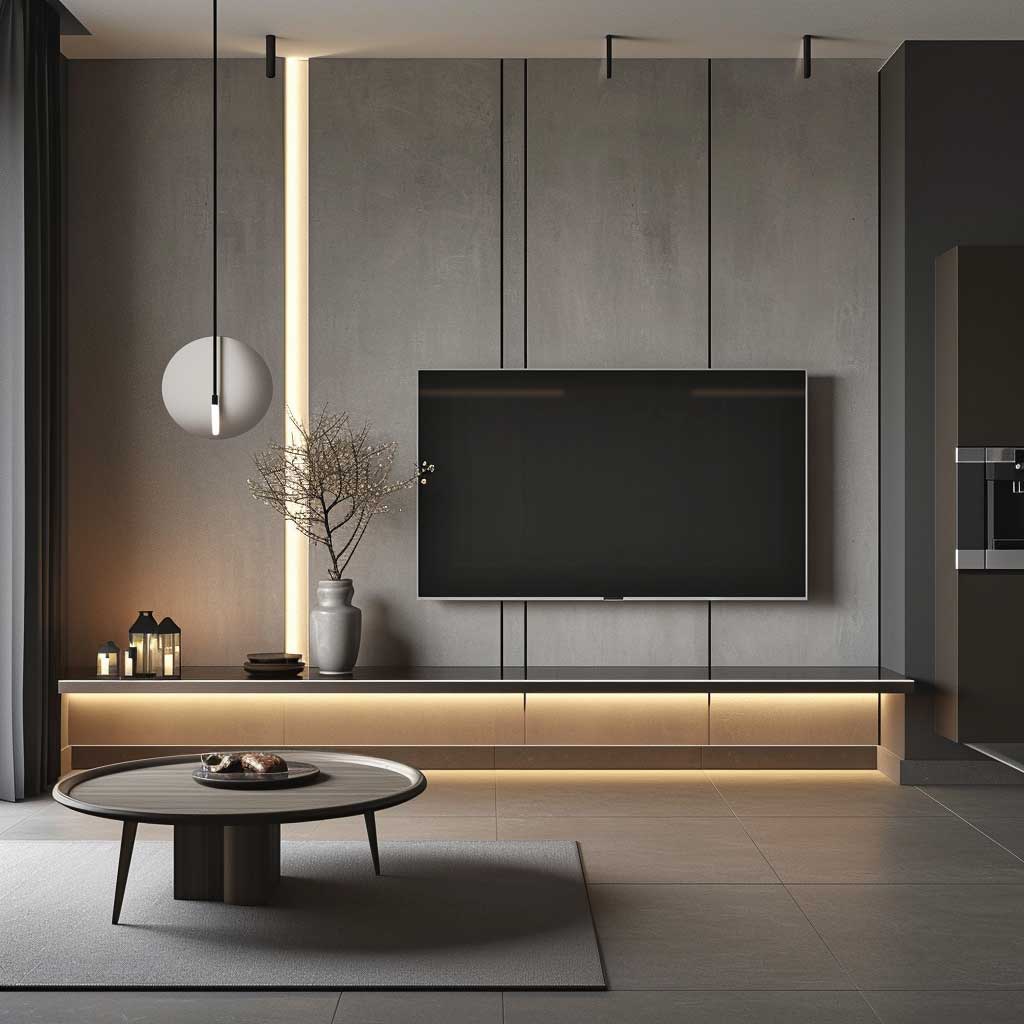
The functionality of the TV wall panel is as important as its aesthetics. In a minimalist design, the panel often includes hidden storage or shelving that is sleek and unobtrusive. This allows for the storage of media devices, cables, and other essentials without cluttering the space. The storage solutions are typically designed to be as inconspicuous as possible, maintaining the clean lines and uncluttered look of the panel.
In addition to storage, the integration of technology into the panel is a consideration. This could mean built-in speakers that are discreetly incorporated into the design, or smart features that allow for easy control of the television and other connected devices. The technology should enhance the functionality of the space without detracting from the minimalist design.
The layout of the room in relation to the TV wall panel is also crucial. In a minimalist setting, the furniture is often arranged in a way that complements the panel, creating a cohesive and balanced look. This might mean a low-profile sofa facing the television, with a simple coffee table or rug to anchor the space. The aim is to create a harmonious environment where the TV wall panel is an integral, yet understated, part of the decor.
In summary, minimalist elegance in TV wall panel design is about finding the perfect balance between form and function. It’s about creating a space that is both visually appealing and practical, where the television enhances the room without dominating it. Through the use of color, lighting, storage, technology, and thoughtful layout, a minimalist TV wall panel can become a stylish and serene feature in the modern home.
Wood and Metal TV Panel Designs for Living Room Walls
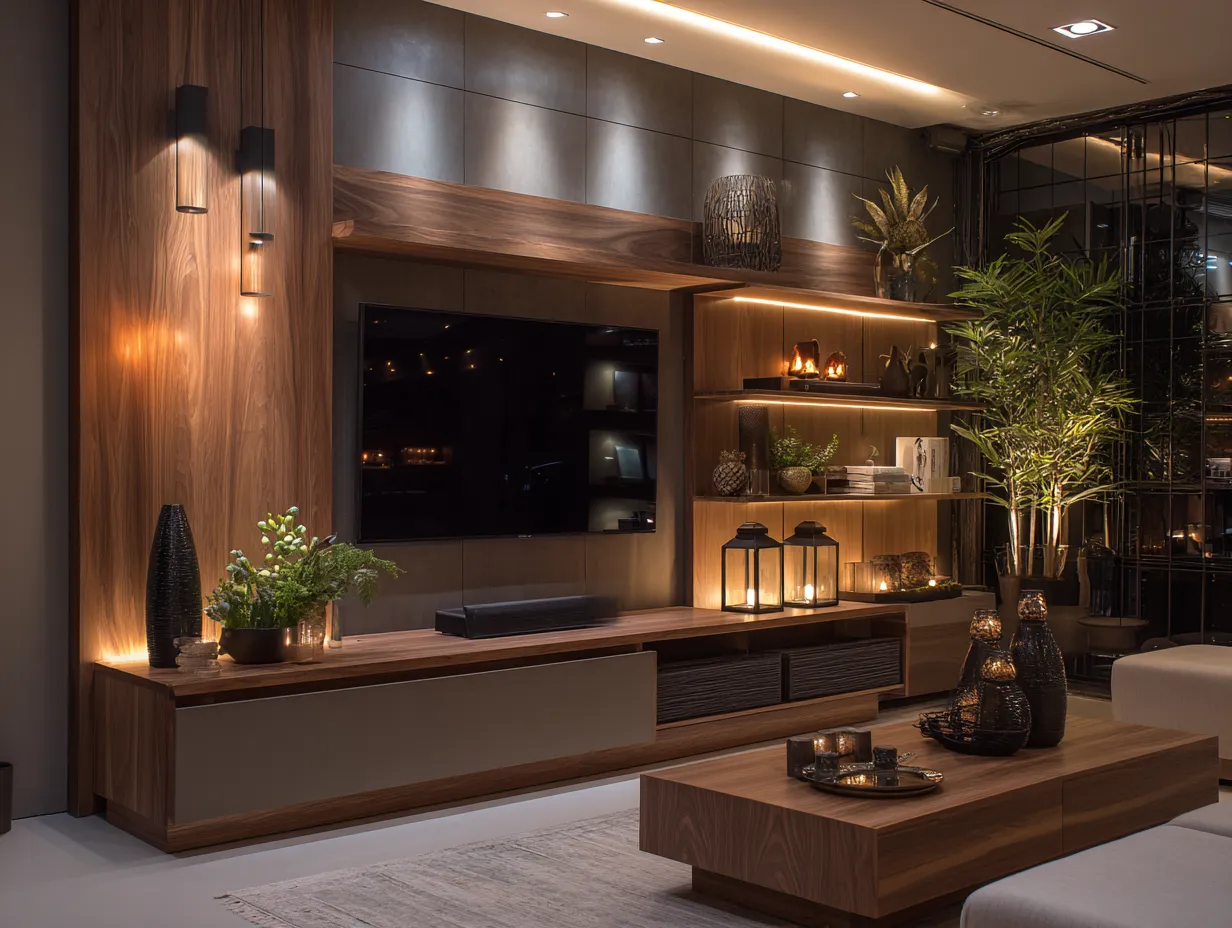
Walnut slat panels are everywhere right now, and they earn it. I’ve installed three sets from different brands, and the price gap is wild. ELEKFX panels from Amazon run about $90 for a 24×48 inch sheet. Custom millwork from a local shop? $1,200 for the same coverage. The Amazon version looks 85% as good. Good enough for most living rooms.
Don’t pair wood slats with a wood floor in the same tone. It looks like the inside of a sauna. Break it up. Dark walnut slats above, light oak floor below. Or reverse it — light birch panels, dark espresso hardwood. You need contrast. My neighbor went full matching walnut on floor and wall panel. Every guest asks if he lives in a recording studio.
Metal frames around a wood panel section give you that $5,000 designer look for about $200 in materials. Black steel angle iron from Home Depot, cut to size, spray-painted matte black, and screwed into the studs as a border. Inside that border: vertical wood slats. Total project cost was $280 including the slats. Total time: one Saturday.
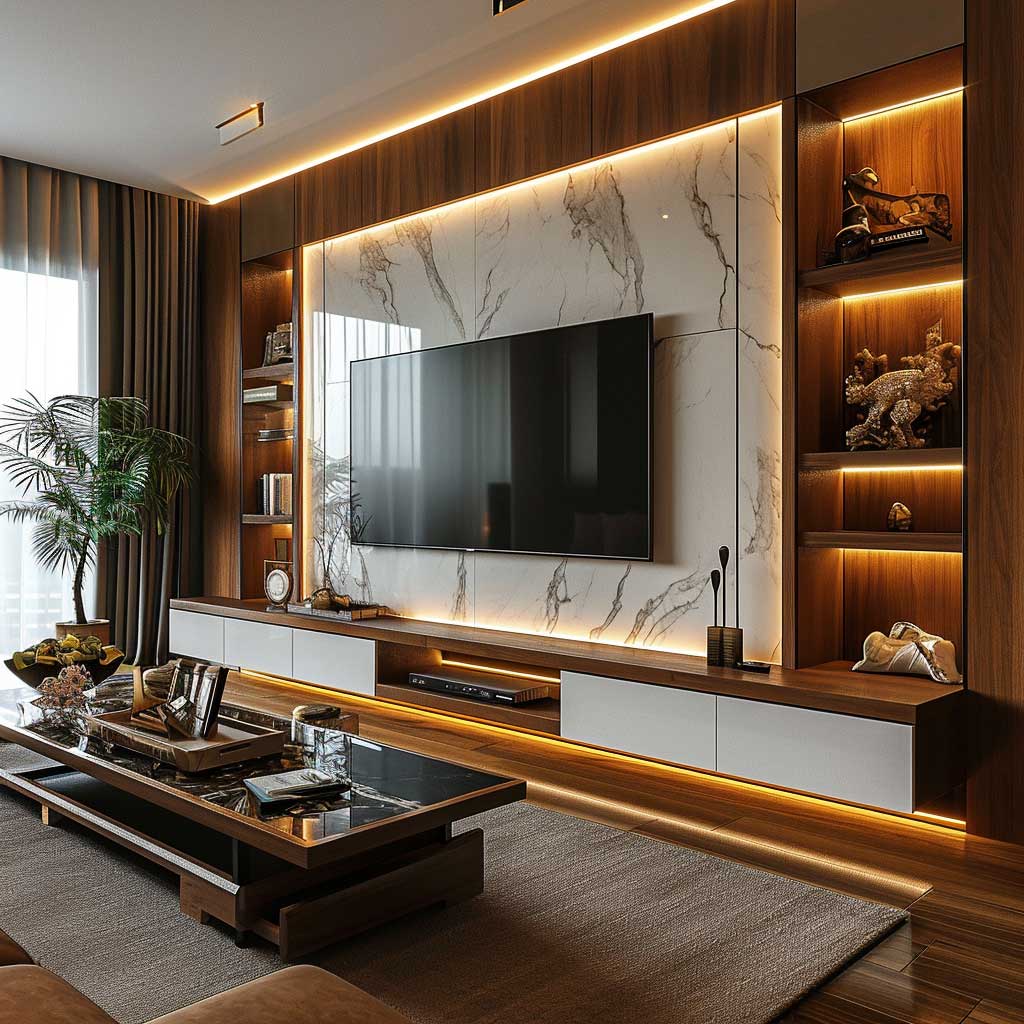
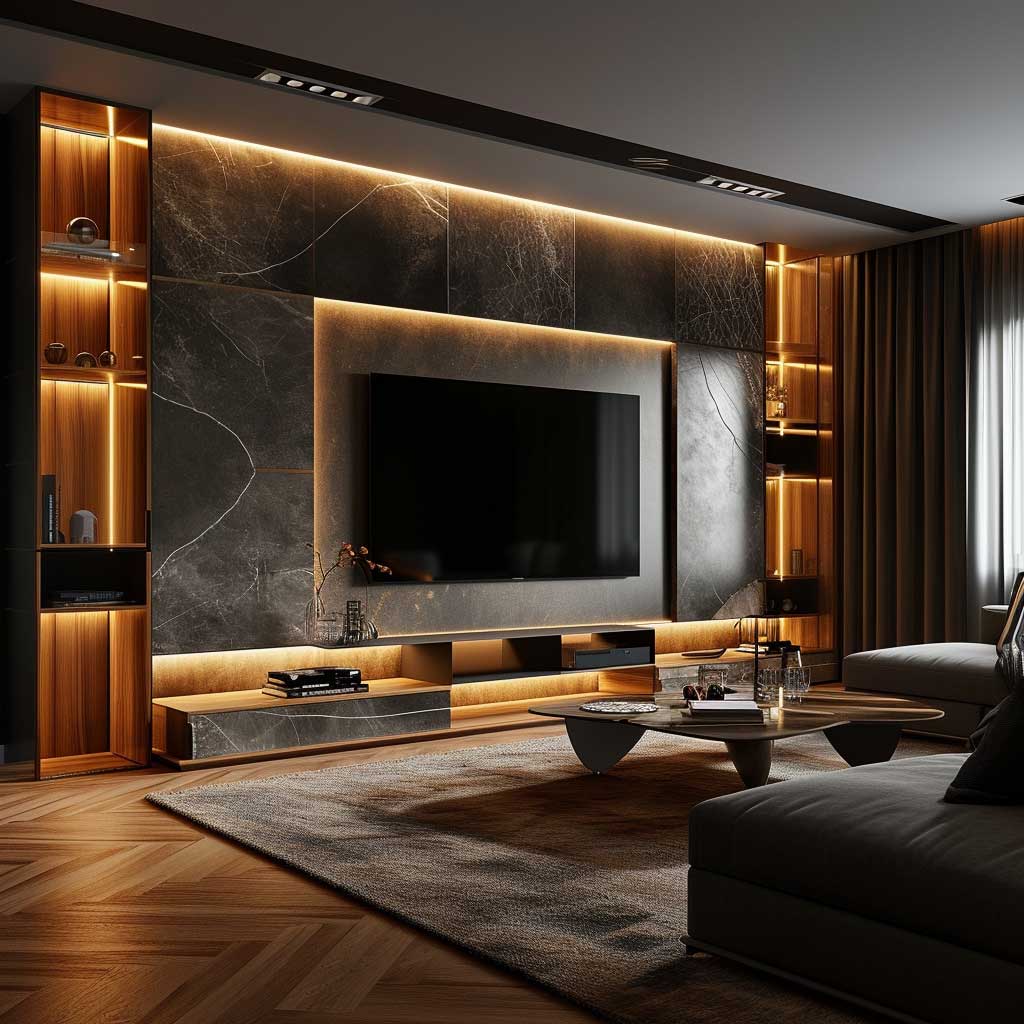
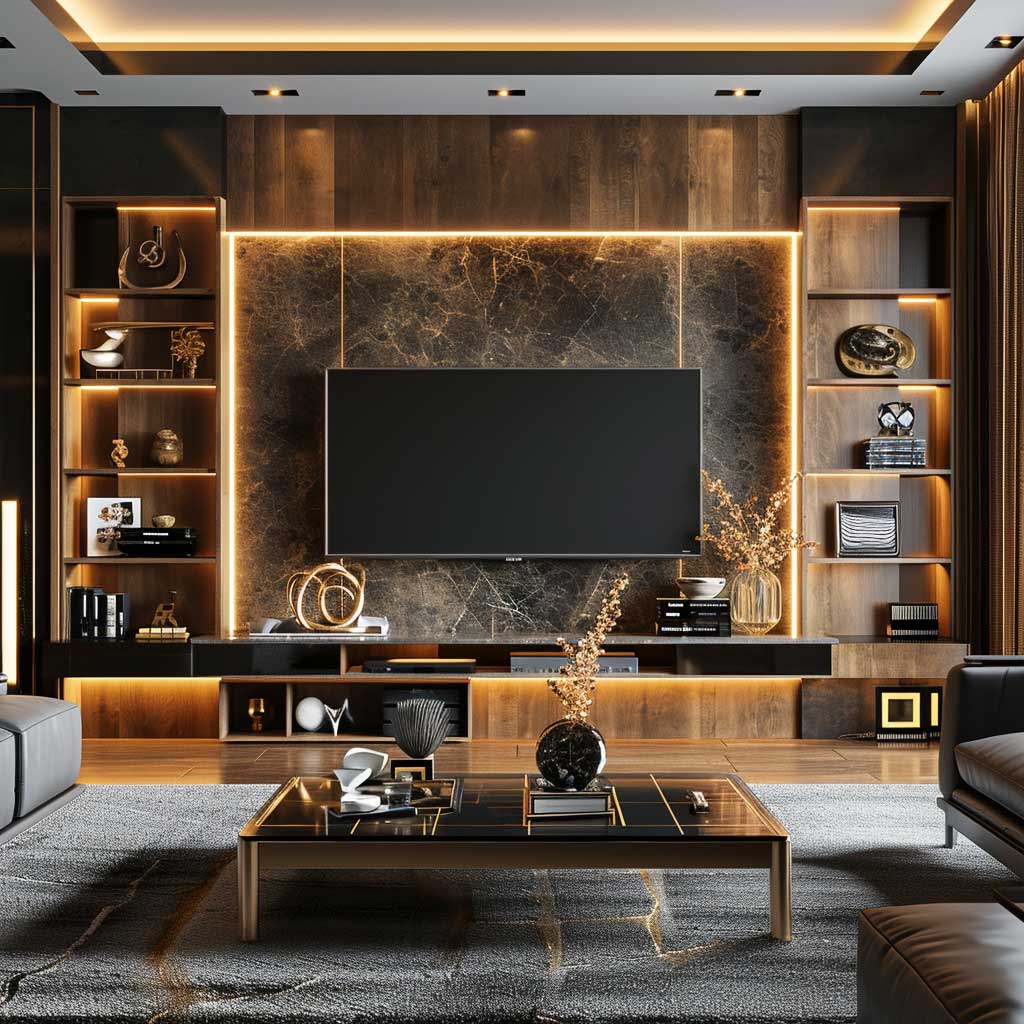
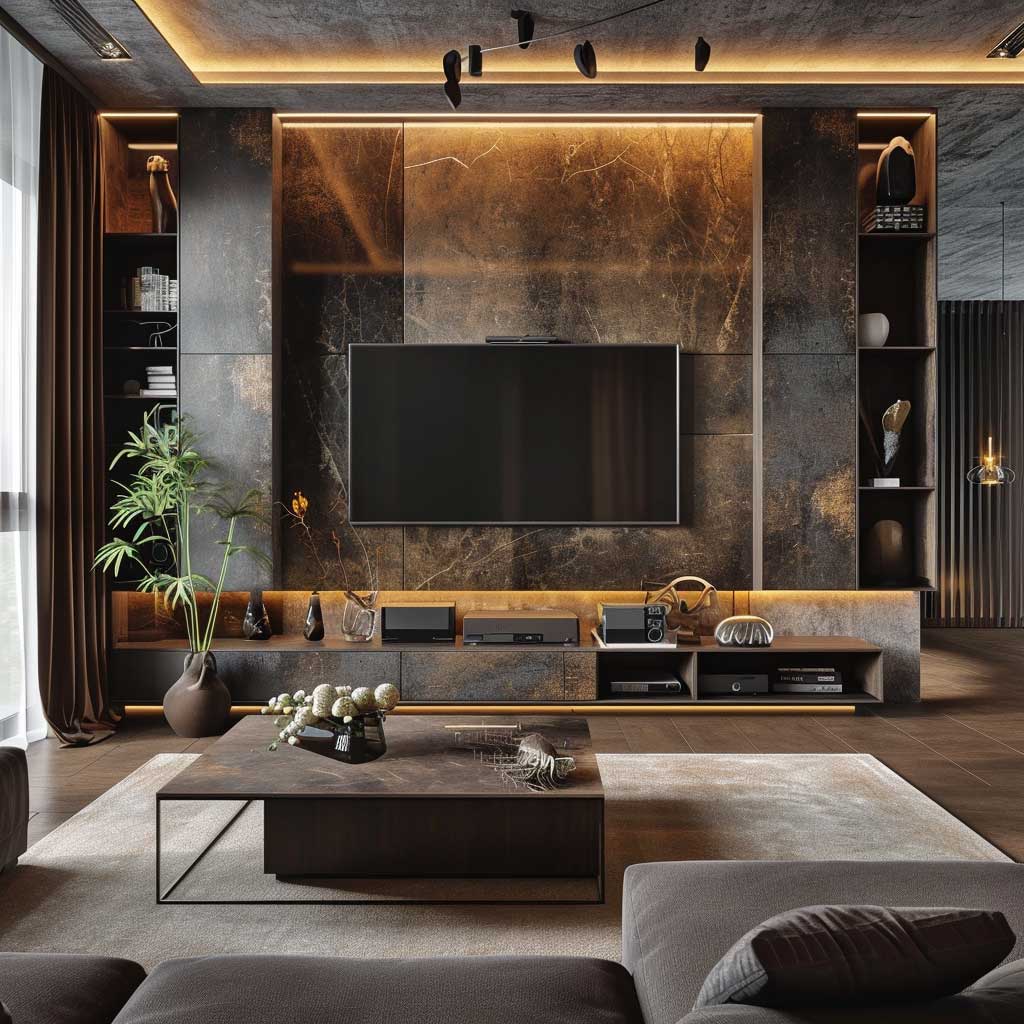
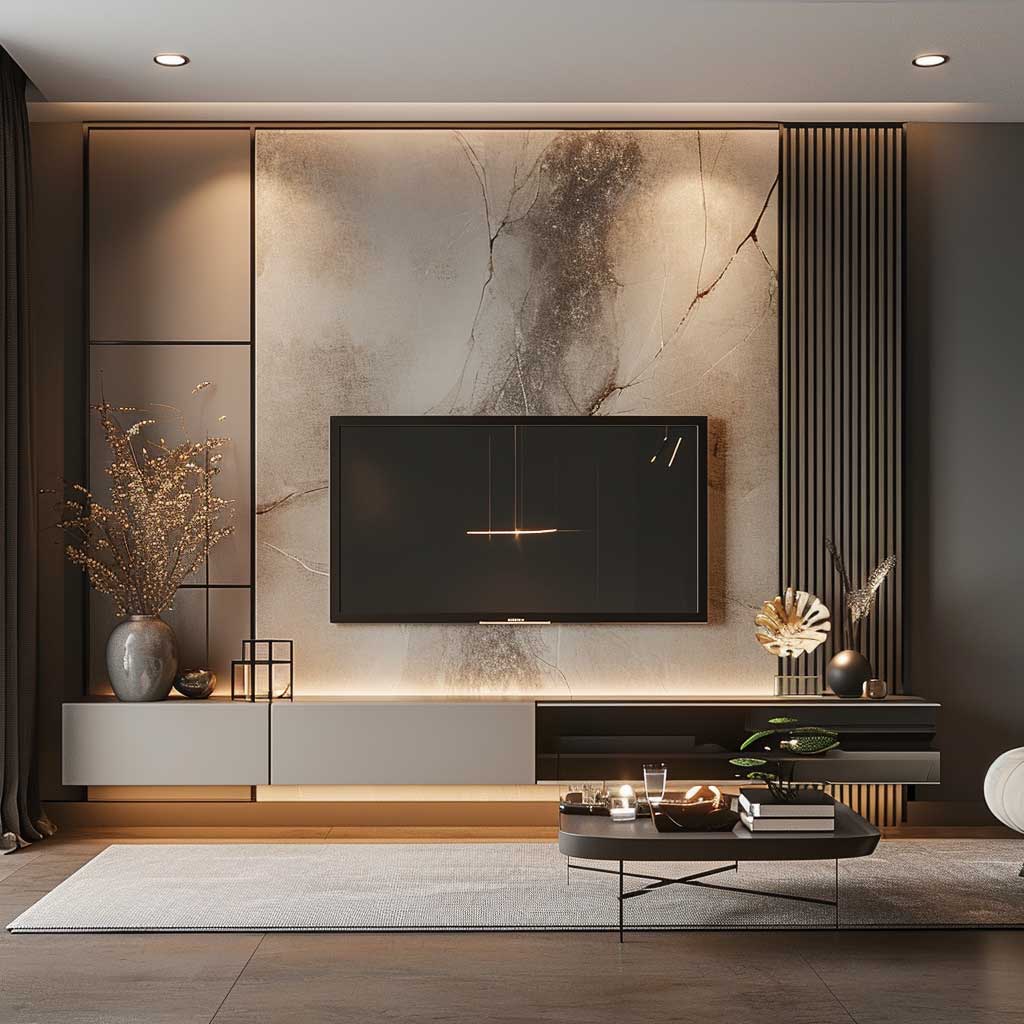
The fusion of different design elements in TV wall panels has become a hallmark of contemporary interior design. This approach blends various materials, colors, and textures to create a TV wall panel that is not only functional but also a striking piece of art in its own right. The contemporary fusion style is characterized by its versatility and ability to adapt to different interior themes, making it a popular choice for modern homes.
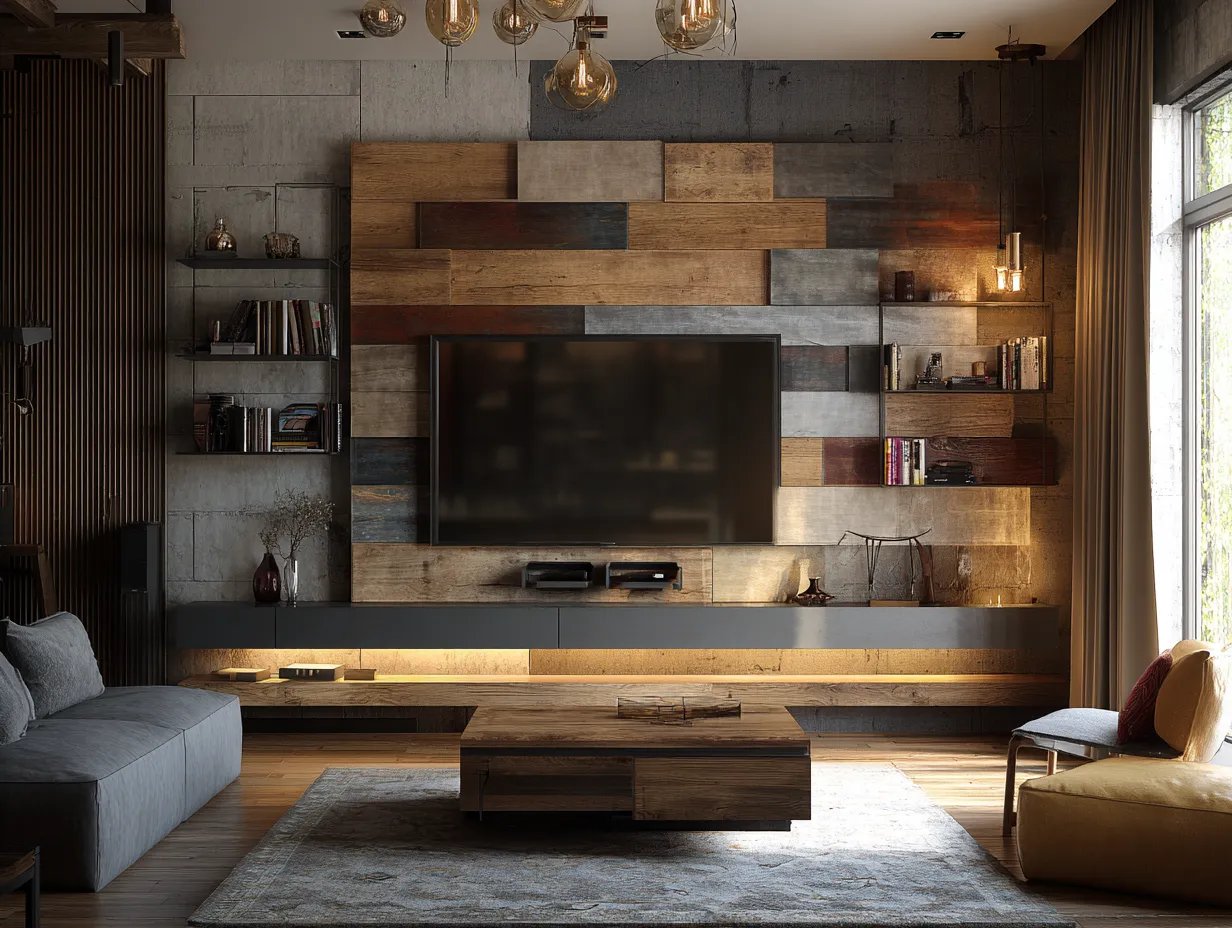
One of the key features of this style is the combination of materials. Wood and metal are often used together to create a contrast that is both visually appealing and texturally rich. The warmth of wood complements the industrial feel of metal, offering a balance that is both sophisticated and inviting. This can manifest in wooden panels with metal frames or metal shelving incorporated into a wooden backdrop. If you want to push the 3D texture route instead of flat slats, check out these creative 3D wall panel design ideas that play with light and shadow in a completely different way. The choice of materials can be tailored to the overall decor of the room, ensuring that the TV wall panel integrates seamlessly.
Don’t Do This
Matching your wall panel wood tone to your floor tone. It flattens the entire room and kills visual depth. I’ve seen it in person — a beautiful walnut slat wall sitting above identical walnut flooring. Looked like the inside of a shipping crate.
Gluing panels directly to drywall without furring strips. You lose all cable-routing space behind the panel, and removal later means ripping off chunks of drywall.
Using high-gloss PVC panels on a wall that gets direct sunlight. The glare is blinding. Always test a single panel in afternoon light before committing to the full set.
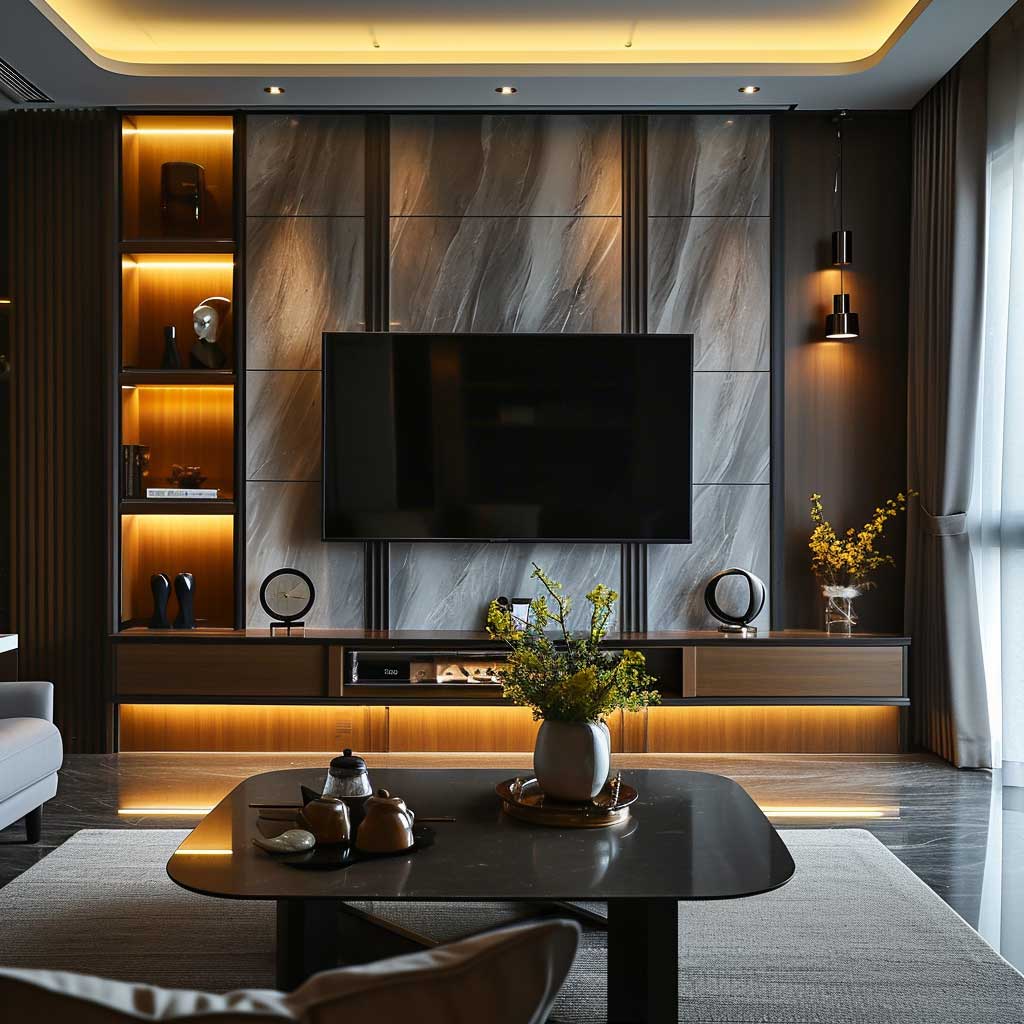
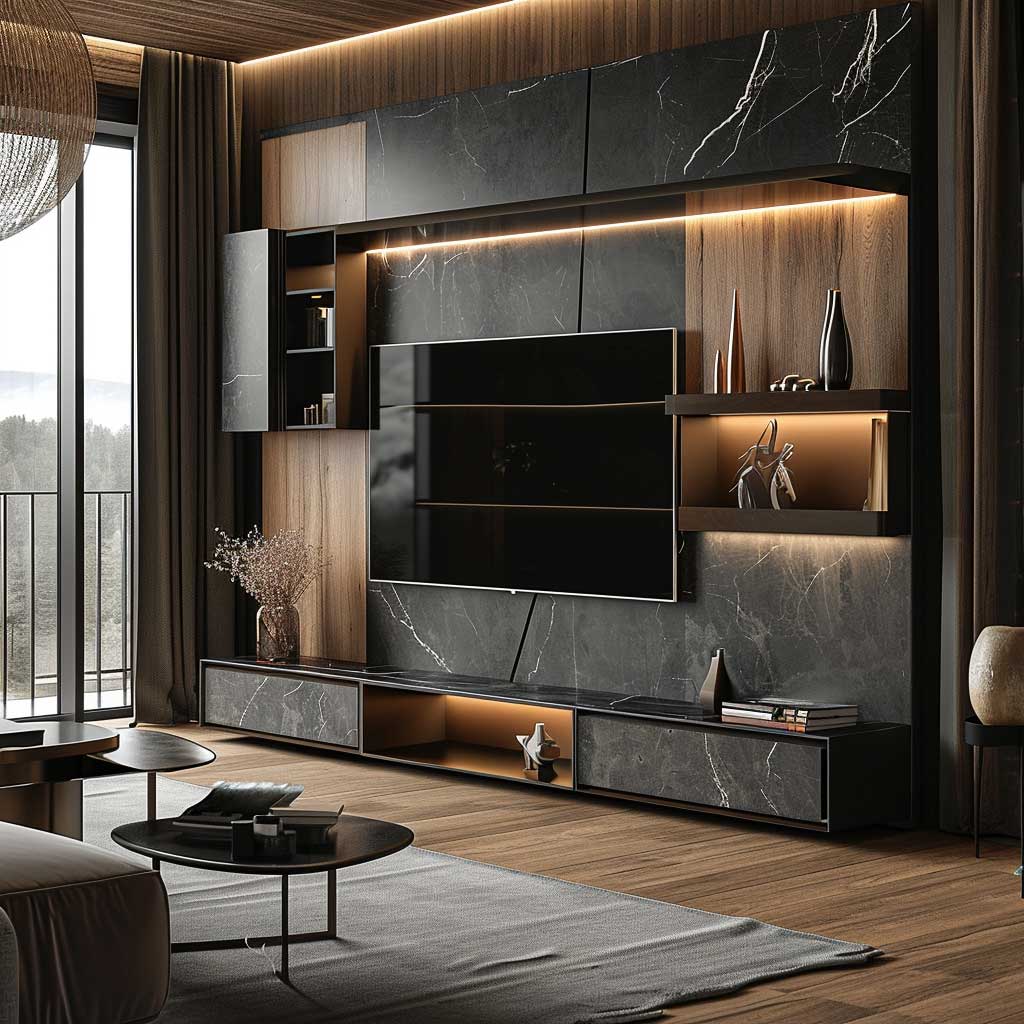
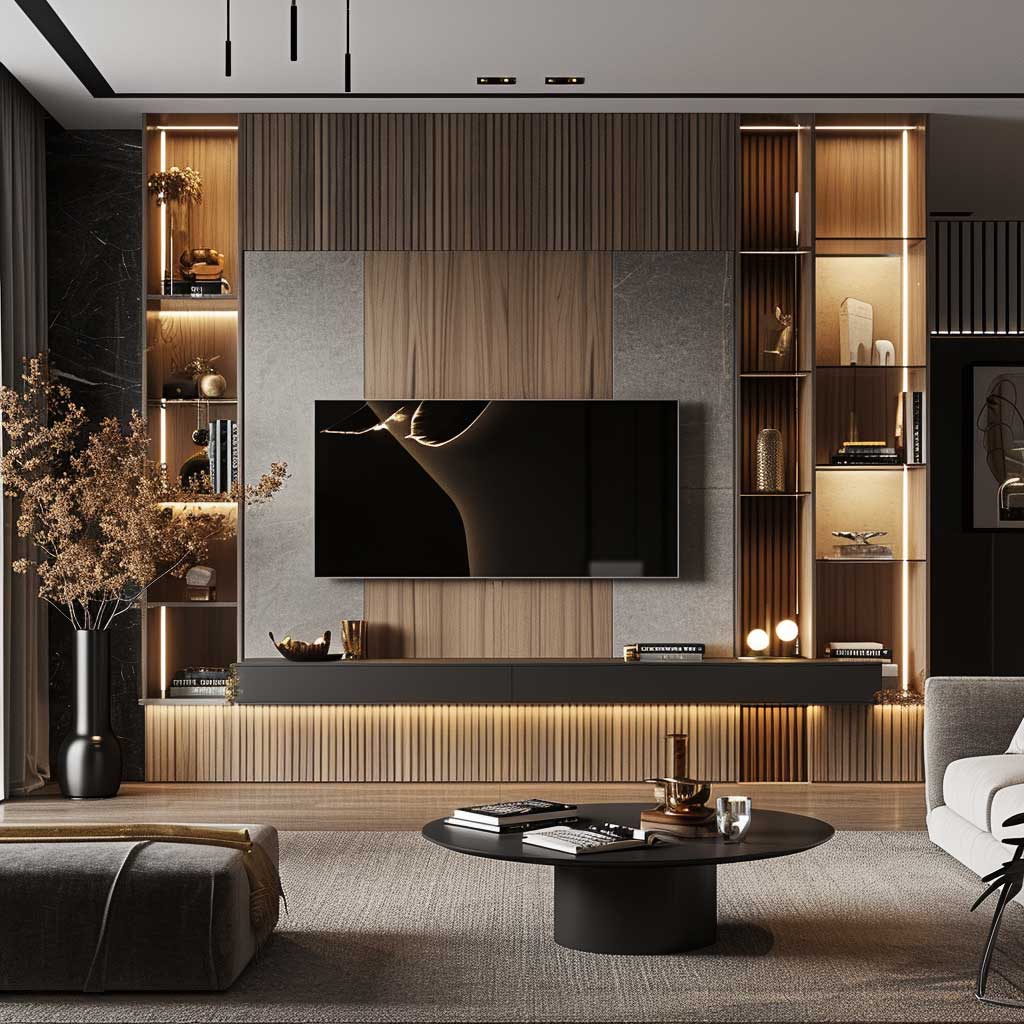
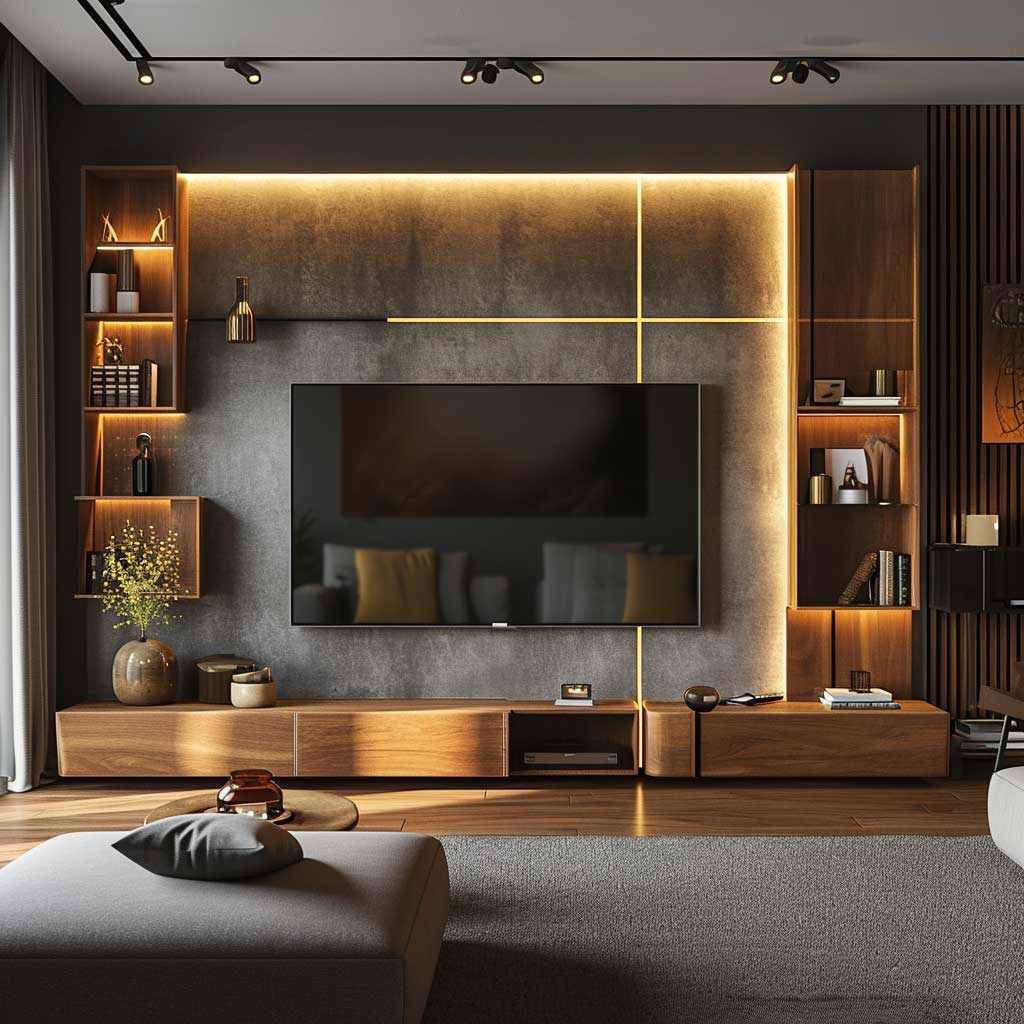
Integrated shelving units are another aspect of contemporary fusion TV wall panels. These units are not just practical storage solutions but also contribute to the overall design. Shelves can be arranged asymmetrically or in unique patterns, adding a dynamic element to the wall. They provide a space to display decorative items, books, or media equipment, adding personality and character to the room.
Wood slat panels from Amazon: $90. Custom millwork for the same wall: $1,200. The difference at arm’s length? Almost invisible.
Lighting plays a pivotal role in these designs. Ambient lighting can be used to highlight the textures and colors of the panel, creating a focal point in the room. This could include backlighting the TV or installing accent lights on the shelving. The lighting should be designed to complement the materials and colors of the panel, enhancing the overall aesthetic.
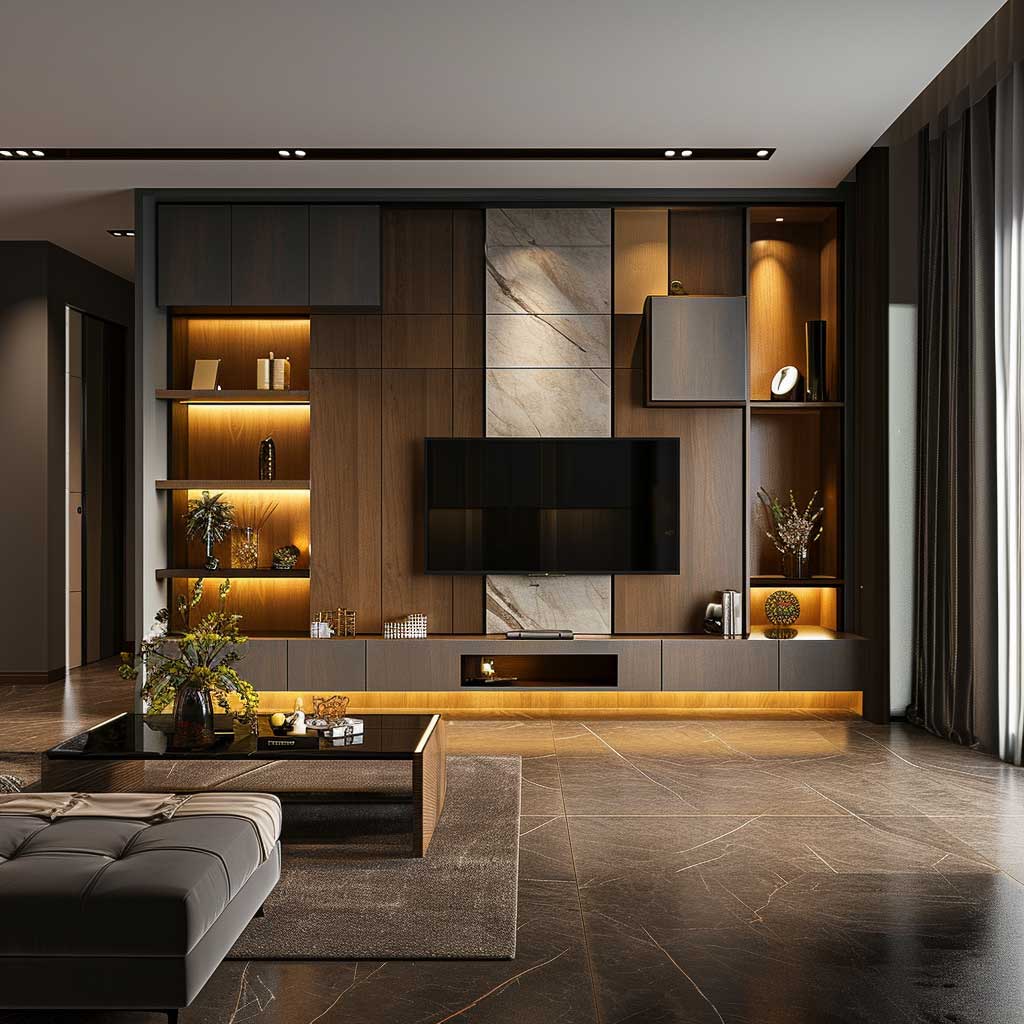
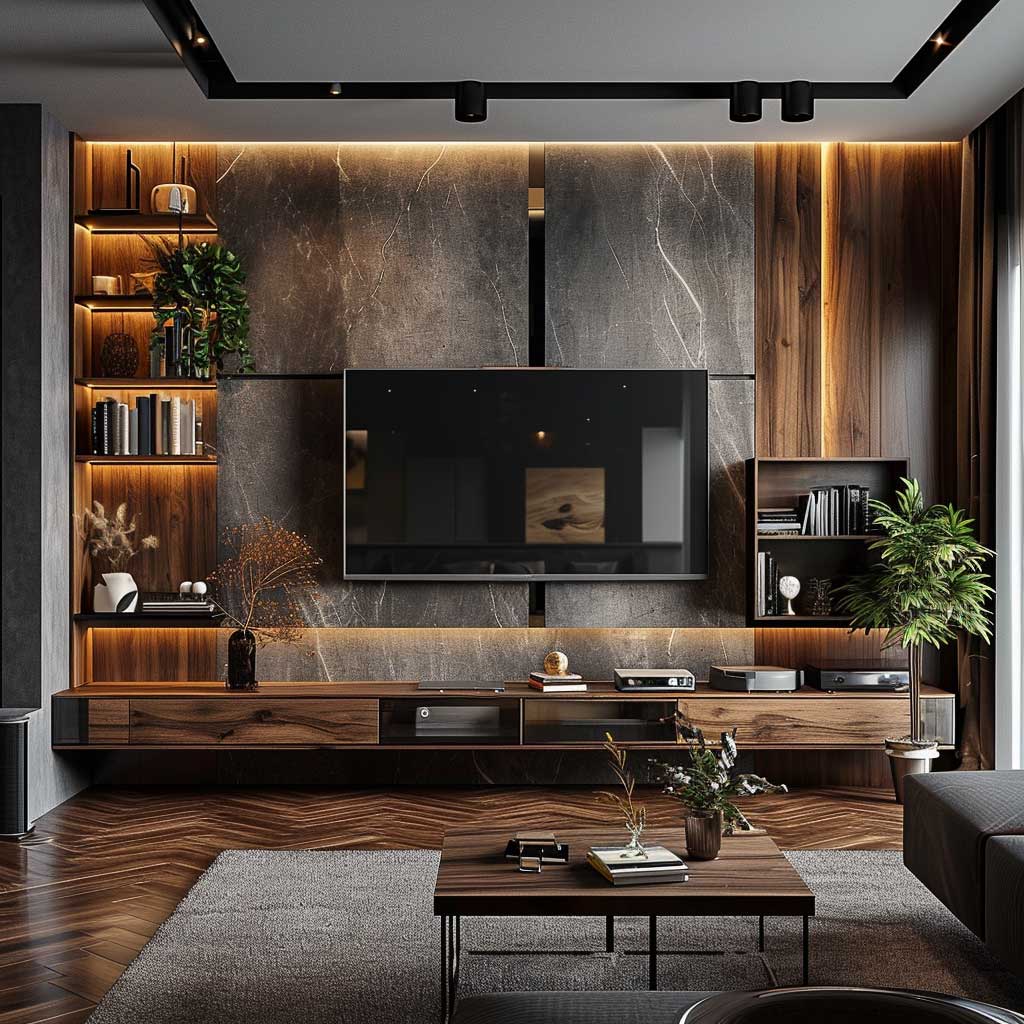
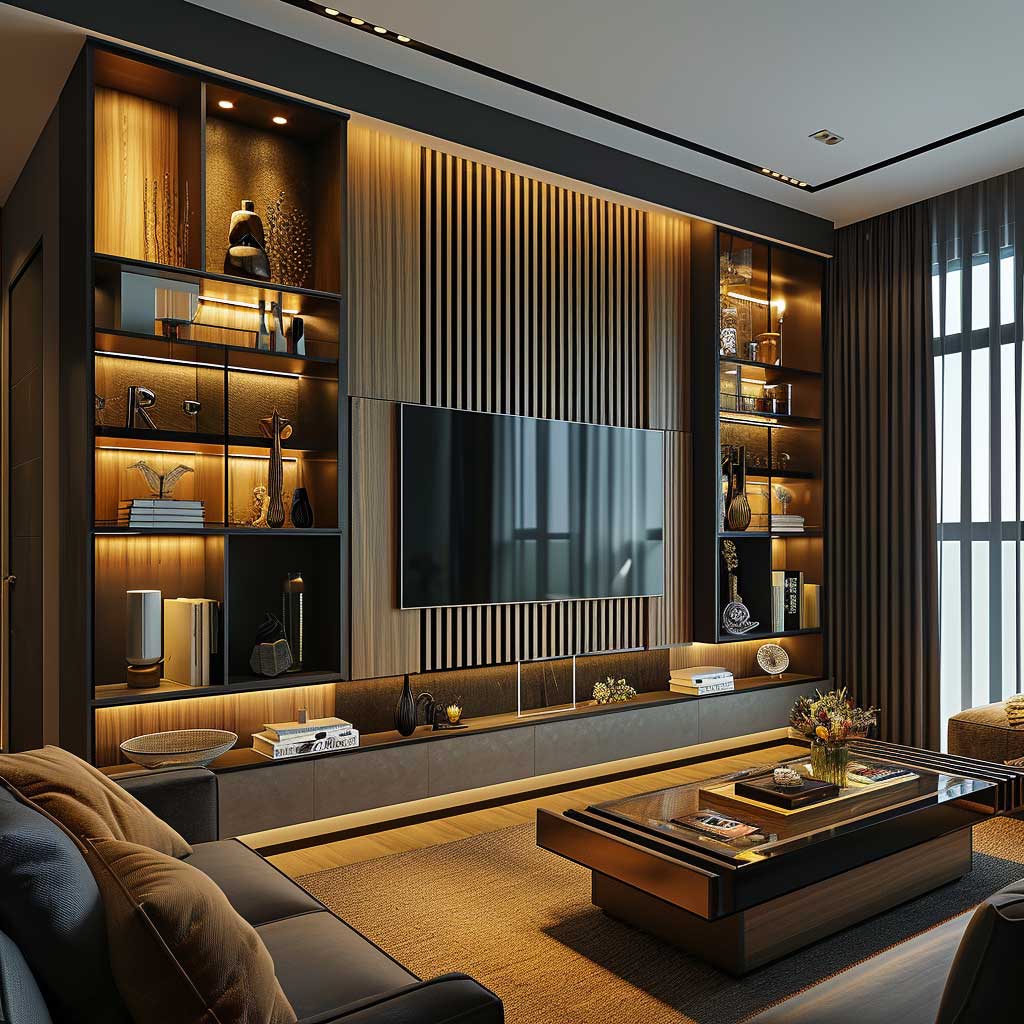

Color is a powerful tool in creating a contemporary fusion style. While neutral tones provide a backdrop, pops of color can be used to bring energy and vibrancy to the space. This could be achieved through colorful accessories on the shelves or a bold accent color on the panel itself. The use of color should be strategic, aimed at creating a harmonious yet lively ambiance.
The incorporation of technology is essential in modern TV wall panels. Smart features such as cable management systems, integrated speakers, and customizable lighting controls can enhance the functionality of the panel. The technology should be integrated in a way that complements the design, ensuring that it adds to the convenience without disrupting the aesthetic.
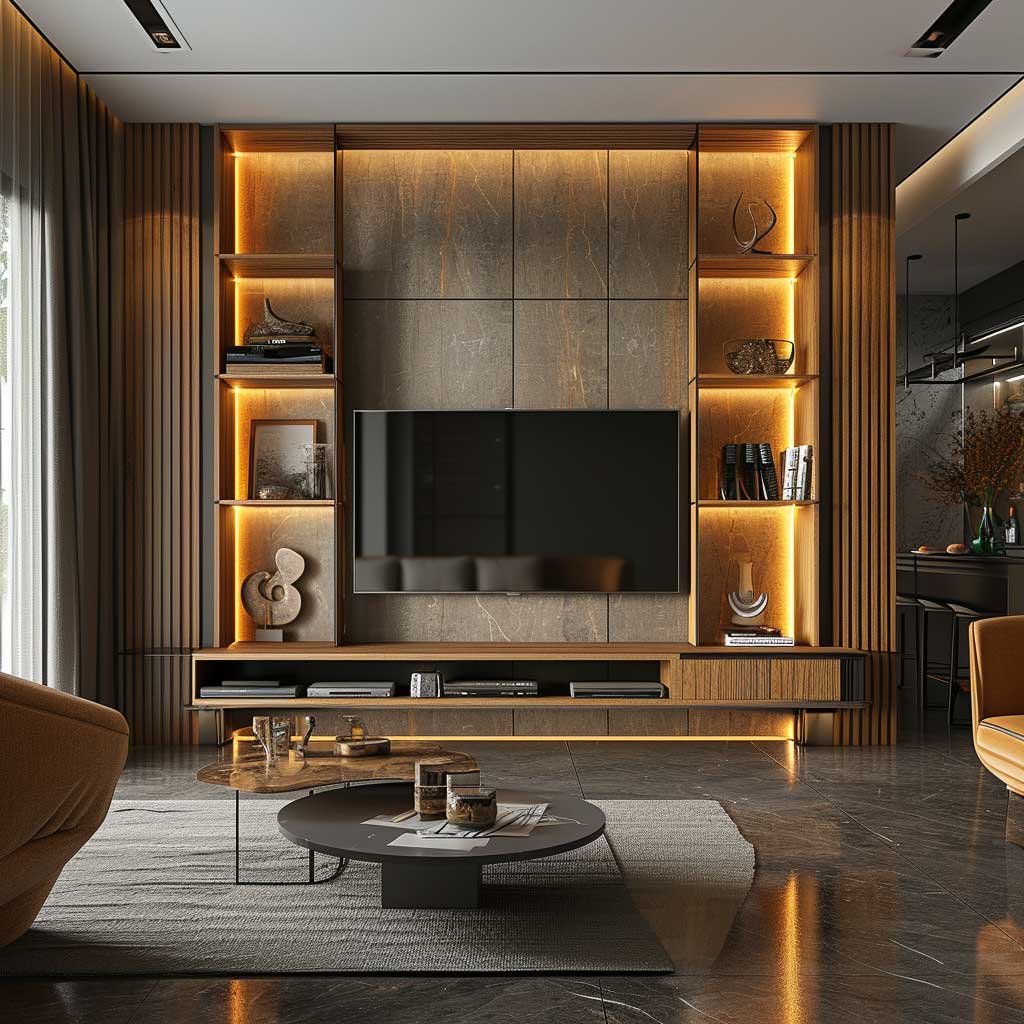
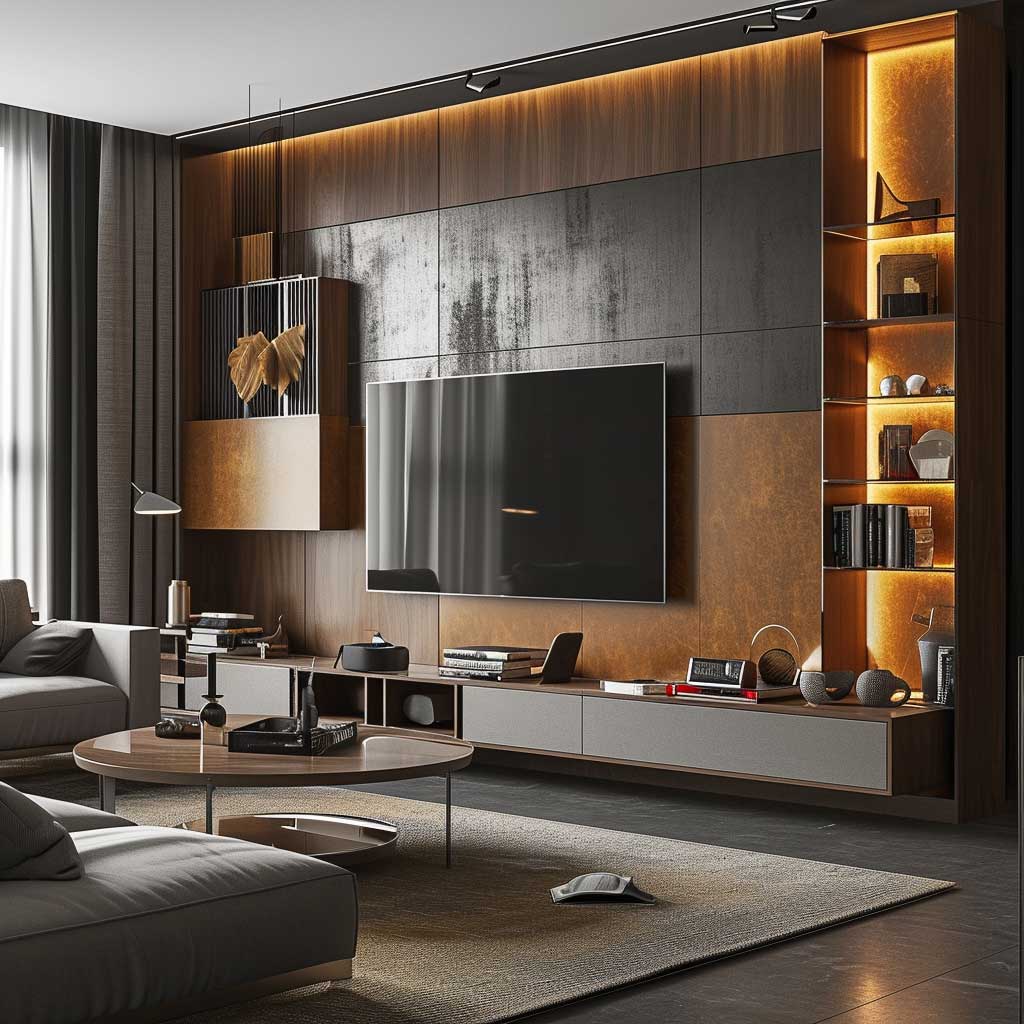
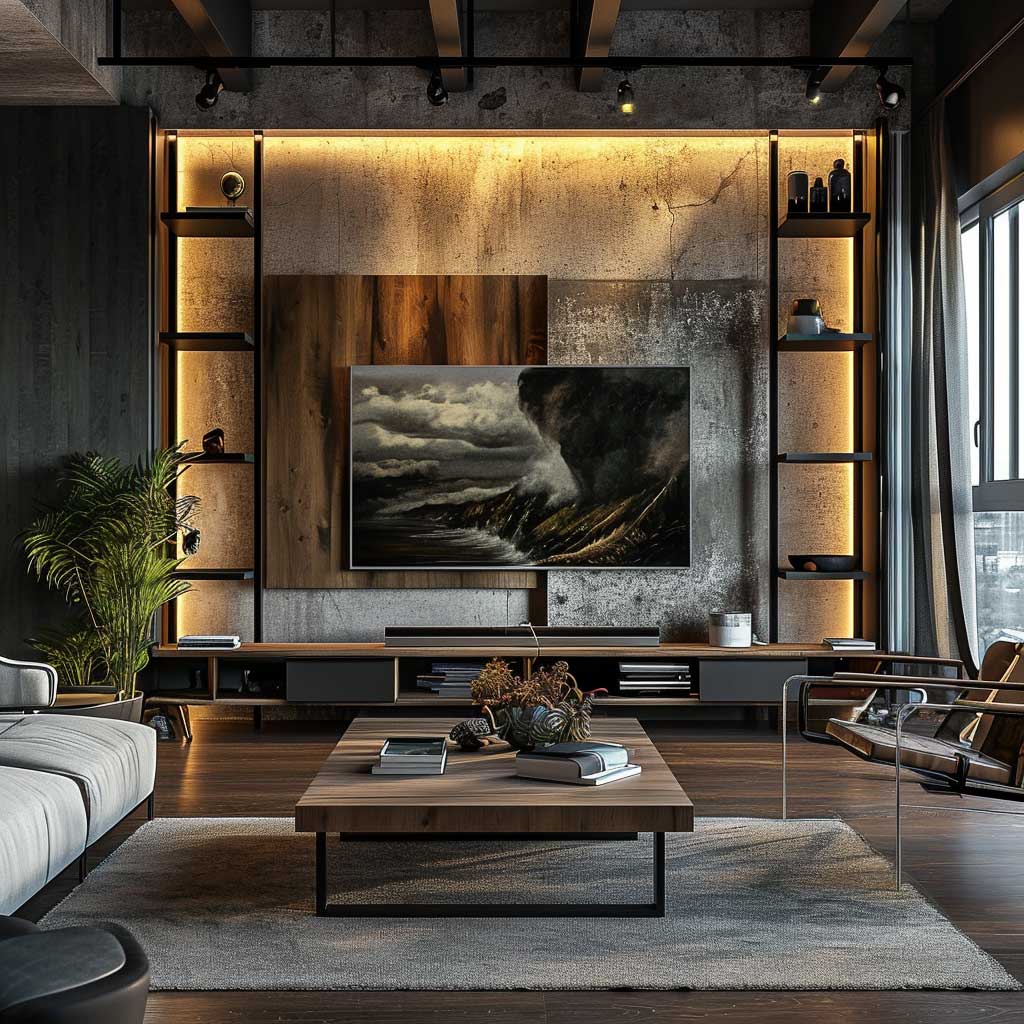
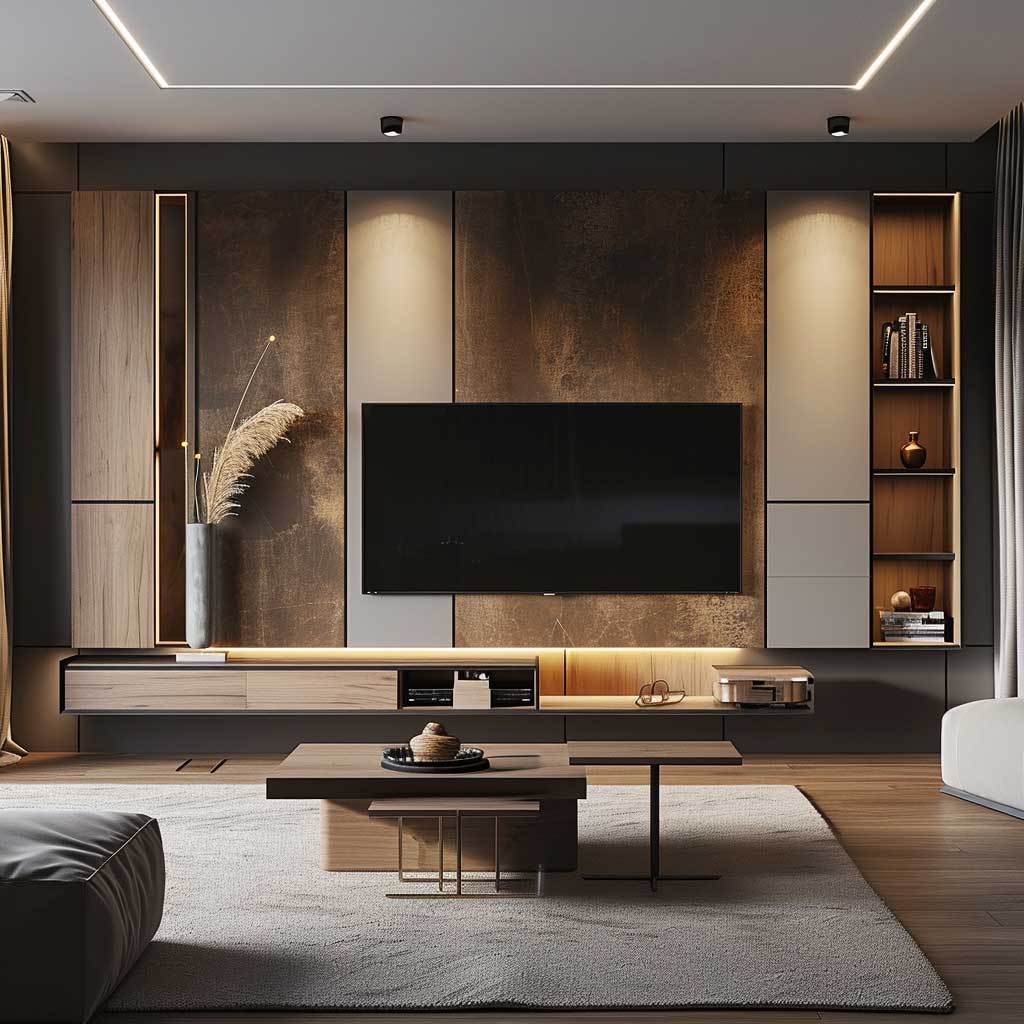
In summary, contemporary fusion in TV wall panel styles represents a blend of materials, colors, and textures that come together to create a visually stunning and functional element in modern living spaces. This style allows for a high degree of customization, enabling homeowners to create a TV wall panel that reflects their personal style and complements the interior decor of their home. Through the thoughtful combination of design elements, these TV wall panels become more than just a place to mount a television; they become a central feature of the home’s design.
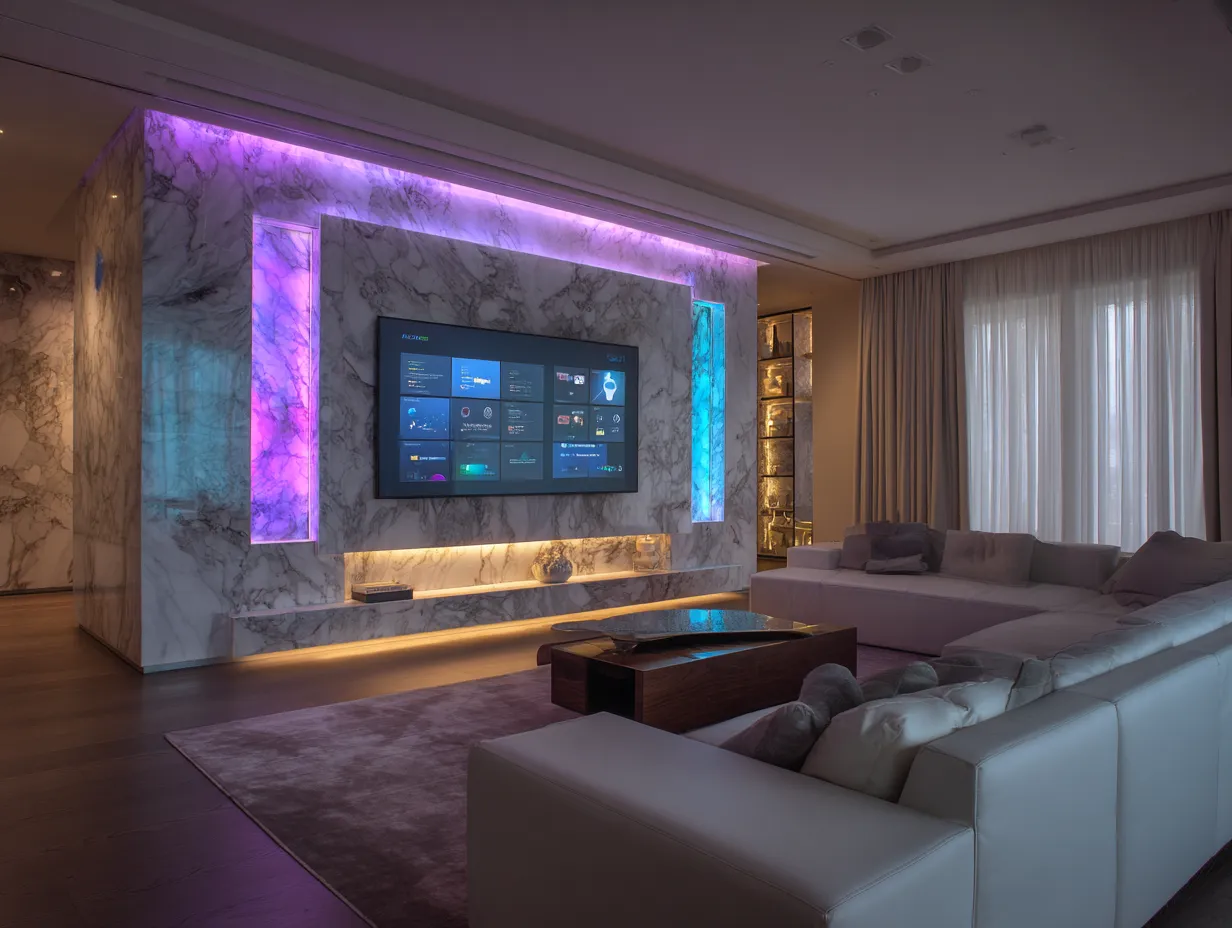
Modern LED TV Wall Panel Design with Smart Features
Govee’s RGBIC LED strip kit costs $16 and changes the entire vibe of a wall panel. Stick it to the back edge of your panel, about 3 cm from the outer rim. Route the cable down behind the panel to a smart plug. Now you’ve got bias lighting that reduces eye strain and makes a $300 flat panel look like a $3,000 custom installation.
I tested three cable management systems before finding one that works. The $12 cable raceway from D-Line on Amazon snaps right over your HDMI and power cables and can be painted to match your panel. Skip the in-wall kits unless you’re comfortable cutting drywall — I’ve seen too many DIYers hit a water pipe. The external raceway looks just as clean once you paint it.
Voice control integration sounds fancy but it’s just a $25 smart plug and an Alexa routine. Panel backlighting, TV power, and soundbar all turn on with one command. Future wall design isn’t about spending $10,000 on a custom build. It’s about stacking cheap smart-home gadgets behind a well-designed panel. The panel hides the mess, the tech does the work.
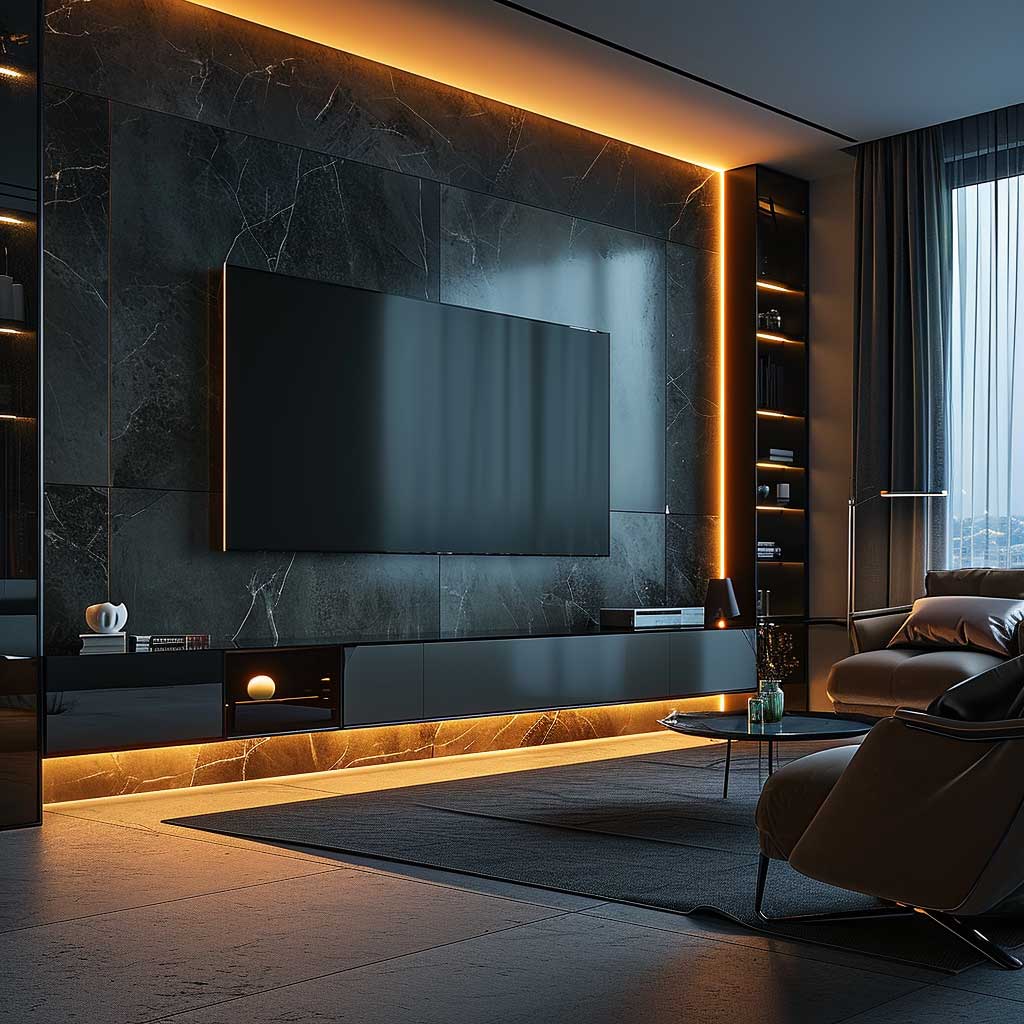
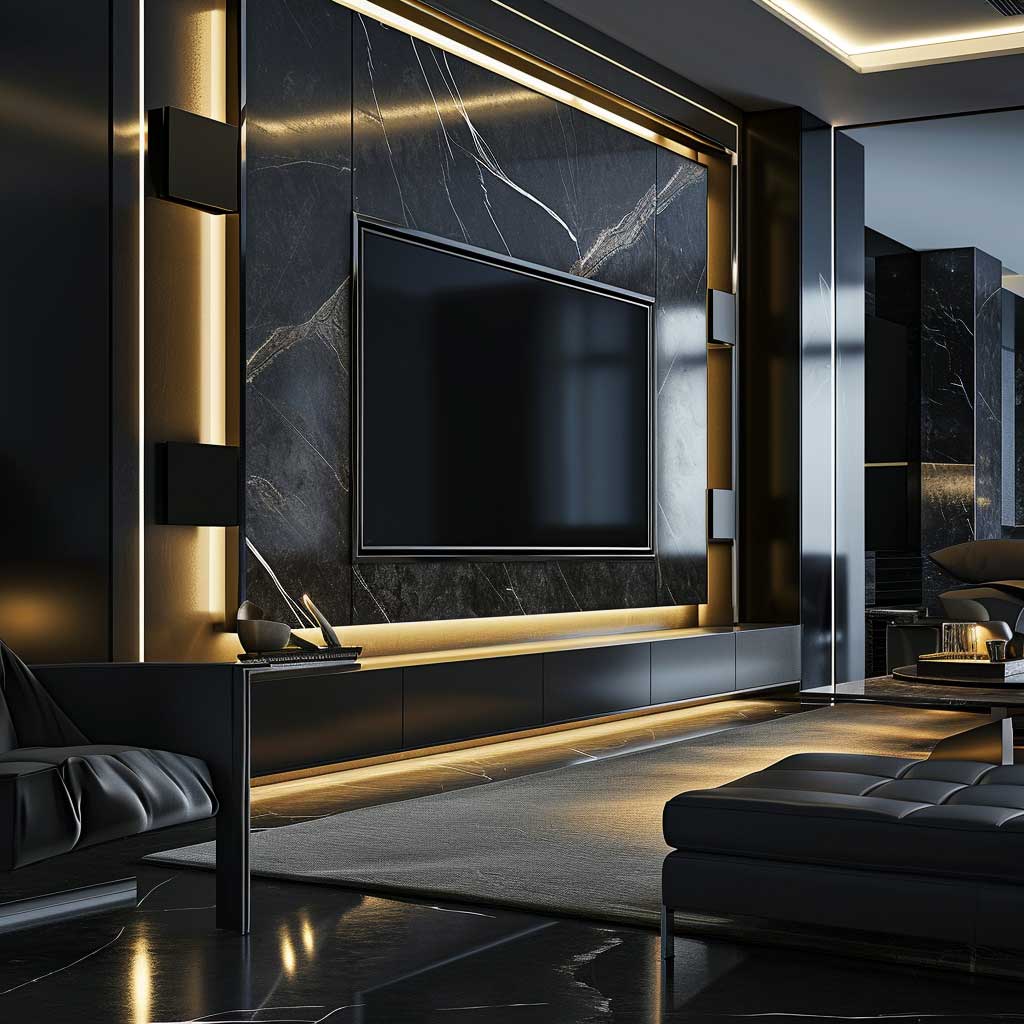
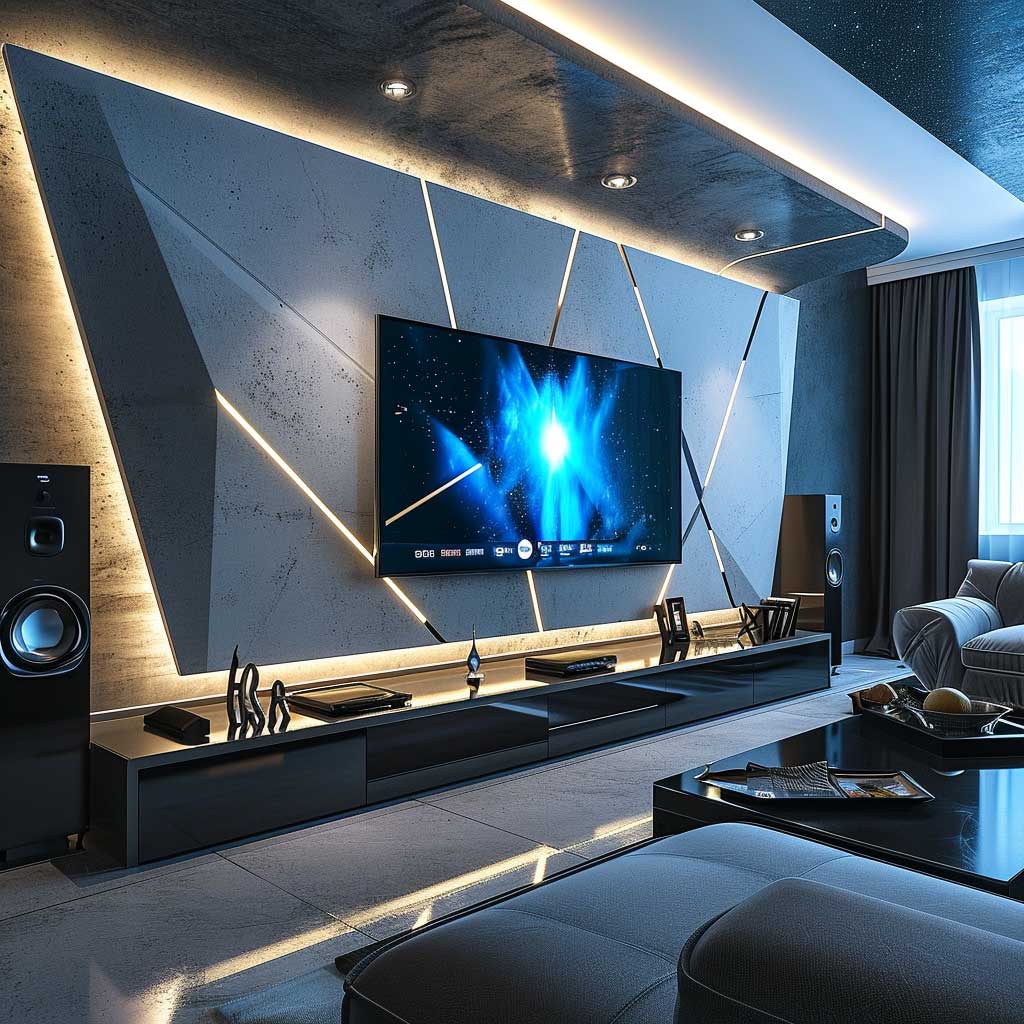

The modern home entertainment experience is about much more than just watching TV. It’s about creating an immersive environment where technology and design converge. An innovative TV wall panel with integrated technology is at the forefront of this trend, offering not just a platform for the television but a complete multimedia experience.
In these designs, the TV wall panel is no longer just a backdrop but a central piece of the home’s technological ecosystem. The integration of smart technology is key, with features such as built-in wireless streaming, voice control capabilities, and connectivity with other smart home devices. This integration allows for a seamless and intuitive user experience, where all multimedia and smart home functions can be controlled from one central point.
The aesthetics of the panel are as important as its technological features. The design needs to be sleek and futuristic, often featuring clean lines and a minimalist approach. Materials like glass, metal, and high-gloss finishes are commonly used to give the panel a modern and sophisticated look. For a deeper look at how simple material choices create high-impact results, Home Designing’s roundup of simple TV wall ideas breaks down twelve real living rooms where the panel does all the heavy lifting. The panel may also include customizable elements, such as interchangeable panels or LED lighting, allowing homeowners to tailor the appearance to their personal taste and the decor of the room.
Voice control sounds expensive. It’s a $25 smart plug and a free Alexa routine. That’s it.


Hidden wiring is a crucial aspect of these designs. The goal is to have all cables and connections neatly concealed, maintaining the sleek look of the panel. This might involve clever cable management systems or the use of wireless technology to reduce the need for visible wiring. The result is a clean and uncluttered space where the technology blends seamlessly into the design.
$16 LED strip + $12 cable raceway + a matte panel = a wall that looks like it cost $3,000. Total real cost: under $400.
Customizable LED lighting systems add another dimension to these TV wall panels. LED lights can be used to create ambiance, with the ability to change colors and intensity based on the content being viewed or the mood of the room. This lighting can also highlight the design features of the panel, drawing attention to its architectural elements.

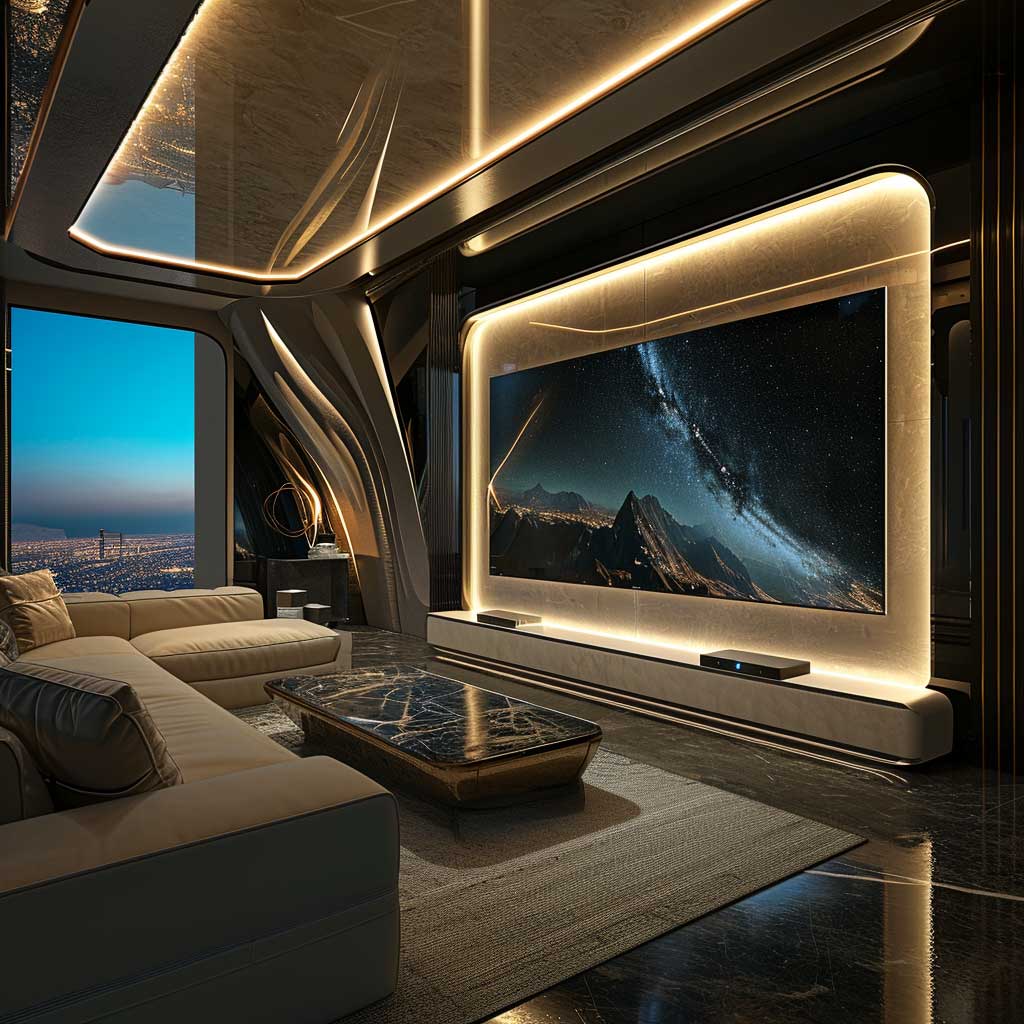


The layout and placement of the panel are carefully considered to ensure optimal viewing and aesthetic appeal. The panel should be at the right height for comfortable viewing and positioned to minimize glare. It may also be designed to rotate or adjust, allowing for different viewing angles and flexibility in room layout.
How to Install a Modern TV Wall Panel
A step-by-step process for mounting wall panels behind your TV with hidden cable management and optional LED backlighting.
Tools and Materials:
- Drill with screwdriver bits
- Level
- Stud finder
- Construction adhesive
- Wall panels (PVC, MDF, or wood slat)
- Furring strips (1×2 lumber)
- LED strip kit (optional)
- Cable raceway or cord cover
Find and mark your wall studs
Use a stud finder to locate and mark every stud across the wall. Furring strips and your TV bracket must anchor into studs. Mark them with painter’s tape so you don’t lose track.
Install horizontal furring strips
Screw 1×2 furring strips horizontally into studs, spaced 16 inches apart. This grid creates the gap behind your panels for cable routing. Check level on every strip before securing.
Route cables behind the furring strip grid
Run your HDMI cable, power cord, and LED strip wiring through the gap between the wall and the furring strips. Secure loose cables with adhesive clips. This step is much harder after panels are up. Don’t skip it.
Mount panels to furring strips
Apply construction adhesive to the back of each panel and press onto the furring strip grid. For wood slat panels, also secure with finishing nails or screws. Start from the bottom and work up. Check level every third panel.
Attach TV bracket through the panel into studs
Drill through the panel and furring strip into the stud behind. Use lag bolts rated for your TV weight — never rely on the panel material alone. PVC and MDF have zero load-bearing capacity. The stud does all the work.
Add LED backlighting and test
Stick LED strip to the back outer edge of the panel frame, about 3 cm from the rim. Connect to the pre-routed power cable. Test all lighting modes before pushing the TV flush against the wall. Adjust strip position if the light leaks unevenly.
Save This for Your Next Weekend Project
Every modern tv wall panel setup here started the same way — a boring flat wall and a floating TV that looked like an afterthought. The fix isn’t complicated. Pick a panel material, add hidden cable management, throw on some LED bias lighting, and your living room jumps three tax brackets in appearance. I’ve done this four times in four different apartments. Takes one Saturday. Costs less than a nice dinner for two.
Pin the ones that match your vibe. Text the link to whoever keeps saying your living room needs “something.” This is that something.
Related Topics