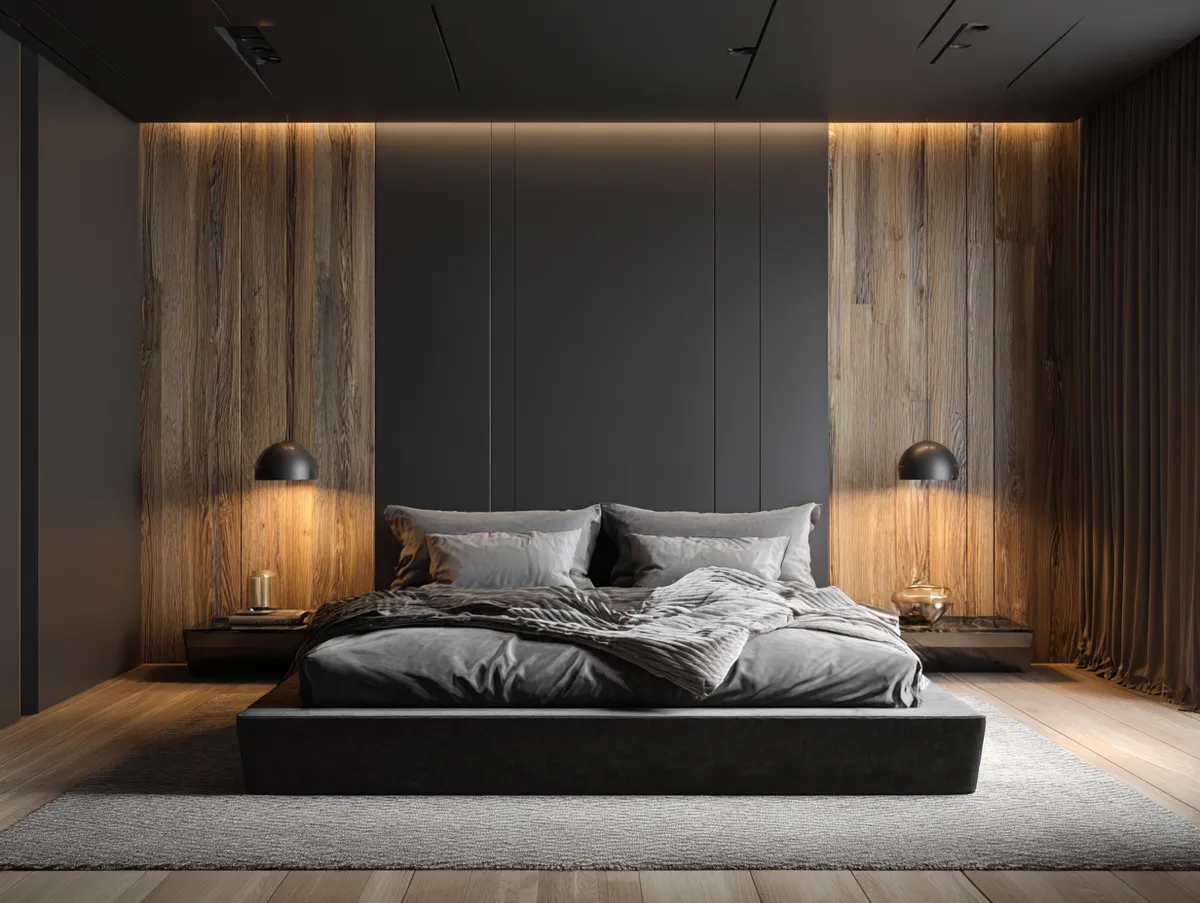
Panel painting ideas work because color on molding does two jobs at once: it sets the mood and it shows off the shadow lines that plain drywall never has. A weekend is usually enough, since typical DIY guides put a full paneled wall at about 2 days and $50–$100 in supplies. Hiring out costs more, with average interior painting rates near $3.30 per square foot. For most rooms, the paint, not the paneling, decides whether the wall looks custom or dated.
Which approach fits which room? Calm gray layers suit living rooms, soft warm tones suit wood-paneled bedrooms, and saturated color suits a study where you want energy at the desk. Each one works on MDF, real wood and veneer as long as you clean, scuff-sand with 150-grit paper and prime first. Skip the primer and even premium paint can flake within months, so treat prep as half the project.
Quick Scan
- DIY panel painting typically takes about 2 days and $50–$100 in supplies; pros average around $3.30 per sq ft.
- Gray monochrome vs bold color: one family of grays calms a living room, saturated hues wake up a study.
- Light gray near LRV 58 reads airy; charcoal near LRV 10 makes molding look carved.
- Bedroom panels look warmest under 2700K bulbs; study panels read truer under 4000K.
- Whitewash runs about $25–$40 per room vs $60–$150 for full opaque paint.
- One gallon of primer covers roughly 250–400 sq ft, and tannin-rich wood may need 2 coats.
- Dark paint hides grooves; white highlights every seam on cheap sheet paneling.
Gray Monochrome Panels Give a Living Room Quiet Depth


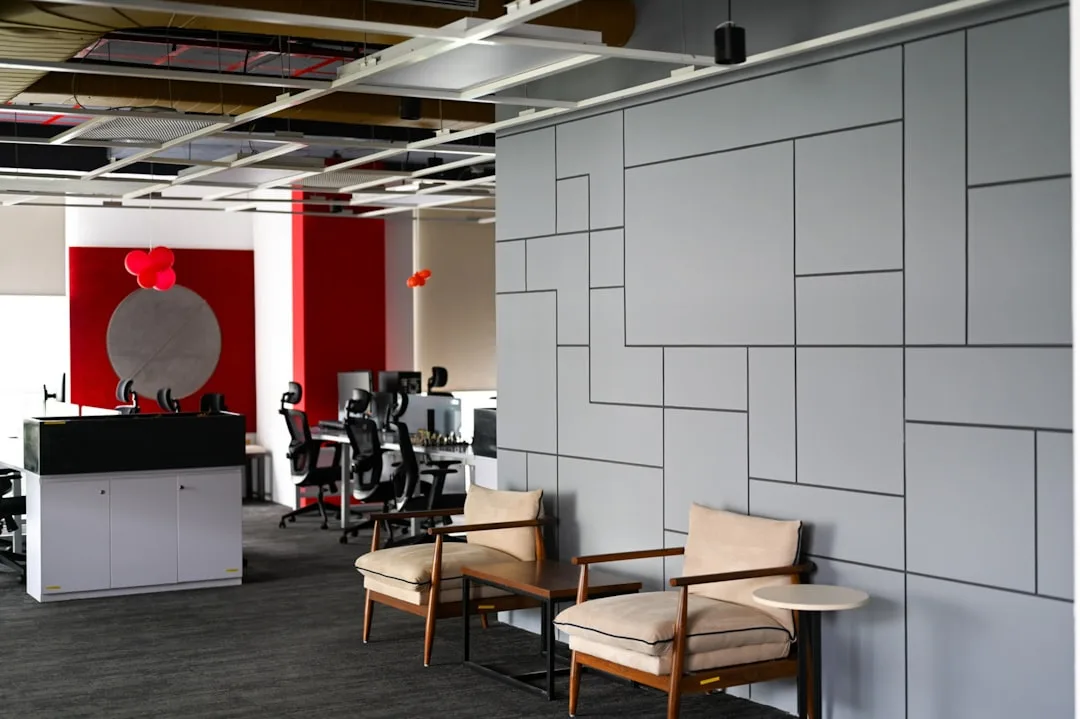
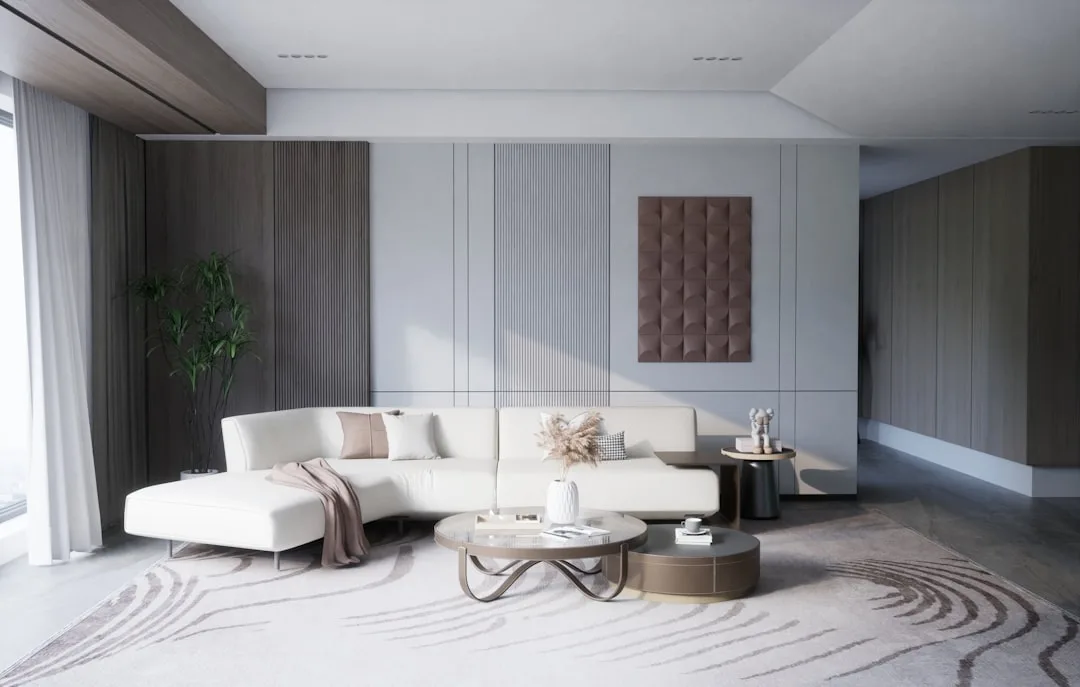
Painted paneling ideas built on a single gray family suit living rooms best, because the molding supplies the drama and the one-color palette keeps it quiet. Paint makers rate every shade by light reflectance value, a 0–100 scale where 0 is black and 100 is white, and most interior colors land between roughly 3 and 92. A light gray around LRV 58 keeps panel faces airy, while a charcoal near LRV 10 makes the same frames look deeply carved. Pick three steps of one gray for trim, field and accent, and check them side by side on the LRV chart before buying.
Does sheen matter as much as color on panels? Often it matters more: matte hides tiny dents but scuffs easily, while eggshell or satin wipes clean and catches a thin highlight on every raised edge. High gloss on old sheet paneling acts like a flashlight across a dusty table, revealing every seam and dimple. Keep gloss for narrow trim only and let the large panel fields stay at eggshell or satin.
Older veneer needs a different starting point than fresh MDF, and these wood paneling makeover ideas with cost-per-room comparisons show how paint, whitewash and molding stack up before you commit to gray. Typical budgets there run $60–$150 for full opaque paint vs $25–$40 for a whitewash. Dark grays and navy swallow the vertical grooves, while white exposes each seam on 4×8 sheets. If your paneling is grooved sheet stock, lean toward the darker end of the gray family.


Light direction changes a gray panel more than most people expect. North-facing rooms get cool, indirect light that pulls colors grayer and darker, so color guides suggest an LRV of 70 or higher with a warm undertone there. South light does the opposite and can wash a pale gray out to near white by noon. Test two sample boards on opposite walls for 48 hours before choosing.
Evening light matters just as much as daylight. Warm white 2700K bulbs are the usual pick for living spaces, and they stop cool grays from drifting blue after sunset, while 4000K lamps can make the same wall feel like an office. Accent pieces in brass, cognac leather or one saturated rug give the monochrome scheme a focal point. Never pair a cool gray wall with cool bulbs and chrome everywhere, or the room will feel like a waiting area.
Gray panels also earn their place on practicality. A mid-tone around LRV 40 hides fingerprints and scuffs far better than bright white, which shows every brush of a shoulder or bag. Two finish coats over primer give the even color that gray needs, since thin single coats leave lap marks on wide panel fields. Keep a labeled quart of each shade for touch-ups in high-traffic corners.
Warm Wood Panel Painting Ideas for a Softer Bedroom


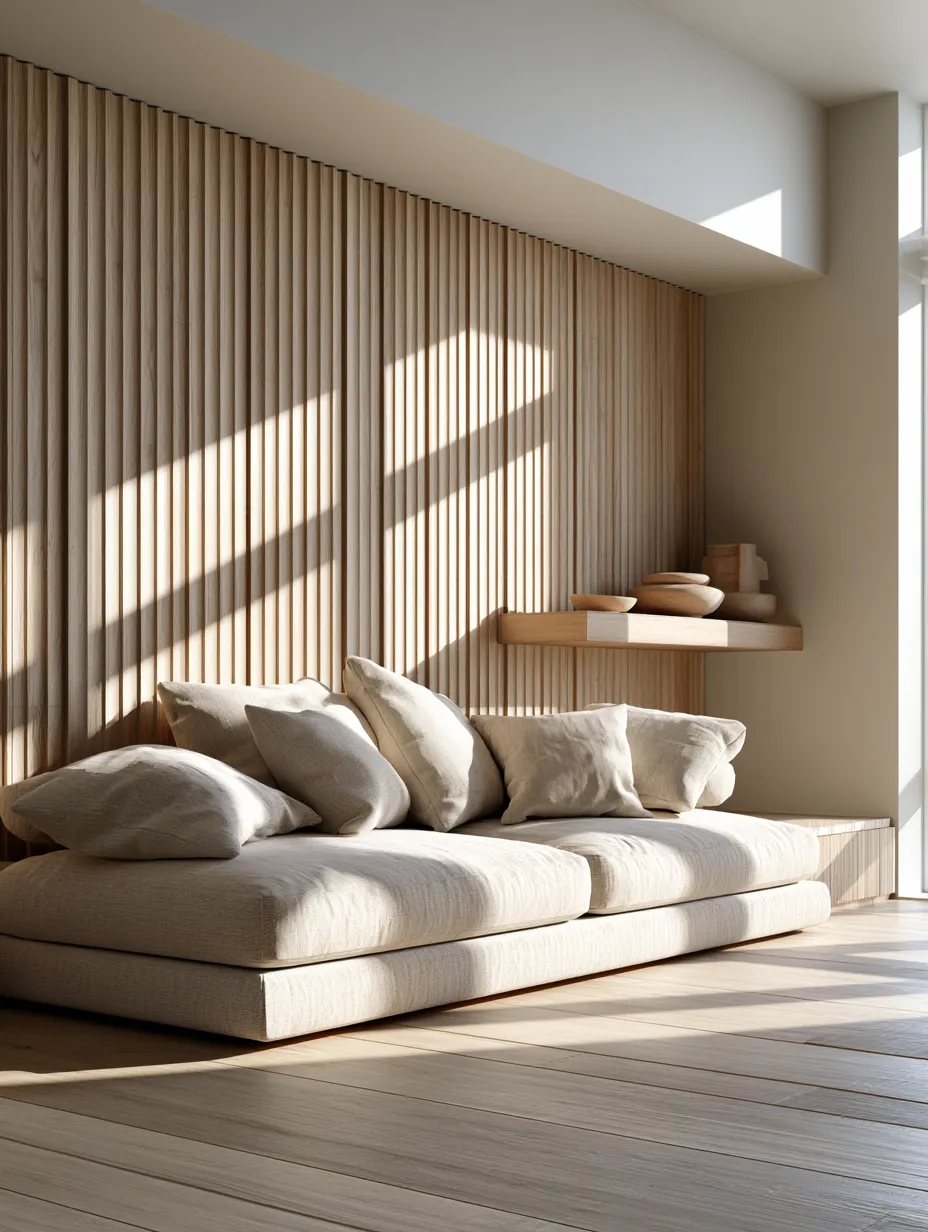
Wood panel painting ideas for bedrooms work best when the color softens the wood instead of hiding it completely. Creamy whites, oat beiges and muted clay tones keep a rustic feel while brightening a room that dark stained boards can make cave-like. Bedroom lighting guides agree on 2700K warm white bulbs, and those warm tones glow under that light rather than turning yellow. Choose your color under the bulb you will actually use at night.
Should you paint solid or let the grain show? A whitewash mixed at roughly 1 part latex paint to 1 part water keeps grain visible and costs around $28 for a typical 12×14 room, while full opaque paint gives a cleaner cottage look at higher cost. Think of whitewash as a sheer curtain and opaque paint as a blackout blind. Pick whitewash for honey-toned real wood and opaque paint for knotty or patched boards.
Real wood brings one hidden risk: tannins. Knots and resin can bleed orange through pale paint, which is why manufacturer guidance warns that tannin-rich wood may need 2 coats of stain-blocking primer. A gallon of primer covers roughly 250–400 sq ft, so a full bedroom accent wall rarely needs more than one can. Never put cream paint straight over knotty pine, or the knots will reappear within weeks.


Texture does the decorating in a painted wood bedroom. Rough-sawn boards next to linen bedding, a wool throw and a jute rug create contrast without adding a single new color. Smooth MDF panels need the opposite approach, with nubby fabrics doing the work the wood grain cannot. Keep accessories to 2 or 3 natural materials so the painted wall stays the anchor.
Lighting placement changes how painted boards read after dark. A pair of wall sconces about shoulder height throws grazing light across the grooves, while a single ceiling fixture flattens them. Bedroom guides suggest dimmable or indirect light behind the headboard for the same reason. Swap one bright overhead bulb for two warm 2700K sconces before you spend money on new décor.
Durability is a quiet bonus of painted wood. A primed and two-coated panel shrugs off headboard bumps far better than drywall, and touch-ups blend because the grooves break up the surface. Avoid flat paint behind the bed, since pillows and hands will polish it shiny within a season. Eggshell is the safer middle ground for bedrooms that see daily wear.
Bold Color Turns Study Wall Panels Into a Focus Zone


Wall panel painting ideas in a study can be braver than anywhere else in the house, because the panels contain the color instead of letting it flood the room. A saturated green or cobalt on paneling behind the desk reads as a deliberate backdrop, while the same shade on four plain walls can feel like sitting inside a paint can. Home office lighting guides recommend 4000K neutral white, which keeps bold hues accurate rather than muddy. Limit the strong color to one paneled wall and keep the other three light.
Which colors suit long work sessions? Blues and greens are the common picks for focus, while yellow and red bring energy but tire the eye faster in small rooms. A two-tone split helps here: wainscoting is often placed at about one-third of the wall height, so the bold shade sits low and a paler tone runs above. Do not paint a tiny study fully red; save hot colors for a single panel or the inside of a bookcase.
The job itself is short enough to repeat when your taste changes. A full step-by-step from Angi’s guide to painting wall paneling rates the project as easy, about 2 days start to finish, with $50–$100 in supplies vs roughly $3.30 per sq ft if you hire a painter. That gap makes a DIY repaint every few years realistic for a study. Budget for a second finish coat, since saturated colors almost never cover in one.


Bold panels need calm furniture to work. Neutral desks, simple roller shades and closed storage stop the room from looking like a toy shop, while busy patterns on top of bright walls fight for attention. A good rule is one loud element per sightline. Keep the desk surface pale so papers and screens stay easy to read against the colorful wall.
Light temperature can switch the mood without repainting. Neutral 4000K task light keeps the color crisp during work hours, and a warmer 2700K lamp in the evening softens a strong blue into something cozier for reading. That pairing works like a dimmer switch for the paint itself. Put the warm lamp on a separate switch so the room can change roles in one click.
Compare These Panel Painting Ideas Before You Buy Paint
Comparing panel painting ideas side by side saves both money and repainting time. The table below puts the main options against typical cost, effort and light settings drawn from common paint and lighting guidance. Use it to shortlist two approaches, then sample both on the real wall.
| Idea | Best room | Typical LRV range | Bulb color | DIY cost per room | Hands-on time |
|---|---|---|---|---|---|
| Gray monochrome layers | Living room | 10 (charcoal) to 58+ (light gray) | 2700K | $60–$150 | 4–6 hours |
| Warm opaque cream or beige | Bedroom | 70+ in north light | 2700K | $60–$150 | 4–6 hours |
| Whitewash over real wood | Bedroom, cabin, coastal rooms | Depends on wood tone | 2700K–3000K | $25–$40 | 2–3 hours |
| Bold single accent wall | Study, home office | Low to mid (saturated hues) | 4000K | $50–$100 | About 2 days incl. drying |
| Two-tone split with chair rail | Study, dining, hallway | Dark below, light above | 3000K–4000K | $100–$200 incl. molding | 3–5 hours |
Prep decides the result more than the color card does. A reliable sequence for any of these panel painting ideas looks like this:
- Wash the panels with dish soap or TSP and let them dry fully.
- Fill dents and gaps with wood filler or paintable caulk.
- Scuff-sand with 150-grit paper, skipping sanding on faux vinyl veneer.
- Brush primer into grooves first, then roll the flat faces; add a second coat over stains or knots.
- Apply 2 finish coats, rolling over grooves before the brushed paint dries.
Planning mistakes cost more than paint mistakes, and this rundown of common wall panelling mistakes that ruin a clean finish covers the measuring and leveling side. Adding a 10–15% buffer to material orders prevents mismatched batches, while a laser level beats trusting old baseboards. Rushed caulking shows up instantly once dark paint goes on. Finish every seam before the first coat, not after.
Don’t Do This
- Don’t paint varnished panels without sanding and priming; peeling can start within months.
- Don’t use bright white on 1970s 4×8 sheet paneling; it spotlights every fake seam that charcoal or navy would hide.
- Don’t sand faux vinyl veneer; you will strip the surface layer and expose pressed board.
- Don’t light a cool gray wall with 4000K bulbs in a living room; 2700K keeps it warm after dark.
- Don’t stop at 1 coat of saturated color; plan for 2 finish coats every time.
Pick One Wall and Commit
The strongest panel painting ideas cost less than a new sofa: around $50–$100 and 2 days of DIY work can make molding look custom-built instead of dated.
For a living room, layer one gray family from a light shade near LRV 58 to a deep accent near LRV 10, and light it with 2700K bulbs.
For a wood-paneled bedroom, choose whitewash at about $25–$40 when the grain is worth keeping, or opaque cream over 2 coats of stain-blocking primer when it is not.
For a study, confine bold color to one paneled wall, light it at 4000K, and keep furniture neutral so the color reads as intent rather than noise.