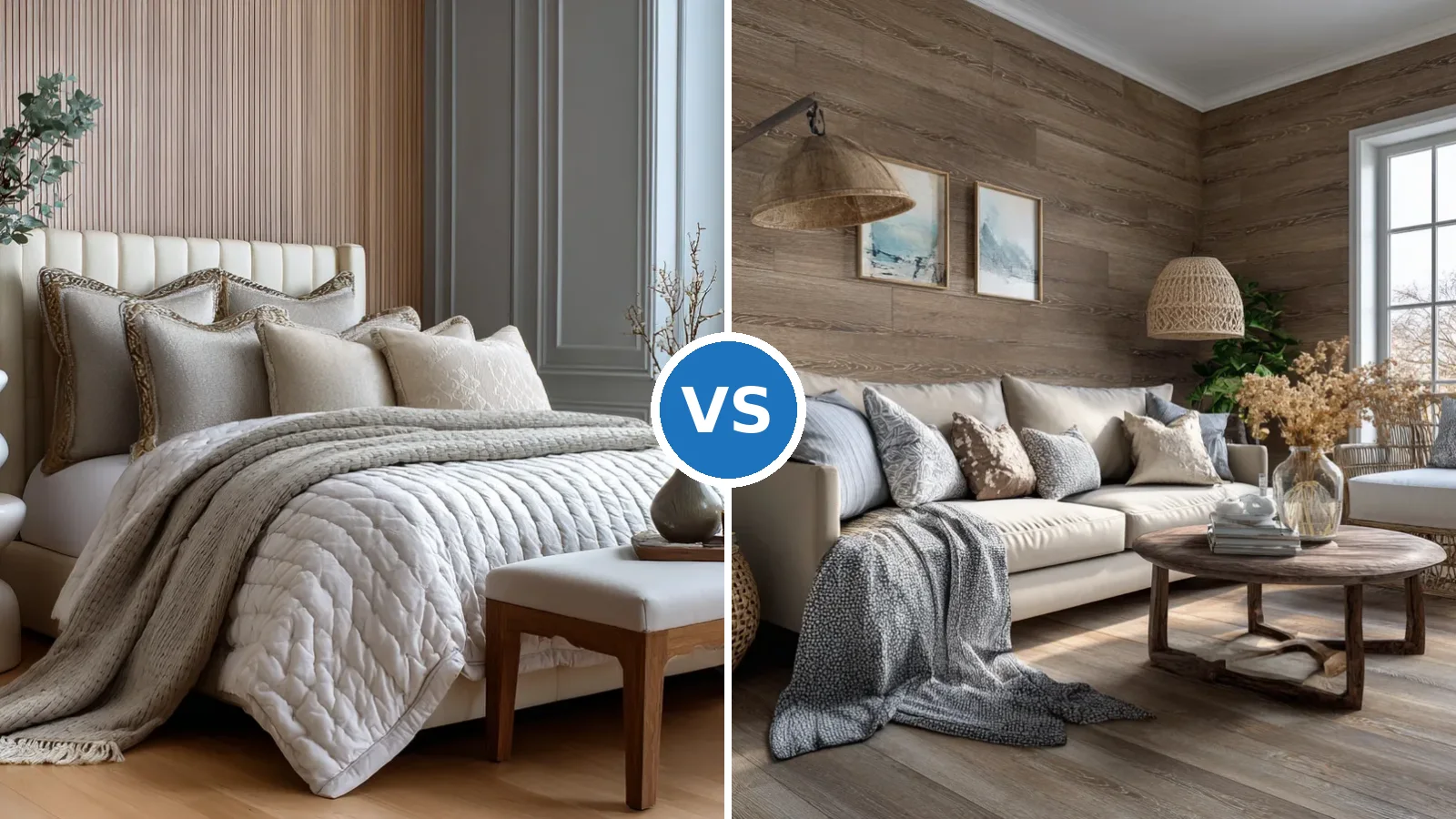
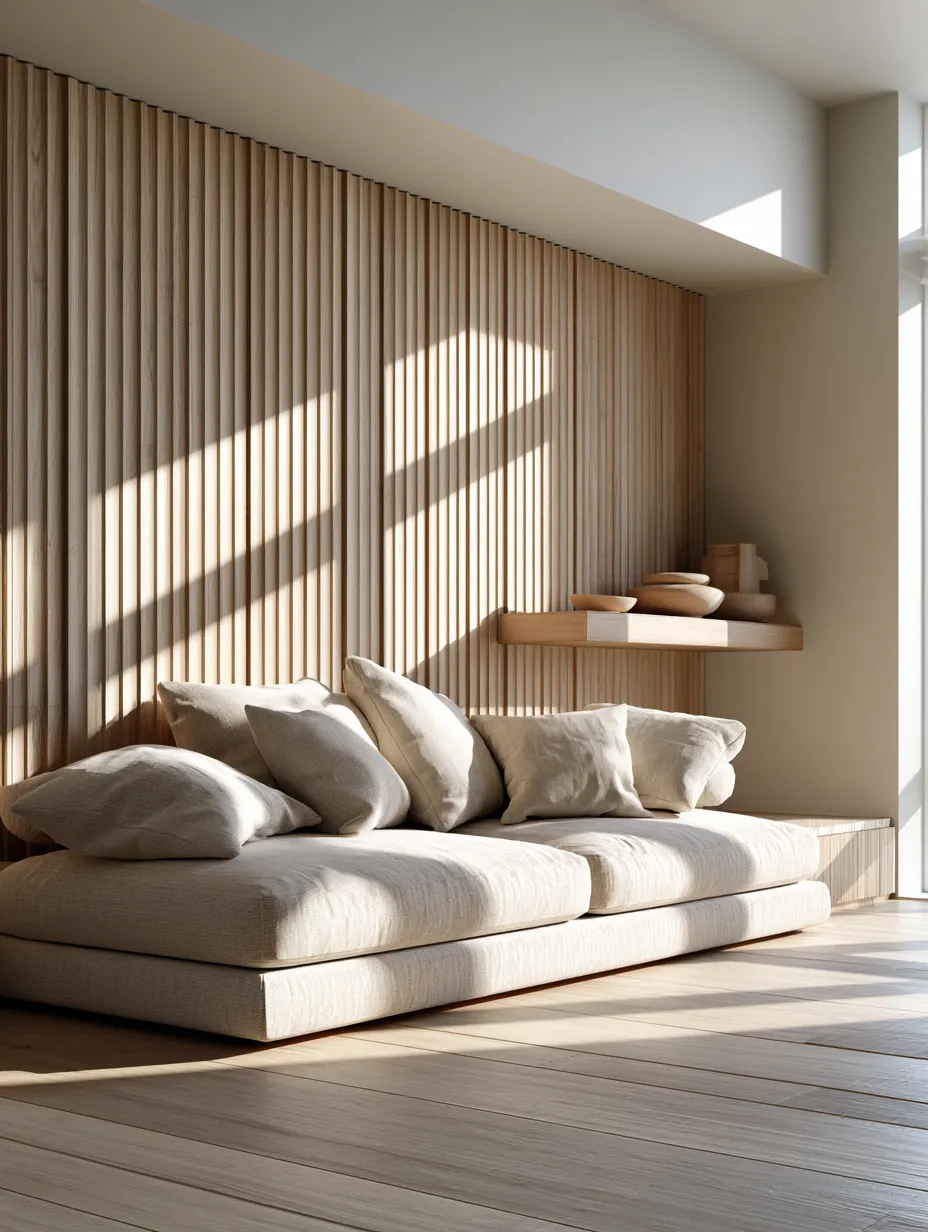
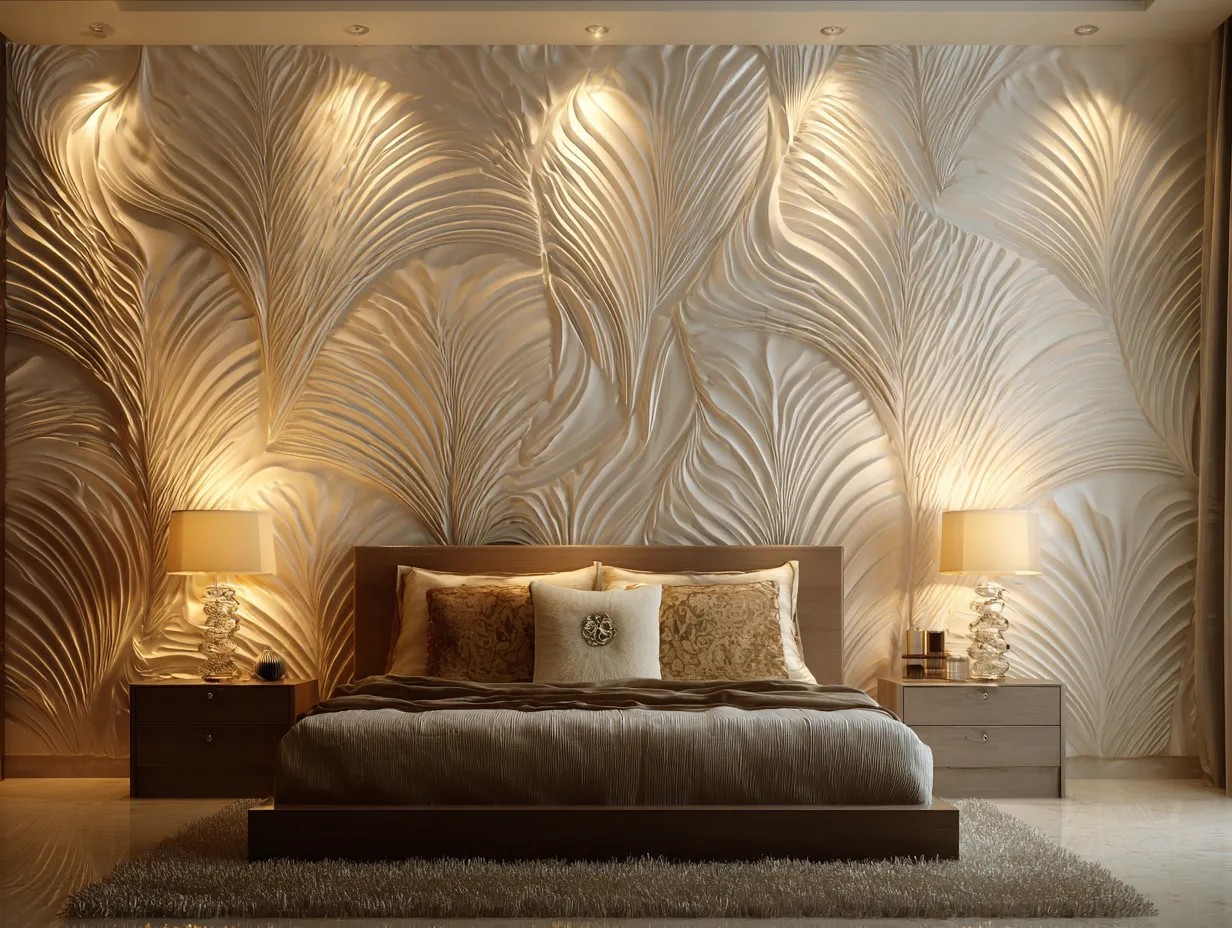
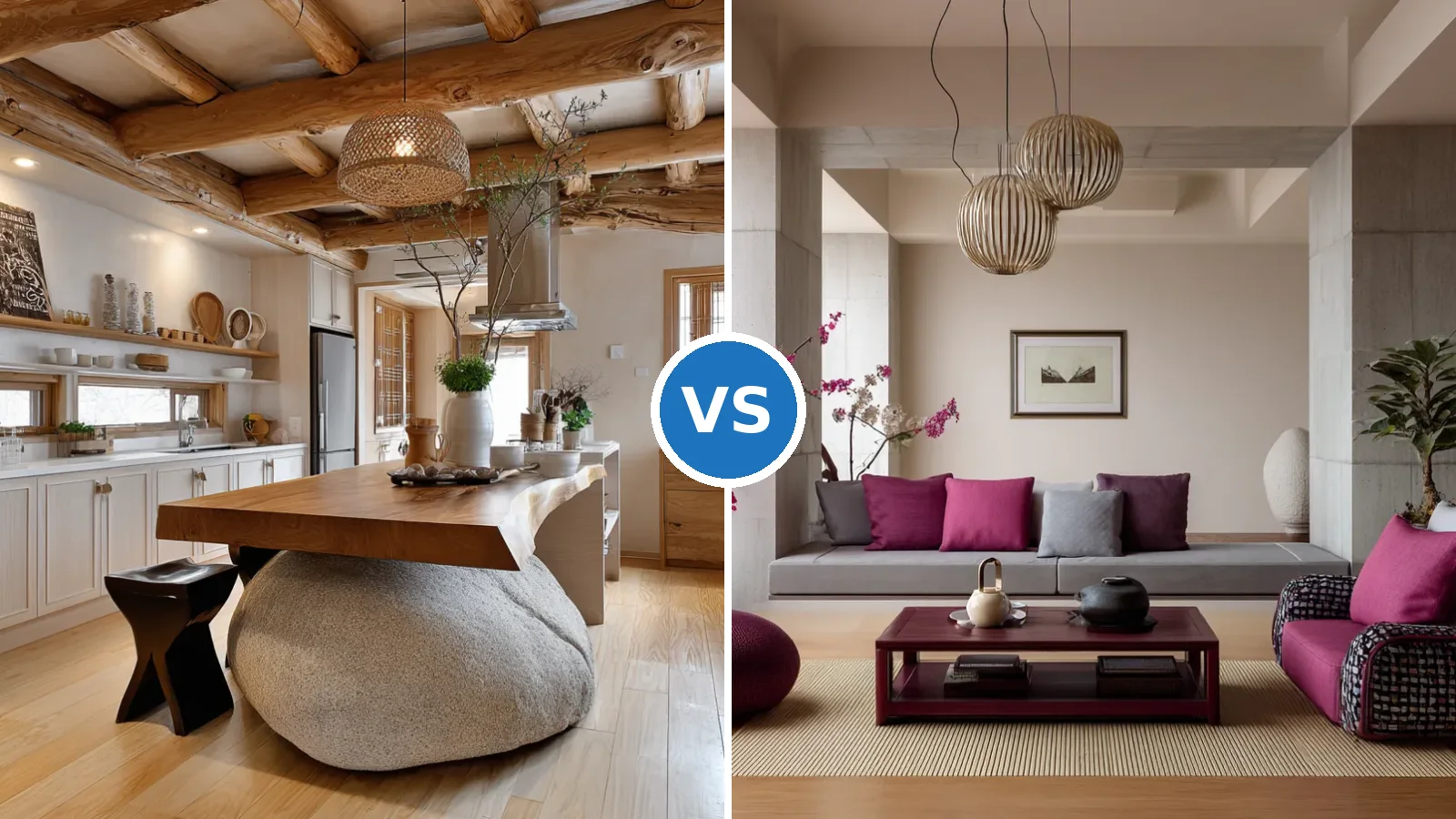
PVC wall panels have become one of the most practical and stylish upgrades for modern living rooms. Whether you want a sleek minimalist feature wall, a classic wainscoting effect, or a bold 3D accent behind the sofa, PVC paneling delivers — at a fraction of the cost of natural stone or solid wood. In this guide you will find 21 real interior examples divided into three design directions: contemporary, classic, and innovative. Each section covers finish choices, color palettes, installation tips, and lighting recommendations so you can choose the approach that fits your space and budget.
Quick Summary
| Best for modern rooms | Gloss or matte flat panels, concrete or metal finish |
| Best for classic rooms | Wainscoting-style panels, cream or white tones |
| Best for contemporary rooms | 3D geometric panels, integrated LED strips |
| Average install cost | $3–$12 per sq ft depending on finish and brand |
| Lifespan | 15–25 years with minimal maintenance |
Modern PVC Wall Panel Designs for Living Rooms
In the realm of interior design, the living room stands as a focal point of home aesthetics, and the use of PVC wall panels has emerged as a game-changer in creating sleek and modern interiors. PVC, or polyvinyl chloride, offers a plethora of design possibilities that blend functionality with style, making it an ideal choice for contemporary living spaces. If you are still defining your room’s overall direction, our roundup of modern coastal living room ideas is a helpful starting point for choosing a palette before selecting your panel finish.
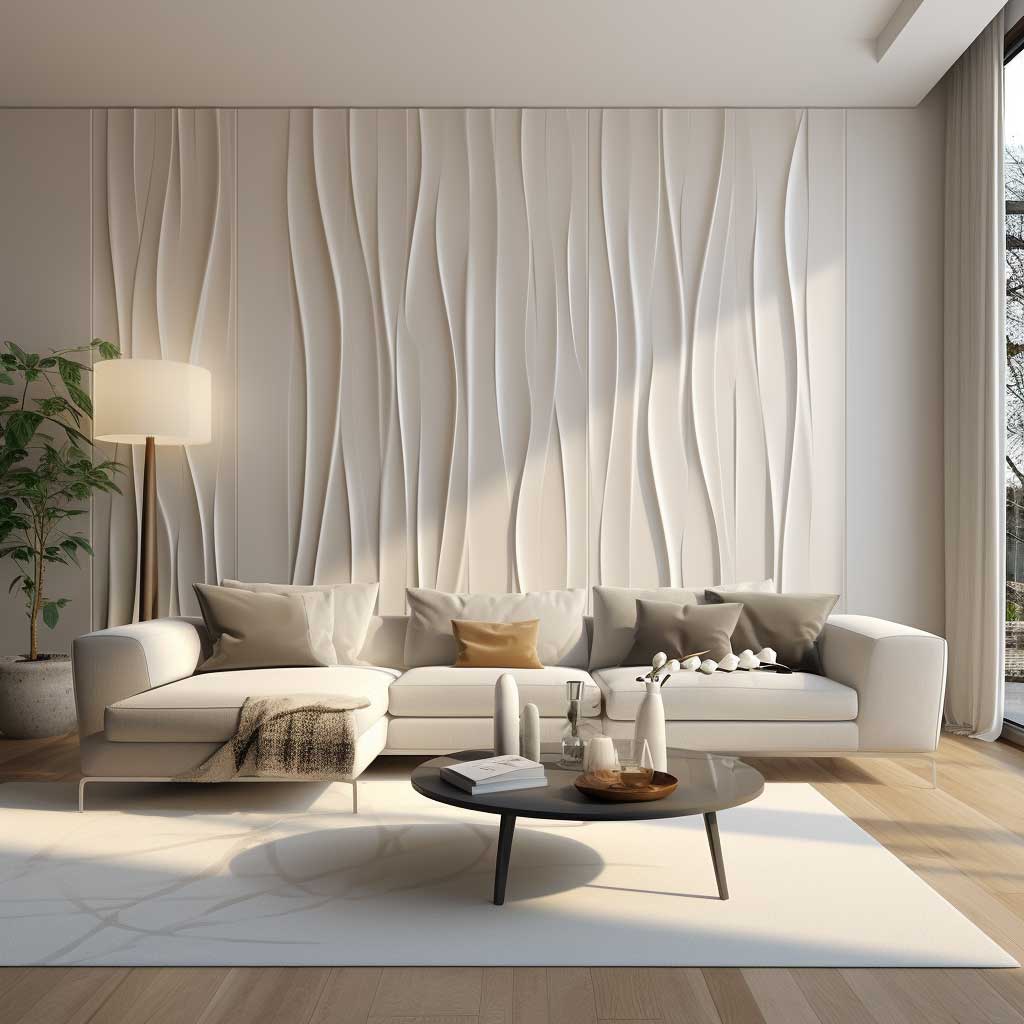
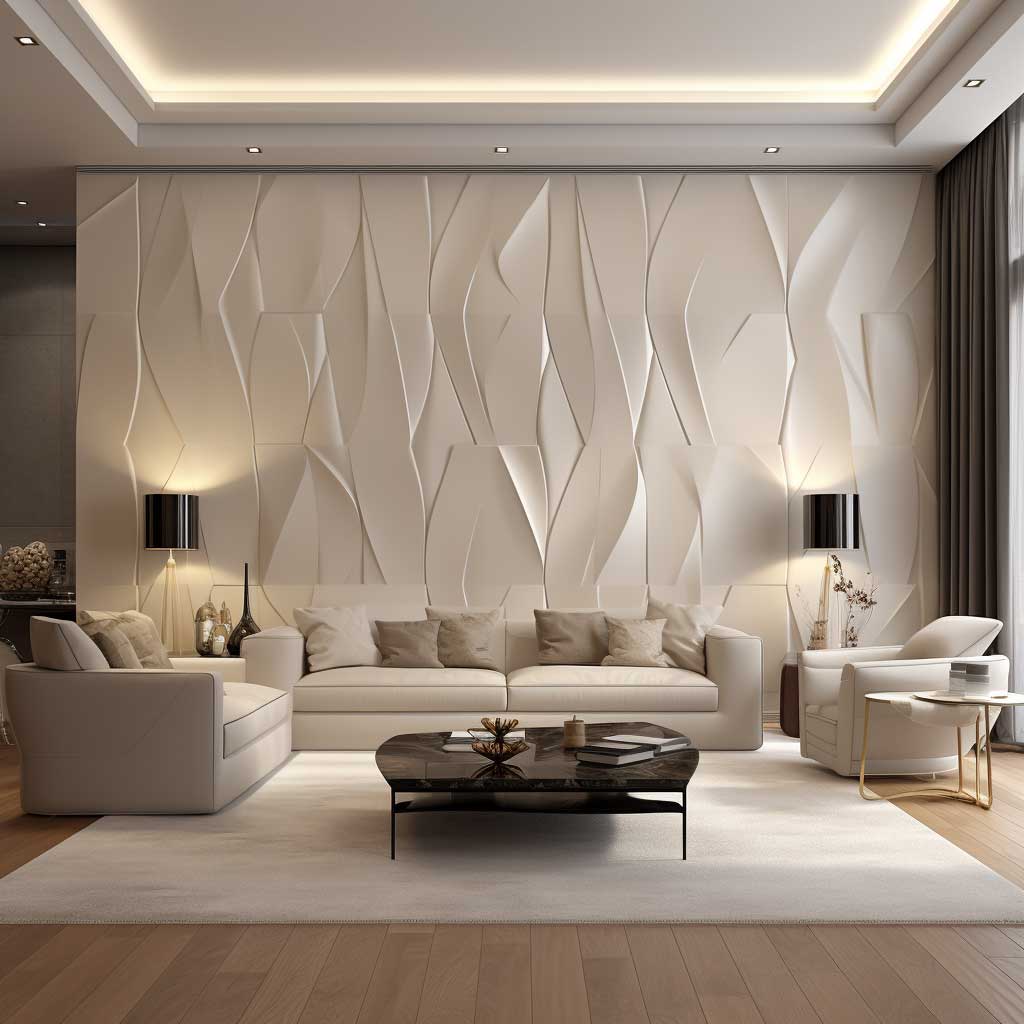
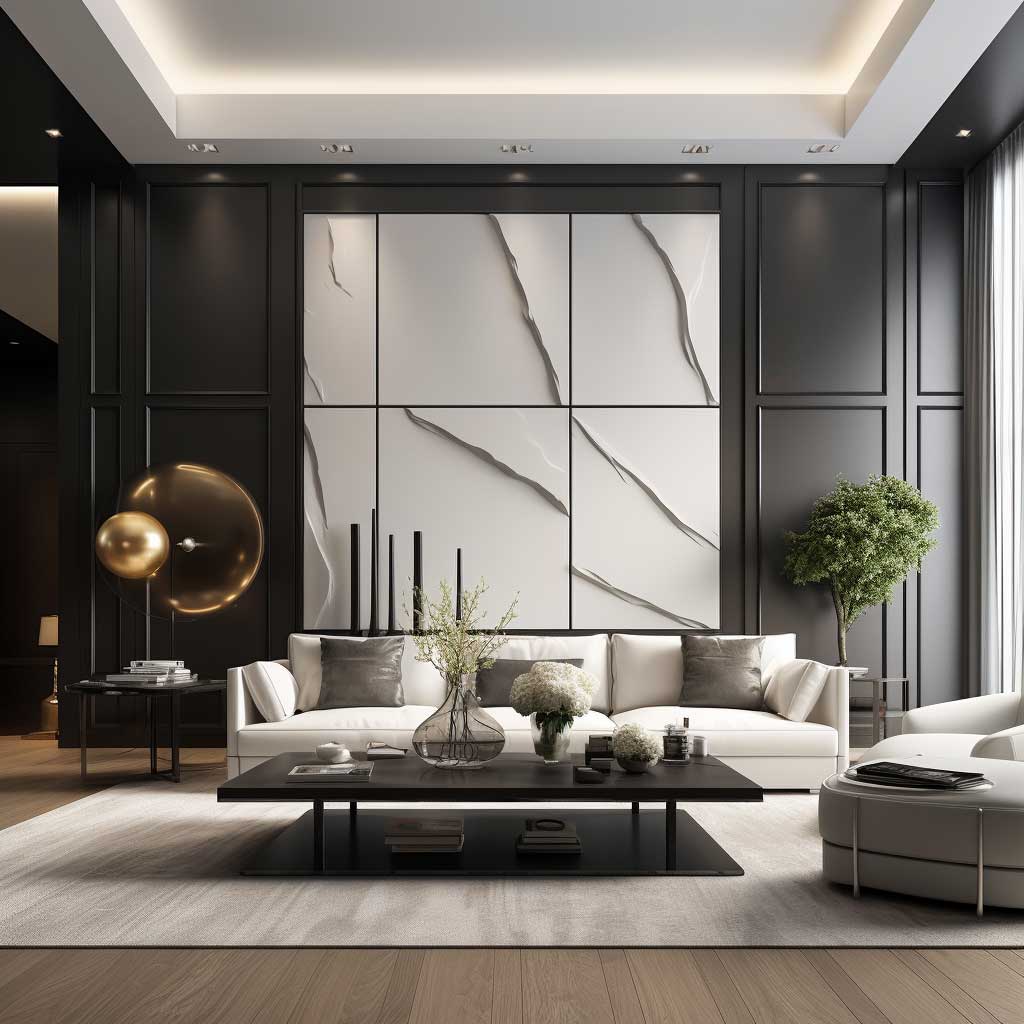
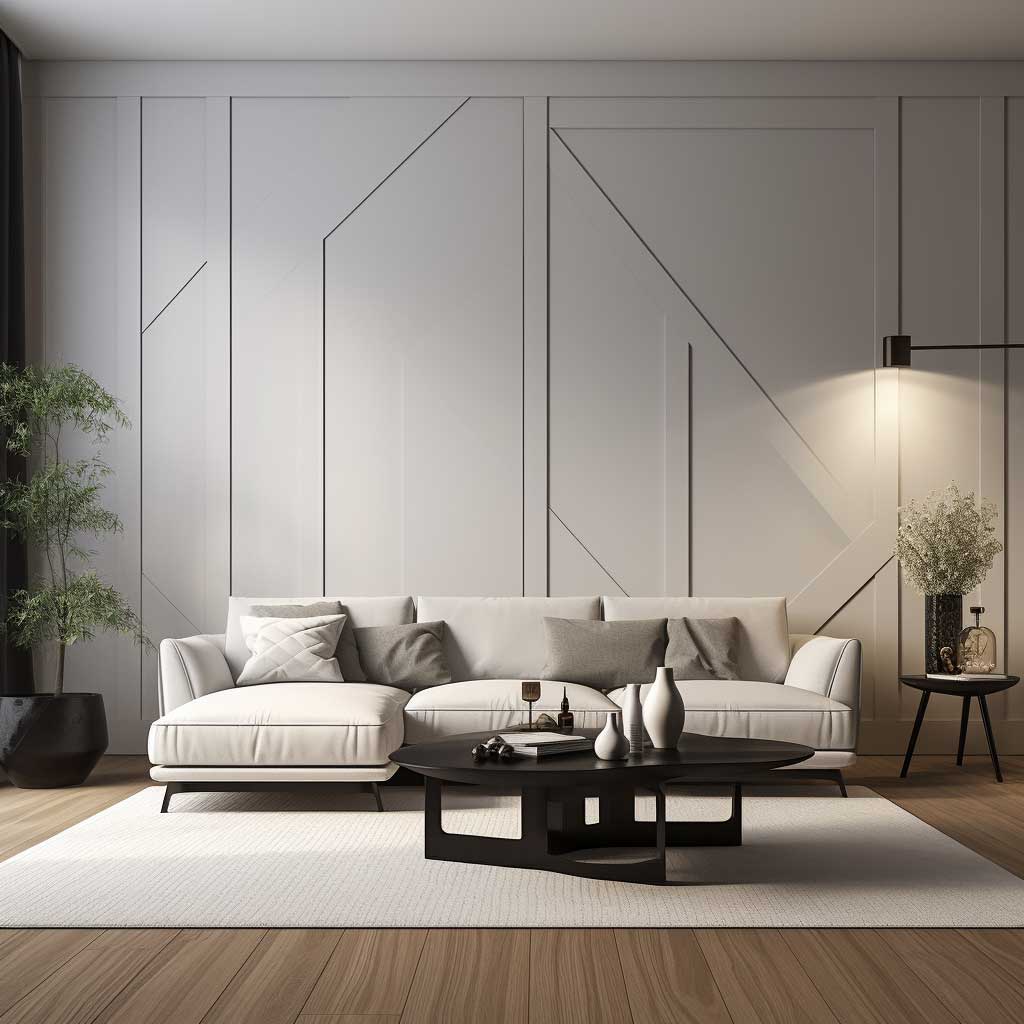
When selecting PVC panels for a modern living room, the finish is the first decision to make. High-gloss panels in white, charcoal, or champagne reflect artificial and natural light effectively, which is especially valuable in rooms with limited windows. Satin and matte finishes, by contrast, absorb light and create a calmer, more restful atmosphere that suits open-plan spaces where the living area flows into a dining zone.
Panel width and orientation also shape the visual result. Narrow vertical strips draw the eye upward, making low ceilings appear taller. Wide horizontal planks — popular in Scandinavian and Japanese-inspired interiors — emphasize the room’s length and create a grounded, relaxed feel. For a truly custom look, mixing orientations on a single feature wall behind the sofa adds architectural interest without requiring expensive bespoke materials.
Budget-conscious homeowners frequently choose PVC panels precisely because they can replicate the look of far more expensive surfaces. A concrete-look PVC panel behind a wall-mounted television, for instance, costs a fraction of actual micro-cement finishing, yet delivers a nearly identical visual impact from a normal viewing distance. The same applies to brushed-metal and oxidized-copper finishes, which have become popular in loft-style living rooms.
The journey into the world of PVC wall panels reveals a surprising array of styles and finishes. Gone are the days when PVC panels were seen as mere functional elements; today, they are revered for their aesthetic versatility. From glossy finishes that reflect light and create a sense of space, to matte textures that exude sophistication, the choices are limitless. Designers and homeowners alike are now leveraging these styles to bring a modern flair to living rooms.
One of the striking features of PVC wall panels is their ability to mimic other materials. Wood, stone, or even metal finishes can be replicated with PVC, providing the elegance and charm of these materials without their associated maintenance and cost. This versatility allows for the creation of unique living room designs that can range from ultra-modern minimalist to a more eclectic contemporary look. The ability to experiment with different finishes opens up a world of design possibilities, making it easier to align the living room’s decor with the overall theme of the home.
| Material | Cost per sq ft | Maintenance | Moisture resistance | DIY-friendly |
|---|---|---|---|---|
| PVC panels | $3–$12 | Wipe clean | Excellent | Yes |
| Solid wood panels | $15–$40 | Sand, stain, seal | Poor | Moderate |
| Natural stone veneer | $25–$70 | Seal annually | Moderate | No |
| Wallpaper | $1–$8 | Replace when damaged | Poor | Yes |
| Micro-cement | $20–$50 | Seal periodically | Good | No |
The installation of PVC wall panels in living rooms is not just a visual upgrade but also a practical choice. These panels are known for their durability, resistance to moisture, and ease of maintenance, making them suitable for the dynamic environment of a living room. The ease with which they can be cleaned and their resistance to wear and tear make them an ideal choice for spaces that are used frequently. Furthermore, PVC wall panels offer excellent insulation properties, adding to the energy efficiency of the home.
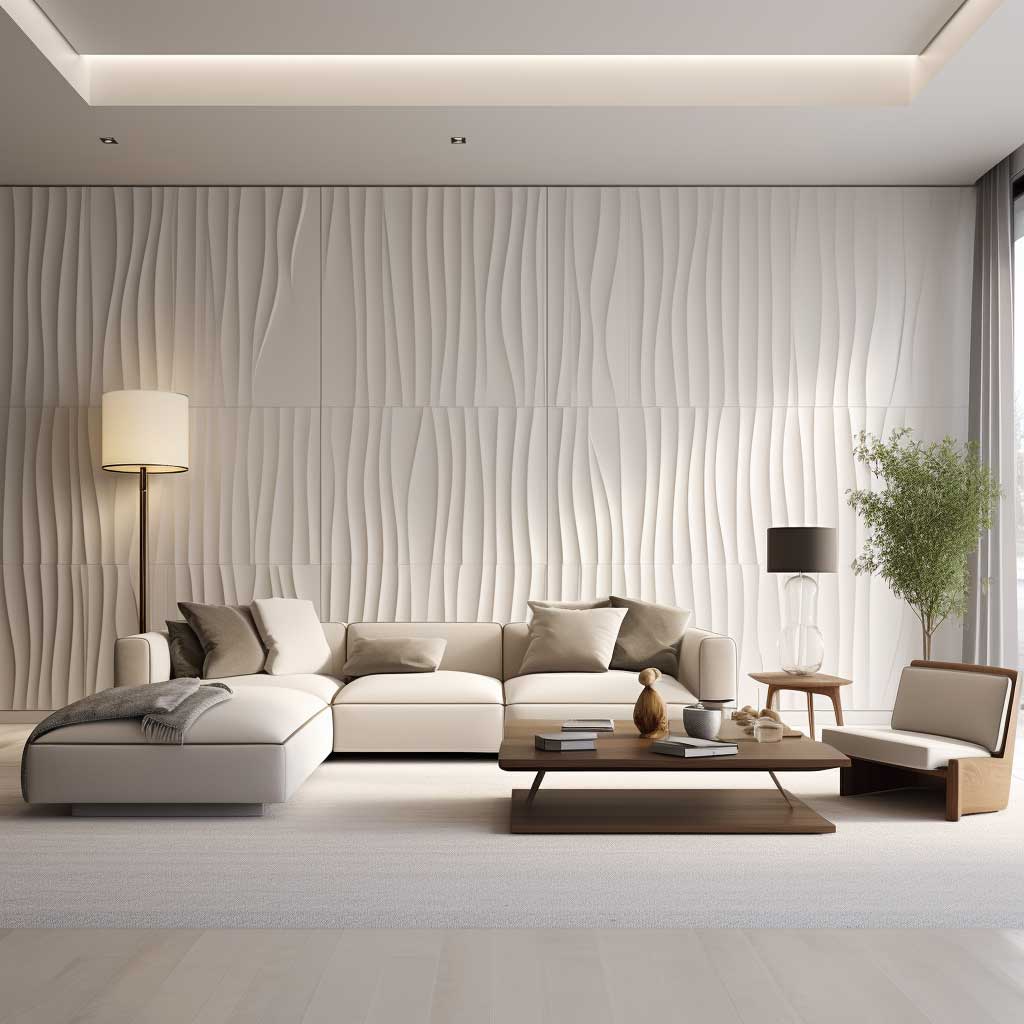
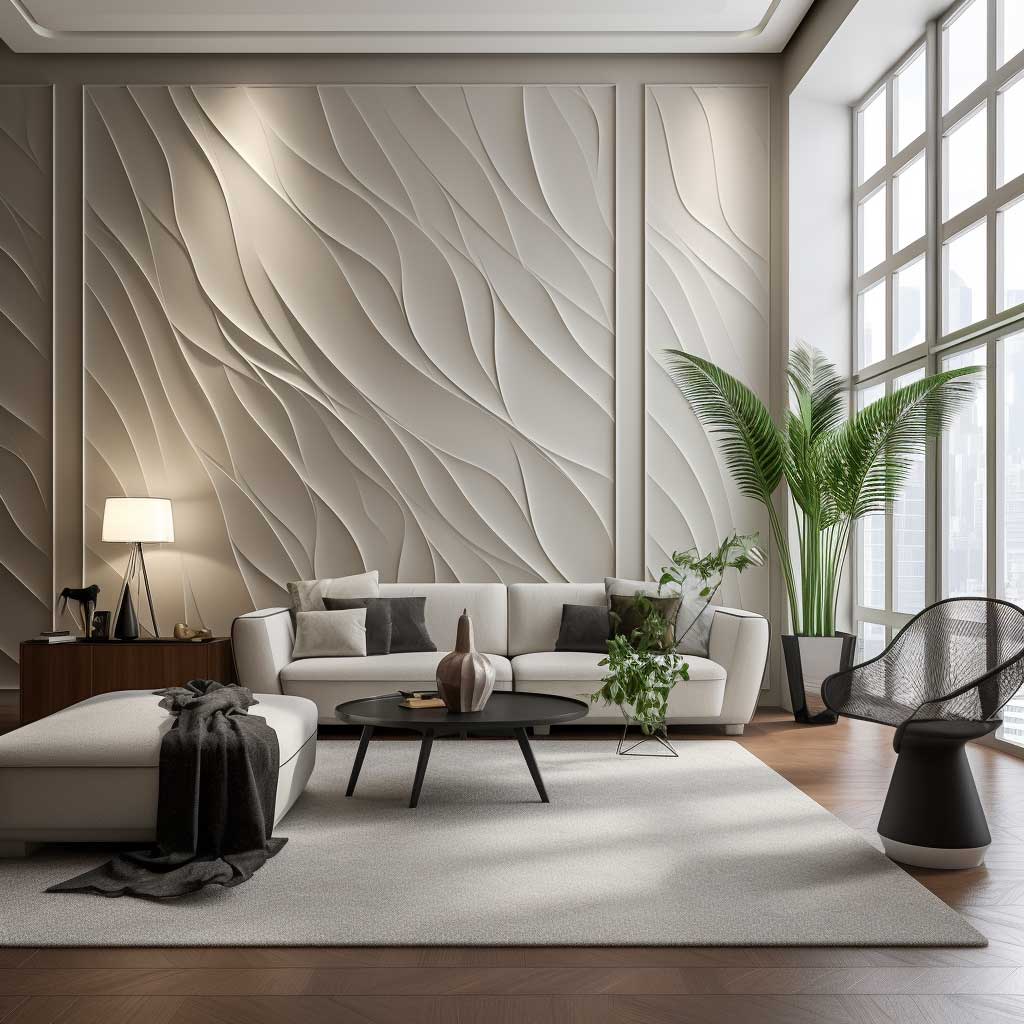

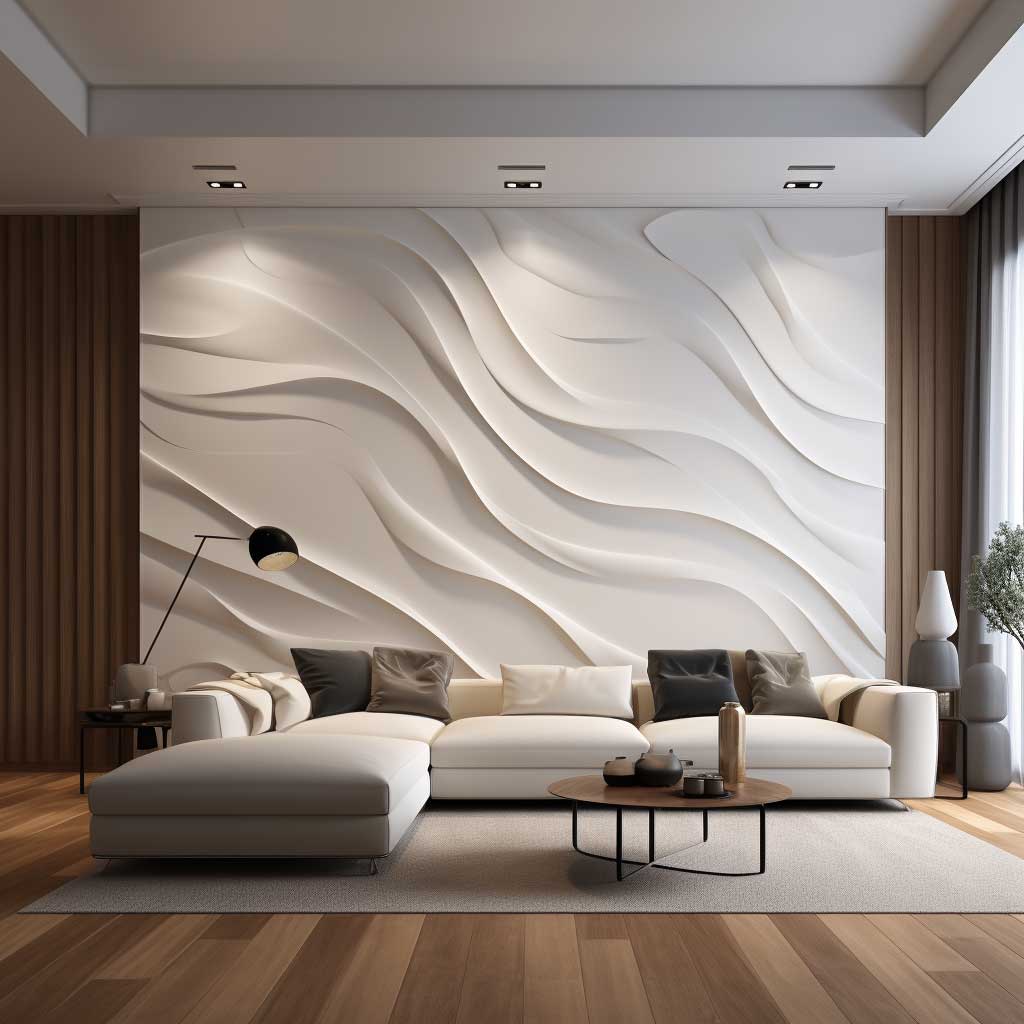
Incorporating sleek and modern PVC wall panel designs into living rooms also means engaging with a more eco-friendly approach to interior design. Many PVC panels are made from recyclable materials, and their long service life reduces the frequency of replacement compared with wallpaper or painted plaster. For a deeper understanding of PVC’s environmental profile and recyclability standards, the VinylPlus sustainability programme publishes annual progress reports on PVC recycling across Europe.
Designing a living room with PVC wall panels allows for a creative interplay of light and texture. Panels with glossy finishes can be strategically placed to reflect natural or artificial light, enhancing the brightness and openness of the room. Textured panels, on the other hand, add depth and interest, creating focal points within the space. The way light interacts with these surfaces can dramatically alter the ambiance of the room, shifting from a vibrant, energetic space during the day to a cozy, intimate setting in the evening.
In conclusion, the use of sleek and modern PVC wall panel designs in living rooms marks a shift towards interiors that are as functional as they are aesthetically pleasing. These panels offer an innovative way to redefine the living space, providing a canvas for personal expression and design experimentation. Whether aiming for a bold statement or a subtle enhancement, PVC wall panels present a solution that marries the best of modern design with practicality and sustainability.
Classic PVC Wall Panel Ideas for an Elegant Living Room
The integration of PVC wall panels in living room designs is a testament to the versatility and adaptability of modern interior design materials. When it comes to creating a space that exudes classic elegance, PVC panels offer a unique blend of traditional charm and contemporary resilience. Pairing these panels with the right wall décor is equally important — our guide to wall art designs for living rooms shows how art pieces can be hung directly over paneled walls to strengthen the classic aesthetic.
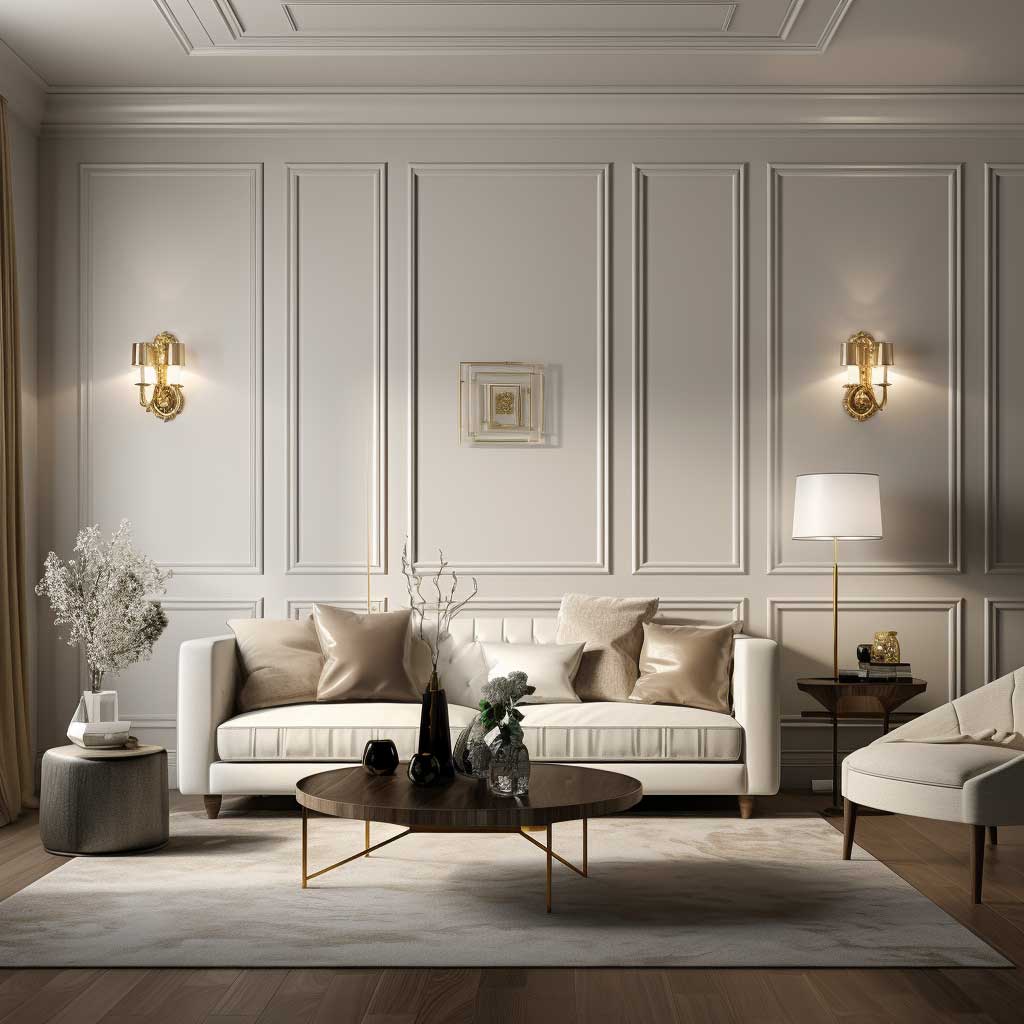
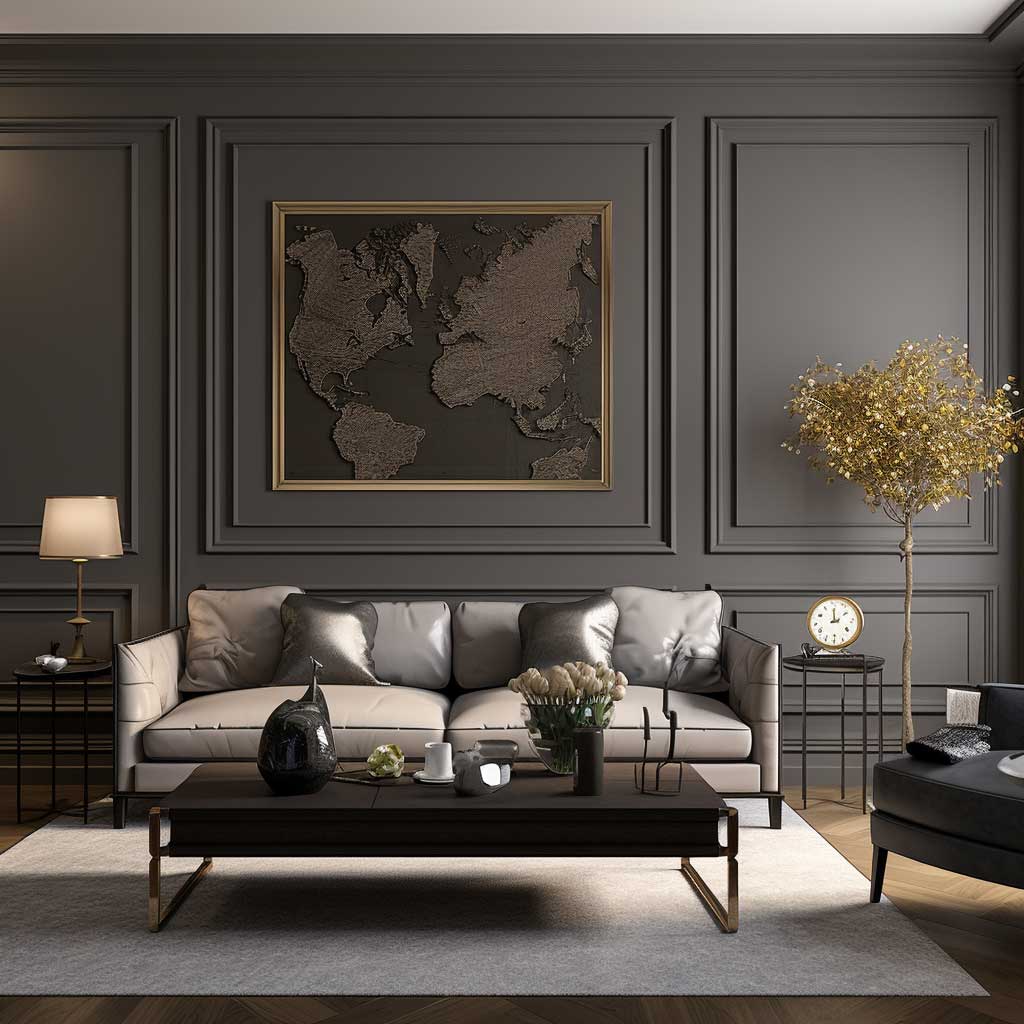
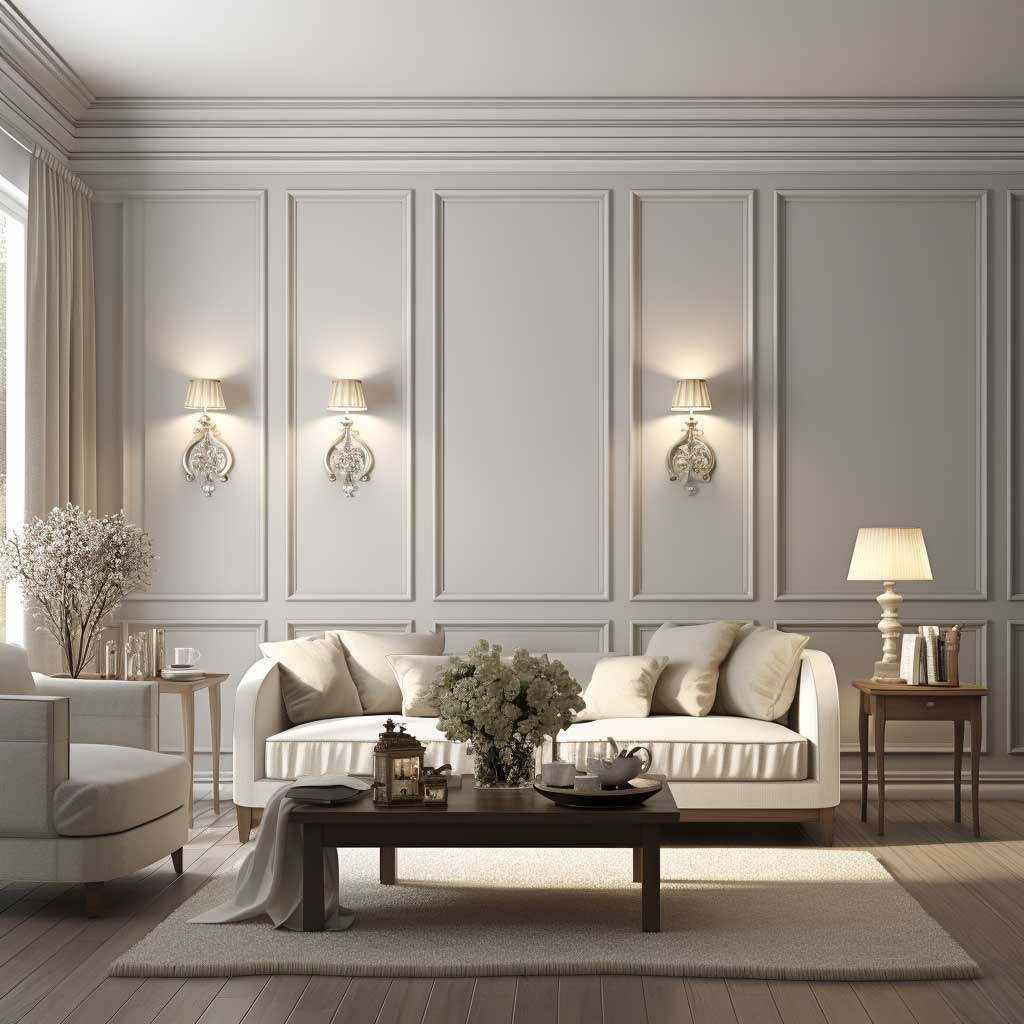
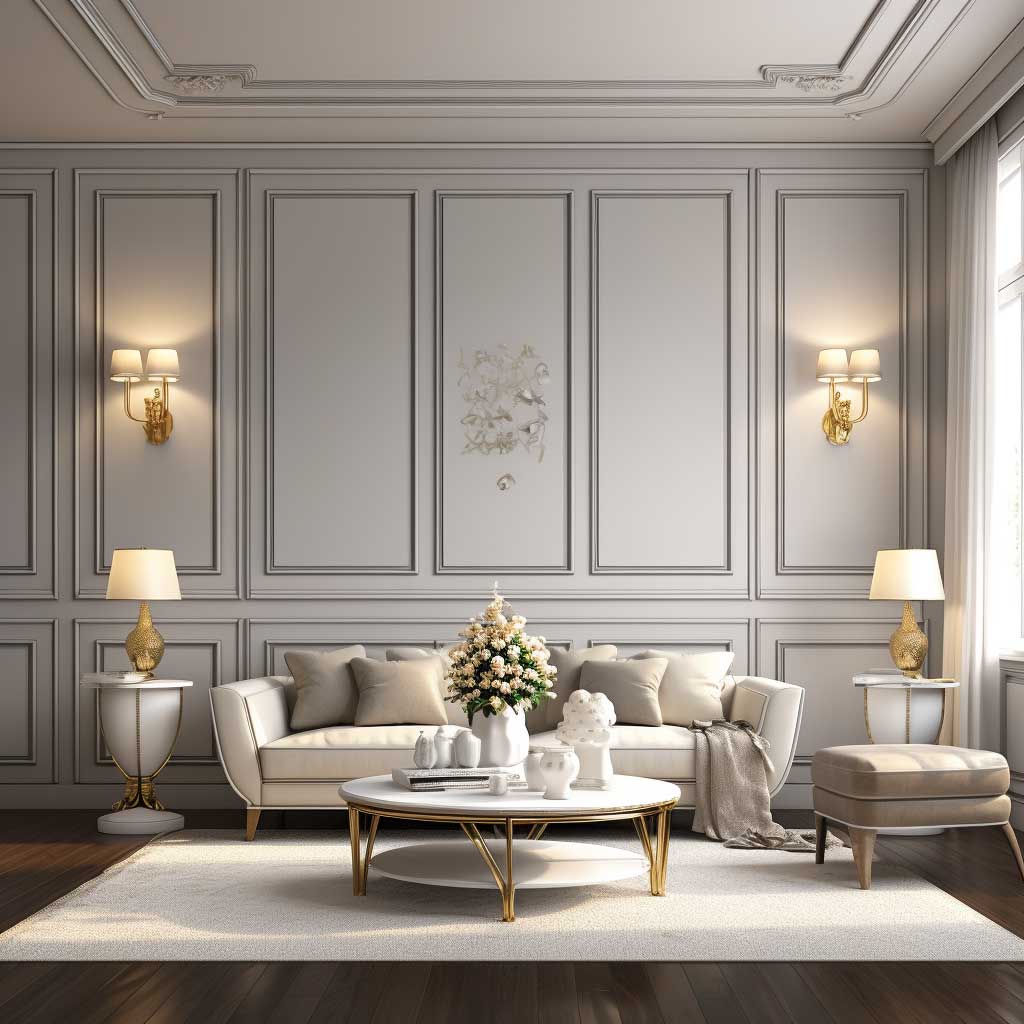
Classic elegance in interior design is often characterized by a sense of balance, symmetry, and a harmonious blend of colors and textures. PVC wall panels, with their wide range of designs and finishes, are perfectly suited to achieve this aesthetic. They can mimic the intricate patterns of traditional wainscoting, the smooth lines of classic stone, or even the rustic charm of weathered wood. These panels bring the beauty of traditional materials into the living room without the associated cost and maintenance.
One of the hallmarks of a classically elegant living room is the attention to detail. PVC wall panels can be selected to feature decorative moldings, embossed patterns, or subtle reliefs that add depth and character to the walls. These details, while small, contribute significantly to the overall ambiance of the room, creating a space that is both visually appealing and rich in texture. The beauty of PVC panels lies in their ability to capture these fine details with precision, allowing for a sophisticated and refined wall treatment.
Color plays a crucial role in achieving classic elegance in a living room. PVC wall panels are available in a spectrum of colors, from warm, inviting tones to cool, understated hues. Panels in soft creams, gentle beiges, or classic whites can create a backdrop that is both soothing and elegant, complementing the furnishings and decor of the room. For those seeking a more dramatic effect, deeper shades like rich blues or greens can add a touch of regal sophistication. The ability to choose from such a diverse color palette means that PVC wall panels can be tailored to any classic design scheme, enhancing the overall aesthetic while maintaining a timeless elegance.
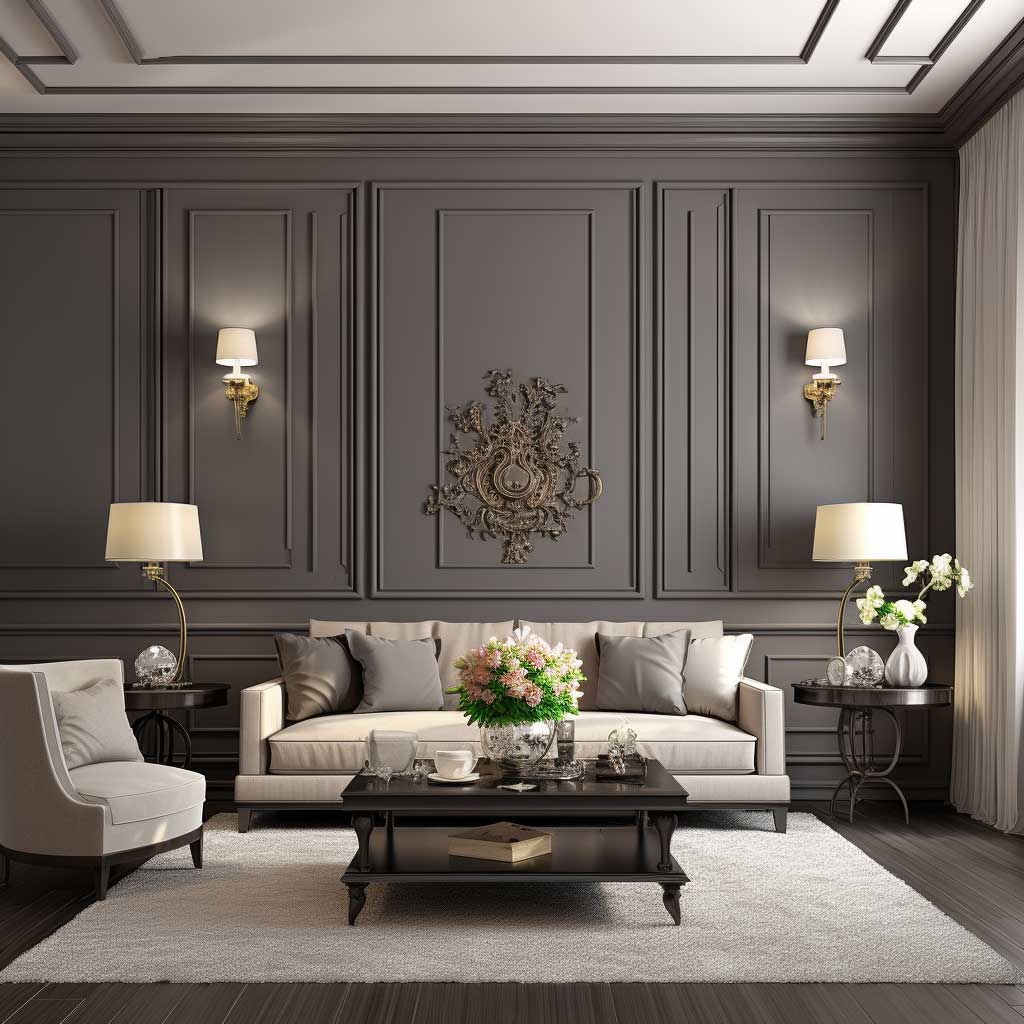
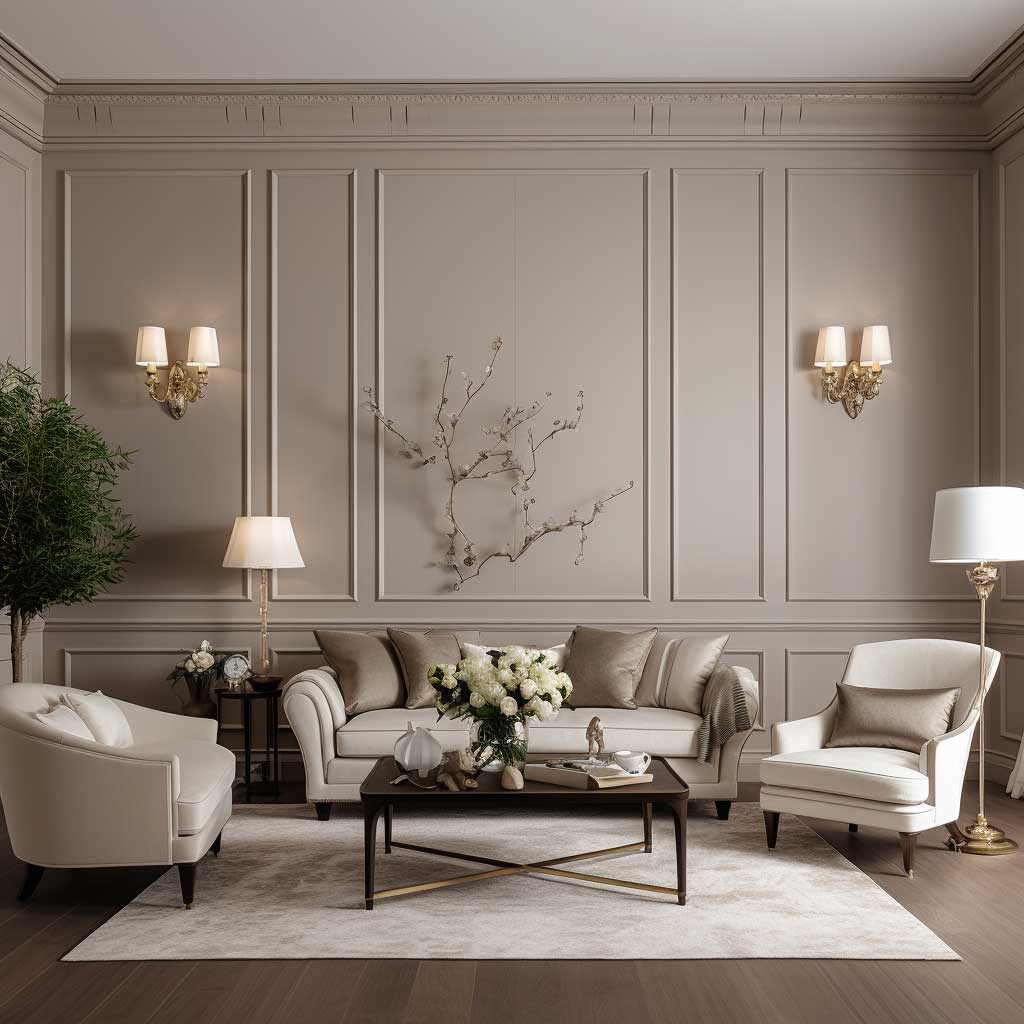
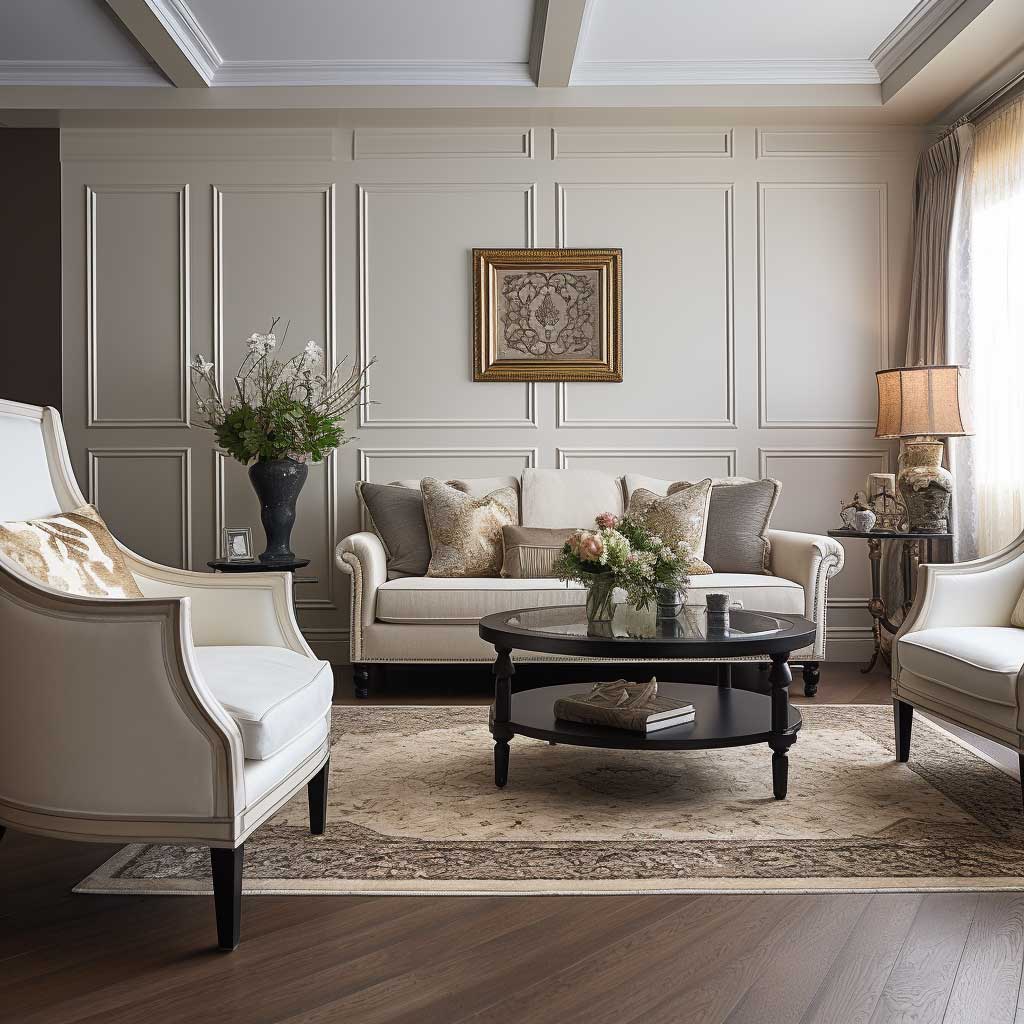

In a living room where classic elegance is the goal, the arrangement and installation of PVC wall panels can be as important as the panels themselves. Symmetry and proportion are key elements in classic design, and these can be achieved through the strategic placement of panels. Panels can be used to frame fireplaces, highlight architectural features, or create wainscoting effects that add a sense of structure and formality to the room. The versatility of PVC allows for these design elements to be incorporated seamlessly, enhancing the room’s architecture and creating a sense of harmony and balance.
Another aspect of classic elegance that can be enhanced by PVC wall panels is the sense of warmth and intimacy. While classic design is often associated with formality, it also strives to create a welcoming and comfortable atmosphere. PVC panels with textures that mimic natural materials add a tactile quality to the room, inviting touch and creating a cozy, lived-in feel. The National Trust for Historic Preservation’s preservation forum provides useful guidance on matching modern paneling materials to historically sensitive interiors without compromising authenticity.
Lighting also plays a significant role in rooms adorned with PVC wall panels. The way light interacts with the panels can create a variety of moods and atmospheres. Soft, diffused lighting can accentuate the textures and details of the panels, while strategically placed spotlights can highlight specific features or create dramatic effects. The reflective qualities of certain PVC finishes can also be used to enhance the natural light in the room, making the space feel brighter and more open.
In conclusion, the use of PVC wall panel accents in living rooms is a brilliant way to achieve classic elegance with a modern twist. These panels offer the beauty and sophistication of traditional materials with the added benefits of durability, ease of maintenance, and versatility. Whether used to create a subtle backdrop or as a striking design feature, PVC wall panels can transform a living room into a space that is not only elegant and stylish but also welcoming and comfortable. It is a design choice that speaks to the timeless appeal of classic aesthetics while embracing the practicalities of contemporary living.
Practical installation considerations are equally important in a classically styled room. Because symmetry is fundamental to traditional design, panels must be measured and cut with precision before mounting. Most PVC wainscoting-style panels interlock with a tongue-and-groove system that makes this straightforward even for confident DIY installers, though hiring a professional ensures perfectly level courses, especially on older walls that may not be plumb. Chair-rail moldings — available in coordinating PVC profiles — cap the panel run and provide the visual boundary that defines the classic wainscoting look.
Maintenance in a classic living room is simpler than with real wood paneling. PVC does not require periodic sanding, staining, or sealing. A damp cloth removes most marks, and the panels will not warp or crack in response to seasonal humidity changes. For households with young children or pets, this durability is a significant advantage in a room that traditionally uses pale or cream tones that would show scuffs on painted plaster.
Innovative PVC Panel Ideas for Contemporary Living Rooms
In the world of contemporary interior design, the living room is often a canvas for experimentation and innovation. The use of PVC wall panels in these spaces opens up a realm of possibilities, allowing for creative and forward-thinking designs that redefine the concept of a living room. For rooms where mirrors are being considered alongside panels, our article on full wall mirror designs for living rooms explains how reflective surfaces and 3D PVC panels can work together to dramatically increase perceived depth.
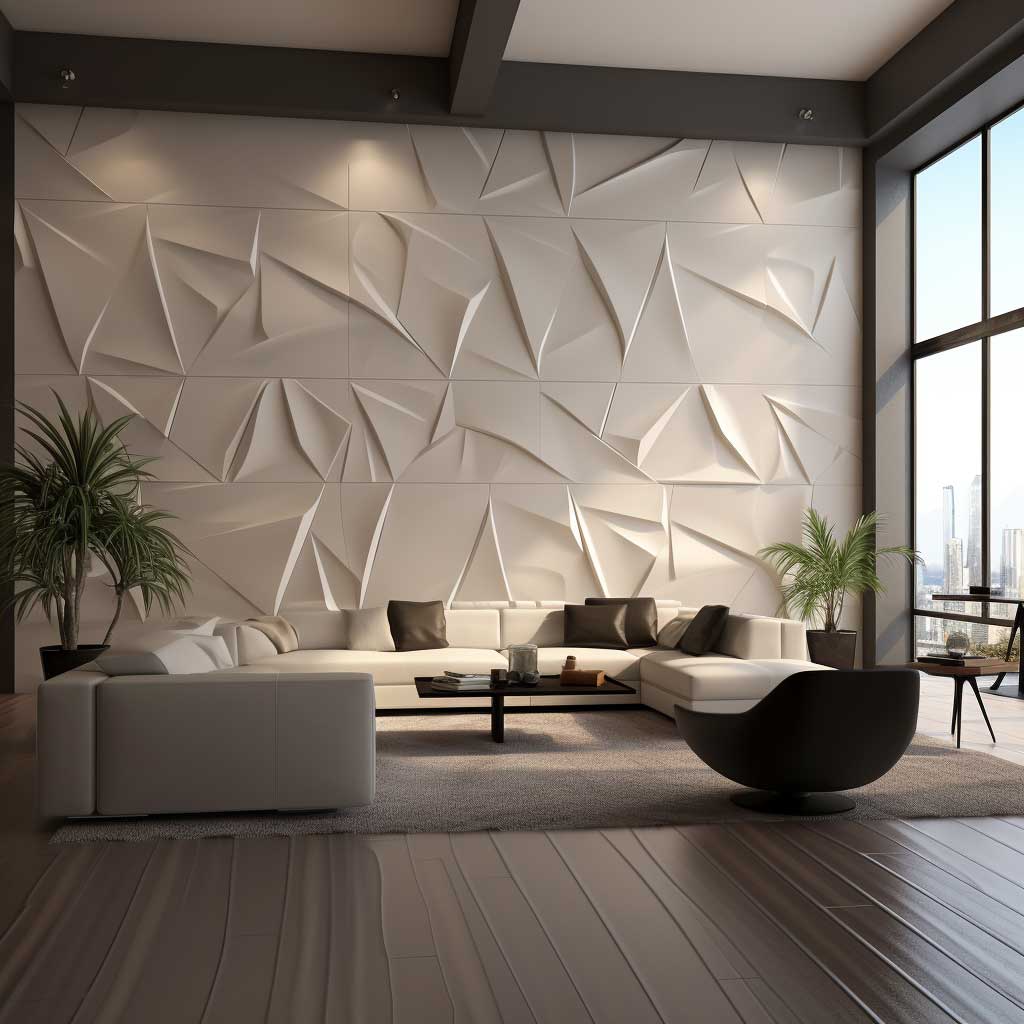

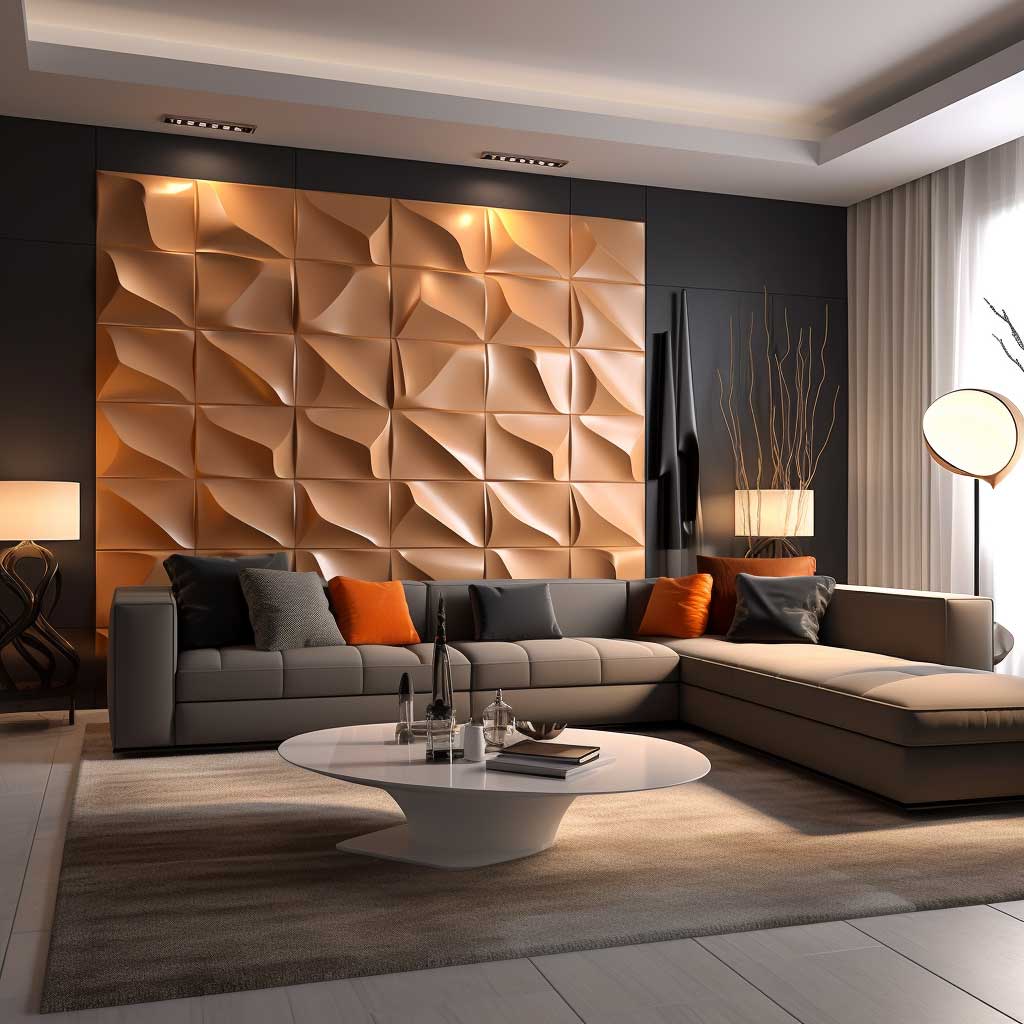
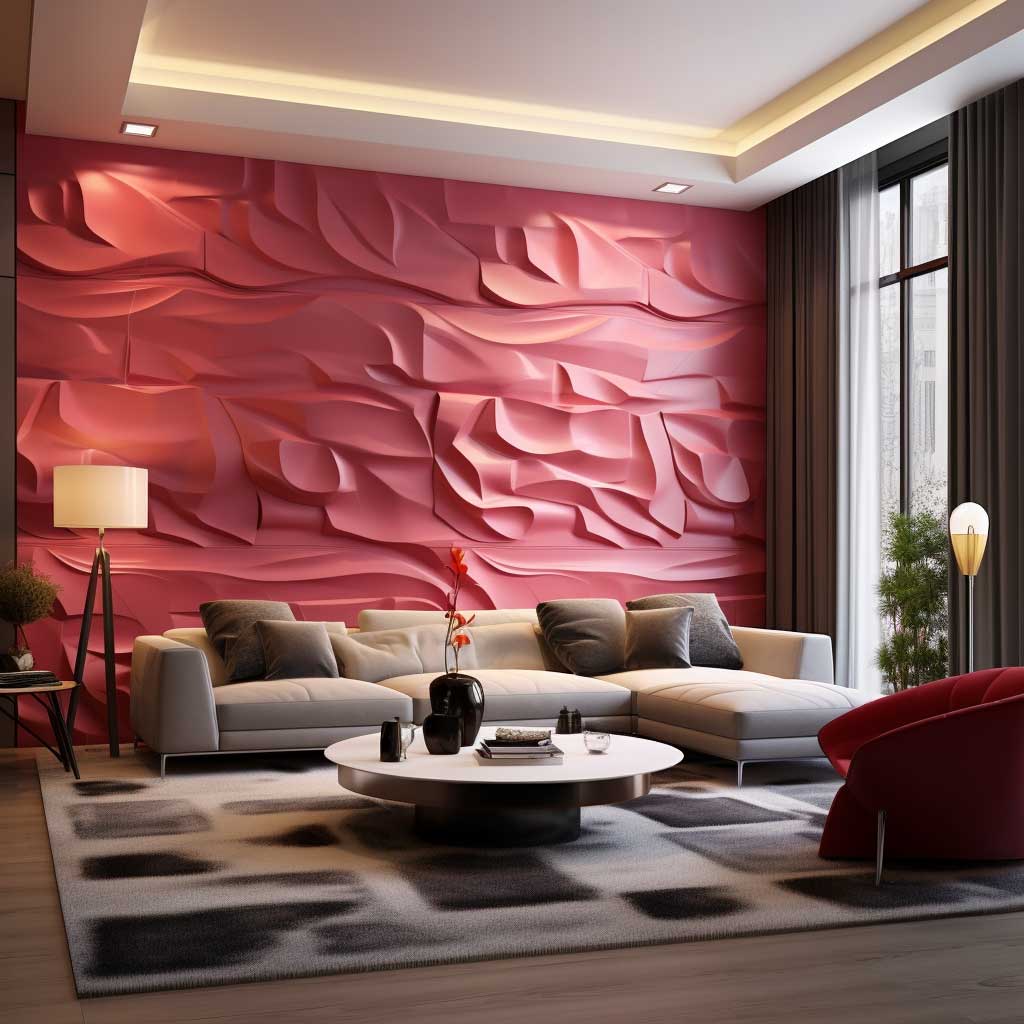
The contemporary living room is characterized by its embrace of new ideas and technologies, and PVC wall panels fit perfectly into this ethos. These panels come in a wide range of futuristic designs, from 3D textures to panels that integrate LED lighting, offering a level of innovation that can transform the living room into a modern masterpiece. The ability to play with different shapes, sizes, and colors allows designers and homeowners to create unique feature walls or subtle accents that can dramatically change the room’s appearance and feel.
One of the most striking aspects of using PVC wall panels in contemporary living rooms is the opportunity to incorporate texture in unexpected ways. 3D panels with geometric patterns, for instance, can add depth and dimension to a room, creating a dynamic visual effect that changes with the viewer’s perspective. These textures can be further enhanced with strategic lighting, casting shadows, and creating highlights that bring the walls to life. This interplay of light and texture adds a layer of complexity and interest to the living room, making it a space that is not just for living but also for experiencing.
Color is another powerful tool in the arsenal of PVC wall panel design. Contemporary living rooms often feature bold and vibrant colors, and PVC panels are available in a range of hues to match any palette. Glossy finishes in bright, eye-catching colors can create a focal point in the room, while more subdued tones can be used to create a backdrop that allows other elements of the room to shine. The flexibility in color choice means that PVC wall panels can be seamlessly integrated into any contemporary design scheme, whether it’s minimalist, eclectic, or anything in between.

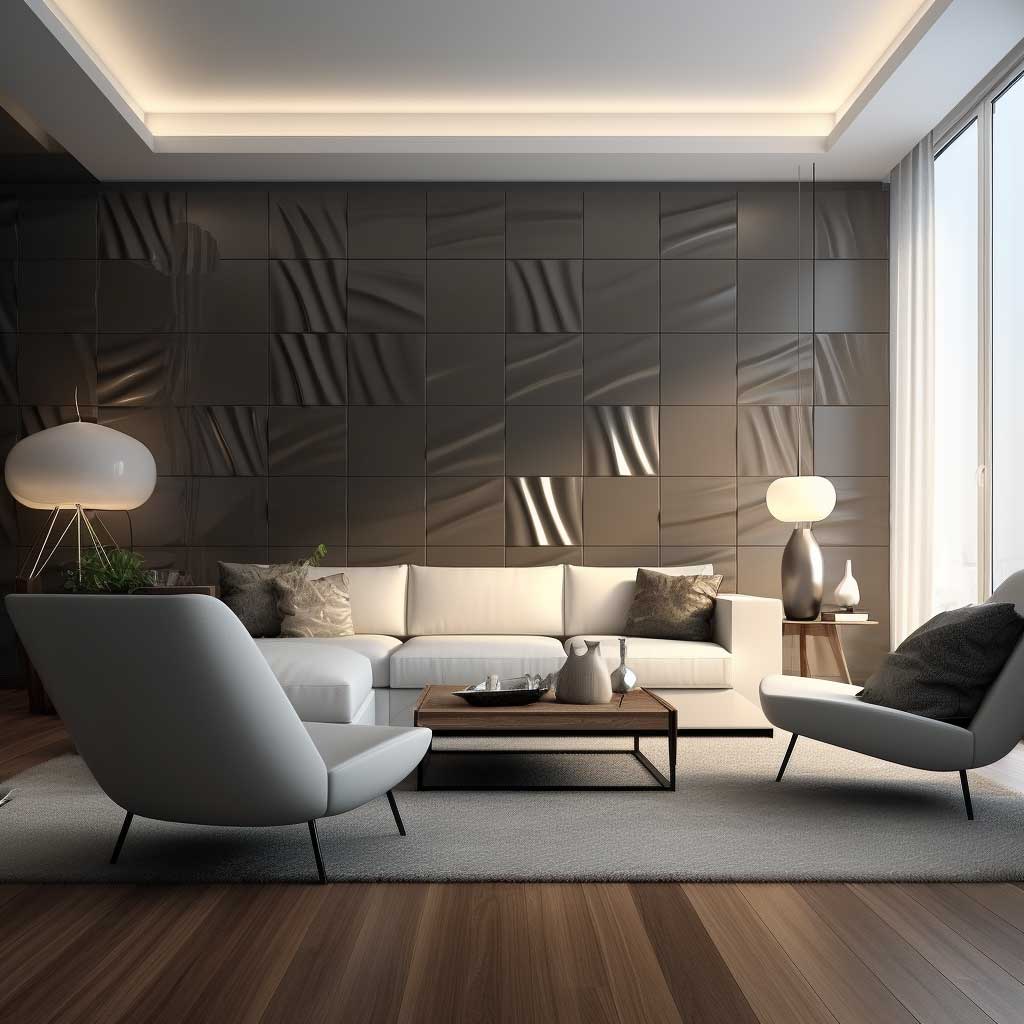
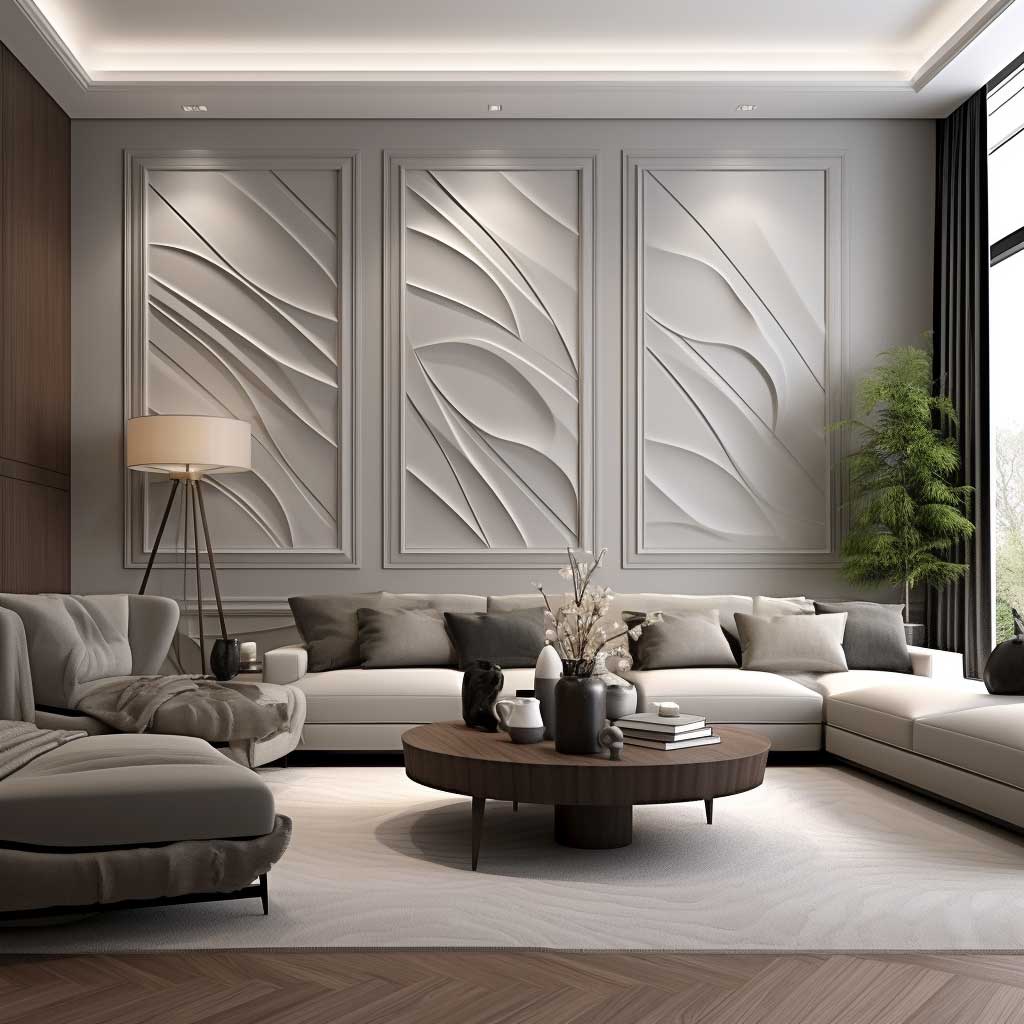

In addition to their aesthetic appeal, innovative PVC wall panels also offer practical benefits. They are easy to install and maintain, making them an ideal choice for busy, modern lifestyles. Their durability means they can withstand the wear and tear of everyday life, and their resistance to moisture and mold makes them suitable for a variety of climates and conditions. This combination of form and function is essential in contemporary design, where aesthetics are balanced with practicality.
How to Install PVC Wall Panels in a Living Room
A step-by-step guide to preparing and installing PVC decorative wall panels on a standard interior wall.
Tools & Materials
- Tape measure
- Spirit level
- Fine-tooth saw or jigsaw
- Panel adhesive or mounting clips
- Pencil and chalk line
- PVC trim strips
Prepare the wall surface
Remove any loose paint, dust, or debris. Fill cracks with filler and allow to dry fully. The wall must be clean, dry, and reasonably flat — significant undulations will cause panels to flex and the joints to open over time.
Measure and plan the layout
Measure the wall height and width. Lay panels out on the floor to plan the arrangement before cutting. Always start from the most visible corner and work outward so cut panels end up in less prominent positions.
Cut panels to size
Use a fine-tooth saw or jigsaw to cut panels cleanly. Score-and-snap works on thinner panels. Always cut with the decorative face upward to minimise chipping on the visible surface.
Apply adhesive and mount the first panel
Apply panel adhesive in a zigzag pattern on the back of the first panel. Press firmly against the wall, check for level, and hold for 30–60 seconds. Use a rubber mallet and offcut to tap the tongue-and-groove joint fully closed without damaging the face.
Continue across the wall
Work panel by panel, checking level every two or three panels. Interlock each panel’s tongue into the previous panel’s groove. Where panels meet at internal corners, use a corner trim strip for a clean finish.
Fit trim and finishing strips
Apply matching PVC trim strips at the top edge, external corners, and any openings. These strips conceal cut edges and give the installation a professional finish. Wipe down all panels with a damp cloth to remove adhesive residue before it cures fully.
The contemporary living room is also a space that reflects the personality and tastes of its inhabitants. PVC wall panels offer the opportunity to personalise the space in a way that is unique and expressive — through custom-printed panels, the incorporation of multimedia elements, or the creative arrangement of different styles and colours. The Dezeen interiors section regularly features residential projects where PVC and composite wall panels are used as the primary design statement in contemporary living rooms.
In conclusion, the use of innovative PVC wall panel designs in contemporary living rooms is a reflection of the evolving nature of interior design. These panels provide a medium for expression and innovation, allowing for the creation of spaces that are not just modern and stylish but also deeply personal and engaging. By embracing the versatility and potential of PVC wall panels, contemporary living rooms can be transformed into spaces that are not just about living but about experiencing the cutting edge of design and technology.
Acoustic performance is an underappreciated benefit of certain innovative PVC panel systems. Panels with a cellular or honeycomb core absorb mid-range frequencies, reducing echo in rooms with hard floors and minimal soft furnishings — a common feature of contemporary interiors. Specifying acoustic PVC panels on the wall opposite the television or audio system noticeably improves the listening experience without any visible change in aesthetics.
Smart home integration is the next frontier for PVC wall panel design. Some manufacturers now produce panels with built-in wireless charging pads, concealed cable channels for television and speaker wiring, and clip-in LED strip housings that can be connected to voice-controlled lighting systems. These features allow the wall itself to become part of the room’s technology infrastructure, eliminating the surface clutter of cables and adapters that undermine the clean lines contemporary design requires.
FAQ
Are PVC wall panels suitable for a living room?
How much do PVC wall panels cost for a living room?
Can I install PVC wall panels myself?
Which PVC panel finish looks best in a living room?
How long do PVC wall panels last?
Key Takeaways
PVC wall panels are one of the most cost-effective ways to elevate a living room — offering the look of stone, wood, or metal at a significantly lower price and with far less maintenance.
Whether your goal is a sleek modern feature wall, a classically proportioned wainscoting scheme, or a bold 3D contemporary installation, the same material adapts to all three directions.
Durability, moisture resistance, ease of cleaning, and good insulation properties make PVC panels a practical long-term investment — not just a visual upgrade.