Porch enclosure ideas are everywhere online, but the ones that actually gain you livable square footage share three things in common: a defined enclosure method, weather-appropriate materials, and a seating plan that works year-round. I’ve watched homeowners spend $8,000 on a screened room that collects dead leaves because no one thought through the door placement. Your porch can become your most-used room. It needs a real plan to get there.
The three styles below — cozy enclosed, sleek modern, and rustic — each solve the problem differently. Pick based on your climate and the look of your existing exterior, not just what photographs well. Both matter.
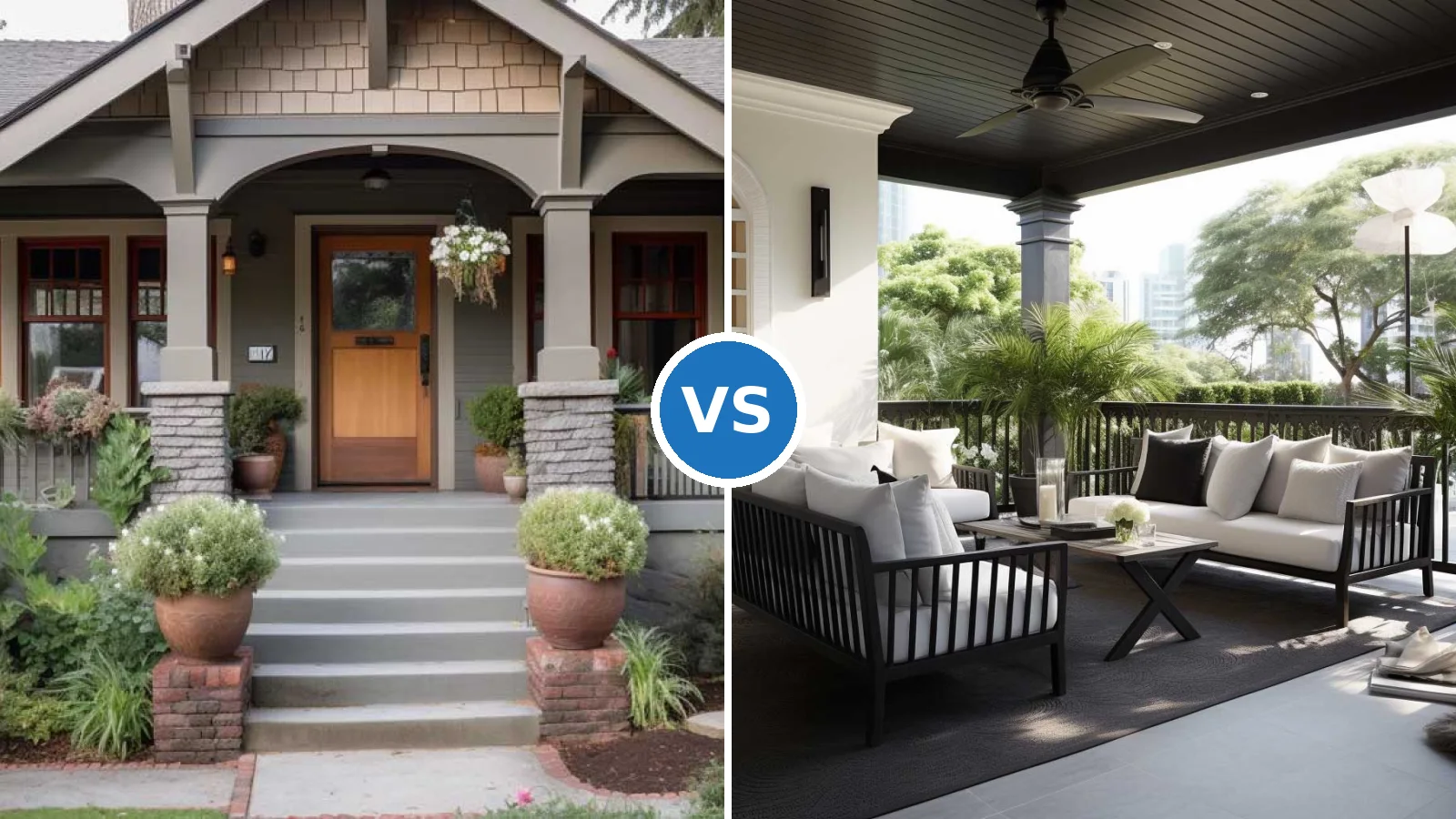
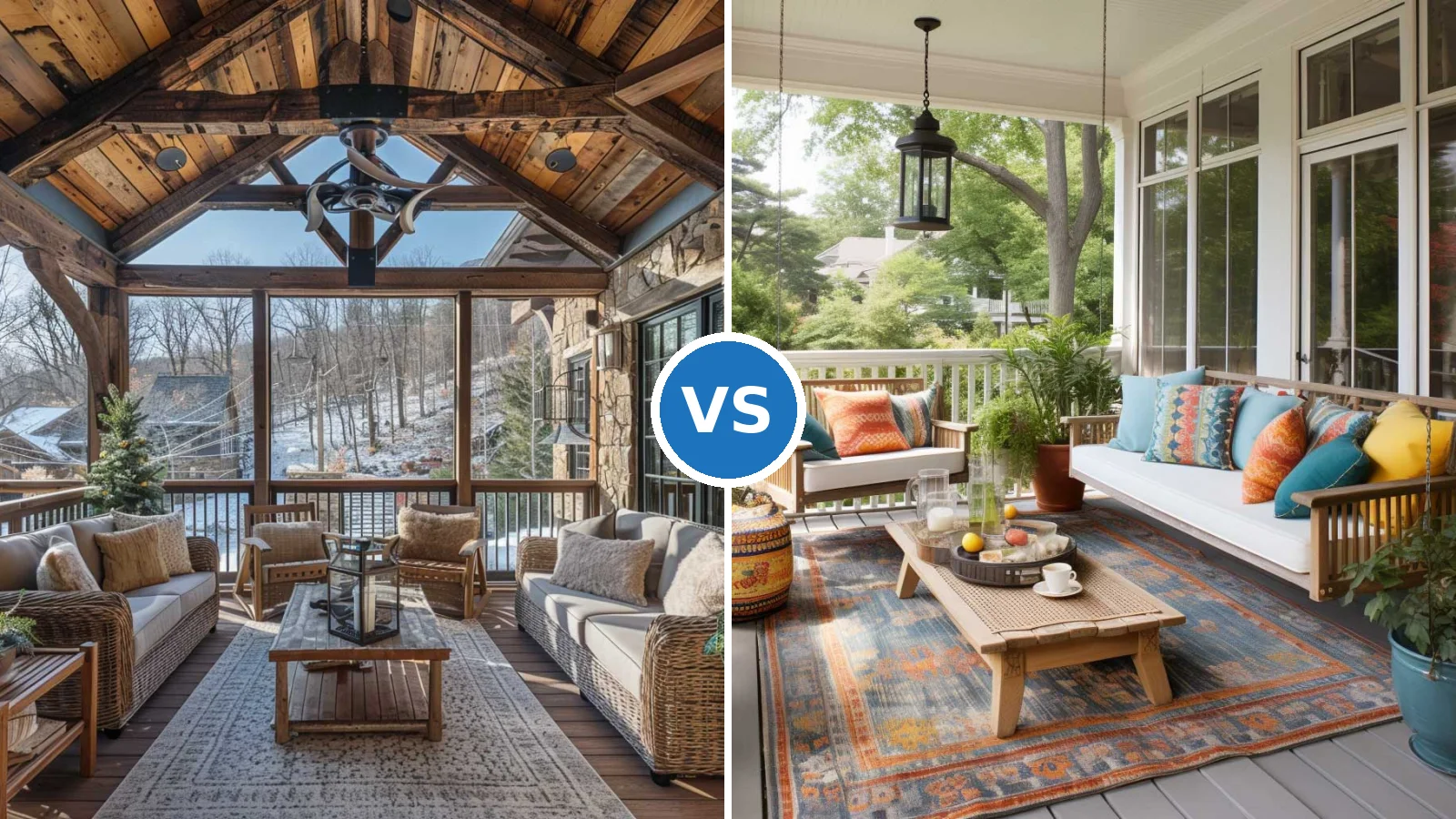
Cozy Enclosed Porch — string lights, plush seating, fire pit or heater; ideal for 3-season use
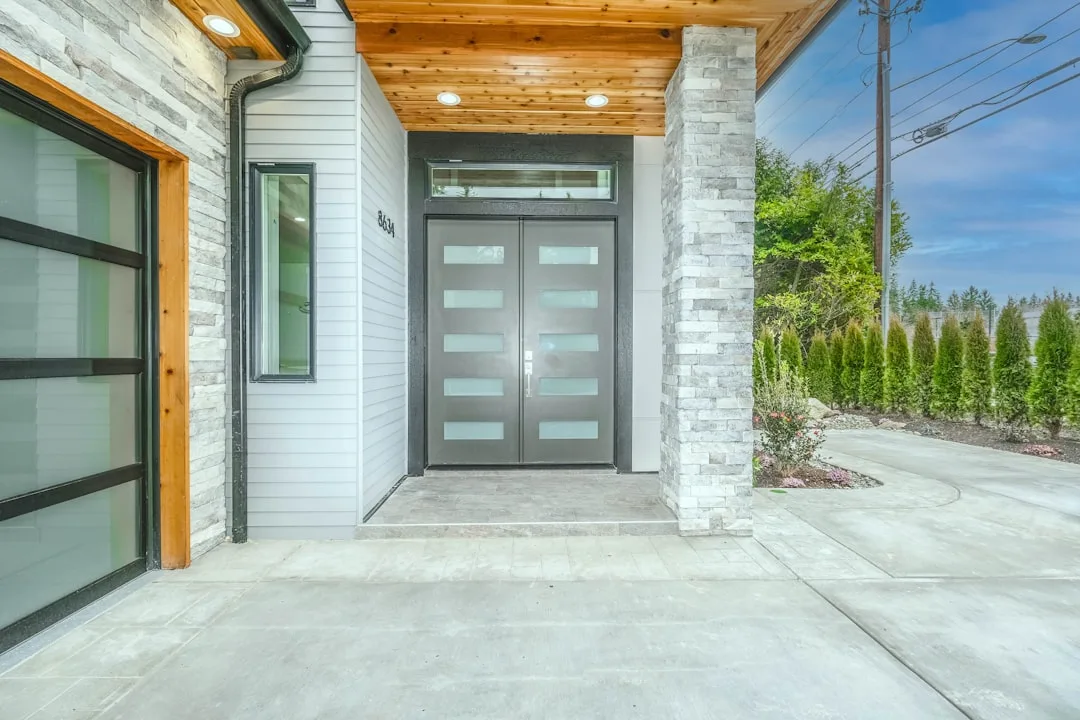
Modern Glass Enclosure — floor-to-ceiling glass panels, recessed LED, neutral palette; works year-round
Rustic Enclosed Porch — reclaimed wood, stone floor, Edison bulbs; ages beautifully with low maintenance
Budget range: Screened enclosures start around $1,500–$4,000 DIY; full glass four-season rooms run $20,000–$80,000 installed.
Cozy Porch Enclosure Designs That Feel Like an Actual Room

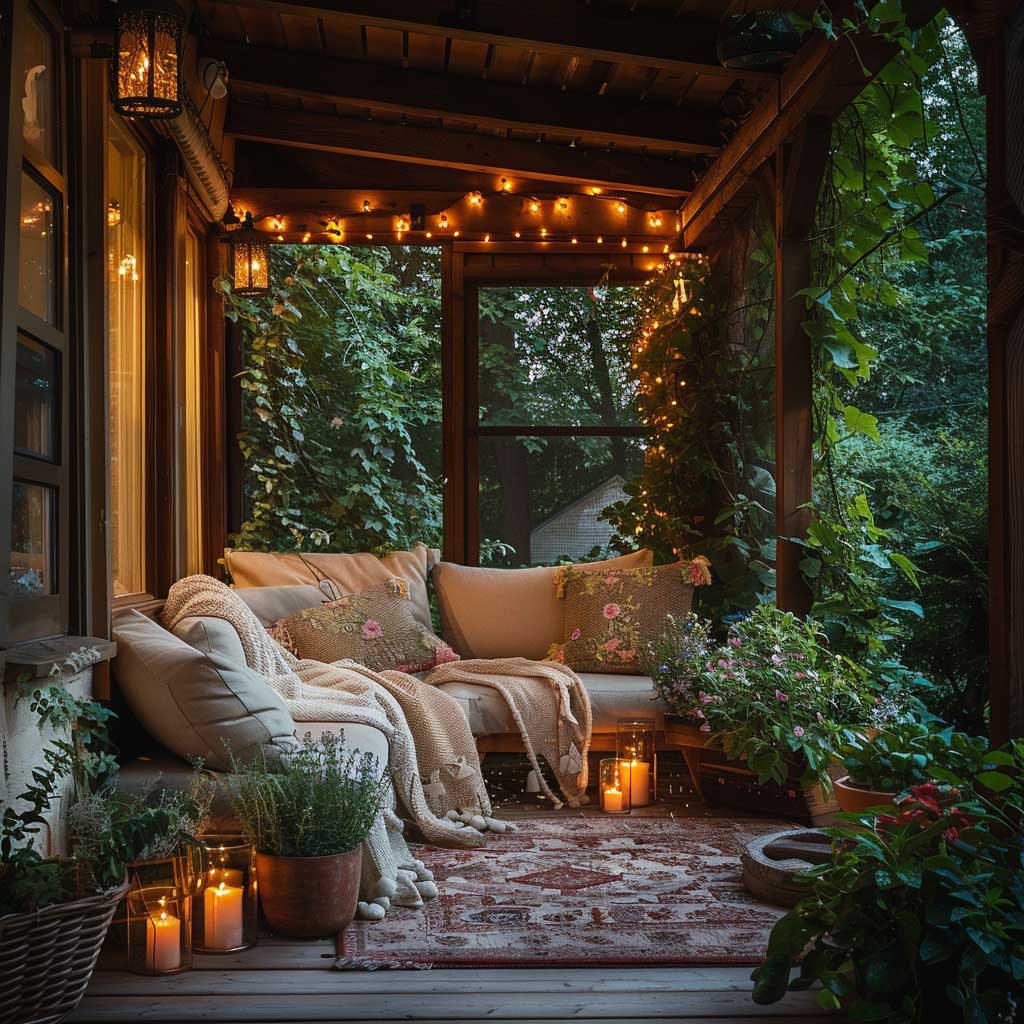

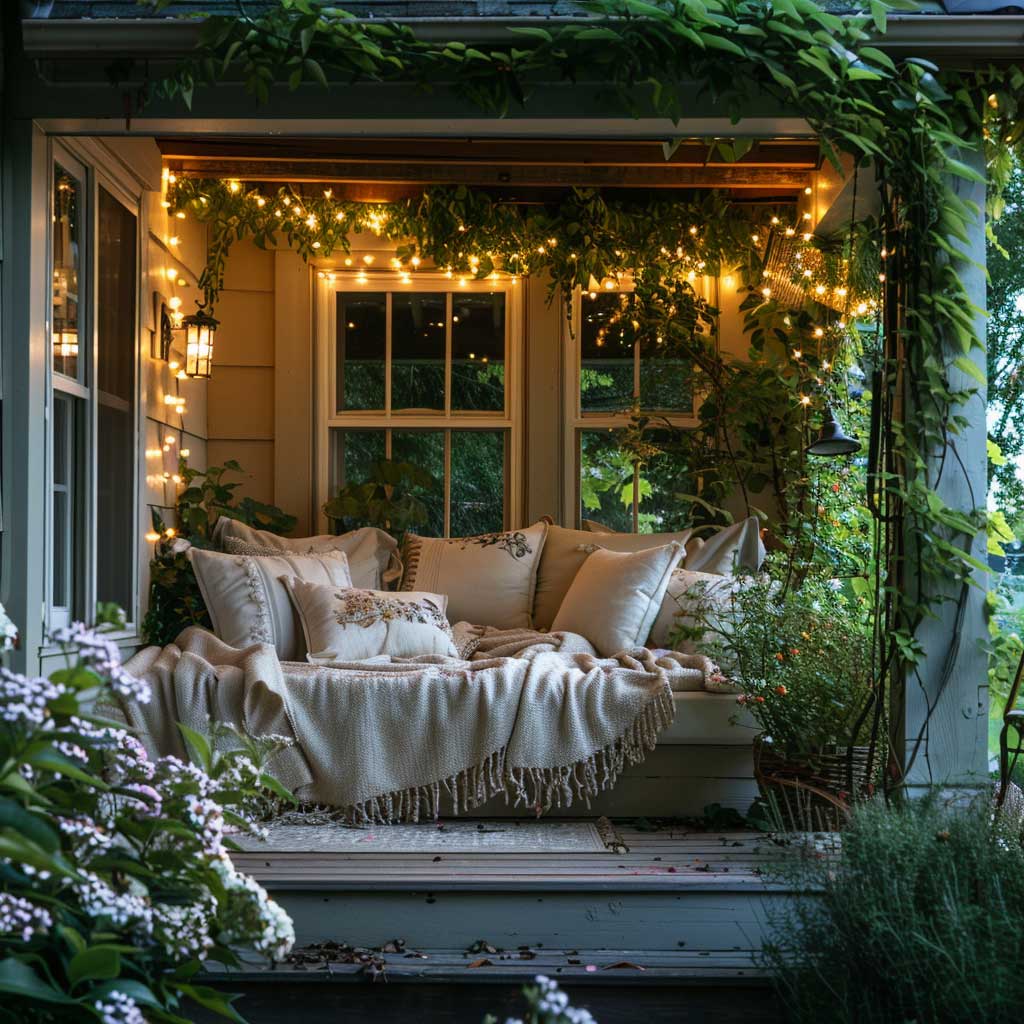
My go-to starting point for a cozy enclosure is a Sunbrella-cushioned loveseat in Heather Beige paired with a teak coffee table — the combination runs about $900 and weathers two winters without drama. Add a set of IKEA SOLVINDEN string lights along the ceiling perimeter at $29 a strand and you have ambiance that no recessed fixture can match. The whole setup feels less like a porch and more like a reading room someone forgot to put walls around.
For the enclosure itself, screened panels in aluminum frames are your lowest-cost entry point — companies like Screen Tight sell full DIY systems for around $1,800 for a 10×12 porch. You’ll notice the biggest quality difference in the spline tool and the corner caps, not the screen mesh. Avoid the bargain-bin fiberglass screen; it sags within a year and the color goes gray-green in UV exposure. Spend the extra $40 and get a charcoal fiberglass or aluminum mesh.
Lighting does the heaviest lifting in this style. String lights or fairy lights draped from beam to beam create a soft glow that overhead fixtures kill completely. I stole this trick from a contractor friend who adds a $15 dimmer switch to the string light circuit — now you can take it from “date night” to “reading with the kids” without changing a single bulb. A small propane fire pit table (Duraflame sells one for $179) extends the usable season by six weeks in most climates.
Plants deserve a strategy, not just a vibe. Pothos in hanging baskets look lush and survive complete neglect. Avoid large tropical floor plants in screened porches — they attract fungus gnats and the soil never dries out properly. What doesn’t work: those decorative bird cages with fake plants. They photograph well on Pinterest and look dusty in real life within a month.
For more ideas on connecting your porch to the rest of your home’s exterior, see the front porch concepts for red brick homes — many of the furniture and lighting notes apply directly to enclosed designs as well.
For additional cozy enclosure inspiration, small window covering ideas for green rooms covers how to handle the light management once the screening is in place.
Front Porch Enclosures with Glass Walls


Glass enclosures are the one version where the investment actually shows up in your home’s appraised value — I’ve seen Zillow listings add $15,000–$25,000 for a properly permitted four-season room. The structural difference between a three-season sunroom (around $20,000 installed) and a four-season room with insulation and HVAC tie-in (around $50,000–$80,000) is the thermal break in the frame. You need an aluminum frame with a thermal break if you want to use the space below 40°F without running a space heater on full blast.
Floor-to-ceiling glass creates what designers call a visual pass-through — the room reads as larger than it is because your eye continues through the glass into the garden. Tinted or low-E glass solves the glare problem. You’ll notice that full-clear glass on a south-facing porch turns into a greenhouse by July; low-E coatings cut solar heat gain by roughly 40% and are worth every dollar of the $200–$400 per panel upcharge.
The furniture strategy for a glass-enclosed porch is opposite to the cozy screened version. Here you want fewer, larger pieces — a deep sectional sofa in Restoration Hardware Cloud fabric ($3,200 for a two-piece) or a pair of Muuto Outline armchairs ($1,800 each) rather than a cluster of small pieces. Every element is visible from outside the glass. Clutter is visible. Simplicity is not just taste — it’s a structural decision.
What doesn’t work in a glass enclosure is colored accent walls. You spend all this money on natural light and then paint one wall teal? The whole point is that the outside IS the wall. Limit color to removable textiles only — a bold rug under $300 from CB2 or a pair of throw pillows you can swap seasonally.
Don’t frame glass directly into wood without a proper threshold seal. I watched a neighbor’s $30,000 four-season room develop mold inside the frame within 18 months because the contractor caulked the sill with standard silicone instead of a polyurethane backer. Water found the gap and the wood absorbed it for a full year before anyone noticed. Always specify EPDM gaskets and polyurethane sealant for glass-to-frame connections, and ask for a written warranty on the weatherproofing. If the contractor balks at that request, find a different contractor.
Smart home integration belongs here, not in the cozy version. A Lutron Caséta wireless dimmer system ($80 per switch, no hub needed) lets you control recessed LED strips and pendant lights from your phone. I own two of these systems in my house — the installation takes 20 minutes and the WAF (wife approval factor, as my electrician calls it) is off the charts. Automated roller blinds from IKEA’s FYRTUR line ($139 per panel) handle privacy on demand without the bulk of curtains.
For more screened and glass enclosure designs, screened porch designs for every size home covers both small front porch enclosure setups and larger open-plan layouts in detail.
For even more design comparisons and community project photos, Houzz has over 6,000 porch enclosure photos organized by style, size, and climate region.
Rustic Enclosures Built From Materials That Already Look Old
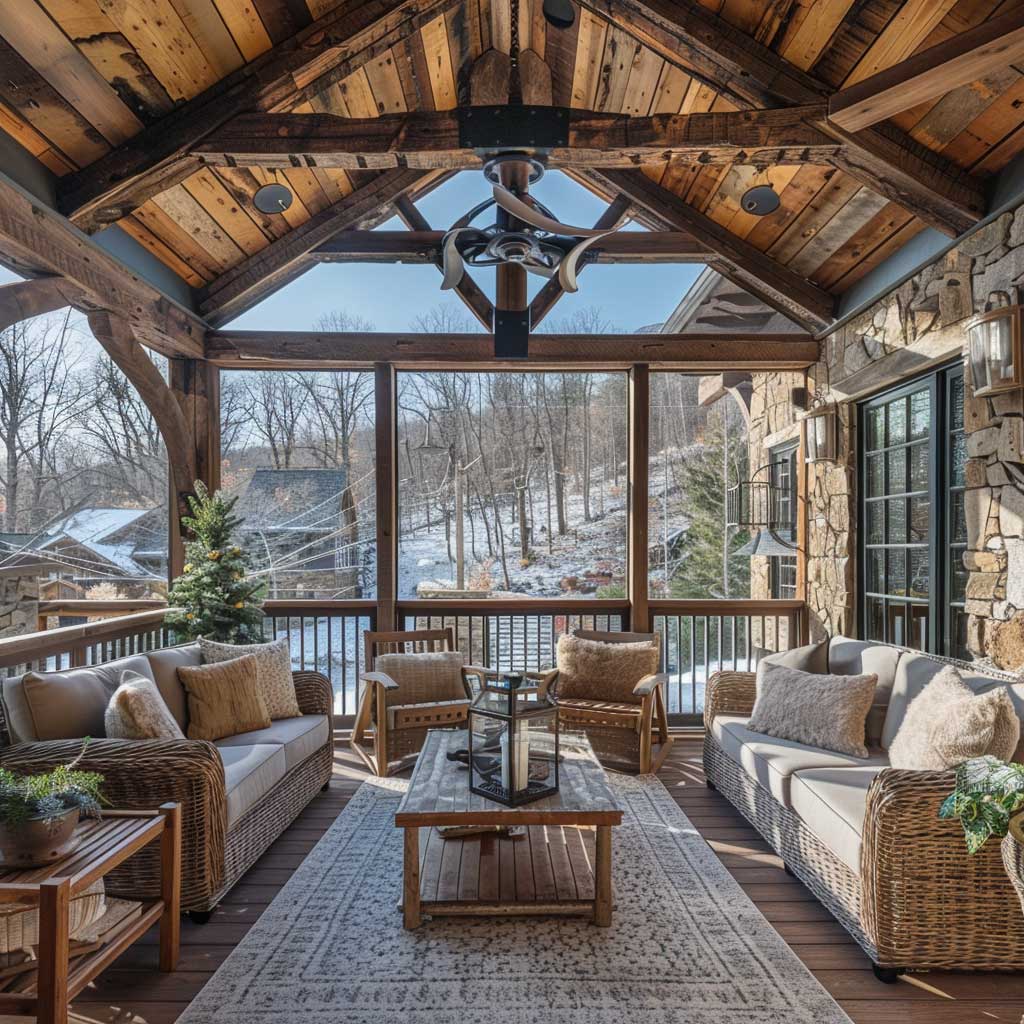


Reclaimed wood is the structural equivalent of a wine that improves with age — the character deepens rather than degrades. You’ll pay $4–$8 per board foot for reclaimed Douglas fir compared to $1.50 for new pine, but a 10×14 porch floor needs roughly 200 board feet, so the total premium is around $500–$1,300. That difference buys you texture that a new floor never replicates, and the wood has already done its shrinking and warping.
The enclosure method for a rustic porch is almost always board-and-batten siding with fixed or operable windows, not screens. Fixed windows in a reclaimed pine frame from a company like Marvin’s Integrity line (around $400–$700 per window) age into the structure rather than standing apart from it. Avoid vinyl windows in a rustic scheme — the white frames look like a modern renovation landed on a farmhouse, and nothing reconciles that contrast.
For furniture, wicker, rattan, and reclaimed-wood pieces are the obvious calls — but the specific pieces matter. A World Market Havana rocking chair at $149 is my go-to suggestion for a starting piece: the proportions are right, the weight is substantial enough to feel quality, and the color takes outdoor stain well. Avoid the metal “rustic” furniture sold at Target; the distressed finish chips within a season and you end up with rust spots on a supposedly earthy design.
Edison bulbs on a dimmer are the lighting equivalent of instant atmosphere, but here’s the thing nobody tells you: buy the LED Edison versions from Feit Electric (around $8 per bulb at Home Depot) not the incandescent ones. Incandescent runs at 2200K and gets hot enough to be a fire hazard in low-clearance wood ceilings. The Feit LED version runs at the same warm color temperature, draws 4 watts, and doesn’t turn your porch ceiling into a sauna.
For more inspiration on connecting a rustic enclosure style to your home’s interior, the farmhouse small kitchen ideas article covers how to carry the same reclaimed-wood and earthy-textile language from an enclosed porch directly into the adjacent dining space.
A stone floor is the one rustic element with genuinely no downside. Flagstone runs $3–$8 per square foot installed for a standard 12×14 porch, it doesn’t rot, it ages into a deeper color, and it stays cool in summer. The one caveat: lay it on a proper concrete base, not compacted gravel. Gravel bases allow frost heave in climates below 32°F and the stones shift within two winters.
| Style | Enclosure Type | Approx. Cost | Usable Seasons |
|---|---|---|---|
| Cozy | Screened panels | $1,500–$5,000 | 3 (spring–fall) |
| Modern Glass | Aluminum + glass panels | $20,000–$80,000 | 4 (year-round) |
| Rustic | Board-and-batten + windows | $8,000–$25,000 | 3–4 depending on insulation |
Final Takeaway
An Enclosed Porch That Gets Used Every Day Starts With the Right Enclosure Type — Not the Right Cushion Color
Choose screened panels for three-season ease and low cost. Choose glass for four-season living and home value. Choose rustic board-and-batten if you want it to age like the rest of the house without annual maintenance.
Match the enclosure method to your climate first, your budget second, and your aesthetic third — not the other way around. The style can always be updated; a structurally underdone enclosure is a renovation project in two years.
Save this post before you start pricing out materials — the comparison table above will save you at least one contractor conversation.