Quick Scan — Butterfly Layers Long Hair
- Crown layers must start at or above the cheekbone — anything lower and the butterfly silhouette disappears.
- Thick hair needs internal debulking at the crown; fine hair needs blunt-tip cuts, never razored ends.
- Conditioner on crown layers weighs them flat — apply only from mid-length down.
- Rough-dry upside down, then finish with a round brush at the crown only to reset lift.
- Flat-ironing the crown layers removes the upward bend — use a 1.25-inch wand instead.
Butterfly layers on long hair are the most-requested cut in salons right now — Behind the Chair called them one of the dominant long haircut trends for 2026, and the Pinterest save rate on butterfly layer inspo boards is outpacing practically every other long-hair search this spring. But here is the part nobody talks about: most women walk out with a version that deflates by week three. The crown loses its height, the face-framing pieces merge into the rest of the length, and suddenly the whole point of the cut is gone. The layers are still there. The effect is not.
Crown Placement Decides Whether Butterfly Layers Live or Disappear
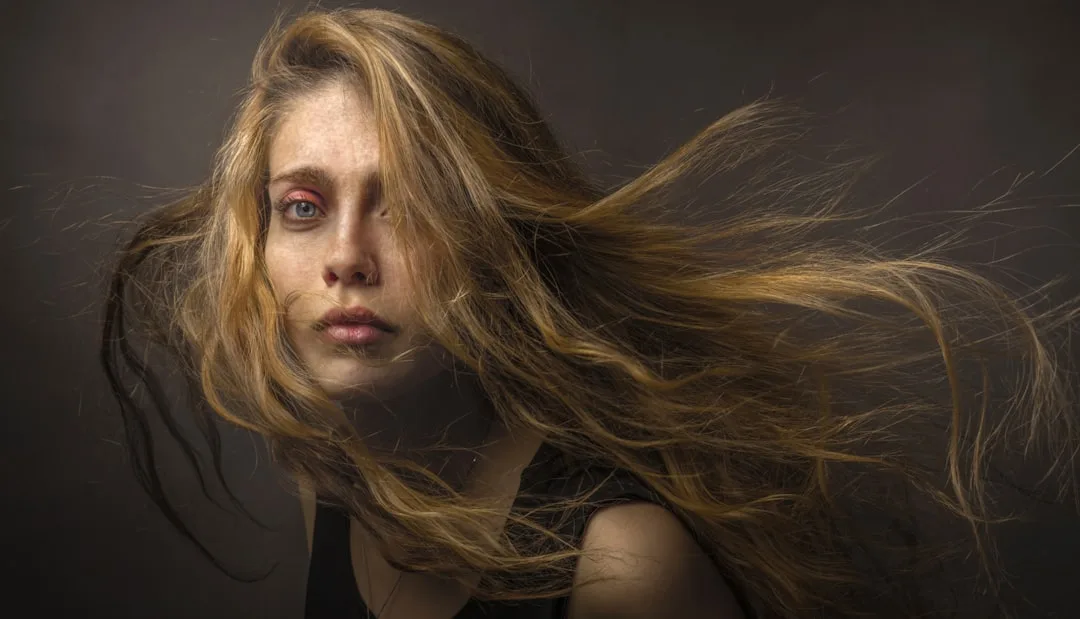
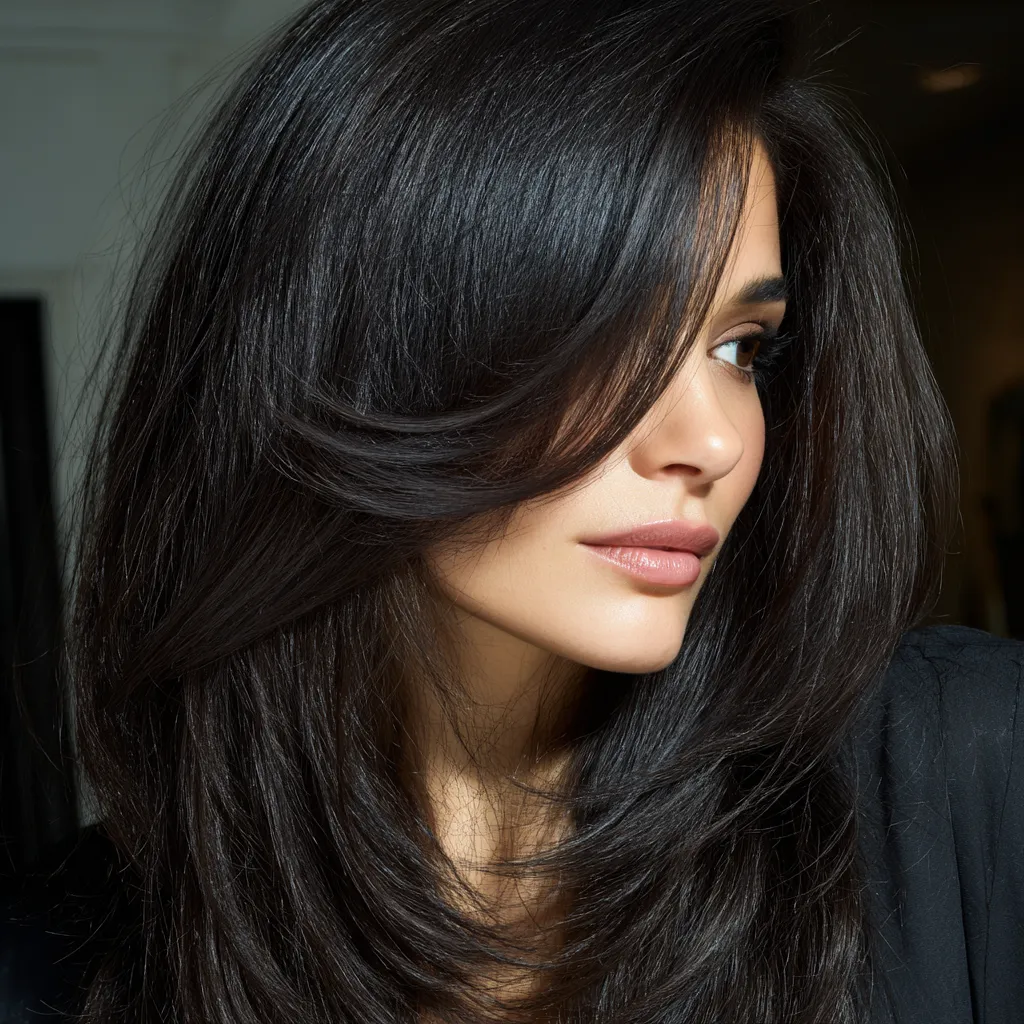
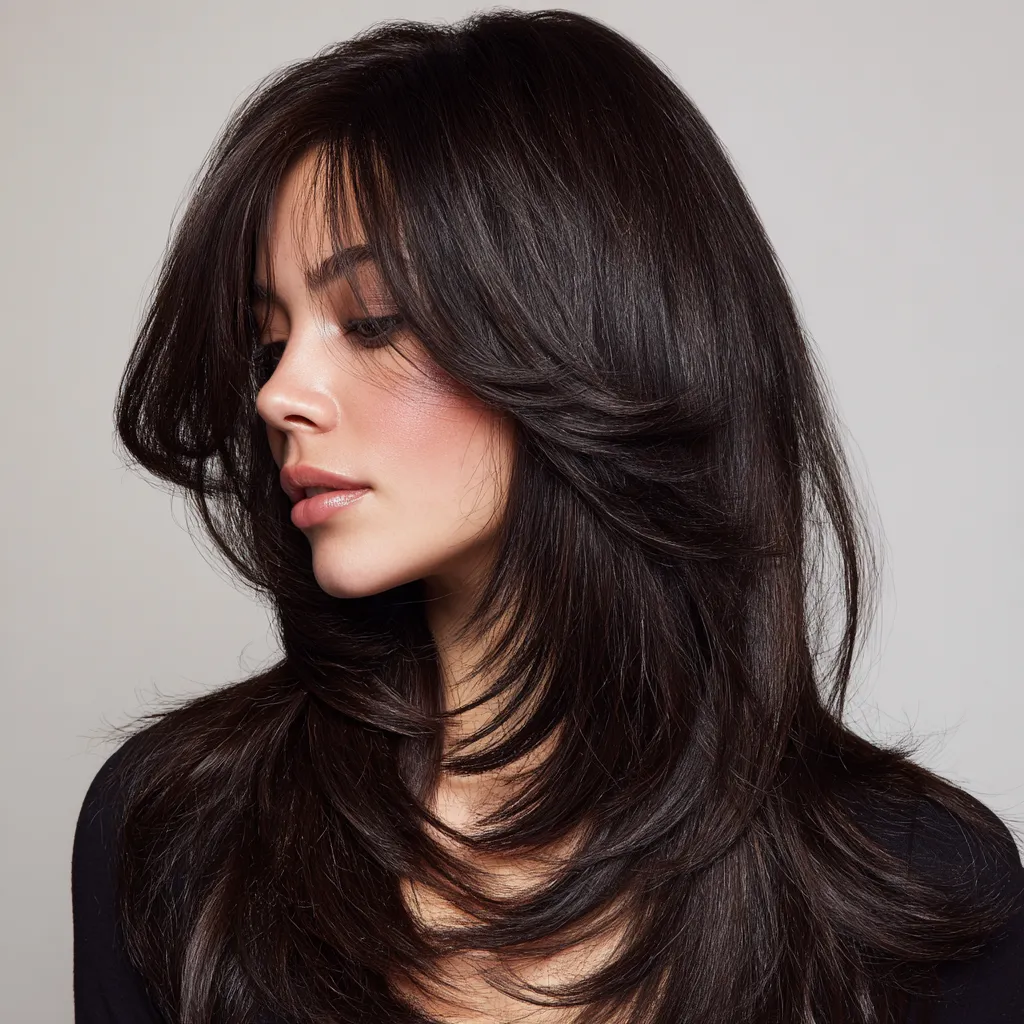
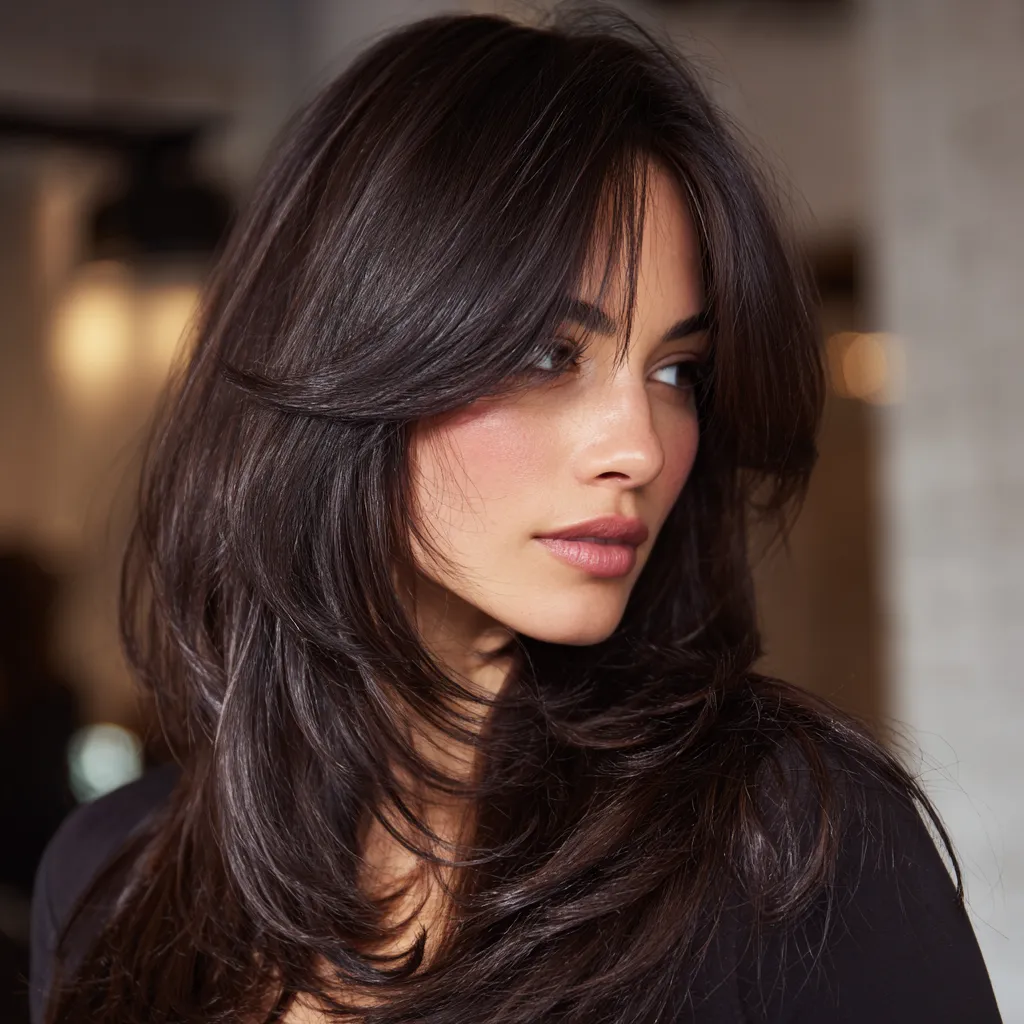
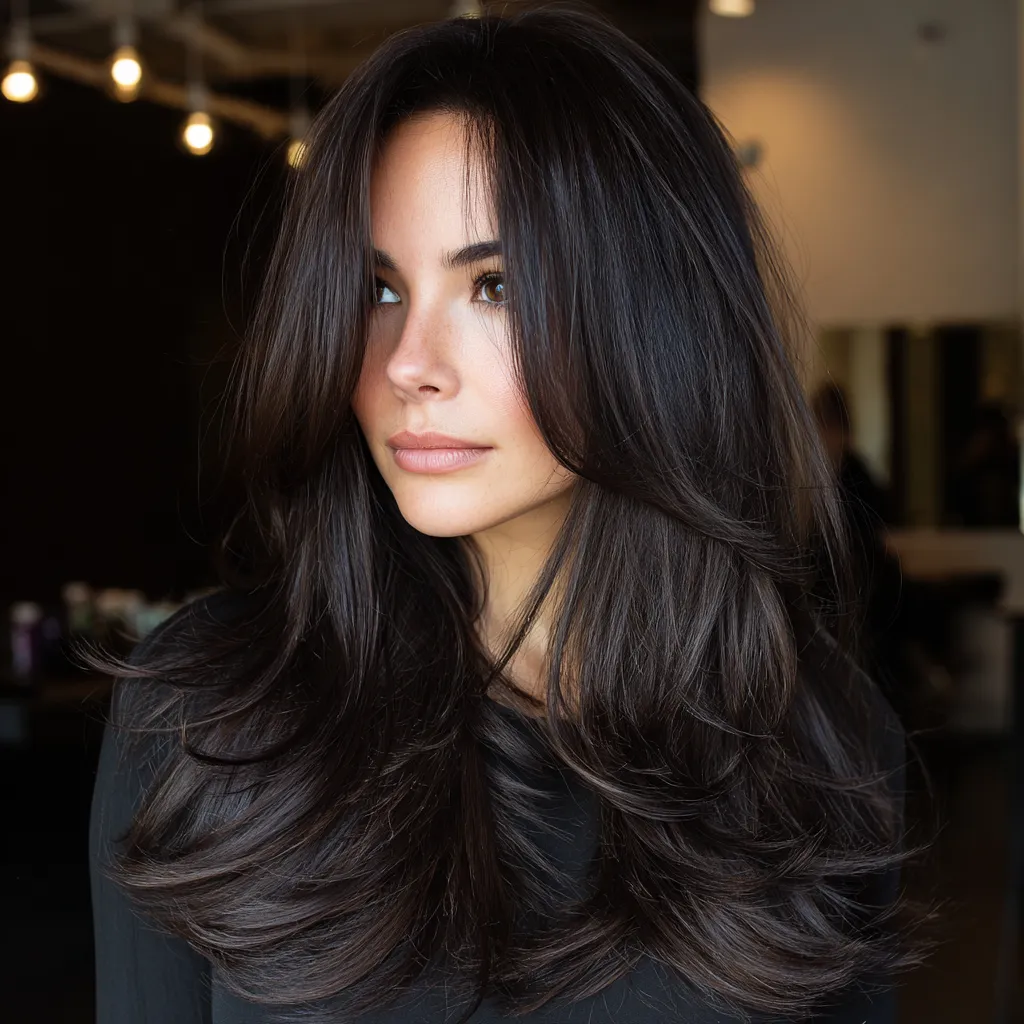
The butterfly cut works because it places shorter, lighter layers at the crown and lets them fan outward over longer undisturbed length below — like wings, as stylists describe it. What kills the look is asking for layers that start too low, around the shoulders instead of at the cheekbones or above. My own stylist made this mistake on my first attempt, and I spent six weeks wondering why my hair just looked “layered” rather than lifted.
So what is the correct placement? The shortest crown pieces should sit roughly at the cheekbone line or the jaw at the absolute lowest. Redken Ambassador Gilad Goldstein has noted that face-framing layers starting around the cheekbone create dimensional framing — anything lower and the top-to-bottom contrast that defines the butterfly silhouette collapses. Ask your stylist to point-cut those crown pieces with dry scissors, not wet, so shrinkage does not shorten them beyond the target length after blow-drying.
Do not ask for “soft butterfly layers” if you have fine hair and want visible lift. That phrasing signals to most stylists that you want minimal separation, which defeats the structural purpose. Be specific: crown layers at the cheekbone, blended into mid-length, long ends intact. Reference photos matter here. Bring at least three.
If you want to see how other face-framing cuts compare structurally, Can Wispy Bangs Transform Your Long Hair Game covers the fringe side of the same face-shaping conversation.
Don’t Do This With Butterfly Layers
- Don’t ask for “soft butterfly layers” if you have fine hair wanting visible lift — that phrase tells stylists to minimize separation, collapsing the whole effect.
- Don’t apply conditioner to the crown layers — silicones coat the shorter pieces and kill their lift within one wash cycle.
- Don’t flat-iron the crown pieces straight — pressing them removes the outward bend that makes the cut read as butterfly rather than just “layered.”
- Don’t skip heat protectant at the crown specifically — those shorter layers degrade fastest under direct heat and lose shape months before the rest of your length does.
Thick Hair Gets Butterfly Layers Wrong in a Specific Way That Thin Hair Does Not
Thick hair and thin hair both look incredible with butterfly layers — but they fail differently, and the fix for one makes the other worse. With thick hair, the problem is almost always too much internal bulk left in the crown layers. The shorter pieces at the top feel heavy, sit wide instead of lifting, and make the whole silhouette look triangular rather than airy. The 2026 Bombshell Shag, which borrows directly from butterfly cut principles, specifically relies on internal debulking of the crown — stylists at BehindTheChair describe using blending scissors to remove 15 to 20 percent of density without separating layers visibly.
Thin hair has the opposite issue. Ask for too much internal thinning and the crown pieces have no body left to hold shape. I’ve seen this result in hair that looks wispy in the wrong way — not the intentional floaty texture we want, but strands that cling together and show scalp. For fine hair, butterfly layers should be cut blunt at the tips, not razored, and styled with a volumizing mousse like Bumble and bumble Thickening Spray ($32) applied at the roots before a round-brush blowout.
Do not skip heat protectant at the crown specifically. Those shorter pieces take the most direct heat during blowouts and degrade fastest, which is exactly why butterfly layers lose their shape in weeks rather than months on regularly heat-styled hair. Bb. Hairdresser’s Invisible Oil Heat Primer ($38) at the crown before every blowout is not a luxury step.
For a related approach to layering fine strands without sacrificing length, How To Choose A Step Cut For Long Hair With Fine Texture walks through weight-distribution logic that applies here too.
| Feature | Butterfly Layers | Wolf Cut | Long Shag |
|---|---|---|---|
| Shortest layers at | Crown / cheekbone | Crown + nape | Crown + throughout |
| Bottom length | Clean, undisturbed | Choppy, textured | Moderately layered |
| Best for | Fine to medium hair | Thick hair | All hair types |
| Maintenance trim | Every 8–10 weeks | Every 6–8 weeks | Every 8–10 weeks |
| Styling time | 15–20 min blowout | 5–10 min air dry | 10–15 min |
| Pinterest save rate 2026 | Very high | High | High |
Butterfly Layers Flatten After Two Weeks Because of How You Wash and Dry Them
You got the cut right. The placement is correct. You left the salon and the shape was everything. Then you washed your hair at home and it was gone. This is the most common complaint I hear, and it is a maintenance problem, not a cut problem. Butterfly layers depend on weight distribution — the crown pieces stay lifted because there is nothing heavy pulling them down. The moment you apply conditioner from roots to ends on those shorter crown pieces, you coat them with slip-agents that make them hang flat against the head.
Apply conditioner from mid-length downward only. The crown layers do not need it, and they will hold their shape dramatically longer if you keep them free of silicone-based product buildup. A clarifying wash once every two weeks — I use Olaplex No. 4C Bond Maintenance Clarifying Shampoo ($30) — resets the canvas and lets the cut speak again.
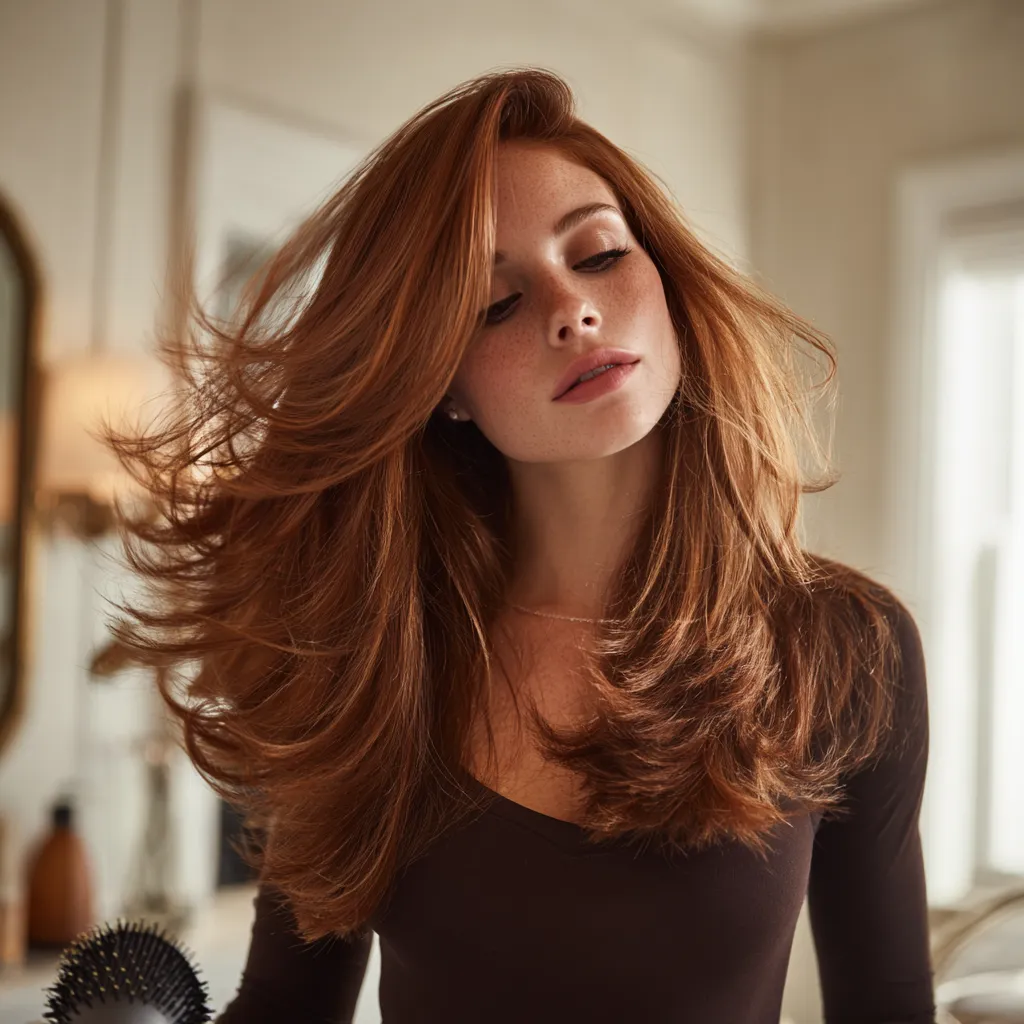
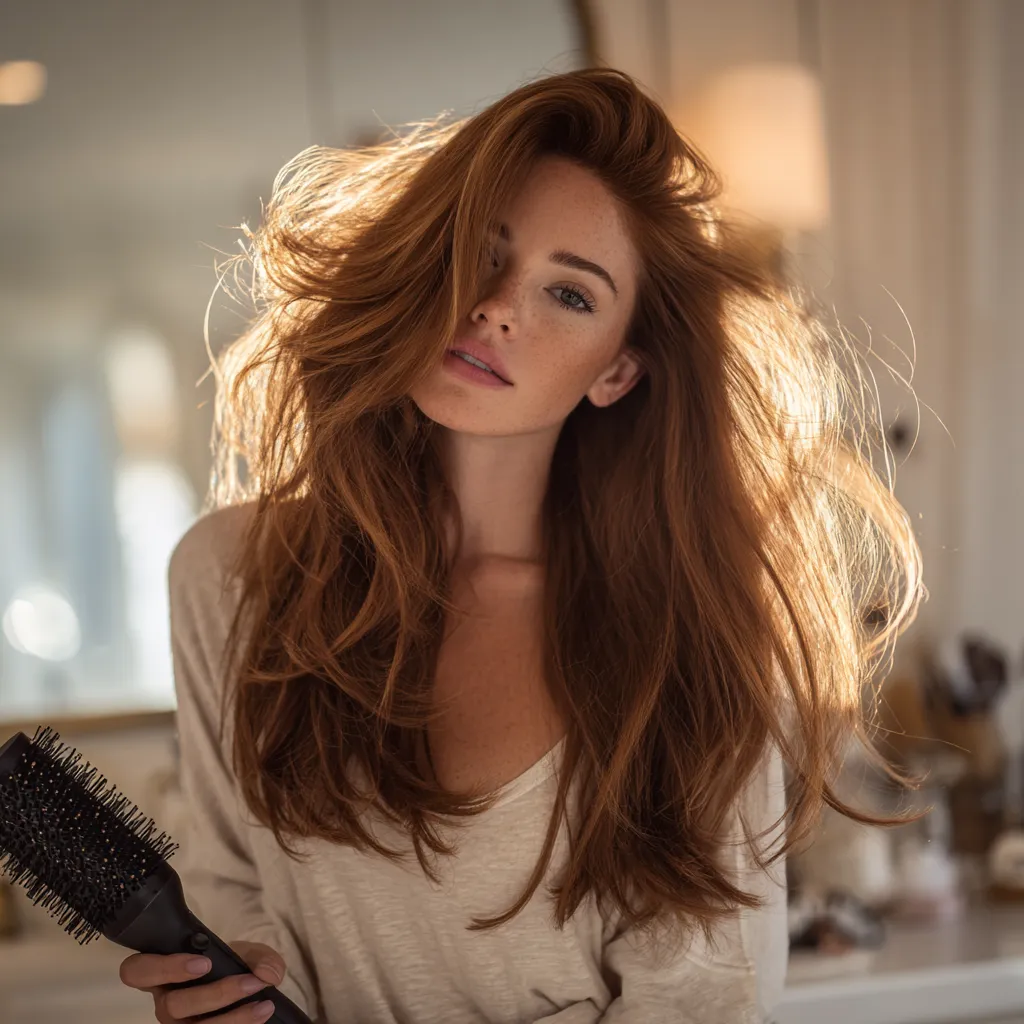
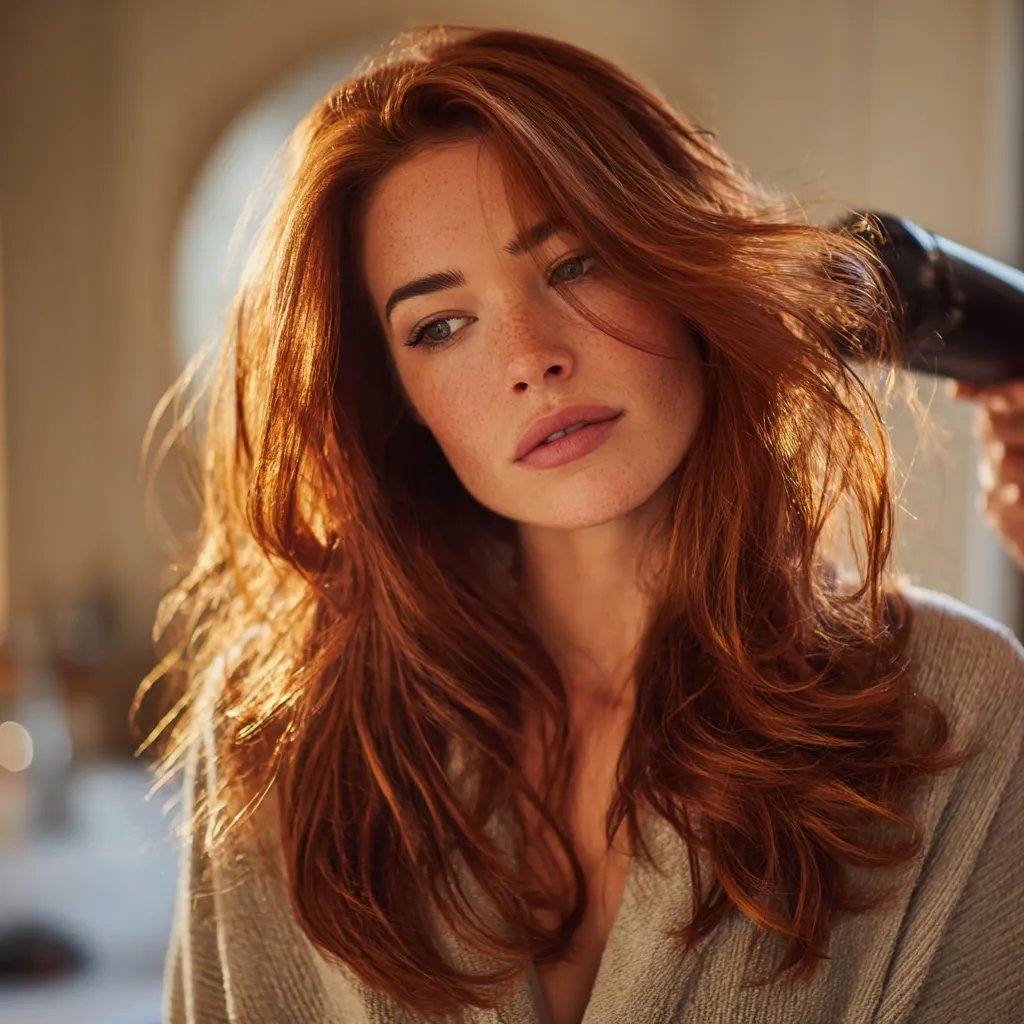
Drying technique also breaks butterfly layers faster than anything else. Rough-drying the crown with your head flipped upside down and then flipping back without a round brush leaves the crown flat and the shorter pieces pointing in random directions. Rough-dry upside down until 80 percent dry, then flip up and use a medium round brush at the crown only, rolling away from the face, to re-establish the lift. You do not need to blow-dry the full length this way — just the top 4 to 5 inches where the butterfly architecture actually lives.
Do not use a flat iron on the crown layers the same way you iron the rest of your length. Pressing those shorter pieces straight erases the bend that gives them upward movement. Wrap them around the barrel of a 1.25-inch curling wand instead — Dyson Airwrap at $599 or the more accessible T3 Whirl Trio at $200 both work — to set a slight outward curve that reads as natural lift.

FAQ
How long does hair need to be for butterfly layers to work?
Most stylists recommend at least collarbone-length hair so the contrast between the shorter crown pieces and the longer undisturbed ends reads clearly. With shorter starting lengths the crown layers end up too close to the tips and the signature winged silhouette flattens. Mid-back length gives the most dramatic result.
Can butterfly layers work on curly long hair?
Yes, but the cutting approach changes. Curly hair needs butterfly layers cut dry, after the curl pattern has formed, so the stylist can see exactly how short the crown pieces will land once they spring up. Cutting curly butterfly layers wet typically results in crown pieces that are far shorter than intended after drying, which can make the top feel sparse rather than lifted.
How often do butterfly layers need a trim to stay shaped?
Every 8 to 10 weeks for most hair types. The crown layers are the first to lose their shape as they grow, and once they pass the cheekbone line the lift effect begins to fade. Some women with fast-growing hair need a shape-up at 6 weeks — just the crown pieces, not the full length.
What hair color works best with butterfly layers on long hair?
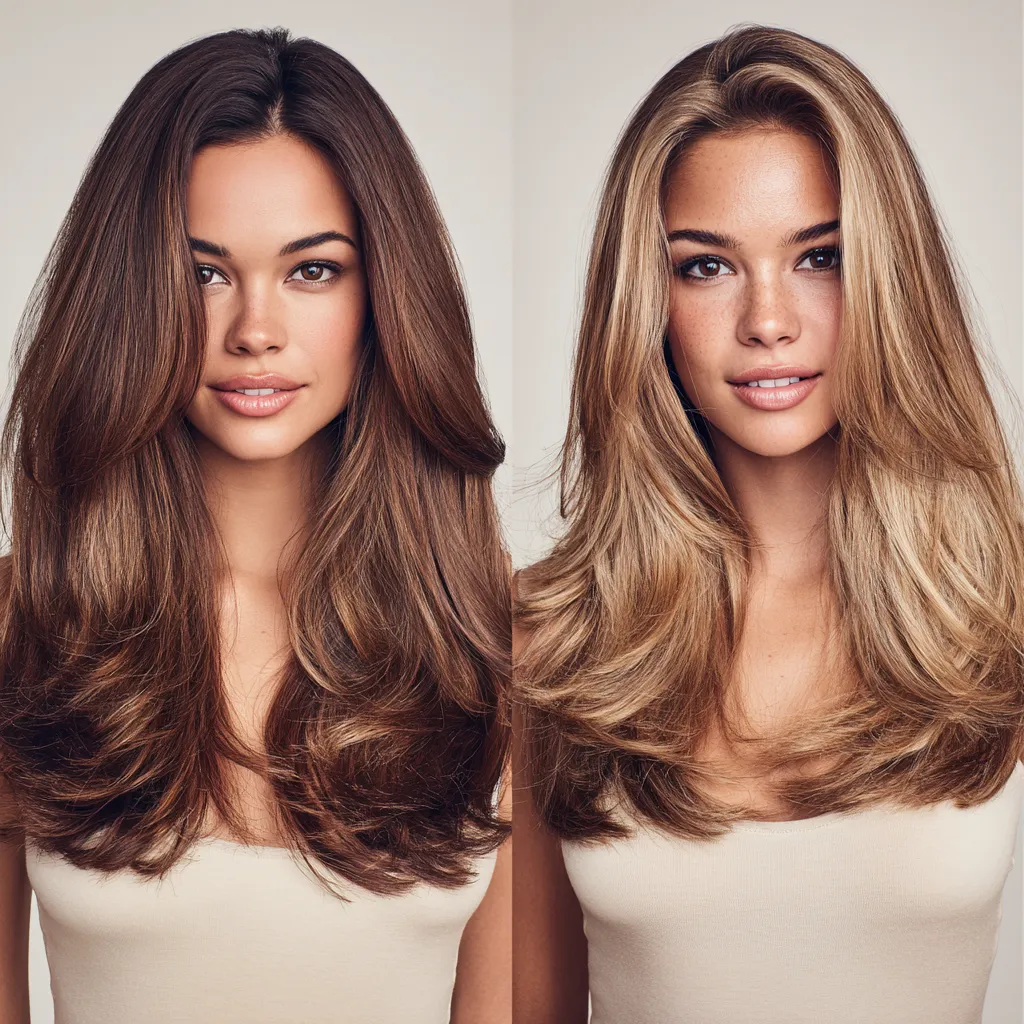
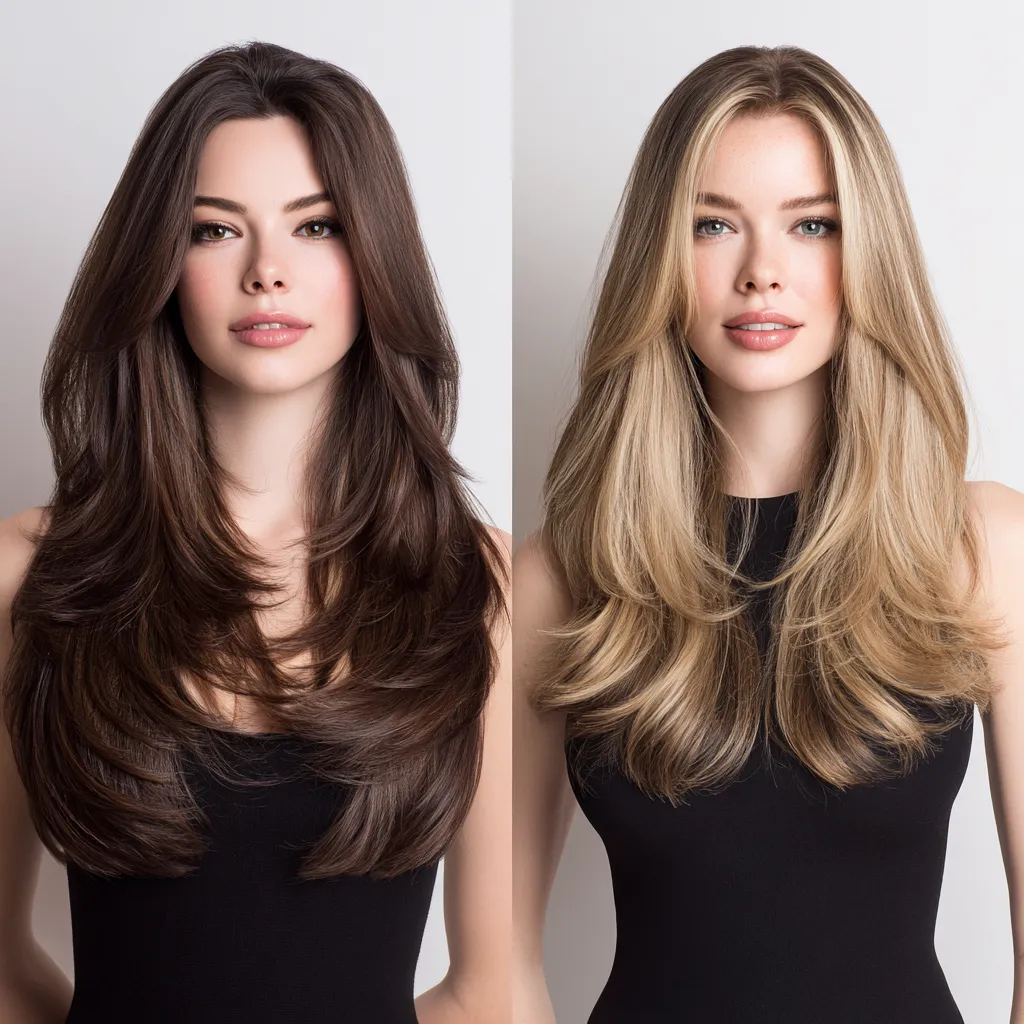
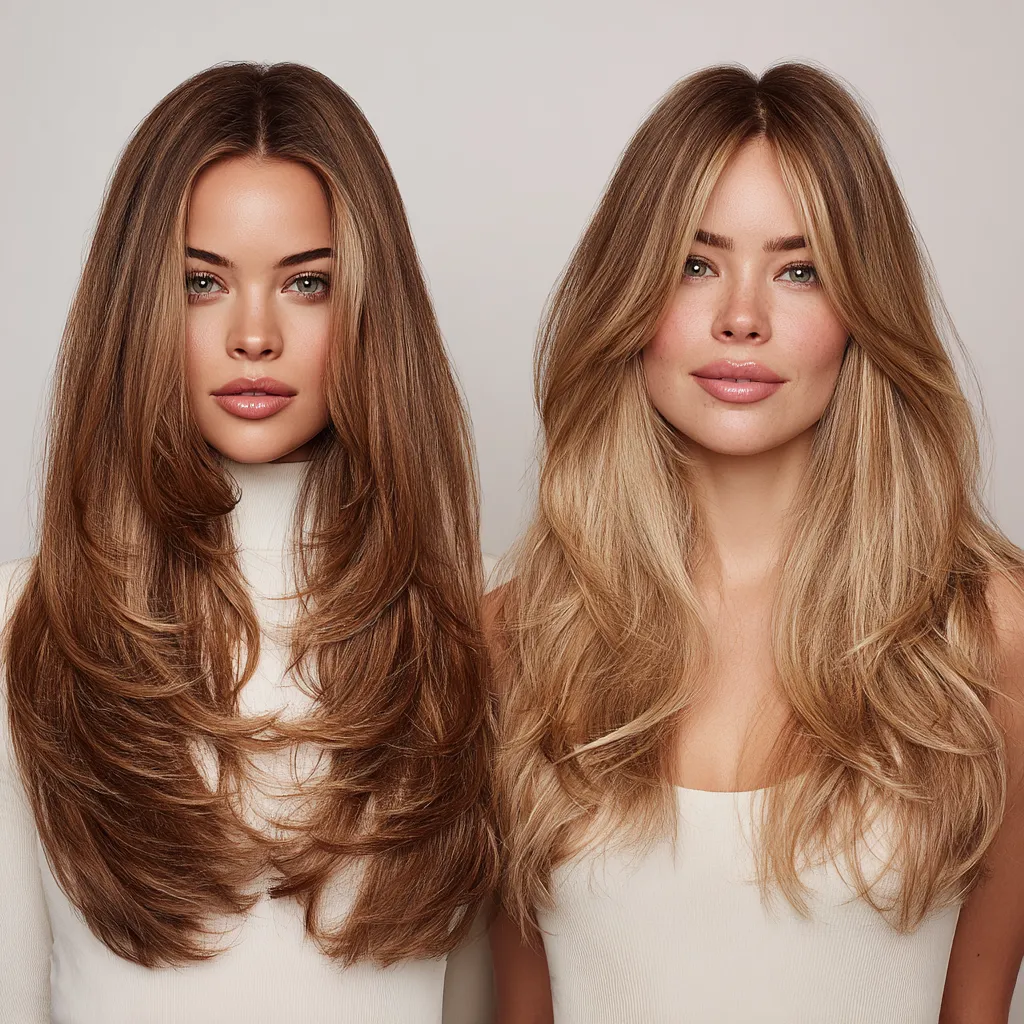
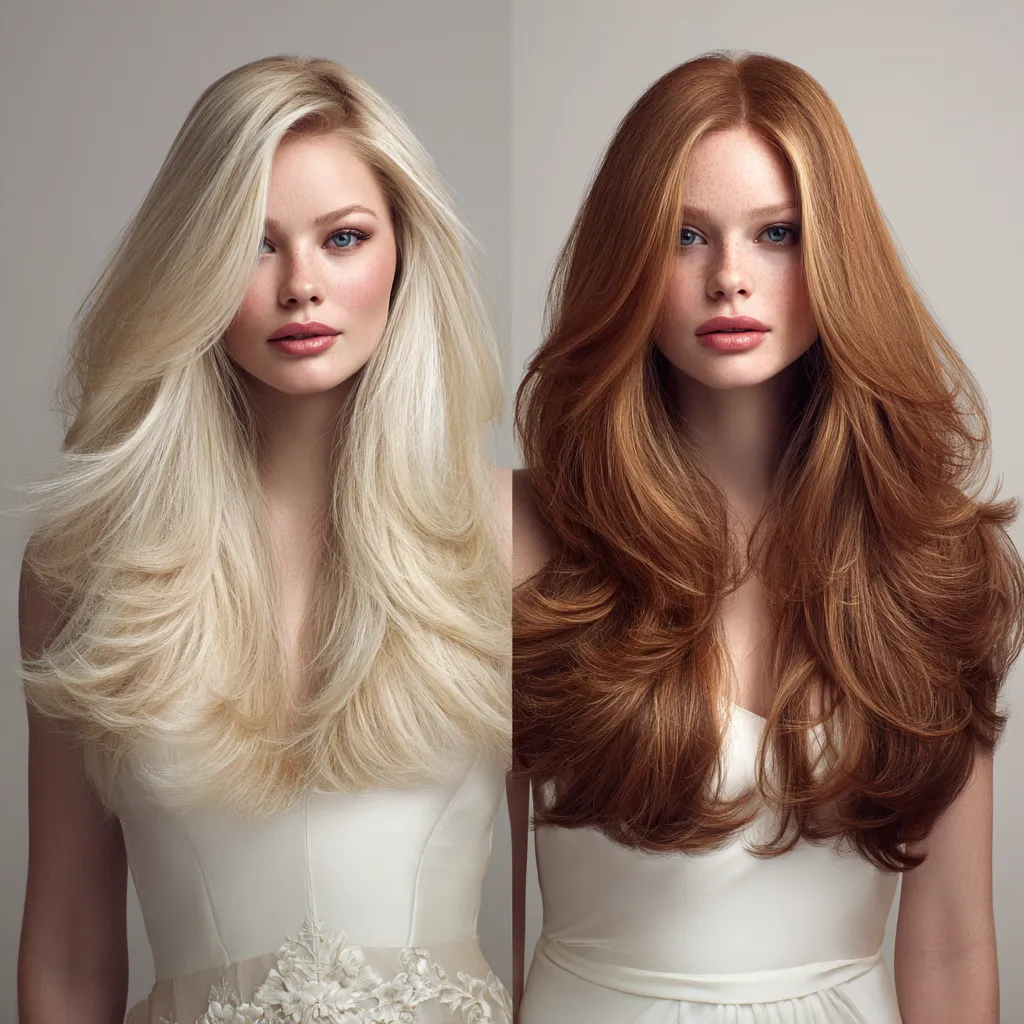
Dimensional color that adds contrast between the crown pieces and the longer lengths shows the butterfly cut most clearly. Balayage with lighter tones at the face-framing layers and slightly deeper tones through the mid-length makes the wing shape visually pop. Solid color still works beautifully but the architectural detail reads more subtly.
Is the butterfly cut the same as the wolf cut?
They overlap but are distinct. The wolf cut, inspired by the mullet, has heavier layers throughout including at the nape and is generally choppier overall. The butterfly cut focuses its shortest layers at the crown and cheekbones specifically to create upward lift, leaving the bottom length much cleaner and less textured than a wolf cut.
Long Hair 2026
Butterfly Layers Long Hair — Now You Know What Actually Keeps Them
The cut itself is not hard to get right once you know the two variables that matter: crown placement above the cheekbone, and zero conditioner on those top layers. Most women who love the look in the salon photo and hate it three weeks later are not dealing with a hair problem — they are dealing with a maintenance gap nobody explained to them.
Whether your hair is thick and needs debulking or fine and needs blunt-cut tips, the butterfly architecture works the same way — weight at the bottom, air at the crown, face-framing pieces that hold a curl rather than a press. That is the whole formula.
Save this post.
📌 Save to PinterestComplete guide
Straight Hairstyles That Actually Work for Your Hair Type
Cuts by length, face shape, texture and color — all in one place
Complete guide
Hairstyles with Bangs That Actually Work for Your Face Shape
Blunt, curtain, wispy, micro, Korean, side swept — every bang style in one place
Complete guide
The Shag Haircut Playbook — Every Length, Face Shape and Texture Covered
Short, medium, long, curly, pixie, bangs, by face shape — all in one place