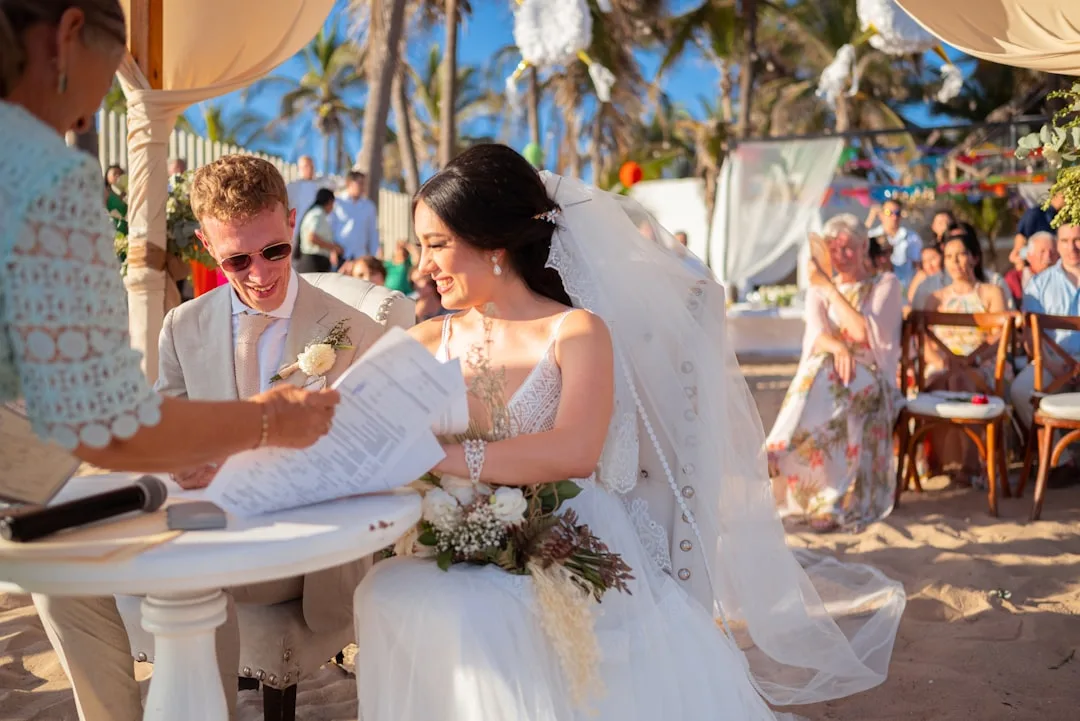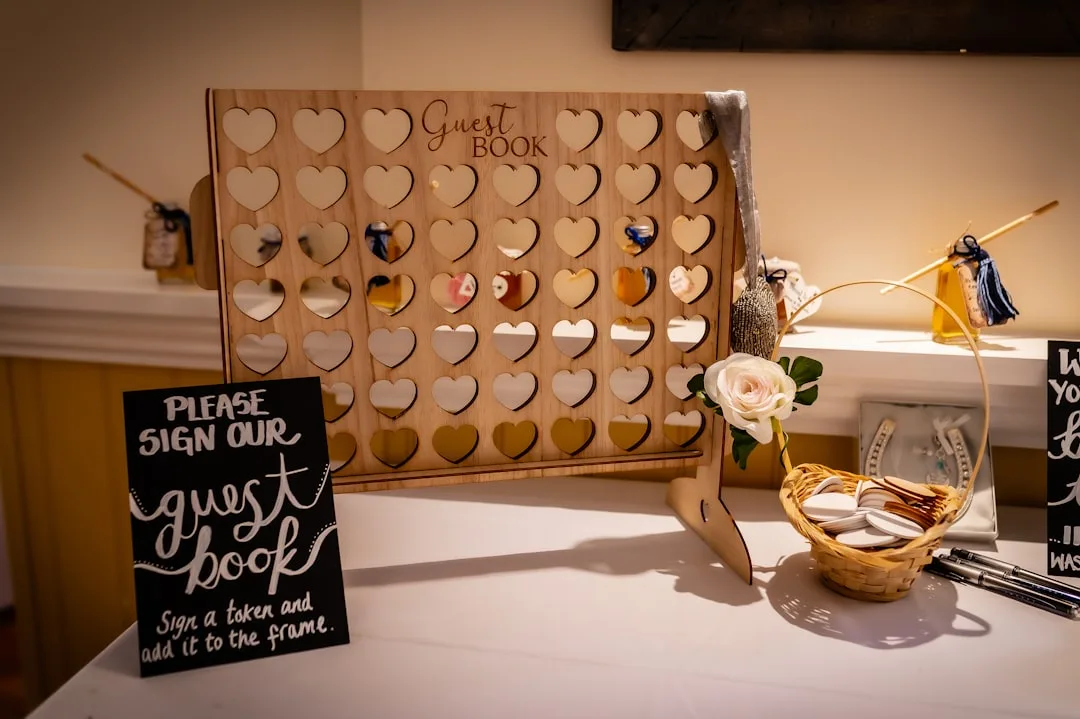
The single-day wedding is no longer the default. Right now, one of the most significant wedding trends reshaping how couples celebrate is the full wedding weekend — a multi-day arc of events that treats marriage like a destination experience rather than a one-night event.
This is not about excess. It is about intention. And the data confirms the momentum: according to Zola’s 2026 First Look Report, released in March 2026 and based on over 11,500 surveyed couples, 37% of those getting married this year are hosting at least one additional event alongside the main celebration, and 20% are stretching the whole affair into a two-to-three-day wedding weekend.
Why the Weekend Format Wins Where a Single Day Fails
The core tension with a traditional one-day wedding has always been time. You have guests flying in from three continents, a ceremony that lasts forty-five minutes, a reception that winds down by midnight, and then everyone disperses. The emotional investment — for the couple and for the guests — never gets a chance to settle.
The wedding weekend solves this structurally. A welcome party on Friday evening sets tone and gives out-of-towners a reason to arrive early. The wedding day itself loses its suffocating pressure to be everything. Sunday brunch becomes the gentle exhale. The couple actually gets to talk to their people.
Industry professionals are tracking this shift in real time. Kaylin Garcia, general manager at Walters Wedding Estates, told Newsweek in April 2026 that guest experience through storytelling is now one of the two defining forces in weddings this year — and a multi-day format is the clearest vehicle for delivering that.
Gen Z Is Driving the Format, Not Just the Aesthetic
For the first time, Gen Z makes up the majority of engaged couples in major industry surveys. This generation approaches weddings with a TikTok-first visual sensibility and a deep preference for experiences over objects. A weekend format feeds both instincts: it creates more content moments and more genuine connection, the two things Gen Z optimizes for simultaneously.
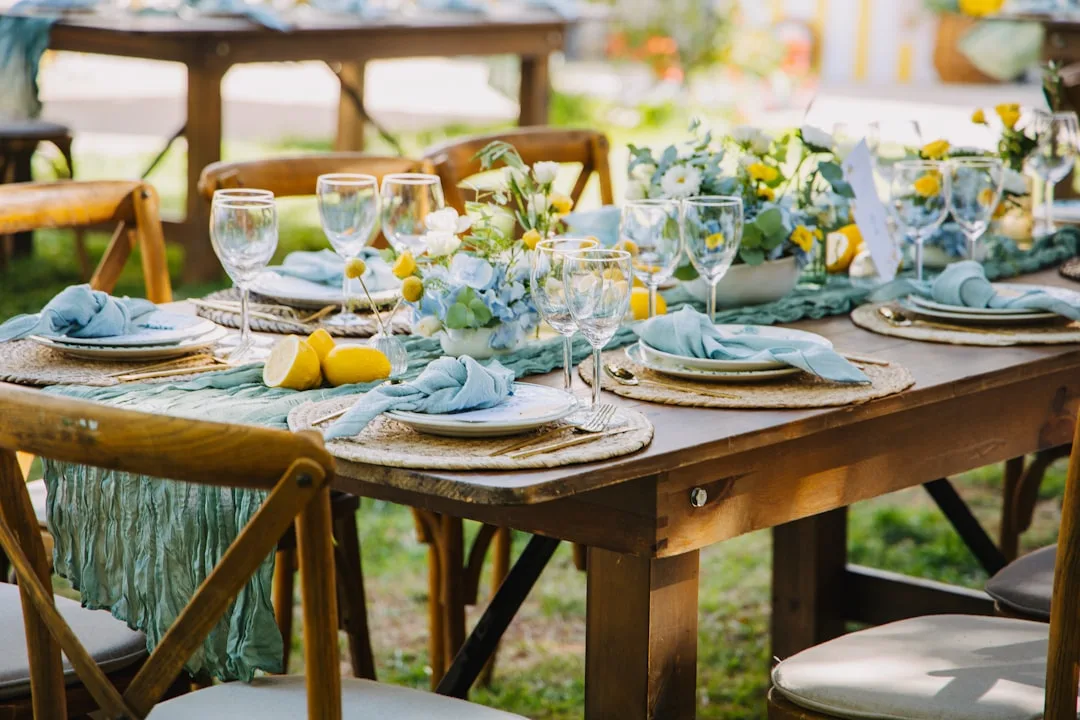
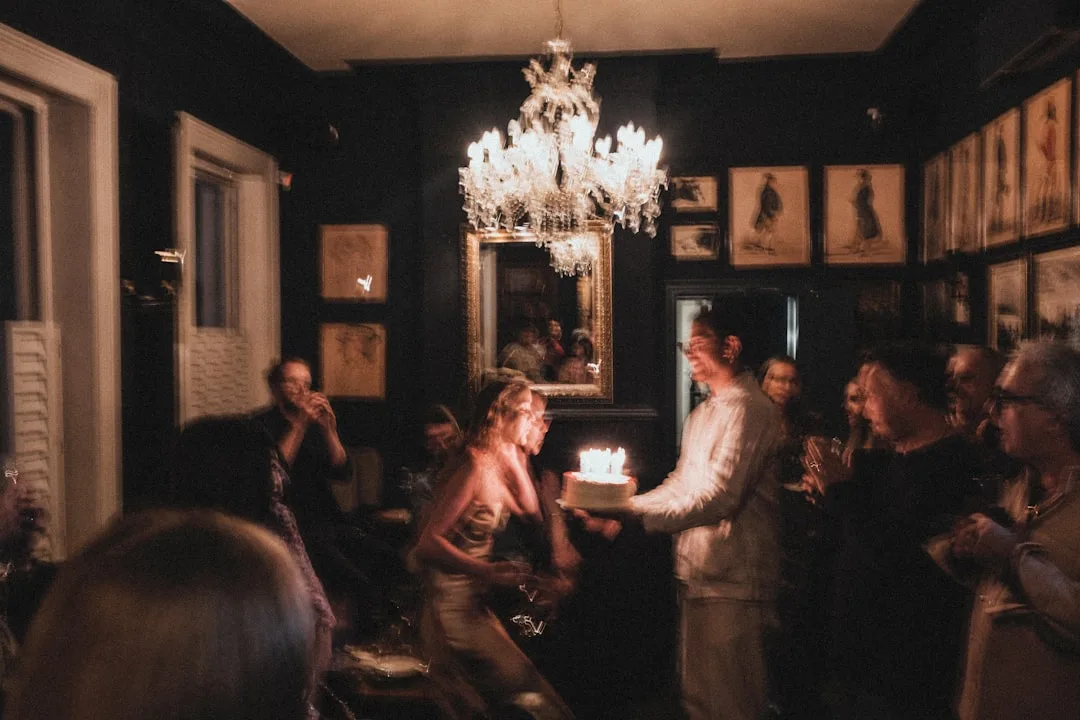
What this means practically is that the welcome party is no longer a low-key add-on. Couples are designing it as a full event — with a distinct aesthetic, its own menu, and a mood that diverges deliberately from the wedding day itself. A Friday night gathering might be relaxed and candlelit at a local restaurant, while Saturday is formal and florally maximal. The contrast is the point.
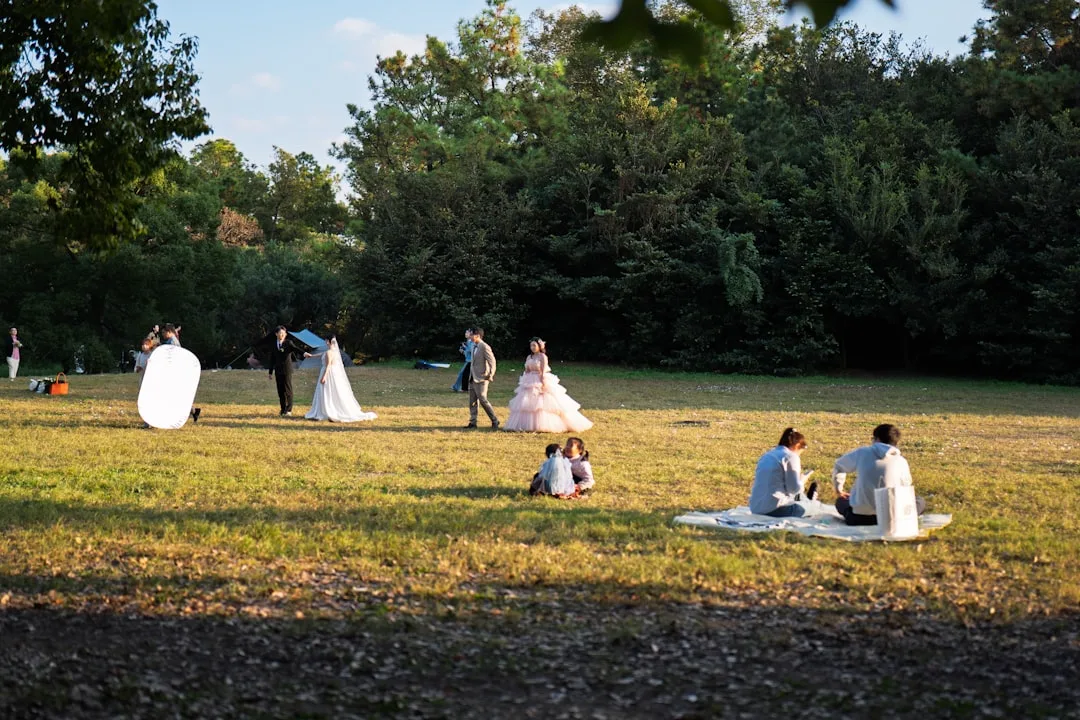
This also connects directly to the destination wedding surge. Fora Travel advisors reported in April 2026 that more than half had seen a rise in destination wedding inquiries, with domestic U.S. destinations gaining particular momentum. When guests are already traveling, extending the celebration into a weekend is the logical — and hospitable — move.
The Itinerary Couples Are Actually Building
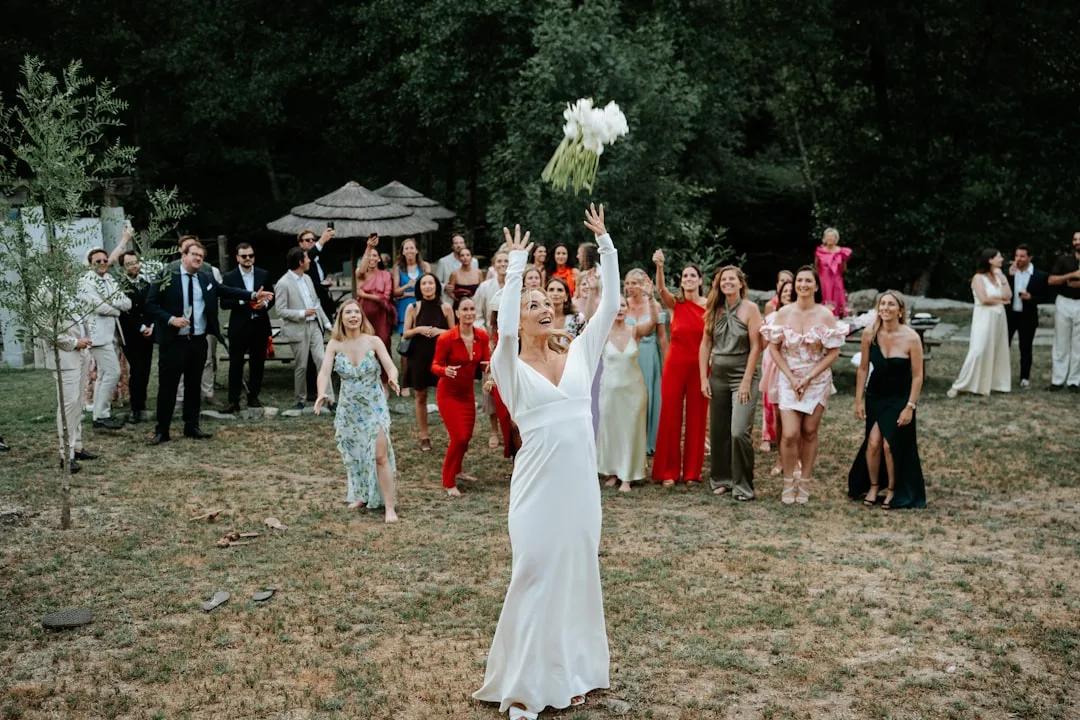
The most executed version of this trend right now follows a three-beat structure. Friday is the welcome event — cocktails, passed bites, low formality, high warmth. Saturday is the wedding, often with the ceremony pushed later in the day to allow for a slow morning. Sunday is the farewell brunch, increasingly treated as a proper meal rather than an afterthought, with a seating plan and a deliberate menu.
Some couples are adding a fourth layer: a pre-scouting trip to the wedding destination exactly one year before the date. The Knot editors identified this as an emerging 2026 behavior — a kind of minus-one-year anniversary trip where the couple experiences the location as their guests will, walking the hotel, eating the restaurants, building a wedding website that reflects actual knowledge of the place.
Venue operators are adapting fast. Properties with on-site accommodation — boutique hotels, private villas, converted estates — are booking earlier than ever because they are the natural infrastructure for this format. You cannot run a three-day wedding weekend when your guests are scattered across six different Airbnbs thirty minutes apart.
What the Budget Conversation Actually Looks Like
The cost question is real. The average wedding in 2026 is holding at $36,000 for the second consecutive year, according to Zola’s March 2026 report, and 84% of couples believe their wedding costs more than the same event would have two years ago. Adding a welcome party and a farewell brunch onto an already expensive day is not a trivial decision.
The couples making it work are doing so through deliberate trade-offs. A smaller floral budget on Friday night. A brunch that leans into simple, locally sourced food rather than full catering production. A welcome party hosted at a friend’s property rather than a hired venue. The weekend format does not have to cost double — it has to be designed with the same intentionality that defines every other 2026 wedding trend.
This reframing matters. As we noted in Supper Club Weddings Are Replacing the Formal Reception Dinner Entirely, the move away from rigid, expensive reception formats is already well underway. The wedding weekend extends that logic: instead of concentrating all your budget and all your guests’ energy into one overproduced evening, you distribute both across a format that breathes.
Executing It Without Losing the Thread
The risk with any multi-day format is tonal fragmentation. Three events with no visual or emotional throughline feel like three unrelated parties that happen to feature the same couple. The strongest wedding weekends right now share a consistent design language — a color palette that evolves rather than repeats, stationery that ties all three events together, a single florist or designer across all days.
Studios like New York-based Bashful Botanica and London’s Petalon are already offering weekend-spanning floral packages that treat each event as a chapter rather than a standalone job. The welcome party florals are loose and wildflower-forward; the wedding day goes architectural; the brunch pulls dried elements from the night before into relaxed table arrangements. Nothing is wasted, and everything connects.
The other design consideration that keeps gaining traction is the welcome gift box — placed in guest rooms, thoughtfully curated around the destination and the couple’s story. At its best, it functions as a physical introduction to the weekend’s aesthetic and sets guest expectations before Friday’s first drink is poured.
If you are rethinking the visual framework for all of this, the color decisions matter more across a multi-day format than they do for a single event. Why the 2026 Wedding Color Palette Looks Nothing Like What Pinterest Predicted breaks down exactly which directions are gaining ground this season and why the earth-tone default is being challenged in unexpected ways.
The wedding weekend is not a luxury upgrade on a standard celebration. It is a structural rethinking of what a wedding is for — and in 2026, it is becoming the clearest expression of how this generation approaches one of the biggest events of their lives. Among this year’s most defining wedding trends, it is the one with the most practical consequences for every vendor, every guest, and every couple willing to plan one day further ahead.
Complete guide
Wedding Hairstyles for Every Length Role and Vision
Brides, bridesmaids, guests, mothers of the bride — all in one place
Complete guide
Party Fashion Outfits That Turn Every Room Into a Runway
Disco, holiday, pool, white party, themed dress codes — all in one place