I ripped out everything in my guest bathroom two years ago — dated tile, bulky vanity, a toilet that looked like it shipped from 1997. Replaced it all with a wall-hung toilet, a slab of honed marble, and exactly zero decorative items. Total cost ran around $4,200 including labor here in Kyiv. Worth every dollar.
Minimalist toilet design strips a bathroom down to what actually matters: clean fixture lines, a tight color palette, and materials that feel good under your hand. No towel racks shaped like seahorses. No fake plants on the tank lid. Just surfaces, light, and empty space doing the work.
Below you’ll find 20+ bathrooms split across five approaches — neutral materials, bold accent walls, glass-and-vanity combos, freestanding tubs with geometric tile, and frameless glass with eco fixtures. Each section breaks down what’s working and why, so you can steal the parts that fit your floor plan and skip the rest.
Quick Summary
Styles covered: neutral palettes, accent walls with hidden storage, glass partitions with floating vanities, freestanding tubs with geometric tile, frameless glass showers with eco fixtures
Budget range: $2,500–$8,000 depending on materials and labor
Key principle: fewer items, better quality, more empty space
Best starting point: wall-hung toilet + concealed cistern + single accent surface
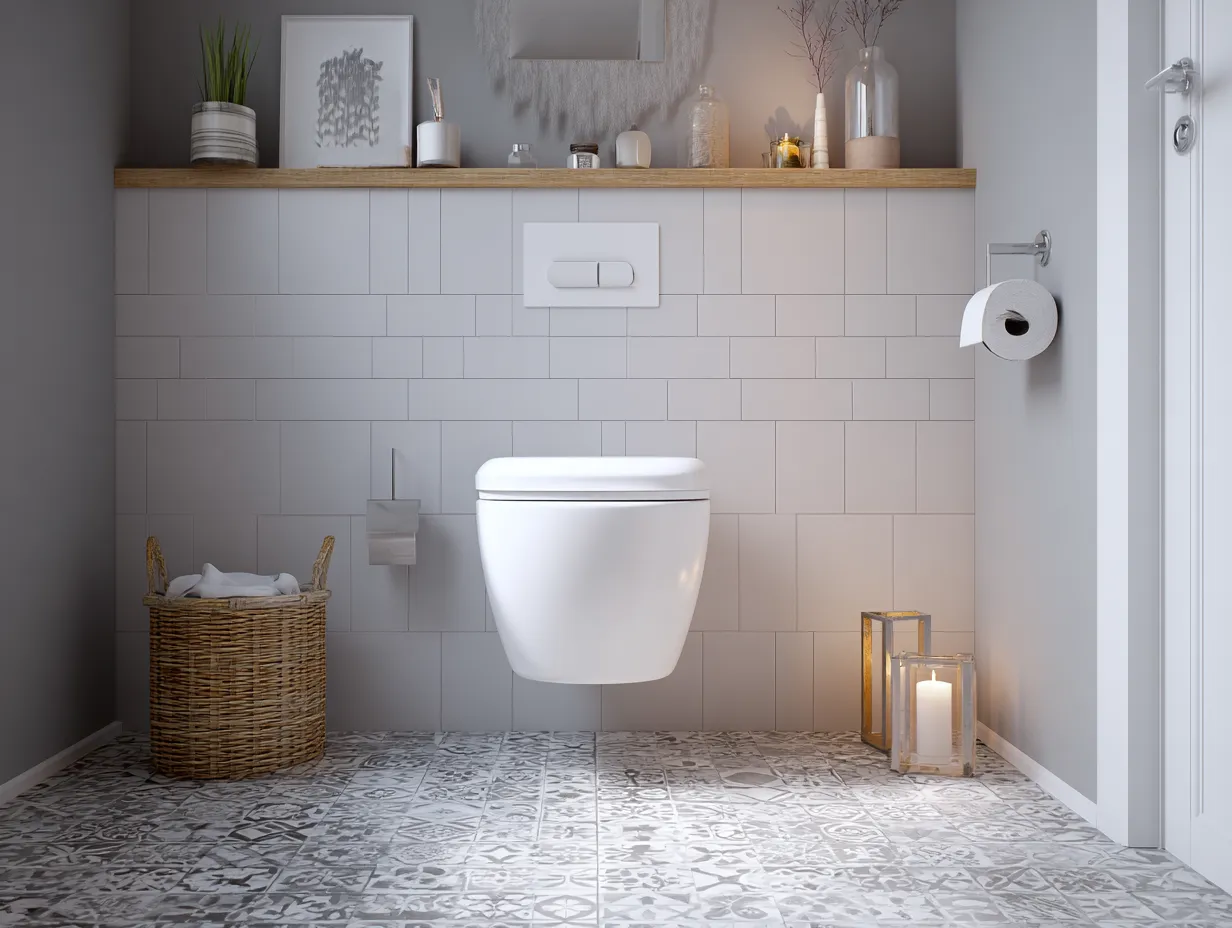
Neutral Color Palette and Natural Materials
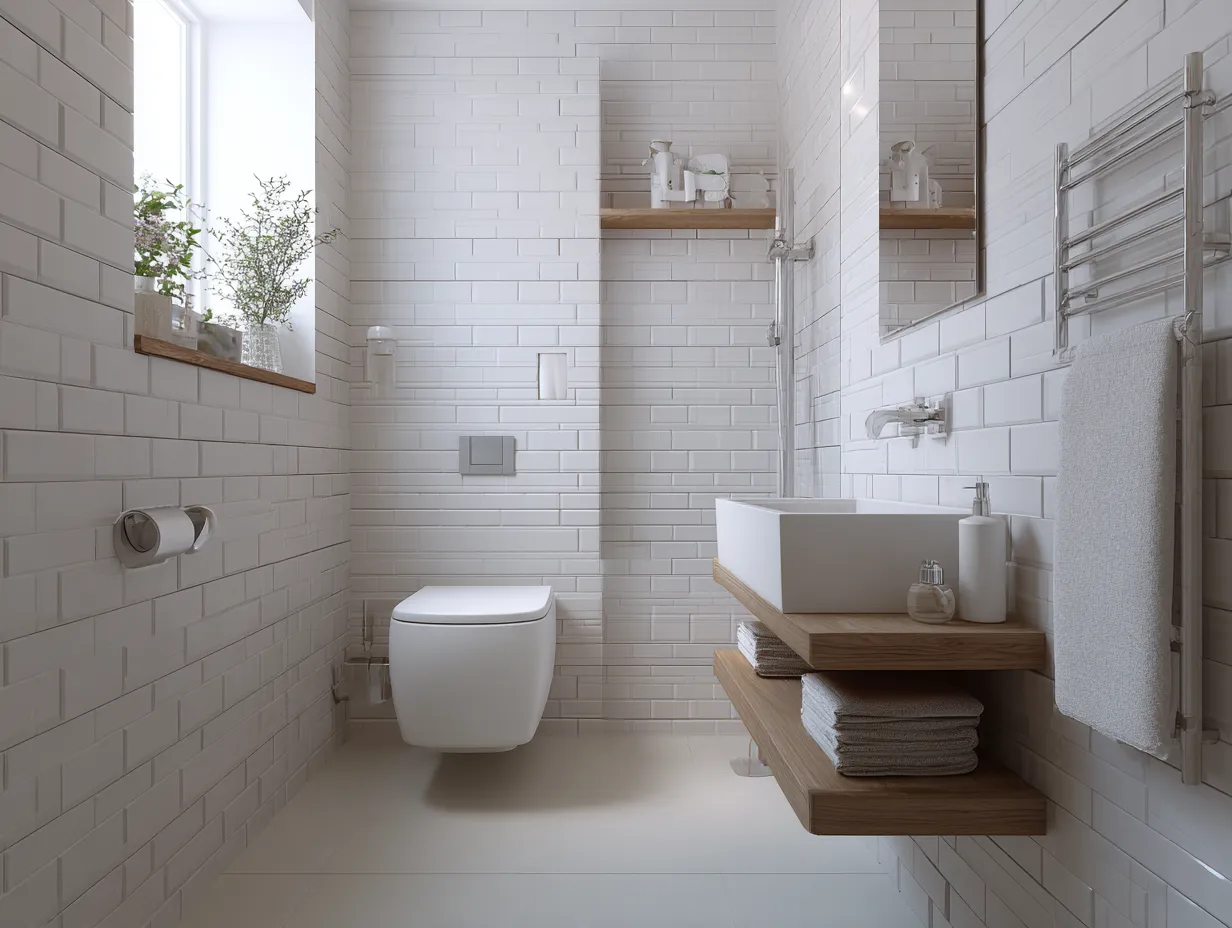
Warm grays paired with raw travertine or honed limestone — that’s where neutral minimalist bathrooms live. Skip polished marble if you’re on a budget. A friend in Odesa tiled her entire toilet room with $12/sqft matte porcelain that mimics sandstone, and guests genuinely can’t tell the difference. Polished stone shows every water spot anyway.
My biggest regret with my own neutral bathroom was choosing pure white grout. Looked perfect for about eleven days. Switched to a warm taupe grout pen from Mapei for $6 and the whole room stopped looking dirty. Don’t learn this one the hard way.

Fixtures in brushed nickel or matte black keep things sharp without competing with the stone. Chrome reads too shiny for a space built on quiet tones. Stick to one metal finish across the faucet, towel hook, and toilet flush plate — mixing metals in a small room just looks like you ran out of matching parts.
Lighting needs to stay warm here. Anything above 3000K makes beige tile look sickly. I installed a single LED strip behind the mirror at 2700K and it gives the room a spa glow after dark. Cost maybe $14 on Amazon. Cold overhead fluorescents? Kill those immediately.
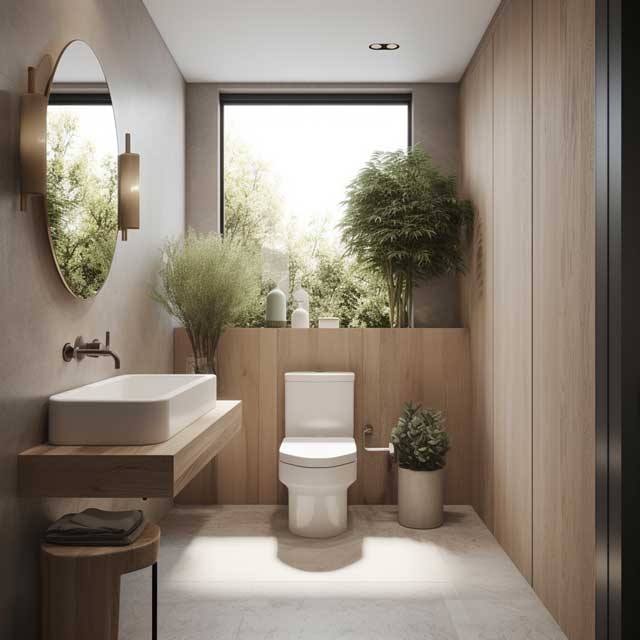
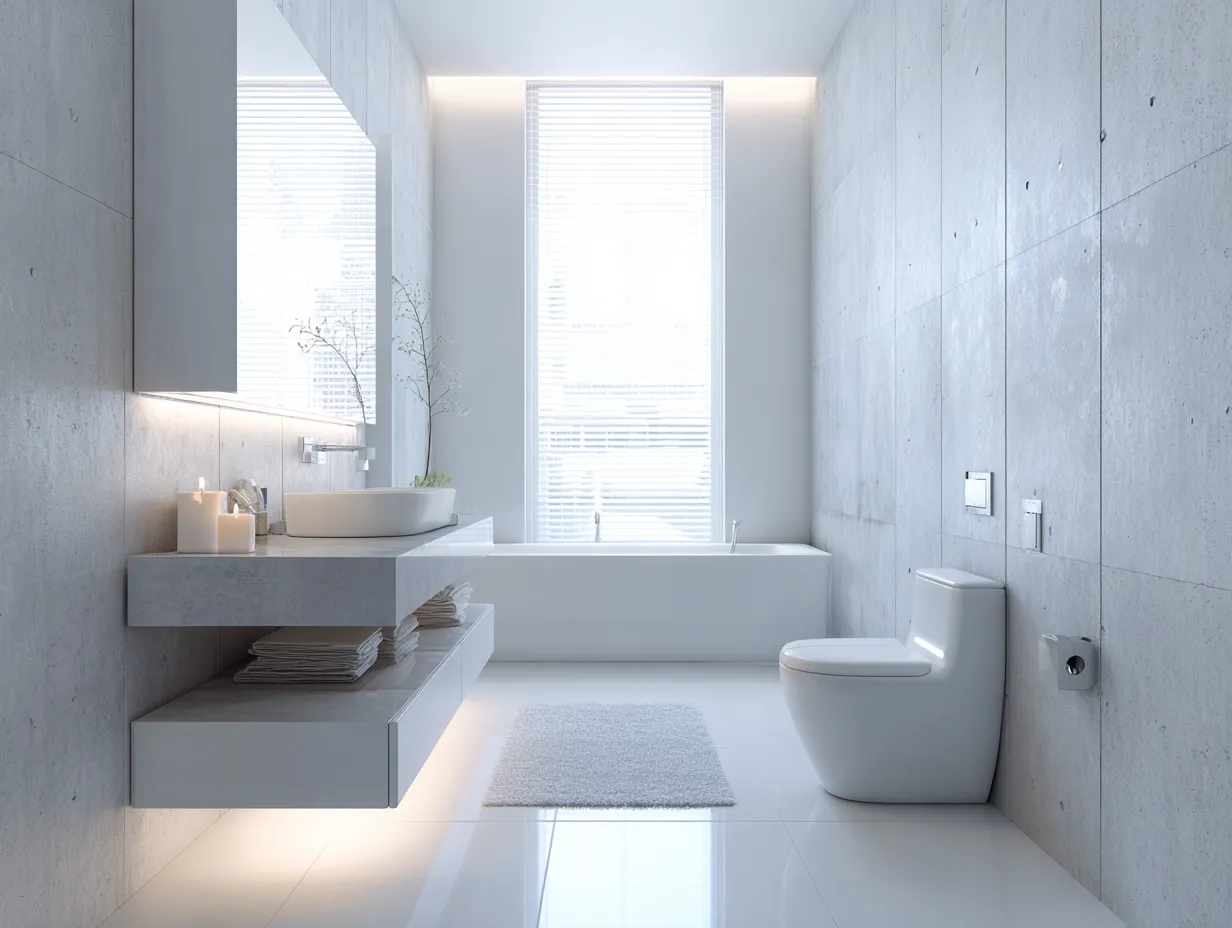
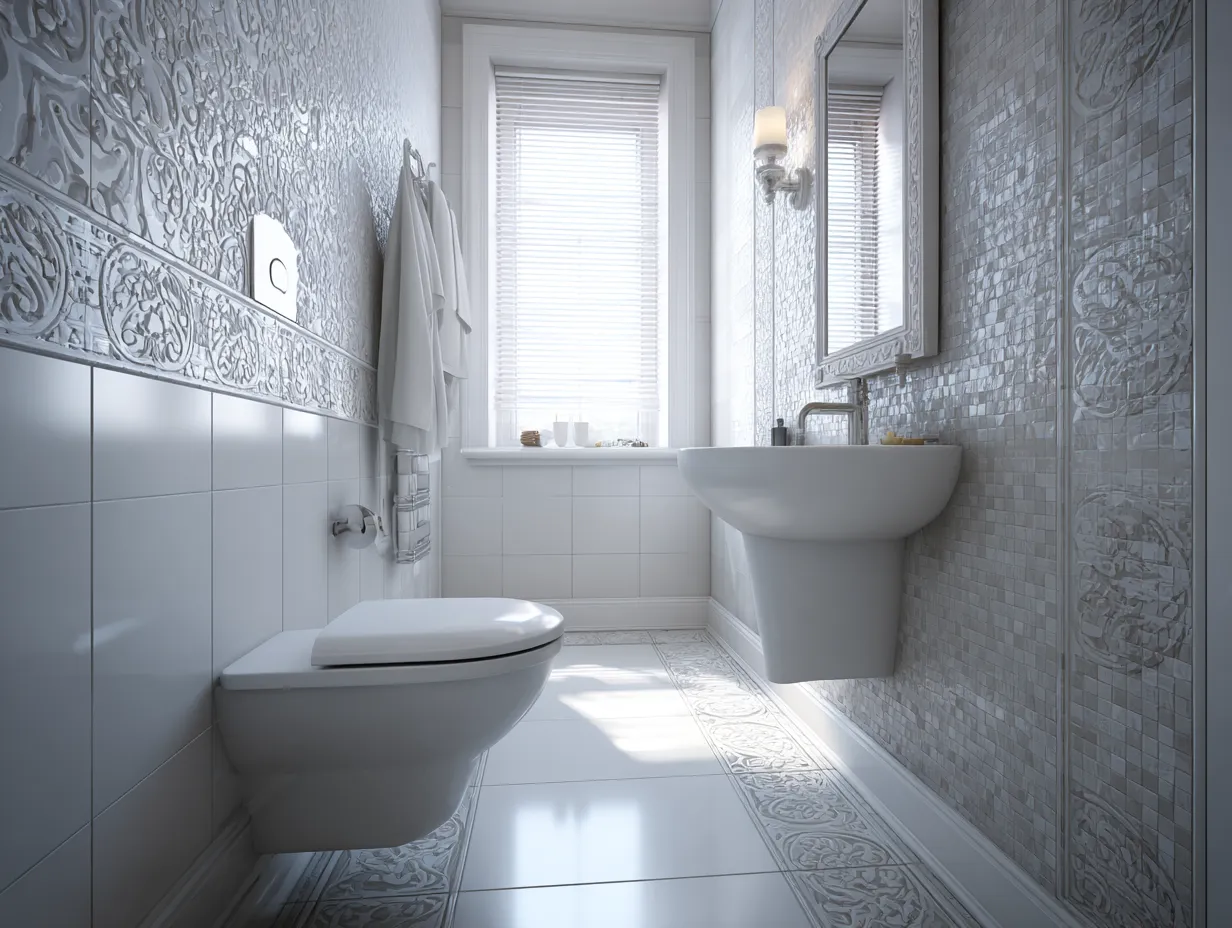
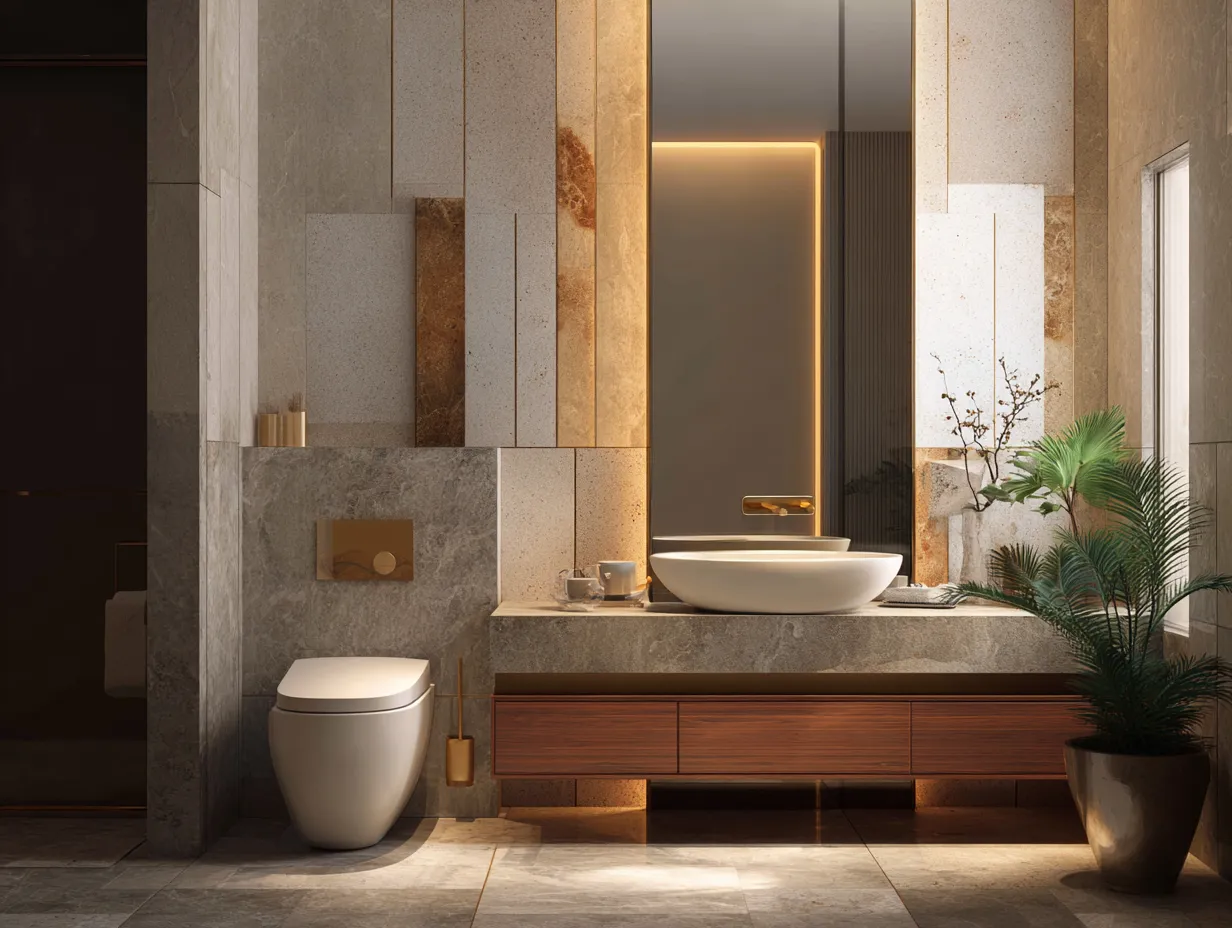
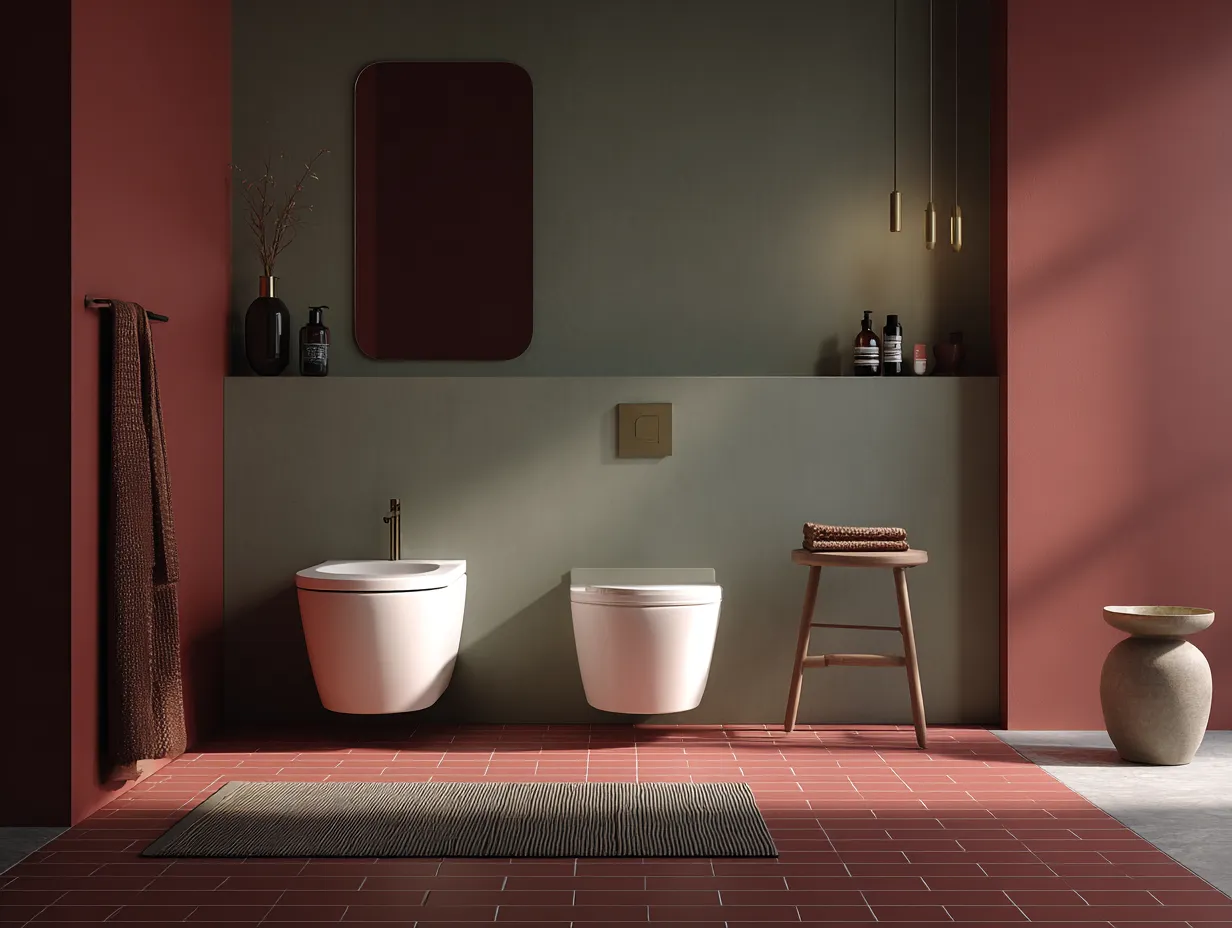
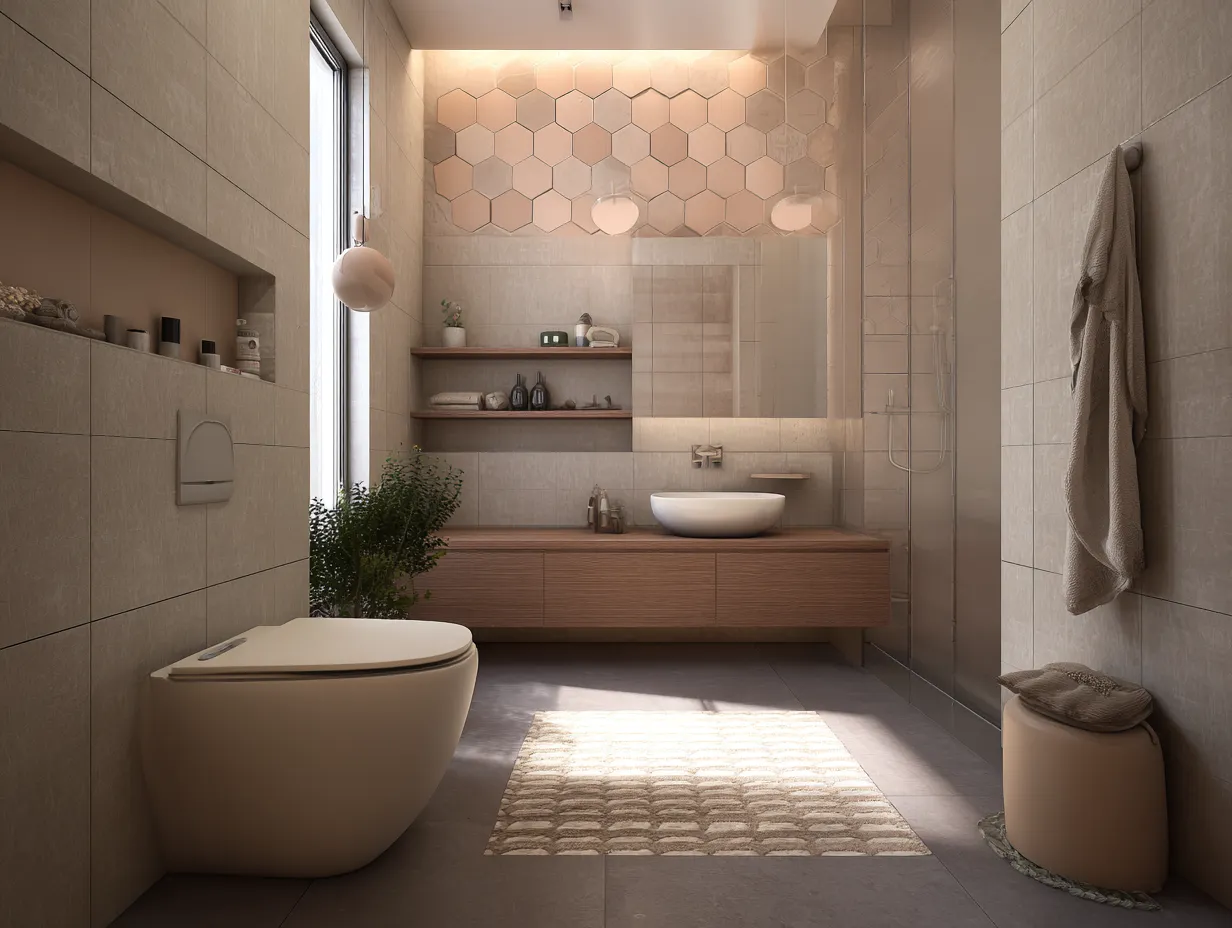
This elegant minimalist toilet design beautifully incorporates a neutral color palette and natural materials to create a serene and tranquil atmosphere. The understated hues work in harmony with the minimalist aesthetic, while the natural elements add warmth and texture to the space.
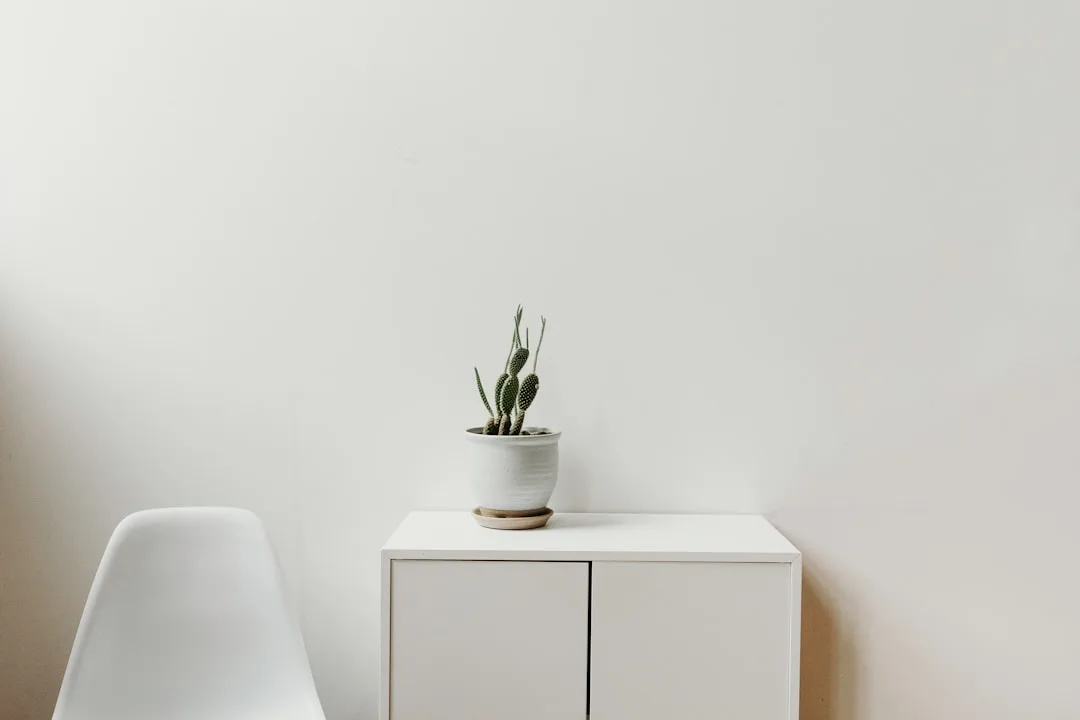
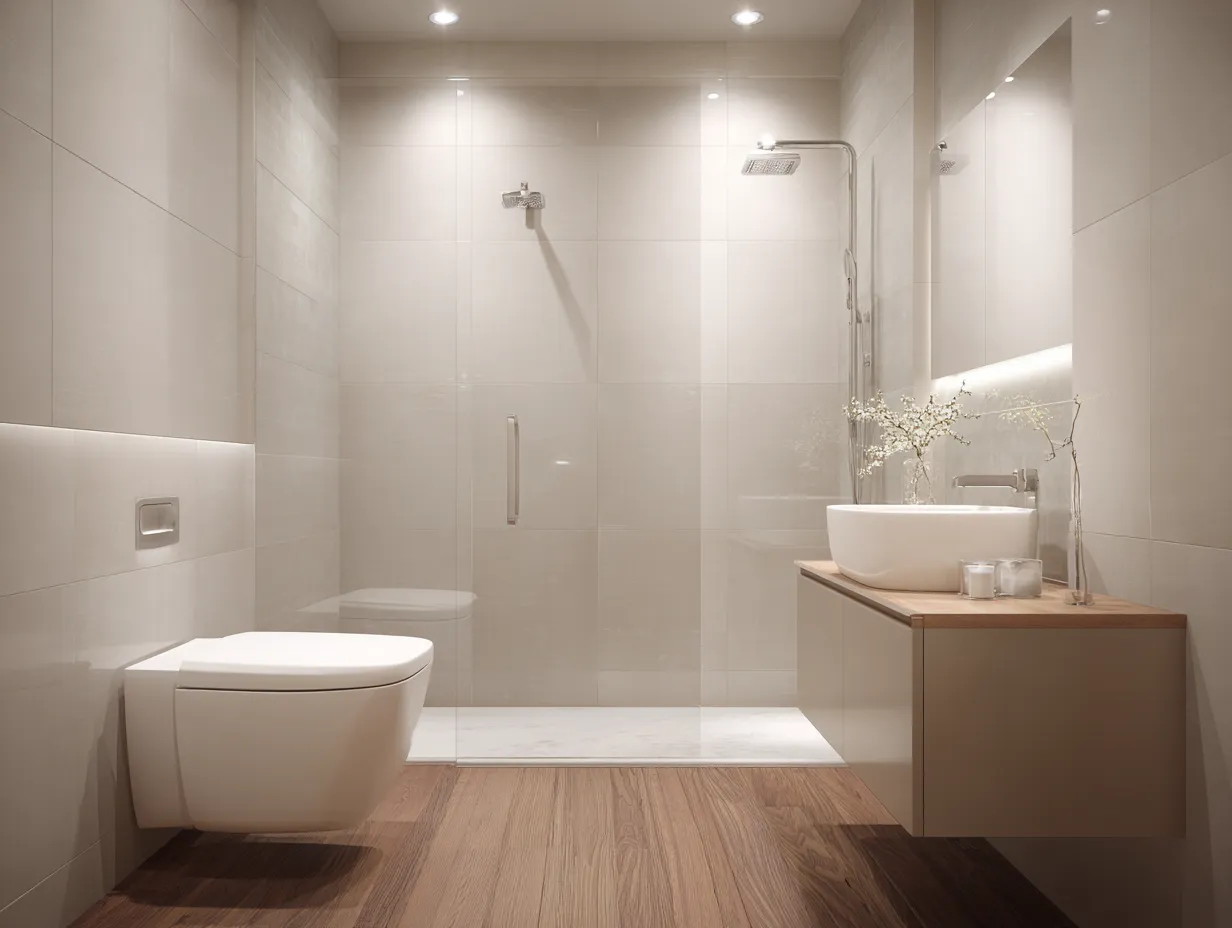
The minimalist toilet design in this picture showcases the effective use of simple, clean lines and uncluttered surfaces. By prioritizing function and eliminating unnecessary adornments, the bathroom feels open, inviting, and spacious.


In this minimalist toilet design, the carefully chosen fixtures and fittings complement the neutral color palette, ensuring that the overall look remains cohesive and visually appealing. The minimalist approach allows for a timeless and versatile space that can be easily adapted to suit changing tastes and trends. If you’re drawn to this kind of understated luxury, luxury modern bathroom designs take similar principles even further with premium materials and tech-forward fixtures.
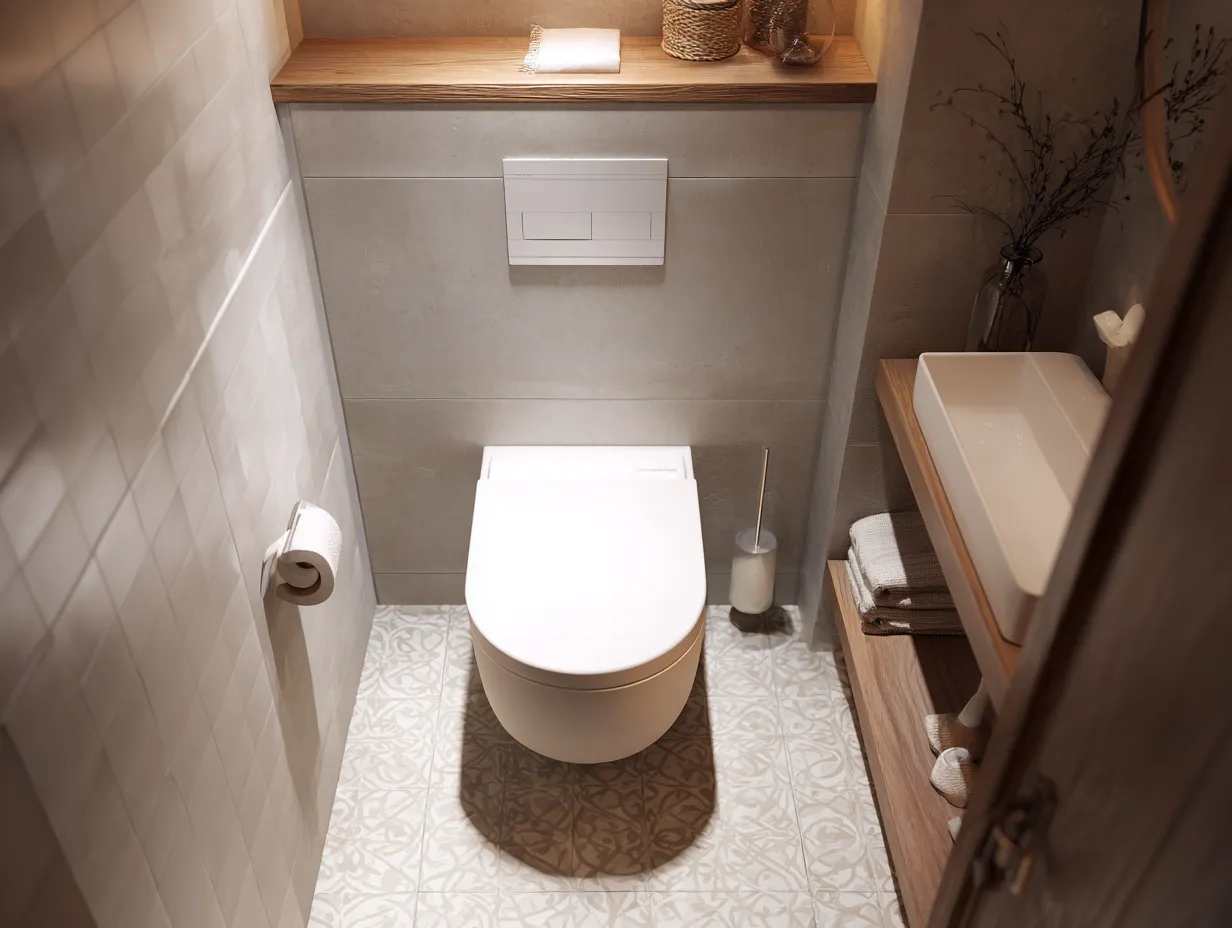
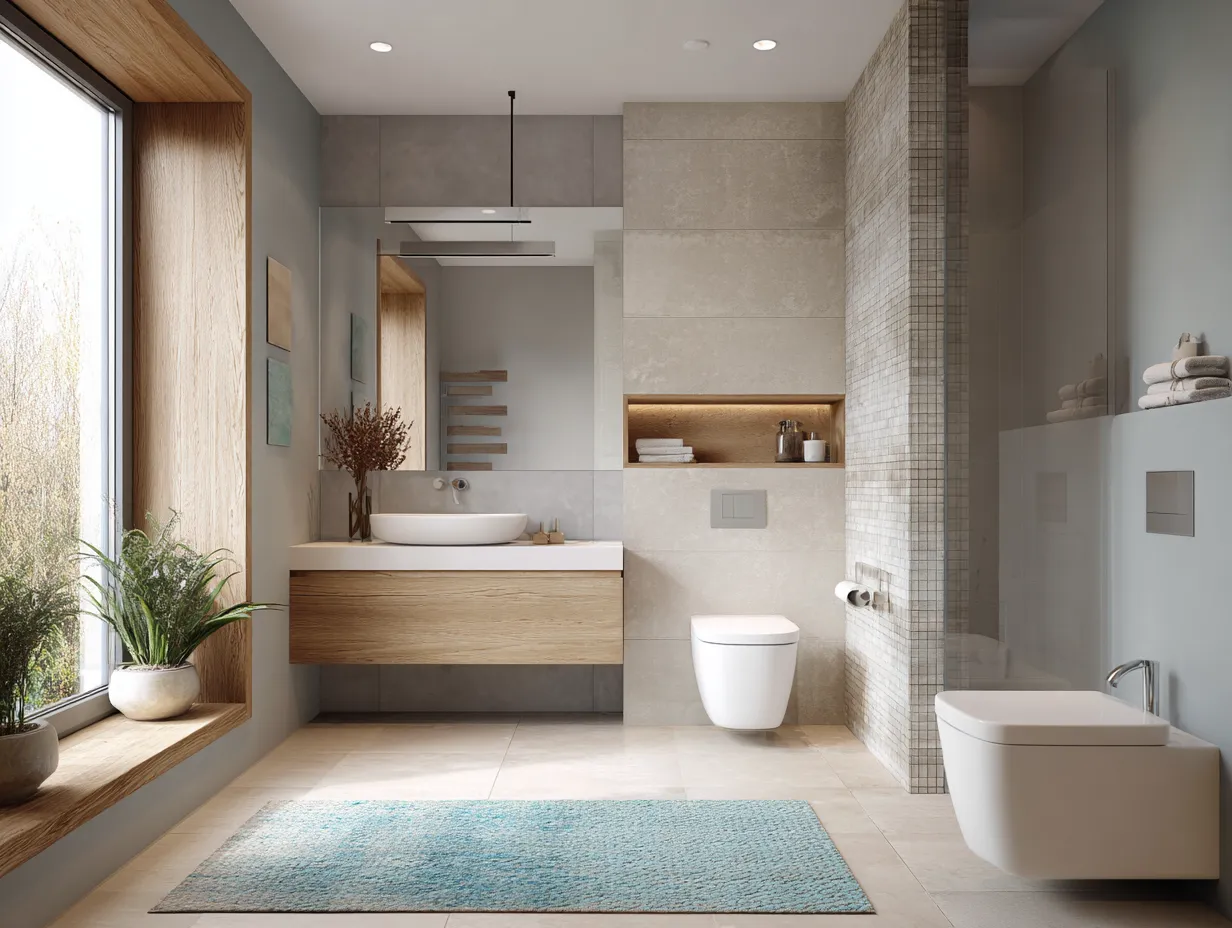
Lighting plays a crucial role in this minimalist toilet design, as it helps to enhance the sense of space and highlight the carefully chosen materials and fixtures. By using both natural and artificial lighting, the bathroom feels bright, airy, and welcoming.
The minimalist toilet design in this image serves as an excellent example of how simplicity can be both stylish and functional. By prioritizing essential elements and focusing on quality materials and craftsmanship, the space feels luxurious and well-considered.
Accent Wall With Concealed Storage
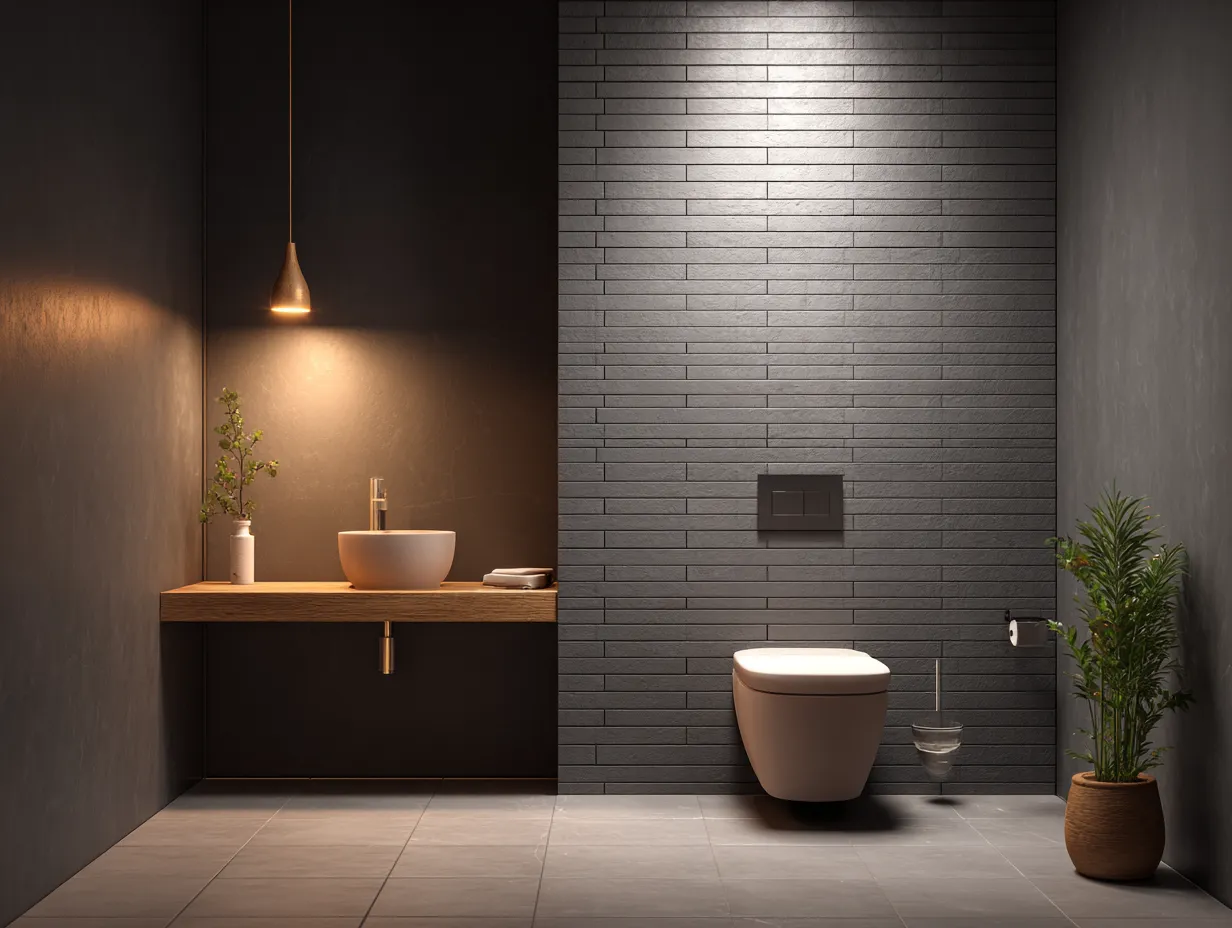
A single bold wall changes everything in a tiny toilet room. Dark slate, fluted concrete panels, or even a deep charcoal paint — pick one surface and let it take over. The rest stays white or off-white. Done.
Hidden storage behind that accent wall is the real trick though. I saw a renovation in Warsaw where the builder recessed a full cabinet behind wood slat paneling. You push the panel and it swings open. Total stealth. The materials for the frame and push-latch ran about $45 at a local hardware store. Beats a visible medicine cabinet every time.

Wall-hung toilets work overtime here because the concealed cistern disappears inside the wall, giving you a flush plate and nothing else visible. Geberit Sigma20 plates start around $35 and come in matte white, black, or chrome. Stay away from novelty shapes — I once installed an oval flush plate and it clashed with every straight line in the room. Square or rectangular only.
The vertical emphasis matters too. Floor-to-ceiling accent materials pull the eye up and make an 8-foot ceiling feel taller. Short accent sections that stop at vanity height look like you ran out of tile mid-project. Go full height or don’t bother.
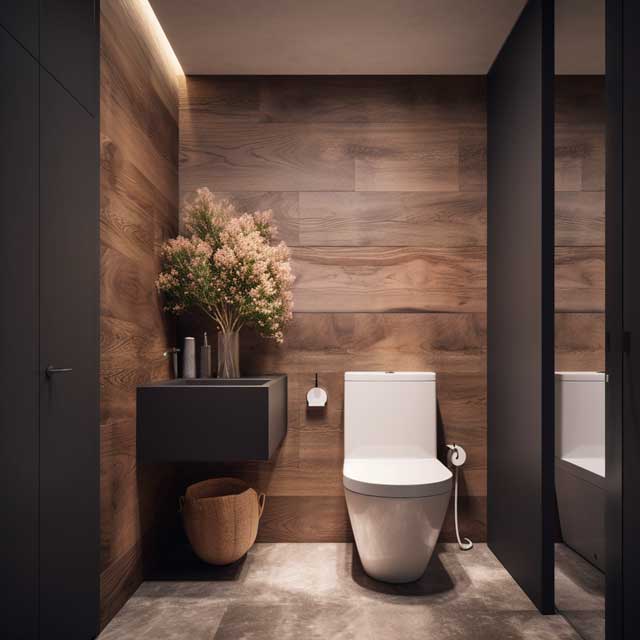
This captivating minimalist toilet design features a striking accent wall and concealed storage solutions, perfectly balancing aesthetics and practicality. The accent wall serves as a focal point in the space, while the hidden storage ensures a clutter-free environment. Designers at Homes & Gardens note that letting materials speak for themselves is central to making pared-back schemes feel intentional rather than empty.
In this minimalist toilet design, the clever use of contrasting materials adds visual interest without detracting from the overall simplicity of the space. The neutral tones and streamlined fixtures create a cohesive and harmonious look.


The minimalist toilet design in this picture demonstrates the effective use of vertical space, with the accent wall drawing the eye upward and enhancing the sense of height in the room. This design choice contributes to a more spacious and open feel.
By incorporating concealed storage solutions in this minimalist toilet design, the space remains functional and clutter-free. The clean lines and unobstructed surfaces contribute to a calming and soothing atmosphere, perfect for unwinding after a long day.
The striking accent wall in this minimalist toilet design adds an unexpected element of drama and flair. The bold feature enhances the overall design, showcasing that minimalist style can still be engaging and visually exciting.
Floor-to-Ceiling Glass and a Floating Vanity
Glass walls in a toilet room sound impractical until you see one done right. A fixed glass partition between the shower zone and the toilet area keeps water contained without chopping the room in half. Frameless panels from brands like Dreamline start around $180 for a basic 36-inch fixed panel. Skip the bottom rail — curbless looks infinitely cleaner.
Floating vanities are non-negotiable in minimalist toilet design. Anything sitting on the floor collects dust, hair, and that weird ring of grime around the base. Wall-mounted units from IKEA’s Godmorgon line start at $200 and hold up surprisingly well. I’ve had one for three years in a rental and the drawer slides still feel tight.

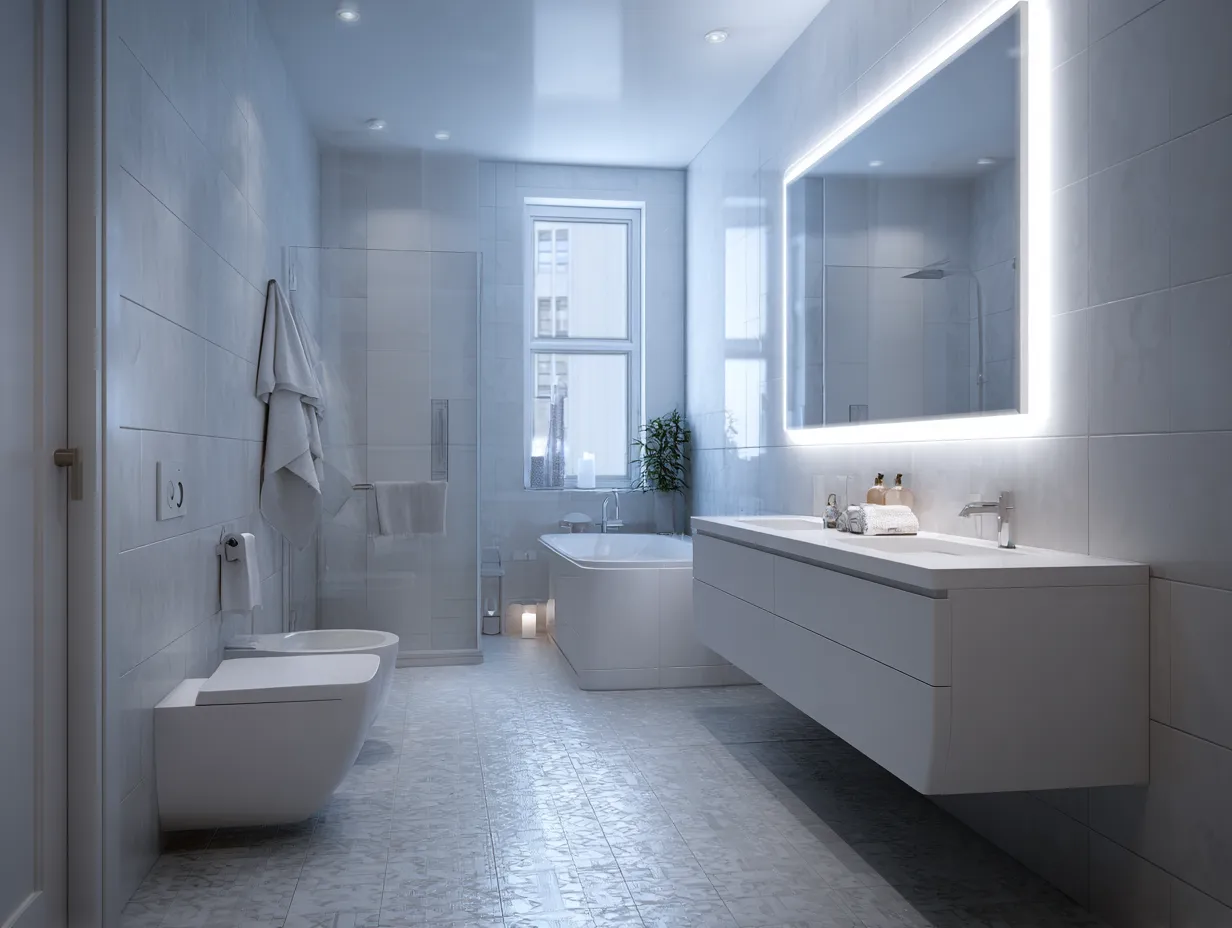
Natural light through frosted glass or a high transom window makes the floating vanity and glass partition read as intentional, not cheap. Without decent light, glass just looks like a barrier. If you don’t have a window, a backlit mirror panel (mine was $90 on Wayfair) fakes the effect convincingly. Regular mirrors look dead in comparison.
Under-vanity LED strips pointed at the floor give the illusion that the cabinet truly hovers. One strip, warm white, $8. Takes ten minutes to install with adhesive backing. No electrician needed. That one cheap detail sold the entire room when I showed it to my neighbor — she immediately ordered the same strip.

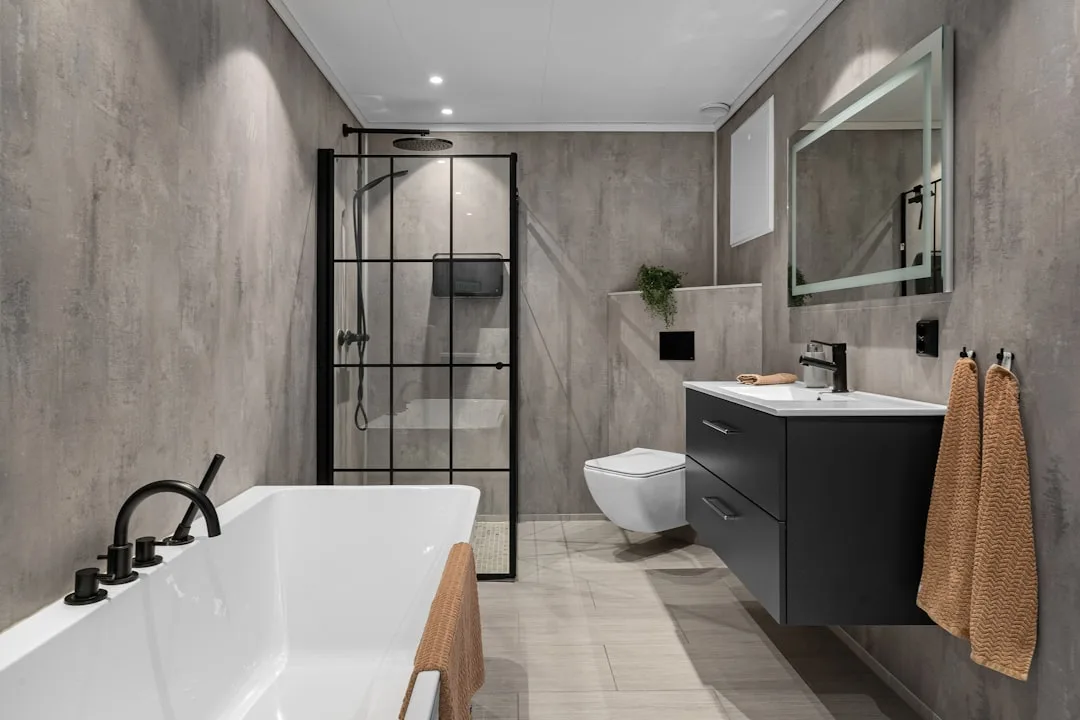
This stunning minimalist toilet design incorporates floor-to-ceiling glass and a sleek floating vanity, creating a sophisticated and modern aesthetic. The abundant natural light and unobstructed views lend an airy, spacious feel to the bathroom, while the minimalist design elements ensure a clutter-free and tranquil environment.
The floor-to-ceiling glass in this minimalist toilet design not only enhances the sense of space but also connects the room with the outdoors, providing a seamless transition between interior and exterior spaces. This design choice is perfect for those looking to incorporate nature into their daily routines.
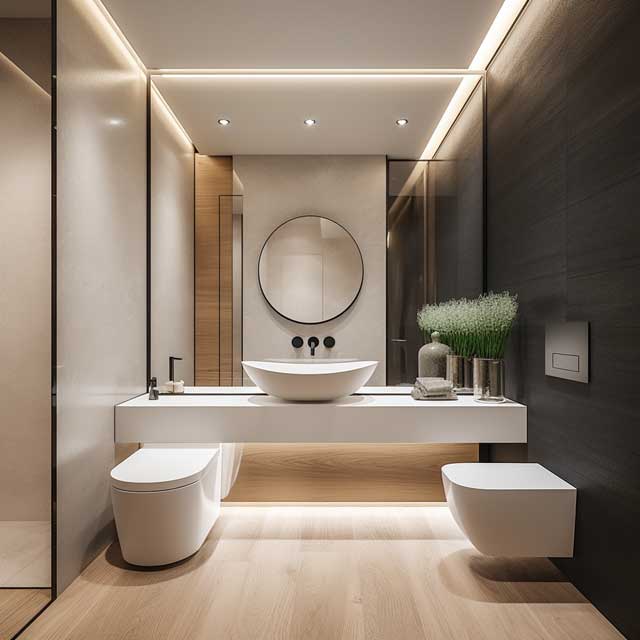

The sleek floating vanity in this minimalist toilet design emphasizes the clean lines and streamlined forms characteristic of the style. Paired with the floor-to-ceiling glass, the vanity appears to float effortlessly in the space, contributing to a weightless and uncluttered atmosphere. For more ideas on how floating vanities and glass enclosures reshape small layouts, see these modern bathroom remodel ideas.
In this minimalist toilet design, the use of high-quality materials and expert craftsmanship ensures that the space is both visually appealing and durable. The minimalist aesthetic allows the materials to shine, resulting in a bathroom that exudes sophistication and elegance.
The minimalist toilet design in this image is an excellent example of how less can truly be more. The thoughtful placement of fixtures and the emphasis on open, uncluttered spaces create a serene and calming atmosphere that encourages relaxation and self-care.
Freestanding Tub and Geometric Tile Patterns
Freestanding tubs in minimalist bathrooms work best when they’re simple ovals or rectangles. Anything with claw feet or ornate details fights the entire aesthetic. Acrylic soaking tubs from brands like Woodbridge run $600–$900 on Amazon and look nearly identical to $3,000 stone composite versions once installed. Weight is the catch — stone composite tubs can crack a weak subfloor if your joists aren’t reinforced.
Geometric tile behind the tub or on the floor adds visual rhythm without screaming for attention. Hexagonal matte tiles in two tones — say warm gray and white — create movement that keeps the eye interested. Herringbone patterns work too but they cost more in labor because every cut is angled. A tiler in Kyiv quoted me 30% more for herringbone versus straight-lay. Something to budget for.

Grout color choice makes or breaks geometric tile. Matching grout to the lighter tile blurs the pattern into a subtle texture. Contrasting grout turns it into a bold statement. Neither is wrong, but pick one direction on purpose. I’ve seen bathrooms where the homeowner clearly didn’t think about grout at all and it looked like a spreadsheet on the wall.
Keep the rest of the room dead simple when the tile does the talking. White walls, minimal hardware, one towel hook. Piling on decor next to a patterned floor creates visual noise that defeats the whole minimalist point.

This eye-catching minimalist toilet design features a luxurious freestanding tub and geometric tile patterns, demonstrating that minimalist design can still be bold and interesting. The carefully selected elements contribute to a visually engaging space that maintains the principles of simplicity and functionality.
The freestanding tub in this minimalist toilet design serves as a striking focal point, inviting relaxation and rejuvenation. Its clean lines and sculptural form perfectly complement the minimalist aesthetic, adding a touch of elegance to the space.

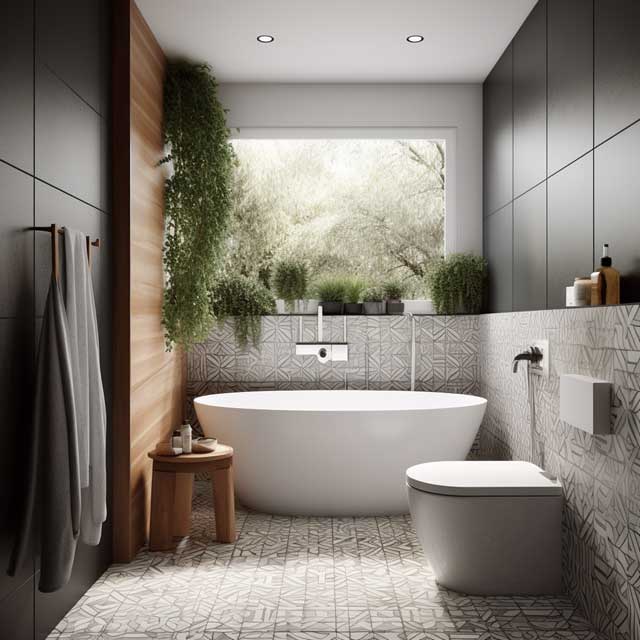
The geometric tile patterns in this minimalist toilet design add depth and visual interest to the space, without overwhelming the minimalist aesthetic. The patterns work harmoniously with the room’s simple color palette and clean lines, creating a unique and captivating environment. A similar interplay between bold pattern and simple form shows up in traditional Japanese bathroom design, where tile and natural texture carry the entire room.
The minimalist toilet design in this picture highlights the importance of balance in creating a cohesive and visually appealing space. The combination of bold geometric patterns and a simple freestanding tub demonstrates that minimalist design can incorporate intriguing elements while maintaining its core principles.
This minimalist toilet design is a prime example of how thoughtful planning and creative design choices can lead to a bathroom that is both visually stunning and highly functional. The inclusion of unique elements, such as the geometric tile patterns, elevates the space while staying true to the minimalist aesthetic.
Frameless Glass Shower and Eco-Friendly Fixtures
| Style | Best For | Budget Range | Key Material |
|---|---|---|---|
| Neutral Palette | Small spaces, rental-friendly updates | $2,500–$4,500 | Honed limestone or porcelain |
| Accent Wall + Hidden Storage | Powder rooms, high-traffic bathrooms | $3,000–$5,500 | Dark slate or wood slat paneling |
| Glass + Floating Vanity | Modern apartments, open layouts | $3,500–$6,000 | Frameless glass + wall-mounted cabinet |
| Freestanding Tub + Geometric Tile | Master bathrooms, spa-style retreats | $4,500–$8,000 | Acrylic tub + hexagonal porcelain tile |
| Frameless Glass + Eco Fixtures | Eco-conscious homeowners, new builds | $3,000–$5,000 | Low-flow fixtures + fixed glass panel |
Frameless glass shower enclosures look expensive and cost less than most people expect. A basic 36×72 panel with hardware from DreamLine or VIGO runs $250–$400. Skip the pivot door if your layout allows a walk-in opening — fewer hinges, fewer leak points, and a cleaner silhouette. Pivot doors also swing into the room and bang into the vanity in tight layouts. Ask me how I know.
Low-flow showerheads have come a long way from the dribble-on-your-head models of the early 2000s. The Kohler Awaken B90 at about $50 delivers 1.75 GPM and actually feels like a real shower. I tested three budget low-flow heads before settling on that one — two of them felt like standing under a leaky faucet. Don’t cheap out here.
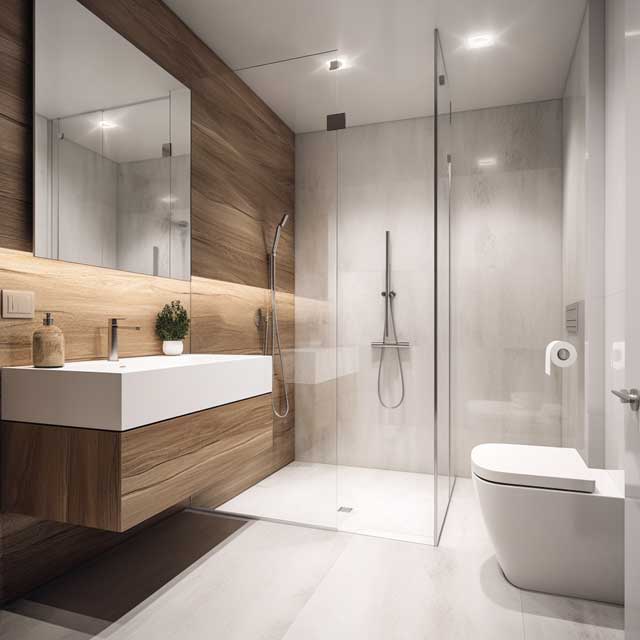
Dual-flush toilets save real water. The typical split is 0.8 gallons for liquid and 1.28 for solid. Over a year, that adds up to roughly 4,000 gallons saved for a household of two. TOTO Drake and Swiss Madison Well Made Forever are both solid picks under $350. Stay away from off-brand dual-flush mechanisms — a friend replaced hers twice in eight months because the valve kept sticking.
LED lighting on a dimmer completes the eco-friendly setup. A bathroom that burns 7 watts at full brightness and dims to near-zero for nighttime use beats a 60-watt overhead bulb in every way. Lutron Caseta dimmers install in twenty minutes and work with standard LED bulbs. One dimmer, about $55, handles the whole room.

This environmentally-conscious minimalist toilet design features a frameless glass shower enclosure and eco-friendly fixtures, seamlessly blending style and sustainability. The unobstructed sightlines and clean lines of the glass enclosure contribute to an open and spacious feel, while the eco-friendly fixtures promote water conservation and energy efficiency.
The frameless glass shower enclosure in this minimalist toilet design creates a sense of openness and allows natural light to flow freely throughout the space. This design choice enhances the minimalist aesthetic and contributes to a bright, airy atmosphere. As Dwell’s minimalist bathroom roundup points out, attention to details like tile choice, fixture finish, and natural light matters far more than adding decorative elements.

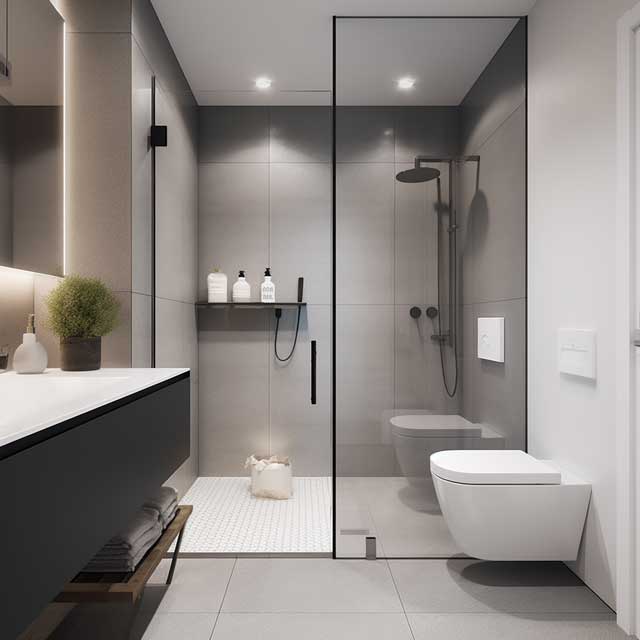
By incorporating eco-friendly fixtures in this minimalist toilet design, the space promotes sustainable living without compromising on style or function. The fixtures are selected not only for their environmental benefits but also for their sleek and modern design, ensuring a cohesive and appealing aesthetic.
The minimalist toilet design in this picture exemplifies how sustainability can be seamlessly integrated into contemporary design. By combining eco-friendly elements with a minimalist aesthetic, the space demonstrates that it is possible to create a stylish and functional bathroom while remaining mindful of the environment.
This minimalist toilet design is a testament to the fact that sustainable choices and sophisticated design can go hand in hand. With the frameless glass shower enclosure and eco-friendly fixtures, the space embodies the principles of minimalist design while showcasing a commitment to environmental responsibility.
How to Plan a Minimalist Toilet Redesign
A step-by-step process for turning a cluttered bathroom into a clean minimalist toilet space, from layout planning through fixture selection.
Tools and materials:
- Tape measure
- Level
- Tile cutter or wet saw
- Wall-hung toilet and concealed cistern frame
- Porcelain or stone tile
- Floating vanity unit
Strip the room to bare walls
Remove all existing fixtures, shelving, mirrors, and accessories. Patch any holes. You need a blank canvas to see the real dimensions and light conditions of the room before making any design decisions.
Choose one accent surface
Pick a single wall or the floor for your statement material — dark slate, geometric tile, wood slat paneling. Everything else stays neutral. One bold surface is enough. Two starts looking busy.
Install the wall-hung toilet and concealed cistern
Mount the steel frame inside the wall, connect plumbing, and hang the toilet bowl. This single swap frees up floor space and immediately reads as minimalist. Geberit Duofix frames are the industry standard.
Mount the floating vanity and frameless mirror
Secure the vanity to wall studs at a height that works for your household — 32 to 36 inches from floor to countertop is standard. Add a frameless mirror flush to the wall above it. No decorative frames.
Set up warm lighting on a dimmer
Install 2700K LED fixtures — a strip behind the mirror and one recessed ceiling light is plenty. Connect everything to a dimmer switch. Warm light at low power transforms the room after dark and uses almost no electricity.
Edit ruthlessly before calling it done
Walk into the finished room and remove anything that doesn’t serve a direct purpose. If you added a towel rack, a hook, and a ring — pick one. Minimalist design means stopping before the room feels “decorated.”
The Short Version
Minimalist toilet design comes down to five moves: pick a tight color palette, hide your storage, choose one statement surface, invest in quality fixtures over quantity, and let empty space do the heavy lifting. Every bathroom above follows the same formula with different materials.
I’ve renovated two bathrooms using these principles and spent under $5,000 each time. The expensive-looking results came from editing — removing things, not adding them. A bare wall with one good light fixture reads better than a wall crammed with shelves, baskets, and framed quotes about relaxation.
Start with the fixture you’ll touch most (usually the faucet), get that right, then work outward. Skip the accent pieces until the bones are done. Most of the time you won’t need them at all.