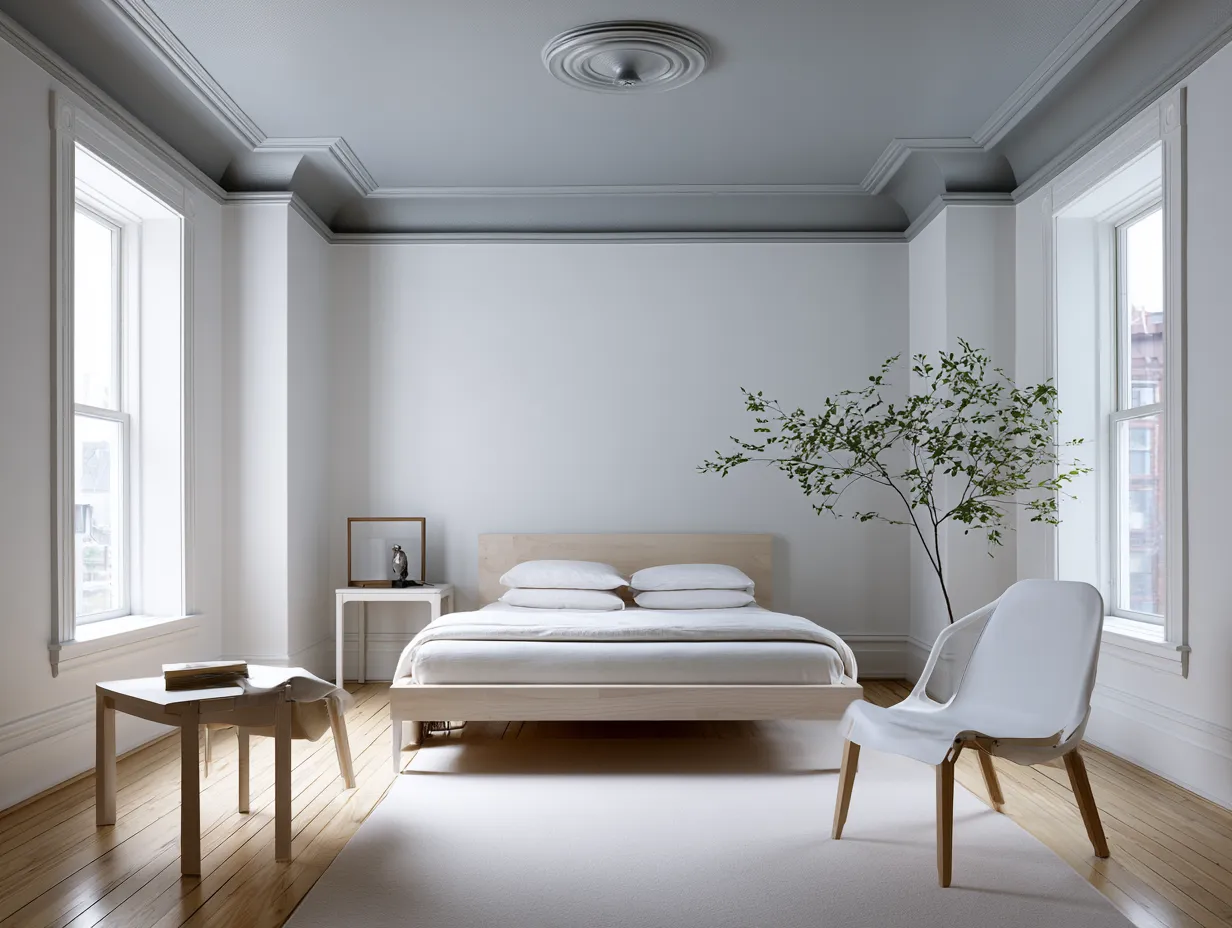
Simple ceiling design delivers clean lines, better light, and visual height for $2–$4 per square foot on basic drywall or $8–$18 on wood planks. Most rooms finish in 1–3 days and need no complex framing.
Skip ornate coffers and vaulted builds. A flat painted surface, tongue-and-groove boards, or a floating edge with LED strip already zones space and hides wiring. The result reads intentional rather than unfinished.
Budget stays low because materials stay common and labor stays short. Choose the version that matches room height and style, then add only the lighting that actually serves the layout.
- Basic drywall ceiling runs $2–$4 per sq ft installed versus $8–$30 for wood
- 150 sq ft room finishes for $550–$1,450 on mid-range materials and labor
- Tongue-and-groove pine installs in 1–2 days for a standard bedroom
- Floating edge with LED strip adds $1–$3 per linear foot yet lifts perceived height
- Spotlights on wood cost less than full recessed grids yet deliver zone control
- Paint-only refresh covers 350–400 sq ft per gallon at $30–$50
- Avoid trays deeper than 6 inches on ceilings under 8 ft — they shrink the room

Wood Plank Ceilings With Built-in Spots
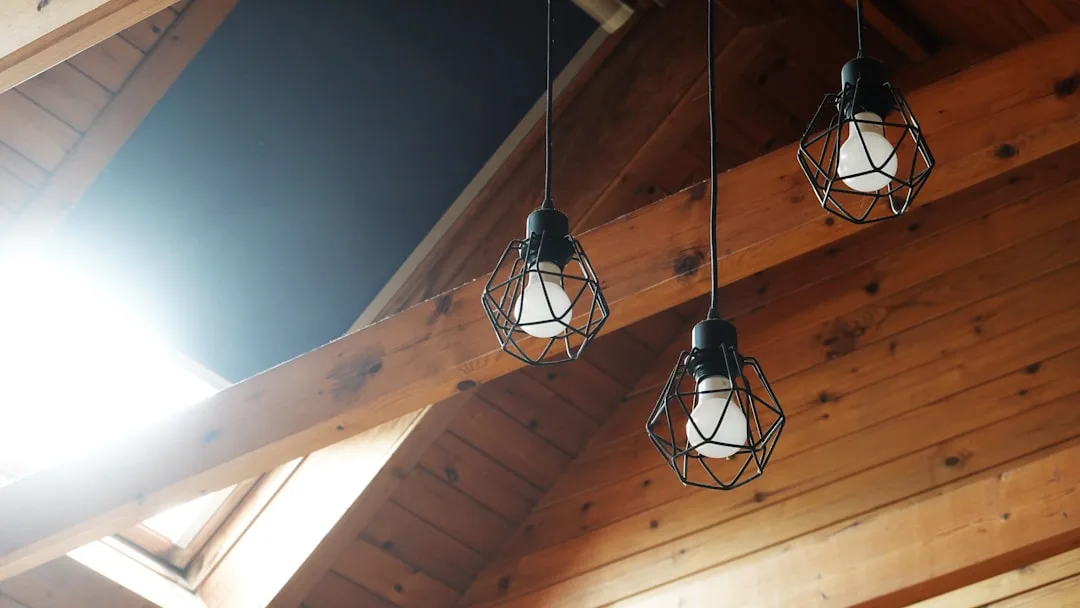
Simple ceiling design often starts with wood planks or laminate boards fixed to a light frame. Materials land between $3–$8 per square foot for pine; installed totals average $8–$18. The surface adds warmth that paint alone cannot match.

Why choose wood over flat drywall? Wood creates a calm, natural feel while the frame hides wiring for spots. A 12×12 bedroom needs roughly $600–$1,500 installed versus $300–$600 for plain drywall. The difference buys texture that photographs better and ages slower.
Mount boards on furring strips, then drop in low-profile spots. Modern fixtures sit flush and look deliberate rather than afterthought. Skip dark stains on low ceilings — they pull the surface down like a heavy lid.

Use the same system in loft, barnhouse or eco interiors. Labor for a 200 sq ft area stays near $800–$1,600. The finished look costs far less than custom millwork yet reads as intentional architecture.

One anti-move: packing every board tight without expansion gaps. Wood moves with humidity; leave ⅛ inch at edges or the surface cups within a season. For more rustic plank details see rustic wood ceiling costs and species options.
Minimalist Flat and Floating Surfaces
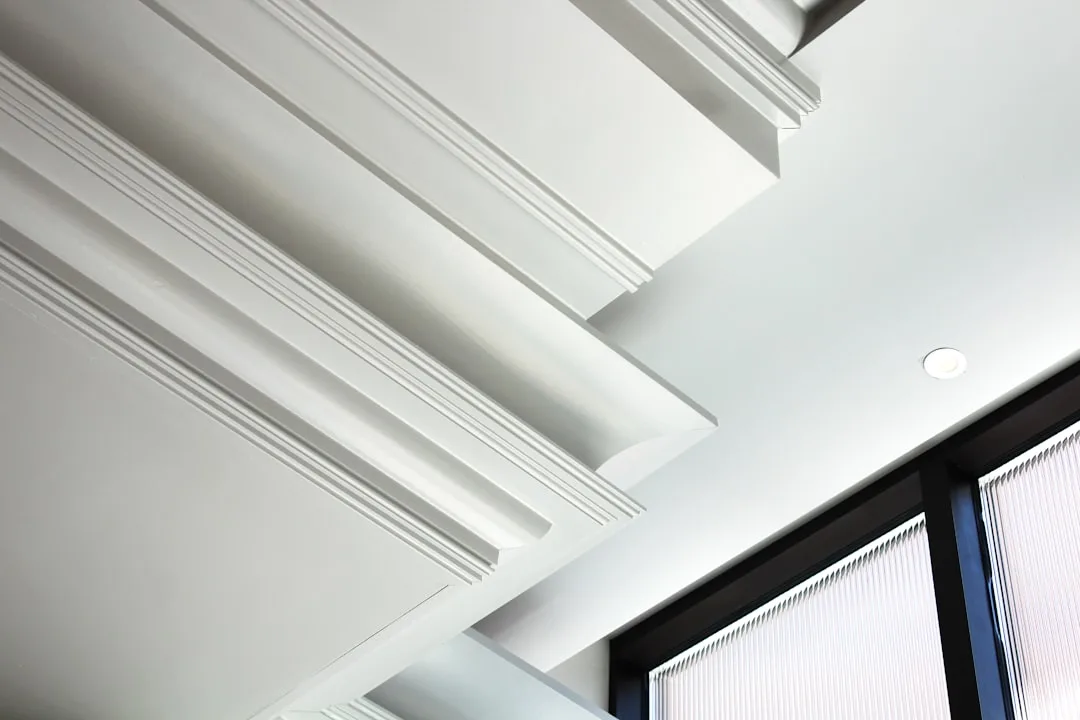
Minimalist ceiling design keeps the plane light and unbroken. A smooth white surface reflects more light than textured paint and costs the same $2–$4 per square foot as standard drywall. The room feels taller the moment the finish is even.

Add a floating edge by leaving a 1–2 inch gap at the perimeter and tucking an LED strip inside. The strip itself runs $1–$3 per linear foot in materials. Soft cove light makes the ceiling appear to hover and raises perceived height by several inches without changing structure.

How does a floating edge compare to a full tray? Trays cost $3–$7 per square foot and need deeper drops; floating edges stay shallow and cheaper. On ceilings under 8 ft the shallow gap wins — deep trays compress the volume like a low attic.

Keep fixtures almost invisible. Small spots or continuous lines do the work without visual clutter. A 150 sq ft living area finishes for $550–$950 on basic drywall plus a modest LED run. The space stays open, bright and quiet.

Metaphor from the real world: treat the ceiling like a blank notebook page — the fewer marks, the clearer the thought. For additional floating and light-line approaches check minimalist ceiling design with wood and light lines.
Cost and Time Comparison Across Options
Simple ceiling design choices differ mainly in material and labor hours. The table below uses average installed figures for a 150–200 sq ft room drawn from current market ranges.
| Option | Cost per sq ft installed | 150 sq ft total | Typical install time | Best room type |
|---|---|---|---|---|
| Basic drywall + paint | $2–$4 | $300–$600 | 1–2 days | Any low-budget space |
| Tongue-and-groove pine | $8–$18 | $1,200–$2,700 | 1–3 days | Bedroom, living, loft |
| Floating edge + LED | $3–$6 (edge only) | $450–$900 | 1 day extra | Low or average height |
| Tray / drop border | $3–$7 | $450–$1,050 | 2–4 days | Ceilings 9 ft+ |
| DIY paint + stencil | $0.50–$2 | $75–$300 | 1 weekend | Refresh only |
Drywall remains the baseline. Wood multiplies cost by three to five yet adds texture that lasts longer than paint. Floating edges sit between the two: modest extra spend, strong visual return. Avoid mixing three systems in one room — the eye reads confusion rather than design.
Practical Limits and Common Mistakes
Even the simplest ceiling design fails when height or moisture is ignored. Rooms under 8 ft lose volume with any drop deeper than 4–6 inches. Wet zones need moisture-rated panels or sealed wood; untreated pine cups within a year in bathrooms.
Lighting density matters more than fixture price. Four well-placed spots outperform a single central chandelier on a 150 sq ft ceiling. Place them on separate circuits so zones can dim independently. Over-lighting flattens the surface and wastes wattage.
One clear don’t: starting with dark stain on a low ceiling. The surface absorbs light and the room feels smaller by a full foot. Keep finishes light or medium and reserve dark tones for ceilings above 9 ft. For DIY material ranges and weekend builds see external data at nine low-cost DIY ceiling covering options.
Final Choice for Most Homes
A simple ceiling design built from drywall or light wood planks plus thoughtful lighting delivers the strongest return for the least spend. Expect $2–$18 per square foot and 1–3 days of work for a standard room.
Pick flat white when height is limited. Choose tongue-and-groove when warmth and texture matter more than pure cost. Add a floating LED edge only when the ceiling sits at or above 8 ft and you want the hover effect.
Measure the room once, order 10 % extra material, and keep fixtures flush. The finished plane will look deliberate rather than temporary and will hold its appearance for years with ordinary dusting.