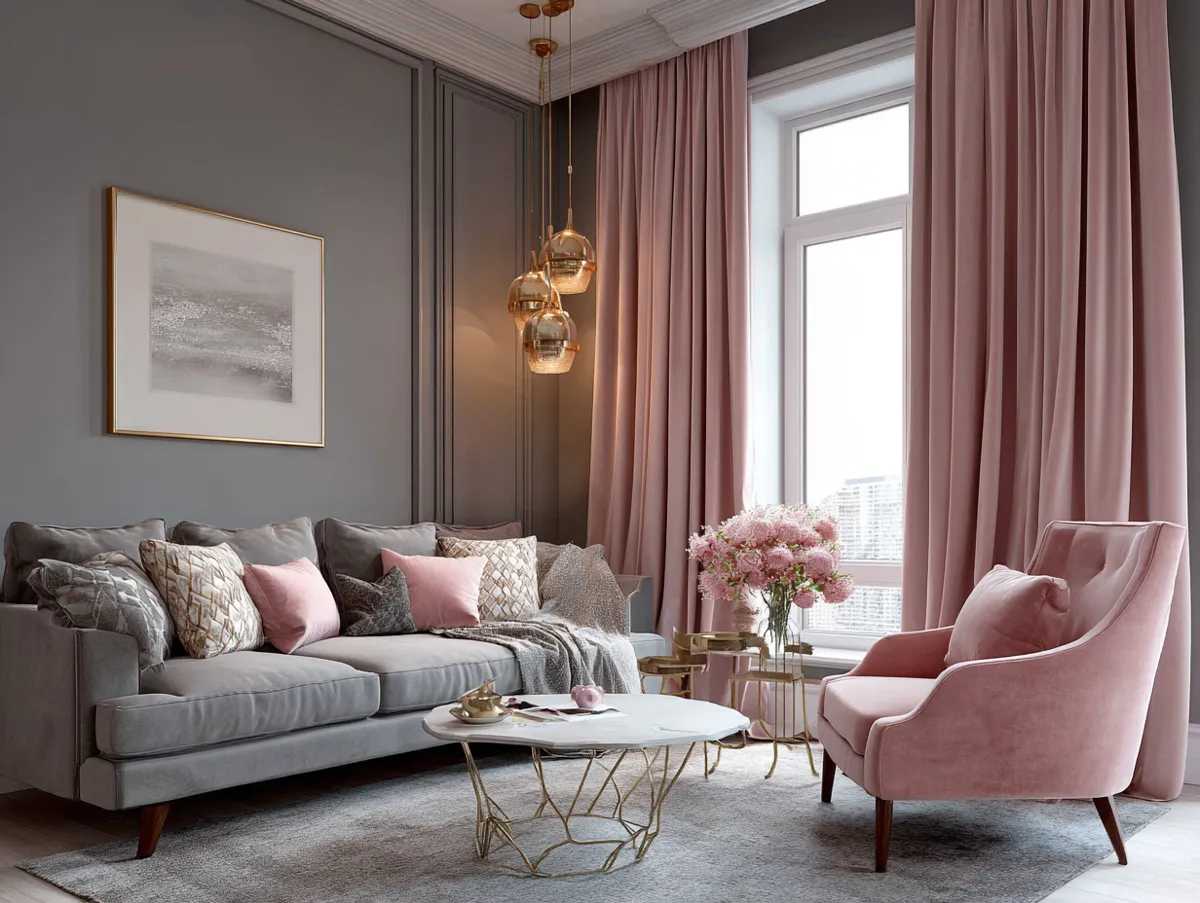
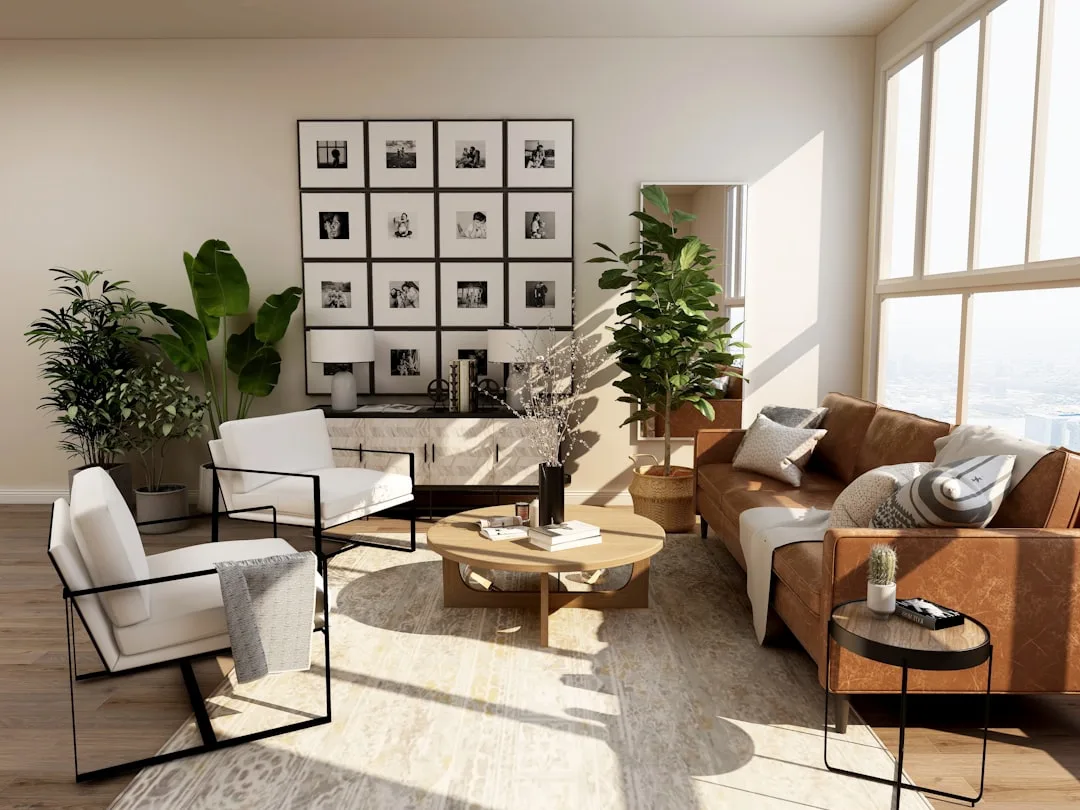
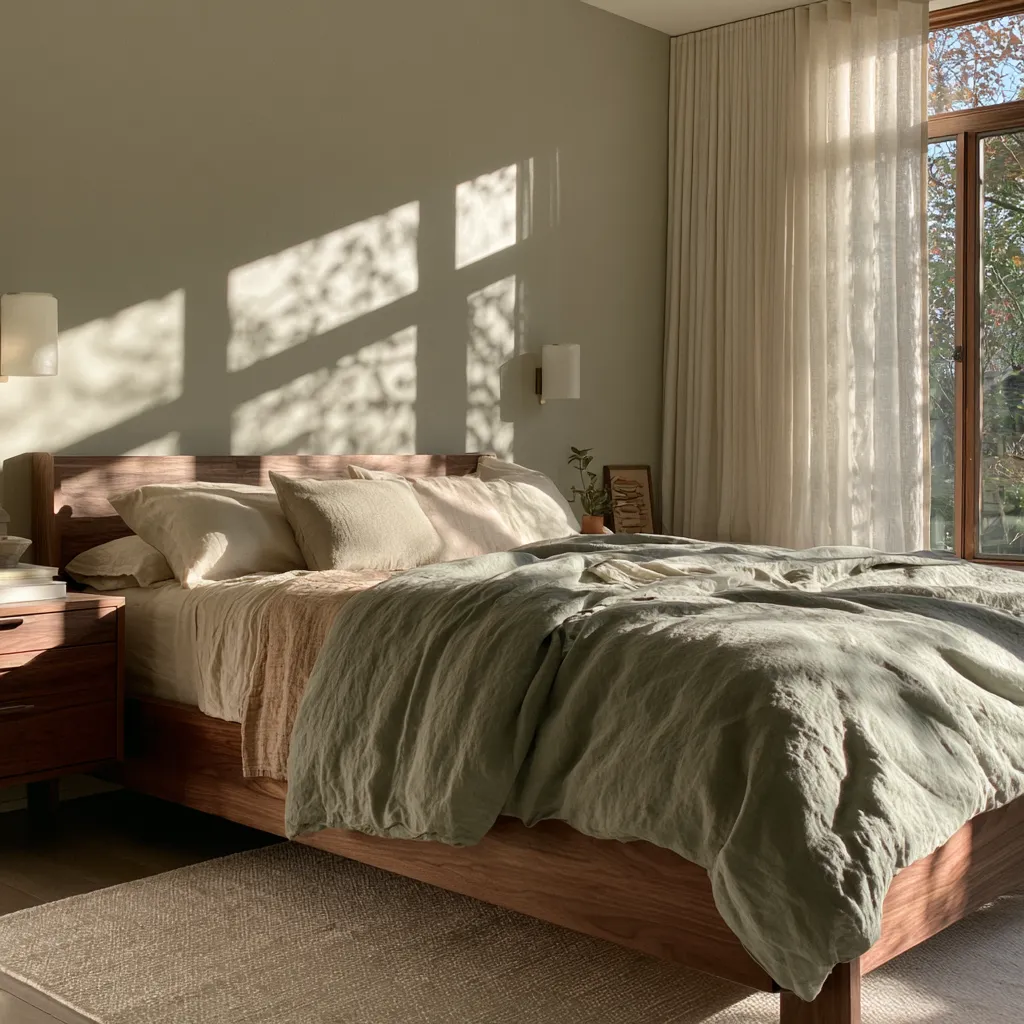
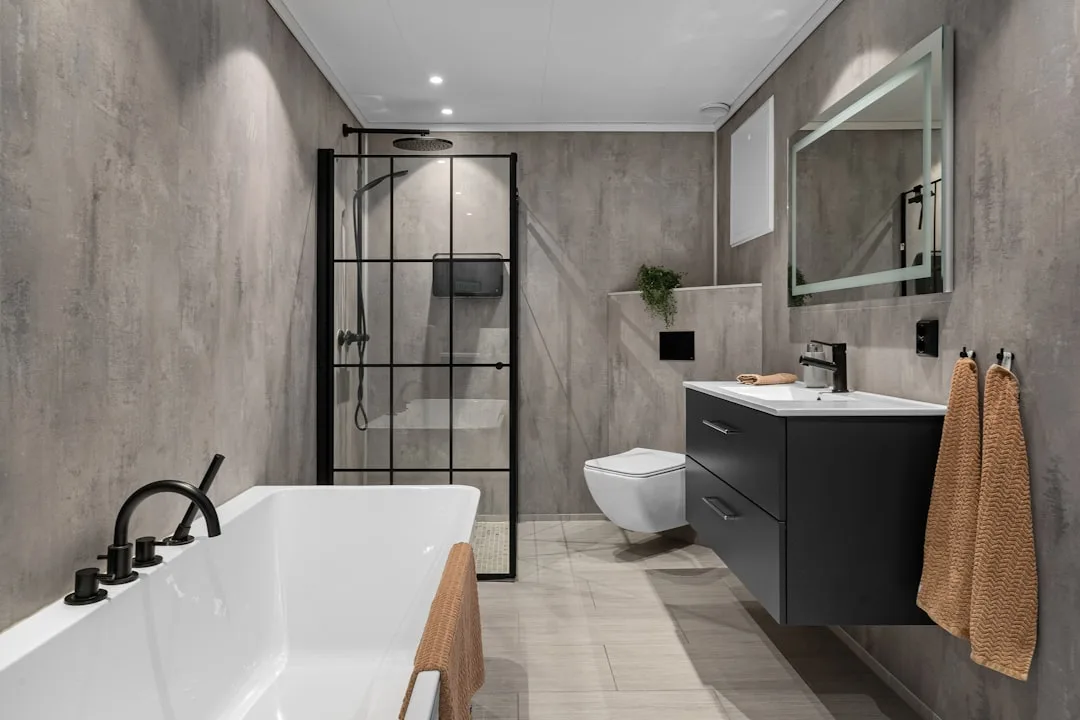
Pink and grey bathroom ideas work because the cool neutrality of grey anchors the space while soft or vibrant pink adds warmth without turning the room childish. The combination suits both modern and transitional bathrooms, creating a calm yet polished atmosphere that photographs well and feels easy to live with every day.
You can lean into a dominant grey wall with restrained pink accents or reverse the balance for a softer blush-led scheme. Either approach delivers sophistication when finishes stay consistent and metallic hardware is kept deliberate. The result is a bathroom that feels intentional rather than trendy.
Most successful schemes keep one colour as the foundation and let the second appear in towels, tiles, or a single painted wall. This prevents the palette from looking busy and makes future updates simple.
- Grey walls provide a serene base that lets pink accents stand out cleanly.
- Soft blush or dusty pink reads more sophisticated than bright bubblegum tones.
- Matte or satin finishes on walls reduce glare in humid rooms.
- Metallic hardware in brushed gold or matte black ties the two colours together.
- Limit pink to 20–30% of visible surfaces for balance.
- Good lighting prevents grey from looking flat and pink from looking dull.
Chic Pink Highlights Against Modern Gray Walls


Pink and grey bathroom ideas often start with gray as the quiet foundation. A mid-tone gray on the walls gives the room a steady, grown-up feel that never competes with fixtures. The pink then arrives as deliberate highlights—folded towels, a bath mat, or a single tray of toiletries—so the eye lands on colour without feeling overwhelmed.
Why does this pairing succeed where other pastels fail? Gray absorbs ambient light evenly while pink reflects a warmer tone, creating natural depth. Avoid painting every surface; keep pink under one-third of the visual field. A matte wall finish further softens the look and hides minor moisture marks better than high-gloss options.
Think of the grey as the quiet stage and pink as the carefully chosen props. Choose a vanity with clean lines and a white or light stone top so the colours remain the focus. Soft diffused lighting keeps the gray from turning cold and lets the pink glow gently rather than shout.


Don’t scatter pink across every surface. Concentrate it in zones that change easily—linens and small accessories—so the room can shift mood without a full repaint. A large mirror with a thin frame multiplies light and makes the limited pink feel more generous than it is.
Soft Gray Backdrop Meets Vibrant Pink Accents


Blush pink and grey bathroom ideas gain elegance when the gray stays soft and the pink stays intentional. A light-to-medium gray wall creates a quiet canvas that lets richer pinks—think dusty rose or muted coral—act as punctuation rather than the main story. White trim or simple moulding adds just enough architecture without clutter.
How much pink is enough? Start with towels, a floral arrangement, or one piece of wall art and stop there. Overdoing the brighter shade quickly tips the room from refined to playful. A freestanding tub against light gray tiles becomes the calm centre, while the pink pieces supply the necessary energy.
Gold or brass fixtures act like jewellery: they catch light and link the cool gray with the warmer pink. Keep the metal consistent across taps, pulls, and lighting so the scheme feels resolved. The combination reads luxurious without requiring high-end materials on every surface.


Avoid matching the pink exactly to every accessory. Slight variation in tone keeps the look natural rather than staged. A single strong pink gesture—such as a bold towel stack or a piece of art—carries more impact than many weak ones.
Contemporary Gray Surfaces with Controlled Pink Touches
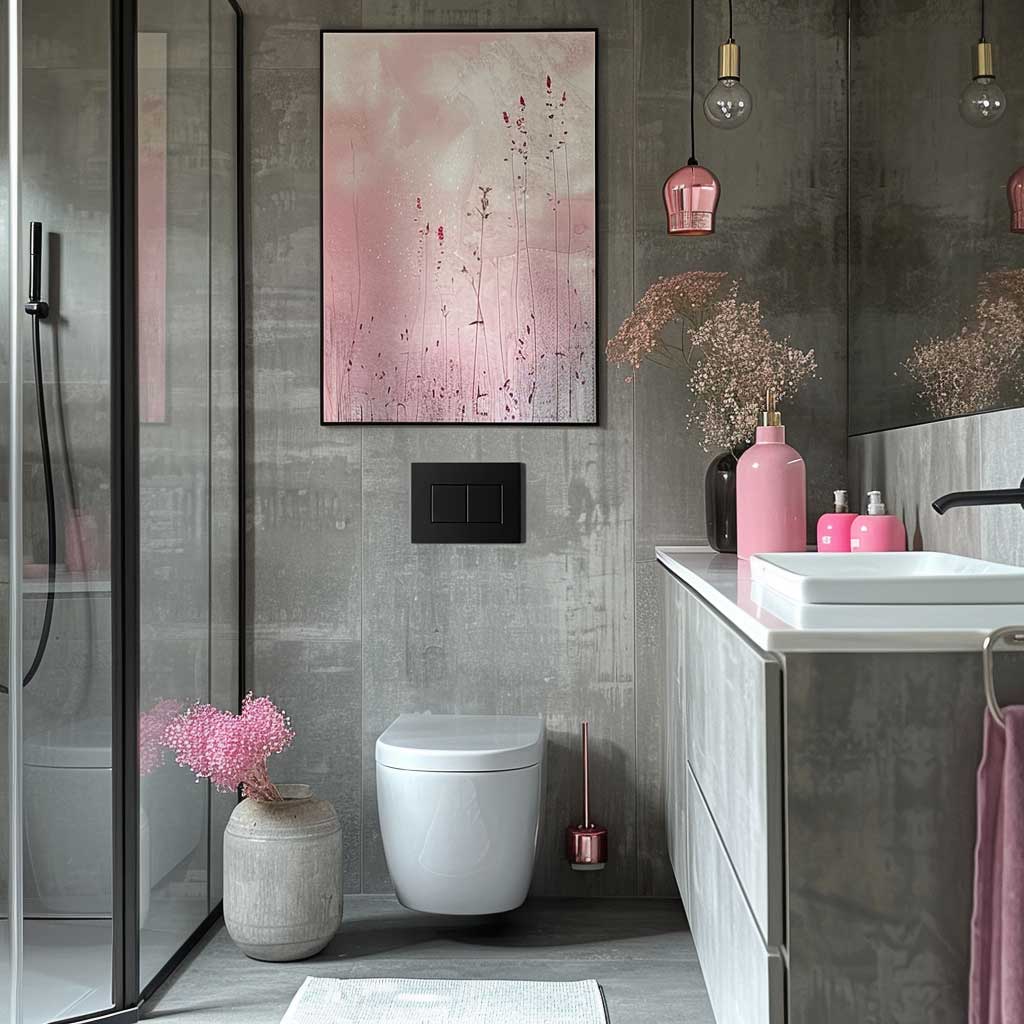


Modern pink and grey bathroom schemes rely on restraint. Smooth gray walls in a satin finish reflect just enough light to keep the room bright while the colour itself stays quiet. Frameless glass, handle-less cabinetry, and polished stone reinforce the contemporary attitude so the pink never has to work alone.
Where should the pink live? Limit it to small, replaceable items: soap dispensers, folded towels, or one abstract print. These touches provide the necessary contrast without fighting the clean geometry of the space. Stainless steel or matte black fixtures keep the overall temperature cool and precise.
The same principle applies to texture. Pair the flat gray paint with a single material that has depth—perhaps a ribbed tile or a stone counter—so the room avoids feeling sterile. Pink then becomes the soft counterpoint that prevents the design from reading as cold.


Don’t introduce multiple competing metals. Stick to one finish so the eye moves smoothly from gray surface to pink detail. The result is a bathroom that feels current yet calm, ready for daily use rather than constant styling.
Choosing the Right Pink and Grey Balance
Gray and pink bathroom decor succeeds when the proportions stay disciplined. Aim for roughly 70 percent gray surfaces and 30 percent pink accents if the goal is a sophisticated rather than playful room. This ratio keeps the space versatile for different lighting conditions and changing seasons.
What finish works best in a humid bathroom? Satin or eggshell paint on walls resists moisture better than flat while still offering a soft appearance. For pink elements that will be washed frequently, choose washable fabrics and non-porous accessories. Average mid-range bathroom paint runs about $40–70 per gallon depending on brand and sheen, according to major retailers.
Lighting decides whether the gray looks flat or dimensional. Warm white LEDs around 2700–3000K flatter both colours and prevent pink from reading as muddy. Place a secondary light source near the mirror so facial tones stay accurate against the cooler wall colour.
For more inspiration on coordinating soft neutrals with colour accents, explore bathroom color schemes that mix neutrals with soft accents. The same principles of balance apply across different room sizes.
Practical Paint and Finish Decisions
Pink bathroom paint colours range from barely-there blush to deeper rose. Dusty and muted versions pair more reliably with gray because they share a similar undertone family. Bright fuchsia or bubblegum shades tend to fight cooler grays and require warmer, beige-leaning gray bases to succeed.
Test large samples on at least two walls before committing. Bathroom light changes dramatically from morning to evening; a colour that looks perfect at noon can shift cooler or warmer after sunset. Allow the samples to dry fully—wet paint often appears lighter than the final result.
Don’t skip primer on previously painted or high-moisture surfaces. A quality moisture-resistant primer improves adhesion and reduces the risk of peeling within the first two years. Many manufacturers recommend two topcoats for full colour depth and durability in wet rooms.
When selecting hardware, consider how the metal temperature interacts with both colours. Brushed gold warms the scheme; matte black adds graphic contrast. Mixing more than two metal finishes usually dilutes the clarity of the pink-and-gray story.
Accessories That Complete the Look
Gray and pink bathroom accessories should reinforce rather than compete. Choose textiles in one consistent pink family and keep shapes simple so the colour remains the focus. A plush bath mat in a slightly deeper pink than the towels creates layered interest without visual noise.
Storage containers in soft pink or clear glass keep the counters tidy while adding controlled colour. Avoid busy patterns; solid or lightly textured surfaces let the wall paint stay the quiet star. For a fuller overview of complementary finishes, see modern bathroom design ideas with clean lines and soft colour.
Art and mirrors offer another opportunity. A single abstract piece with a pink gesture or a mirror with a thin metallic frame can finish the composition. Keep scale generous so the element holds its own against the larger gray planes.
Common Mistakes to Skip
Don’t paint every wall a different shade of pink and gray. The result feels restless rather than intentional. Stick to one dominant wall colour and introduce the second through movable pieces.
Avoid high-gloss paint on large wall areas in a bathroom; the shine amplifies every imperfection and can feel cold under artificial light. Satin remains the practical middle ground for most residential projects.
Skip matching every accessory exactly. Slight tonal variation within the pink family looks more natural and less like a staged set. The goal is a lived-in elegance, not a showroom replica.
Final Thoughts on the Palette
Pink and grey bathroom ideas deliver lasting appeal when the colours stay in clear hierarchy. Gray provides the steady foundation; pink supplies the personality. The combination works across styles because both hues adapt easily to different finishes and lighting conditions.
Start with the walls in a soft or mid-tone gray, then introduce pink through textiles and a few carefully chosen objects. Keep metal finishes consistent and lighting warm enough to flatter both colours.
The strongest results come from restraint. Limit the brighter shade, protect surfaces with proper primer and paint, and let the natural contrast between cool and warm do the rest. The finished bathroom will feel calm, current, and quietly distinctive.
Update the accessories seasonally if desired—swap towel tones or add a single floral piece—while the painted surfaces remain constant. This approach keeps the room fresh without major renovation.