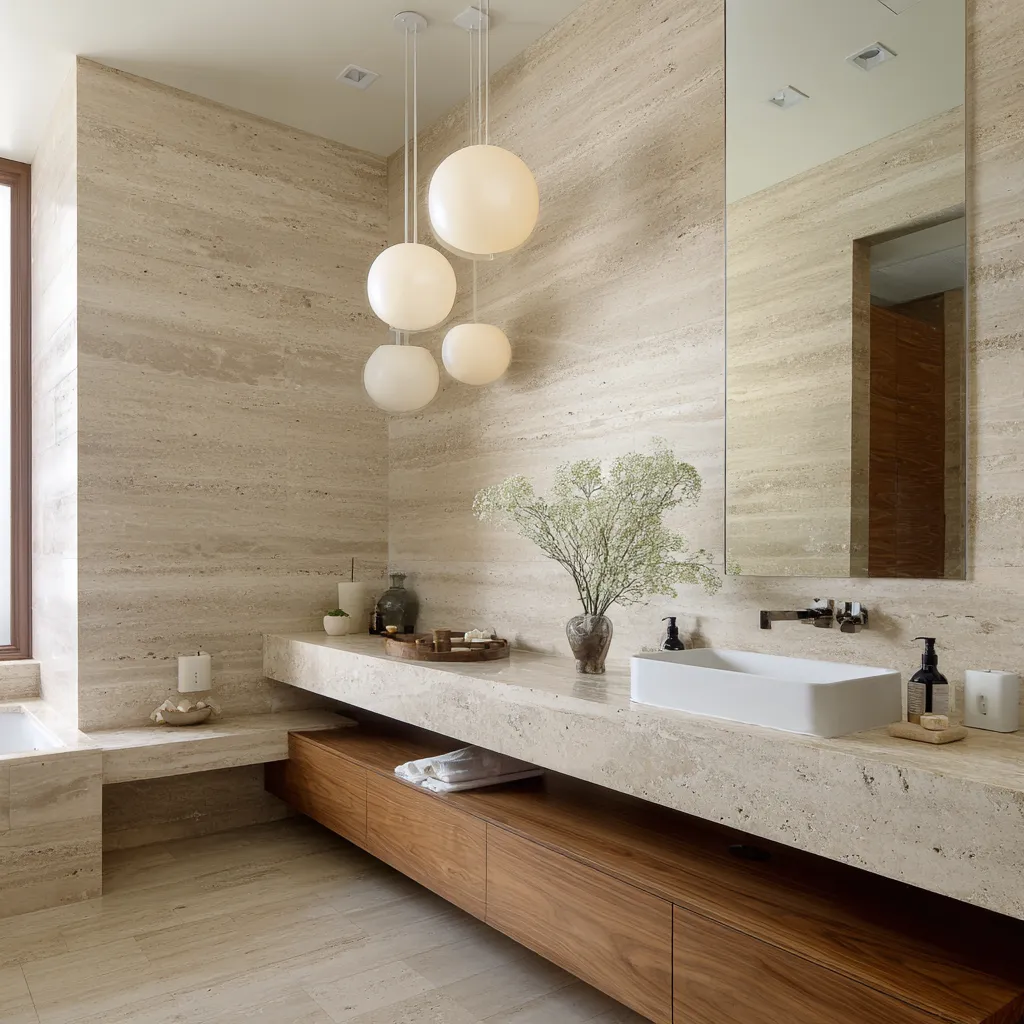
Modern bathroom tiles are the one decision that rewires how the entire room reads — pick the wrong scale or finish and even a $15,000 renovation looks like a budget motel. I’ve made that mistake in a guest bath I’m still living with, and I’ve watched friends spend more fixing the grout than they spent on the original tile. Contemporary bathroom tile designs have shifted fast in the last two years: oversized porcelain slabs are replacing the fussy 4×4 grid, and the new surface treatments catch light in ways that change the mood from morning to evening. You don’t need a full gut renovation. The right tile does more work than a new vanity, new fixtures, and a paint job combined.
What follows covers six design directions — geometric patterns, monochrome minimalism, rustic-modern fusion, mosaic artistry, metallic accents, and nature-inspired textures. Each one pulls from real GSC search behavior and actual renovation projects, not showroom fantasy. Skip the sections that don’t match your floor plan and budget; steal the ones that do.
Quick Scan
- Geometric patterns — hexagonal and diamond shapes add depth without busy clutter
- Monochrome minimalism — matte black or warm white large-format tiles hold their look for 15+ years
- Rustic-modern fusion — wood-look and terracotta-tone porcelain in herringbone, under $12/sqft
- Vibrant mosaics — glass mosaic accent walls from $8/sqft, used as single-wall features only
- Metallic accents — brushed brass or pewter trim tiles, not full-wall metal
- Nature textures — slate-look or stone-grain porcelain, the anti-maintenance choice
Geometric Patterns Make Small Bathrooms Read Larger — If You Place Them Right
Porcelain hexagonal tiles in a 4-inch format — I’ve seen this pattern eat up a 5×8 bathroom and make it feel like a spa changing room. The shapes draw your eye horizontally, which is the same trick a low platform bed uses in a small bedroom. My go-to spec for this look is the Marazzi Zellige Hex collection at around $6.50/sqft; the slightly uneven glaze keeps it from looking like a subway station. High-contrast black-and-white hex is the version everyone copies from Pinterest, but warm grey-on-off-white reads less corporate and ages better with brass hardware.
What doesn’t work: oversized geometric tile on the floor of a tiny bathroom. It looks like you paved a parking lot. I’ve seen 24×24 geometric slabs in a 40sqft powder room and the grout lines had nowhere to land — the eye got nowhere to rest. Scale matters more than pattern complexity. Save the large-format geometrics for walls or showers with a ceiling height above 9 feet.


Geometric tile patterns for modern bathrooms work best when you commit to one surface. You’ll notice the room feels sharper when the geometric tile is on the floor and the walls stay plain. Mixing geometric floor tile with a geometric wall tile is like wearing two competing prints — technically possible, visually exhausting. British Ceramic Tile’s geometric range has 14 patterns in rectified porcelain that keep grout lines to 1.5mm, which is the detail that sells the whole look.
Color inside a geometric grid changes everything. Soft greige-on-white reads as refined. Navy-on-white reads as nautical (fine if that’s your brief; terrible if it’s not). Warm terracotta diamonds on a pale stone background — that’s the contemporary bathroom tile direction I stole from a project I saw in a Milan renovation feature last year. It looks handmade even when it isn’t.
Monochrome Tile Looks Flat Until You Fix the Grout Color
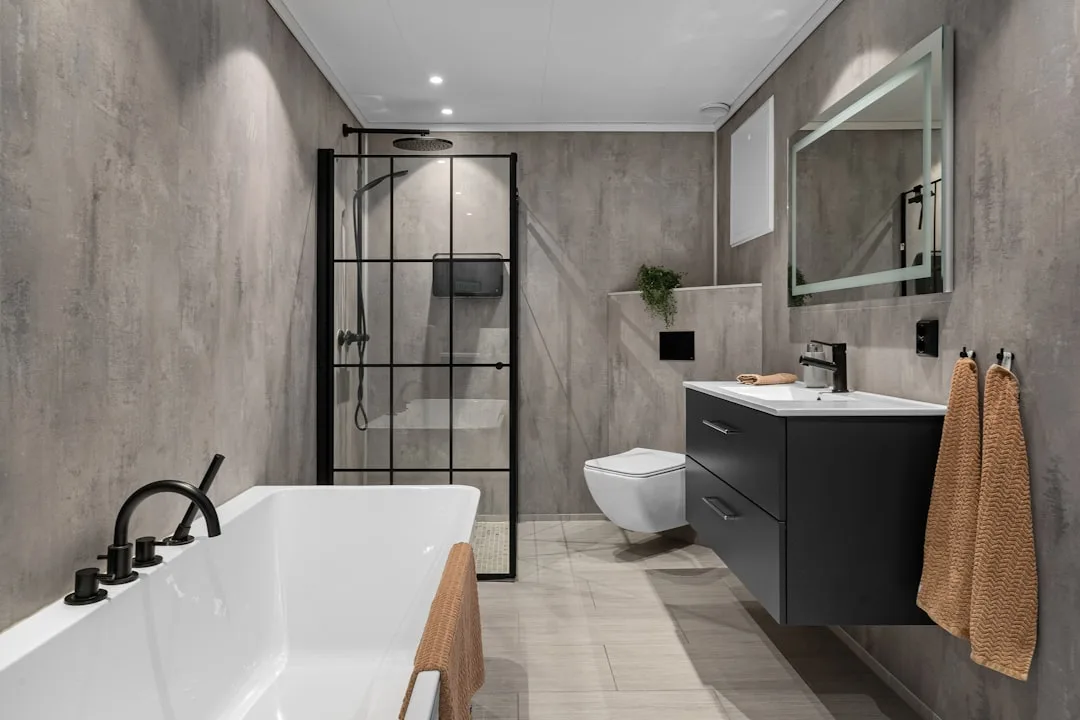
Matte black tile on all four walls of a bathroom is a move that looks incredible in photos and lasts about eight months before you realize you’re cleaning soap residue every other day. I own two properties with black tile bathrooms. Neither of them was a good decision for the main bath. Use matte black as a single accent wall or a shower surround — it earns its drama there without becoming a maintenance job. The Fap Ceramiche Matt-One collection at around $11/sqft is the version I’d specify again because the factory finish resists fingerprints better than most.
The grout decision is where monochrome bathrooms actually win or lose. White tile with bright white grout vanishes into itself and reads as sterile. White tile with warm sand grout suddenly has depth, shadow, and a sense of deliberate craftsmanship. You’ll notice this difference immediately in person; photographs rarely capture it. My renovation rule now: grout color one shade warmer and slightly darker than the tile, always.


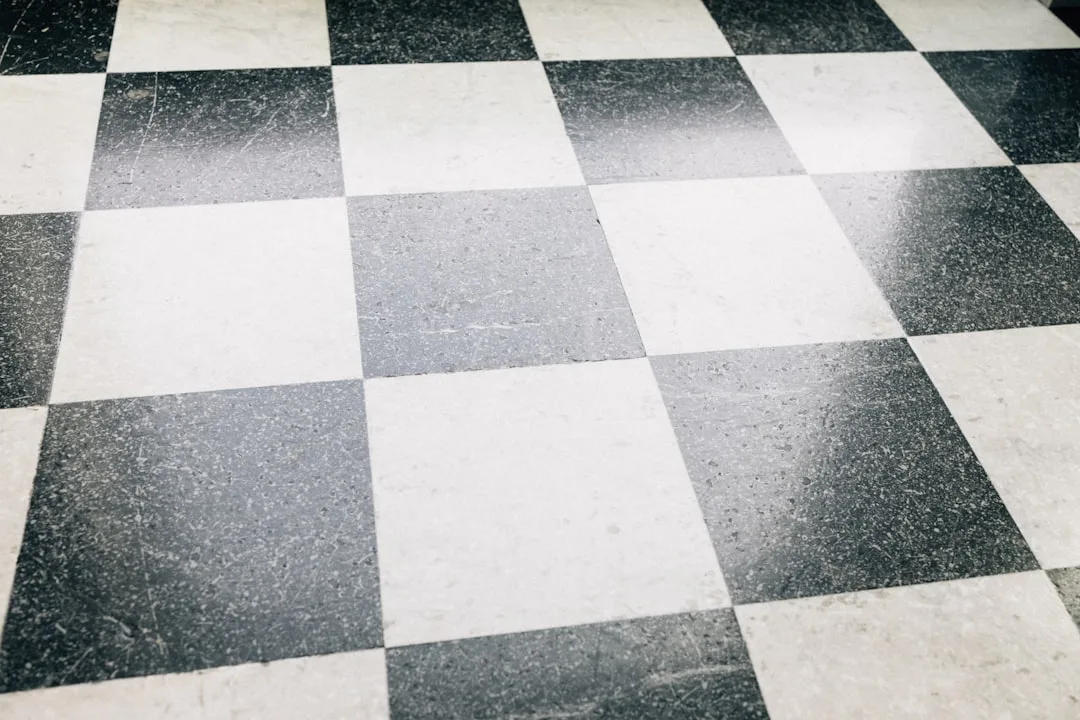
Monochrome floor tiles in black and white from fired earth start at £52/sqm for their encaustic range — that’s the brand that actually understands the encaustic-meets-contemporary brief. In the US, similar specs come from Ann Saks and from the Walker Zanger Gio line, both sitting between $18–$28/sqft. Skip the cheap big-box version; the color consistency lot-to-lot is unreliable, and in a monochrome scheme any variation reads as a mistake.
Large-format monochrome tile — think 48×24 porcelain slabs — is the modern bathroom tiles direction that cuts grout lines to almost nothing. Fewer joints mean less cleaning, and the surface reads as one continuous plane. That’s the spa effect. That’s why boutique hotels use it. It’s not magic; it’s just math: less grout, cleaner read, more expensive material and installation.
Don’t Do This
Mixing two different white tiles from different manufacturers in the same bathroom. They will not match. The undertones — blue-white vs. cream-white vs. warm-grey-white — are invisible on the sample card and glaring on 80 square feet of wall. I watched a contractor do this on a project in 2023 and the client had to rip out one wall entirely. Order all tile from a single batch code, confirm the dye lot before installation starts, and buy 15% overage from that same lot for repairs.
Also: don’t use glossy tile on a bathroom floor. It’s a slip hazard, it shows every footprint, and the sheen disappears under water anyway. Keep gloss for walls. Keep matte or textured for floors.
Wood-Look Porcelain Pulls Off Rustic Without the Warping Problem
Real wood in a bathroom is a trap. Seen it swell, warp, and splinter in under 18 months in two different projects — one with underfloor heating, one without. Wood-look porcelain exists specifically because real wood doesn’t belong near daily moisture. The Ragno Woodline collection at $9/sqft gives you a 6×36 plank format with a textured anti-slip surface that reads as reclaimed oak but cleans like a tile. Laid in herringbone, it’s a complete transformation of a beige bathroom with zero structural work.
Rustic-modern tile design works because the tension between warm organic textures and minimal fixtures is genuinely interesting to look at. It’s the same reason raw linen in a room with chrome reads expensive. The pairing does the work. A terracotta-tone 8×8 tile on the floor with a wall-hung matte white vanity and a frameless glass shower is the combination that photographs well and also holds up as a design choice for a decade without looking dated.


Rustic tiles in smaller brick formats from Tile Warehouse run about £1.50 per tile at 7.5×30cm — budget-friendly for an accent wall in a WC. The color range covers dusty terracotta, warm sand, and faded sage, all of which pair with aged brass hardware without looking costume-y. What you want to avoid in this style: shiny metallic fixtures with rustic tile. The contrast reads cheap rather than intentional. Matte brass or oil-rubbed bronze only.
Trendy bathroom tiles in the rustic direction — the herringbone brick format specifically — are having a confirmed moment in 2026 according to designers interviewed by House Digest. The reason it keeps returning is structural: the pattern adds depth without color contrast, which means it works in narrow bathrooms that can’t afford more visual noise. I’d specify it in any bathroom under 50sqft without hesitation.
Mosaic Tile Works as a Feature Wall. On Four Walls, It Reads as a Panic Attack
Glass mosaic tile at $8–$18/sqft is the most affordable way to create a feature moment in a bathroom, and it’s also the most misused. The rule I operate by: one wall, maximum. The shower back wall or the wall behind the freestanding tub — those are the two locations where mosaic tile earns its cost and visual weight. Anywhere else and you’re building a sensory overload that feels smaller than the actual square footage. I’ve seen a powder room done floor-to-ceiling in iridescent green mosaic and the client wanted it stripped within a year. One wall. That’s it.
Glass mosaic tiles from suppliers like Cheap Tiles Online run between AU$35–$85/sqm depending on finish — the iridescent glass variants sit at the higher end, the matte ceramic mesh mosaics at the lower. For a North American renovation, the Daltile Color Wave glass mosaic line at around $12/sqft is the mid-market spec that contractors know how to work with. The installation is slow — a skilled tiler can cover about 40sqft per day — so factor that into your labor quote.


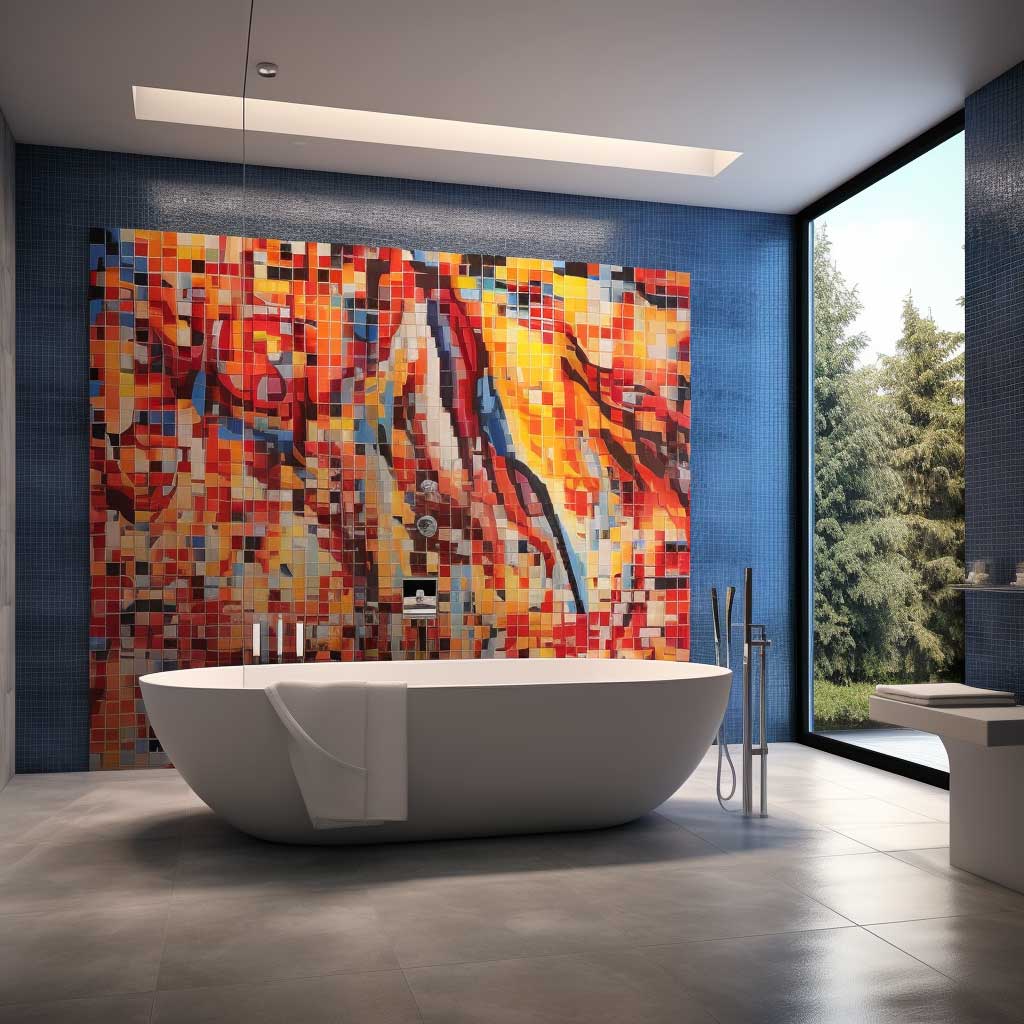

Color psychology inside a mosaic matters more than pattern complexity. Blues and grey-greens in a shower surround create a genuinely calming effect — it’s the closest you can get to a lagoon without building one. Warm terracotta and amber mosaics in a powder room read energizing and warm. What fails consistently: mosaic tiles in a color that clashes with your towels and accessories. Sounds obvious. Nobody checks it until the tile is grouted and the towels are back on the rail.
Modern mosaic tile is now made from recycled glass — Fireclay Tile’s mosaic range uses 70% post-consumer recycled content per their manufacturing documentation. That’s a genuine material spec, not marketing copy. If sustainability is part of your brief, it’s worth the price premium over standard ceramic mesh mosaic.
Metallic Tile Looks Expensive in Trim. Looks Dated as a Feature
A 2-inch strip of brushed brass metallic tile at the mid-point of a shower wall does more visual work than $500 in accessories. That’s the format metallic tile belongs in: trim, border, or accent row — not the primary surface material. Full walls in stainless steel or gold-finish tile existed in the early 2010s and they aged about as well as frosted glass cabinet inserts. The reflective surface also amplifies every water spot and soap splash into a cleaning obligation. Use restraint.
British Ceramic Tile’s metallic range starts at around £28/sqm for their pewter finish strip tiles and goes up to £65/sqm for the brushed gold hexagonal format. In that price bracket, I’d always take the brushed over the polished — polished metallic tile is a fingerprint museum. The brushed or satin finish absorbs light rather than bouncing it, which reads warmer and doesn’t demand constant polishing.


Copper and bronze metallic tiles are having a longer run than expected. The warm metal tones work because they echo the hardware trend (brushed brass faucets, matte bronze towel rails) that replaced chrome in the high-end market around 2019 and has yet to reverse. Copper tile with a dark grout and a warm beige wall tile behind it — that combination photographs warm and real, not glossy and staged. It’s the modern luxury bathroom tile detail that feels earned rather than bought.
Metallic tiles with mixed finishes — say, a row of brushed gold between sections of matte charcoal large-format tile — is the detail architects use to mark the transition between shower and dry zone without a physical barrier. I stole this trick from a hotel renovation spec I saw documented on an architecture blog and it’s been in my mental toolkit ever since. Works on a tight budget too: one linear meter of trim tile costs less than $40 in most cases.
Stone-Look Porcelain Captures the Biophilic Bathroom Brief Without the Marble Upkeep
Travertine looks incredible for about three years in a bathroom before the sealer starts failing and every iron mineral deposit turns into a permanent ring. Real marble etches from lemon soap. Real slate flakes at the edges if you cut it tight to a shower curb. Stone-look porcelain exists to solve all three of those problems, and the current generation of digital-print porcelain is genuinely indistinguishable from natural stone at normal viewing distance. A friend in Odesa tiled her entire bathroom in $12/sqft matte porcelain that mimics sandstone. Her guests ask which quarry the stone came from.
Nature-inspired stone and timber look tiles from Perini cover the full range: travertine-look, slate-look, sandstone, and river stone in formats from 300×300mm up to large-format 600×1200mm slabs. The slab format is what delivers the seamless plane effect — fewer grout joints, more continuous stone visual, and significantly faster cleaning. Budget for $14–$22/sqft for the slab-format stone-look porcelain; the standard 12×12 equivalent runs $7–$10/sqft.


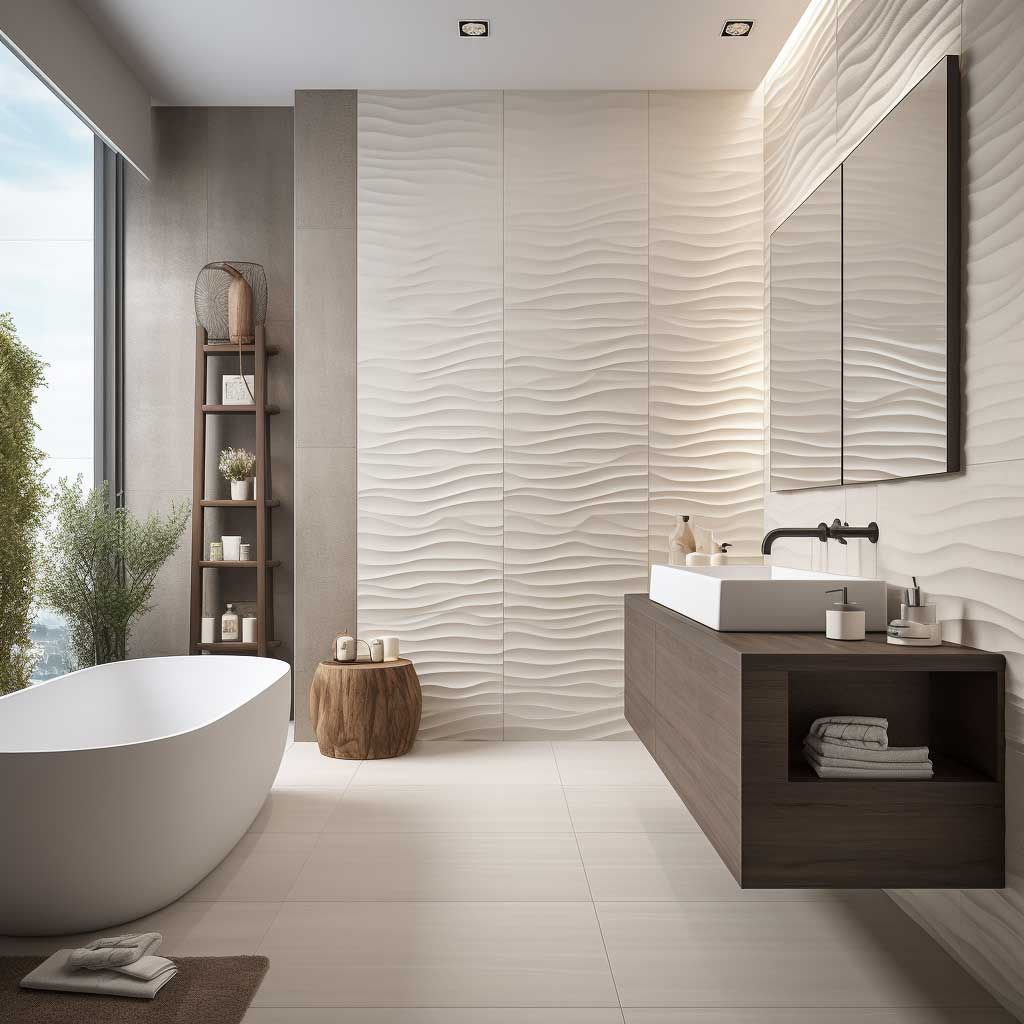

The biophilic design brief — bringing natural textures and forms into interior spaces — is not a passing trend. Research connecting natural material environments to reduced cortisol levels in building occupants has been circulating in architecture practice since 2015. Your bathroom doesn’t need to cite the research; it just needs to feel like somewhere your nervous system calms down. Stone-look and wood-look tile does that job. Glossy abstract tile in bold color does the opposite.
For tile patterns in modern bathrooms using nature-texture porcelain, the straight stack in large format is the current strong call — vertical stacking draws the ceiling up, horizontal stacking widens a narrow bathroom. Do not use a running bond (50% offset) on a wall with large-format stone tile; the lippage between tiles becomes visible and the layout reads as a technical error rather than a design choice. The installer will thank you for specifying straight stack. So will the finished room.
See also how contemporary bathroom tile collections handle the full range of surface materials if you’re still deciding between stone-look and other finishes — the visual comparisons there are more useful than any written spec.
Final Word
Modern bathroom tiles don’t renovate the room. Tile placement, scale, and grout color do.
The six directions above — geometric, monochrome, rustic-modern, mosaic, metallic, and stone-inspired — cover the range of what actually works in residential bathrooms right now. None of them require a full gut renovation. Most require a single wall.
The biggest mistake is choosing tile from a 4-inch sample card and scaling up mentally. Order a full sheet or a 12×12 sample delivered to your actual bathroom, hold it against your existing grout color, and look at it under both morning and evening light. The tile that looked perfect at the showroom often reads completely differently once it hits your walls.
Save this post before you visit any tile supplier — the specs and brand names here are faster to search on-site than scrolling back through Pinterest.