Modern exterior house pillars design is the detail most architects swear by and most homeowners overlook entirely. You can spend $40,000 on new siding and the front of your house will still read as flat if the pillars don’t do any work. I’ve photographed hundreds of facades over the years, and the ones that stop you cold almost always have one thing in common — the pillars are doing double duty, structural and visual, and someone made a conscious decision about which style to use. This post breaks down three distinct approaches — classical grandeur, clean minimalist lines, and rustic log construction — and shows you exactly when each one works and when it doesn’t.
Pillar choice is closer to font selection than most people realize. The wrong style doesn’t ruin the house — it just makes everything feel slightly off, like a word you can’t quite place. My go-to test: stand across the street, squint, and ask whether the pillars belong to the same visual sentence as the roofline. If the answer is no, you have a problem that paint won’t fix.
Quick Scan
- Classical pillars — round or fluted Corinthian/Doric shafts, white or stone finish, suit traditional and colonial facades. Expect $800–$2,500 per column installed.
- Minimalist pillars — rectangular, smooth, colour-matched to the facade. Best on contemporary builds with flat or low-pitch roofs.
- Rustic log pillars — rough-hewn cedar or pine, warm earth tones, ideal for countryside and cabin-style homes. Cedar wraps start around $300 each at Home Depot.
- Material shortcut — fiberglass columns from manufacturers like Turntech or Architectural Columns Inc. start at $150 and skip the rot problem entirely.
- One rule that doesn’t bend — pillar diameter should be proportional to the span it covers; undersized pillars on a wide porch always look like an afterthought.
Classical Pillars Pull a Facade Out of the Ordinary
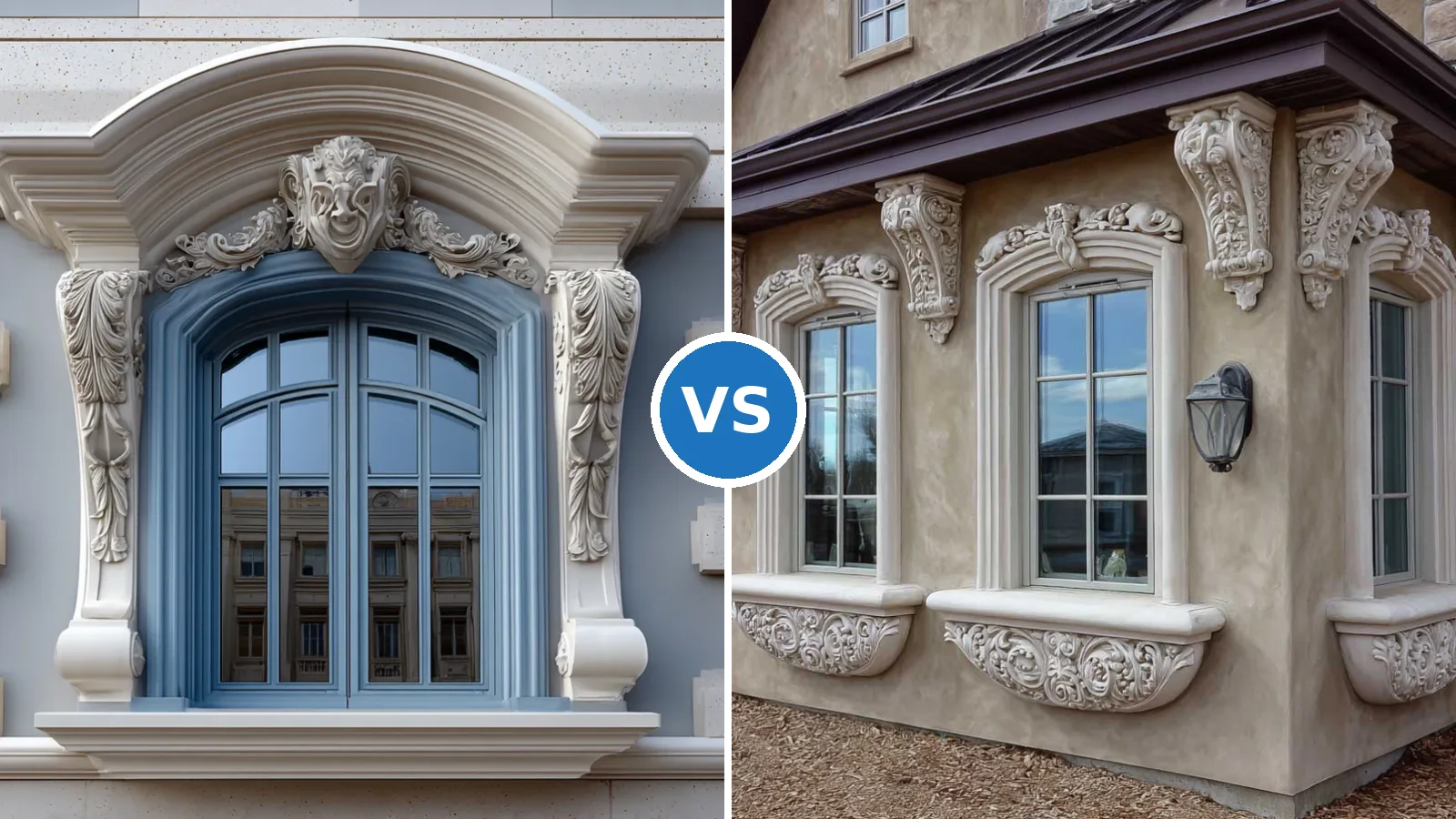
White classical pillars against a darker exterior are not a subtle choice. They announce the house from the end of the block, which is exactly the point — architects have been using this contrast since Greek Revival style swept the American South in the 1830s. I bought a house in 2018 with undersized wooden posts on the front porch, and the upgrade to proper round fiberglass Corinthian columns from Architectural Columns Inc. (around $620 each) was the single change that made the whole street look up. The ratio matters more than the style: a column supporting a wide balcony needs to be thick enough that it reads as structural, not decorative.
The classical approach works because it borrows authority from something older than your house. Corinthian capitals with acanthus leaf detail, Doric fluted shafts, Ionic scroll volutes — each carries a visual grammar that reads as permanent. You’ll notice the effect immediately: the entrance stops feeling like a door and starts feeling like a threshold. The downside nobody mentions is maintenance. Wood rots, paint chips, and a neglected classical pillar looks worse than no pillar at all. Fiberglass or PVC wraps solve this without sacrificing the look.
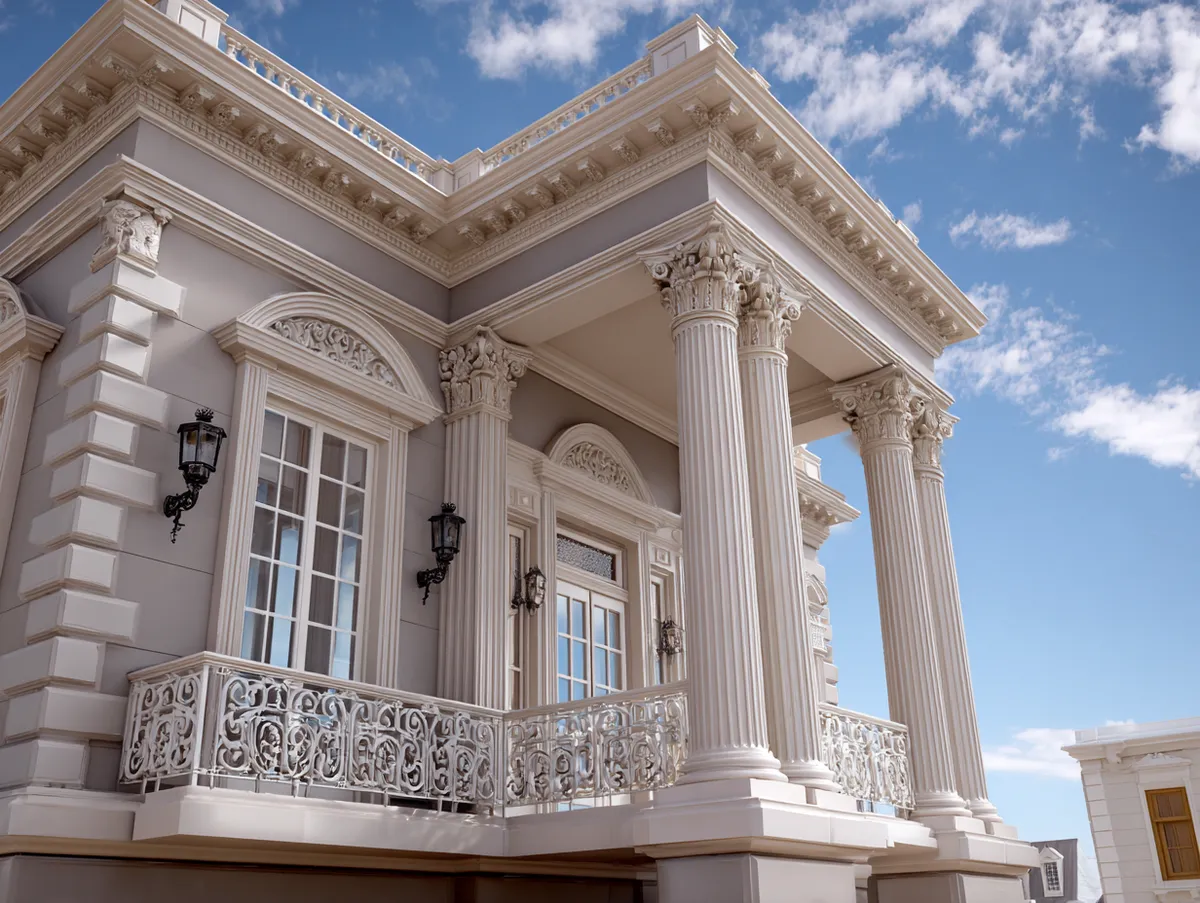

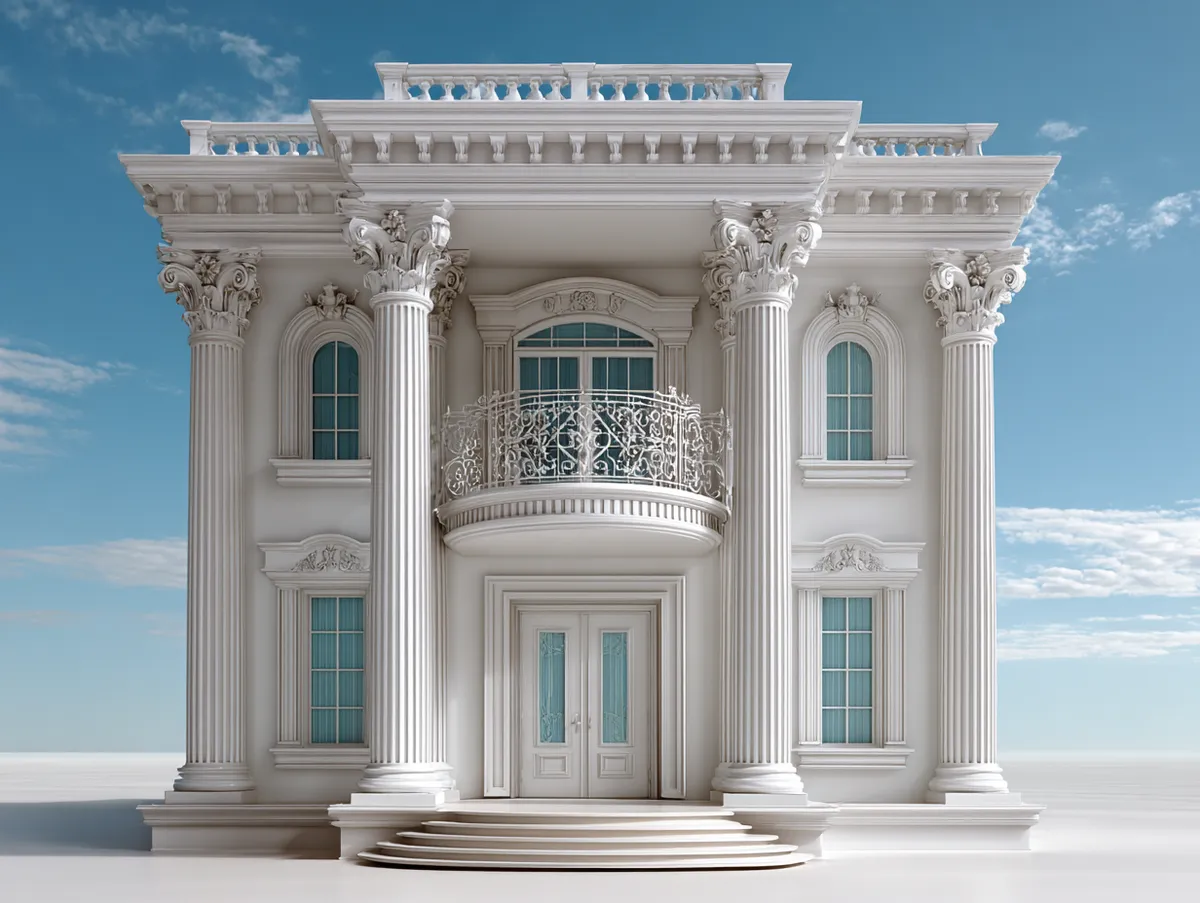
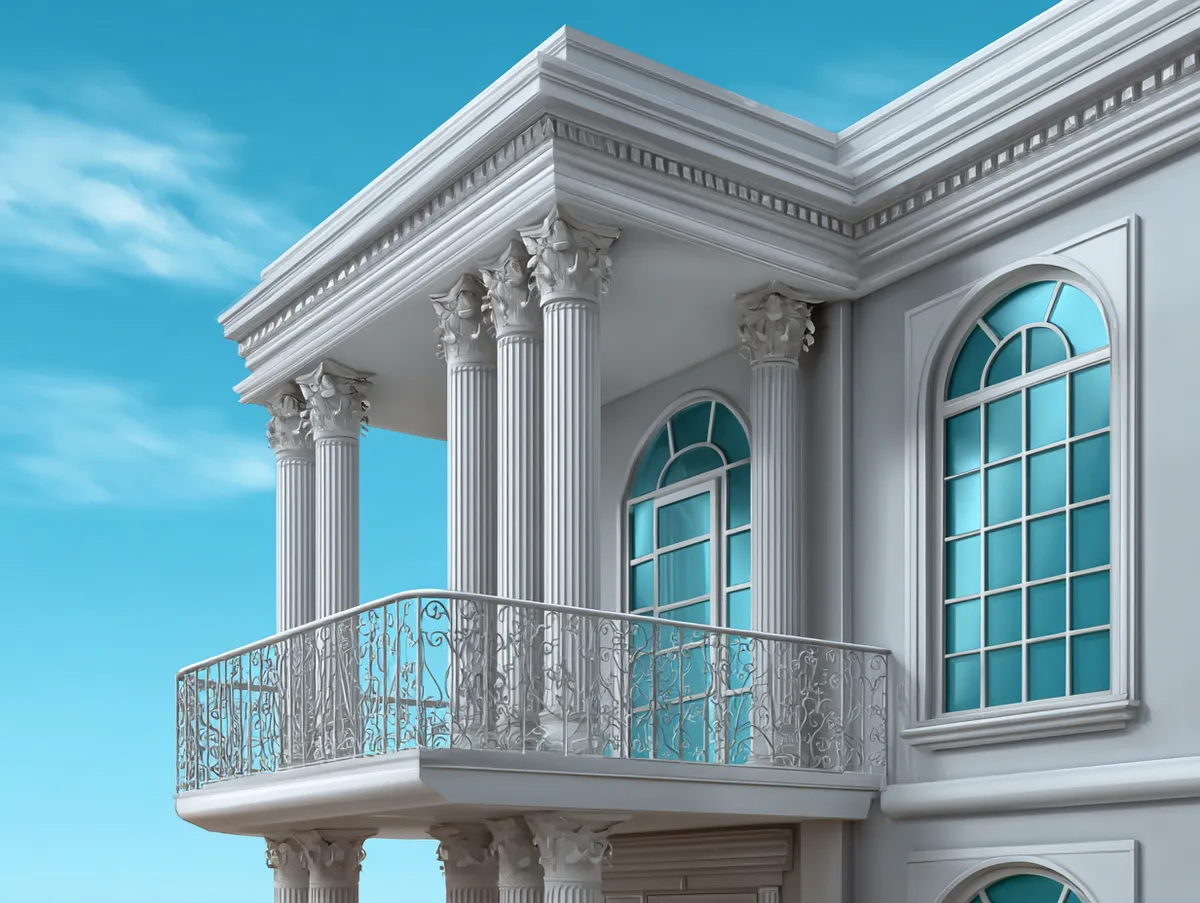


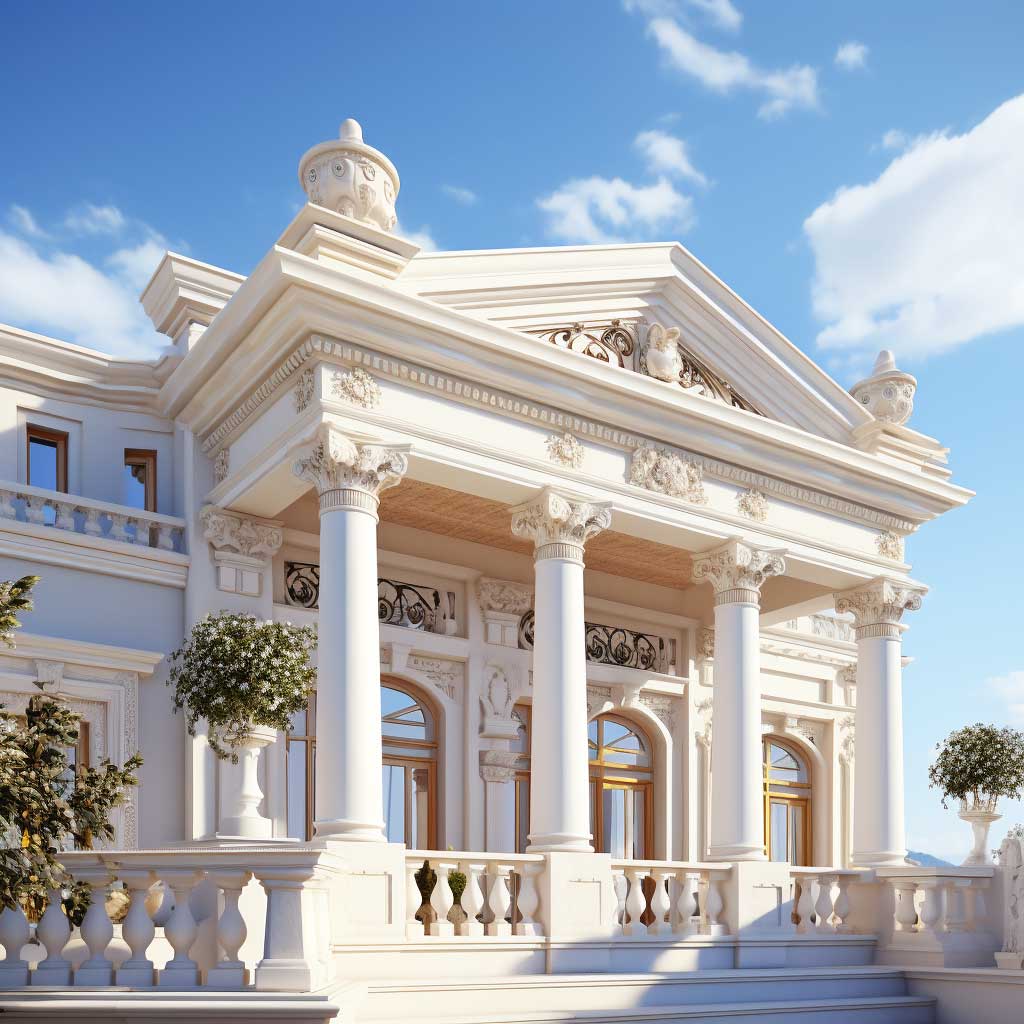

Colour contrast is doing most of the heavy lifting in classical exterior pillar design. White pillars against charcoal, navy, or forest green siding create a focal point that frames the entrance and draws the eye exactly where you want it. Skip the off-white — it reads as dirty and undermines the whole effect. If you’re going classical, go bright white Benjamin Moore Chantilly Lace or Sherwin-Williams Extra White. Anything warmer and the columns start looking like they need a wash.
Here’s the anti-advice: ornate capitals on a ranch house look like a costume. I’ve seen homeowners bolt Corinthian columns onto a 1970s split-level and the result is architectural cognitive dissonance. Classical pillars only work when the proportions and roofline of the house support them — a low, horizontal build in traditional brick reads better with square Craftsman columns than with anything fluted. Match the style to what the structure already wants to say. More on choosing the right porch column proportions for your facade.
Rectangular Minimalist Pillars Make the Facade Recede — On Purpose
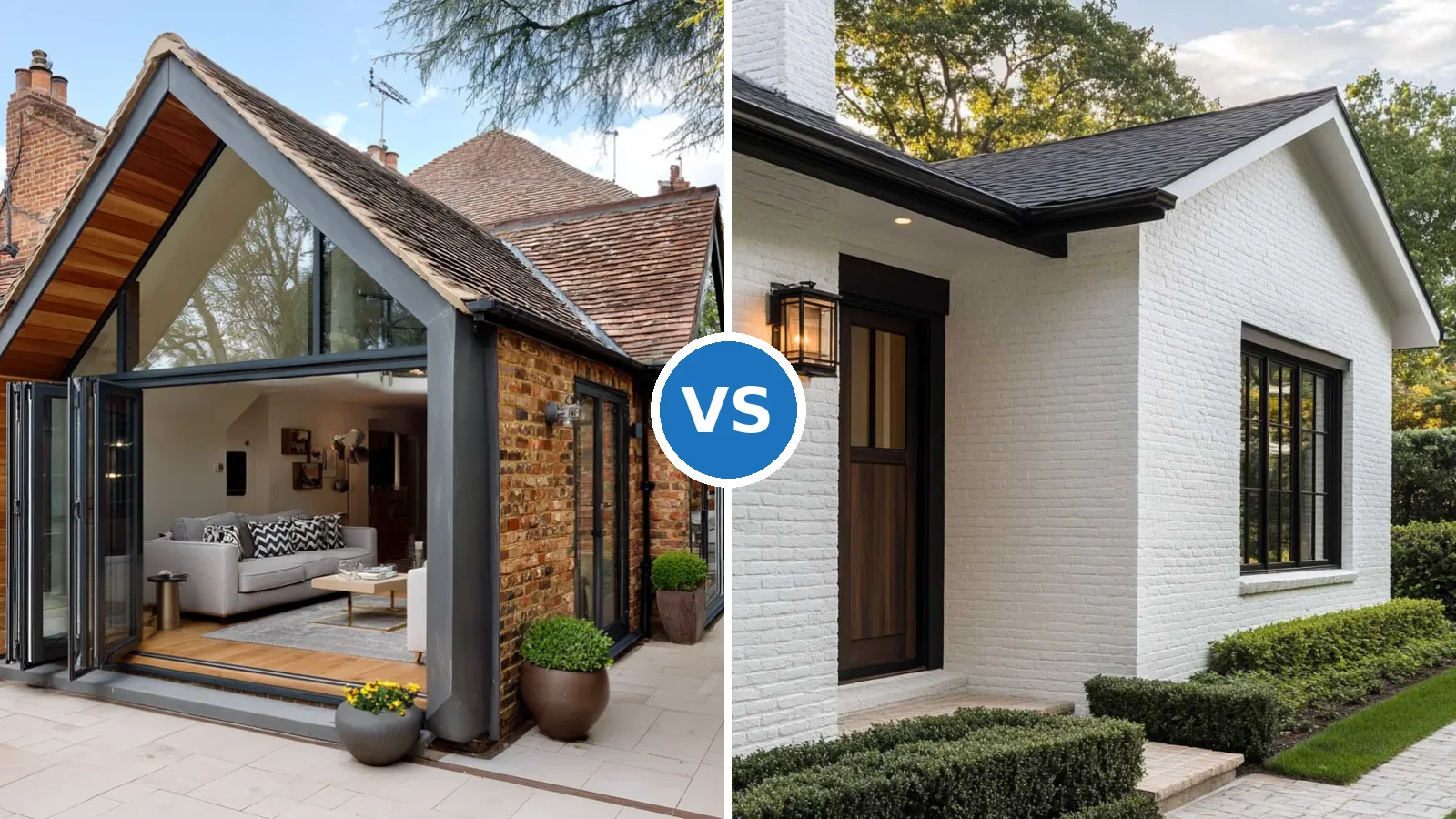
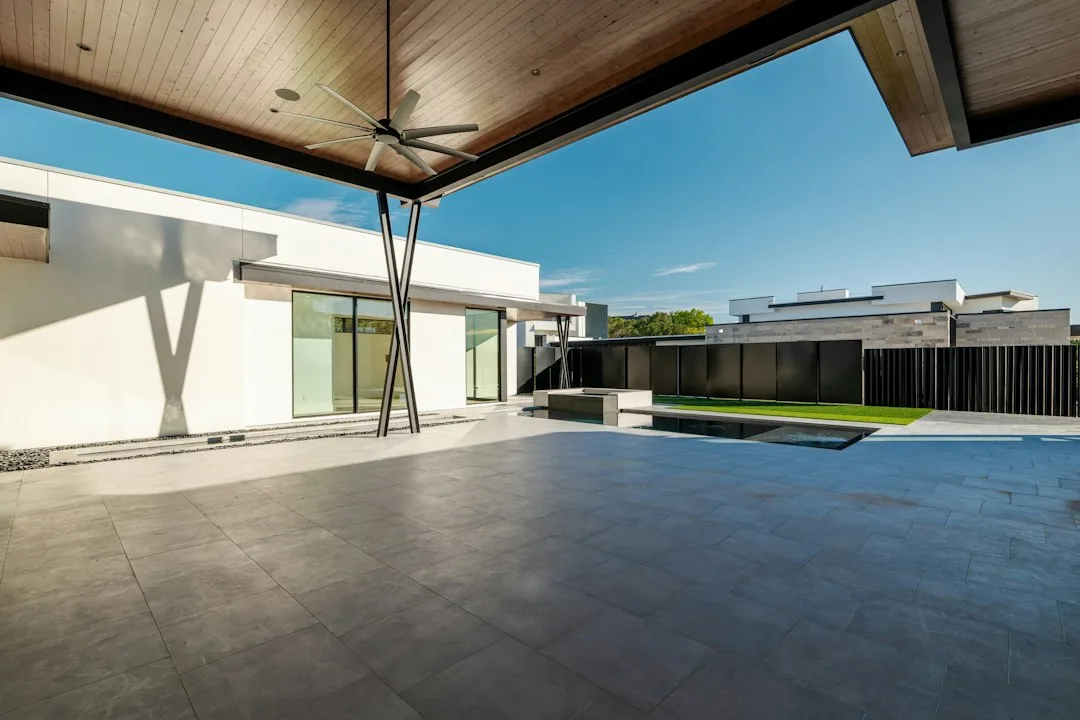
Slender rectangular pillars painted flush with the facade are not trying to impress you. That’s the entire point. You’ll notice on contemporary builds — the kind with flat roofs, board-and-batten cladding, and floor-to-ceiling windows — that the pillars almost disappear. They become structural punctuation rather than decoration. This approach is the architectural equivalent of negative space; the pillar’s job is to define the overhang without competing with the horizontal lines of the house.
My go-to material for minimalist pillars is smooth-finish fiberglass or poured concrete. Both hold paint without peeling, and neither needs the annual maintenance that wood demands. Colour-matched to the facade means exactly that — not one shade lighter or darker, which would create an unintentional highlight. I stole this trick from a photo shoot I did of a Pacific Northwest contemporary house where the architect had painted the rectangular columns in the exact same Benjamin Moore HC-170 Revere Pewter as the siding. The result was a facade that felt unified rather than assembled.
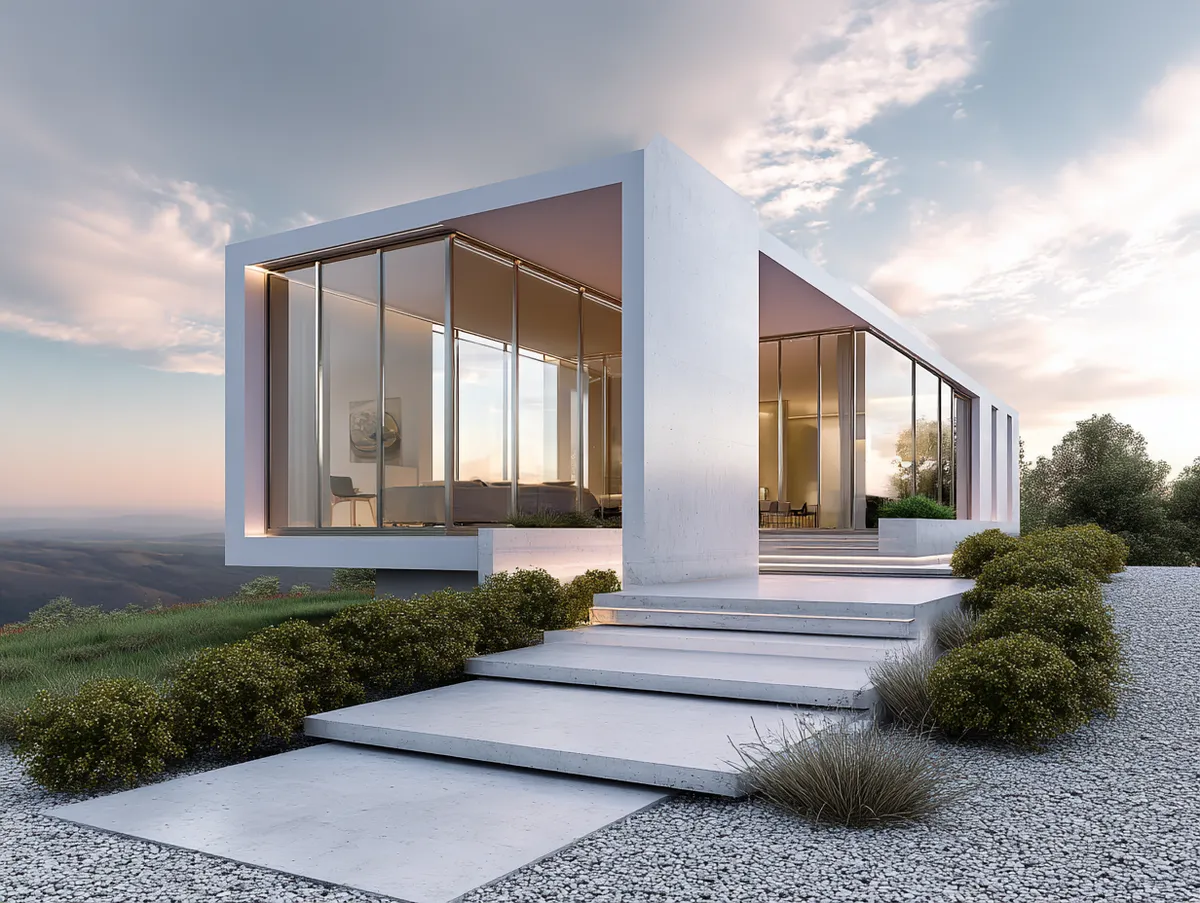
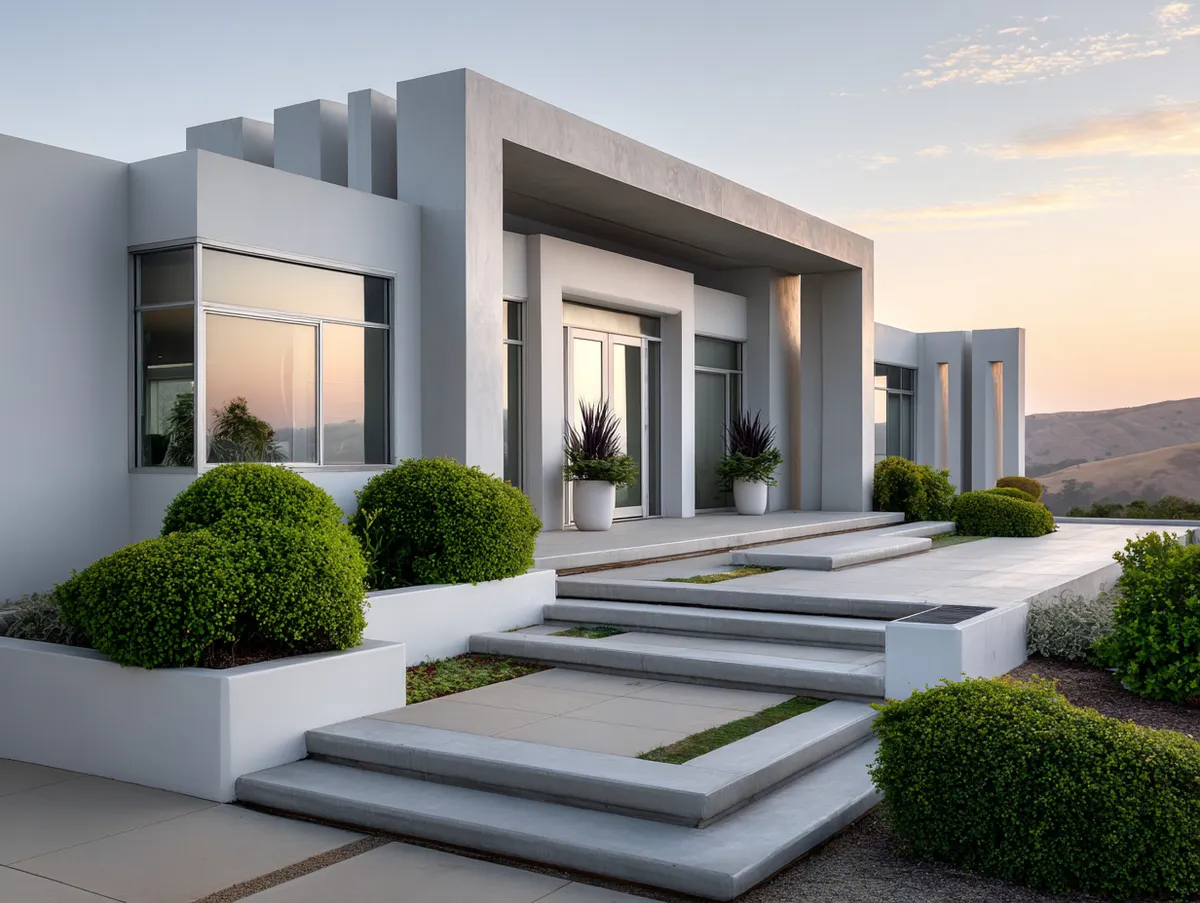
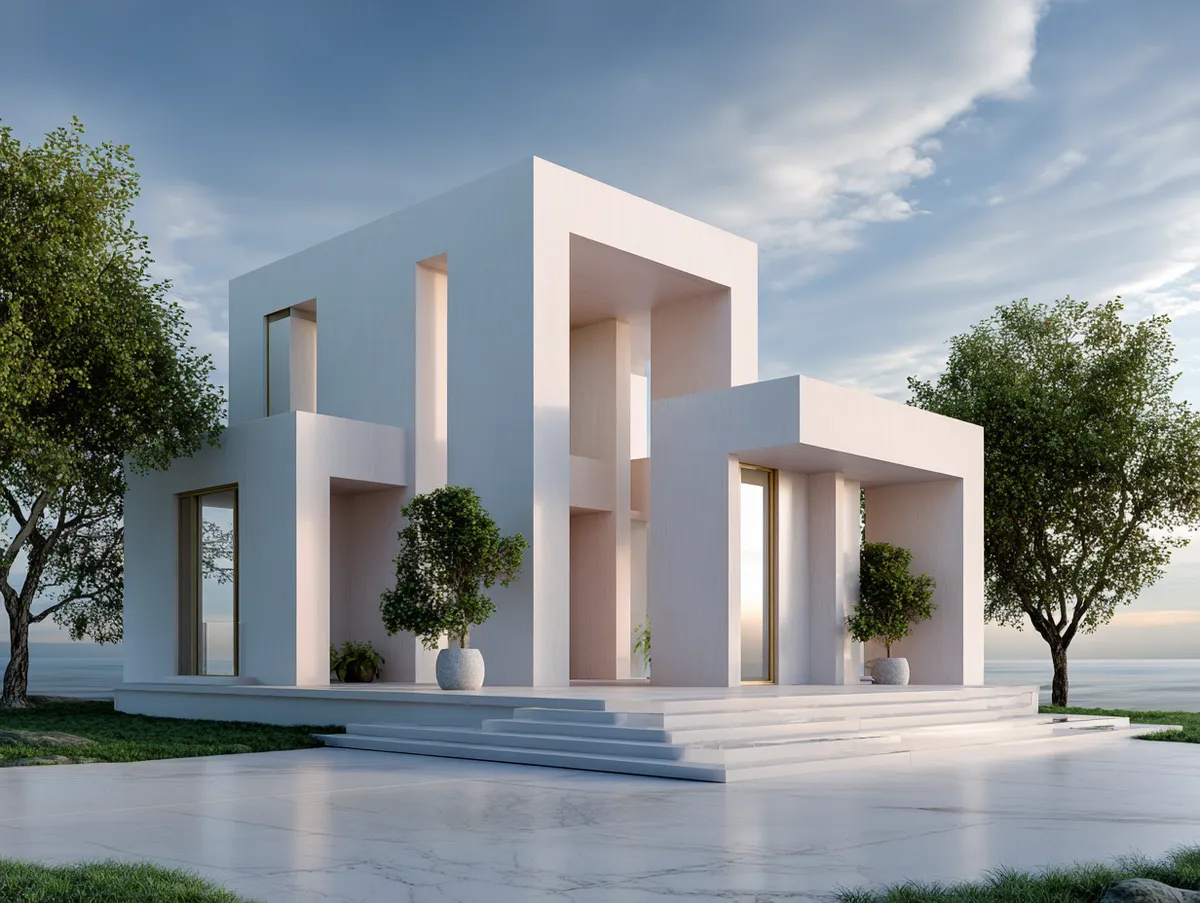
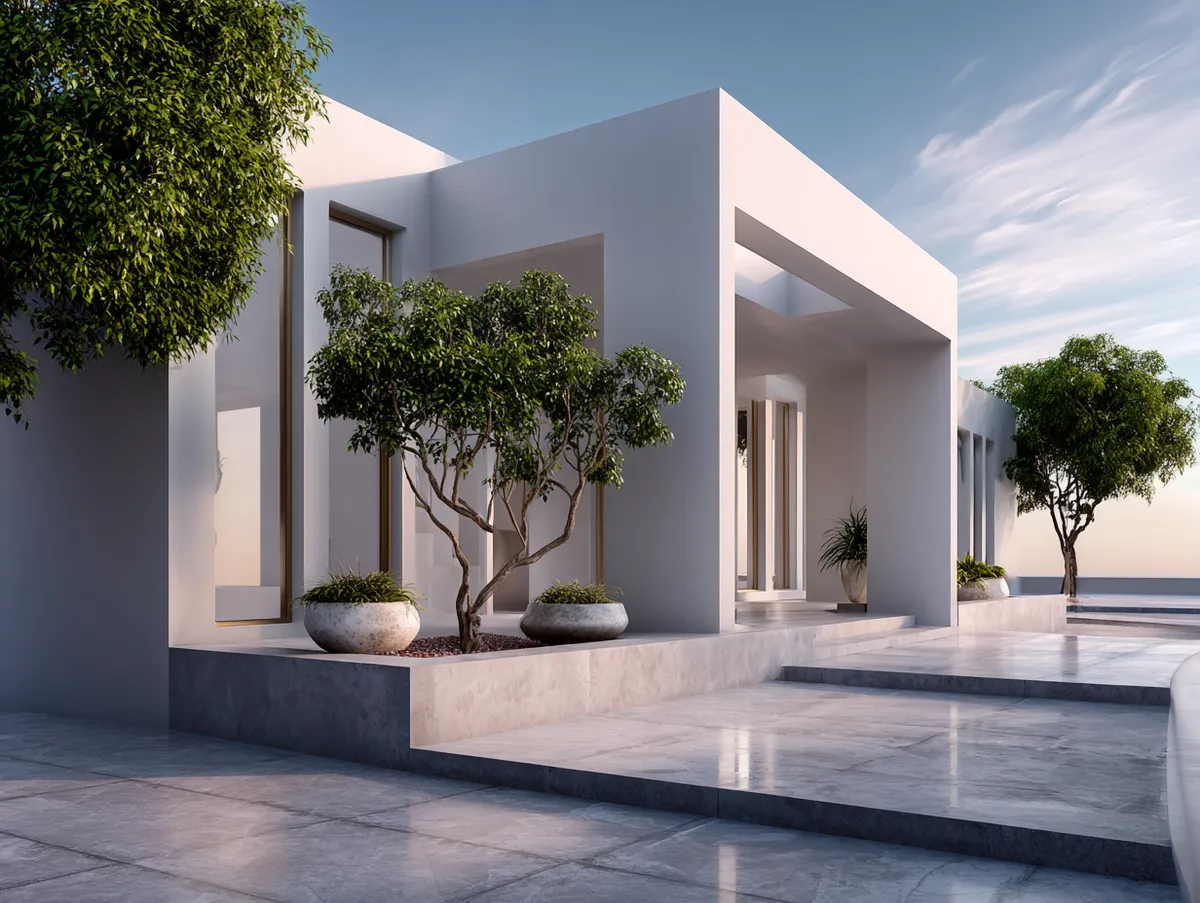


Functionally, minimalist pillars often support a cantilevered upper floor or extended porch, creating covered outdoor living space without the need for a traditional veranda. That covered zone — protected from rain, shaded from direct sun — adds livable square footage without a permit. What you’re buying with rectangular pillars is not decoration but geometry: the covered entrance feels intentional and the transition from outside to inside feels considered.
⚠ Dont Do This
Don’t mix pillar styles on the same facade. I’ve seen a house in my neighbourhood with classical round columns at the front door and square PVC posts on the side porch — it looks like two different architects argued and both lost. Pick one language and speak it across the entire exterior. Mixing ornate and minimalist on the same building doesn’t read as eclectic; it reads as unfinished. If you already have mismatched pillars, column wrap kits from Fypon (starting at around $85 per wrap) let you unify them without full replacement.
Don’t go undersized on span. A 4-inch post carrying a 10-foot porch span looks structurally frightened. Minimum 6-inch nominal for spans up to 8 feet; 8-inch for anything wider. Undersized pillars make the entire roofline look like it’s about to collapse.
Symmetry is the other quiet rule at work here. Minimalist facades use pillar placement to frame windows and doors, creating a natural pathway for the eye. Two rectangular columns flanking a door create balance. Three columns on an asymmetric facade create tension — which can work if that’s the design intent, but usually isn’t. Ask yourself whether the column placement could be described with the word “considered.” If the honest answer is “I just put them where they’d hold things up,” you need to revisit the spacing. See how square and rectangular column designs work across different exterior styles.
Log Pillars on a Countryside House Are Not Decoration — They Are the House
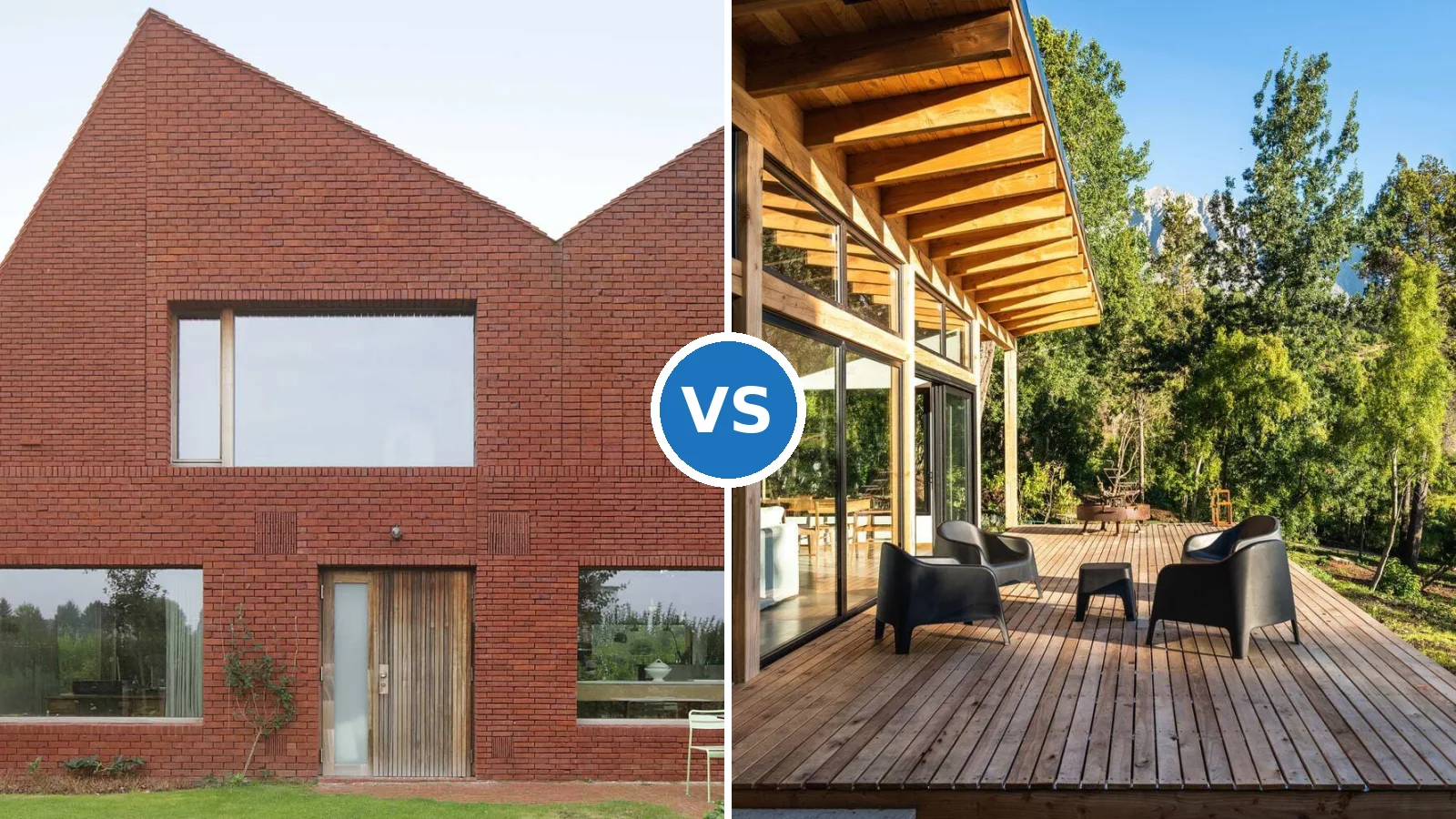
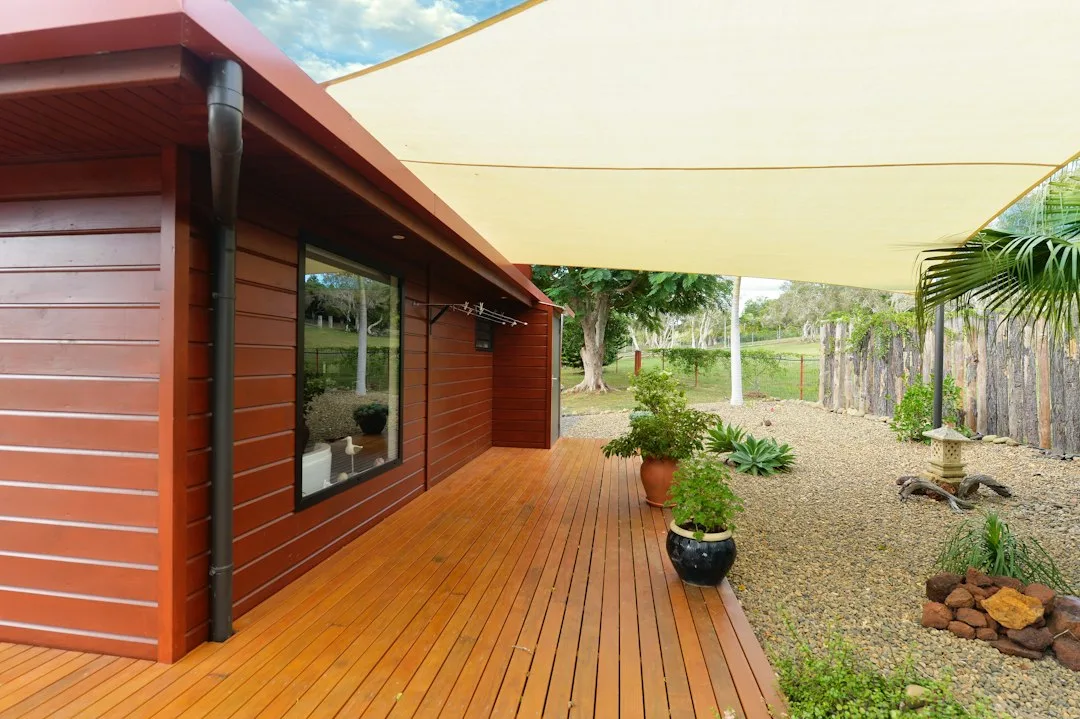
Rough-hewn log pillars on a porch are doing something the other two styles can’t: they’re turning the building into part of the landscape. Cedar and pine logs — the kind you’d use for this, not processed lumber — have a rugged texture and warm amber tone that reads as organic rather than constructed. You’ll notice on Craftsman and cabin-style houses that the pillar material often echoes the surrounding environment. Birch trunks in a northern forest, Douglas fir in the Pacific Northwest, rough-cut pine in Appalachian builds. This isn’t accidental and it isn’t decorative — it’s the whole philosophy.
The structural argument for log pillars is the same as any other: they’re carrying a porch roof. The aesthetic argument is stronger. Rough texture catches light differently throughout the day — the grain casts tiny shadows in morning sun and goes warm amber at dusk. I own two properties and the one with cedar log pillars on the porch gets photographed by strangers at least twice a month. The other one, with painted wood square posts, never does. Texture sells.
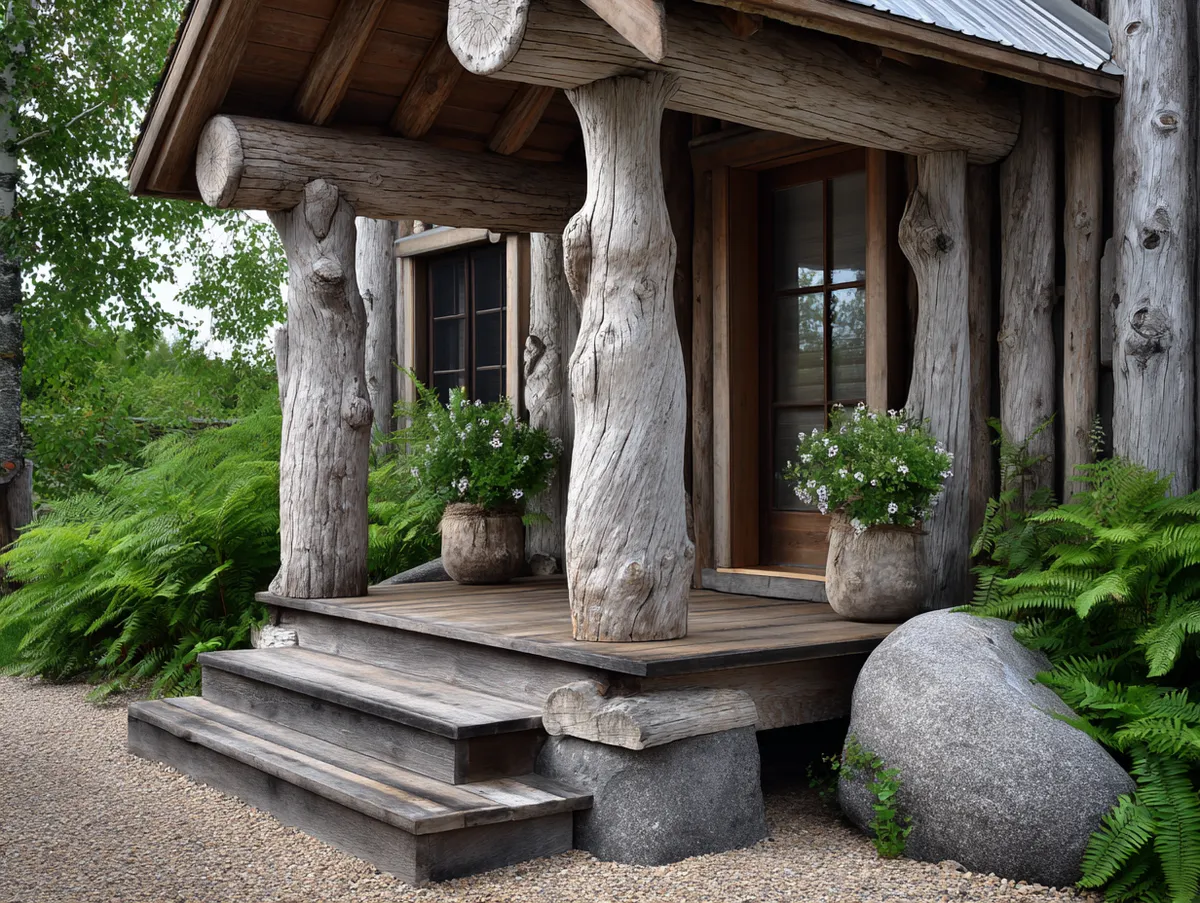
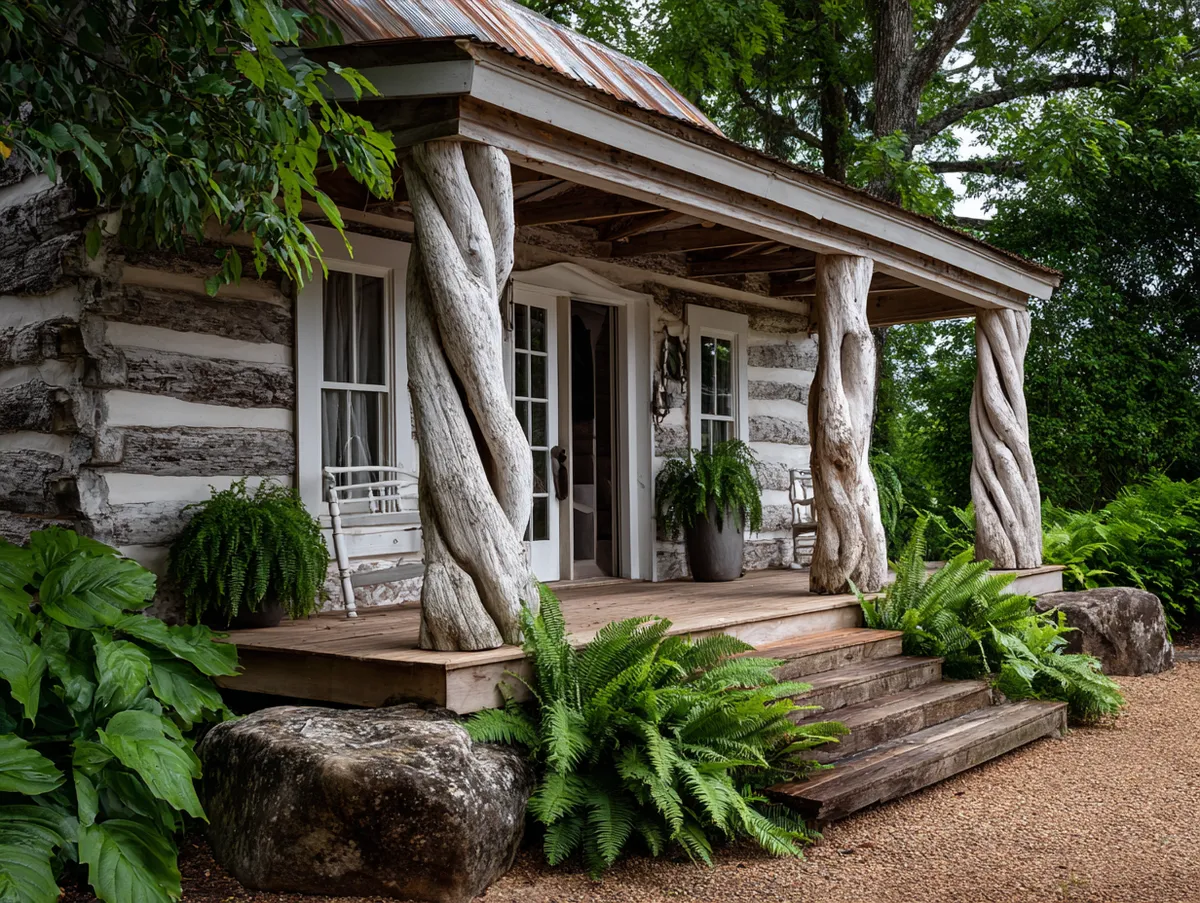

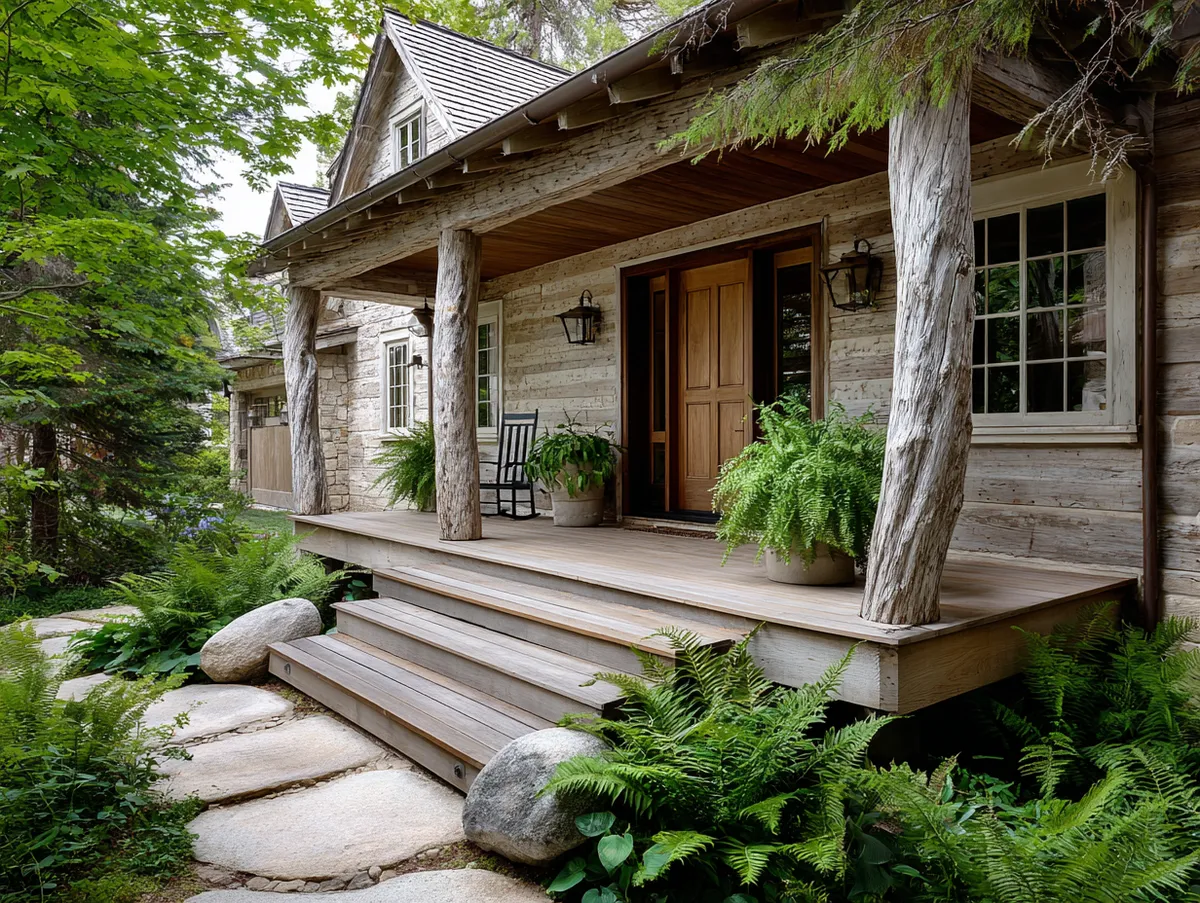


Colour cohesion is automatic when you use natural materials. The log pillars and wood siding share the same palette — warm tans, greys, and ambers — so the facade doesn’t need to be designed, it just needs to be assembled with intent. The climbing plants that eventually grow over these pillars aren’t a maintenance problem; they’re a design feature. Virginia creeper, wisteria, and climbing hydrangea all work, but wisteria needs to be kept off structural wood — the weight and penetrating roots do real damage over ten years.
The anti-advice here: don’t attempt rustic log pillars in an urban or suburban setting unless the rest of the house is built for it. A log pillar on a brick colonial in the suburbs doesn’t read as charming — it reads as confused. According to This Old House, Craftsman columns work best when they taper as they rise and sit on stone or brick bases, which grounds the organic material and prevents the post from looking like it was simply propped up. That detail — the base — is what separates a finished rustic pillar from a tent pole.
The Takeaway
Pillar style is the sentence your house opens with. Get the first word wrong and nothing else recovers it.
Classical round columns work when the facade has the height and detail to earn them. Rectangular minimalist pillars work when the design wants to recede and let the geometry speak. Log and timber pillars work when the house has made a commitment to the landscape it sits in.
Pick one style. Size it correctly. Use the right material for your climate. Skip the paint-over-wood shortcut — it will be peeling in four years.
Save this post before your next exterior project.
Related Topics
FAQ
What is the difference between exterior house pillars and columns?
How much does it cost to add pillars to the front of a house?
What pillar style works best on a 9-column house design?
Can modern exterior house pillars work on a traditional brick home?
What are the most durable materials for pillars in front of a house?
Do pillars in front of a house increase property value?
Complete guide
Exterior Decor Ideas Every Homeowner Should Know
Facade trim, moldings, patio design, garden, hardscape, outdoor living — all in one place