Foundation Planting Is Replacing Builder Shrub Rows on Modern Homes
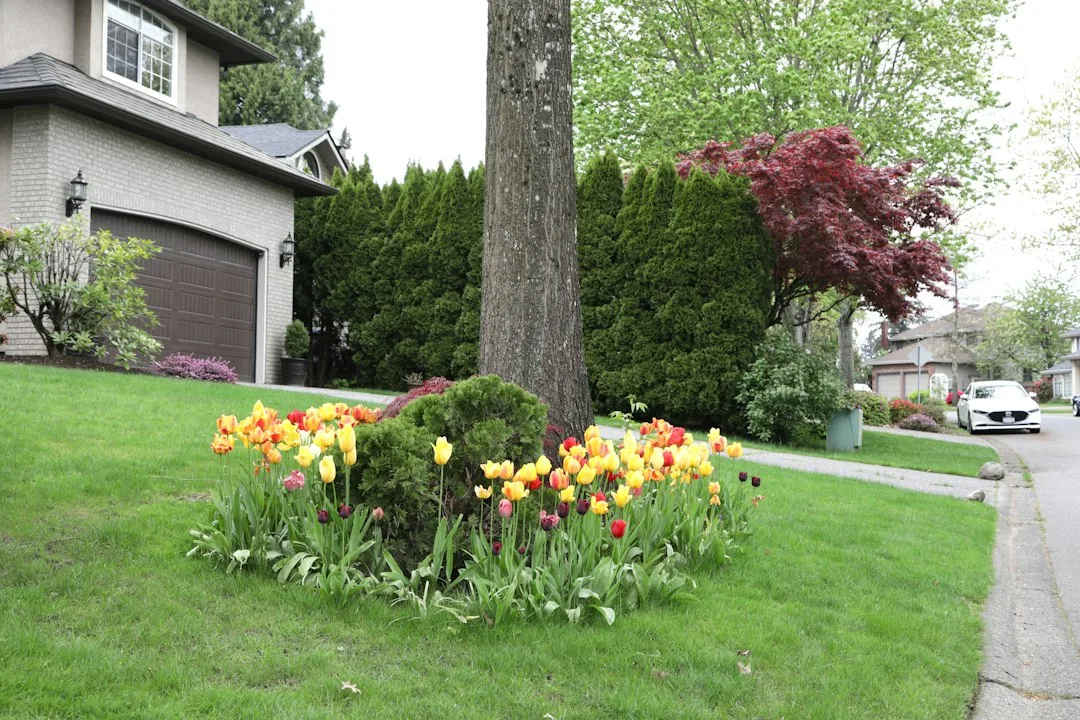
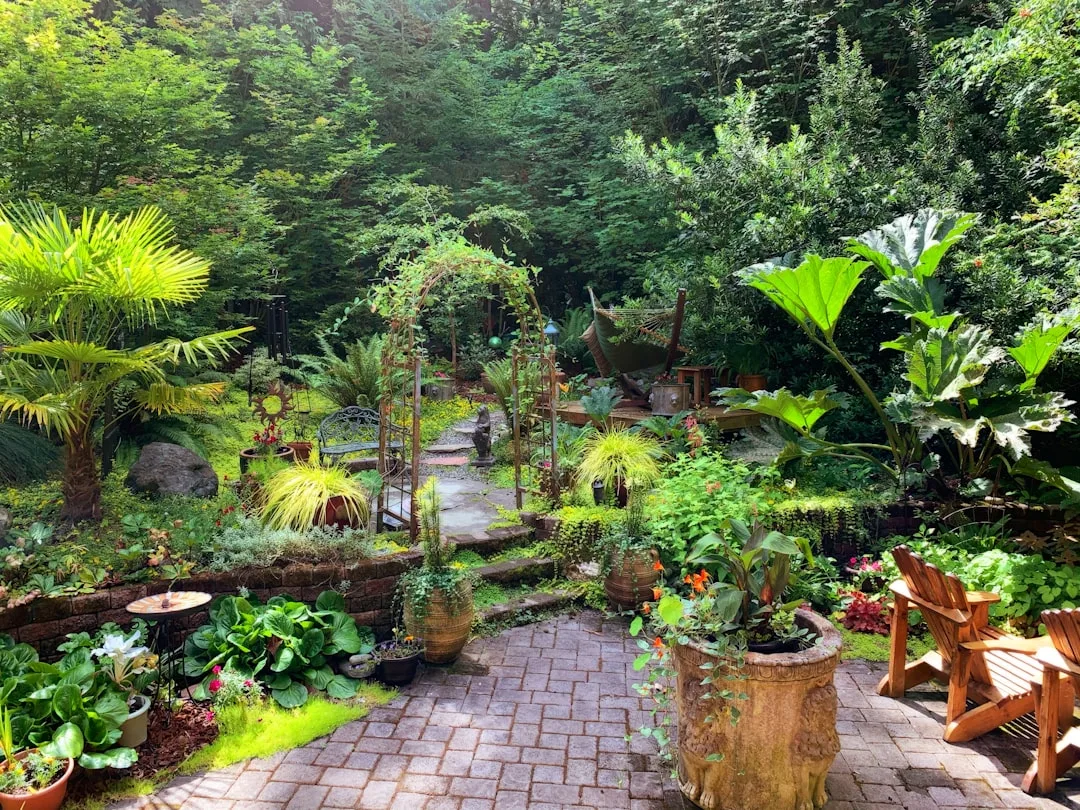
Builder shrub rows are giving way to layered front beds that frame entries and need less pruning. Here is how to choose plants, space them, and avoid the wall-crowding mistake.
333k+ Lifestyle & Design Ideas
Builder shrub rows are giving way to layered front beds that frame entries and need less pruning. Here is how to choose plants, space them, and avoid the wall-crowding mistake.
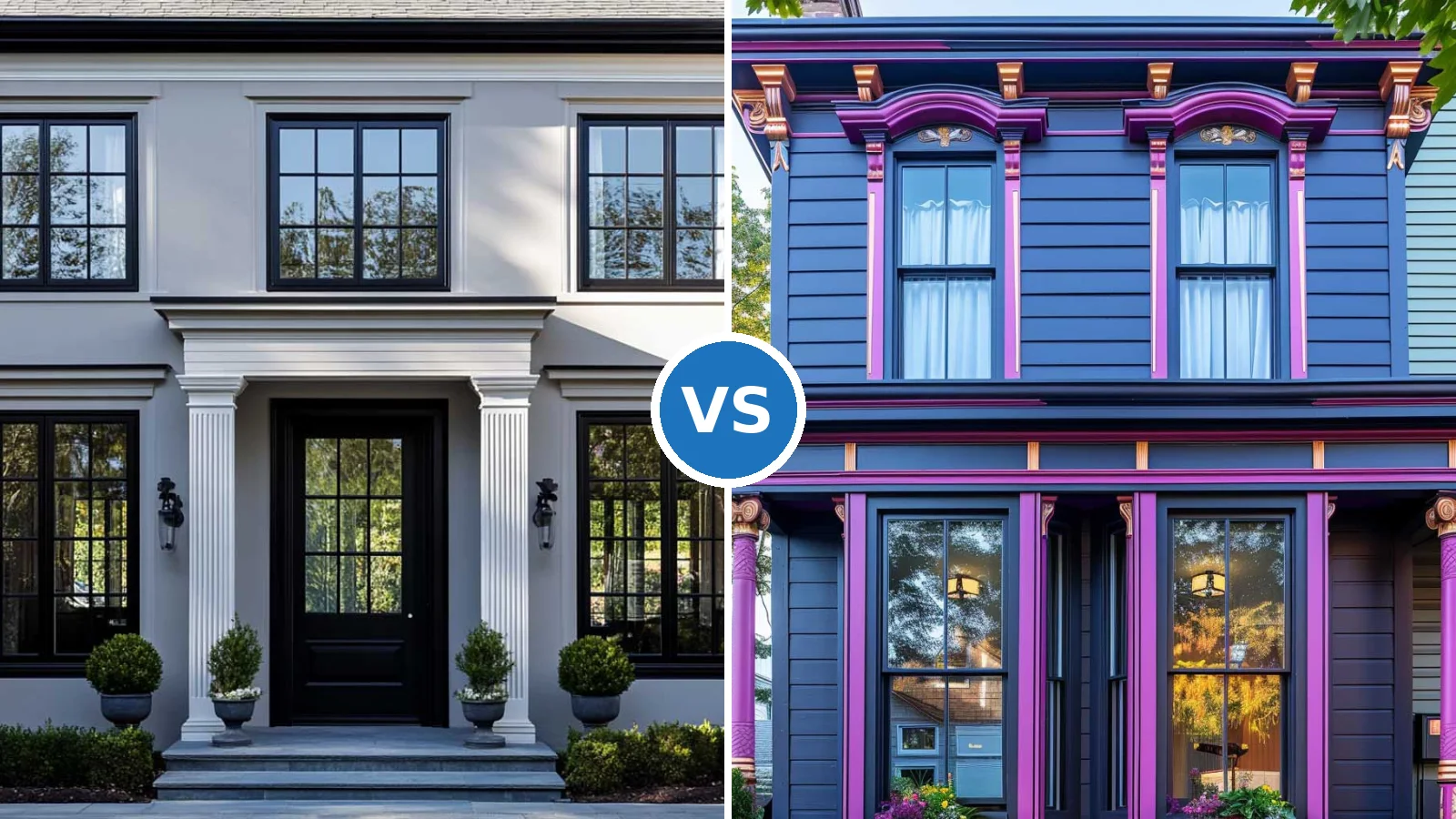
Black molding frames windows with crisp, classic contrast, while purple and pink trim turns the facade into a bold color statement. Here is how to decide which one fits your house.
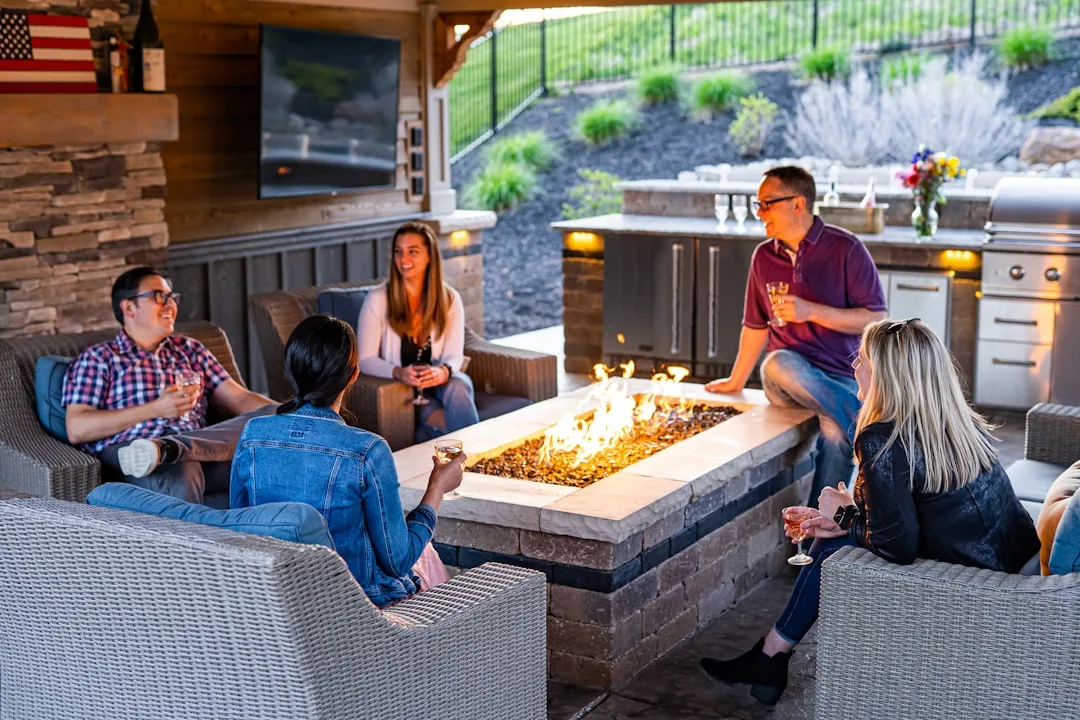
Sunken fire pits are pulling backyard seating into one connected room, with lower walls and smokeless burners. Placement, materials, and drainage decide whether the pit lasts.
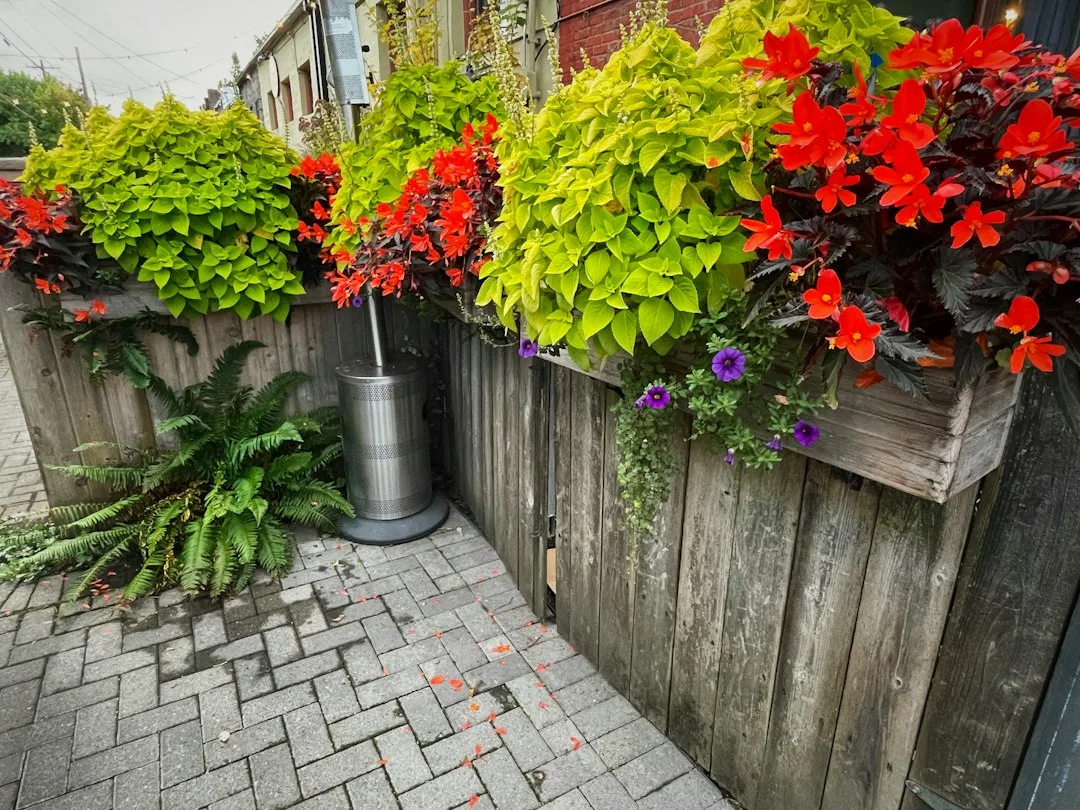
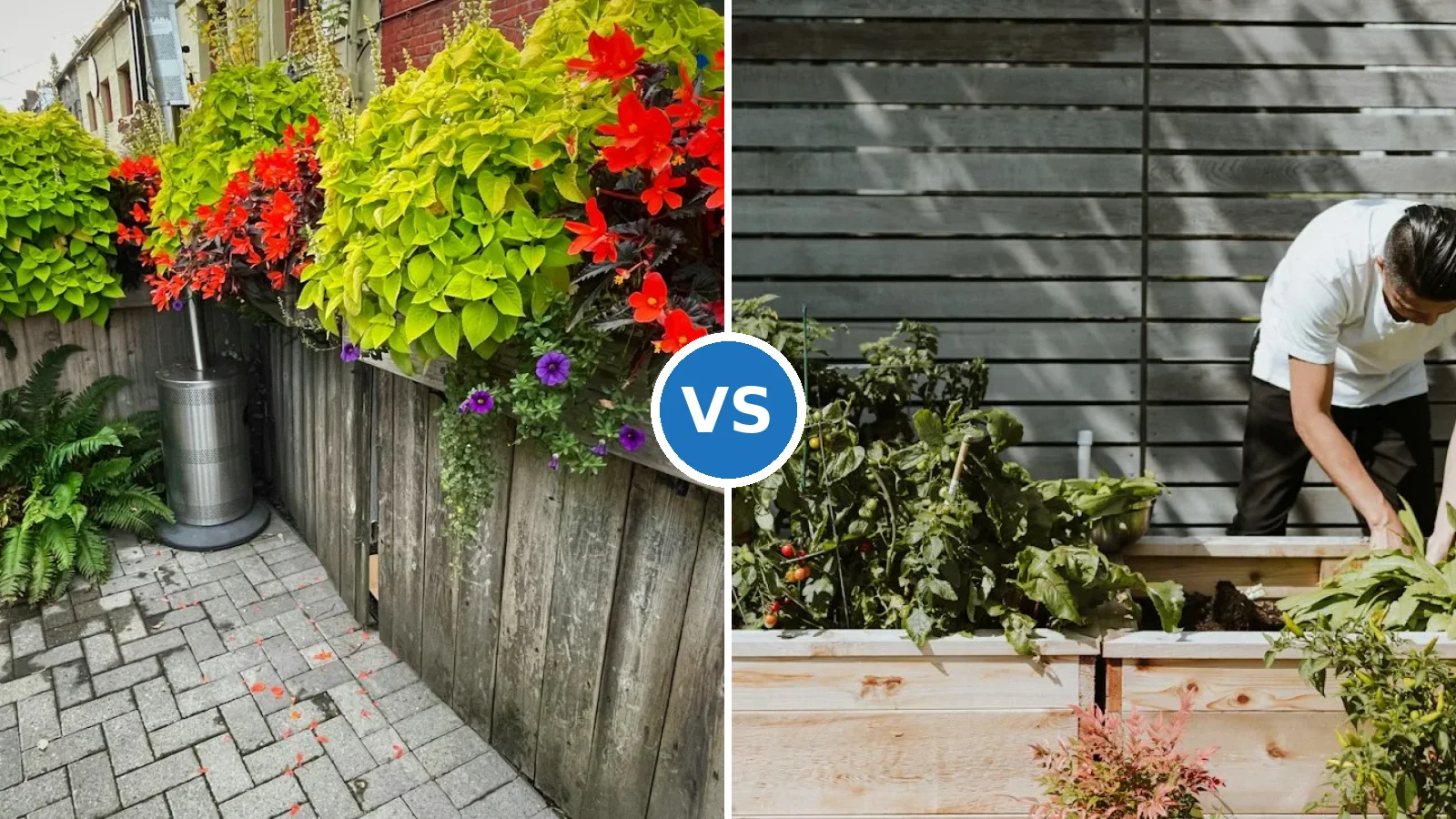
Container gardens bring movable, cold-hardy color to patios and entries, while raised garden beds give vegetable growers drainage and soil control. Here is how to decide which one fits your space.
Rice and paper confetti are losing ground at ceremony exits. Couples now choose dried petals, bubbles, and pressed botanicals because they photograph well and leave almost nothing behind.
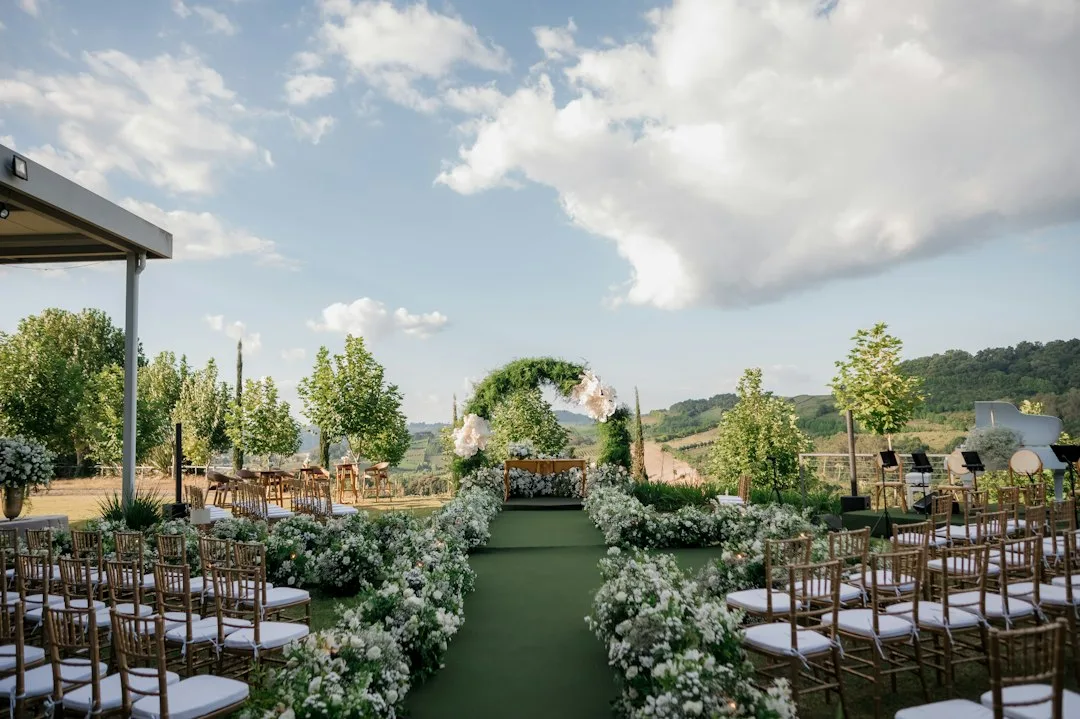
Wedding aisle runners have quietly replaced petal trails at outdoor and indoor ceremonies alike. Here is why couples are switching and how to choose the right width, length and material.
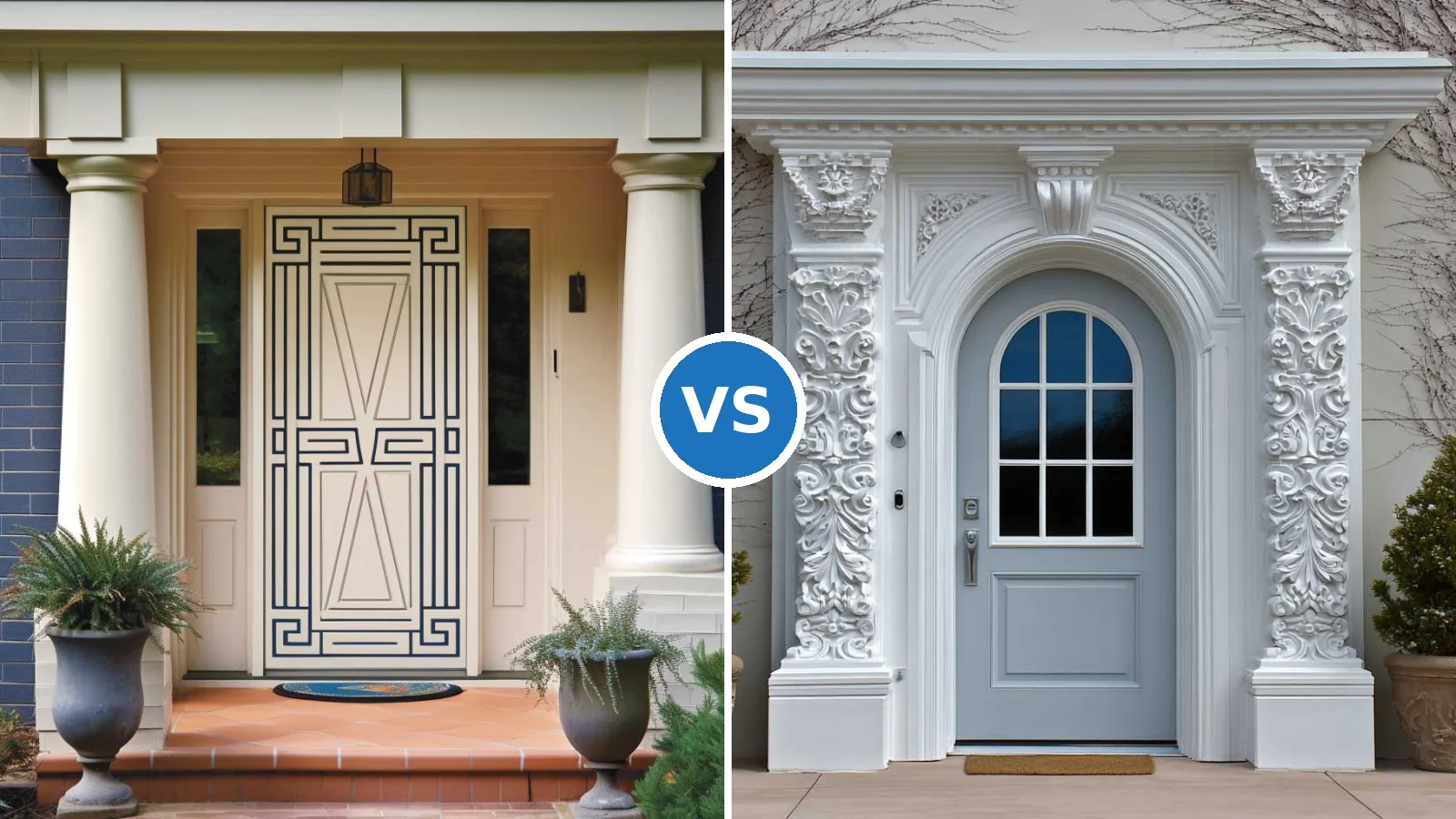
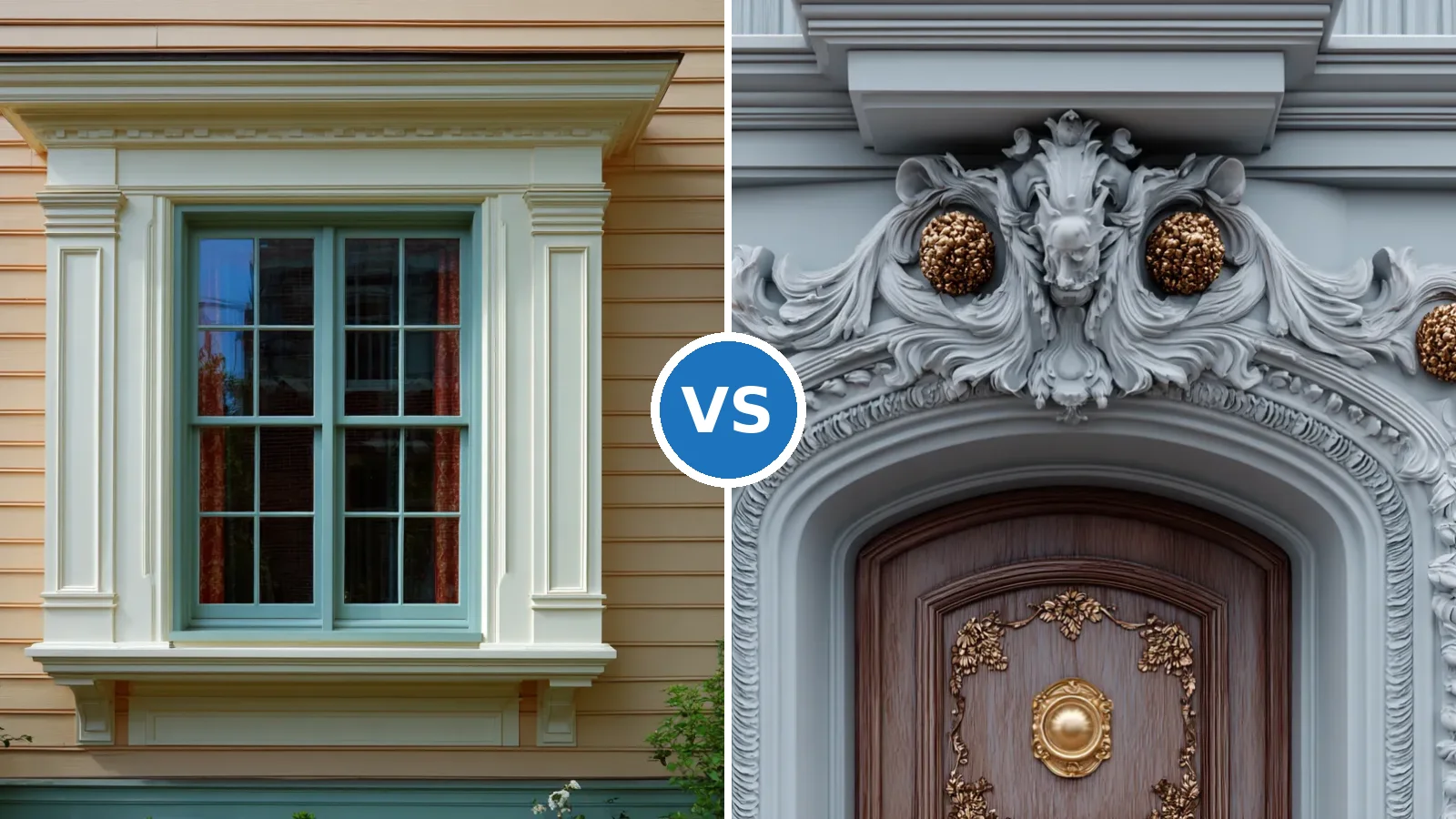
Door header trim leans on real materials and traditional detail, while front door molding lets you model shape and depth before anything is built. Here is how to choose between them.
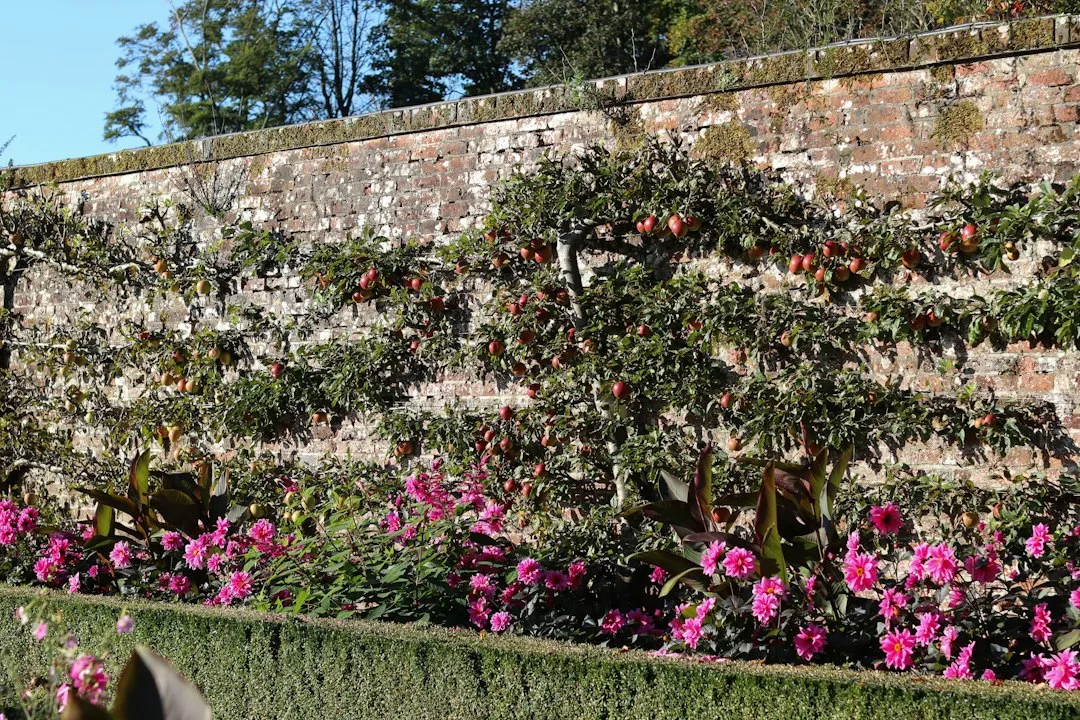
Espalier fruit trees grow flat against a wall or fence, turning narrow garden strips into harvest space. Here is how to pick rootstock, train the frame, and avoid the pruning mistake that stops fruit.
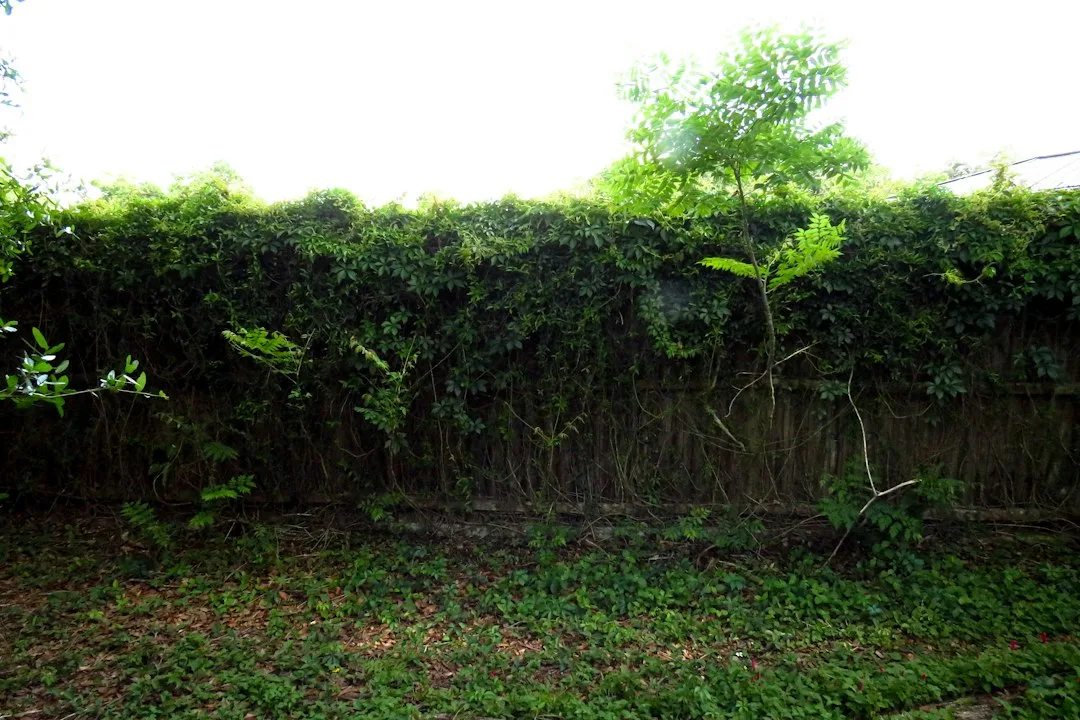
Living privacy screens of arborvitae, clumping bamboo, and narrow hollies now replace solid fences in many suburban yards. They soften sightlines, let wind pass through, and need the right spacing to stay dense.
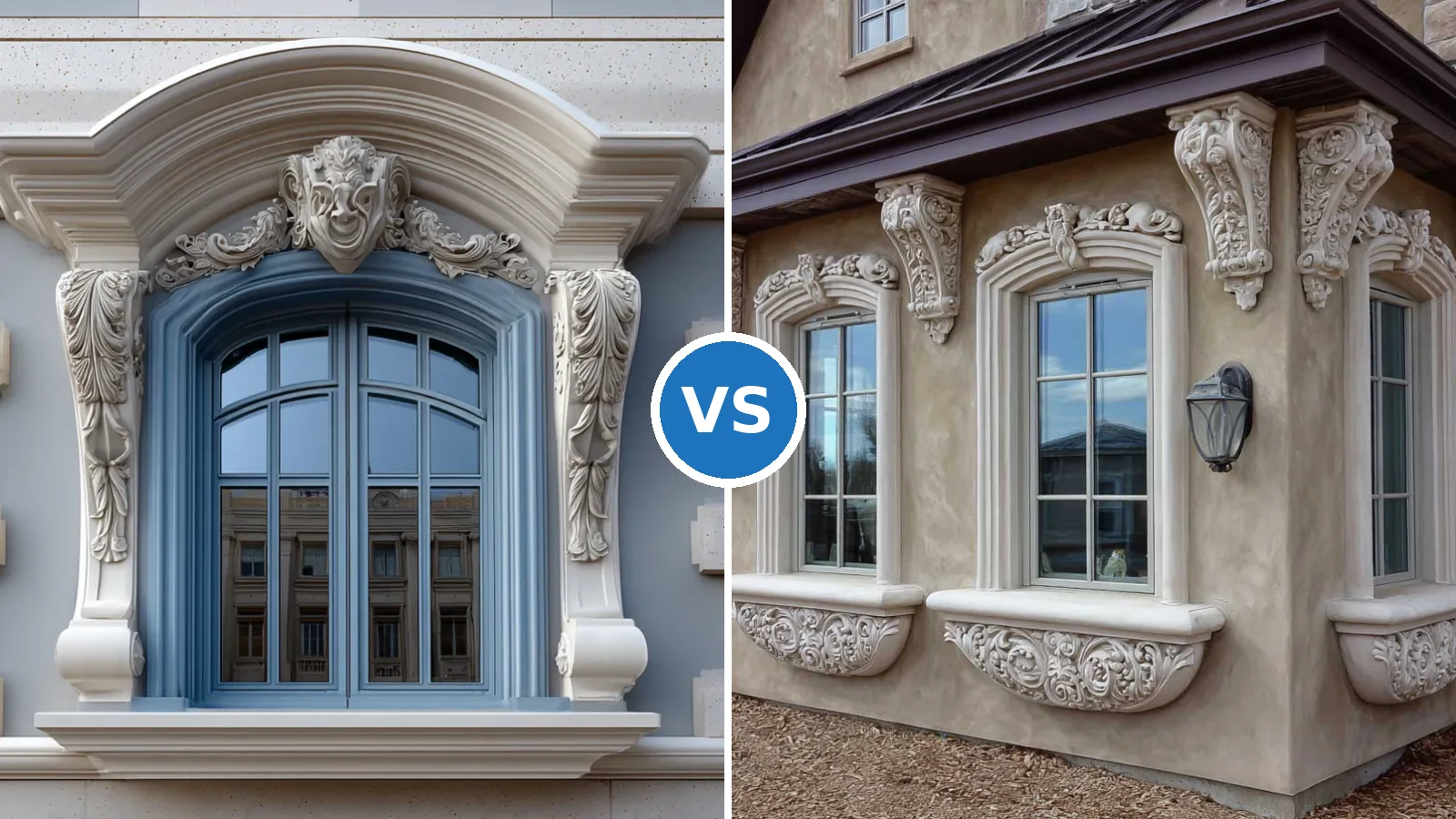
Window casing offers the widest range of styles, while foam window trim suits stucco walls with lighter weight and lower upkeep. Here is how to choose between them.
Both exterior window trim and decorative door trim shape how your home looks from the street, but they serve different purposes and demand different care. Choosing between them means understanding their distinct costs, durability profiles, and where they make the biggest design payoff.
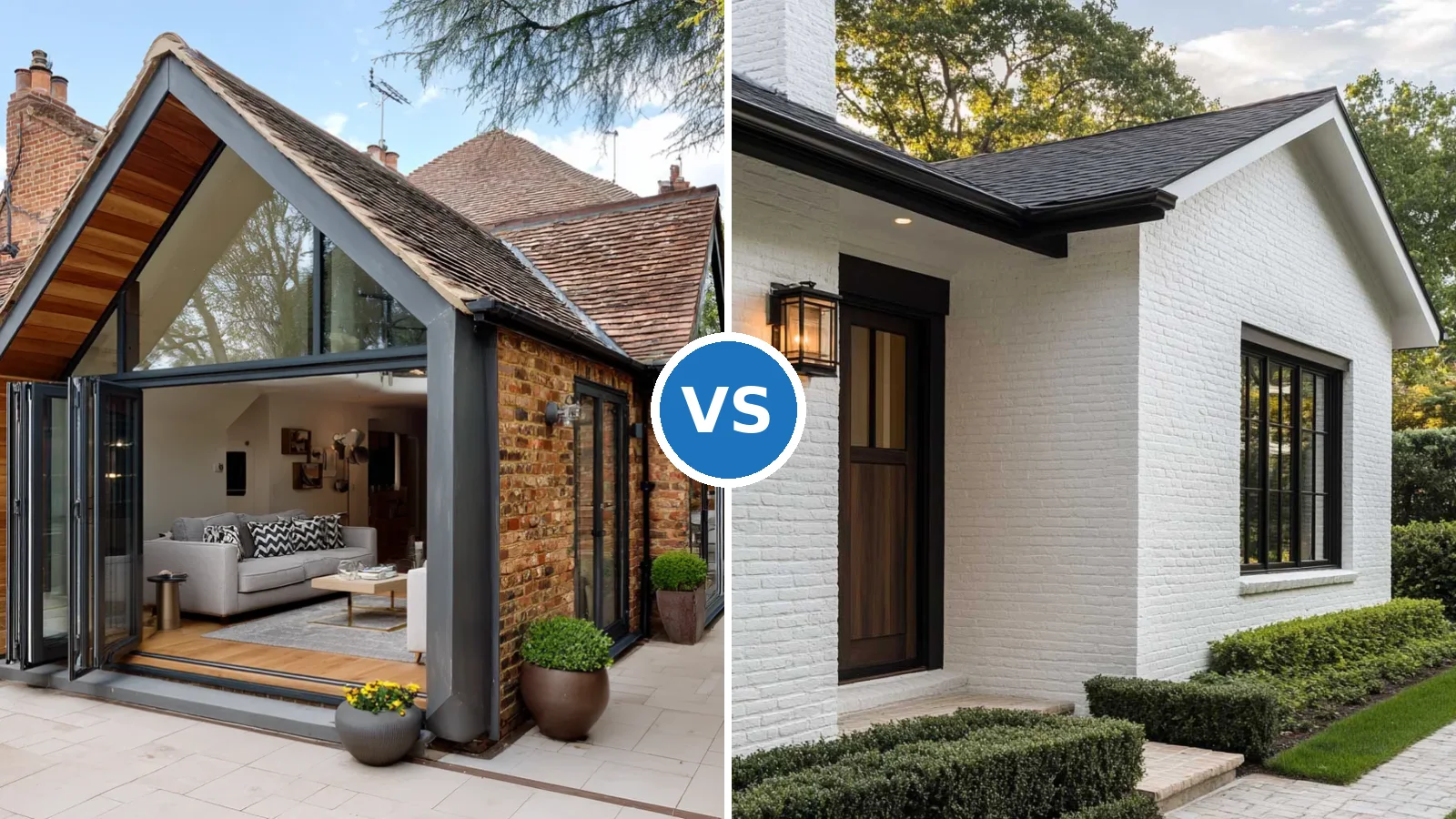
Adding space and style to your home means choosing between a steel frame extension and brick accents. One delivers lightweight flexibility and contemporary lines; the other brings century-old warmth and richness. Your choice depends on whether you want to expand outward or deepen your existing look.
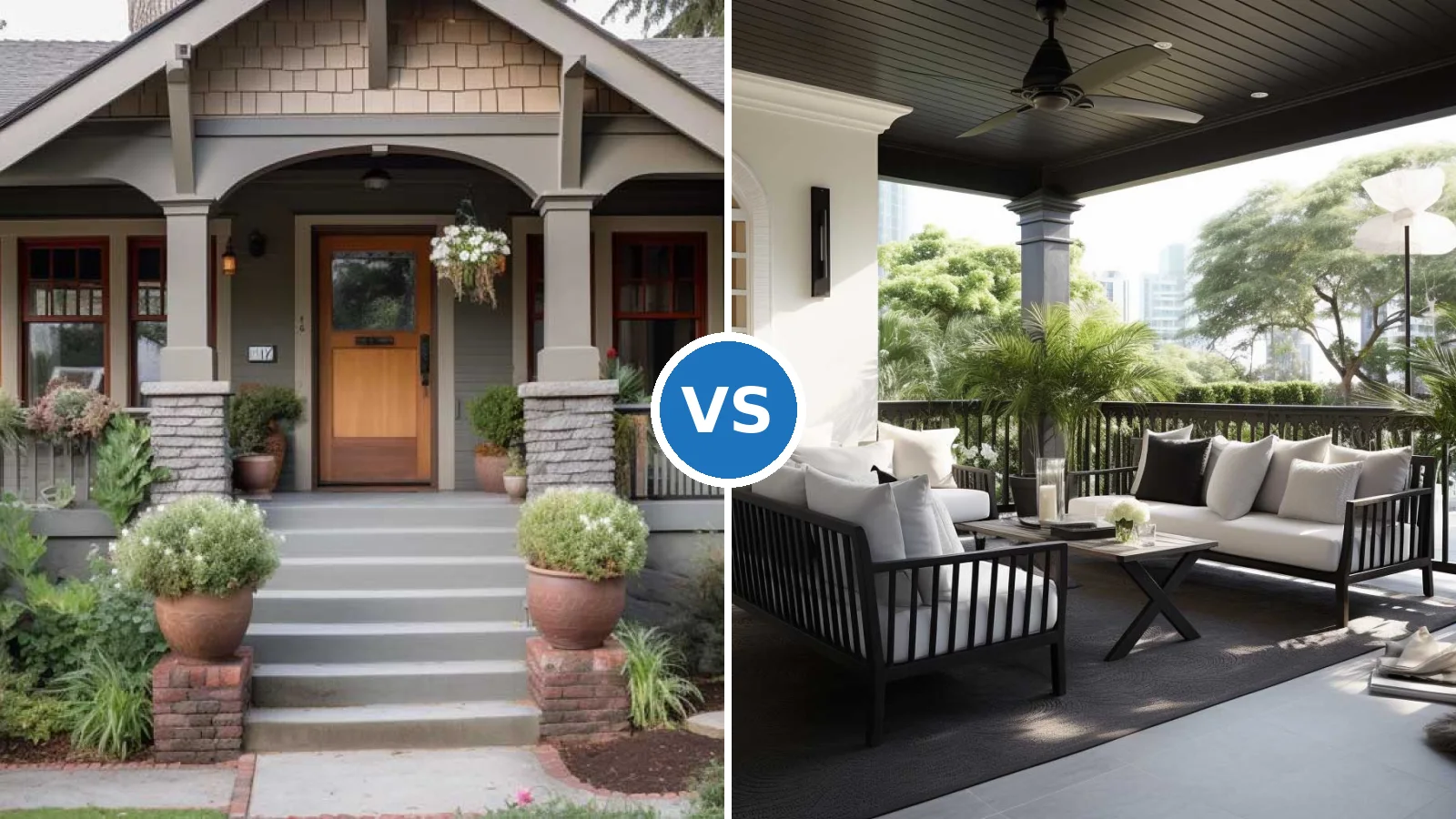
Your home has two outdoor stages, but they play very different roles. A front porch makes the entrance statement; a back porch becomes your private retreat.
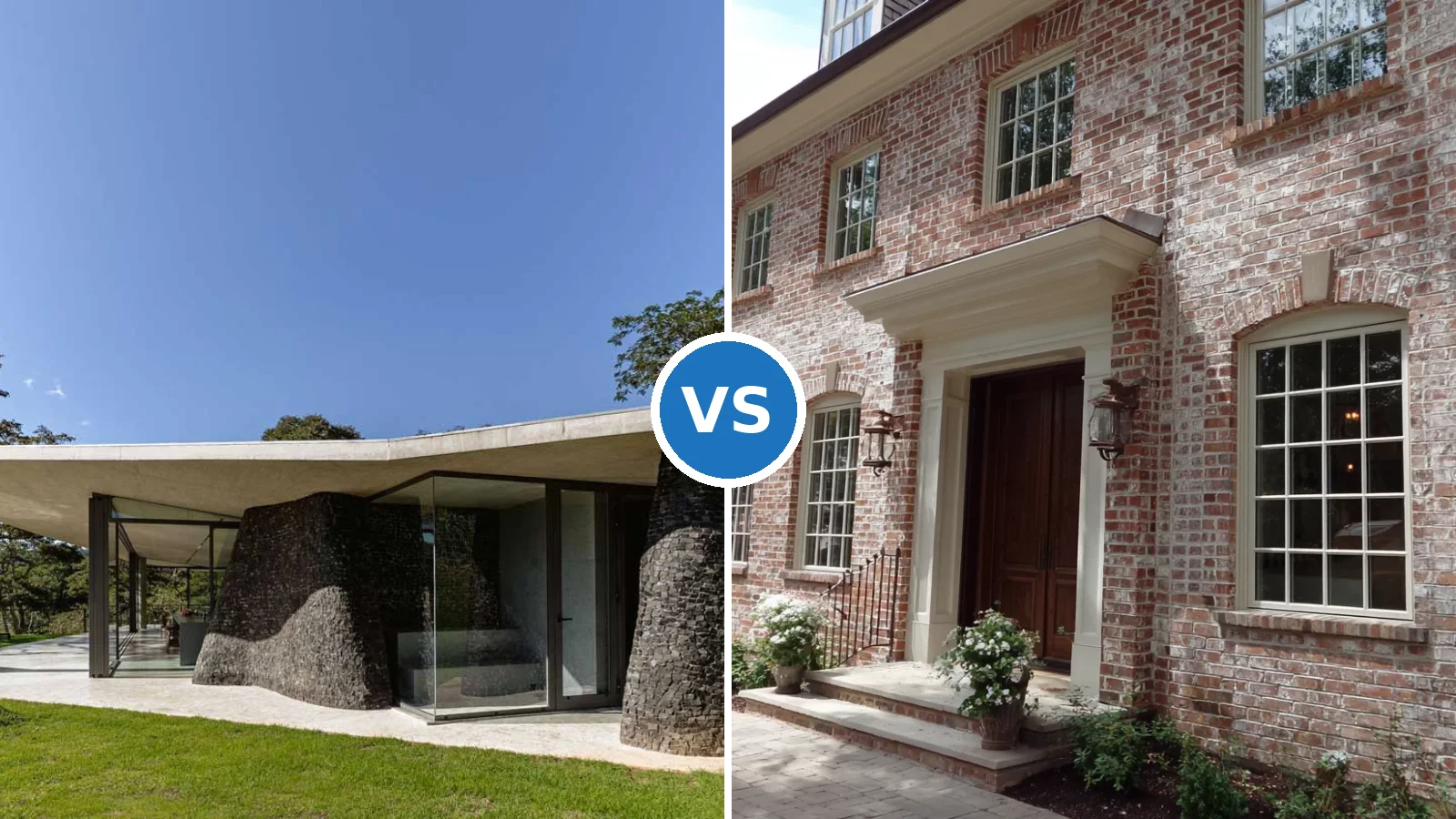
Curved concrete and modern brick each offer distinct advantages for exterior design—one flows with nature, the other anchors tradition. Your choice depends on climate, budget, and the atmosphere you want to create.
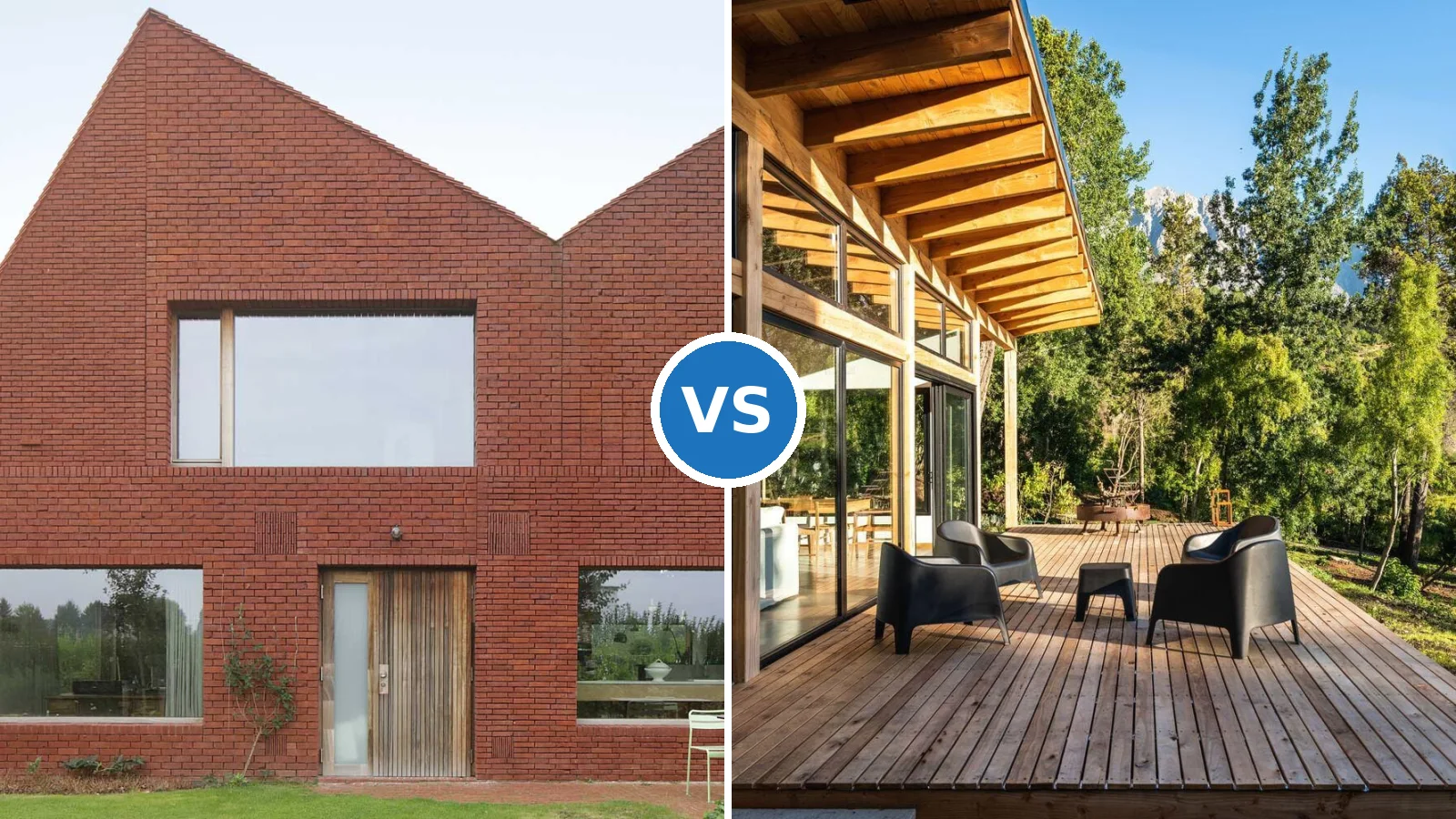
When building on rural land, the choice between a brick exterior and a wood-stone combination shapes everything from how your home feels to how it weathers the elements. Both materials anchor a home to its natural surroundings, but they take different paths to comfort and style.
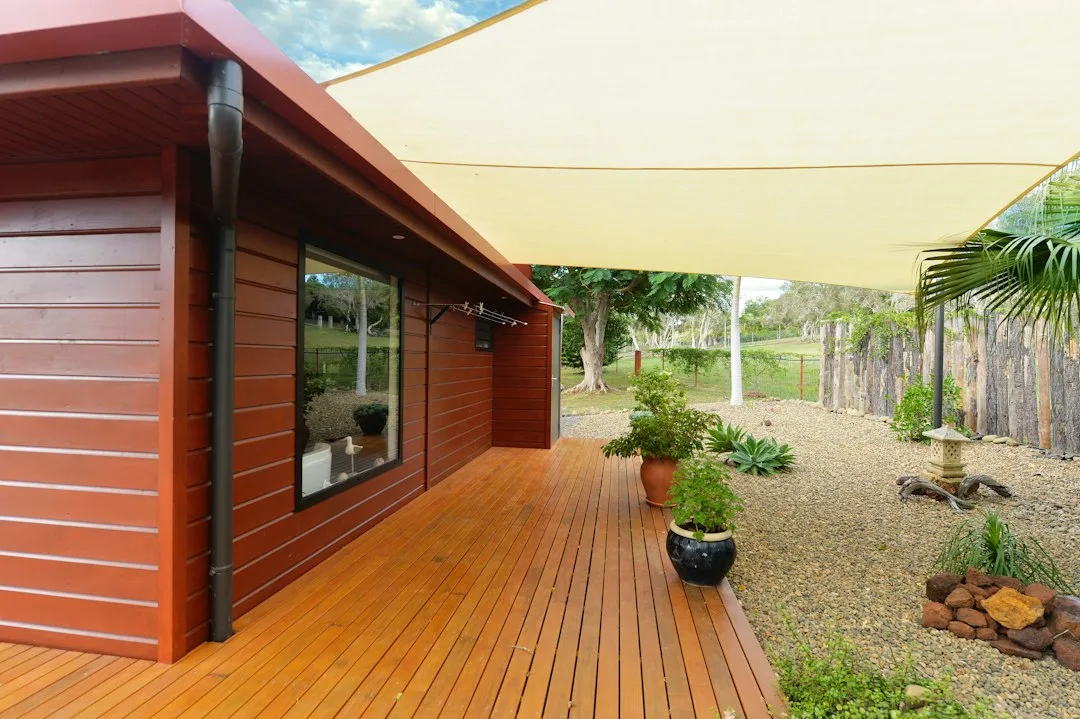
Shade sail installation has become the preferred alternative to permanent shade structures, offering flexibility, lower installation costs, and cleaner sightlines. These tensioned fabric systems work across diverse yard shapes and climates without the visual weight of fixed frames.
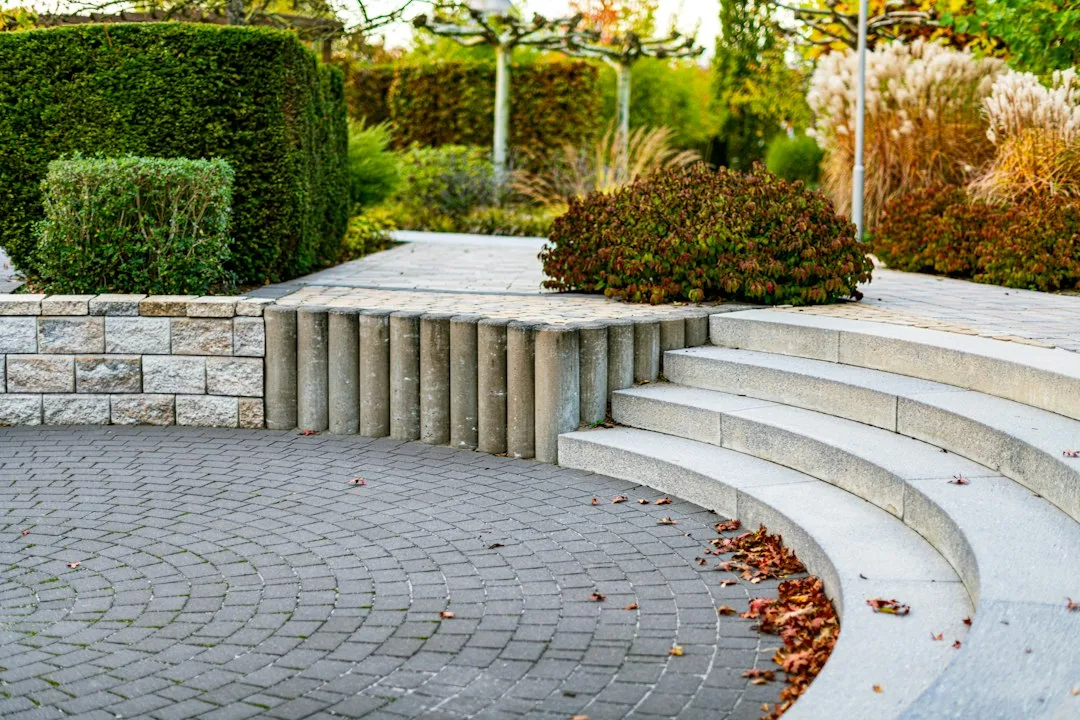
Outdoor patio steps have evolved beyond functional connectors into a critical design element that defines how your yard flows visually and functionally. From material choices to accessibility standards, strategic step design now reshapes the entire perception of your outdoor space.
Gardeners are abandoning seasonal replanting cycles in favor of autumn container gardens that layer textures, focal plants, and long-blooming perennials for three-month visual interest. This shift cuts labor while deepening design sophistication.
Outdoor yard edging has evolved from functional plant barrier to the single most defining element of modern patio design. Smart homeowners now use metal, composite, and recycled materials to crisp up boundaries while reducing maintenance.
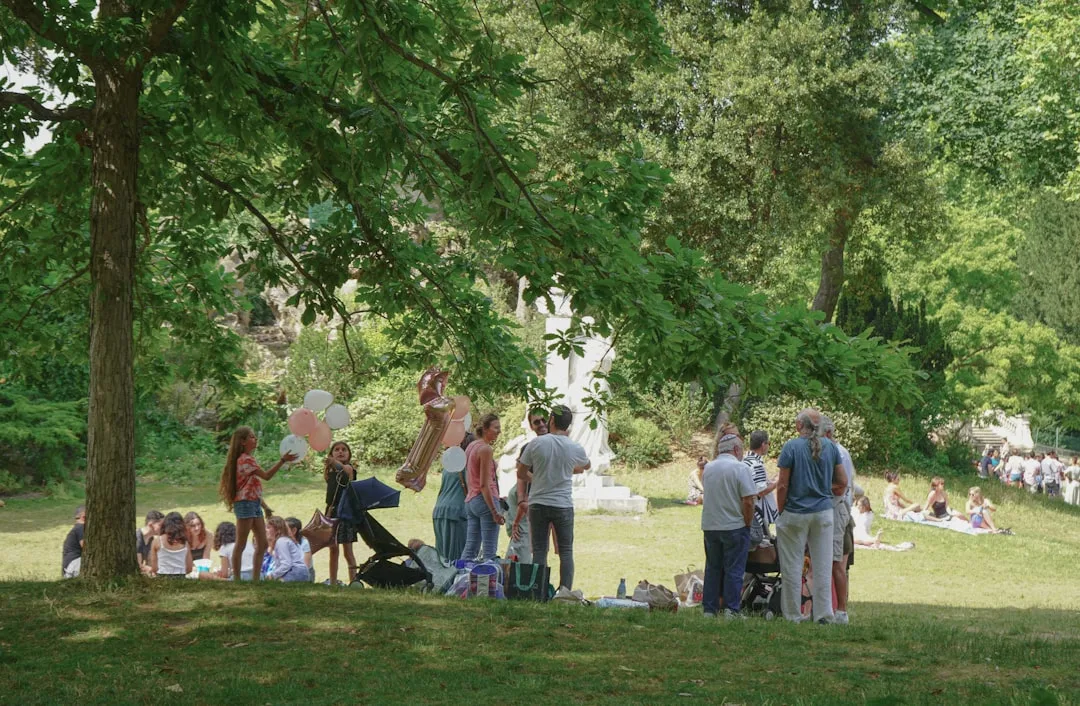
Summer 2026 proves that smaller, curated outdoor events outperform sprawling backyard celebrations. Hosts are ditching the “more guests” mentality for meaningful, intentional gatherings.
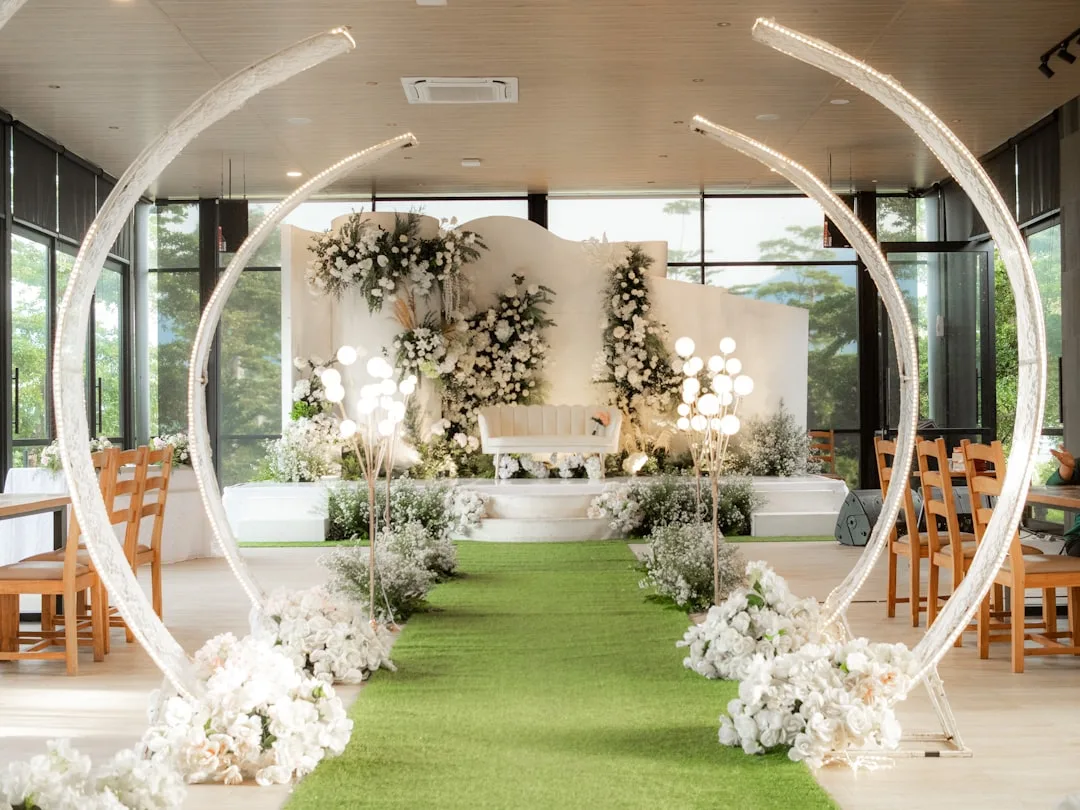
Wedding ceremony backdrops have evolved from simple floral installations into architectural storytelling moments that anchor the entire celebration. Here’s why smart couples are treating backdrop design as a foundational investment, not an afterthought.
The dead space where two fences or walls meet has become landscape design’s biggest untapped real estate. Corner shade structures—from lean-to canopies to modular grid systems—now anchor these forgotten zones with cooling, privacy, and year-round visual weight.
Slate mulch landscaping has emerged as the preferred alternative to traditional bark chips, offering homeowners a durable, visually sophisticated ground cover that requires minimal maintenance. Unlike organic mulches that decompose and need annual replacement, slate mulch provides year-round structure and complements both minimalist and rustic exterior styles.
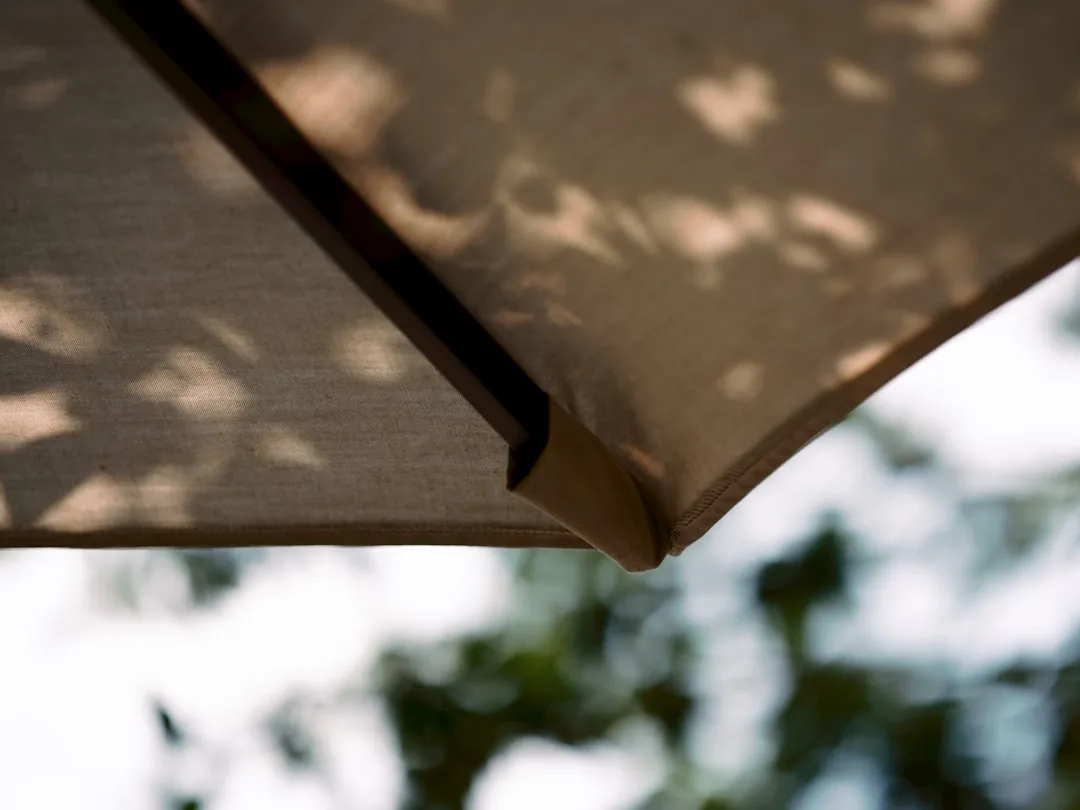
Outdoor patio umbrellas have evolved from décor afterthoughts into serious climate control investments. We break down why they’re reshaping how homeowners design functional outdoor entertaining spaces.
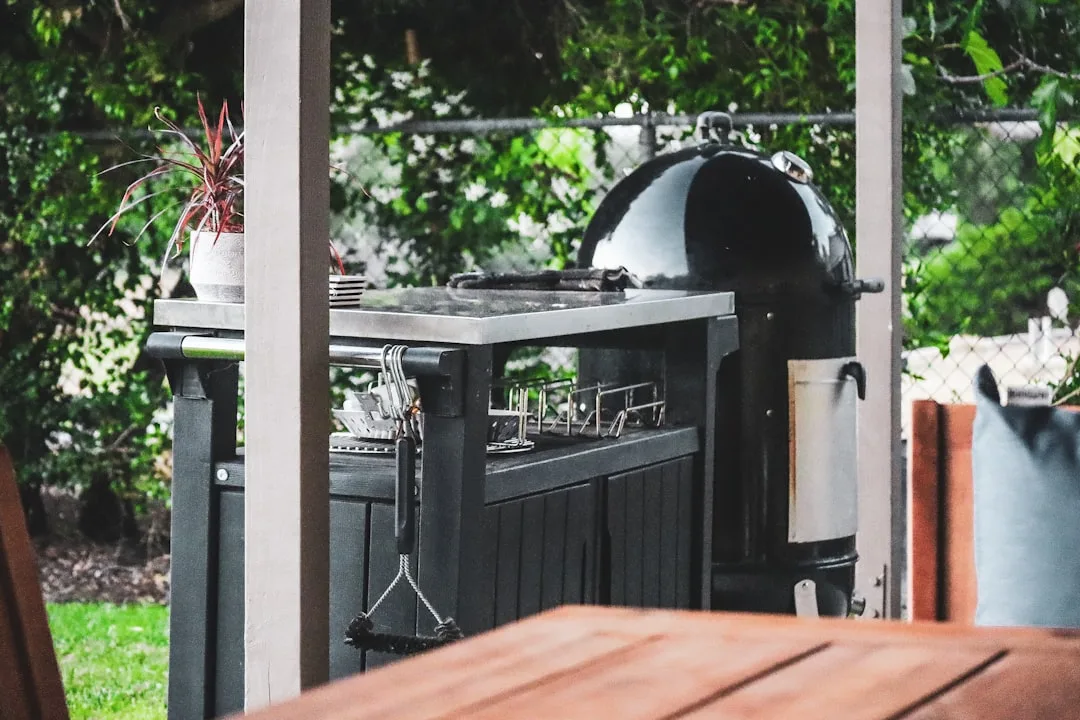
Outdoor kitchen appliances have evolved beyond basic grills into fully integrated cooking systems that anchor patio entertaining. As homeowners demand year-round usability, these durable, weather-resistant units are becoming the centerpiece of serious outdoor living investment.
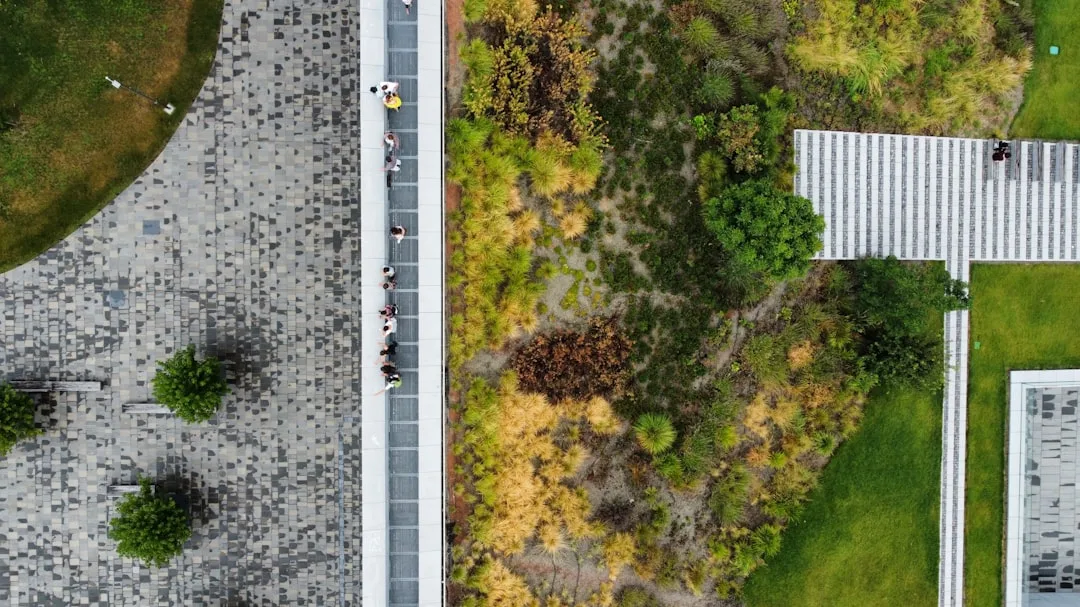
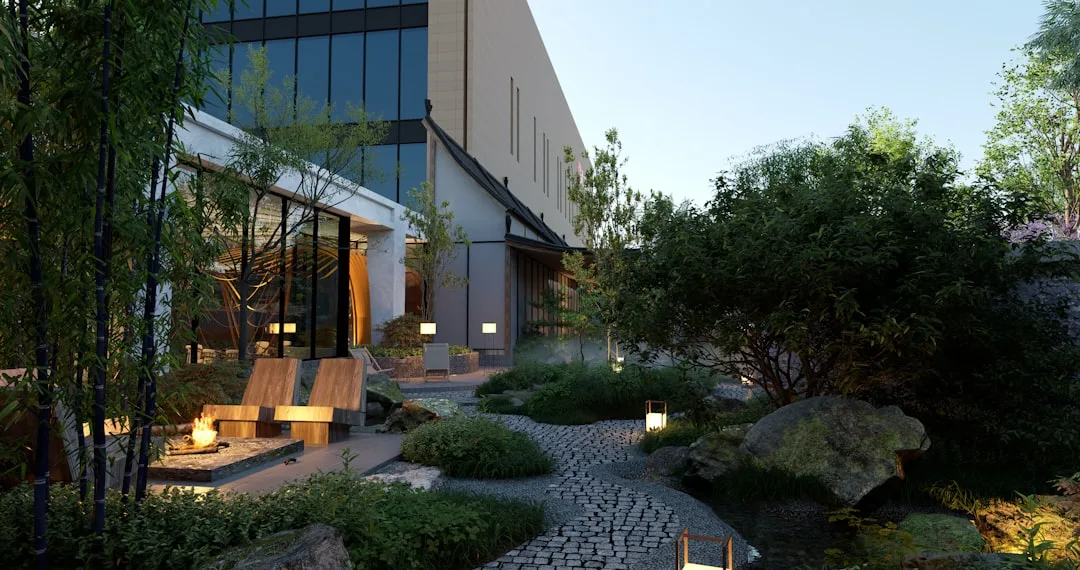
As summer temperatures climb, shaded courtyard gardens have emerged as the fastest-growing landscape solution for 2026. These enclosed outdoor spaces reduce interior cooling demands while creating intimate, usable yards even during peak heat hours.
Outdoor accent lighting has moved beyond basic visibility into a design strategy that creates atmosphere, defines zones, and extends your patio’s usable hours. Strategic placement of accent fixtures—uplighting, grazing, and wall-washing techniques—transforms how your outdoor space feels at night.
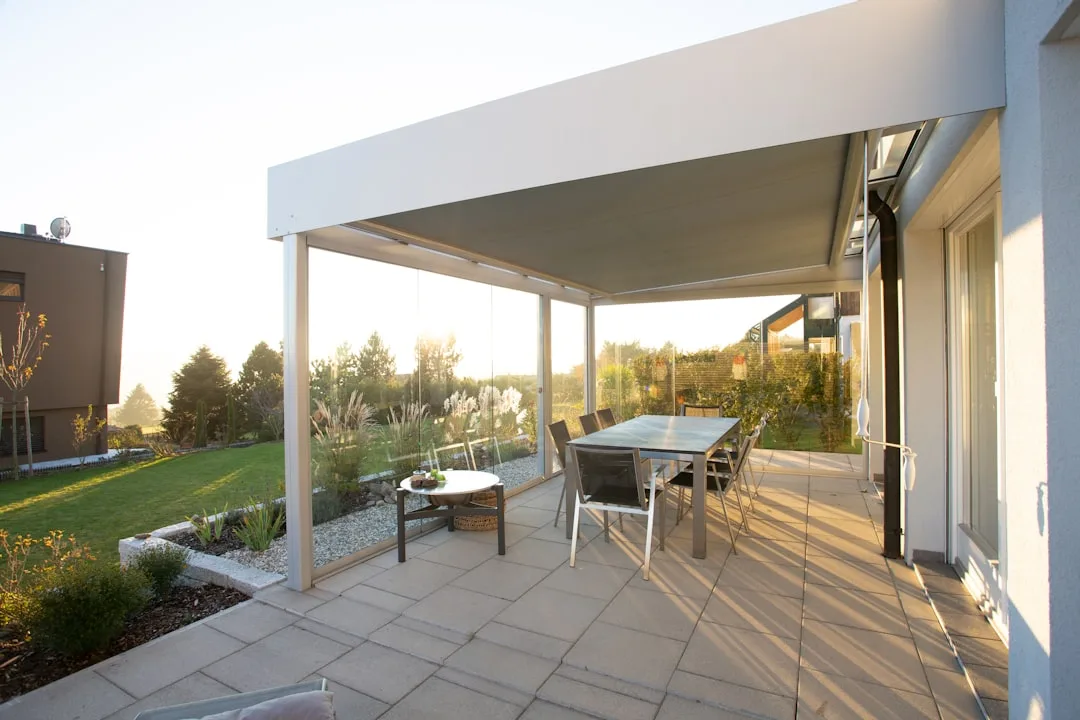
Shade sails have become the fastest-growing alternative to pergolas in 2026, offering architects and homeowners cleaner lines, superior sun control, and adaptability to irregular spaces. Unlike fixed structures, tensioned fabric sails deliver dramatic visual impact while keeping installation simple and costs manageable.
Recessed landscape lighting is replacing exposed post lights and spotlights across residential gardens and pathways. These integrated fixtures deliver precise illumination while maintaining clean sightlines and reducing visual clutter in 2026 landscapes.
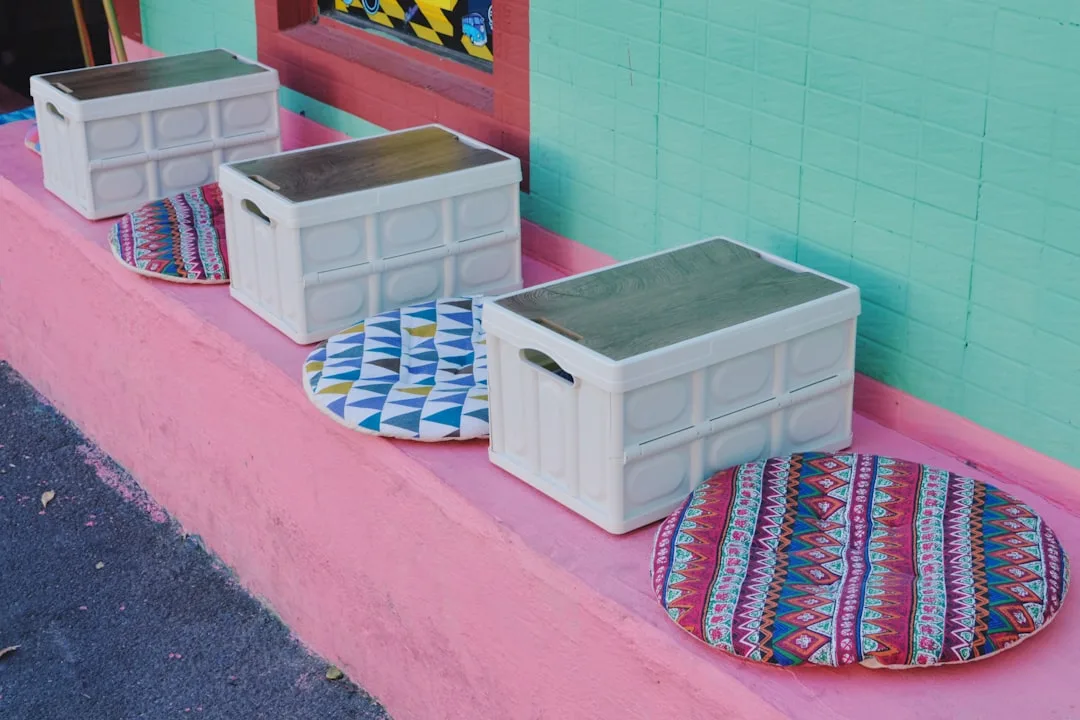
As patio seasons shift unpredictably, outdoor cushion storage has evolved from afterthought to design priority. Weatherproof benches, deck boxes, and climate-controlled sheds now define how homeowners extend furniture life and maximize yard aesthetics.
Outdoor kitchen islands have become the centerpiece of backyard entertaining, replacing standalone grills with multi-functional prep and cooking zones. Modular designs, integrated storage, and weather-resistant materials define the trend as homeowners treat patios as outdoor kitchens.
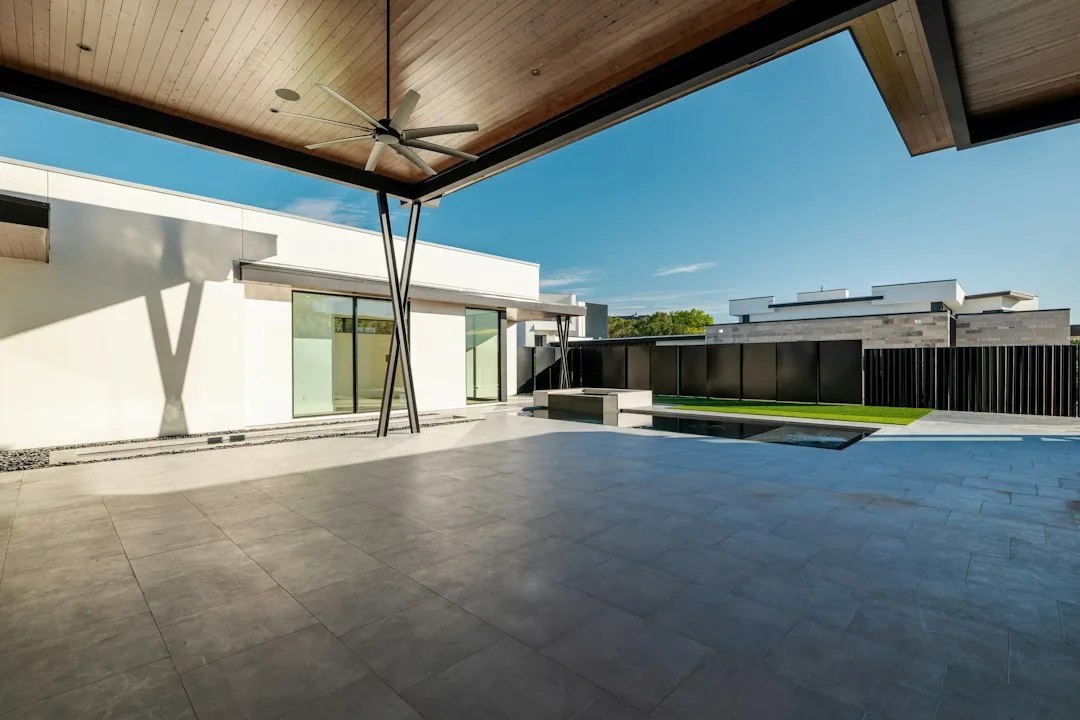
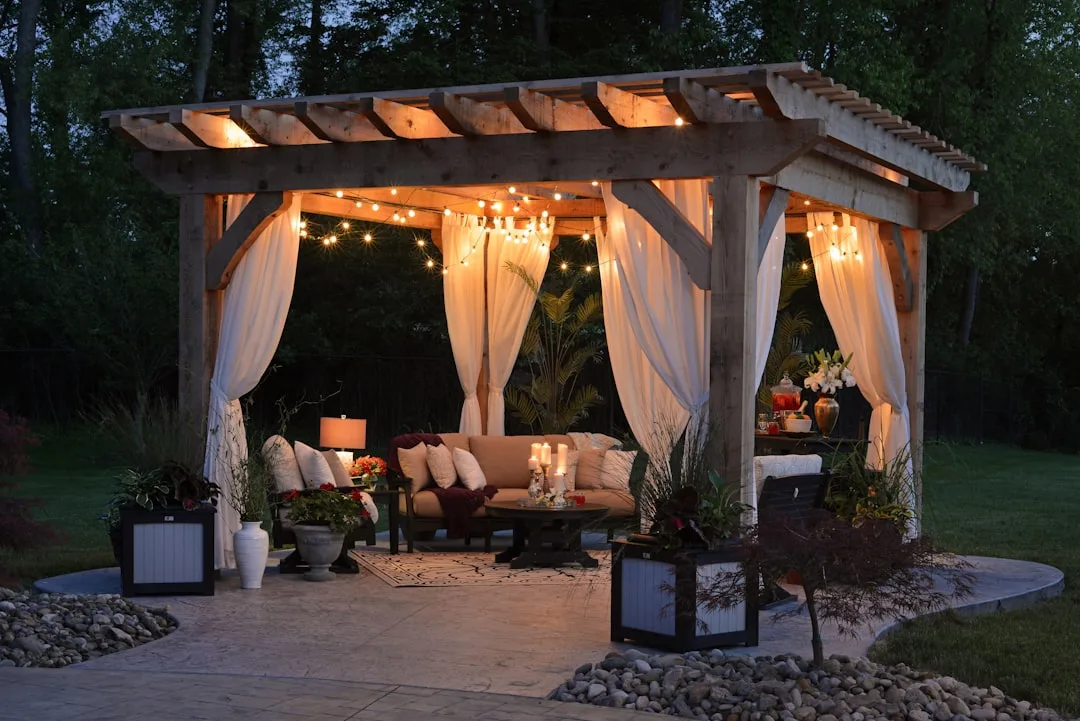
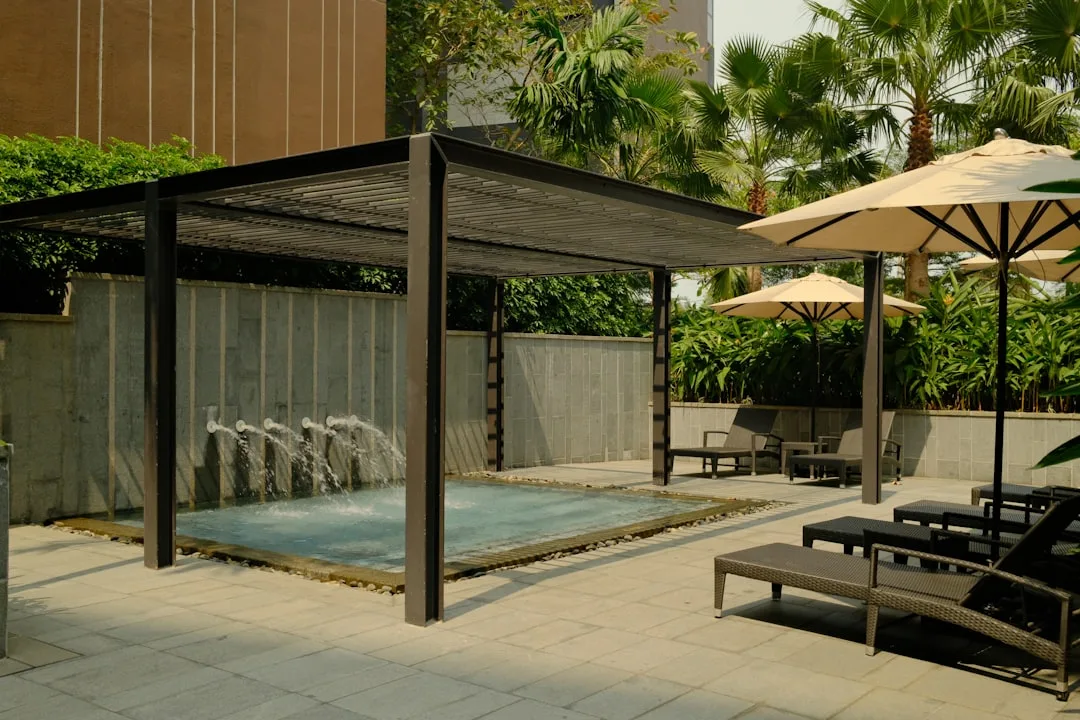
Fixed pergolas are giving way to intelligent shade structure designs that adapt to sun, rain, and season. Motorized systems, modular frames, and permeable materials define the shift.
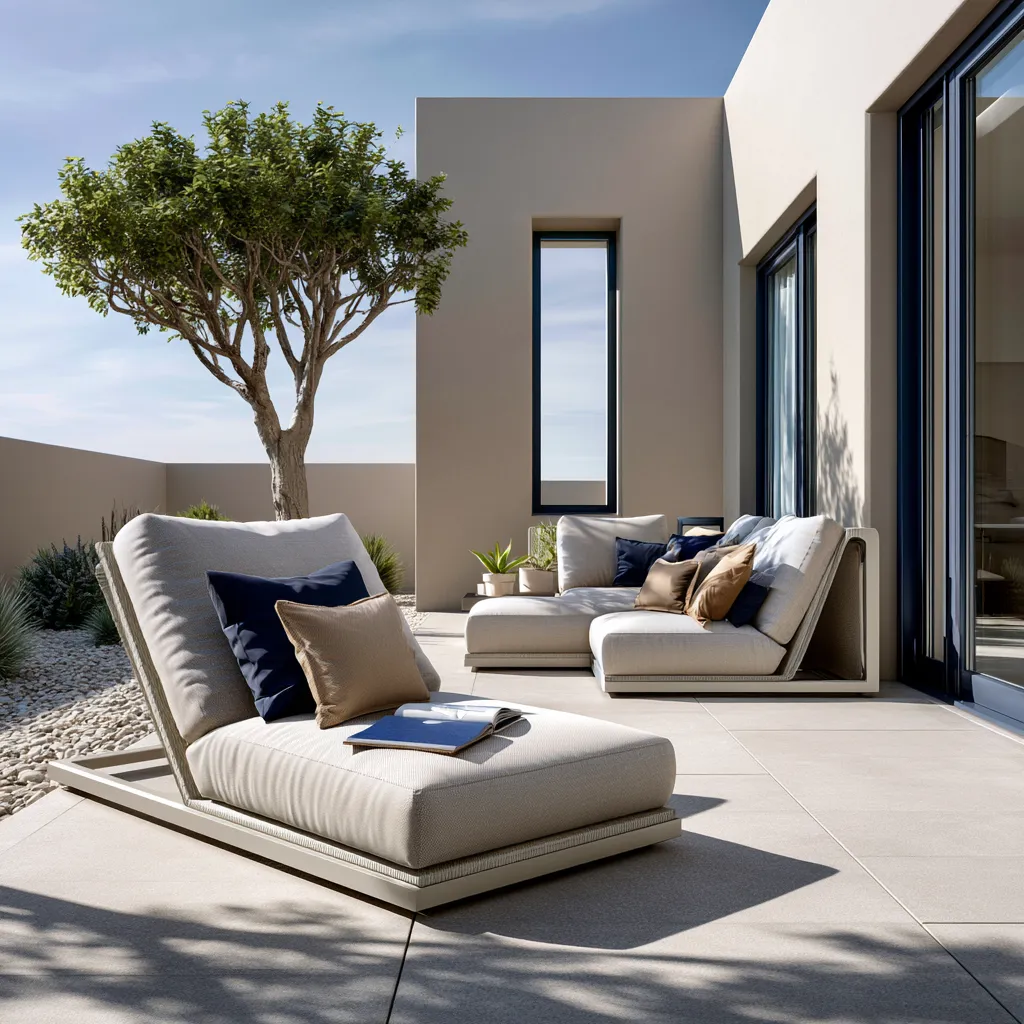
Cool gray patio furniture dominated for nearly a decade, but warm aluminum finishes inspired by natural tones are now the default choice for sophisticated outdoor living. Learn why flax, barley, and hazel frames create layered, intentional spaces that feel both structured and inviting.