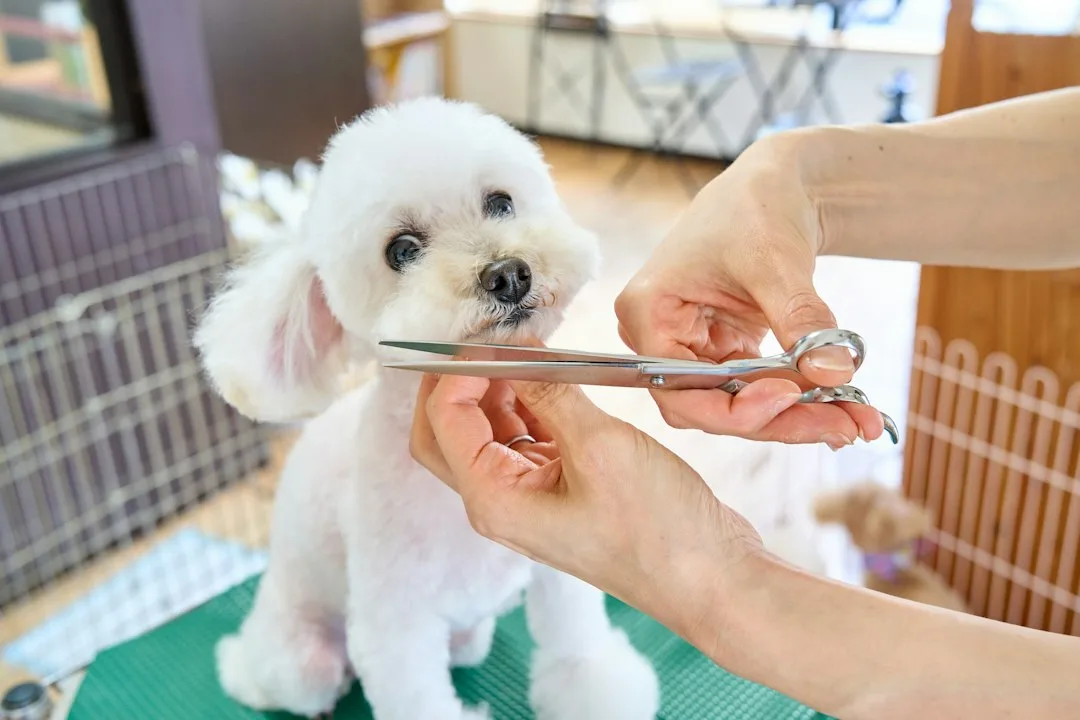
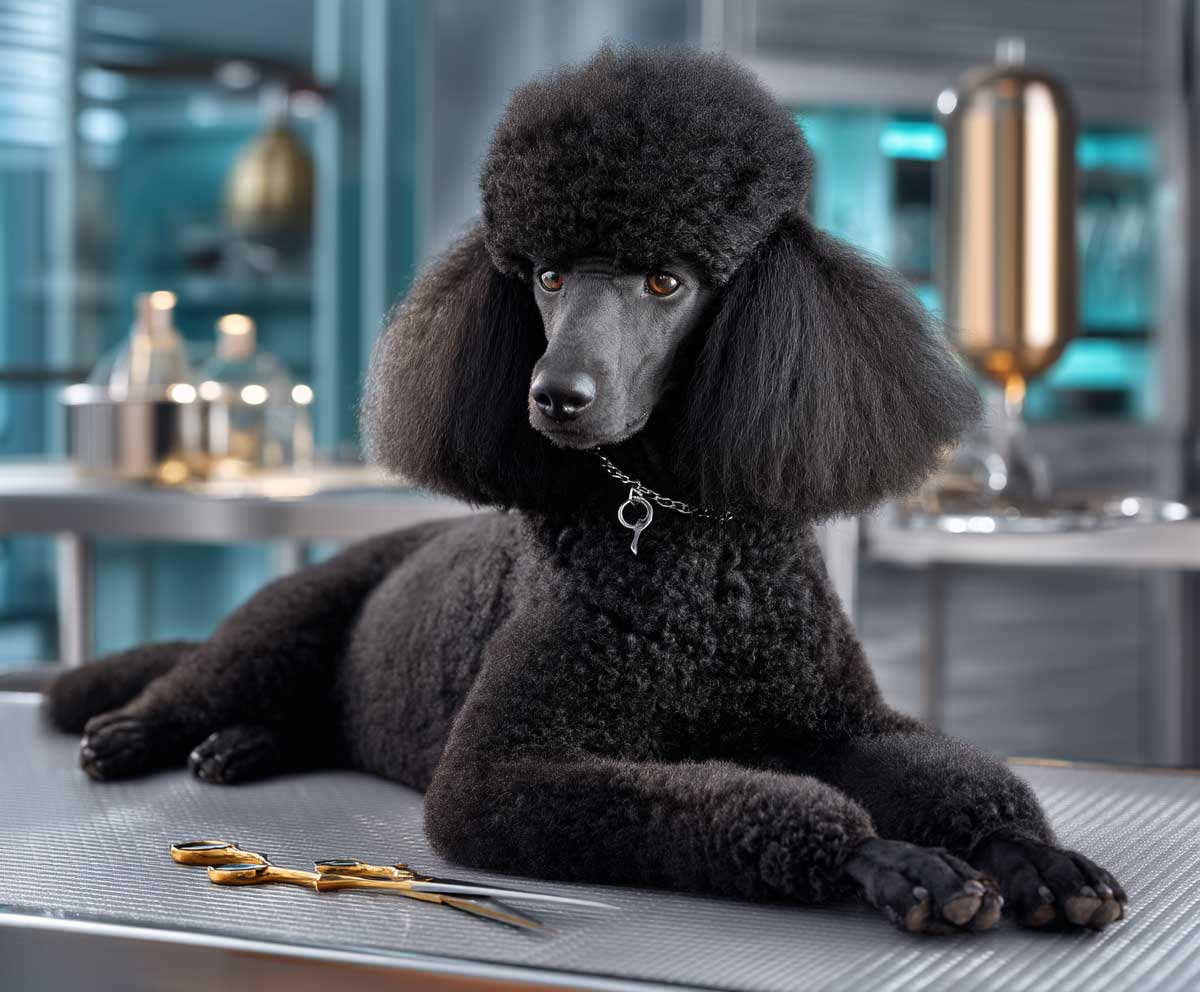
The right shih tzu haircut can make your dog look like a stuffed toy, a tiny aristocrat, or a park-ready athlete — depending entirely on what happens around that face. Shih Tzu face cuts are the single most impactful grooming decision you’ll make, because this breed’s brachycephalic structure means every fraction of an inch changes the whole expression. I’ve been through four different groomers over the past three years with my own Shih Tzu, Mochi, and I finally understand why the face cut is the first thing every good groomer asks about.
The Shih Tzu’s double coat — a silky topcoat over a fleecy undercoat — grows relentlessly, and without regular face trimming, you’ll lose the eyes and expression entirely within six weeks. Shih Tzu face cuts aren’t just cosmetic; hair pressing against those prominent eyes causes chronic irritation. At Mochi’s last grooming session at Studio Paw in Brooklyn ($85 full groom), the groomer showed me exactly how a quarter-inch of extra fur above the stop was already touching her cornea. That’s the kind of detail that changes how you think about scheduling.
Knowing which shih tzu haircut suits your dog’s face shape, coat texture, and your own patience for upkeep is worth understanding before you sit down with a groomer. The three main looks — rounded teddy face, princess top knot with flowing ears, and short body with expressive tail — cover almost every lifestyle scenario, from apartment dwellers to trail walkers. Each section below breaks down exactly what you’re choosing and what you’re trading off.
- Shih tzu face cuts are the defining element of any haircut — the body can vary, but face shape drives the whole look.
- Rounded teddy face: best for low-maintenance owners; grooming refresh every 4–6 weeks keeps the roundness intact.
- Top knot with flowing ears: highest visual impact but requires detangling every 2–3 days to prevent crown breakage.
- Short body with puffy tail: ideal for active dogs in warm climates; easiest daily maintenance of the three.
- Wahl and Andis clippers with ceramic blades run cooler on long sessions — worth the $90–$130 investment if you groom at home.
- Never trim a Shih Tzu’s face when the coat is wet — the hair sits differently dry and you’ll overcorrect.
Shih Tzu Face Cuts That Lead with a Rounded Teddy Shape
Shih tzu face cuts built around a rounded teddy bear shape remain the most requested look at full-service grooming salons, and there’s a structural reason for that. The groomer uses curved blending shears — the Geib Buttercut 8.5″ is my groomer’s tool of choice at around $180 — to create a beveled, layered dome over the top of the skull without ever touching the stop between the eyes with a clipper. Touching the stop with a clipper is how you accidentally flatten the face and lose that soft, toy-like expression. You need to brush the muzzle hair forward, then shape downward at an angle, which creates the illusion of a rounder, fuller face without changing any actual bone structure.
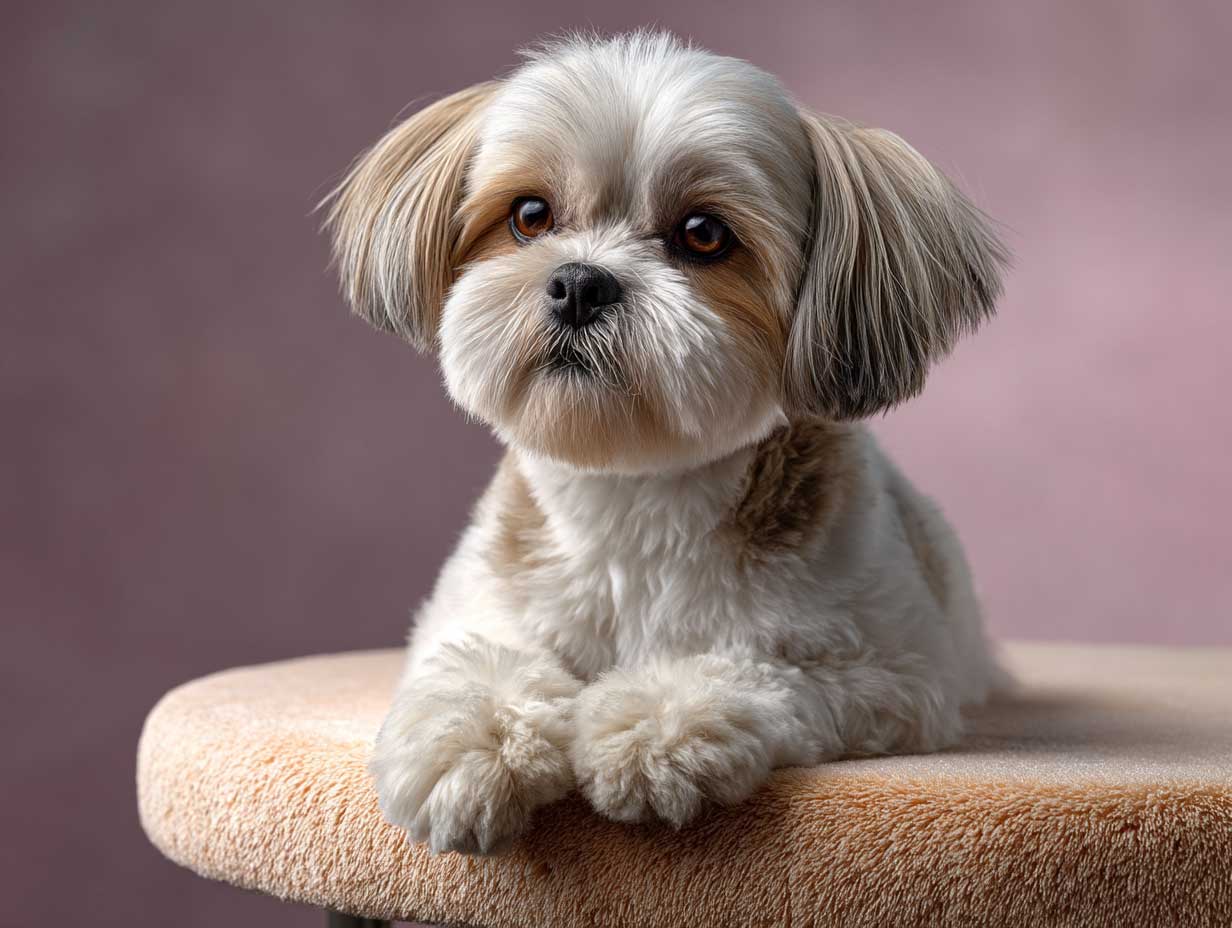
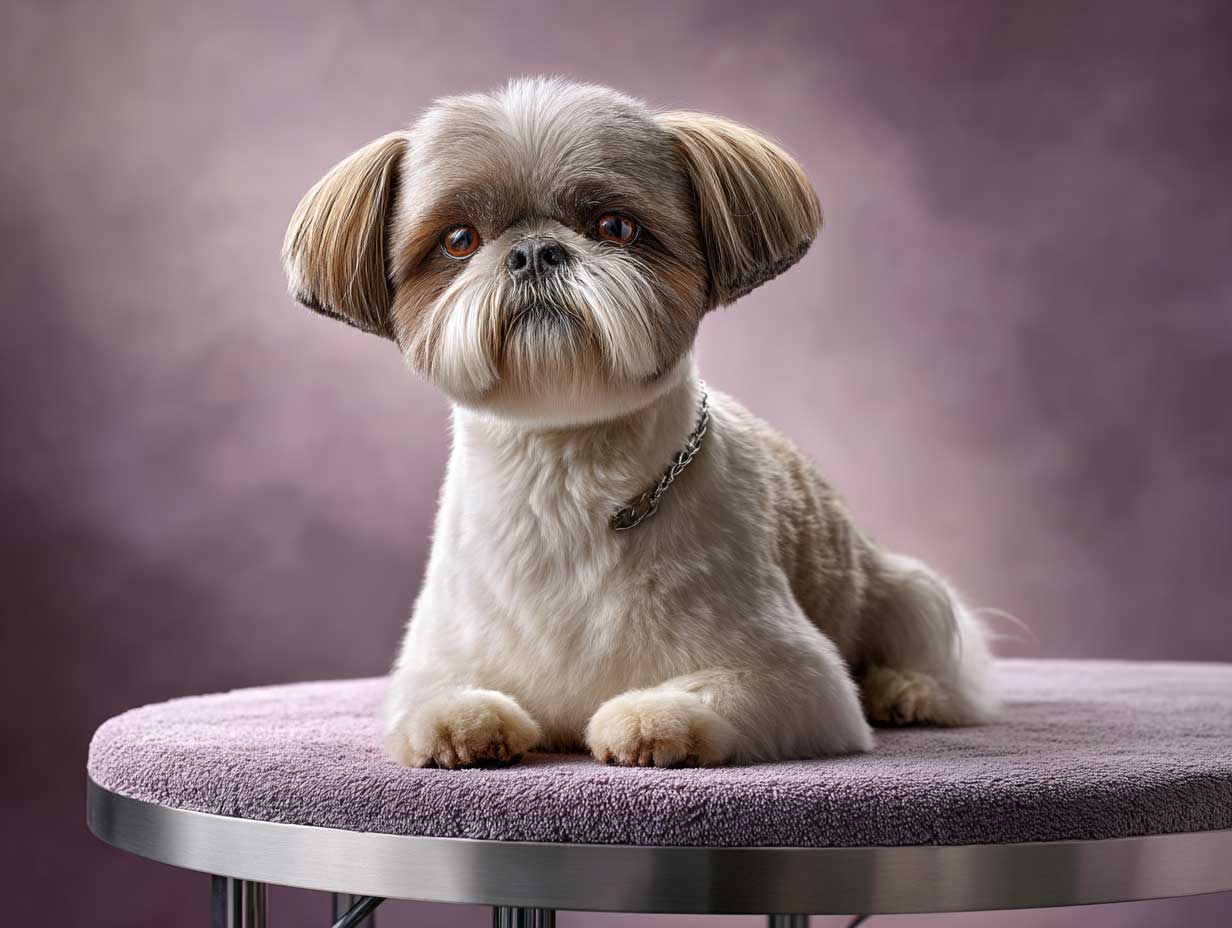
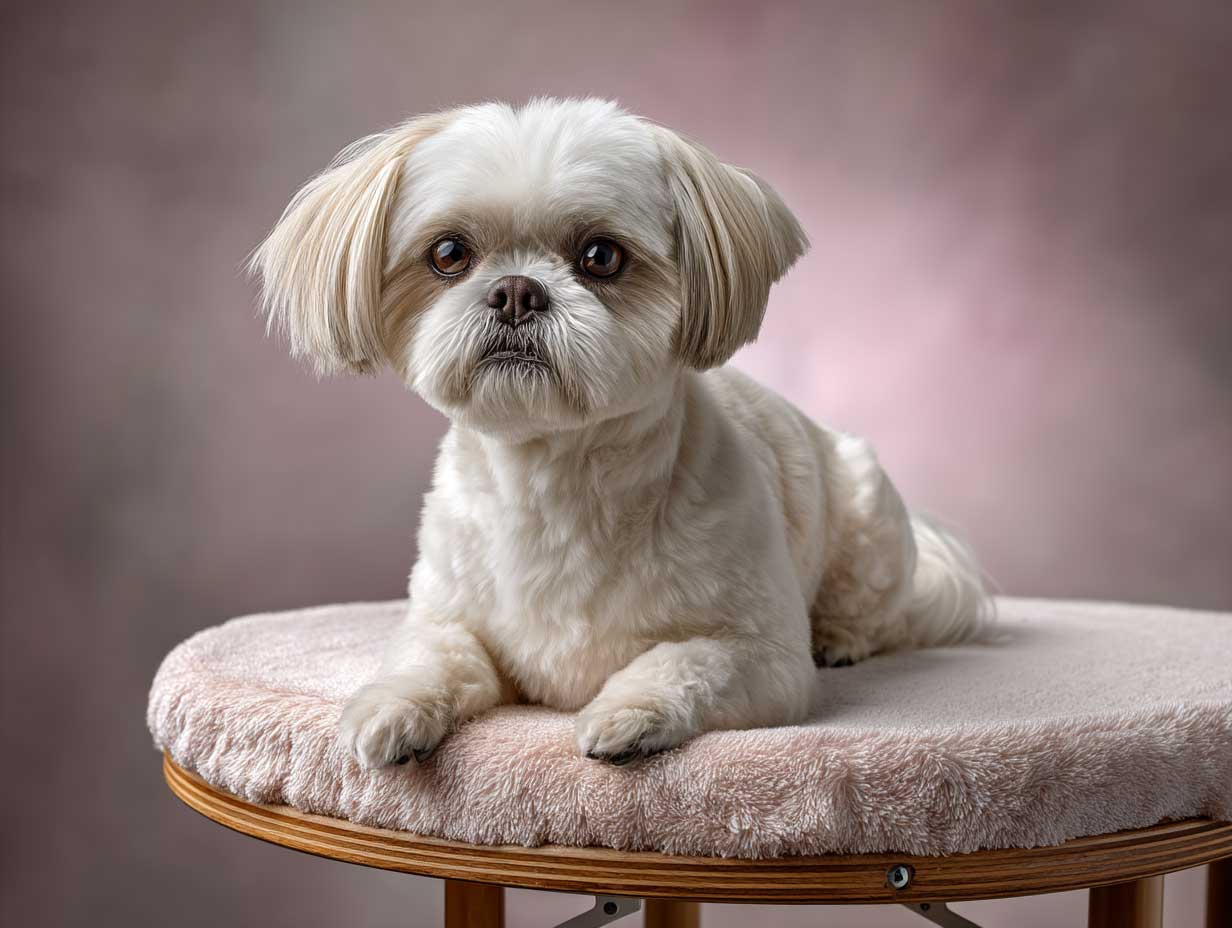
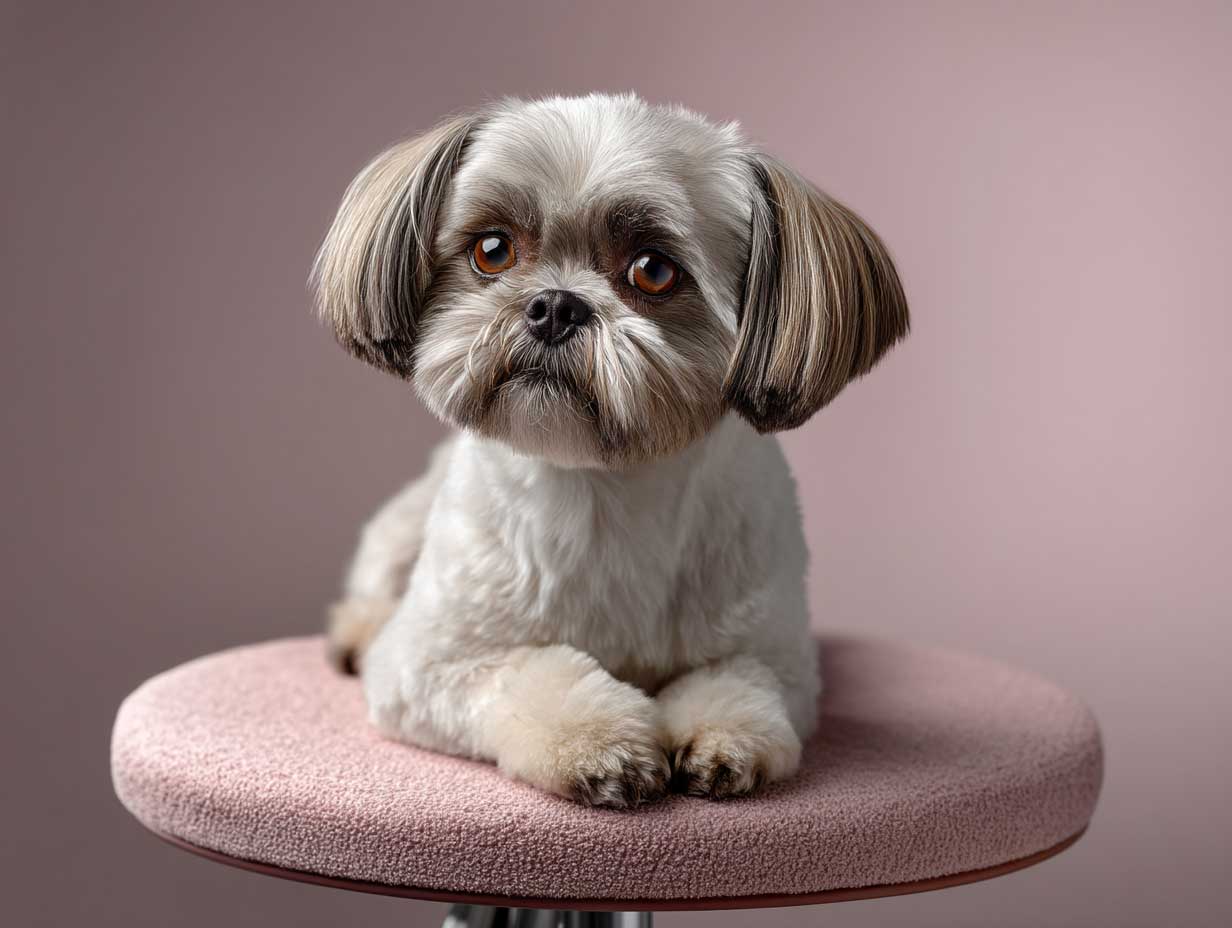
Short paws matter more than most people realize. Think of the overall silhouette like a snow globe — everything should feel contained and spherical. Legs trimmed to match the body length create that compact, weightless quality. Groomers call this “keeping proportion,” and it’s what separates a polished teddy cut from a haircut that just looks vaguely round. Mochi’s groomer does her legs with a #4 blade and finishes the paws with curved scissors to remove any stray hairs that break the circular outline.
Does the teddy cut work on every Shih Tzu coat? I’d say no — dogs with a wavy or softer undercoat texture hold the round shape better than those with a flat, silky coat that tends to separate. On a silky coat, you’ll notice the dome deflates within two weeks without regular brushing. My go-to product for maintaining the shape at home is the Chris Christensen Baby Pin Slicker brush ($28), which lifts the coat without scratching the skin. You’ll want to brush upward first, then let the coat fall naturally to check where it’s losing volume.
Bandanas in dusty rose or sage green photograph beautifully against the warm tones of a classic Shih Tzu coat — this is the haircut that makes Instagram work for you. Aim for a grooming refresh every four to six weeks to hold the roundness. Waiting longer than eight weeks means the groomer has to cut more aggressively to get back to shape, which risks thinning the face coat. I’ve learned that the hard way twice with Mochi.
- Never trim a wet face. Wet Shih Tzu hair lies flat and longer than it actually is when dry — you’ll cut too much off and end up with an asymmetrical muzzle that takes months to grow back.
- Don’t use pointed scissors around the eyes. Blunt-tipped curved shears only. One flinch from your dog and you’re in an emergency vet situation.
- Avoid clippering the stop. The stop is the indent between the eyes — running a clipper over it flattens the whole face and erases the breed’s expression.
- Don’t skip the chin beard trim. Food accumulates in the beard and causes skin fold dermatitis — the smell and irritation appear faster than you’d expect.
Flowing Ears and Top Knot Create a Silhouette Nobody Ignores
Shih tzu face cuts built around a high top knot with long flowing ears read instantly as a statement — this is the haircut that people stop you on the sidewalk to photograph. The mechanics are more specific than they look: the top knot gathers the head hair from just above the eyes to the crown and secures it without putting tension on the crown area, where Shih Tzu hair is particularly prone to breakage. I’ve seen dogs arrive at salons with bald patches at the crown because their owners used regular elastic bands instead of soft seamless hair ties — the Laura Geller-style silicone-coated mini bands ($6 for a pack at most pet stores) make an actual difference.
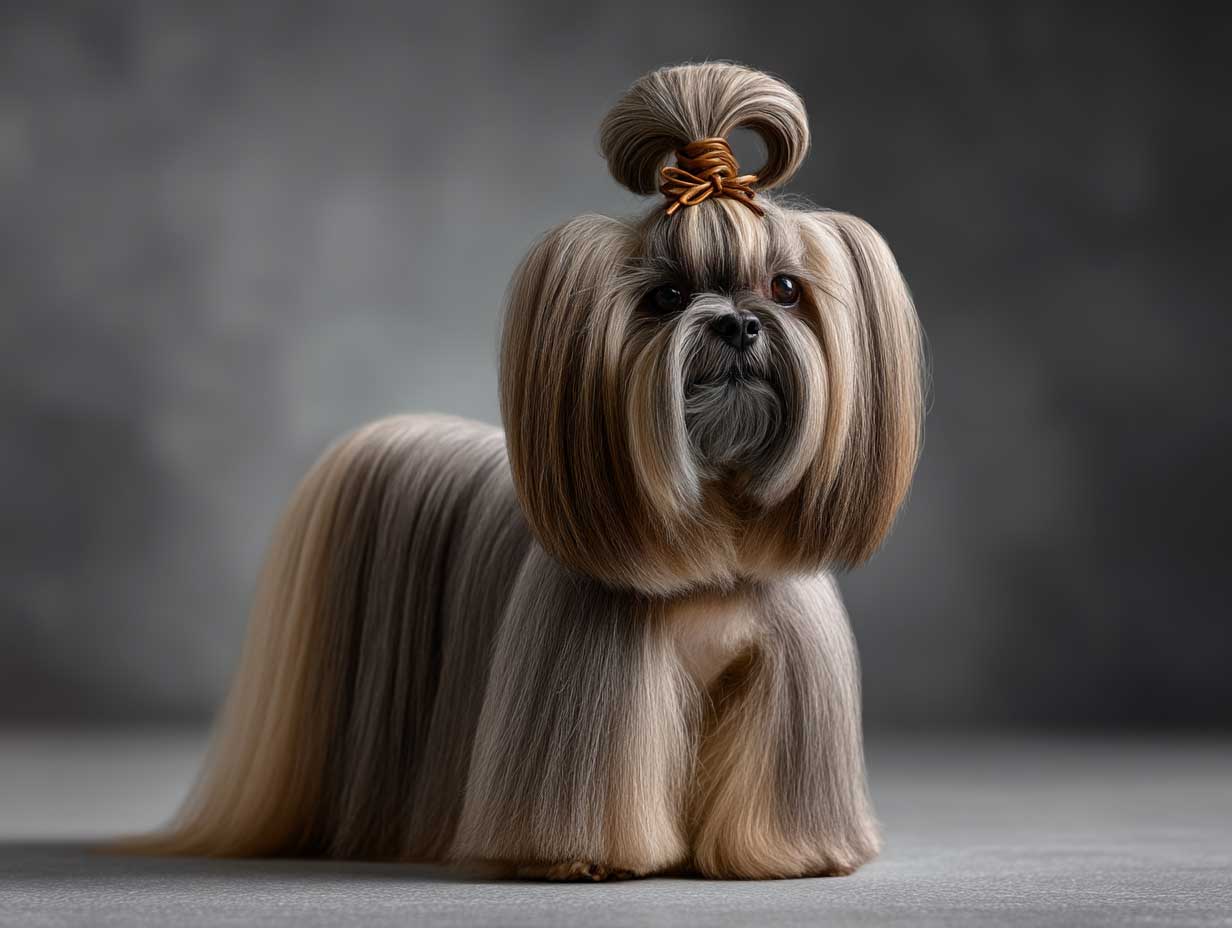
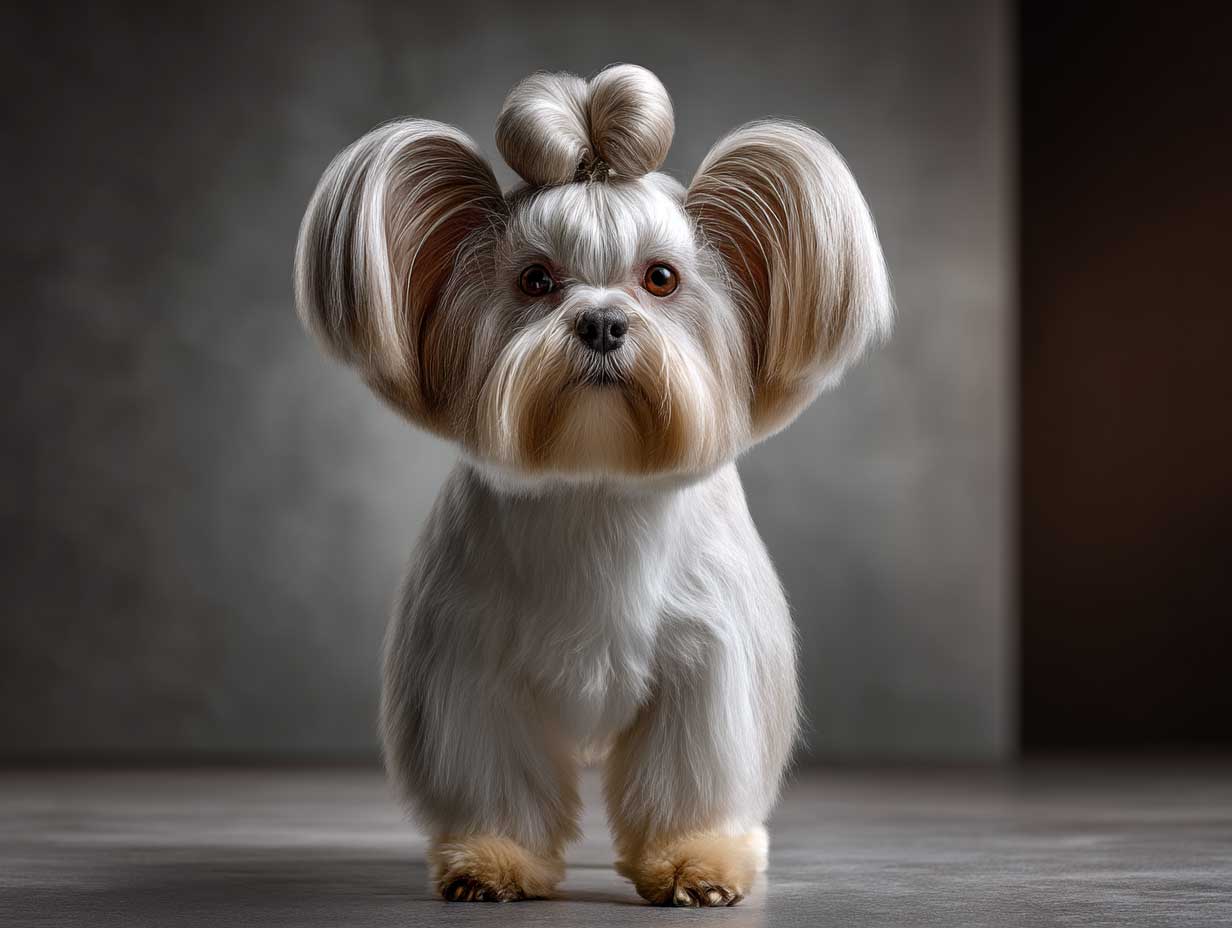
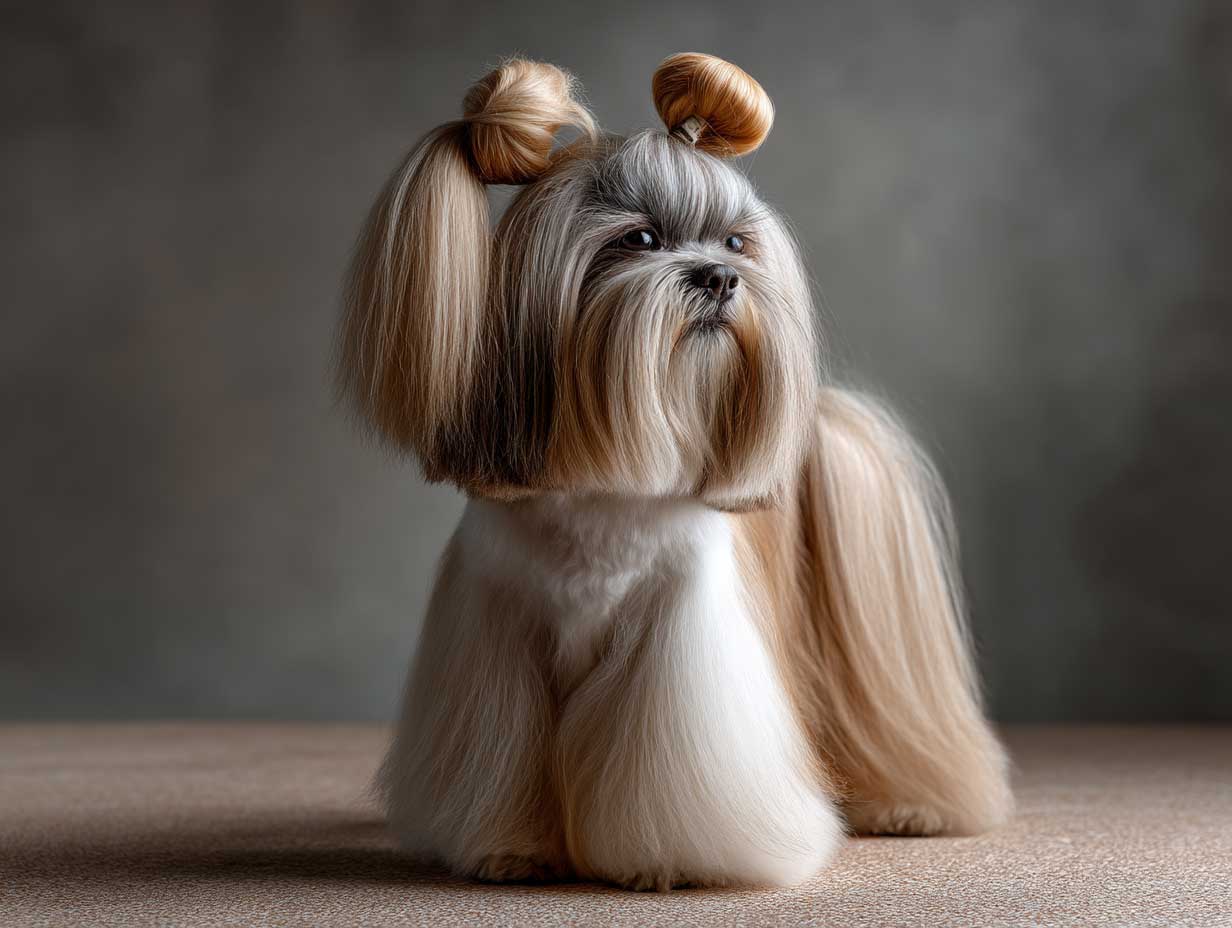
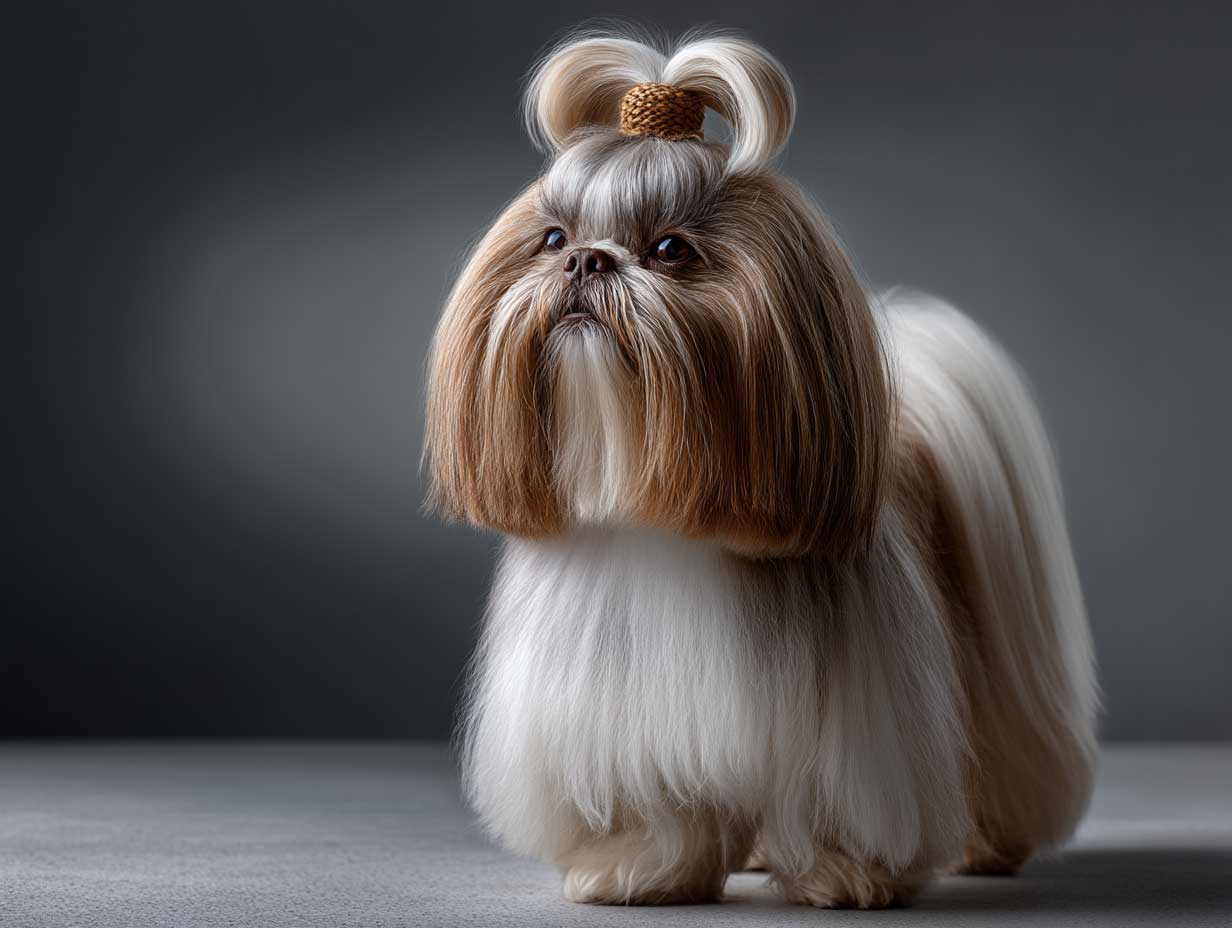
The ears in this shih tzu haircut function like parentheses around the face — they create a frame that focuses attention directly on the eyes and muzzle. Groomers leave the ear leather longer and trim only the very ends to keep an even line. You’ll need to detangle the ears every two to three days with a detangling spray (Bio-Silk for Pets is $14 and genuinely reduces static) and a wide-tooth metal comb starting from the ends up. Mats form fastest in the area where the ear meets the neck — that’s the friction zone, and missing it once can mean a mat that requires cutting out entirely.
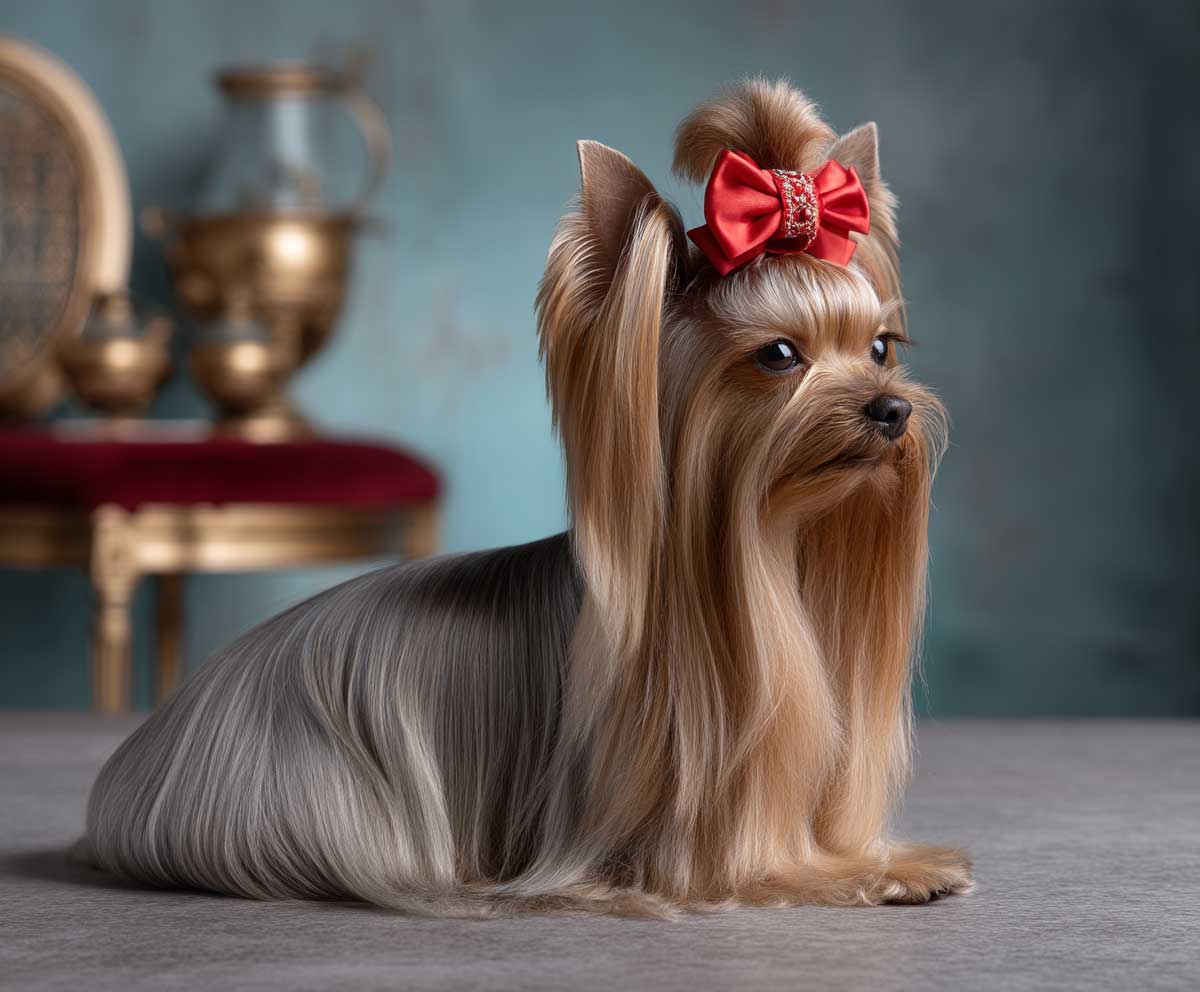
Body length with this style is flexible. Keeping the body at a medium length — about two inches — maintains the flowing silhouette without making temperature regulation a problem. Shorter body fur also means less leaf and debris collection during walks, which extends the time between baths. The contrast between a neatly trimmed body and those dramatic ear curtains is what gives the look its tension; you want the ears to feel intentionally luxurious, not like the rest of the dog just didn’t get done. For small dogs prone to this breed’s silky coat splitting in dry winter conditions, Yorkshire Terrier grooming techniques offer useful crossover knowledge since both breeds share similar coat structure challenges.
Redo the top knot every two days — not because it looks bad, but because leaving it knotted continuously causes the hair at the tie point to weaken. I’ve started treating the top knot ritual like Mochi’s morning routine rather than a grooming task: it takes about 40 seconds and the difference in coat health over six months has been visible. Shih Tzus with silky, manageable fur hold this cut best; if your dog has a cottony or undercoat-heavy texture, the ears may puff rather than flow, which is a completely different aesthetic.
Short Body with Puffy Tail Puts the Personality at the Back End
Shih tzu haircuts that keep the body clipped short while leaving the tail full and fluffy are the practical answer to active dogs, warm climates, and owners who don’t have time for a full brushing session every evening. The body is typically clippered with a #4 or #5 blade — the #4 leaves about half an inch of coat, the #5 leaves a bit shorter — and the tail is scissored into a rounded pom shape that sits well over the back the way the AKC breed standard describes. My neighbor’s Shih Tzu, Winston, has been in this cut for two years and dries completely after a bath in under 20 minutes, compared to the 45-minute blow-dry sessions his previous longer coat demanded.
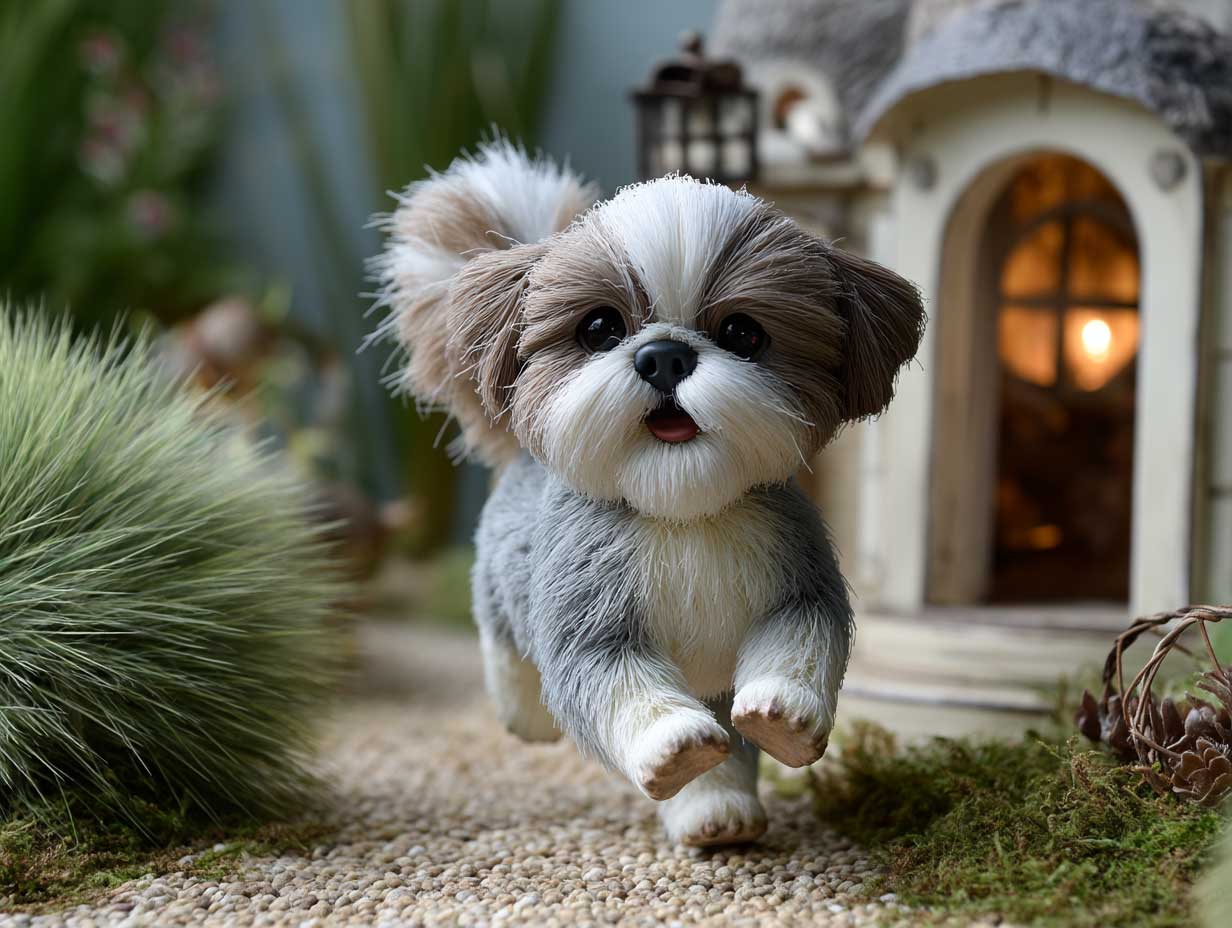
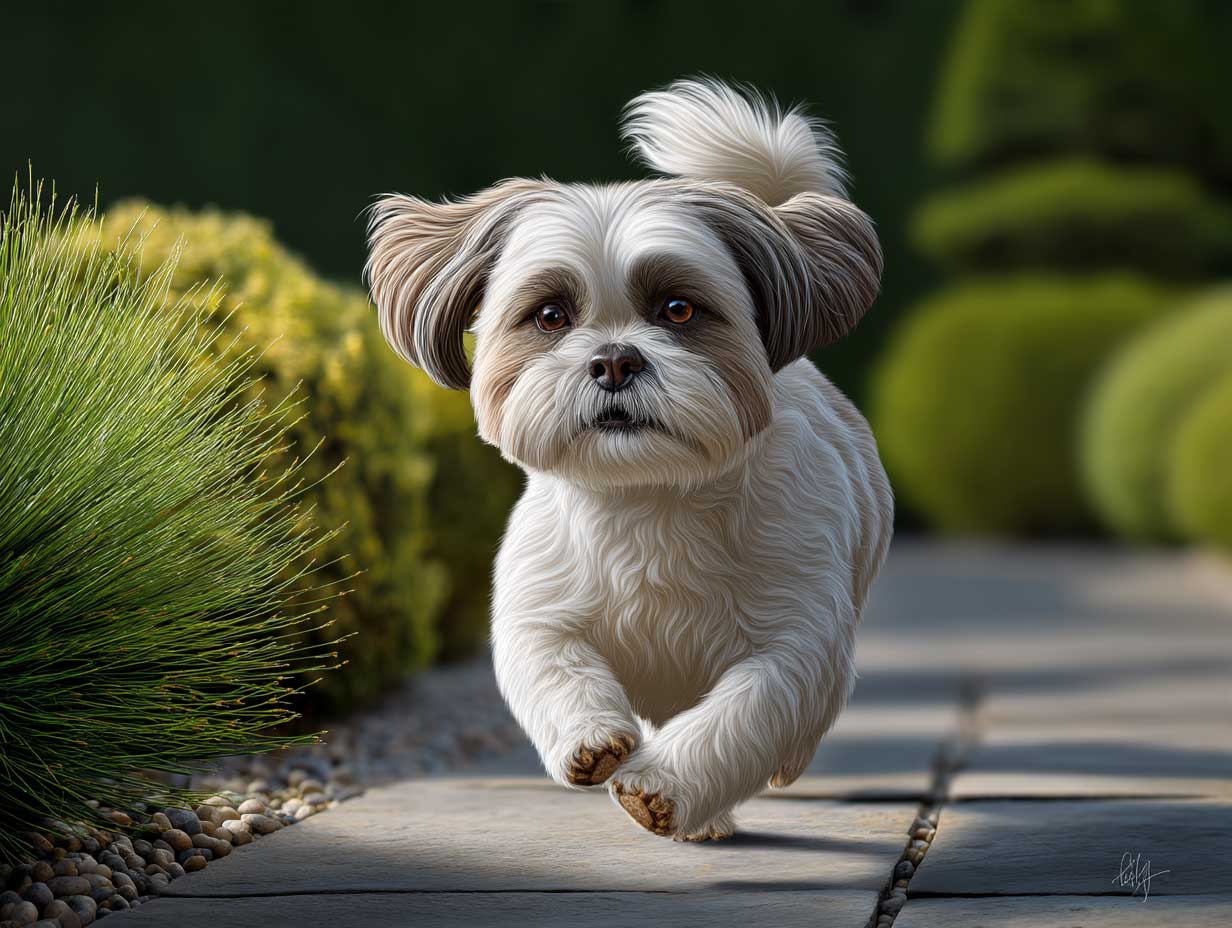

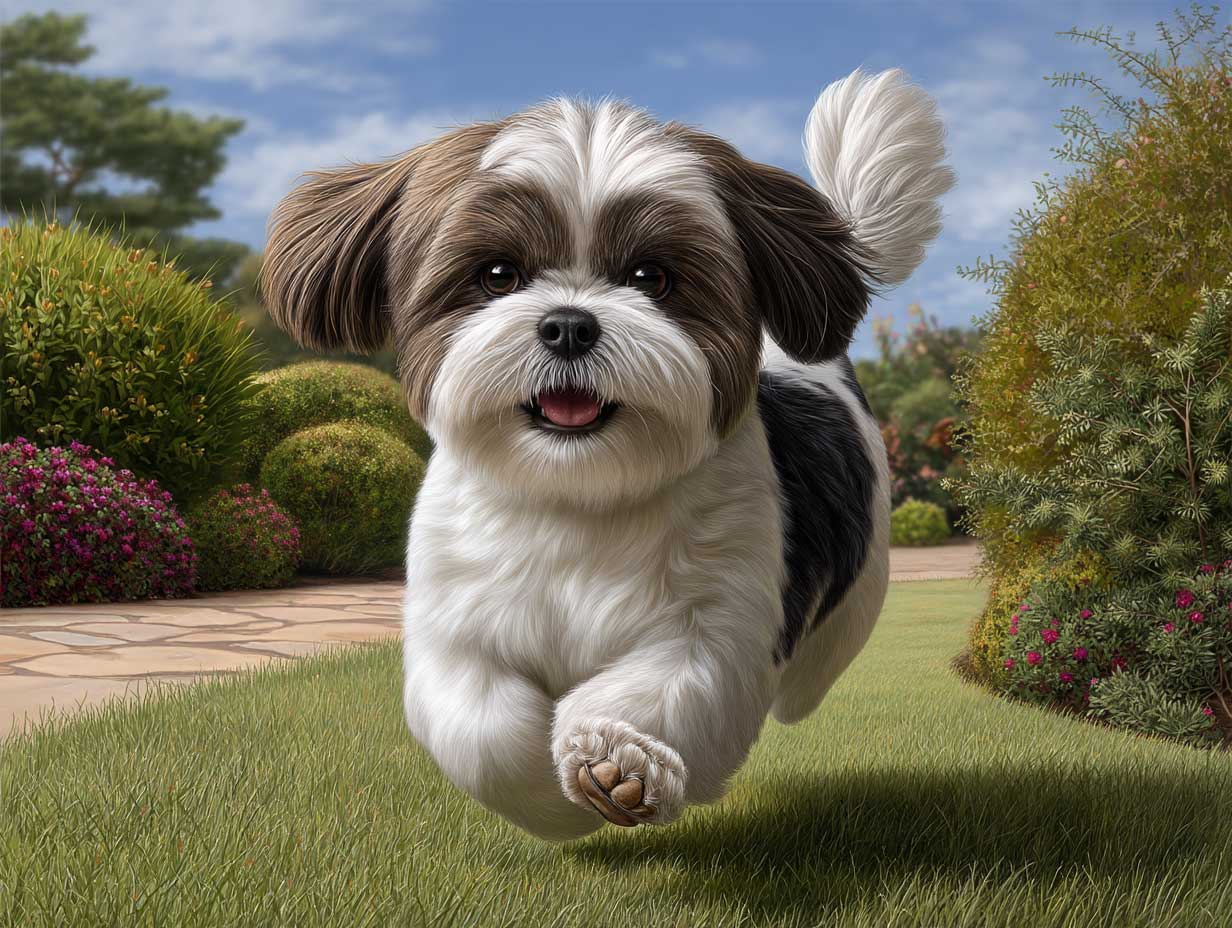
What makes the puffy tail work visually is contrast — and contrast requires the body to stay short consistently. If the body coat grows out past about an inch, the tail stops reading as a focal point and the dog just looks like it needs a grooming appointment. You’ll want to trim the tail every four weeks even if the body can wait six. Scissor the tail into a sphere shape: hold the tail gently over the back, brush the fur out in all directions, then trim around the circumference the way you’d round a topiary. It sounds fussy but takes about three minutes once you’ve done it twice. The Pomeranian bear cut approach uses the same pom-shaping logic for small breeds if you want a visual reference for the technique.
Short body coats also make spotting skin issues easier — ticks, hot spots, and early signs of sebaceous adenitis (a skin condition the breed is predisposed to) all show up faster when you’re not parting through two inches of coat to find them. You’ll notice changes you’d have missed otherwise. The coat’s natural double-layer still provides UV protection, so don’t be afraid of the shorter clip in summer. According to the American Kennel Club’s Shih Tzu grooming guidance, Shih Tzus in a short puppy trim typically need a grooming appointment every four to six weeks to maintain the shape — budget around $65–$95 per session depending on your city.
The face cut paired with this body style is usually kept simple — a clean round muzzle, eyes opened up, chin trimmed short to avoid food buildup. This lets the tail do the personality work. Some owners accessorize the tail pom with a small bow tied around the base, which sounds ridiculous until you see it on a white-coated dog in a park and immediately want to do it yourself. It’s the kind of detail that makes people ask who your groomer is.
Final Take
The face is where every shih tzu haircut is actually won or lost
Rounded teddy cuts last 4–6 weeks before the dome softens; top knot styles need ear detangling every 2–3 days or mats form at the neck junction. Short body with pom tail is the lowest daily maintenance and the fastest to dry after baths.
Wahl and Andis ceramic blade clippers ($90–$130) run cooler on long sessions — worth buying if you’re doing touch-ups at home between professional appointments.
Book your groomer every four weeks for face-only trims even if the body can wait longer. The eyes and stop area grow out fast enough to cause irritation before most people notice. Save this post before your next grooming appointment.