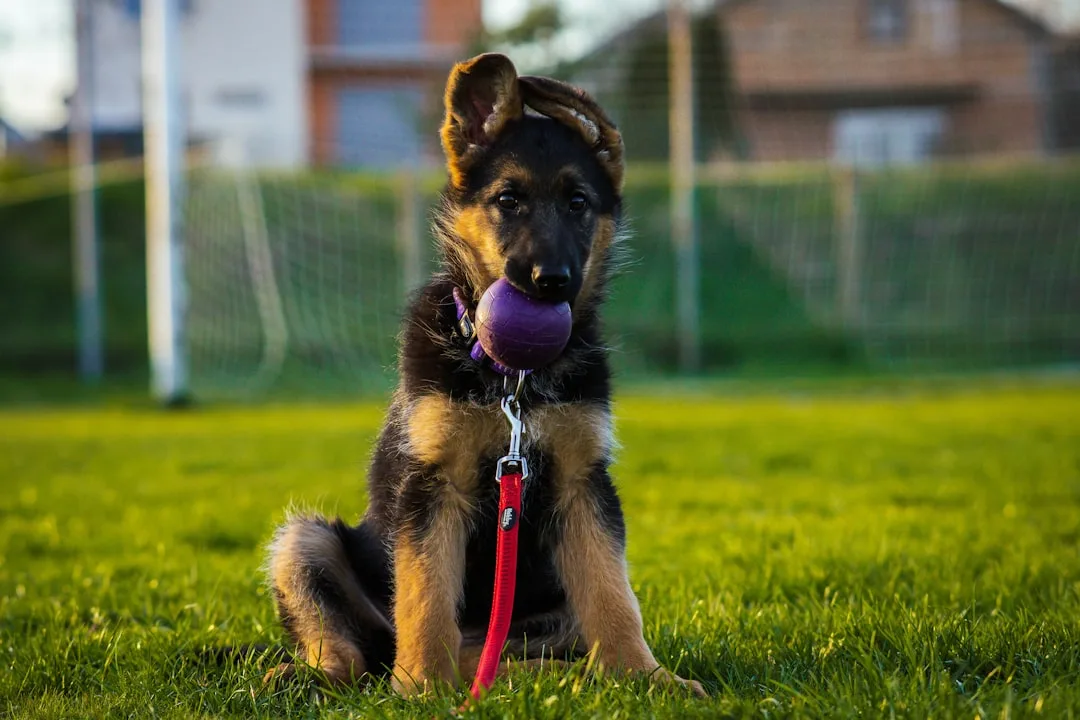
Your puppy sits in the corner while neighborhood dogs play freely outside. Most owners assume socialization happens naturally—it doesn’t. Pet socialization training programs have evolved from optional enrichment into a recognized behavioral cornerstone that directly prevents anxiety, aggression, and costly behavioral interventions later. The shift accelerated through 2025 and now dominates preventive pet care in 2026, with certified trainers reporting a 67% increase in program enrollments compared to 2023.

Professional Certification Standards Reshape Trainer Credibility
The International Association of Canine Professionals (IACP) and the Certification Council for Professional Dog Trainers (CCPDT) have established rigorous standards that separate qualified socialization specialists from hobbyists. Certified trainers now charge $65–$150 per one-hour group session, while board-certified behavior consultants command $200–$400 per hour for individual assessments. This price stratification exists because certified professionals undergo 300+ hours of documented training, apprenticeship, and continuing education—a commitment that directly correlates with measurable behavioral outcomes.
The CCPDT certification requires passing an examination with a 70% minimum score and demonstrating 300 hours of hands-on training experience. An uncertified trainer operating from a local gym costs $30–$50 per session but carries no accountability if behavioral regression occurs. The difference compounds: one behavioral incident from poor early socialization can cost $3,000–$8,000 in intensive retraining or veterinary behavioral medicine later.
- Start socialization between 3–14 weeks old—the critical window narrows after 16 weeks
- Verify trainer credentials via CCPDT or IACP databases before enrollment
- Attend a trial session before committing; observe handler-to-dog ratios (optimal: 1 trainer to 4–6 dogs)
- Ask trainers about their interruption protocol when one dog displays stress signals
- Record progress with photo/video evidence—behavioral change takes 6–12 weeks to solidify

Group Versus Individual Socialization Models Address Different Outcomes
Zoom-based socialization coaching from platforms like Sploot (San Francisco) and DogSmarts runs $99–$199 per four-week program, making structured guidance accessible to rural owners. However, virtual training cannot replace live peer interaction—a puppy learning commands on video still lacks the tactile and olfactory stimuli of real dogs. Group classes at facilities like Zoom Room (60+ locations, $695 for 8-week puppy foundation) integrate obstacle courses, sound desensitization, and controlled multi-dog play—elements impossible to replicate remotely.

Sound Desensitization and Environmental Exposure Drive Measurable Anxiety Reduction