A safari adventure outfit isn’t a costume — it’s field equipment that happens to go on your body. I’ve shot wildlife in the Masai Mara wearing the wrong shirt and spent half the morning adjusting my collar instead of my aperture, which is exactly how you miss a leopard in a tree. The right clothing handles temperature swings, dust, crouching, and six hours on a game drive without asking you to think about it once. Your camera does the creative work; your outfit does the logistics.
Earthy tones aren’t optional on a real safari — olive, khaki, sand, and muted brown keep you invisible to wildlife and invisible to other photographers who will absolutely judge your bright white sneakers. Fabric matters more than style here. Linen breathes, nylon dries fast, cotton feels good but stays wet when you sweat through a morning game drive. Most photographers I know layer: a moisture-wicking base, a lightweight long-sleeve over it, and something to shed at noon. Get the system right and you stop thinking about your clothes entirely.
Quick Scan: What This Post Covers
- Linen shirt + cargo pants — the workhorse setup for long shoot days
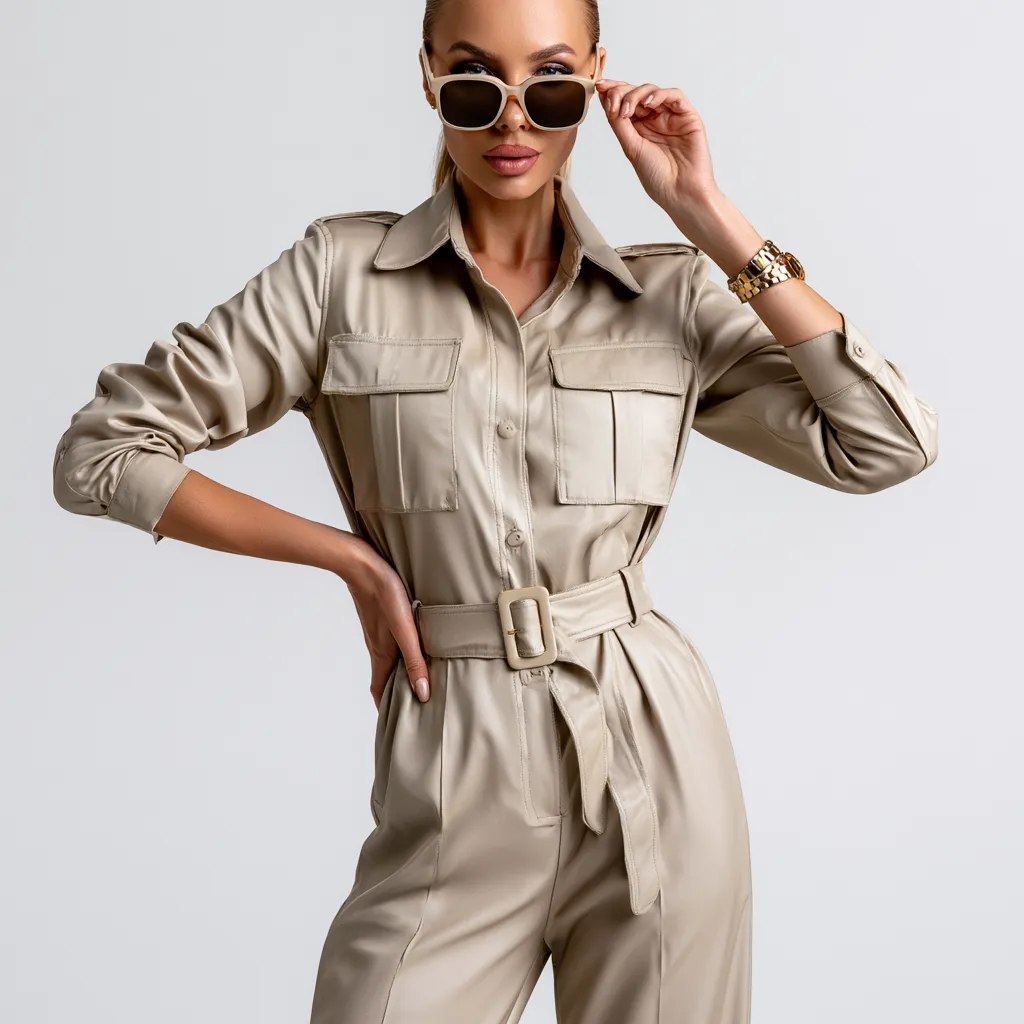
- Utility jumpsuit — one-piece, no-decisions dressing for dawn starts
- Long-sleeve blouse + high-waisted trousers — sun protection without looking clinical
- Safari vest over cotton shirt — the gear-carrying formula that actually works
- Tank top + utility shorts — the only acceptable hot-climate edit
- Khaki midi dress — for photographers who want to look human at dinner
- What not to wear: the mistakes that cost you shots
- Men’s safari outfit breakdown: jungle and casual versions
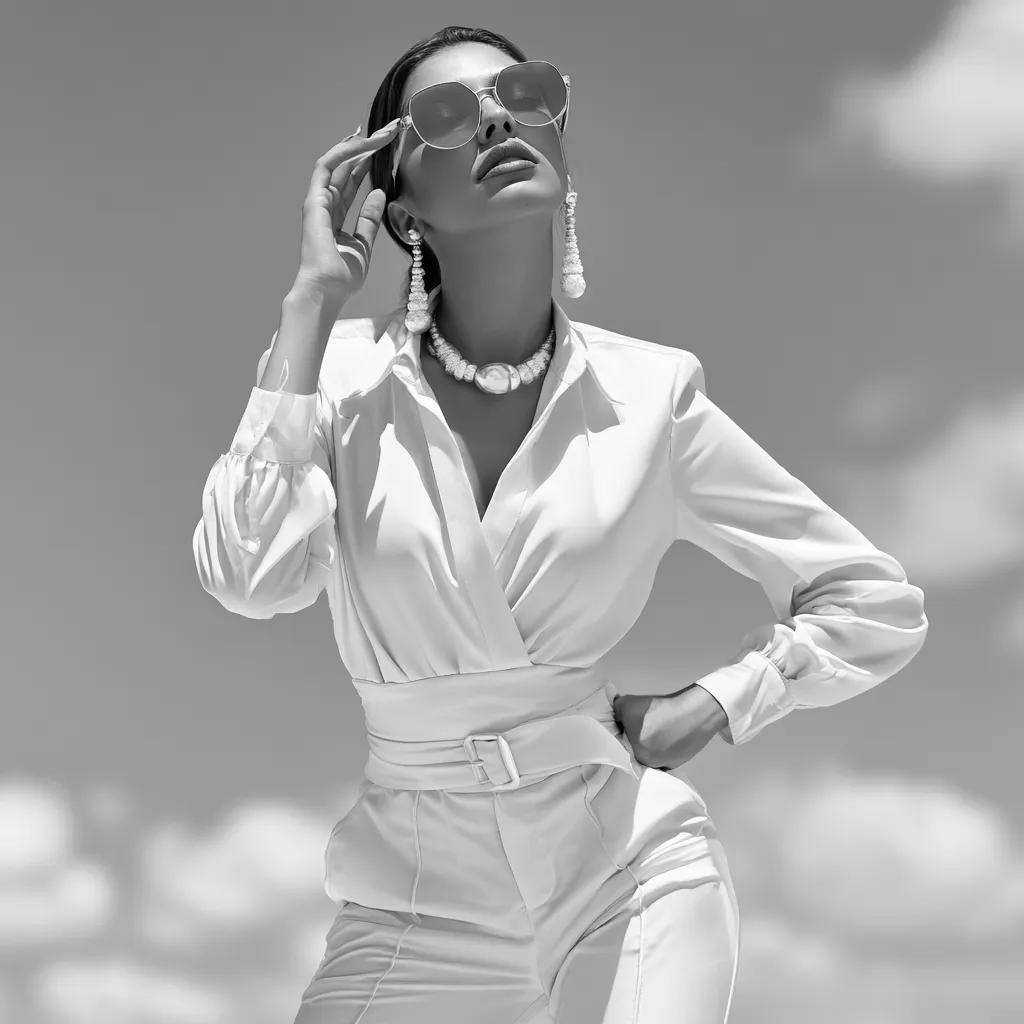
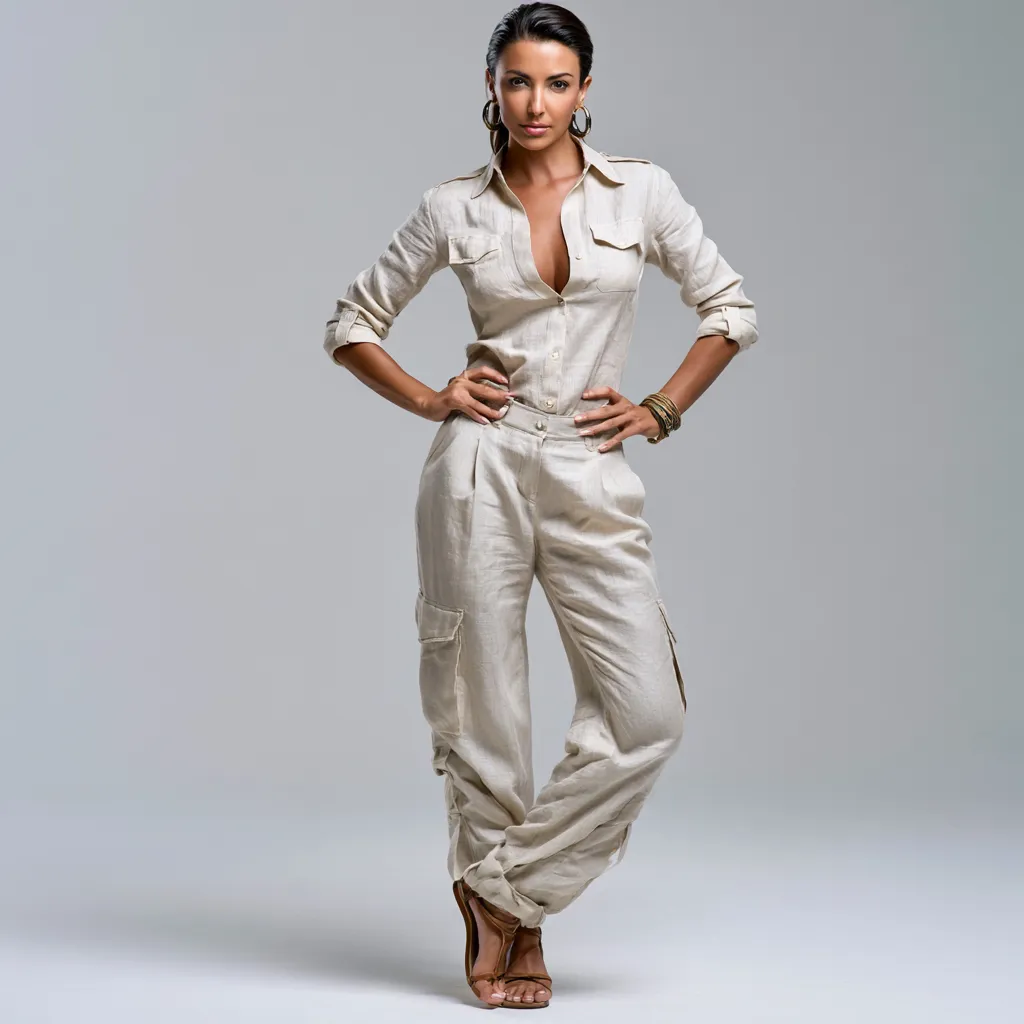
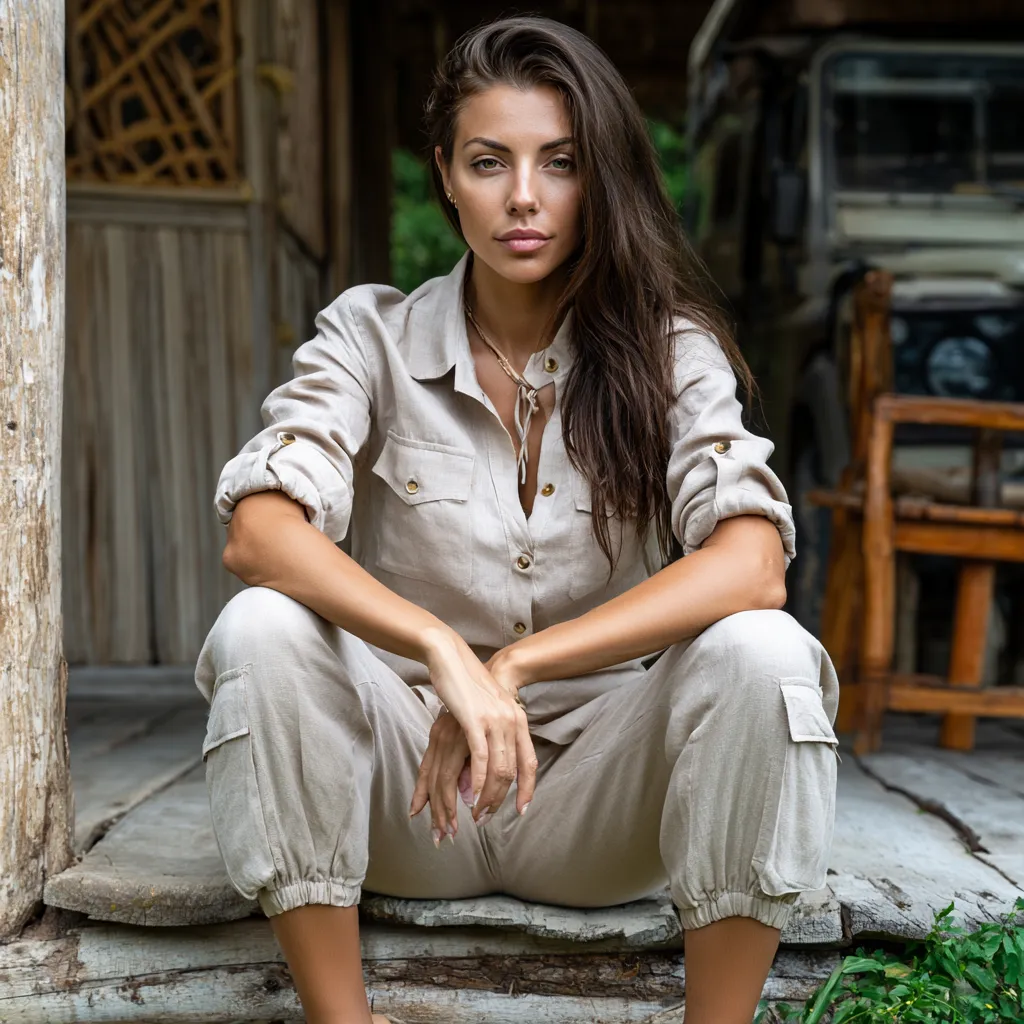
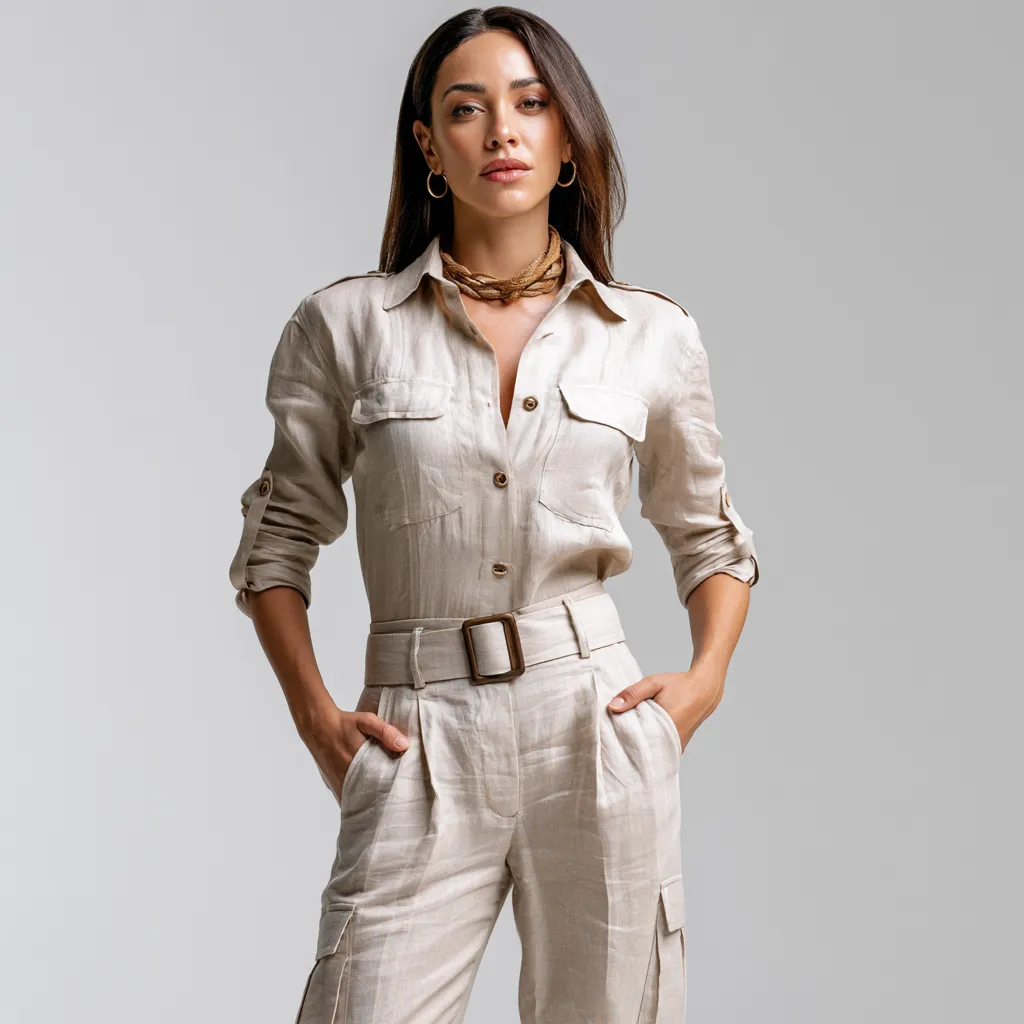
Linen Shirt and Cargo Pants Earn Their Keep Over 10-Hour Shoot Days
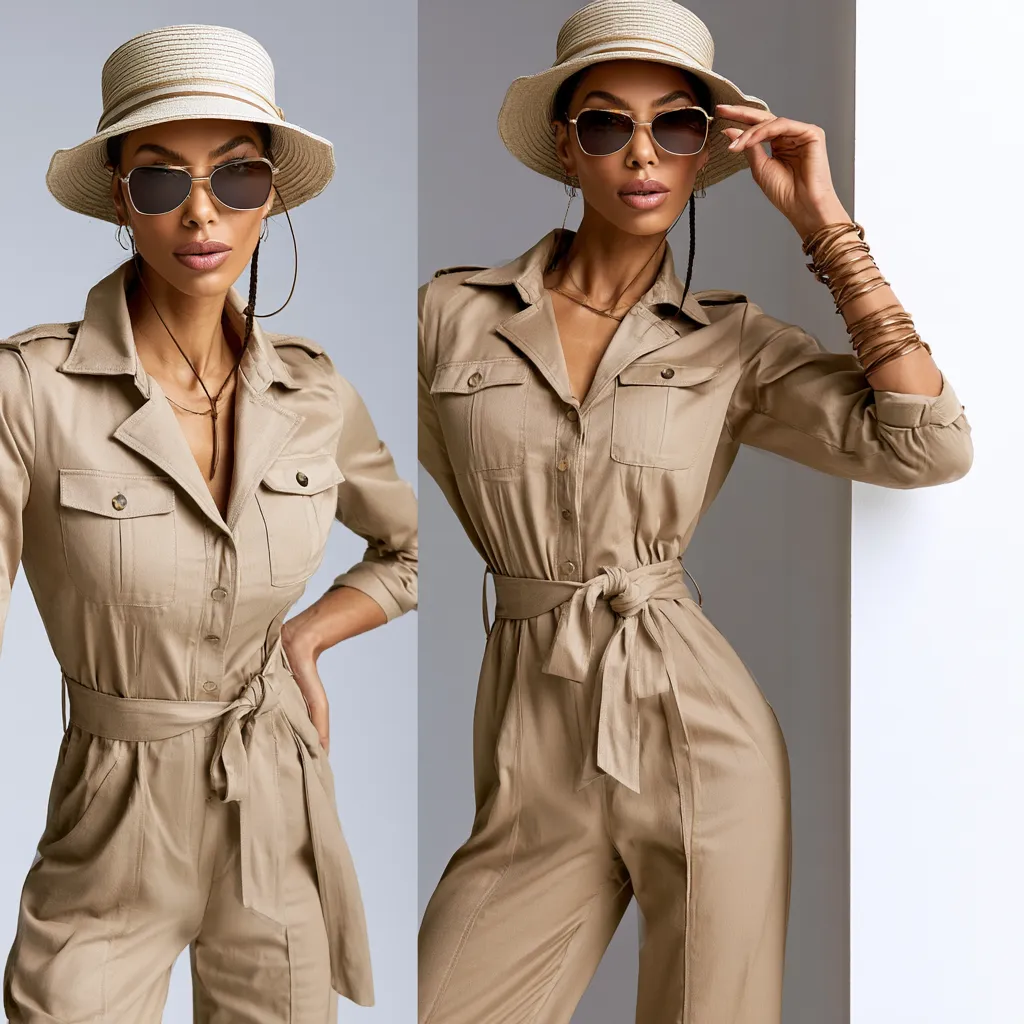
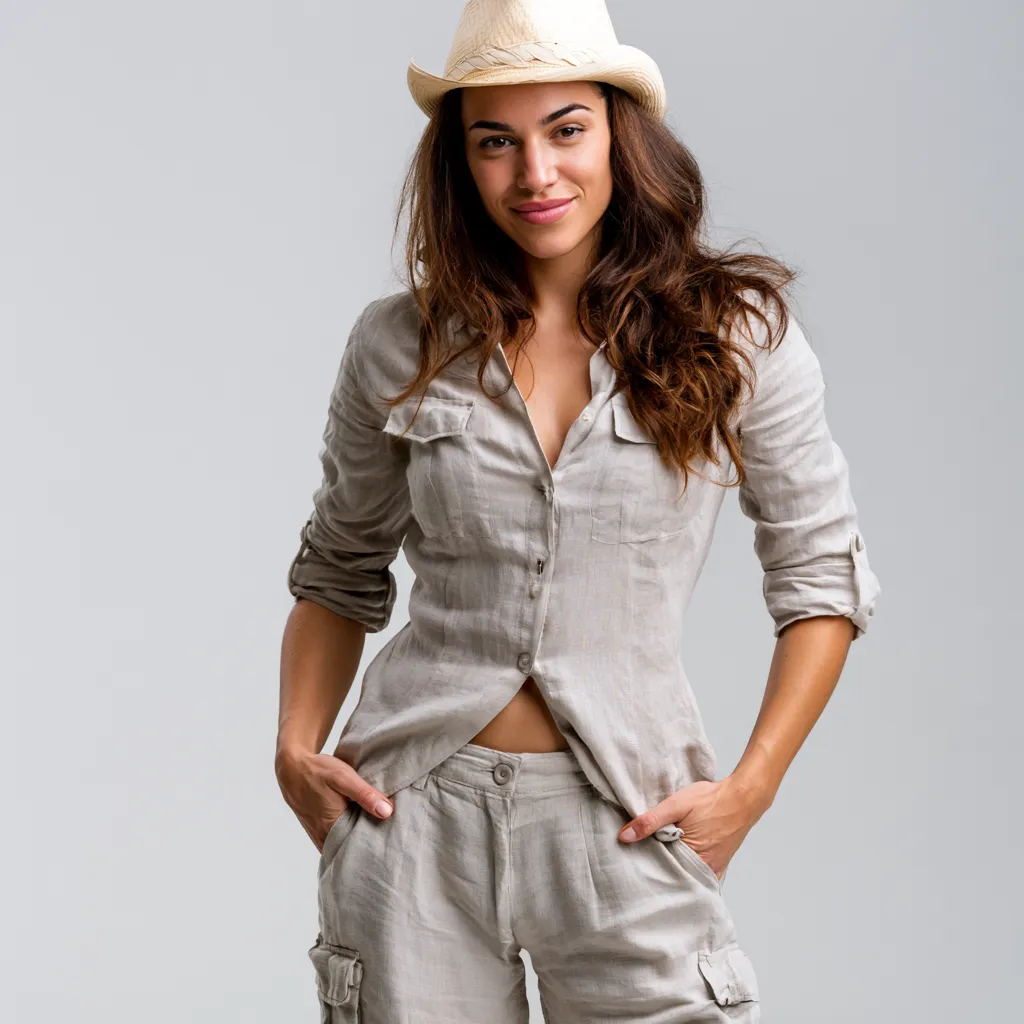
A safari adventure outfit built around a lightweight linen shirt and cargo pants is the closest thing to a universal answer I’ve found. Linen moves air the way synthetics can’t — think of it as wearing a window screen rather than a wall. I own three versions of this setup, and the one I reach for every time is a natural-khaki Patagonia Lightweight A/C shirt ($75) over Columbia Silver Ridge cargo pants ($65). The pants have seven pockets, which sounds excessive until you’re holding a lens cap, two spare batteries, a memory card wallet, and your sunscreen.


Roll the sleeves to three-quarter length — full sleeves trap heat, full bare arms invite insect bites, and three-quarter is the compromise nobody argues with. Beige and olive are the obvious color call. Skip forest green; it reads darker than you expect in low morning light and some guides will ask you to cover it. Durable hiking boots with ankle support — I use Salomon X Ultra 4 at $135 — finish this off. A wide-brim hat is non-negotiable. Don’t skip it because it photographs awkwardly; you’ll photograph nothing through a squint.
Don’t Do This
Avoid linen-blend fabrics that are less than 55% linen — they lose the breathability benefit entirely and feel like wearing warm plastic by 11am. Also skip the cargo pants with external thigh pockets if you’ll be spending time in a vehicle: those pockets catch on seat belts and door frames constantly, which is both annoying and genuinely loud enough to startle nearby wildlife. And please, no black. Black clothing absorbs heat, stands out against every savanna background, and tsetse flies are scientifically attracted to dark colors. That last one is not a style opinion.
A Utility Jumpsuit Removes Every Morning Decision Except the Shot
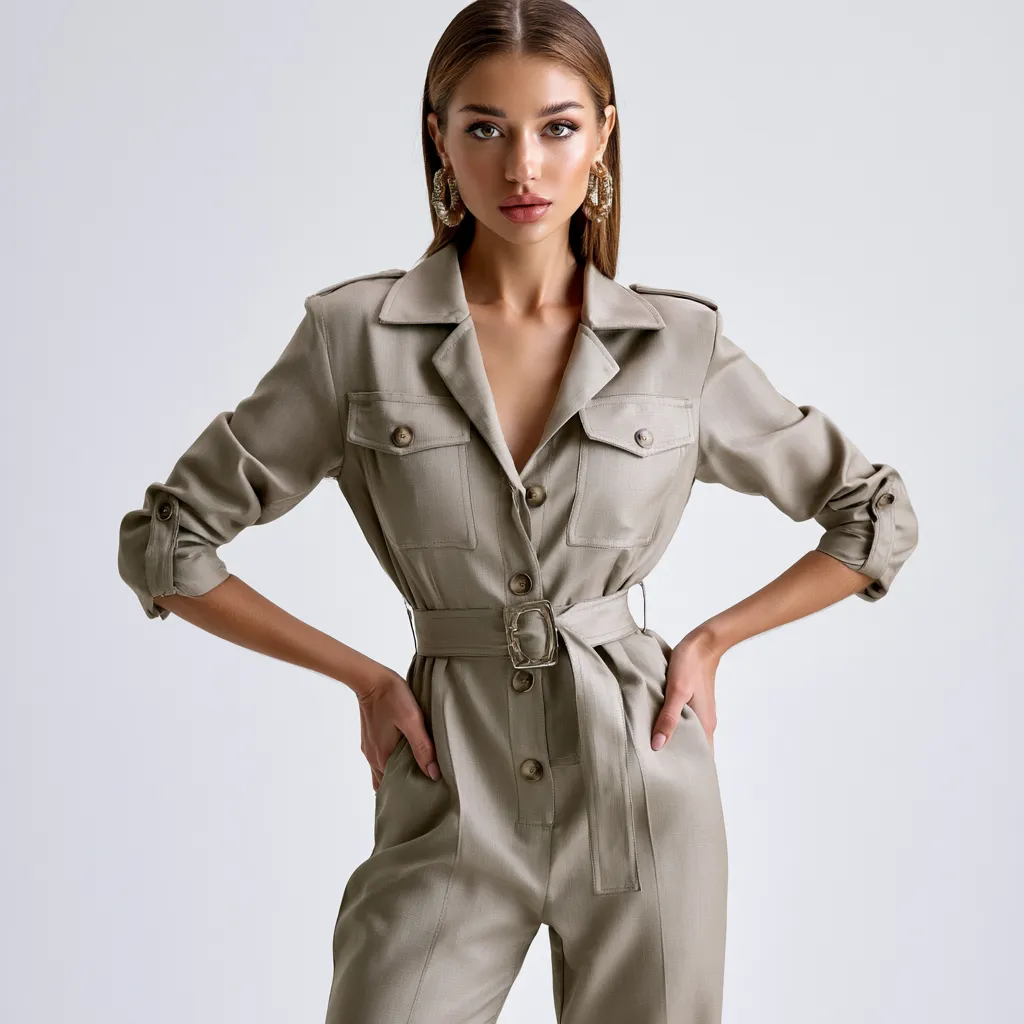
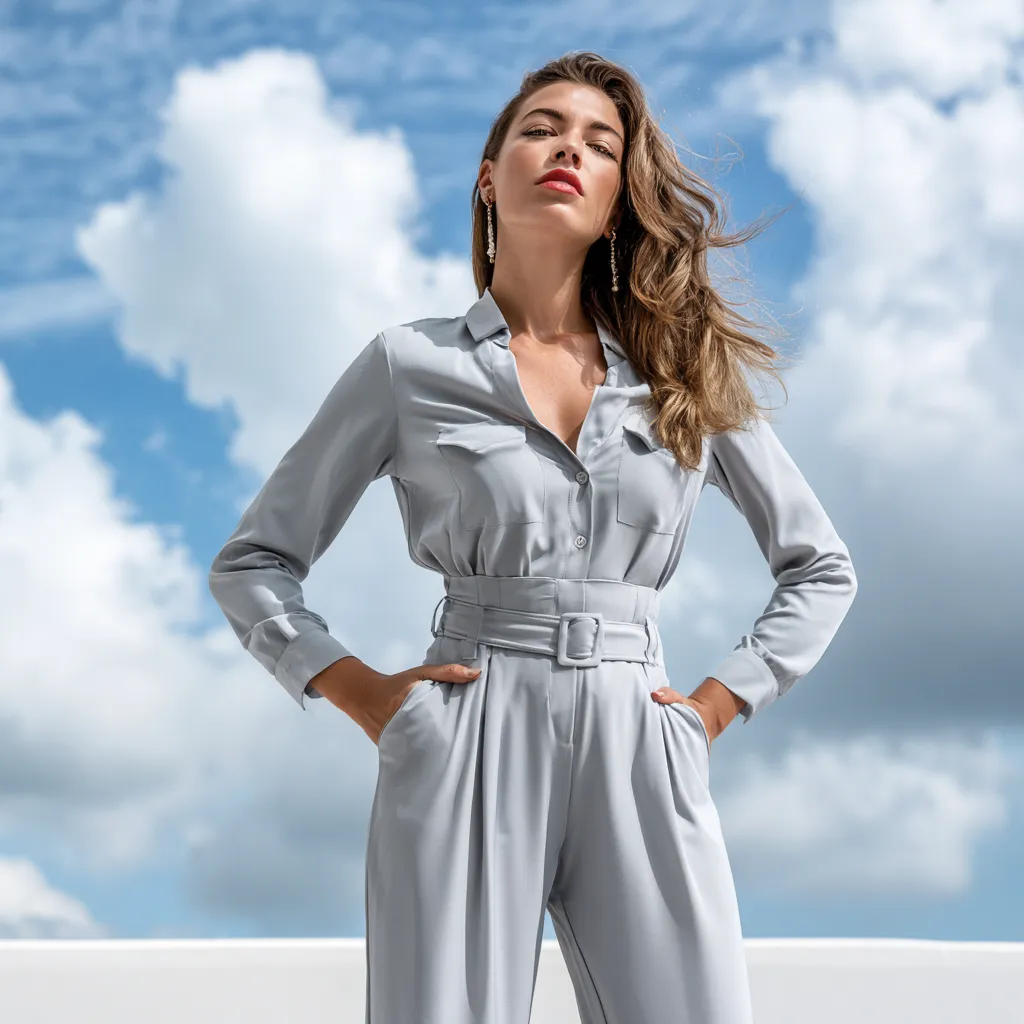
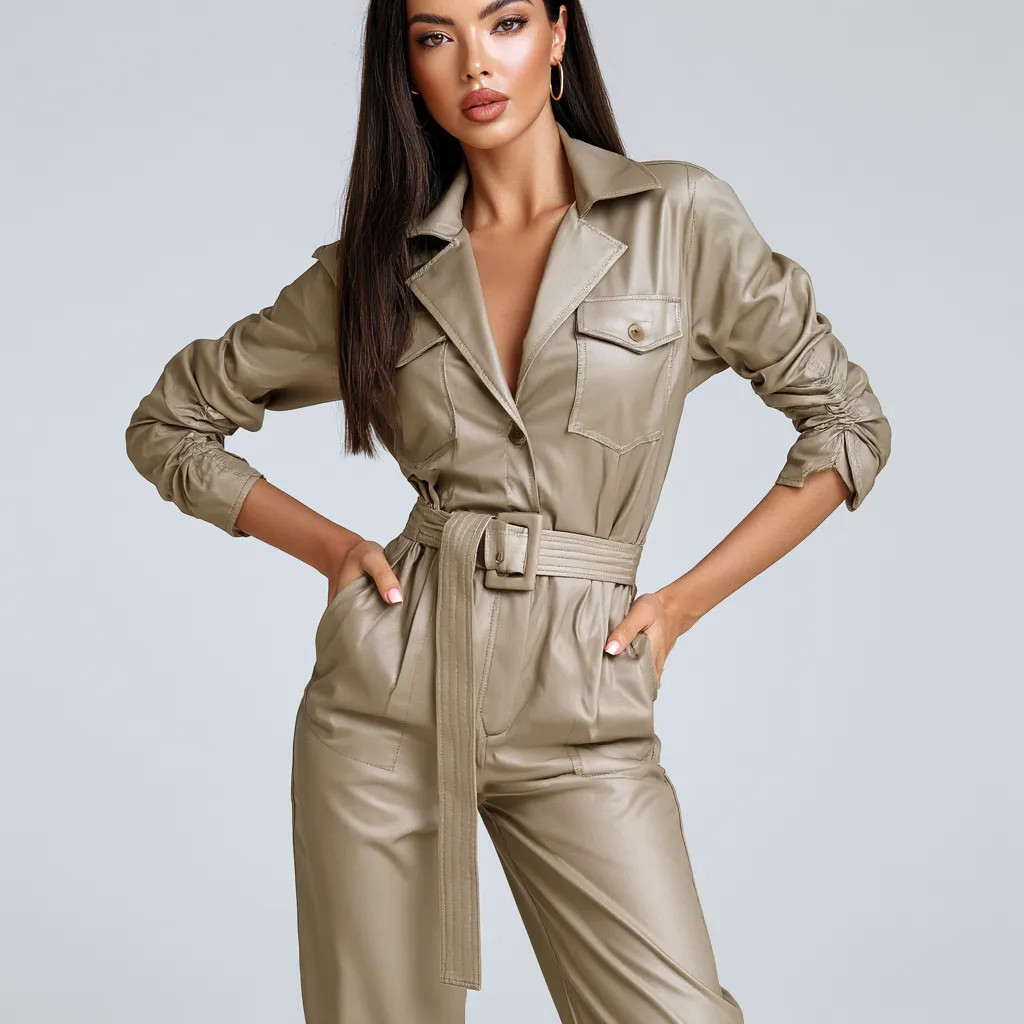
Game drives start at 5:30am. You’re half asleep, it’s cold, and you have six minutes to dress before the jeep leaves. A utility jumpsuit is the only safari adventure outfit format that turns “getting dressed” into a single action. The structured design holds its shape whether you’re standing at a hide or folded into the back seat of a Land Cruiser. I’ve used the Fjällräven Sarek Trail Twill model ($195) for two seasons and it still looks sharp for lodge dinners — which matters more than you’d think after a week of field clothing.


Neutral hues — sand, stone, muted olive — are the only viable colors here; a jumpsuit in a statement shade turns you into the most visible object in a three-kilometer radius. Built-in pockets need to be zip-closure, not just open patch pockets, or you’ll spend a lot of time on your knees looking for things that fell out while you were crouching. Pair it with ankle boots — Blundstone 500 series at $200 holds up to wet grass and rocky terrain equally well. A compact crossbody camera bag over the top completes the functional picture. What doesn’t work? Jumpsuits with elastic waists — they bunch, they gape, and they look like you dressed for a different trip.
Long-Sleeve Blouse Tucked Into High-Waisted Trousers Is Sun Logic, Not Fashion Logic
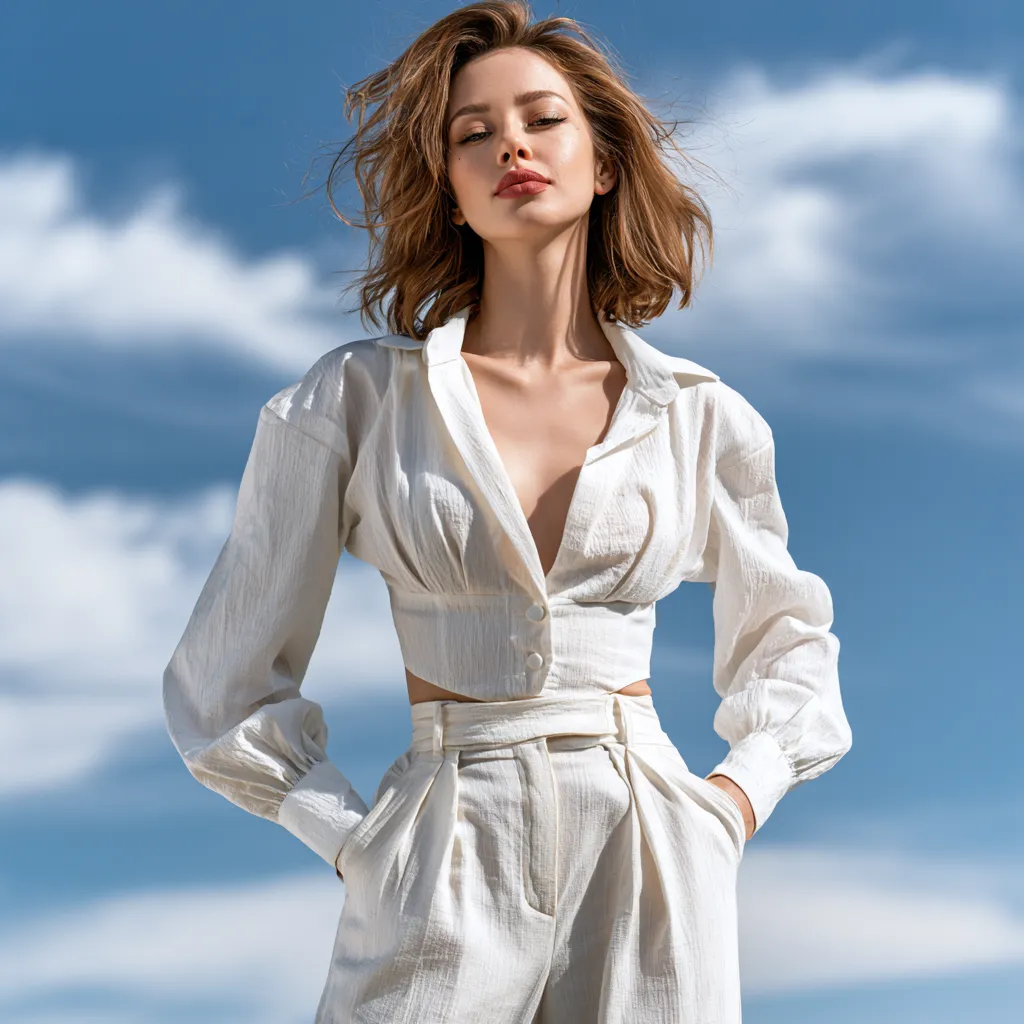
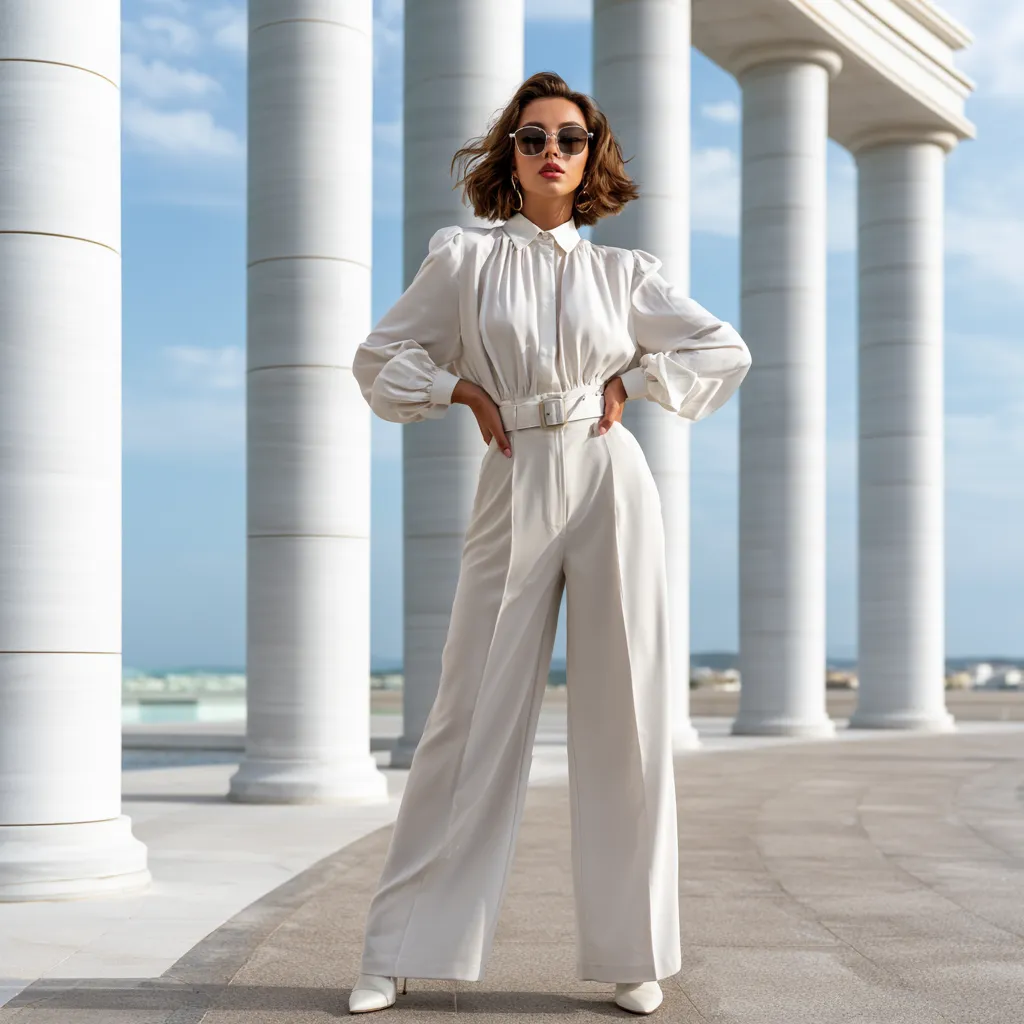
You lose more shooting time to sun discomfort than to any equipment issue — I’ve tracked this empirically across three trips. A breathable long-sleeve blouse tucked into high-waisted trousers covers every centimeter of skin that sunscreen misses, and it does it in a way that still photographs well. The tuck matters: untucked reads sloppy on safari, and the loose fabric catches on brush when you’re moving through terrain. Look for shirts rated UPF 25 or higher — REI carries the Sahara Shade Hoodie at $85 which has UPF 50 and vents under the arms, which is where you actually need the airflow.


Ankle boots with a grippy sole handle uneven trails — you’re not hiking Kilimanjaro, but savanna ground is rockier and looser than it photographs. A lightweight cotton or wool scarf pulled over the shoulders doubles as dust protection on open vehicle drives; the Buff Lightweight Merino Wool scarf at $35 packs to nothing and does actual work. Add a crossbody bag for camera gear access, and you have the same tonal logic as cream and khaki outfits that read expensive without trying. Skip the fashion scarves with fringe — they catch on everything and make a rustling noise that carries farther than you expect.
Safari Vest Over Cotton Shirt Carries What Your Bag Shouldn’t Have To
A safari vest layered over a breathable cotton shirt might be the most photographically functional safari adventure outfit formula in existence. The math is simple: fourteen pockets on the vest mean fourteen things not rattling around a bag you have to unzip, dig through, and re-zip every time an animal moves. I’ve used the SCOTTeVEST Q.U.E.S.T vest for two years — $175, available in khaki — and I can carry two extra lenses, three spare batteries, five memory cards, a cleaning cloth, and my phone without it looking like I’m moving house.


Stretchable trousers are the only acceptable bottom half here — something with at least 4% elastane so you can step up into a high vehicle, crouch behind cover, or sit cross-legged on the ground without the waistband cutting into you. Columbia Silver Ridge Stretch pants at $70 hold up. Lace-up boots with ankle support complete it. The mistake I see constantly: photographers buying tactical vests designed for military use — they’re heavier, stiffer, and the pocket placement assumes you’re carrying things in completely different positions than camera gear requires. Stick to photo-specific or travel vests. For men navigating this same category, olive green men’s clothing follows identical layering logic with slightly different silhouette proportions.
Tank Top and Utility Shorts for When the Heat Makes Every Other Option Stupid
40°C on an open game drive in the Kruger isn’t the same as 40°C anywhere else. A neutral-toned tank top layered with a lightweight cotton button-over shirt — which you can strip to the waist when stationary and pull back on when moving — paired with utility shorts is the only safari adventure outfit setup that keeps you functional in genuine heat. I’ve tried full-length pants in that temperature range and the results weren’t pretty. Shorts with at least three functioning zip pockets handle the gear storage load when the vest is too warm to wear.


Hiking sandals — Teva Terra Fi Lite at $110, specifically — are the right call for daytime walking between stops; they dry fast, grip well, and don’t trap the heat that closed shoes do. A crossbody camera bag worn across the body keeps your hands free and your lens accessible in under two seconds. What you cannot do is wear shorts shorter than mid-thigh: you’re sitting on dusty vehicle seats and vehicle floors, and you’ll be coated in red laterite dust on every exposed surface by 9am. Longer is not a style choice here — it’s a cleaning bill.
Khaki Midi Dress Survives the Shoot and Still Works at Lodge Dinner
A khaki midi dress with a fitted waist belt is the outfit that solves the specific problem of wanting to look like a person — not a photographer — when you come back to the lodge at 4pm. I’ve worn the Outerknown Lanai dress ($145 in sand colorway) on three different safaris and it photographs beautifully against both savanna backgrounds and lodge interiors, which is a harder dual-use problem to solve than it sounds. The belted waist adds enough definition that the dress doesn’t read as shapeless, and functional side pockets mean you can carry your phone and a spare card without a bag for short walks.


Ankle boots — I’ve worn the same pair of Blundstone 1609s in brown leather for five years — add enough grip and ankle protection for uneven ground, and they pack flat. A canvas backpack rather than a structured bag keeps the weight balanced when you’re carrying a second body. The fabric question matters more than most people admit: lightweight linen-cotton blend breathes, heavy cotton gabardine does not, and polyester-blend dresses feel like wearing a greenhouse after noon. Avoid wrap-style midi dresses entirely — they gap, they unwind, and you spend the morning driving with one hand on the wheel and one hand on your dress. Enriching Pursuits has a thorough breakdown of what actually works for women’s safari clothes across different African destinations if you want to go deeper on the regional variables.
Bottom Line
Your outfit is your second piece of camera gear — and it either costs you shots or it doesn’t.
Fabric, color, and pocket placement matter more than how your clothes look in a mirror at home. The best safari adventure outfit is the one you stop noticing by 7am and the wildlife never notices at all.
Pack two full outfit rotations minimum — game drives get dusty fast, and most lodges offer laundry every other day at best.
Save this post before you start packing — you’ll thank yourself when you’re standing in the luggage aisle at REI.