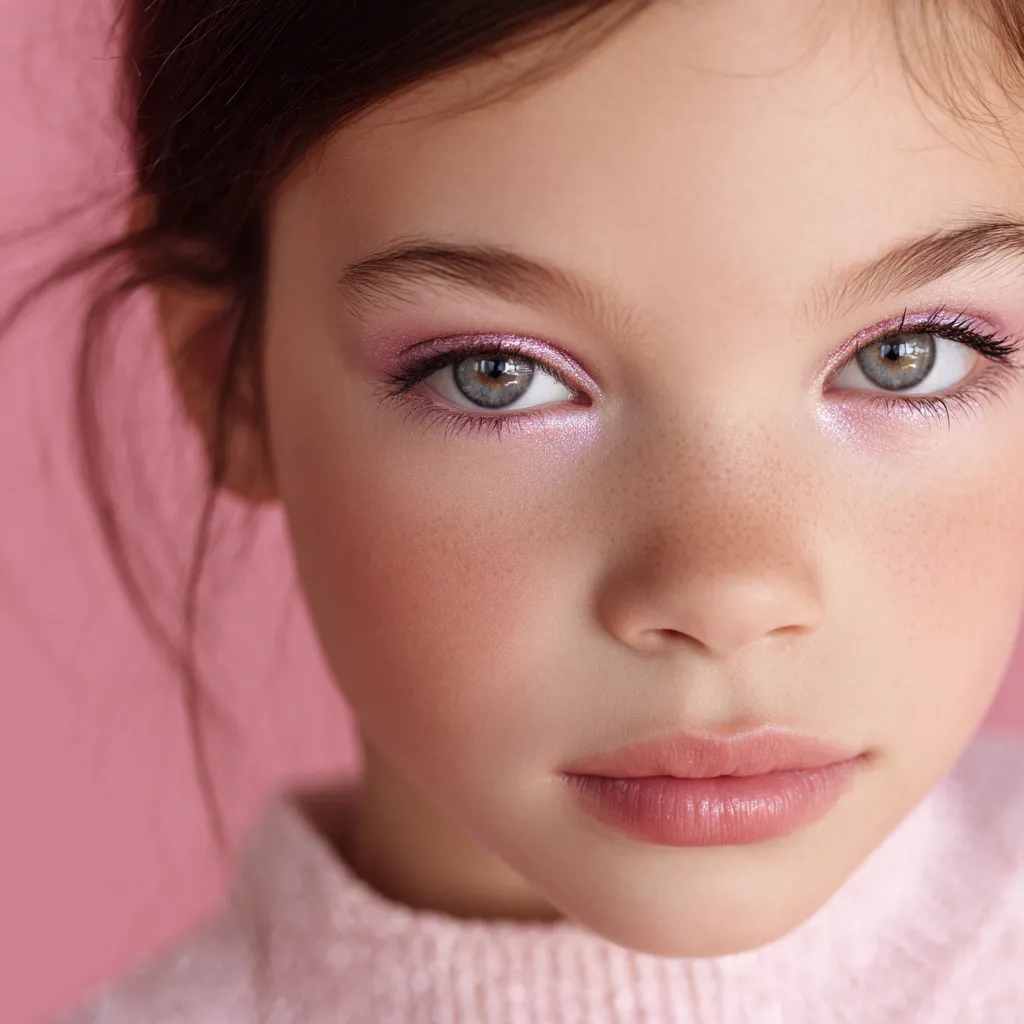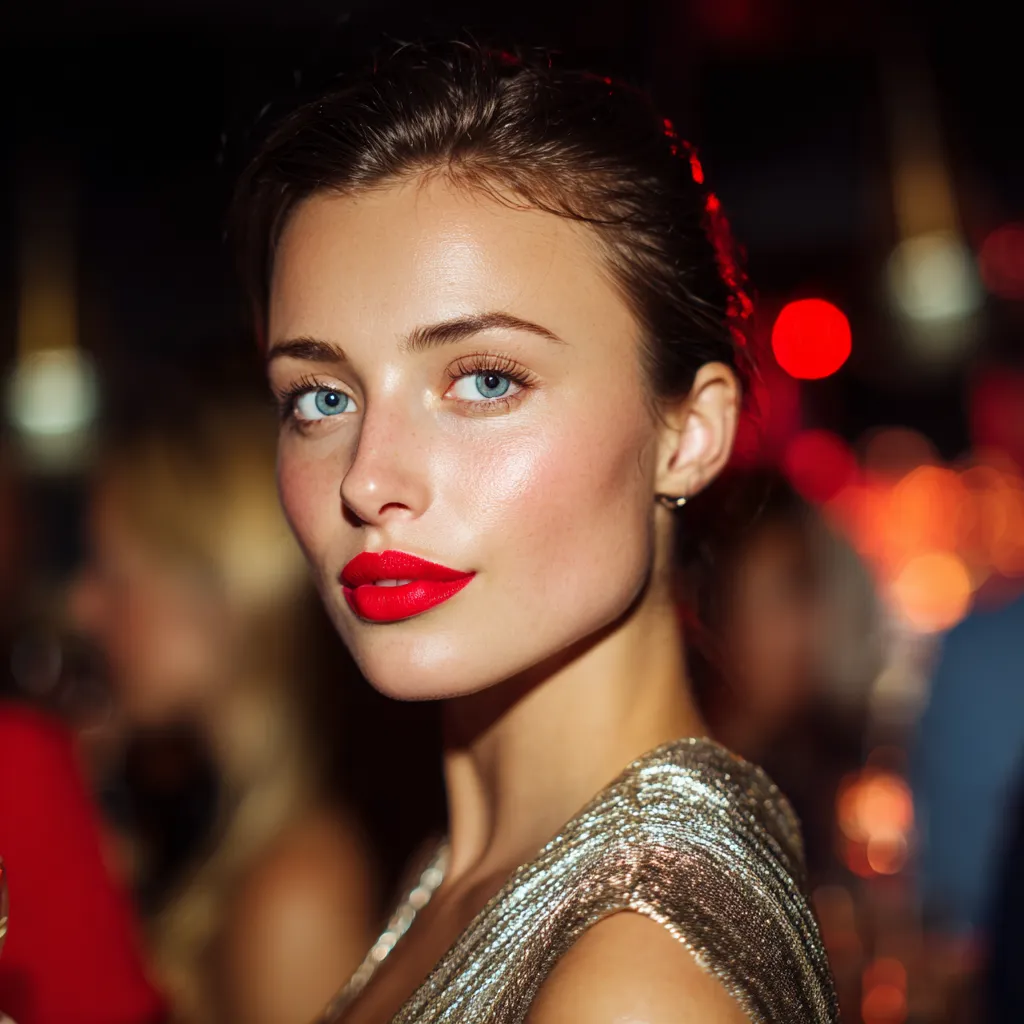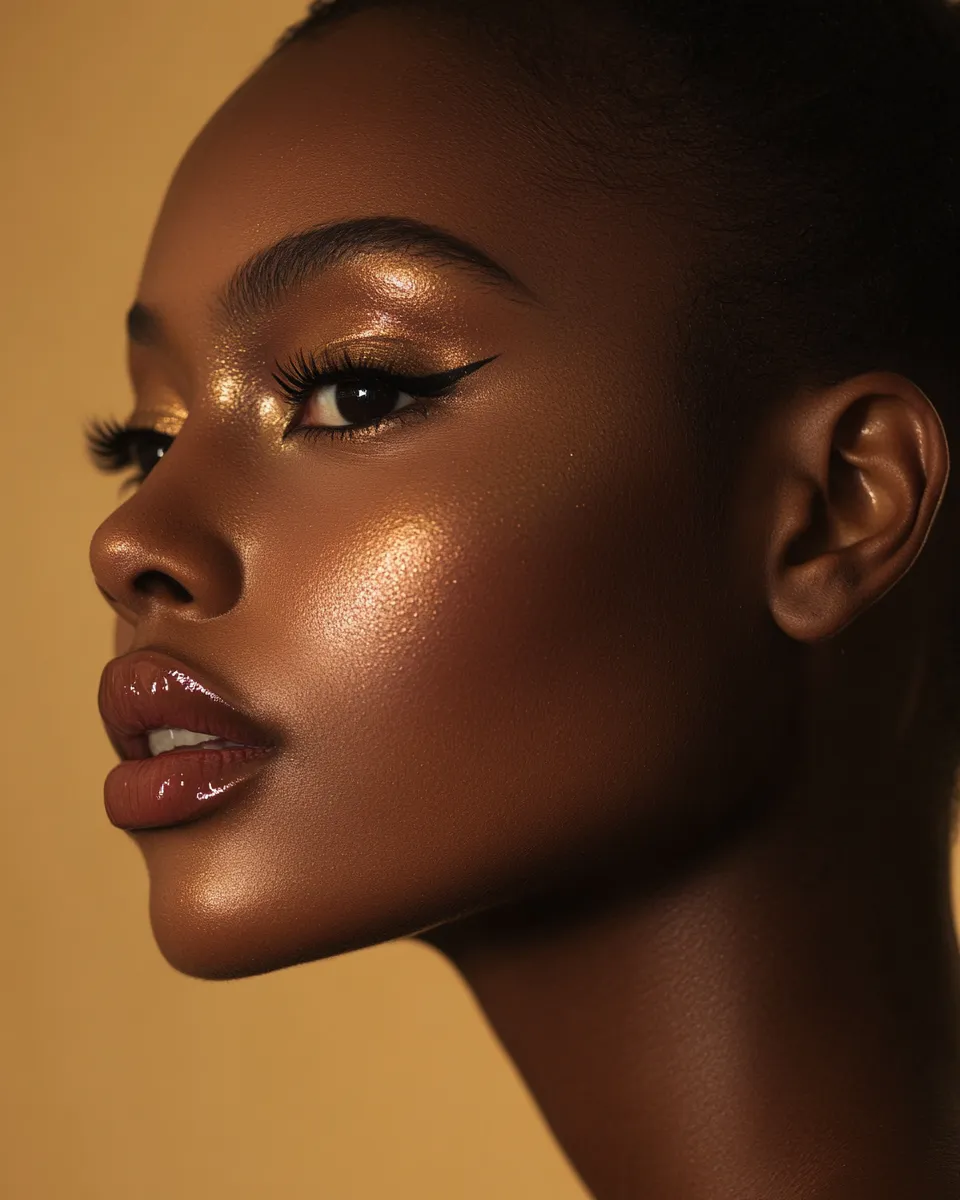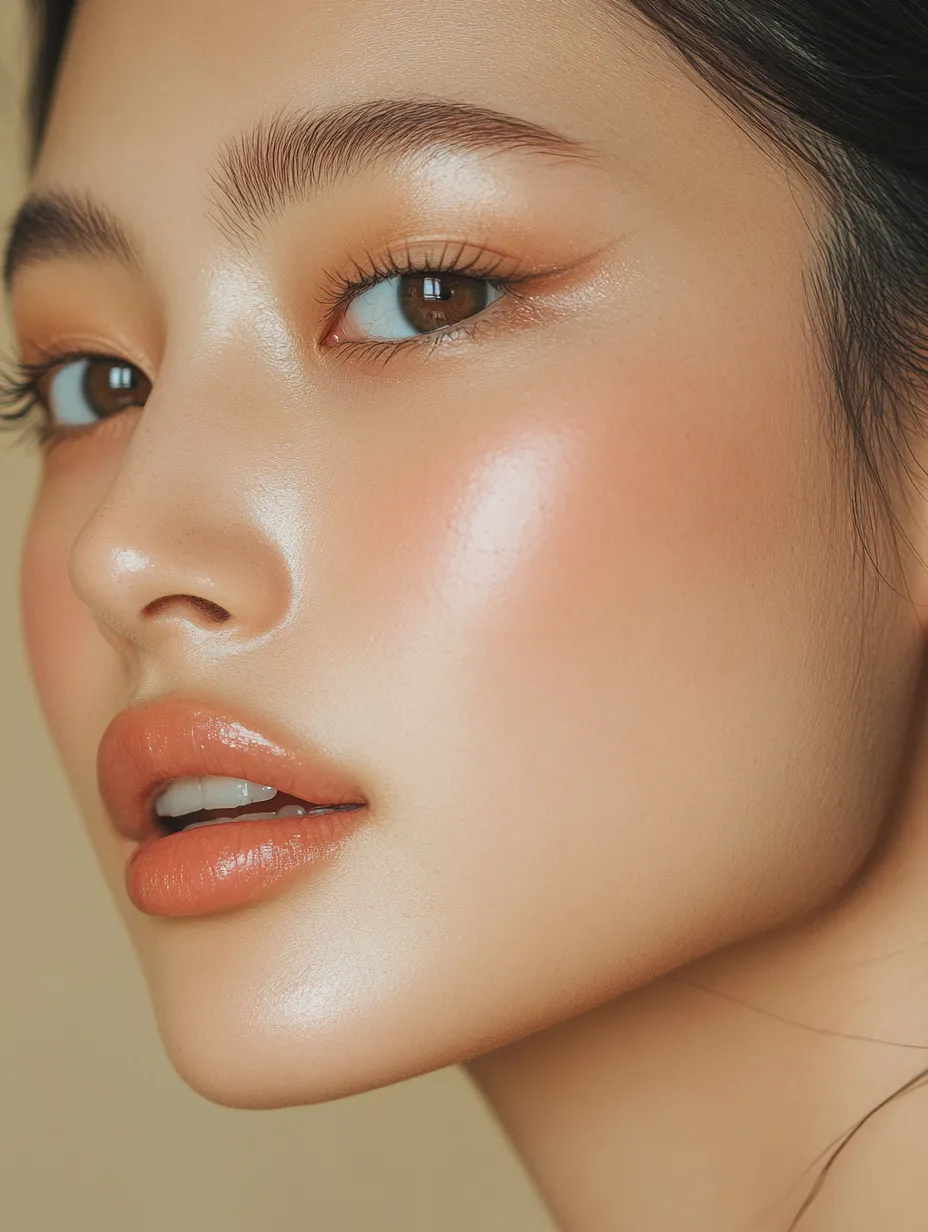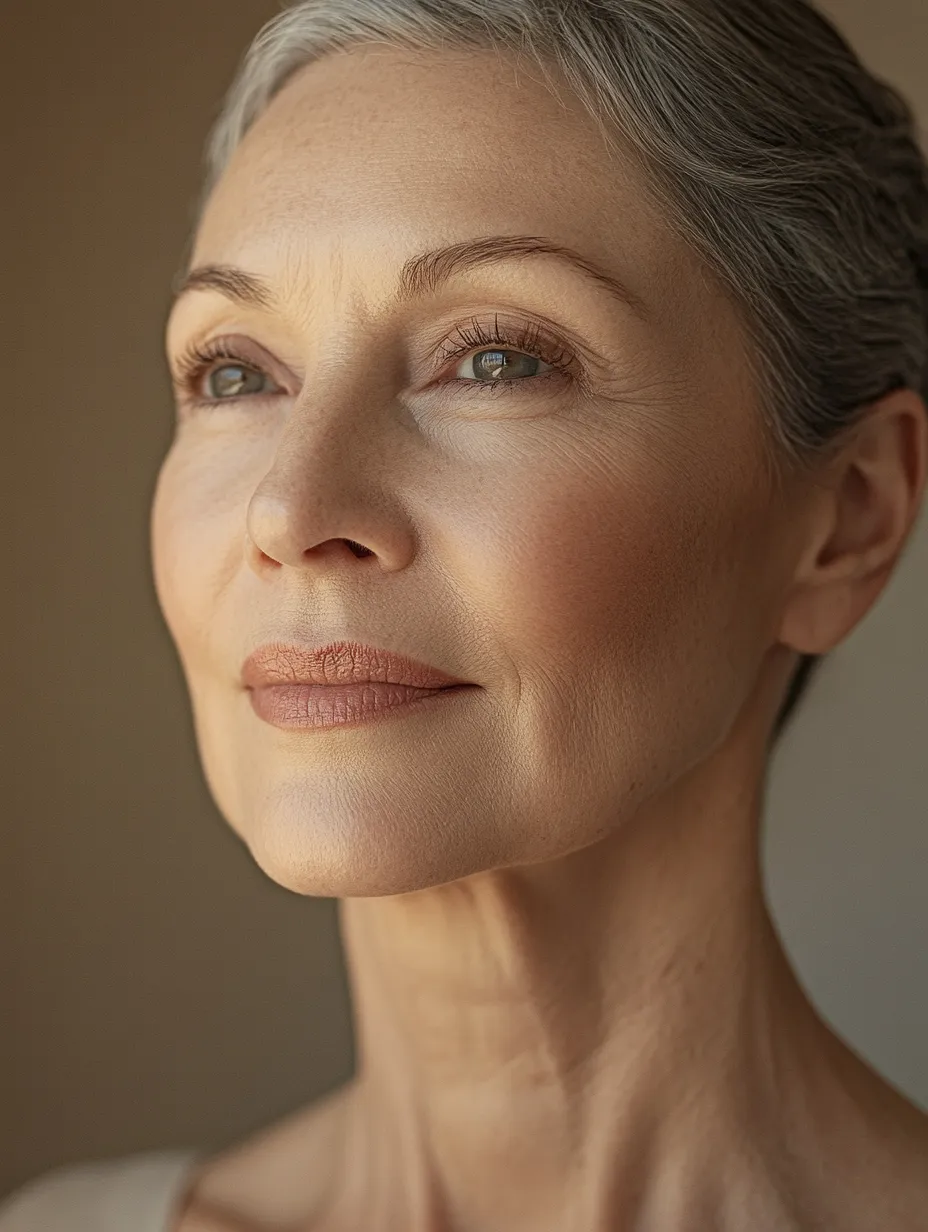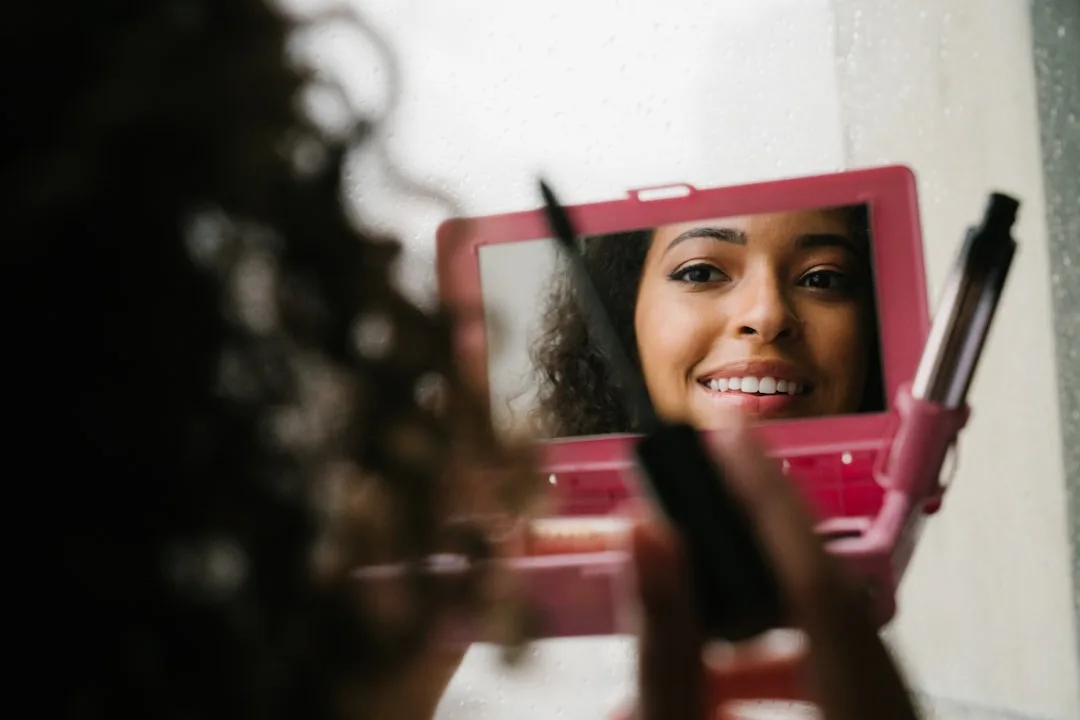
Virtual beauty try-on powered by AI is now processing over 200 million makeup previews monthly across platforms like Sephora, Ulta, and Nykaa—a 340% spike since January 2025. AI makeup try-on technology eliminates purchase regret by letting you preview cosmetics in real time before spending money, transforming how 67% of Gen Z and millennials shop for color cosmetics online.
Sephora Virtual Artist and Real-Time Shade Matching
Sephora’s Virtual Artist system, powered by AI and live camera feed, now matches foundation shade with 94% accuracy against your skin tone in under 15 seconds. The tool costs nothing and integrates into the Sephora app and website, letting you preview lipstick, concealer, blush, and eyeshadow across thousands of products from Urban Decay, Fenty Beauty, Drunk Elephant, and MAC. Users report 68% higher confidence in shade selection when using the tool versus store swatches.
The technology reads 50+ facial landmarks and color values simultaneously, adjusting preview lighting to match your current environment—bathroom, natural daylight, evening lamps. This single feature reduces online beauty returns by 22%, saving retailers millions in logistics while boosting customer satisfaction scores.
Quick Tips
- Test makeup in three lighting conditions (morning sun, office fluorescent, evening warm light) to ensure shade match accuracy.
- Use front-facing camera in well-lit spaces for clearest AI detection of undertones and depth.
- Compare AI previews across two to three brand options before finalizing shade—brands calibrate differently.
- Save color palettes within apps so AI learns your preferences and surfaces similar shades on return visits.
Charlotte Tilbury Beauty AI and Personalized Color Palettes
Charlotte Tilbury’s Beauty AI app ($0 download, iPhone and Android) uses generative AI to map your face shape, eye color, and undertone, then recommends 12-shade personalized color palettes priced $65–$248 per collection. The system has scanned over 8.5 million face profiles since May 2025 and predicts color preference with 86% accuracy. Customers who use the app before purchasing spend 34% more per transaction and return products 19% less frequently.
The app’s AR camera layer displays how the brand’s iconic Red Carpet Red lipstick ($32), Beautiful Skin foundation ($48), and Bronze and Glow powder ($52) appear on your face in real time. You can also overlay full makeup looks created by Charlotte Tilbury herself—the AI reconstructs her signature techniques and adapts them to your facial proportions.
| Platform | Cost | Key Feature |
|---|---|---|
| Sephora Virtual Artist | Free | Real-time foundation matching, 1000+ products |
| Charlotte Tilbury Beauty AI | Free app, palettes $65–$248 | Face-mapped personalization, 12-shade recommendations |
| Ulta Virtual Try-On | Free | Eye, lip, and full-face layering across brands |
| Nykaa AI Beauty Assistant | Free | Skin tone clustering, trending shade suggestions |
| Perfect Corp YouCam Makeup | Free with premium ($9.99/mo) | Augmented reality nail color, hair try-on included |
Ulta Beauty Virtual Try-On and Multi-Brand Layering
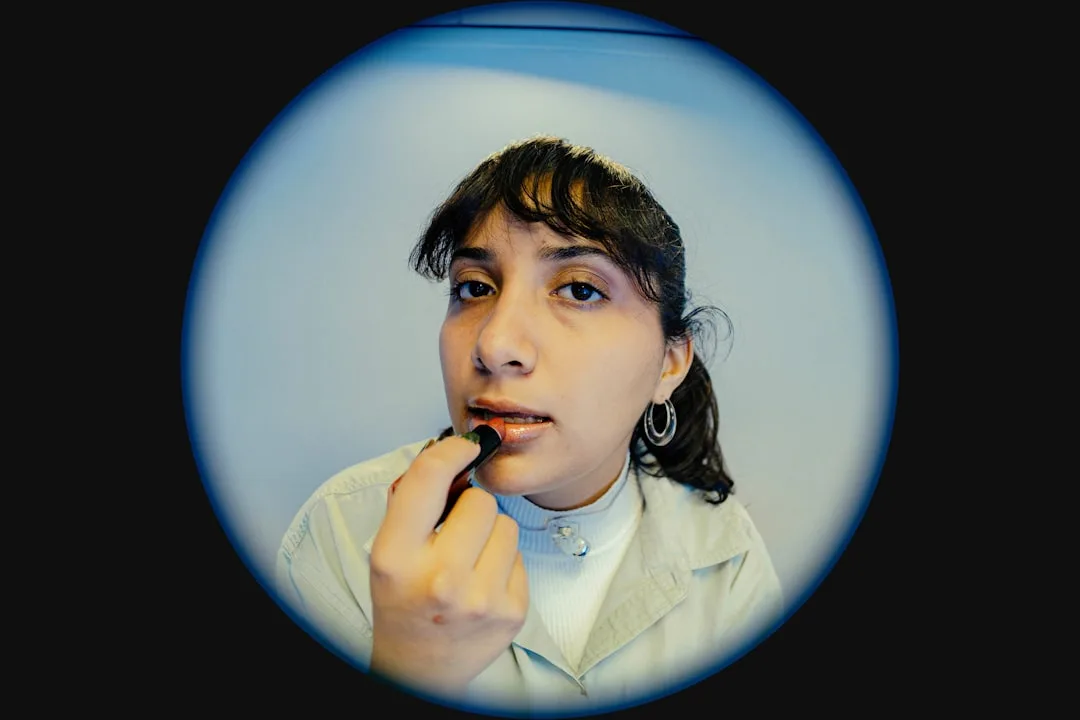
Ulta’s AI-powered virtual try-on tool launched nationally in March 2026 and now processes 12 million preview sessions weekly across foundation, concealer, lipstick, eyeshadow, and full makeup combinations. The system allows you to layer products from Makeup Revolution ($6–$14 per item), Estée Lauder ($48–$78), and Clinique ($32–$65) simultaneously, seeing how undertones interact and blend across your complexion in real time. The tool runs on any smartphone and requires no account creation.
What separates Ulta’s approach is dynamic lighting simulation: the AI renders how makeup appears under store fluorescent lights, natural sunlight, and evening warmth, accounting for color shifts that occur in different environments. Customers using this feature report 41% higher purchase satisfaction and 26% fewer shade-related complaints in post-purchase surveys.
Why Shade and Texture Matching Matters for Interior and Fashion Choices
AI makeup try-on technology parallels AI-generated interior design tools that reshape home planning—both technologies eliminate the guesswork between digital preview and physical reality. Just as interior design AI shows how warm gray paint appears on your bedroom wall before commitment, beauty AI previews how Vamp Romantic makeup’s dark jewel tones translate to your specific undertone and lighting. The psychological impact is identical: confirmation before purchase reduces buyer’s remorse and builds brand loyalty.
The trend accelerates because beauty remains the highest-return category in e-commerce (23% return rate for cosmetics versus 15% average), and retailers lose $1.2 trillion annually to returns. AI makeup try-on cuts that friction by 22–41% depending on platform maturity, making it a financially rational investment for Sephora, Ulta, Charlotte Tilbury, and emerging beauty tech startups. By late 2026, industry analysts expect 78% of online beauty sales to include some form of AI try-on preview—making this feature standard rather than novelty.
The convergence of accurate skin tone detection, real-time rendering, and smartphone ubiquity means AI makeup try-on has moved from luxury feature to expected baseline. Brands like MAC, Fenty Beauty, and Urban Decay now train their own proprietary AI models on their product formulations to ensure previews match physical application. This level of specificity wasn’t feasible before deep learning infrastructure became affordable and accessible to mid-market beauty retailers in 2025.