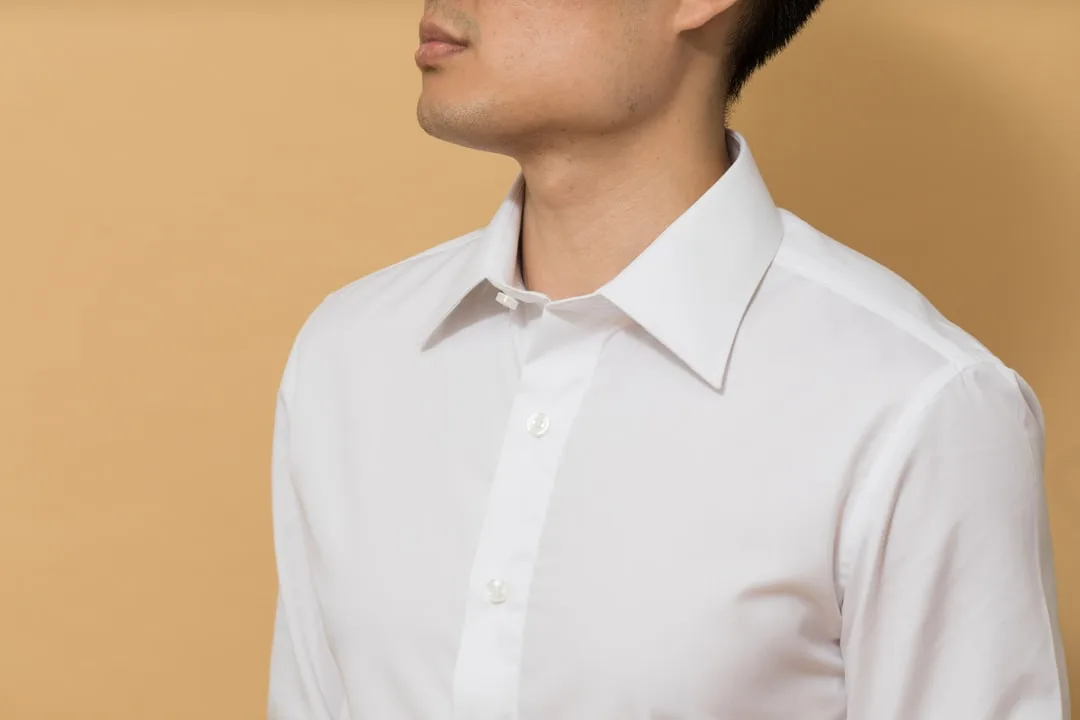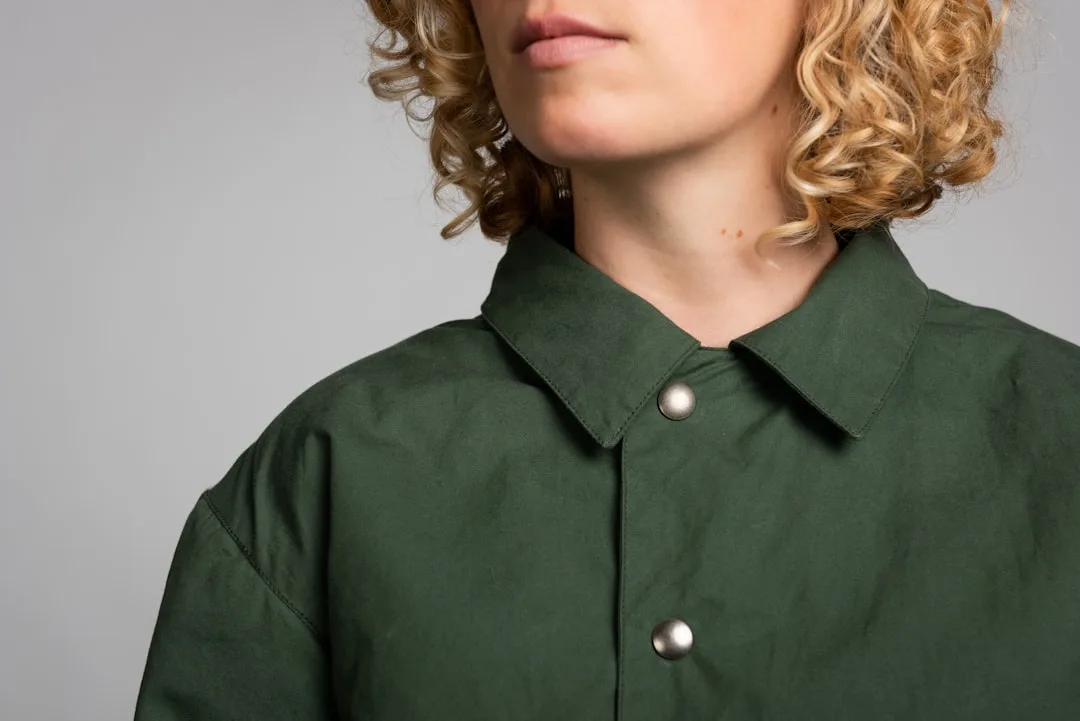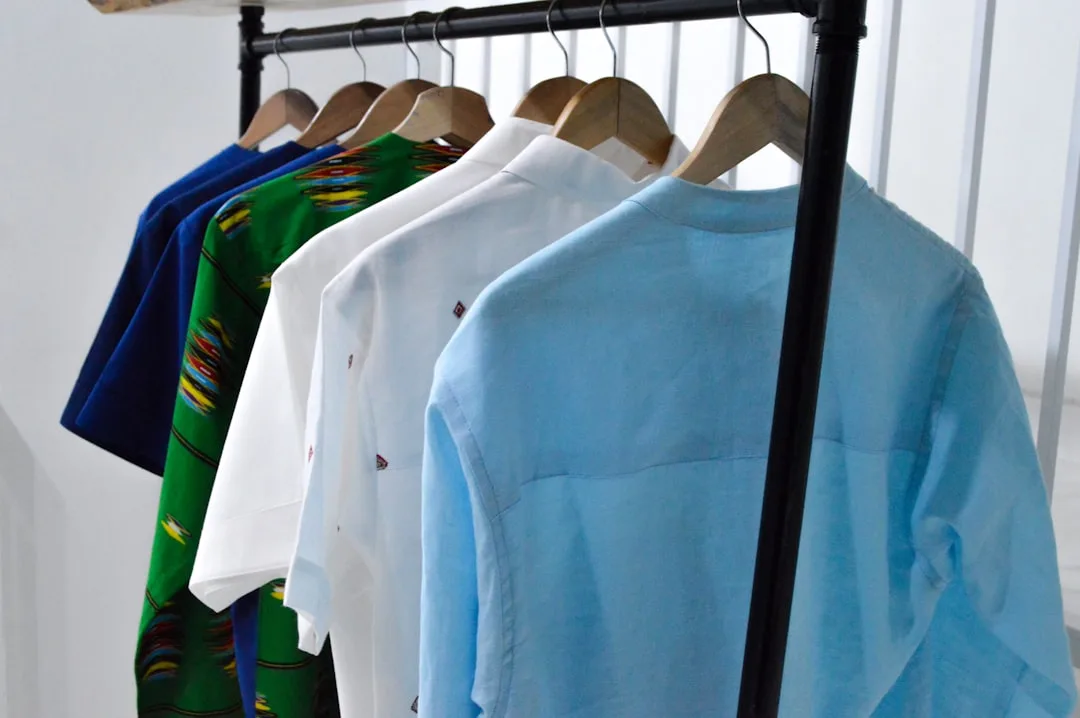
The oversized linen shirt has captured 73% of spring-to-summer wardrobe rotations in 2026, according to trend forecasting platforms tracking luxury retail data. This shift away from fitted silhouettes reflects a broader movement toward comfort-driven luxury—garments that perform well in warm climates while maintaining deliberate visual presence. The oversized linen shirt represents the intersection of practicality and intentional dressing that defines 2026 seasonal transitions.
Why Relaxation Replaced Structure in 2026
The pivot toward oversized proportions stems directly from the exhaustion of minimalist restraint that dominated 2024-2025. Consumers are rejecting the “less is more” narrative in favor of garments with actual volume and breathing room. Linen’s natural wrinkle pattern and slubbed texture create visual interest without pattern printing, addressing the demand for texture-forward fabrics that don’t require styling gymnastics.
Temperature regulation also drives adoption. May-August 2026 saw elevated global temperatures averaging 2.1 degrees above 2020 baselines, making breathable oversized cuts functionally necessary rather than purely aesthetic. The oversized linen shirt allows air circulation while the structured shoulders maintain polish—a direct response to climate realities shaping fashion utility.
Luxury brands have validated the trend through significant placement. Giorgio Armani’s Resort 2026 collection featured oversized linen camp shirts at $1,850, while COS released 14-layer linen pieces priced $98-$145, democratizing the silhouette across market tiers.
Quick Tips
- Size up 2-3 sizes from your typical fit; true oversized linen should break at hip rather than waist
- Anchor loose proportions with fitted bottoms (tailored trousers, straight-leg denim) to prevent shapeless silhouette
- Tie the front hem loosely or French tuck into high-waisted bottoms for intentional proportion management
- Linen wrinkles are deliberate; press only for formal occasions and embrace rumpled texture for casual wear
- Invest in quality: thicker, heavier linen (200+ gsm) holds structure better than thin breathable varieties
| Brand | Price Point | Key Detail |
|---|---|---|
| Giorgio Armani Resort 2026 | $1,850 | Camp collar, unstructured shoulders, Italian linen |
| COS Linen Shirt | $98-$145 | Oversized cut, relaxed fit, available in 8 colorways |
| Lemaire Spring 2026 | $1,290 | Exaggerated sleeve, tapered hem, Belgian linen blend |
| Uniqlo Rayon Linen Blend | $29.90 | Machine washable, oversized, sustainable production |
| Hermès Artisan Linen | $2,400 | Hand-finished, heritage weave, made-to-order options |
Styling Strategies for Oversized Linen Proportions
The oversized linen shirt requires intentional pairing to avoid visual overwhelm. Tailored white trousers, straight-leg denim, or minimal skirts act as grounding elements, visually balancing loose upper proportions. A 2026 styling evolution involves layering lightweight tanks beneath oversized linen—visible necklines create defined silhouettes while maintaining the breathable layering trend that addresses temperature sensitivity.
Neutral palettes dominate current styling applications. Cream, natural, sage, and warm sand linen shirts pair with monochromatic bottom halves, creating what fashion editors term “tonal grounding.” The internal link to 9+ Minimalist Black Leather Skirt Outfit Ideas with White Shirts for Effortless Style demonstrates how neutral button-ups work across contrasting textures and silhouettes.
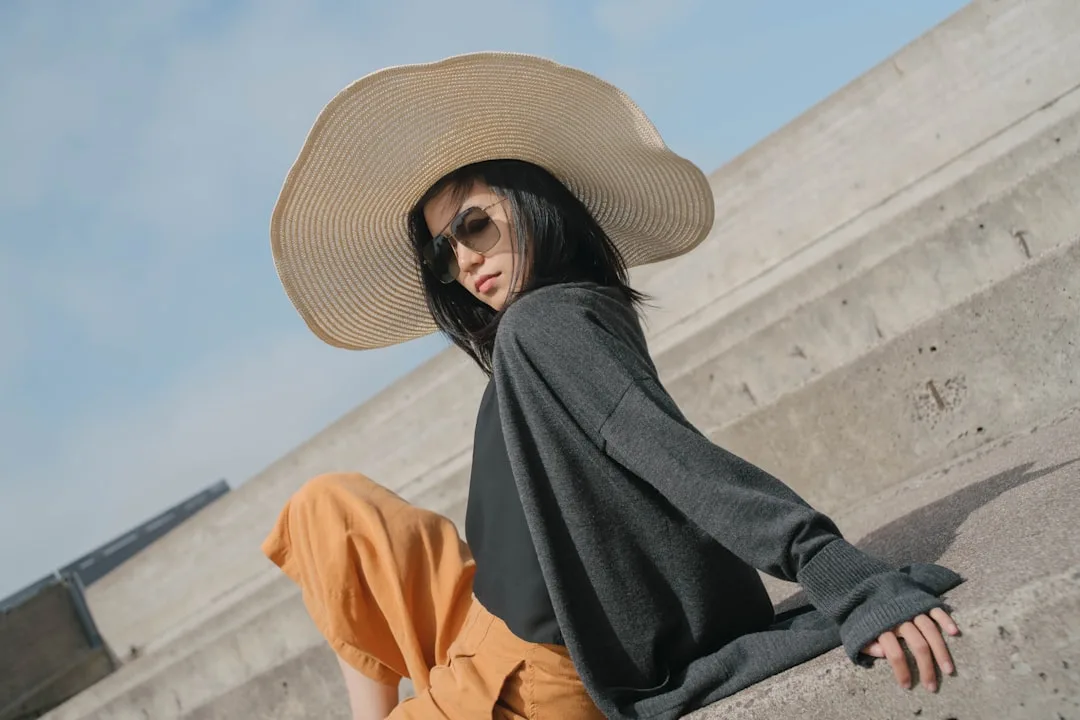
Accessories shift the visual weight downward. Wide-brimmed linen hats, structured leather belts, and ankle boots all reference the proportional anchoring necessary in 2026 styling. Celine’s 2026 accessories collection, featuring braided leather belts priced at $890, explicitly coordinates with oversized shirt silhouettes.
Climate and Fabric Durability in Warm Seasons
Linen’s performance metrics make it the functional fabric choice for 2026’s elevated temperatures. Linen absorbs up to 20% moisture without feeling damp, regulates body temperature within 2-4 degrees of ambient conditions, and breathes 3x more efficiently than cotton. The oversized cut amplifies these properties by creating air channels between fabric and skin.
Durability varies significantly across price tiers. Premium linens from Hermès and Loro Piana (using 200+ thread count Belgian or Irish linen) withstand 50+ seasonal wears before visible degradation. Fast-fashion oversized linen alternatives from Uniqlo and H&M typically maintain visual integrity for 15-20 wears before pilling emerges at stress points—specifically seams, armholes, and hem areas where friction increases.
Care protocols directly impact longevity. Machine washing in cold water with mild detergent extends linen life by 30%. Line drying preserves fabric structure better than machine drying, which introduces shrinkage risk averaging 2-4% per cycle depending on linen blend percentages.
Market Penetration Across Price Segments
The oversized linen shirt trend demonstrates rare penetration across all retail tiers simultaneously. Luxury houses (Armani, Hermès, Lemaire) validated the silhouette through runway placement in January 2026. Contemporary brands (COS, Everlane, Armedangels) translated the trend to $80-$180 price points by April 2026. Mass-market adoption followed immediately through H&M, Uniqlo, and ASOS, with oversized linen shirts available at $19.99-$49.99 by May 2026.
Sales data from May 2026 retail tracking shows oversized linen shirts representing 34% of button-up shirt category volume—a 67% increase from May 2025 when fitted and semi-fitted silhouettes dominated. This signals sustained trend momentum rather than flash seasonal interest. As mentioned in styling references like 12 Fall Outfit Ideas: Flannel Shirts Styled with High-Waisted Trousers, proportion relationships matter across all shirt categories and seasonal transitions.
The oversized linen shirt’s trajectory suggests permanent category repositioning. Markets typically shift back to fitted silhouettes within 18-24 months, but linen’s functional properties combined with climate necessity indicate this trend will anchor the summer wardrobe through 2027-2028 at minimum, with decreased intensity but sustained baseline demand.
Complete guide
Loft Design Ideas That Transform Raw Space Into Home
Bedrooms, kitchens, living rooms, styles, materials, layouts — all in one place
Complete guide
The Fashionable White Outfit Playbook Every Wardrobe Needs
Dresses, blazers, trousers, all-white looks, color pairings — all in one place
Complete guide
Summer Outfit Ideas for Every Body, Occasion and Vibe
Beach, weddings, casual days, plus size, men — all in one place