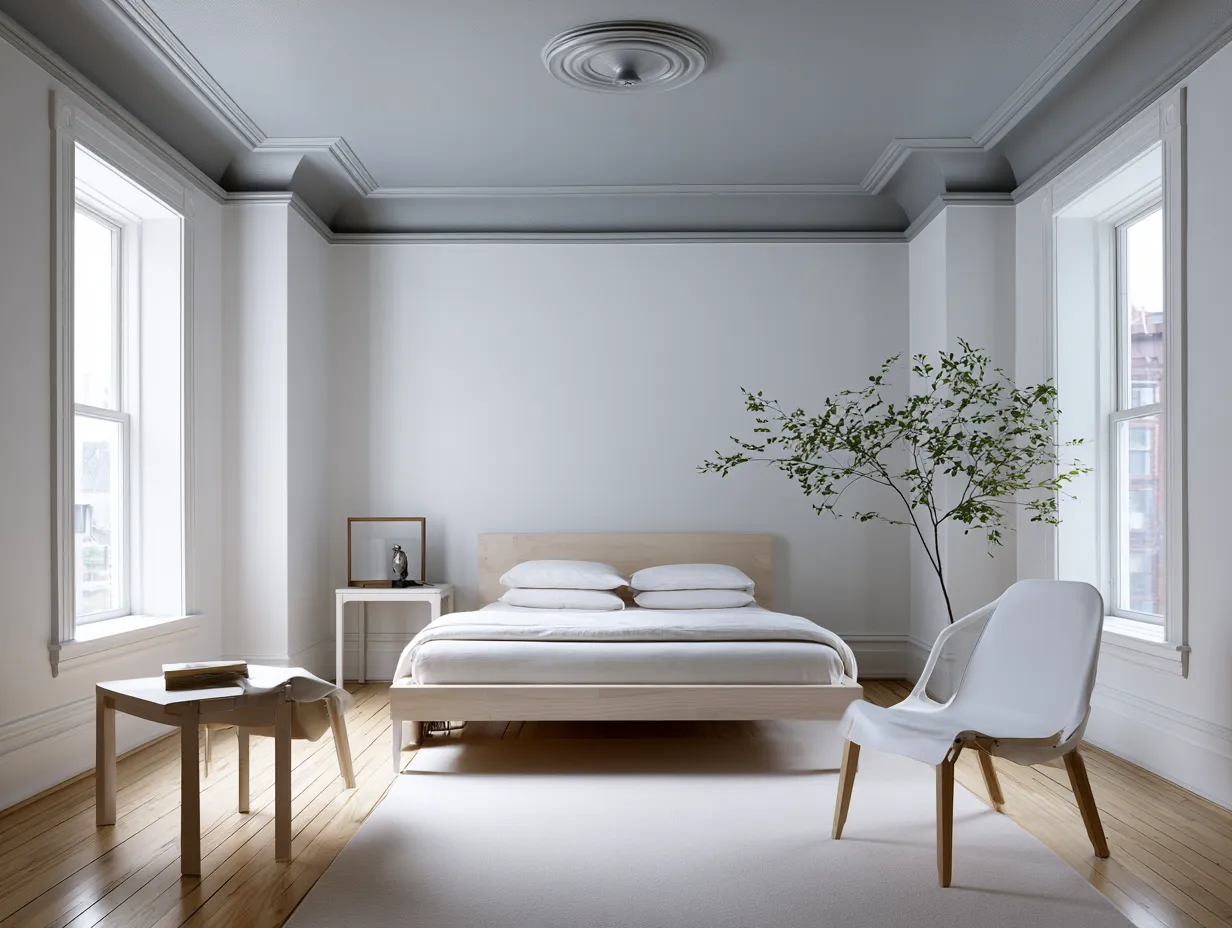
Organic minimalist interior design starts with a hand test, not a mood board: run your palm across a coffee table and you’ll know in half a second whether the wood is real. A room can be stripped down to almost nothing and still feel tense if the materials in it are wrong — laminate pretending to be oak, a rug that’s really plastic, a “linen” sofa that’s actually polyester blend. The style works when what’s left after the editing is authentic, not just sparse.
Stylists recommend building the room from the ground up: floor material first, then furniture wood tone, then textiles, then the one or two objects that carry meaning. Skip a step and the room reads staged instead of settled. This piece walks through eight moves that actually change how a space feels, not just how it photographs.
Quick Scan
- Real materials — wood, stone, linen — matter more than how much you remove
- Warm neutrals read calmer than stark white on most walls
- Solid wood furniture lasts 20–50 years; particleboard lasts 5–10
- One well-placed skylight or window bank resets the whole room’s light
- Storage has to disappear into the architecture, not just get tidier
- Zero-VOC paint cuts both visual clutter and what you’re breathing indoors


Run Your Hand Along the Coffee Table First
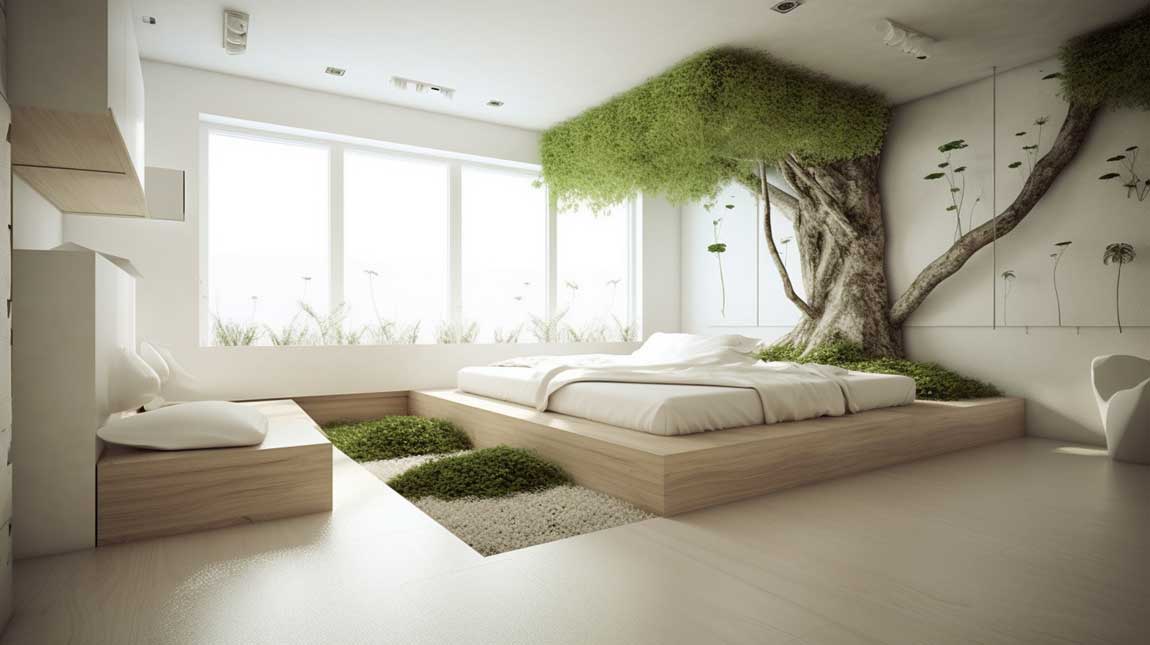
Minimalist materials only read as calm when they’re genuine, so the first move in organic minimalist interior design is checking what a piece is actually made of before checking how it looks. Solid oak, ash, or walnut furniture carries weight and grain variation that laminate can’t fake, and a natural modern interior design approach treats wood selection as the foundation everything else sits on. Reclaimed wood flooring runs roughly $8 to $14 per square foot depending on species, which is worth knowing before you assume solid wood is out of budget entirely.
Natural textiles do the same authenticity work for soft surfaces. Linen, cotton, and wool upholstery age with texture instead of pilling flat the way synthetic blends do, and they hold dye better across years of sun exposure. What’s the fastest way to tell linen from a poly blend in a showroom? Crush a handful in your fist — real linen wrinkles instantly and unfurls slowly; synthetic fabric barely creases.
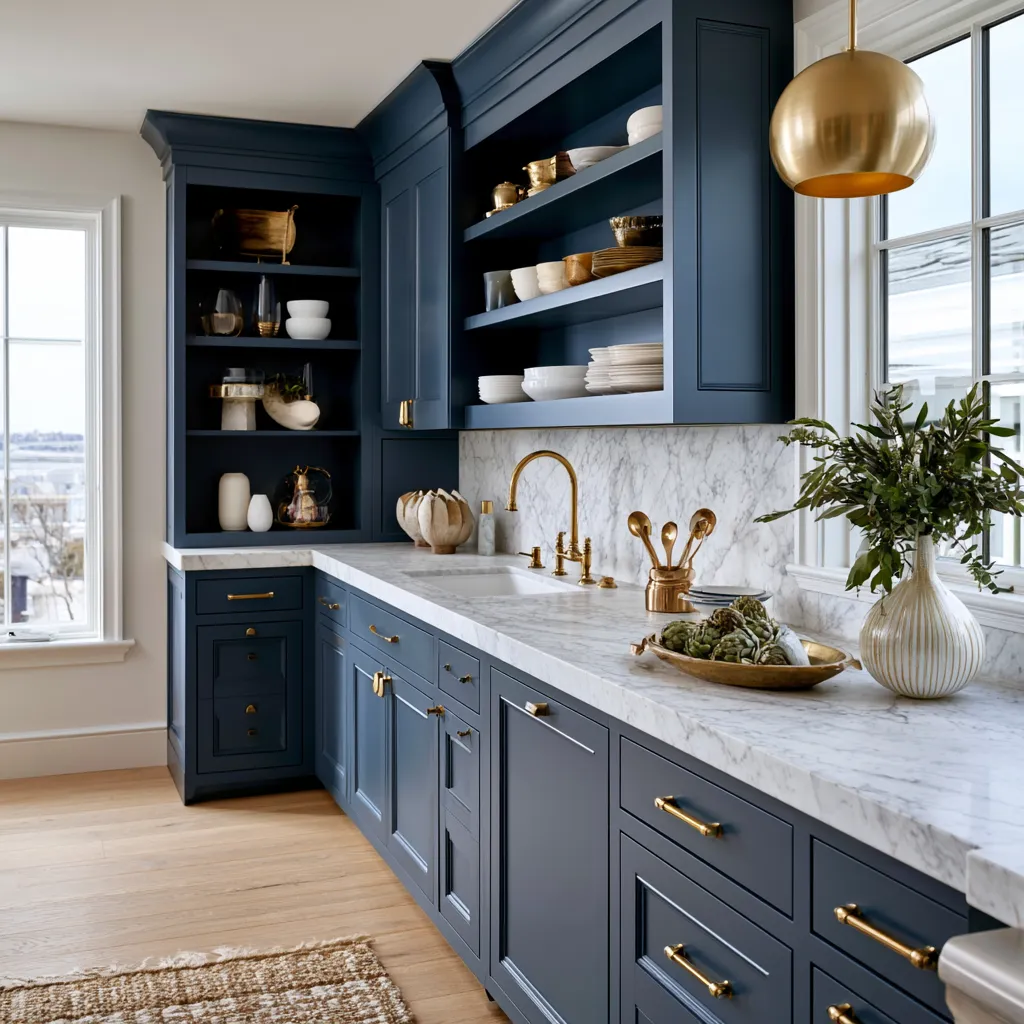
Stone and ceramic accents finish the material palette without adding visual noise. A single honed-slate tray or a hand-thrown ceramic bowl does more grounding work than a shelf of small trinkets. Stone reads like the exposed roots of a tree — permanent, load-bearing, not decorative in the throwaway sense.
Don’t Do This
Skip vinyl wood-look flooring, printed stone-effect wallpaper, and paper-thin wood veneer furniture. All three photograph fine and fall apart under touch — the surface scratches through to particleboard within a year or two, and the fantasy of “natural” collapses the moment a guest runs a hand across it.


The Neutral Palette Fails Without Warm Undertones
A soothing interior design palette isn’t just “less color” — it’s the right undertone doing quiet work in the background. Cool white and blue-grey read clinical under most home lighting, while warm white, beige, and soft greige hold a room’s temperature the way afternoon sun holds a stone wall. Sherwin-Williams’ zero-VOC Harmony line runs about $65 per gallon, which puts a genuinely low-emission neutral within reach of a normal repaint budget.
Bold accent colors aren’t banned, they’re just rationed. One deep terracotta cushion or a single forest-green vase against a warm-neutral wall reads intentional; three or four competing accent colors reads like nobody made a final decision. Stylists recommend picking one accent and repeating it in two or three spots rather than scattering different colors across a room.
Consistency across rooms matters more than most people expect. A earthy color palette that shifts from warm beige in the living room to cool grey in the hallway breaks the sense of a single, considered home. Walking from a warm room into a cold one is a small, specific jolt — the kind that undercuts everything the calming design was supposed to do.

Every Object Earns Its Spot or It Leaves
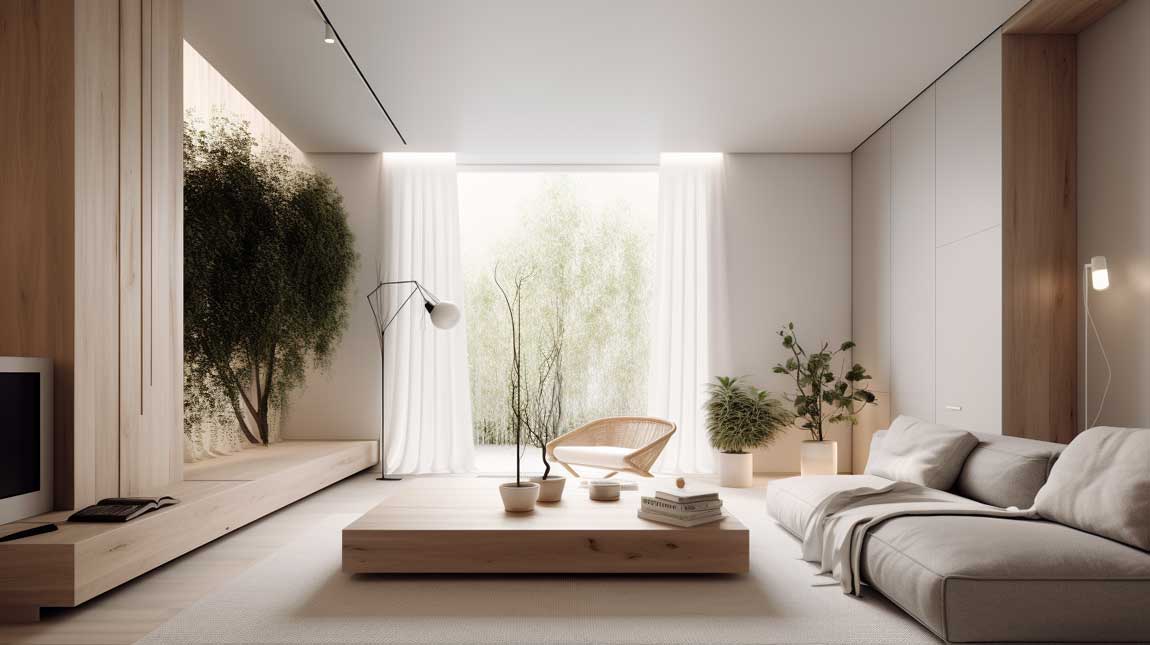
Minimalist design means function first, but that doesn’t mean stark or empty — it means nothing sits in the room without a job. A side table that only holds a coaster is doing less work than one that also stores remotes and charges a phone; the second version earns its floor space twice over. This works when you audit a room piece by piece and ask what each object actually does, not just how it looks in a photo.
Solid wood furniture makes this easier to commit to, because it lasts long enough to justify the edit. Well-built solid wood furniture holds up 20 to 50 years with basic care, while particleboard pieces typically fail within 5 to 10 — so a smaller collection of solid pieces outlasts a larger collection of disposable ones by a wide margin. Skip the impulse buy that only “works for now”; it rarely earns its keep past the first move.


One Wrong Plant Kills the Calm Fast
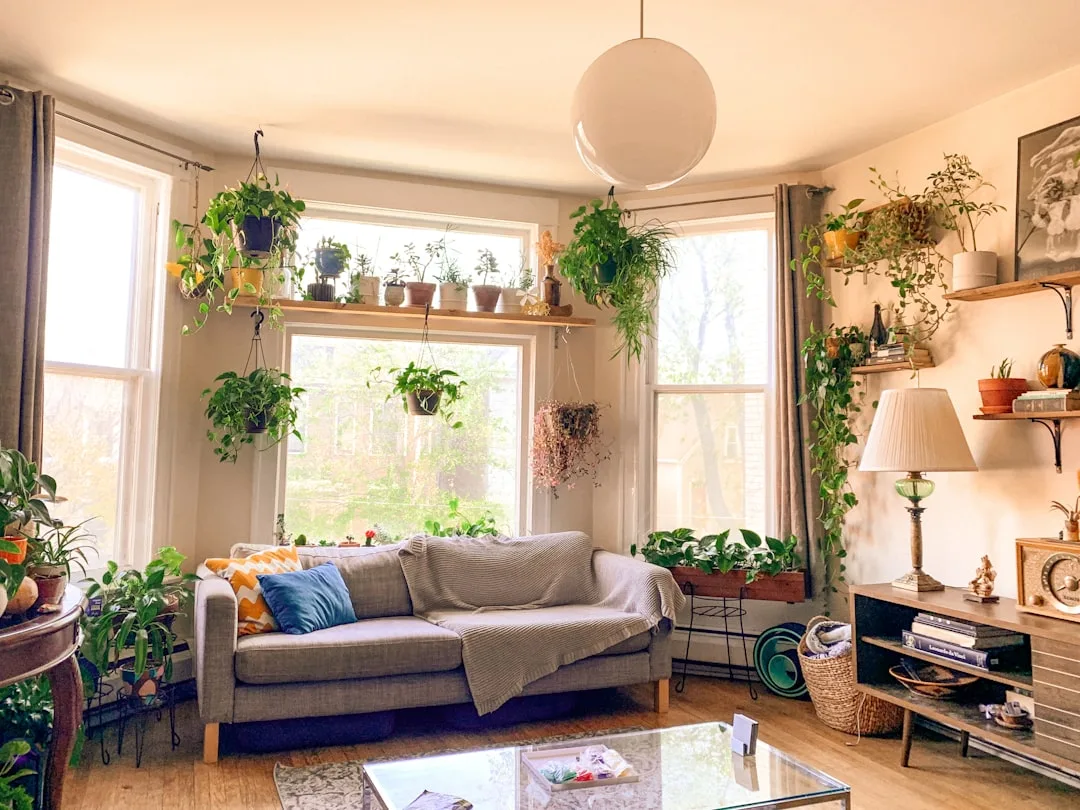
Natural minimalist interior design leans hard on greenery, but plant choice has to match the room’s actual light, not the light you wish it had. Pothos and snake plants tolerate low light and irregular watering, making them the safer pick for interior corners and north-facing rooms. Monstera and fiddle leaf figs need bright indirect light and will drop yellow leaves fast if they don’t get it — a sad, wilting centerpiece undoes the calming effect a plant is supposed to add.
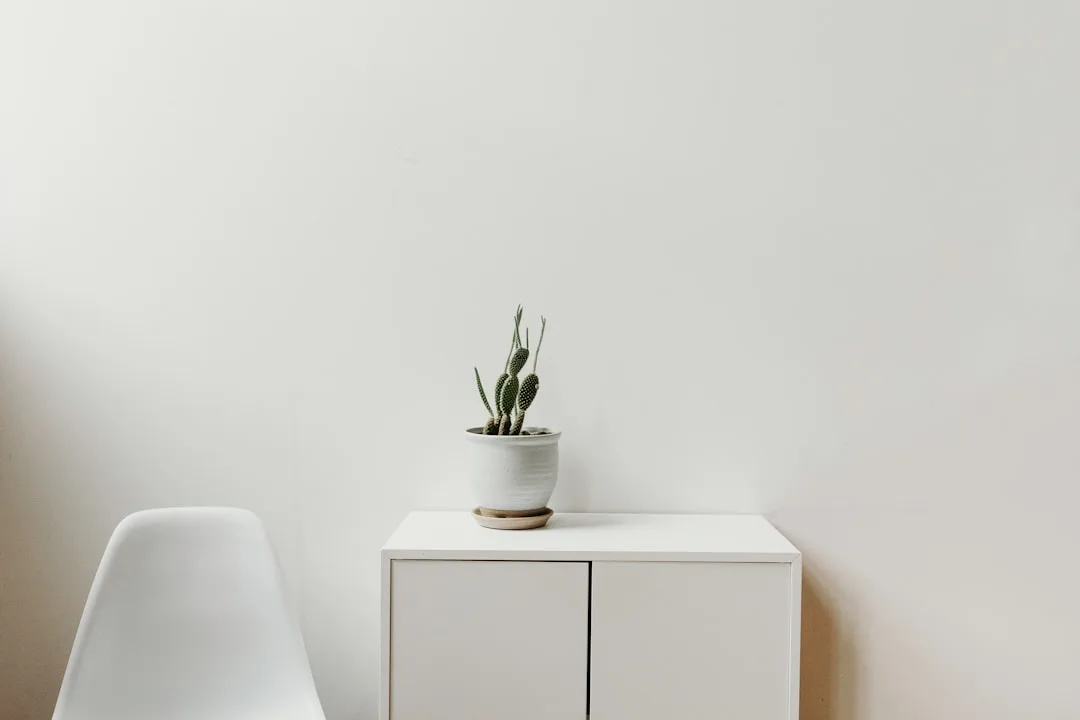
Planters matter almost as much as the plant itself. A ceramic, wood, or stone pot keeps the nature-connected minimalism cohesive; a plastic nursery pot left in place breaks the illusion the second anyone looks down. Which plant should go by a north-facing window? A pothos, every time — it treats low light the way a shaded creek bed treats sun, thriving exactly where brighter species would struggle.


Storage Disappears First in Organic Minimalist Design
Organic minimalist design depends on storage that hides in the architecture rather than storage that just gets organized. Built-in cabinets with flush, handle-free fronts and floating shelves let the wood grain do the visual work instead of hardware and gaps. Customized IKEA systems like KALLAX or BILLY with solid-wood fronts get surprisingly close to a true built-in look without a full carpentry budget.
A designated spot for every object is the actual mechanism behind a clutter-free room, not the decluttering itself. Once an item has a fixed home, putting it away takes seconds instead of becoming a weekend project. A jute or wool-blend rug in the 5×8 range runs about $180 and works double duty here — it anchors a seating area while visually signaling “this zone is finished,” which discourages loose items from accumulating on top of it.
Reassess annually, not just once. A coffee table book that felt curated in January can feel like clutter by July as your taste shifts. This works best when treated as ongoing maintenance, the way a garden needs seasonal pruning rather than a single big cleanup.


Particleboard Quits in a Decade, Solid Wood Doesn’t
Modern minimalist interior design treats furniture as an investment measured in decades, not seasons. Solid hardwood pieces — oak, walnut, teak — realistically last 20 to 50 years and can often be refinished rather than replaced, while particleboard and MDF pieces typically fail within 5 to 10 years once moisture or weight stresses a joint. That gap compounds: buy solid once and you avoid three or four replacement cycles over the same span.
Vintage and estate-sale furniture is the fastest way into quality minimalist home design without new-furniture pricing. A solid teak sideboard can turn up at an estate sale for around $80 when the same piece would retail new for over $1,200 — the wood doesn’t know it’s secondhand, and the joinery is usually better than anything mass-produced today.


A Single Skylight Changes How the Whole Room Reads
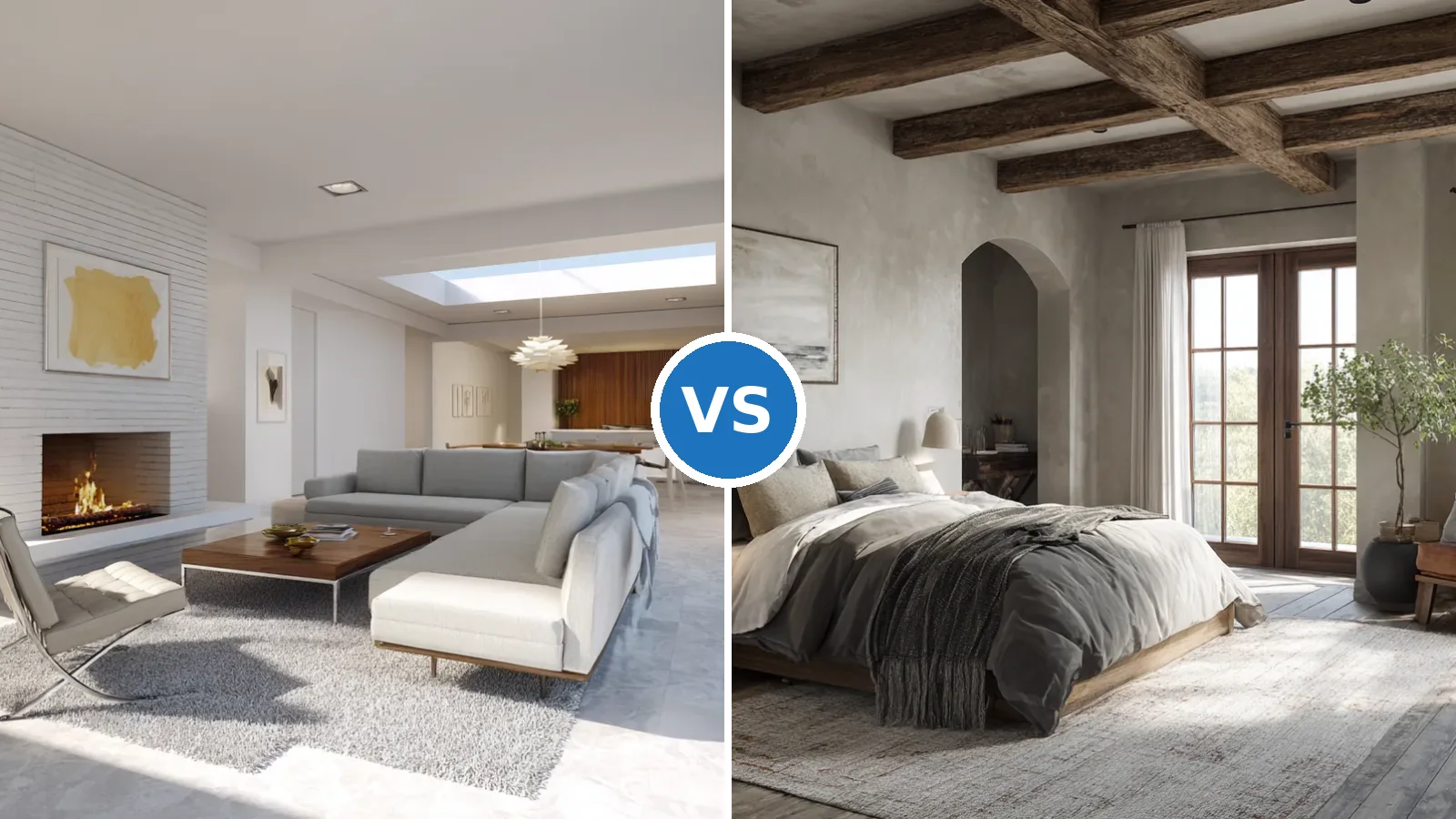
Minimalist interior design depends on natural light in a way heavier styles don’t, because there’s less pattern and color to distract from a dim room. A standard residential skylight installation runs around $1,900 on average, and even one unit over a hallway or kitchen island can noticeably shift how the space reads at midday. Large windows and glass doors do the same job on a bigger scale, connecting the interior visually to whatever’s outside.
Sheer linen curtains diffuse direct sun without blocking it, which keeps a room glowing instead of glaring. Should you go with blackout curtains in a minimalist bedroom? Only layered under a sheer, and only if you genuinely need total darkness to sleep — heavy blackout fabric on its own reads heavy and closed, working against the airy feel the rest of the room is built around.


Fewer Art Pieces Say More Than a Full Gallery Wall
Organic aesthetic rooms tend to hold one or two strong art pieces rather than a dense gallery wall, and abstract landscape-adjacent pieces tend to age better than literal botanical prints. Independent abstracts from platforms like Saatchi Art often run under $400 and hold visual interest for years, where a trendy framed print can feel dated within a season.
Skip crowding the walls — a single large-format piece given room to breathe reads more intentional than five smaller ones competing for attention. Hang art at eye level, roughly 57 to 60 inches to the center of the piece, and let the surrounding wall stay bare. Bare wall around a single painting works the way a pause works in a sentence: it gives the one thing that matters somewhere to land.

Layering Texture Is How Organic Minimalist Interior Design Avoids Feeling Bare
Organic minimalist interior design uses texture to do the job pattern usually does in busier styles. A washed linen duvet, a wool throw, and a jute rug in the same neutral family create depth without adding a single extra color. A Faribault wool throw runs about $120 to $160 and outlasts most decorative textiles by years, since wool resists pilling far better than synthetic blends.
Keep patterns to one per room, maximum — a subtle stripe on a cushion or a botanical linen on a single chair. Stack three patterned textiles in the same space and the room starts working overtime to look cozy instead of just being cozy. Texture, layered the way soil layers under a forest floor, does the visual work quietly instead of shouting for attention the way pattern does.

The Paint Off-Gasses Long After It Dries
Eco minimalist interior design starts at the wall, not the furniture store, because paint covers more surface area than anything else in the room. Indoor VOC concentrations run up to ten times higher than outdoor levels according to the EPA, largely from paints, adhesives, and finishes off-gassing well after application. Zero-VOC lines like Benjamin Moore’s Natura sidestep that almost entirely, and Farrow & Ball’s water-based formulas run about $130 per gallon in colors that read considerably richer than standard flat white.
FSC certification on wood furniture is the clearest sourcing signal available to a regular shopper — it confirms the timber came from a forest managed to protect biodiversity, not clear-cut land. Look for the logo directly on a product page rather than just a brand’s general “about” page, since sustainability claims get vaguer the further they sit from the actual product.
Energy-efficient LED lighting rounds out the sustainable picture without asking for a full renovation. Warm 2700K bulbs read closest to candlelight and suit living spaces; 4000K cool white belongs in a bathroom or workspace, not a bedroom you’re trying to wind down in. Buy deliberately here — color temperature is printed on every LED box, so there’s no excuse for guessing.

A Vintage Find Beats a New Catalog Piece Every Time
Organic house design still needs personality, and personality usually comes from objects with some history attached — a grandparent’s ceramic bowl, a stone picked up on a hike, a handmade basket from a market you actually visited. These carry a density that catalog decor can’t fake, and they tend to land in the right material family for this style almost by accident.
Handmade stoneware from independent potters on platforms like Etsy typically runs $80 to $250 and reads nothing like mass-produced ceramics. Three coherent stoneware pieces at varying heights on a shelf look more intentional than twelve small objects crowded into the same footprint — edit toward fewer, better things, not toward empty shelves.

You Need One Corner That Asks Nothing of You
An oasis interior design needs at least one zone with no function beyond sitting still — a reading nook, a meditation corner, a covered porch chair. This works when the zone is physically distinct from work or screen areas, even if that just means a different rug underfoot and a lamp instead of overhead lighting.
A jute or wool-blend rug in a 5×8 size runs about $180 and is often the single element that turns a random chair into an actual destination in the room. Soft textiles, warm low lighting, and one plant do more here than any amount of decor — what actually makes a corner feel restful isn’t more objects, it’s fewer demands on your attention.
Treat these zones the way a river treats a bend — a place where the current naturally slows, not a spot you have to force stillness into. Revisit the space seasonally, since what felt restful in winter light can feel dim and closed-in by summer.

The Takeaway
Calm Comes From Real Materials, Not From Empty Rooms
Solid wood outlasts particleboard by three to five times, and it shows in how a room feels within a year, not just how it photographs on day one.
A warm neutral palette and one skylight do more for a room’s mood than another round of decluttering ever will.
Save this post before your next furniture trip — the material checks here matter more once you’re standing in a showroom.