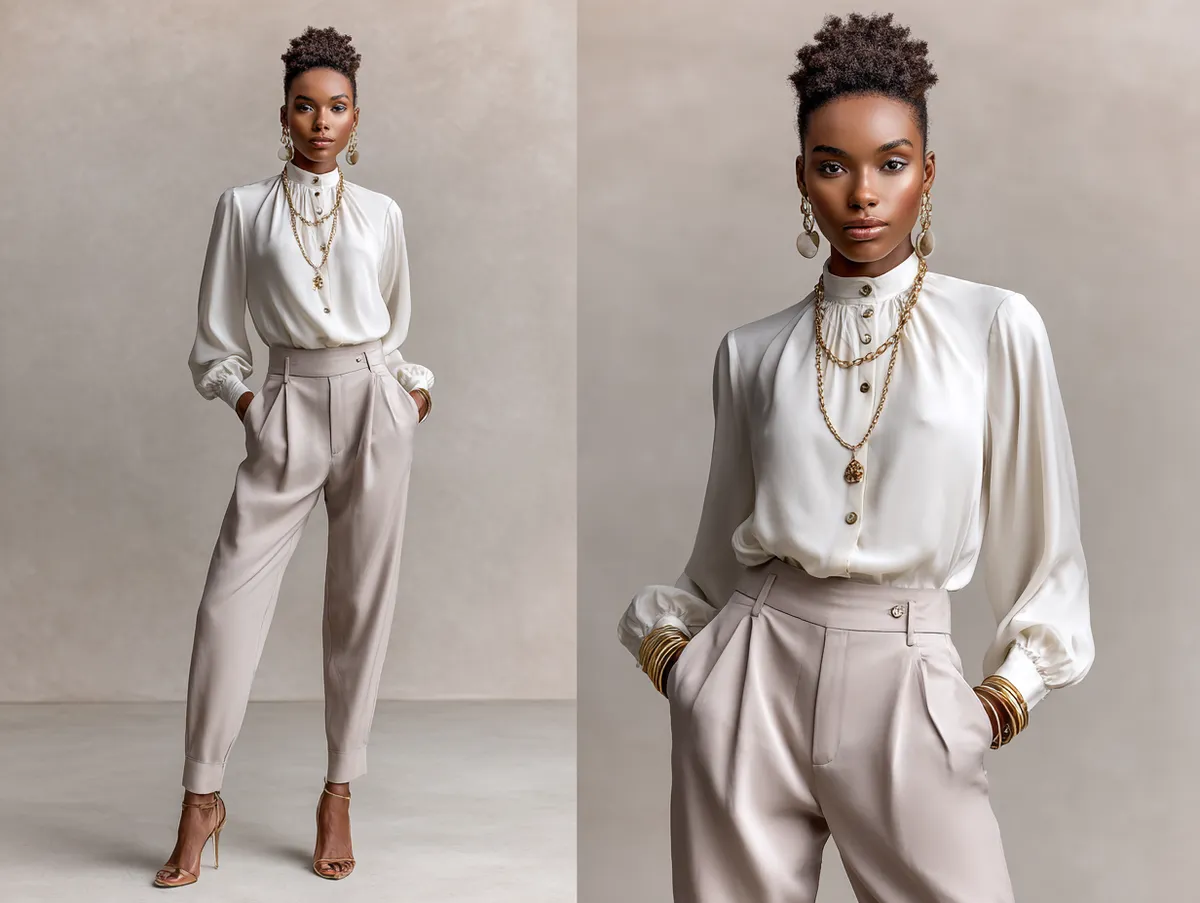
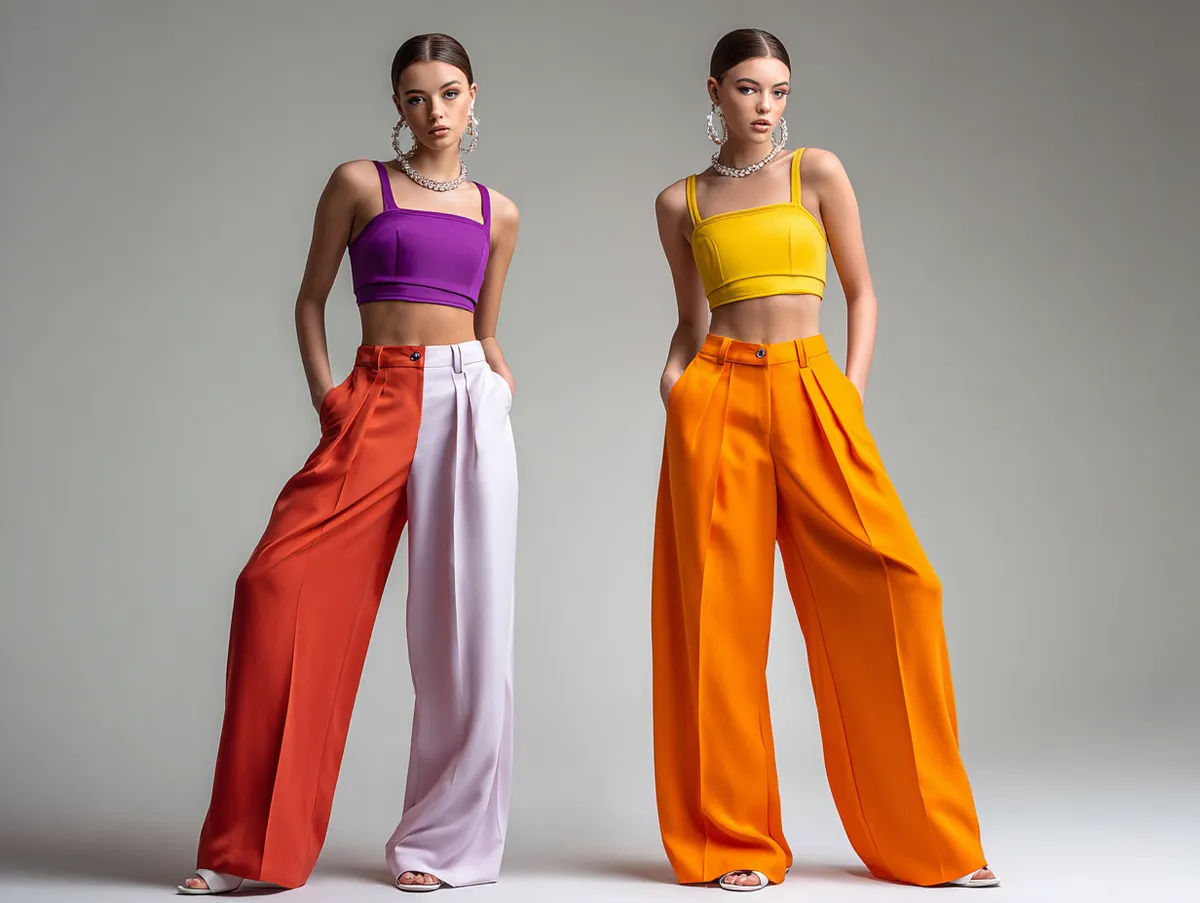
Urban fashion has transformed from a niche subculture into the defining aesthetic of modern global wardrobes. What began on the pavements of major metropolitan hubs has evolved into a sophisticated language of self-expression. Transforming a basic outfit into an eye-catching ensemble does not necessarily require a complete wardrobe overhaul or a massive budget. Instead, it relies heavily on how you manipulate the garments you already own. By understanding the foundational elements of visual balance, texture mixing, and strategic accessorizing, anyone can refine their daily uniform. The key lies in moving away from simply wearing clothes to actively orchestrating them. This guide explores fundamental techniques that will allow you to curate outfits with intention, ensuring that your personal style remains authentic while visually standing out in any crowd.
Mastering Proportions in Urban Fashion
The foundation of any memorable outfit begins with silhouette and the masterful control of proportions. When evaluating everyday streetwear, the way garments sit on the body dictates the entire mood of the look. Historically, urban fashion has always played with sizing, famously adopting baggy, oversized garments during the late twentieth century as a form of cultural rebellion and comfort. Today, that legacy continues, but it has been refined into a deliberate science. It is no longer just about wearing garments that are too large; it is about creating a deliberate juxtaposition between loose and fitted elements to create a visually striking form.
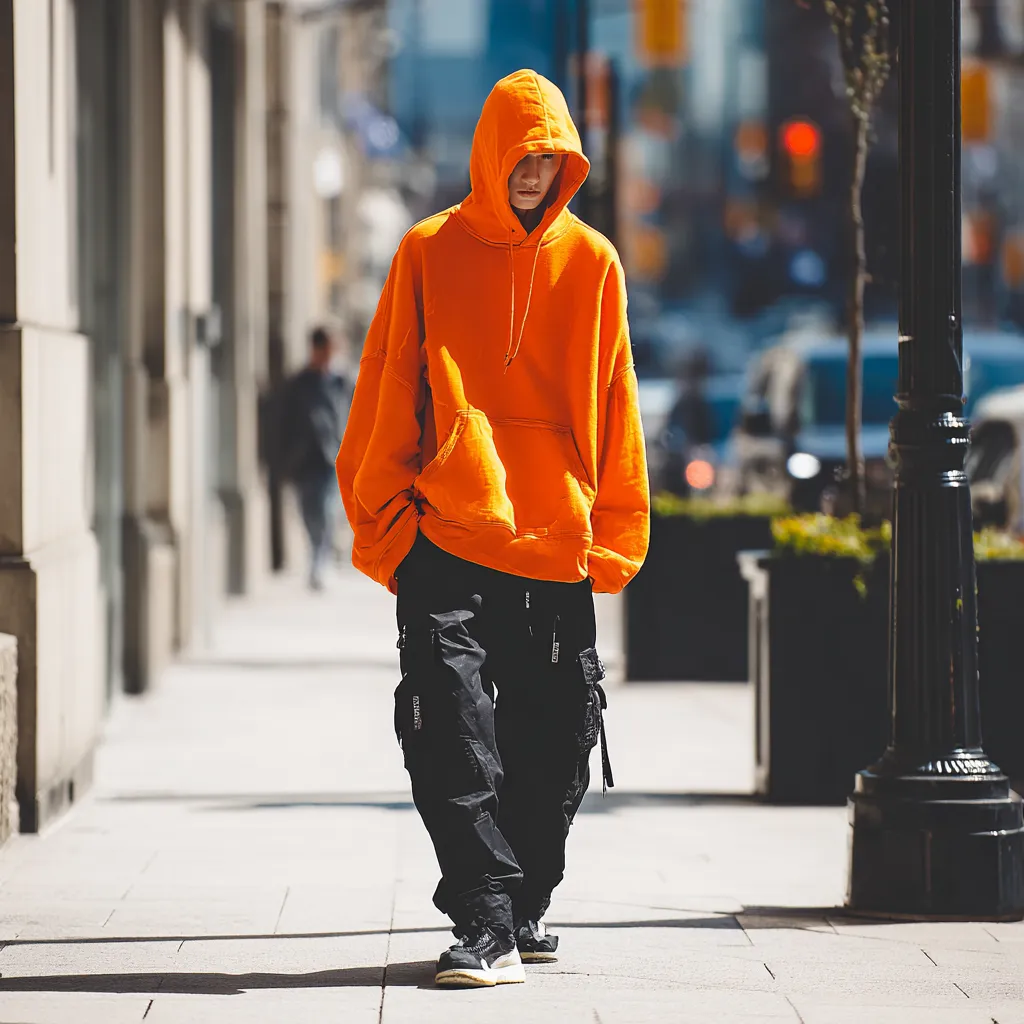
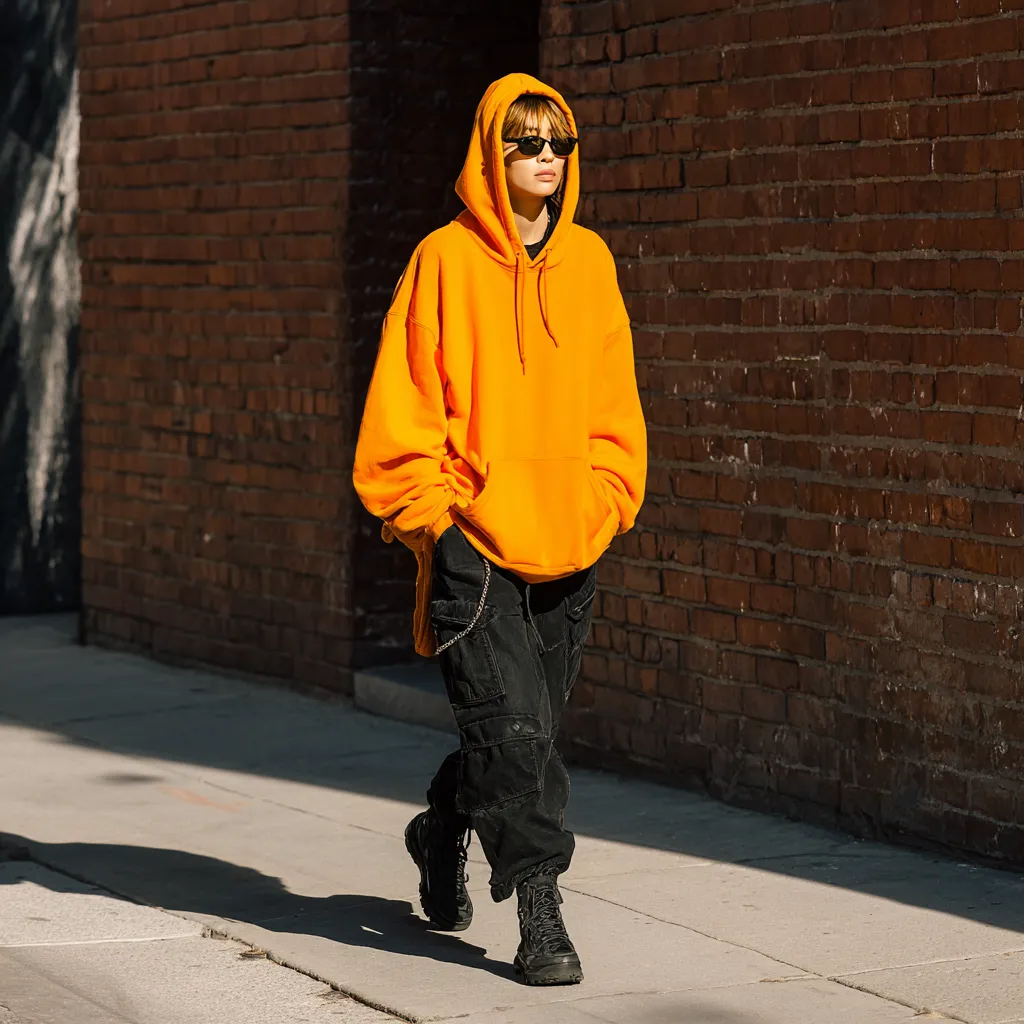
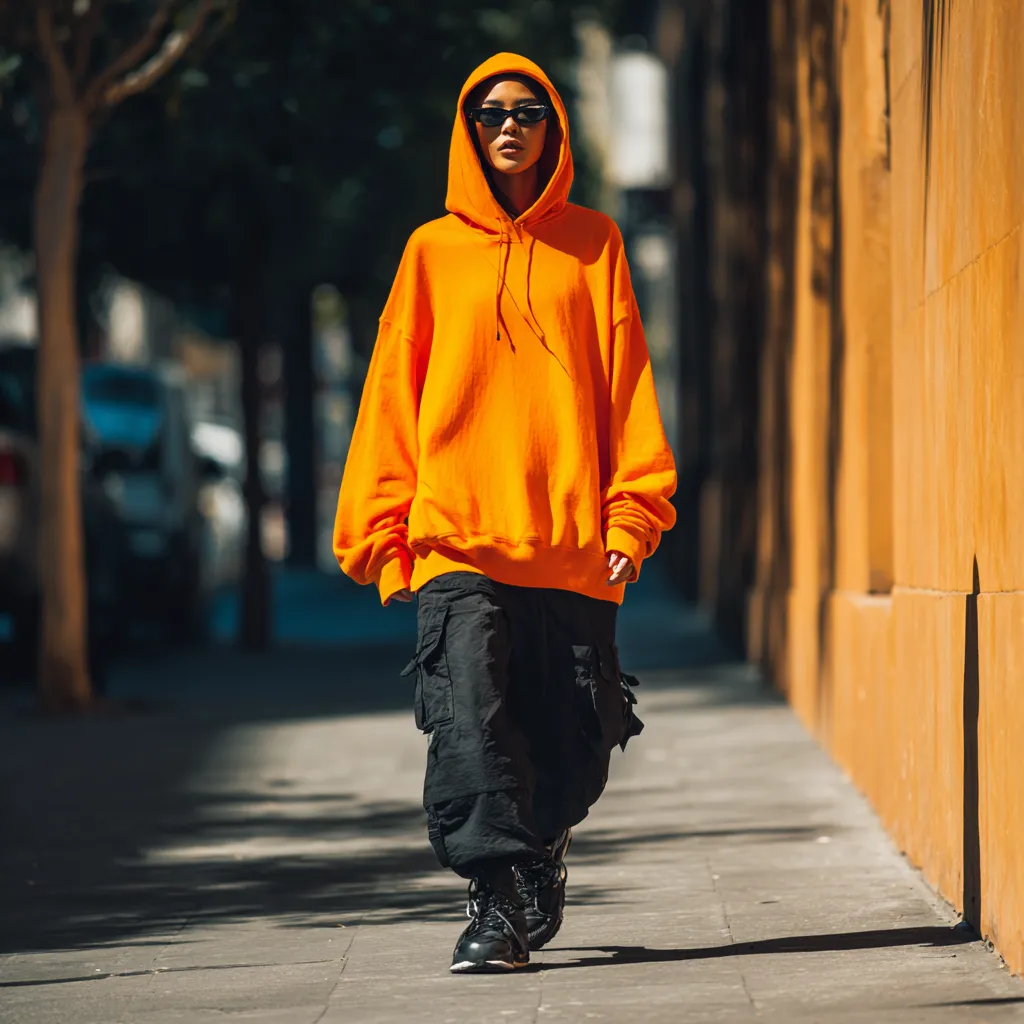
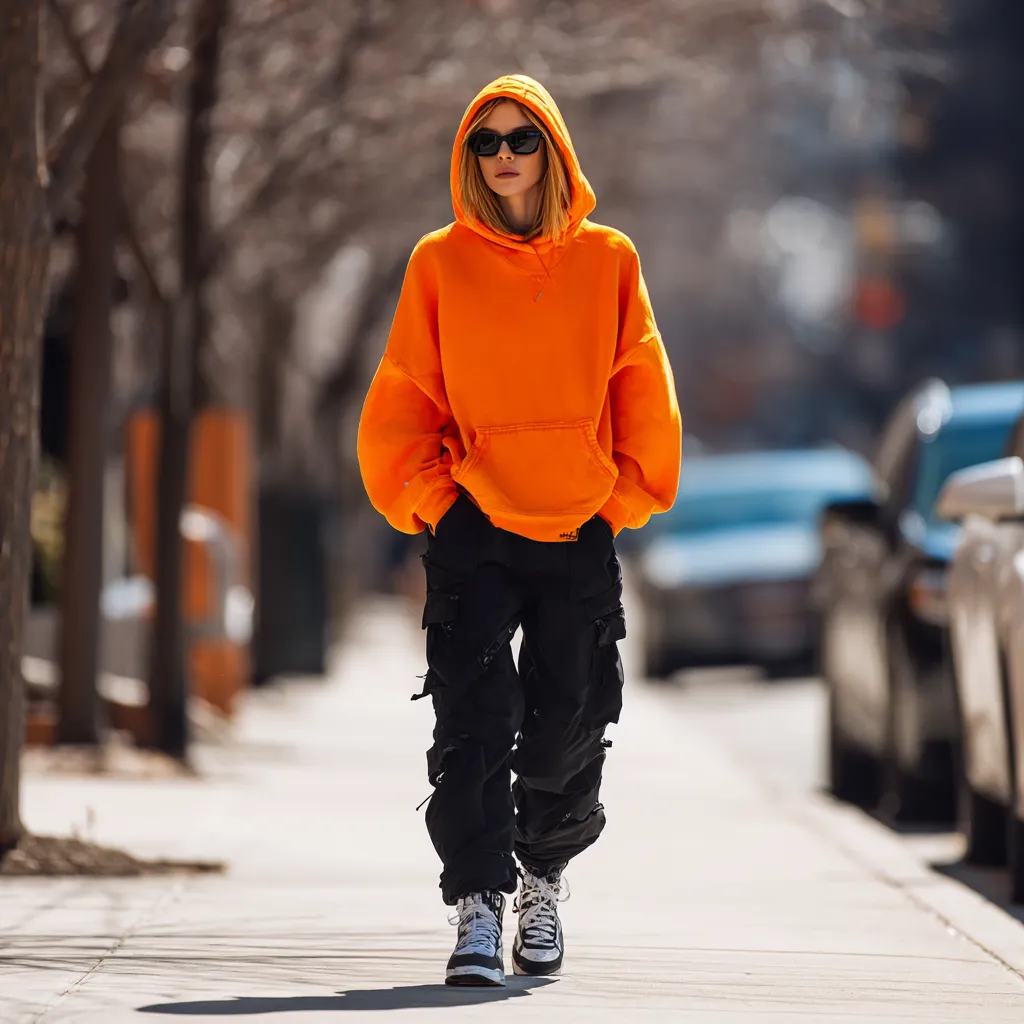
To effectively implement these styling tricks, one must first understand the rule of thirds. In fashion, dividing the body into thirds rather than halves creates a much more flattering and dynamic aesthetic. For example, pairing a cropped jacket that ends at the natural waist with high-waisted, wide-leg trousers creates a one-third to two-thirds ratio. This elongates the legs and grounds the outfit. Conversely, an oversized, longline t-shirt that falls past the hips paired with slim-cut denim flips that ratio, emphasizing the upper half while maintaining a clean line down to the footwear. This push and pull of volume is what separates a haphazardly assembled outfit from a meticulously curated one.
When you look at the vibrant, high-contrast aesthetics of modern urban environments, clothing must hold its own against the visual noise of the city. An oversized bright orange hoodie, much like the one described in the visual prompt for this section, serves as a massive block of color and volume. If paired with equally baggy, brightly colored trousers, the wearer risks being swallowed entirely by the fabric. However, pairing that massive, heavy top with perfectly fitted black cargo pants anchors the look. The slimness of the lower half highlights the deliberate oversized nature of the top, proving that the volume is an intentional choice rather than a sizing mistake.
Fabric weight plays an equally crucial role in managing proportions. Stiff, heavyweight cottons will hold their shape, creating a boxy, architectural silhouette that pushes outward from the body. These rigid materials are excellent for creating structured volume. On the other hand, lightweight, drapey fabrics will fall closer to the body, creating a softer, more fluid shape even if the garment is technically oversized. Understanding how different materials behave allows you to mix heavy and light textures to prevent an outfit from looking overly bulky. A heavyweight jacket over a thin, flowing base layer maintains structural integrity on the outside while allowing for comfortable movement within.
Footwear is the final anchor in the proportion equation. The shoes must balance the volume of the clothing above them. If you are wearing aggressively wide-leg trousers that pool around the ankles, a slim, minimalist sneaker will simply disappear, making the feet look disproportionately small and the outfit unbalanced. In this scenario, chunky, substantial footwear is required to hold up the volume of the pants. Conversely, if you are wearing tightly tapered trousers, an overly bulky shoe might look somewhat clownish, whereas a sleek, low-profile silhouette will complement the streamlined cut.
Ultimately, mastering these techniques requires a willingness to experiment in front of the mirror. It involves tucking in a shirt, rolling a hem, pushing up sleeves, or adjusting a waistband to see how a minor shift can alter the entire silhouette. Everyday streetwear is inherently democratic; it does not demand bespoke tailoring or flawless physiques. It simply asks that the wearer pays attention to how the garments interact with each other and with the space around them. By consciously balancing loose with tight, long with short, and heavy with light, you can completely redefine your visual presence.
Layering Techniques for Casual Street Style
Layering is the most transformative tool in the styling arsenal, offering the ability to breathe new life into stale wardrobe staples. While layering originated as a purely functional practice to combat cold weather, it has evolved into a sophisticated method for creating visual depth and complexity. In the realm of casual street style, layering is not about simply piling on garments; it is a strategic exercise in color theory, texture mapping, and dimensional design. A successful layered look invites the eye to travel across the outfit, discovering new details at collar lines, cuffs, and hems.
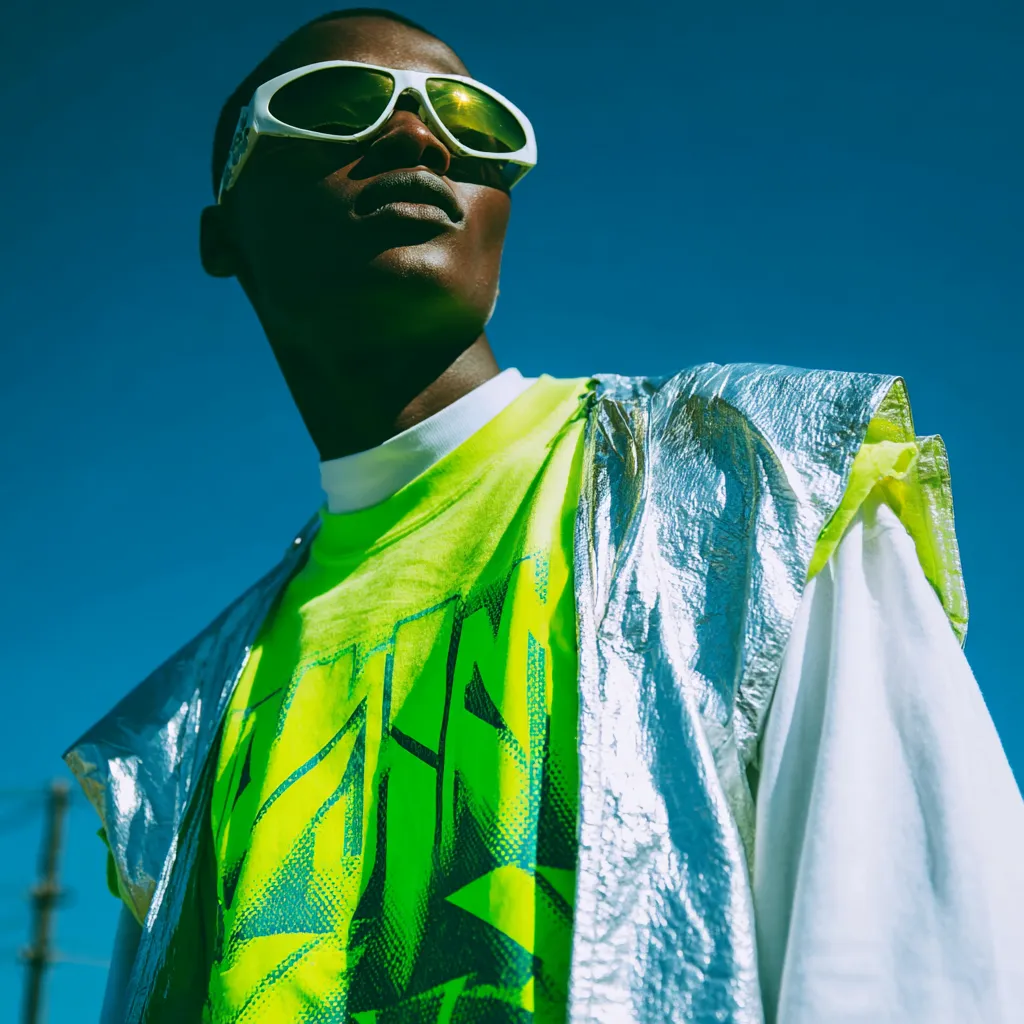

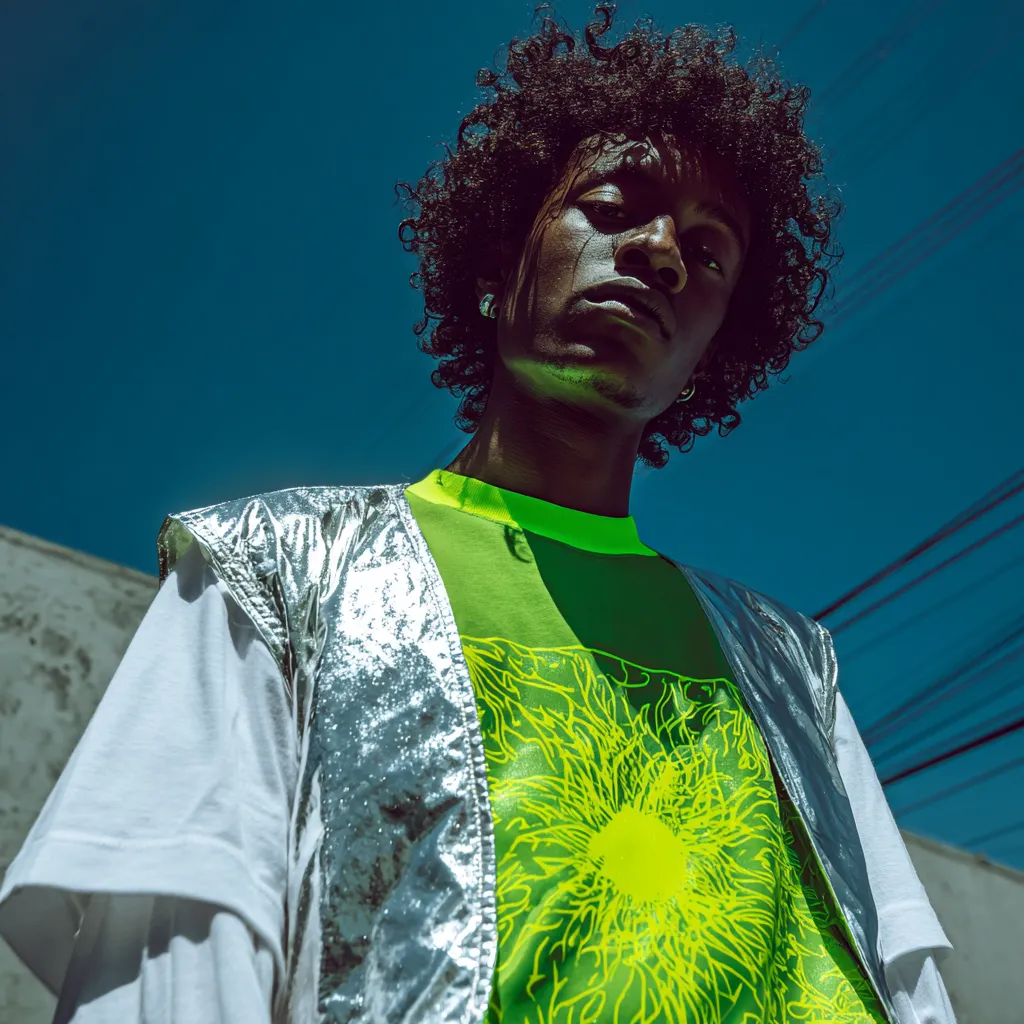
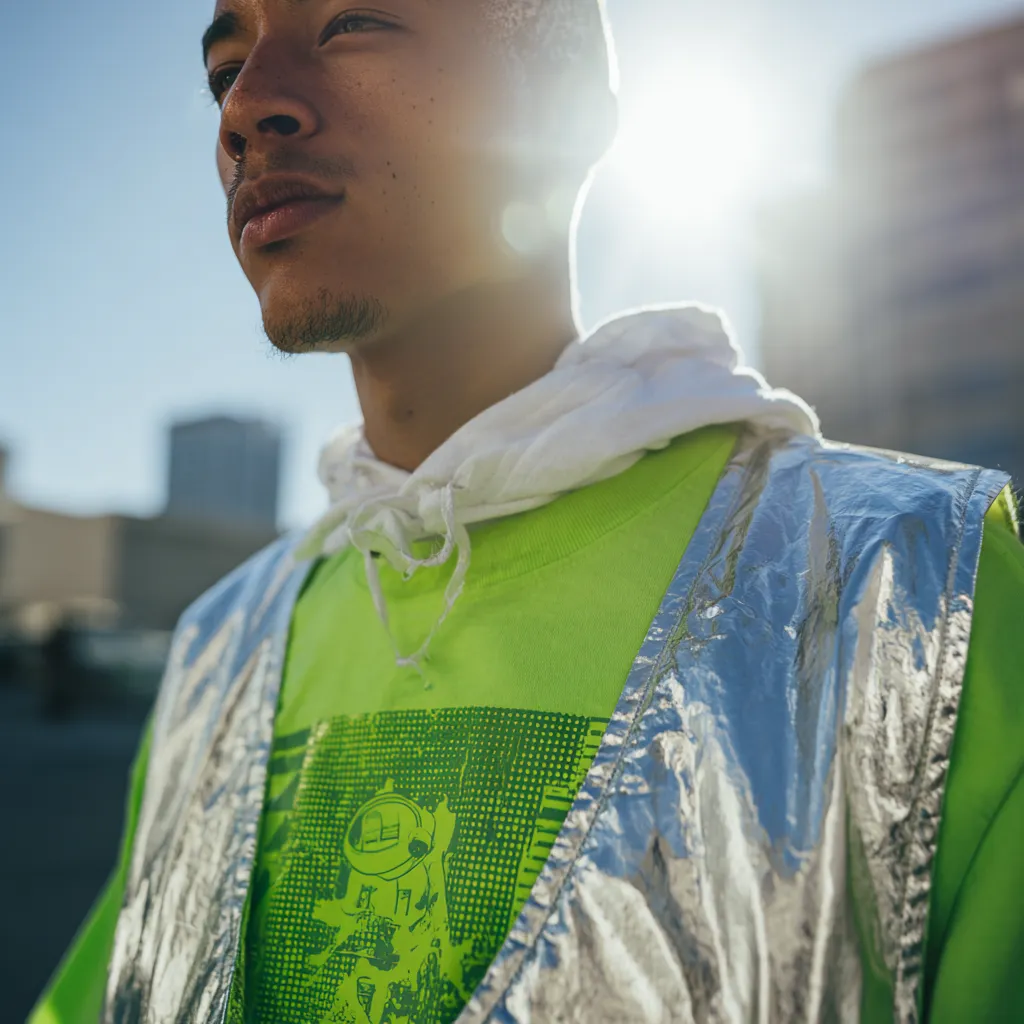
The most effective layering begins with a solid foundation. The base layer should ideally be a neutral or solid color that acts as a canvas for the more expressive pieces placed on top. A crisp white long-sleeve shirt is a perfect example of a versatile base. It provides a clean, bright contrast to whatever sits above it while offering extended lines at the wrists and neckline. When a shorter-sleeved garment, such as a highly saturated neon green graphic t-shirt, is placed over this base, the dynamic immediately shifts. The long sleeves breaking past the short sleeves create an immediate sense of intention. This specific combination pays homage to 1990s skate culture but remains incredibly relevant today due to its structural appeal.
To push layering further, one must consider the introduction of varied textures and unexpected materials. Adding a third piece, like a reflective silver vest, completely disrupts the standard cotton-on-cotton formula. The vest introduces a utilitarian, almost futuristic element that catches the light differently than the matte fabrics beneath it. This contrast between the soft, breathable cotton and the rigid, synthetic reflection of the vest elevates the outfit from ordinary to exceptional. This is where simple styling tricks cross over into advanced territory: recognizing that how a fabric interacts with light is just as important as its color.
Managing bulk is the primary challenge when executing multiple layers. If every layer is constructed from heavyweight fleece or thick wool, the wearer will quickly look inflated and feel uncomfortably restricted. The solution is to graduate the weight of the fabrics from lightest on the inside to heaviest on the outside. A thin cotton base, followed by a medium-weight jersey mid-layer, topped with a heavier canvas or nylon outer layer ensures smooth transitions. Additionally, utilizing garments with different necklines—such as a crew neck under a v-neck, or a mock neck under an open collar—allows each layer to remain visible without choking the wearer.
Color blocking within layered outfits can dramatically alter the wearer’s perceived shape. Darker colors naturally recede, while brighter colors project forward. By wearing a dark, unbuttoned outer shirt over a bright, vibrant base layer, you create a vertical stripe of bright color down the center of the body, which visually elongates and slims the torso. Conversely, a bright outer layer over a dark base emphasizes the width of the shoulders and chest. Understanding this color behavior allows you to subtly manipulate your silhouette through your choice of layers, adding an element of optical illusion to everyday streetwear.
Furthermore, layering extends beyond traditional tops and jackets. It can involve wearing a slightly longer t-shirt so the hem peeks out beneath a cropped sweatshirt, breaking up the transition between the upper body and the trousers. It can mean letting a colorful pair of socks bridge the gap between cropped pants and sneakers. It can even involve the strategic placement of cross-body bags or chest rigs, which function as sartorial layers that add utility and break up the expanse of a plain torso. The goal is to build an outfit that feels cohesive but is composed of distinctly identifiable parts, turning your daily dress routine into an act of deliberate composition.
Upgrading Outfits With Statement Accessories
Often, the defining factor between a good outfit and a great one is the final ten percent of the look—the accessories. In the context of urban wardrobes, accessories are rarely subtle. They are bold declarations of personality that serve to anchor the entire aesthetic. While the clothing forms the structure of the look, statement accessories provide the punctuation. They have the power to take the most basic, monochromatic garments and instantly inject them with life, context, and cultural relevance.
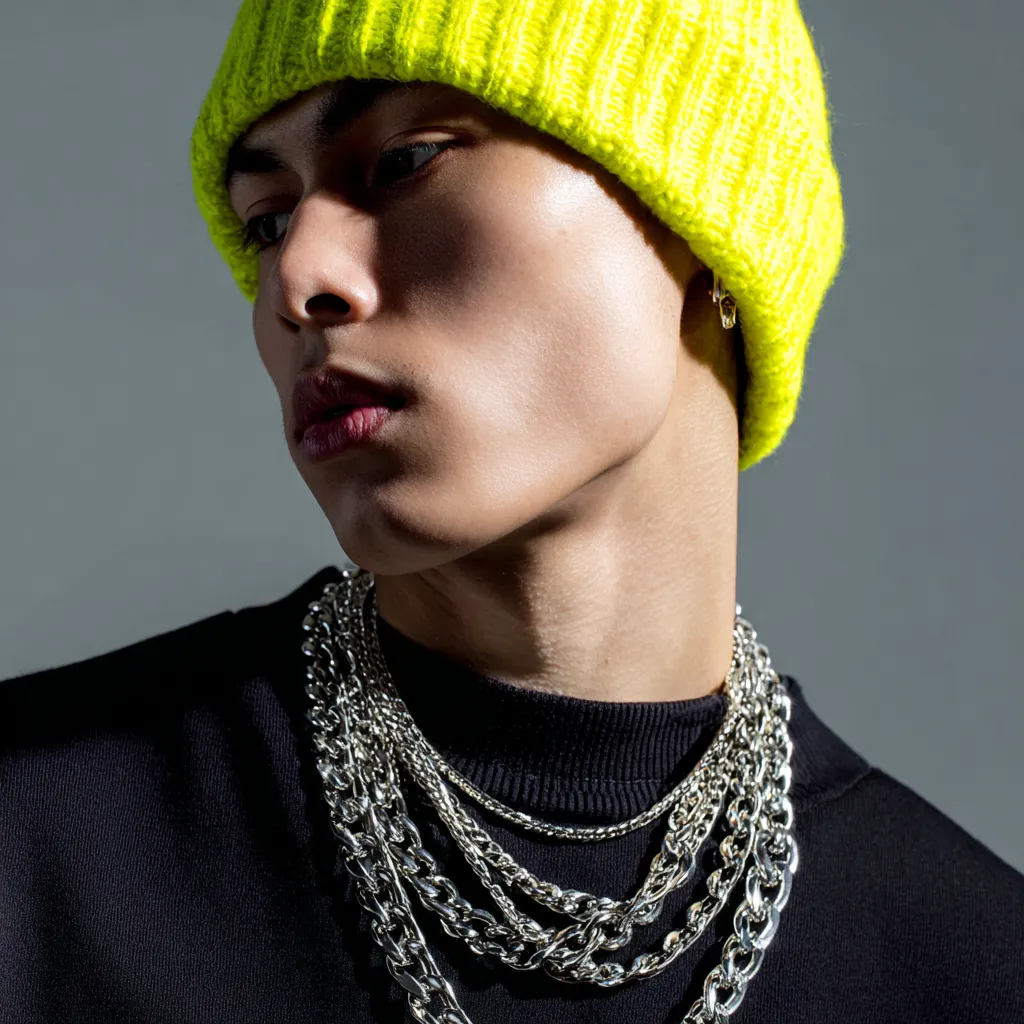
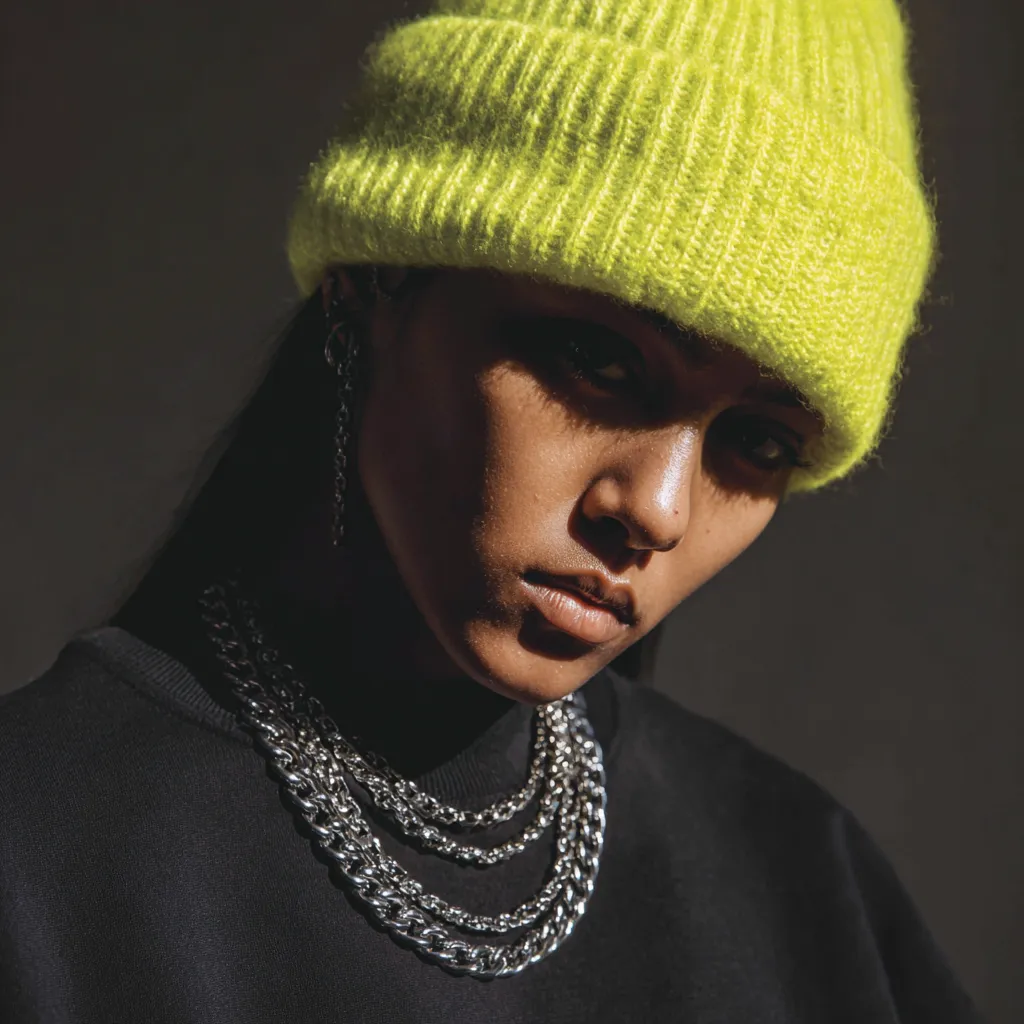
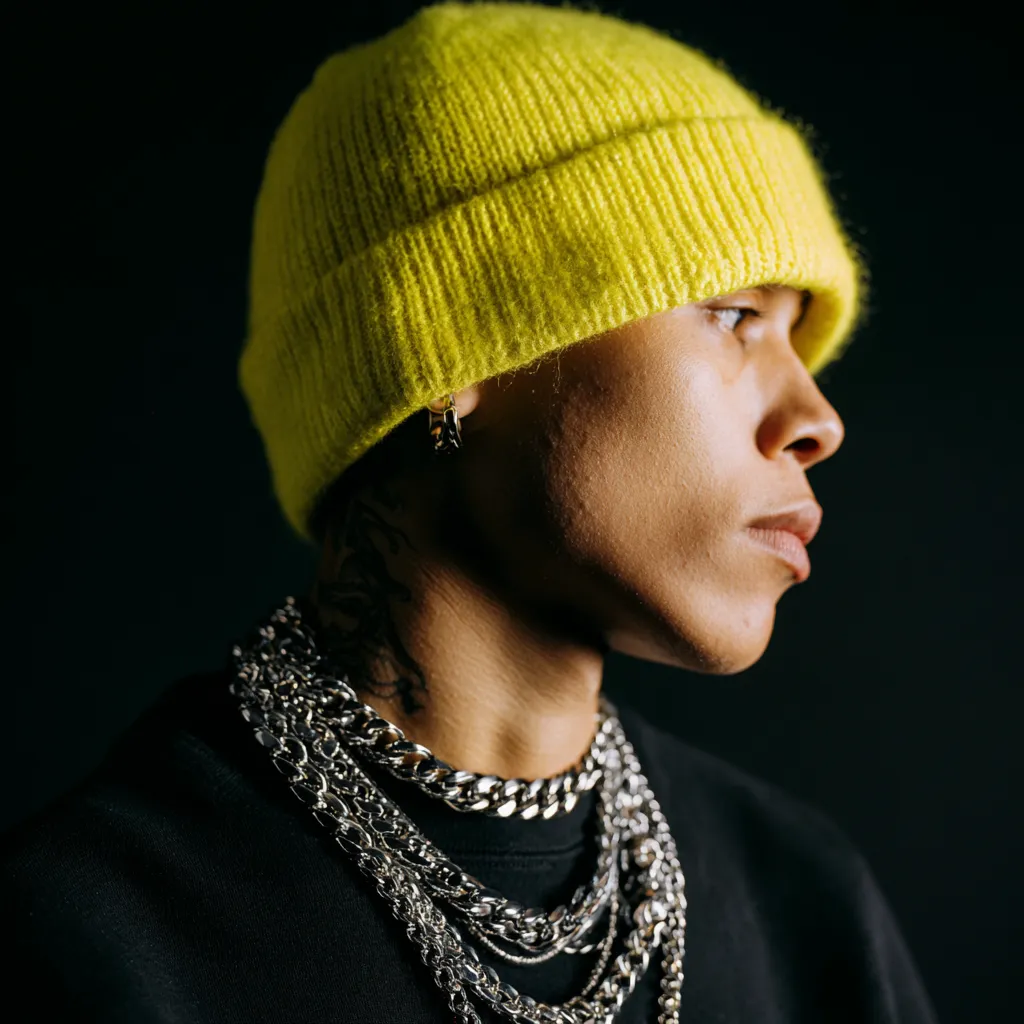
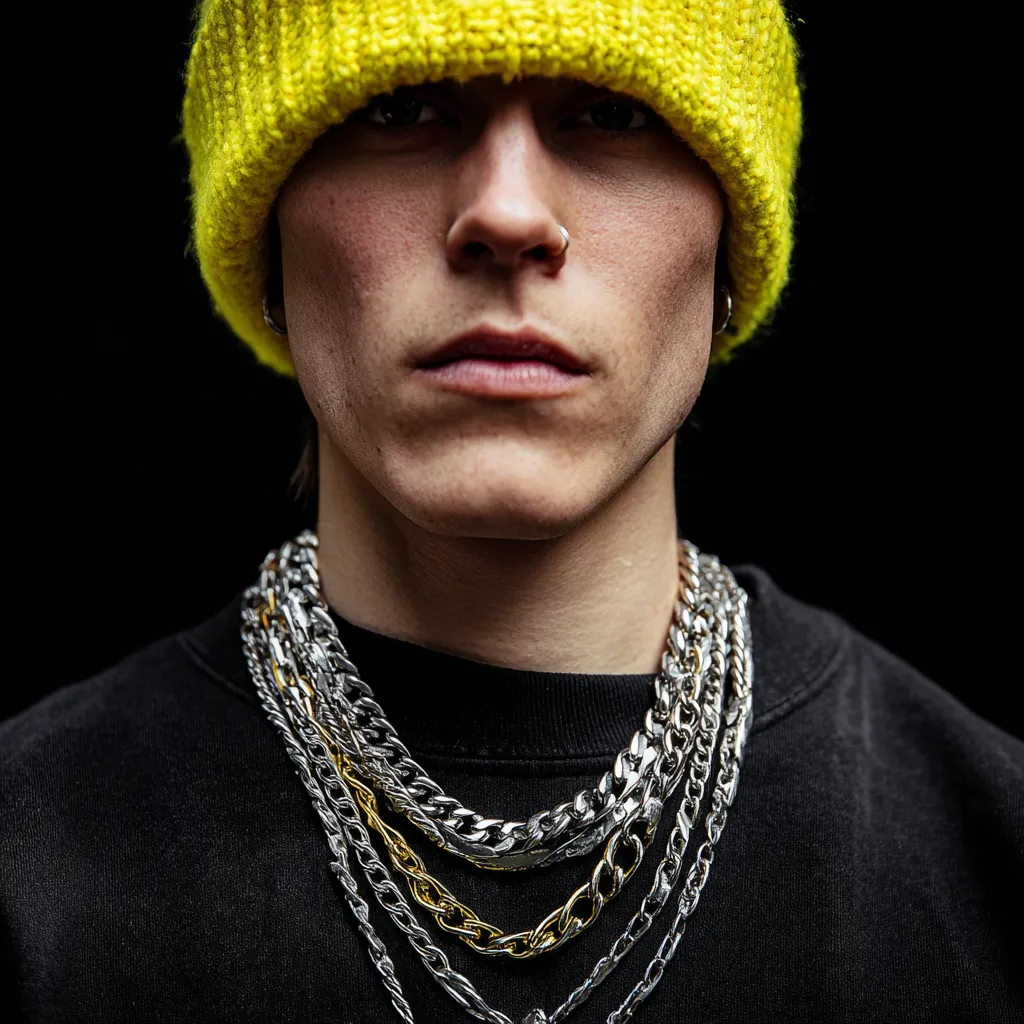
Consider the stark visual impact of a solid black sweatshirt. On its own, it is a purely utilitarian garment, offering warmth and anonymity but little in the way of style. However, the moment you introduce high-contrast, bold elements, the narrative changes. A bright yellow beanie pulled snugly over the head immediately draws the eye upward, creating a focal point that frames the face. The intense saturation of the yellow against the deep void of the black sweatshirt creates a jarring, exciting visual dynamic. The beanie stops being just a way to keep warm and becomes a deliberate crown, transforming a lazy day basic into a curated moment of everyday streetwear.
Jewelry has experienced a massive resurgence and evolution within urban styling. We have moved far beyond the simple single chain. Today, the approach is maximalist, favoring the layering of multiple pieces of varying weights and lengths. Layered chunky silver chain necklaces sitting against the chest add an industrial, metallic texture that contrasts beautifully with soft fleece or cotton. Silver, with its cold, reflective surface, pops aggressively against dark fabrics. The varying thickness of the chains creates structural depth. These are essential styling tricks: using jewelry not just as decoration, but as an architectural addition to the outfit that catches light and adds a sense of weight and importance.
The philosophy of statement accessories also applies heavily to bags and functional gear. The traditional backpack has been largely supplemented by cross-body bags, waist packs worn across the chest, and tactical rigs. These items serve a dual purpose. Practically, they hold modern necessities. Aesthetically, the straps cut across the torso, breaking up the lines of oversized t-shirts or jackets and adding an element of technical, functional design to the look. The hardware on these bags—the heavy zippers, the metal buckles, the nylon webbing—adds a rugged texture that enhances the overall urban feel.
Eyewear and headwear work in tandem to alter the geometry of the face and head, providing the most direct way to change your visual identity on any given day. A classic five-panel cap brings a sporty, athletic edge, while a wide-brimmed bucket hat leans into a relaxed, nostalgic aesthetic. Sunglasses, even worn on the back of the head or hanging from a collar when the sun goes down, serve as a rigid, plastic or metal counterpoint to the soft drape of clothing. They are props that help the wearer project a specific attitude.
Ultimately, accessorizing requires a delicate balance. The goal is to elevate the look, not overwhelm it. If the clothing itself is incredibly loud, featuring aggressive prints or multiple neon colors, then the accessories should likely be scaled back to avoid visual chaos. However, if the clothing is built on solid, muted tones and simple shapes, the accessories should be deployed aggressively to carry the visual weight. By building a diverse collection of chains, headwear, bags, and belts, you give yourself the tools to constantly remix and upgrade your wardrobe without ever needing to buy a new shirt or pair of pants.
The way we dress is a daily opportunity to communicate who we are to the world without speaking a word. By focusing on how clothes fit, how they can be stacked together to build visual depth, and how smaller details can completely shift the tone of an ensemble, you gain total control over your presentation. These methods are not rigid laws, but rather flexible guidelines designed to encourage experimentation. Dig into your closet, try combinations you previously thought impossible, and trust your eye to find the balance.