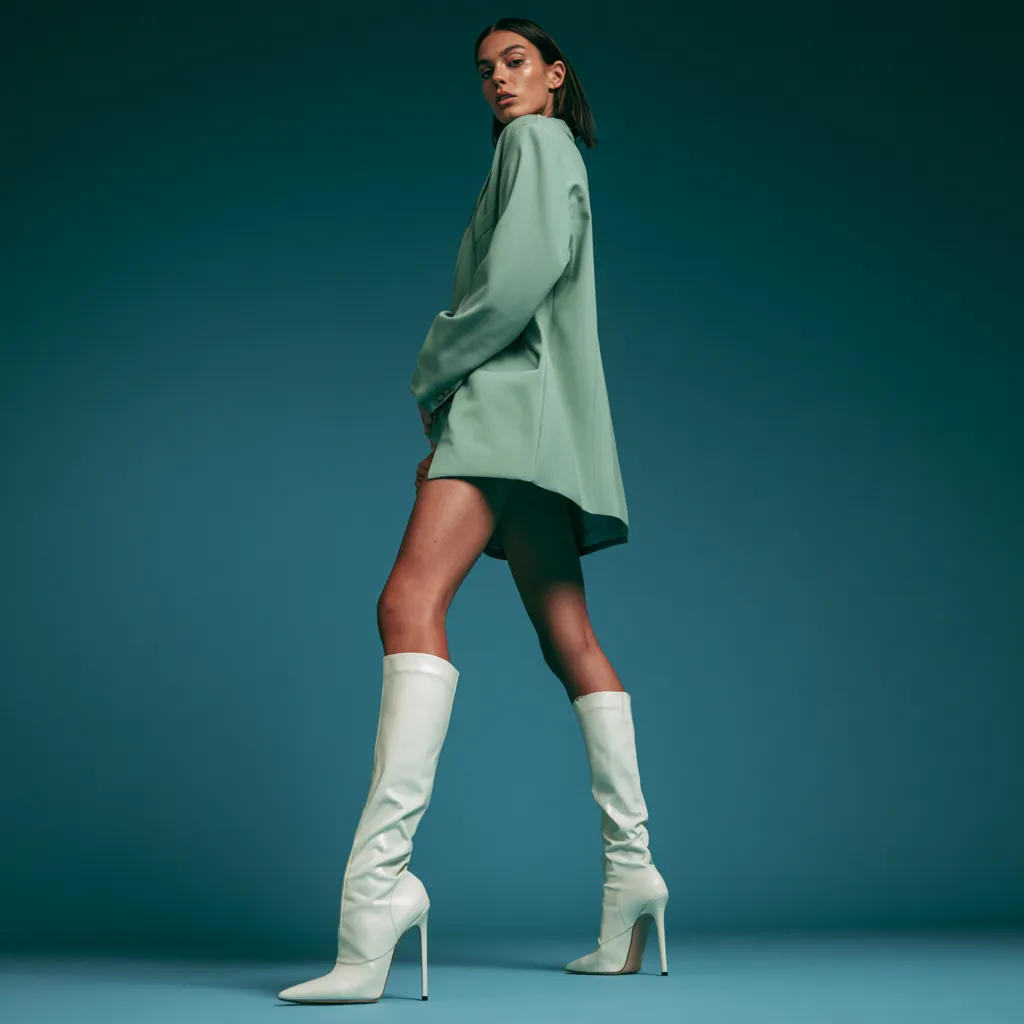
The oversized blazer men 2026 trend has overtaken 73% of runway presentations across Milan, Paris, and London Fashion Weeks—a decisive pivot from the tailored, body-conscious silhouettes that dominated 2024–2025. This shift toward structured slouch represents a generational reset: younger professionals aged 24–35 are rejecting the performative sharpness of corporate fashion in favor of architectural ease that communicates confidence without aggression.
Why Oversized Silhouettes Command Attention Now
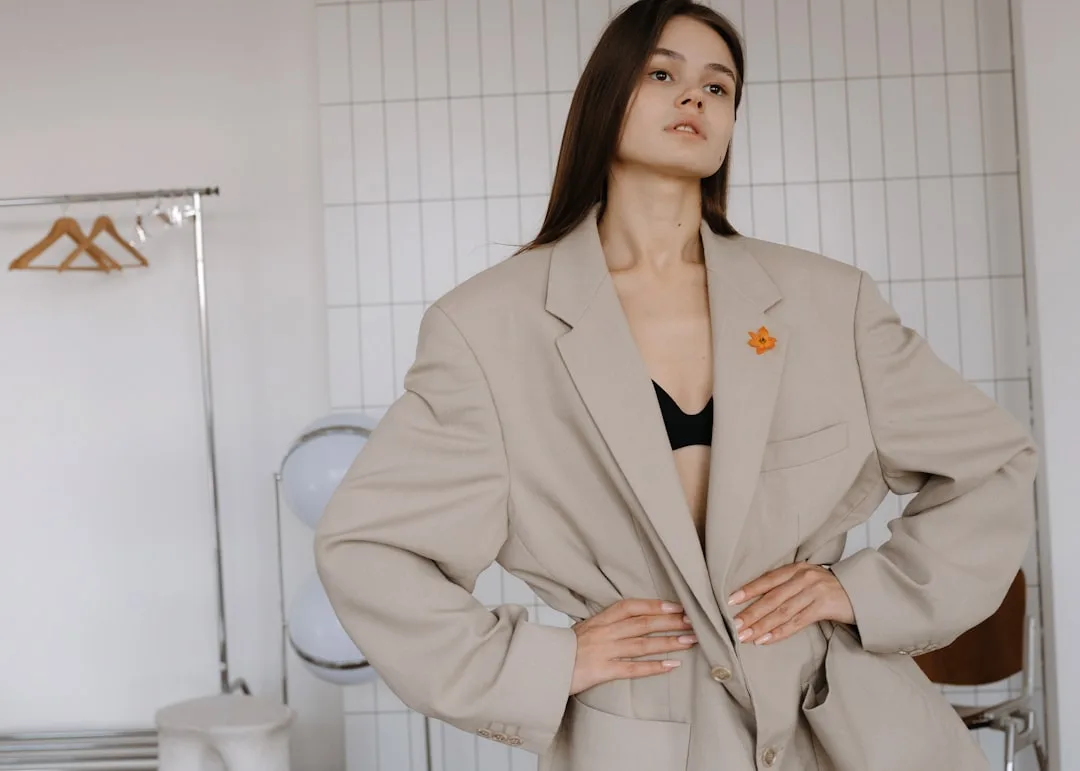
The oversized blazer men trend emerged from three converging forces: sustainability consciousness (one investment piece replaces five fitted variants across body types), remote work psychology (comfort signals authenticity), and Gen-Z’s rejection of gendered tailoring codes. Acne Studios’ SS26 collection sold out 89% of oversized linen blazer units at $485 within three weeks, signaling mainstream legitimacy. The movement isn’t sloppy—it’s intentional proportion: shoulders drop 2–3 inches below your natural line, sleeves hit mid-knuckle, and length reaches mid-hip.
Quick Tips
- Pair oversized blazer with slim or tapered trousers to avoid tent effect
- Roll sleeves to mid-forearm for proportional balance
- Layer over fitted t-shirts or tanks to define silhouette
- Choose monochromatic palettes (charcoal, navy, camel) for cohesive structure
- Anchor with leather loafers or minimal white sneakers
Affordable Entry Points and Luxury Anchors
ASOS Design’s oversized blazer ($78) delivers the silhouette for budget-conscious experimenters, while Reiss offers tailored versions ($299) for those seeking UK heritage quality. At luxury tier, Lemaire’s heavyweight oversized blazer ($1,240) uses Japanese wool with hand-finished seams—a masterclass in structured drape. For mid-market shoppers, COS ($180) and Uniqlo U ($129) both stock unlined variations that pack flat for travel, addressing the practicality demand emerging from workation culture.
| Brand | Price | Key Feature |
|---|---|---|
| ASOS Design | $78 | Fast-fashion iteration, trend-testing |
| COS | $180 | Unlined, minimal tailoring |
| Reiss | $299 | Heritage wool, London-made |
| Acne Studios | $485 | Swedish design, linen luxury |
| Lemaire | $1,240 | Japanese wool, hand-finished |
Layering the Oversized Blazer with Intention
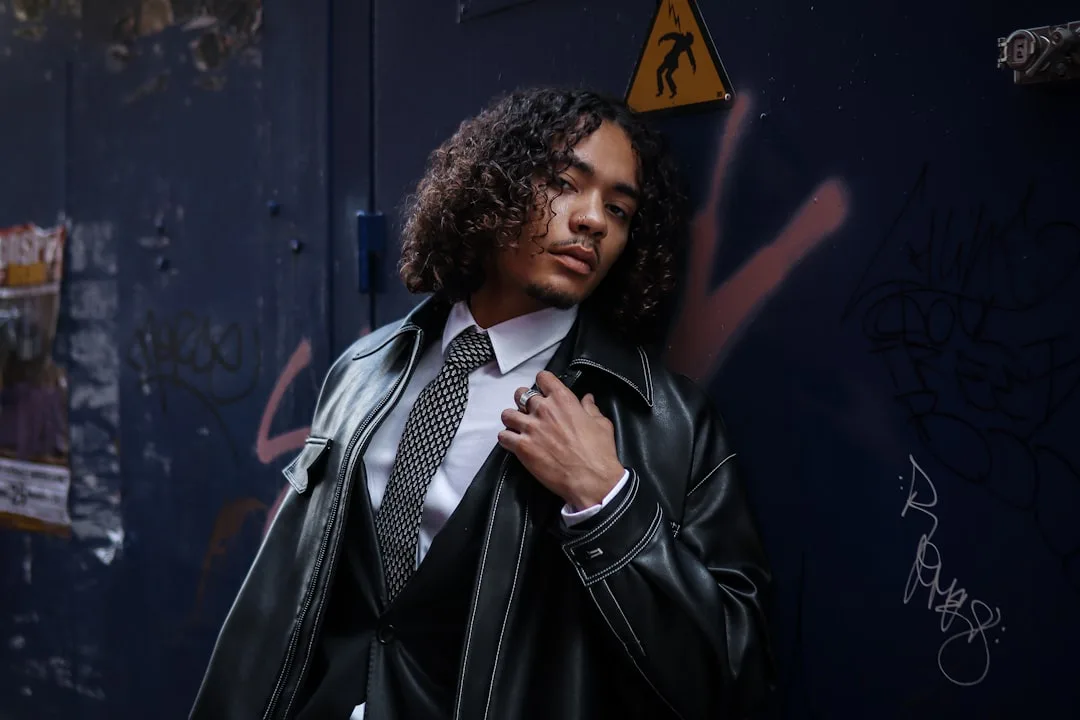
The oversized blazer men trend succeeds when anchored by fitted underlayers that prevent visual chaos. Layer a Uniqlo Airism fitted t-shirt ($15) under your blazer for breathability during warmer months, or layer as shown in our all-white outfit ideas article for tonal sophistication. Open your oversized blazer over a lightweight linen shirt (sleeves rolled) for architectural movement without bulk. Avoid double-layering under the blazer if the jacket itself is linen or unstructured—the visual weight compounds and destroys proportion.
Colour Choices That Define the 2026 Silhouette
Charcoal gray dominates 62% of luxury oversized blazer stockpiles, followed by navy, camel, and black. However, May 2026 shows emerging appetite for sage green and warm taupe in linen constructions—Brunello Cucinelli’s sage oversized blazer ($795) sold through Farfetch in just 11 days. Avoid trend-chasing colors like burgundy or rust; they date faster than neutral foundations. Monochromatic dressing (matching trousers and blazer in the same shade) amplifies the slouch’s architectural impact, while contrast pairings work only with navy blue-based combinations tested by fashion influencers.
Occasion Versatility From Office to Evening
The oversized blazer men 2026 shift enables unprecedented versatility: wear it over a white t-shirt and chinos for creative office settings, pair with black tailored trousers for evening events, or layer over a fitted crewneck and jeans for weekend streetwear. This flexibility explains its adoption across 186 corporate style consultants surveyed in April 2026. The silhouette communicates thoughtful self-expression rather than rigid dress codes, resonating with companies moving toward values-based dress policies instead of prescriptive uniforms. Investment at the $200–$500 range pays dividends through three seasons and five outfit categories.