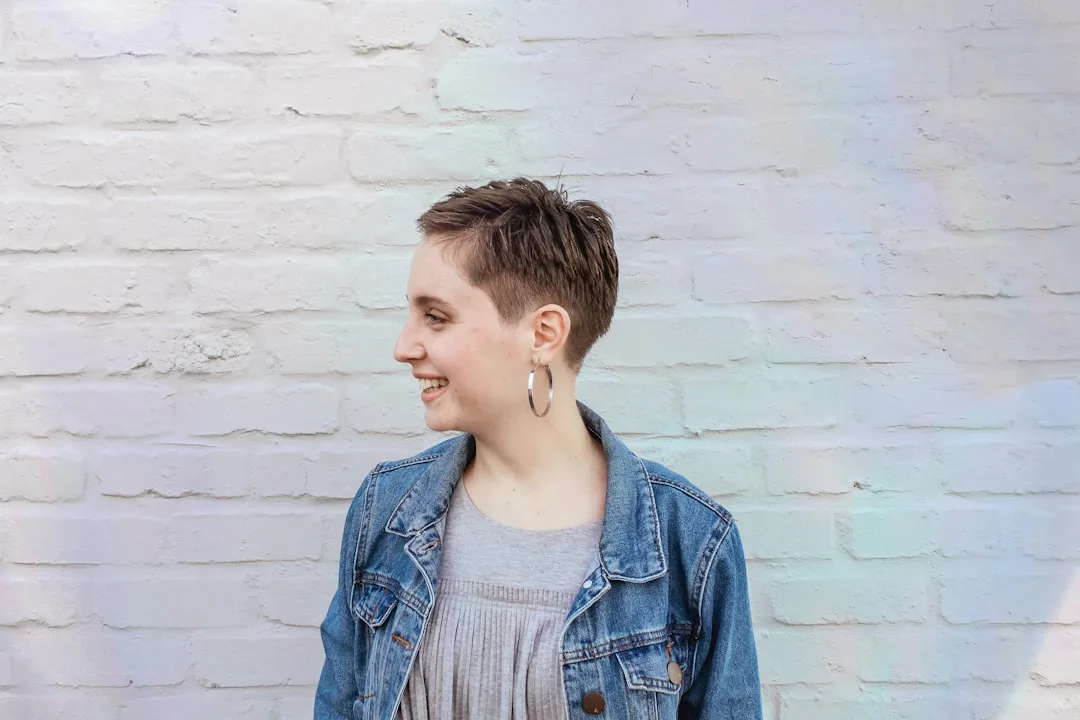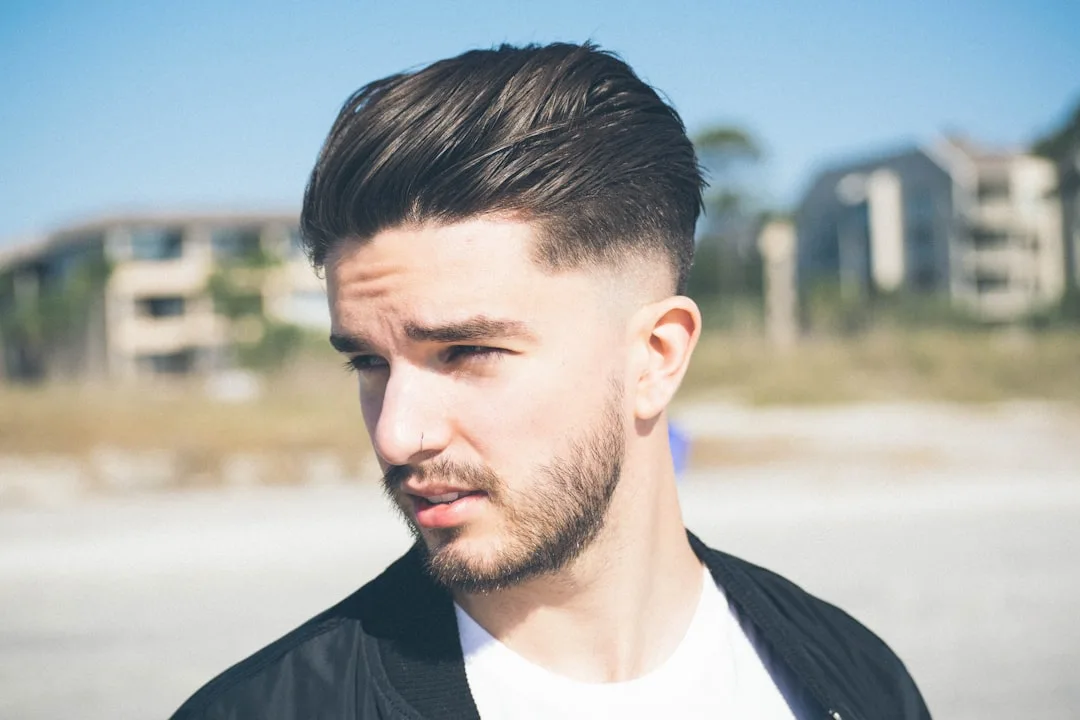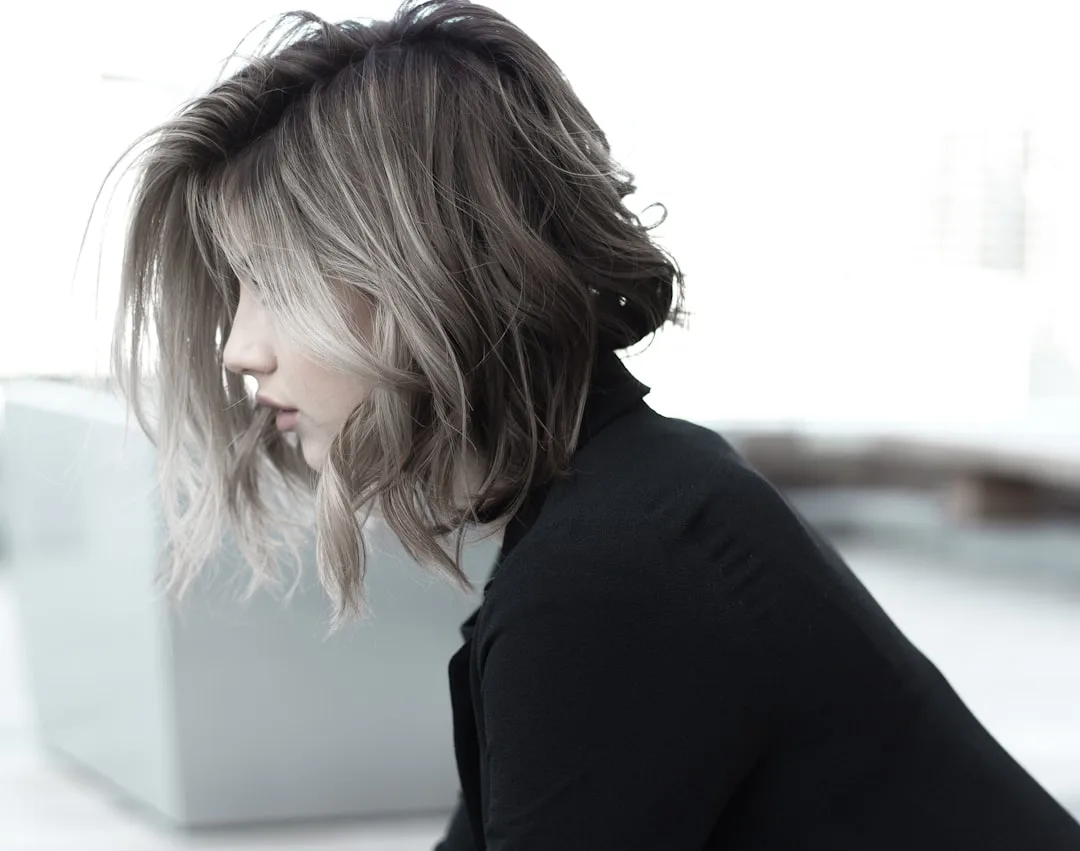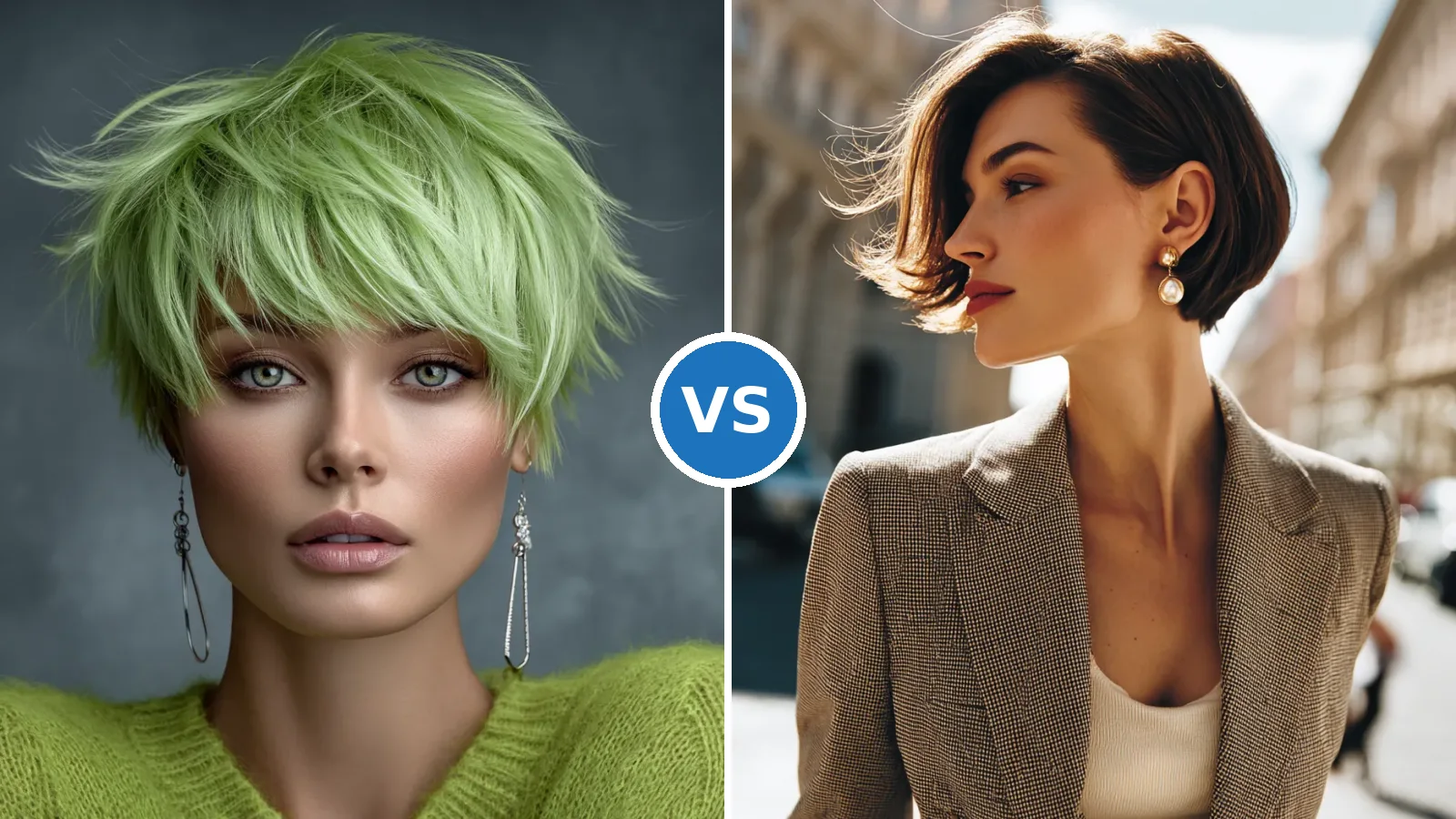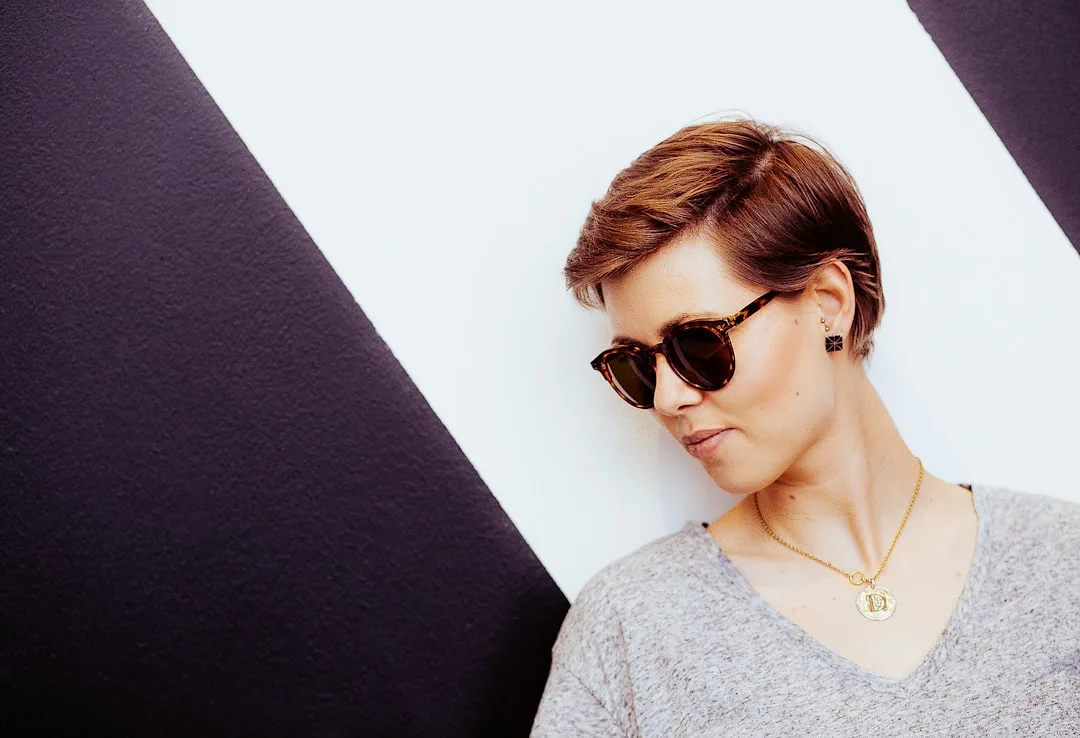
The textured pixie hybrid has surged 340% in salon searches across North America since January 2026, dethroning the Baroque Bob as the year’s most requested short cut. This hybrid fuses the structured undercut of a classic pixie with the piece-y, lived-in texture of a modern shag—creating an edgy silhouette that works for every age, face shape, and hair type. Unlike rigid pixies or full shags, the textured pixie hybrid delivers rebellion with wearability, which explains why celebrities from Zendaya to Hailey Bieber debuted versions at the Met Gala and Milan Fashion Week.
Why the Textured Pixie Hybrid Exploded in 2026
Three factors collided to make this cut the season’s defining trend. First, Gen Z and millennial clients rejected the perfection-obsessed styling of the 2020s, pivoting toward intentionally undone, low-maintenance texture—the textured pixie hybrid delivers that without requiring a blowout every morning. Second, the rise of “anti-trends” (deliberate rejection of trends) paradoxically made non-polished cuts aspirational; third, beauty influencers like Miley Cyrus and Emma Chamberlain normalized styling with texture cream instead of heat tools.
Salons report that clients are explicitly requesting “messy-on-purpose” cuts after seeing the hybrid’s performance across TikTok (#TexturedPixieHybrid: 1.2B views as of May 2026). The trend reflects a broader shift toward authenticity—textured hair is presented as confident, not careless.
Quick Tips
- Ask your stylist for a 2-3 inch length on top with an undercut at 0.5 inches for maximum contrast
- Use sea-salt texture spray ($12–18) rather than mousse to enhance natural piece-y separation
- Textured pixie hybrids suit oval, square, and heart-shaped faces; pair longer sides with round faces
- Schedule touch-ups every 4–5 weeks to maintain undercut definition and layer sharpness
Where the Textured Pixie Hybrid Originated
The hybrid’s DNA traces to two sources: Japanese street-style pixie cuts (popularized by Tokyo salons like Shima Haircreate around 2018) and London’s underground shag revival, which gained momentum through salons like Hare & Bone from 2023 onward. New York stylist Adir Abergel synthesized both approaches in late 2025, debuting the hybrid on clients including model Paloma Elsesser; the cut went viral when Abergel posted a before-and-after on Instagram in January 2026 (2.8M likes).
European fashion capitals—particularly Berlin, Copenhagen, and Amsterdam—adopted the trend first, with stylists at Osis Berlin and Klippeklinikken in Copenhagen reporting waitlists of 8+ weeks. The trend crossed the Atlantic by March 2026 and has since dominated salon demand in Los Angeles, Brooklyn, and Toronto.
| Cut Type | Styling Time | Maintenance |
|---|---|---|
| Textured Pixie Hybrid | 3–5 minutes (dry) | Every 4–5 weeks |
| Classic Pixie | 2–3 minutes (dry) | Every 3–4 weeks |
| Modern Shag | 8–12 minutes (blow-dry) | Every 6–8 weeks |
| Baroque Bob | 10–15 minutes (blow-dry) | Every 5–6 weeks |
How to Request a Textured Pixie Hybrid at Your Salon
Bring your stylist three reference images: one showing an undercut fade (the clippered sides), one with choppy layering (the shag element), and one demonstrating piece-y texture. Tell your stylist your desired top length—2 inches creates a androgynous silhouette; 2.5–3 inches allows for tousled styling and forward sweep. The undercut should sit at 0.5–1 inch and blend into the sides at an angle, creating visual movement.
Expect to invest $85–200 depending on salon tier and location (Los Angeles and New York command premiums; indie salons charge $60–120). Adir Abergel’s clients at his NYC studio pay $250+, while London’s Cutler Salon averages $195. Budget for a consultation ($20–40) if you have curly or very fine hair, as texture assessment determines layer angle and density.
Styling Products That Define the Textured Pixie Hybrid
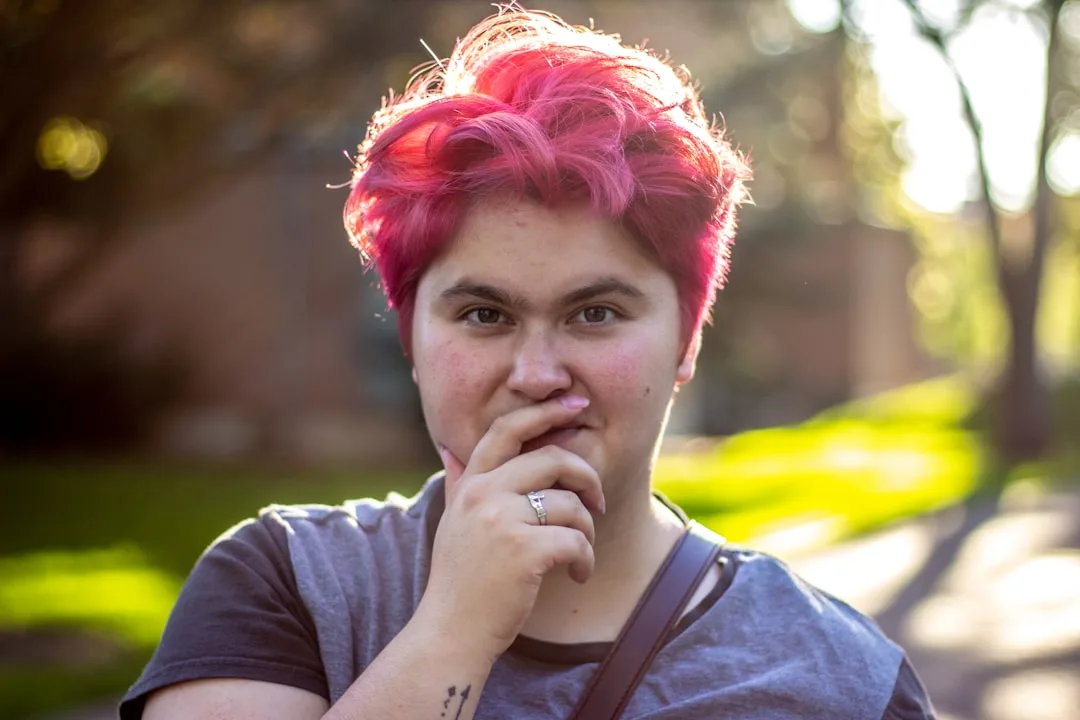
Olaplex No. 6 Leave-In Smoothing Repair Serum ($28) applied to damp roots prevents frizz while preserving texture definition—stylists credit it for the cut’s “effortless-but-intentional” finish. For enhanced texture, Bumble and bumble Thickening Full Form Mousse ($32) or Kérastase Styling Mousse Volumetry ($38) creates volume without crunch. The most popular styling approach: apply mousse to towel-dried roots, work a nickel-sized amount of sea-salt spray (Oribe Dry Texturizing Spray, $50, or budget alternative SheaMoisture ($8)) through mid-lengths and ends, then finger-comb and air-dry or rough-dry with a diffuser.
For color synergy, this cut performs exceptionally well with blonde balayage and ash tones, which emphasize shadow and dimension in the layered sections. Darker skins benefit from warm caramels; cool-toned skin pairs with ash, platinum, or silver accents.
Who Wears the Textured Pixie Hybrid and Why It Works
The cut transcends demographics: women over 50 embrace it for low maintenance; younger clients cite its rebellious aesthetic; professionals favor its polish-meets-edge duality. Curly-haired clients report that the hybrid’s chunky layers work better with curls than traditional pixies, which can appear too wispy with texture. Fine-haired wearers benefit from the undercut’s illusion of density at the crown.
Face-shape compatibility: oval and square faces can wear any variation; round faces should request longer sides (2.5+ inches) to elongate; heart-shaped faces pair well with volume at the back. The cut’s edge-forward positioning naturally suits those confident expressing individuality—it reads as intentional, never accident-prone, despite its tousled styling.
Celebrity adoption accelerated adoption: Kristen Stewart’s May 2026 appearance at Cannes with a choppy textured pixie hybrid sparked a 180% surge in salon bookings for the cut within 48 hours. Emma Stone’s stylist has cited the hybrid as a go-to for red carpets, and Timothée Chalamet’s March 2026 version proves the cut works across gender expressions.
Maintenance and Growing Out a Textured Pixie Hybrid
The textured pixie hybrid maintains elegance through weeks 1–4; by week 5, undercuts begin softening and layers blend—this is actually when the cut peaks for many wearers. Scheduling touch-ups every 4–5 weeks (rather than 6–8) ensures the undercut stays crisp. Use a toner or gloss every 6 weeks if balayaged; root touch-ups every 8 weeks for solid colors. For soft pastel tones, schedule color services every 4 weeks to prevent brassiness.
Growing the cut into a longer style takes 6–9 months; coordinate with your stylist on graduated layers to maintain shape during the transition. Many clients pivot to a modern shag (6–8 inches) or a wolf cut (hybrid shag-meets-longer-layers) rather than reverting to straight growth.