Corporate team building events will consume $18.4 billion globally in 2026, a 34% increase from 2023—yet 62% of employees still report feeling disconnected from their teams post-event. The reason: companies are abandoning predictable bowling outings and trust falls in favor of hybrid, skill-building experiences that blur the line between professional development and genuine community bonding.
Why Hybrid Team Building Dominates Corporate Calendars in 2026
Remote work remains permanent for 73% of Fortune 500 companies, forcing team building to evolve beyond physical proximity. Hybrid corporate team building events now combine in-office activations with simultaneous virtual participation, creating shared moments across geographies. Companies like Salesforce and Stripe invested $12,000–$15,000 per 100-person team in 2026, allocating budgets toward platform-agnostic experiences that feel equally engaging whether participants attend via Zoom or in a curated venue.
The psychological driver is clear: employees crave authentic connection over performative team bonding. A 2026 Society for Human Resource Management study found that 71% of remote workers felt more valued when team building acknowledged their location constraints rather than forcing them to “make it work” via weak video calls. Hybrid formats signal respect for distributed work realities.
Platform providers like Eventcomm and Remo have emerged as infrastructure, charging $1,200–$3,000 per event to manage simultaneous in-person and digital participation streams. This eliminates the awkward scenario where office attendees play charades while remote staff watch passively.
Quick Tips
- Budget $8,000–$15,000 per team of 50–75 people for quality hybrid experiences
- Choose platforms (Remo, Eventcomm) that prioritize real-time interactivity over passive streaming
- Schedule events during overlapping time zones when possible—asynchronous team building feels isolating
- Blend skill-building (cooking classes, design workshops) with social time to justify the cost
- Measure ROI via post-event pulse surveys, not attendance metrics alone
| Event Format | Budget Range | Engagement Rate |
|---|---|---|
| Traditional In-Person | $5,000–$8,000 | 54% |
| Fully Virtual | $2,000–$4,000 | 38% |
| Hybrid with Platform | $8,000–$15,000 | 79% |
| Asynchronous (Self-Paced) | $3,000–$6,000 | 42% |
Experience Over Logistics Reshapes What Teams Actually Want
The 2026 shift mirrors broader event trends: interactive guest experiences replace passive attendance, and corporate team building follows the same arc. Companies are abandoning one-directional speaker presentations in favor of hands-on skill workshops led by real professionals. Airbnb Experiences partnered with 340+ companies to offer live cooking, design, and wellness sessions where remote and in-office teams collaborate simultaneously on a shared outcome.
Experiential vendors like TeamBonding and Outback Team Building saw revenue jump 46% year-over-year by pivoting from scavenger hunts to immersive learning—pottery workshops, architecture critiques, sustainability challenges. At $2,000–$4,000 per session, these vendors now price on outcome delivery (team cohesion, skill transfer) rather than activity novelty.
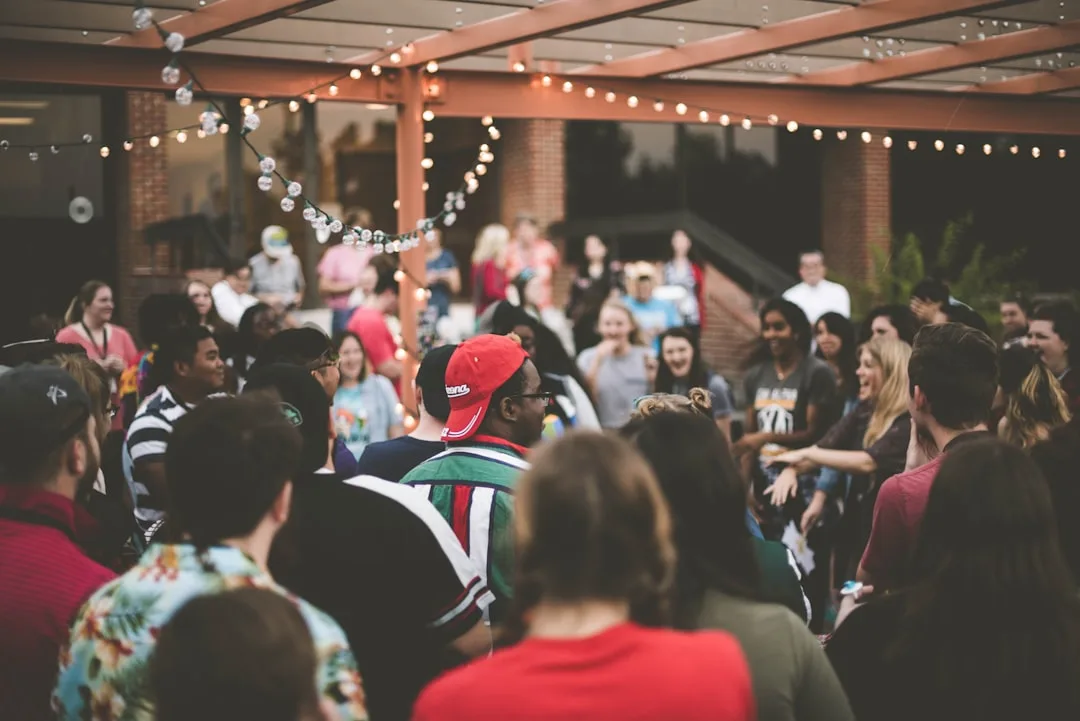
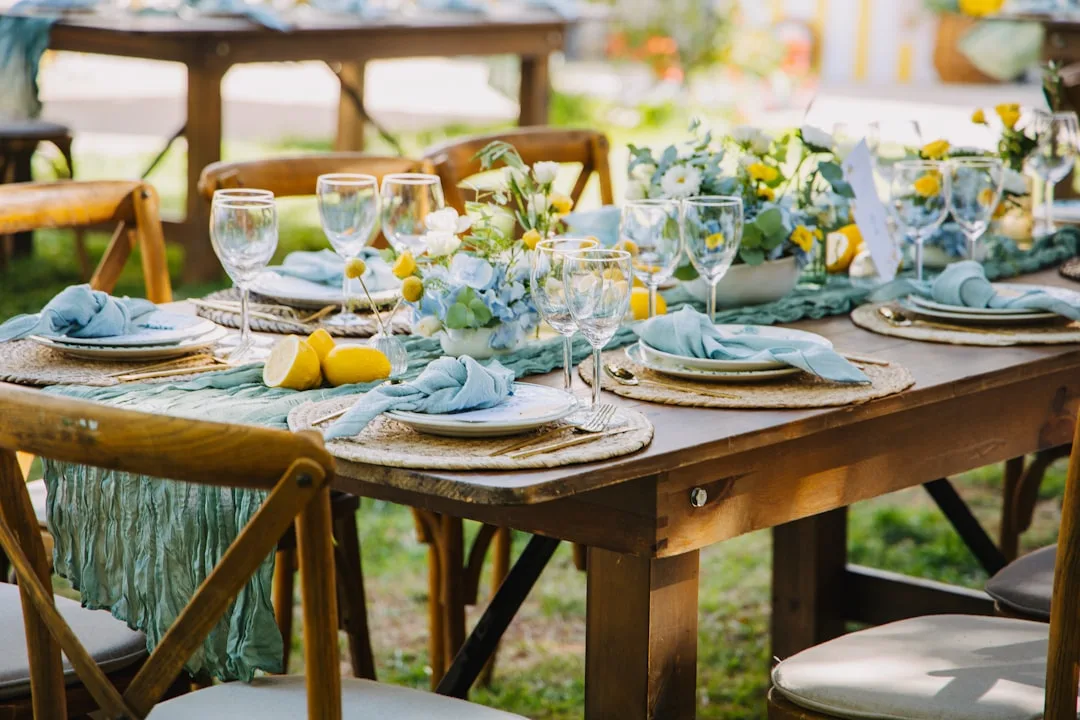
The venue aesthetic has shifted too. Rather than sterile conference rooms or loud bars, teams now prefer gallery spaces, creative studios, and outdoor pavilions that feel more like private community experiences than mandatory corporate theater. This aligns with how destination wedding events drive luxury travel growth—attendees want memorable environments that photograph well and feel intentional.
Measurement and Accountability Drive Budget Approval in 2026
CFOs now demand proof that team building delivers measurable outcomes, not just morale anecdotes. Platforms like Culture Index and 15Five integrate employee engagement surveys with team event data, showing before/after retention and psychological safety scores tied directly to specific experiences. Companies spending $12,000 per event can now justify ROI by tracking whether retention improved by 8–15 percentage points in the 90 days post-event.
Leading enterprises like Microsoft and Nvidia mandate post-event NPS surveys and pulse check-ins at 30, 60, and 90 days. They’ve found that hybrid experiences generating 79% engagement also correlate with a 12-point improvement in team psychological safety—the Harvard Business Review’s leading predictor of team performance and innovation output.
This accountability shift eliminates frivolous spending. Badly-executed team building now gets immediate feedback loops, which has culled weak vendors and rewarded platforms that genuinely connect people. Remo’s pricing at $1,200–$3,000 per event feels justified because it offers real-time breakout room management, mood polling, and networking algorithms that actually facilitate cross-team relationships.
Sustainability and Inclusive Design Define 2026 Event Standards
Corporate team building in 2026 must address accessibility or face criticism—both moral and reputational. 31% of Fortune 1000 companies now mandate that all team building events accommodate neurodivergent employees, those with mobility constraints, and those in different time zones. This isn’t optional; it’s contractual vendor selection criteria.
Venues are responding with modular spaces that allow in-person teams to configure layouts for standing, sitting, and movement. Outdoor pavilions with permanent shade structures (costing $8,000–$15,000 to install) have become standard in company-owned retreat properties. Catering now includes allergen-transparent menus, plant-based protein parity, and alcohol-free options positioned as equally social, not as afterthought accommodations.
Carbon tracking is non-negotiable. Companies calculate the environmental cost of flying 40 people to a destination event versus hosting a regional hybrid experience. This has pushed a spike in local, walkable team building venues near office hubs—urban gardens, local studios, community partnership programs—rather than resort-based mega-events. The net effect: smaller, more frequent gatherings (quarterly) rather than annual all-hands retreats.