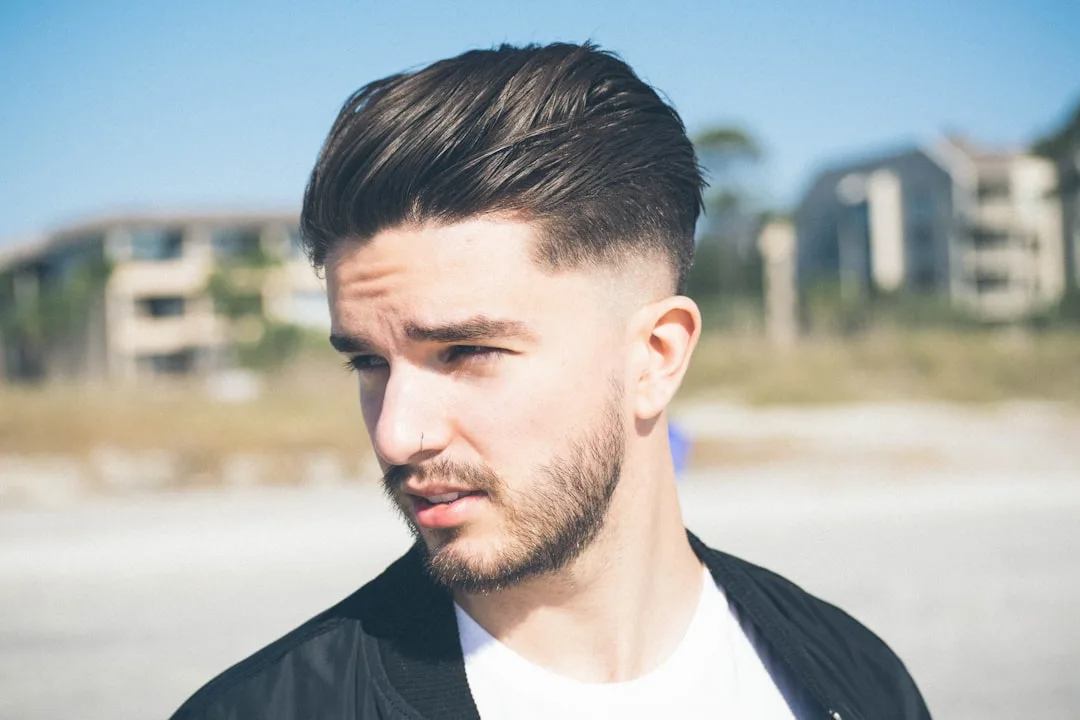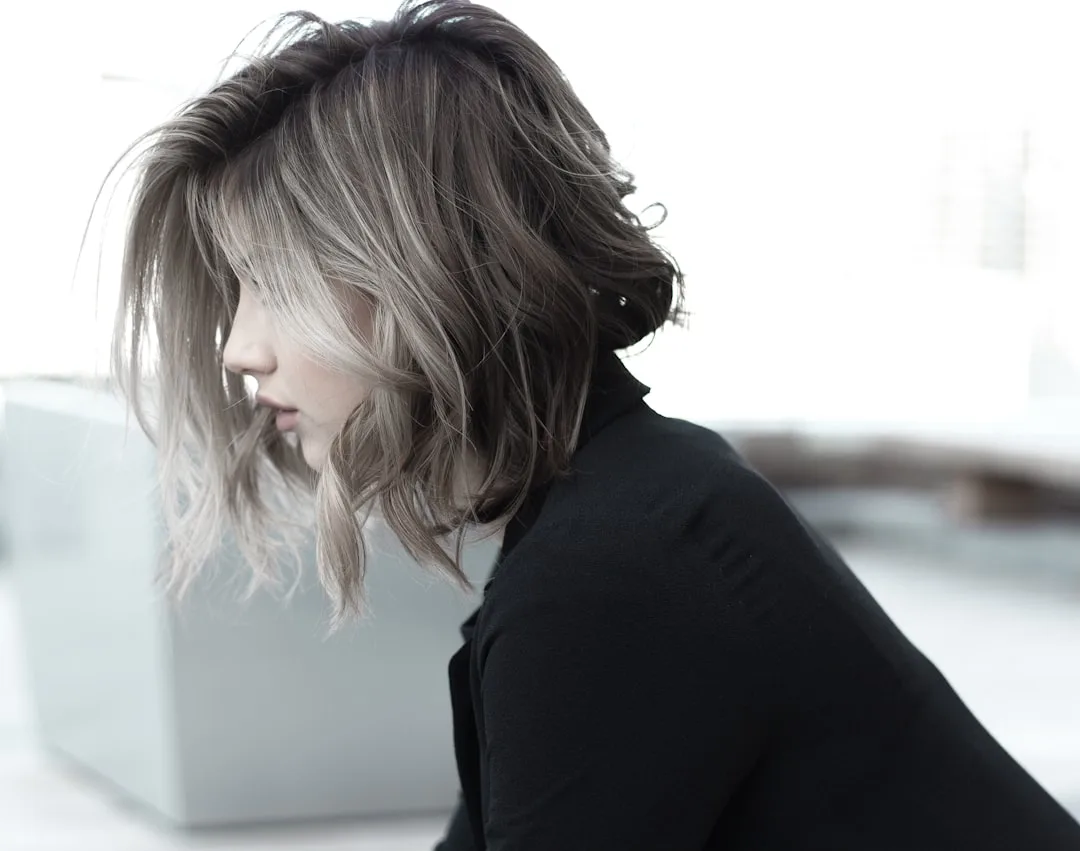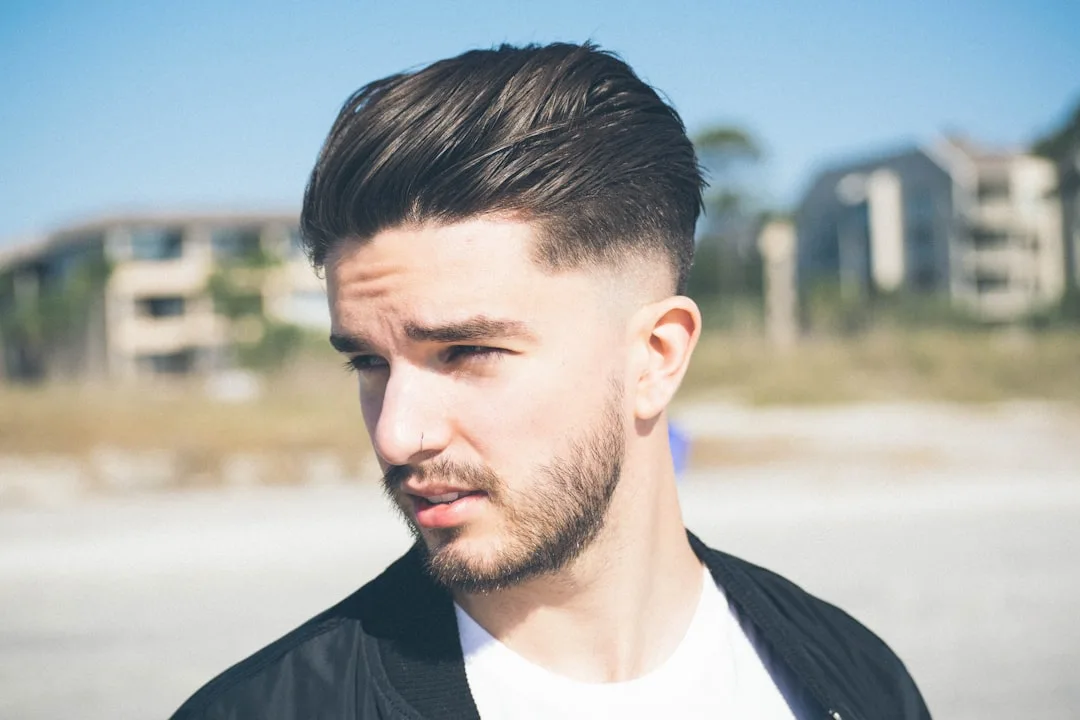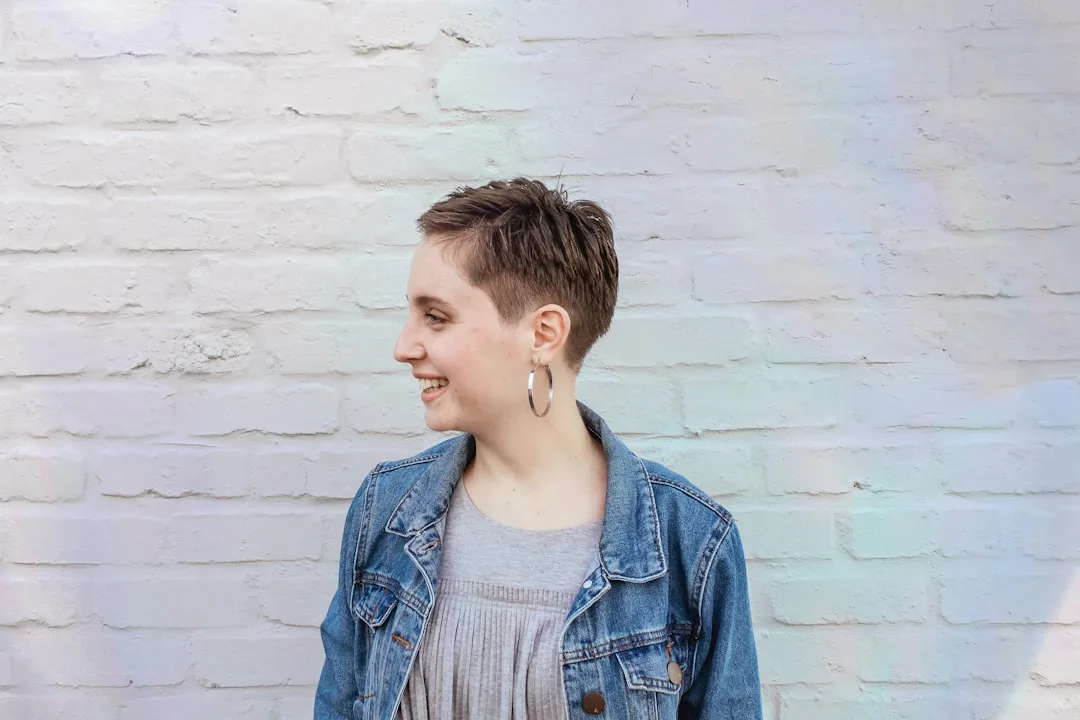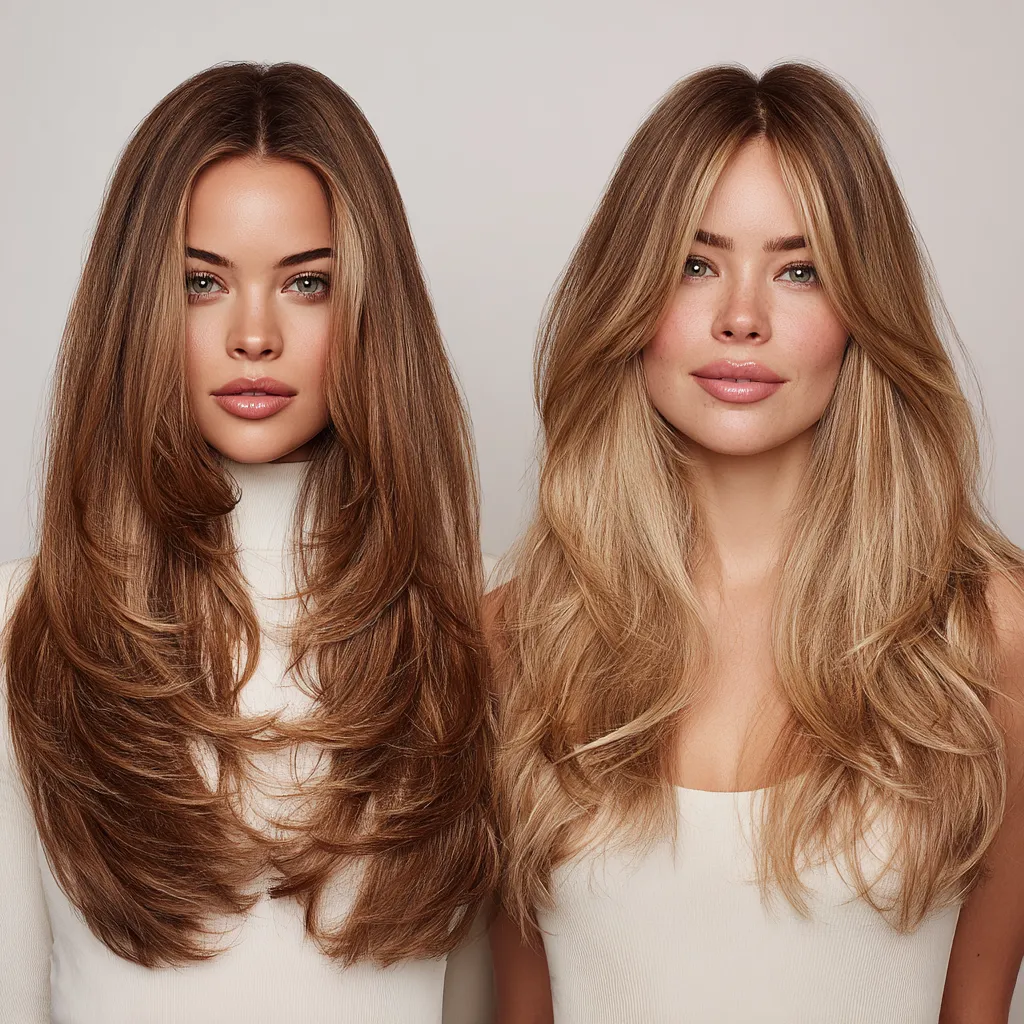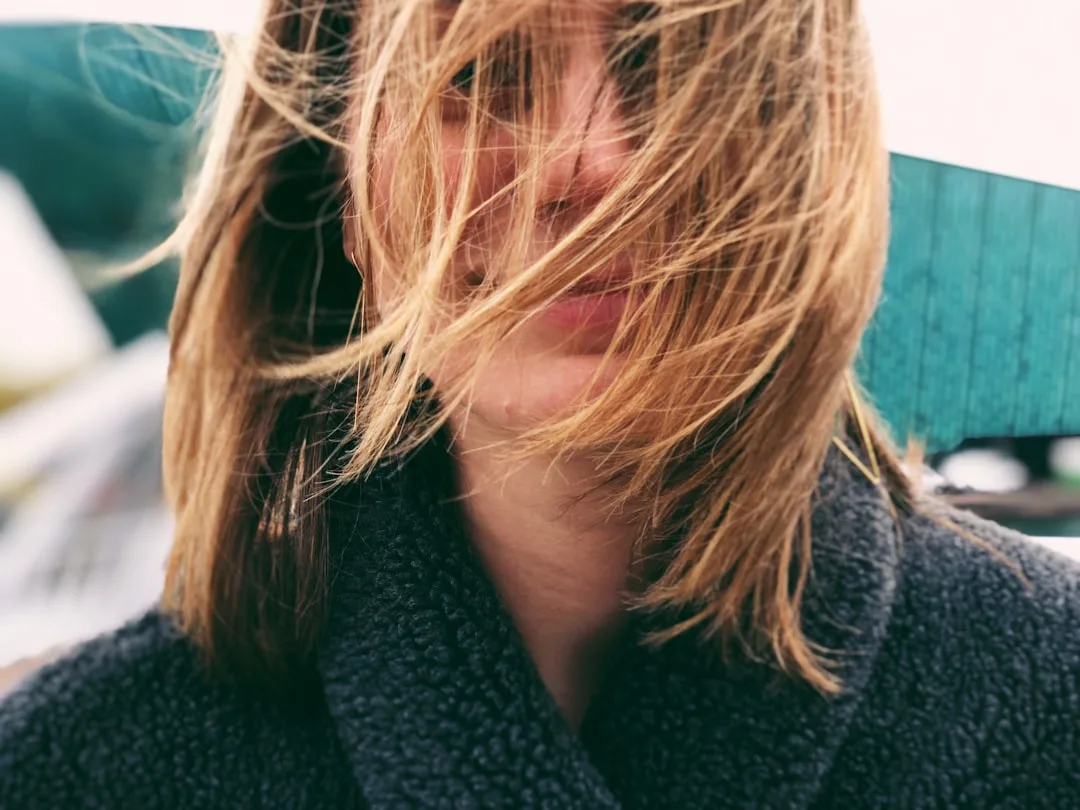
Textured medium haircuts command 34% more salon bookings than sleek cuts in spring 2026, according to Stylist Guild data. The shift toward piece-work definition marks a departure from blunt edges into dimensional, movement-driven silhouettes that work across all hair types. This trend stems from Gen Z rejecting rigid aesthetics in favor of lived-in, effortlessly undone textures that signal authenticity.
Why Texture Trumps Length This Season
Texture creates the illusion of density without requiring actual thickness, making textured medium haircuts ideal for fine or thinning hair. Razored layers cut at 45-degree angles create separation and airiness that blunt cuts cannot achieve. The technique requires precision: stylists work section by section, undercutting to build movement from the interior rather than surface weight.
Brands like Dyson ($399, Dyson Supersonic Hair Dryer) have engineered ionic technology specifically for textured finishes, recognizing that texture demands quick-dry capability without frizz. Olaplex No. 3 Hair Perfector ($28) addresses the micro-damage that razor-cutting creates, preserving hair integrity while enhancing texture visibility.
Razored Layers Define the Cut
The textured medium haircut relies on razored—not blunt—layers spaced 1.5 to 2 inches apart. Each layer tapers toward the ends, creating flicked points rather than blunt edges. This demands a stylist with advanced blade work; budget $180–$280 for precision razoring at salons like Ramirez|Tran Salon in Los Angeles or Cutler in New York.
Point-cutting at the ends produces feathered texture that moves independently. A textured medium haircut worn shoulder-length typically includes 6–8 interior layers that don’t reduce overall length but multiply movement capability. The crown sits fuller due to undercutting, while ends remain lived-in rather than perfectly finished.
Quick Tips