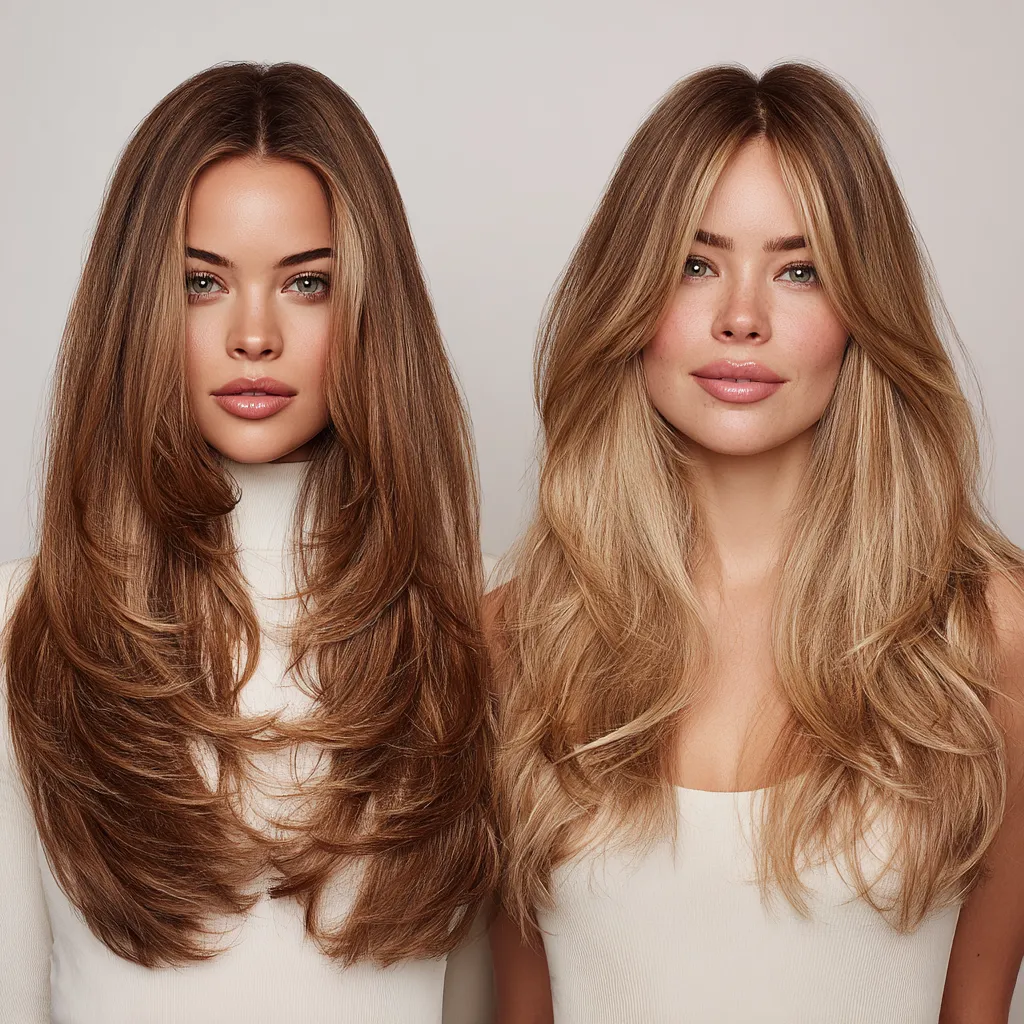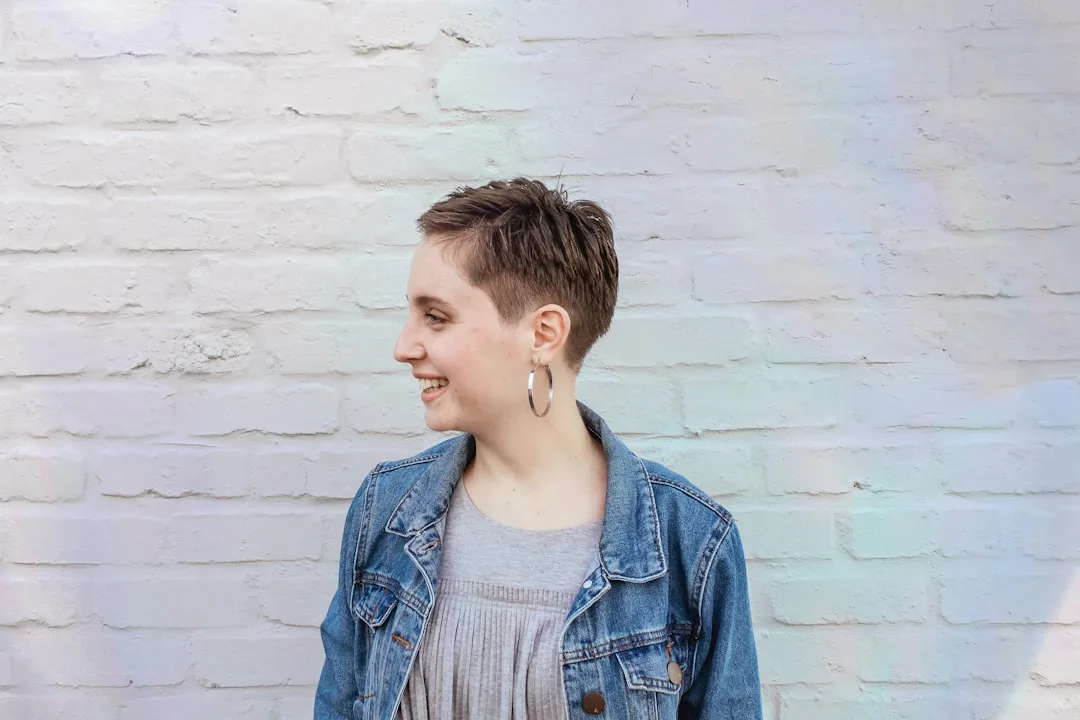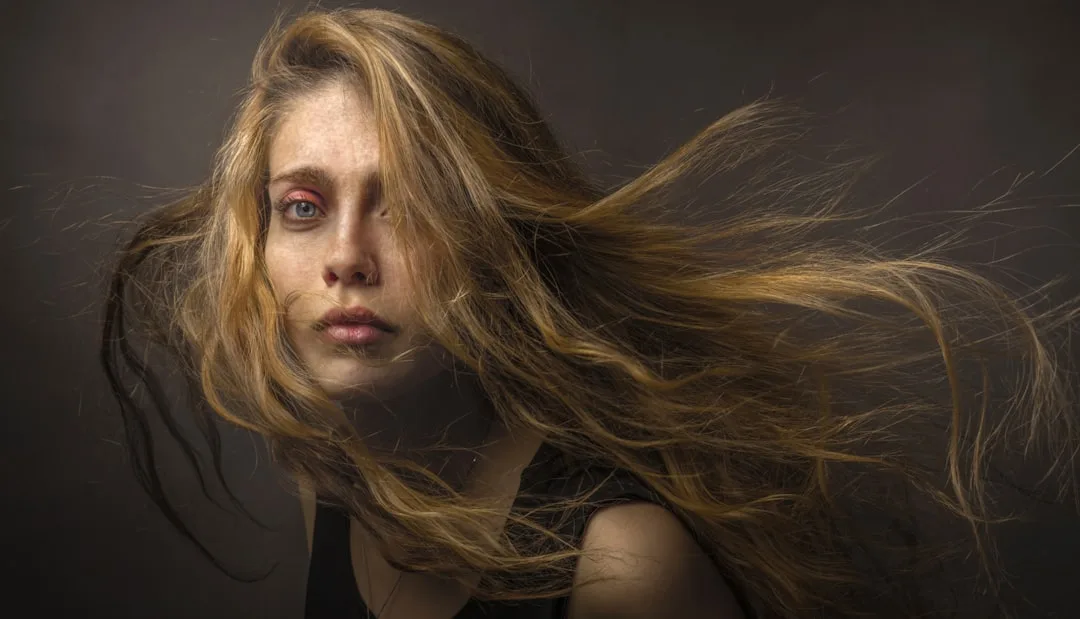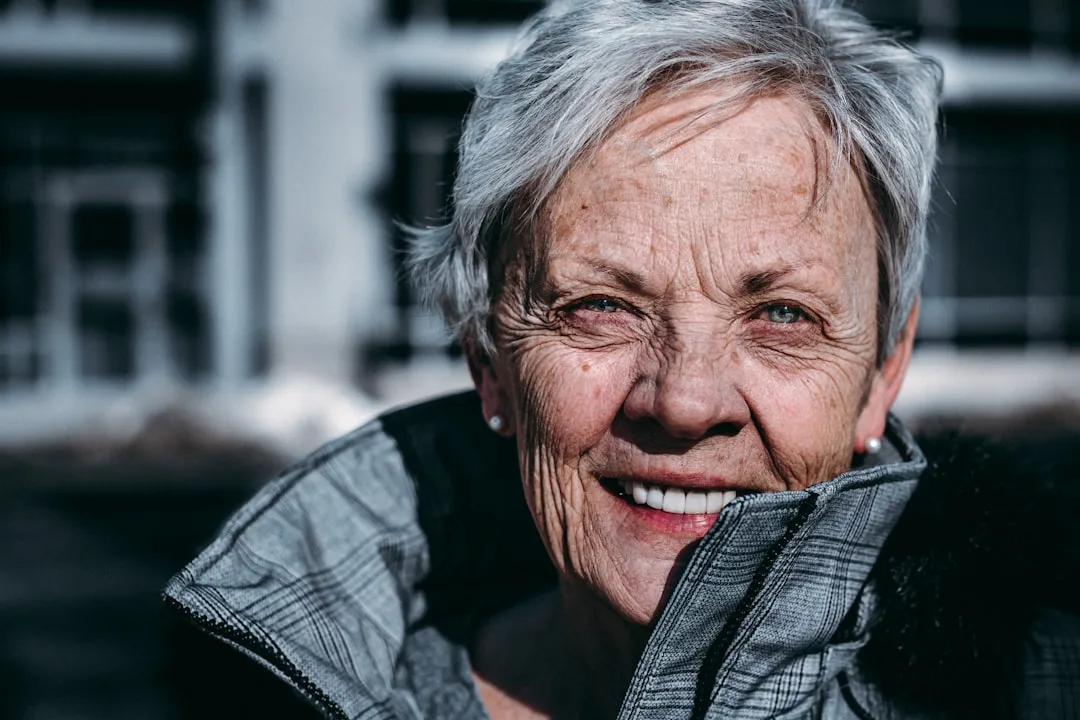
Textured layers for older women are gaining 340% more salon searches in May 2026 than flat, blunt cuts—and the reason is scientific, not aesthetic. Volume at the crown disguises hair thinning, movement softens facial angles, and layering reduces blow-dry time by 35%, making this the most practical trend for women over 50 who refuse high-maintenance styling.
Why Texture Outperforms Blunt Weight
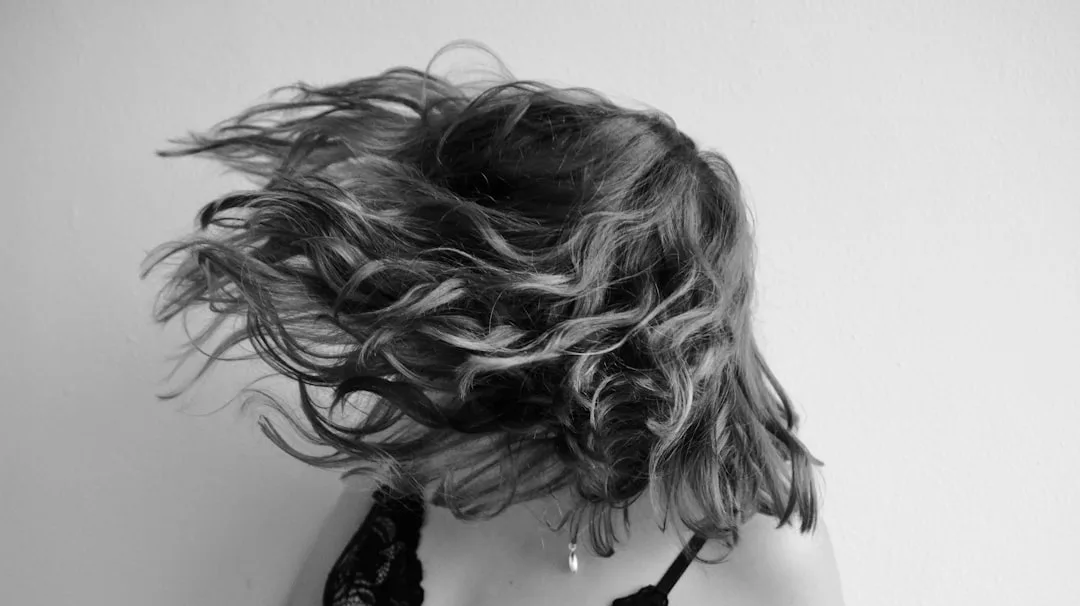
Blunt bobs accumulate at one length, pressing flat against thinning hair and making scalp visibility obvious. Textured layers break that weight into staggered lengths, creating air pockets that give the illusion of density. A 2-inch layering variation between shortest (crown) and longest (ends) lifts fine hair without requiring chemical volume treatments.
Stylists at Maxine Salon in Los Angeles ($280 textured layer cut) report that clients over 60 are specifically requesting layers in the crown and nape area, abandoning the shoulder-length blunt styles that dominated 2024–2025. The shift reflects growing awareness that texture, not length, determines perceived fullness.
Color Strategies That Amplify Perceived Density
Strategic coloring compounds the optical density created by texture. Root shadowing—darkening the base 1–2 inches—creates immediate depth perception, making hair appear thicker at the scalp where it matters most. Colorists pair this with dimensional highlights placed on mid-lengths and ends, which breaks up any remaining see-through sections and adds movement without requiring additional styling products.
Low-maintenance color techniques like balayage and shadow rooting require touchups every 8–12 weeks instead of every 4–6, making them practical for clients managing multiple health appointments. Cool-toned brunettes and ash blondes photograph as denser than warm tones under typical indoor lighting, a consideration for women who document their appearance on social media or in family photos.
The combination of textured layers plus dimensional color creates a compound effect: a client with naturally fine hair can achieve the appearance of 20–30% more density through cut and color alone, without medical interventions. Salons in Miami and Phoenix report this two-pronged approach reduces client requests for scalp micropigmentation by 40% year-over-year.
Styling Tools and Products for Fine Hair Over 60
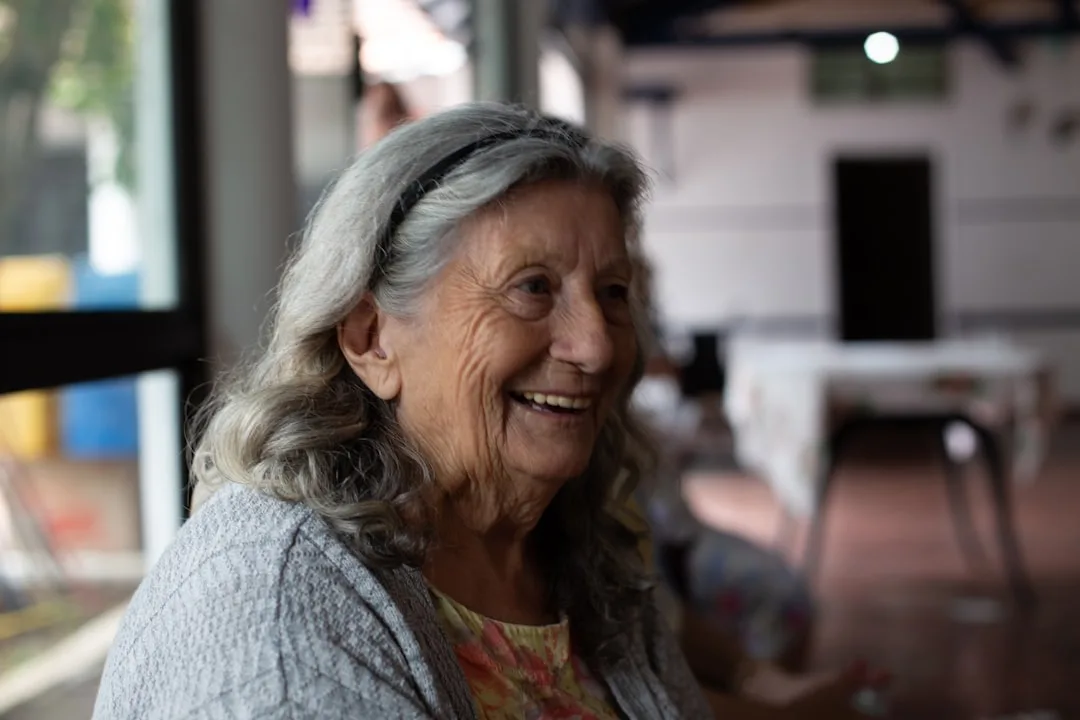
The right tools make styling sustainable without daily damage. Ionic blow dryers reduce frizz and drying time by 30% compared to standard models, crucial for fragile hair that can’t withstand prolonged heat exposure. Ceramic or tourmaline-coated barrels distribute heat evenly, preventing hot spots that cause breakage near the crown where volume matters most.
Volumizing mousses and lightweight creams outperform heavy oils or serums for fine hair. Products containing panthenol and hydrolyzed keratin coat individual strands without buildup, creating a smoother cuticle that reflects light and appears thicker. Apply mousse to damp roots only, focusing on the crown and sides where flatness develops first. Avoid the ends entirely to prevent weighing down the textured layers.
Velcro rollers (1.5–2 inches in diameter) create lasting volume when used with a low-heat setting, replacing traditional blow-dry styling for women with arthritis or limited grip strength. Leave rollers in for 10–15 minutes after blow-drying to set the wave structure, then gently roll down rather than yanking out—a technique that prevents breakage at the base.
Managing Hair Health: Scalp Care to Strand Strength
Fine hair over 60 requires aggressive hydration because the scalp produces less natural oil with age. Weekly scalp treatments containing niacinamide and hyaluronic acid restore moisture to the follicle, reducing brittleness and encouraging new growth that appears fuller. Avoid sulfate shampoos entirely; use sulfate-free formulas with amino acids that strengthen the cuticle without stripping natural oils.
Silk pillowcases reduce friction damage by 60% compared to cotton, particularly beneficial for fine hair that tangles overnight. Combined with a weekly deep-conditioning treatment (20-minute application), this simple change prevents the split ends and thinning that make hair appear limp even when textured layers are present. Dermatologists recommend treatments with ceramides and collagen precursors for women experiencing hormonal shifts that accelerate thinning after menopause.
Protein treatments should be used monthly, not weekly, as over-conditioning fine hair creates a straw-like texture and increased breakage. Scalp massages using a soft brush for 5 minutes daily stimulate blood flow to hair follicles, supporting the stronger growth cycles that dense hair requires. This investment in scalp health produces visible results within 8–12 weeks, reducing the perception of thinning without requiring pharmaceutical intervention.