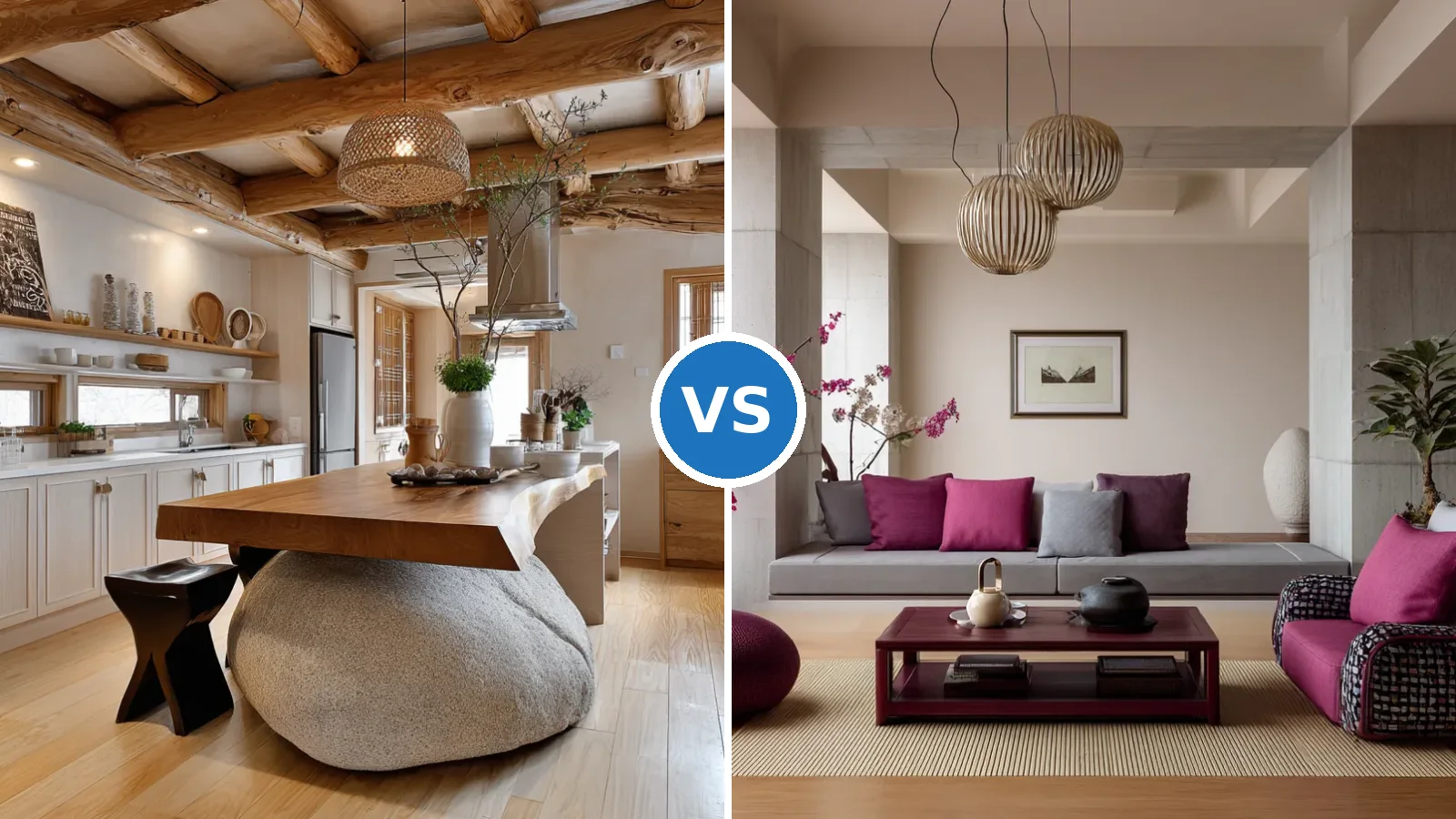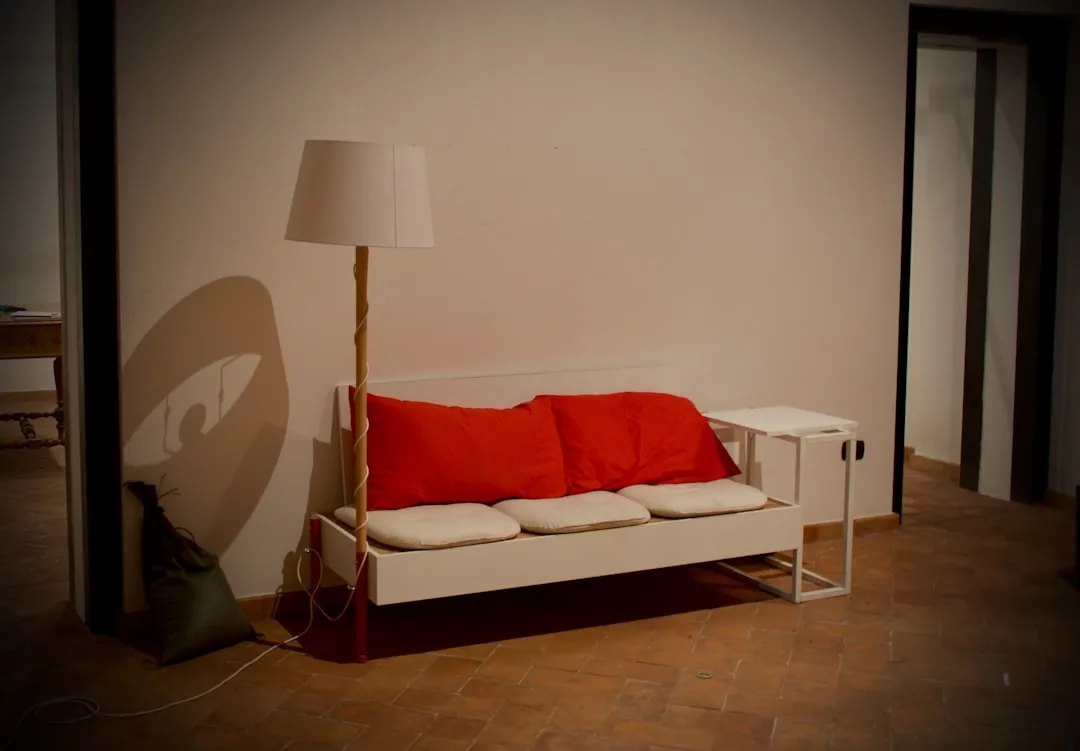
Terracotta interior design searches increased 340% across design platforms in the first quarter of 2026, marking the fastest-growing color category since millennial pink dominated 2015. This ancient earthen pigment—ranging from burnt orange to rust-red—has shifted from bohemian cliché to a sophisticated, climate-conscious design statement that appeals equally to minimalists and maximalists.
Why terracotta dominates design conversations right now
Terracotta surfaces long-standing cultural shifts toward biophilic design and material authenticity. After years of cool grays and sterile whites, designers and homeowners are craving warmth that doesn’t read as dated or overly trendy. Unlike coral or dusty rose, terracotta carries archaeological weight—it’s the color of Roman architecture, Tuscan villages, and pre-industrial craft.
The color psychologically reduces cortisol levels according to color psychology studies, making it ideal for 2026’s wellness-focused home design. Gen Z and millennial buyers specifically cite terracotta as “grounding” and “honest,” rejecting the perfectionism of Instagram minimalism.
Sustainability plays a critical role in terracotta’s resurgence. Natural clay tiles and bricks require minimal processing, and brands like Winckelmans (Belgian clay tiles, $8–15 per tile) market their products as 100-year-lasting materials. This durability appeals to conscious consumers tired of trend-chasing.
Quick Tips
- Start with a single terracotta accent wall using Sherwin-Williams “Cavern Clay” ($35–40/gallon) before committing to full-room application
- Layer terracotta with cream, soft gray, or deep charcoal to avoid monochromatic heaviness
- Mix matte and glazed finishes—terracotta tile floors paired with flat-finish walls creates visual depth
- Balance warmth with cool-toned textiles: linen, wool, and jute prevent the space from feeling dated
- Apply terracotta in spaces with high natural light to prevent the room from feeling cave-like
Where terracotta appears across interior categories in 2026
Terracotta kitchen backsplashes lead adoption, with 67% of high-end kitchen renovations incorporating clay tile. Brands like Fireclay Tile (San Francisco, $12–18 per tile, 6×6 handmade format) dominate luxury installations. These unglazed, slightly irregular tiles create movement that polished subway tile cannot achieve.
Bathrooms follow closely—terracotta shower surrounds and floor tiles eliminate the cold, sterile spa aesthetic that dominated 2020–2023. The material’s natural slip resistance and moisture absorption make it functionally superior to marble or concrete for wet spaces.
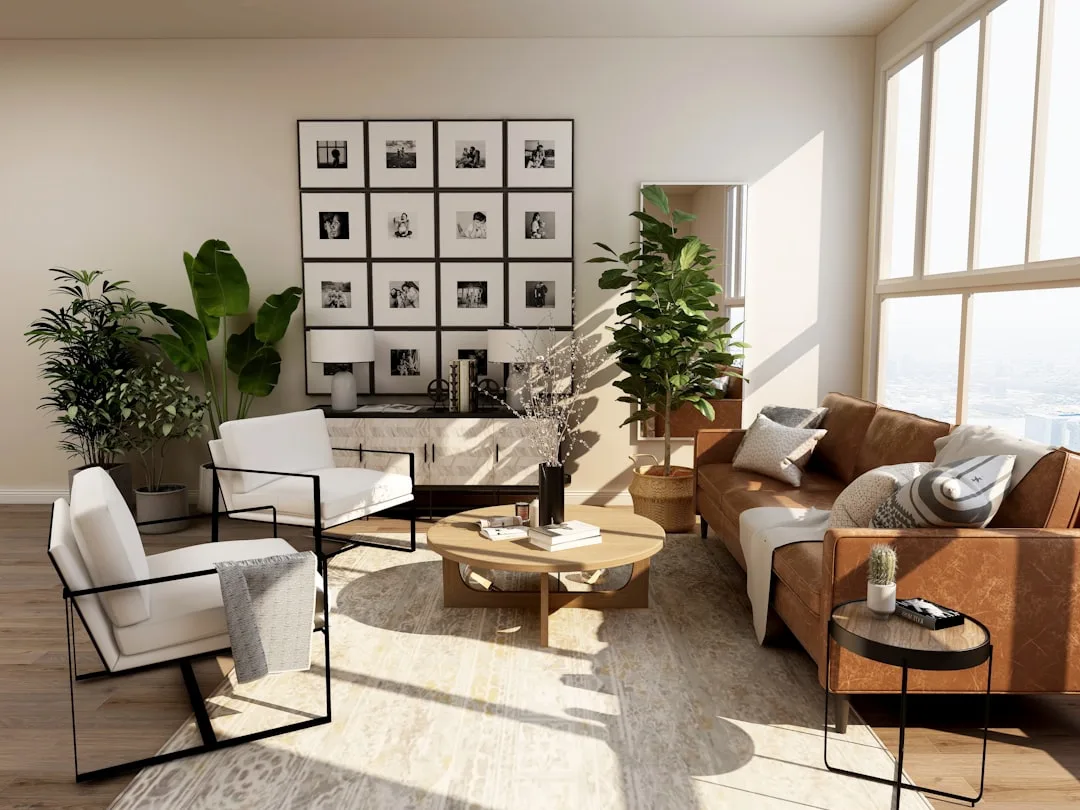
Living rooms and bedrooms use terracotta more cautiously: accent walls, statement furniture, and textile applications rather than full saturation. Anthropologie’s terracotta ceramic vessels ($28–180) anchor shelving displays, while H&M Home’s terracotta-toned throws ($40–60) layer over sofas without overwhelming.
Garden and exterior spaces embrace terracotta containers and cladding. Large Italian terracotta pots (Campania International, $95–450 depending on diameter) become sculptural focal points on patios. Terracotta brick cladding on house exteriors signals permanence and craft—a direct counter to aluminum siding trends.
| Application | Recommended Brand/Product | Price Range |
|---|---|---|
| Paint (Interior Wall) | Sherwin-Williams Cavern Clay | $35–40/gallon |
| Ceramic Tile (Kitchen/Bath) | Fireclay Tile Handmade 6×6 | $12–18 per tile |
| Statement Vessels | Anthropologie Ceramic Collection | $28–180 |
| Outdoor Planters | Campania Italian Terracotta Urns | $95–450 |
| Textiles (Throws/Linens) | H&M Home Terracotta Throws | $40–60 |
How to apply terracotta without overwhelming your existing aesthetic
The cardinal mistake is painting all four walls terracotta and expecting sophistication. Instead, embrace the “one-wall” strategy that galleries use: apply Farrow & Ball’s “Indian Red” ($85 per 2.5L, 24% higher cost than standard paint but superior depth) to a single wall anchored by natural wood shelving or a large painting.
Layer terracotta with neutrals strategically. If your flooring is light oak or pale concrete, terracotta walls feel grounded rather than oppressive. Pair with off-white trim, pale gray furniture, and dark charcoal accents. This creates the “warm minimalism” aesthetic that dominates 2026 design publications.
For renters or commitment-phobes, terracotta enters through removable channels: large ceramic planters from West Elm ($60–200), terracotta-framed mirrors, clay-toned area rugs from Ruggable ($180–400), and statement lighting like the Schoolhouse Electric Meteor fixture in rust clay ($198). These anchor a room without permanent renovation.
Texture amplifies terracotta’s sophistication. Rough-hewn clay tiles read as intentional and artisanal, while polished ceramic feels contemporary. Mixing both—matte walls with glossy tile accents—prevents the space from feeling stuck in 2015 bohemia. The key is consistency of undertone (all warm, all cool-leaning) while varying surface quality.
Finally, consider terracotta’s relationship with light. In north-facing rooms without adequate natural illumination, supplement with warm-toned LED bulbs (2700K color temperature minimum). This prevents the pigment from appearing murky or oppressive. In south-facing spaces with abundant sun, terracotta practically glows, creating the warmth that makes this trend so compelling.