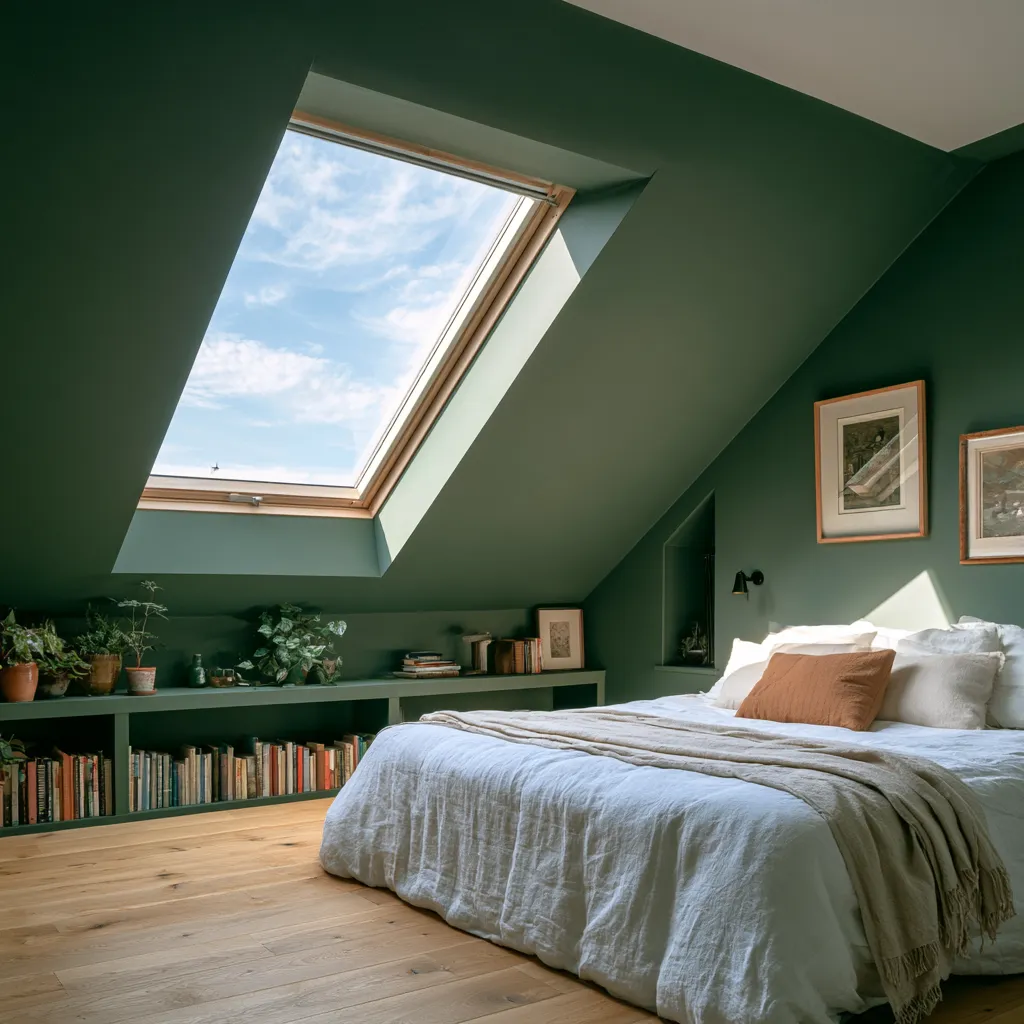
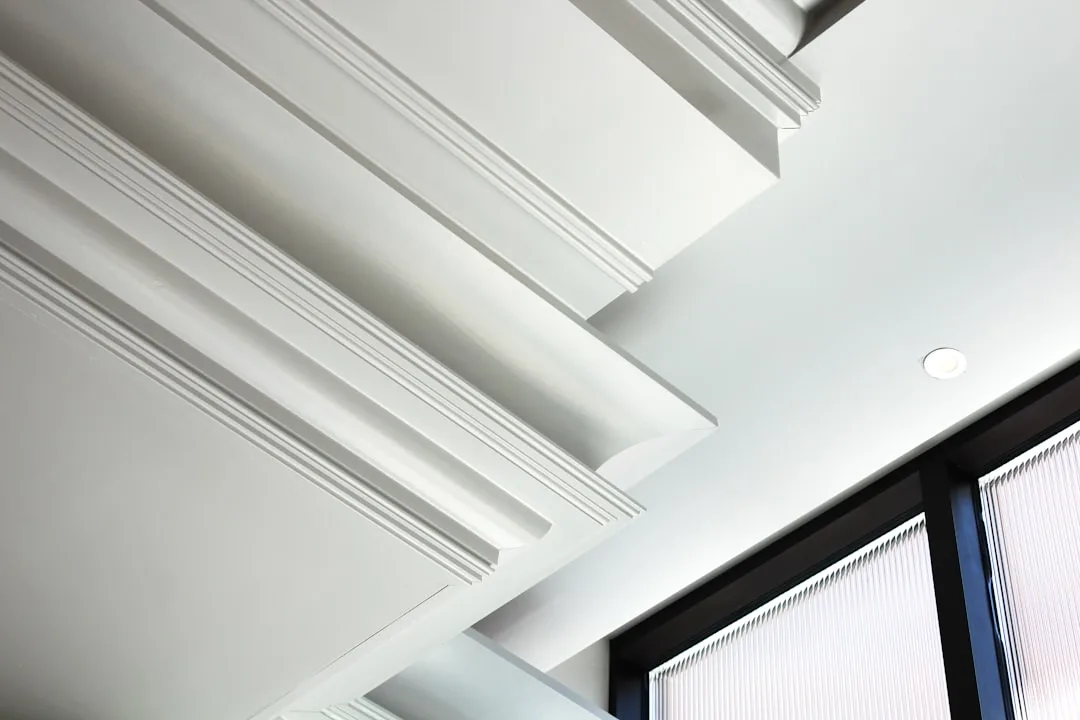
Rustic wood ceilings work in almost any home that wants warmth overhead, from a full barnhouse to a suburban bedroom with a flat 8-foot ceiling. The look comes from real or convincingly aged timber: planks, tongue and groove boards, or exposed beams left visible instead of hidden behind drywall. Typical installed prices for tongue and groove run about $4–$10 per square foot, while a decorative faux beam package averages around $3,000. Start with the room you use most, because that is where the payoff in atmosphere is highest.
Does the style suit modern homes too? Yes, as long as the wood carries the room and everything else stays quiet. A plank ceiling costs roughly twice as much as basic drywall at the low end, yet it replaces paint, texture and most decor in a single move. Think of it as a wool blanket for the room: one layer that changes how the whole space feels. Pair it with plain walls so the grain stays the star.
The sections below break down rustic ceiling design by material, beam type, budget and room. Every option comes with typical prices and a direct comparison, so you can match the ceiling to your house rather than to a mood board. A side-by-side table near the end puts five ceiling options in one view.
Quick Scan
- Tongue and groove wood costs about $4–$10 per sq ft installed vs $2.00–$5.50 for drywall.
- Pine is the budget species, with materials around $1–$8 per sq ft.
- Faux beams run $15–$35 per linear ft installed; the average project lands near $3,000.
- Solid timber beams cost $25–$60 per linear ft installed and weigh far more.
- A pro crew hangs 100 linear ft of faux beams in roughly 10 hours.
- Pale boards keep low rooms airy; dark wood needs vaulted height.

Why Rustic Wood Ceilings Read as Warm, Not Heavy
Rustic ceiling design works because the structure itself becomes the decoration. Beams, boards and even visible fasteners stay on show, the same way old barns and farm cottages left their framing exposed. The catch today is budget: a wood ceiling at $4–$10 per square foot installed sits well above drywall at $2.00–$5.50, so the choice has to earn its place. Put the money where people look up most, such as the living room or a double-height entry.
Will the ceiling feel like it is pressing down? Only when dark wood meets low height and dark walls at the same time. A ceiling behaves like the lid of a box: the lighter its tone, the taller the box feels. Pale pine or whitewashed boards keep an 8-foot room airy, while deep walnut tones need vaulted height to breathe. Test a sample board overhead in daylight before ordering a full room.
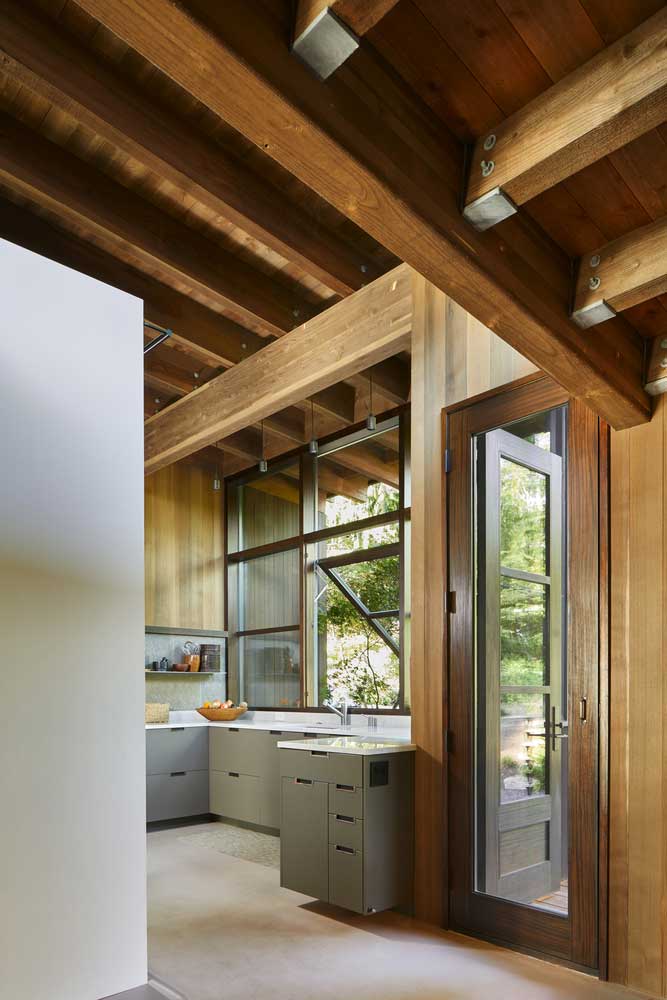
Rustic home ceiling design ideas also scale down well to modest houses. A barn house remodel that kept its open roof beams shows how exposed framing can carry a compact floor plan instead of crowding it. If a general contractor manages the work, expect an extra 13–22% on top of trade pricing. Skip fake distressing on new boards, since natural knots and saw marks read as more authentic than artificial wormholes.
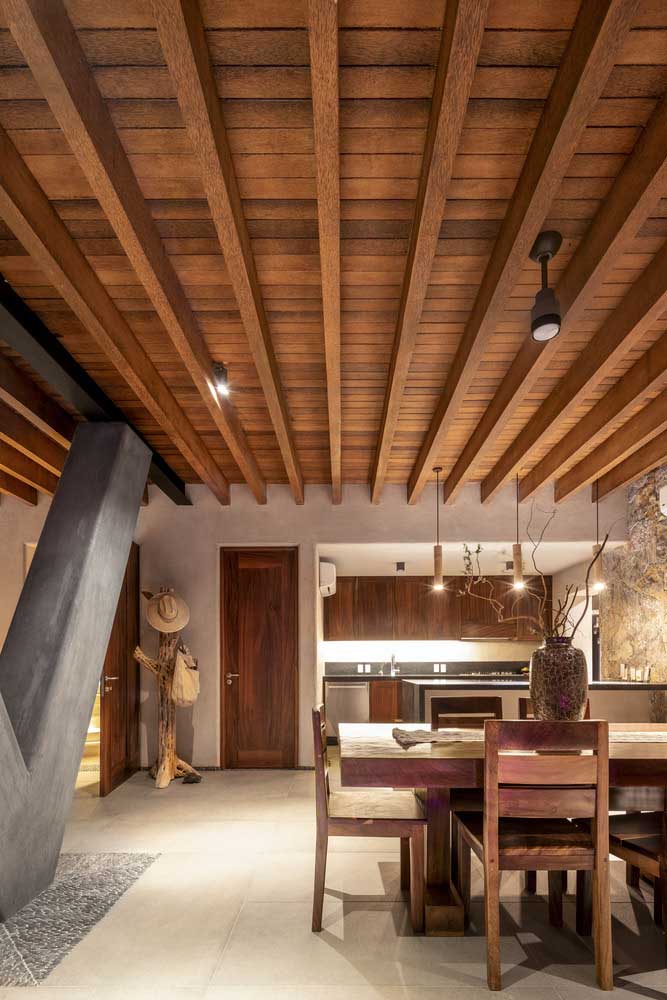
Plank, Tongue and Groove or Reclaimed Boards
A rustic wooden ceiling usually starts with one of three surfaces: plain planks, tongue and groove boards or reclaimed lumber. Pine is the most economical species, with materials running about $1–$8 per square foot depending on grade. Raw tongue and groove planks typically cost $2–$5 per square foot, and cedar or maple can push material cost 1.5 times higher or more. Choose pine if the ceiling will be painted or whitewashed, since a pricier species disappears under color.
Tongue and groove vs plain planks comes down to finish and speed. Interlocking edges hide the nails and close the gaps, so professionals often finish a standard room within a single day. Plain planks show their seams like the deck of an old ship, which suits a rougher farmhouse look. Avoid mixing board widths at random, because a repeating pattern of two or three widths looks deliberate while chaos looks like leftovers.

Reclaimed boards carry the most character and the most variables. Expect extra sorting, denailing and sealing compared with new stock, plus waste from split ends. Is it worth the effort? For a single feature zone, often yes, while new pine with a weathered stain gets close for an entire open plan at far less work. Staining labor alone typically runs $1.60–$3.80 per square foot, so ask for finishing to be quoted separately.
- Paint-grade pine: lowest material cost, ideal under whitewash or soft gray stain
- Knotty pine or fir tongue and groove: classic cabin texture with hidden nails
- Cedar: richer red tone and scent, roughly 1.5x pine pricing
- Reclaimed barn wood: maximum patina, longest prep time
Beams Make or Break Rustic Wood Ceilings
Exposed beams are what most people picture when they search for rustic wood ceiling ideas. Solid wood beams typically cost $25–$60 per linear foot installed, while decorative faux beams land around $15–$35. In practice, four 12-foot solid beams across a 20-foot room come to roughly $2,800 once materials, labor and finishing are counted. Map beam positions to the ceiling joists before buying anything, because spacing drives both the look and the fastening plan.
Solid timber vs faux is a weight question as much as a price question. A single 12-foot solid oak beam can weigh several hundred pounds, which may call for added framing, an engineer or a permit. Hollow polyurethane beams weigh a fraction of that and will not warp, rot or attract wood-eating insects. Never hang solid beams from an older ceiling without a structural check, because a beam is a guest that never leaves and the house must be able to host it.
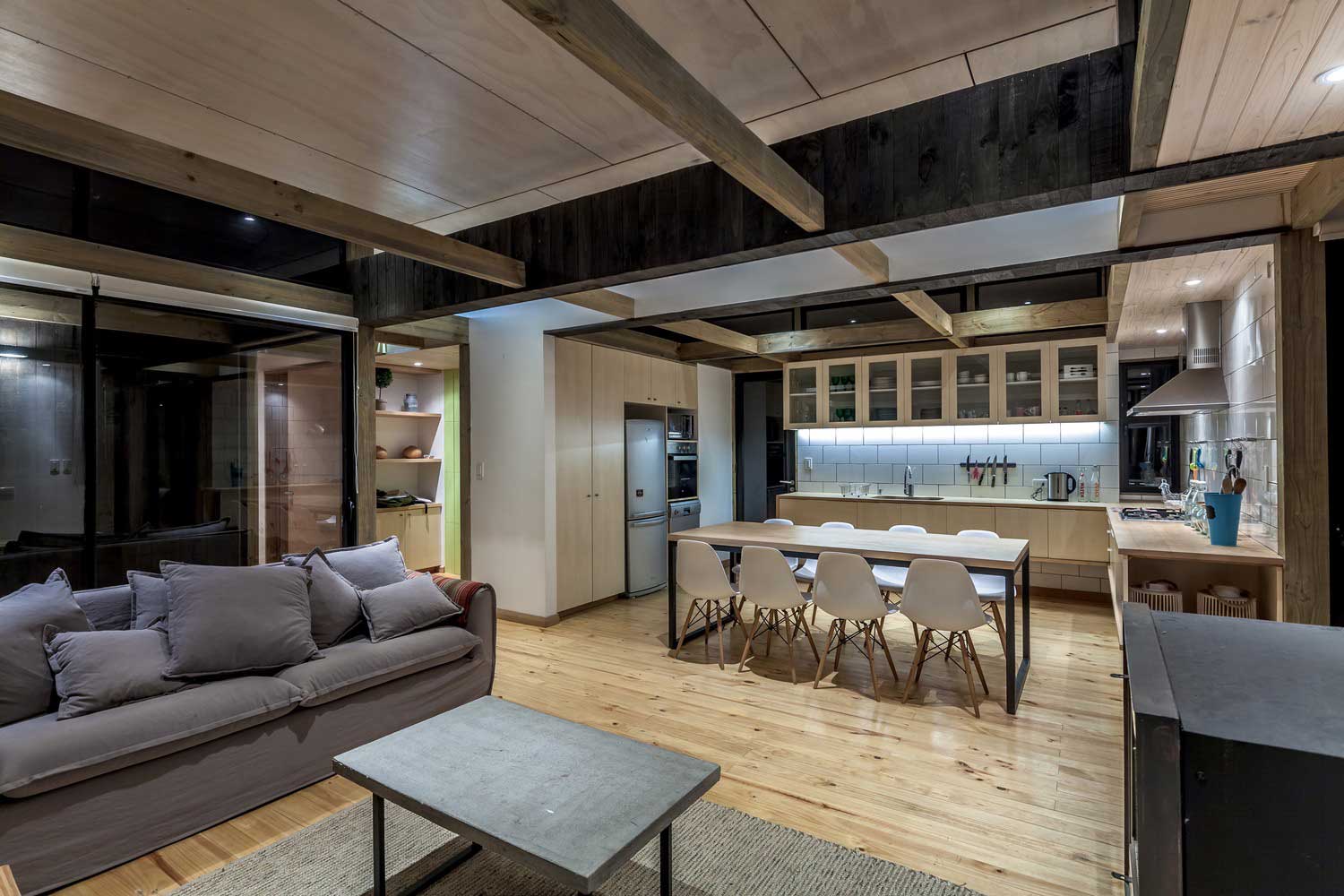
Typical faux beam projects run $1,500–$4,000, with most homeowners paying near $3,000, according to faux wood beam installation cost data. Mixing the two types is a common middle path: one real beam at eye level near a fireplace, faux beams across the rest of the room. On real timber, leave metal straps and bolts visible, since dark iron hardware reads as honest structure. From the floor, visitors rarely spot which beams are hollow.
Cheap Rustic Ceiling Ideas That Still Look Solid
Cheap rustic ceiling ideas focus spending on what the eye catches first. A DIY faux beam job typically totals $1,300–$3,300, including connectors, fasteners and finishing supplies. Paint-grade pine at the low end of the $1–$8 per square foot range keeps a plank ceiling affordable, especially under whitewash. Spend on beams in the main room and use simple boards elsewhere, rather than spreading a thin budget evenly across the house.
Can a beginner handle the install? Lightweight beams, yes; tongue and groove across a whole room, only with patience and a helper. A professional hangs 100 linear feet of faux beams in about 10 hours, and a first-timer should plan on significantly longer. Overhead work is like painting a car upside down, where every slip shows. Rent a drywall lift instead of balancing boards on a ladder.
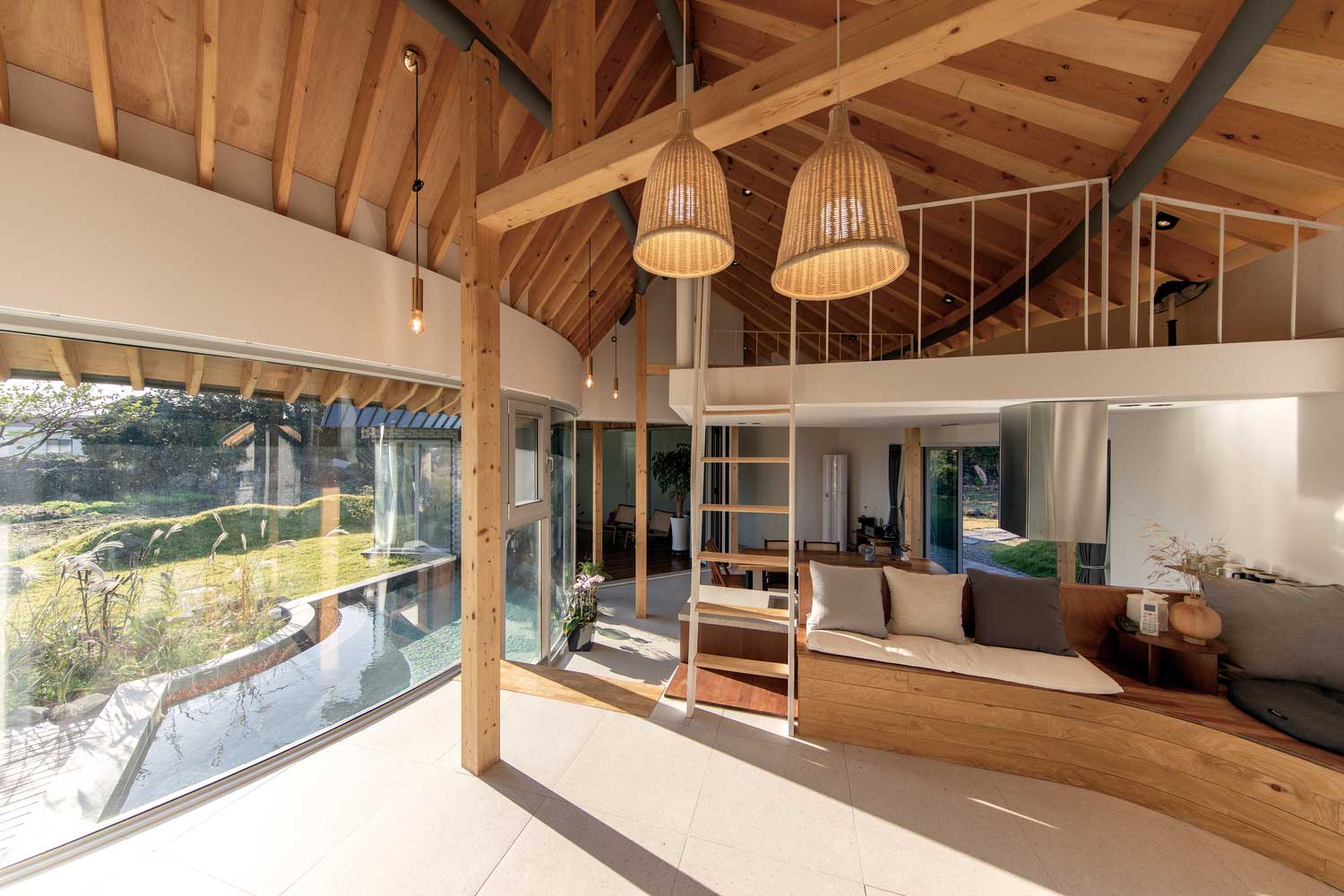
- Add a handful of faux beams over plain drywall instead of planking the full ceiling.
- Buy paint-grade pine and finish it yourself to save $1.60–$3.80 per sq ft in staining labor.
- Hire trades directly to avoid the 13–22% general contractor markup.
- Stick to standard beam sizes, since custom profiles raise per-foot pricing.
Rustic Bedroom Ceiling Ideas for Calmer Nights
Rustic bedroom ceiling ideas matter more than in most rooms because the ceiling is the last thing you see each night. A 12×12-foot bedroom covers 144 square feet, so tongue and groove at $4–$10 per square foot comes to roughly $576–$1,440 installed. The same room in drywall would run about $288–$792, which means wood adds a few hundred dollars for a permanent change in mood. Keep fixtures simple overhead, since a busy ceiling above a bed feels restless rather than restful.
Warm boards vs painted boards is the main decision here. Natural honey or amber tones feel like a cabin quilt, while whitewashed planks lean closer to a Scandinavian guest room. Should beams cross directly over the bed? Better not; run them parallel to the headboard wall or leave the bed zone as a calm field of planks. Pick a matte finish, because glossy varnish bounces bedside lamps back as glare.

Bedrooms in small cabins push the idea furthest, with wood wrapping ceiling and walls alike. These eco-friendly modern cabin homes built with reclaimed wood show how much timber a compact room can carry when other surfaces stay pale. Avoid wood on every surface of a small bedroom, since a room with no contrast starts to feel like the inside of a crate. Leave either the walls or the floor in a lighter tone.
Vaulted and Gable Ceilings Open Up the Barn Look
A sloped rustic ceiling follows the roofline and recreates the feel of an old rural dwelling more strongly than any flat version. In barnhouse-style homes the gable shape often runs straight through the interior, so the beams trace the outline of the roof. Vaulted or irregular ceilings raise layout time and waste, and skilled install labor typically costs $50–$120 per hour. Budget for scaffolding whenever the ridge sits beyond ladder reach.
Flat vs vaulted changes how heavy the beams feel. On a flat 8-foot ceiling, massive timbers can crowd the room, while under a gable the same beams read like the ribs of a chapel roof and add lift instead of weight. Crews typically log 1.5–4.5 labor hours per 100 square feet depending on complexity, and vaulted work sits at the high end. Is the premium worth paying? When the room already has the height, yes, because the wood multiplies the sense of volume.
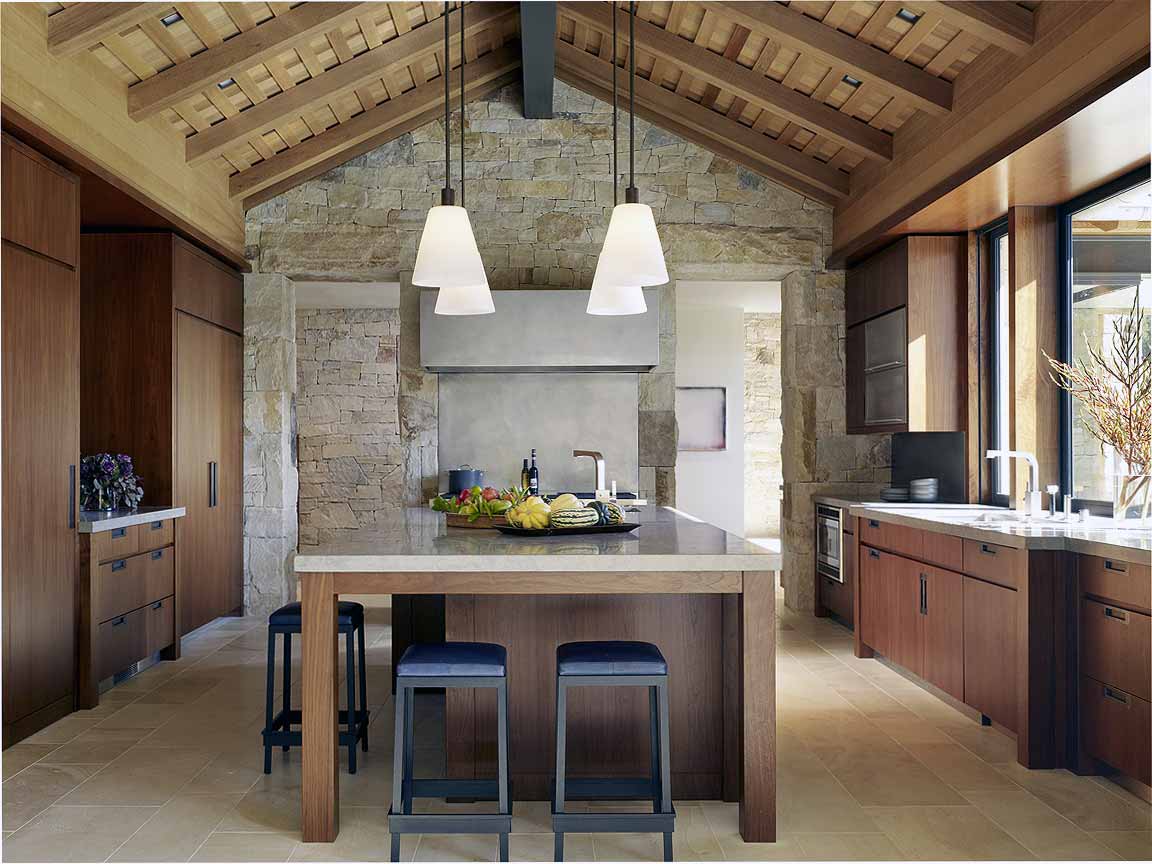
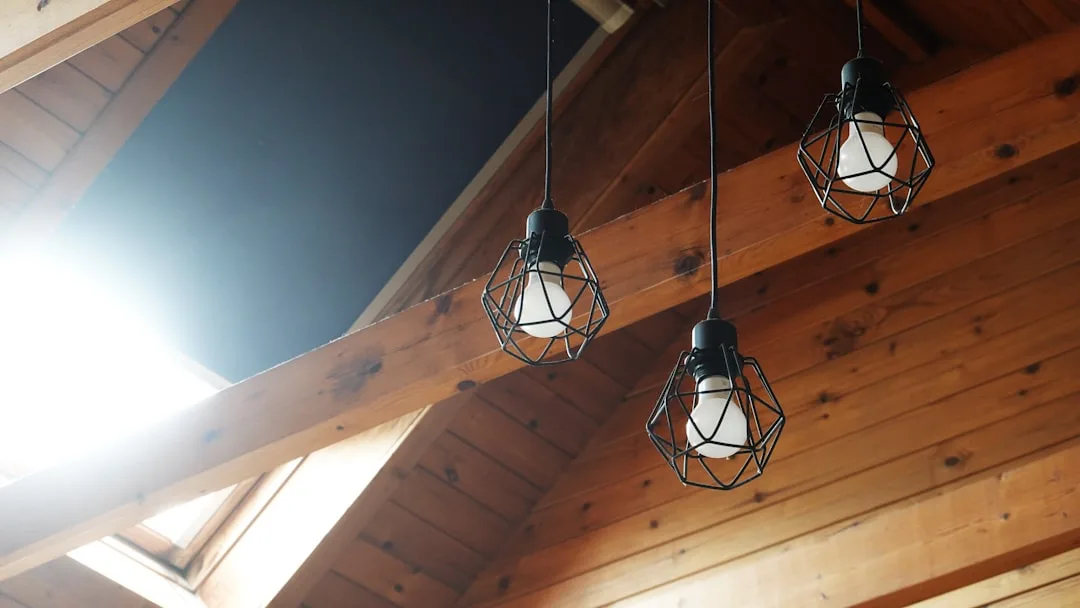
Lighting completes any rustic ceiling design. Aged pendants with shades in linen, rattan or hammered metal match timber far better than chrome spotlights. Avoid cutting recessed cans through every board; two or three pendants plus wall sconces keep the wood intact and the light warm. Hide a slim LED strip on top of a beam to wash the planks and show off the grain at night.
Don’t Do This
- Don’t order solid beams before a structural check: one 12-ft oak beam can weigh several hundred pounds.
- Don’t pay a cedar or maple premium of 1.5x for boards you plan to paint.
- Don’t seal a bedroom ceiling in high gloss: matte hides joints and kills lamp glare.
- Don’t let a general contractor run a simple beam job if you can manage trades yourself and save 13–22%.
Price, Weight and Upkeep Side by Side
Wood ceiling ideas only make sense once costs, labor and weight sit in one place. The table compares the five most common options using typical US price ranges. Drywall is included as a baseline, so the premium for real wood is easy to see. Read across a full row before deciding, because the cheapest option per foot is not always the cheapest project.
| Option | Typical installed cost | Labor time | Weight and structure | Upkeep |
|---|---|---|---|---|
| Tongue and groove pine | $4–$10 per sq ft | About 1 day for a standard room | Light, nailed to joists | Dusting; restain $1.60–$3.80 per sq ft labor |
| Wood planks, mixed species | $2–$12 per sq ft material + $3.50–$12.50 labor | 1.5–4.5 hours per 100 sq ft | Light to moderate | Occasional sealing |
| Faux polyurethane beams | $15–$35 per linear ft | About 10 hours per 100 linear ft | Hollow, no framing needed | No warping, rot or pests |
| Solid or reclaimed beams | $25–$60 per linear ft | Longer; lifting crew required | Several hundred lb per 12-ft oak beam | Periodic sealing or refinishing |
| Drywall baseline | $2.00–$5.50 per sq ft | Fastest of the five | Light | Repaint as needed |
Pick the Ceiling That Fits the House
Rustic wood ceilings pay off most where a room already has height, daylight and a reason to linger. Tongue and groove at $4–$10 per square foot remains the strongest all-round choice, sitting between budget drywall and costly solid timber. It changes the whole character of a room for a few hundred dollars more than paint and plaster.
For beams, faux versions at $15–$35 per linear foot win on weight and speed, while solid timber at $25–$60 delivers authenticity that rewards a close look. One real beam near a focal point plus hollow beams elsewhere balances both. Always confirm the structure before anything solid goes up.
On a tight budget, a DIY faux beam kit in the $1,300–$3,300 range over existing drywall gives the biggest visual jump per dollar. In bedrooms, pale matte boards across 144 square feet cost roughly $576–$1,440 and keep the room calm. Dark, heavy wood belongs under vaulted ceilings, not over an 8-foot bed.
Before ordering, tape out beam positions on the ceiling and live with them for a few days. Then collect at least three quotes, ask for finishing to be priced separately and compare totals rather than per-foot rates. That small delay prevents the most expensive ceiling mistake: buying wood for a layout that never looked right.